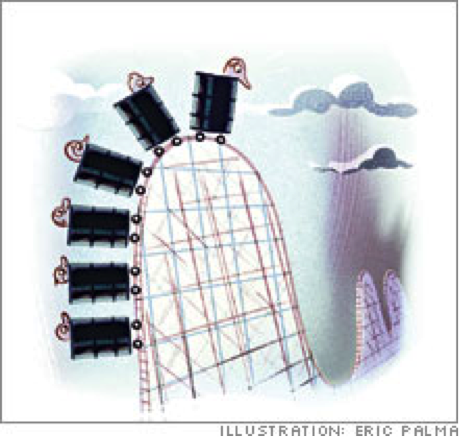
Types of Inflation
 Call Kai
 Learn
Learn Practice Test
 Spaced Repetition
 Match
Match Flashcards
 Knowt Play
1/10

There's no tags or description
Looks like no tags are added yet.
Name | Mastery | Learn | Test | Matching | Spaced | Call with Kai |
|---|
No analytics yet
Send a link to your students to track their progress
11 Terms
market, Federal Reserve
The three major types of inflation are related to the ?
this means it’s not a ? issue

demand-pull inflation
First major type of inflation
caused by our demand for goods / services
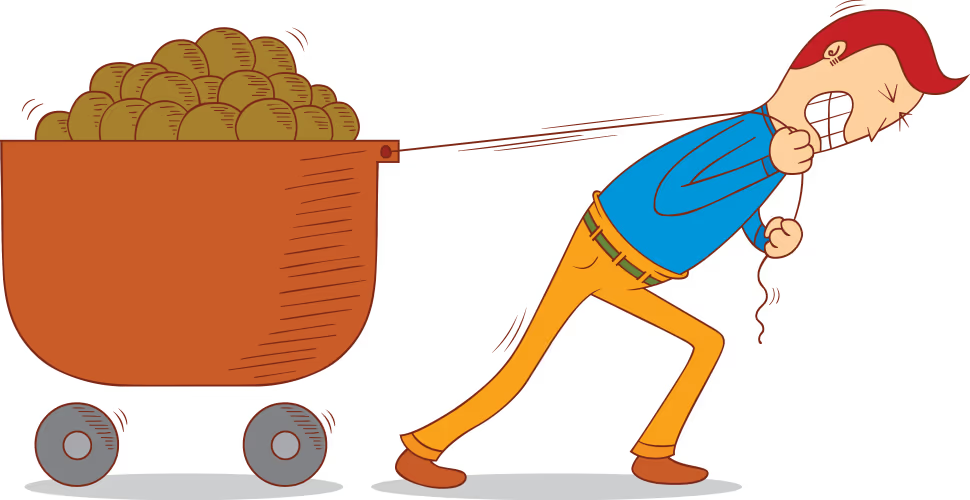
cost-push inflation
Second major type of inflation
caused by suppliers (difficulties / choices)
built-in inflation
Third major type of inflation
a mix of both demand-pull inflation and cost-push inflation
ex. workers demand raises to deal with inflation making inflation worse…

excess, finite,
In Demand-pull inflation, ? demand for ? amount of ? leads to three different types of price levels
too many dollars chasing too few goods
low output, recessionary, not maximized, unemployment, increases, prices
Stage 1 of Demand-Pull inflation: ? / no inflation
most likely in a ? period where production is ? and there’s high ?
when demand increases, output ? without ? rising too since businesses already have the capacity to produce more
expanding output, maximized production, price, rise, diminishing marginal returns, labor
Stage 2 of Demand-Pull inflation: ?
economy moves towards ?
? levels start to ? as output rises
each worker contributes less in what we call ?
cost of ? begins to increase which is why cost of production increases
ceiling, maximized, demanded, available, prices
Stage 3 of Demand-Pull inflation: ?
resources are ?, and more output is not possible
more products ?, but they’re not ?
the only solution is to jack up the ?

input costs, less, shortage
Cost-push inflation typically happens when suppliers receive rising ?
suppliers will also usually supply ? in general (a ? will drive prices up)

worse, output, maximized, diminished
Cost-push inflation is MUCH ? than demand-pull inflation
at least in demand-pull inflation, ? was being ?
in cost-push inflation, output is deliberated being ? to reduce production costs

Supply Shocks
Sudden, often unexpected increases in production costs
ex: energy crises, post 9/11, COVID-19