DAY 1 PM - (BTech, BU, Engring Sciences
 Studied by 0 people
 Call Kai
 Learn
Learn Practice Test
 Spaced Repetition
 Match
Match Flashcards
 Knowt Play
1/72

There's no tags or description
Looks like no tags are added yet.
Name | Mastery | Learn | Test | Matching | Spaced | Call with Kai |
|---|
No analytics yet
Send a link to your students to track their progress
73 Terms
LIYABE
ANCHOR
HULOG
PLUMBOB
LARGA MASA
CONCRETE SLAB-
BAYTANG
STEPS (STAIRS)-
BIGA
BEAM
BIENTO
SPACING OR GAP
KOSTILYAHE
CEILING JOIST
HARDINERA
STRINGER (PART HIN STAIRS
KAMALIG
STORAGE FOR RICE
CIRCUIT VENT-
A vent pipe connected to a vent stack.
LOOP VENT-
A vent pipe connected to a stack vent.
900mm/0.90 mts-
Minimum septic tank width
RISER
a water supply pipe that extends vertically one full storey or more
SIPHONAGE-
when a vacuum forms in a drainpipe, sucking the water out of a fixture's P-trap, which breaks the water seal and allows sewer gases to enter your home
BLACK WATER
Waste from a water closet
BUILDING SUBDRAINE-
that portion of an underground system, which cannot drain by gravity into the building sewer.
LOOPED VENT-
a vertical vent connection on a horizontal soil or waste pipe
WET PIPE SYSTEMS-
have water in the pipes, offering instant discharge, ideal for heated areas, while
DRY PIPE SYSTEM
use pressurized air in pipes, releasing it to let water in
CONVENTIONAL
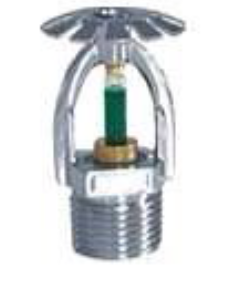
UPRIGHT
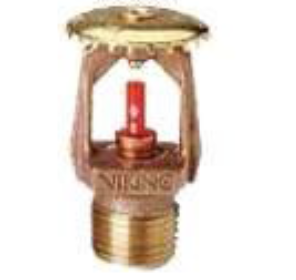
PENDANT
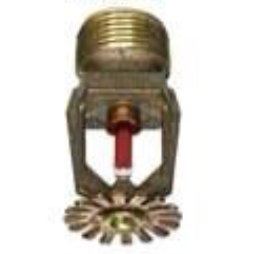
CONCEALED HORIZONTAL SIDEWALL
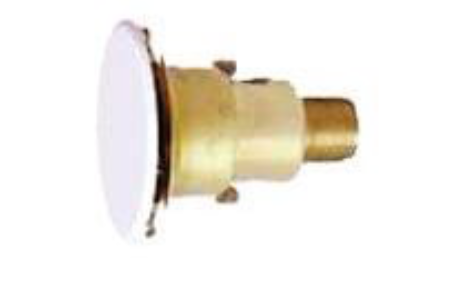
CONCEALED PENDENT
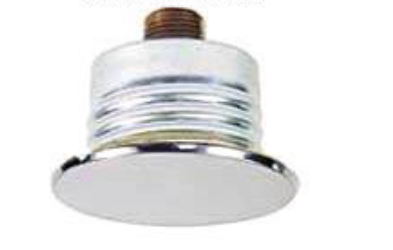
SCALAR-
Force with magnitude only but with no direction
BASEMENT
partially above and below
CELLAR
wholly
CRAWL SPACE
unoccupied, unfinished, narrow space within a building, between the ground and the first (or ground) floor.
BEND OR BREAK-
What happens to a steel bar when subjected to stress does it?
FOOTING-
What supports a shear wall?
DEAD LOAD-
Compute accurately
FLAT SLAB
Reinforced concrete slab supported directly by concrete columns without the use of beams
SOIL-
What is not included in a concrete mix?
BALLOON FRAMING-
Type of construction that has studs continuous to roof supporting second floor joists.
TEMPERED GLASS
glass for skylight
Spline
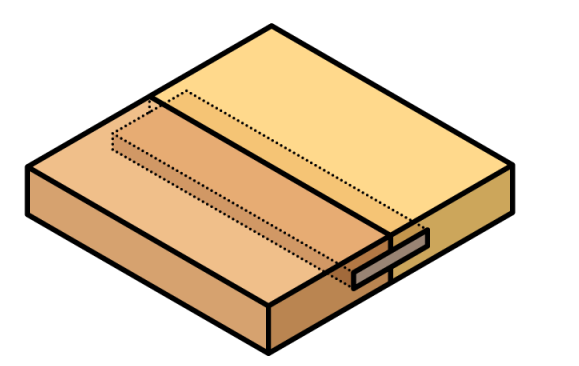
STRIPPING-
concrete form dismantling
RETAINING WALL-
Wall if mayda ka basement
CONSTRUCTION JOINTS-
provide a place for construction to stop an continue at later time
ANCHOR BOLT-
wood to concrete joinery
FLUSHING
ginagamit ha roof to avoid water leaks
ARMORED CABLE (TYPE AC)
a fabricated assembly of insulated conductors enclosed flexible metal sheath.
METAL CLAD CABLE (TYPE MC)
enclosed in a metallic sheath of interlocking tape of a smooth or corrugated tube.
MINERAL INSULATED CABLE (TYPE MI)
refractory mineral insulation enclosed in a liquid and gas tight continuous copper sheath.
STORAGE BATTERIES
- are used to supply emergency lighting circuits for hallways, stairways, exits and to energize police and fire alarm systems and certain types of signal systems.
RANGE AMPERAGE
30 ampere
LUMEN-
a light that emit in a candle
GENERATOR
alternating and direct current
ROTARY CONVERTERS –
for changing alternating
current to direct current and vice versa.
Moisture Resistant Thermoplastic
TW Wire
ELECTRICITY
a form of energy resulting from the existence of charged particles (such as electrons or protons)
DIRECT CURRENT
a current which flows at a constant time rate and in the same direction.
ALTERNATING CURRENT
a current which is periodically varying in time rate and in direction. It rises from zero to maximum, falls to zero, reverses its direction and again returns to zero.
KNIFE SWITCH
A type of air switch with a metal blade that fits between contact clips.
CIRCUIT BREAKER-
A device designed to open and close a circuit by non automatic means and to open the circuit automatically on predetermined over current without damaged to itself when properly applied within its rating
FUSE-
An overcurrent protective device with a circuit opening fusible member which is heated and severed by the passage of the overcurrent through it
WIRE
metal drawn out into the form of a thin flexible thread or rod:
CABLE
larger in a wire
ANDRÉ AMPÈRE'S-
French physicist and mathematician, best known for founding the science of electromagnetism and for the unit of electric current named after him
ALESSANDRO VOLTA
was an Italian physicist and chemist known for his pioneering work in electricity.
JAMES WATT
unit power named after him
TYPE A: TROPICAL CLIMATES
the koppen climate classification
. JUNE TO NOVEMBER
rainy season
DECEMBER TO MAY
dry season
PASSIVE DESIGN
design that works with environment to exclude unwanted heat or cold and take advantage of sun and breezes (including comfort conditions in the building interiors) avoiding the need for mechanical
TROPICAL CLIMATE-
in a climate. The terms “winter” and “summer” have little meaning, but in many locations, annual rhythm is provided by the occurrence of wet and dry season.
LOW THERMAL MASS
is preferable in tropical climates particularly on walls that are directly exposed to sun
CLIMATE-
A measure of the average pattern of variation in temperature, humidity, atmospheric pressure, wind, precipitation, atmospheric particle count and other meteorological variables in a given region over long periods of time.
TOPOGRAPHY
The most important elements of the country's weather and climate are the following EXCEPT:
▪Temperature
▪Humidity
▪Rainfall
TYPE I.-
Two pronounced seasons: dry from November to April and wet during the rest of the year.
Wind blows from the sea to the land (sea breeze).
During the day:
Wind blows from the land to the sea (land breeze)
At night:
PASSIVE COOLING
The use of passive cooling principles in the tropics results in a building that is comfortable, energy efficient and results in substantial savings in running costs of both cooling and lighting.
 Note
Note  Flashcards (117)