NPTE Devices, equipment and modalities
 Studied by 0 people
 Call Kai
 Learn
Learn Practice Test
 Spaced Repetition
 Match
Match Flashcards
 Knowt Play
1/33

There's no tags or description
Looks like no tags are added yet.
Name | Mastery | Learn | Test | Matching | Spaced | Call with Kai |
|---|
No analytics yet
Send a link to your students to track their progress
34 Terms
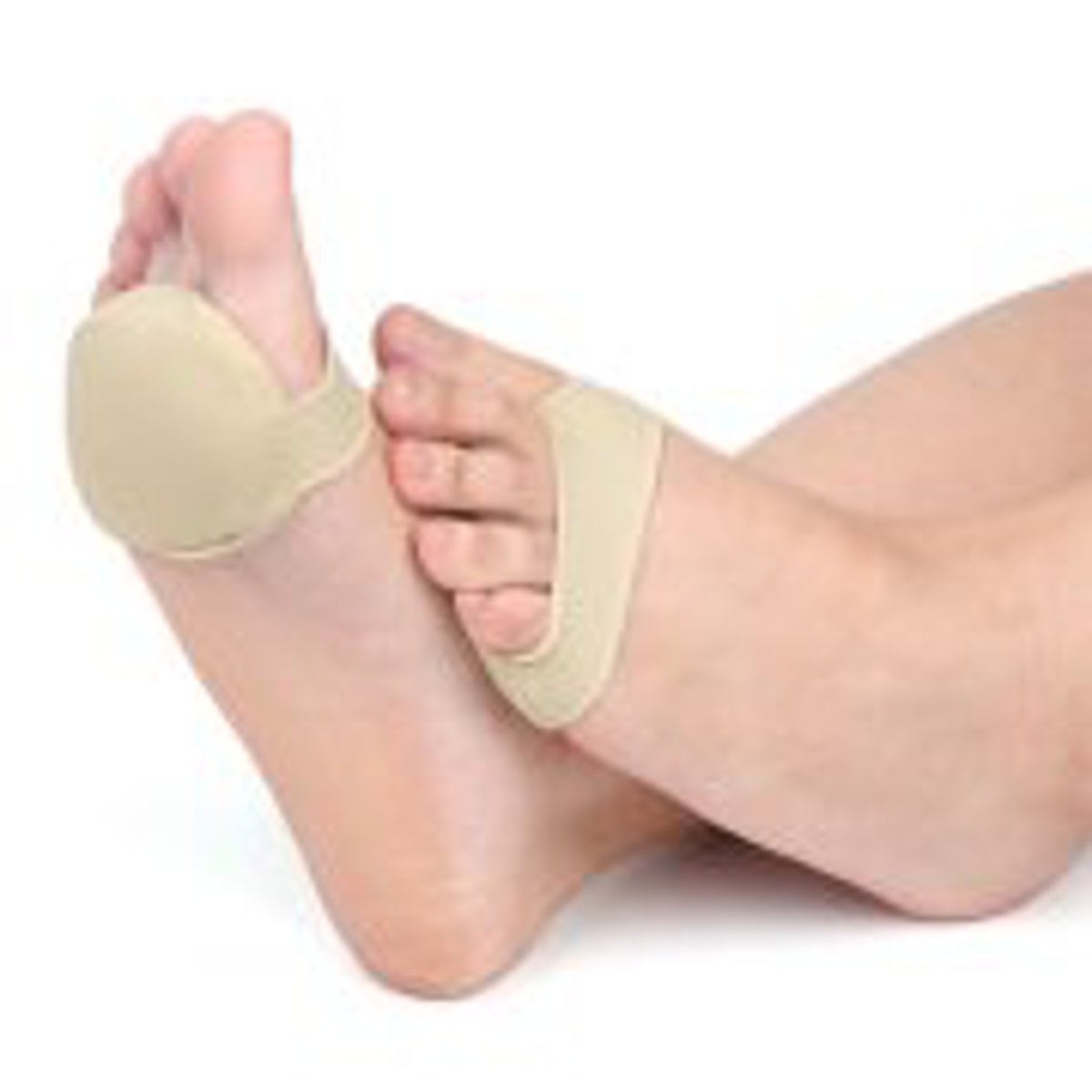
Metatarsal Pad
What: Moves pressure from the met heads to the met shafts
Allows more push-off in weak or inflexible feet
Cushion Heel
What: cushions and absorbs forces at heel contact, used to relieve strain on plantar fascia

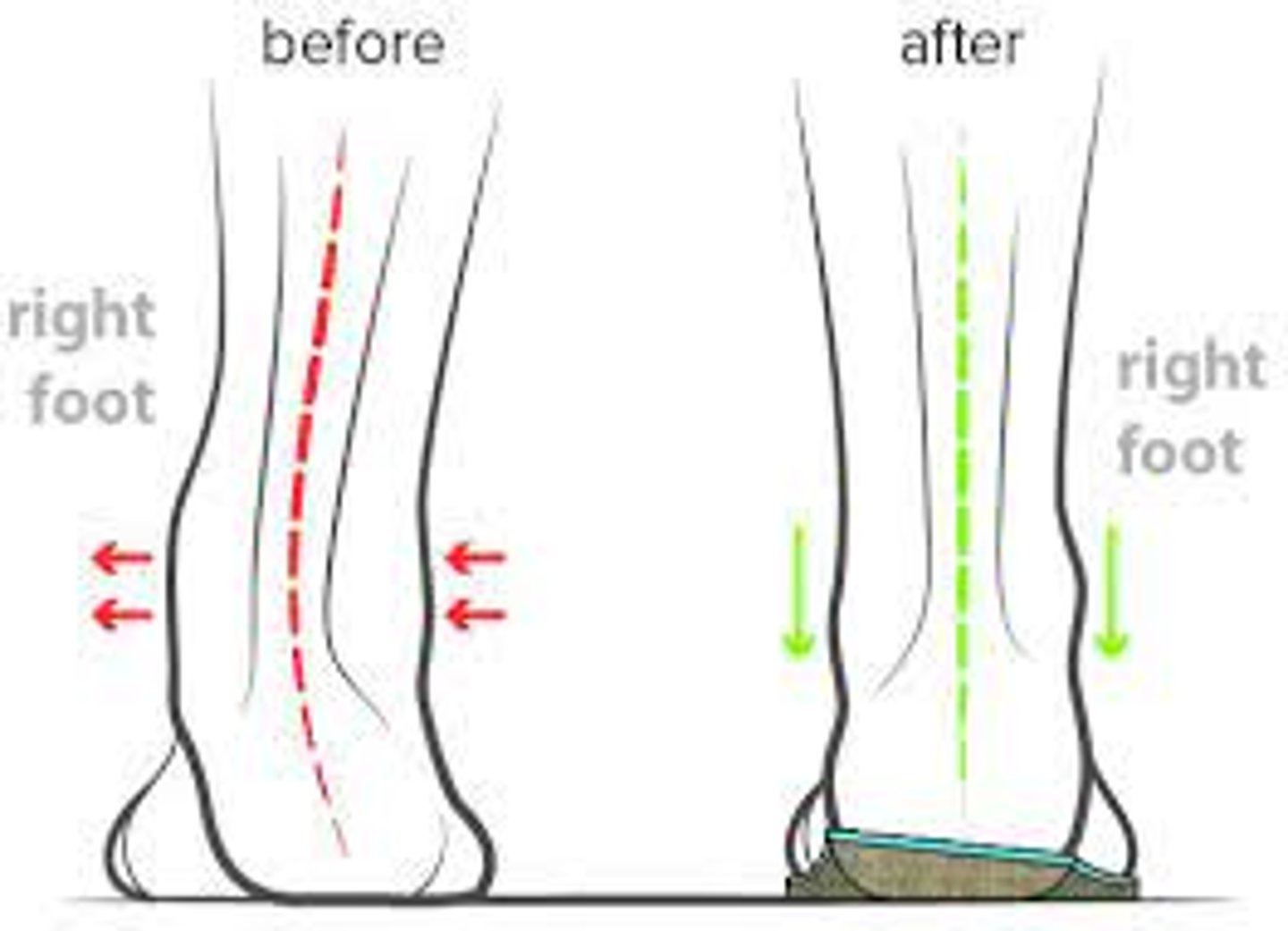
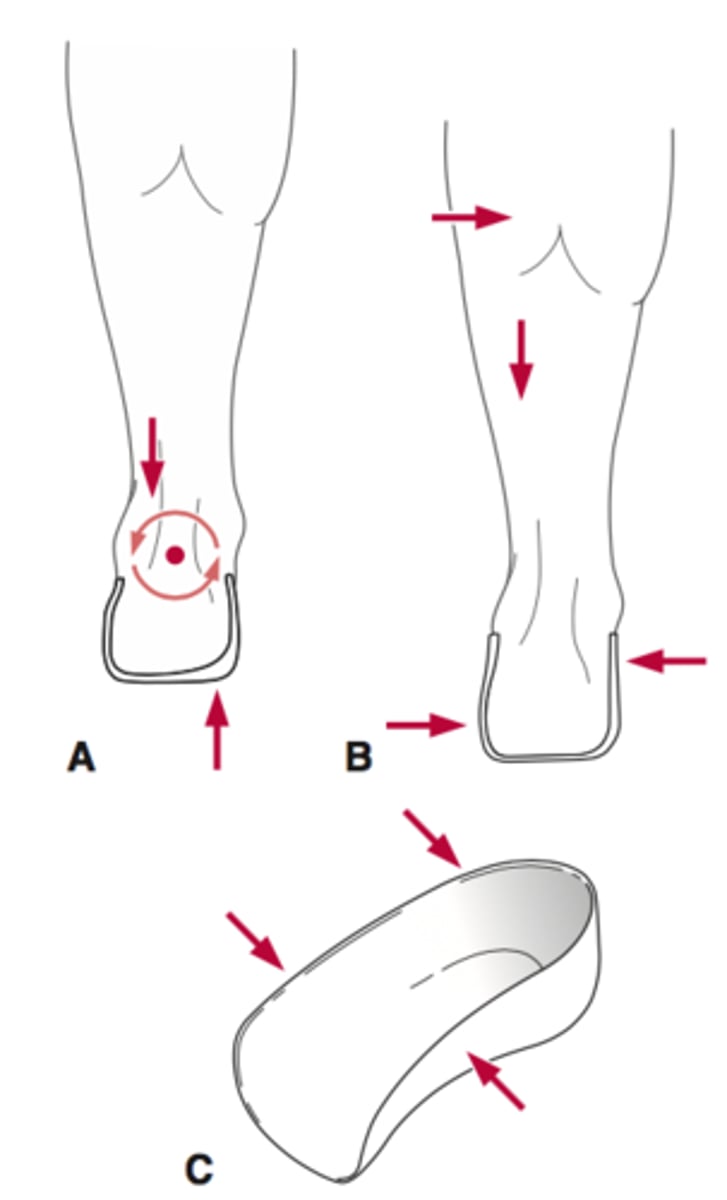
Rearfoot posting: Medial Wedge
Limits eversion of calcaneus and IR of tibia after heelstrike
-Reduces eversion during running
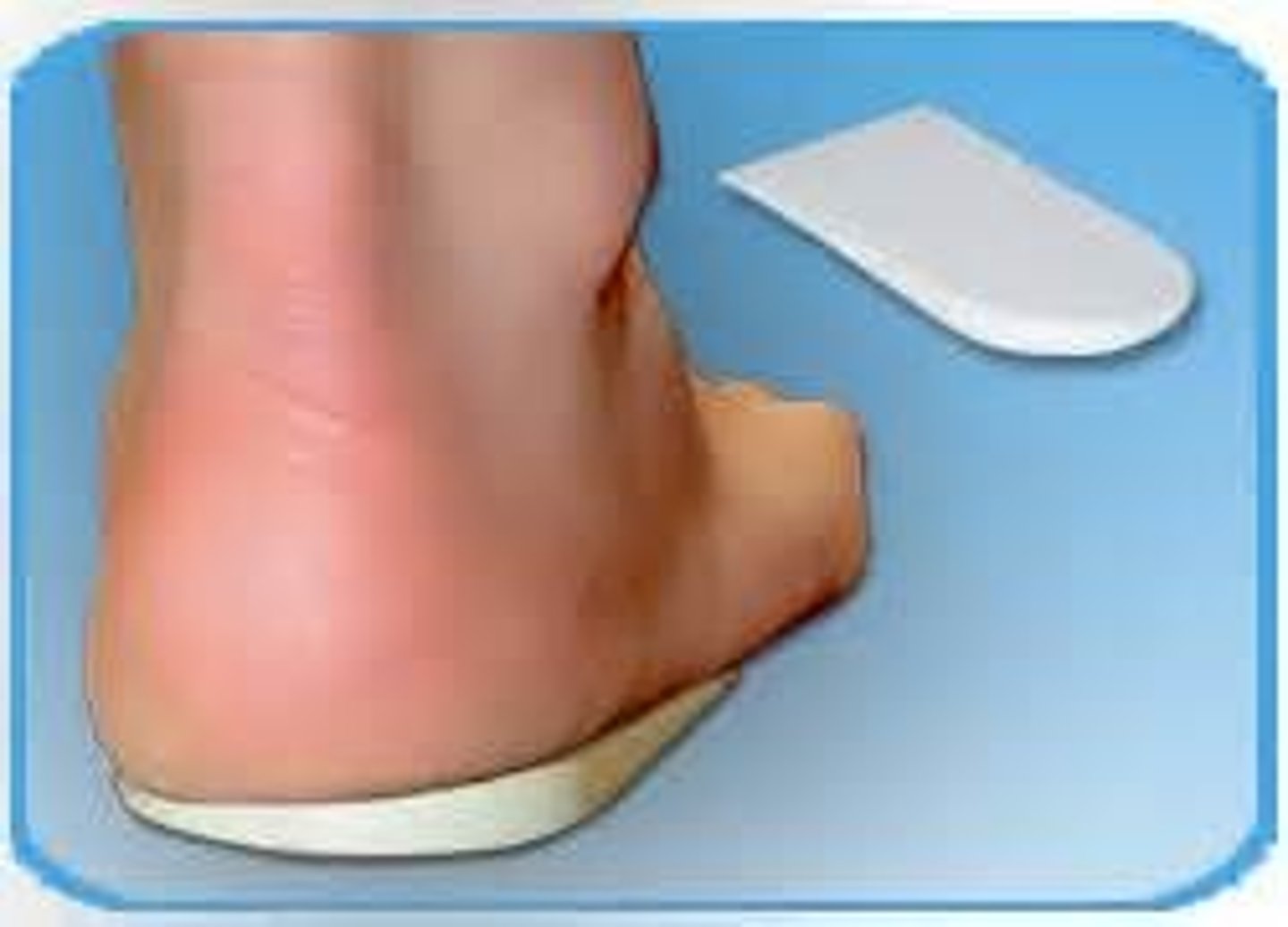
Rearfoot posting: Lateral Wedge
Limit excessive inversion and supination at heel strike
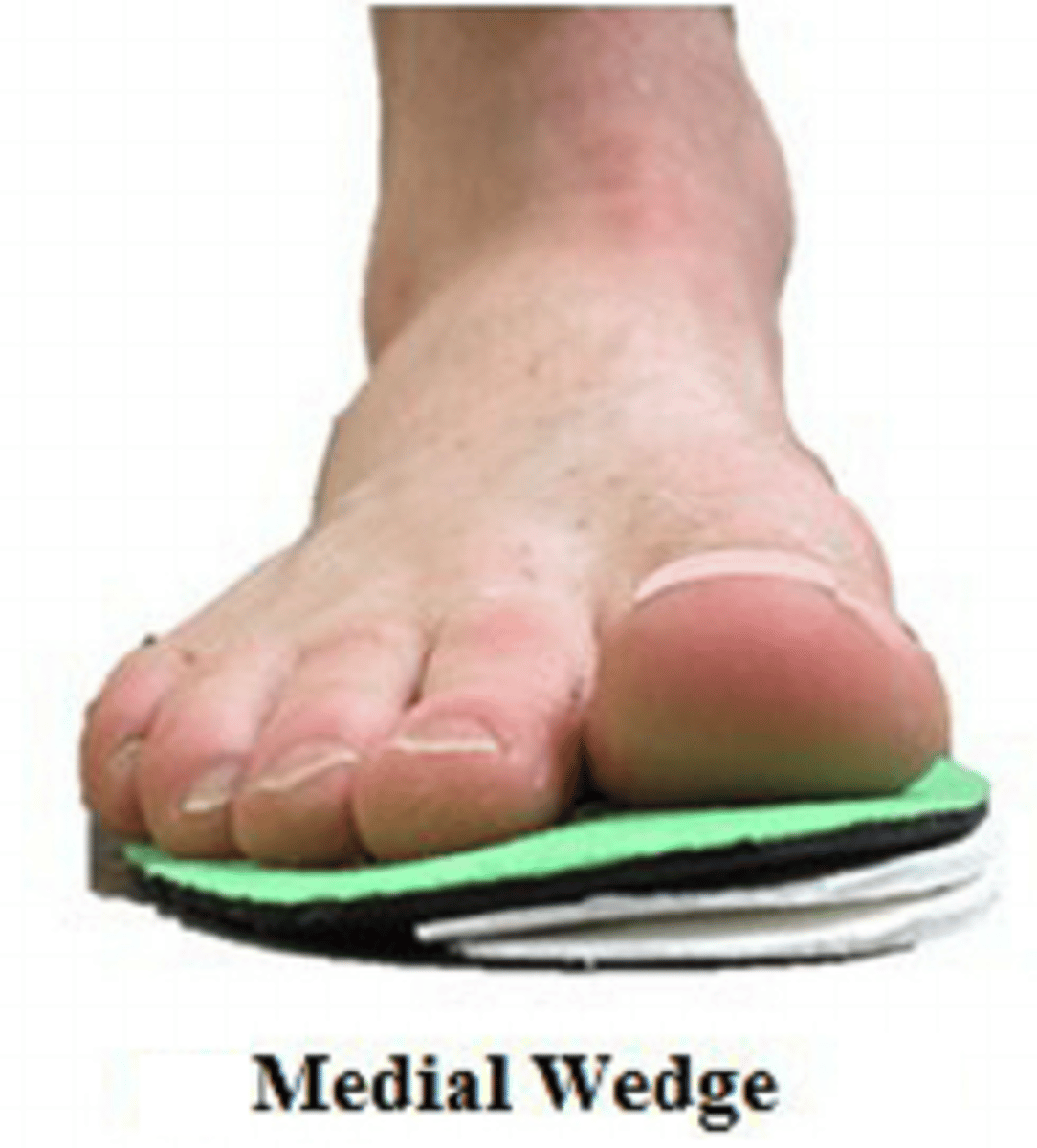
Forefoot posting: Medial Wedge
For forefoot varus
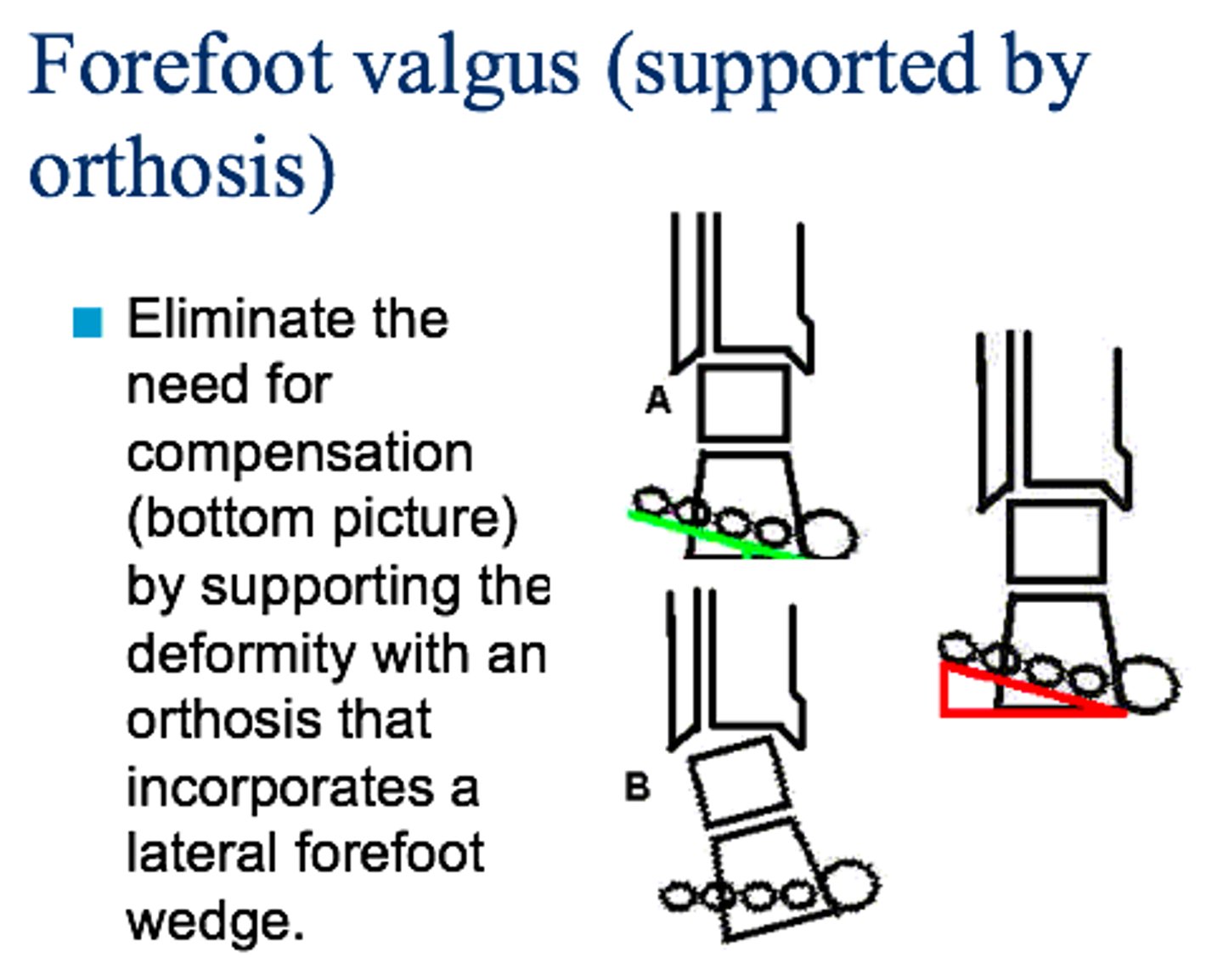
Forefoot posting: Lateral Wedge
For forefoot valgus
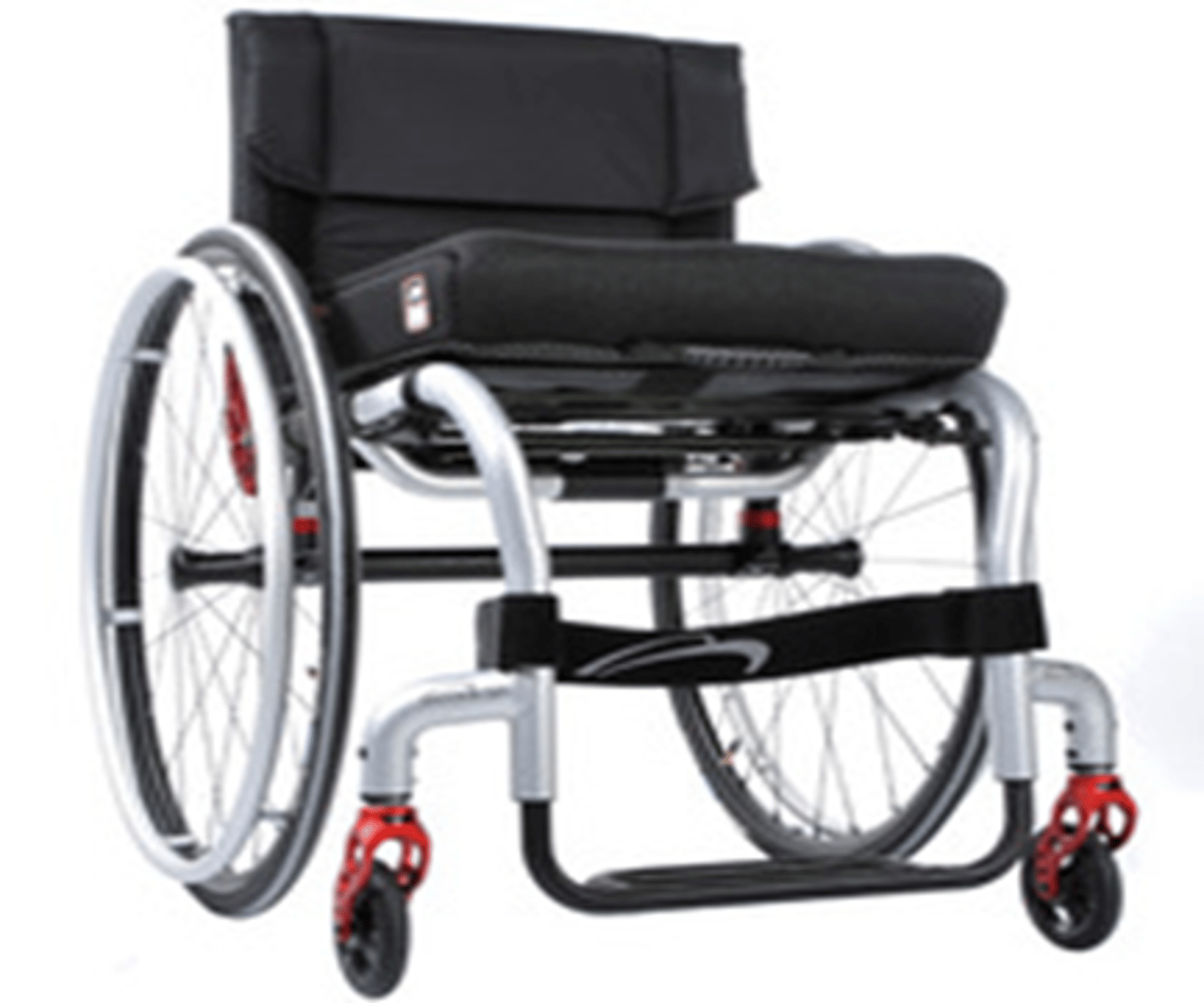
A forward axle makes a w/c ....
more tippy
-good for SCI
-bad for amputees bc less weight in from so more likely to tip over
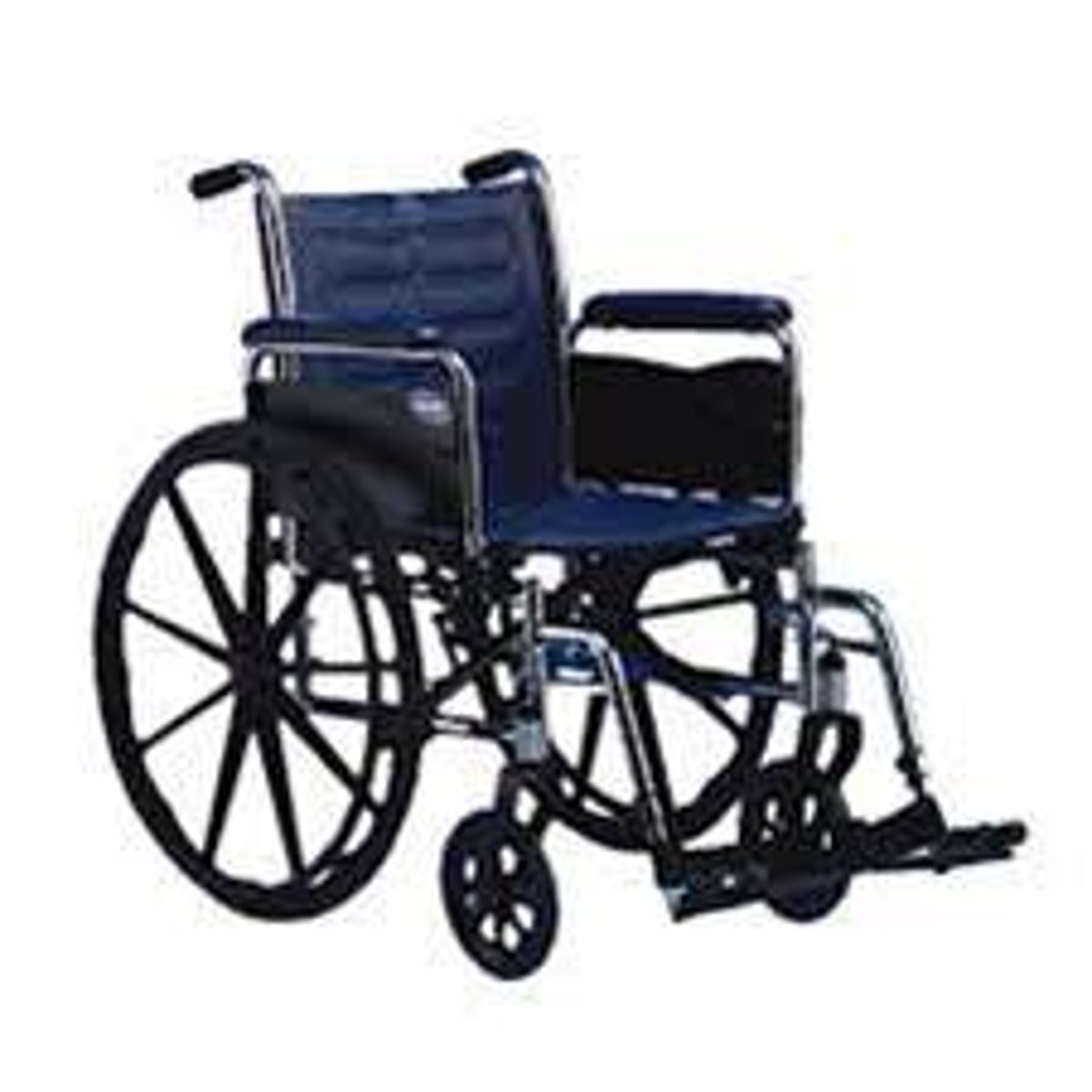
A more posterior axle makes a w/c ....
less tippy and more stable
Ramps calculation for w/c
For ever 1 in of rise, the ramp is 12 in of run
Ramps should be less than <30 inches of raise
Minimum Door width for W/c
32 inches
Standard toilet height
17-20"
UCBL
semirigid plastic molded insert to correct for flexible pes planus
Pes Plantus
Flat foot
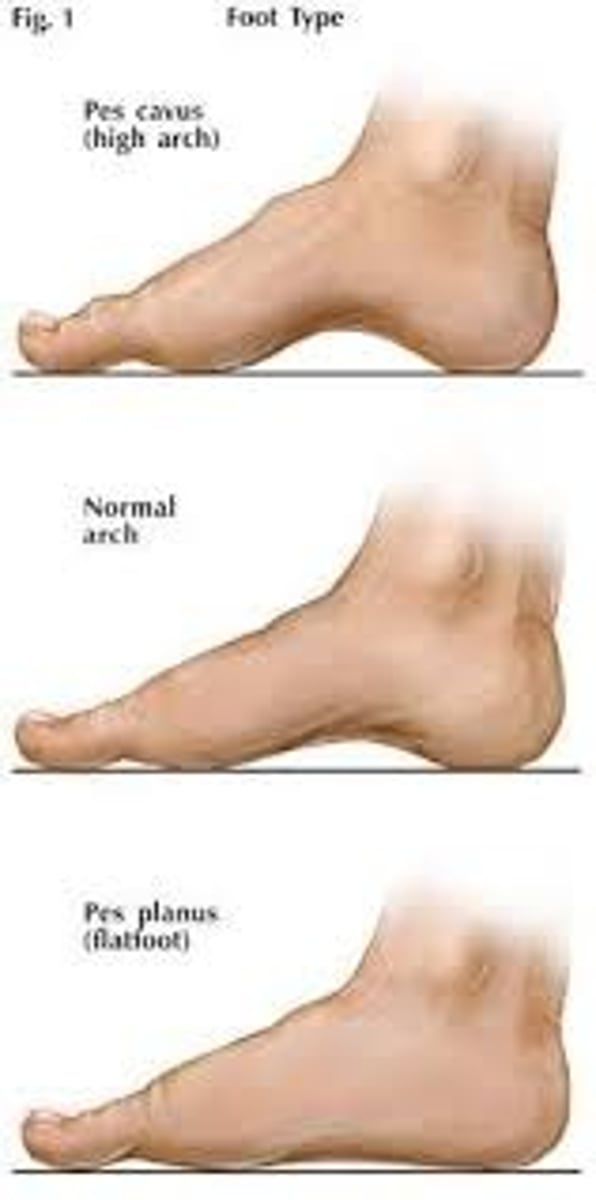
Pes Cavus
High arch

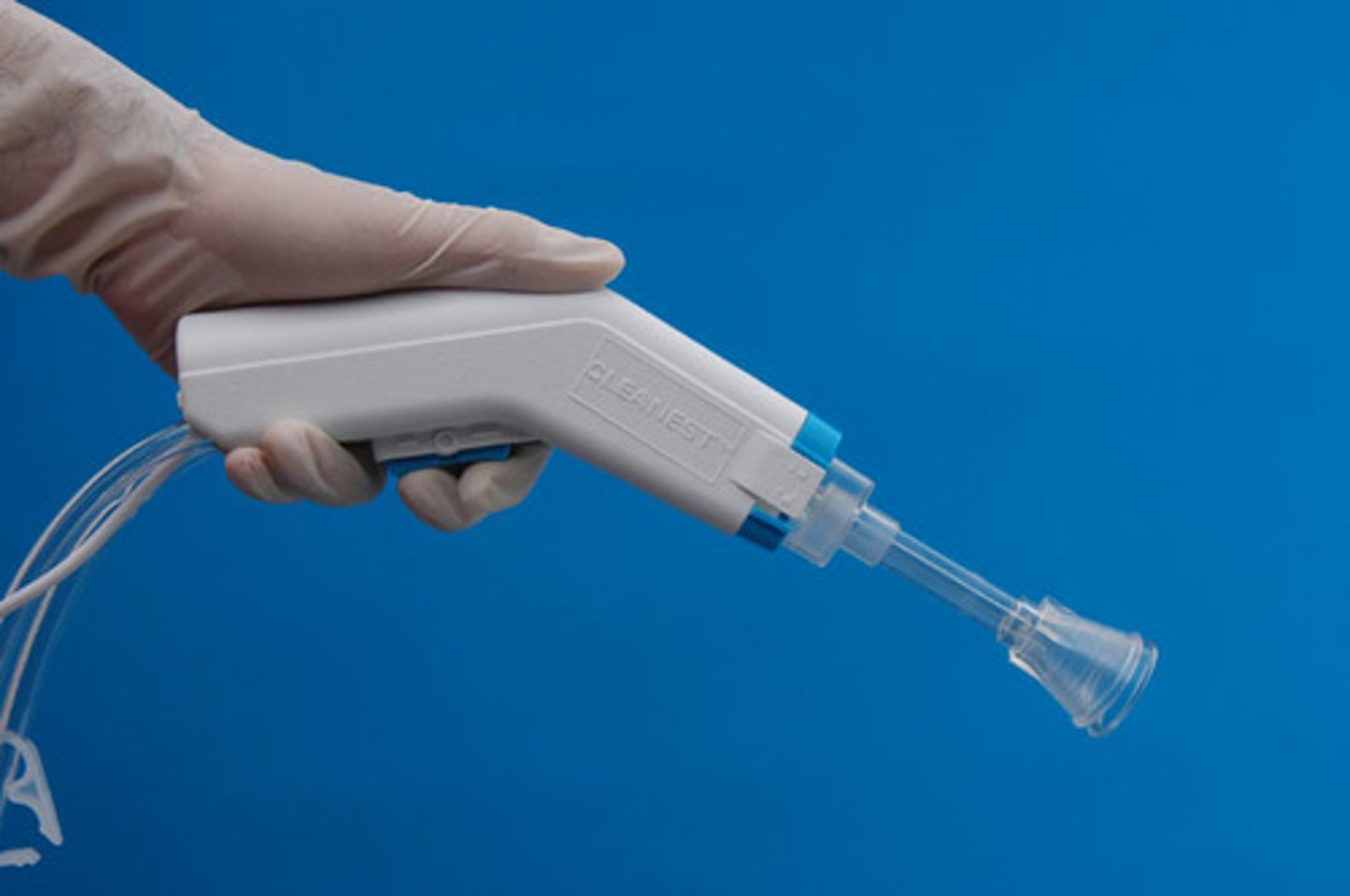
Pulsed Lavage
(PL)
-Non-selective debridement of wounds
What: used to remove loosely adhered necrotic tissue, slough , exudate and dirt
Contraindications:
-presence of granulating tissue UNLESS contaminated with bacteria or non-viable tissue present
-uncontrolled bleeding
-blood vessels in wound bed
Use
-Intensity: 4-8 psi (maybe as high as 15)
-Duration: 5-15 min once a day
Ultrasound
Duty Cycle: on and off time of US unit
-longer on = more sound waves into skin = more heat
-example: Duty cycle of 20% = on 20% of the time
-100% Duty Cycle = Continuous Thermal US (for bf, deform scars or heat contractile tissue
-50% duty cycle = pulse non-thermal US for healing and pain
-20% duty cycle = pulsed non-thermal US for fluid dynamics
Frequency: Determines the DEPTH of US
-1 MHz= deep heating 3-5 cm below skin (capsule, deep mm, arthritis)
-3 MHz= shallow heating 1-2 cm below (fingers and superficial tendons)
Therapeutic Intensity: strength or amplitude of US
- measured in w/cm2
-0.5-30 w/cm2
-0.5-1.25 w/cm2 for acute conditions require less intensity
-1.5-2.0+ w/cm2 for chronic conditions require more intensity
Other things about US
-indirect contact used with tub for irregular body parts
-Hot spots are peak intensity = need to move the head around more or reduce the duty cycle
-BNR: ration of spatial peak intensity to spatial average intensity, High BNR= risk of tissue damage; Ideally keep btwn 2:1 to 6:1 (closer to 10= damage)
-Do NOT use UR to reduce swelling, promote joint healing, or achieve LT pain relief for MSK conditions

Minimum hallway width for 1 w/c
36 inches
Minimum hallway width for 2 w/c
60 inches
Ramp slope (degree)
4.8 degrees
Minimum Ramp Width
3 ft or 36 inches
Maximum ramp length before landing
30 ft or 360 inches
Ramp landing/rest area dimensions
5ft x 5ft
FES or NMES
What: Muscle strengthening
Frequency: 35-80 PPS
Pulse Duration: 150-200 microseconds for small muscles and 200-300 for large muscles
On:Off = 1:5 ratio
Ramp time: 2 seconds
Tx: 10-20 reps
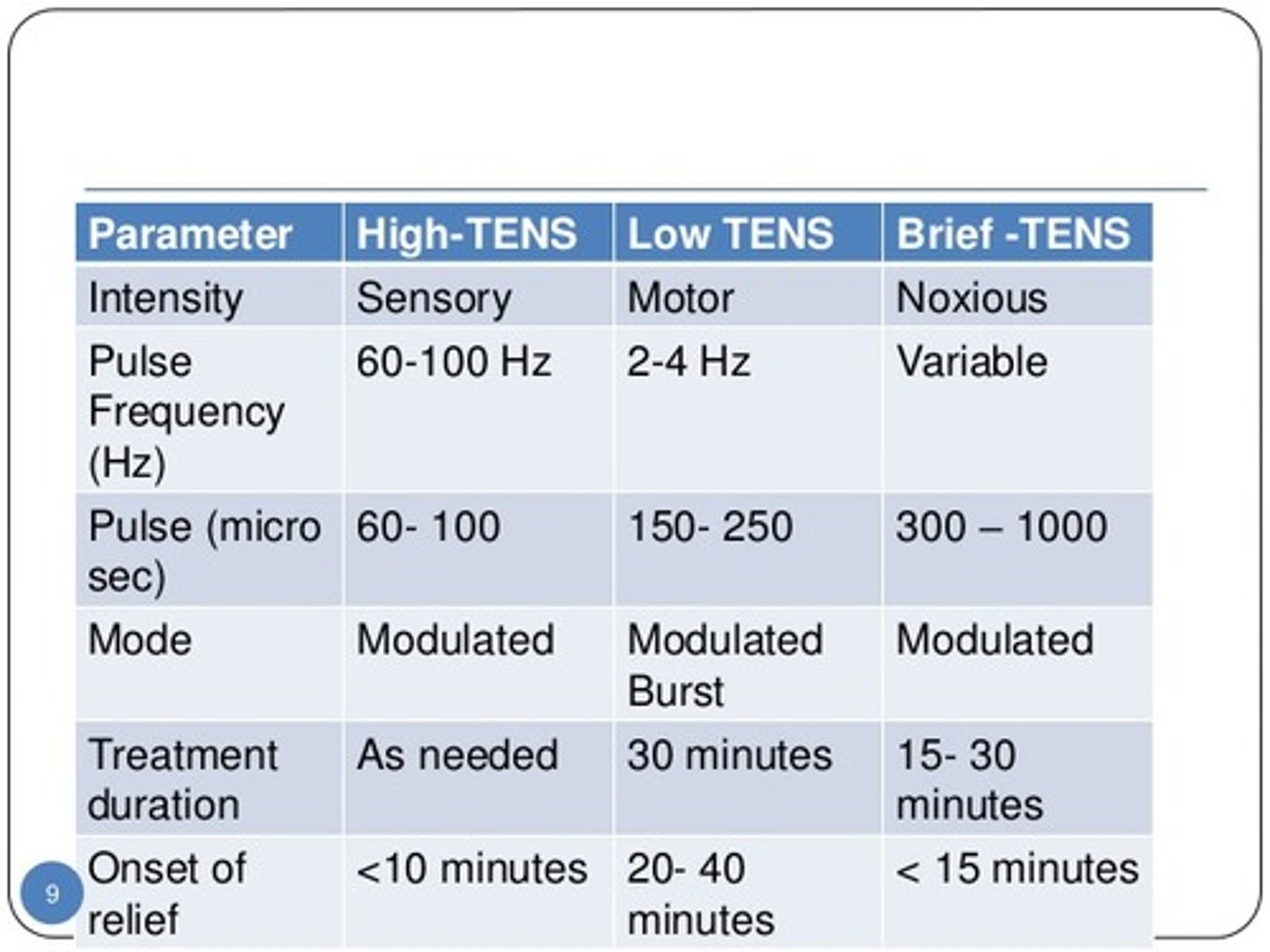
Acupuncture-Like TENS (low rate TENS)
What: noxious stimulation to get body to release endogenous opiates within body for LONGER lasting pain relief
Frequency: <10 PPS
Pulse Duration: >150 microseconds
Visible twitch
20-45 min
Intensity: High enough to evoke visible muscular contraction
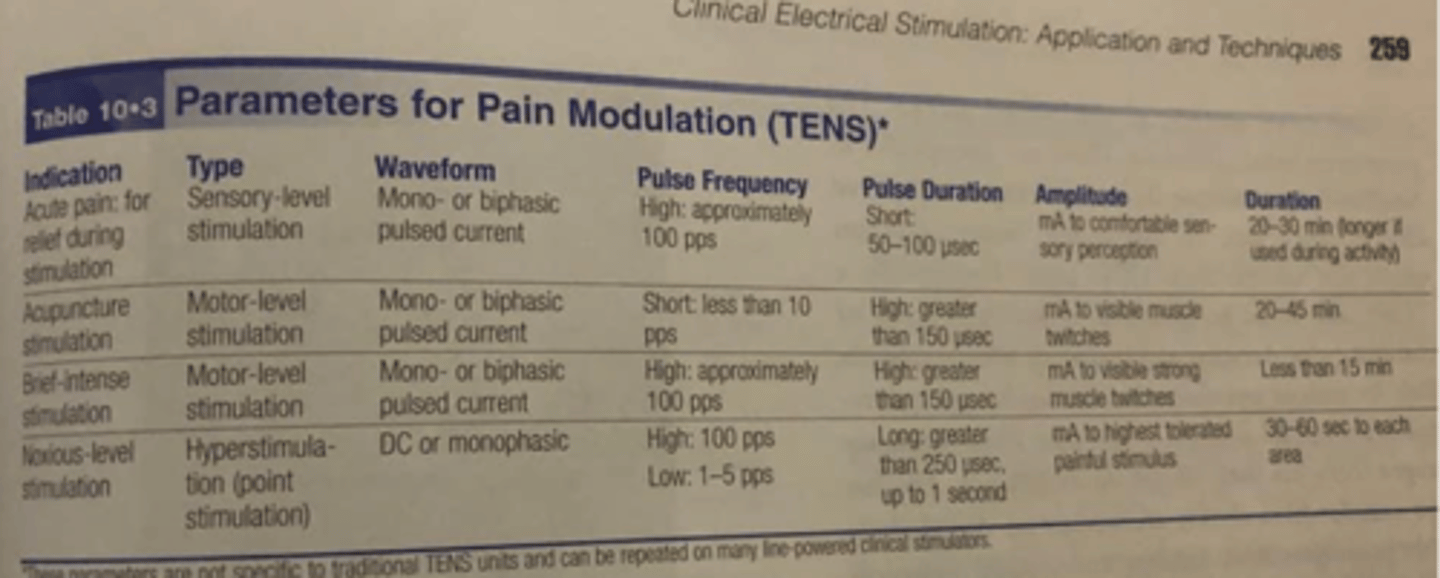
Brief Intense TENS
What: used when pt undergoing painful procedure (wound care) to block pain from the procedure and get endogenous opiates through descending pain inhibition pathway
Frequency: 100 PPS
Pulse Duration: >150 microseconds
Intensity: Highest tolerable intensity of brief period of time (15 min or less)
Tx time: <15 min
Iontophoresis: I SAD
Mnemonic for cathode medications
I- Iodine: Sclerotic scars
S- Salicylate: Analgesic
A- Acetate: Calcium Deposits
D- Dexamethasone: MSK inflammation

Iontophoresis: Anode medications
All use + to be driven into body
Zinc: Dermal ulcers
Lidocaine or Xylocaine: analgesia
Copper: fungal infection
Hyalurondiase: edema reduction
Calcium or Magnesium: Muscle spasms
High Rate (conventional TENS)
What: Gate theory, temporary pain relief
Frequency: 100 PPS
Pulse Duration: 50-100 microseconds
Intensity: Comfortable tingle
Tx time: 20-30 min or during activities
Lumbar traction
Supine: pillow under knees for more flexion
-Used for tx of Intervertebral joints, facet joints and muscle elongation
-L5-S1= need 45-60 deg hip flexion
-L3-L4= need 75-90 deg hip flexion
-50% BW
Prone
-Tx for Posterior disc herniation
-25% BW
Dosage
-25% of Body weight for elongation, disc protrusion and spasm
-50% (or more than 50lbs) for joint distraction
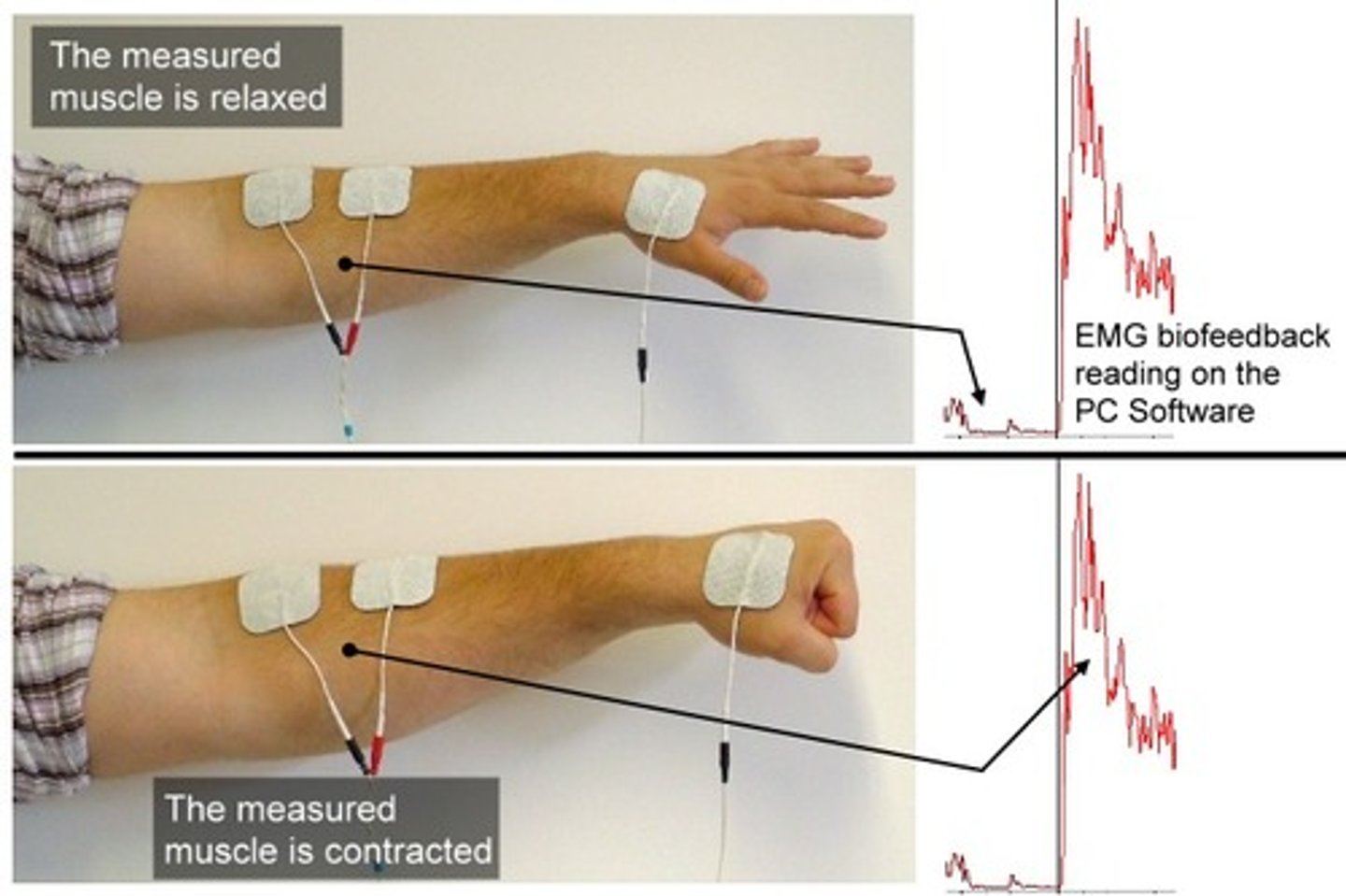
EMG Biofeedback: Sensitivity and electrode placement
Low sensitivity for muscle relaxation and close together
(other terms may be used: inhibition, decrease tone/activity, downtrain)
High sensitivity for muscle re-education and far apart
(other terms may be used: facilitate, activation, recruitment, up train)
How to remember EMG Biofeedback:
Low and close to relax
Far and high to activate
Low and close: low sensitivity and close together
High and far: high sensitivity and far apart
Thermal US
-used for soft tissue shortening and pain
Dosage/Settings for shallow problems (1-2 cm)
-Duty cycle: 100%
-US Frequency: 3 Hz
-US intensity: 0.5 W/cm2
-5-10 min/2 x ERA
Dosage/Settings for deep problems (<5cm)
-Duty cycle: 100%
-US Frequency: 1 Hz
-US intensity: 1.5-2.0 W/cm2
-5-10 min/2 x ERA
Non-thermal US
-Pulsed US for prolonged tissue healing or prolonged inflammation
Dosage/Settings
-Duty Cycle: 20 or 50%
-US Frequency: 3 Hz for superficial and 1 Hz for deep
-US intensity: 0.5-1.0 W/cm2
-5-10 min/2 x ERA
How to remember US depth
1 turns into a D = deep tissue
3 kind of looks like an S = superficial
 Note
Note  Flashcards (50)