roman art final
 Studied by 2 people
 Call Kai
 Learn
Learn Practice Test
 Spaced Repetition
 Match
Match Flashcards
 Knowt Play
1/43

There's no tags or description
Looks like no tags are added yet.
Name | Mastery | Learn | Test | Matching | Spaced | Call with Kai |
|---|
No analytics yet
Send a link to your students to track their progress
44 Terms
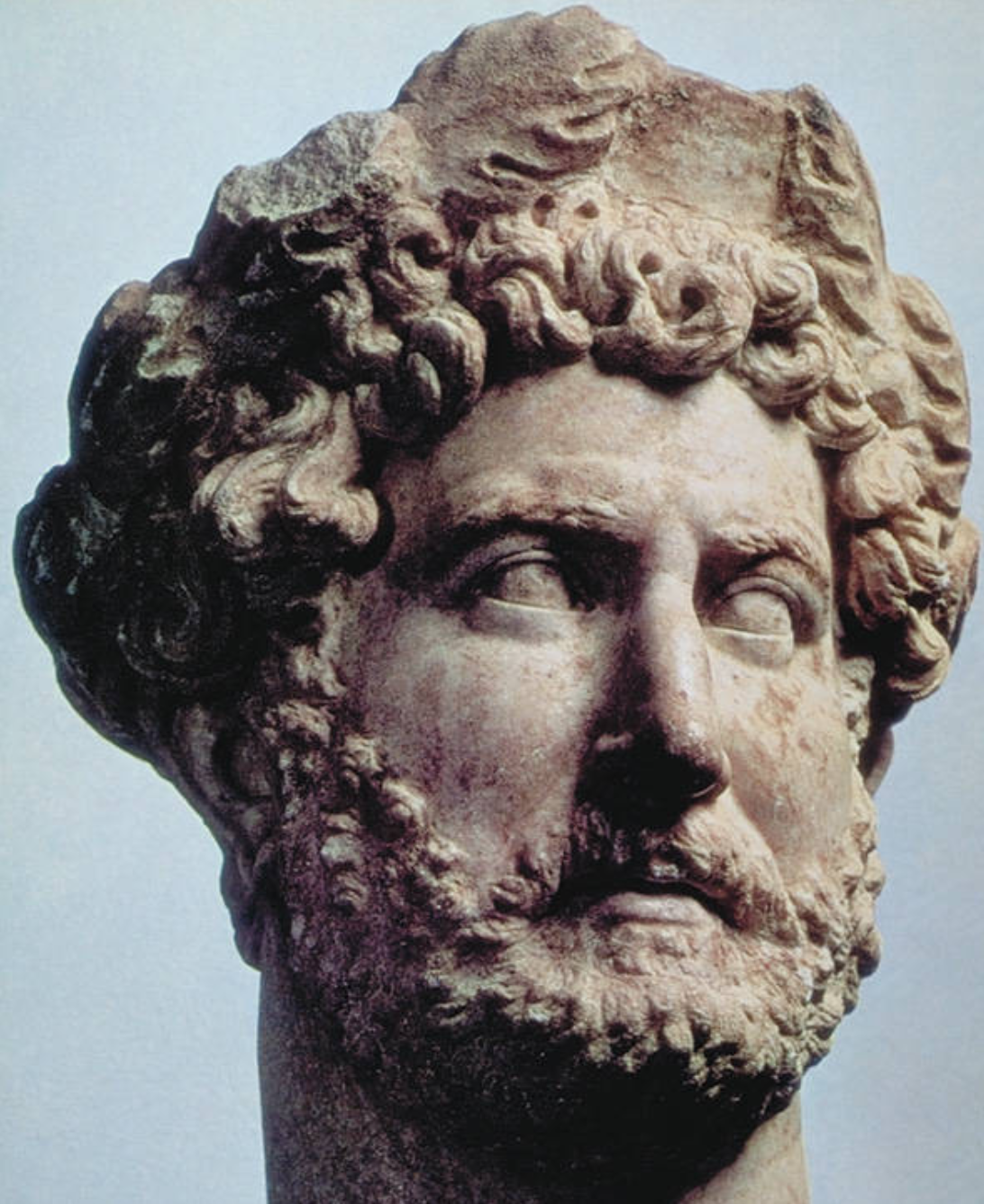
Portrait of Hadrian
AD 135
Bronze
camp of the sixth roman legion near Tel Shalem, Israel
Find spot
Not only found not in rome or italy, found in a roman legionary camp 6th roman legion
style
looks like pericles
trying to establish himself with greeks
Portrait depicting hadrian ( subject matter)
Gemma augustea
Part of a kind of reused cuirass from the gemma augusteta
The head of hadrian put on it to make it a hadrianic portrait. - reused motif
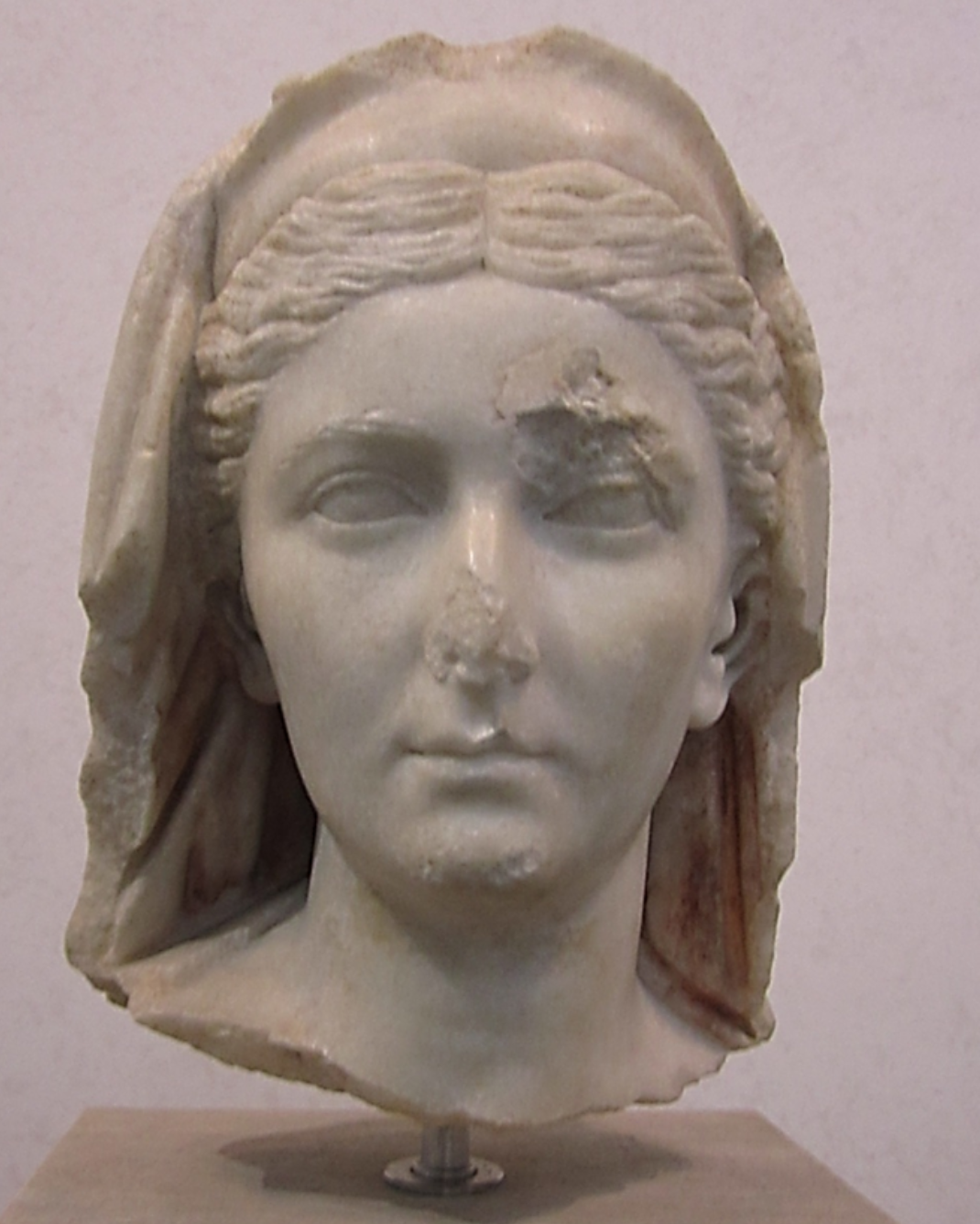
Veiled Bust of Sabina
AD 136-138
Marble
Maritime Baths, Ostia
drilling to show pupils
beginning of this
style
classicizing
subject matter
shes a stylized head on top of a venus body
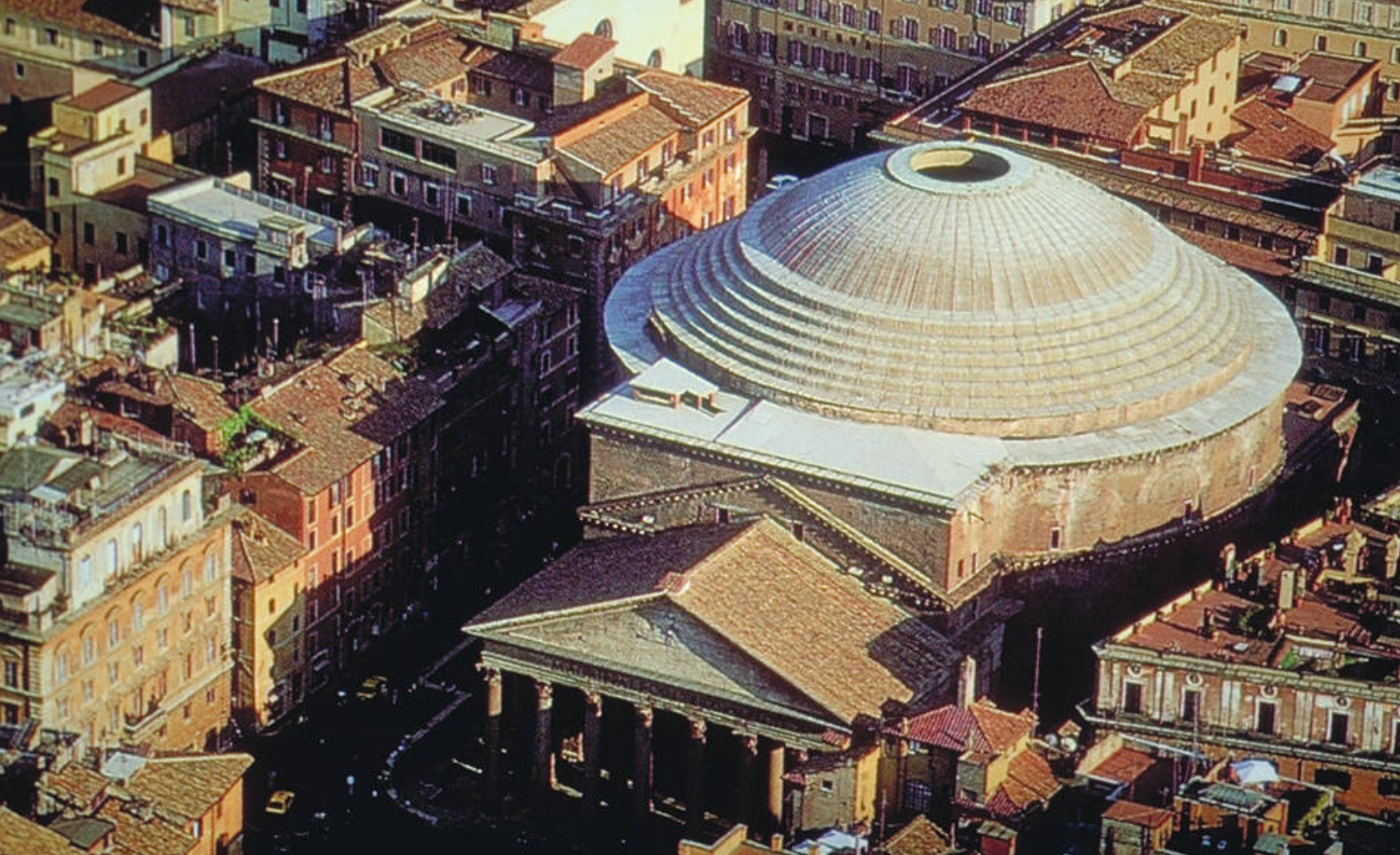
PANTHEON
125-128
Brick and concrete and tufa and travertine and marble and aggregate materia;s
Rome
context
predates christianity
is changed into a church
material
aggregate materials
allowed for the concrete at the top of the dome to be lighter
function
interpreted as hadrian making his own cosmos
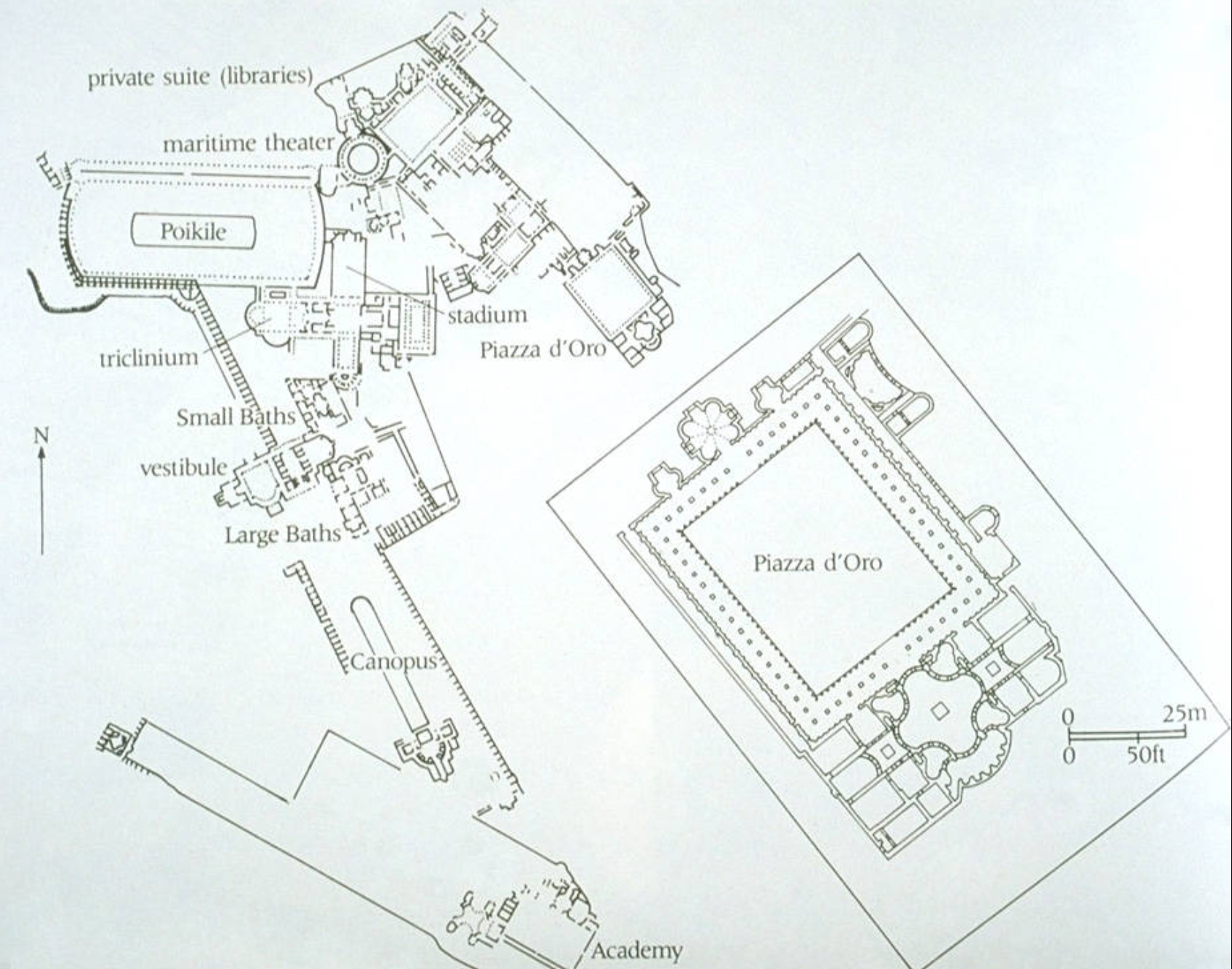
Hadrian’s villa
AD 135
Marble, Brick, Concrete
Tivoli
Function
trying to bring city into the country
Style
Poikile
Thought to echo the stoa poikile
Painted stoa in athens
Almost like a gallery piece of athens hadrian brings to his estate
Piazza d’oro
The square of gold, originally paved with colored yellow marble
Traditional forum layout
Nymphaeum
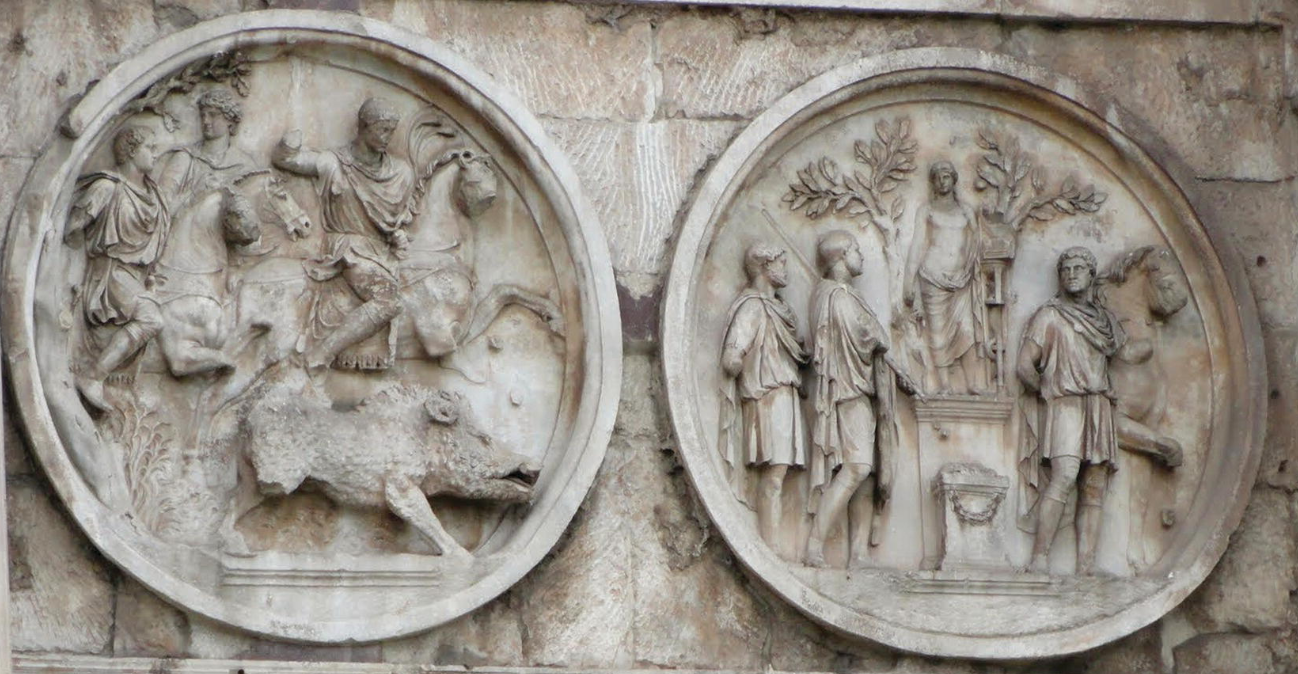
Hadrianic Hunting Roundels
130-138
Rome
Marble
subject matter
having a young lover
aspect of greek culture
subject matter
the hunt
greek culture
style
showing depth by stacking
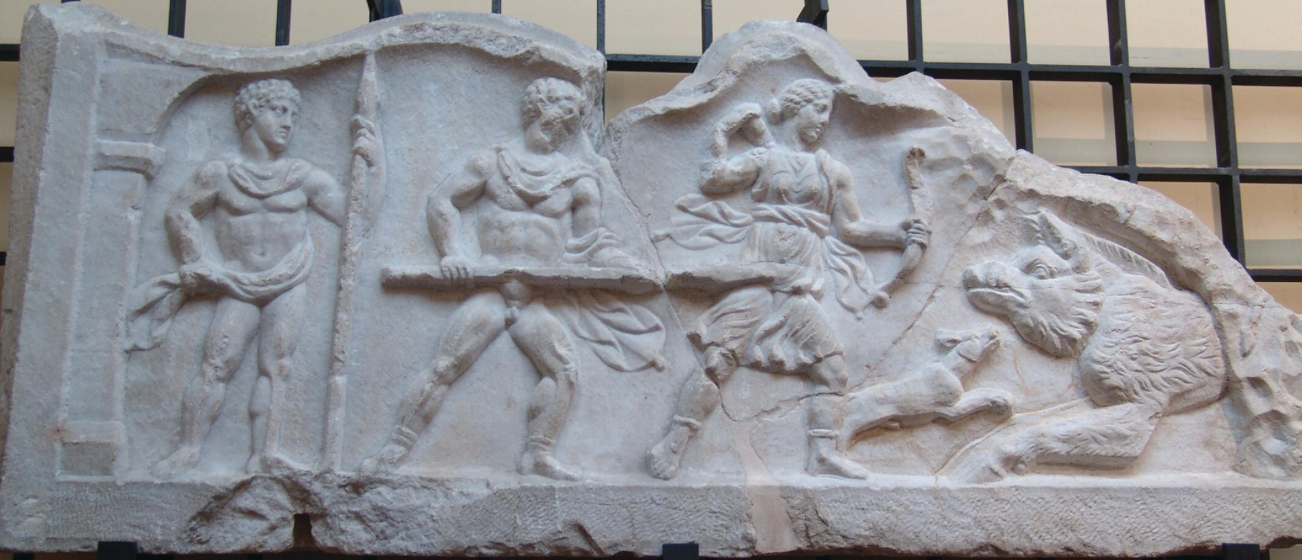
Calydonian Boar Hunt
AD 117
Capua
Ampitheatre
Marble
subject matter
shows this reenactment happening in the ampitheatre
subject matter
begins showing up on sarcophagi as they start using them
force of nature
subject matter
it is the boar hunt
ties to hadrian and hunting scenes
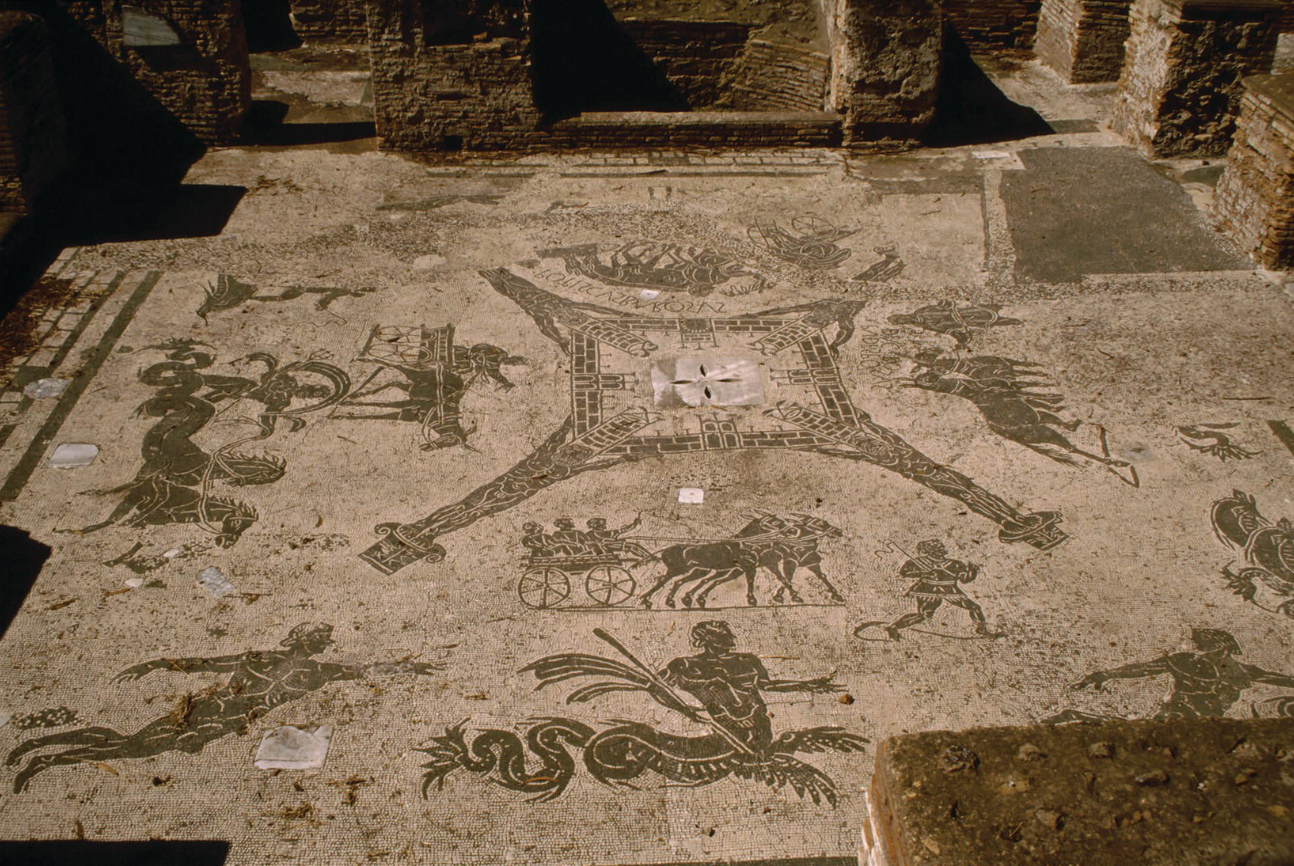
Black and White Mosaic
Baths of the Cart Drives
Ostia
AD 120
subject matter
was a common motif used in bath buildings
function/findspot
water themed imagery- tridents and what not
subject matter
cart drivers- port city of Rome, indicated that they were important figures in this city where product transportation was helpful
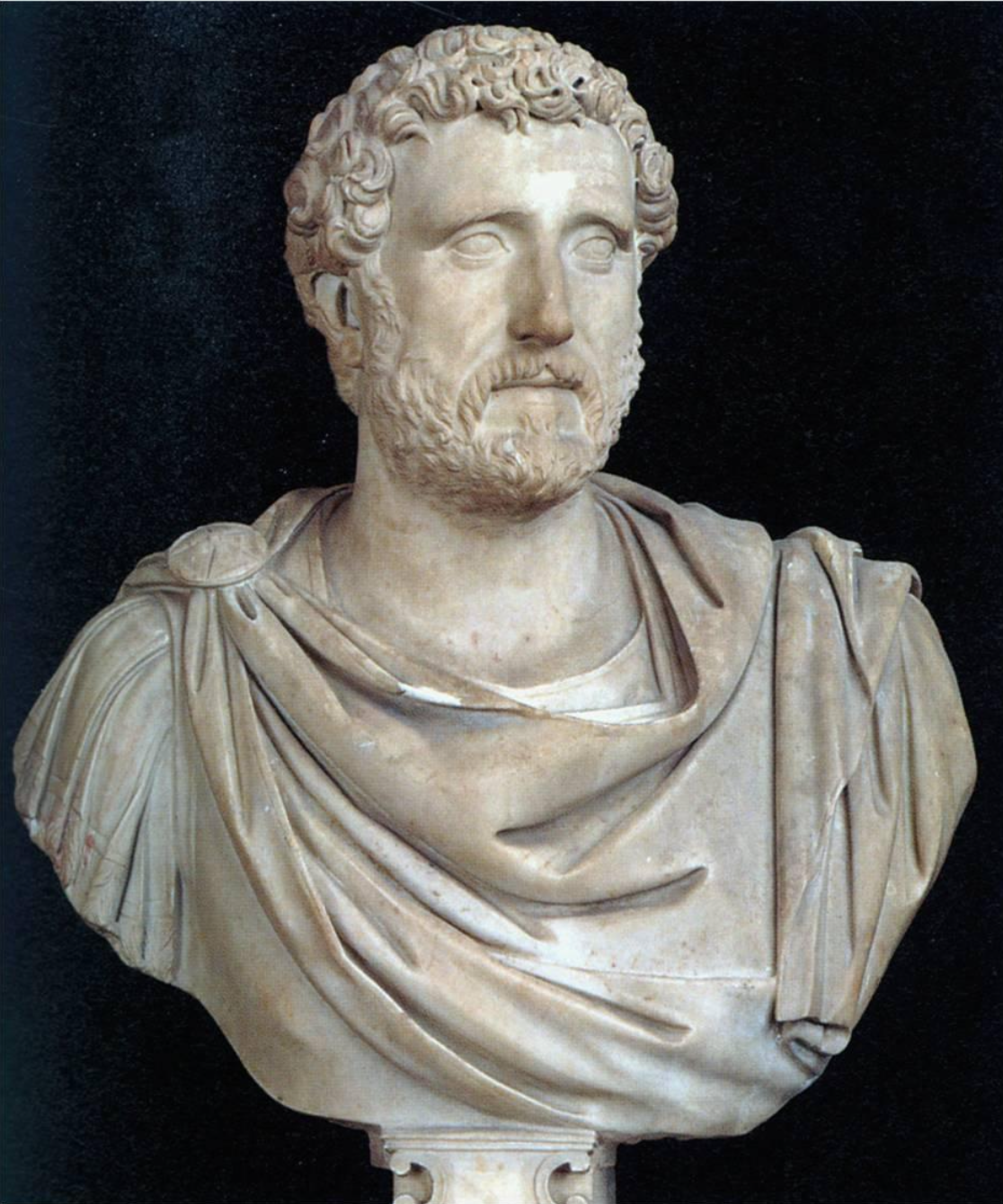
Portrait of Antoninus Pious
138-140 CE
Rome
marble
findspot
found with a series of the family’s portrait bust
subject matter
clearly related to Hadrian still
oval face
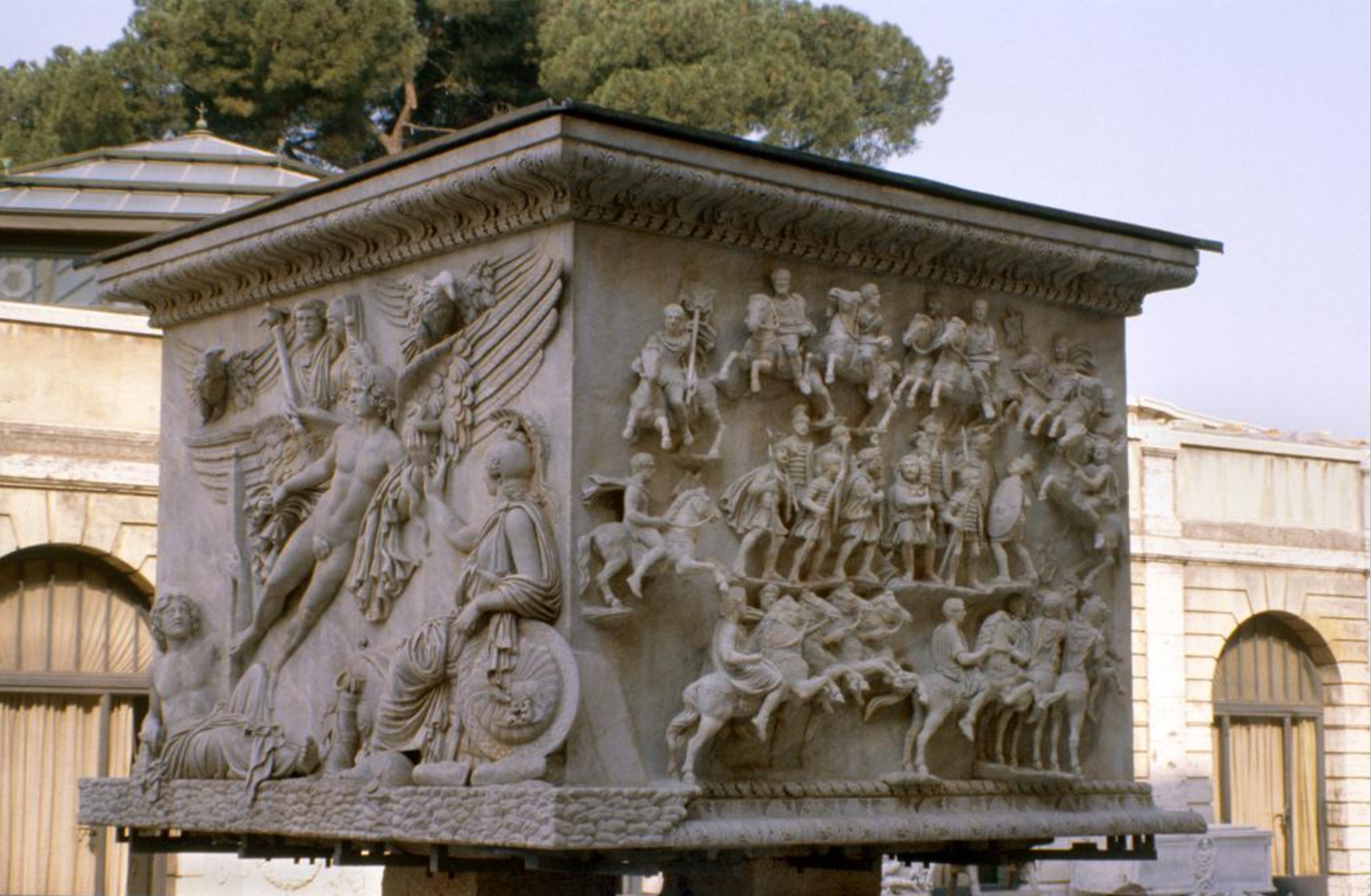
Base of the Column of Antoninus Pius
Apotheosis of Antoninus and Faustina
Military Review
161 CE
Marble
Rome
subject matter
the main figure with the wings is the personification of eternity
also found on images of faustina
subject matter
personification of roma and the campus martius- roma has her standard attributes
style
classicizing style
Military review:
style
italic style and classicising ont he same piece
subject matter
represents a funeral tradition
antoninus’s funeral and his death
style
the subjects are carved in detail, but not linear perspective.
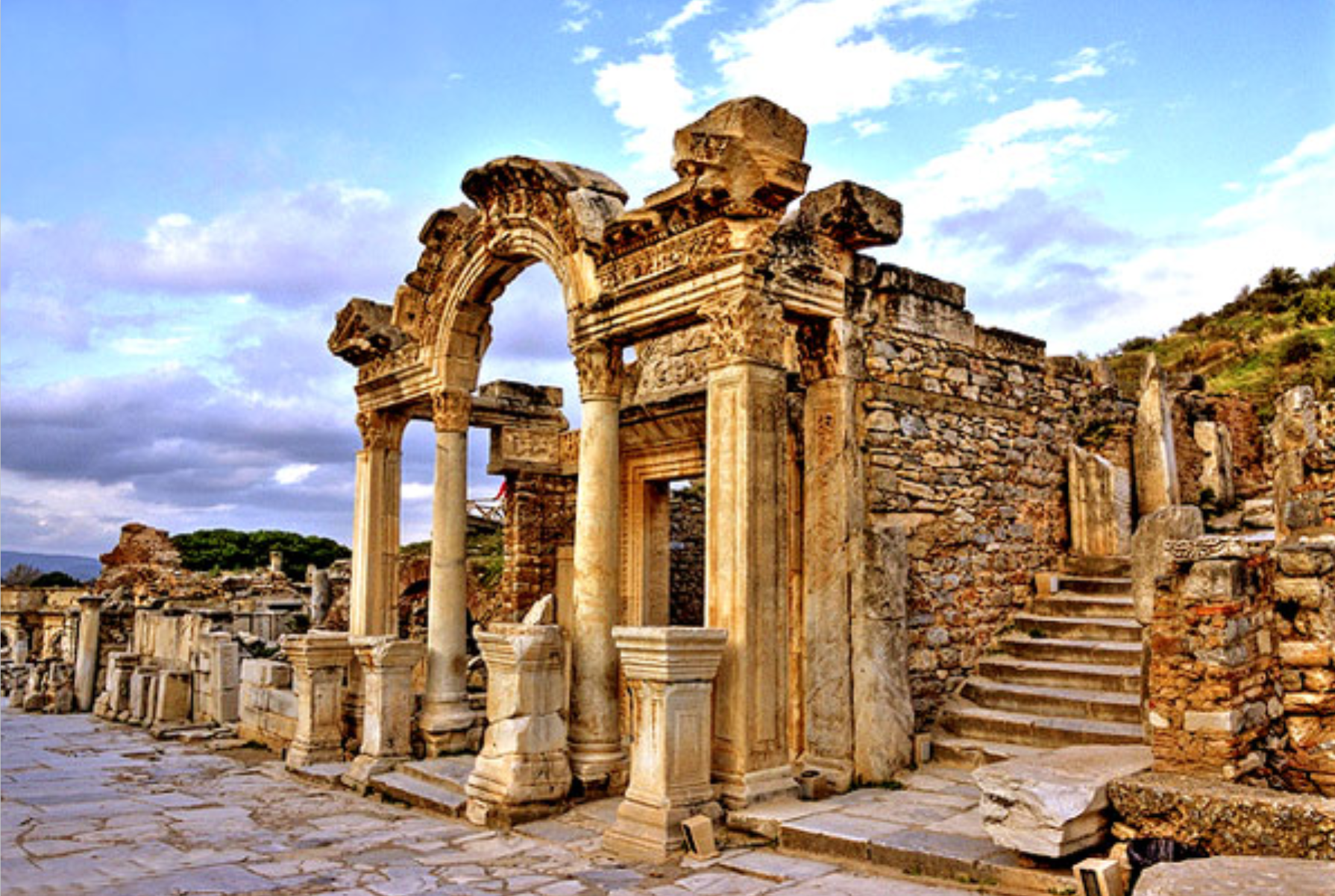
Temple of Hadrian
140 CE
Marble
Ephesos
findspot function
outside of the empire, provincial art that gets used by leaders to engage in politics
surprise architecture
very roman idea
the tympanum looks to fill the arch, but actually there is a portrait of Medusa filling it
technique
drill used to give the figures on the temple depth
opposite of the traditional Syrian architecture with post and lintel supports.
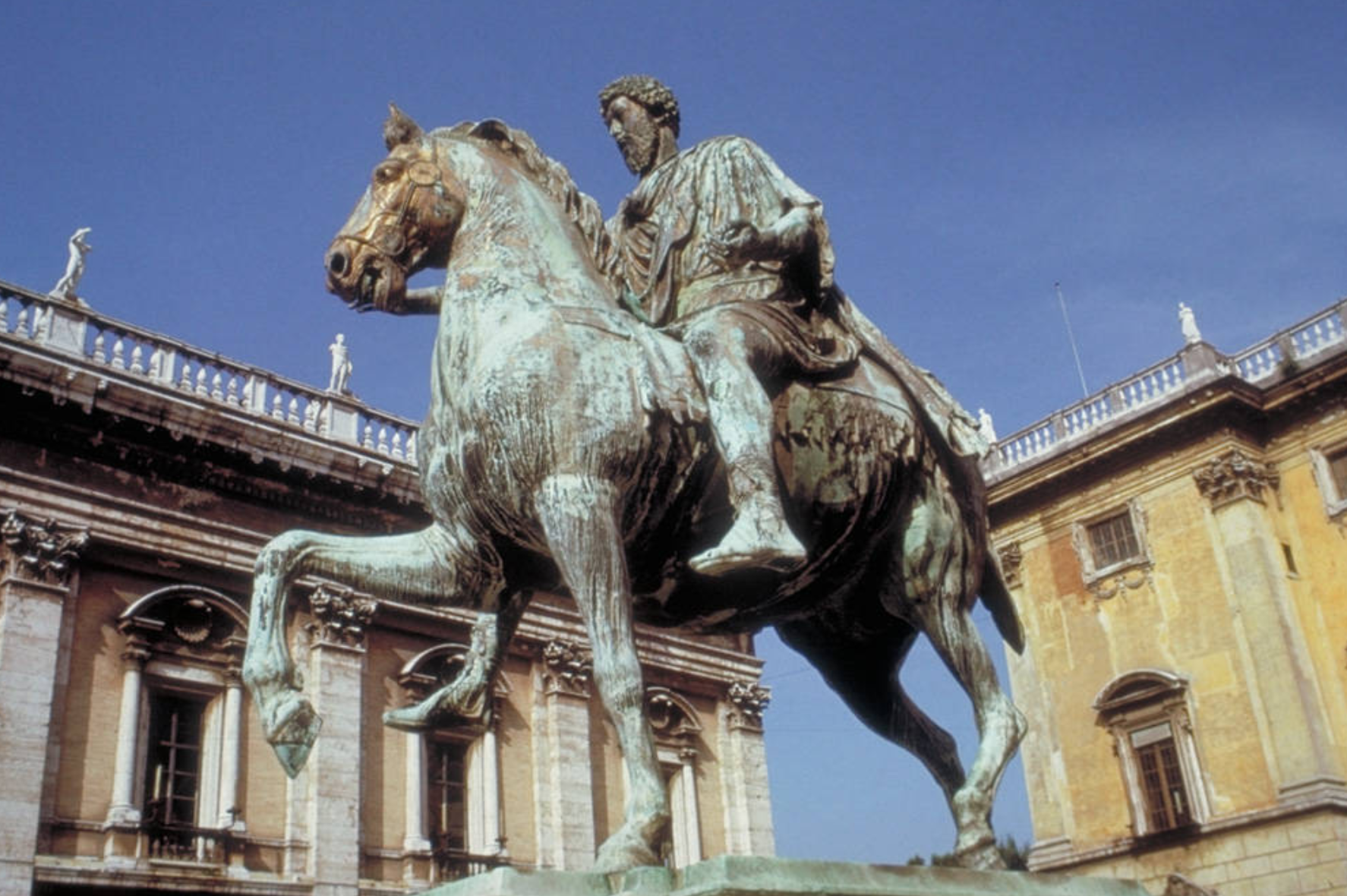
Equestrian Statue of Marcus Aurelius
175 CE
Gilded Bronze
Rome
context
was thought to be the stateu of Constantinople
subject amtter
equestrian statues are very important when memorializing figures in the future
subject matter
gesture of clemency
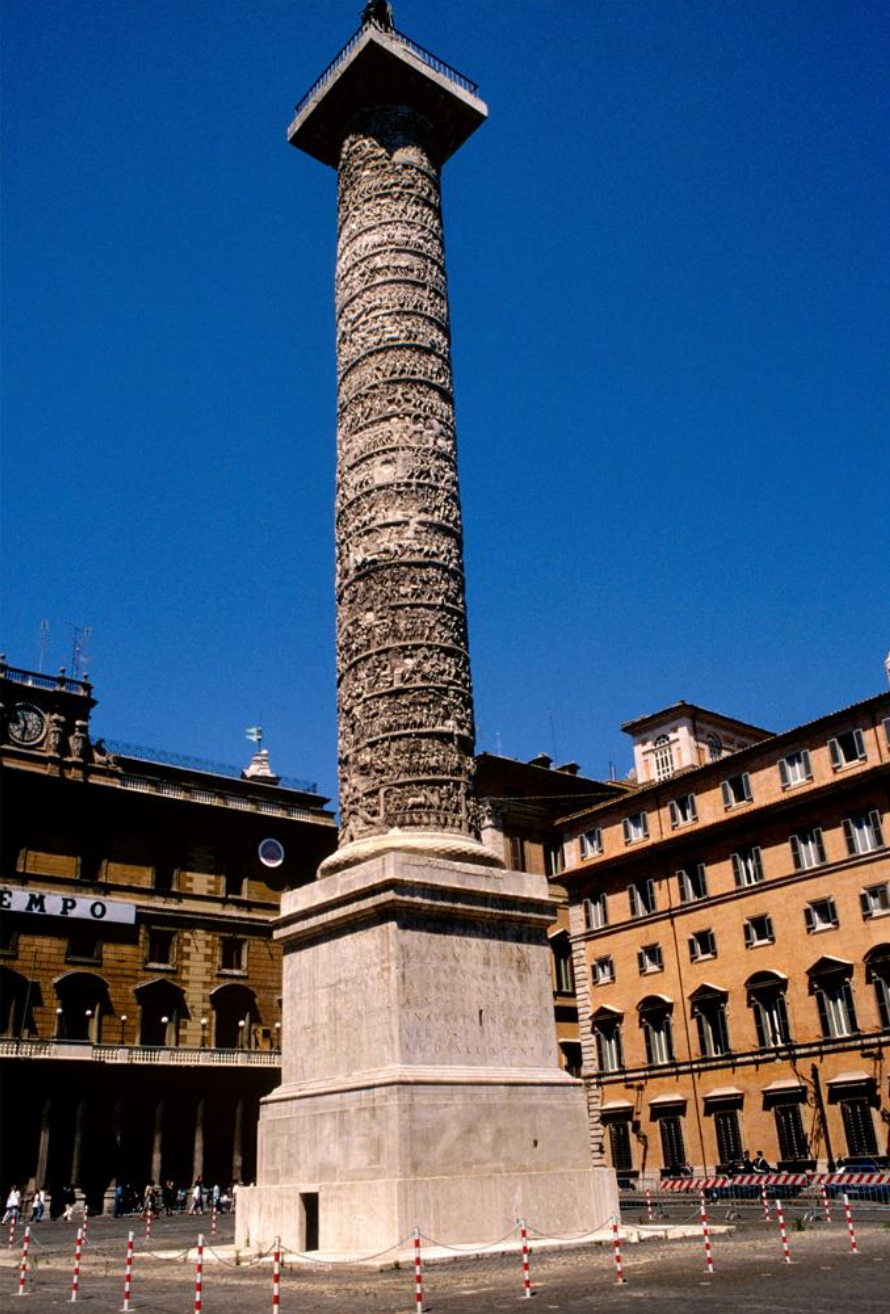
Column of Marcus Aurelius
180-185 CE
Rome
Marble
subject matter
its a …. column…. like trajan’s
however, the function was different, this shows the brutality of war and Trajan’s shows the work of the roman army, like building projects
subject matter
MA talking about how he has a hard time being the emperor
its new subject matter
the Roman soldiers aren’t seen as outfitted, tough soldiers, they instead have a rough quality about them
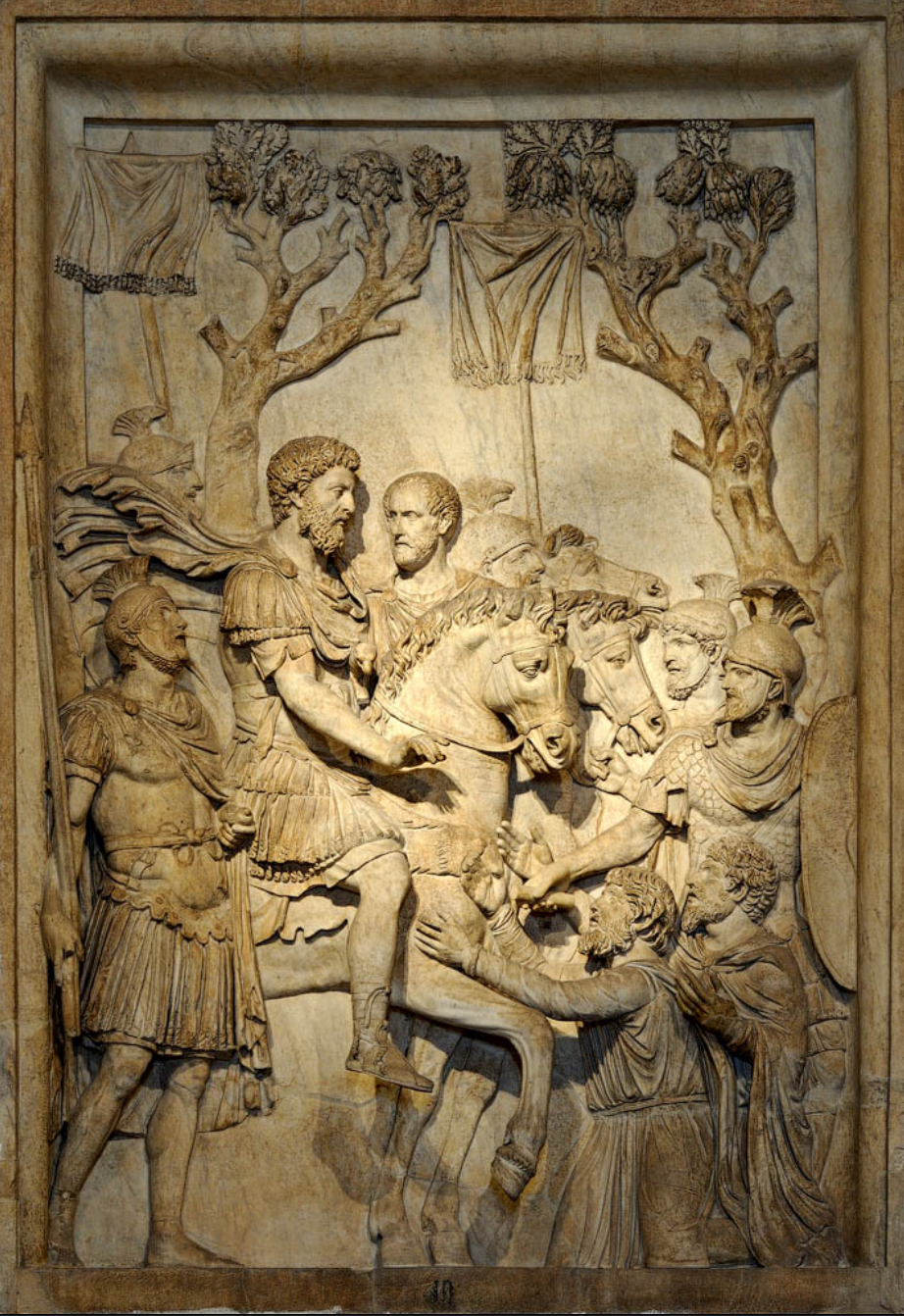
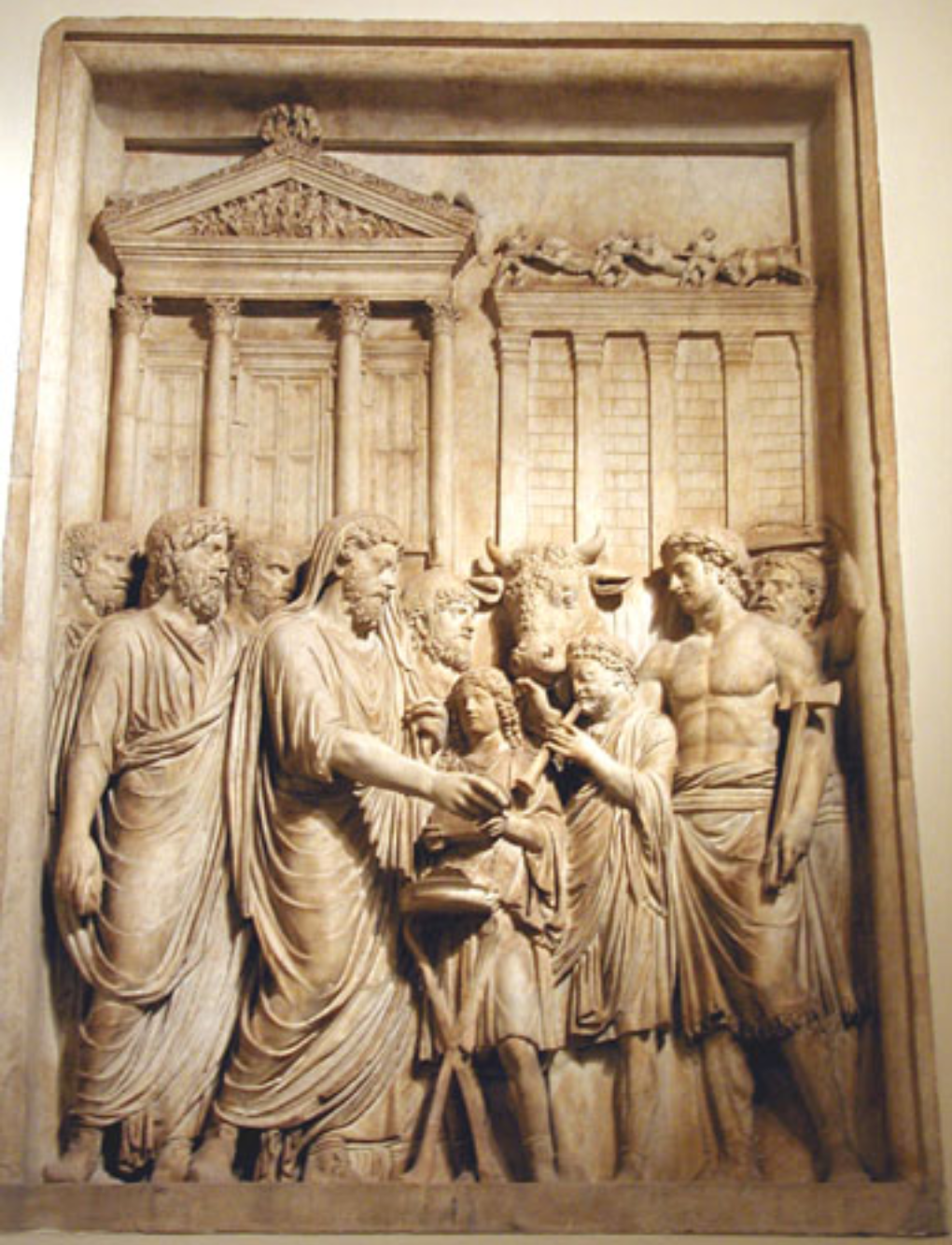
Relief Panels from Lost Arches of Marcus Aurelius
• Marcus Aurelius Granting Clemency
• Triumph of Marcus Aurelius
ca. 176-180 CE
Marble
subject matter
gesture of clemency- echoes the eques statue
sypnotic scene
combining two distinct scenes into one visual field
unsure what monument this is on- but it is on the Arch of Constantine
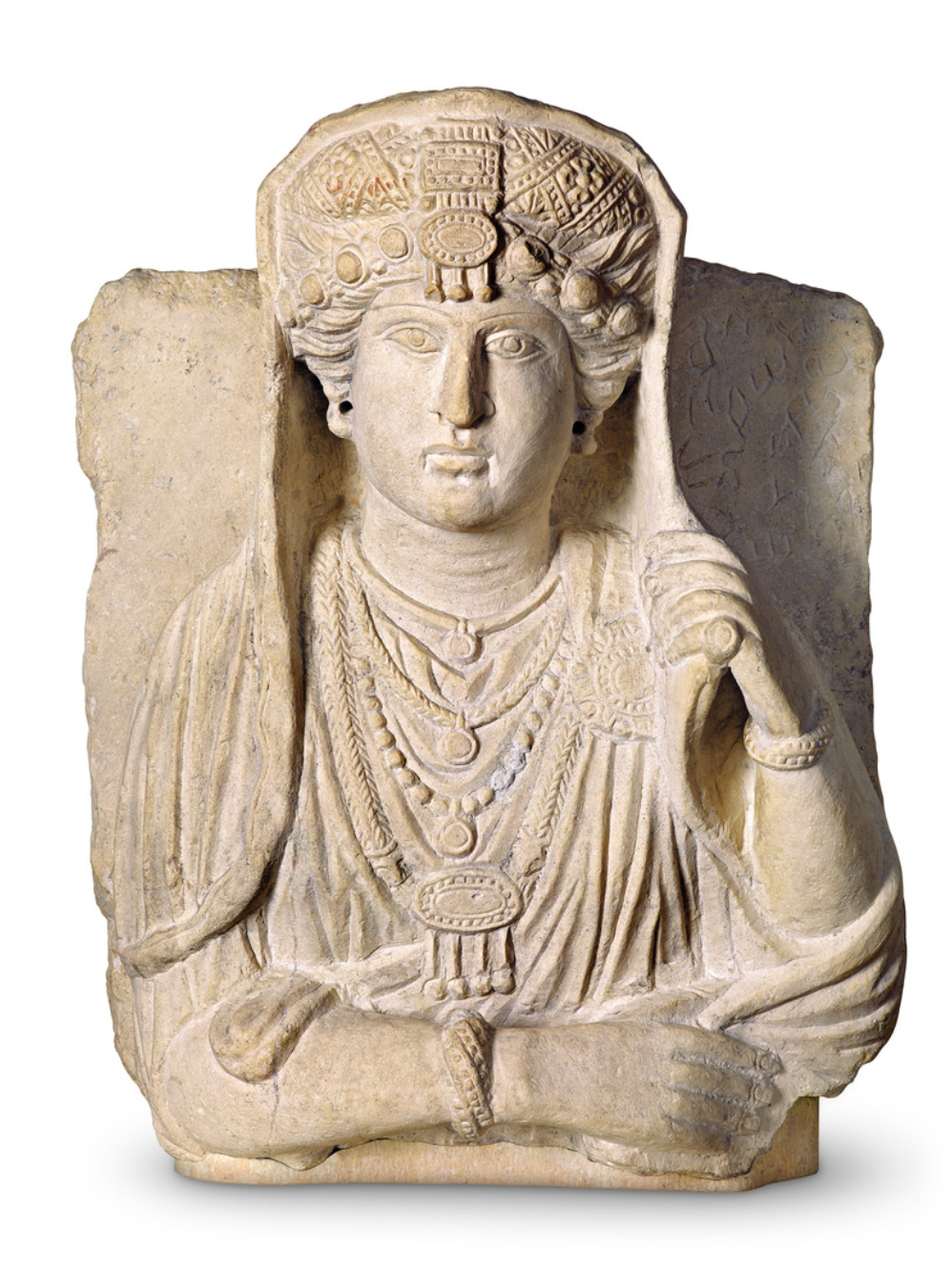
Funerary Bust of Palmyrene Woman
c. 200 CE
Limestone
Palmyra
findspot
oasis town, major hub of the spice route
the city became very wealthy
sbject matter
women are way more decorated than men are
findspot
found near a bunch of other groups of statue heads.
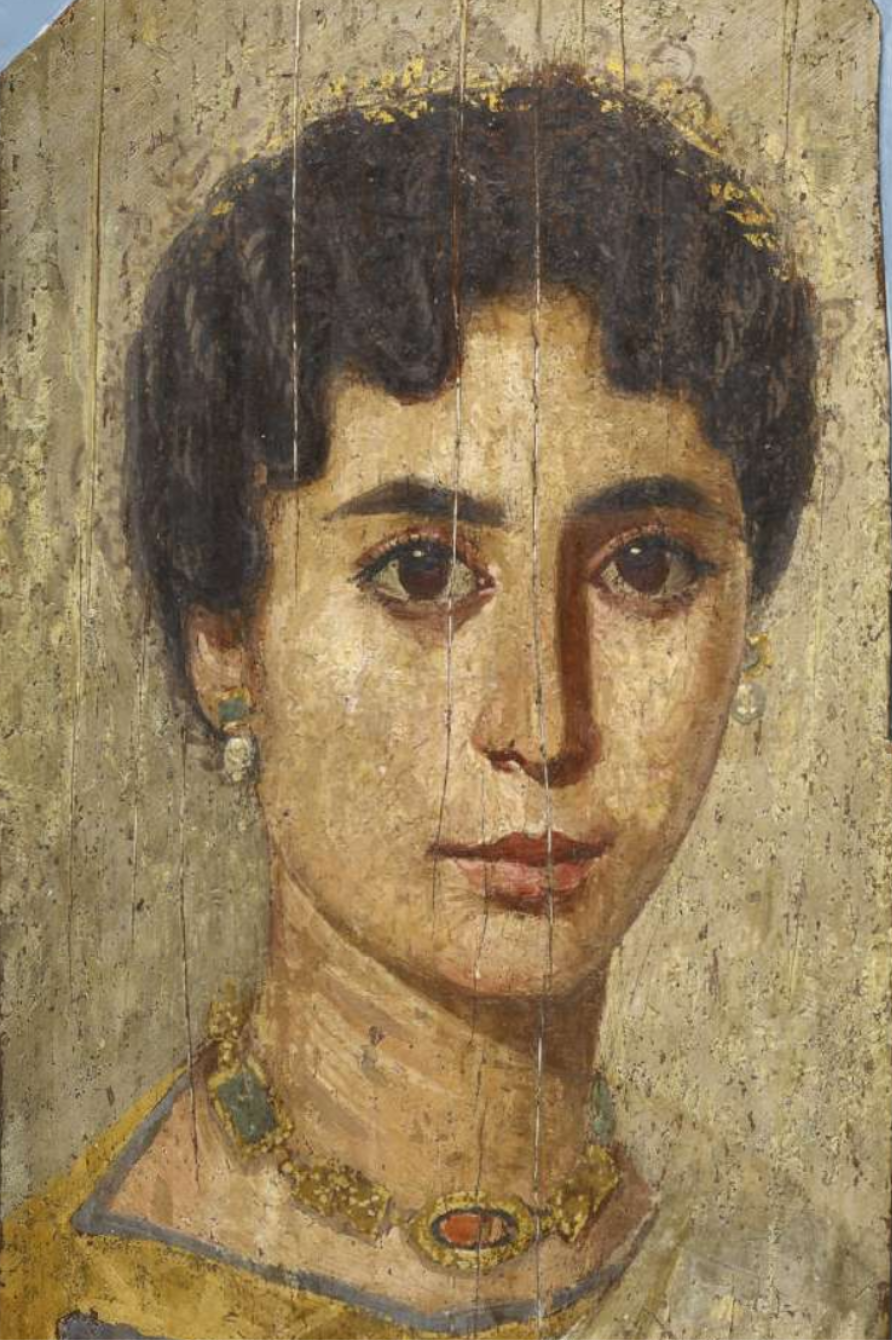
Fayum Portrait of Antonine Woman
c. 160–190 CE
Encaustic on wood panel
Philadelphia, Egypt
style
naturalism is greek like
but there is roman influence in terms of funerary portraiture
function
the egyptian tradition of burial gets wrapped in roman tradition of portraiture
subject matter
cat scans have been done to show the resemblance between the illustration and the prson inside the mummy
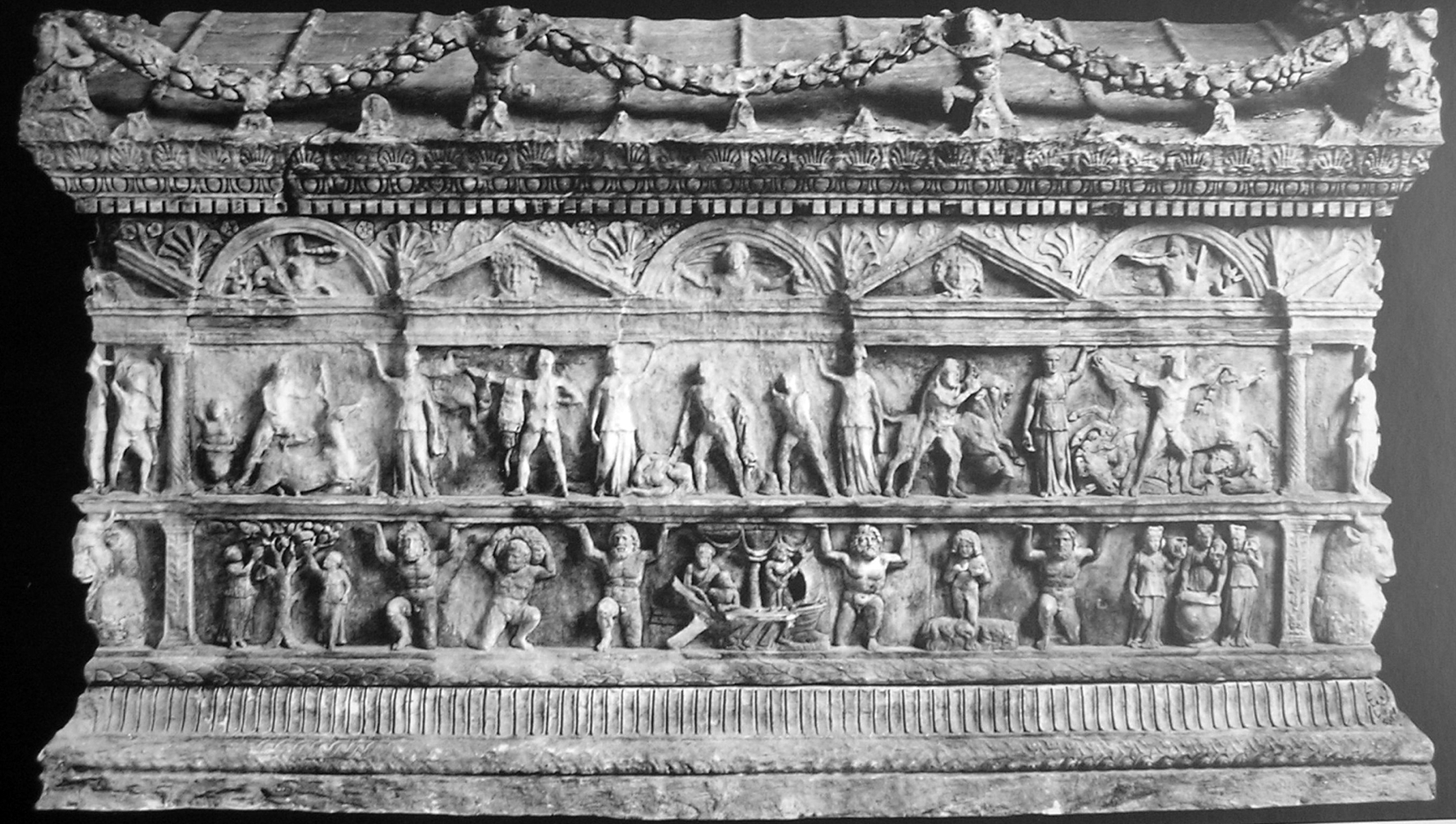
Velletri Sarcophagus
Side View
135–140 CE
Marble
Velletri, Italy
context
rise in romans burying whole bodies
emergence of believing in life after death
findspot
there were two kinds of sarcophagi
aseatic and attic
this is aseatic
subject matter
raking roof and top and bottom registers
typical of aseatic coffins
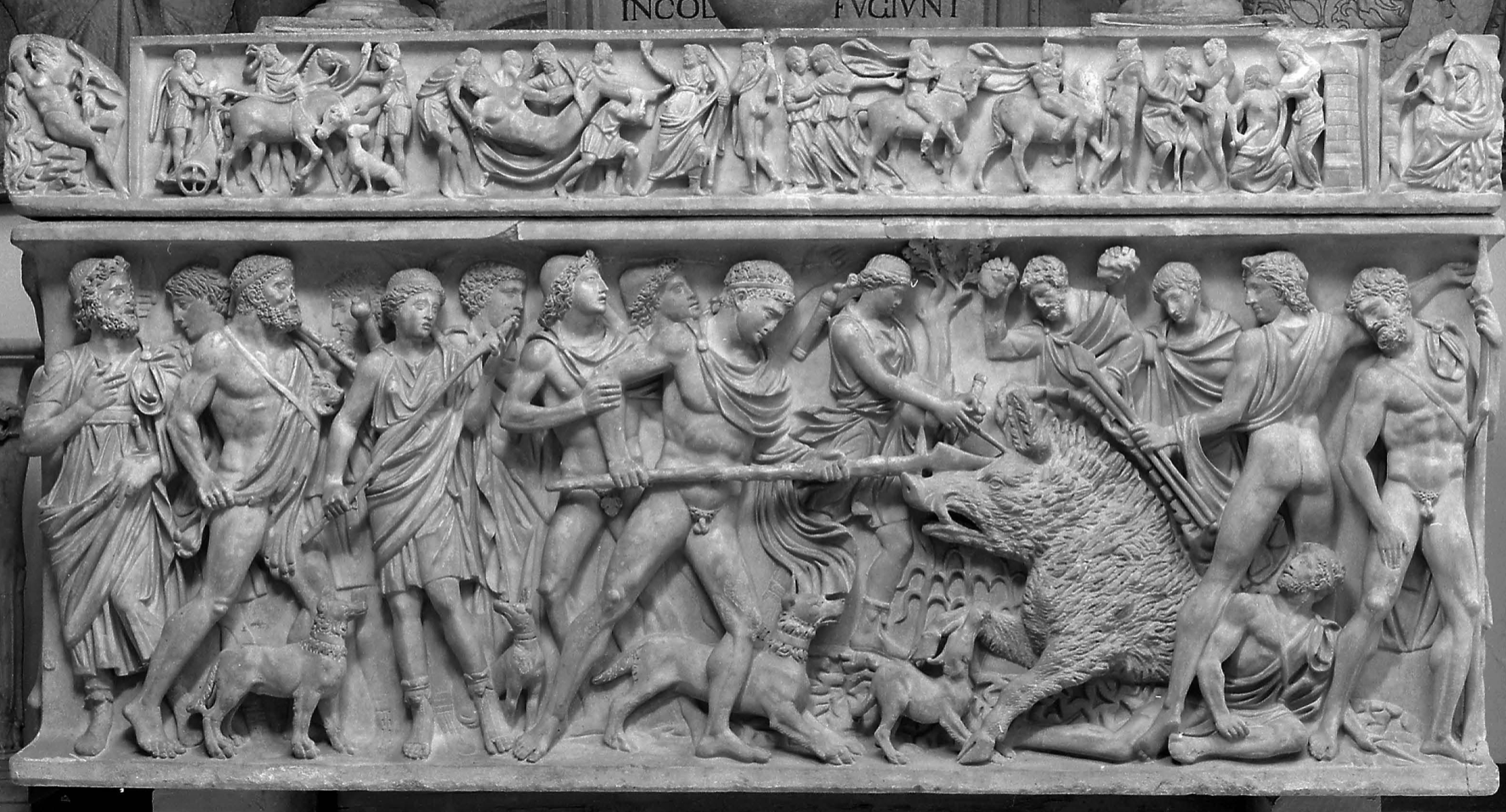
Meleager Sarcophagus
c. 180 CE
Marble
Rome
findspot
Attic sarcophagus from marble that is quarried in this region around athens that is called Attica
subject matter
carved on all four sides- typical attic
running frieze- again typical
subject matter
calydonian boar
show off manliness
exemplum virtus
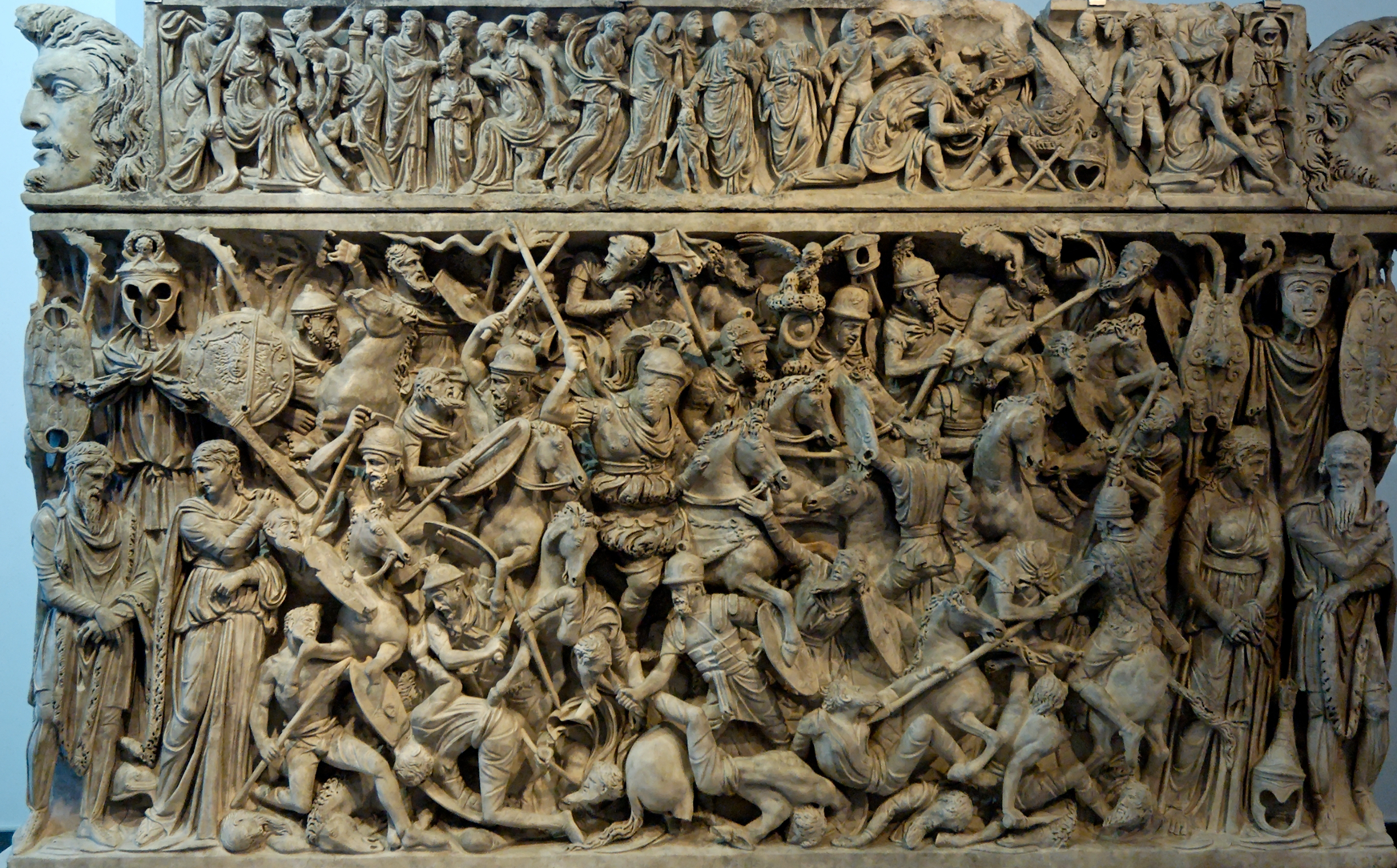
Portonaccio Sarcophagus
c. 180–190 CE
Marble
Portonaccio
subject matter
all look the same- faces would be carved after ordering
typical attic
style
vertical style
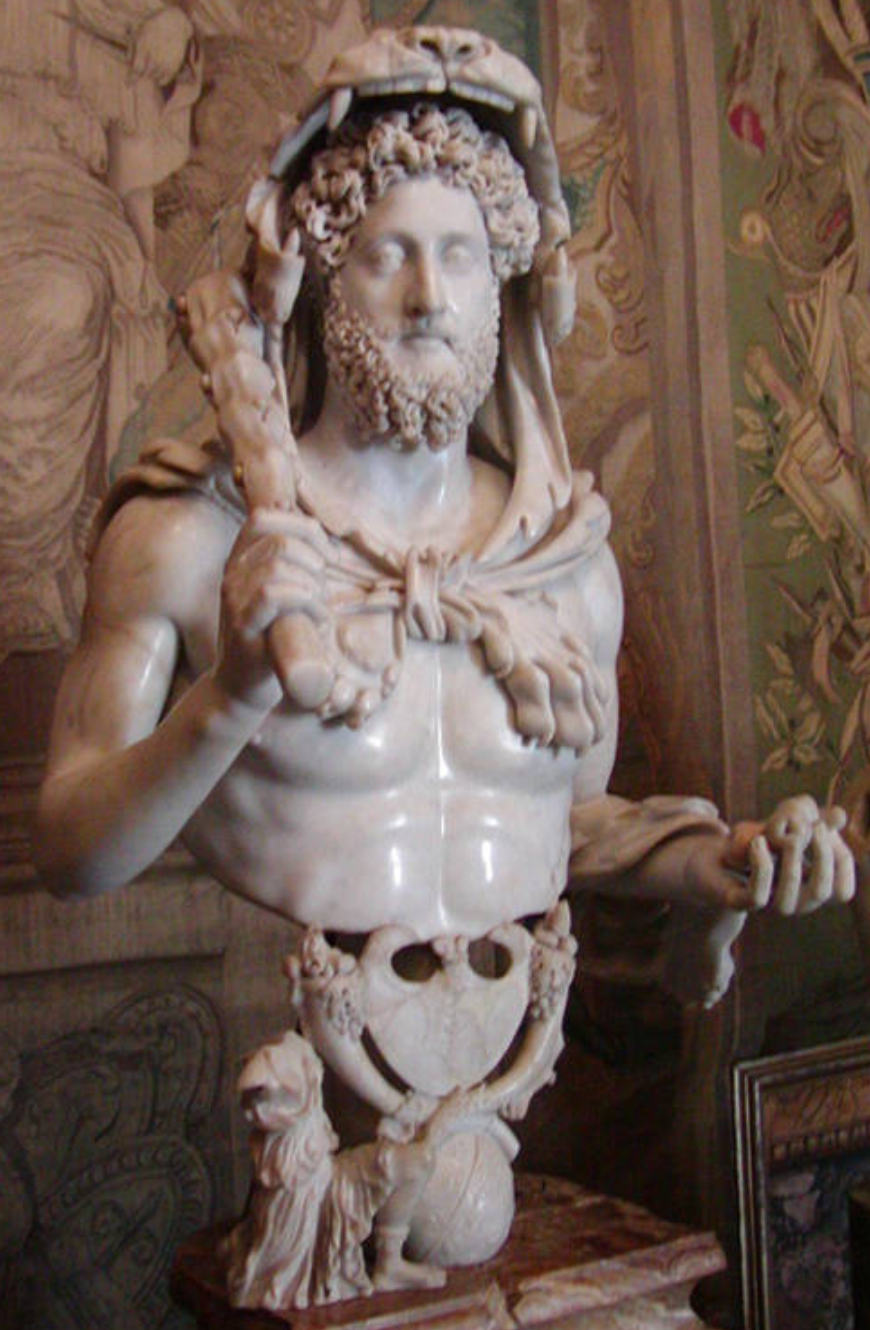
Portrait of Commodus
c. 190-192 CE
Marble
Rome
subject matter
nimean lion skin
subject matter
apples
subject matter
club
all significant because he’s making himself hercules!!
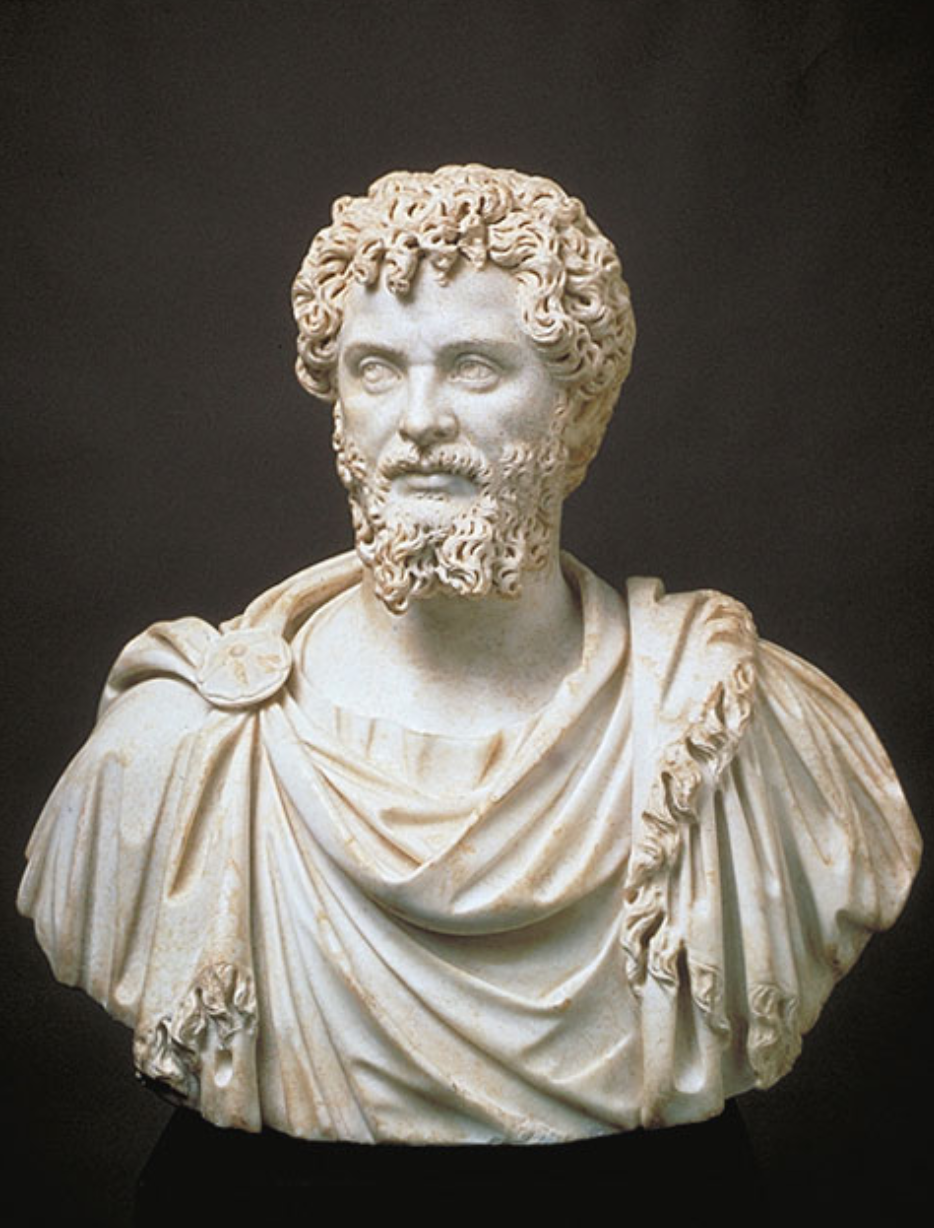
Portrait of Septimius Severus
c. AD 195-200
Marble (from Greece)
Rome?
subject matter
SS born in africa
style
deep drilling
severan baroque style
subject matter
forked beard and locks of beard hair
standard of the cult of serapus

Group Portrait of Septimius Severus, Julia Domna, Caracalla, and Geta
c. AD 200
Tempora on wood
Egypt
subject matter
geta gets damned
subject matter
one of the first family portraits
subject matter
julia domna is pictured with this much jewelry usually
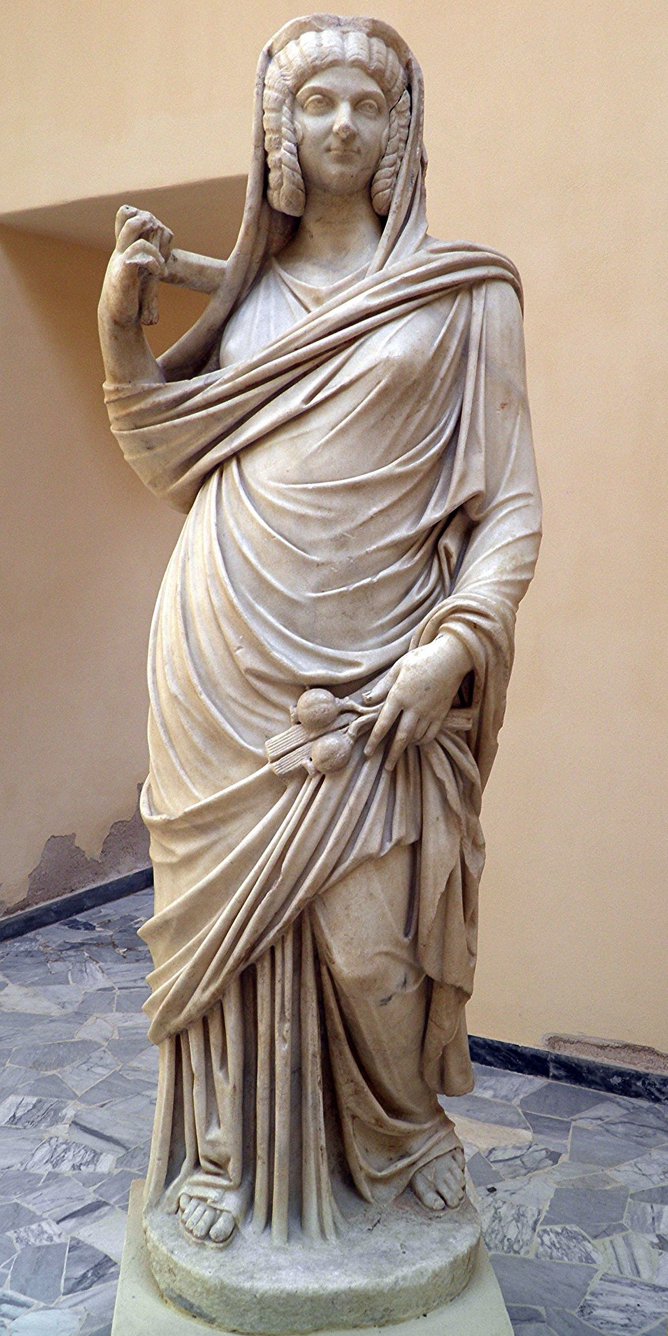
Portrait of Julia Domna as Ceres
AD 203
Marble
Ostia
subject matter
melon frisur hairstyle
appears commonly
context
diversion from antonine portraiture
subject matter
poppies and stalks of wheat
ceres
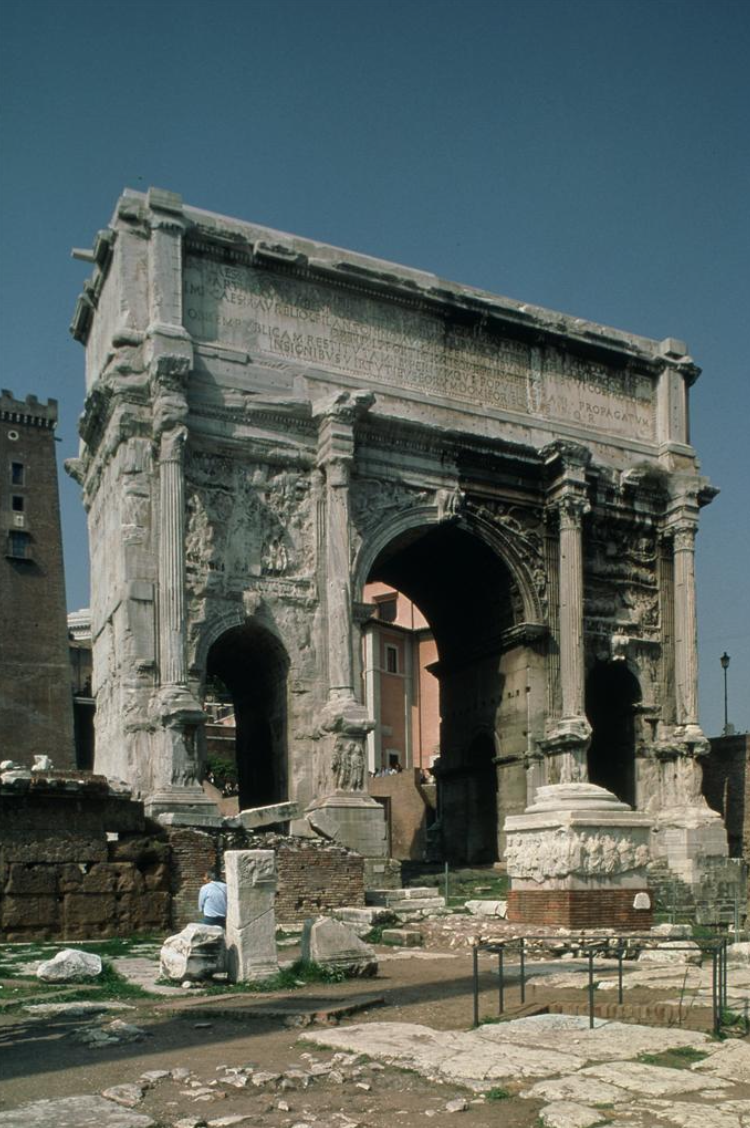
Arch of Septimius Severus
Small Frieze
Parthian captives on pedestal AD 203
Marble
Forum Romanum, Rome
subject matter
Commemorates Severus's parthian wars.
Conquered in 198 CE
Gets voted to him by the senate - votes him a triumph
Petrified memento of the triumph that gets celebrated in his conquest
Findspot
Right over the via sacra- exactly the route that the triumph parade would’ve taken- up onto the capitoline hill
Diagonal augustus’s arch
Which commemorates the parthians
Meta topography
function findspot
trying to connect himself with Trajan and Augustus
Small Frieze
style
native italic
subject matter
scenes of the parthian war like the CoT
subject matter
vertical stacking
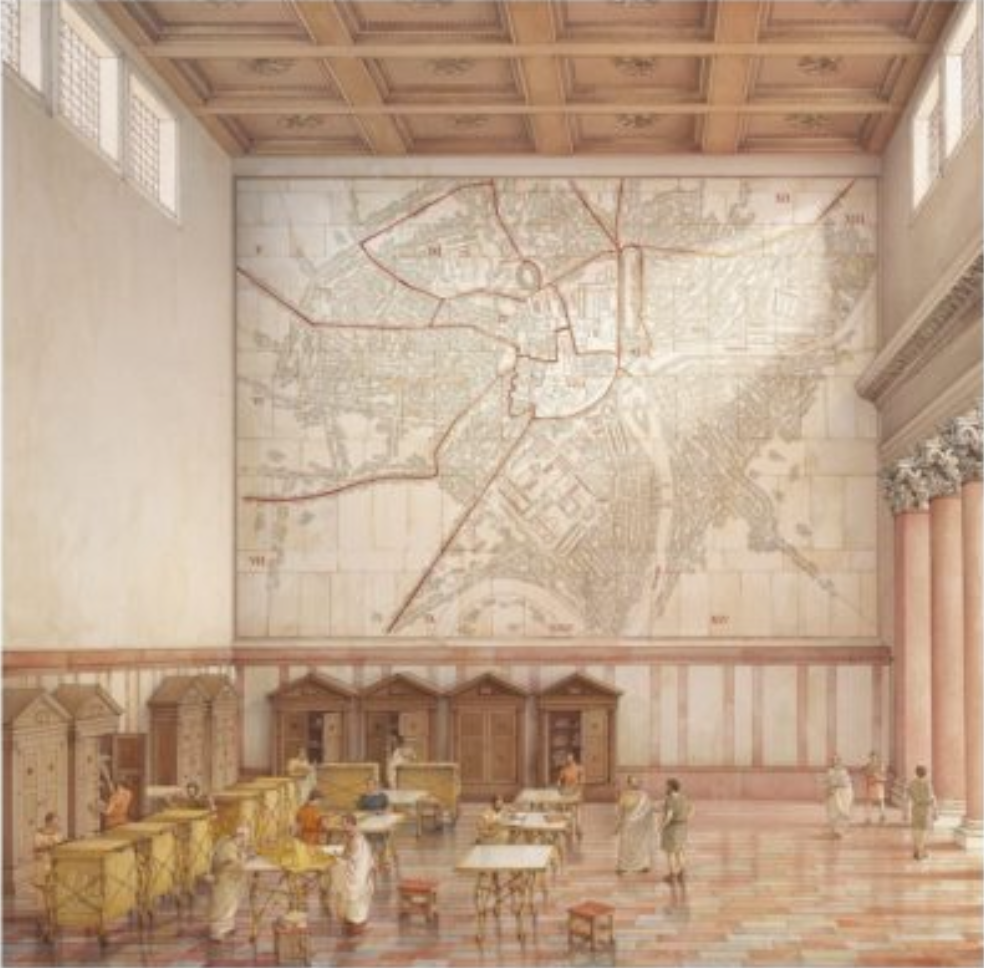
Forma Urbis Romae/Severan Marble Plan
Detail, Theater of Pompey
c. AD 203-211
Marble
Templum Pacis, Rome
function
meant to be a piece of severan propoganda
showed the power of the dynasty
findspot
hung in a temple of vespasian
had annotations for architecture
context
fragments found tell us what the significance of this piece is
Fragment:
style
severan monuments had more detail- propganda
findspot
very minimal fragments remain
subject matter
showed both private and public houses
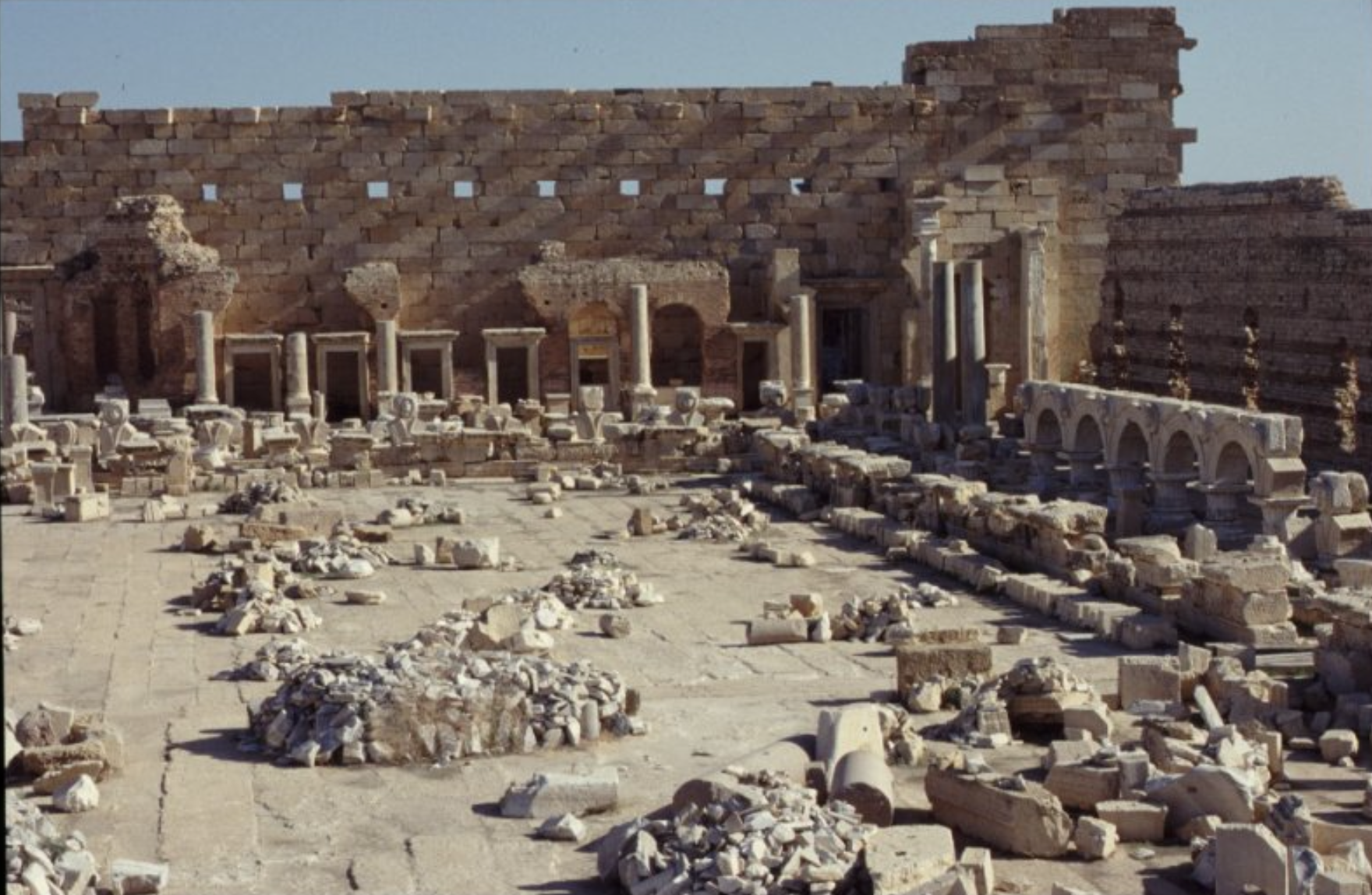
Basilica in Severan Forum Pilasters with Peopled Scrolls Detail, pilaster with peopled scrolls AD 196-206
Marble, brick, concrete
Lepcis Magna, Libya
material
marble from aphrodisias amd people
style
direct echo of trajan’s forum
style
deep drilling
severan baroque style
subject matter
crossign vines, patron dieties of the severan dynasty in the crosses
typical of baroque style
frontality
like in the antonine period
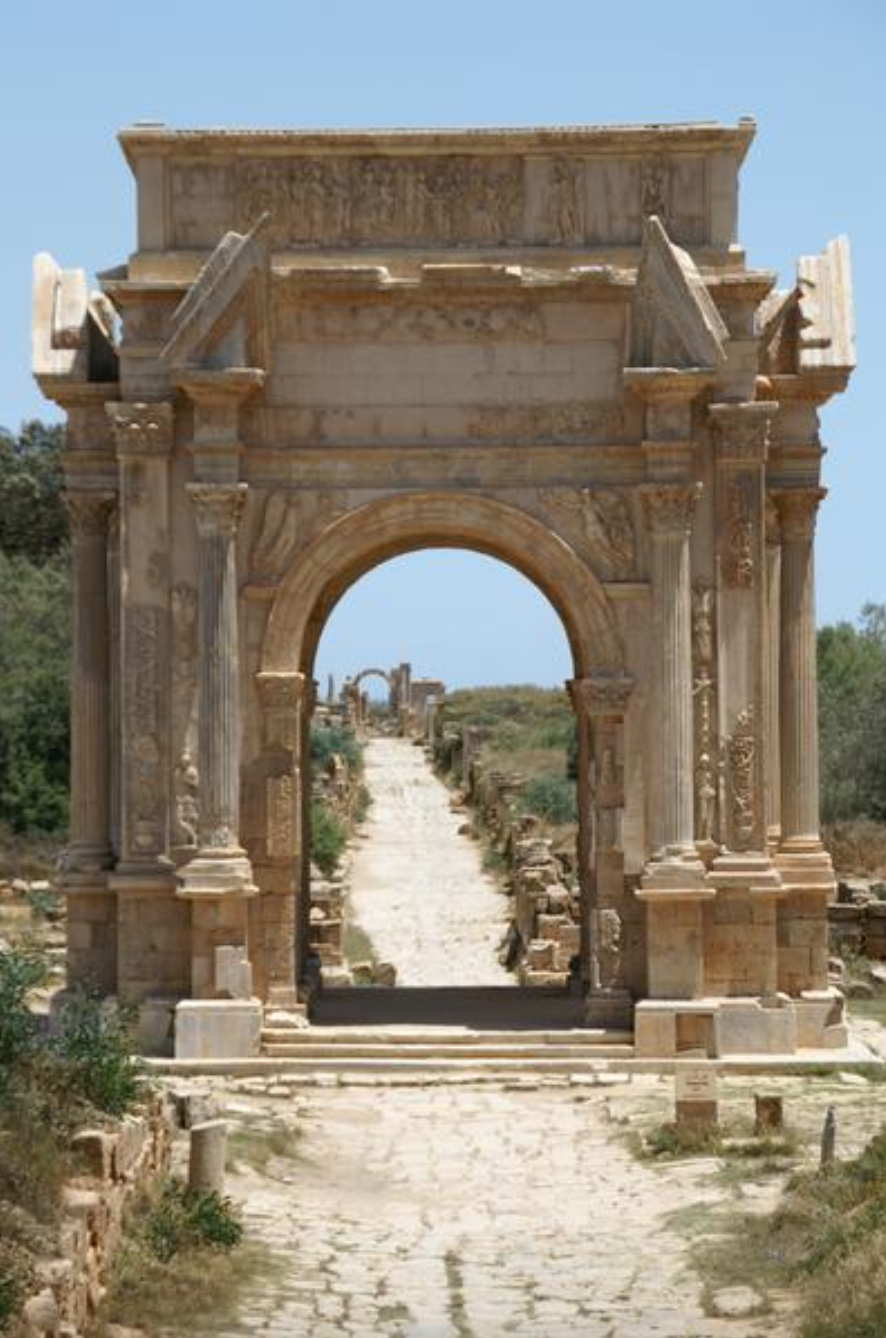
Quadra-Frons Arch of Septimius Severus Concordia Augustorum Relief
Chariot Procession Relief
AD 203
Marble
Lepcis Magna, Libya
subject matter
these kind of pilasters have not been seen in rome before- square
style
severan baroque style
lots of features that arent actually useful
Concorida Panel
Founding a dynasty
Procession Panel
Four horses, quadriga
Scene of triumph
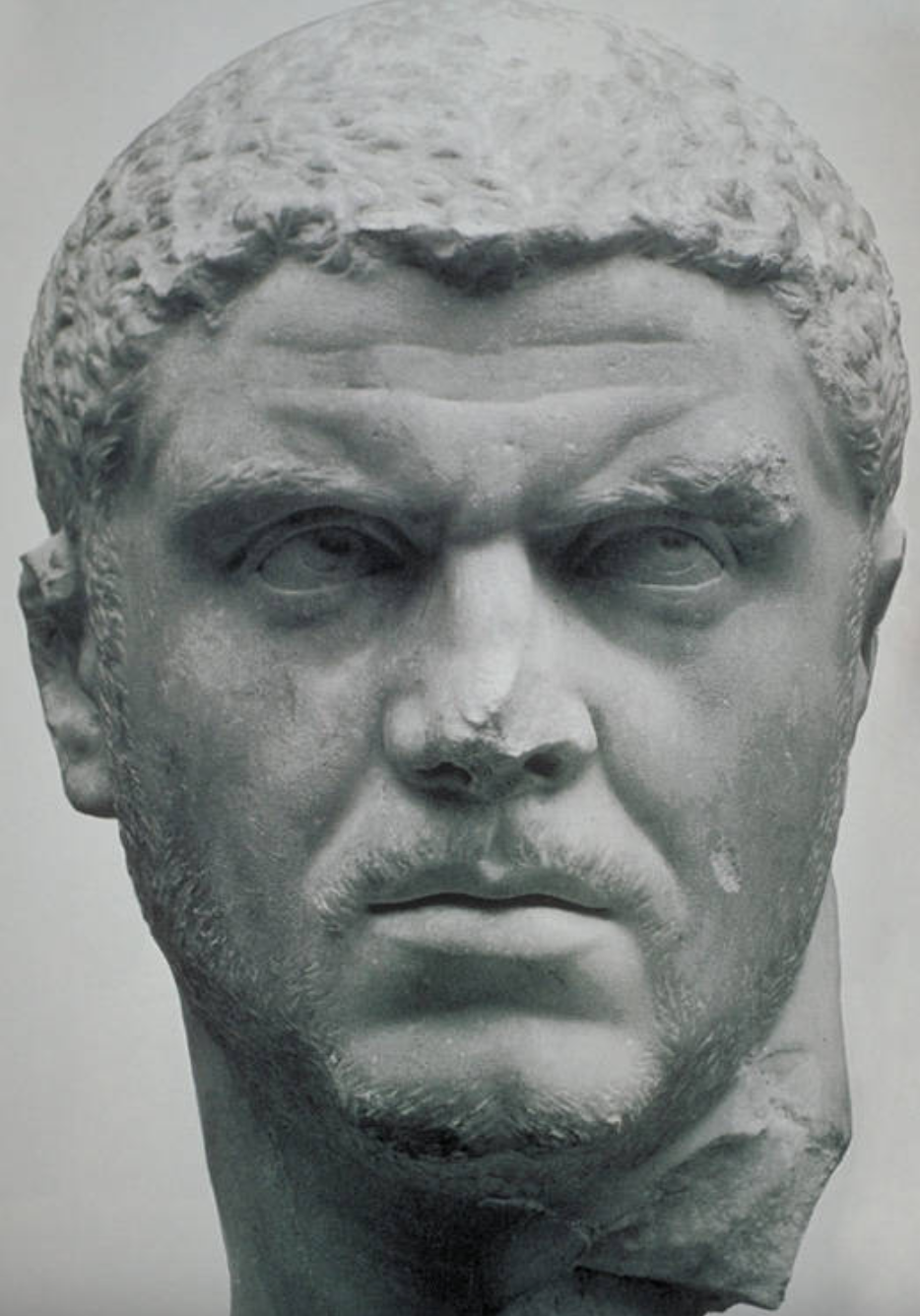
Head of Caracalla
c. AD 206-212
Marble
Rome
style
different way of portraying emperors- short cropped hair and stubble
context
marks the beginning of the downfall of the roman empire
subject matter
is caracalla - known for his cruelty
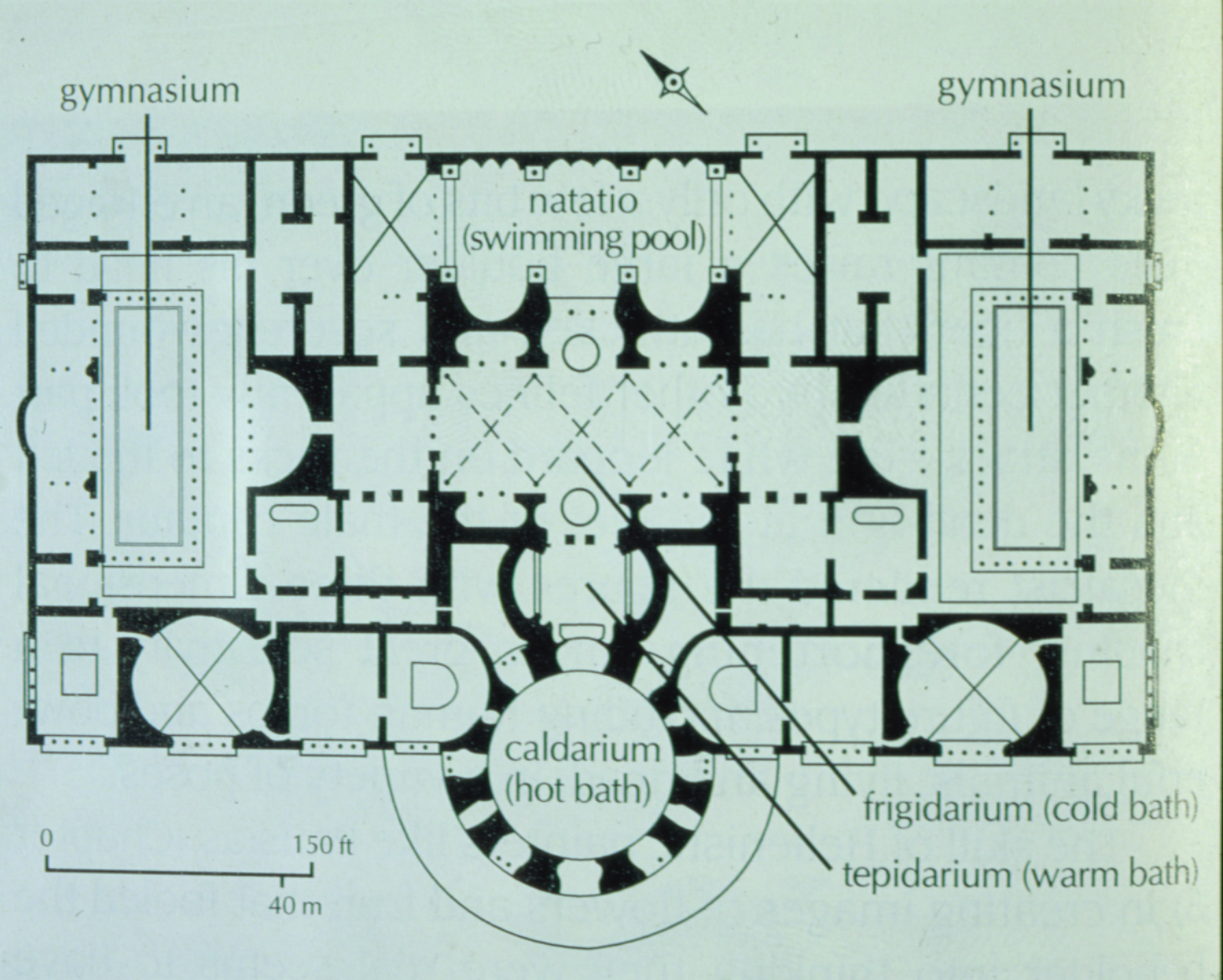
Baths of Caracalla (plan) Aerial View
AD 216
Brick, concrete, stone
Rome
Baths of caracalla
Imperial bath complex
Height of imperial baths
Penn station is modeled on this
Rooms of a roman bath
Modeled of the central room- cold room/frigidarium
Bathing block
Most elaborate of the rooms
Areas where you would change your clothes (locker room alsmot)
Apodyteria
Sometimes there would be thieves
Exercise yard
palaestra/gymnasium
Then you would go to the cold room - where people would be socializing
Dotted lines- groin vaults
Then your servant would douse you in olive oil, and you would use a scraper to scrape the dirt off your body
Progress through warm rooms
Then youd get into a caldarium
Round , facing east, sky lights, hottest room possible
How to heat these rooms?
Created a false floor
Was not the bottom of the bath building
They had a furnace and work corridors under the floor
S
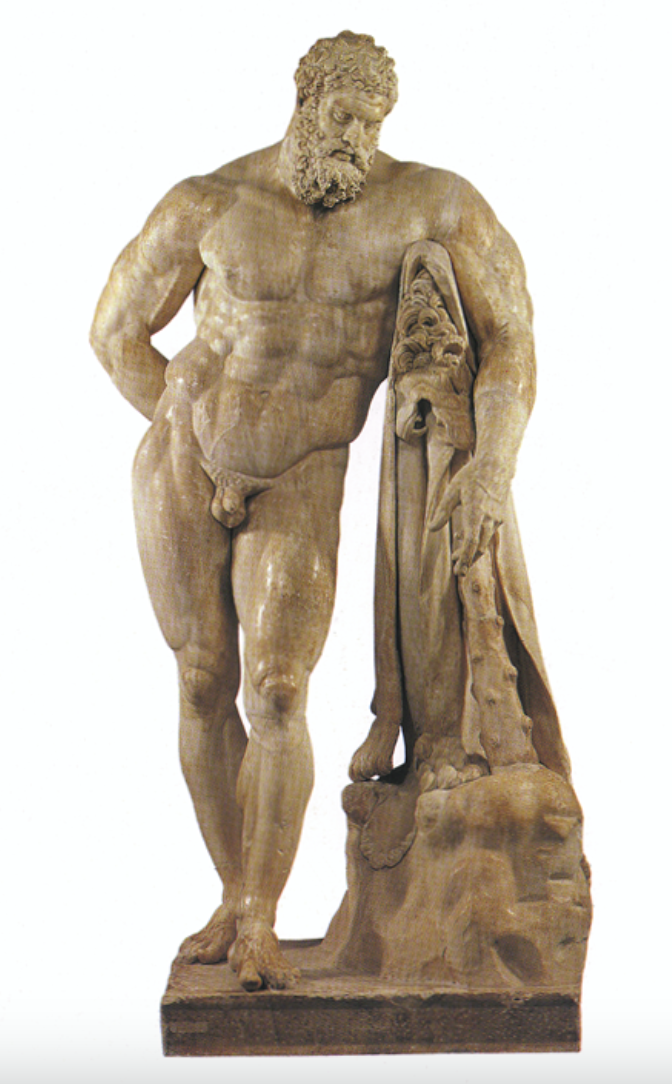
Farnese Hercules
by Glykon of Athens
Roman copy of Greek original, the Weary Herakles by Lysippos of c. 320 BC
Marble
Baths of Caracalla, Rome
findspot
example of lavish decoration in one of the last periods before the soldier emperors
subject matter
strength and associations with ancient greece
style
right before the late antiquity style
statue type
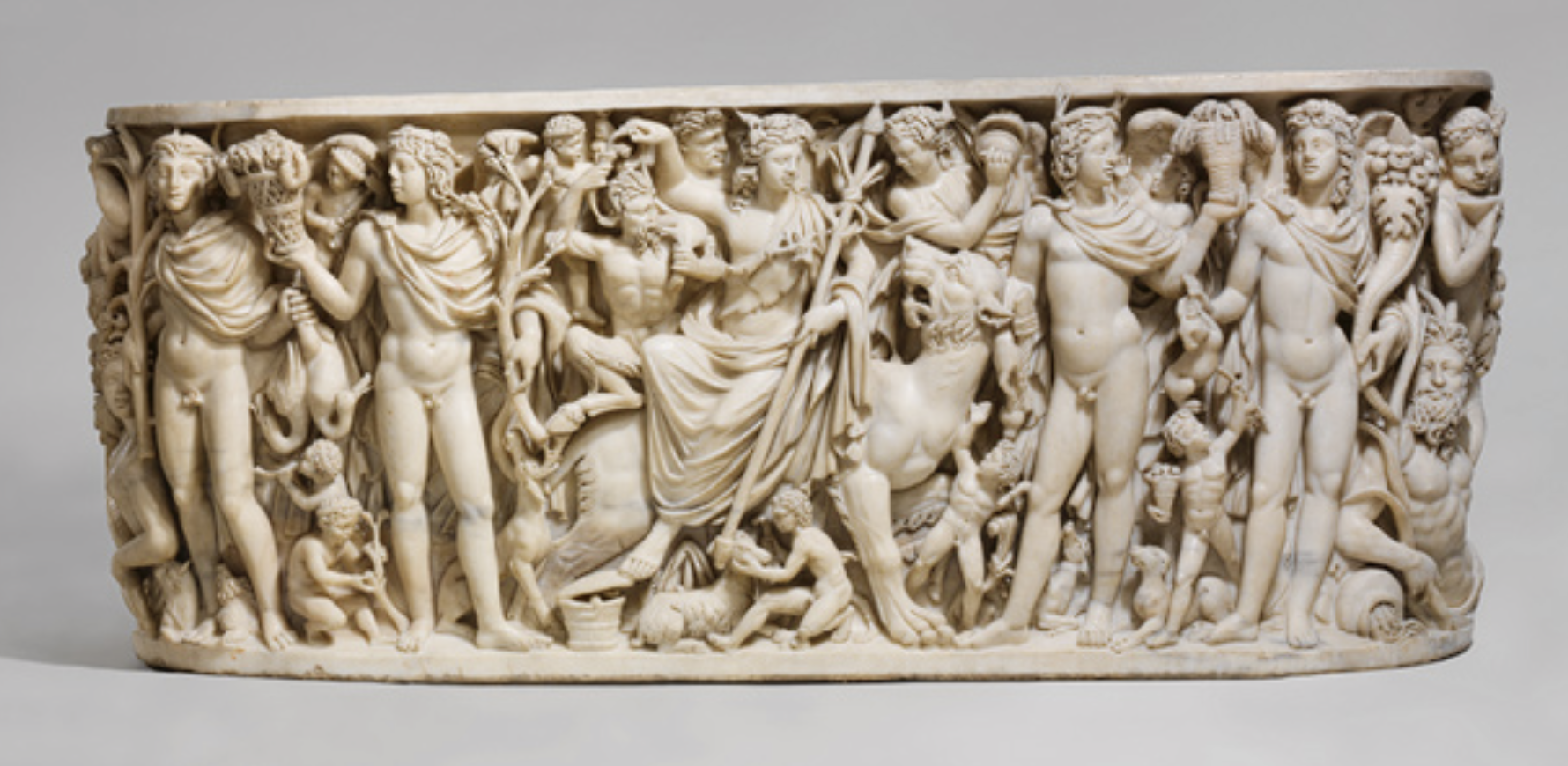
Dionysos and Seasons Sarcaphogus
AD 220-235
Marble
Findspot unknown
style
severan style
deep drilling
frontality
findspot function
ready made sarcophagi
subject matter
dion!
relates to the cycle of life and how life after death was becoming a belief
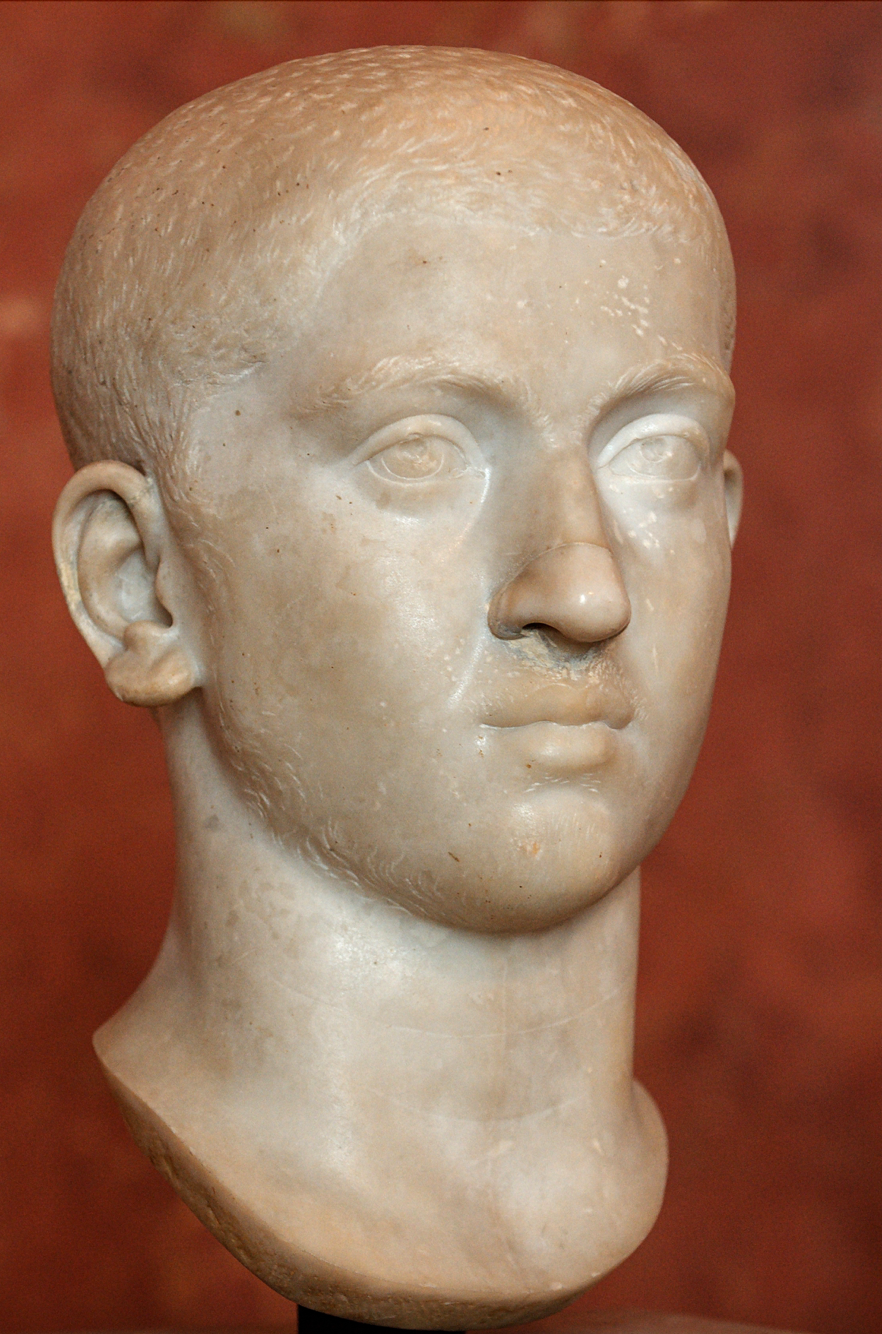
Portrait of Alexander Severus
c. AD 222-235
Marble
Provenance unknown
Cross between caracalla nd trajan
Caracalla: cropped hairstyle
Roundish boyish face
Hair doesn’t look organically connected to his head
Classicizing and tough guy look
Also has a stippled beard almost
gets assasinated btw
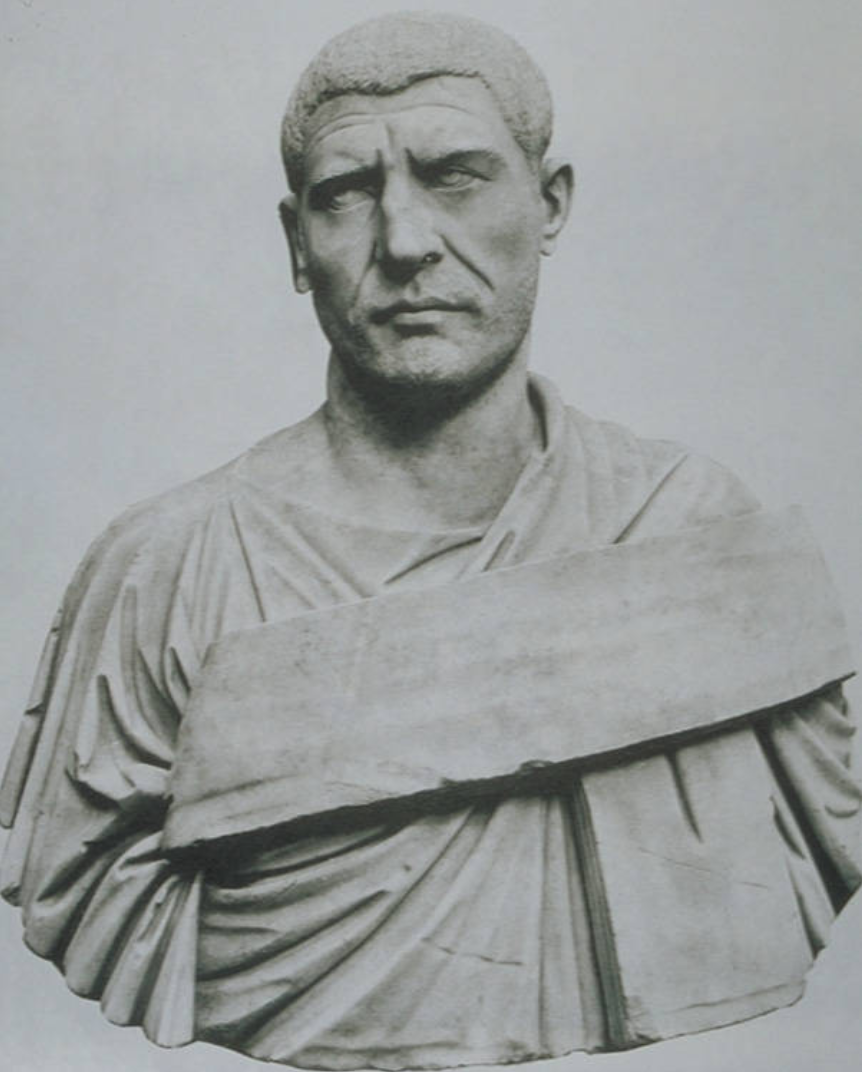
Portrait of Philip the Arab
AD 244-249
Marble
Rome
example of a soldier emperor
continuity
square face, x forms, fisher pryce hair, looking up
change
pattern in the drapery
more idealization
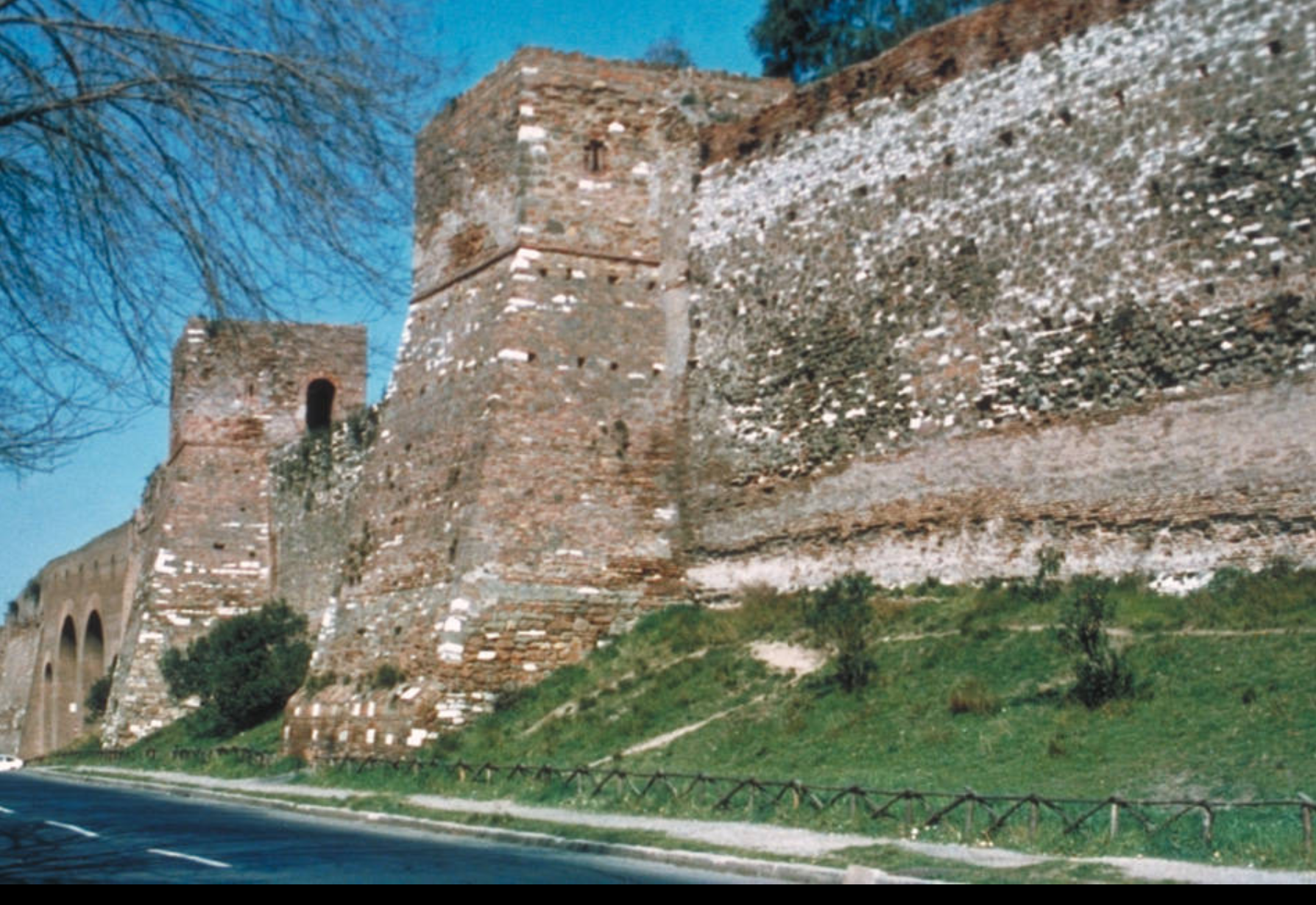
Aurelian Wall
AD 271-275
Brick and concrete Rome
date
hasnt been efforts to fortify the empire since the fourt century
function findspot
fears of romans nd their emperor
foreshadows the crisis of the fourth century
material
they went super fast, shows their urgency
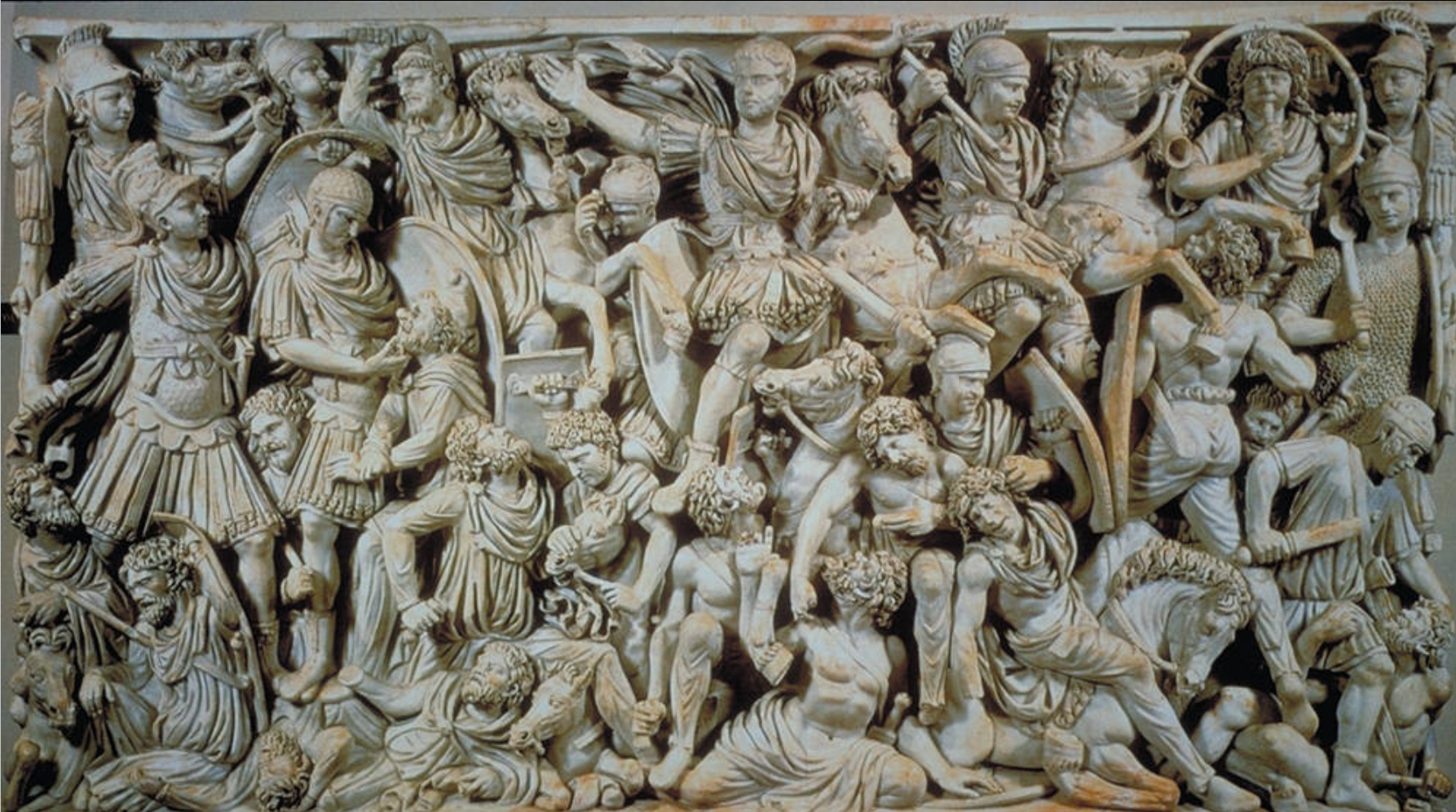
Ludovisi Battle Sarcophagus
c. AD 260
Marble
Rome
function
meant to stop the spread of disease
subject matter
stock scenes
subject matter
meant to have a message that this person will be victorious in the afterlife.

Portrait of the Tetrarchs
c. AD 300
Porphyry
Originally from Constantinople, now set into Basilica of S. Marco Venice
findspot
found in constantinople and inside an open air sculpture park
subject matter
made to look like they r a united force
material
porphyry
reserved for imperial monuments- also communicates this message
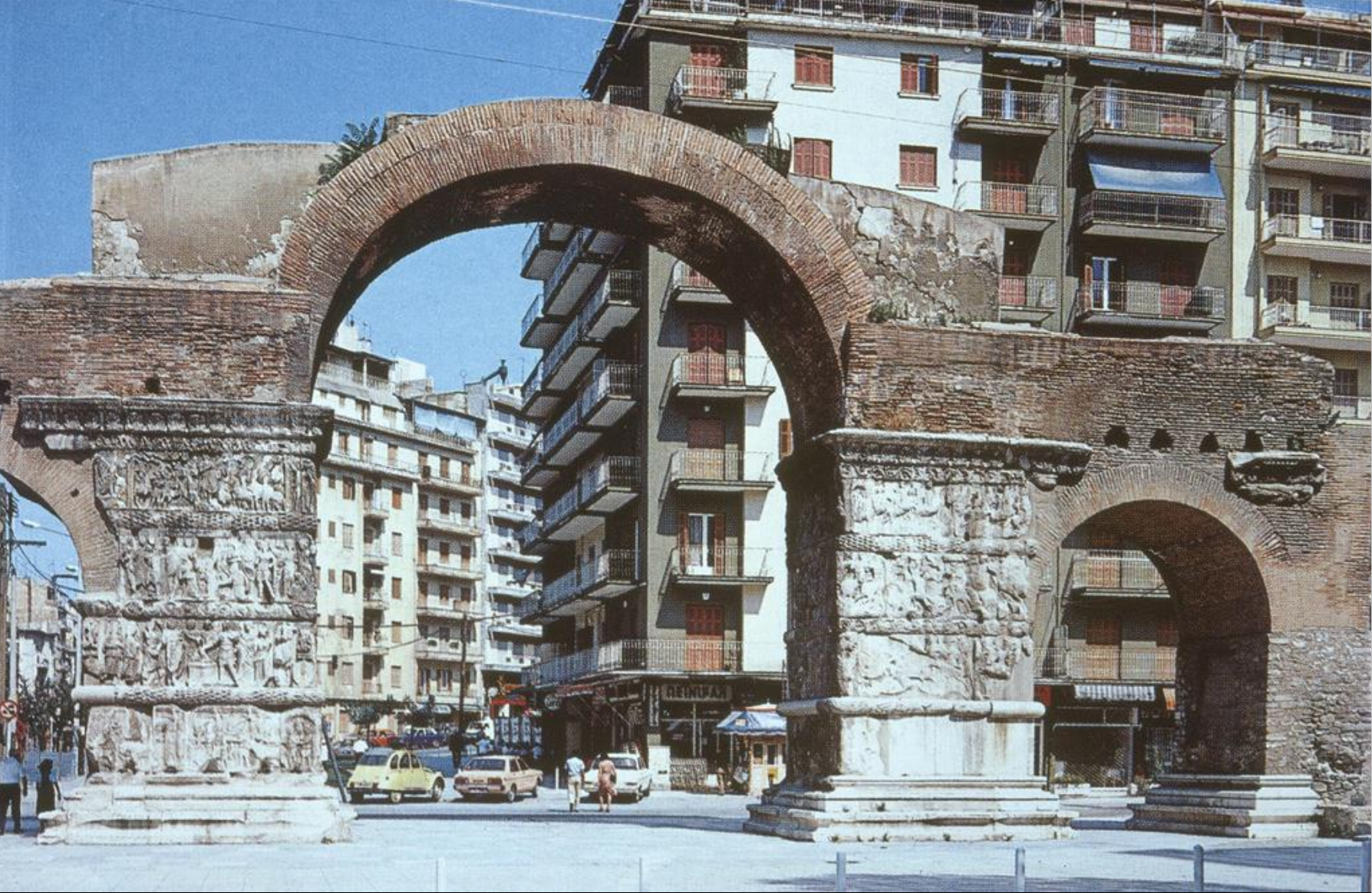
Arch of Galerius
Detail, Relief
c. AD 298–303
Brick, concrete, marble Thessalonica
subject matter
arch advertising the rulers and tetrarchs
subject matter
little victories are the origins of angels
subject matter
shows galerius’s ad wentus
celebrates him
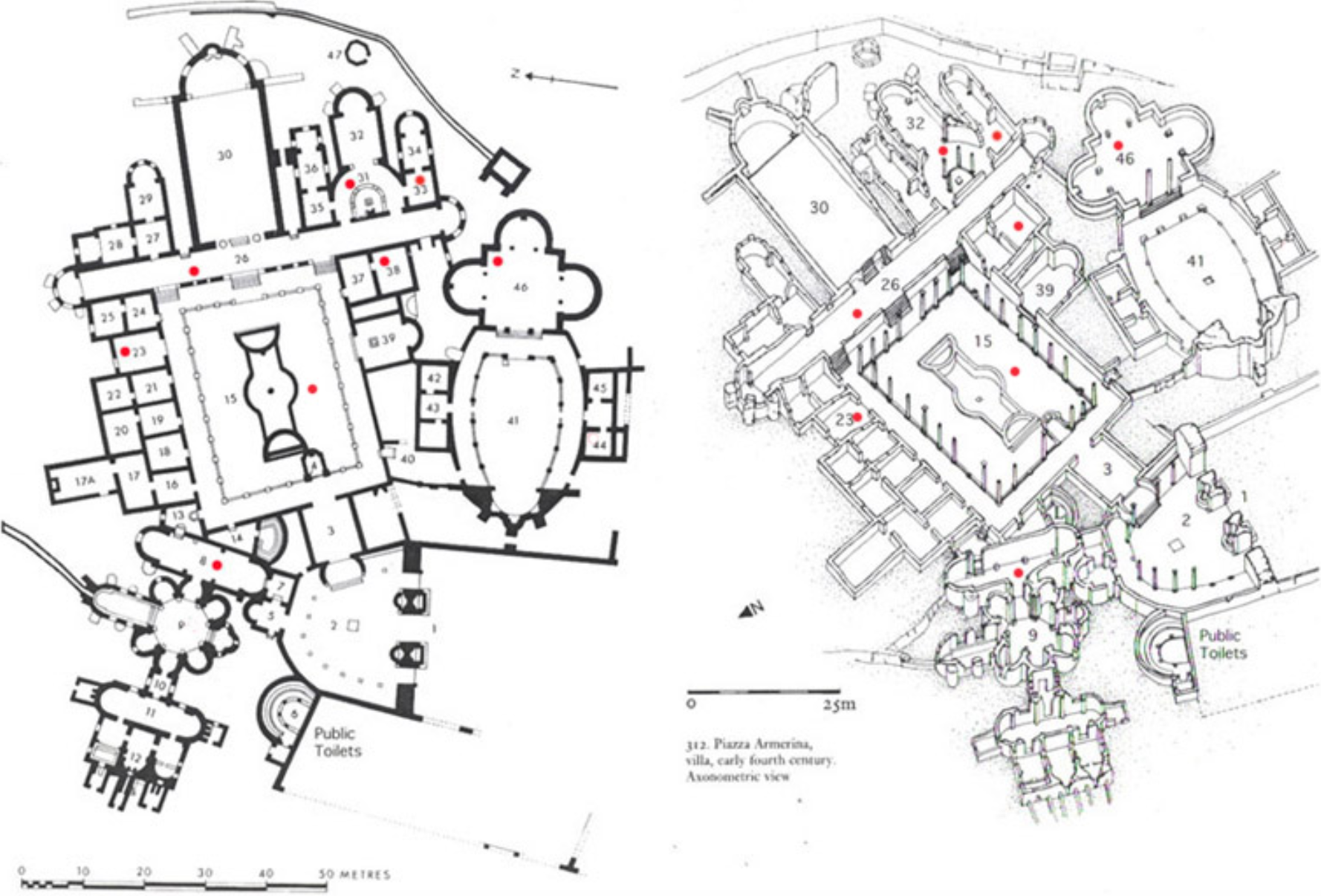
Villa at Piazza Armerina and
Detail of Command Group in Great Hunt Mosaic
AD 305
Brick, concrete, marble
Piazza Armerina, Sicily
findspot
the area was a marble production center
even after the building was destroyed it remained in use during the byzantine and arab period
precursor….
context
covered in a landslide
preserved the whole floors of mosaics
subject matter
mosaics in the roman world start going up and up onto the walls and ceilings
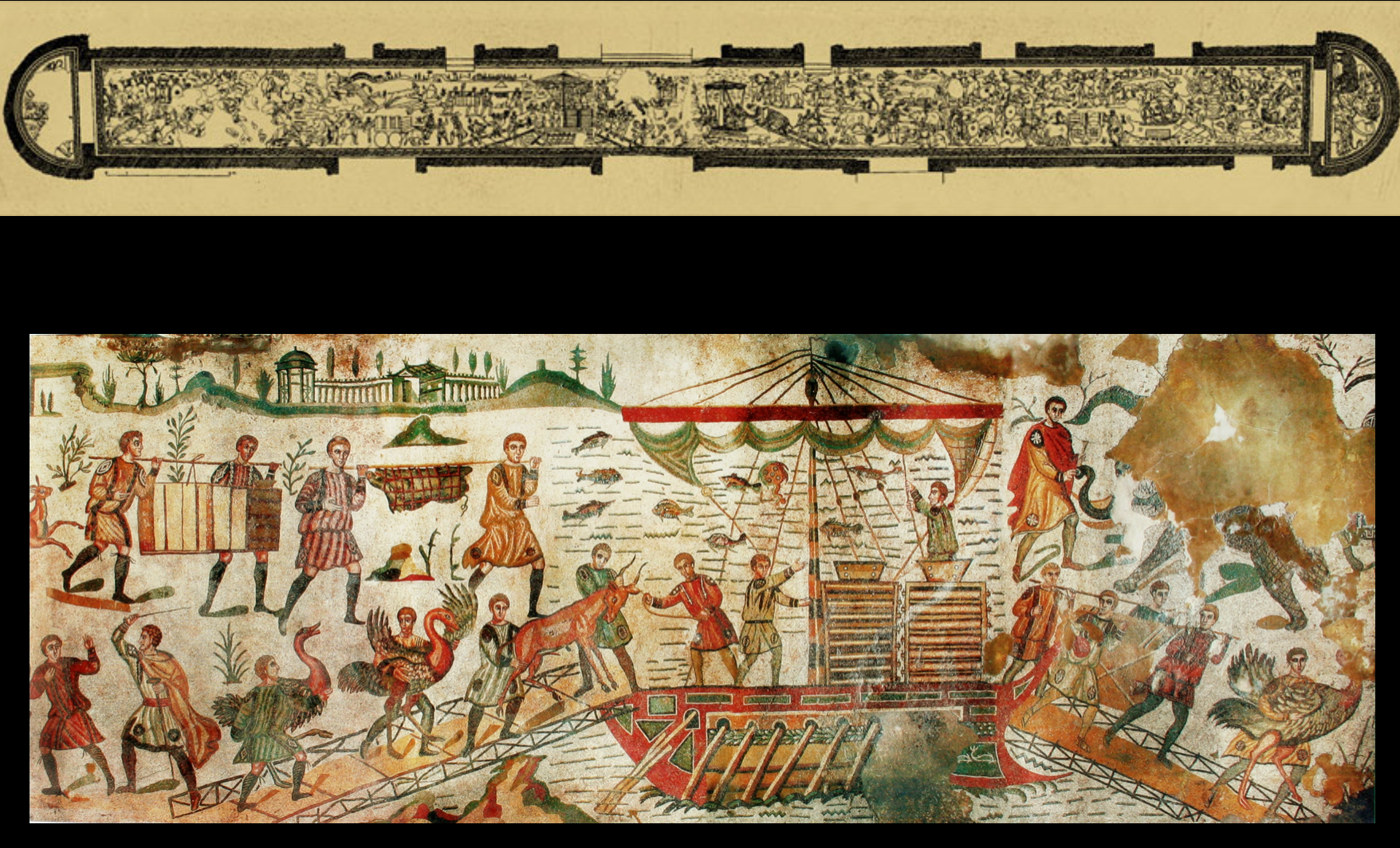
Great Hunt Mosaic
subject matter
shows the regions that the animals come from
region
close to lepsis magna
animals were brought from there to feet the hunt and performances
subject matter
members of the roman army
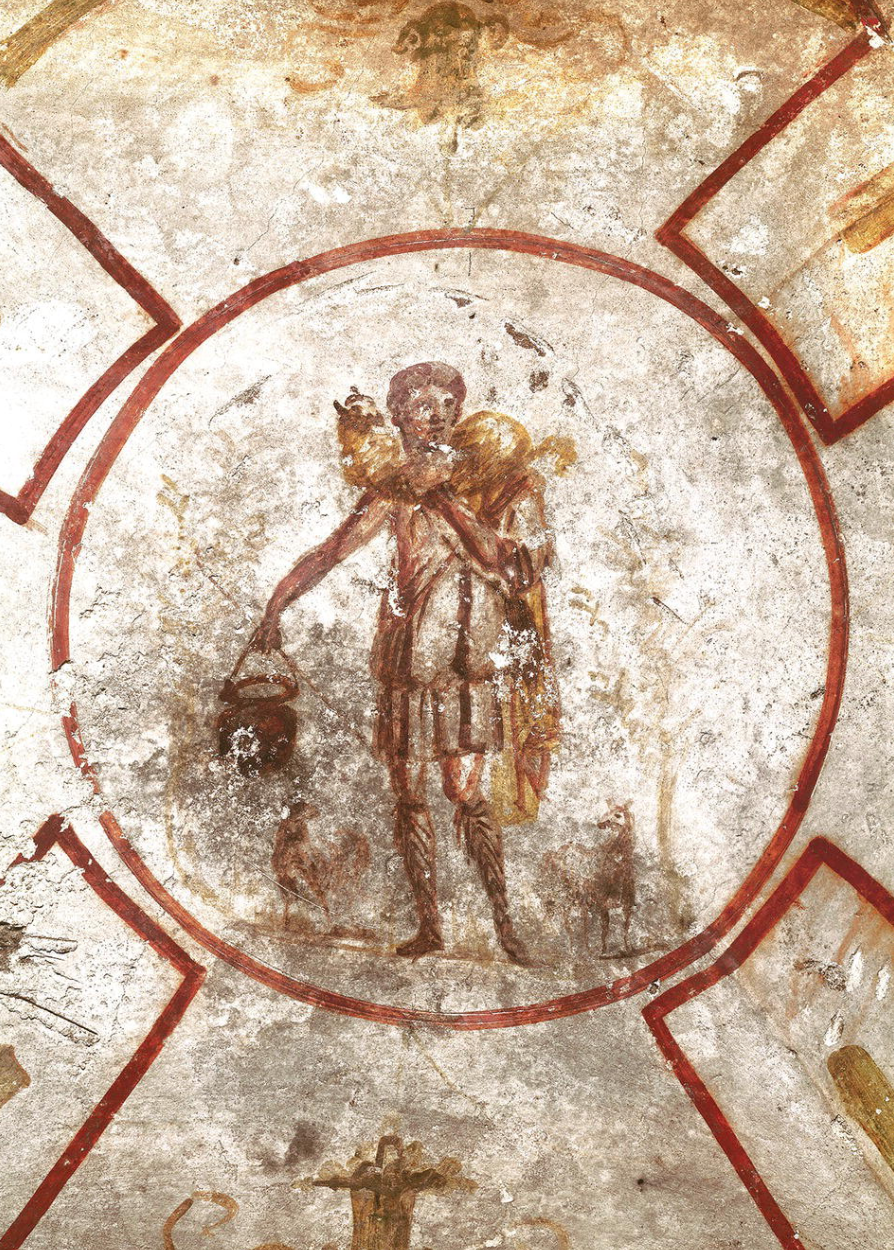
Good Shepherd
3rd c AD
Ceiling Fresco
Catacombs of S. Callisto, Rome
flexible continuity
contrappasto
pagan subjects

Good Shepherd Statue
3rd c AD
Marble
Catacomb of Domitilla, Rome
flexible continuity
contrappasto
pagan subjects
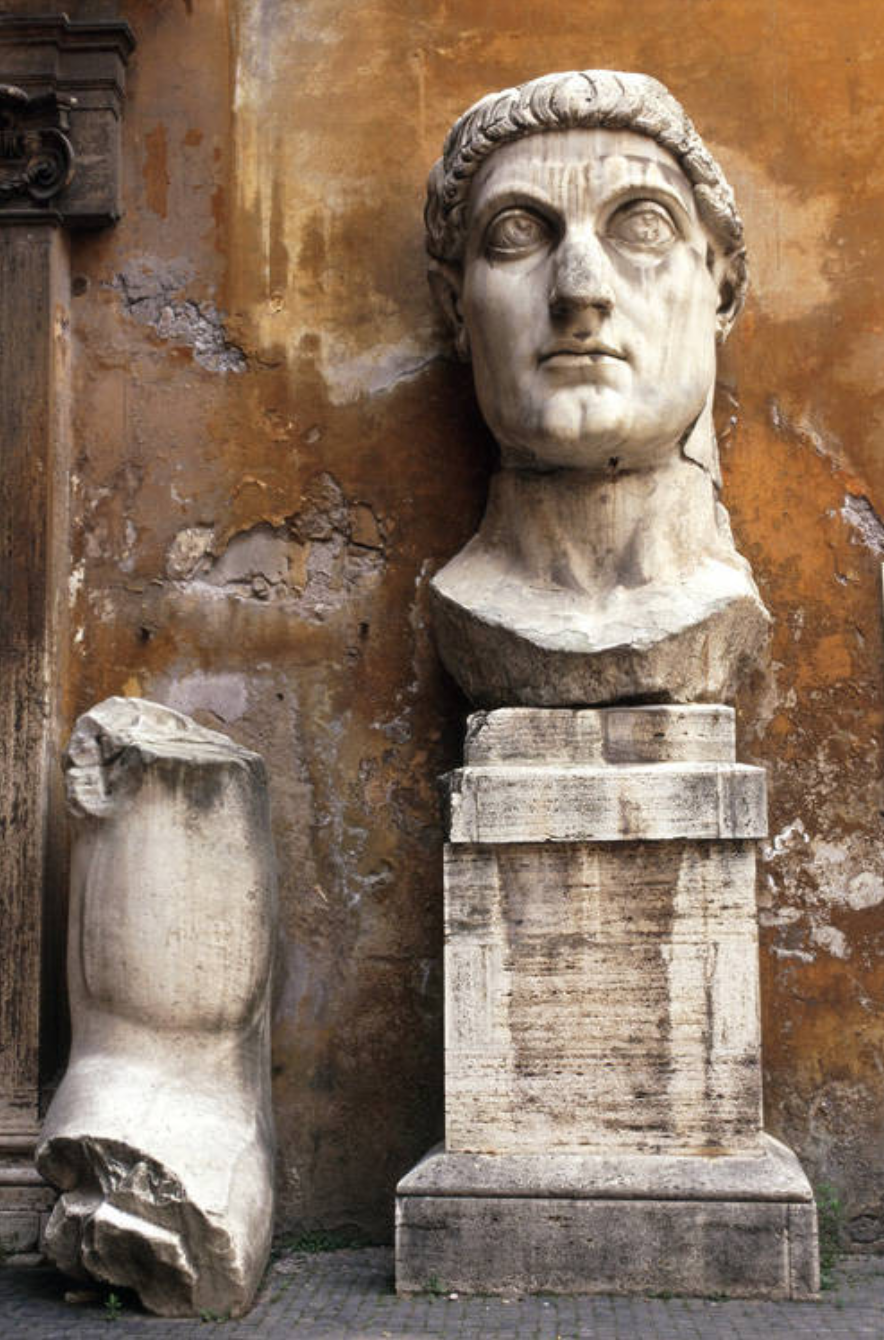
Portrait of Constantine
c. AD 315-330
Marble
Basilica Nova, Forum Romanum, Rome
style
echoing crab claw hairstyle
clean shaven
hooked nose
portruding chin
portruding ears
findspot
commissioned this statue to put it in the building at the center of rome
takes over the basilica nova
makes alterations so that it becomes his own
bro its 8.5 feet
context
nvr b4 seen huge statues of emperors
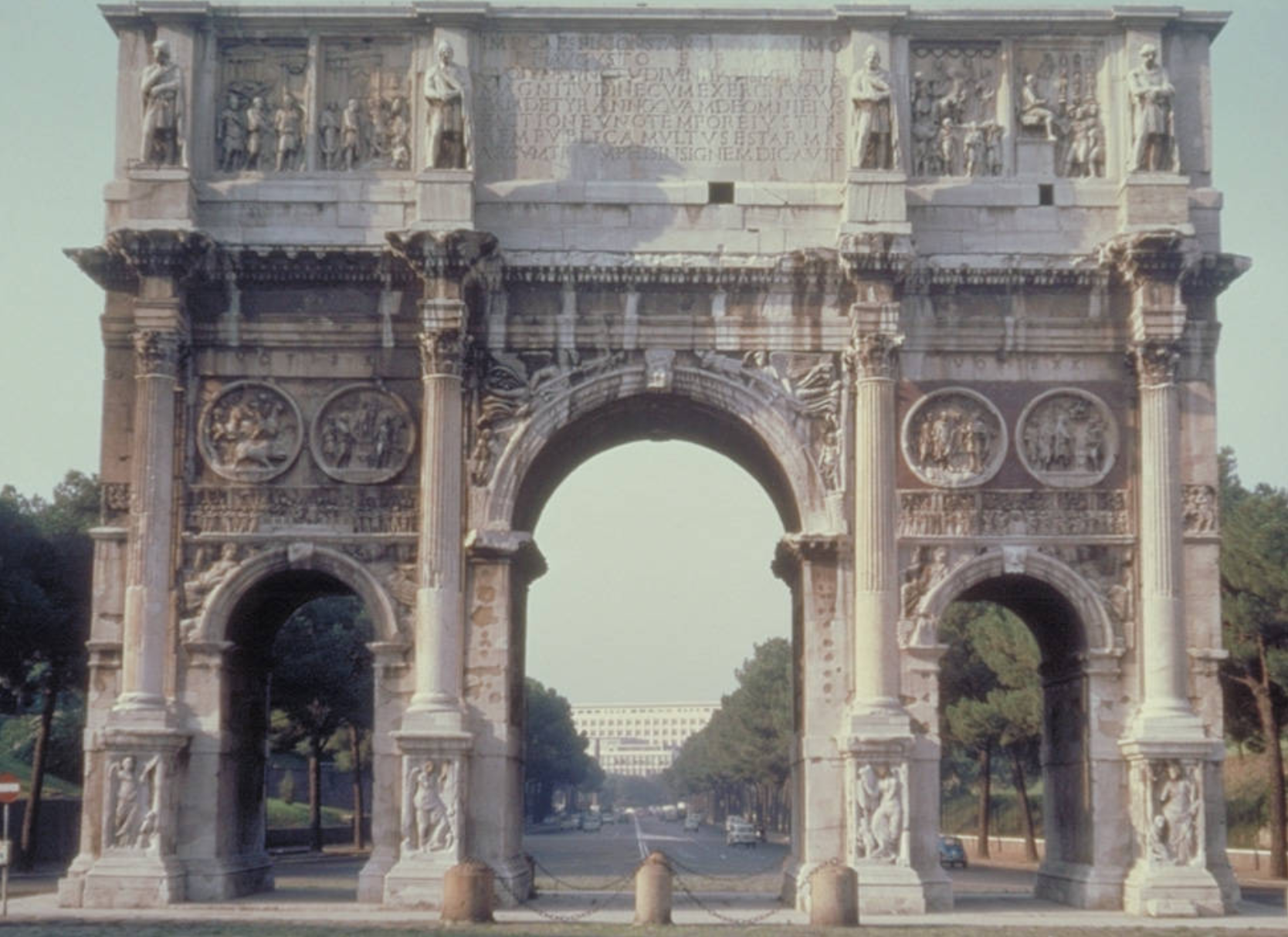
Arch of Constantine
AD 312–315
Marble
Rome
genres
continuation of the triumphal arch
commemorates constatines triumph over maxentius
context
central battle of constatines career when he gains control over the western half of the roman empire
spolia
covered in reliefs from monuments around rome
dacians from trajan’s forum
hadrianic hunting roundels
panels from marcus aurelius
his face gets recarved as constantines face
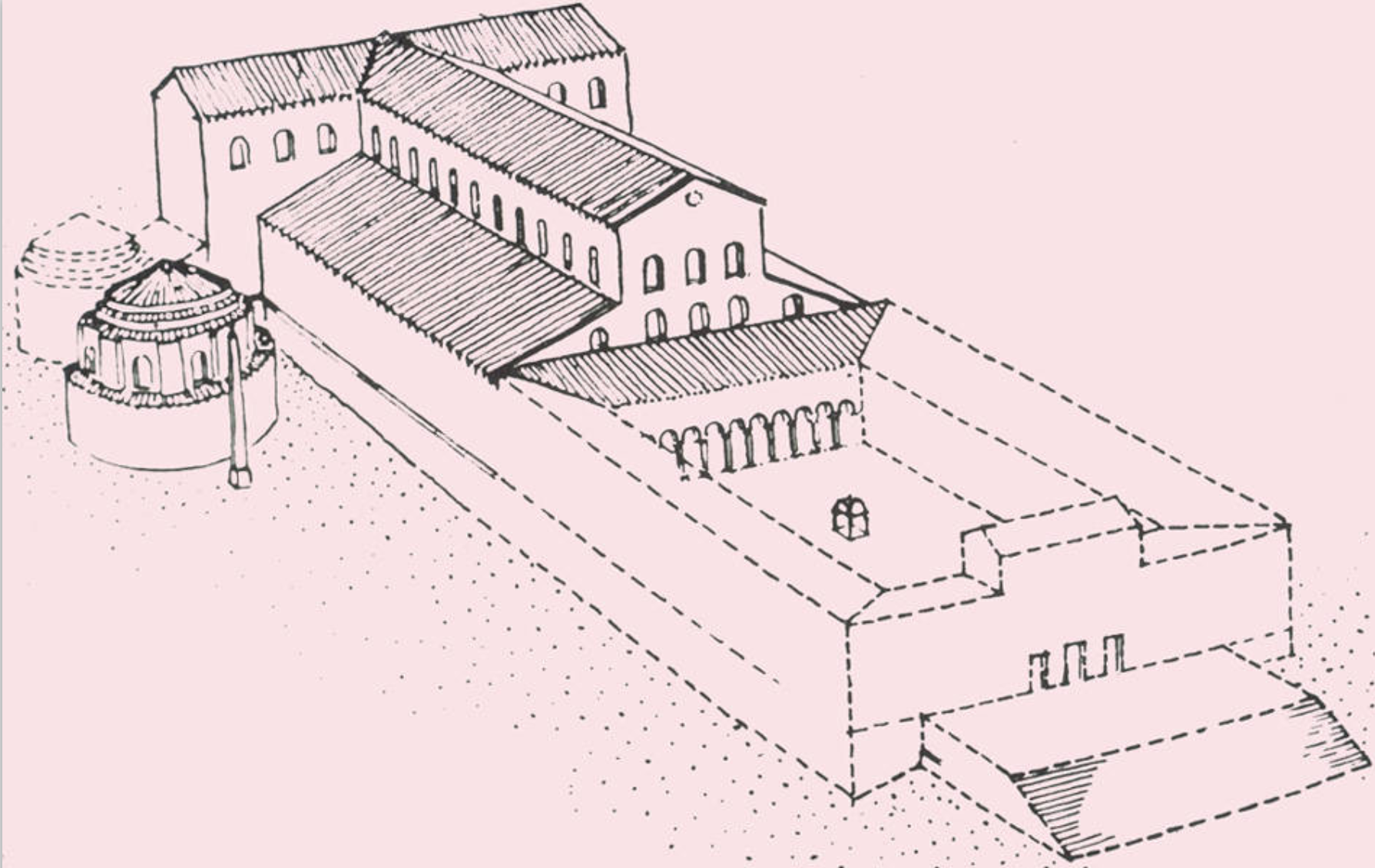
Old St. Peter’s
Plan
c. AD 320-330
Brick and concrete Rome
basilica
earliest of these types of churches
adopted the plan of a roman basilica and started using that for a church plan
function
gathering place but also as a tomb for martyrdom
becomes not just a congregational church but also a pilgrimage place, a shrine, and a martyrion
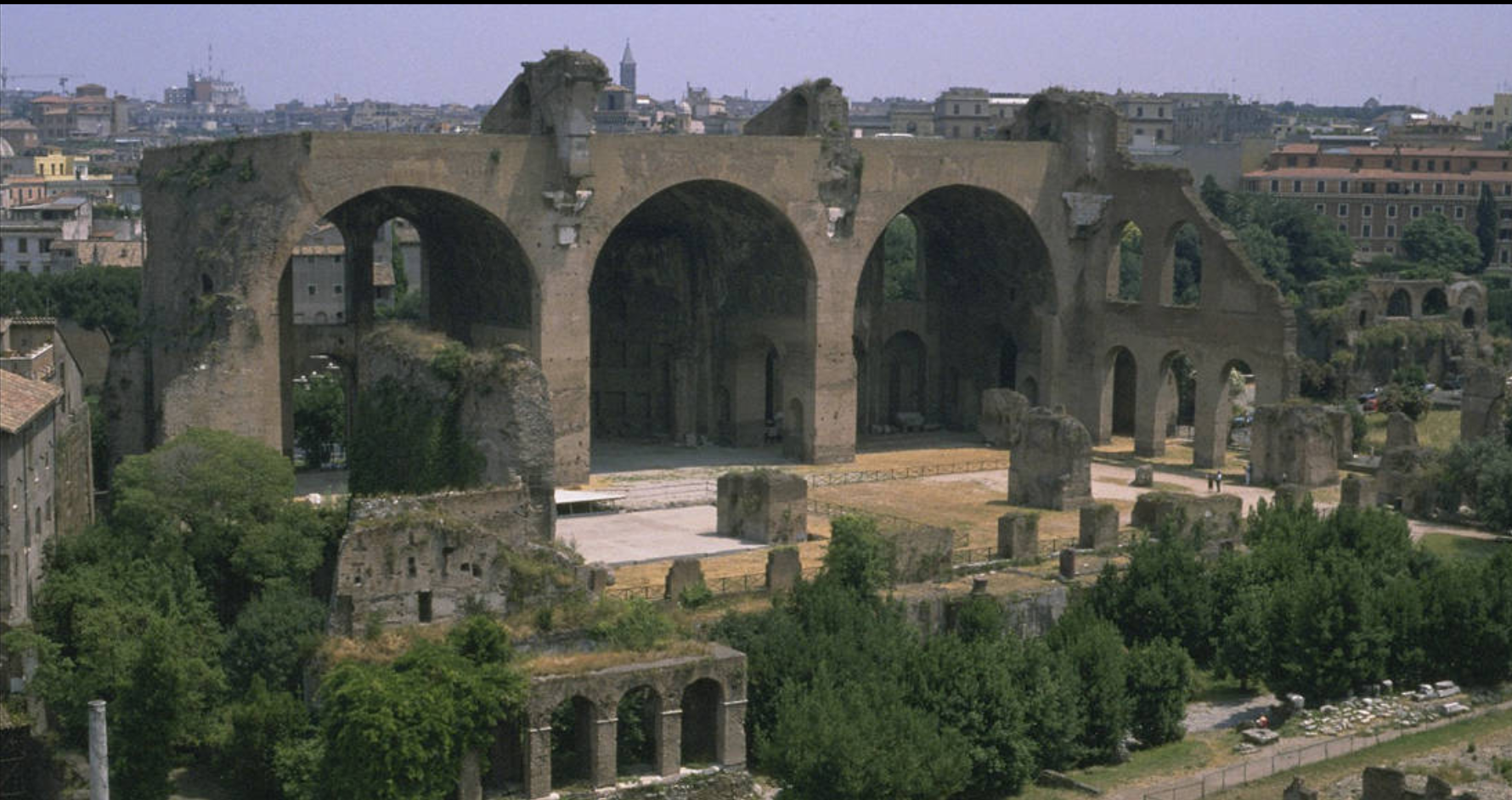
Basilica Nova
Basilica Nova Reconstruction
c. AD 315
Brick and concrete
Rome
place where the constantine statue was located
soldier emperor maxentius built this
after constantine defeats him, he takes over this basilica
instead of having it longitudinally, he puts the apse on the other side.
 Note
Note  Flashcards (103)