Post-Genocide Rwanda: Impact, Justice, and Rebuilding
 Studied by 0 people
 Call Kai
 Learn
Learn Practice Test
 Spaced Repetition
 Match
Match Flashcards
 Knowt Play
1/39

There's no tags or description
Looks like no tags are added yet.
Name | Mastery | Learn | Test | Matching | Spaced |
|---|
No study sessions yet.
40 Terms
What happened in Rwanda in the summer of 1994?
The genocide ended, leaving the country in shambles.
What was lacking in Rwanda after the genocide?
There was no functioning government to run essential services.
How many Rwandans fled to neighboring countries after the genocide?
About three and a half million Rwandans, mostly Hutus.
What challenges did survivors face after the genocide?
They dealt with trauma, loss of family, homes, and severe physical disabilities.
What was established by the Rwandan Patriotic Front in July 1994?
A Government of National Unity with seven other political parties.
What fund was created to support genocide survivors?
The Genocide Survivors Fund.
Who became the fifth President of Rwanda in April 2000?
Major General Paul Kagame.
What was one of the key questions the government faced after the genocide?
How to bring justice to the people of Rwanda?
What legal mechanism was established to prosecute genocide leaders?
The International Criminal Tribunal for Rwanda (ICTR).
Where was the ICTR located?
In Tanzania.
As of January 2009, how many individuals had completed trials at the ICTR?
28 individuals.
What human rights issues arose from the overcrowded jails in Rwanda?
The right to humane treatment and the right to a speedy trial.
What types of individuals were tried in the ICTR?
Government officials, church leaders, journalists, and influential figures.
What was a significant consequence of the genocide for Rwandan children?
Many became orphaned and had to take care of younger siblings.
What physical disabilities did many survivors suffer from?
Loss of hands, arms, or legs due to machete attacks.
What was one of the major issues with international aid programs post-genocide?
They often provided aid to both victims and perpetrators.
What did the Government of National Unity aim to rebuild in Rwanda?
Education, health, and economic systems.
What was the status of the trials for genocide perpetrators by January 2009?
23 trials were in progress, and 8 detainees were awaiting trial.
What was a common experience for survivors regarding their memories?
They had to cope with traumatic memories of violence and loss.
What did the international community fail to do during the genocide?
Intervene to prevent the killings.
What is the Gacaca system?
A community-based justice system in Rwanda designed to speed up trials for genocide crimes, modeled on ancient tribal customs.
What challenges does the Rwandan national court system face?
It is overwhelmed due to a large number of cases and a weakened system following the genocide.
How many individuals have been acquitted of their charges in the current appeals?
Five individuals have been acquitted.
What was the role of the International Criminal Tribunal for Rwanda?
It prosecutes key planners and leaders of the genocide but operates slowly and focuses only on top individuals.
What did President Clinton and UN Secretary-General Kofi Annan do in 1998 regarding the Rwandan genocide?
They both apologized for not intervening to stop the genocide.
What is a significant lesson learned from the Rwandan genocide?
The international community must identify and intervene in potential genocides early to prevent future atrocities.
What impact did the genocide have on Rwanda's infrastructure?
Many leaders were killed, and roads, buildings, and services were severely damaged.
What is the current status of individuals awaiting trial in Rwanda?
Over 100,000 people are in jail awaiting trial by the Rwandan criminal courts.
What is the primary criticism of the Gacaca process?
It does not follow recognized standards for due process and fair trials.
What role do local community members play in the Gacaca trials?
They serve as lawyers and judges during the trials.
What was the response of the international community to the Rwandan genocide?
There were calls for a system to identify and intervene in potential genocides to prevent future occurrences.
What happened to many Rwandans during the genocide?
Many fled to neighboring countries and lived in refugee camps.
What does the Gacaca process aim to address?
It aims to reduce the backlog of genocide cases and facilitate community healing.
What does the phrase 'First They Came for the Jews' signify?
It highlights the dangers of not speaking out against oppression, as it can eventually lead to one's own persecution.
How does the Gacaca process differ from traditional court systems?
Gacaca trials are brief and community-based, whereas traditional courts follow formal legal procedures.
What is the significance of the cemetery and memorials in Rwanda?
They serve as reminders of the genocide and the lives lost during that period.
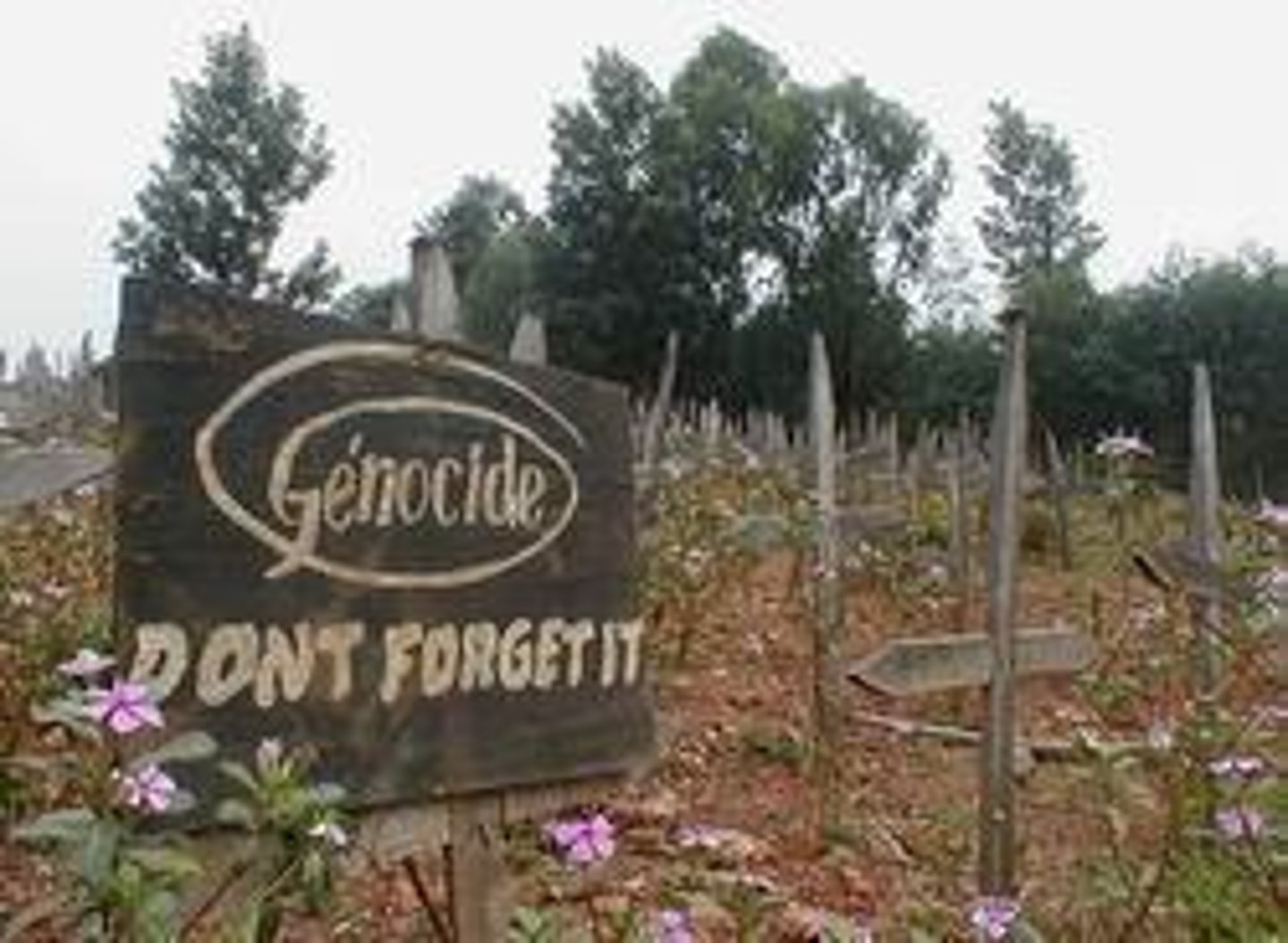
What are the implications of the lessons learned from Rwanda for current global events?
They emphasize the need for vigilance and action against potential genocides worldwide.
What was the state of the Rwandan legal system after the genocide?
It was severely weakened, with many legal professionals killed or displaced.
What is the main goal of the Gacaca courts according to the Rwandan government?
To help the country heal and reconcile after the genocide.
What is the controversy surrounding the Gacaca system?
It is debated whether it provides adequate justice and due process compared to international courts.
 Note
Note  Flashcards (327)