Gilded ages
 View linked note
 Call Kai
 Learn
Learn Practice Test
 Spaced Repetition
 Match
Match Flashcards
 Knowt Play
1/19

There's no tags or description
Looks like no tags are added yet.
Name | Mastery | Learn | Test | Matching | Spaced | Call with Kai | Chat |
|---|
No analytics yet
Send a link to your students to track their progress
20 Terms
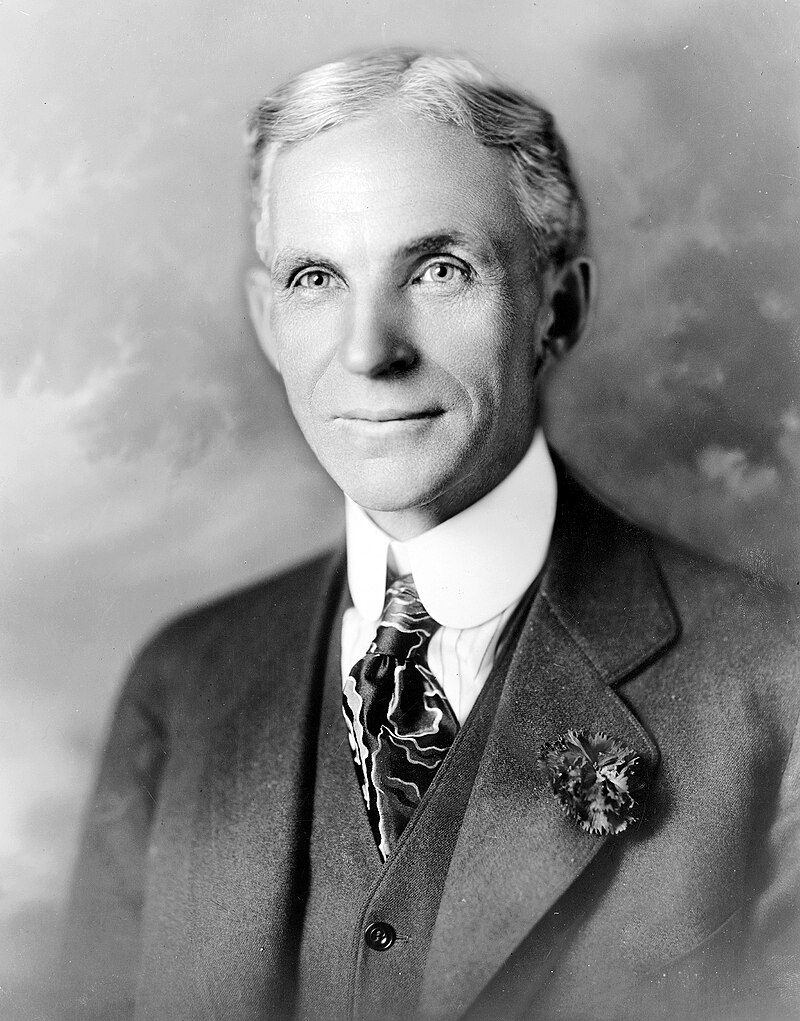
Cornelius Vanderbilt
Earned money primarily through shipping and railroads; known for his ruthless business practices. He significantly impacted the U.S. economy by expanding transportation networks and was involved in political matters primarily through his influence on economic policies.
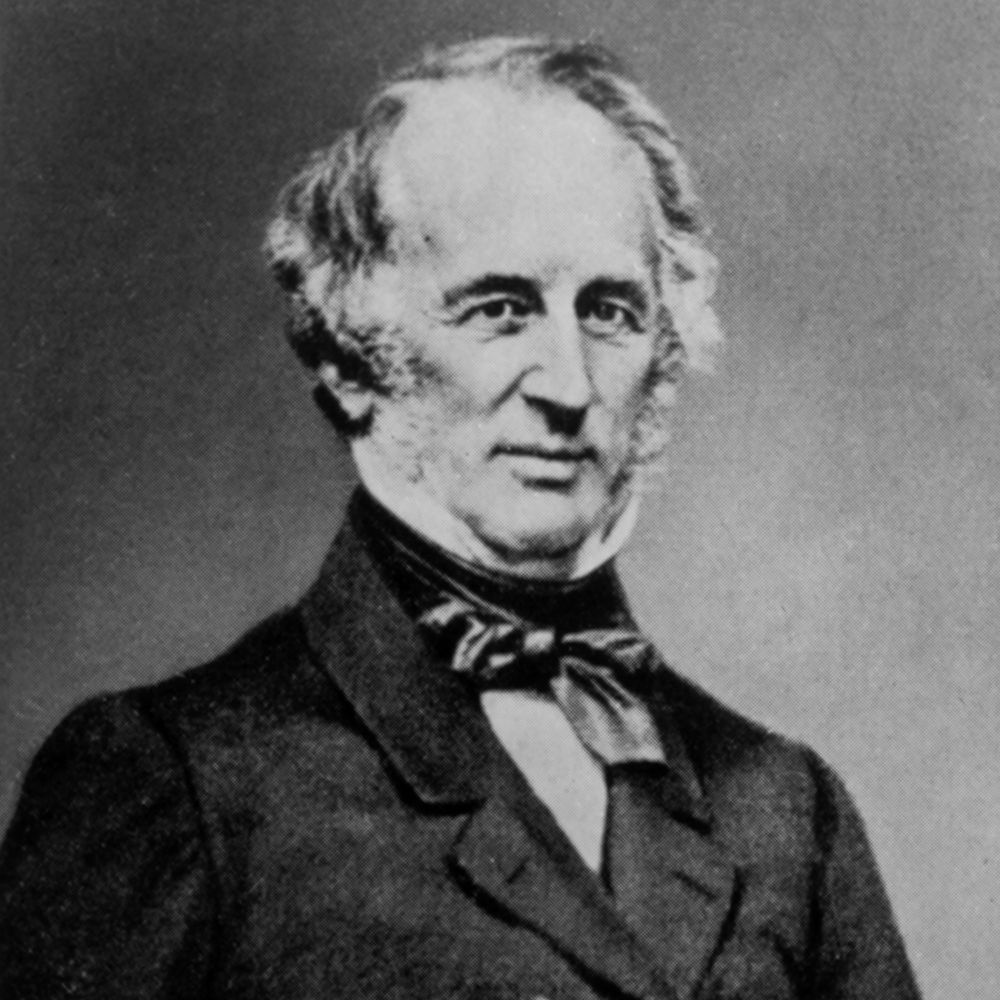
Andrew Carnegie
Made fortune in steel through vertical integration; involved in philanthropy, but faced criticism for harsh labor conditions. He changed the USA by promoting industrial growth and innovation, while also engaging in political advocacy for free education.

John D. Rockefeller
Founded Standard Oil and dominated the oil market; used philanthropy to influence society but limited competition. His business practices reshaped U.S. economic landscapes, and he wielded political influence through lobbying and philanthropic initiatives.

Thomas Edison
Inventor who changed energy consumption through electric power generation; known for aggressive business tactics. He had a profound impact on American industry and technology, while at times engaging with political figures to promote his inventions.

Jay Gould
Made money in railroads and stock manipulation; criticized for unethical practices and involvement in financial panics. His controversial actions influenced public perception of railroads and finance, sometimes affecting political discussions.
Alexander Graham Bell
Inventor of the telephone; influenced communication technology but involved in contentious patent disputes. His invention transformed American communication, and he had some political interactions, especially related to telecommunications laws.
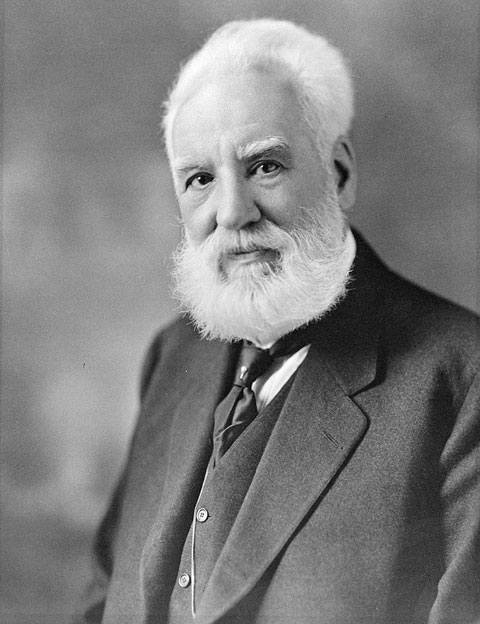
Henry Ford
Revolutionized the automobile industry with mass production; noted for controversial social views. He changed the U.S. economy through affordable automobiles and engaged in politics with his views on labor and society.
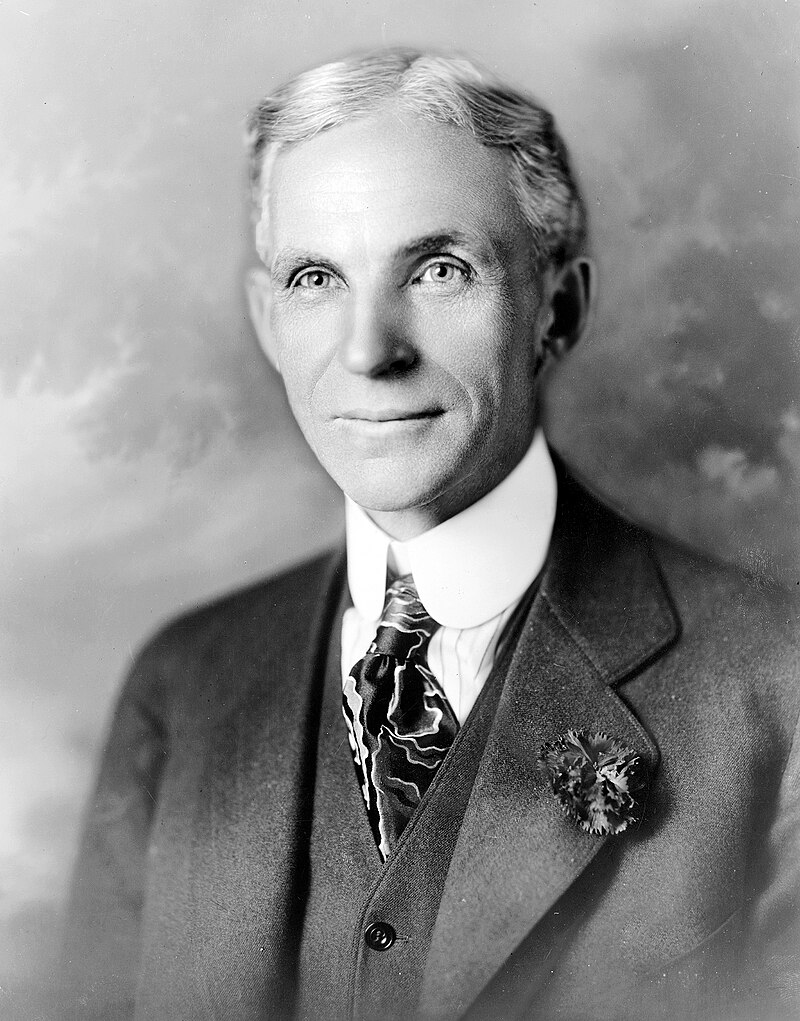
J.P. Morgan
Powerful banker influential in industry consolidations; criticized for strong-arm tactics in finance. He played a critical role in shaping American industries and possessed considerable political leverage due to his financial influence.
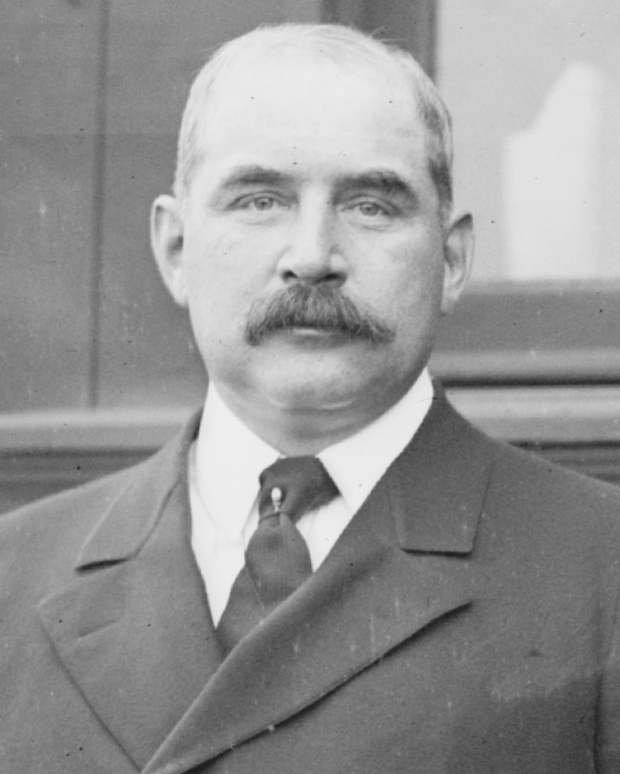
Trans-Continental Railway
Key development in connecting the U.S., facilitating trade and migration. This project greatly impacted the nation’s expansion and caused various political debates regarding land use and labor.
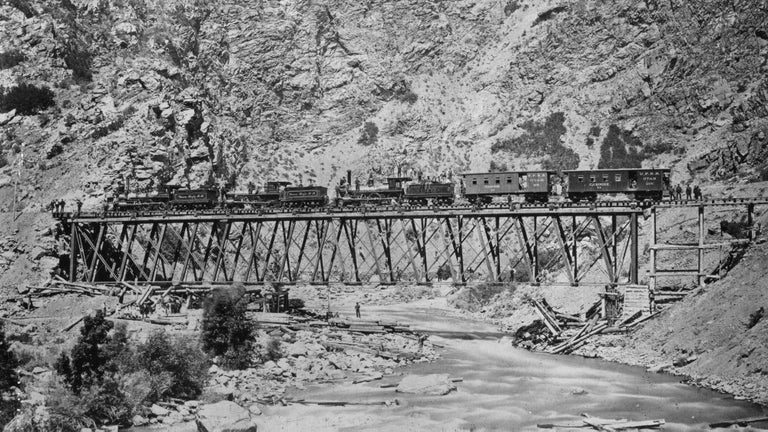
Vertical Integration
Business strategy controlling every stage of production, used by industrialists like Carnegie. This approach changed American industry dynamics and influenced regulatory discussions in politics.

Laissez Faire
Economic principle advocating minimal government intervention, commonly embraced by industrialists. This ideology shaped political policies and debates regarding government regulation of business.
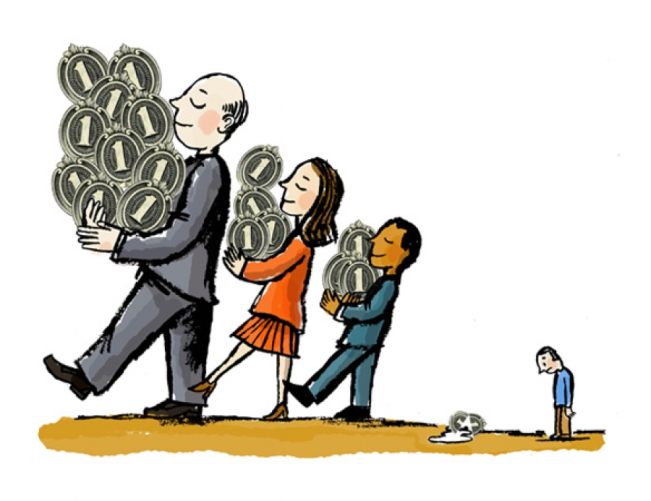
Social Darwinism
Belief that the strongest businesses thrive, reflecting natural selection, often used to justify economic inequality. This concept influenced political views on competition and labor rights.
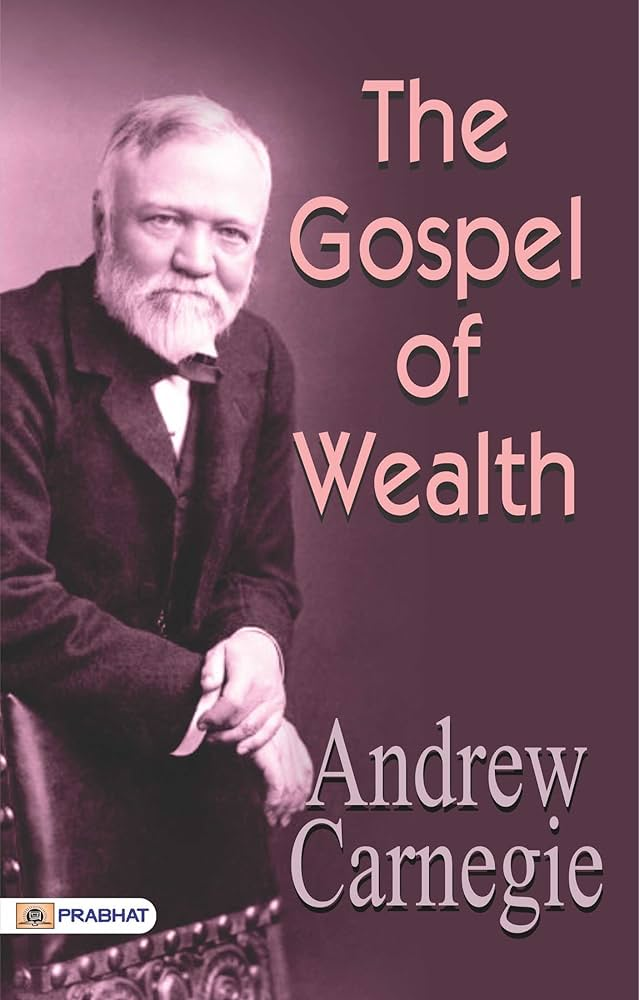
Gospel of Wealth
A book and philosophy advocated by Carnegie for the wealthy to use their riches for public good. This idea influenced philanthropic political movements in the U.S.
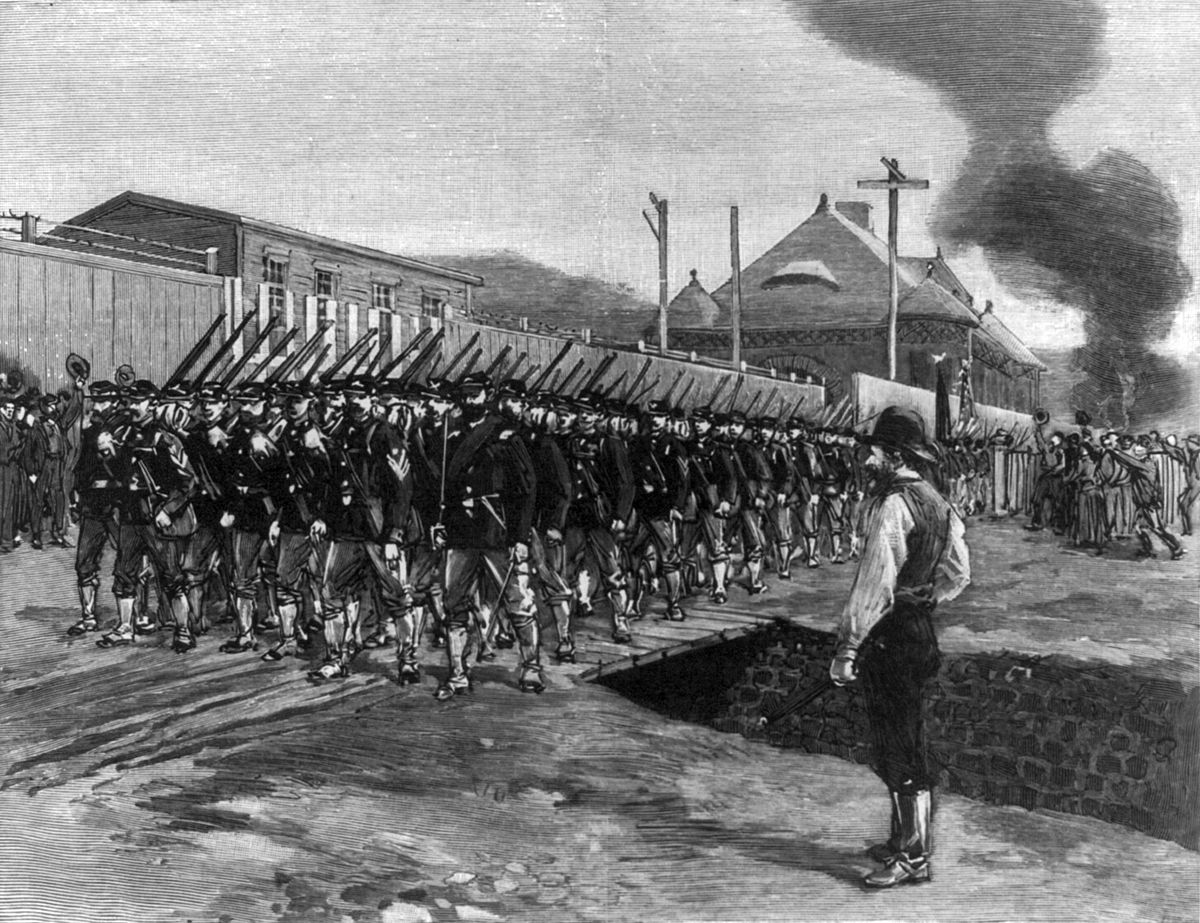
Homestead Strike
Significant labor dispute at Carnegie Steel, highlighting management-labor tensions. This event influenced labor politics and discussions regarding workers' rights.
Haymarket Bombing
Event symbolizing labor struggles and the fight for workers' rights in America. It had political ramifications, affecting labor laws and public attitudes towards unions.

Knights of Labor
Major labor organization advocating for workers' rights, opposed by powerful industrialists. Their influence shifted political discourse on labor relations in the U.S.
Samuel Morse
Invented the telegraph and co-developed Morse code; earned money primarily through his inventions and patents. He was politically active, advocating for the promotion of telegraphy and improved communication networks. His work transformed communication in the U.S. but he faced a lot of criticism for being intolerant of certain groups, particularly in his anti-Catholic views.

Frank Woolworth
Earned money through the establishment of five-and-dime stores, pioneering retail methods with a focus on low prices and variety; negatively viewed for the treatment of his employees and his limited respect for labor rights. He had some involvement in local politics but primarily focused on business ventures. Woolworth changed American retail by introducing the concept of fixed prices in a low-cost, self-service environment, influencing consumer culture.
Henry Ford
Revolutionized the automobile industry by introducing mass production techniques, particularly the assembly line, which significantly lowered production costs and made cars more affordable. He earned his money through the sale of automobiles, particularly the Model T. Ford was known for his anti-union beliefs and controversial social views, including his criticism of certain immigrants. His practices and views often sparked political discussions regarding labor rights and the social responsibilities of business.