SkM - RNA Viruses - complete
 Studied by 3 people
 Call Kai
 Learn
Learn Practice Test
 Spaced Repetition
 Match
Match Flashcards
 Knowt Play
1/439

There's no tags or description
Looks like no tags are added yet.
Name | Mastery | Learn | Test | Matching | Spaced | Call with Kai |
|---|
No analytics yet
Send a link to your students to track their progress
440 Terms
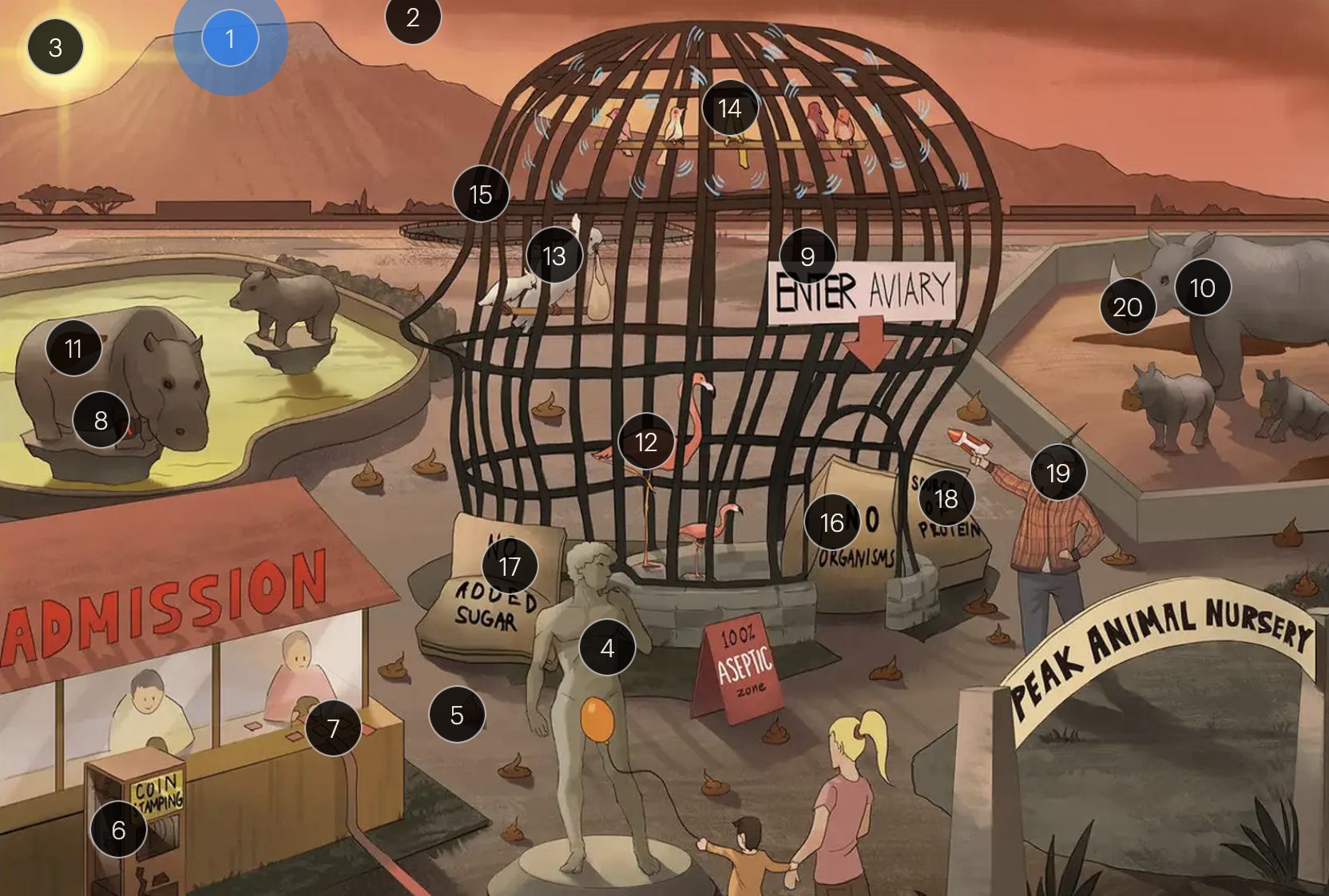
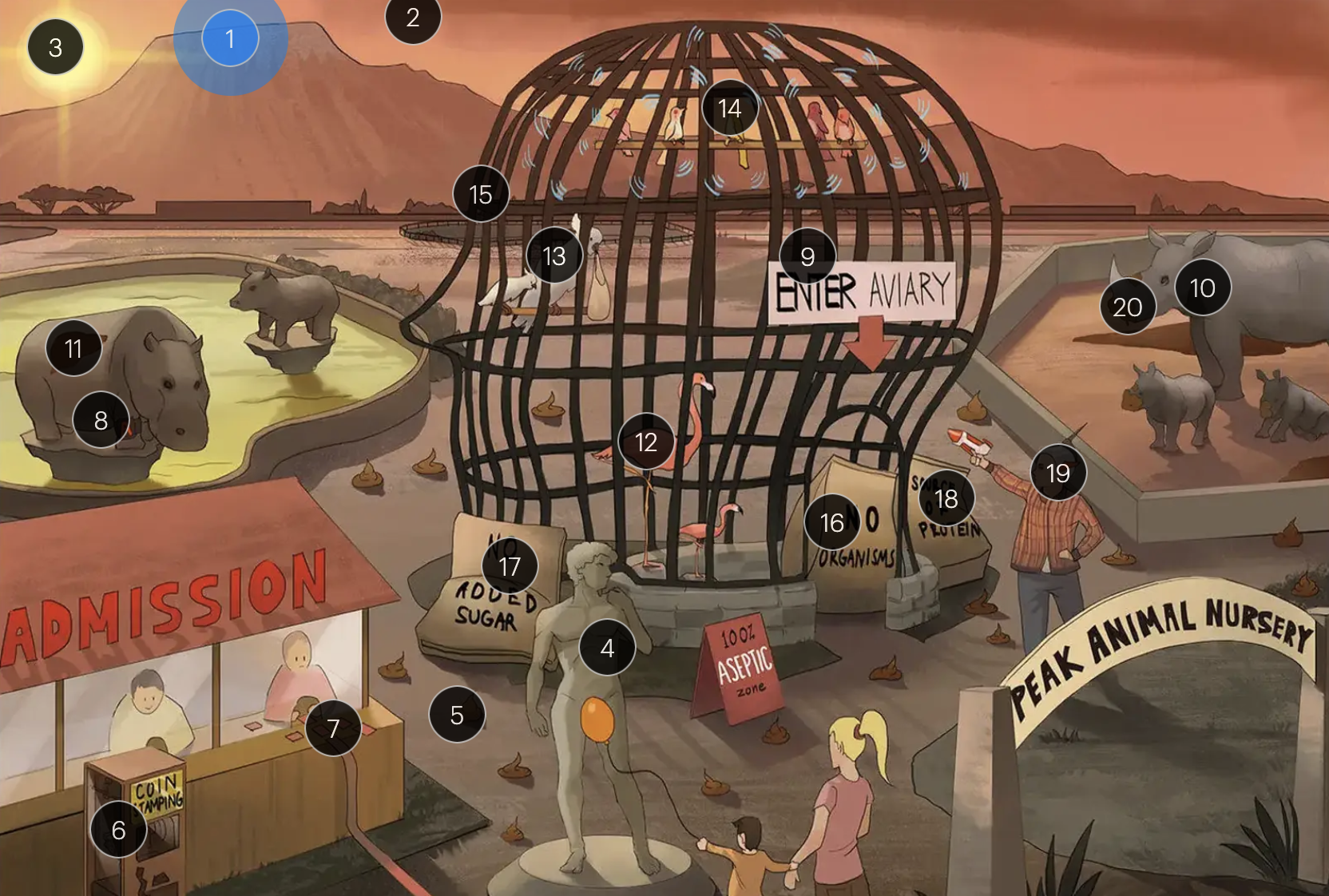
Picornaviridae Overview
#1 mountain peak
picornaviridae family of viruses; poliovirus, coxackievirus A&B, echovirus, and rhinovirus are picornaviruses
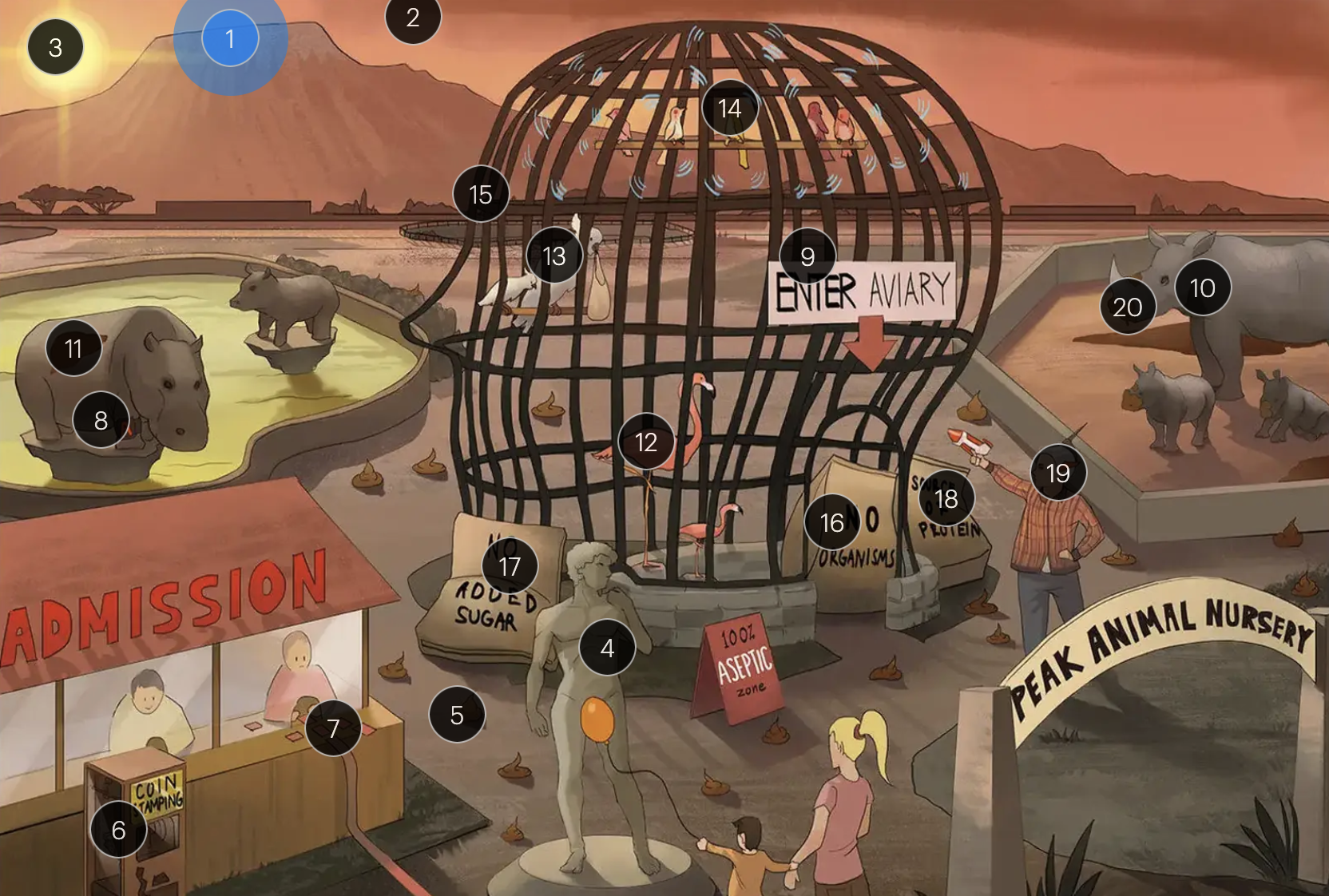
Picornaviridae Overview
#2 warm colors
picornaviruses are positive-sense RNA viruses
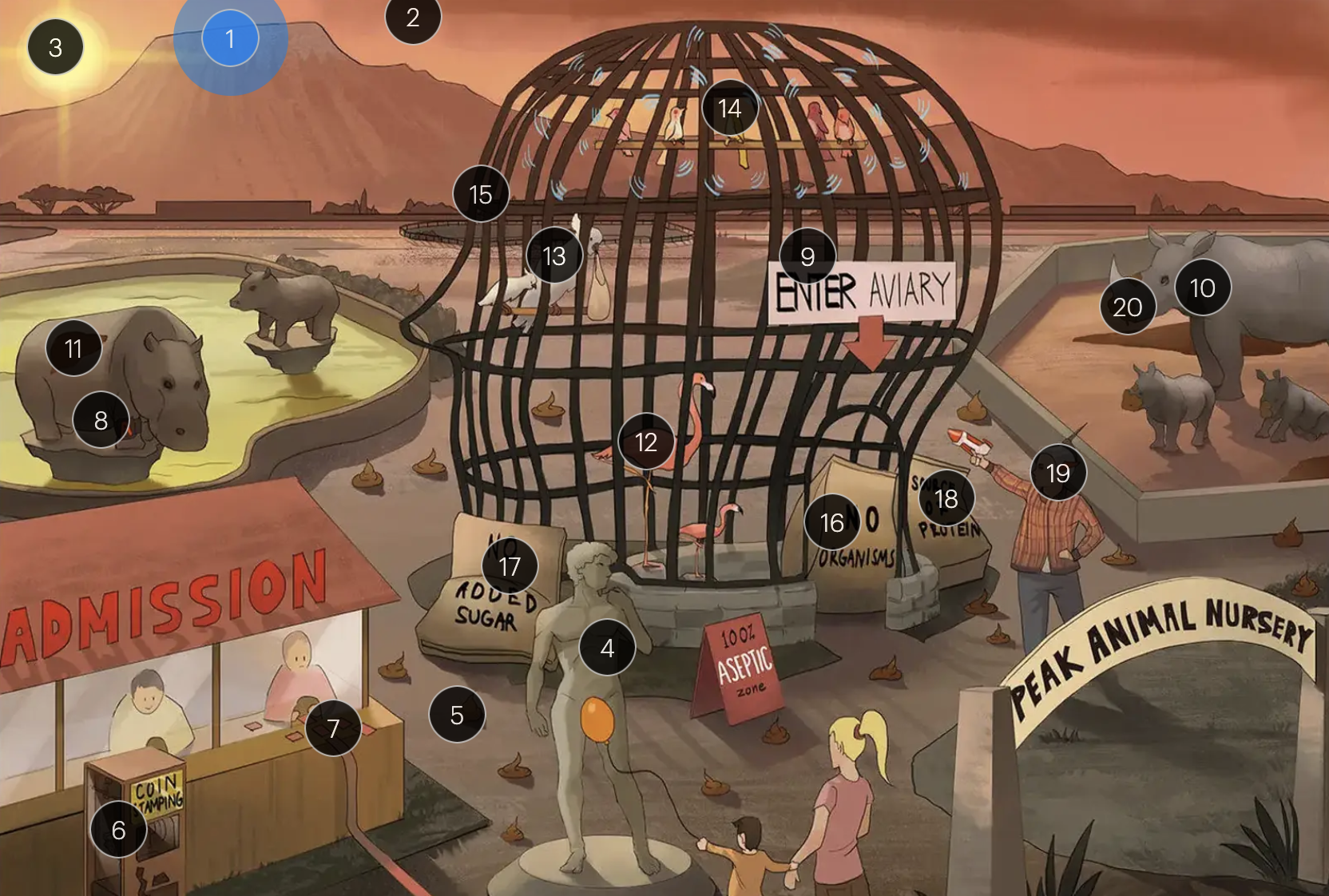
Picornaviridae Overview
#3 positive sun
picornaviruses are positive-sense RNA viruses
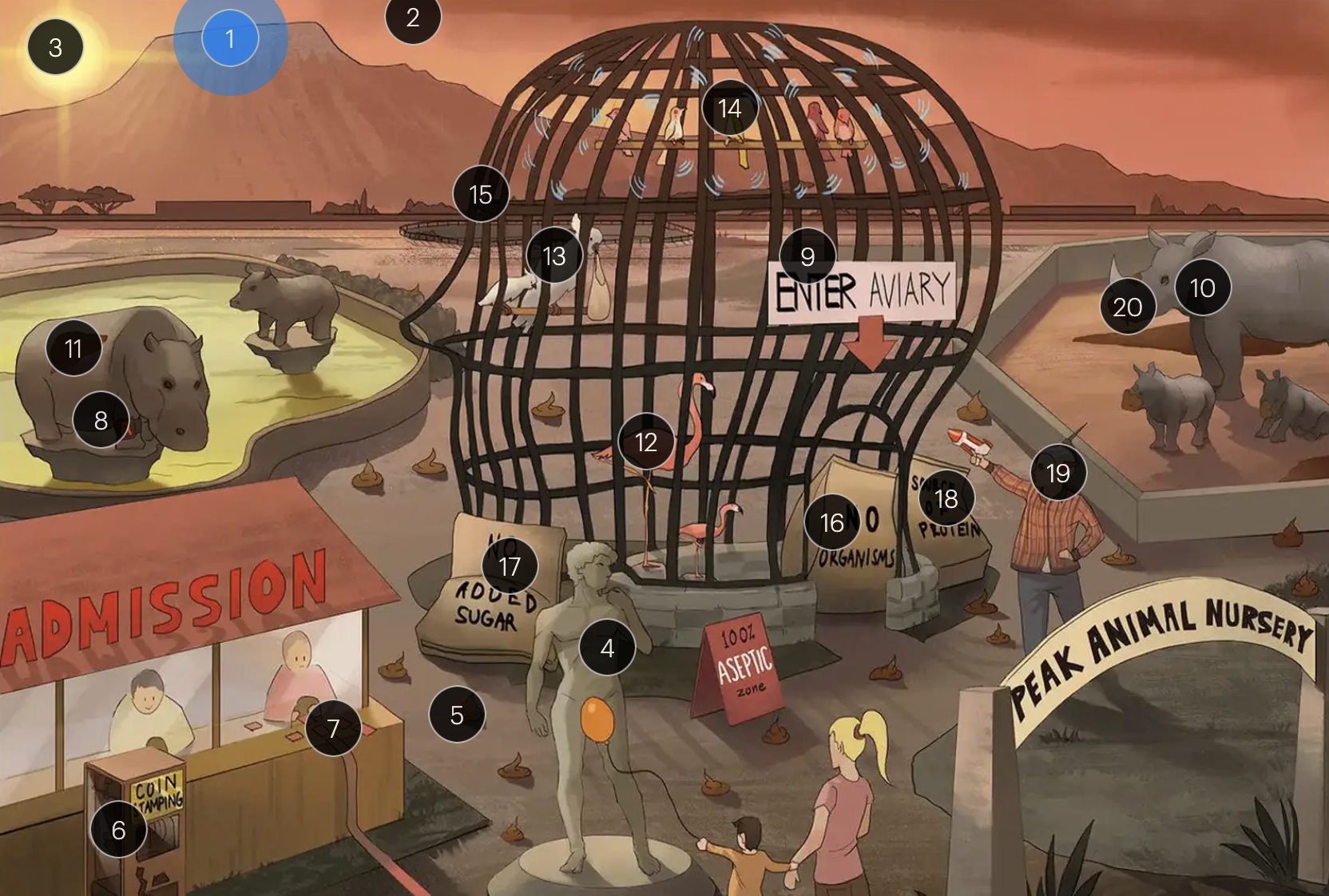
Picornaviridae Overview
#4 statue of david
picornaviruses lack envelopes, classifying them as naked viruses
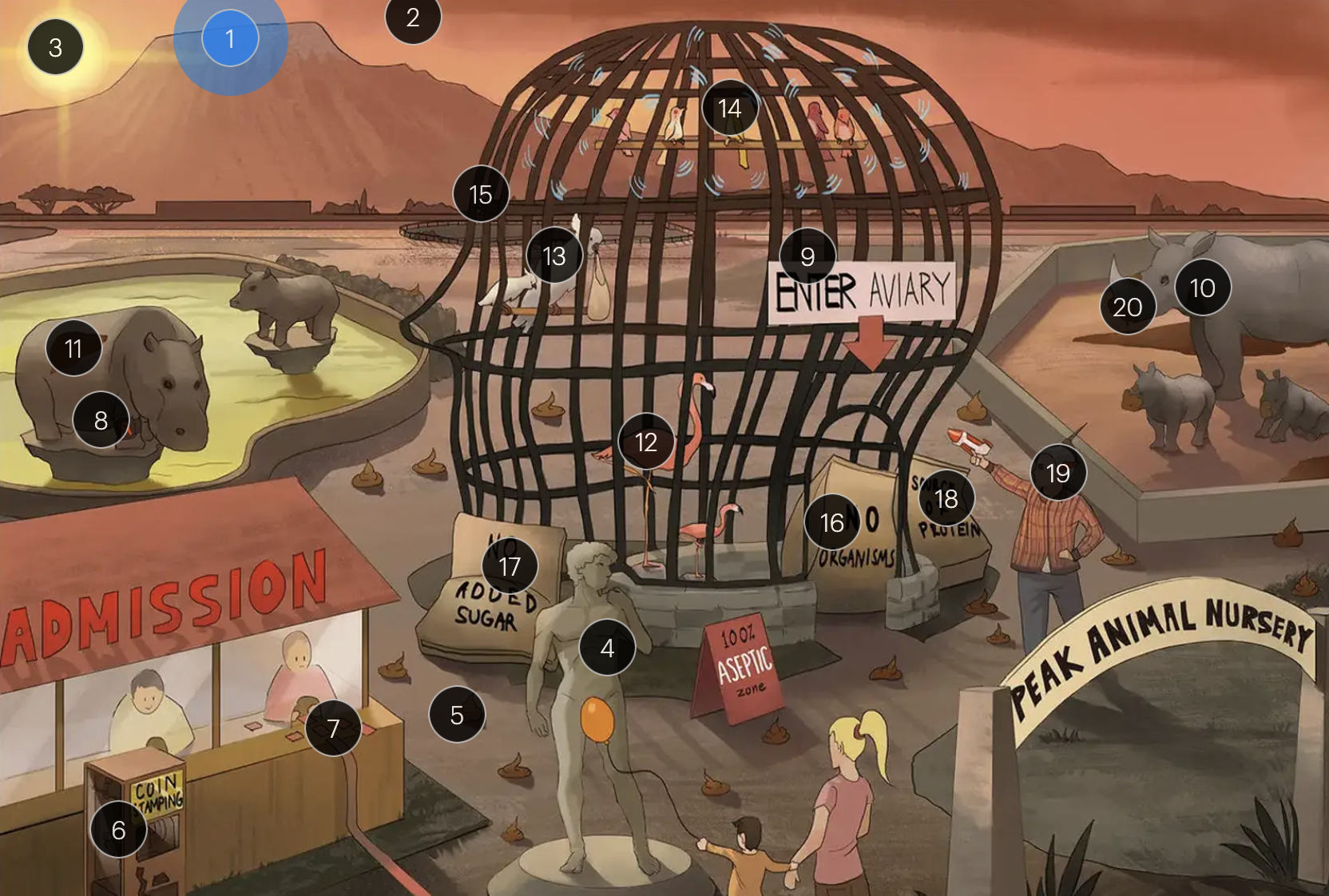
Picornaviridae Overview
#5 poop
hepatitis A virus, poliovirus, coxacievirus A&B, and echovirus are transmitted via the fecal-oral route (rhinovirus is transmitted via respiratory droplets)
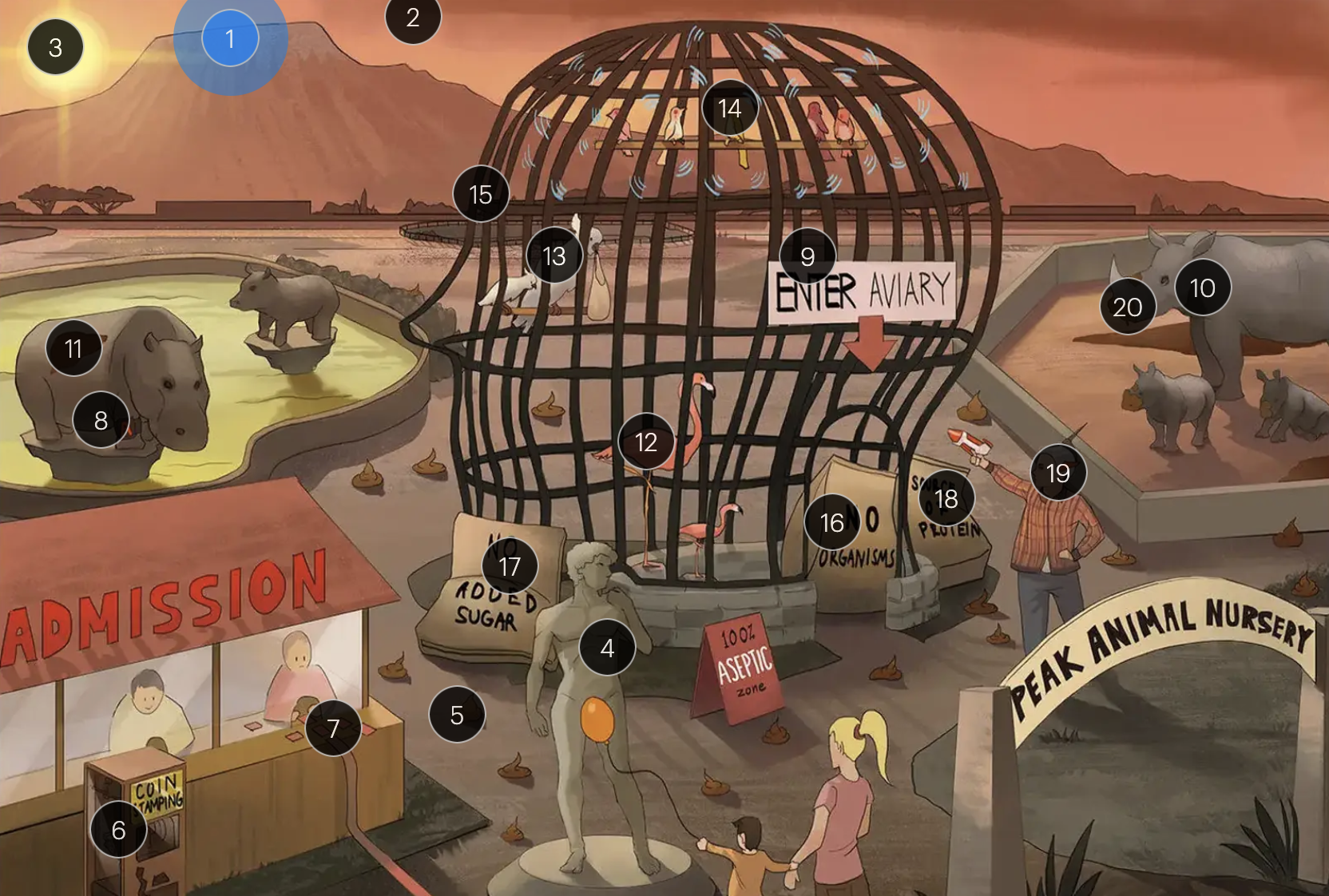
Picornaviridae Overview
#6 coin stamp machine
the genomic RNA of positive sense RNA viruses, like picornaviruses, resembles mRNA and can be directly translated by host cell ribosomes

Picornaviridae Overview
#7 roll of tickets
the RNA genome of picornaviruses is translated into a single, extrended polyprotein, which is then cleaved by proteases
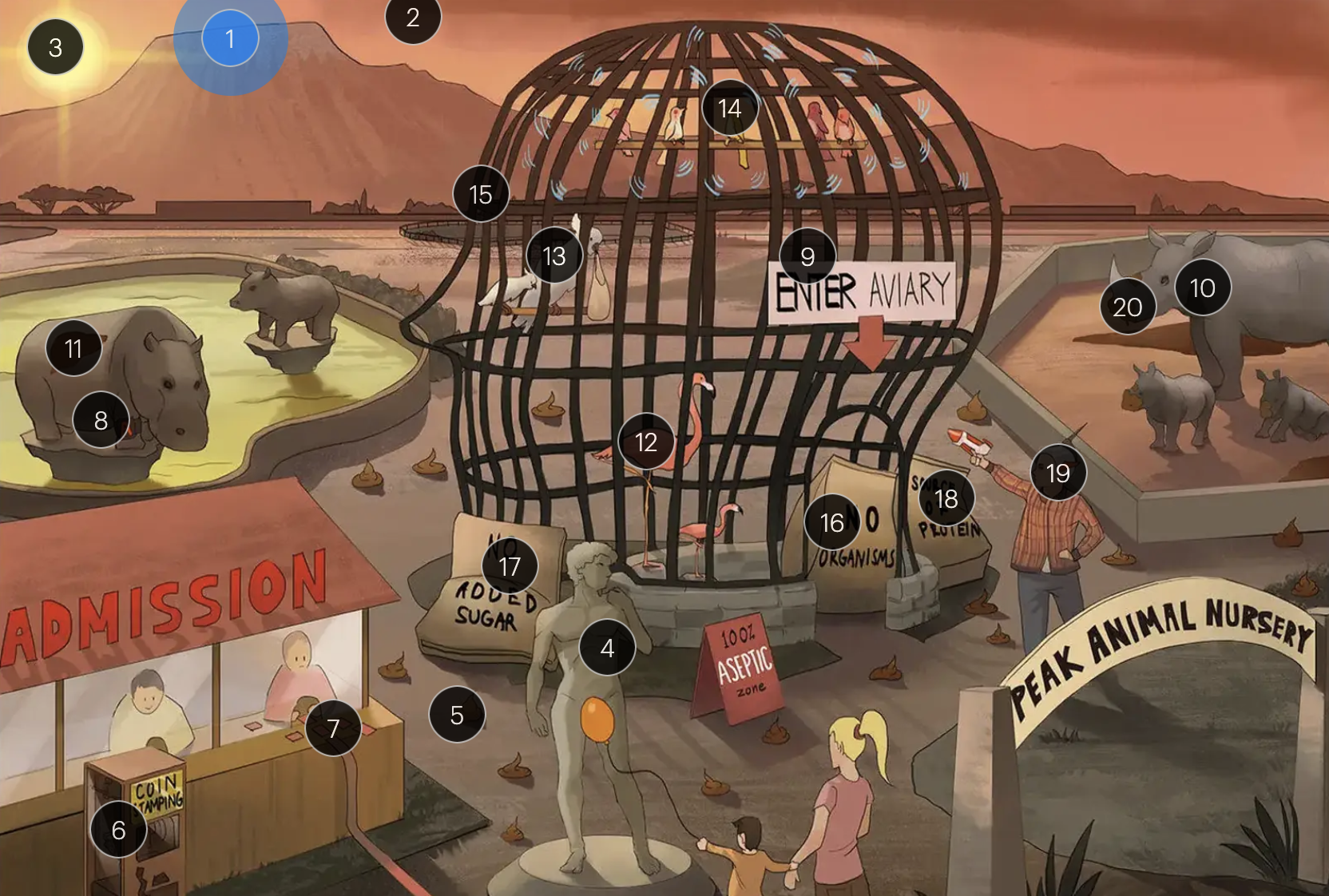
Picornaviridae Overview
#8 “A”-tagged hippos
hepatitis A virus
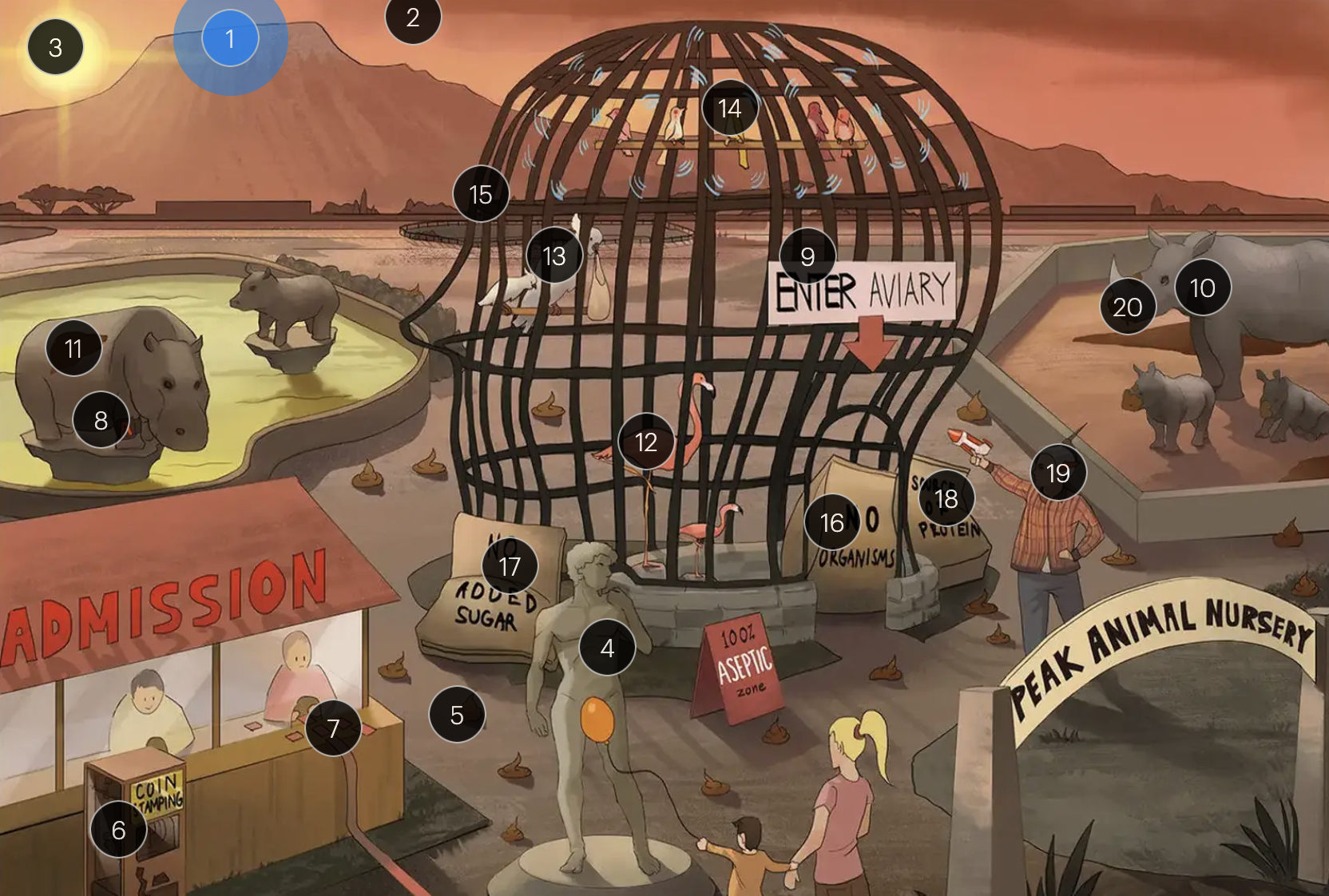
Picornaviridae Overview
#9 “ENTER aviary”
enterovirus genus including poliovirus, coxacievirus A&B, and echovirus

Picornaviridae Overview
#10 rhinos
rhinovirus
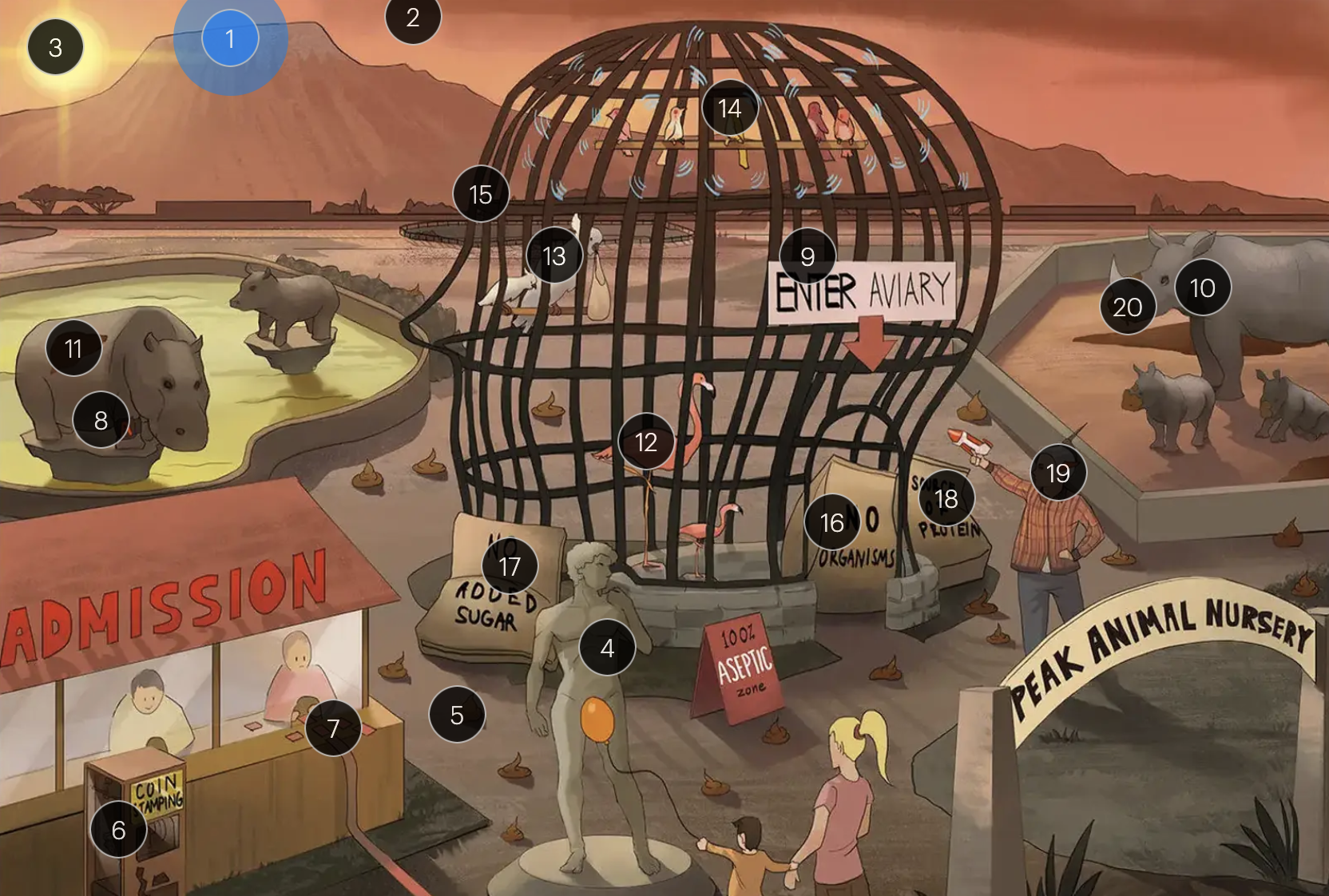
Picornaviridae Overview
#11 enlarged liver spot
Hep A causes liver inflammation → moderate enlargement of liver then (less frequently) spleen
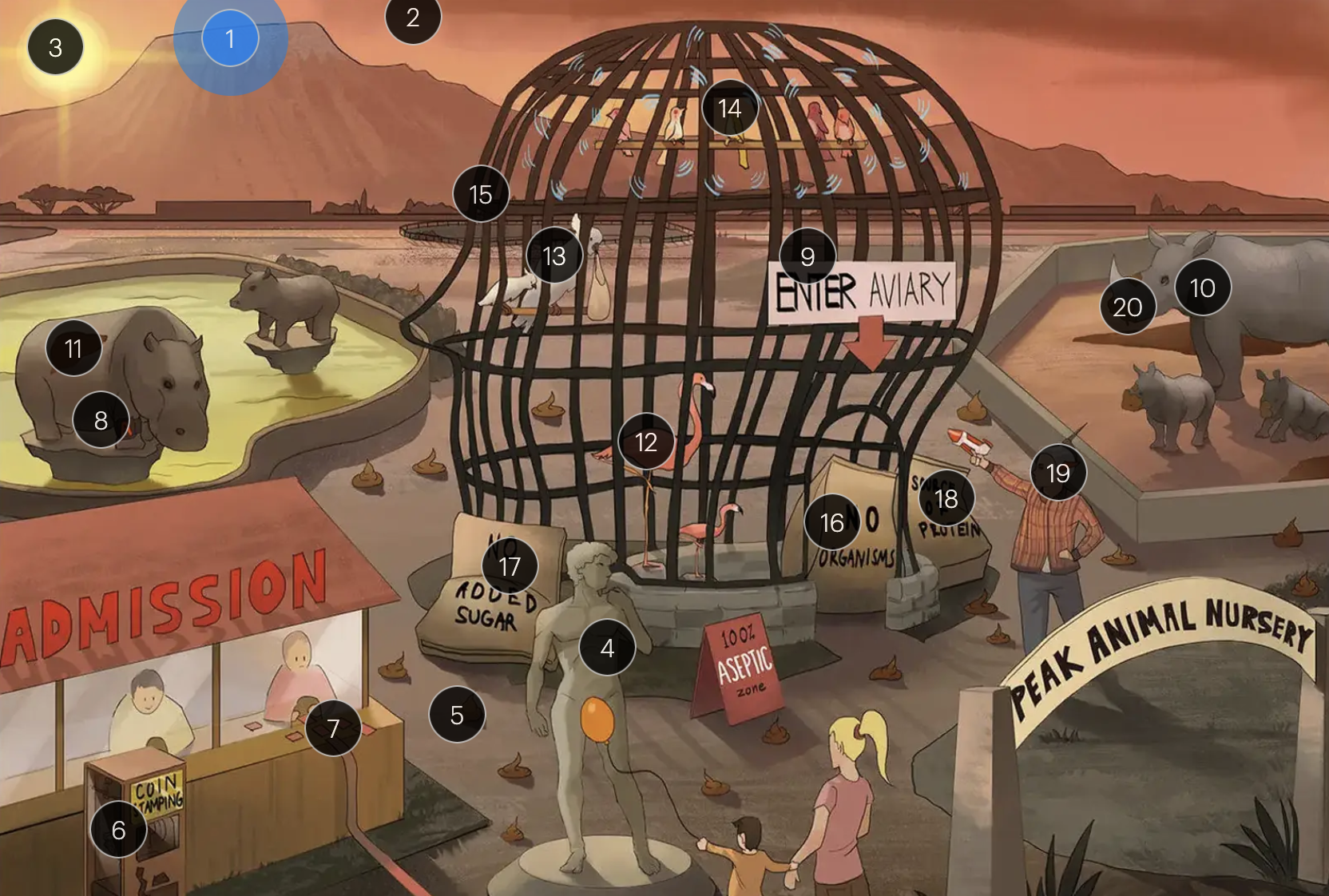
Picornaviridae Overview
#12 flamingos
poliovirus
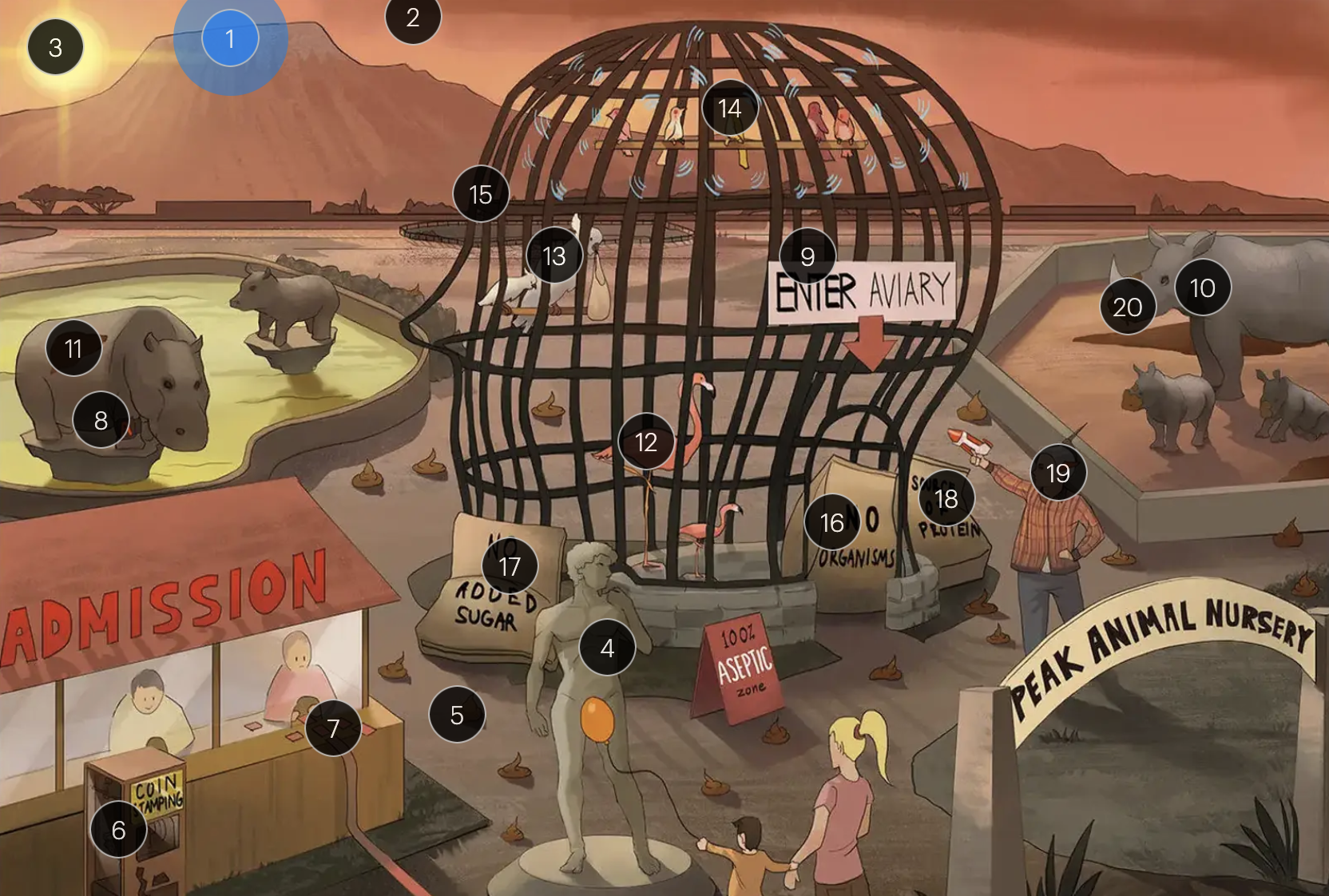
Picornaviridae Overview
#13 cockatoos
coxsackievirus A & B
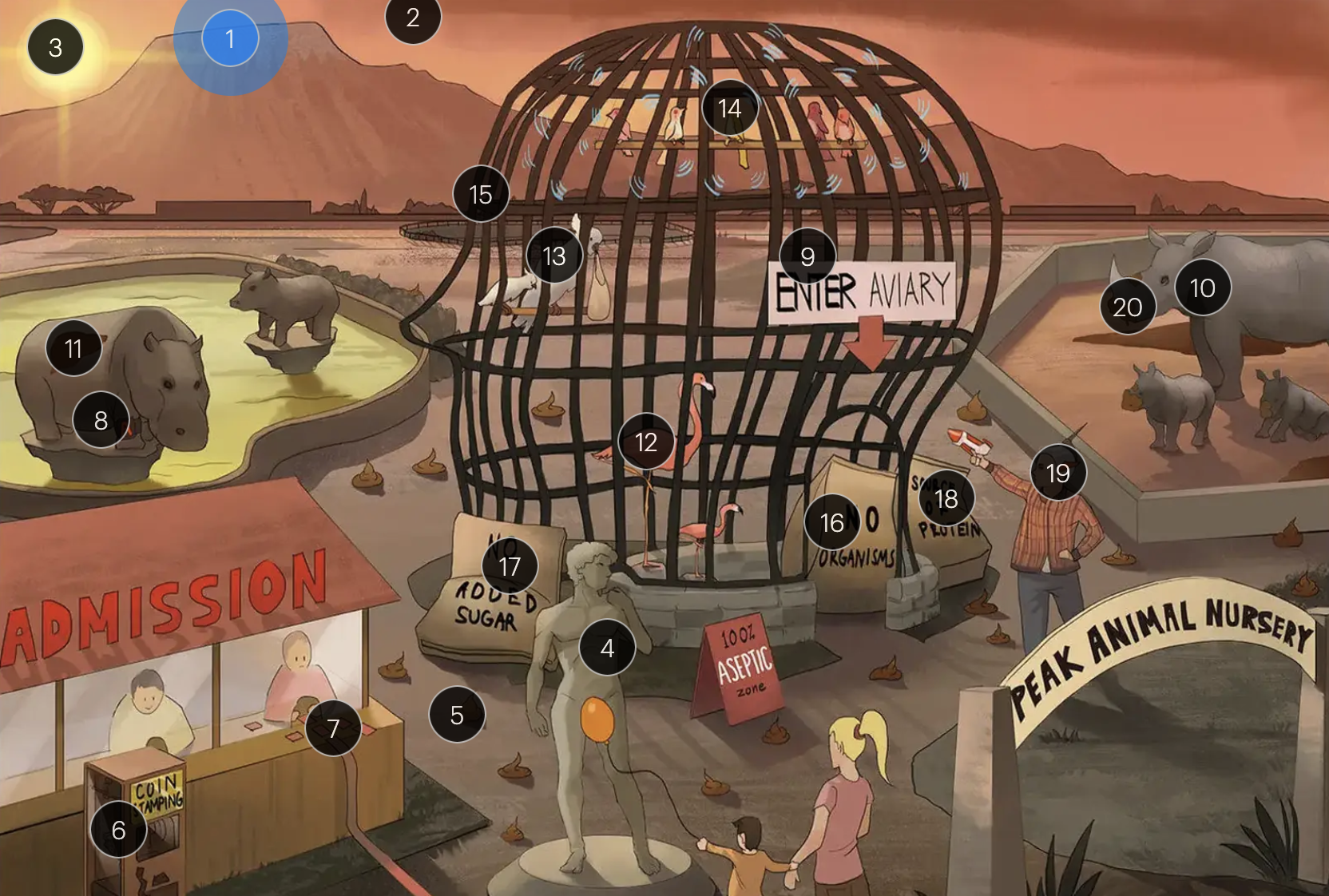
Picornaviridae Overview
#14 mocking birds
echovirus
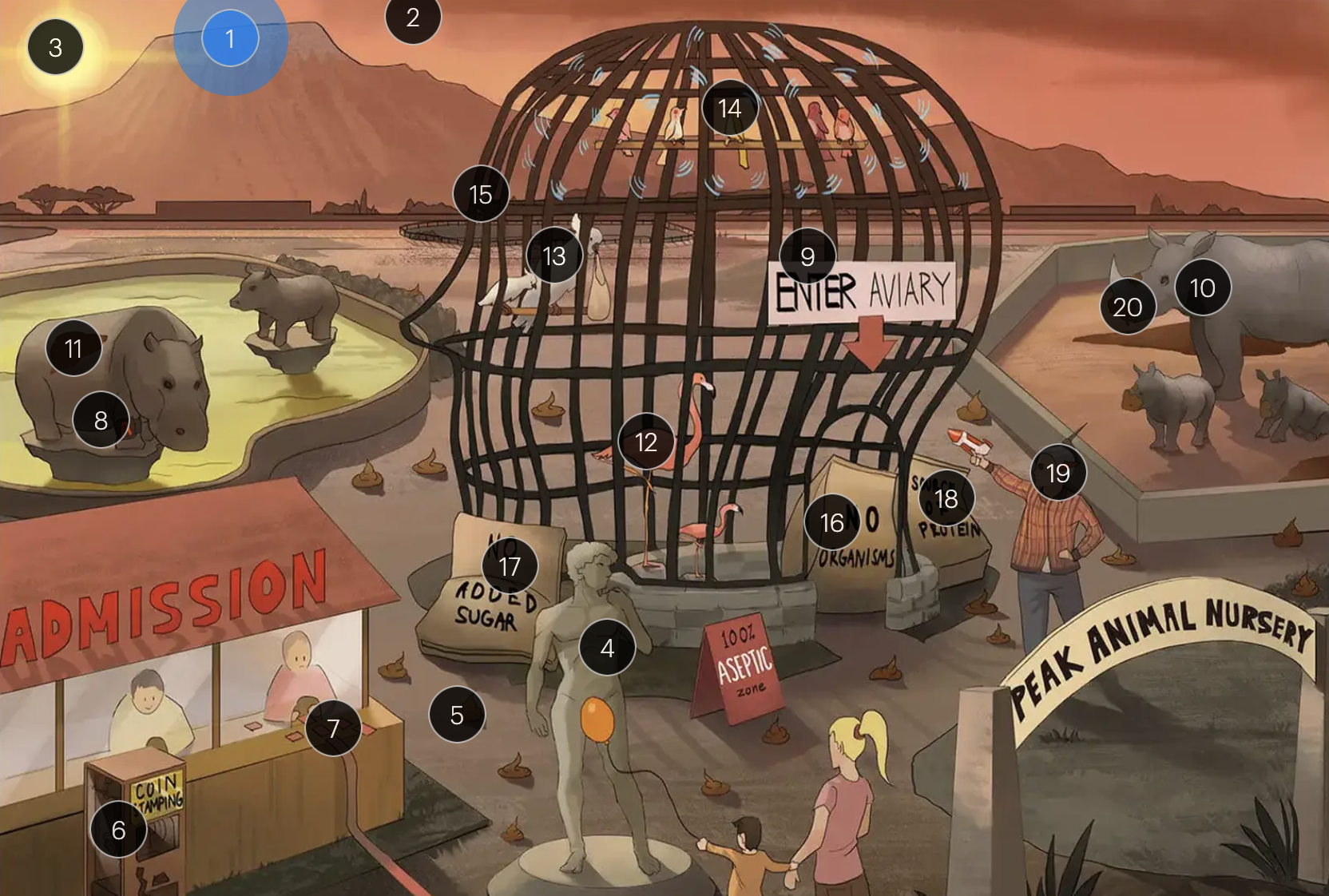
Picornaviridae Overview
#15 head-shaped aviary
enteroviruses are the most common cause of aseptic meningitis
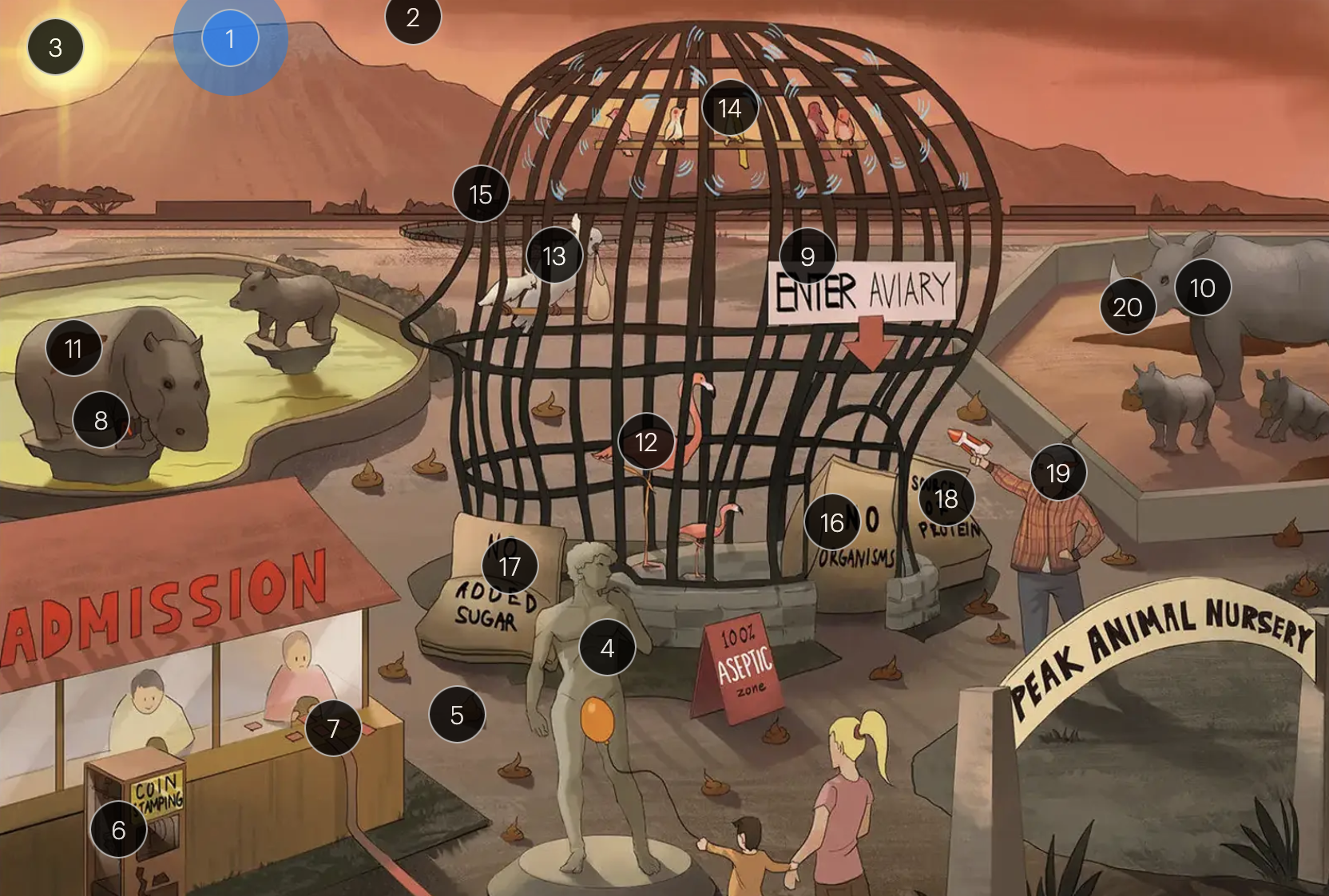
Picornaviridae Overview
#16 “no organisms” feed
aseptic meningitis, frequently caused by enteroviruses, is a self-limited inflammation of the meninges in which the causative agent is typically a virus, rather than a bacteria
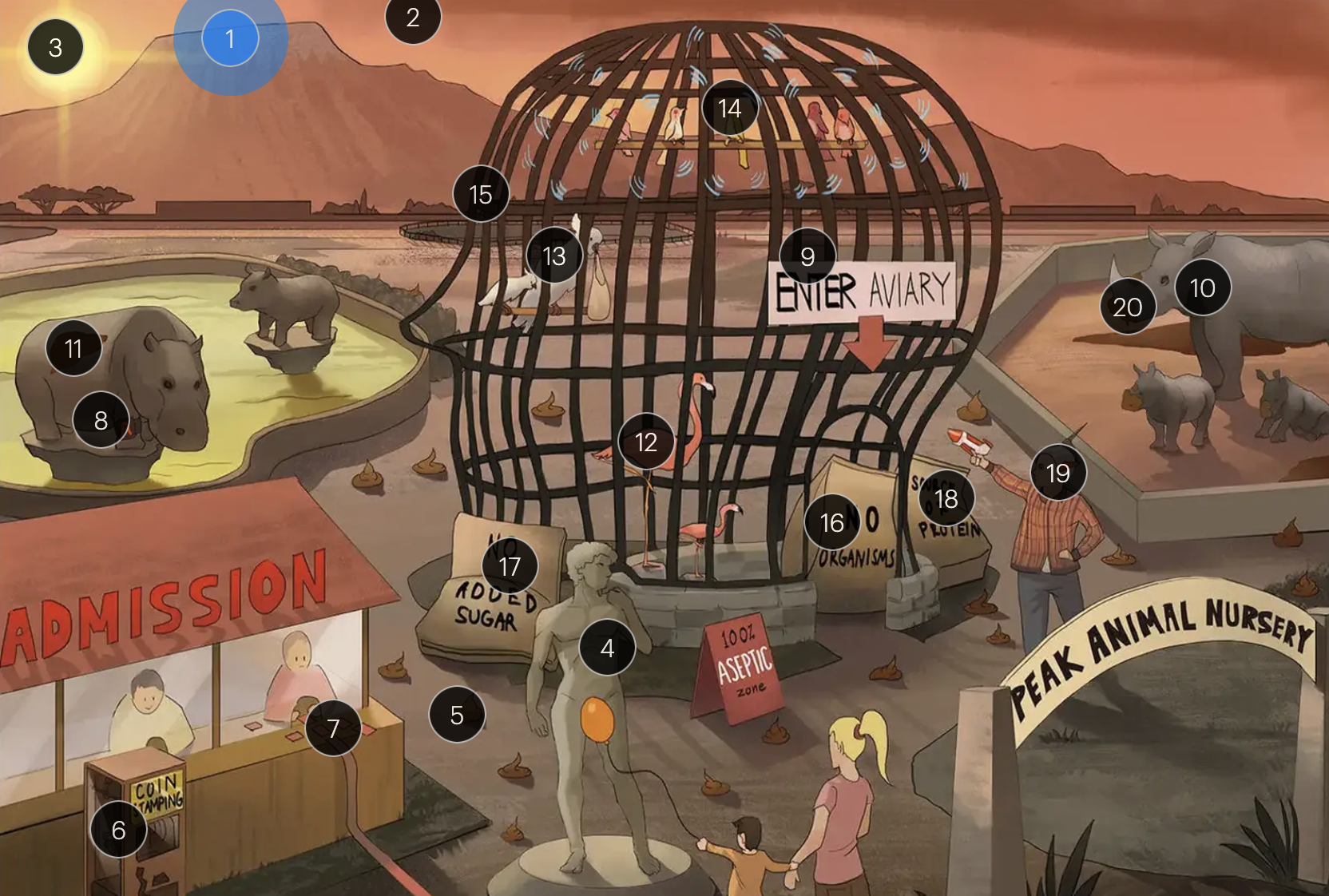
Picornaviridae Overview
#17 “no sugar added” feed
aseptic meningitis typically manifests with a CSF glucose level within normal range
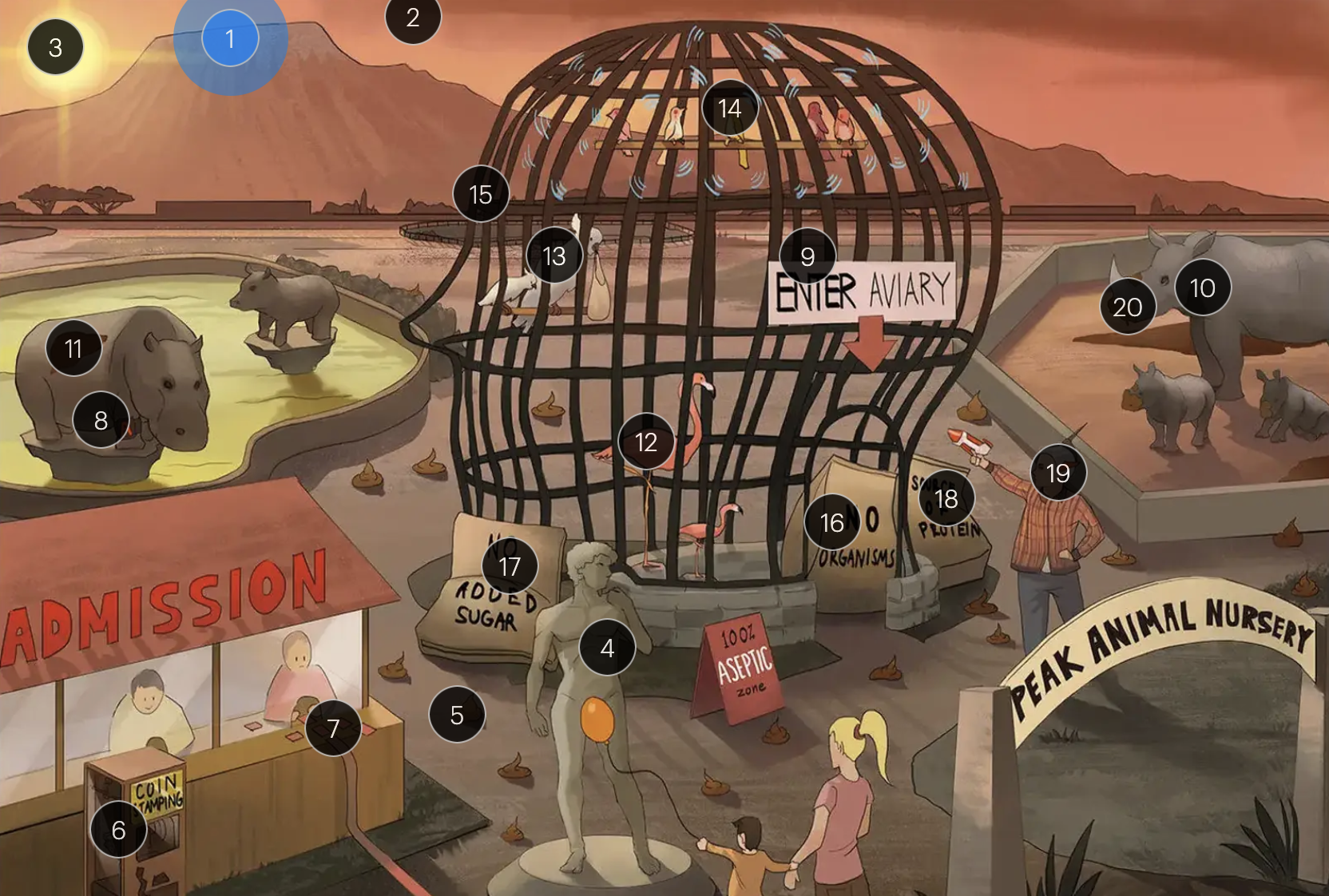
Picornaviridae Overview
#18 “source of protein” feed
aseptic meningitis typically manifests with an elevated CSF protein level
Picornaviridae Overview
#19 child in helmet
aseptic meningitis most often affects children and young adults

Picornaviridae Overview
#20 mud on nose and mouth
rhinovirus primarily targets the upper respiratory tract and propagates through respiratory droplet transmission
Poliovirus (picornaviridae)
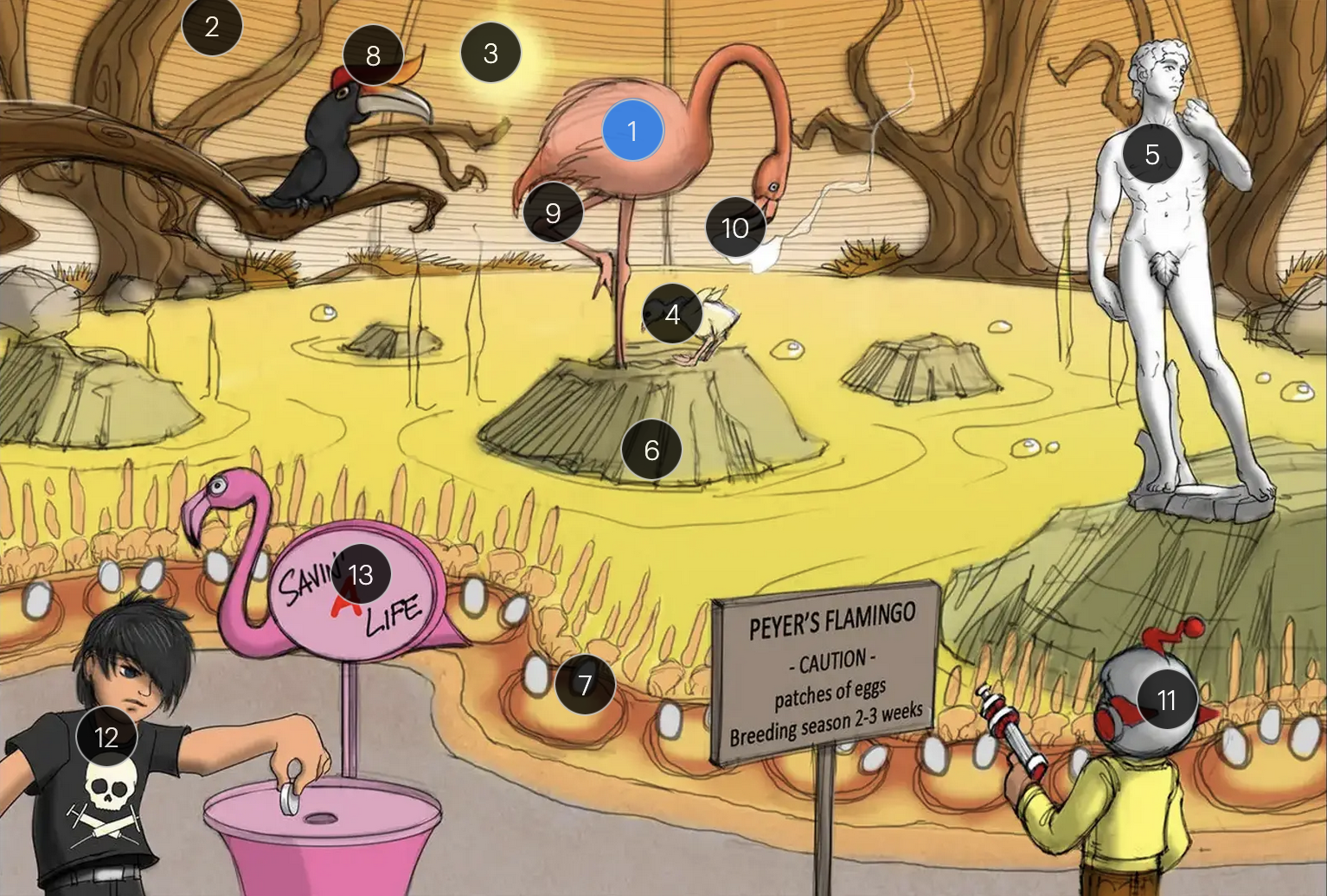
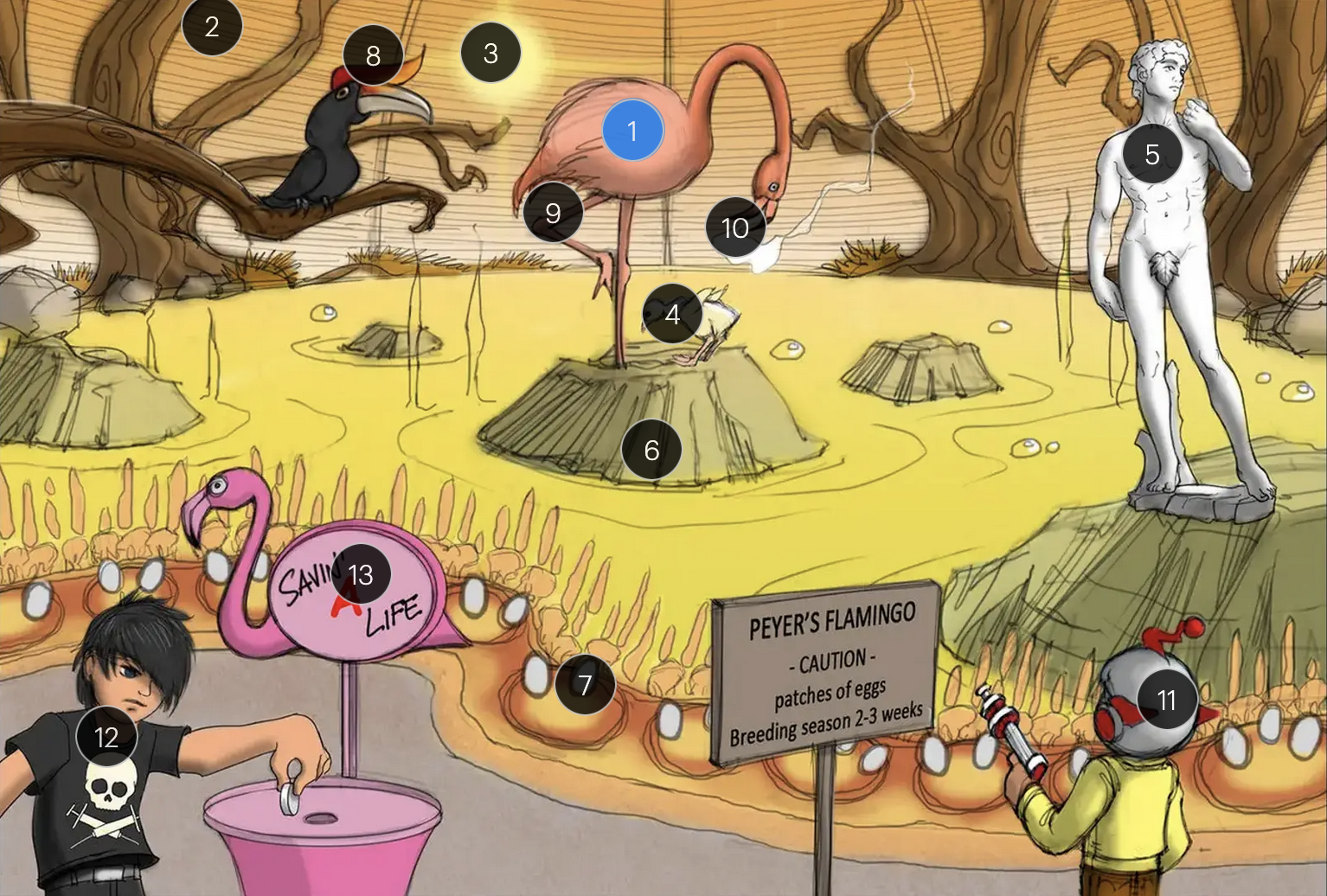
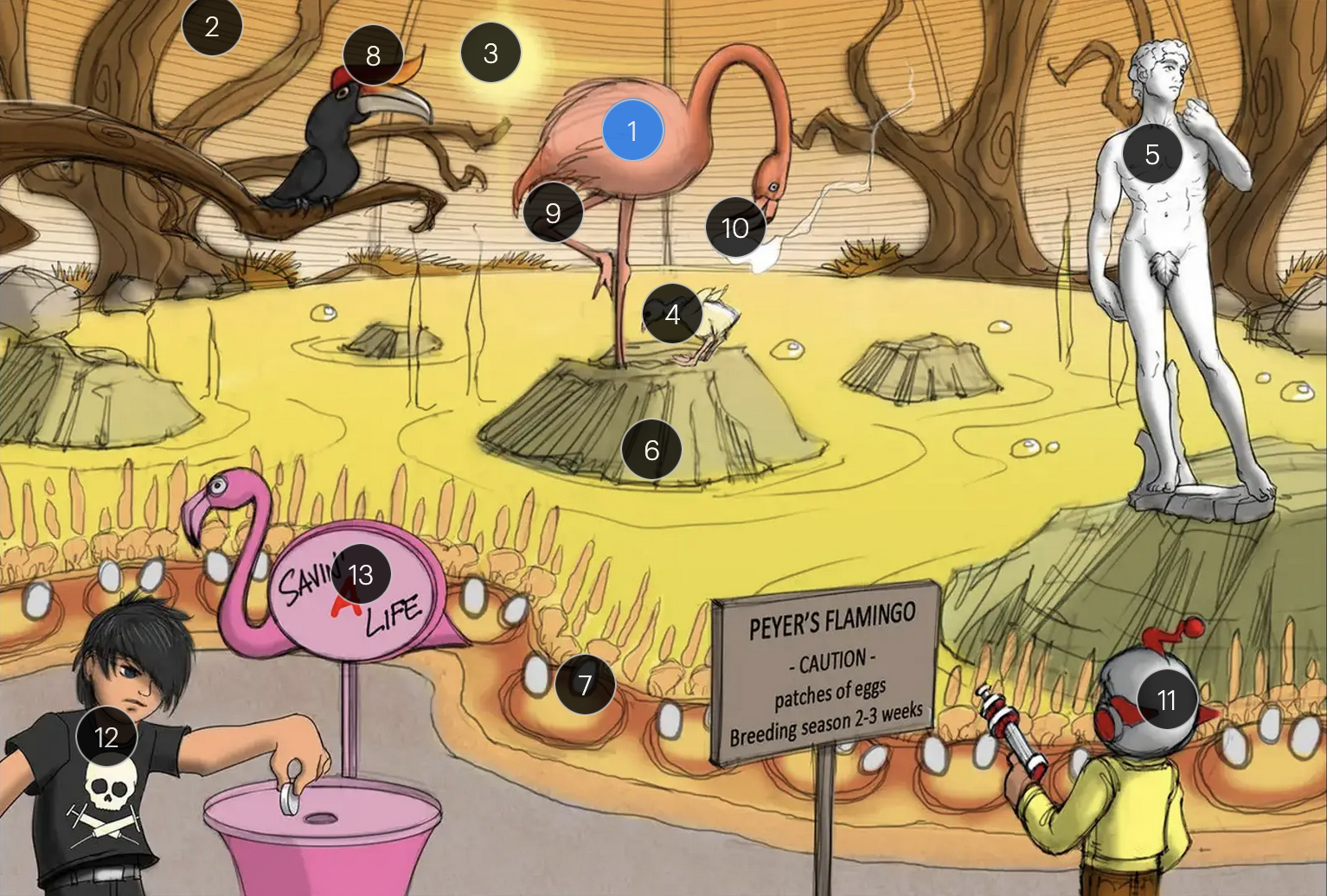
#1 polio flamingo
poliovirus (a positive sense RNA virus in the picornaviridae family)
Poliovirus (picornaviridae)
#2 warm colors
poliovirus is a positive-sense RNA virus
Poliovirus (picornaviridae)
#3 positive sun
poliovirus is a positive sense RNA virus
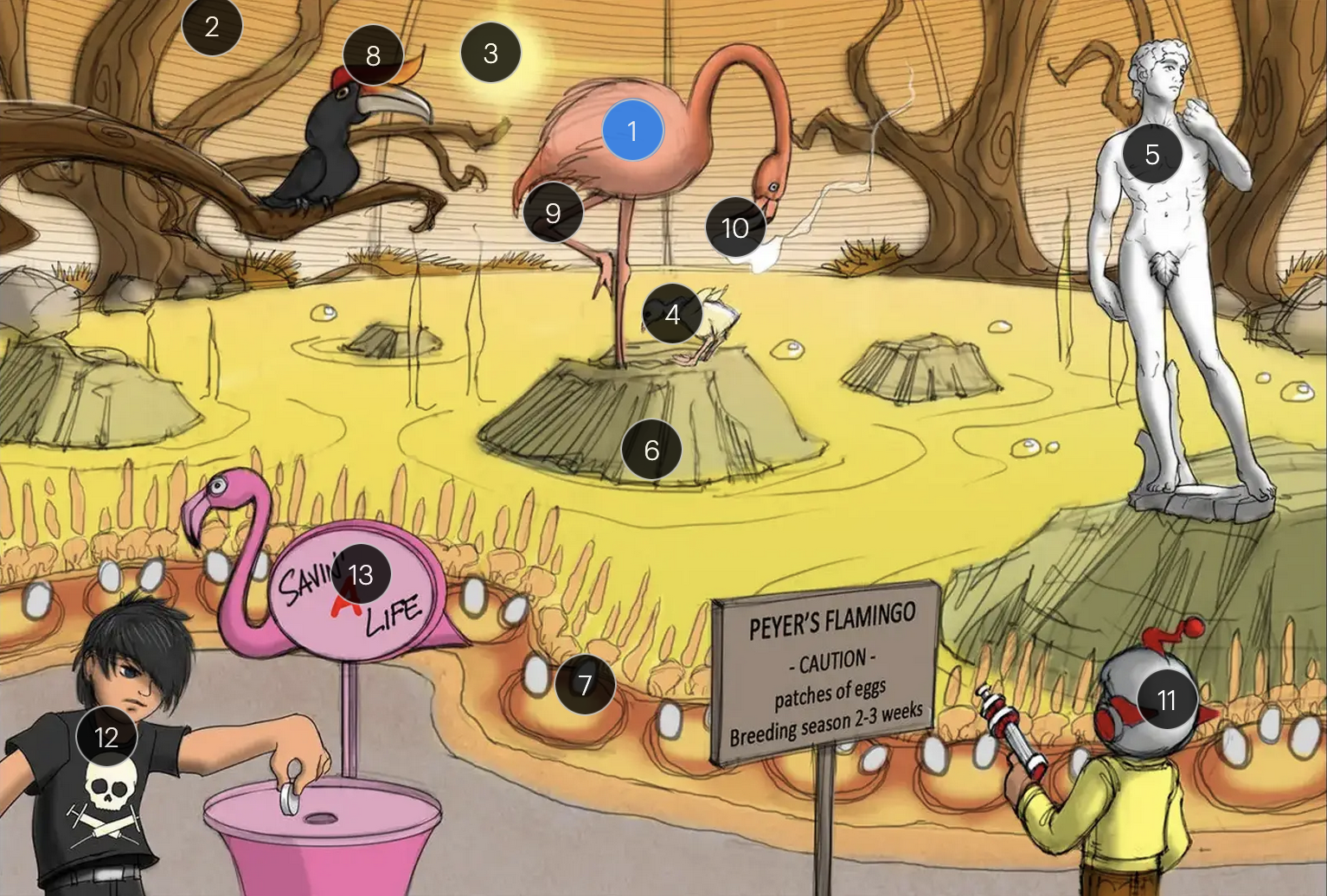
Poliovirus (picornaviridae)
#4 baby flamingo
poliovirus is a part of the picornaviridae family
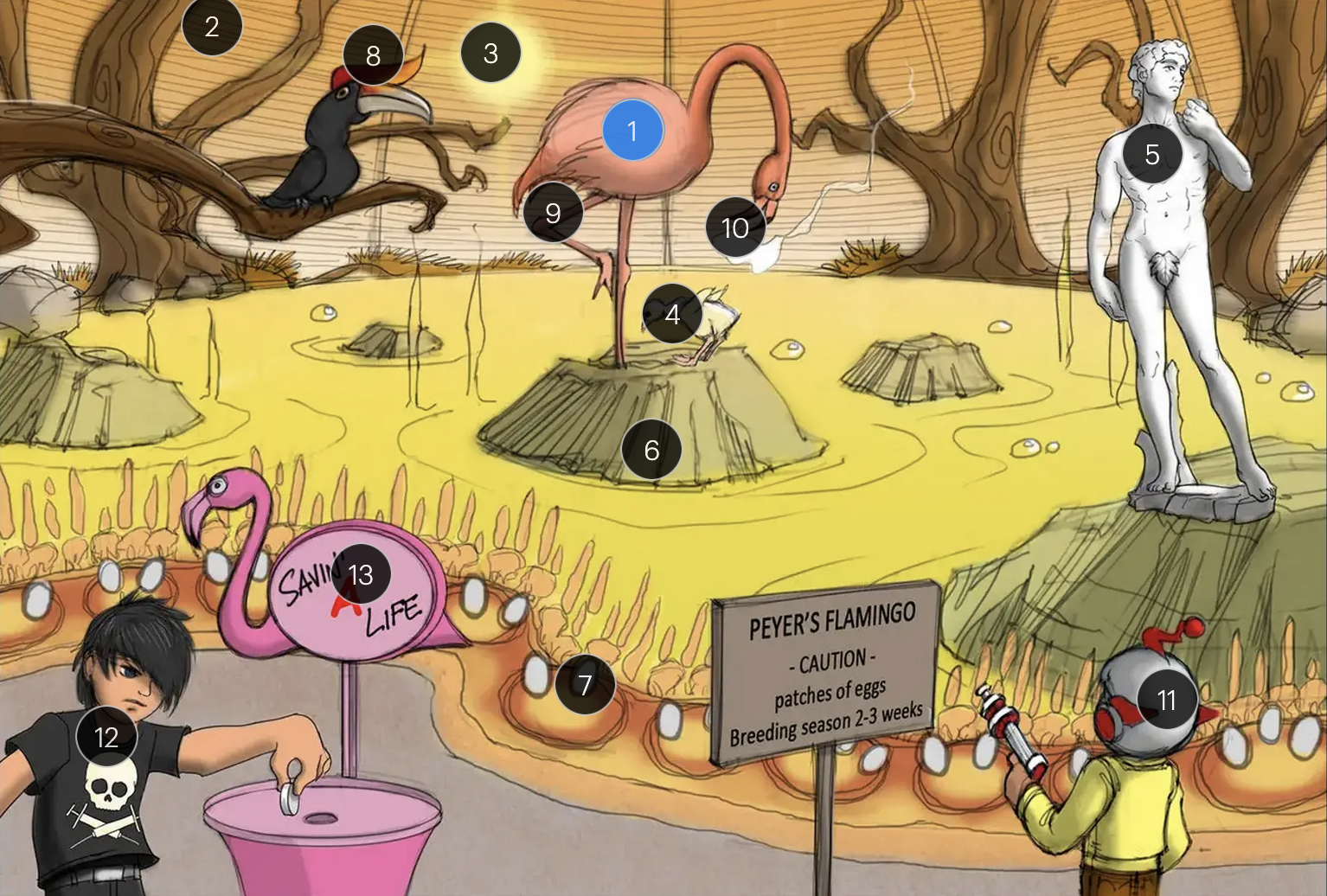
Poliovirus (picornaviridae)
#5 statue of david
poliovirus lacks an envelope, classifying it as a naked virus
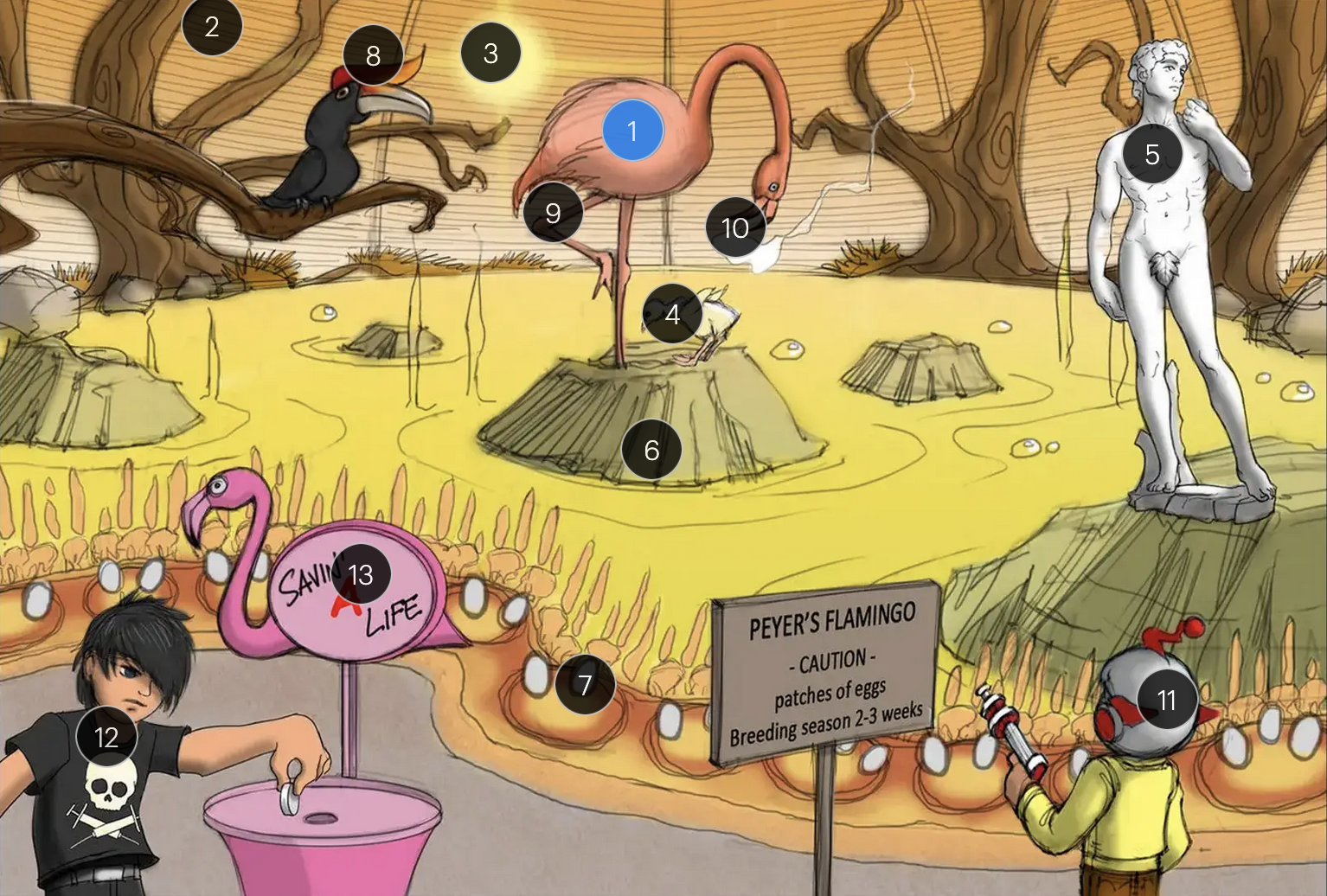
Poliovirus (picornaviridae)
#6 flamingo protected from acid
poliovirus is acid-stable, allowing it to survive in the gastric environment
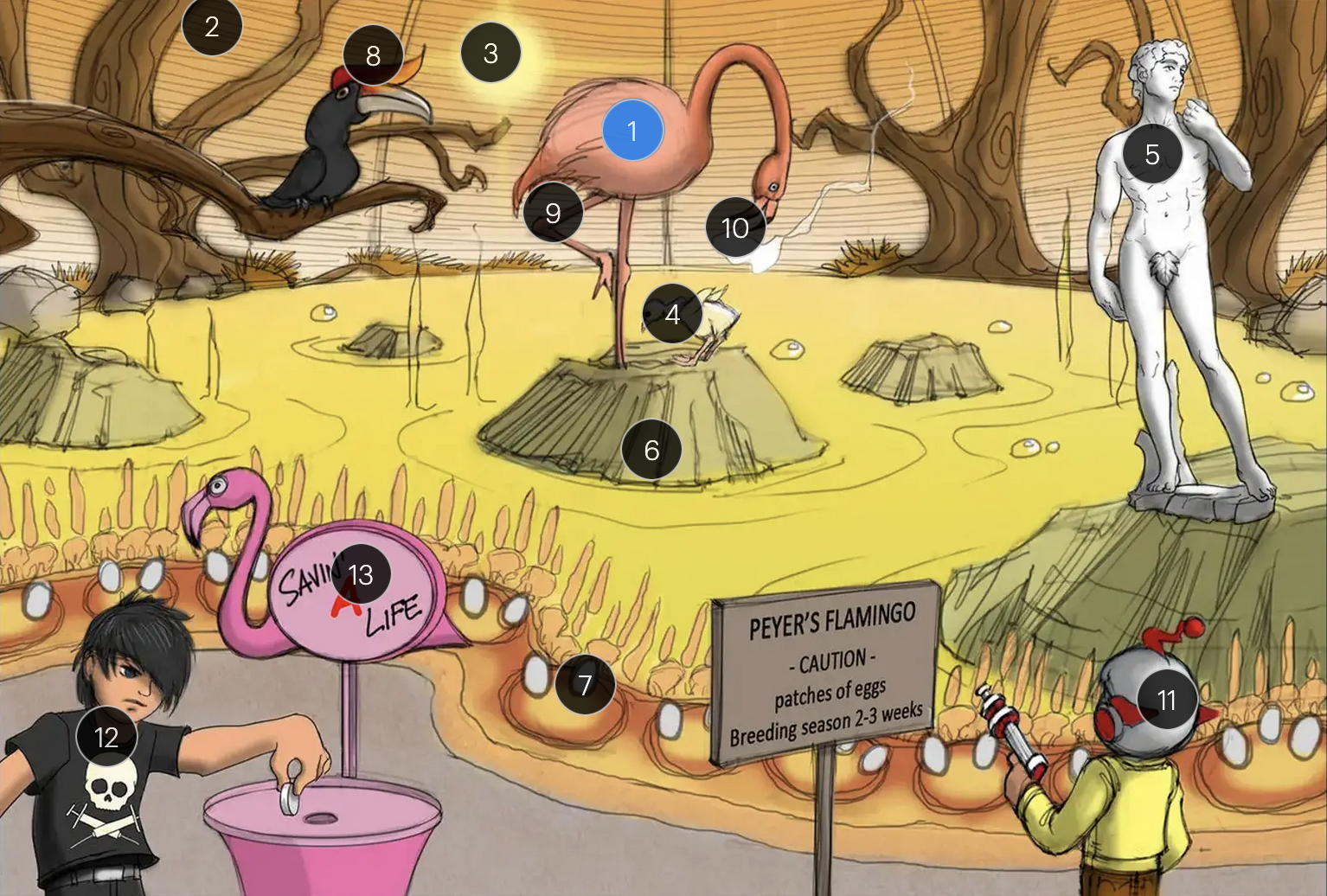
Poliovirus (picornaviridae)
#7 patches of eggs
initial replication of poliovirus occurs in cells of the gut mucosa (peyer’s patches), although it can also spread systemically
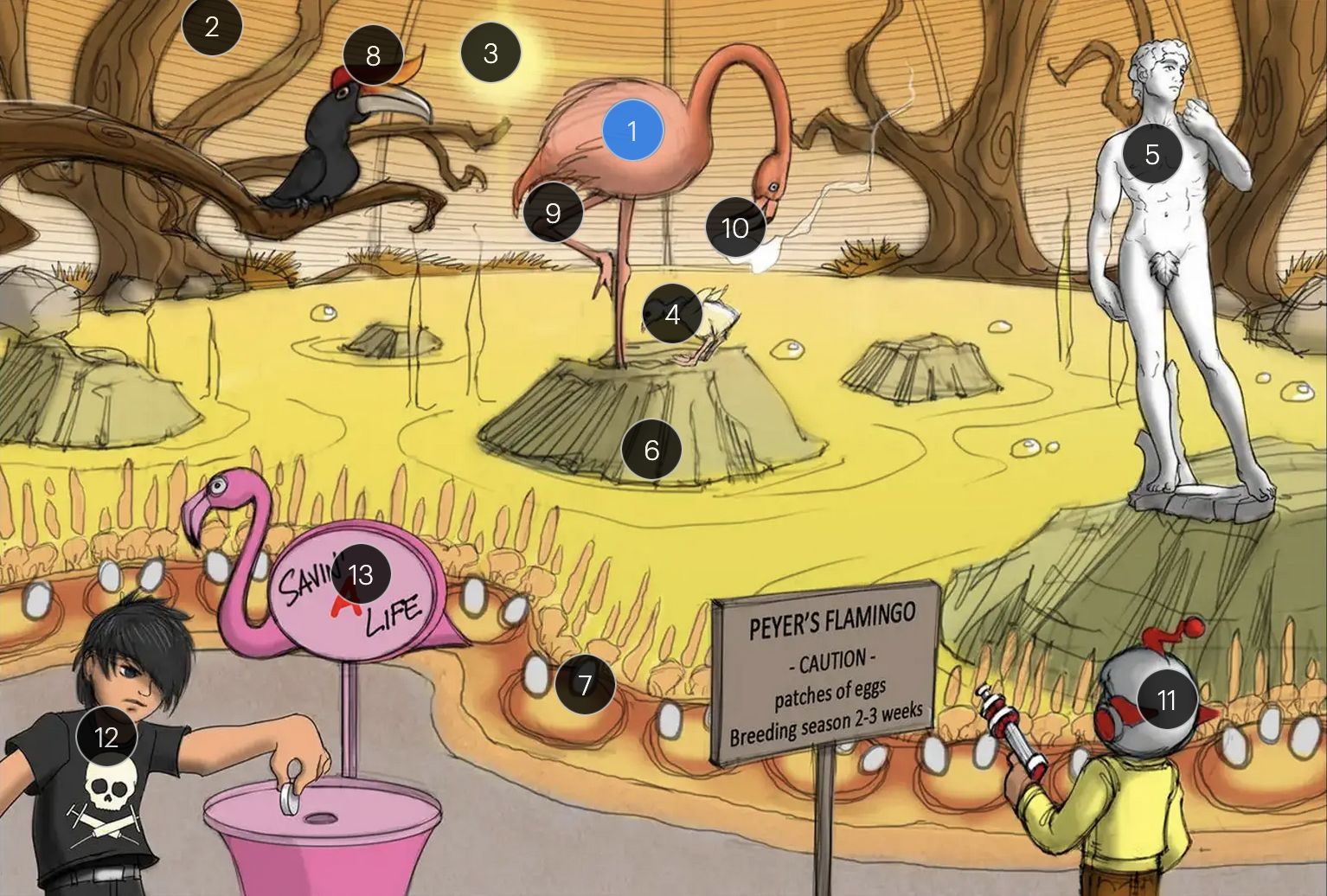
Poliovirus (picornaviridae)
#8 anterior hornbill beak
poliovirus targets the motor neurons located in the anterior horn of the spinal cord, leading to neurological damage
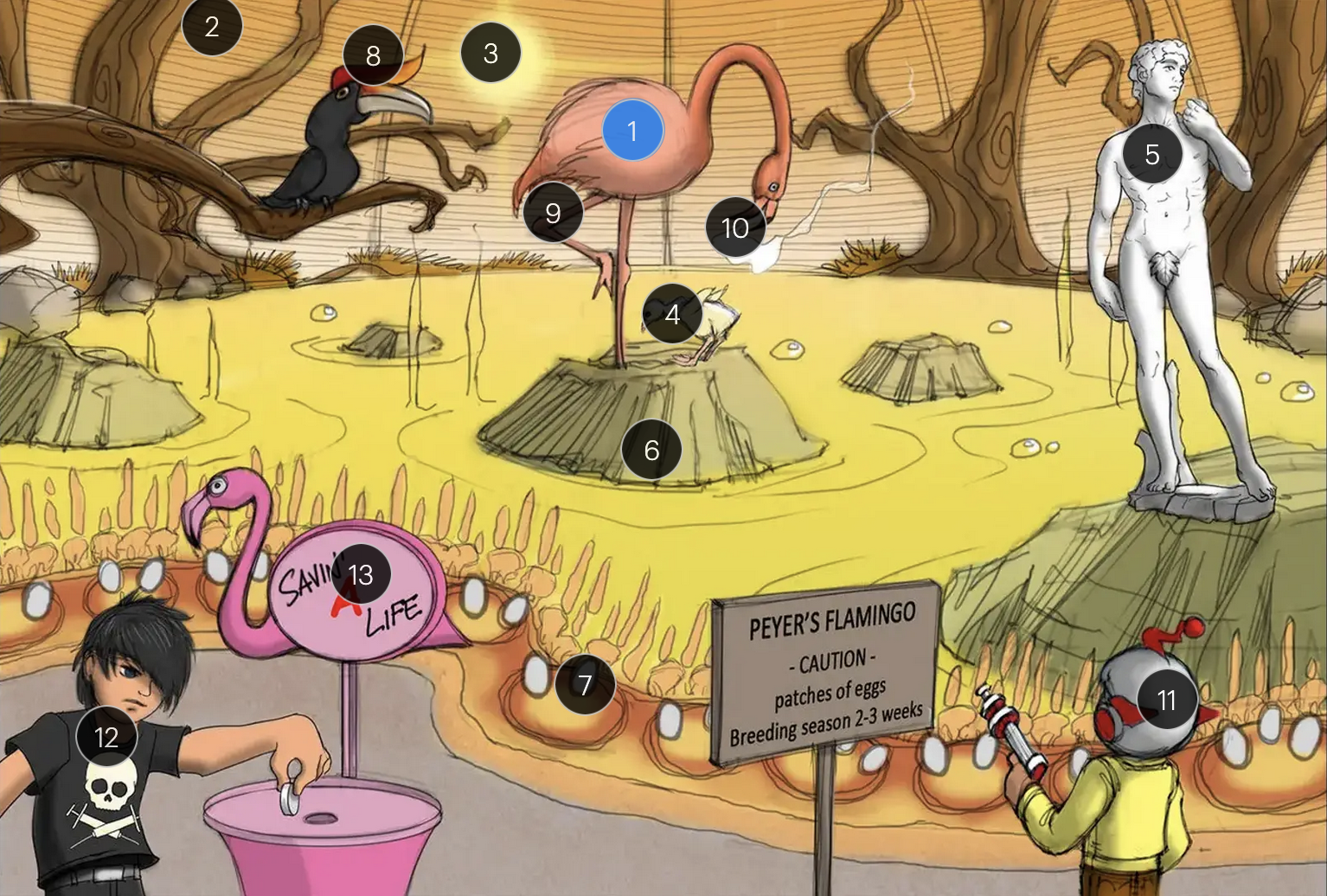
Poliovirus (picornaviridae)
#9 folding one leg
the paralysis induced by poliovirus infection tends to manifest in an asymmetric pattern, affecting one side of the body more severely than the other
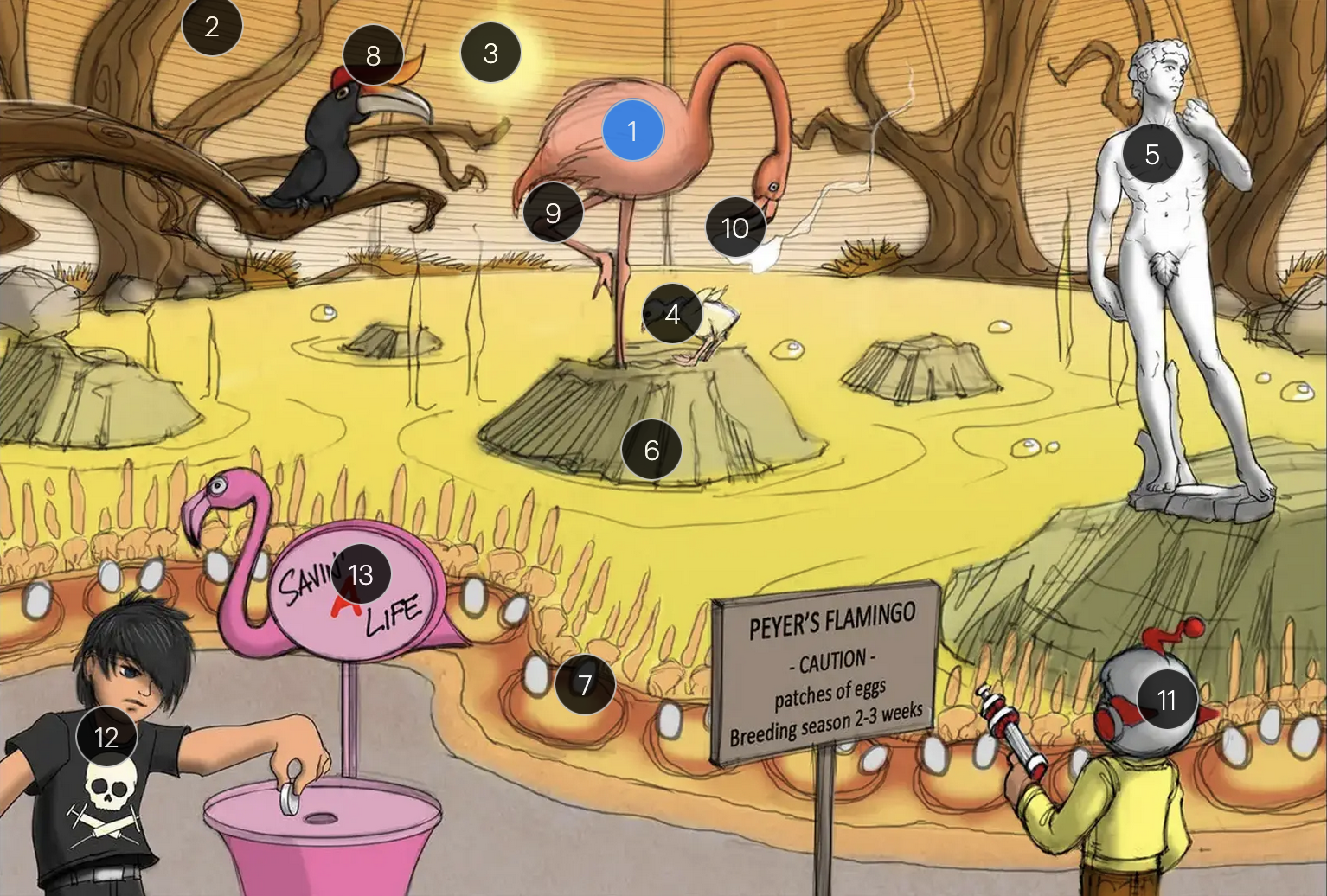
Poliovirus (picornaviridae)
#10 distressed puff of air
in severe cases, muscle weakness caused by poliovirus infection can progress to respiratory failure
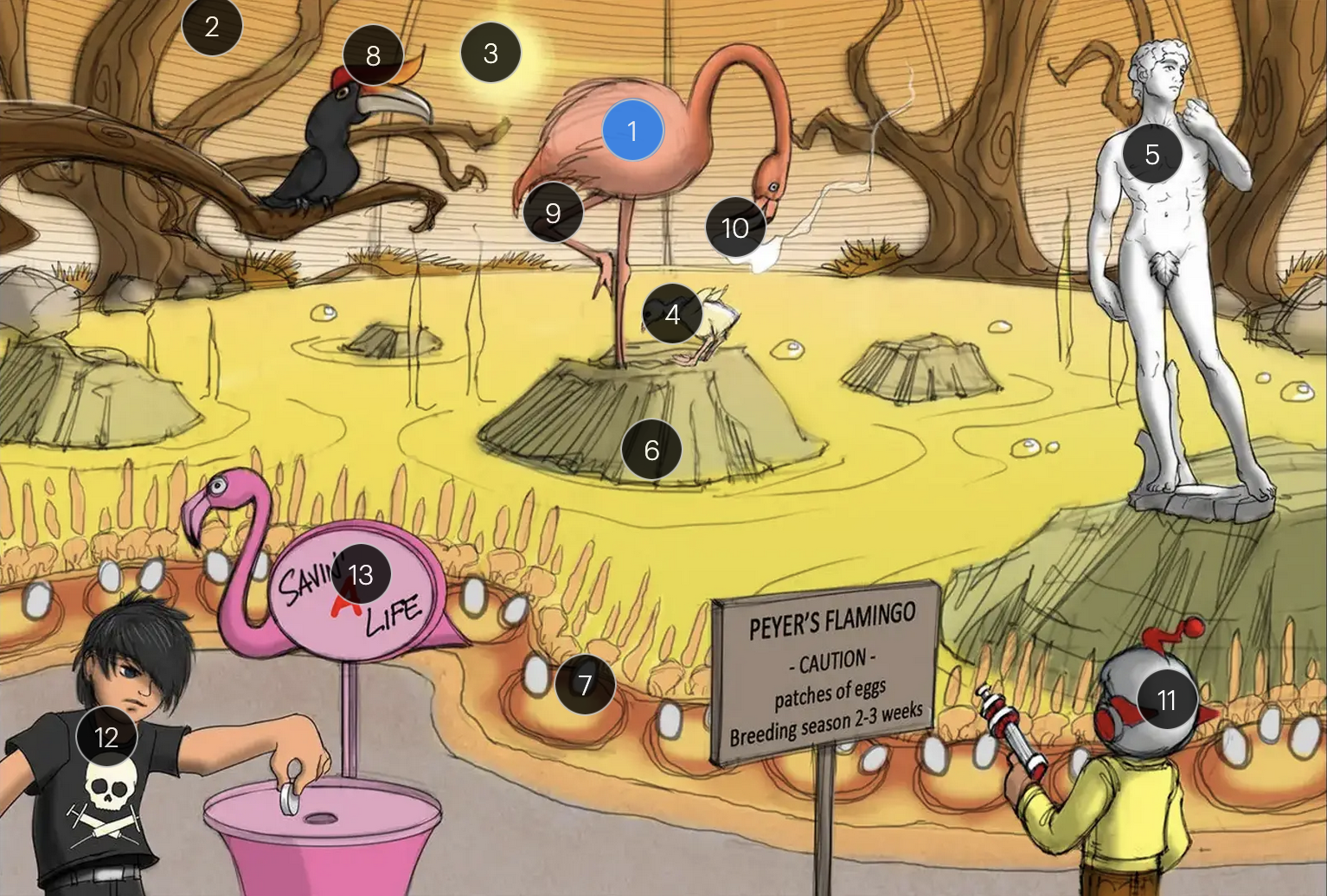
Poliovirus (picornaviridae)
#11 meningitis helmet
poliovirus can cause aseptic meningitis, a non-bacterial inflammation of the meninges
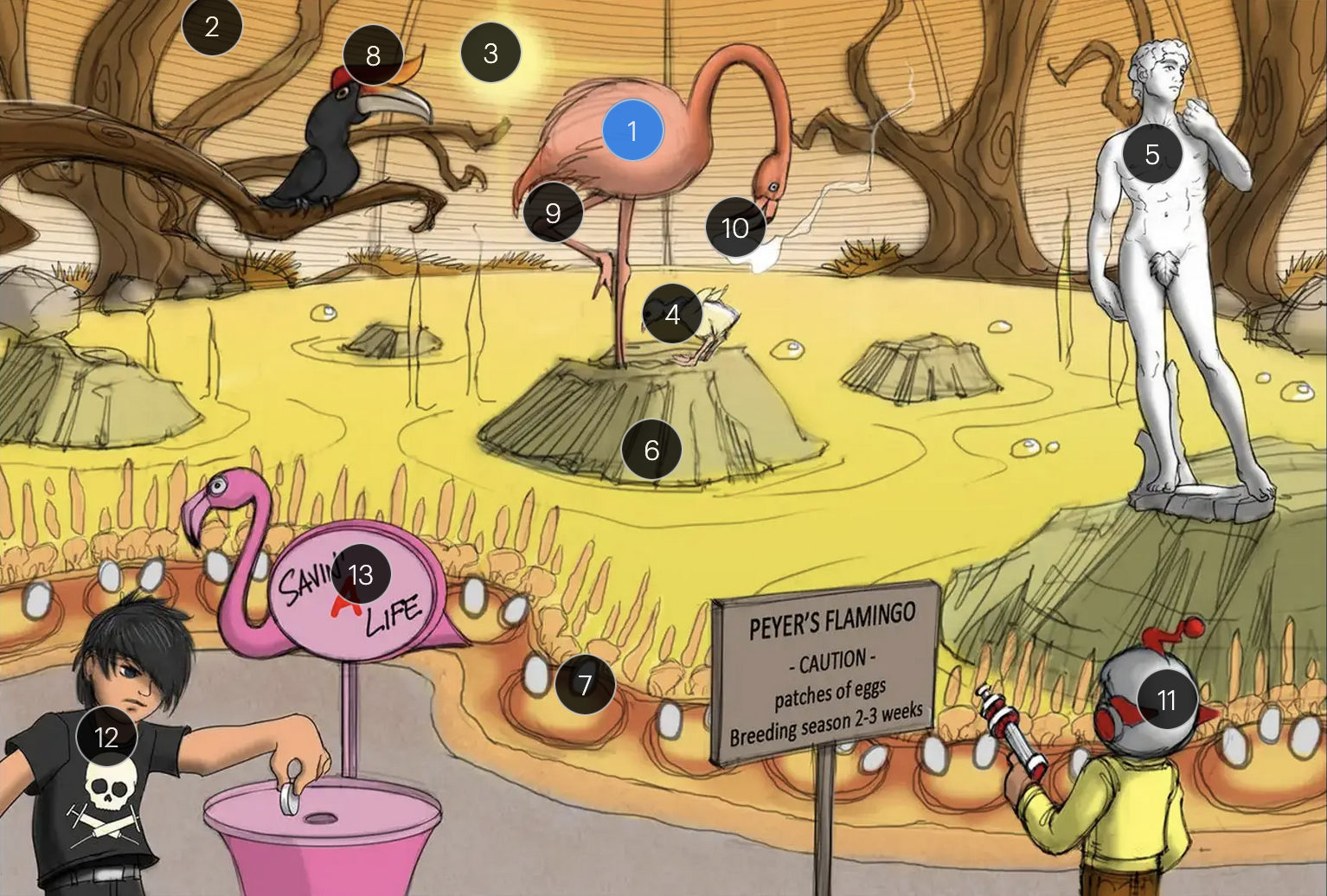
Poliovirus (picornaviridae)
#12 sulking + syringe bones
the salk vaccine is an inactivated poliovirus vaccine (IPV) that is administered intramuscularly to protect against poliomyelitis; IPV is the only polio vaccine that has been used in the US since 2000
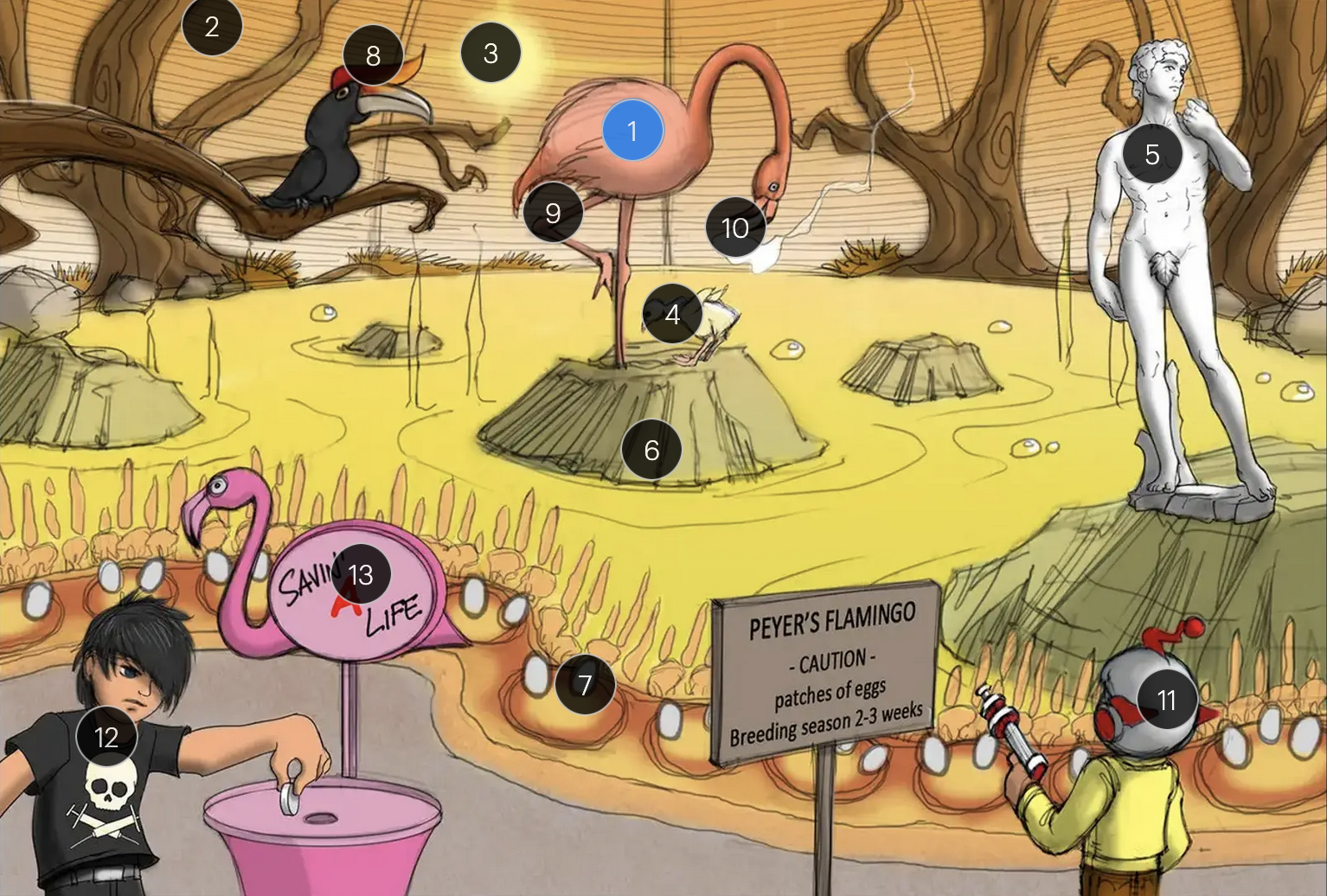
Poliovirus (picornaviridae)
#13 “savin” a life”
the live attenuated Sabin vaccine was given orally to induce both systemic IgG and mucosal IgA antibody responses against poliovirus; however, in 2016, the Sabin vaccine (trivalent, oral - OPV) has been replaced with the bivalent OPV to reduce the risk of vaccine-derived polioviruses

Coxsackievirus A&B (picornaviridae)
#1 cockatoos
coxsackievirus A&B (positive sense RNA viruses in the picornaviridae family)
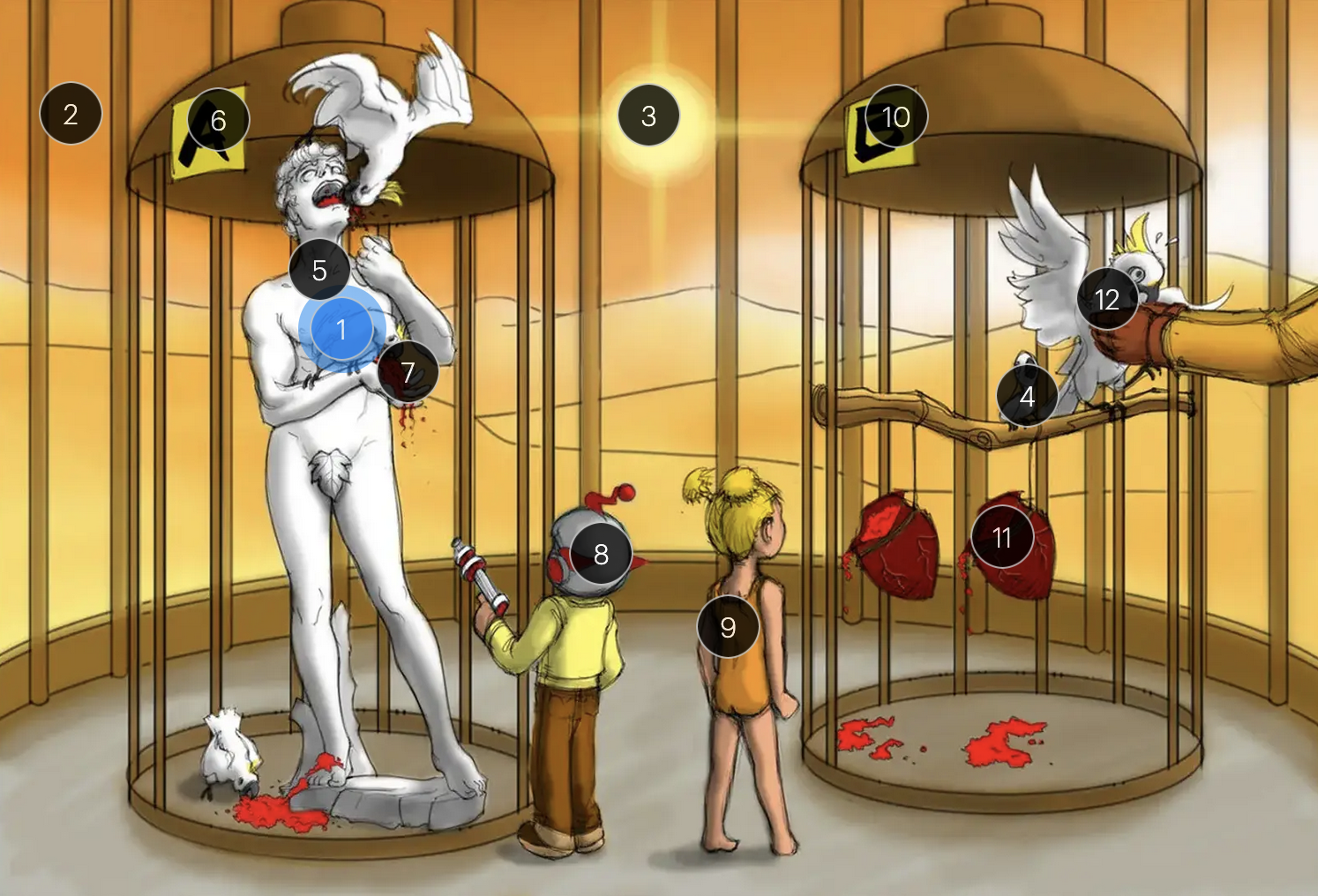
Coxsackievirus A&B (picornaviridae)
#2 warm colors
coxsackieviruses are positive sense RNA viruses
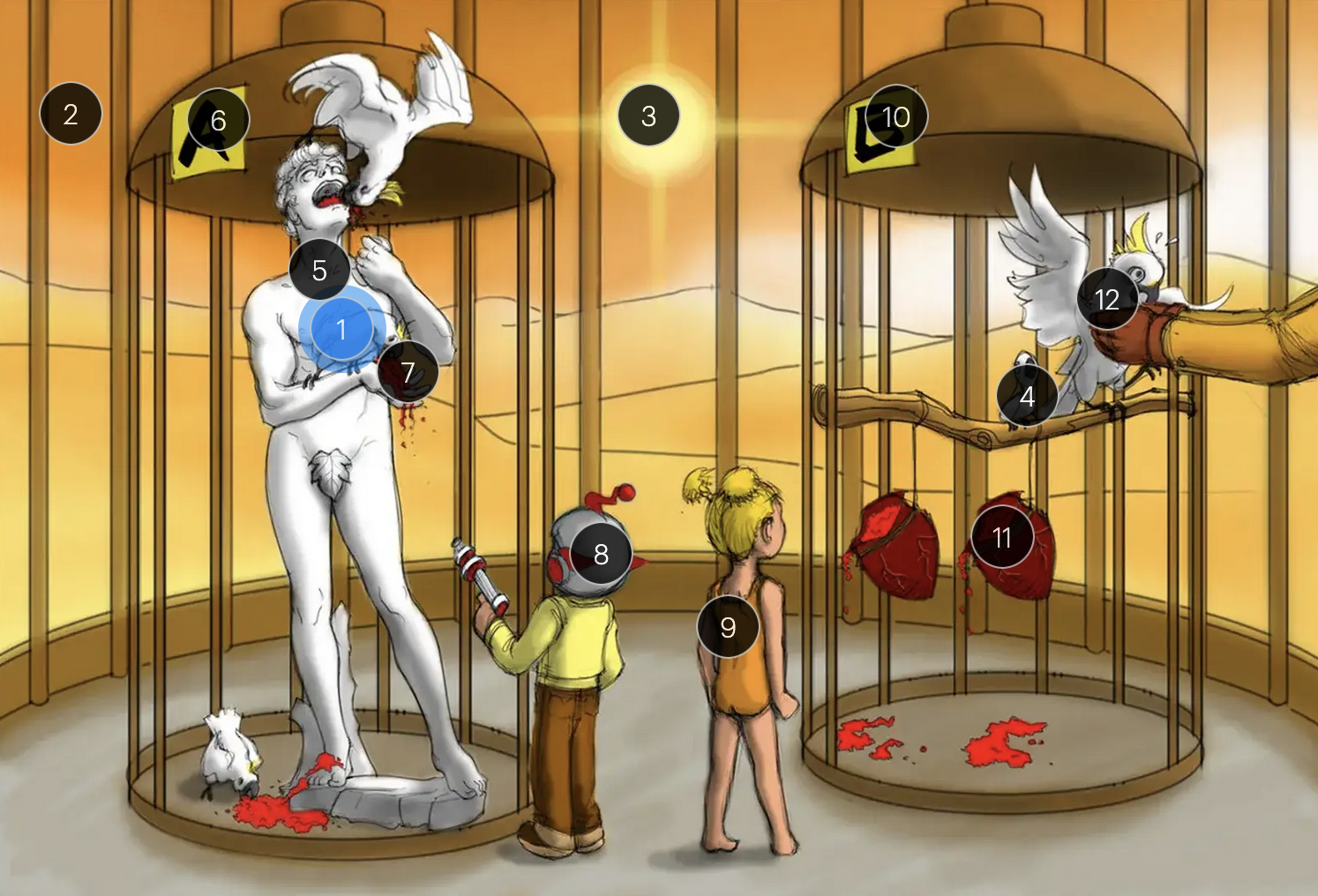
Coxsackievirus A&B (picornaviridae)
#3 positive sun
coxsackieviruses are positive sense RNA viruses
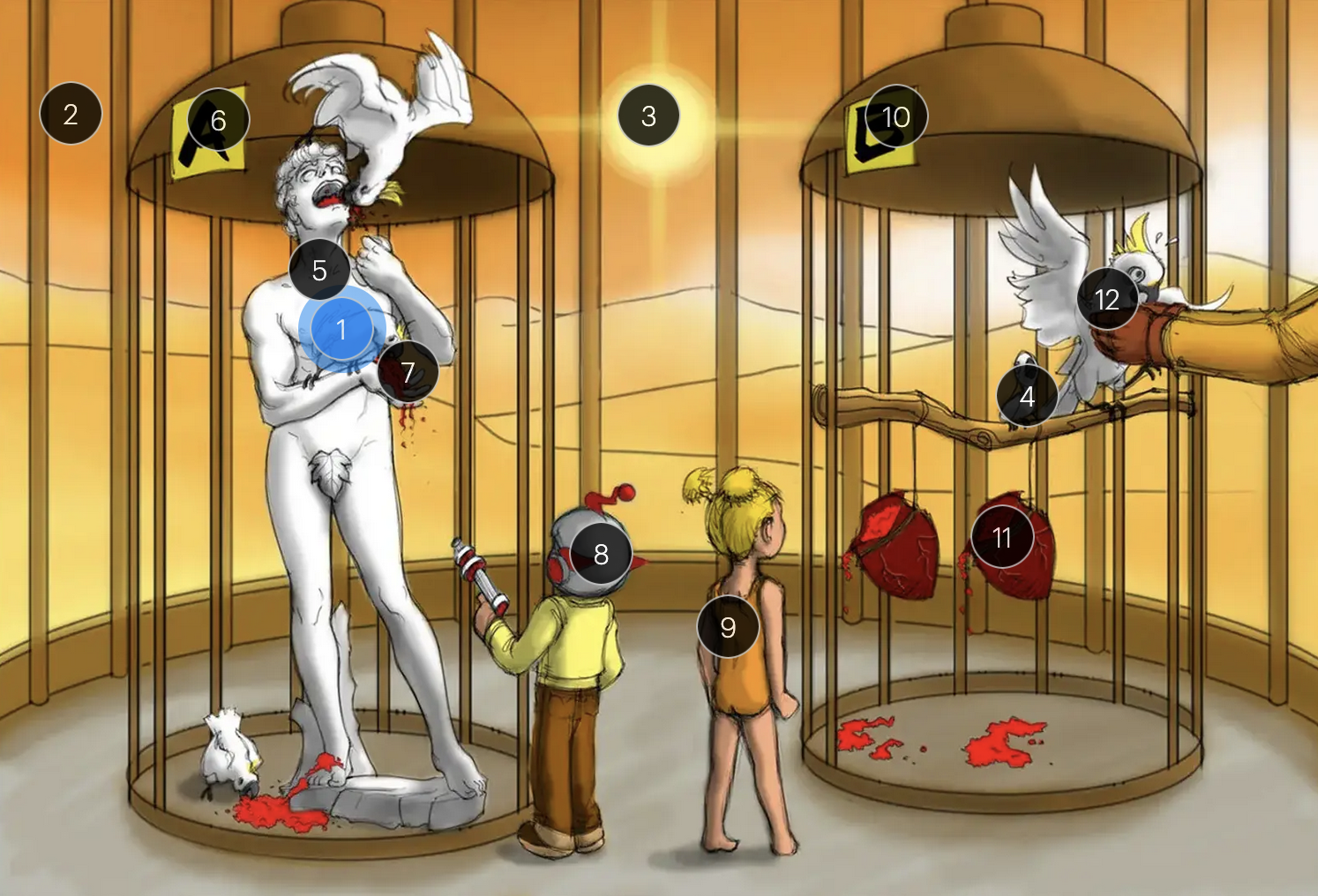
Coxsackievirus A&B (picornaviridae)
#4 baby cockatoo
coxsackieviruses are a part of the picornaviridae family
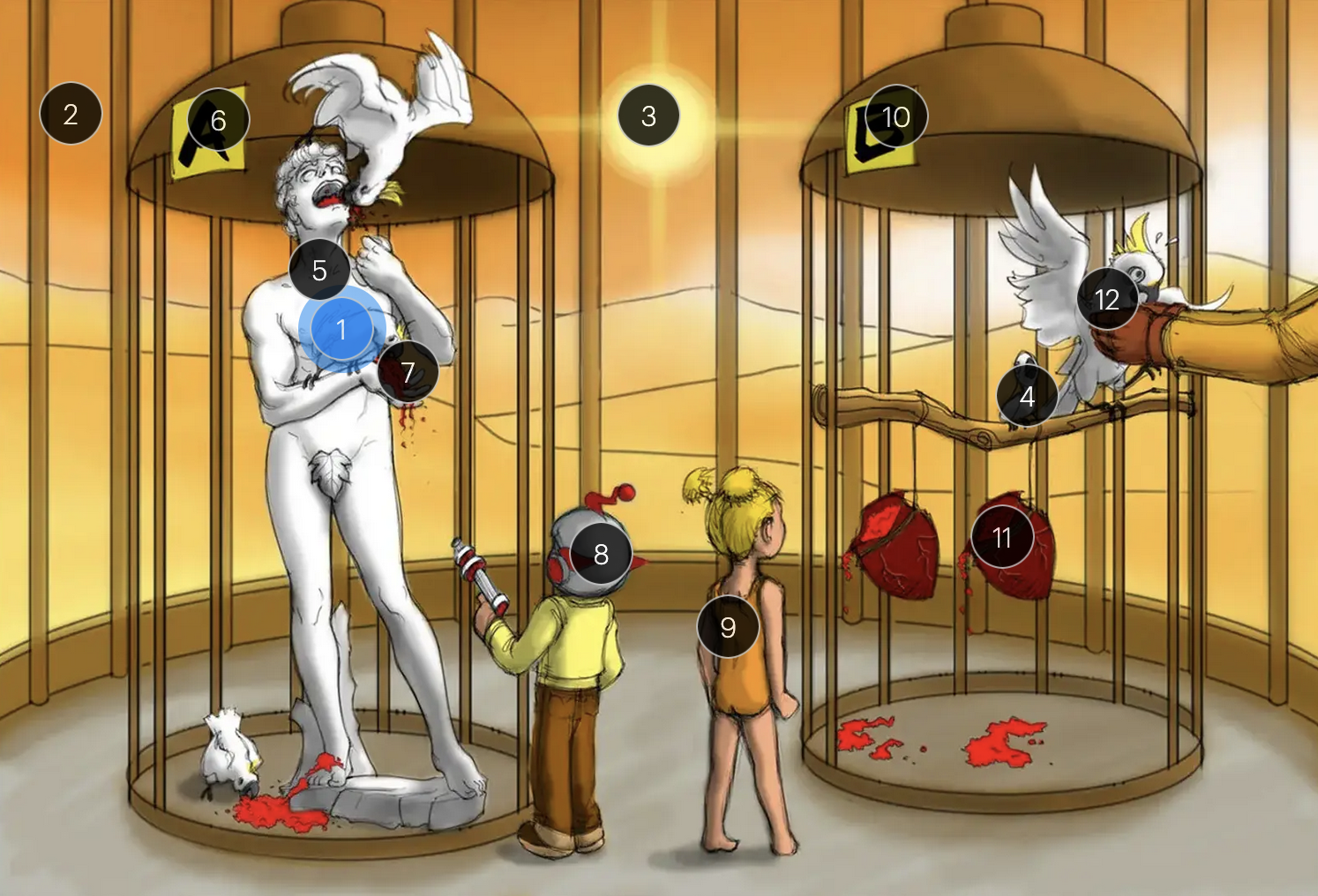
Coxsackievirus A&B (picornaviridae)
#5 statue of david
coxsackieviruses lack envelopes, classifying them as naked viruses
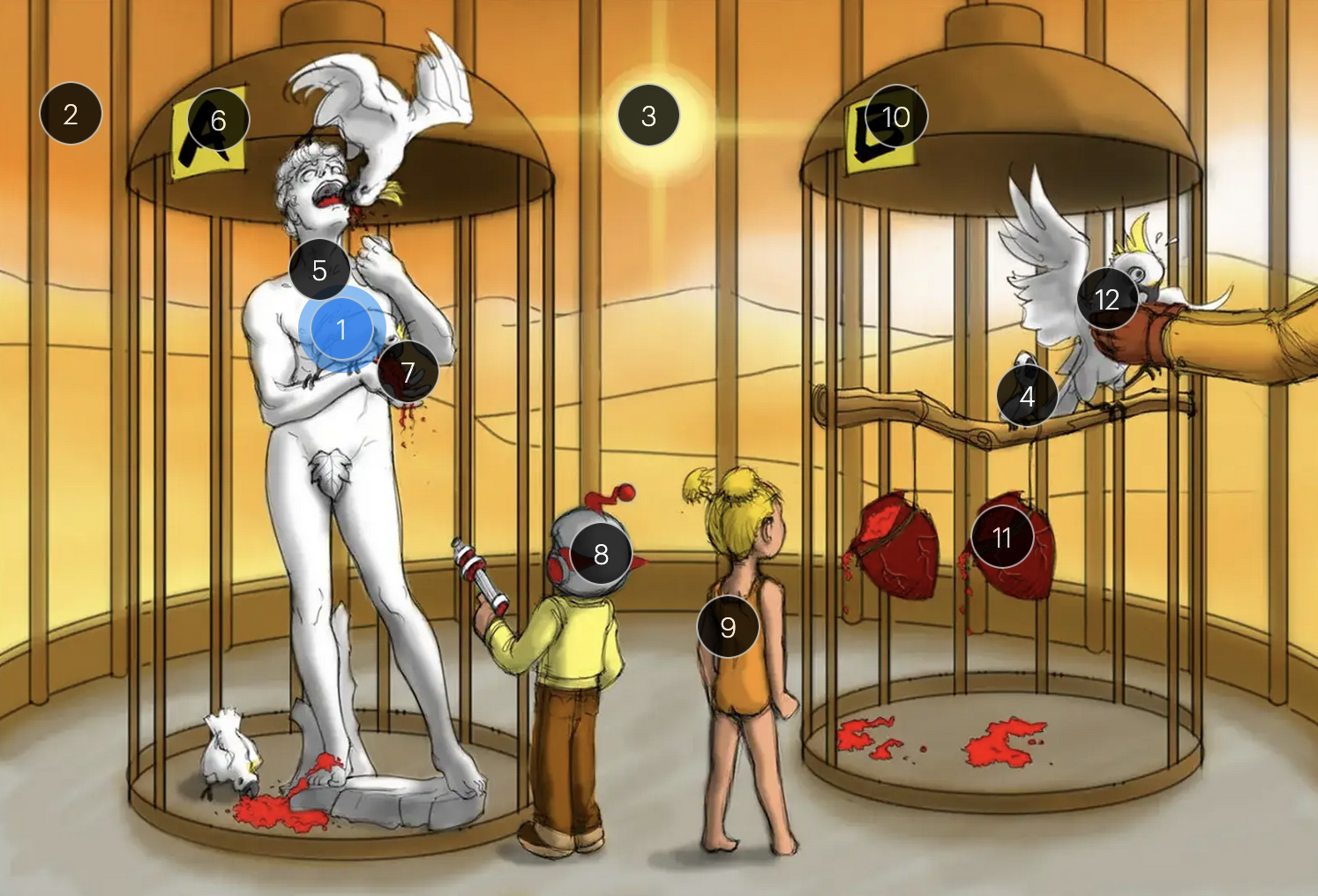
Coxsackievirus A&B (picornaviridae)
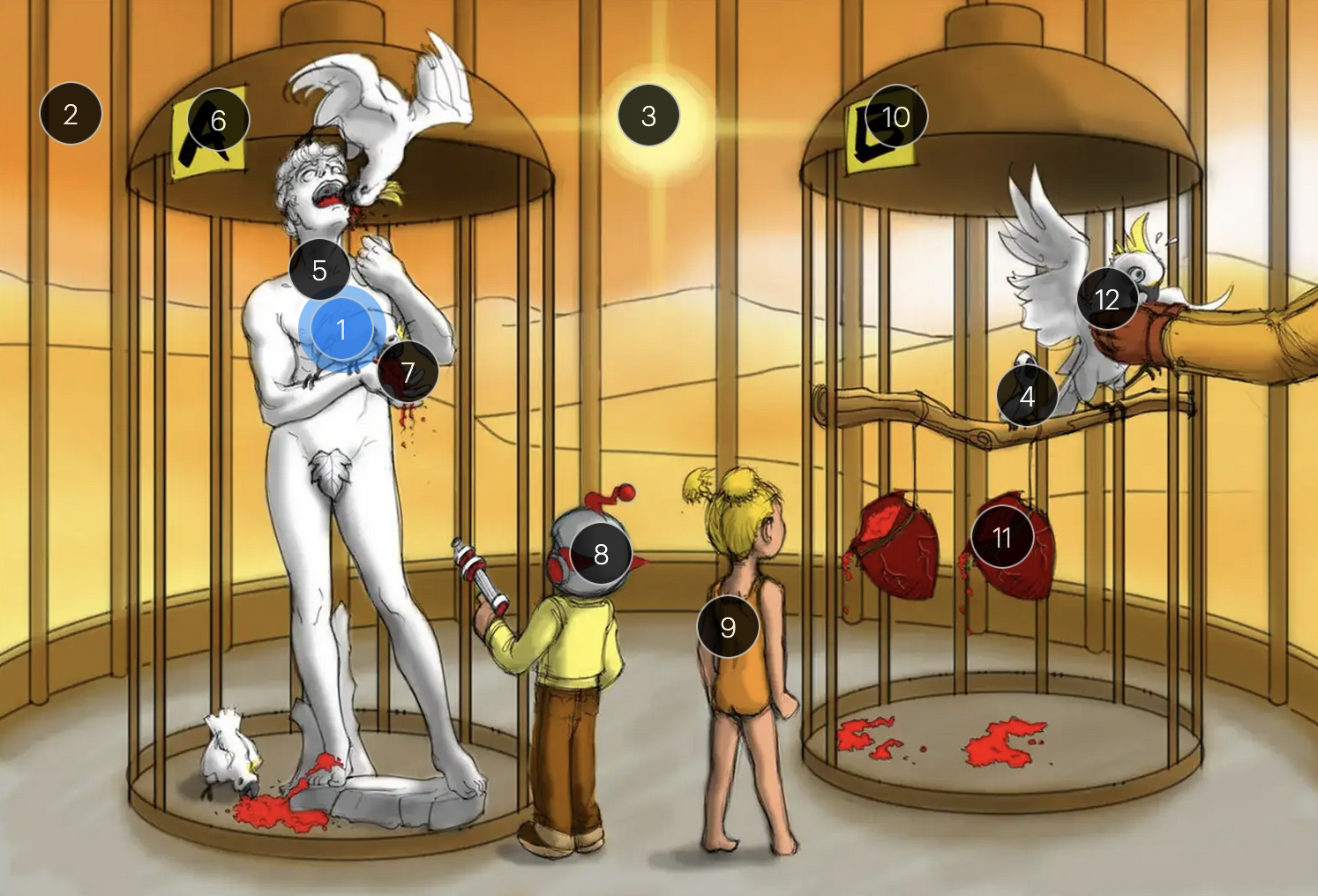
#6 “A” cage
coxsackievirus A
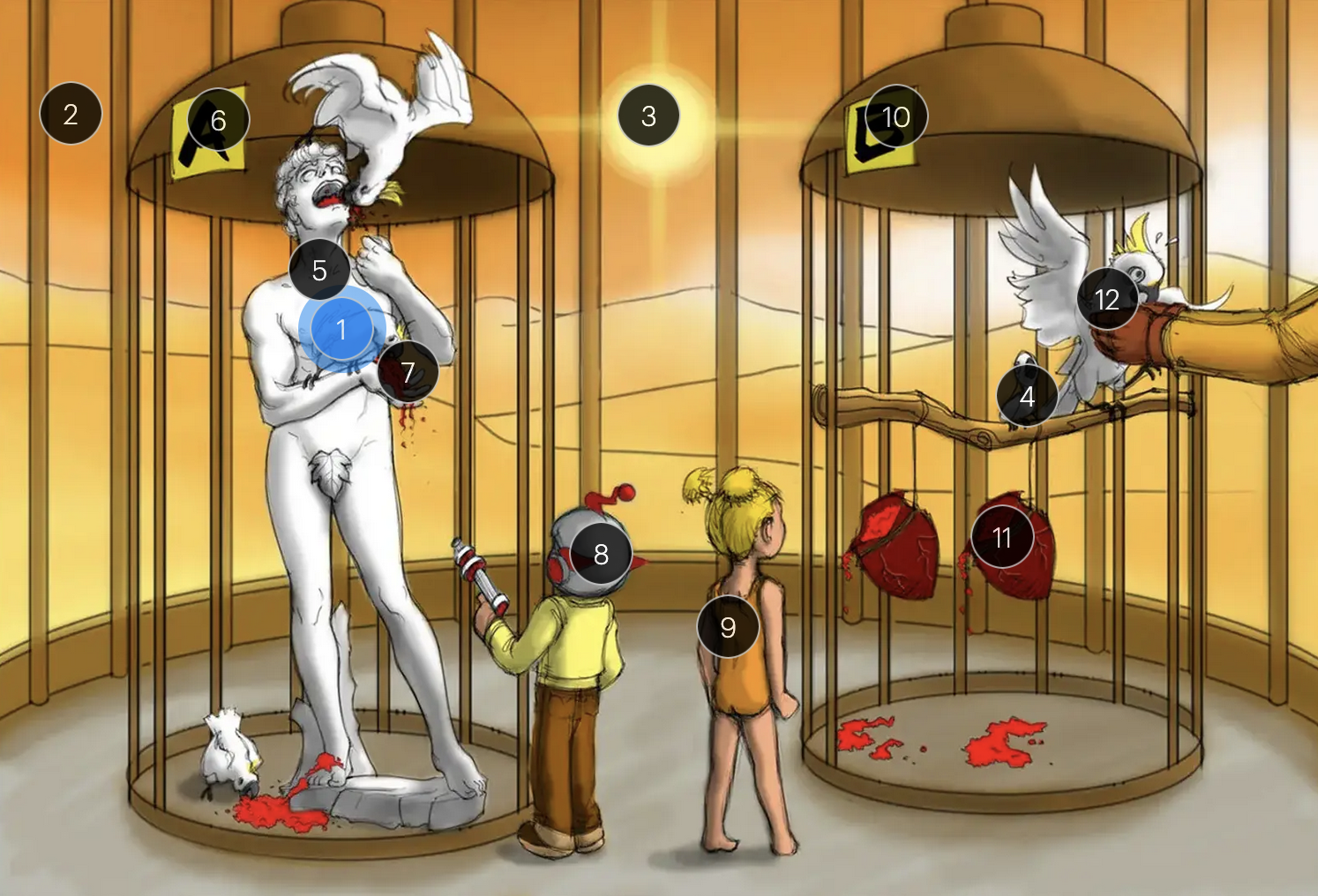
Coxsackievirus A&B (picornaviridae)
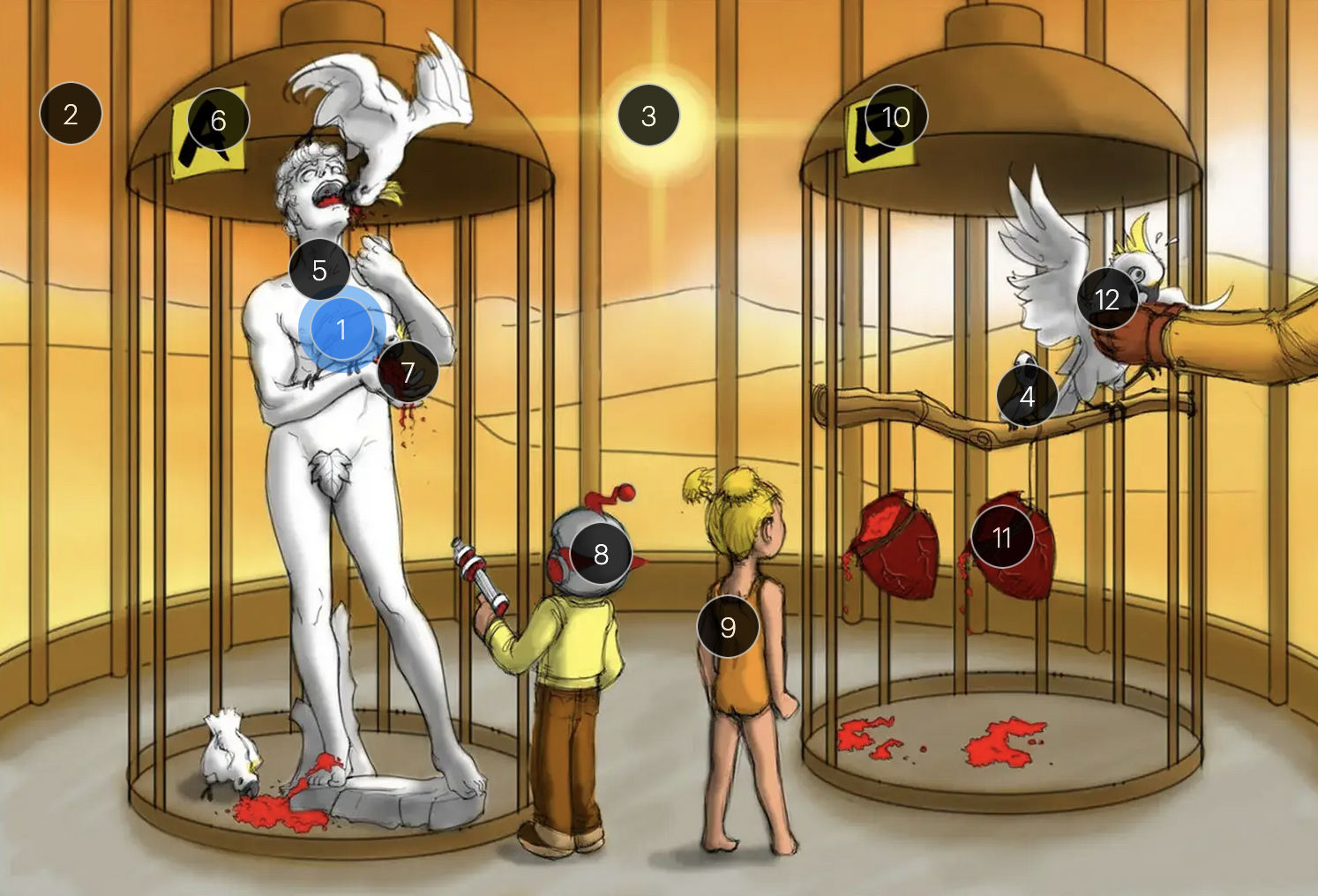
#7 hand, foot, mouth birdseed
coxsackievirus A is one of the viruses that causes hand, foot, and mouth disease, characterized by a red, vesicular rash in the mouth, on the fingers and palms of the hands, and the soles of the feet
Coxsackievirus A&B (picornaviridae)
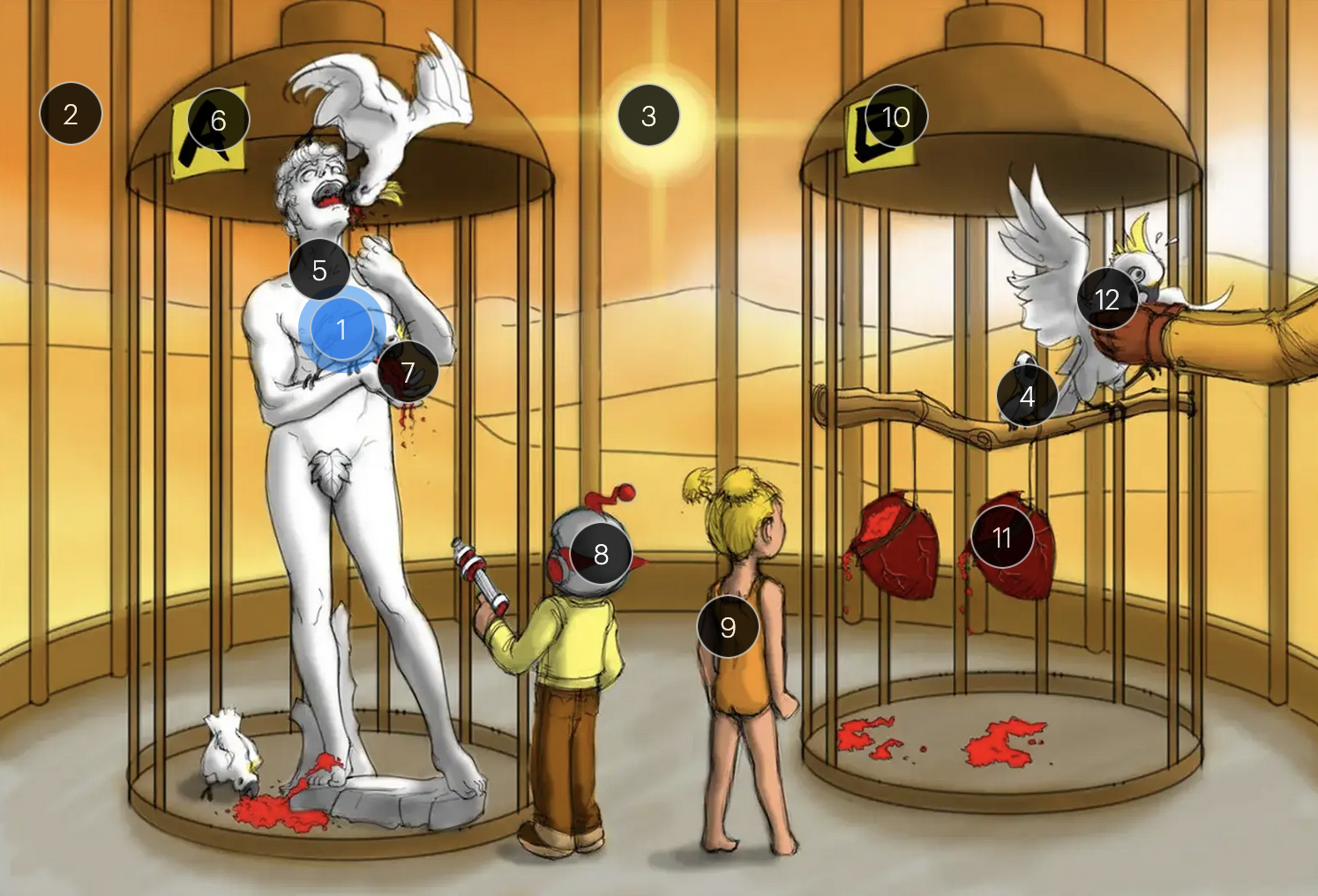
#8 meningitis helmet
coxsackievirus A (more than B) can lead to aseptic meningitis (a non-bacterial inflammation of the meninges), especially in pediatric populations
Coxsackievirus A&B (picornaviridae)
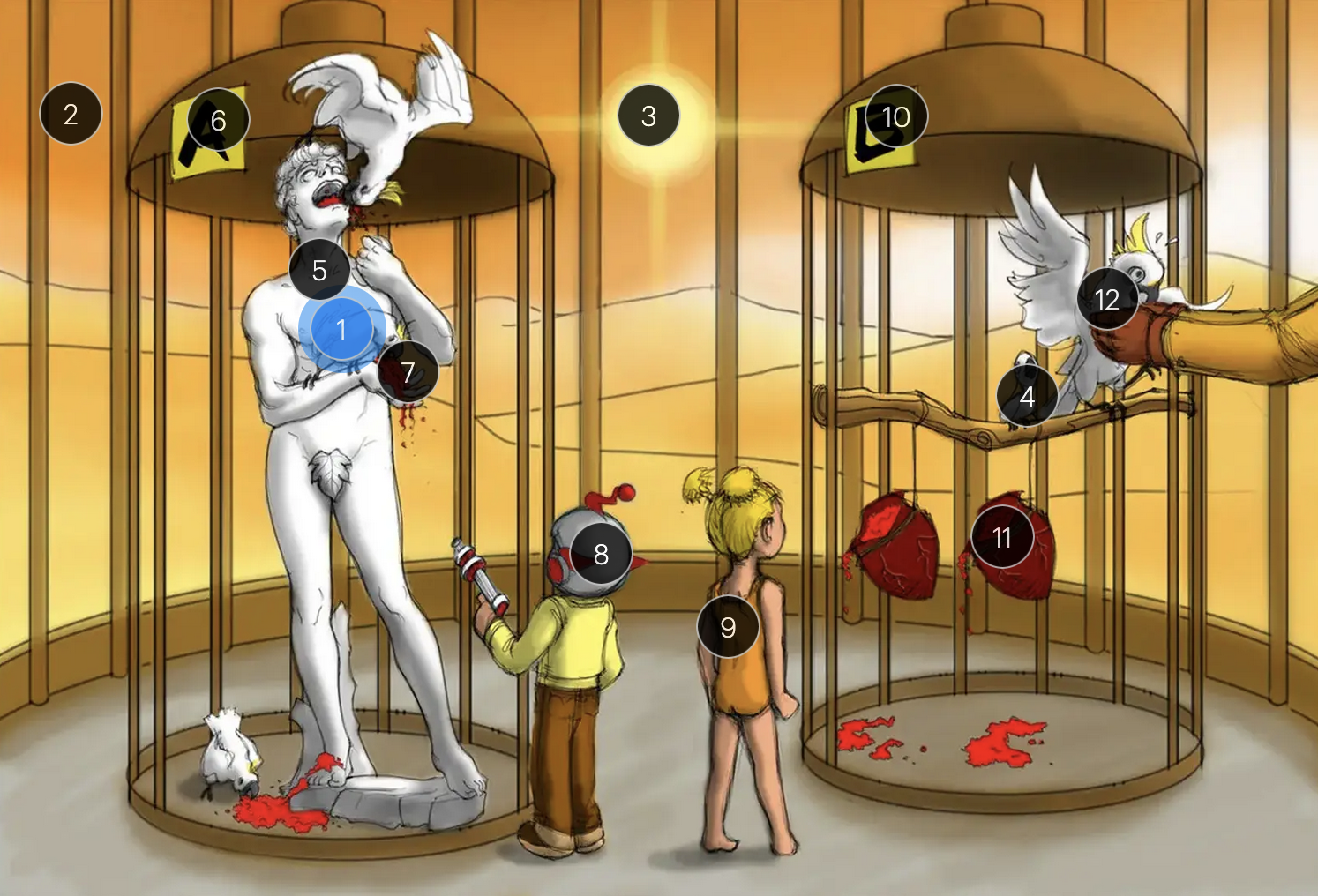
#9 kid + bathing suit
coxsackieviruses predominantly affect children, especially in the warmer months
Coxsackievirus A&B (picornaviridae)
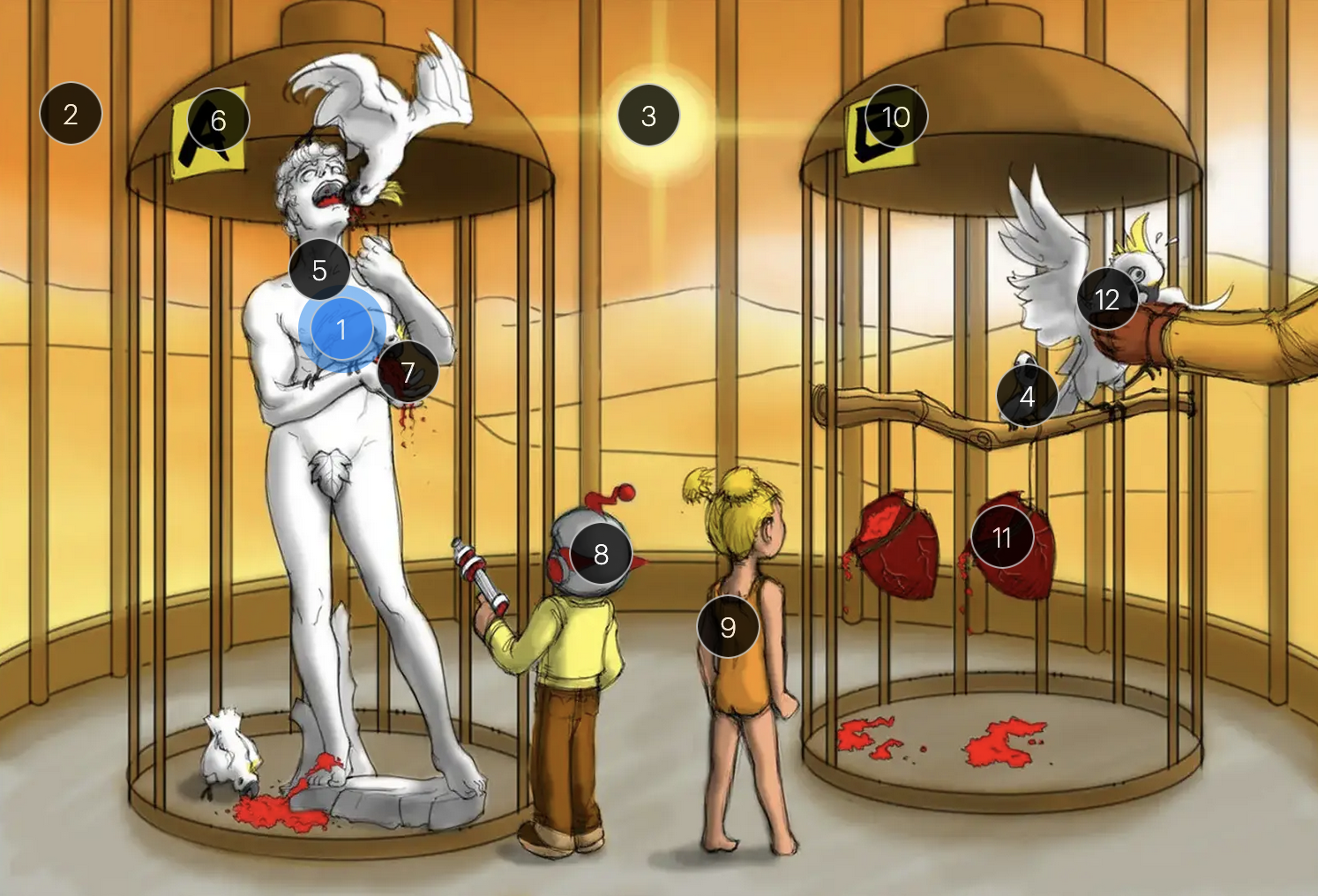
#10 “B” cage
coxsackievirus B
Coxsackievirus A&B (picornaviridae)
#11 floppy heart bags
infection with coxsackievirus B has been implicated in myopericarditis, which in certain cases may lead to the development of dilated cardiomyopathy
Coxsackievirus A&B (picornaviridae)
#12 tight grip around chest
coxsackievirus B causes Bornholm disease (also known as apidemic pleurodynia or “devil’s grip”, which is characterized by severe, unilateral pleuritic pain in the lower chest)
Rhinovirus (Picornaviridae)
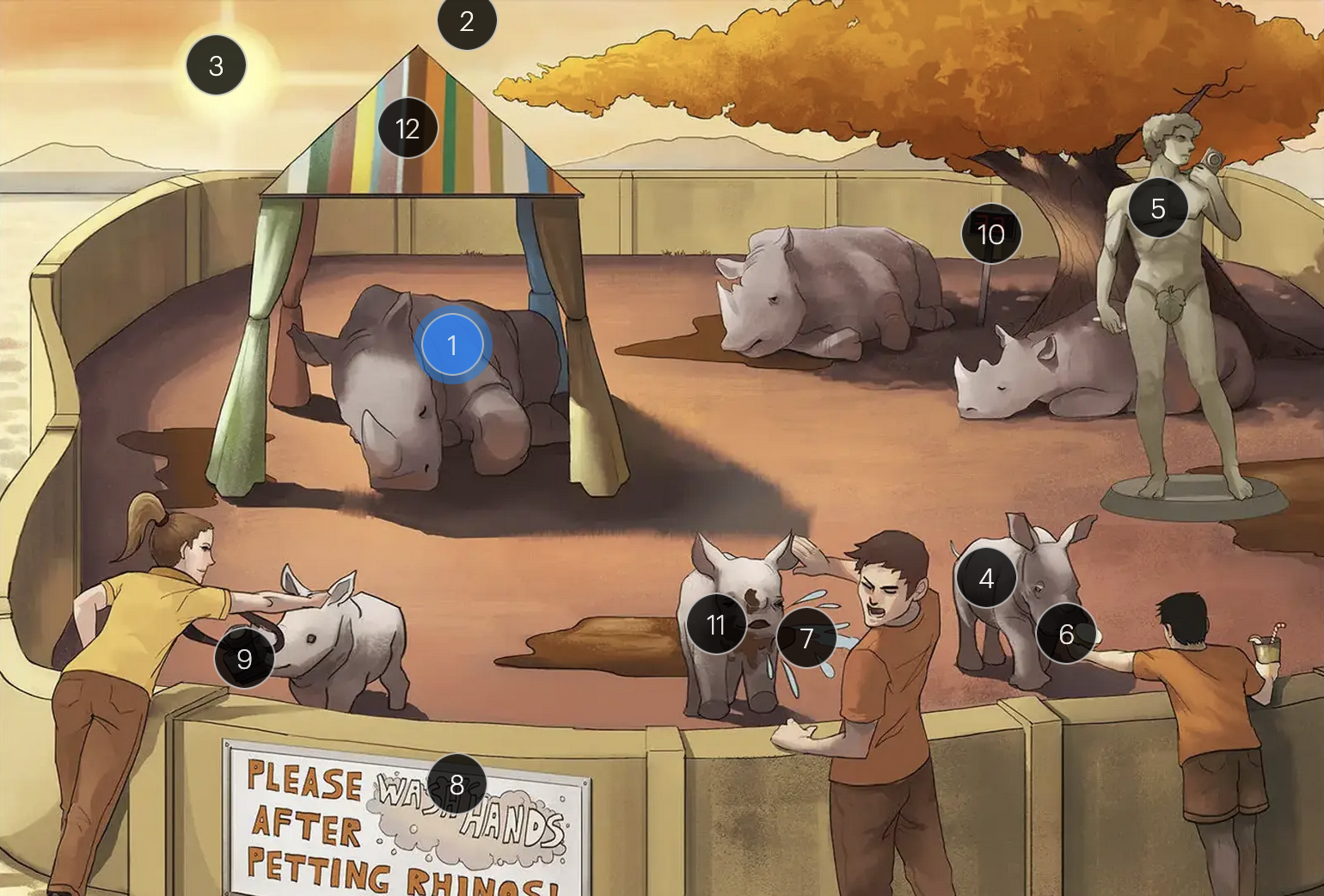
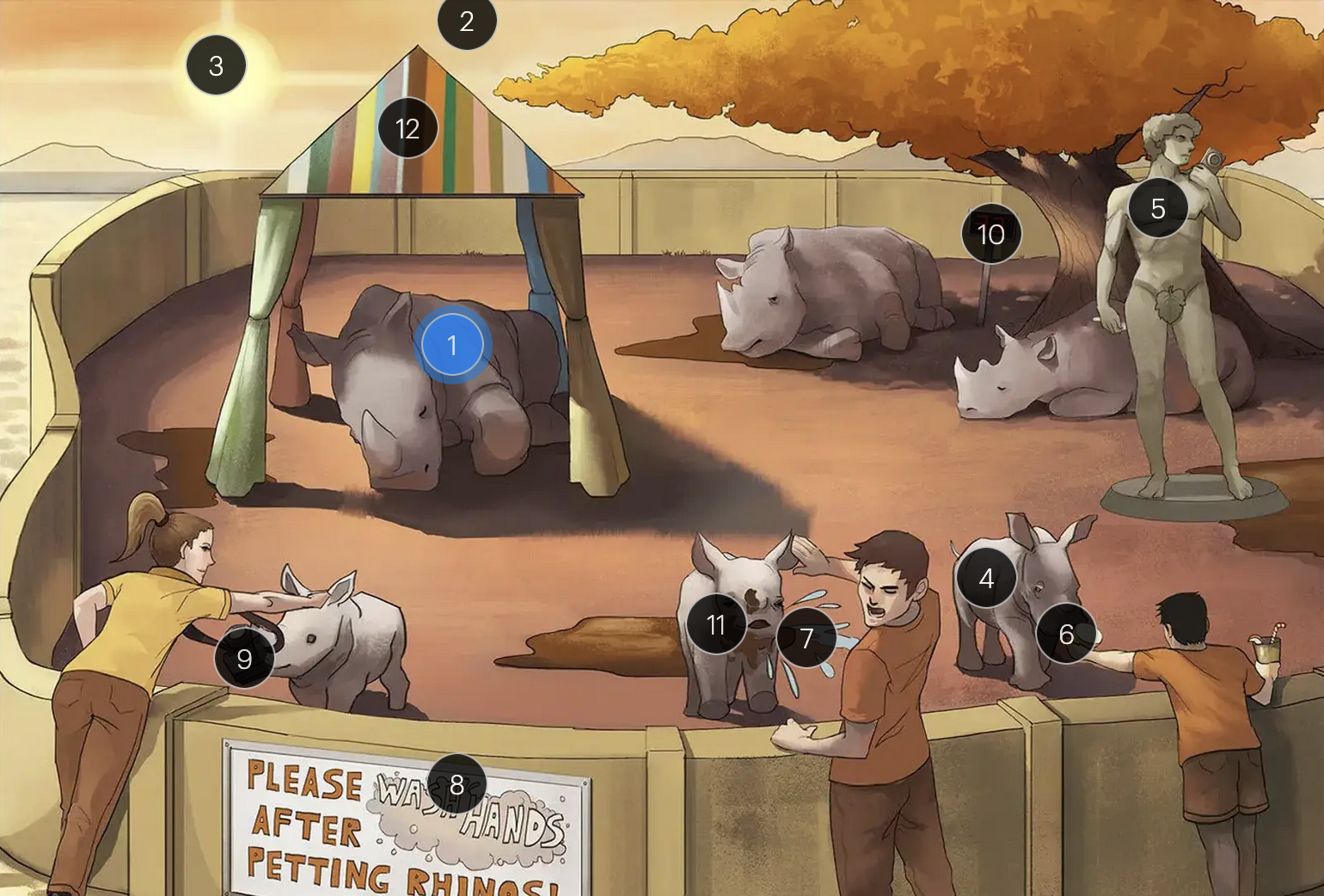
#1 Rhinos
Rhinoviruses (positive-sense RNA viruses in the Picornaviridae family)
Rhinovirus (Picornaviridae)
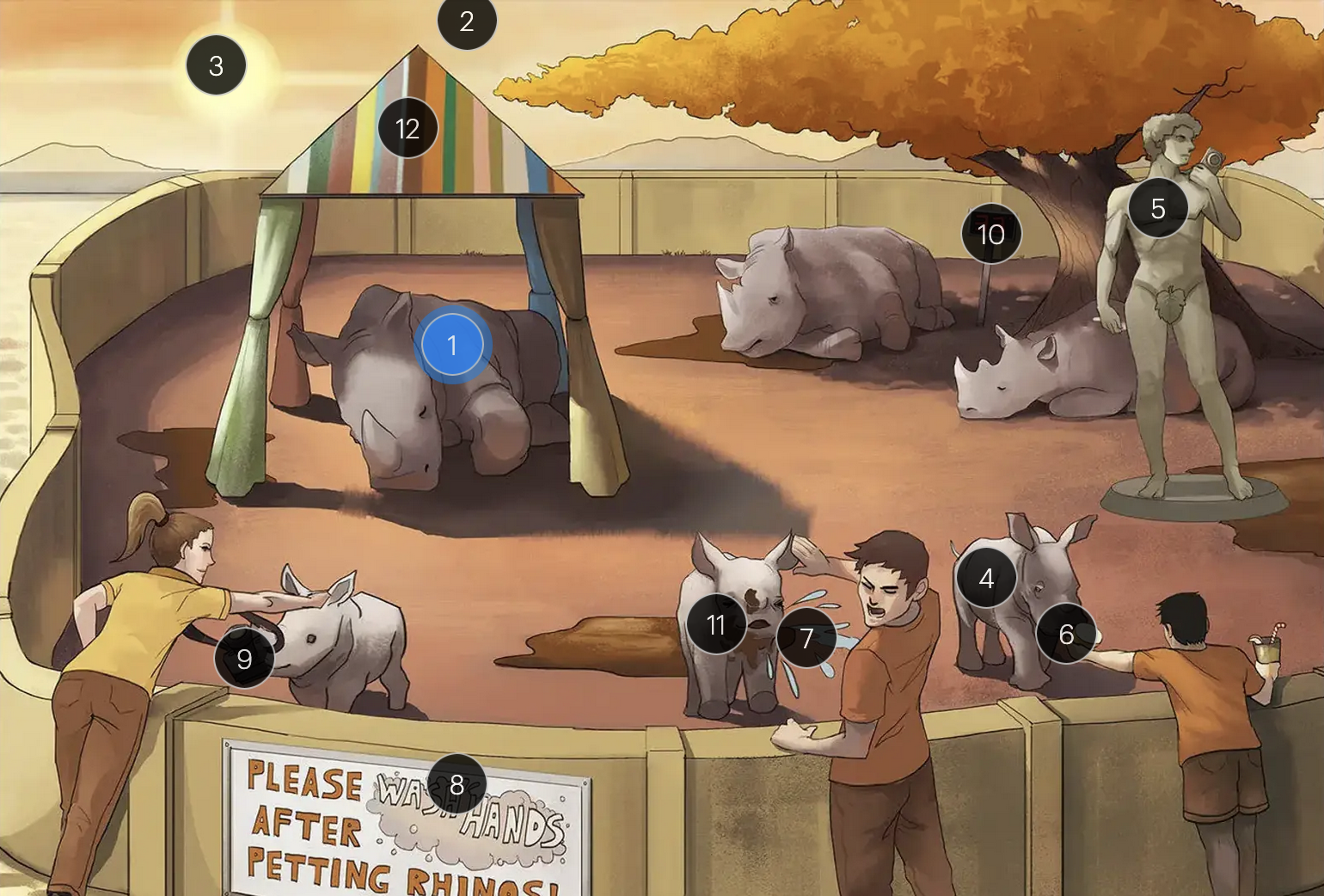
#2 warm colors
Rhinoviruses are positive sense RNA viruses
Rhinovirus (Picornaviridae)
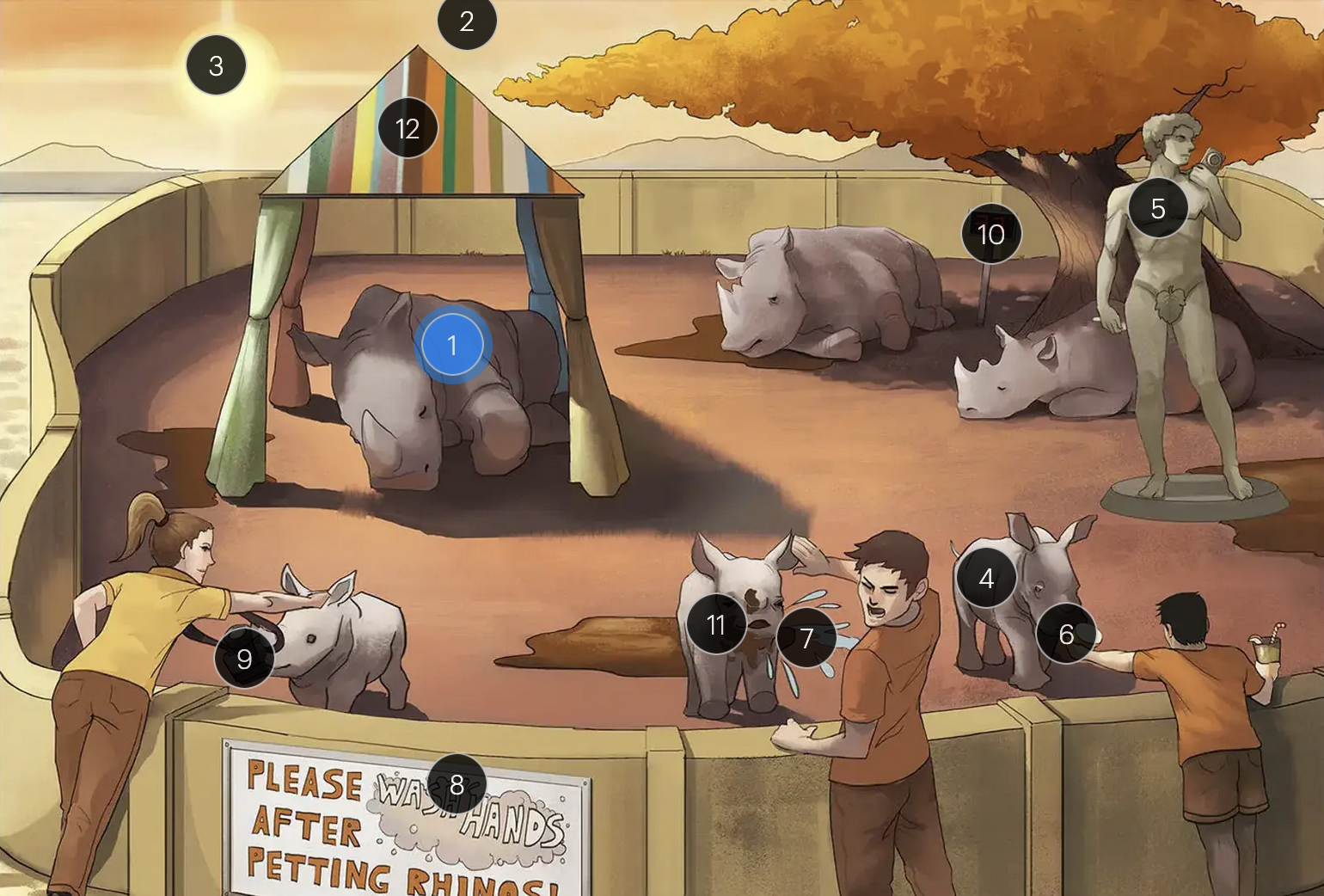
#3 positive sun
Rhinoviruses are positive sense RNA viruses
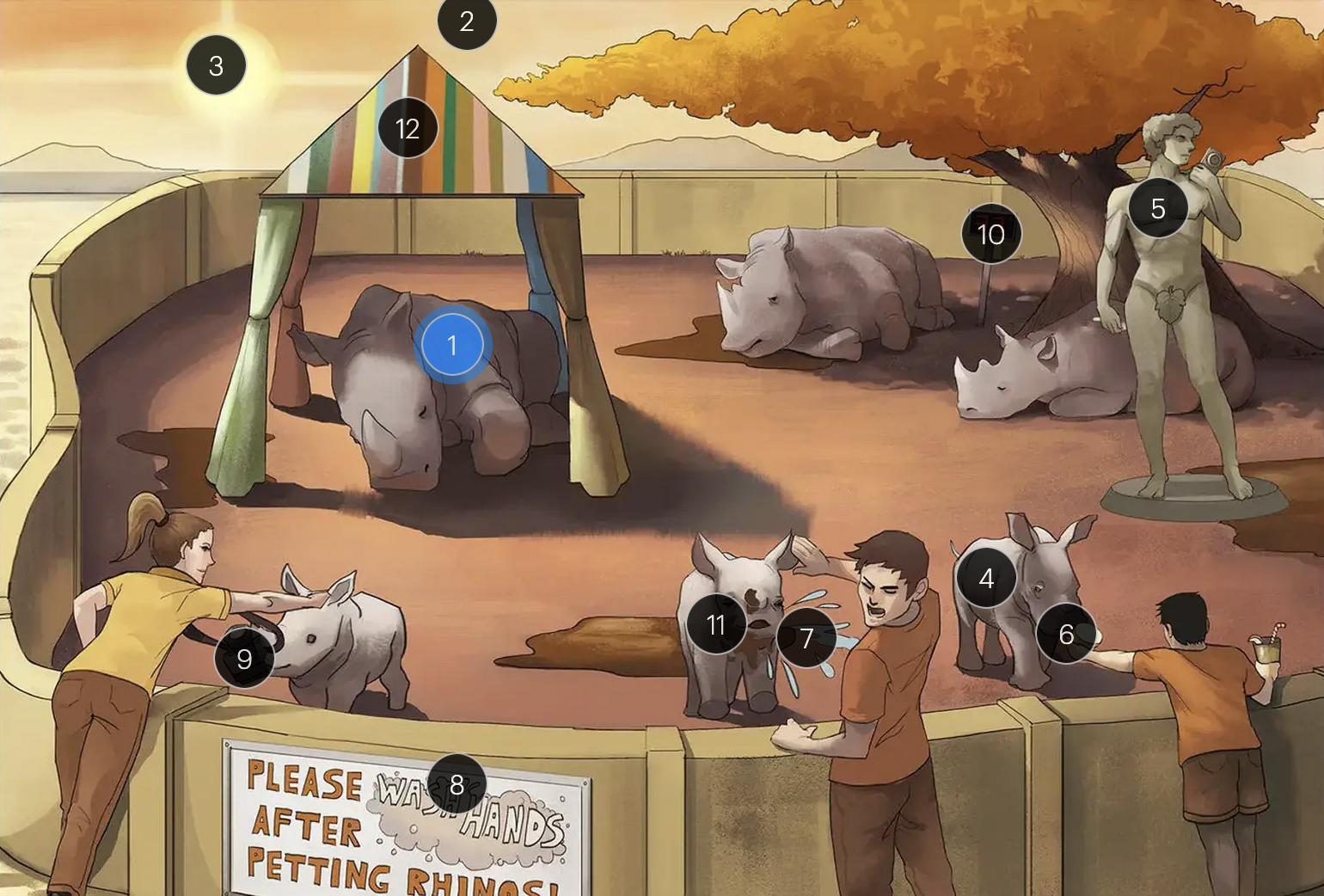
Rhinovirus (Picornaviridae)
#4 baby rhino
Rhinoviruses are part of the picornaviridae family
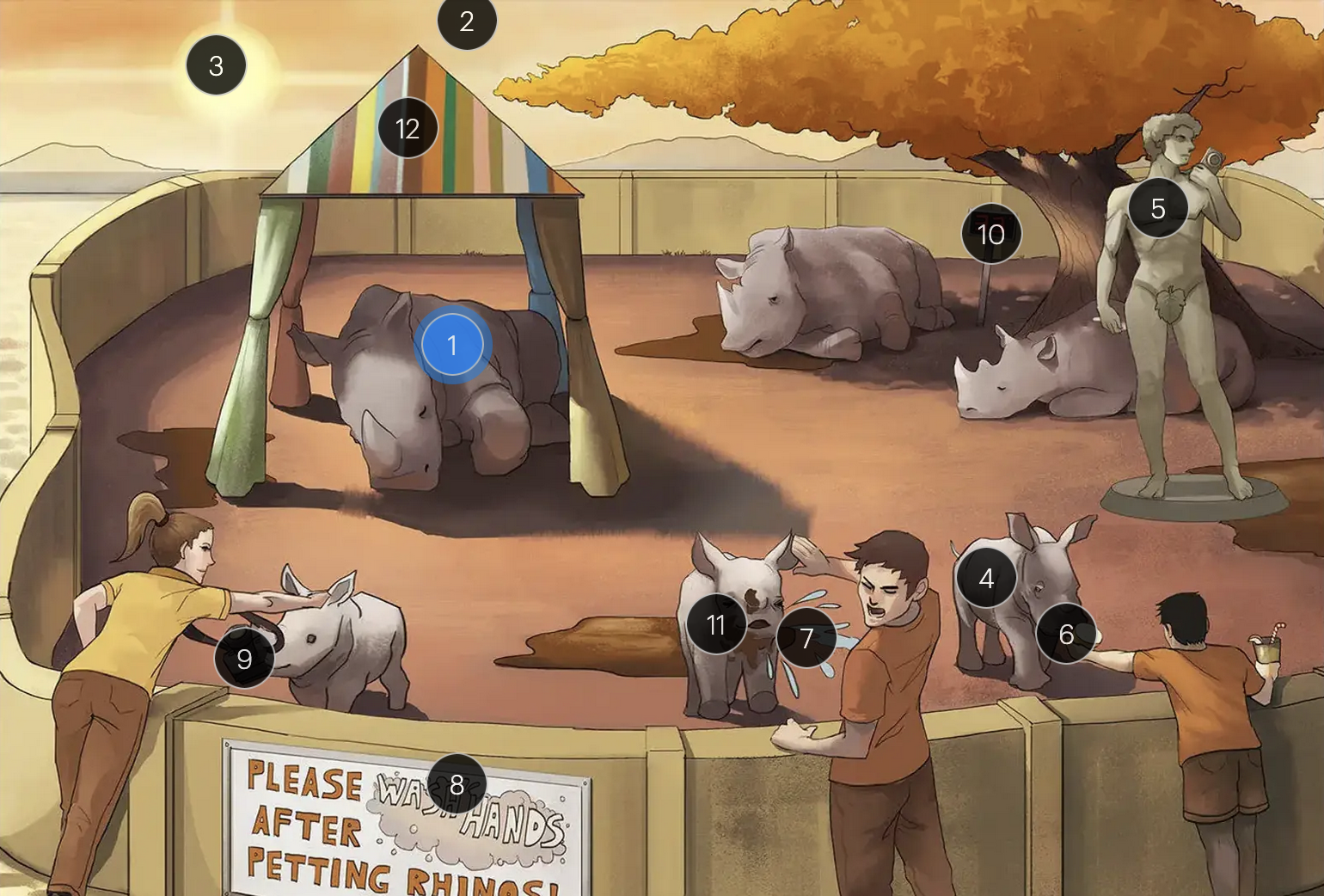
Rhinovirus (Picornaviridae)
#5 statue of David
Rhinoviruses lack envelopes, classifying them as naked viruses
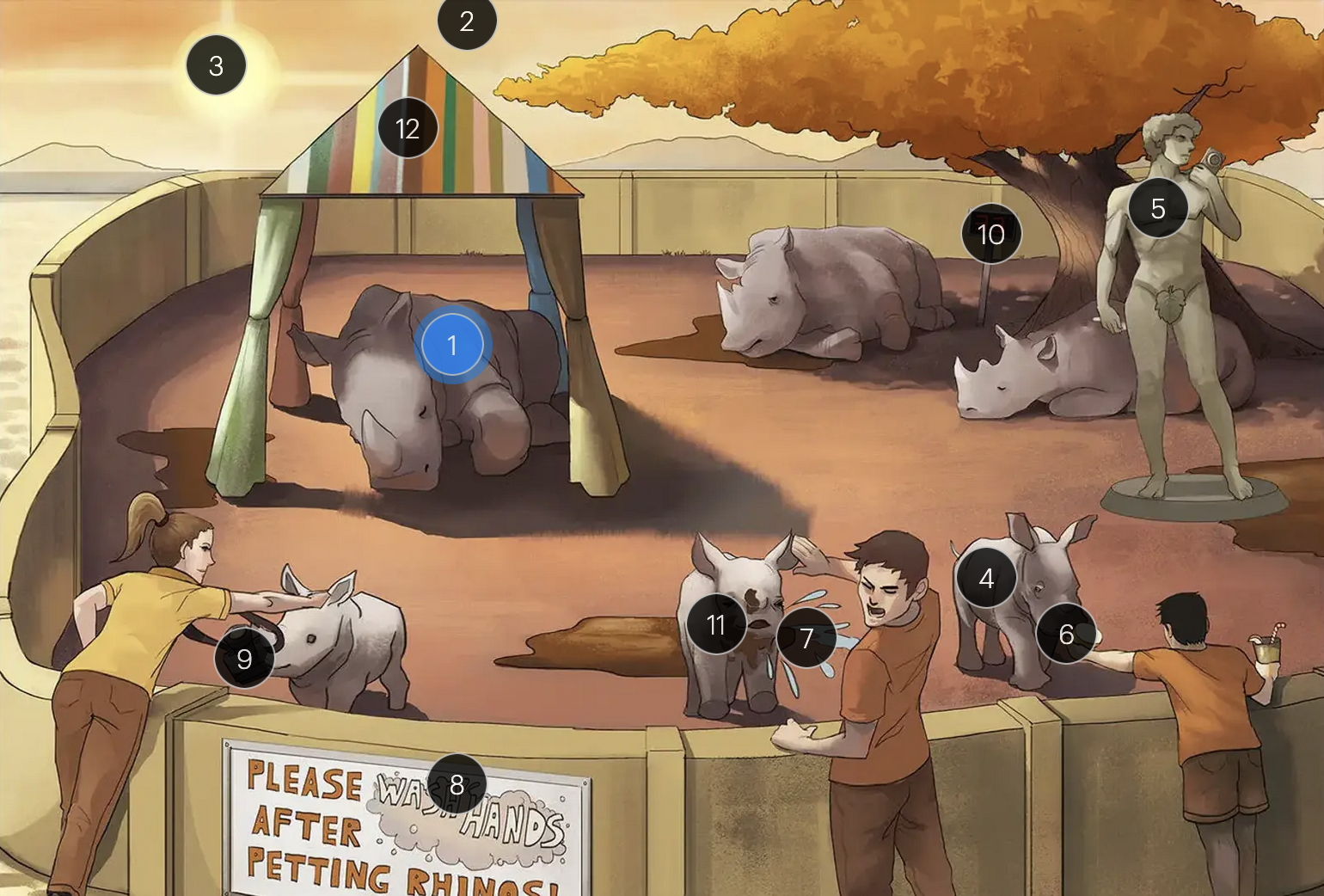
Rhinovirus (Picornaviridae)
#6 acidic lemon
rhinoviruses are acid-labile, rendering them sensitive to acidic conditions
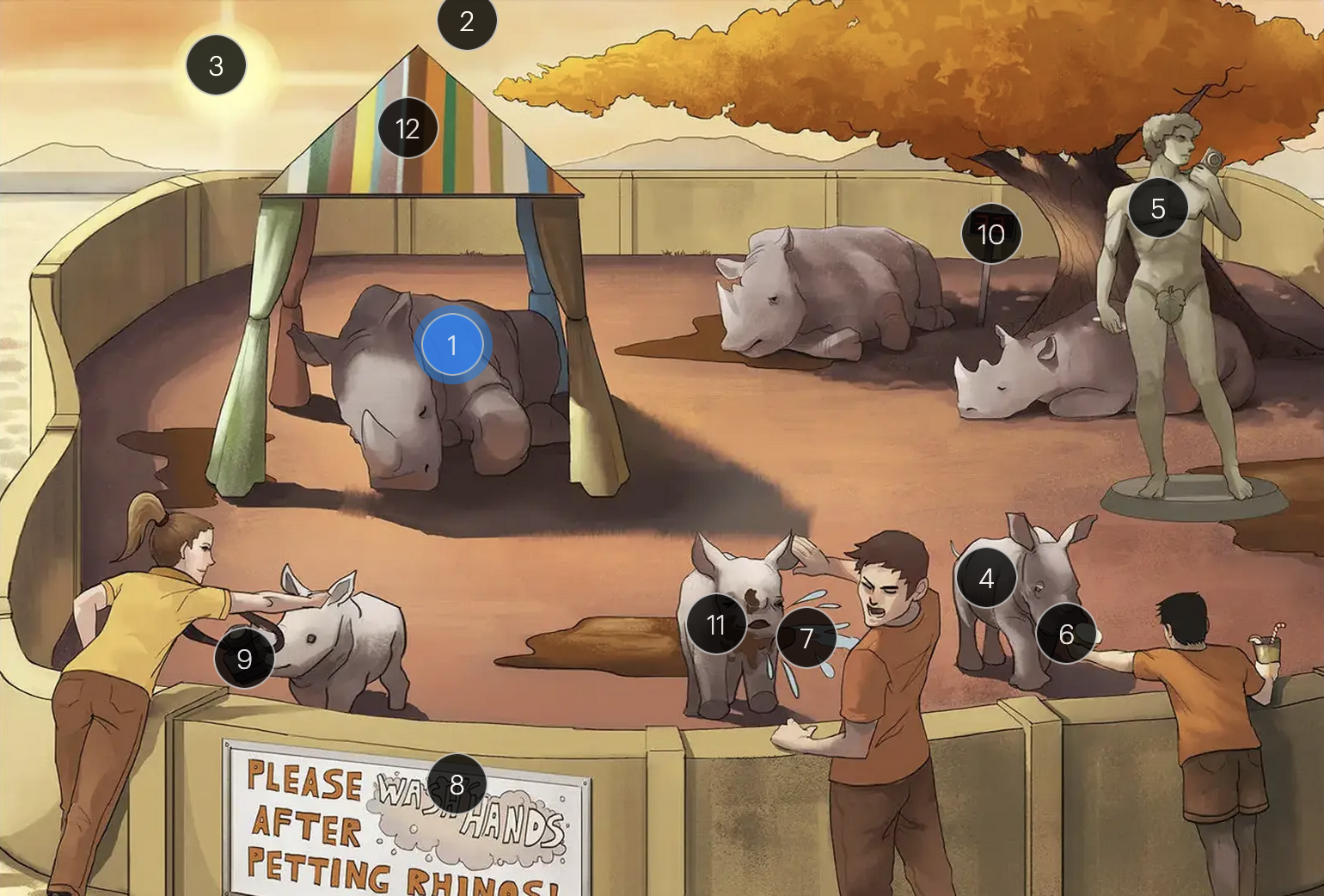
Rhinovirus (Picornaviridae)
#7 sneeze spray
rhinoviruses are primarily transmitted via respiratory droplets
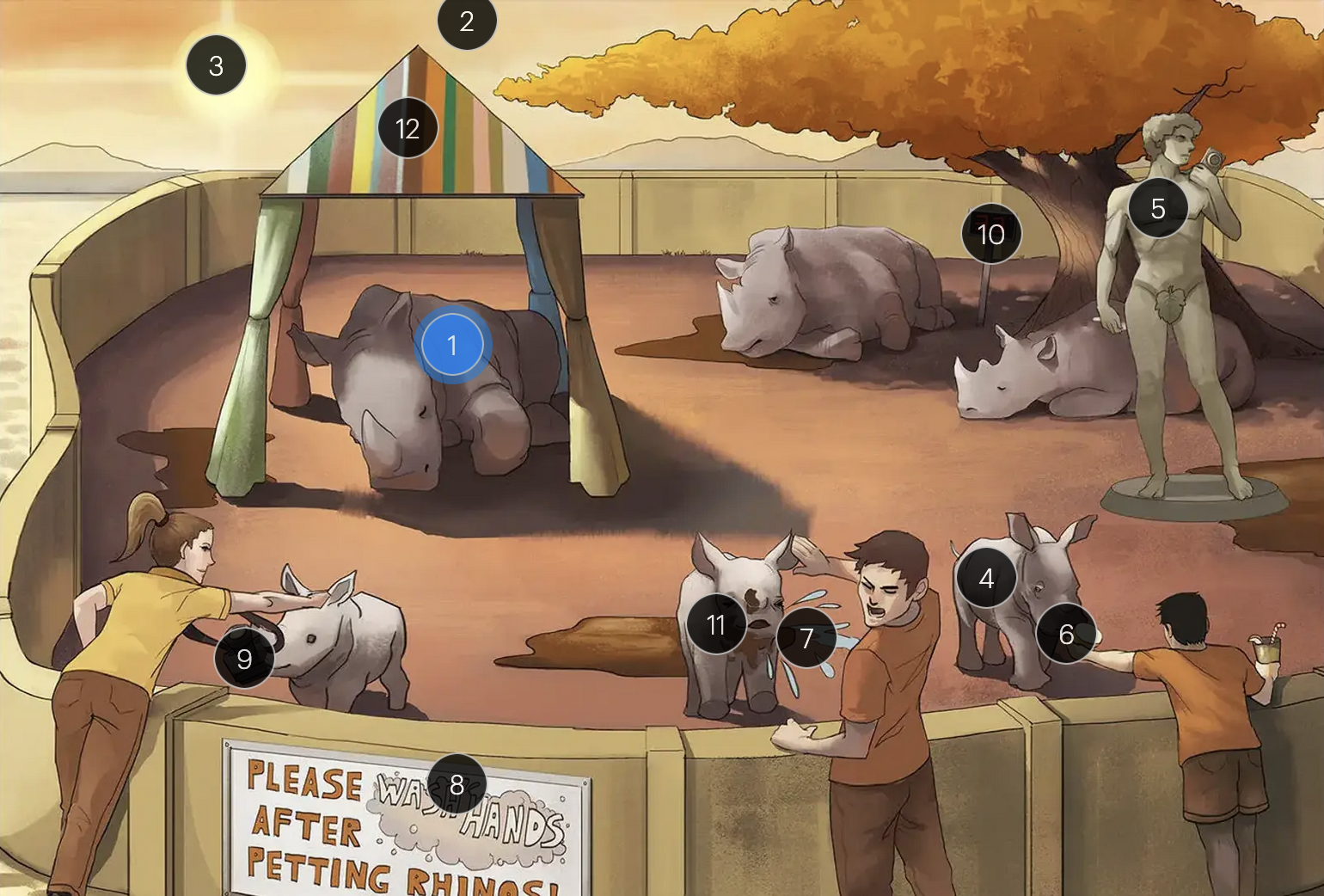
Rhinovirus (Picornaviridae)
#8 “please wash hands”
proper hand hygeine is crucial in reducing the transmission risk of rhinovirus, especially through fomites (contaminated objects)
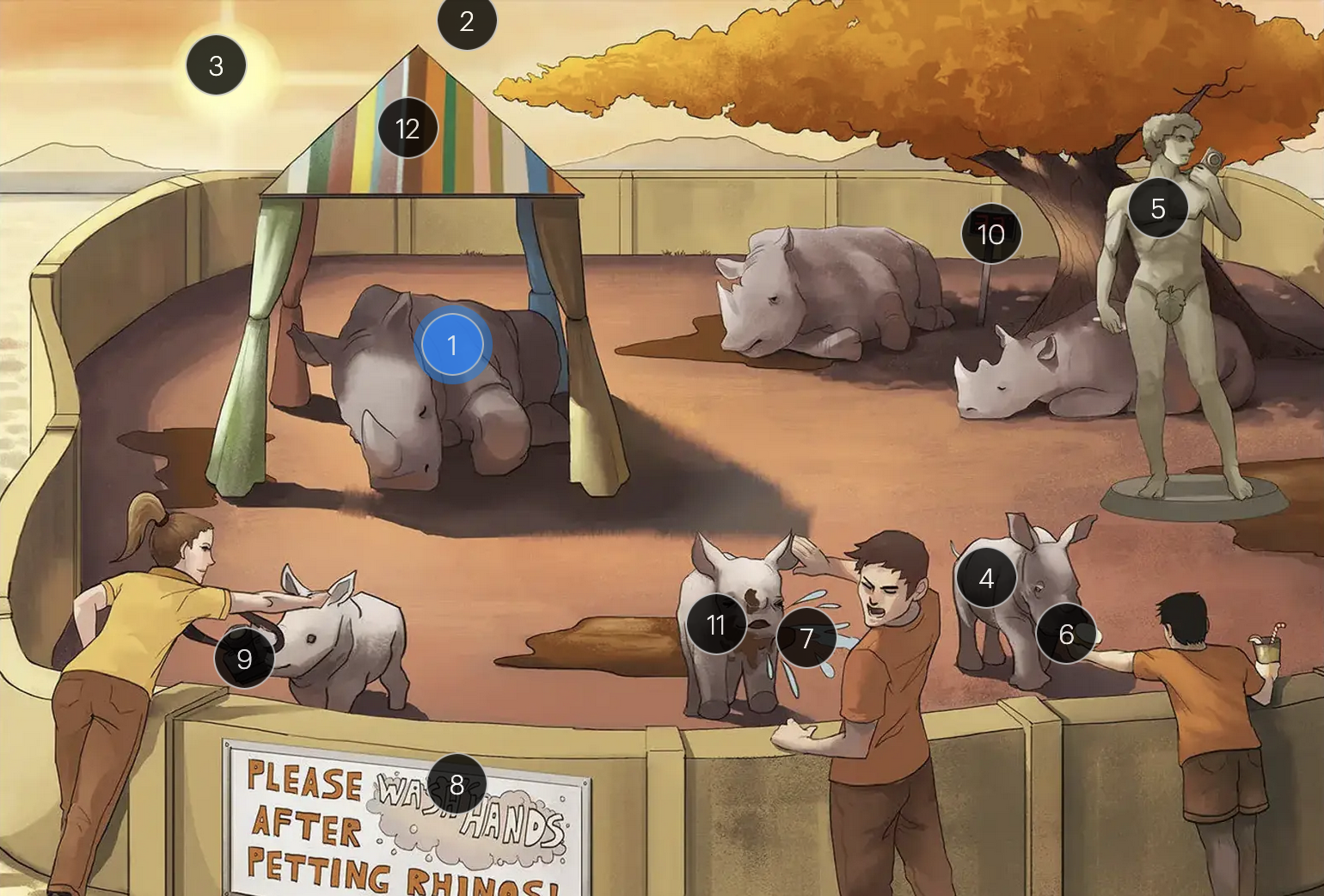
Rhinovirus (Picornaviridae)
#9 1 camera
rhinovirus utilizes the ICAM-1 receptor present on host cells to facilitate cellular entry
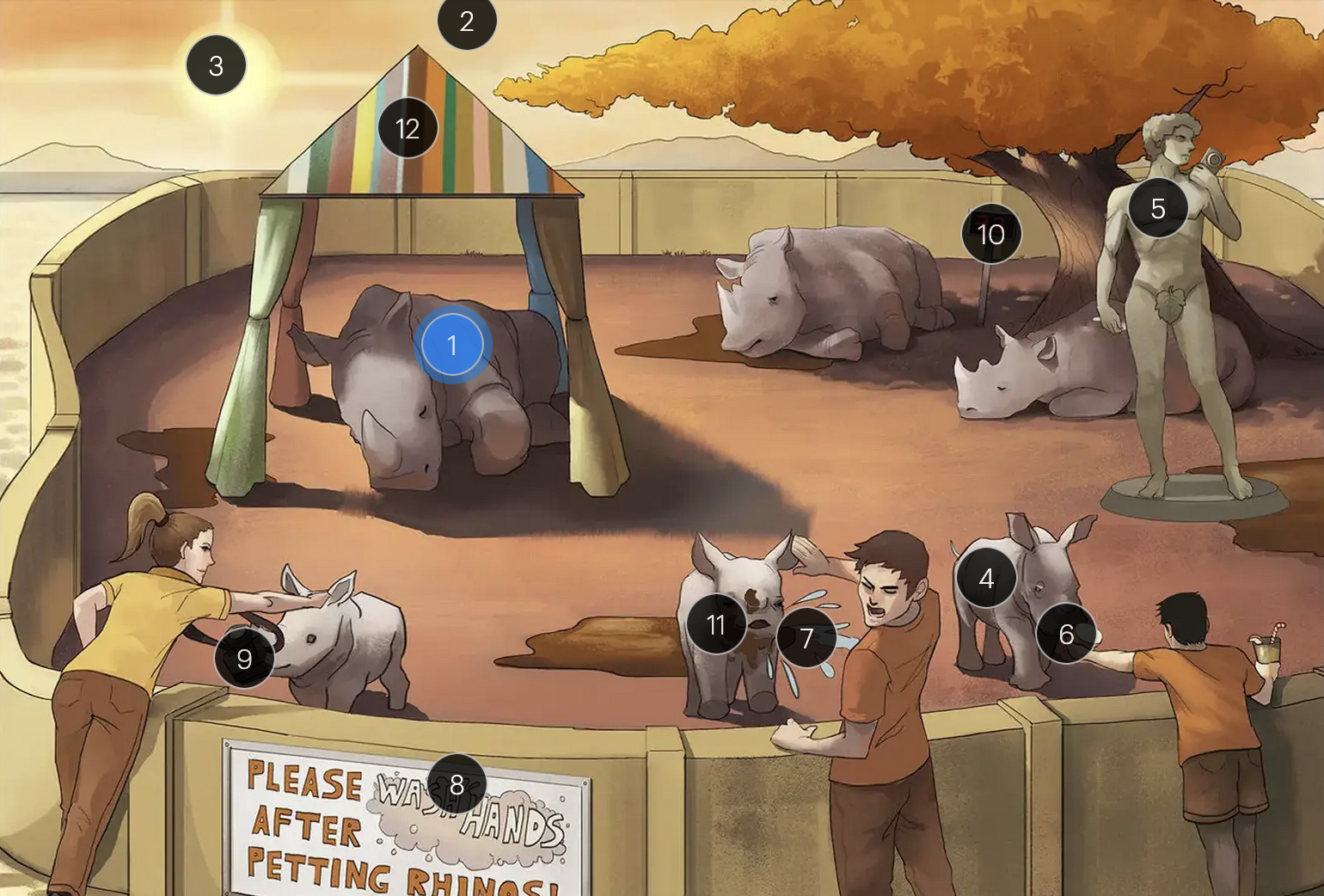
Rhinovirus (Picornaviridae)
#10 Rhinos in 33° shade
optimal replication of rhinovirus occurs at slightly cooler temperatures (33°C/91.4°F), the approximate temp of the nasal cavity, explaining its predilection for causing upper respiratory infections
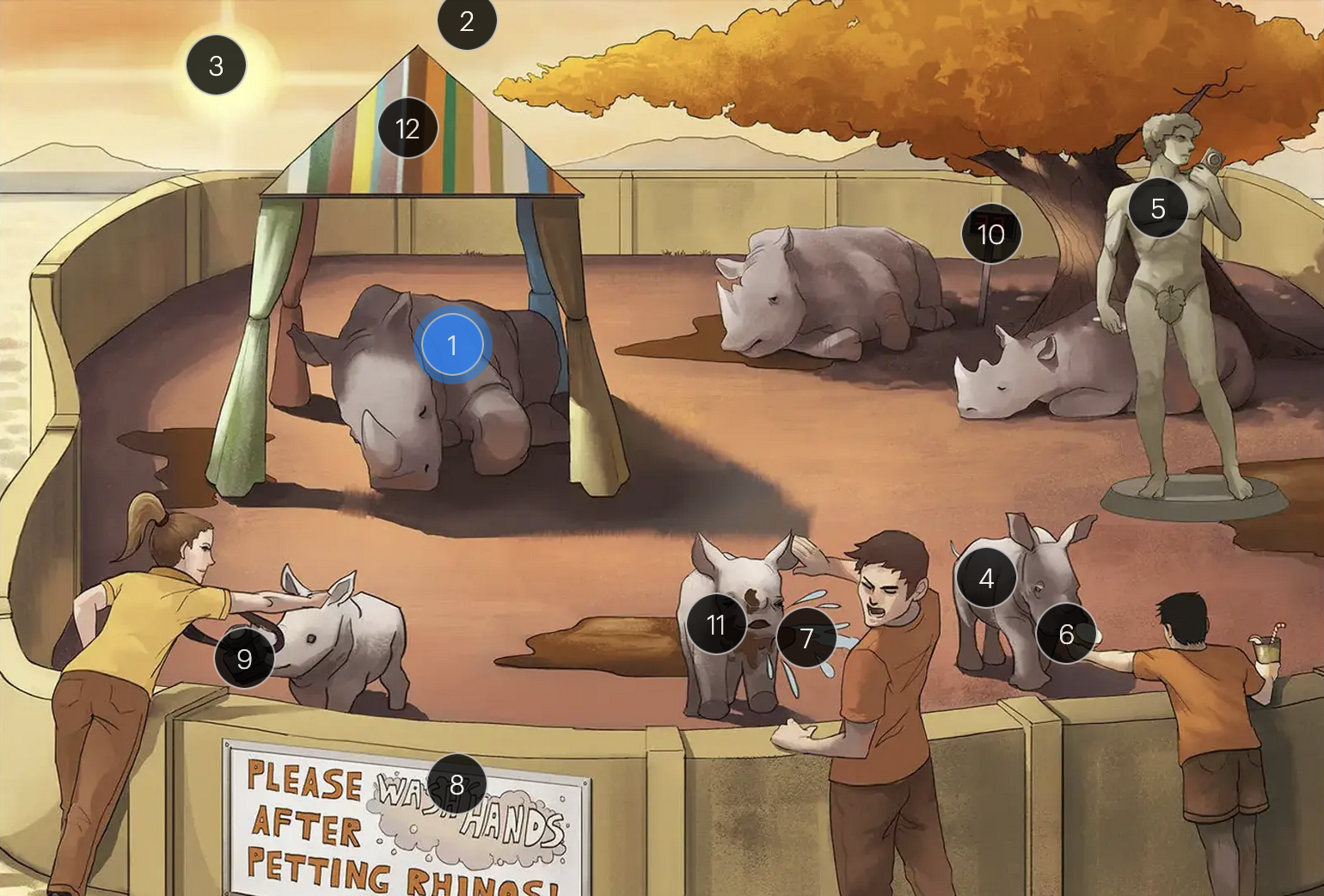
Rhinovirus (Picornaviridae)
#11 mud on nose and mouth
most commonly, rhinovirus leads to upper respiratory infections
Rhinovirus (Picornaviridae)
#12 multicolored tent
a vast array of rhinovirus serotypes (over 100) have been identified
Hepatitis A Virus (Picornaviridae)
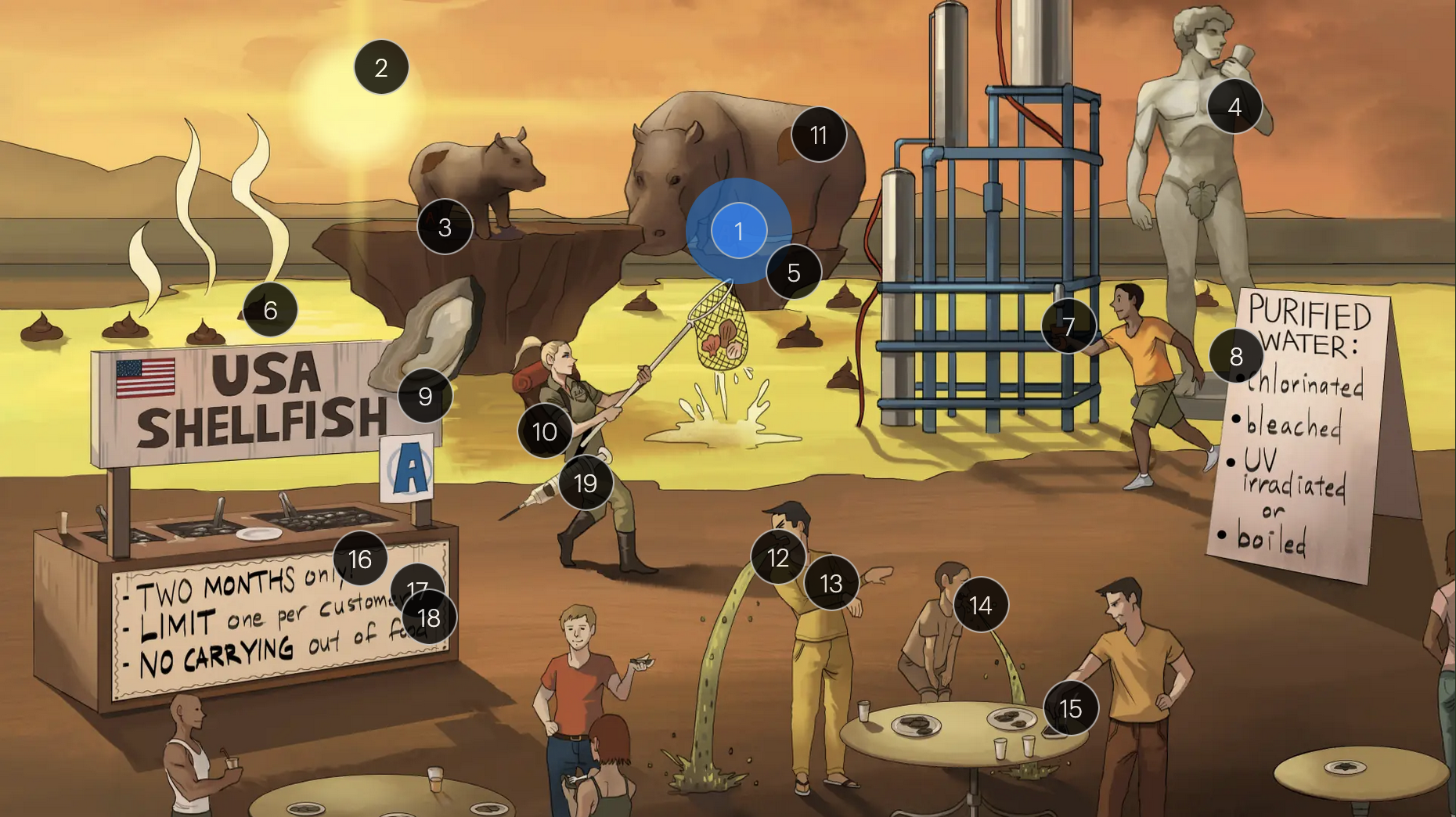
#1 “A” - tagged hippos
Hep A virus (a positive sense RNA virus in the Picornaviridae family)
Hepatitis A Virus (Picornaviridae)
#2 positive sun + warm colors
the hep A virus is a positive sense RNA virus
Hepatitis A Virus (Picornaviridae)
#3 baby hippo
the hep A virus is a part of the Picornaviridae family
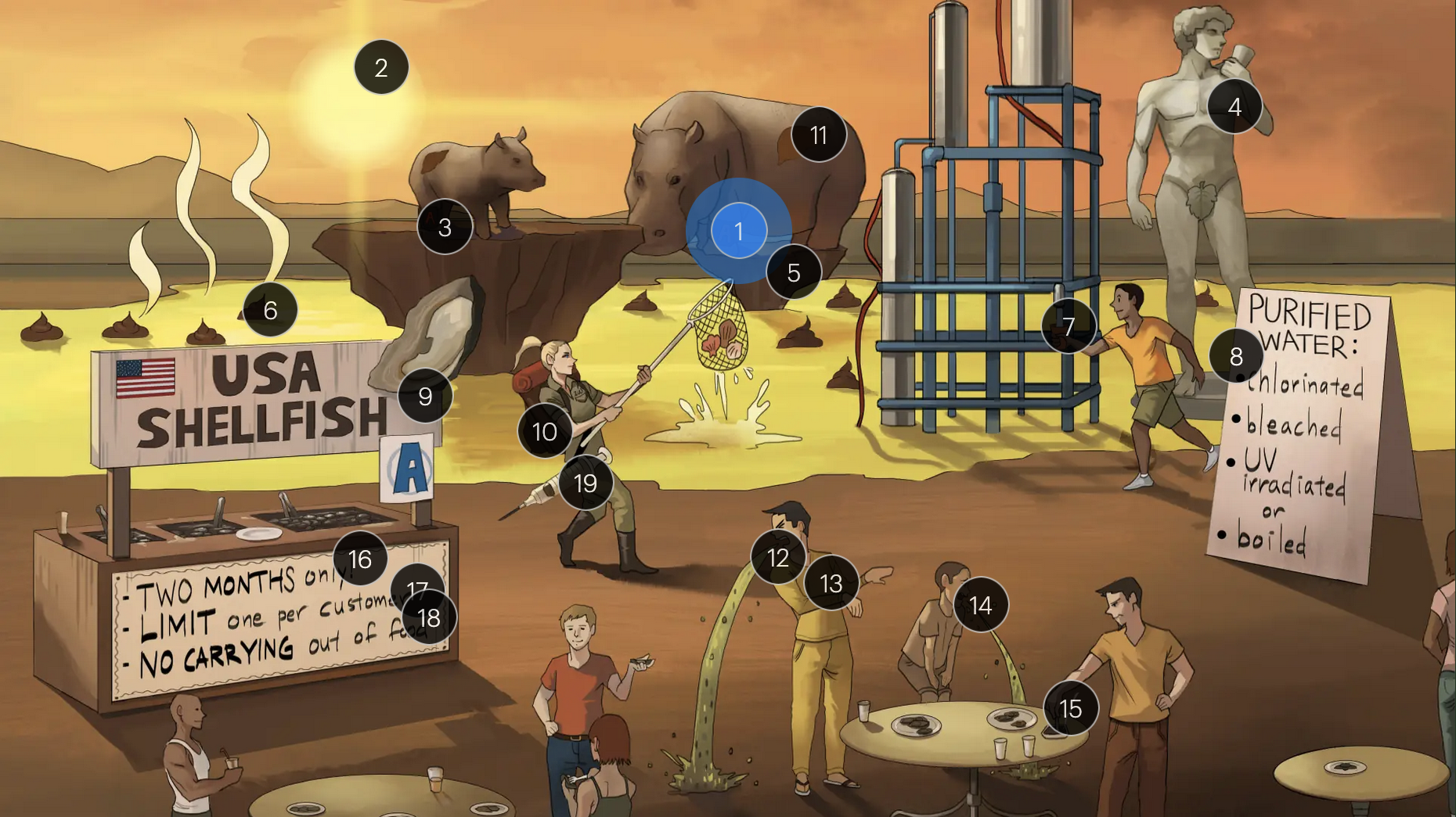
Hepatitis A Virus (Picornaviridae)
#4 statue of David
Hep A lacks an envelope, classifying it as a naked virus
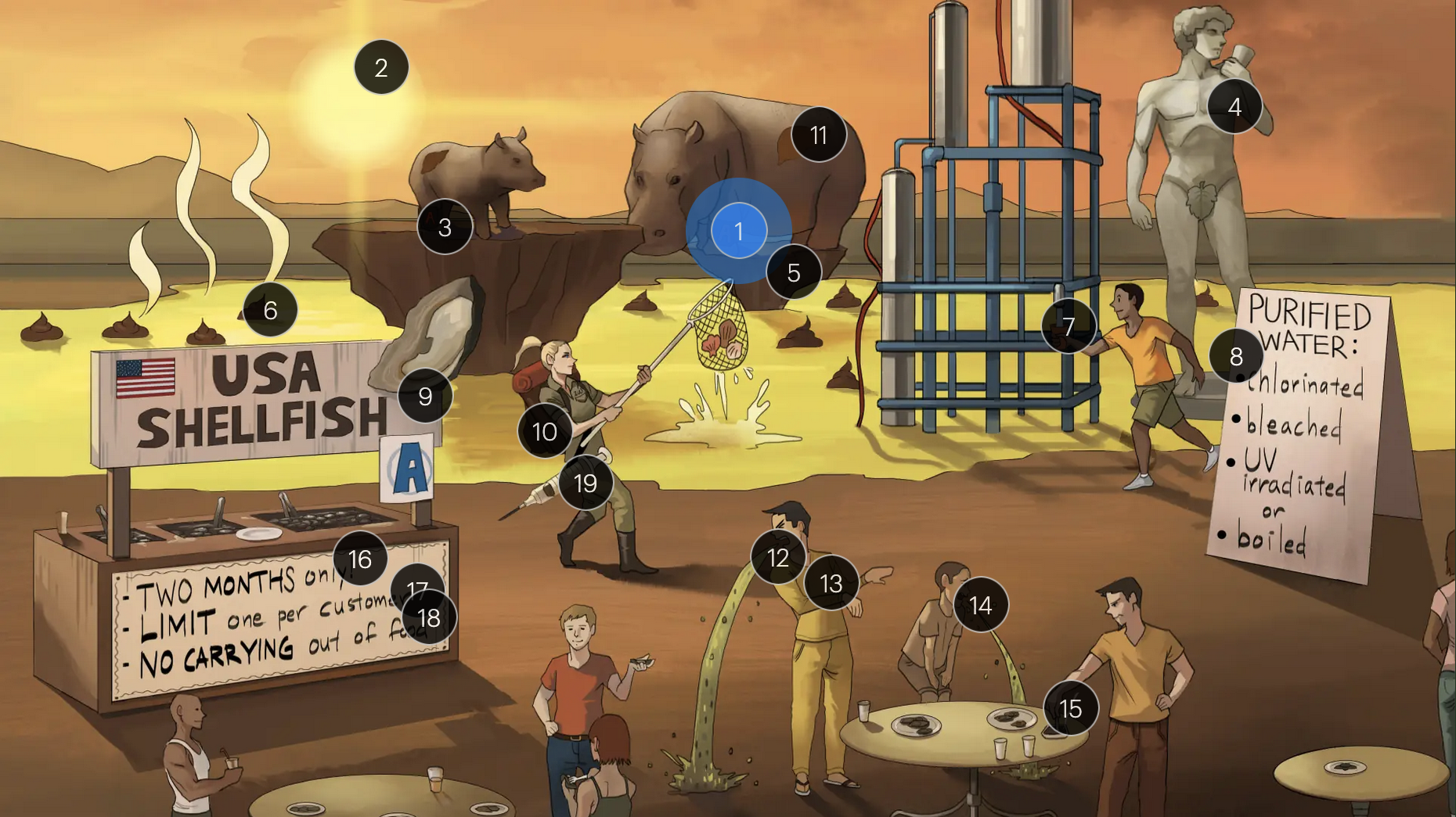
Hepatitis A Virus (Picornaviridae)
#5 hippos protected from acid
the hep A virus is acid-stable, allowing it to survive in the gastric environment
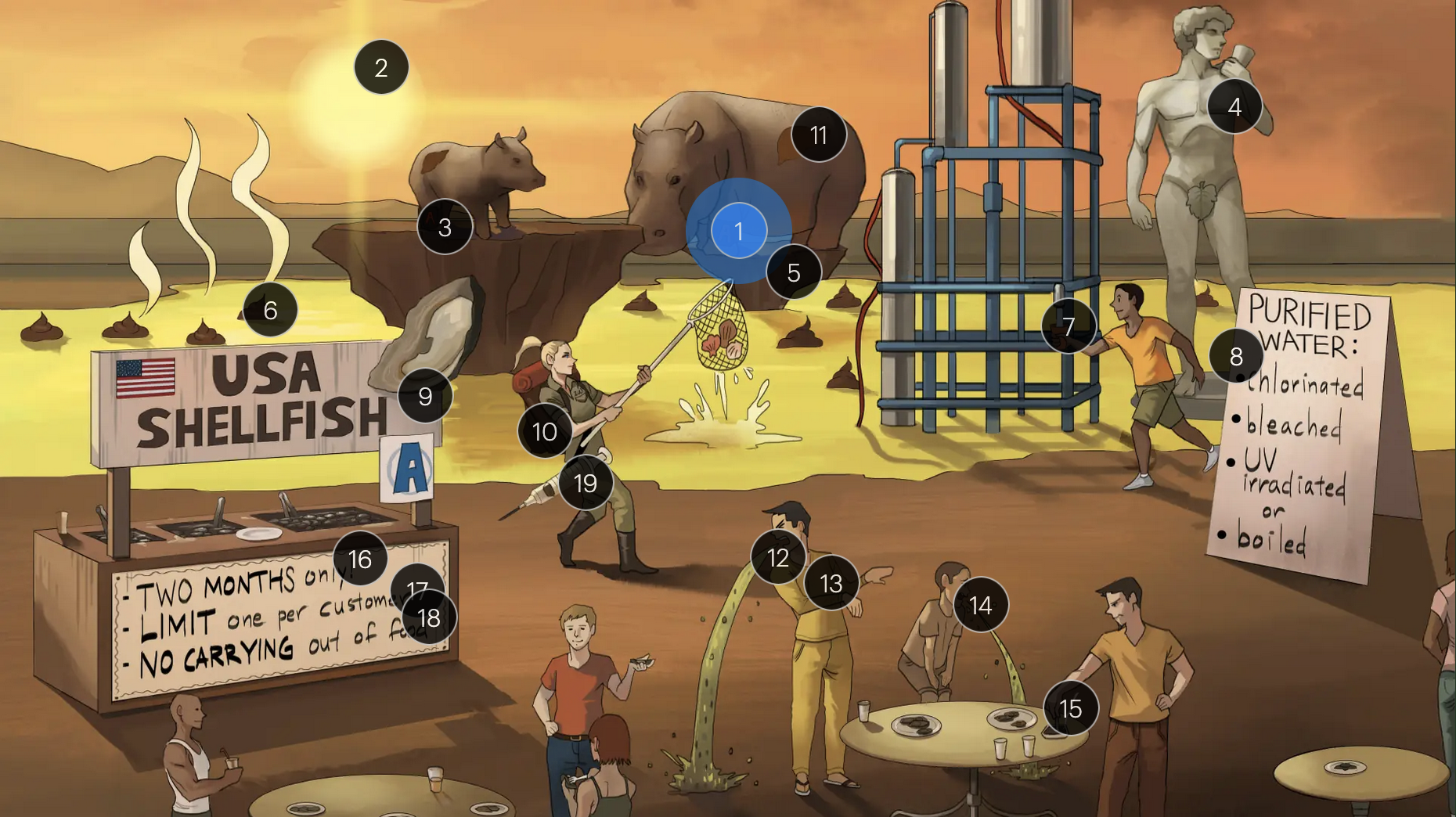
Hepatitis A Virus (Picornaviridae)
#6 poop
the hep A virus is primarily transmitted via the fecal-oral route
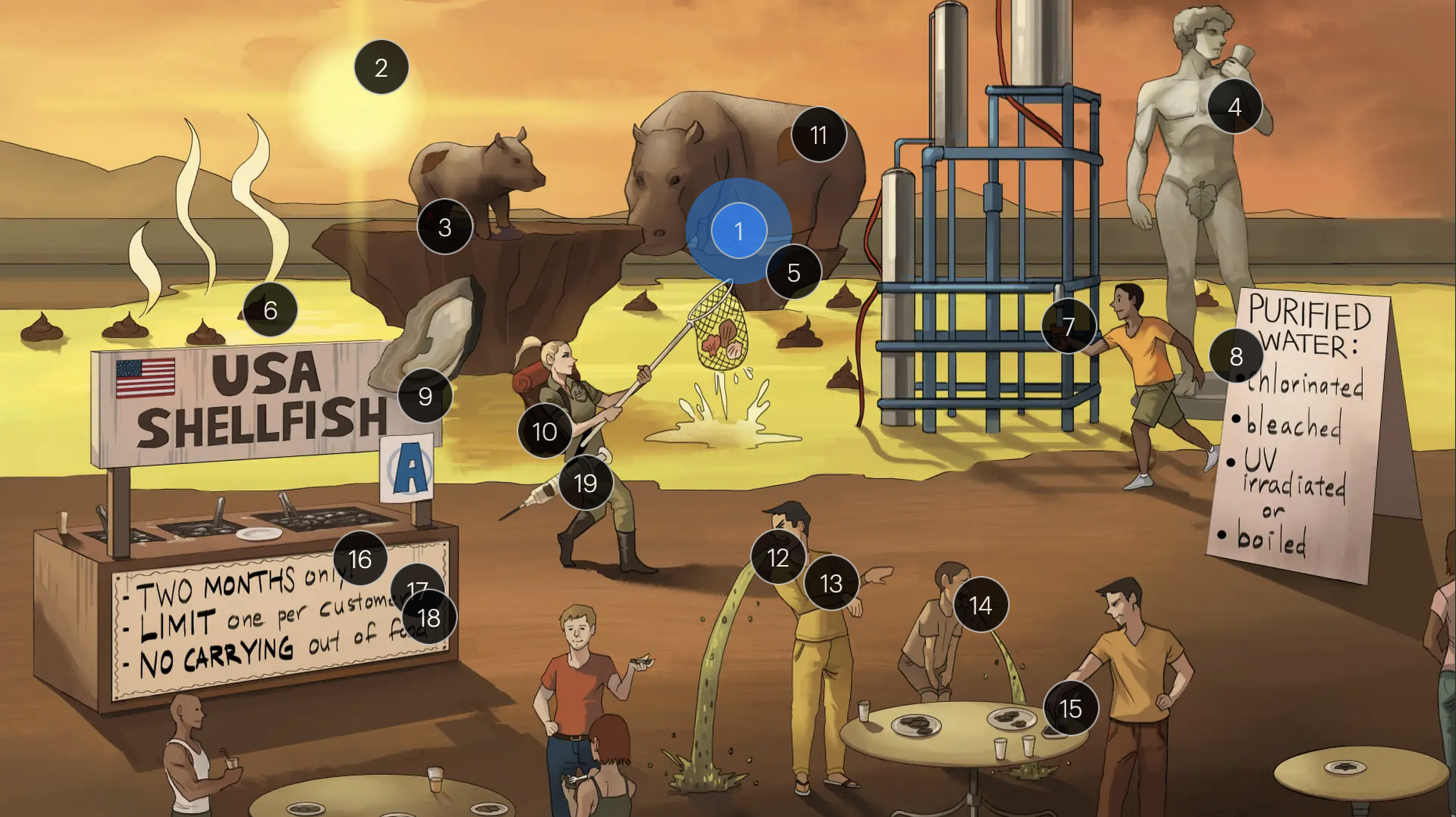
Hepatitis A Virus (Picornaviridae)
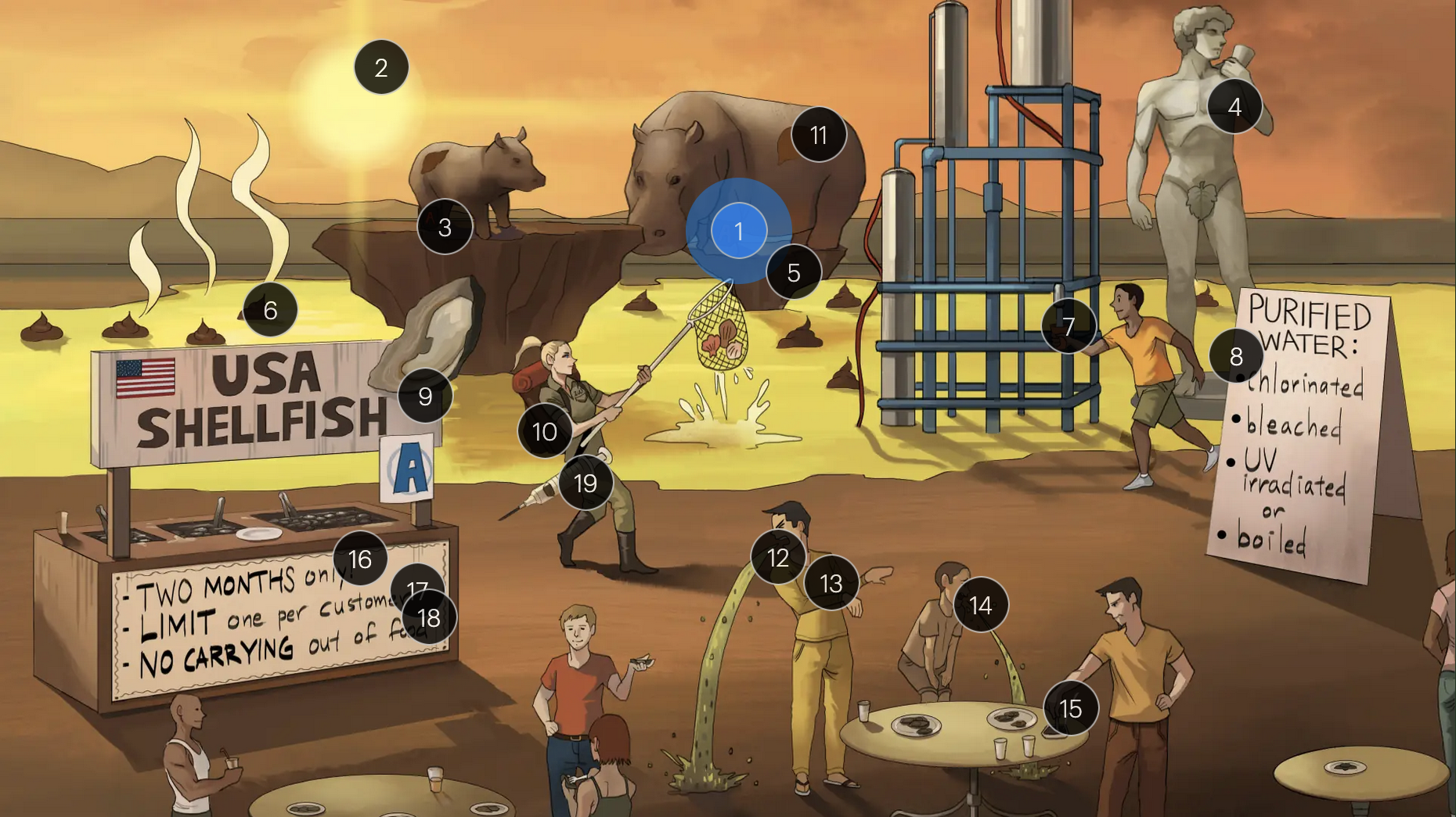
#7 water cup
in resource-limited settings, hep A infections are commonly attributed to the consumption of contaminated water
Hepatitis A Virus (Picornaviridae)
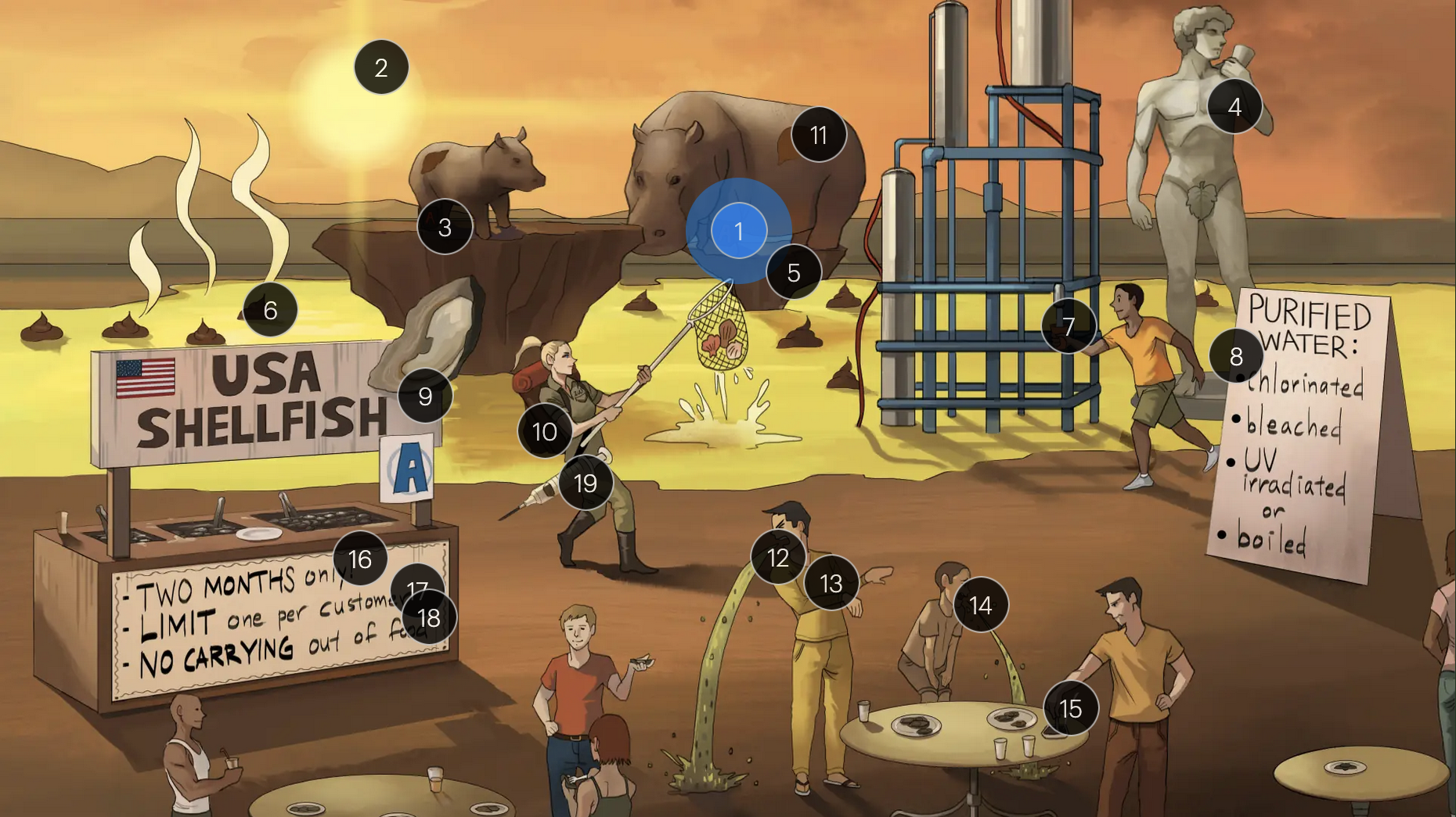
#8 water purification methods
chlorination, UV irradiation, boiling, and bleach effectively inactivate the hep A virus in contaminated water sources
Hepatitis A Virus (Picornaviridae)
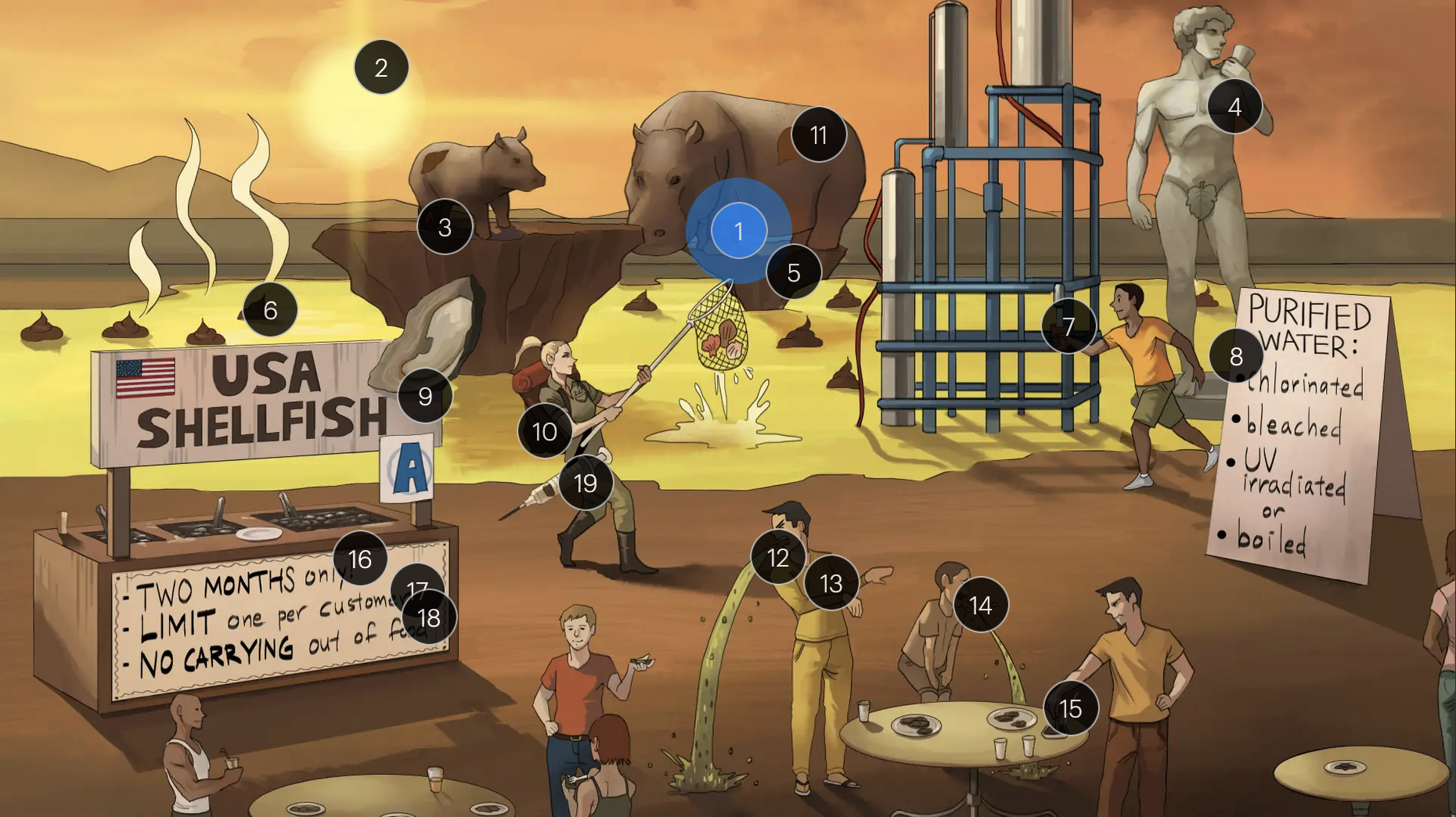
#9 USA shellfish stand
in developed countries like the US, one of the more frequent sources of hep A is contaminated shellfish
Hepatitis A Virus (Picornaviridae)
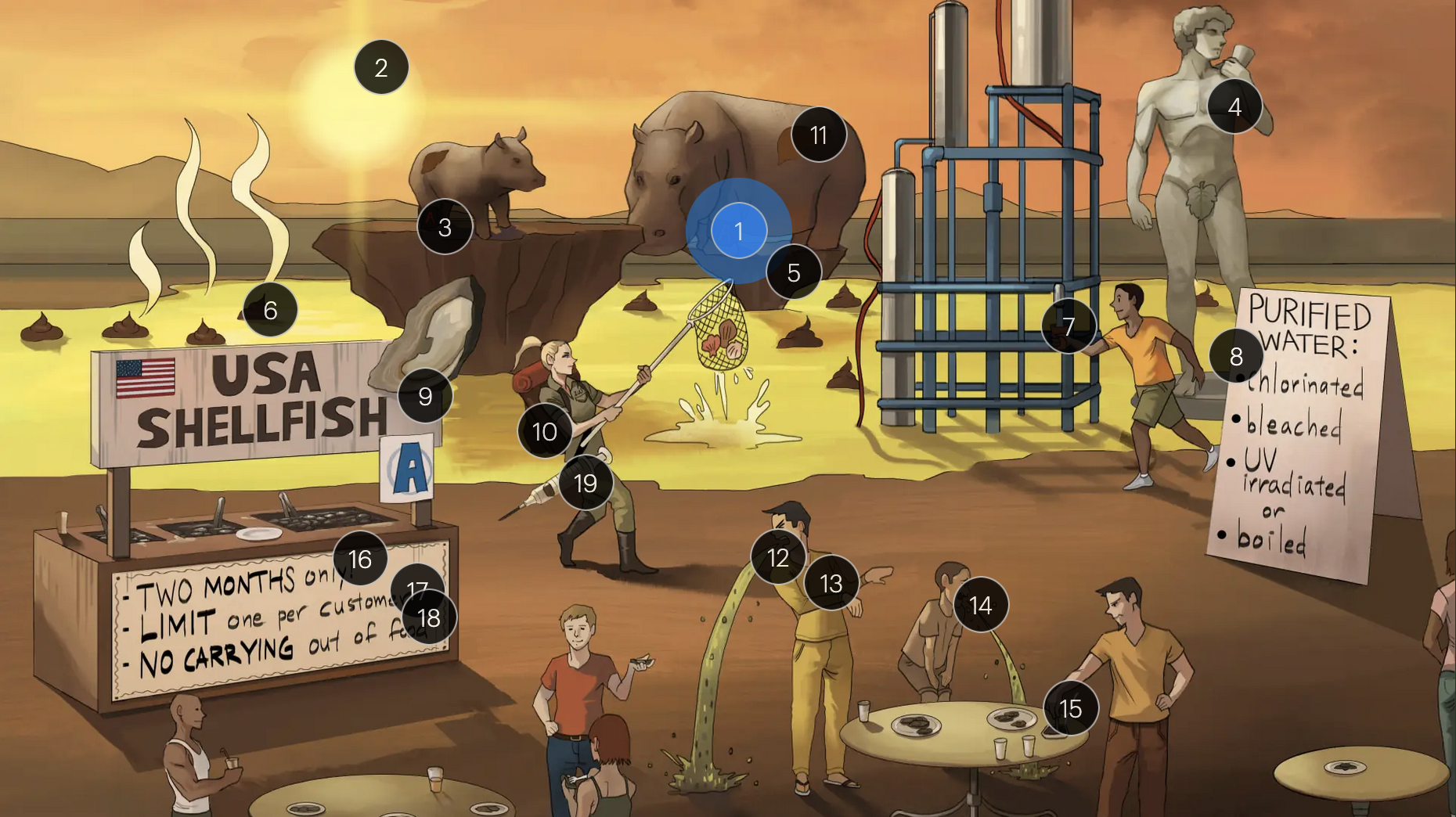
#10 traveler’s backpack
individuals traveling to areas with high prevalence of hep A (parts of asia, africa, mexico, central & south america, and the caribbean islands) are at increased risk
Hepatitis A Virus (Picornaviridae)
#11 enlarged liver spot
Hep A causes liver inflammation (hepatitis) and may result in a moderate enlargement of the liver (and less frequently, the spleen)
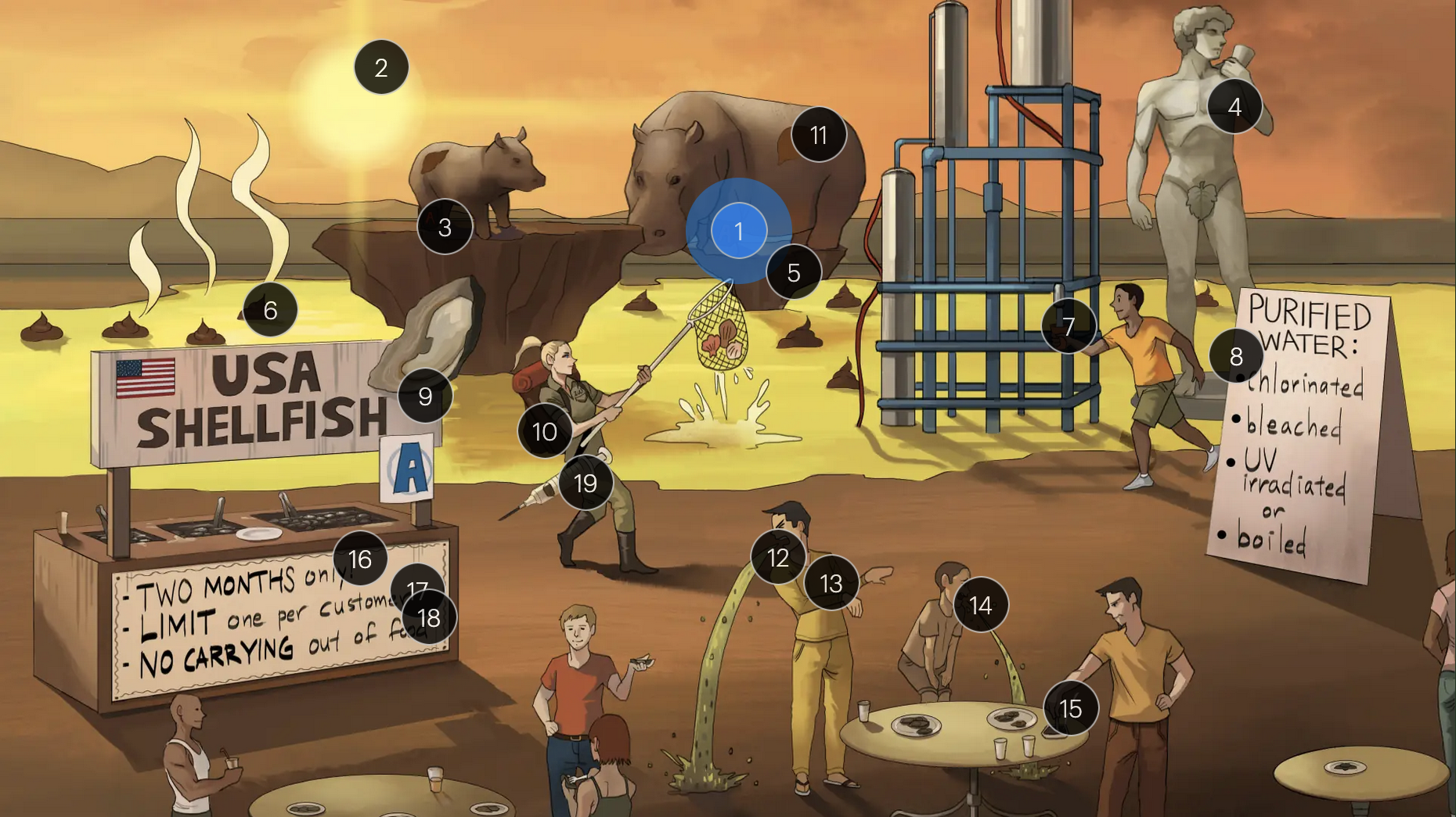
Hepatitis A Virus (Picornaviridae)
#12 vomiting
symptoms of hep A infection include nausea, vomiting, and diarrhea
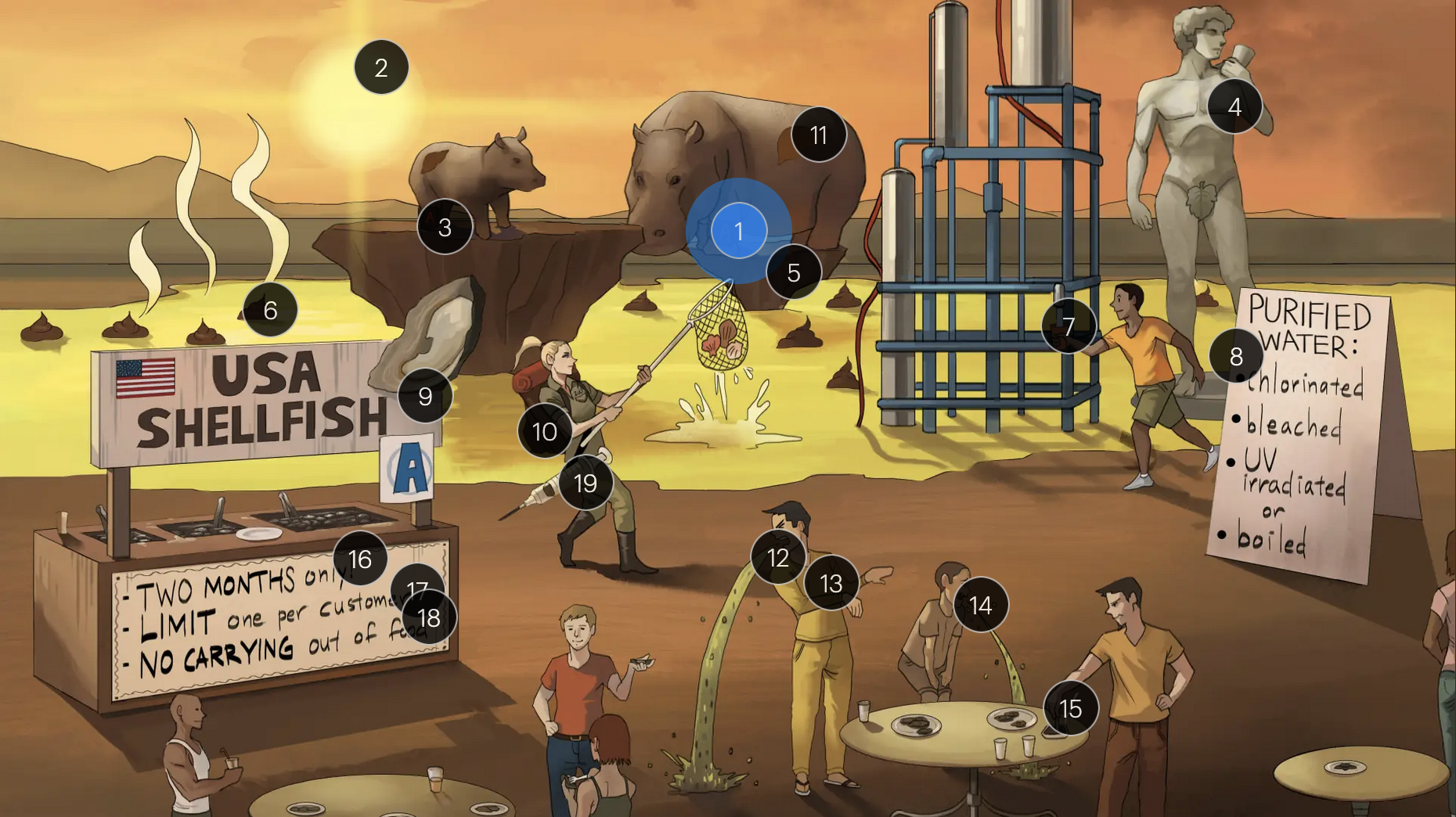
Hepatitis A Virus (Picornaviridae)
#13 adult in yellow
the majority of adults with hep A infection present with jaundice
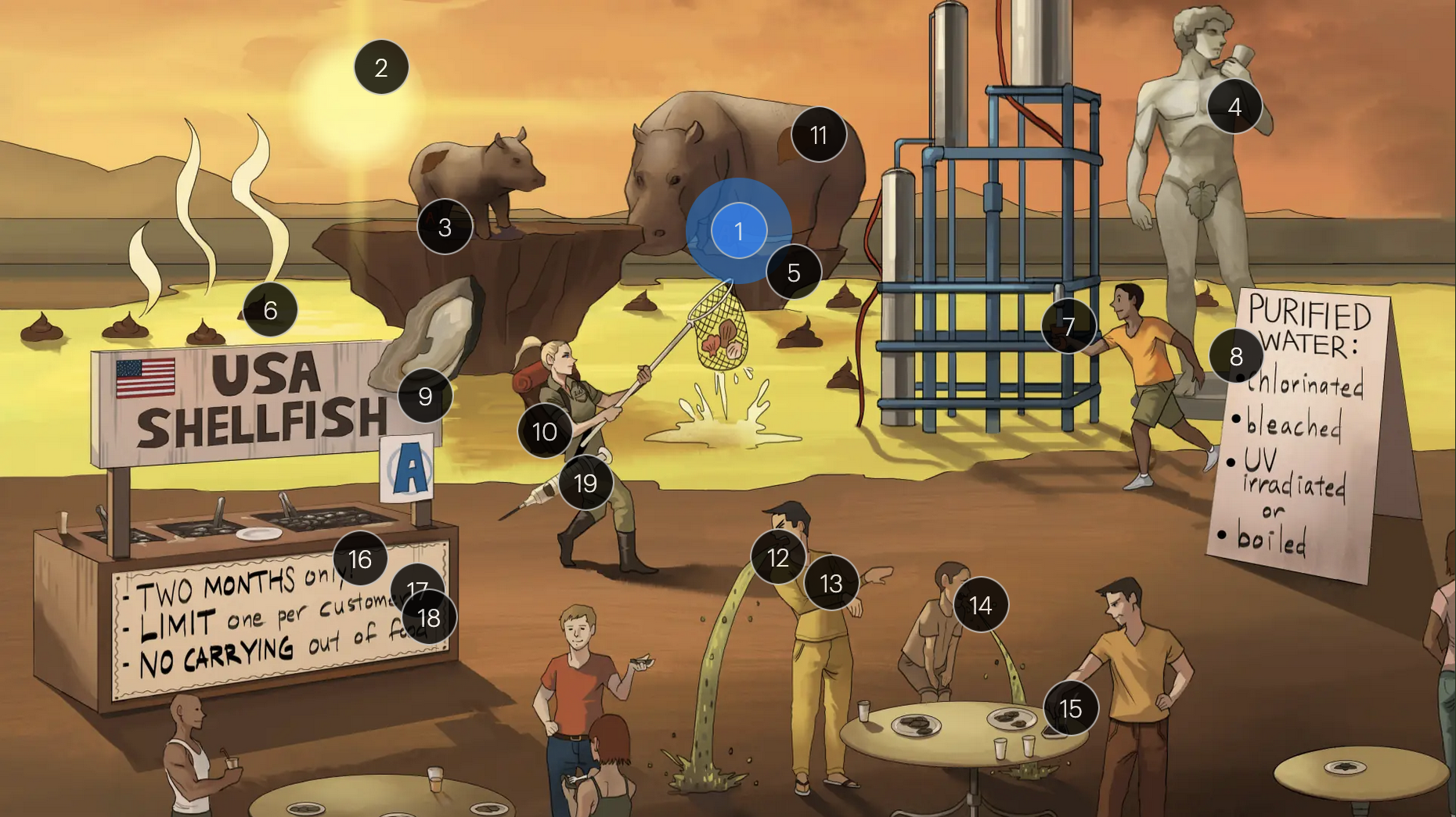
Hepatitis A Virus (Picornaviridae)
#14 child in tan
Hep A infection in infants and young children often presents as anicteric hepatitis (liver inflammation without yellowing of the skin and eyes associated with jaundice)
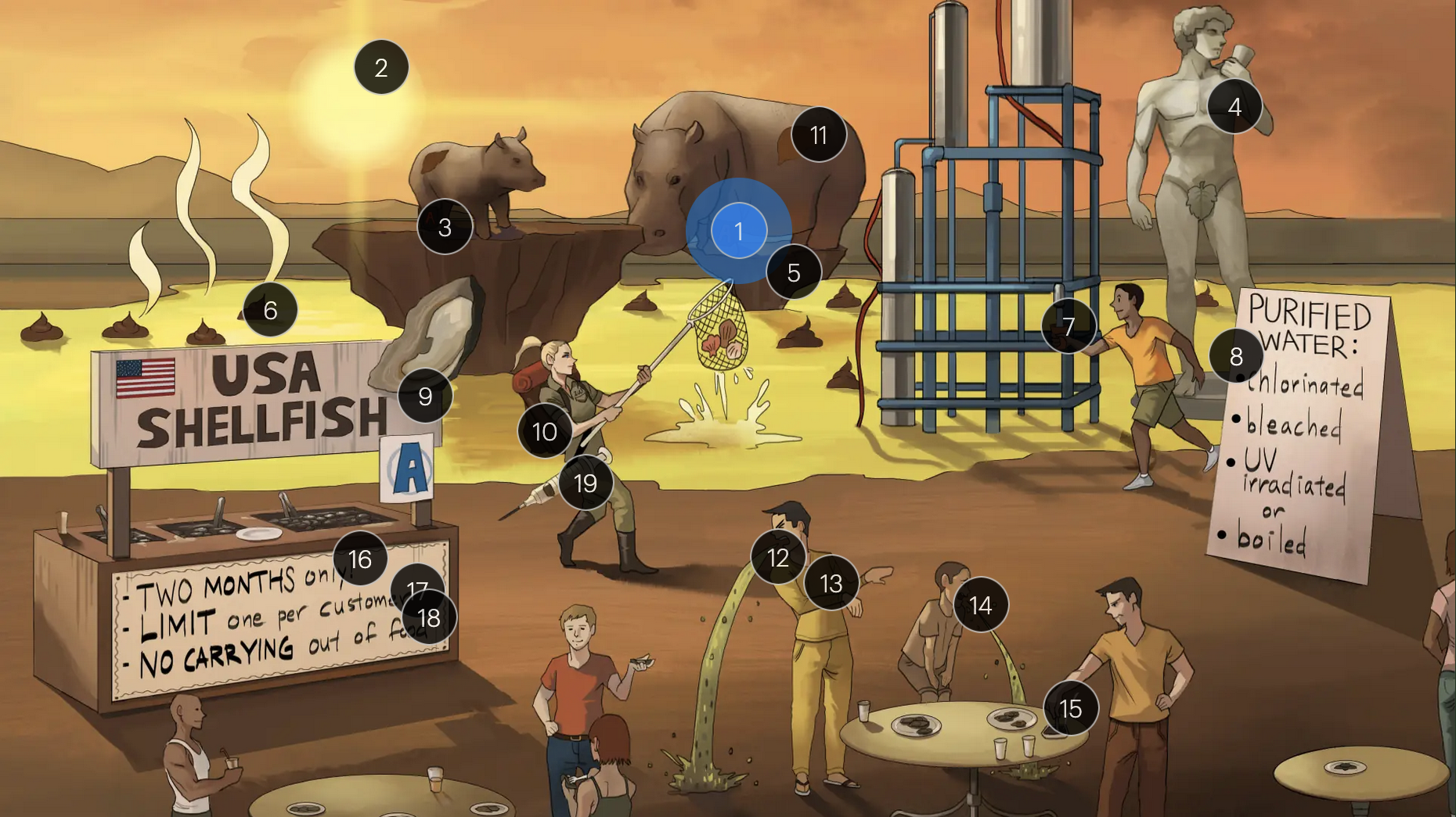
Hepatitis A Virus (Picornaviridae)
#15 putting out cigarette
a distaste for cigarettes is an early sign of hep A infection
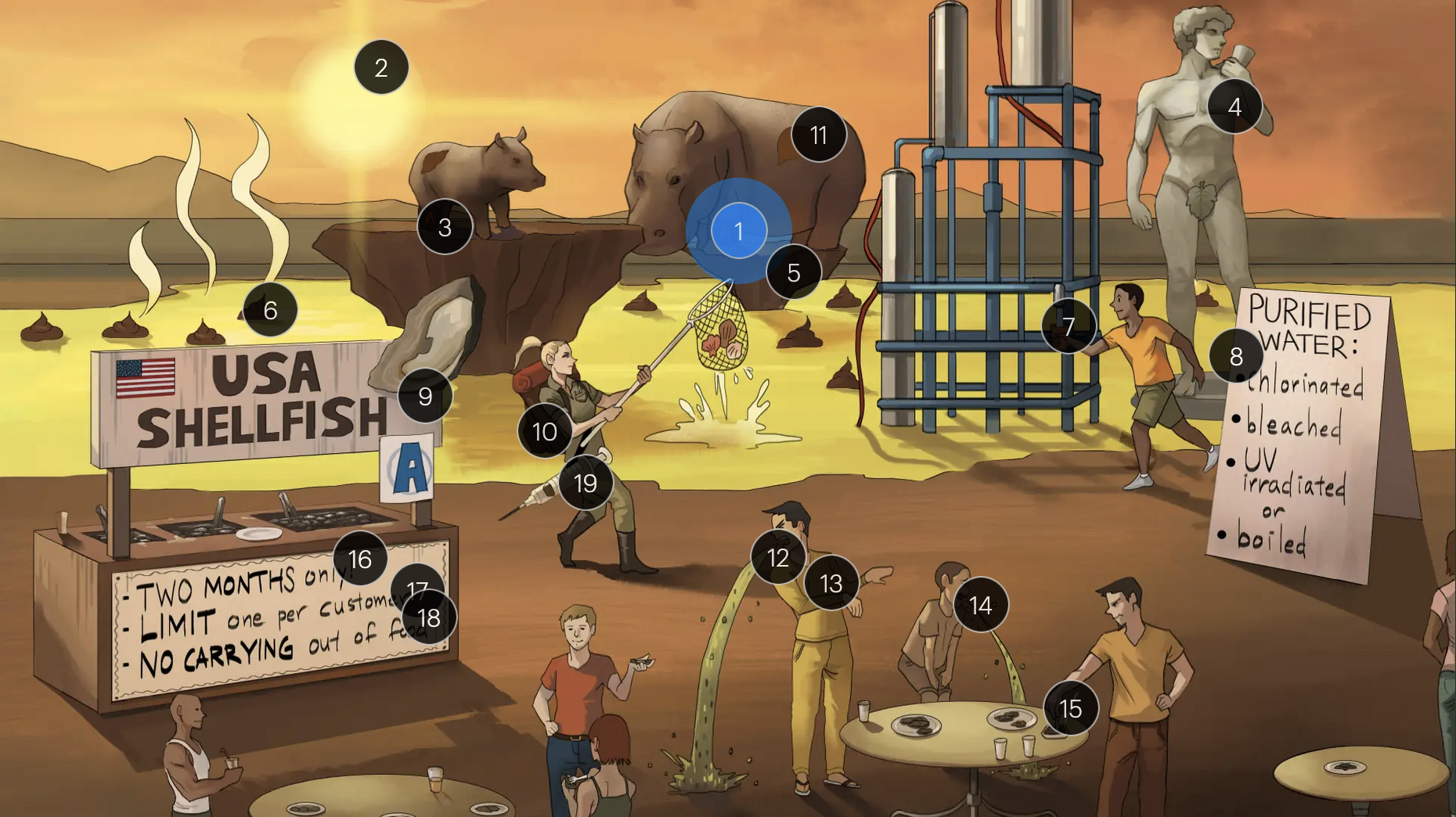
Hepatitis A Virus (Picornaviridae)
#16 “TWO MONTHS only”
Hep A infection is self-limiting, with clinical symptoms generally resolving within approximately two months
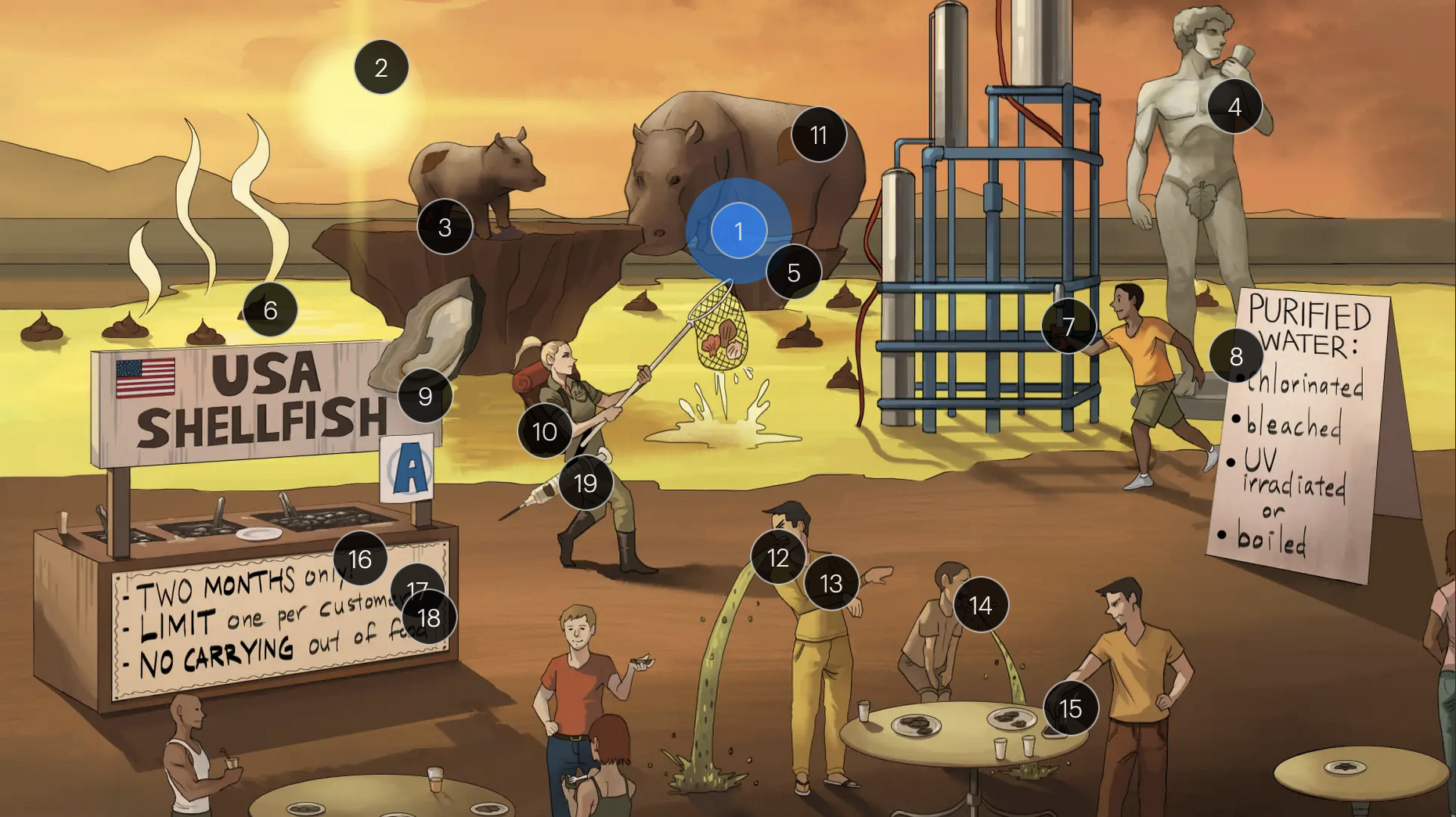
Hepatitis A Virus (Picornaviridae)
#17 “LIMIT one per customer”
Hep A infection is self-limiting, with clinical symptoms generally resolving within approximately two months
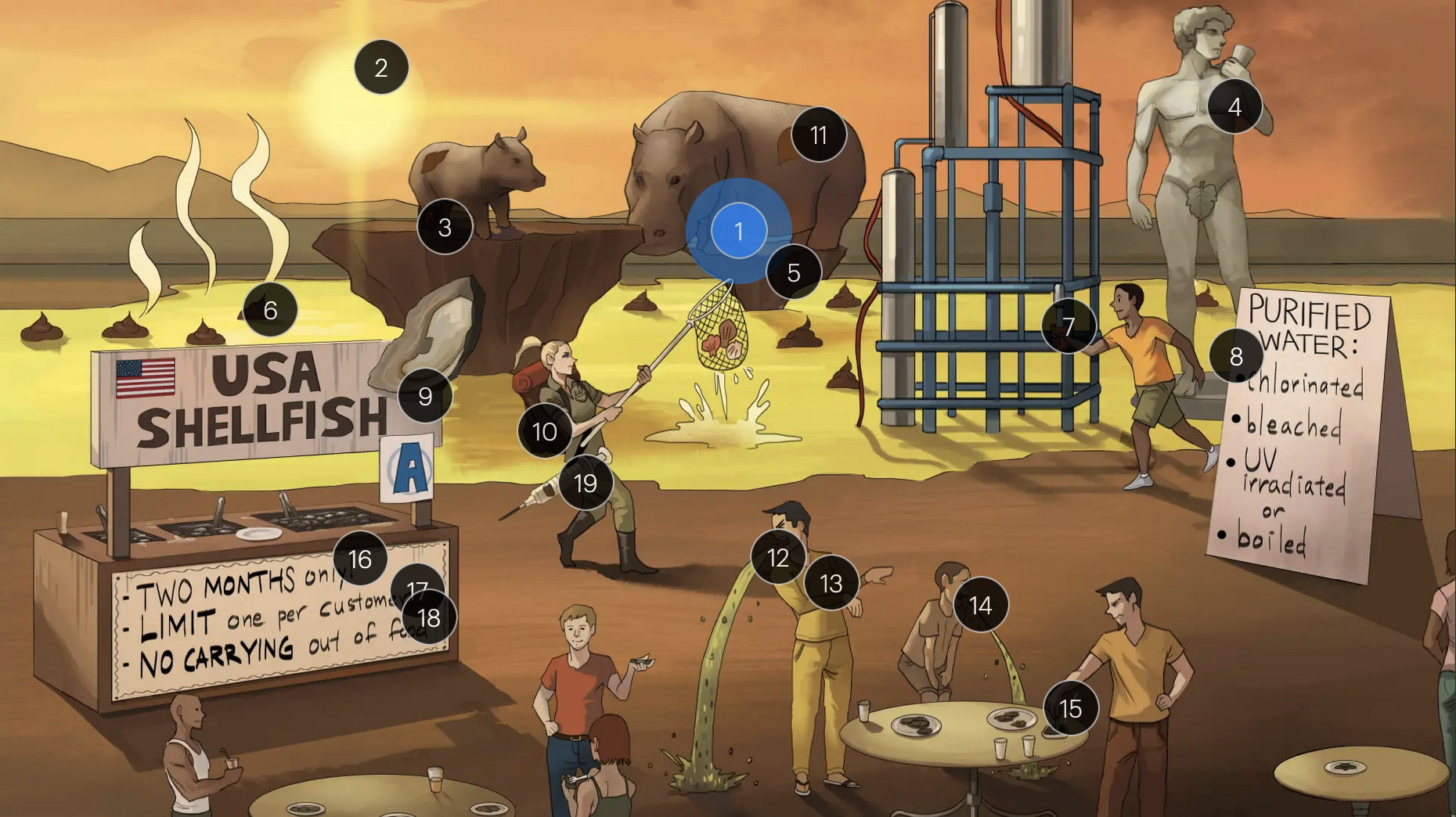
Hepatitis A Virus (Picornaviridae)
#18 “NO CARRYING out of food”
Hep A infection does not lead to a carrier state or progress to chronic liver disease
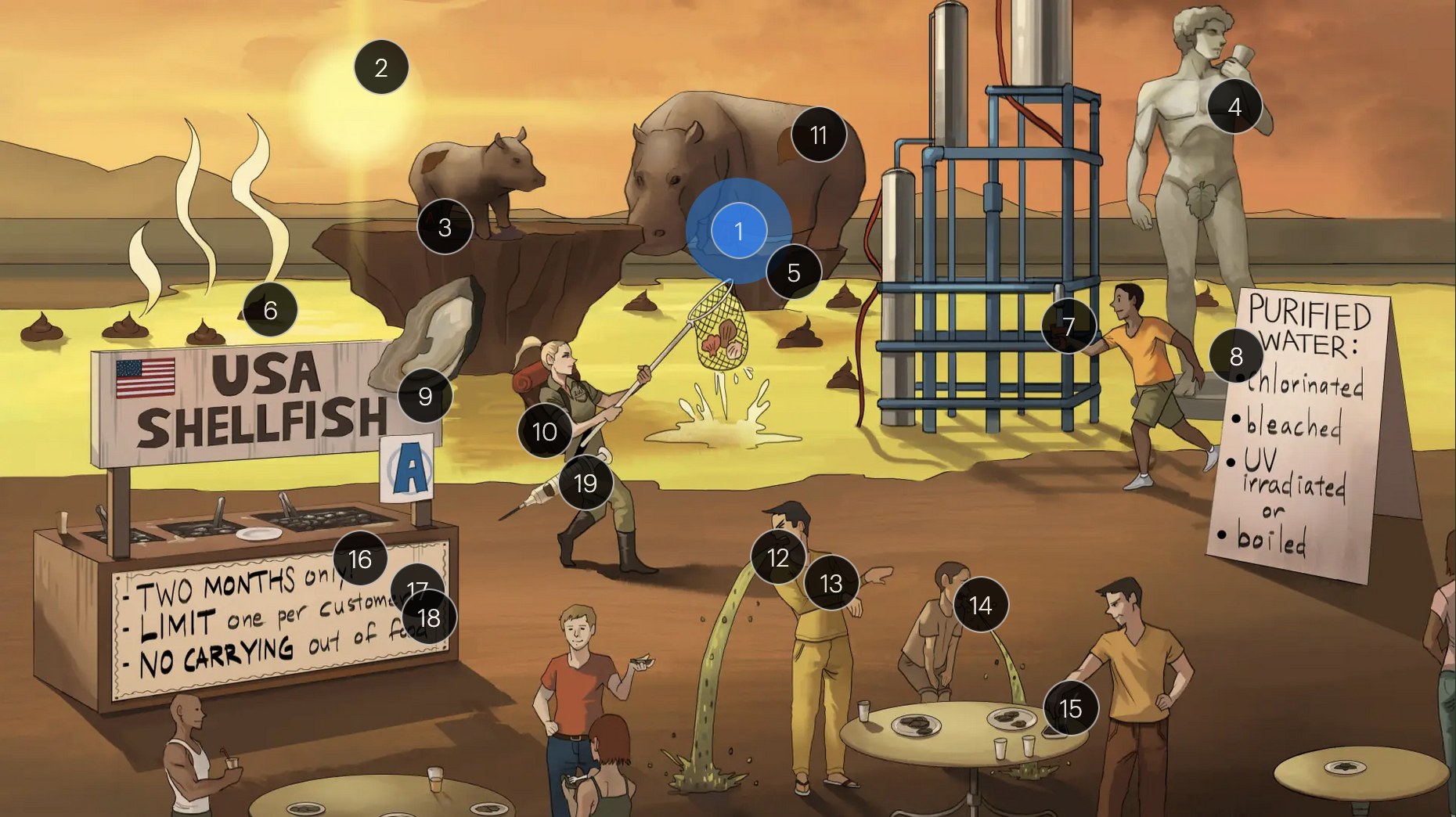
Hepatitis A Virus (Picornaviridae)
#19 syringe tranquilizer gun
for Hep A prevention, an inactivated vaccine has been developed that elicits a lasting immune response
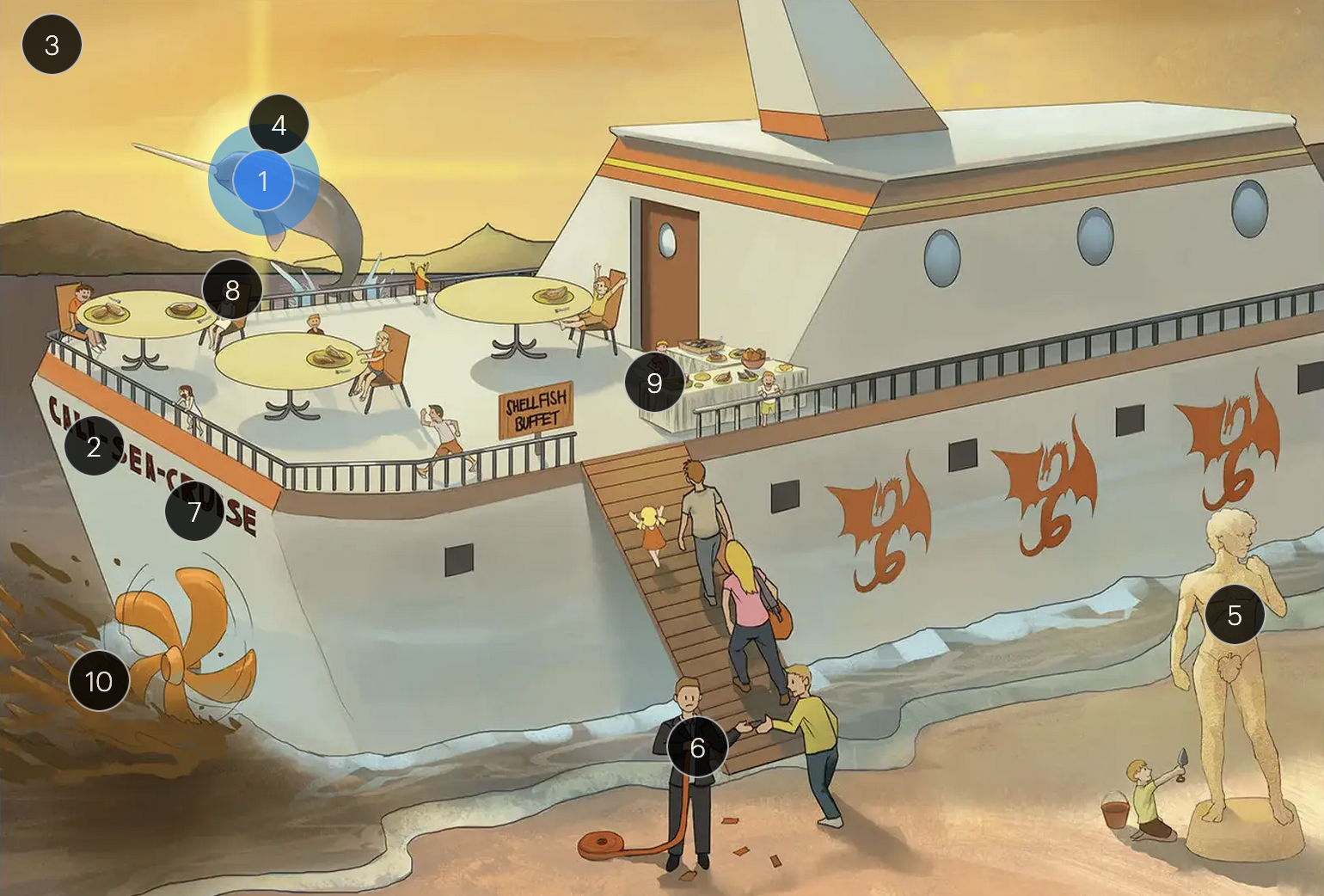
Norovirus & Norwalk Virus (Caliciviridae)
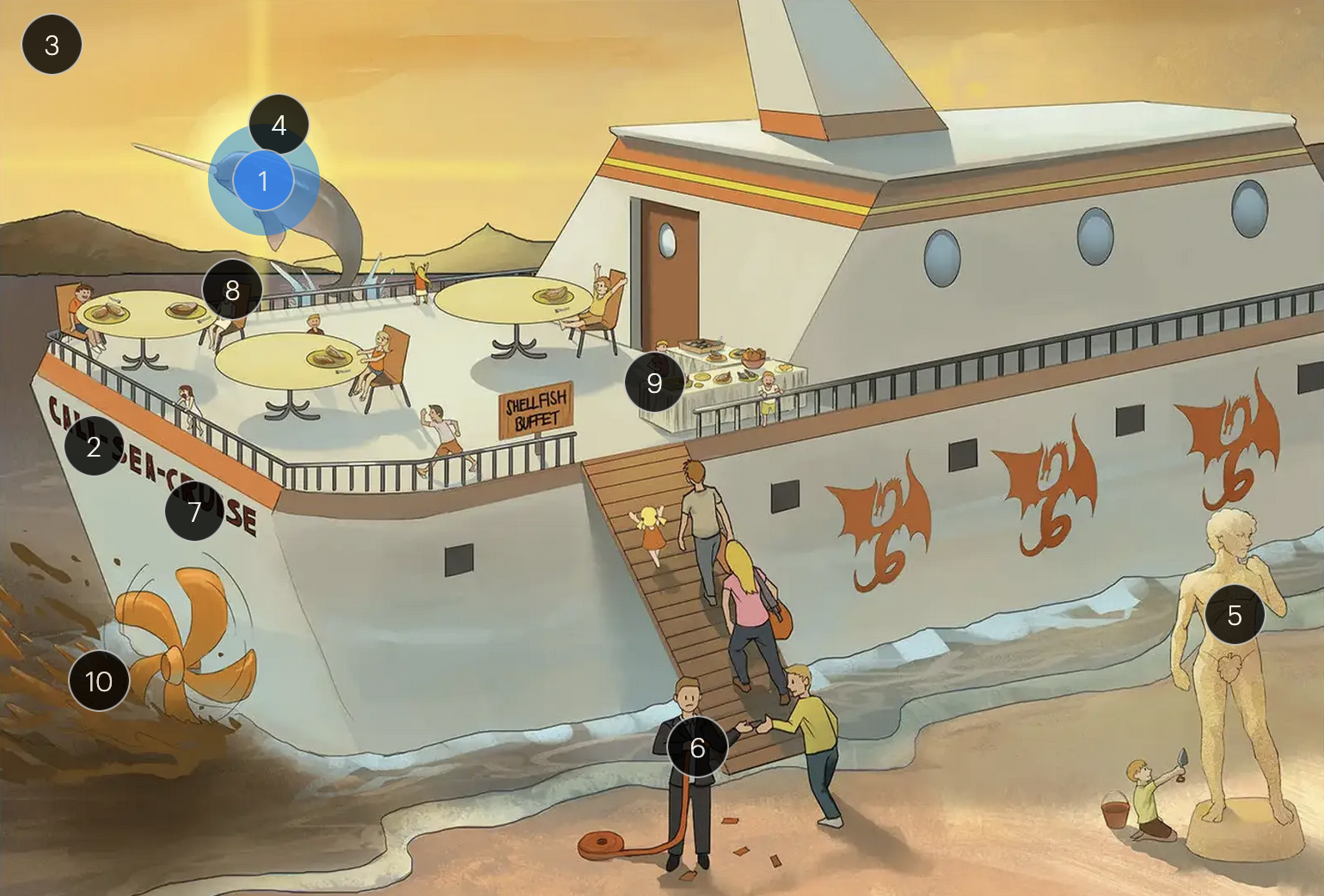
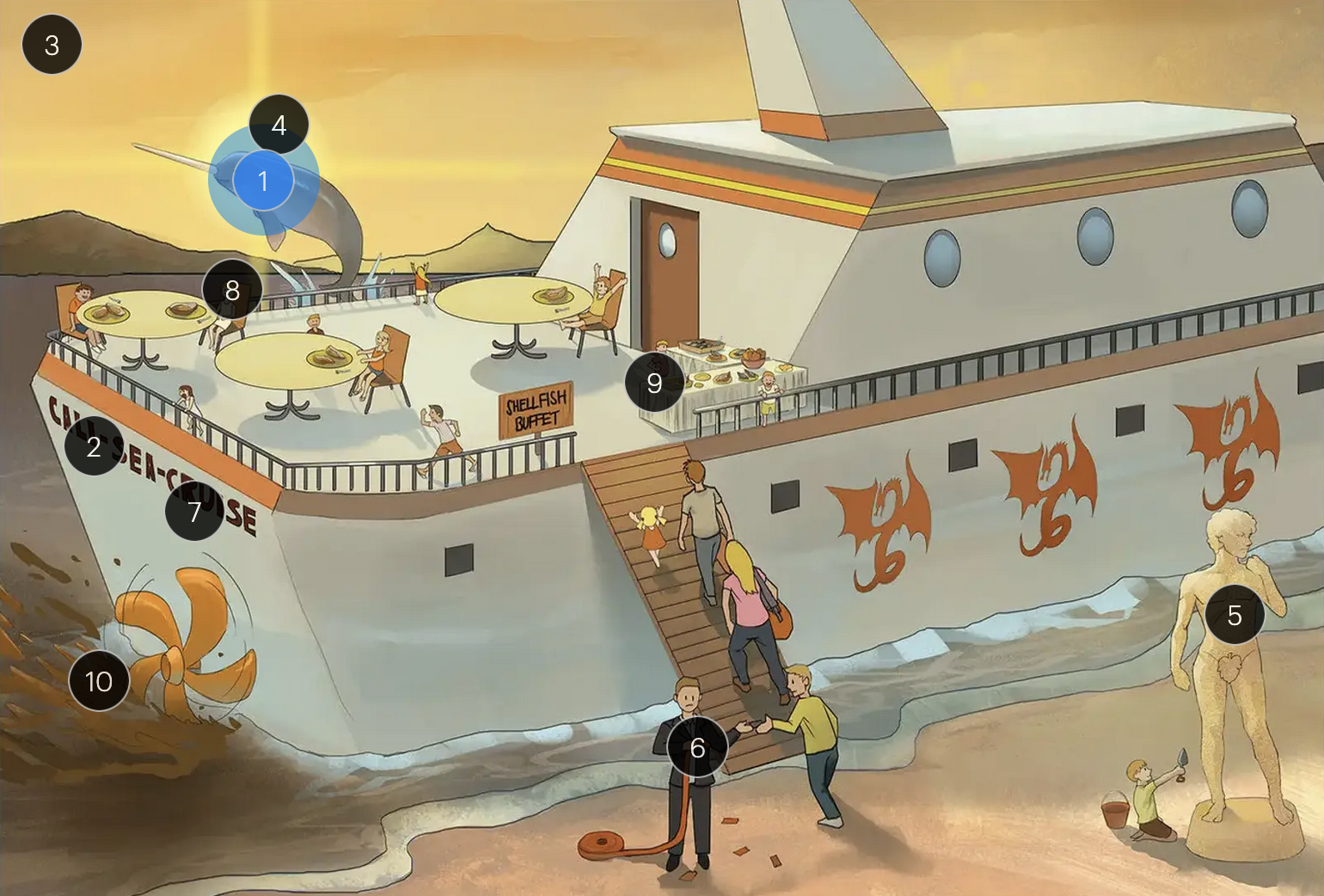
#1 Narwhal
Noroviruses (positive-sense RNA viruses in the Caliciviridae family
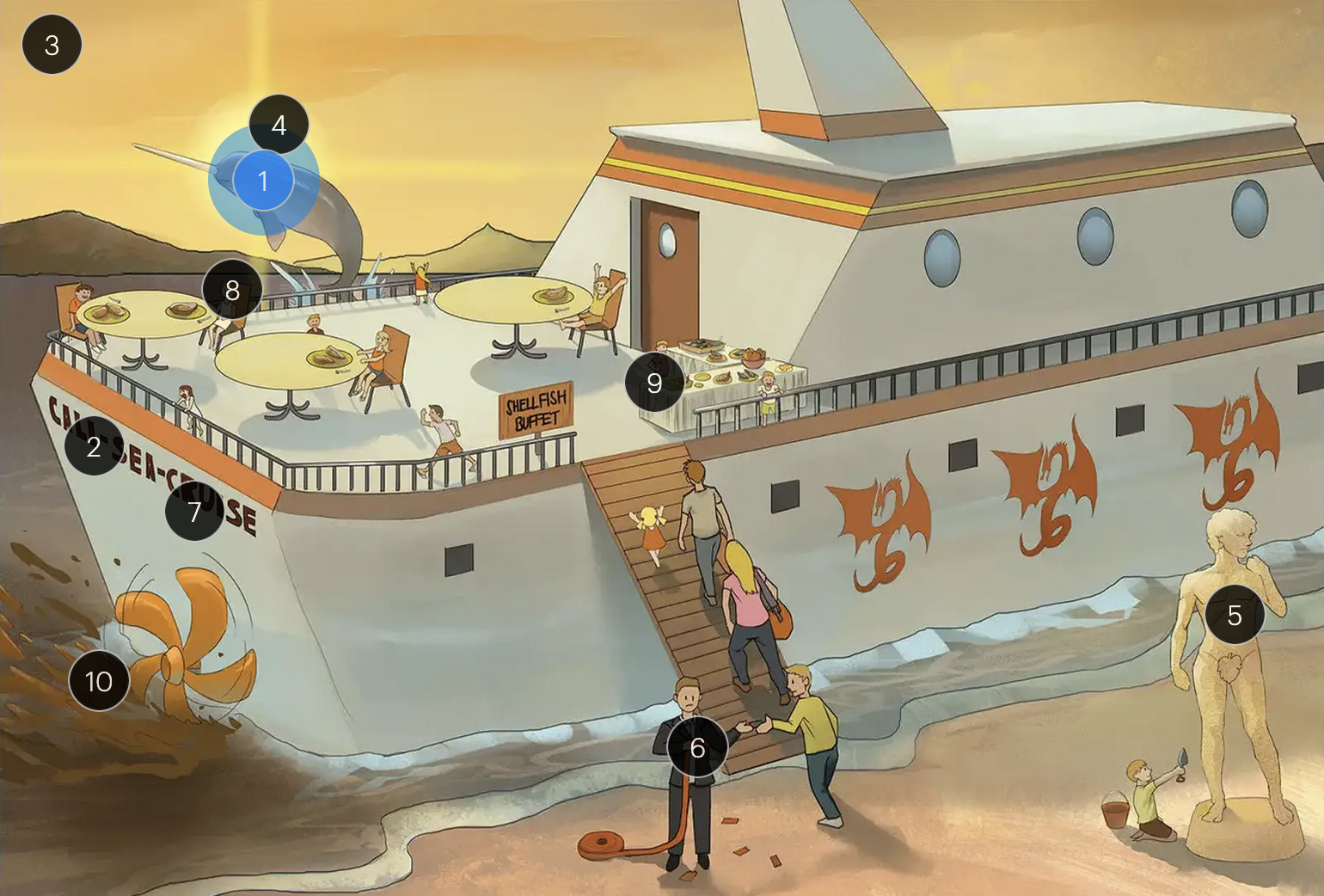
Norovirus & Norwalk Virus (Caliciviridae)
#2 “Cali-sea-cruise”
Noroviruses are a part of the Caliciviridae family
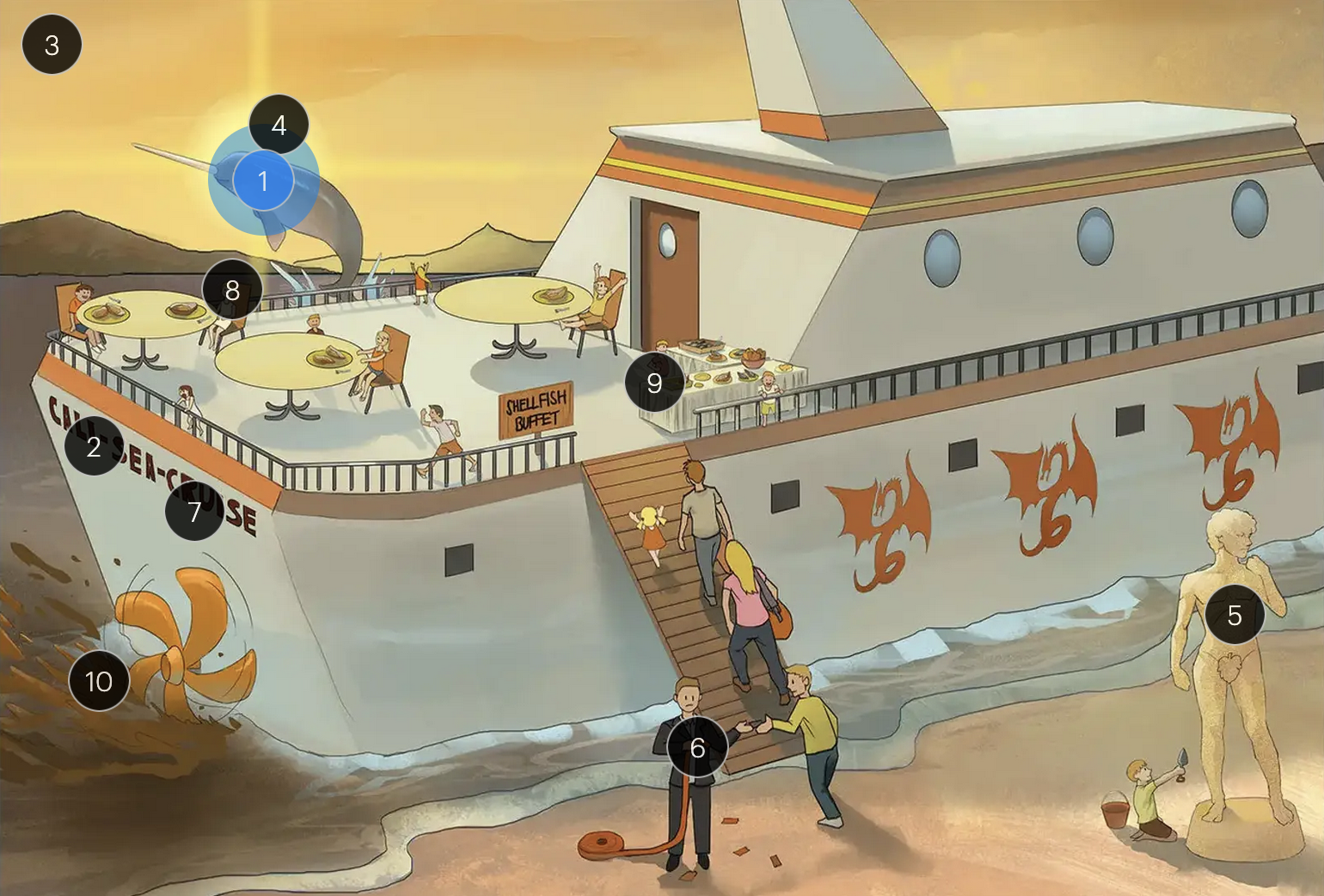
Norovirus & Norwalk Virus (Caliciviridae)
#3 warm colors
Noroviruses are positive sense RNA viruses
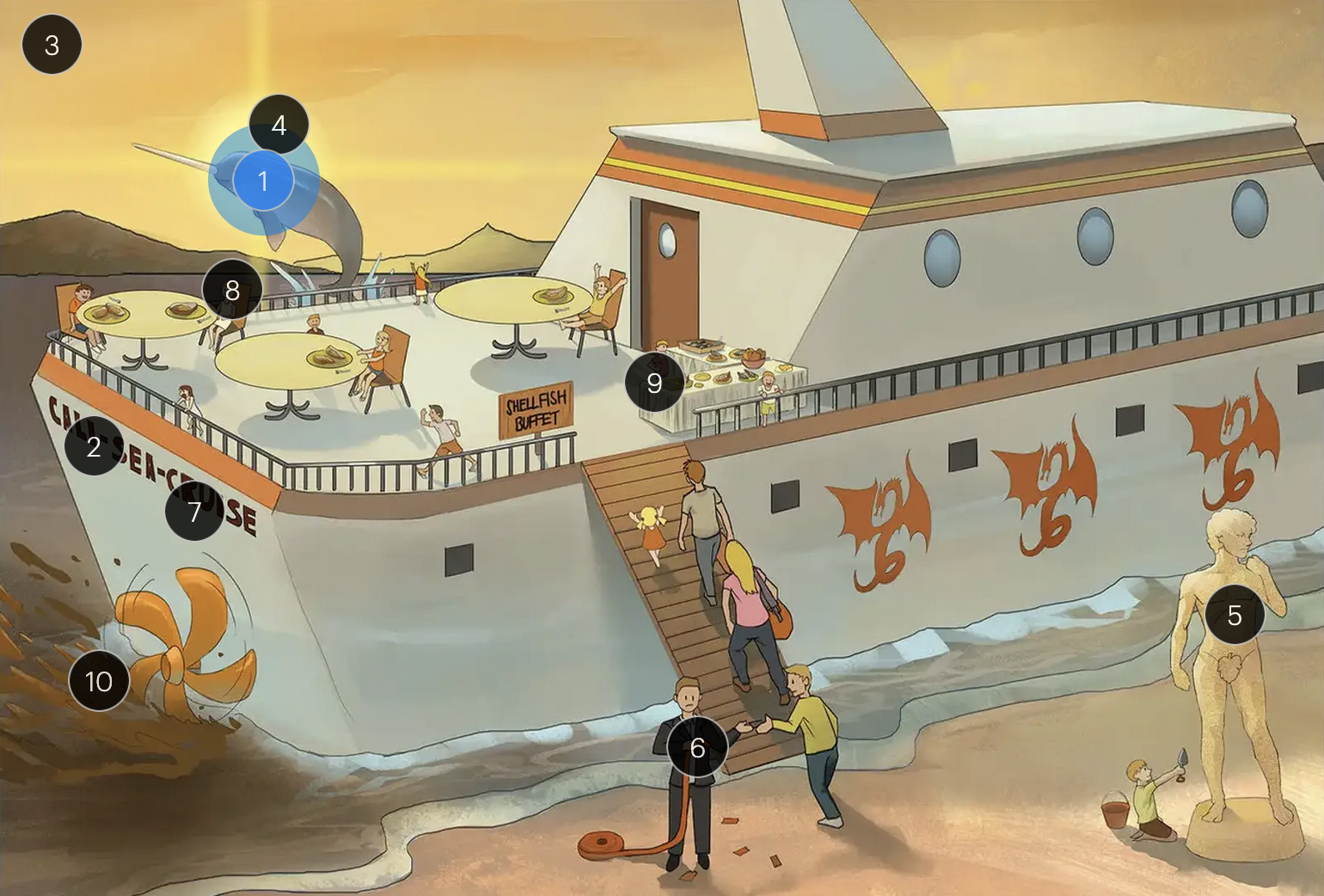
Norovirus & Norwalk Virus (Caliciviridae)
#4 positive sun
Noroviruses are positive sense RNA viruses
Norovirus & Norwalk Virus (Caliciviridae)
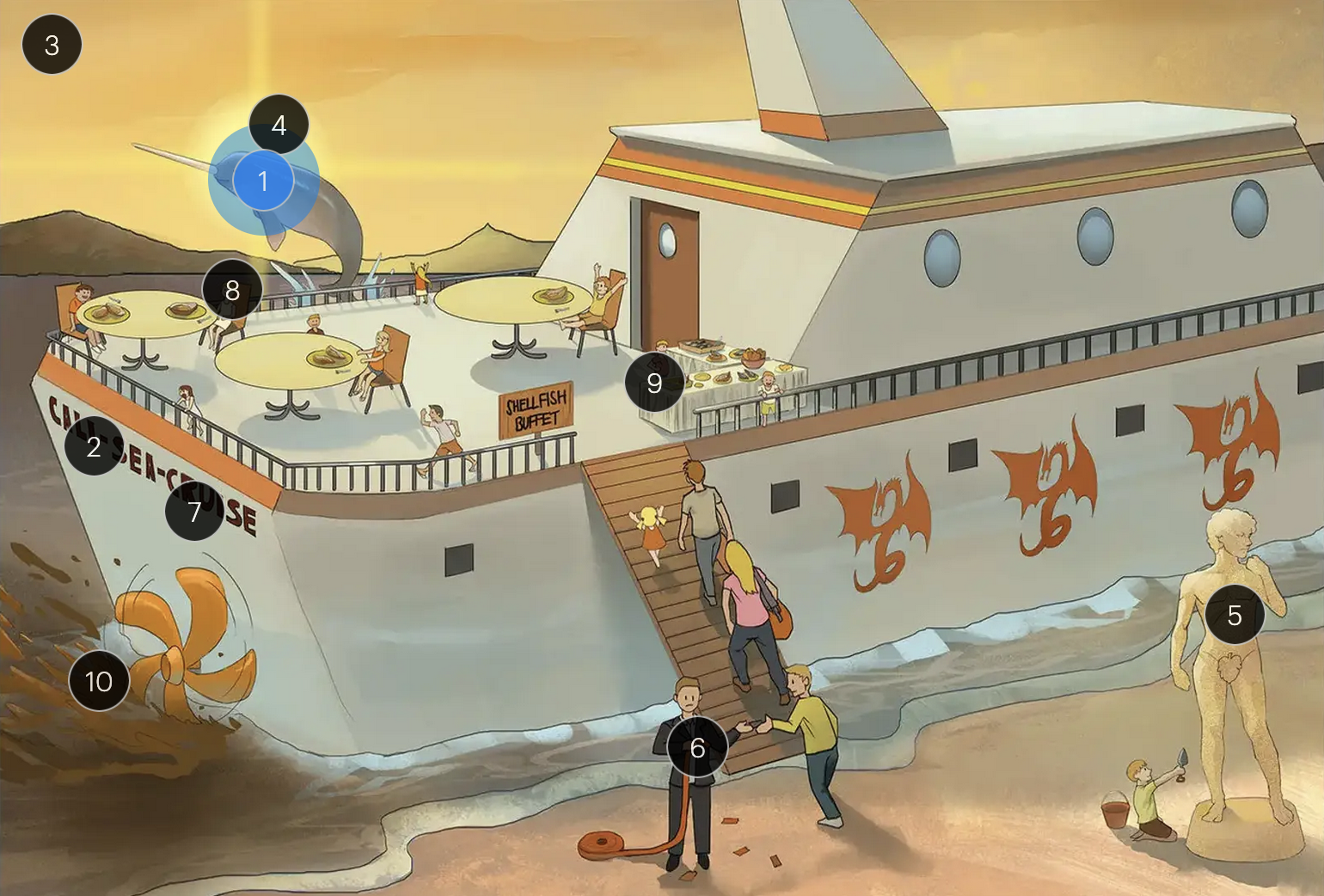
#5 statue of David
Noroviruses lack envelopes, classifying them as naked viruses
Norovirus & Norwalk Virus (Caliciviridae)
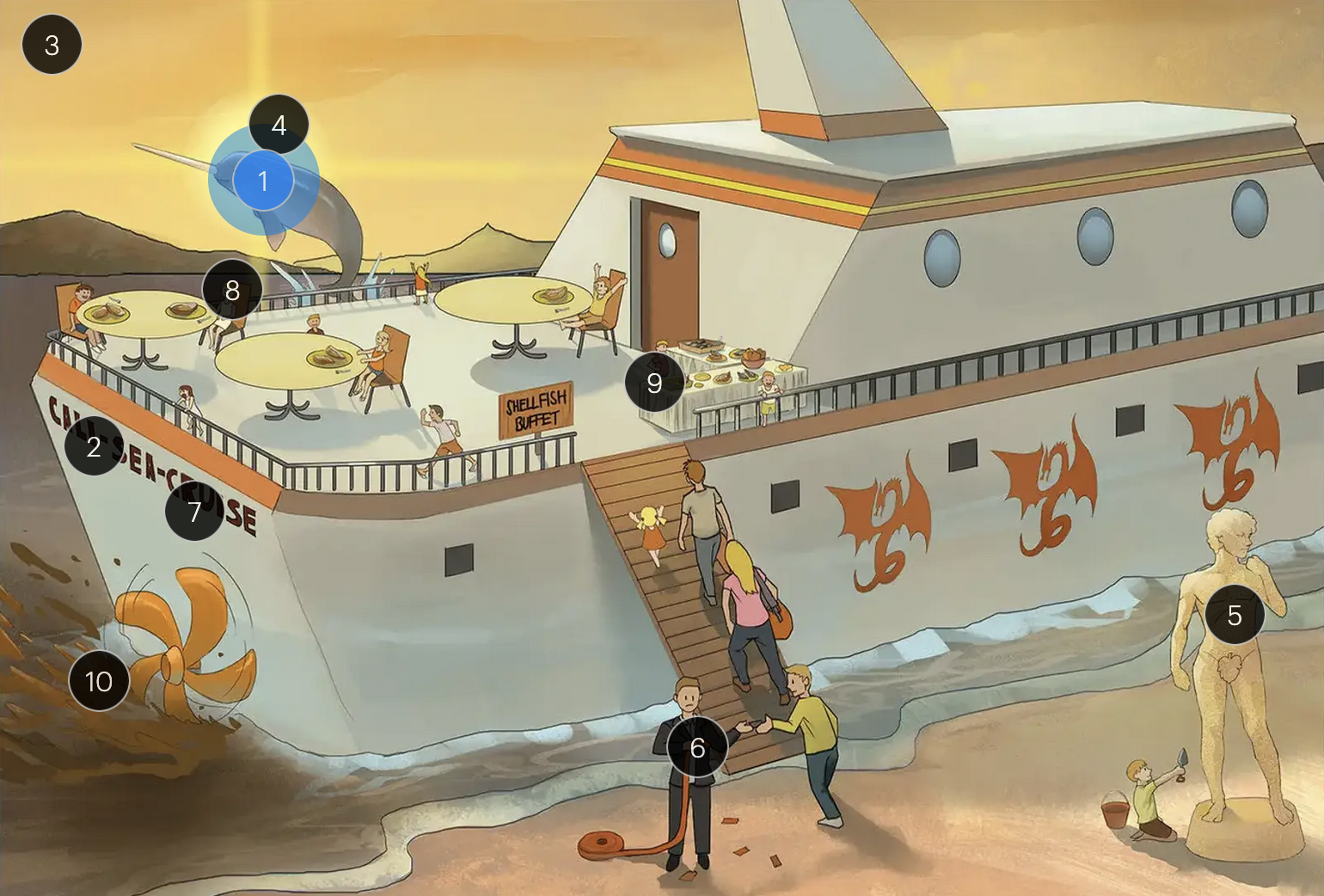
#6 Roll of tickets
upon entering the host cell, the entire genome of noroviruses is translated into a long single polyprotein, which is subsequently cleaved into funtional units by proteases
Norovirus & Norwalk Virus (Caliciviridae)
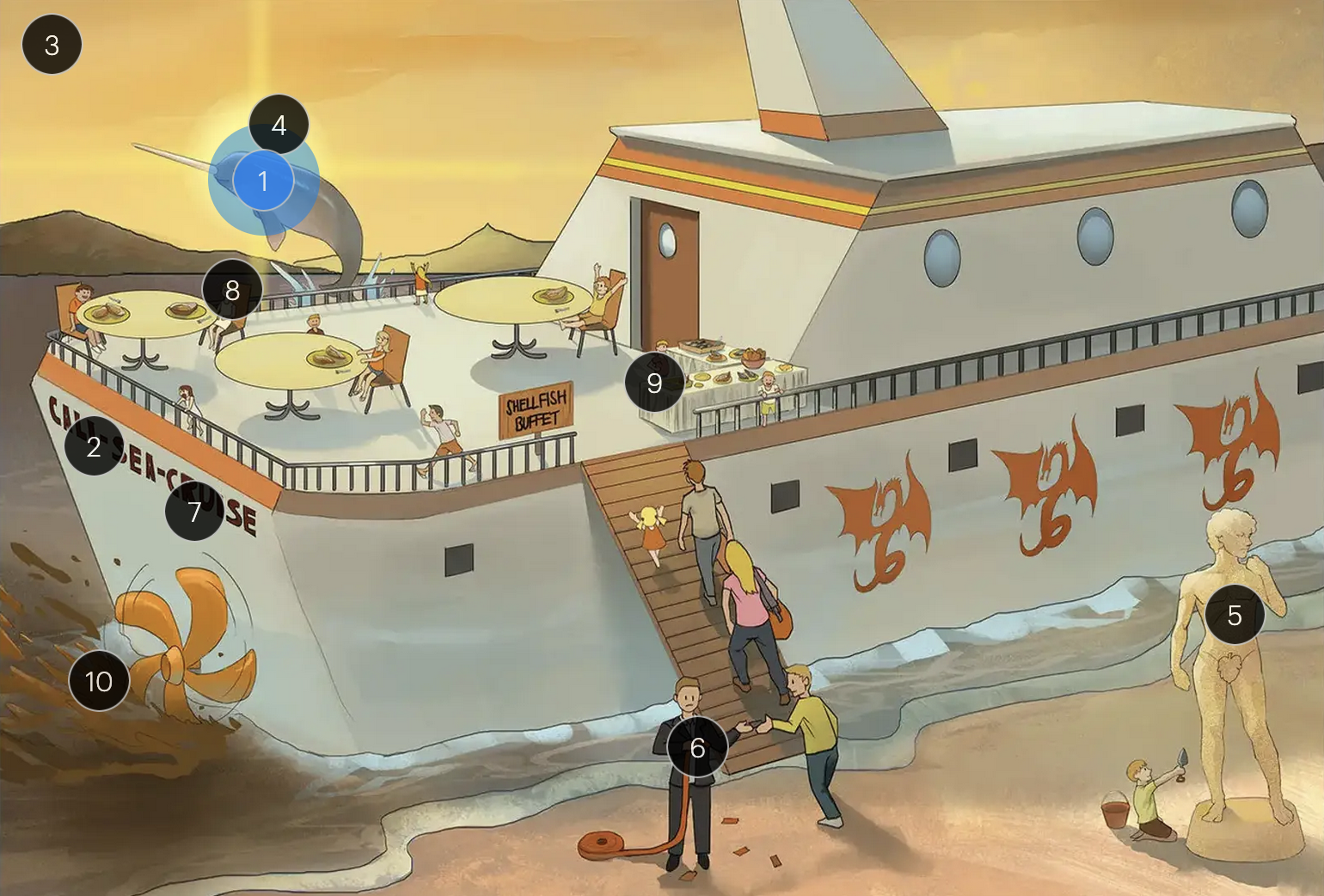
#7 cruise ship
Norovirus outbreaks commonly occur in confined spaces like cruise ships, day care centers, and schools
Norovirus & Norwalk Virus (Caliciviridae)
#8 children
Norovirus outbreaks commonly occur in confined spaces like cruise ships, day care centers, and schools
Norovirus & Norwalk Virus (Caliciviridae)
#9 shellfish buffet
consumption of shellfish contaminated with norovirus can lead to outbreaks of GI illness
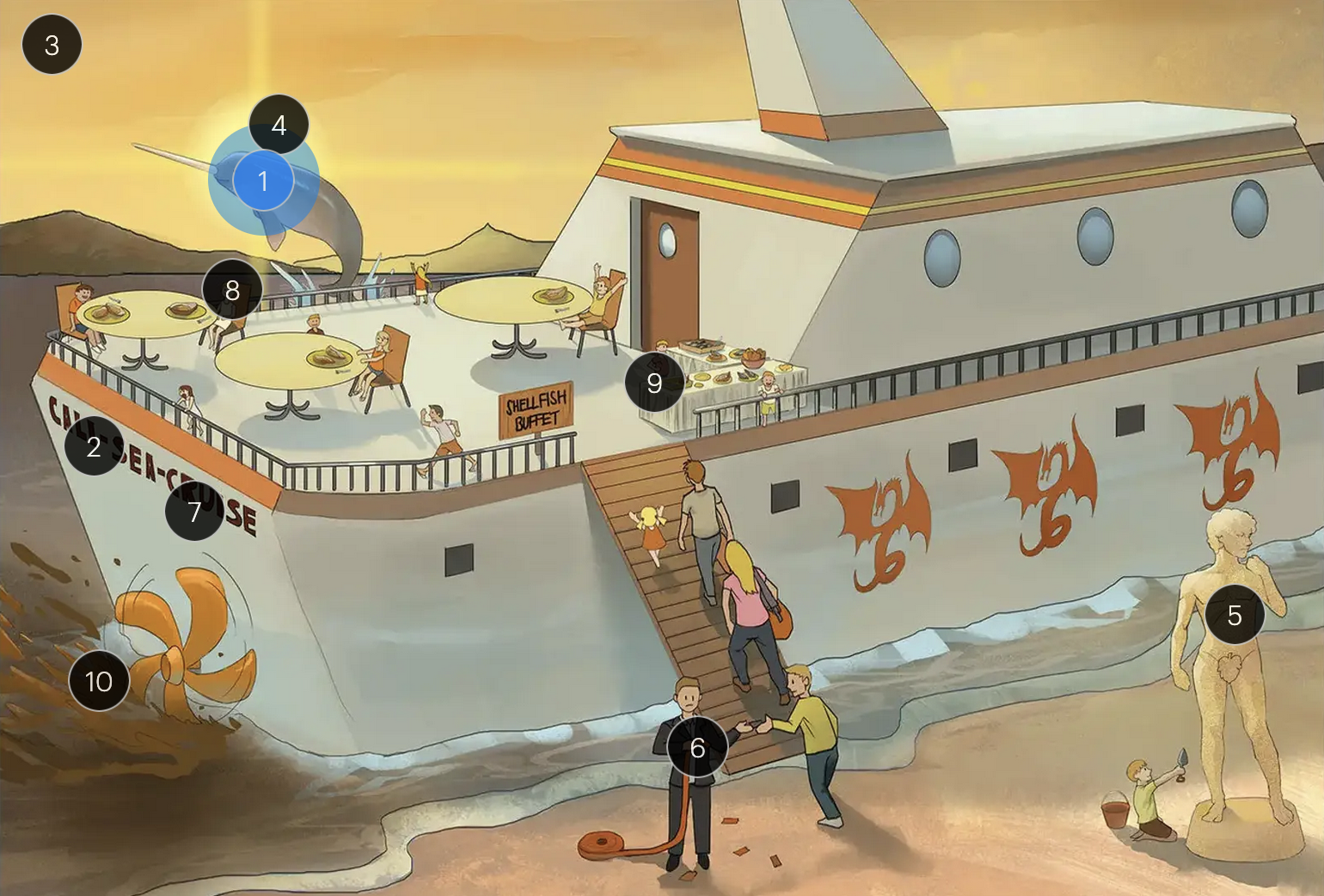
Norovirus & Norwalk Virus (Caliciviridae)
#10 mud spray
norovirus infection often presents with acute, severe watery diarrhea, often described as “explosive,” accompanied by nausea, vomiting, and stomach cramps
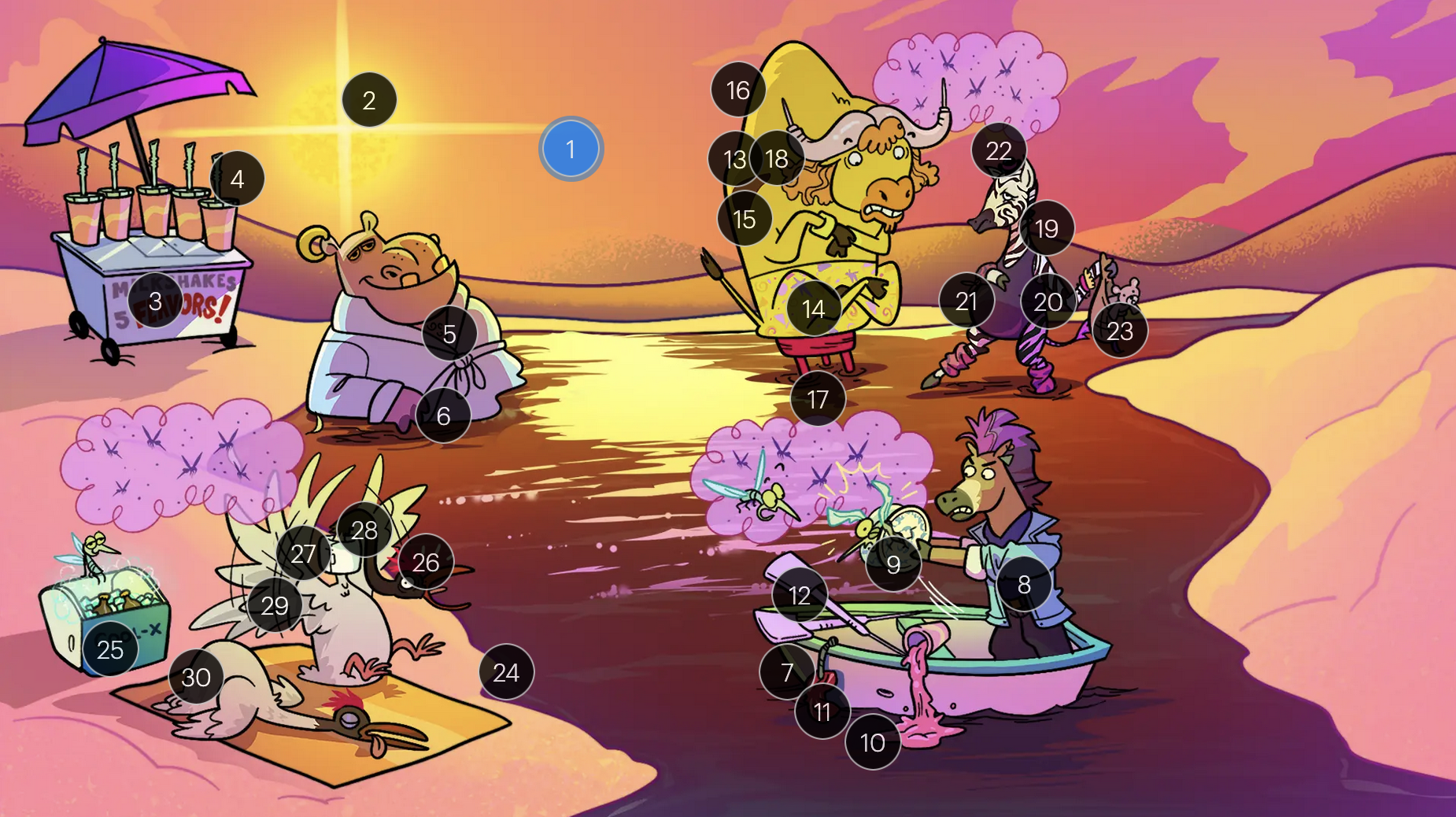
Flaviviridae Overview
#1 warm colors
flaviviridae are RNA viruses
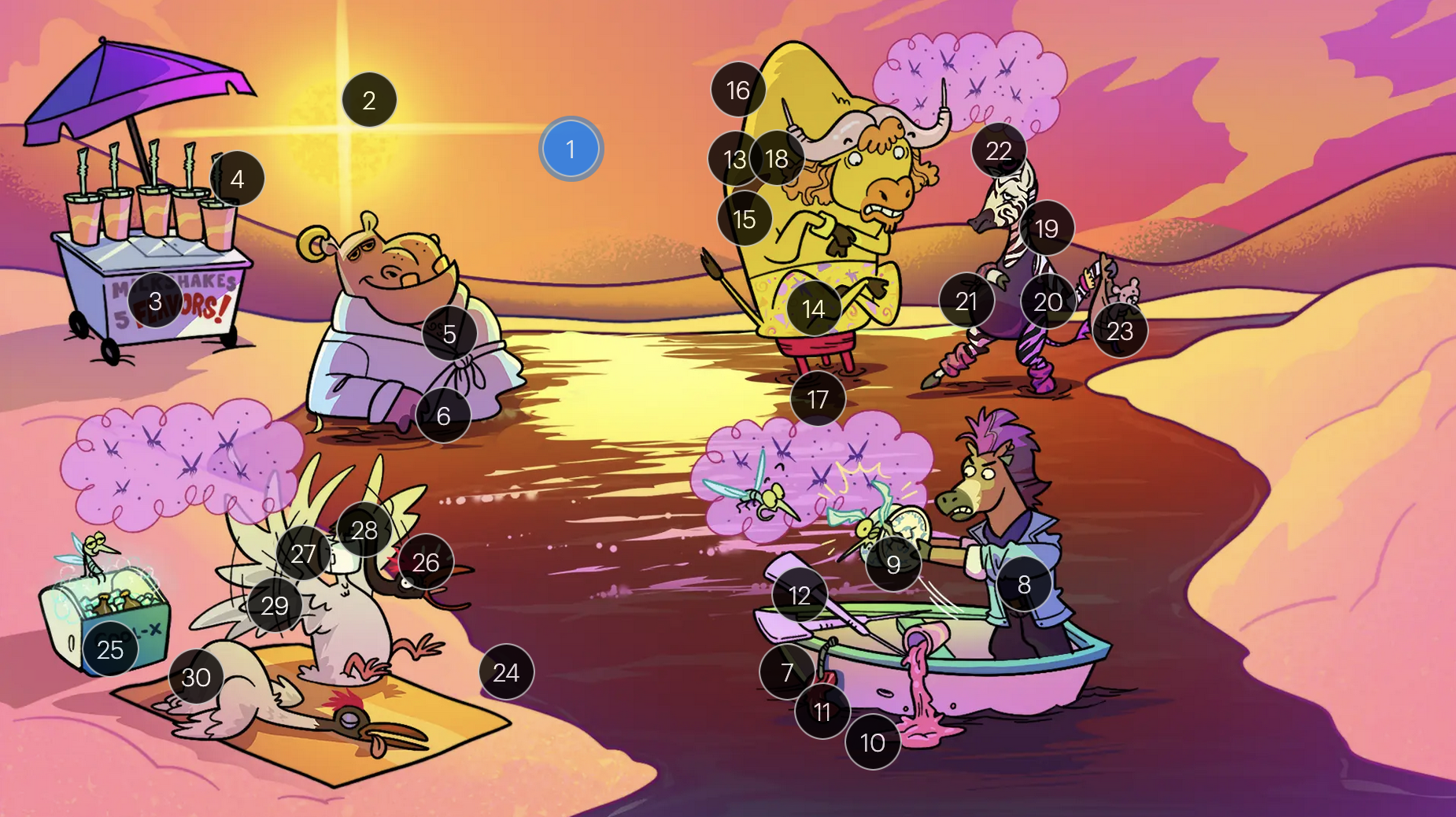
Flaviviridae Overview
#2 positive sun
flaviviridae are positive-sense RNA viruses
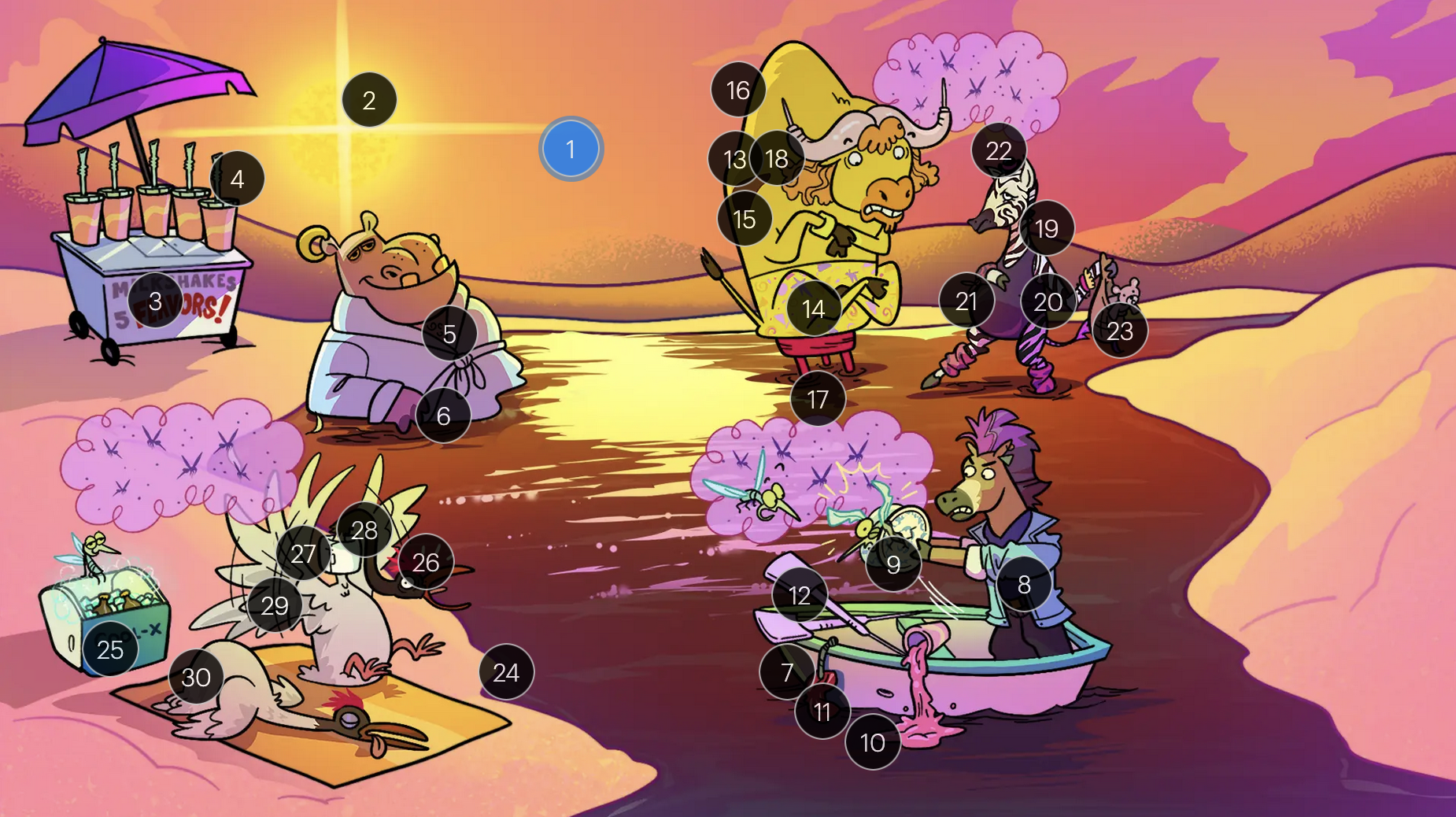
Flaviviridae Overview
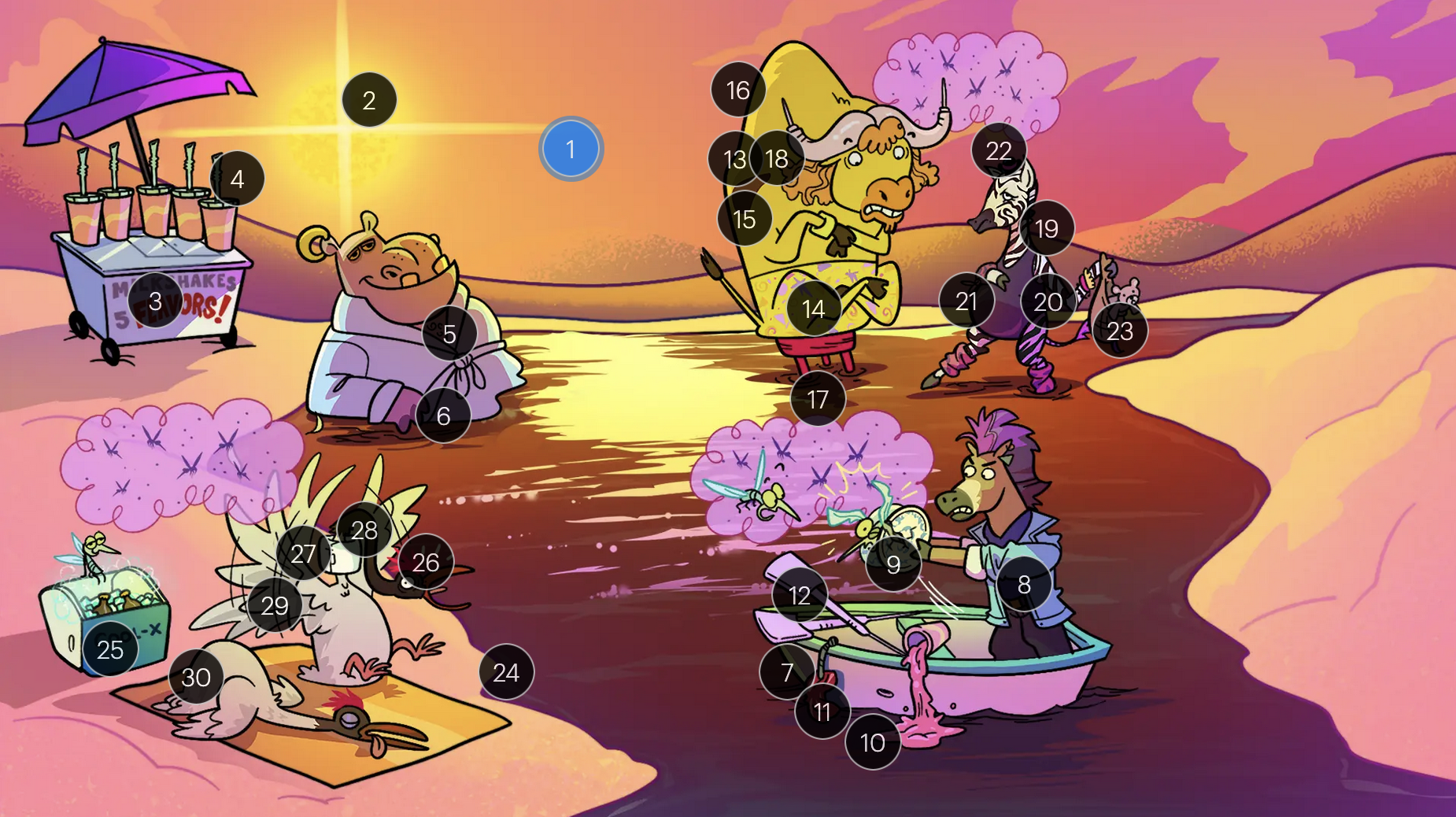
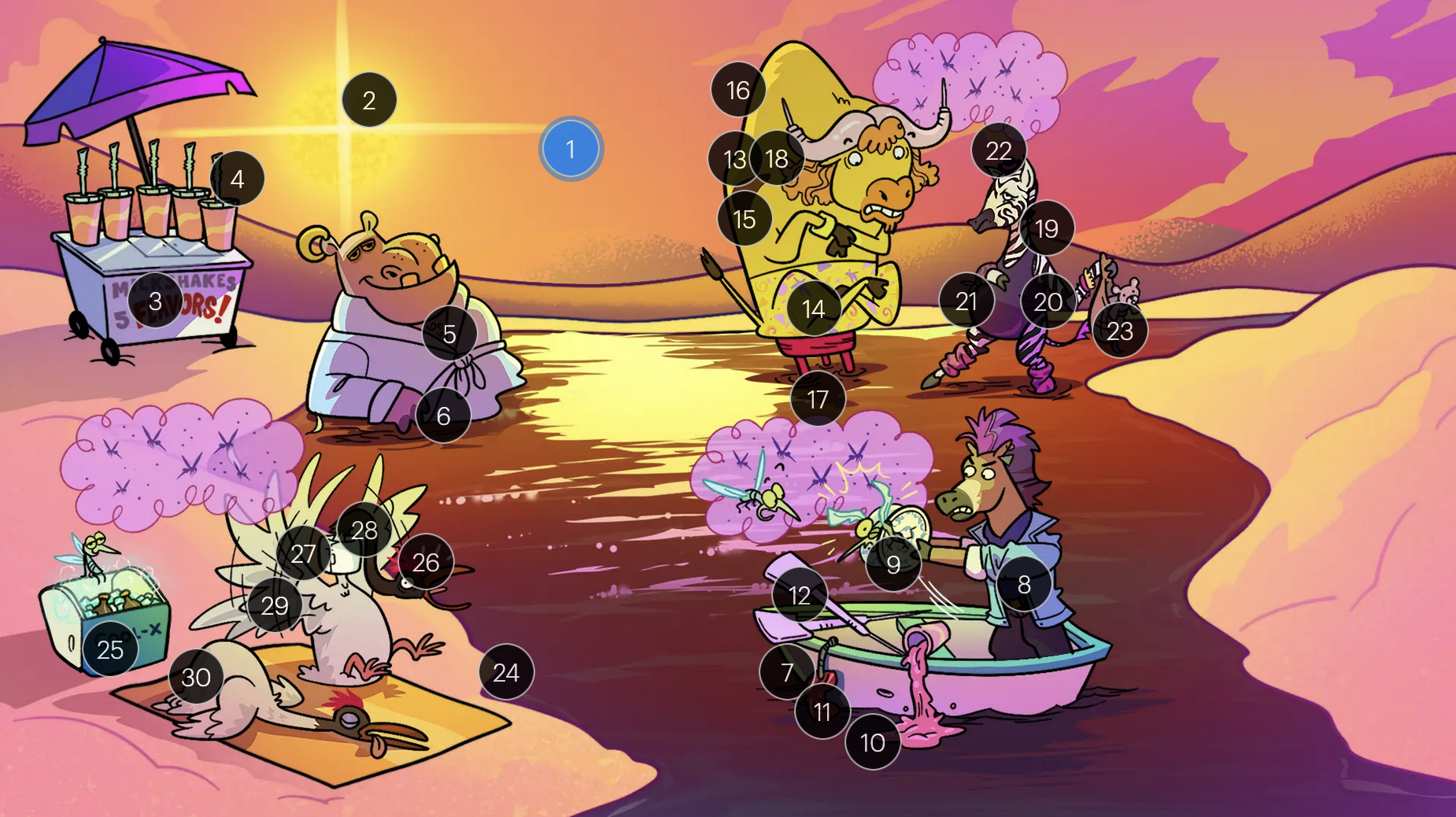
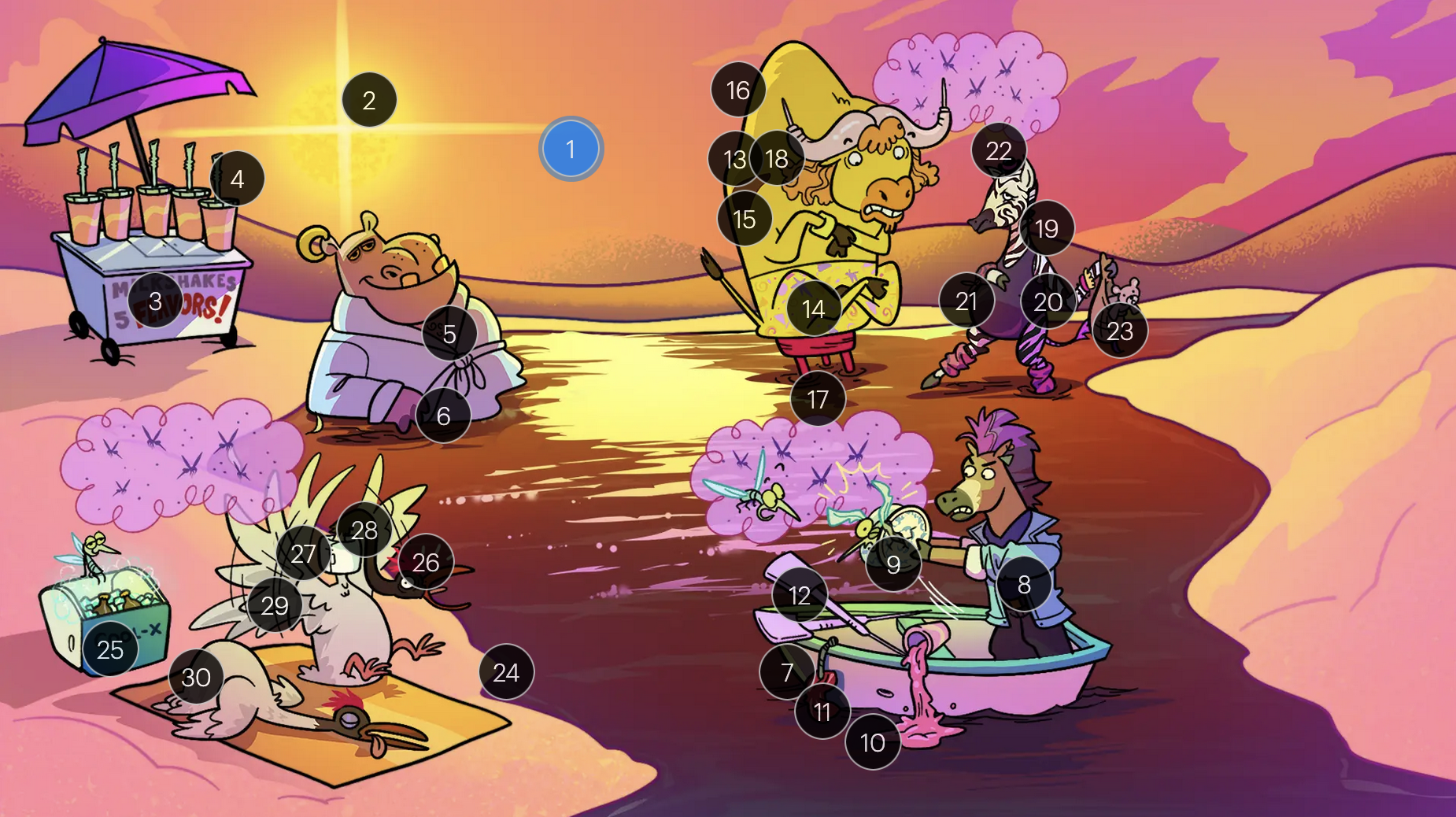
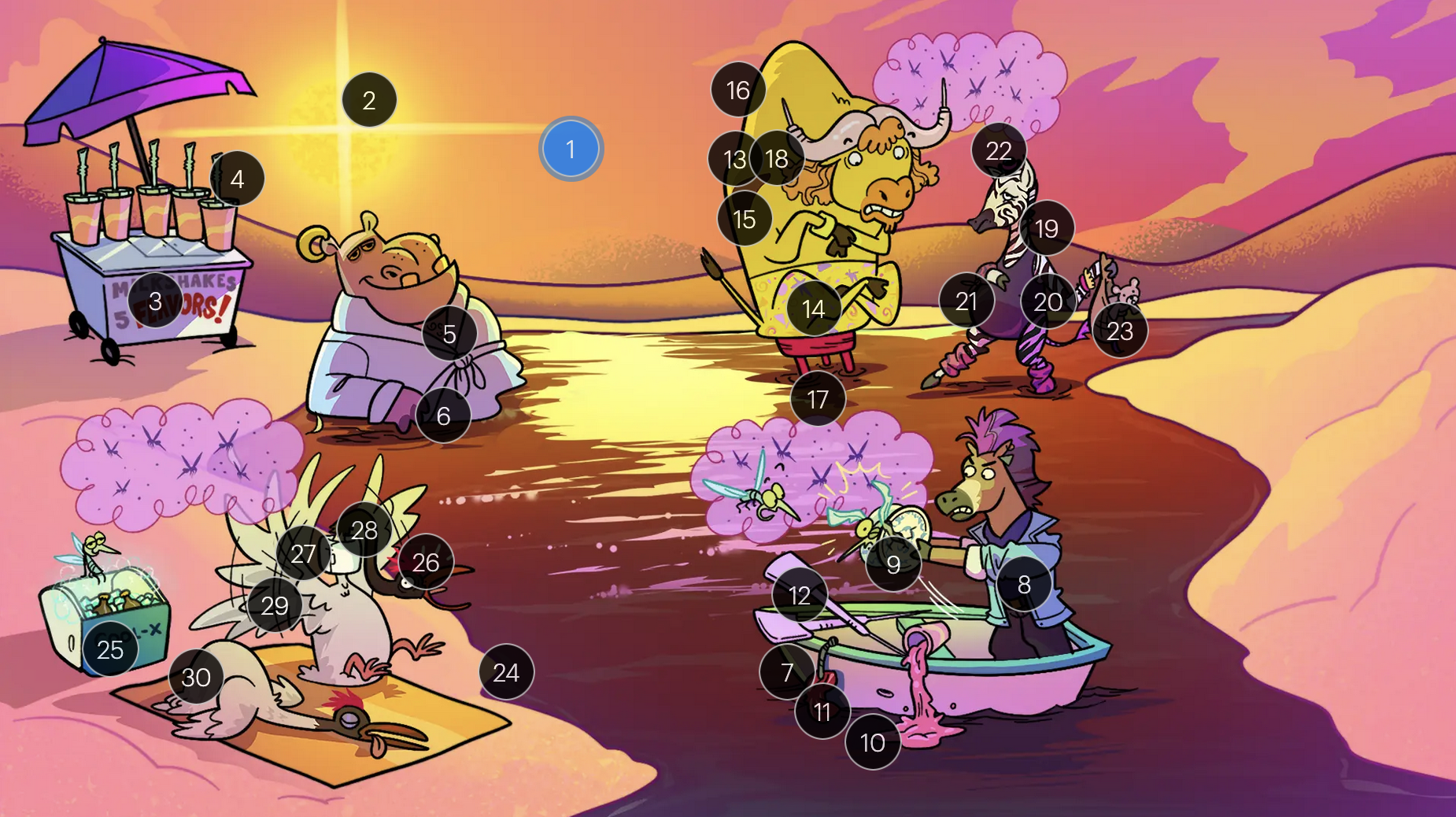
#3 “5 Flavors!”
flaviviridae are a family of viruses that includes viral species in the genera flavivirus and hepacivirus
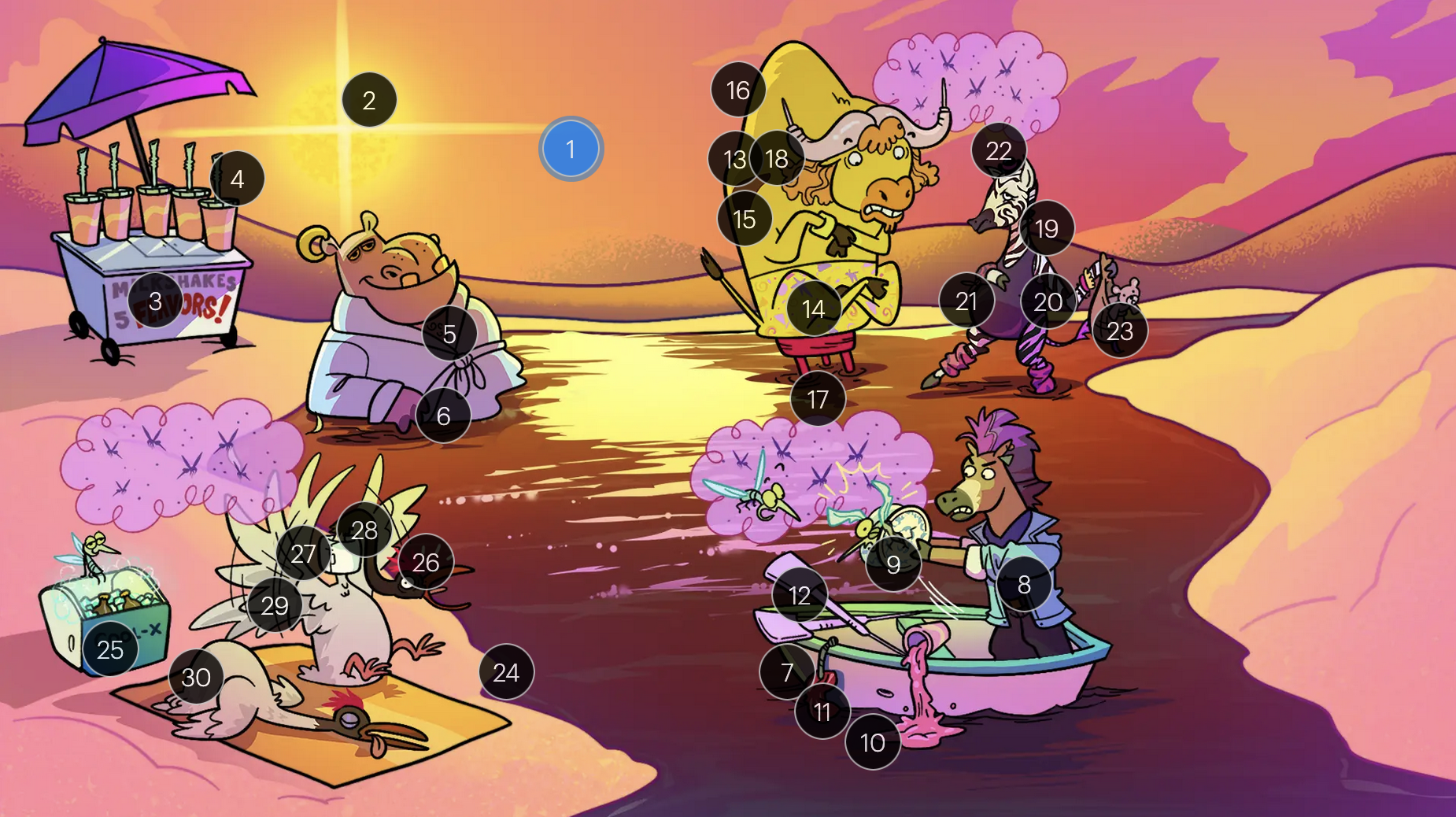
Flaviviridae Overview
#4 single straw
flaviviridae posesses a non-segmented, single-stranded RNA genome
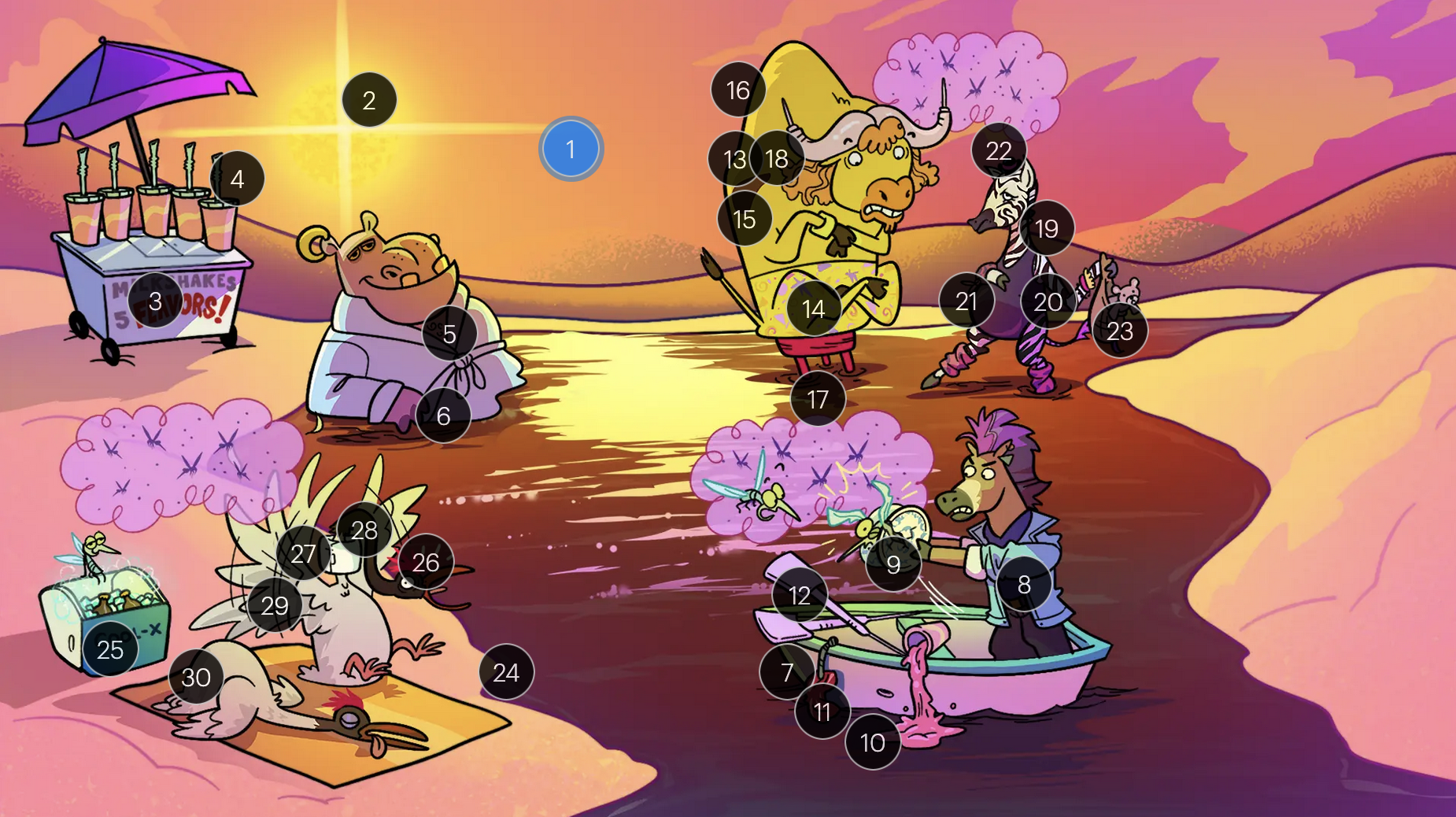
Flaviviridae Overview
#5 hep C hippo
the hep C virus is a member of flaviviridae (ie, Hepacivirus genus)
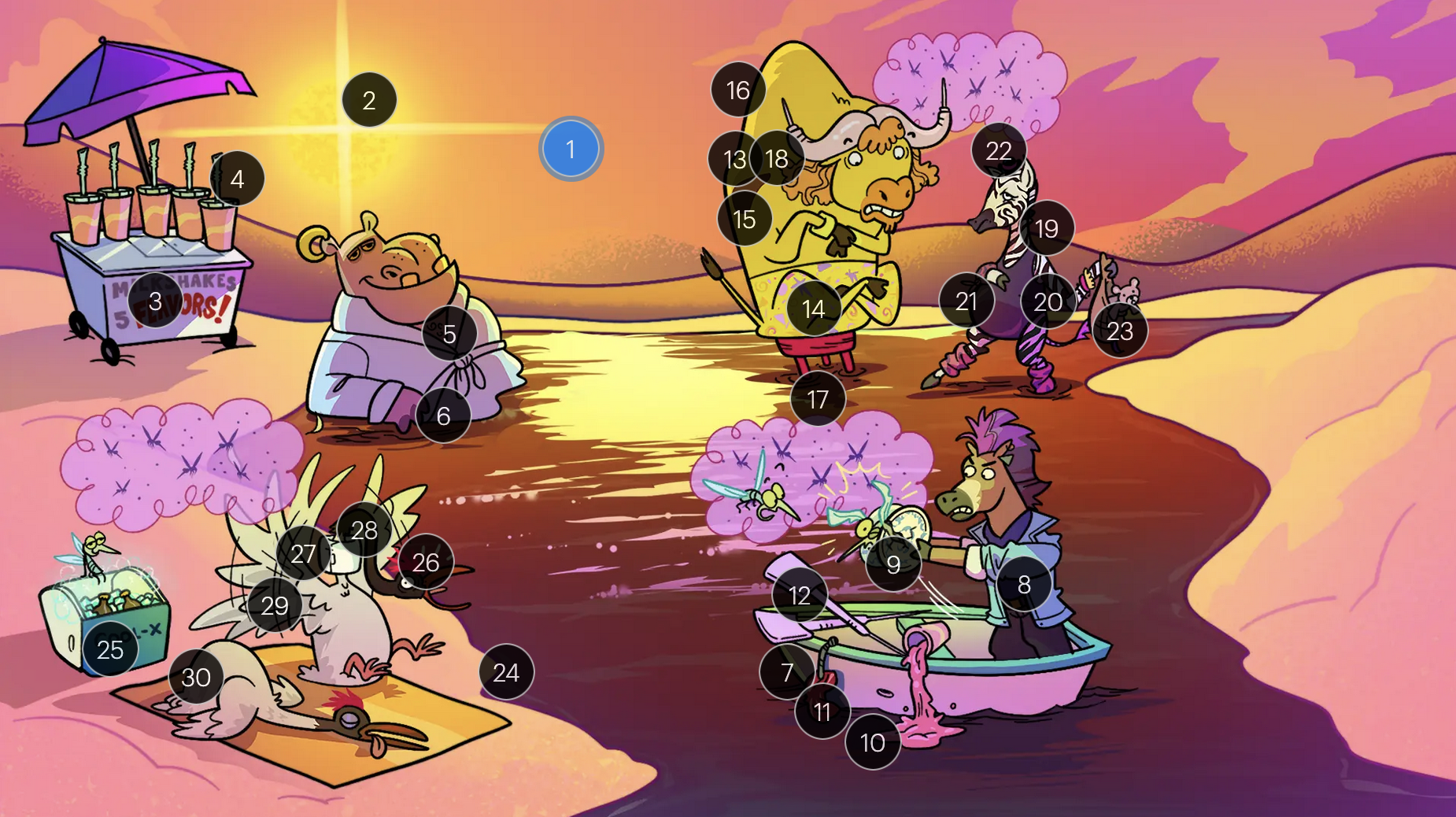
Flaviviridae Overview
#6 robe
flaviviridae are enveloped viruses
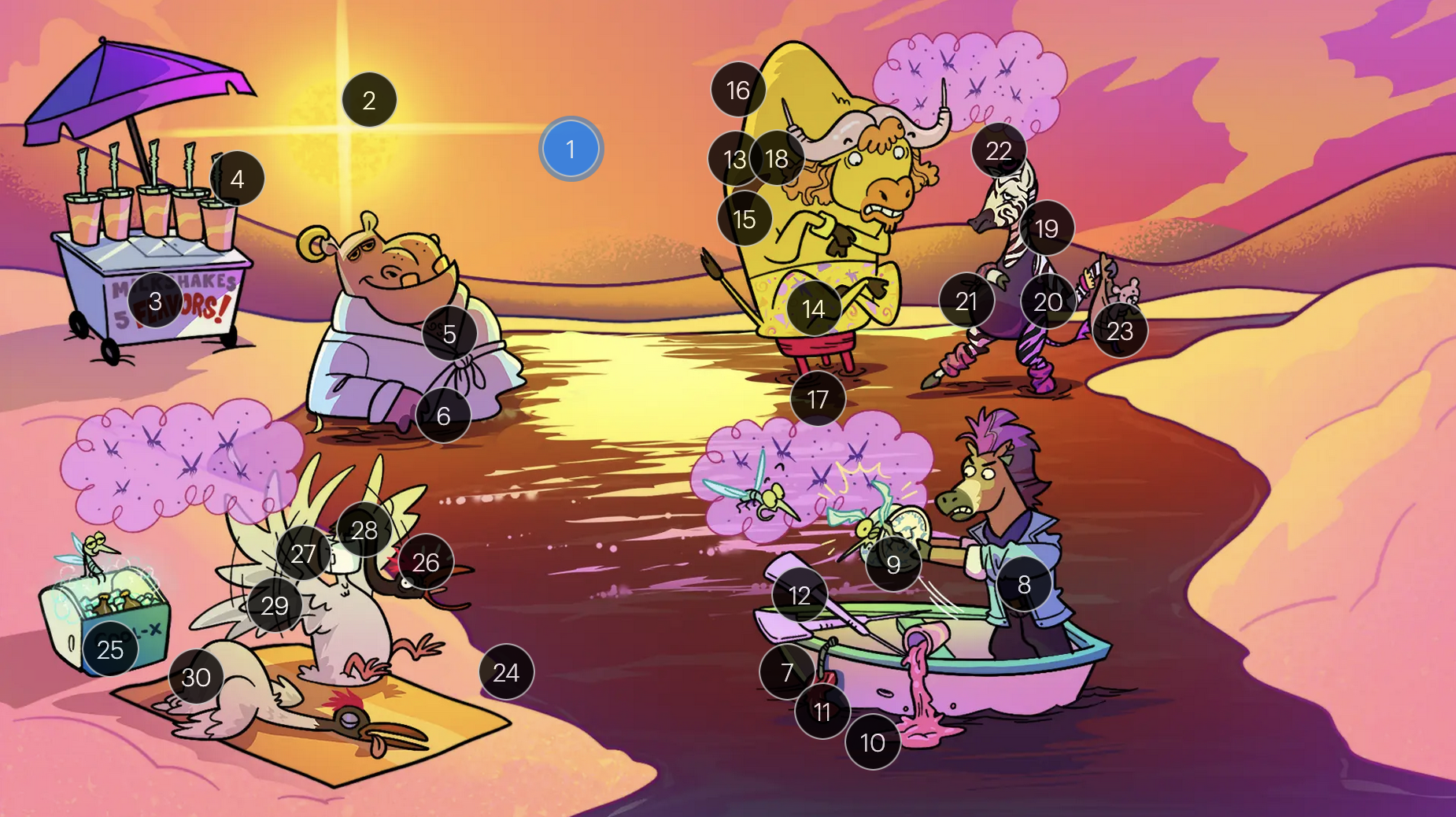
Flaviviridae Overview
#7 dinghy with a donkey
dengue virus is the cause of dengue fever
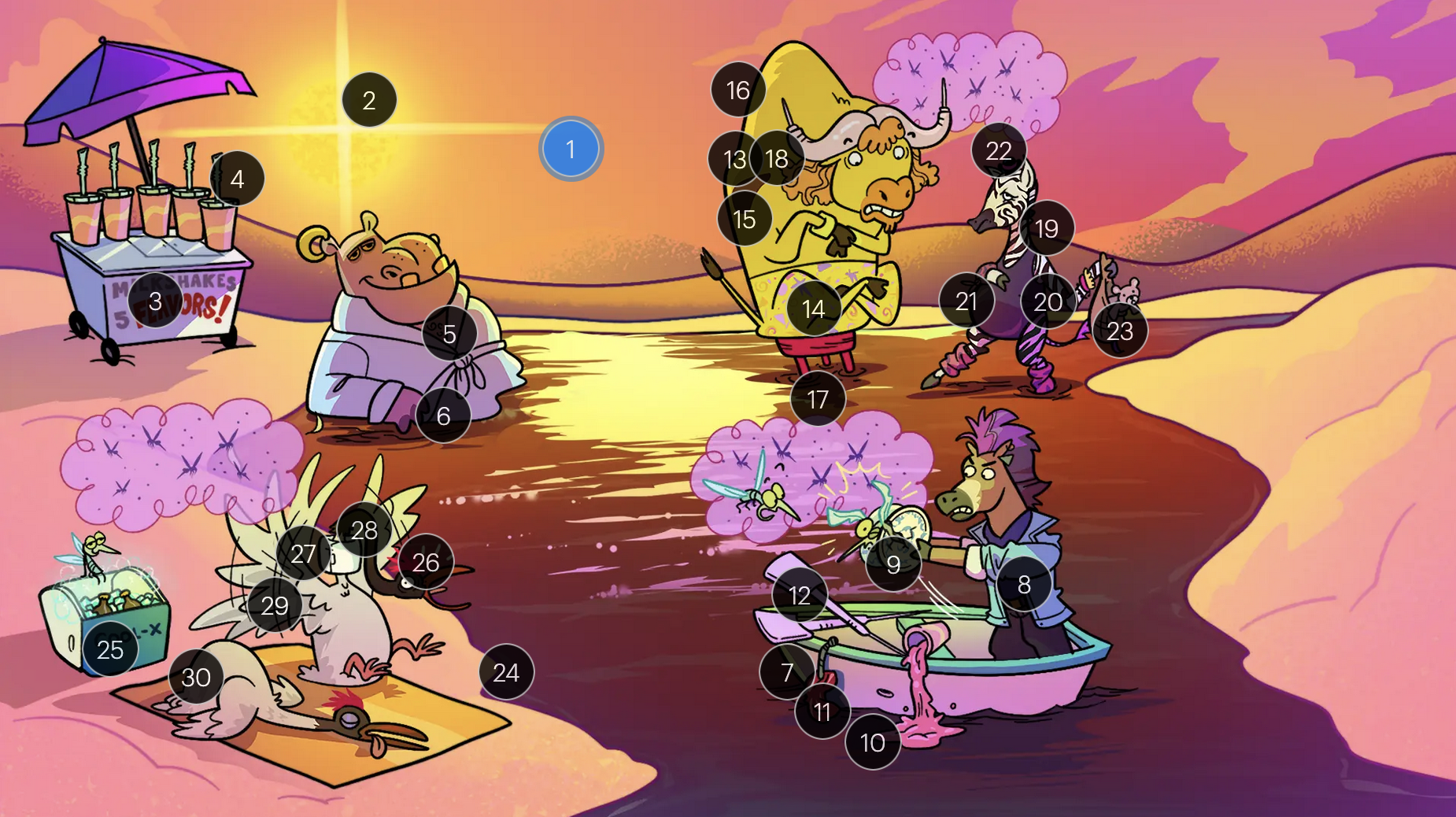
Flaviviridae Overview
#8 eighties clothes on donkey
the Aedes aegypti mosquito is the vector for the dengue fever virus, the yellow fever virus, and Zika virus
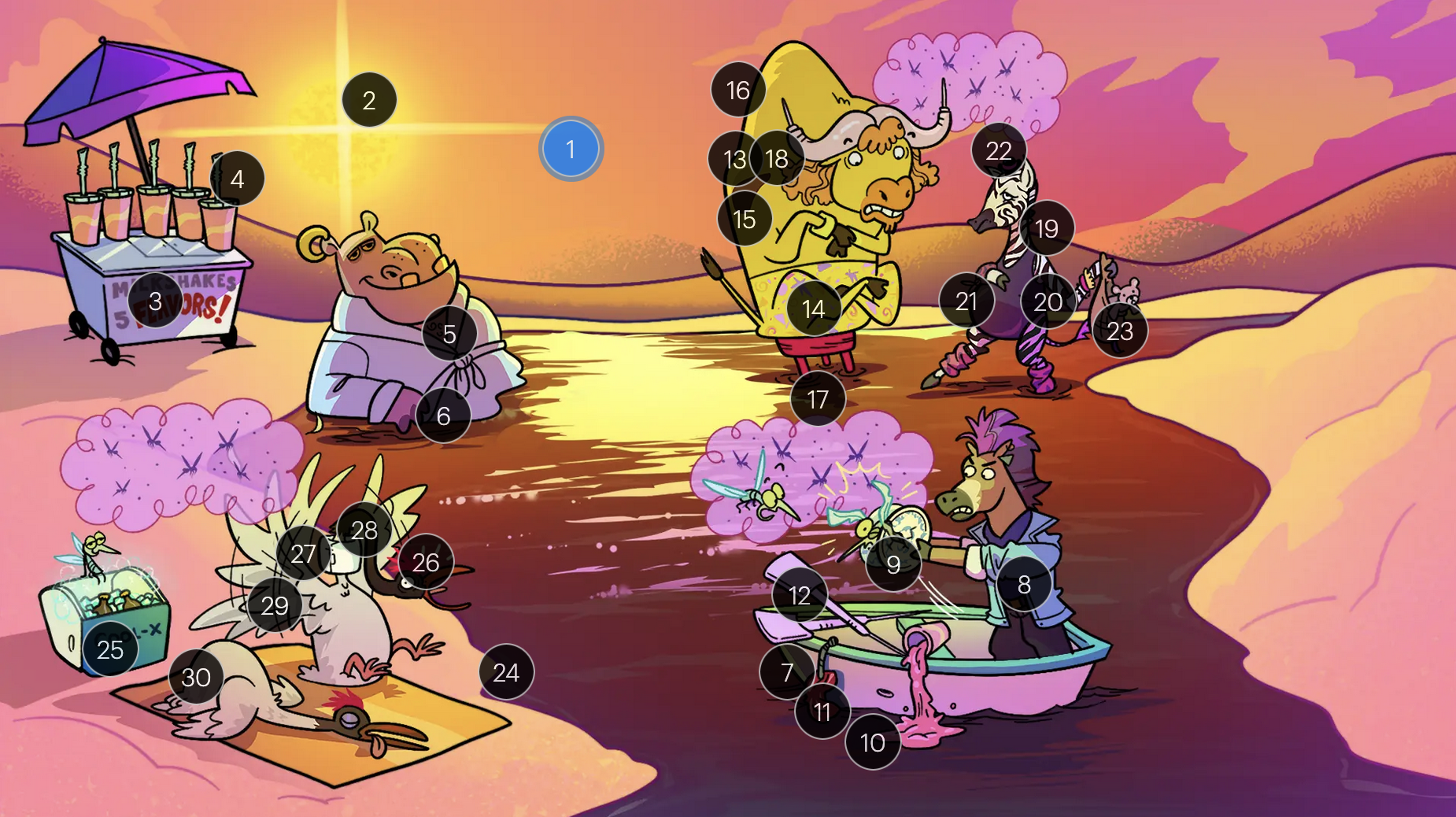
Flaviviridae Overview
#9 broken plates
dengue fever is marked by bone marrow suppression → thrombocytopenia → hemorrhage
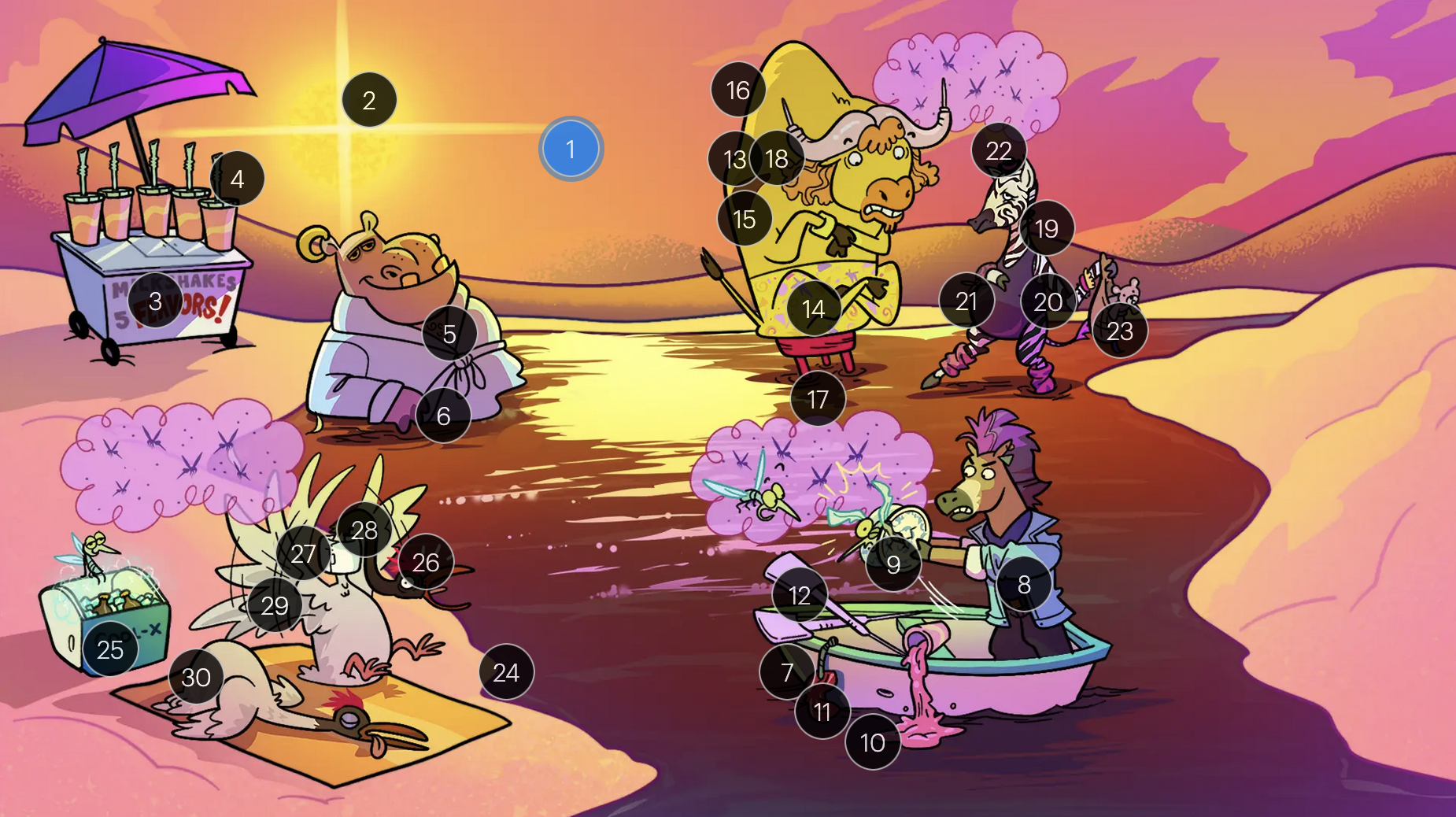
Flaviviridae Overview
#10 spilled strawberry milkshake
dengue fever can develop into hemorrhagic fever in severe cases
Flaviviridae Overview
#11 deflated kidney
dengue fever can lead to renal failure and septic shock
Flaviviridae Overview
#12 syringe-shaped oar
prevent re-infection through administration of the tetravalent live attenuated vaccine in those with confirmed PRIOR history of dengue virus fever
Flaviviridae Overview
#13 yellow water buffalo
yellow fever virus (a positive-sense RNA virus in the flavivirus family) is transmitted by the aedes aegypti mosquito
Flaviviridae Overview
#14 eighties clothes on buffalo
yellow fever virus (a positive-sense RNA virus in the flavivirus family) is transmitted by the aedes aegypti mosquito
 Note
Note  Flashcards (81)