2. types of infectious agents
 Studied by 0 people
 Call Kai
 Learn
Learn Practice Test
 Spaced Repetition
 Match
Match Flashcards
 Knowt Play
1/9

There's no tags or description
Looks like no tags are added yet.
Name | Mastery | Learn | Test | Matching | Spaced | Call with Kai |
|---|
No analytics yet
Send a link to your students to track their progress
10 Terms
infectious agent is any pathogenic microorganism or entity that can:
invade a host
trigger an immune response, potentially leading to disease
infectious agents posess specific structures called antigents
these are recognised by the host immune system and lead to the production of antibodies and the activation of immune cells to defend against the ifnection
types of infectious agents
bacteria
viruses
fungi
protazoa
bacteria
gram staining = structural differences between bacterial cell walls which make them either +/- which affects how they interact with drugs
viruses
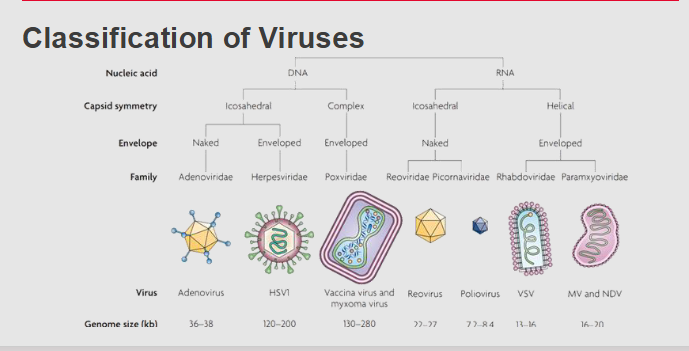
acellular nucleic material that contaisn either DNA or RNA surrponded by a protein coat (capsid) and are dependent on the machinery of host cells for replication
fungi
many naturally occuring bodily fungi, mycosis
mycosis fungal infection are caused by
yeasr or mould
mycosis fungal infections commonly occur on
skin and nails (even lungs)
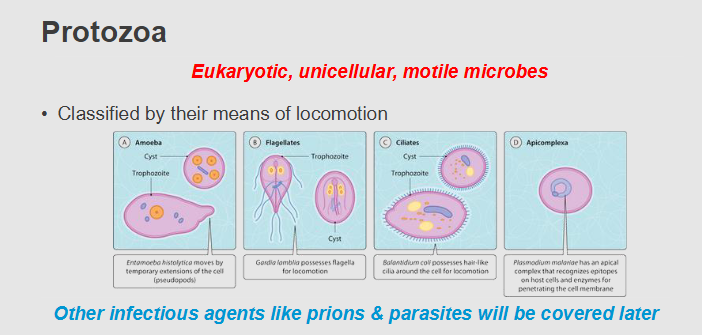
protozoa
 Note
Note  Flashcards (25)