Shark Bio Exam
 Call Kai
 Learn
Learn Practice Test
 Spaced Repetition
 Match
Match Flashcards
 Knowt Play
1/25

There's no tags or description
Looks like no tags are added yet.
Name | Mastery | Learn | Test | Matching | Spaced | Call with Kai |
|---|
No analytics yet
Send a link to your students to track their progress
26 Terms
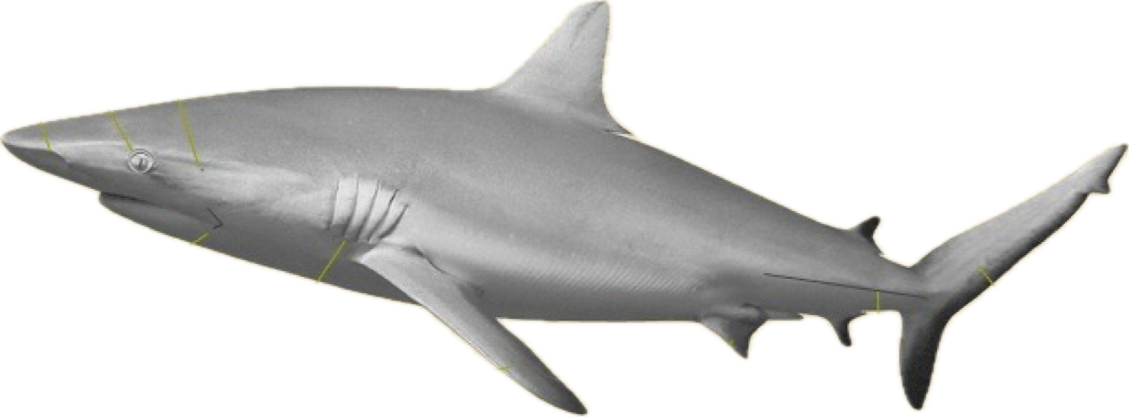
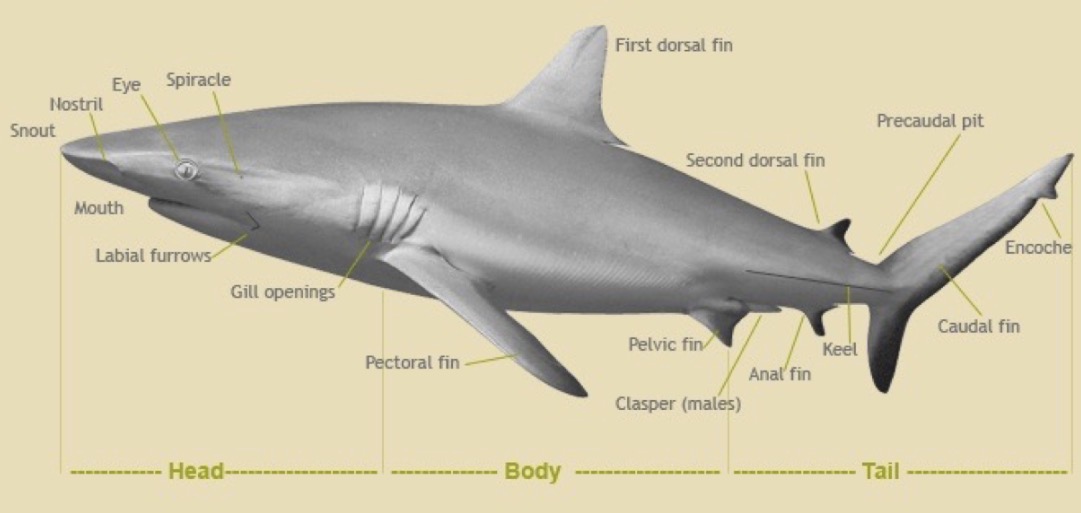
Name all the body parts XD
Snout, nostril, eye, spiracle, labial furrows, gill openings, pectoral fin, 1st and 2nd dorsal fins, pelvic fin, clasper (males), anal fin, keel, precaudal pit, encoche, caudal fin
What sets elasmobranchiomorphi apart from the rest of gnathostomata?
Placoid Scales
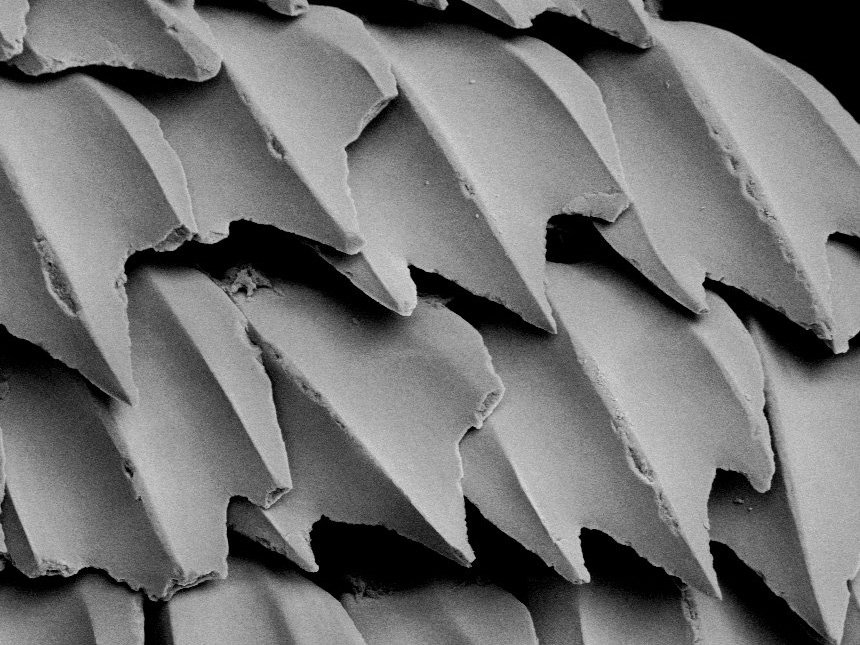
What kind of scales do chondrichthyes have?
Placoid scales!
Chondrichthyes vs Chondrostei?
Chondrichthyes: Cartilaginous fishes, placoid scales
Chondrostei: subclass of actinopterygii, ganoid scales
Chondrichthyes subclasses?
Elasmobranchi: Sharks, skates, and rays
Holocephali: Chimaeras, ratfishes
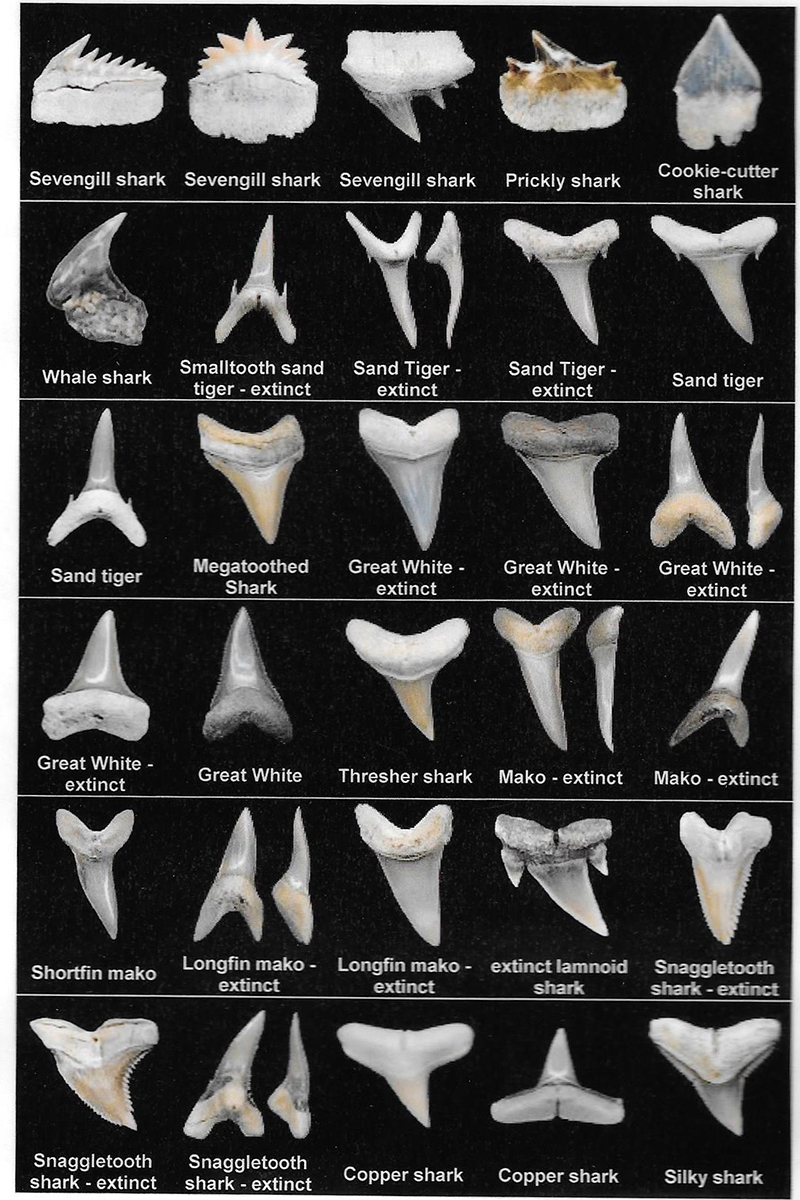
Why are the differences in shark teeth significant?
Shark teeth are a key meristic/morphological identifier for shark species
Oviparous reproduction
Egg laying, eggs are laid in an egg case
Ovovivparous reproduction
Eggs are formed inside the mother, and then hatched, the pups are born alive
Viviparous reproduction
Shark pups are born live after developing in the mother
What does parental investment do?
Parental investment influences the evolution of animal behavior
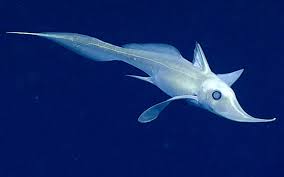
Holocephali characteristics
Distinguishing features, head claspers, and chimaeras are the only fish with true respiratory nostrils
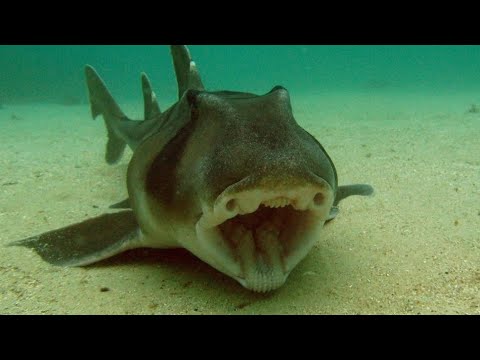
Horn sharks
Heterodontiformes
Total of 8 species
Example: Port Jackson Shark
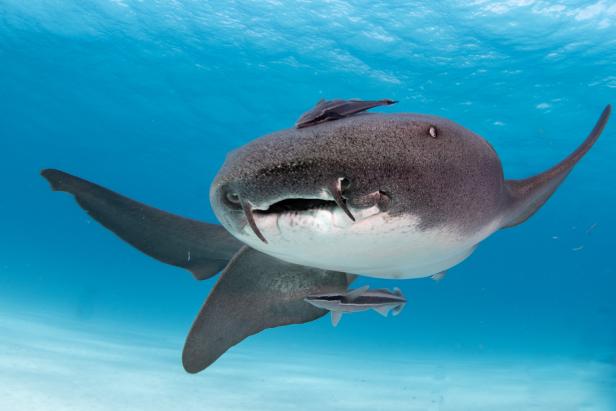
Carpet Sharks
Orectolobiformes
Have 5 gill slits, two spineless dorsal fins, an anal fin, no nicitating eyelids, a mouth in front of their eyes, and short snouts. Generally bottom dwellers
39 species
Example: Nurse Shark or Whale Shark
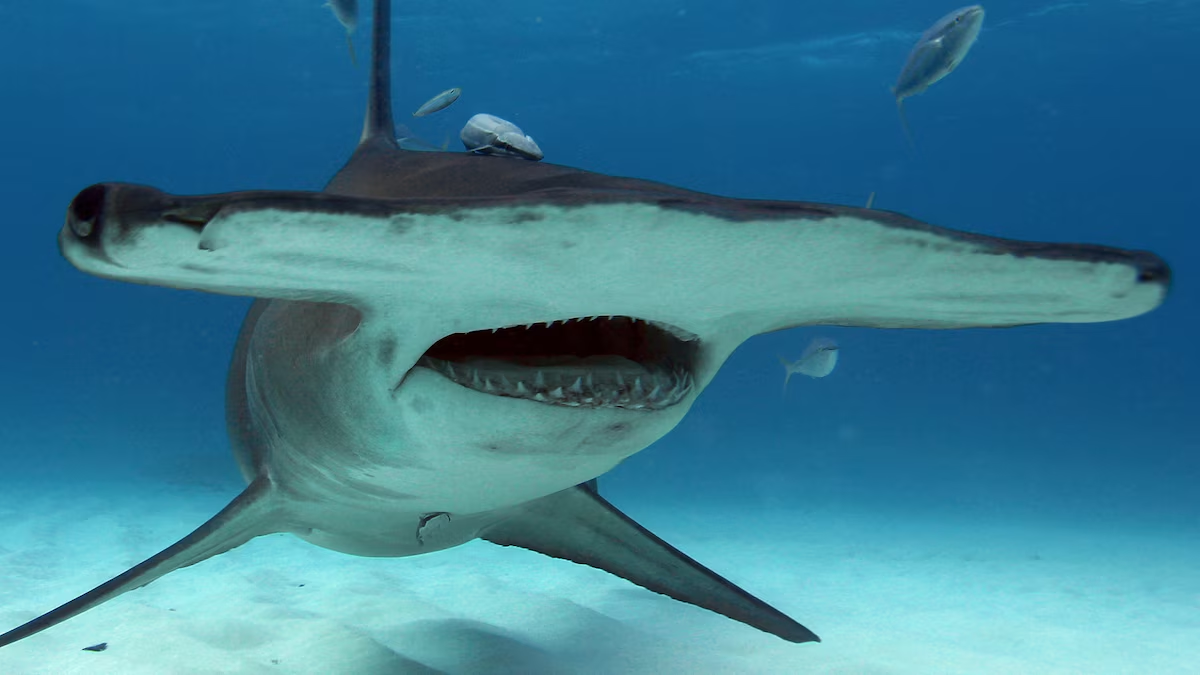
Ground sharks
Carcharhiniformes
Largest order of sharks with 227 species
Five gill slits, nictitating eyelids, and a long snout
Example: Hammerhead sharks
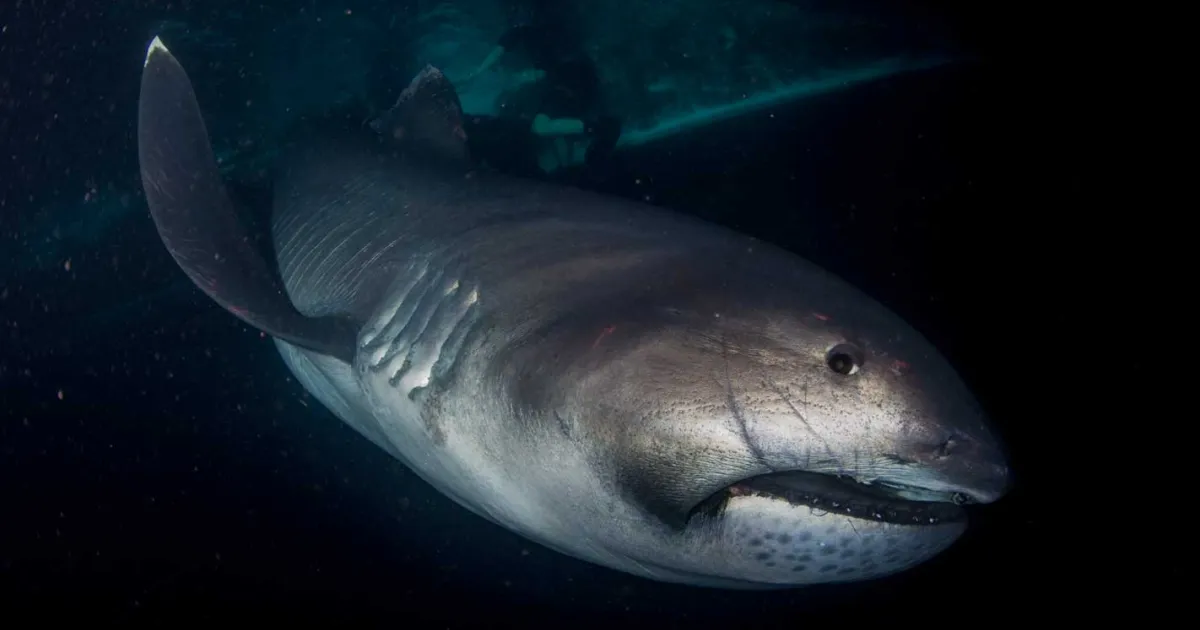
Mackeral sharks
Lamniformes
no nicitating eyelids, and a pointed snout
17 species in 7 families
Example: Megamouth, basking, thresher
Frilled and 6-7 gill sharks
Hexanchiformes
The most ancient order of sharks
6 or 7 gill pairs, single posterior dorsal fin
6 total species
Example: Bluntnose 6-gill
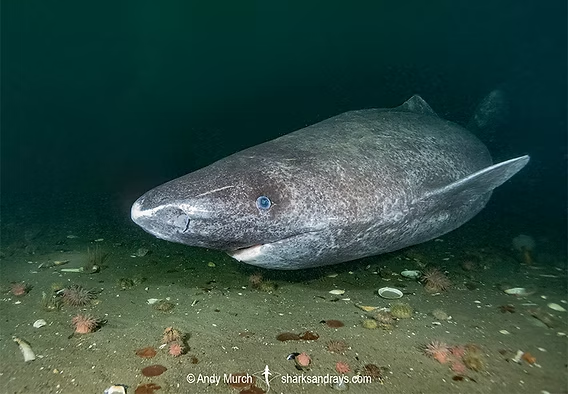
Dogfish sharks
Squaliformes
5 gill slits, no anal fin, no nictitating membrane, short snout
Generally, the smallest order of sharks
126 species
Example: Greenland shark, Spiny dogfish
What are Batoids?
The division of cartilaginous fishes that includes skates and rays
Benthic or pelagic; pectoral fins enlarged, fused with head; gill slits ventral; spiracle large; pavement teeth
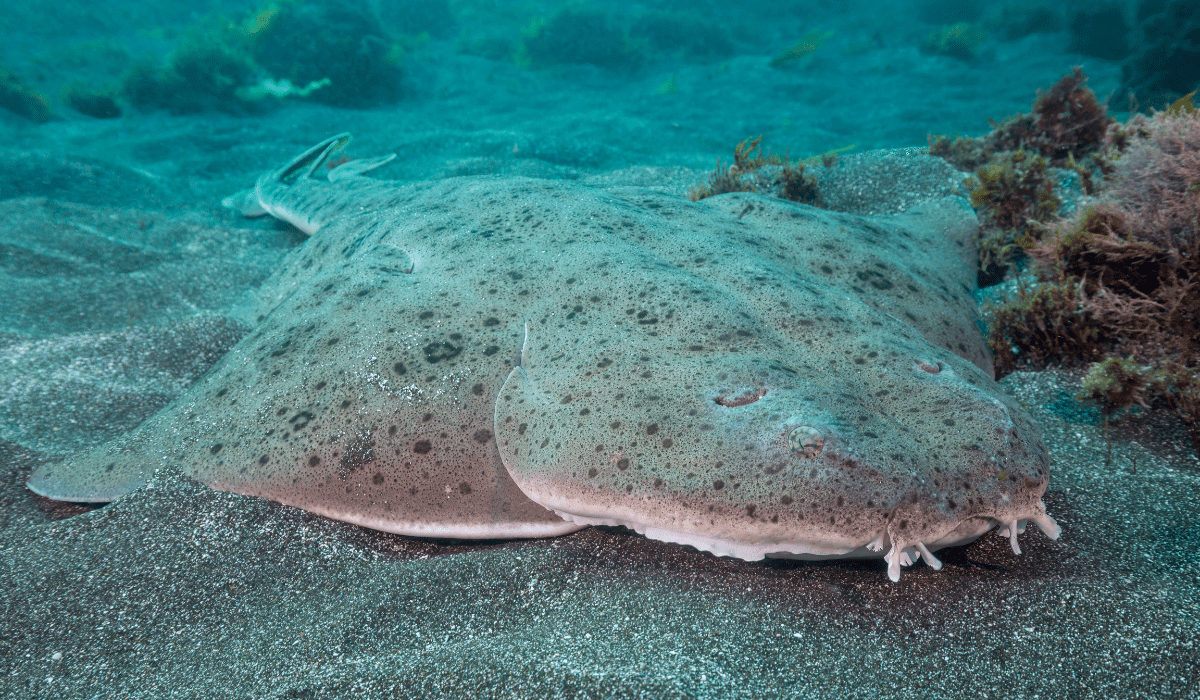
Angel sharks
Squatiniformes
no anal fins, no nictitating eyelid, mouth at the front of the head, and a short snout
12 species
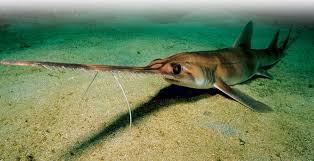
Saw sharks
Pristiophoriformes
a long snout with barbels and gills on the sides
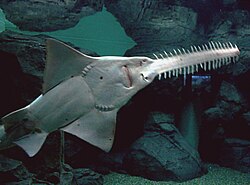
Saw fish
Pristiformes
Gills on underside, no barbels
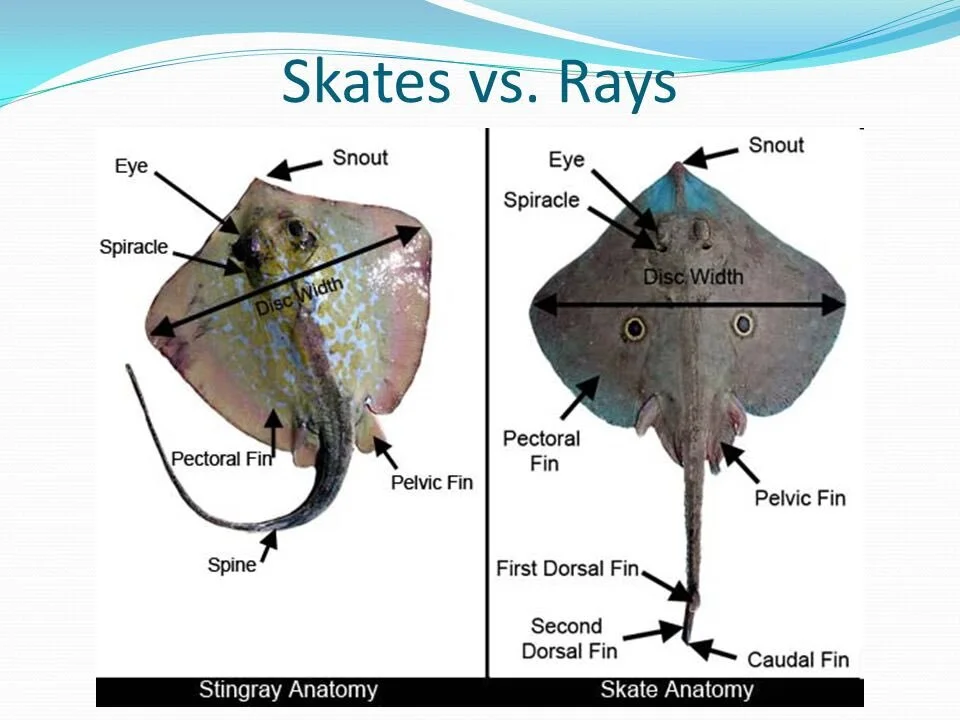
Differences between skates and rays?
Rays: pelvic fin with one lobe, is ovoviviparous, no fins on tail
Skates: pelvic fins with two lobes, lay eggs (oviparous), dorsal fins on tail
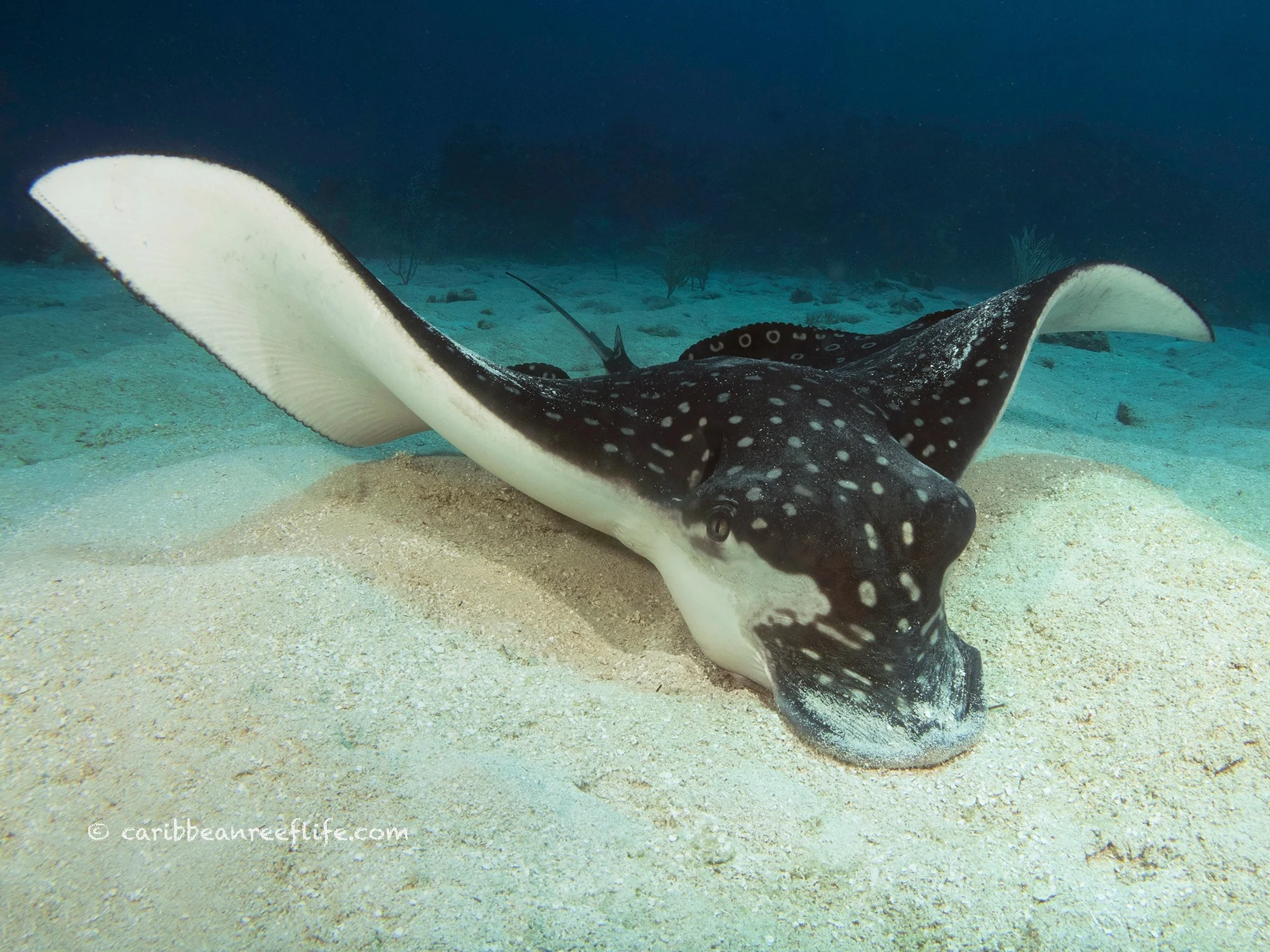
Stingrays
Myliobatiformes
1 smaller dorsal over pelvic fin, depressed body, whip-like tail, enlarged pectorals, ovoviviparous supplemented with uterine milk
Example: Spotted eagle ray
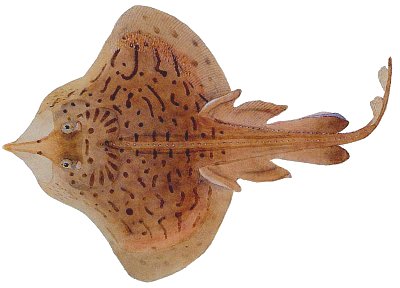
Skates
Rajiformes
Slender tail, no sting, tail has two small dorsal fins and a tiny caudal fin, oviparous
Example: clearnose skate
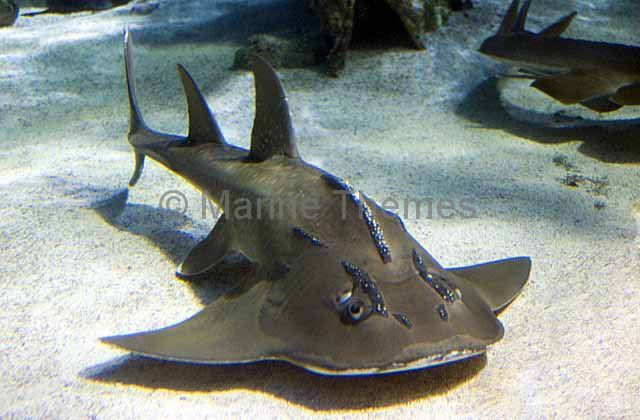
Guitarfishes
Rhinobatidae
Preoral snout or broadly rounded, thick shark-like trunk or flattened and covered with denticles, ovoviviparous
Example: Sharkfin guitarfish
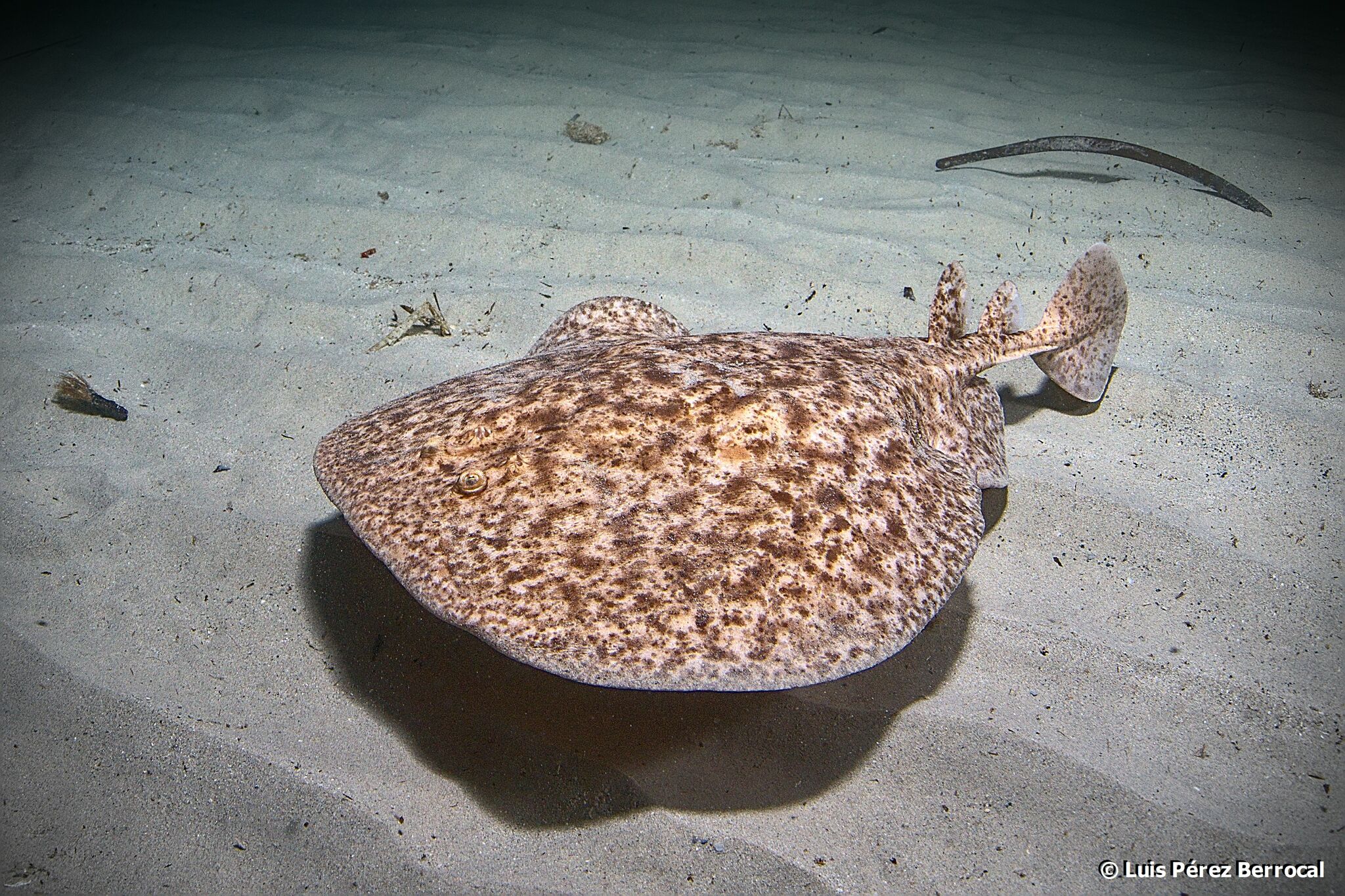
Electric rays
Torpediniformes
thick, depressed body without denticles, no sting, paired with pectoral electric organs in disk, ovoviviparous