Thẻ ghi nhớ: Tea and industrial revolution | Quizlet
 Studied by 0 people
 Call Kai
 Learn
Learn Practice Test
 Spaced Repetition
 Match
Match Flashcards
 Knowt Play
1/58

There's no tags or description
Looks like no tags are added yet.
Name | Mastery | Learn | Test | Matching | Spaced | Call with Kai |
|---|
No analytics yet
Send a link to your students to track their progress
59 Terms
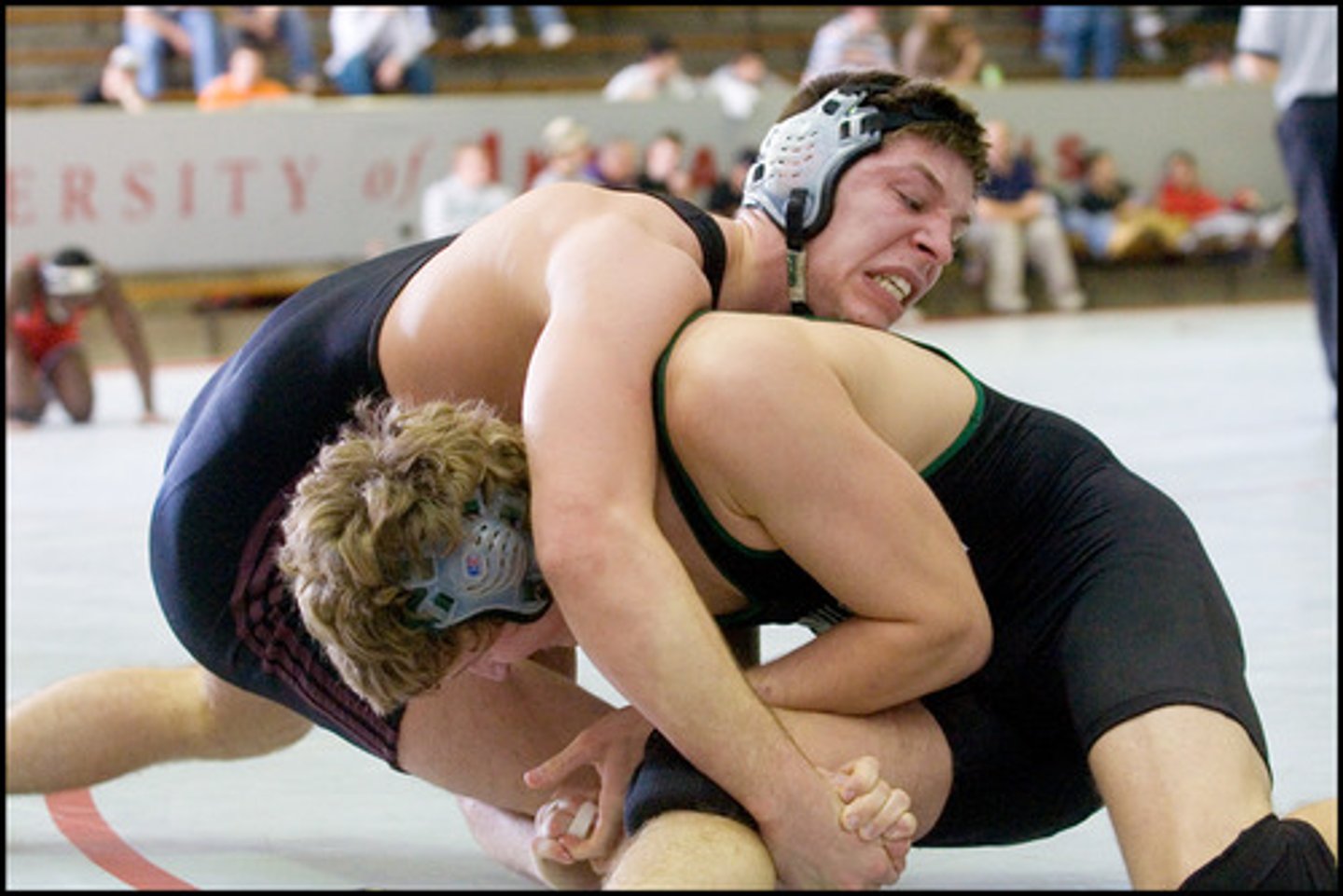
wrestling
/ˈres.lɪŋ/
a sport in which you use your arms and legs, or sometimes the arms only, to try to force the other competitor to the ground and hold that person there for a short time
spent decades wrestling with (vật lộn với) the enigma of the Industrial Revolution.
enigma
/ɪˈnɪɡ.mə/
something that is mysterious and seems impossible to understand completely:

take off
For industry to take off, there needs to be the technology and power to drive factories bùng nổ, phát triển mạnh.

market-driven
/ˈmɑː.kɪtˌdrɪv.ən/ (adj)
influenced by market knowledge and customer needs:theo định hướng thị trường
an affluent middle-class willing to buy mass-produced objects, a market-driven economy and a political system that allows this to happen
industrialize
/ɪnˈdʌs.tri.ə.laɪz/ (v)
to develop industry: Công nghiệp hóa
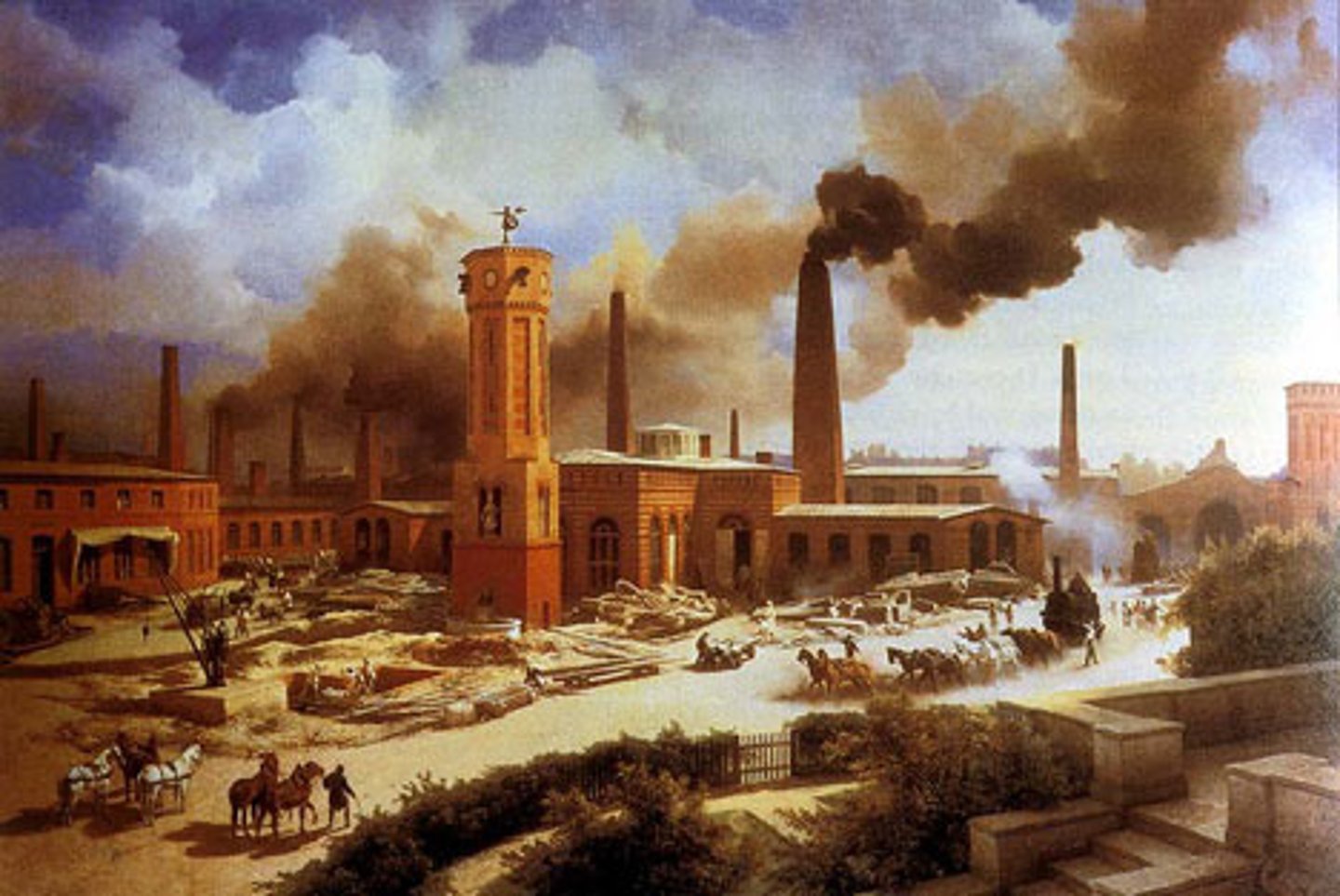
coal
/kəʊl/ (n)
a hard, black substance that is dug from the earth in pieces, and can be burned to produce heat or power, or a single piece of this:
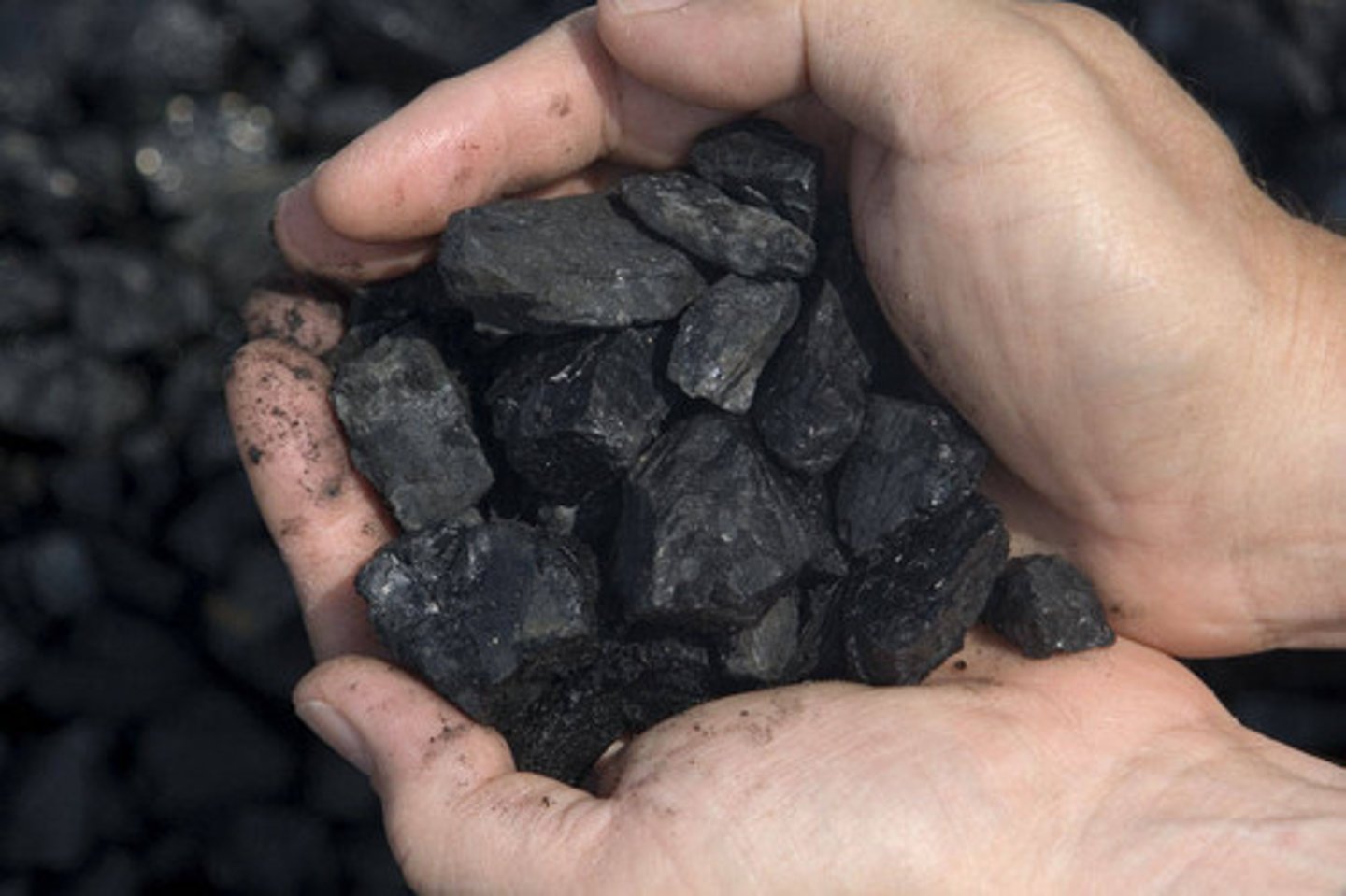
propose
/prəˈpəʊz/ (v)to offer or suggest a possible plan or action for other people to consider:

Fuel
/ˈfjuː.əl/ (v)
o supply a system with a substance that can be burned to provide heat or power:
Tea and beer, two of the nation's favourite drinks, fuelled the revolution.

antiseptic
/ˌæn.tiˈsep.tɪk/ (adj) Khử trùng
a chemical used for preventing infection in an injury, especially by killing bacteria:

properties
/ˈprɒp.ə.ti/ (n) tính chất
A property is also a particular physical or chemical characteristic of a substance.
The antiseptic properties of tannin
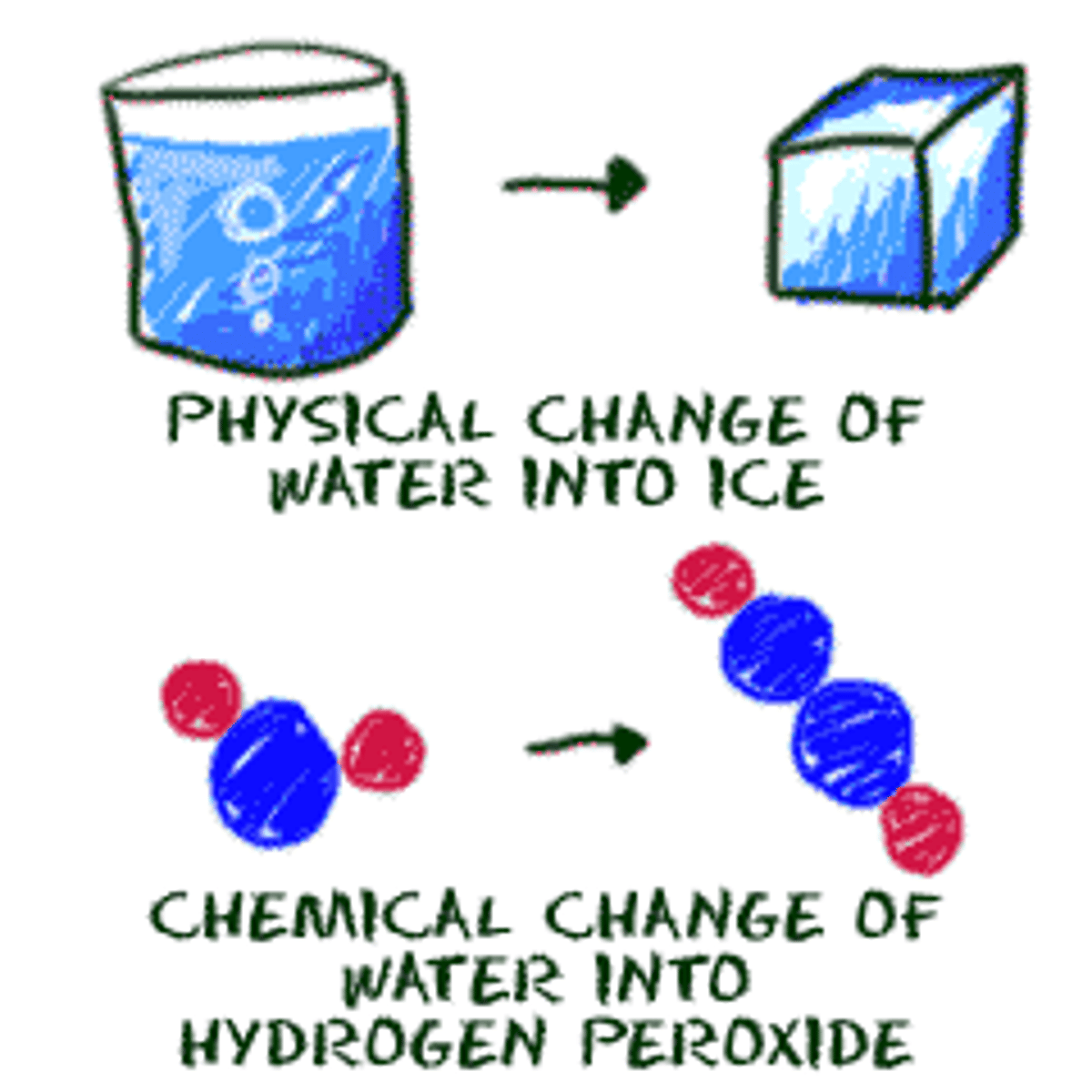
active ingredient
Hoạt chất
the chemical component that gives a medicine its action
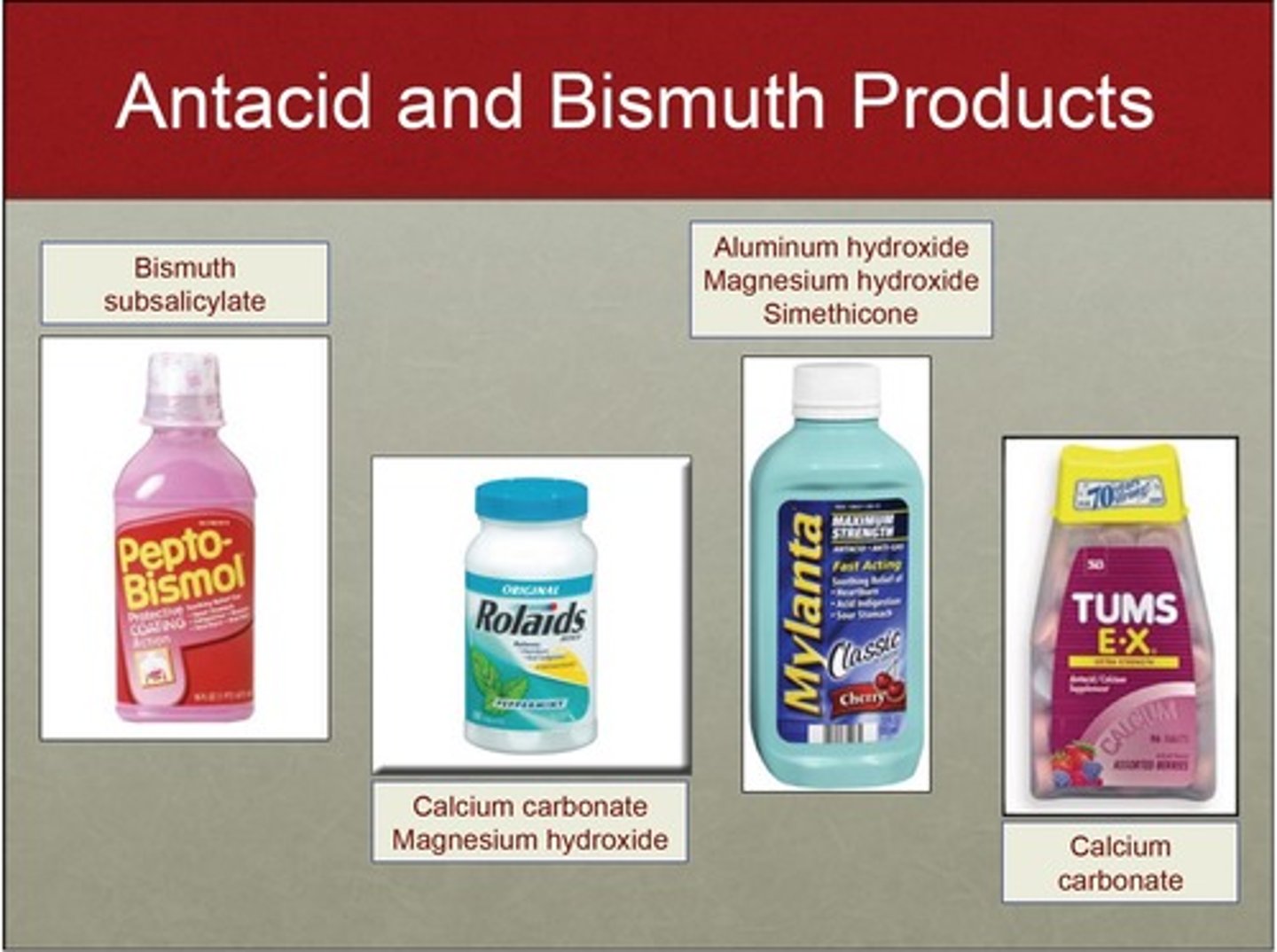
hops
the dried fruits of a climbing plant, used to give a bitter flavour to beer: Cây hoa bia
Water-borne diseases
/ˈwɔːtəbɔːn/ (adj)
spread or carried by water
qwater-borne diseases : bệnh lây qua đường nước
succumb
/səˈkʌm/ (v) succumb to: mắc phải / chịu thua
to lose the determination to oppose something; to accept defeat:
dysentery
/ˈdɪs.ən.tər.i/ (n)
a disease of the bowels that causes the contents to be passed out of the body much more often and in a more liquid form than usual. It is caused by an infection that is spread by dirty water or food. Kiết lỵ
allowed urban communities to flourish at close quarters without succumbing to water-borne diseases such as dysentery

eccentric
/ɪkˈsen.trɪk/ (adj)
strange or unusual, sometimes in a humorous way:

detective
/dɪˈtek.tɪv/ (n)
someone whose job is to discover information about crimes and find out who is responsible for them

deduction
/dɪˈdʌk.ʃən/ (n) Sự suy luận
the process of reaching a decision or answer by thinking about the known facts, or the decision that is reached:(THINKING)
scepticism
/ˈskep.tɪ.sɪ.zəm/ (n)
an attitude that shows you doubt whether something is true or useful

wary
/ˈweə.ri/ (adj) thận trọng, dè dặt
not completely trusting or certain about something or someone:
the scepticism gives way to (nhường chổ cho) wary admiration

distinguished
/dɪˈstɪŋ.ɡwɪʃt/ (adj) lỗi lạc
used to describe a respected and admired person, or their work: Famous

favourable appraisal: đánh giá tích cực
/əˈpreɪ.zəl/ (n) (đánh giá)
favourable appraisal: đánh giá tích cực
the act of examining someone or something in order to judge their or its qualities, success, or needs:

favourable
/ˈfeɪ.vər.ə.bəl/ (adj)
giving you an advantage or more chance of success:
Roy Porter, the distinguished medical historian, recently wrote a favourable appraisal of his research

alight
/əˈlaɪt/ (v)
to find or unexpectedly see something: (clear sth)
static
/ˈstæt.ɪk/(adj)
staying in one place without moving, or not changing for a long time:
Between about 1650 and 1740the population in Britain was static.

burst
/bɜːst/ (v)
to break open or apart suddenly, or to cause something to break open or apart:

halve
/hɑːv/ (v)
to reduce something by half or divide something into two equal pieces:
The infant mortality rate halved in the space of 20 years,
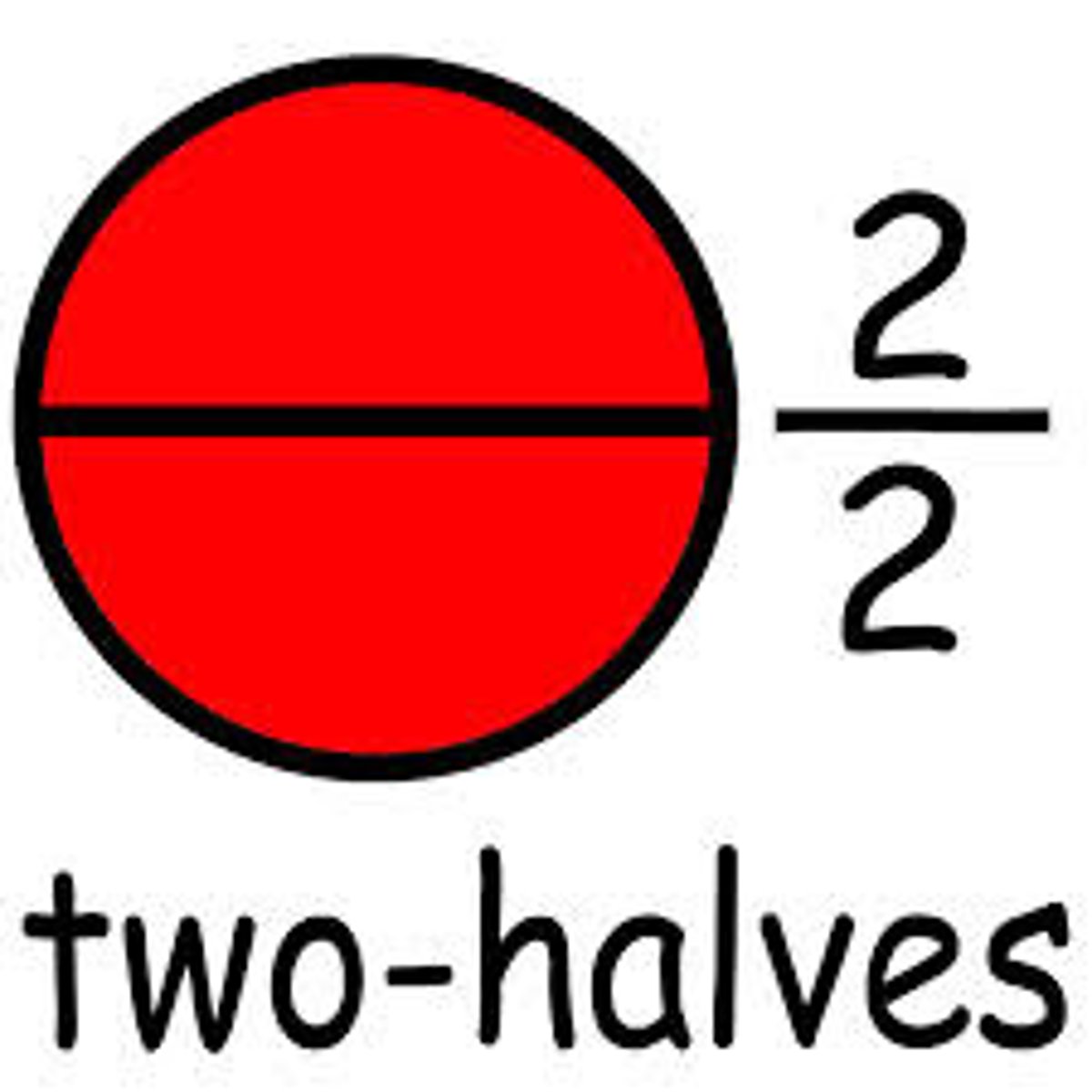
malaria
/məˈleə.ri.ə/ (n)
a disease that you can get from the bite of a particular type of mosquito
here were improvements in agriculture that wiped out ( quét sạch, xóa bỏ) malaria, but these were small gains.
gain
/ɡeɪn/ (n)
something useful or good that you get for yourself:

sanitation
/ˌsæn.ɪˈteɪ.ʃən/ (n)
the systems for taking dirty water and other waste products away from buildings in order to protect people's health:
Sanitation did not become widespread until the 19th century
draw a blank
to fail to get an answer or a result: không tìm được lời giải

incidence
/ˈɪn.sɪ.dəns/ (n)
the rate at which something, especially a disease, happens:
Some digging around in historical records revealed that there was a change in the incidence of water-borne disease at that time, especially dysentery.
regulate
/ˈreɡ.jə.leɪt/ (v)
to control something, especially by making it work in a particular way:
regulate disease /ˈreɡjuleɪt dɪˈziːz/: Kiểm soát bệnh tật
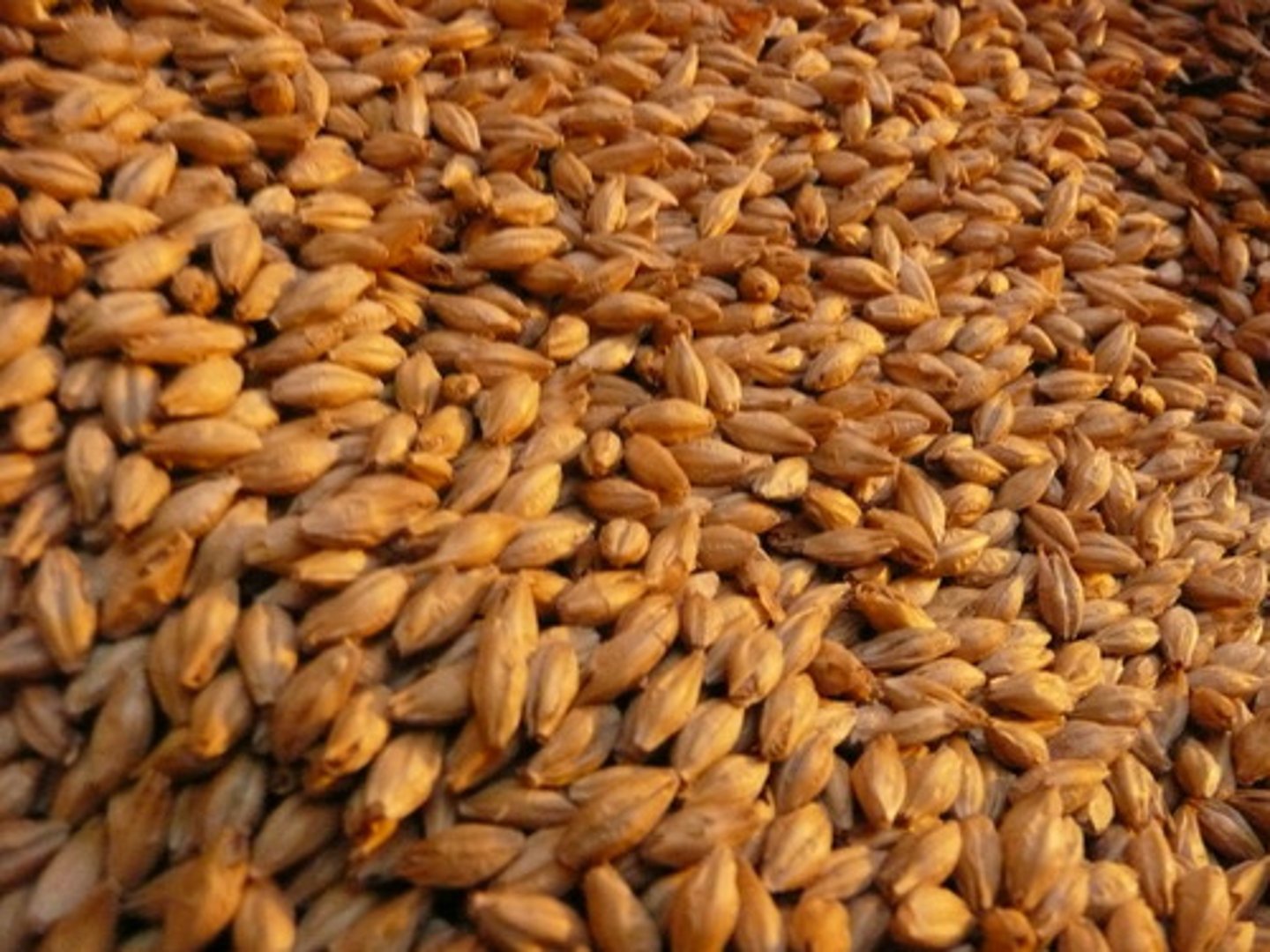
malt
/mɒlt/ (n)
Lúa mạch (mạch nha)
have a looser grip on
to decide to control a person or situation less
have a looser grip on /hæv ə ˈluːsə ɡrɪp ɒn/: ít ảnh hưởng / ít kiểm soát hơn
prevalence
/ˈprev.əl.əns/ (n) mức độ phổ biến
the fact that something is very common or happens often:

direct clipper trade
ˈklɪpə(r)]n) hoạt động thương mại trực tiếp bằng tàu buồm nhanh (clipper)
big dipper con tàu buôn lớn clipper
Dip
/dɪp/ (v)
to go down to a lower level:

stomach-purifying properties
/ˈstʌmək ˈpjʊərɪfaɪɪŋ ˈprɒpətiz/
đặc tính làm sạch dạ dày
/ˈpjʊə.rɪ.faɪ/ (v)
to remove bad substances from something to make it pure:
stomach-purifying
breast milk
/ˈbrest ˌmɪlk/ (n)
milk produced by a woman's body to feed her baby:
sip
/sɪp/ (v)
to drink, taking only a very small amount at a time:
contention
/kənˈten.ʃən/ (n)
disagreement resulting from opposing arguments:
push out of contention /pʊʃ aʊt əv kənˈtenʃn/
→ loại khỏi khả năng cạnh tranh

forge ahead
/fɔːdʒ əˈhed/ tiến lên mạnh mẽ, vượt lên dẫn đầu
to suddenly make a lot of progress with something:
why didn't Japan forge ahead in a tea soaked (đậm trà) industrial revolution of its own?
essence
/ˈes.əns/ (n)
bản chất
it had turned its back on the essence of any work-based revolution by giving up labour-saving devices such as animals, afraid that they would put people out of work
strike
strike (at a time): xảy ra / bùng nổ vào (mốc thời gian)
puzzle
/ˈpʌzl/ (n) a game, etc. that you have to think about carefully in order to answer it or do it
combination lock
/ˌkɒmbɪˈneɪʃn lɒk/ (n)
a type of lock that can only be opened by using a particular series of numbers or letters ( ổ khóa số)
affluent
/ˈæfluənt/ (adj) ~prosperous, wealthy
having a lot of money and a good standard of living
criterion
plural criteria
/kraɪˈtɪriən/ (n) a standard or principle by which something is judged, or with the help of which a decision is made
necessary but not sufficient
cần thiết nhưng chưa đủ
Anthropological
/ænθrəpəˈlɑːdʒɪkl/ (adj)
connected with the study of the human race, especially its origins, development, customs and beliefs
flourish at close quarters
flourish: phát triển mạnh, sinh sôi, tồn tại tốt
at close quarters: trong không gian chật hẹp, sát nhau, đông đúc
—> sinh sống đông đúc
notable
/ˈnəʊtəbl/ (adj) ~~ striking
những nguồn / nhân vật đáng chú ý
flourish
/ˈflʌrɪʃ/ (v)
to develop quickly and become successful or common synonym thrive
Mortality
/mɔːrˈtæləti/ (n) the state of being human and not living forever
infant mortality rate: tỷ lệ tử vong trẻ sơ sinh
The infant mortality rate halved in the space of 20 years, and this happened in both rural (nông thôn) areas and cities, and across all classes
Bacteria
/bækˈtɪəriə/ (n) Vi khuẩn, Viruss
extraordinary coincidence
/ɪkˈstrɔːrdəneri/ kəʊˈɪnsɪdəns/
→ sự trùng hợp phi thường
literacy rate
ˈlɪtərəsi reɪt/
→ tỷ lệ biết chữ
even though 17th-century Japan had large cities, high literacy rates, even a futures market, it had turned its back on the essence of any work-based revolution ( cuộc cách mạng dự trên lao động) by giving up labour-saving devices such as animals, afraid that they would put people out of work ( Put… out : đẩy khỏi)
Turn… back
Quay lưng
 Note
Note  Flashcards (43)