Homeostasis Unit 4
 Studied by 0 people
 Call with Kai
 Learn
Learn Practice Test
 Spaced Repetition
 Match
Match Flashcards
 Knowt Play
1/34

There's no tags or description
Looks like no tags are added yet.
Name | Mastery | Learn | Test | Matching | Spaced | Call with Kai |
|---|
No study sessions yet.
35 Terms
What are the 3 components of homeostatic control system, and what do they do?
Sensor - Detects changes in a variable and sends a signal to the control centre
Control Centre - Organizes a response to the stimulus sensed and reported by the sensor. Sends a signal to the effector
Effector - Carries out the instructions sent by the control center. In a negative feedback loop, this action corrects the imbalance detected by the sensor,
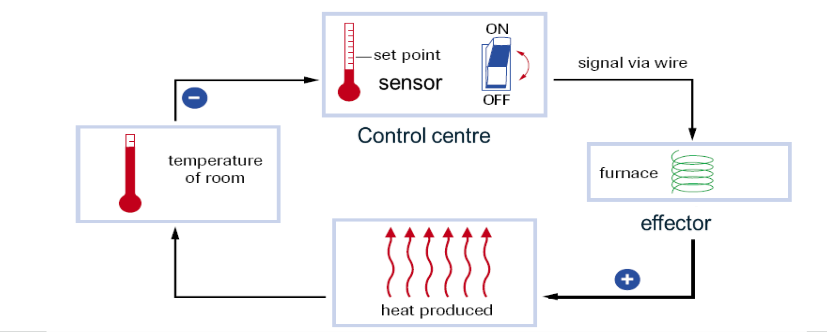
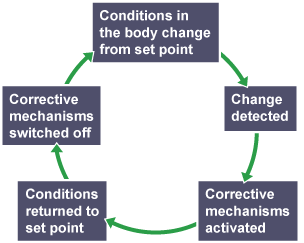
What is negative feedback?
A self-regulating system that maintains stability (homeostasis) by reversing a change to bring a variable back to a set point. When a system produces too much of a product, the output inhibits further production, effectively stopping or reducing the process.
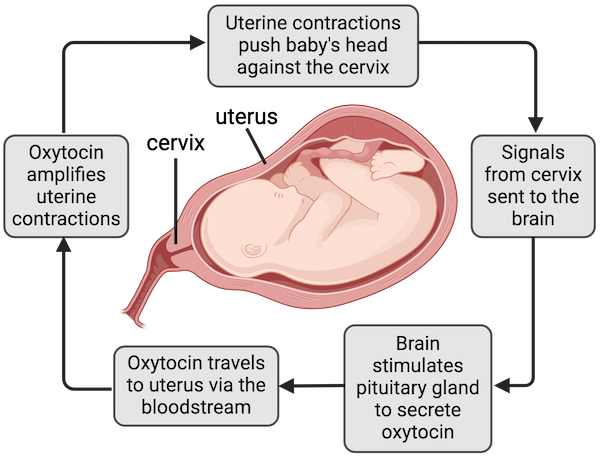
What is a positive feedback loop?
A system where a change triggers a response that amplifies the original change, pushing the system further away from balance, often leading to a rapid completion of a process, like blood clotting or childbirth contractions.
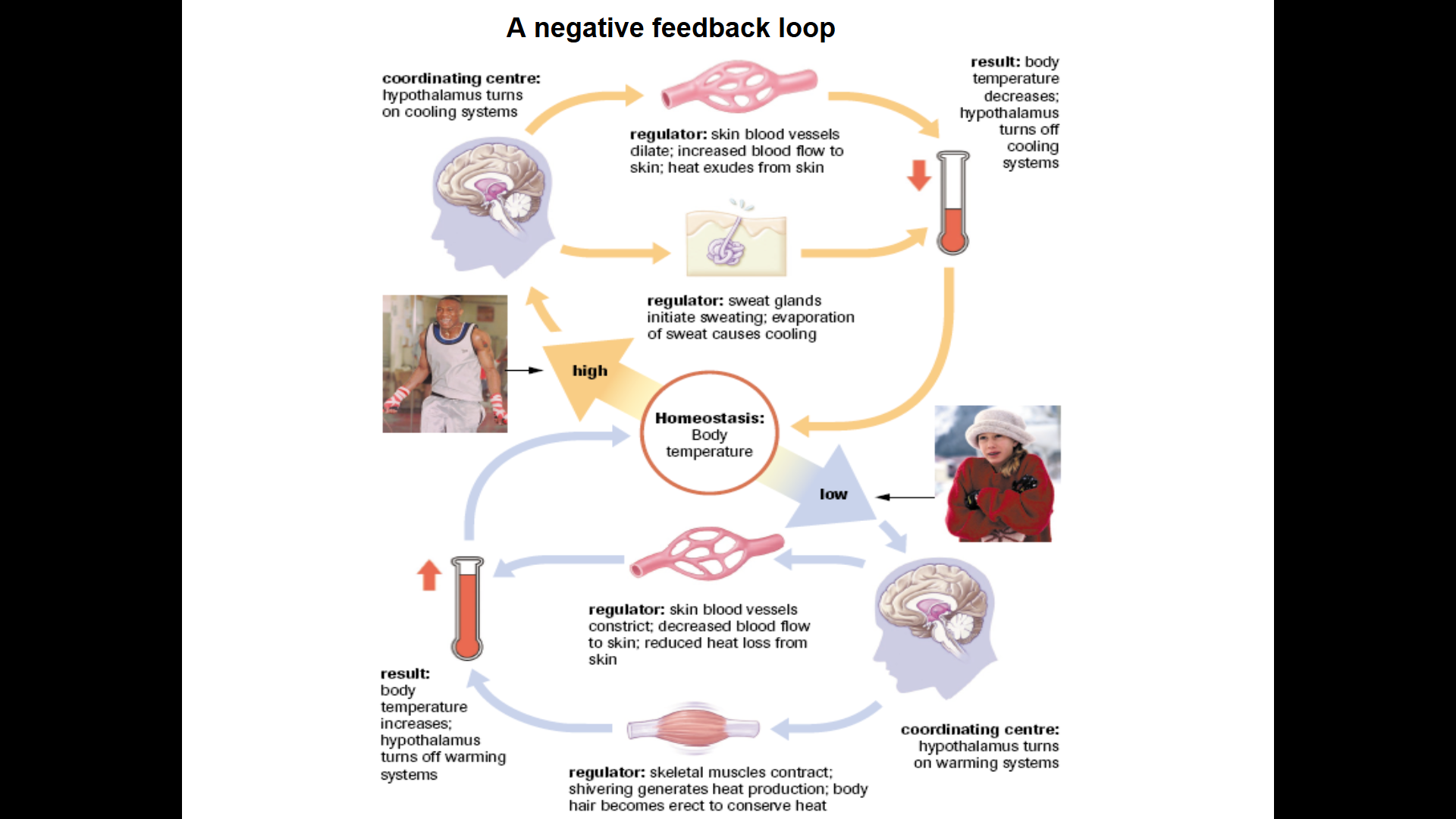
What is thermoregulation, is it a positive or a negative feedback loop?
Thermoregulation is the maintenance of body temperature within the acceptable range for the organism. It is a negative feedback loop.
Endocrine vs Exocrine glands
Endocrine:
Glands that do not have ducts
Hormones released from cells directly into the bloodstream
Examples: adrenal gland, pituitary gland
Exocrine:
Not part of the endocrine system
Glands that have ducts (tubes) through which contents are emptied either out of the body
Examples: mammary glands releasing milk, sweat glands releasing sweat.
What are the 2 major classes of hormones?
Non - steroid, and steroids.
What are Non-steroid hormones and examples.
Modified Amino Acids
adrenaline (epinephrine), noradrenaline (norepinephrine), thyroxine, etc.
synthesized from a single amino acid
Proteins/Peptides
insulin, growth hormone, etc.
synthesized from chains of amino acids.
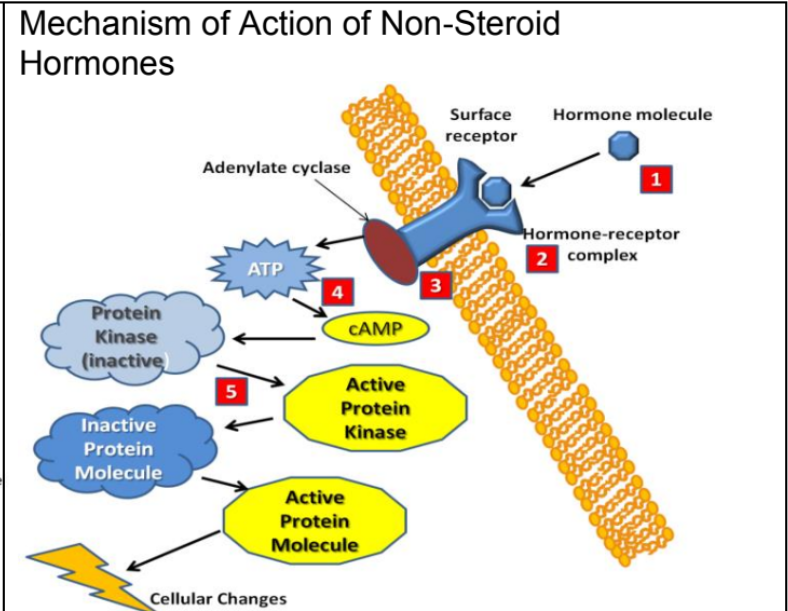
Receptors are on the surface of the cell membrane since these hormones are not lipid-soluble
binding the hormone to the receptor activated an enzyme called Adenylate Cyclate which causes the production of many cAMP molecules.
cAMP is called “second messanger” because it activates inactive enzymes in the cytoplasm (the hormone is the “primary messenger”). messenger
What are steroid hormones and examples.
Synthesized from cholesterol
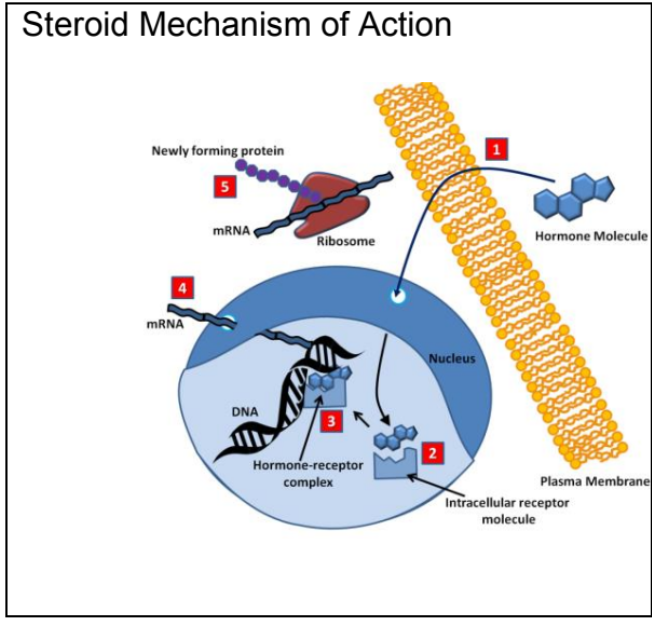
Steroid hormones are lipid-soluble
They diffuse easily through the cell membrane to combine with a receptor in the cytoplasm or nucleus to produce a hormone-receptor complex
This then interacts with DNA and increases the steps of “protein synthesis,” leading to the production of proteins
Often, the proteins produced are enzymes or structural materials like collagen
Examples: testosterone, estrogen, progesterone, etc.
Why is the pituitary gland known as the “master gland"?
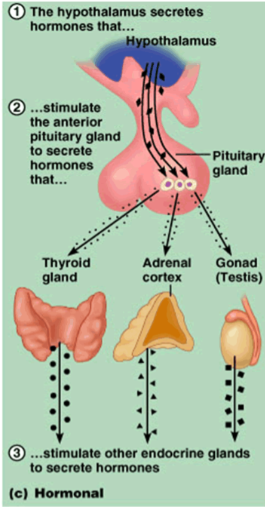
Because it controls all of the other glands. it is controlled by the hypothalamus.
What hormones do the anterior pituitary secretes?
Growth Hormone (GH)
Thyroid Stimulating Hormone (TSH)
Adrenocorticotrophic Hormone (ACTH)
What does the Growth Hormone (GH) do?
GH stimulates growth in childhood and is important for maintaining a healthy body composition.
In adults its also important for maintaining muscle mass and bone mass
It can affect fat distribution in the body. Causes the body to break down fat to release fatty acids for energy source.
What does the Adrenocorticotrophin Hormone (ACTH) do?
ACTH stimulates the production of cortisol by the adrenal glands.
Cortisol, a so-called “Stress Hormone”, is vital to survival. It helps maintain blood pressure and glucose levels.
What does the Thyroid-stimulating Hormone (TSH) do?
TSH stimulates the thyroid gland to make thyroid hormones, which, in turn, control the body’s metabolism, energy, growth and development, and nervous system activity.
Anterior Pituitary vs Posterior Pituitary
The Anterior lobe produces and secretes hormones like GH, TSH, and ACTH in response to hypothalamic signals.
The Posterior lobe stores and releases only two hormones, oxytocin and ADH (vasopressin), which are produced by the hypothalamus.
What does the Antidiuretic Hormone (ADH) do?
ADH regulates water balance
When the body is dehydrated, ADH will cause the kidneys to conserve water.
What are the Thyroid Hormones and what do they do?
Thyroxine (T4) & Triiodothyronine (T3) - both increase the rate at which cells release energy from carbohydrates
Calcitonin - regulates the blood concentration of calcium.
What does your Thyroid Gland do?
Controls your metabolism which is your body’s ability to break down food and store it as energy and release of energy.
What are some problems with the thyroid?
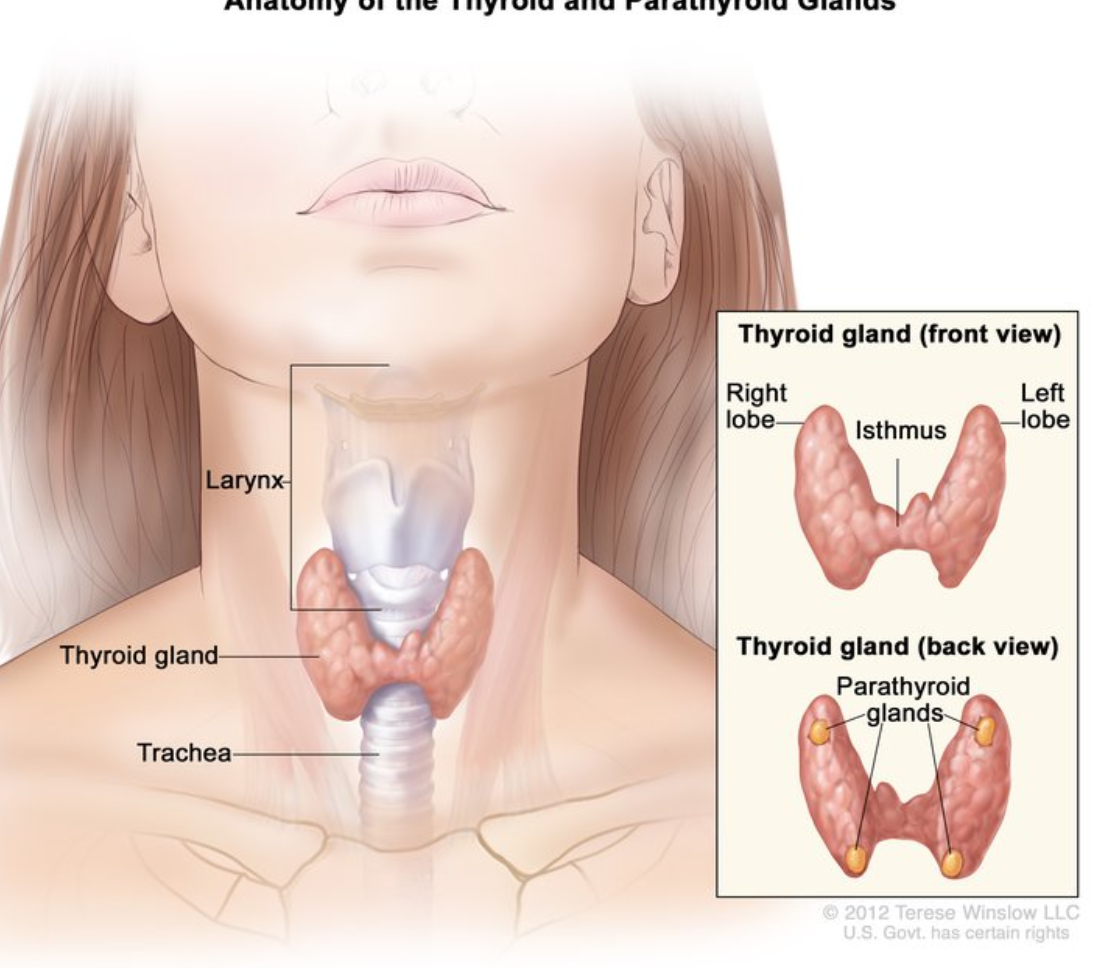
Iodine is essential for the formation of thyroxine (T4).
Lack of iodine causes a swelling of the thyroid, which causes Goiter.
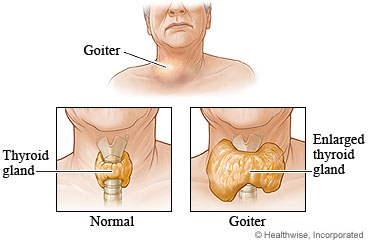
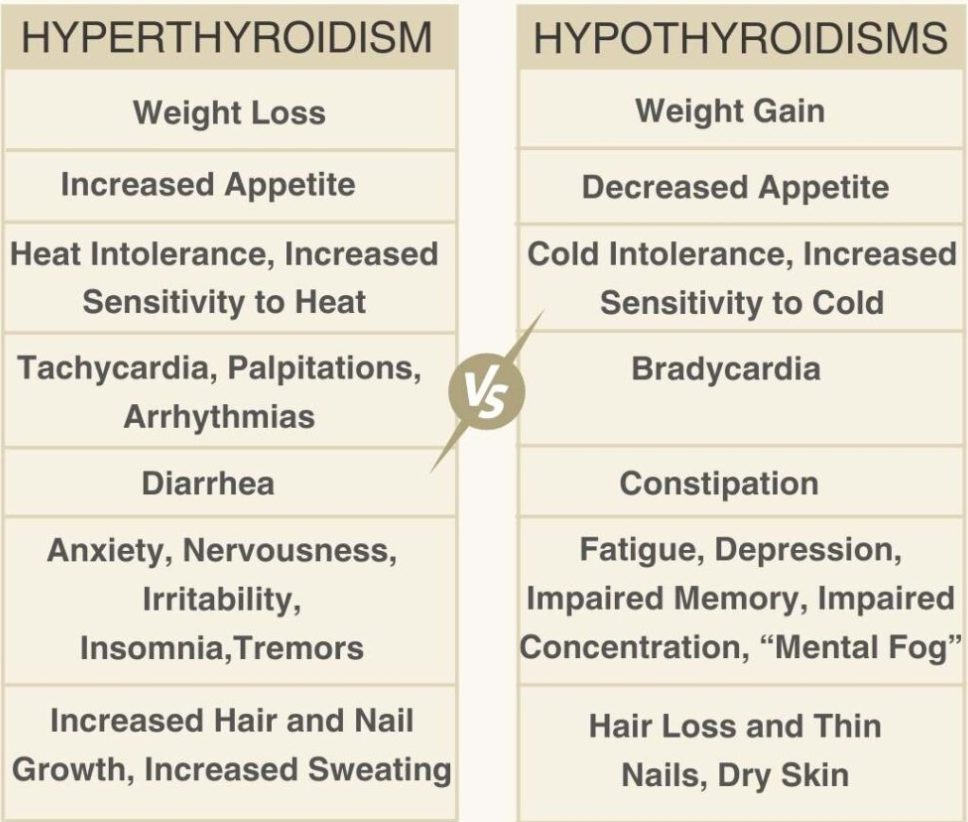
Hyperthyroidism (underactive thyroid) vs Hypothyroidism (overactive thyroid)
Hypothyroidism:
Releases too little thyroid hormones.
Decreases metabolic rate
Caused by Hashimoto’s disease (antibodies destroy thyroid cells)
Hyperthyroidism:
Releases too much thyroid hormones.
Increases metabolic rate
Caused by Grave’s disease (antibodies activate thyroid cells)
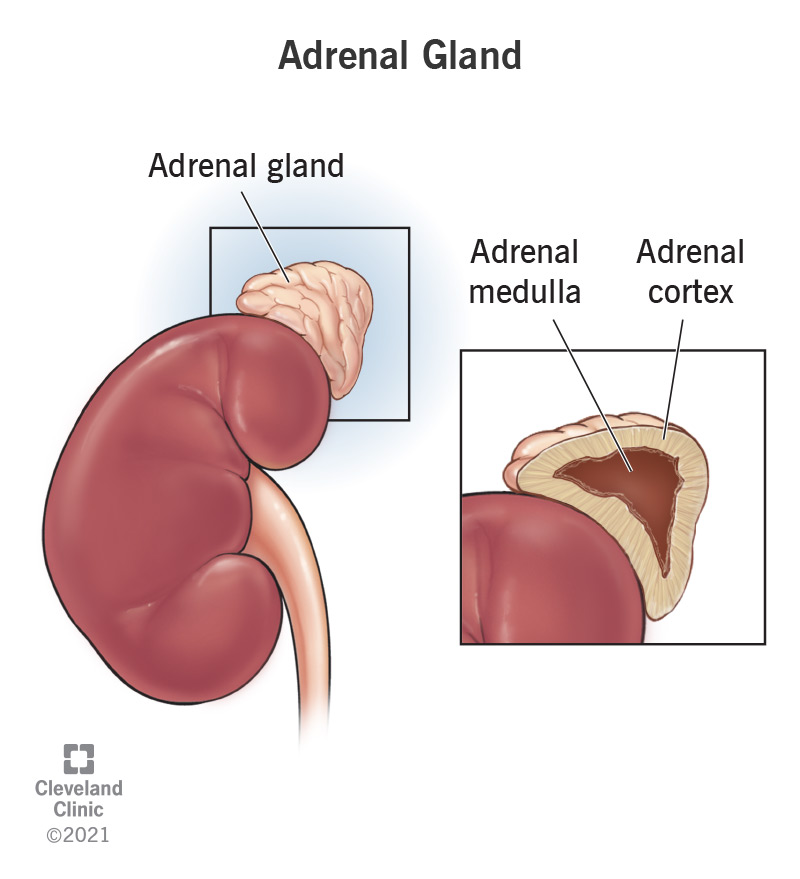
Where are the Adrenal Glands located, and the 2 parts.
Located at the top of the kidneys
Adrenal Cortex - Outer area
Adrenal Medulla - inner area
What hormone does the Adrenal Medulla produce?
Epinephrine & Norepinephrine - increased heart rate, breathing rate, elevated blood pressure (fight or flight, response to stress)
What hormone does Adrenal Cortex produce?
Aldosterone - helps kidneys conserve sodium and excrete potassium, maintaining Blood Pressure
Cortisol - Keeps blood glucose levels stable in response to stress
Adrenal Sex Hormones - androgens (male) and estrogens (female)
What hormone does the Parathyroid Gland produce? What are the target tissues and its function.
Produces the Parathyroid Hormone (PTH)
Target Issues: Bones, Kidneys, and Intestines
Raises the calcium concentration in the blood and stimulates vitamin D activation.
What hormone does the Pineal Gland produce? What are the target tissues and its function?
Produces melatonin
Target issues: brain, anterior pituitary, reproductive, and immune system.
Regulates the body's sleep-wake cycle (circadian rhythm) by producing and releasing the hormone melatonin.
Explain what happens when the blood glucose levels rise, or falls.
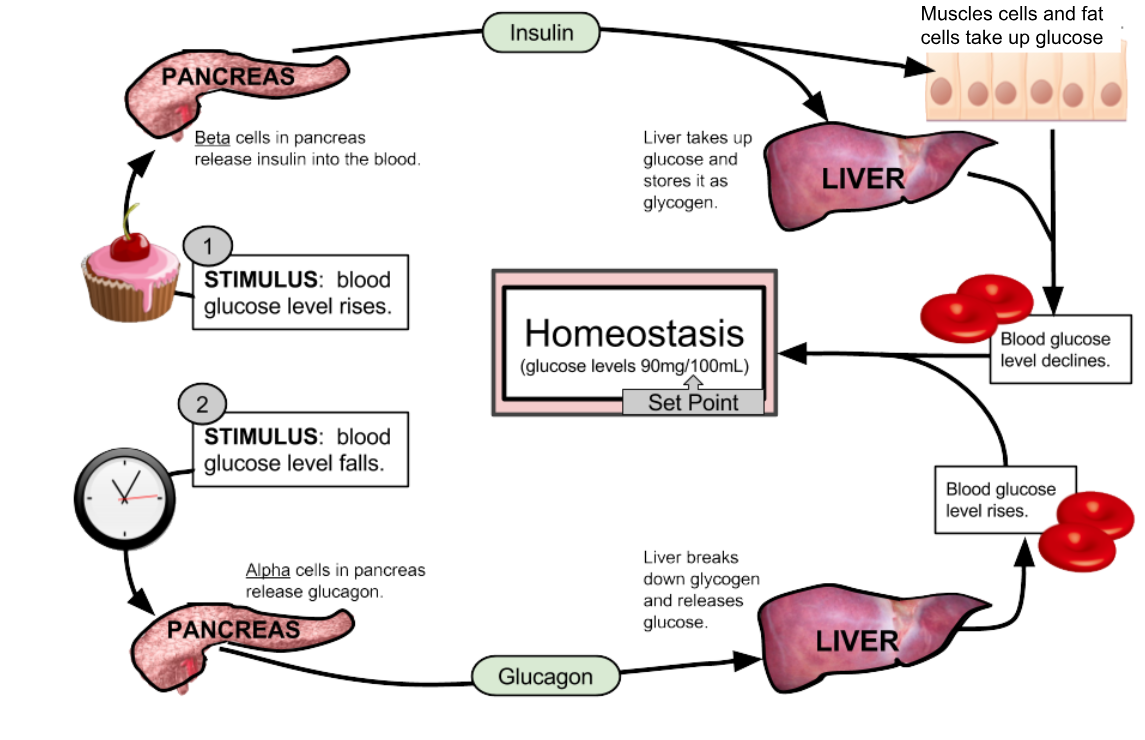
When blood sugar rises, receptors in the body sense a change. In turn, the control center (pancreas) releases beta cells to secrete insulin into the blood, effectively lowering blood sugar levels. Targets muscle cells, fat cells, and liver cells, and allows the to take in glucose.
When blood glucose levels fall, the pancreas releases alpha cells that secrete glucagon to raise them.. It targets liver cells, and allows it to break down glycogen into glucose.
What are type 1 diabetes? What are its causes, symptoms, and treatment.
Beta cells in the pancreas are destroyed by a person’s own immune system, so no insulin is produced. Glucose remains in the blood and can’t enter liver, muscle, or fat cells, causing hyperglycemia.
Caused by an autoimmune response.
Symptoms:
Urinate a lot
very thirsty
blurry vision
numb or tingling hands or feet
Tretments inclse insulin injections.
What are type 1 diabetes? What are its causes, symptoms, and treatment.
A person develops insulin resistance. When insulin binds to receptors, the signal that would normally cause GLUT-4 (glucose transport proteins) to be inserted into the cell membrane is weak, so only a few are inserted. Less glucose than usual leaves the blood to enter cells. This causes hyperglycemia.
Caused by a diet leading to frequent insulin spikes.
Symptoms:
Urinate a lot
very thirsty
blurry vision
numb or tingling hands or feet
Treatment includes drugs that can improve insulin sensitivitym lower natural glucose production by the liver. and also insulin injections when drugs alone can’t help.
Where is the nephron located and what does it do?
The upper part of the nephron is found in the renal cortex. It then descends into the renal medulla.
By controlling what leaves and what remains in the blood, the nephrons of the kidney can keep the levels of water, ions, and other materials stable withing the blood to maintain homeostasis.
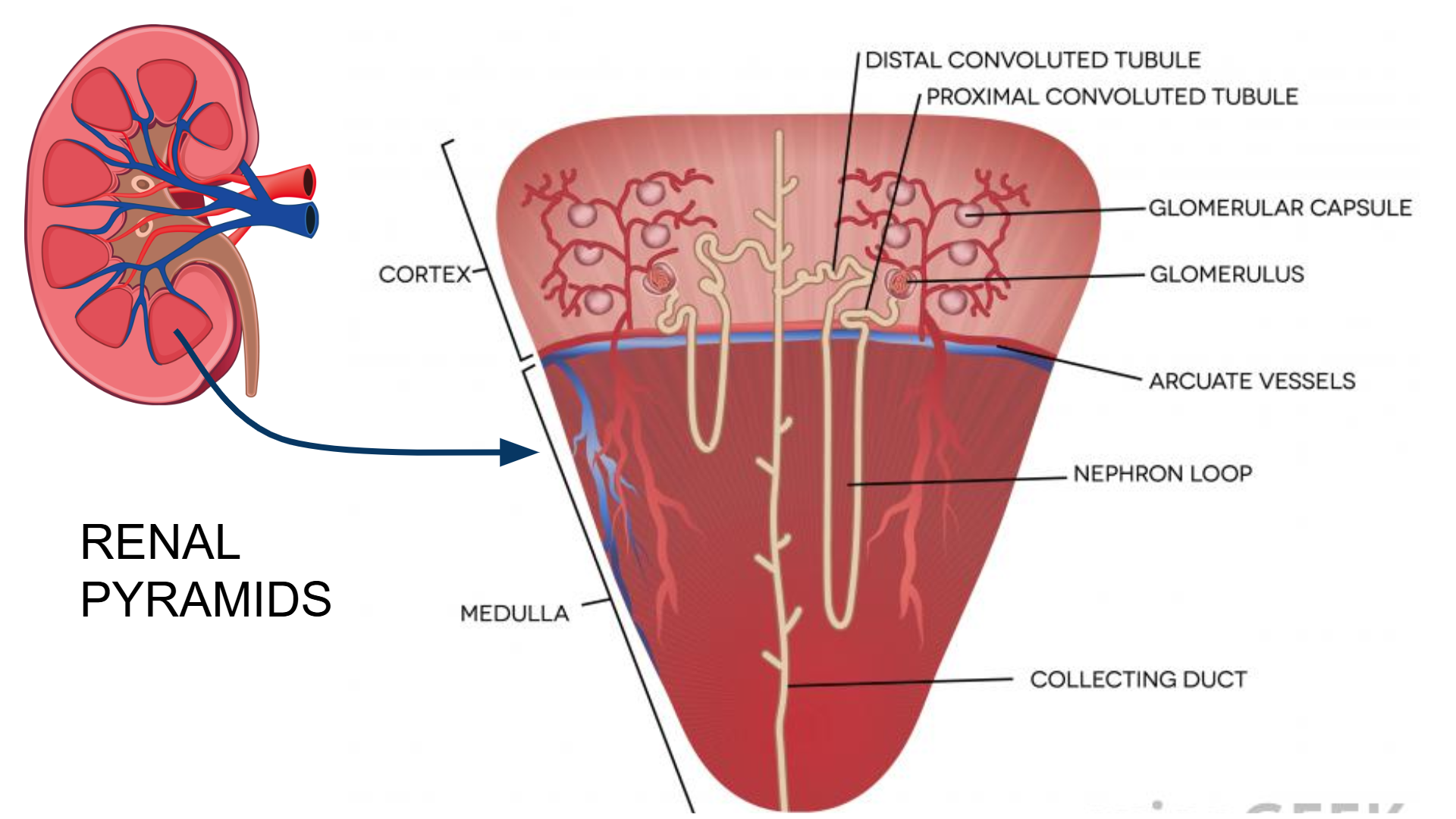
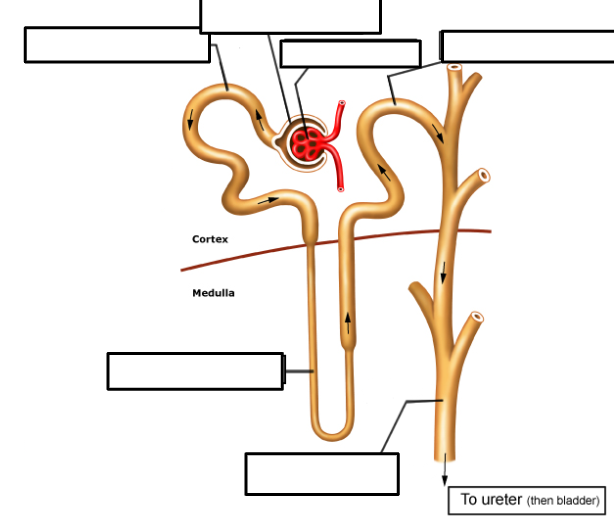
Label the nephron. list the 5 main parts of the nephron.
Glomerulus
Bowman’s Capsule
Proximal tubule
Loop of Henle
Distal Tubule
Collecting Duct.
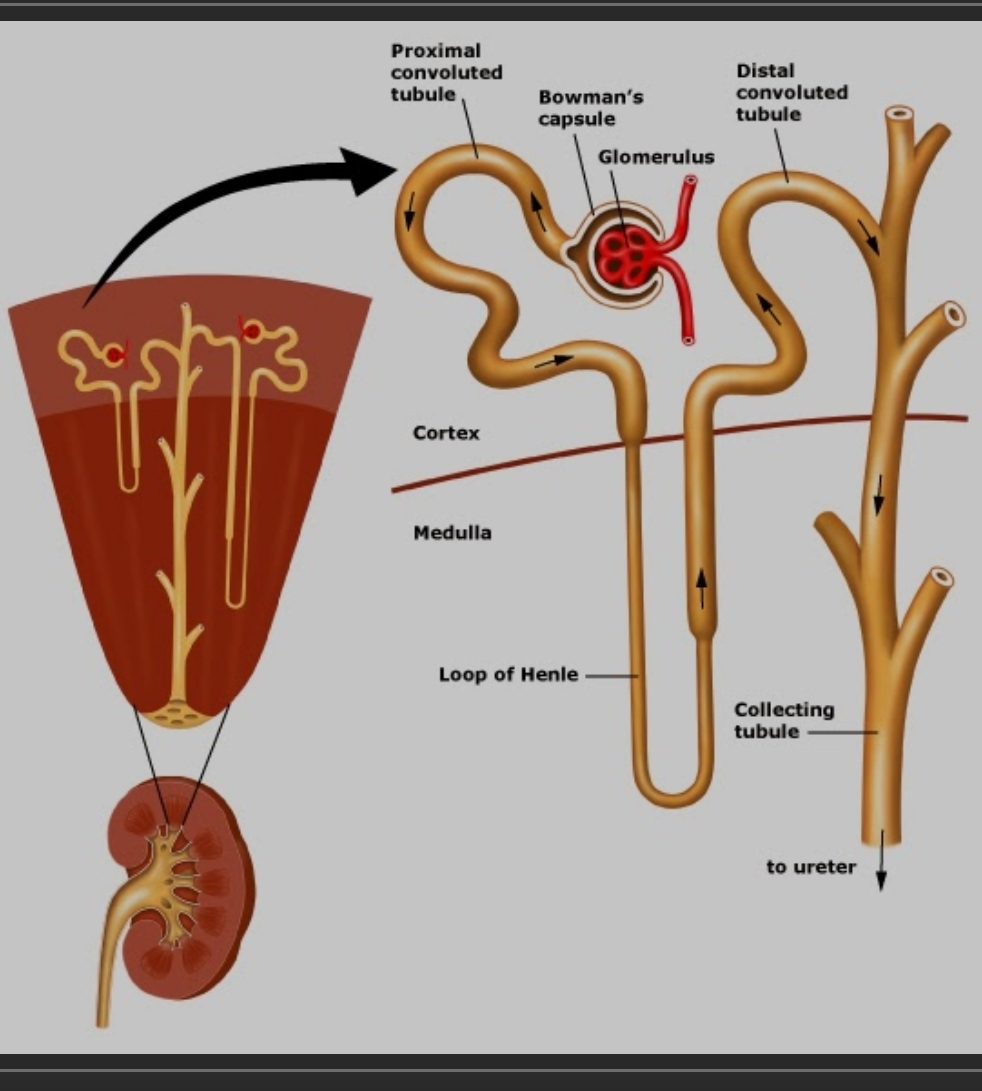
Each nephron has 3 processes going on to produce the urine, what are they?
Filtration - only small substances: water, ions, and smaller molecules like amino acids and glucose, pass from the blood into the Bowman’s capsule. (called filtrate). What is left behind is urine.
Reabsorption - the substances transfer from the tubules back into the blood (passive and active transport)
Secretion - of excess ions or waste material from blood into the tubule (passive and active transport)
Excretion occurs when the remaining filtrate, now called urine, leaves the body.
What does ADH do?
Causes the insertion of aquaporins in collecting duct tubules, so that water can be reabsorbed in the blood. (If the body is dehydrated, more ADH will be secreted, conserving water in the bloodstream).
What is aldosterone?
Causes the retention of sodium in the blood, which causes water to be retained.
Aldosterone will be released when potassium levels are high and sodium levels are low in the blood. This will cause the kidneys to secrete more potassium and reabsorb sodium to normalize the blood levels.
Explain urine formation.
Blood enters the glomerulus, a high-pressure network of capillaries where filtration occurs. Blood enters via the afferent arteriole and exits via the efferent arteriole. Since the Glomerulus and Bowman’s capsule have tiny pores, only small molecules can cross into the Bowman’s capsule
The filtrate collects in the Bowman’s capsule, a cuplike structure that surrounds the glomerulus
The filtrate passes into the proximal tubule, where reabsorption of most of the water and Na+ begins.
When the filtrate reaches the end of the proximal tubule, it is isotonic with the surrounding extracellular fluid due to osmosis.
The filtrate passes down the descending limb of the loop of Henle into the renal medulla. The loop of Henle’s primary function is to remove water from the filtrate by osmosis. The extracellular fluid in the medulla has an increased concentration of Na+ due to active transport of Na+ out of the ascending loop of Henle. The filtrate passes up the ascending limb of the loop of Henle (which is impermeable to water)
The filtrate enters the distal tubule, where most of the tubular secretion occur (getting rid of unwanted substances).
The fluid (now urine) from multiple nephrons travels to the collecting duct. 99% of the water that was initially filtered has been reabsorbed into the blood
 Note
Note  Flashcards (41)