NUFS 223 Module 7
 Studied by 0 people
 Call Kai
 Learn
Learn Practice Test
 Spaced Repetition
 Match
Match Flashcards
 Knowt Play
1/40

There's no tags or description
Looks like no tags are added yet.
Name | Mastery | Learn | Test | Matching | Spaced | Call with Kai |
|---|
No analytics yet
Send a link to your students to track their progress
41 Terms
Plant-based diets
Diets that primarily consist of plants (grains, fruits, vegetables) but may include animal flesh, eggs, and dairy.
Carnivore diet
A diet that consists only of animal flesh such as red meat, poultry, or fish.
Omnivore diet
A diet that includes both plants and animal flesh, and may also include eggs and dairy.
Pescatarian diet
A diet that includes fish and seafood but excludes other types of animal flesh.
Mediterranean diet
A diet that emphasizes plant-based foods, healthy fats, and moderate consumption of fish and poultry.
Semi-vegetarian diet
A diet that primarily consists of plant-based foods but occasionally includes meat.
Flexitarian diet
A flexible vegetarian diet that allows occasional meat consumption.
Vegan diet
A diet that excludes all animal products, including animal flesh, eggs, and dairy.
Ovo-Vegetarian diet
A diet that includes eggs in addition to plant-based foods.
Lacto-Vegetarian diet
A diet that includes dairy products in addition to plant-based foods.
Lacto-Ovo Vegetarian diet
A diet that includes both eggs and dairy in addition to plant-based foods.
Lacto-vegetarianism
A dietary practice promoted by Buddhists in China and India that includes dairy but excludes animal flesh.
Ahimsa
A principle in Hinduism promoting non-violence, which supports lacto-vegetarianism.
Plant-based meat analogues
Products made to mimic meat, such as seitan, tofu, and tempeh, consumed in various Asian cultures.
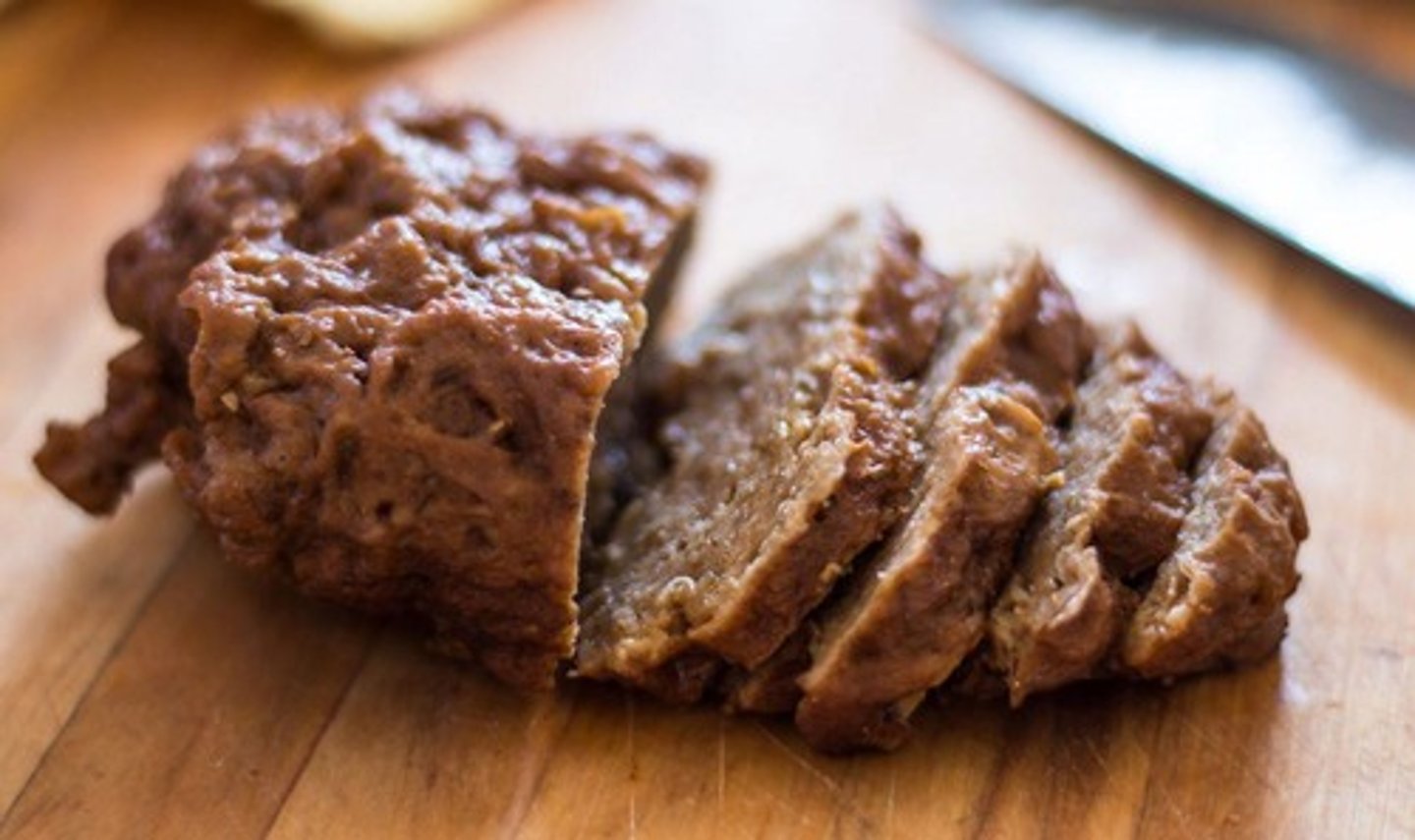
Seitan
A meat analogue made from wheat gluten.
Tofu
A meat analogue made from soybean curd.
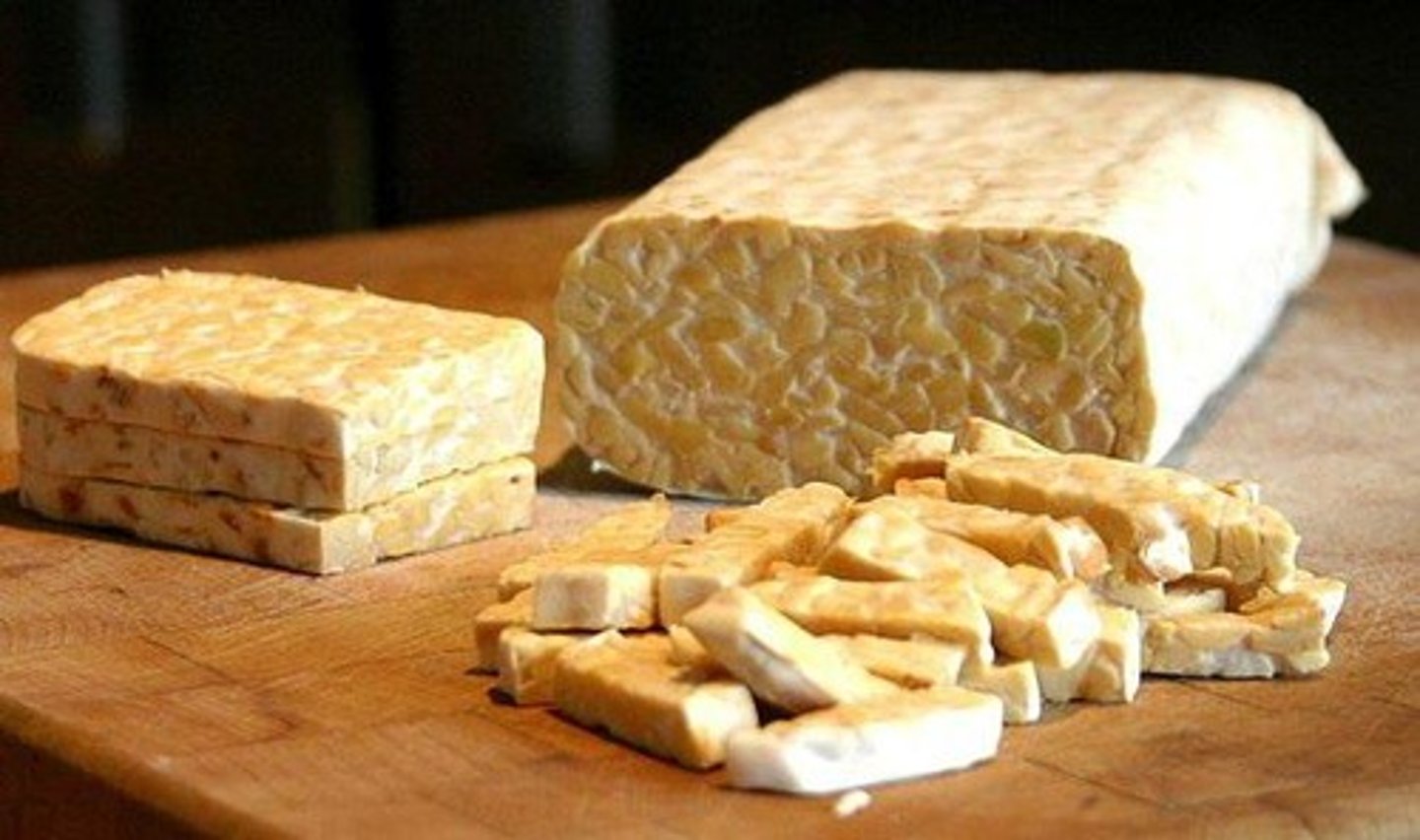
Tempeh
A fermented soybean product used as a meat analogue.
Contemporary Canadian food culture
A trend toward increased consumption of plant-based diets, including plant-based milk and meat alternatives.
Plant milks
Beverages made from plants, such as almond, soy, rice, oat, and potato.
Canadian vegetarian demographics
In Canada, vegetarians tend to be young, female, and from upper socio-economic status.
2020 meat consumption statistics in Canada
48% eat meat daily, 39% once or twice per week, 6% monthly or less, and 7% never.
Vegetarian dietary practices
Nearly 14% of participants cited vegetarian dietary practices: 6.6% vegetarian, 4.5% pescatarian and 2.5% vegan.
Omnivore
You eat plants and animal products.
Semi-vegetarian
Plant-based diet that includes animal flesh.
Vegetarian
You eat plants along with eggs and/or dairy.
Vegan
No animal products at all, just plants.
Health benefits of plant-based diets
Diets that are plant-based and contain whole foods have health benefits.
Unhealthy diets
Diets with minimal dietary diversity or many highly processed foods are unhealthy.
EAT-Lancet Commission
A commission focused on food, planet, and health.
Planetary health diet
A diet that should optimize health and minimize climate change, biodiversity loss, land-system change, freshwater use, and use of nitrogen and phosphorus fertilizers.
Diet for 10 billion people
A diet that aims to feed a population of 10 billion people by 2050.
Unhealthy and environmentally unsustainable diets
Both are high in calories, added sugars, saturated fats, processed foods, and red meats.
A healthy diet
Should optimize health, defined broadly by WHO as being a state of complete physical, mental, and social wellbeing, and not just absence of disease.
A sustainable diet
Should minimize climate change, biodiversity loss, land-system change, freshwater use, and use of nitrogen and phosphorus fertilizers.
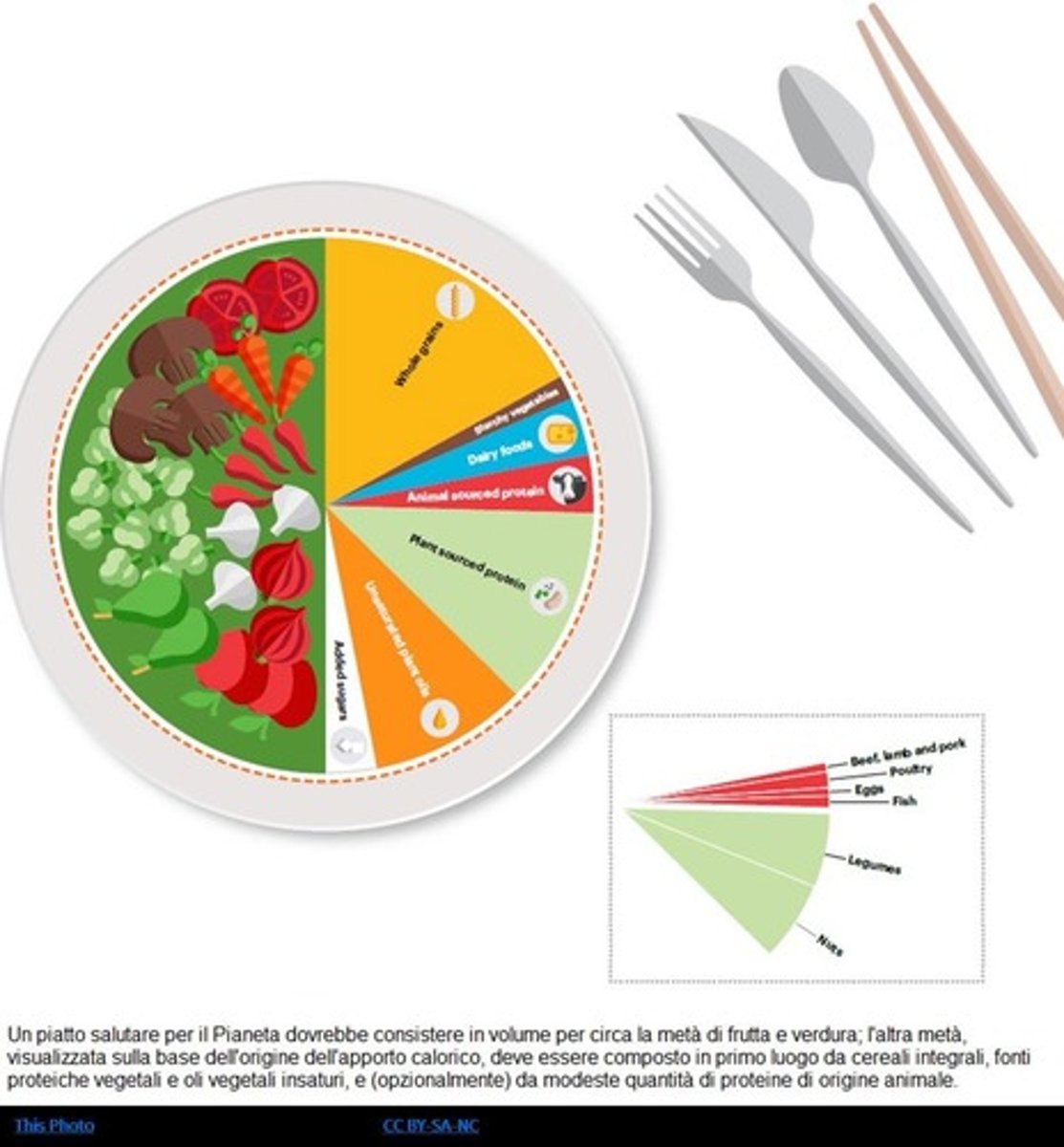
A PLANETARY PLATE
50% vegetables and fruit, 50% whole grains, plant protein sources, unsaturated oils, and optionally modest amounts of animal protein.
Plant-based protein foods
Consume plant-based protein foods more often.
Meatless Monday
Eat vegetarian one day per week.
Smaller portions of animal protein
Eat smaller portions of animal protein.
Eliminate animal protein from meals
Eliminate animal protein from some meals, such as lunch and breakfast.
Adopt vegetarian versions of animal foods
Adopt vegetarian versions of animal foods you like, such as vegetarian lasagna, veggie burger, bean tacos, tofu scramble.
Changing diet to be more plant-based
Would you change your diet to be more plant-based? Responses include: I am already eating a plant-based diet, Yes, I am considering it, No, it would be difficult for me to change my diet, or I don't want to eat differently.
 Note
Note  Flashcards (84)