Animal Behavior AP BIO
 Studied by 0 people
 Call Kai
 Learn
Learn Practice Test
 Spaced Repetition
 Match
Match Flashcards
 Knowt Play
1/28

There's no tags or description
Looks like no tags are added yet.
Name | Mastery | Learn | Test | Matching | Spaced |
|---|
No study sessions yet.
29 Terms
Ethology
study of animal behavior
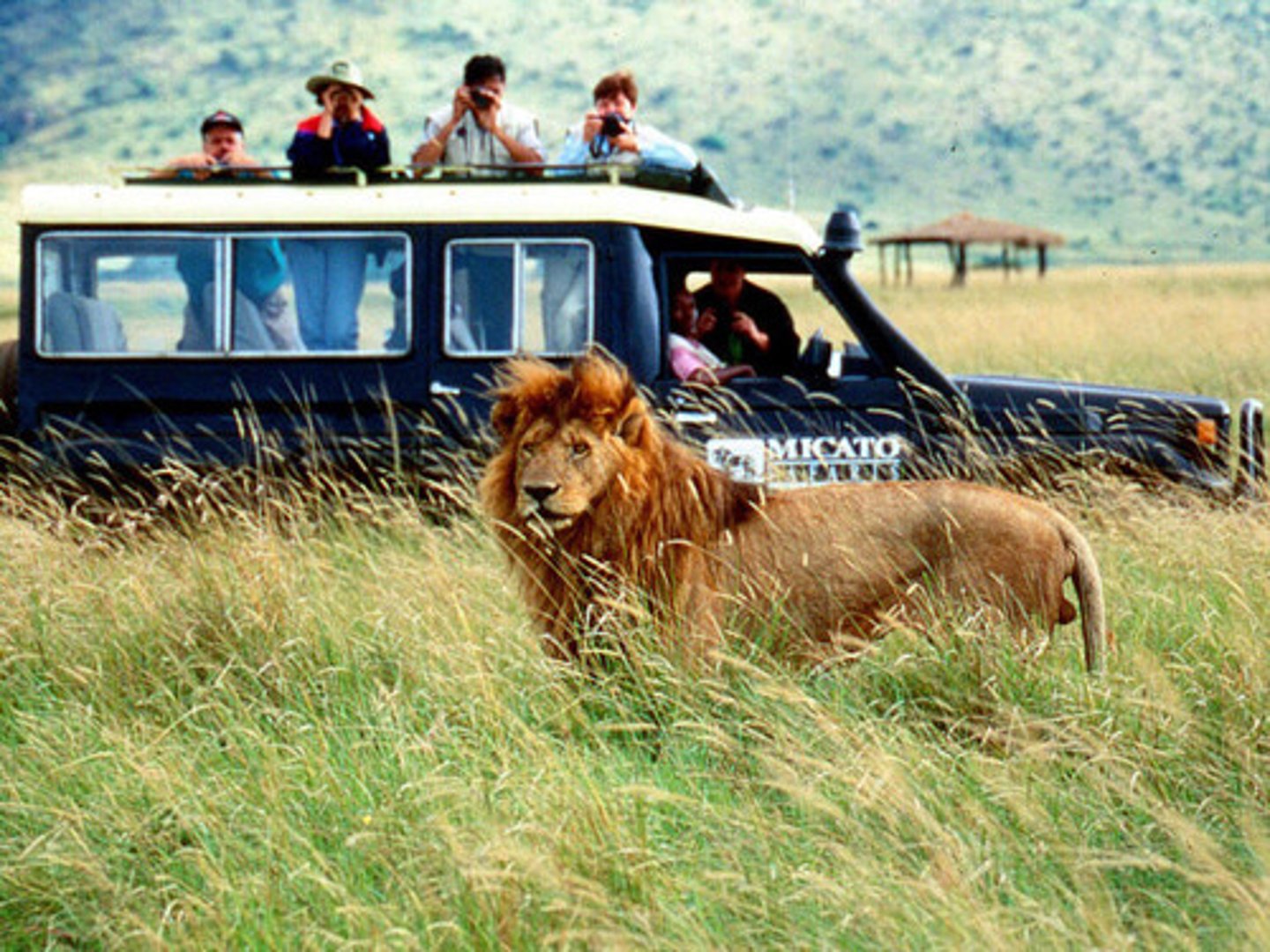
Behavior
what an animal does and how it does it
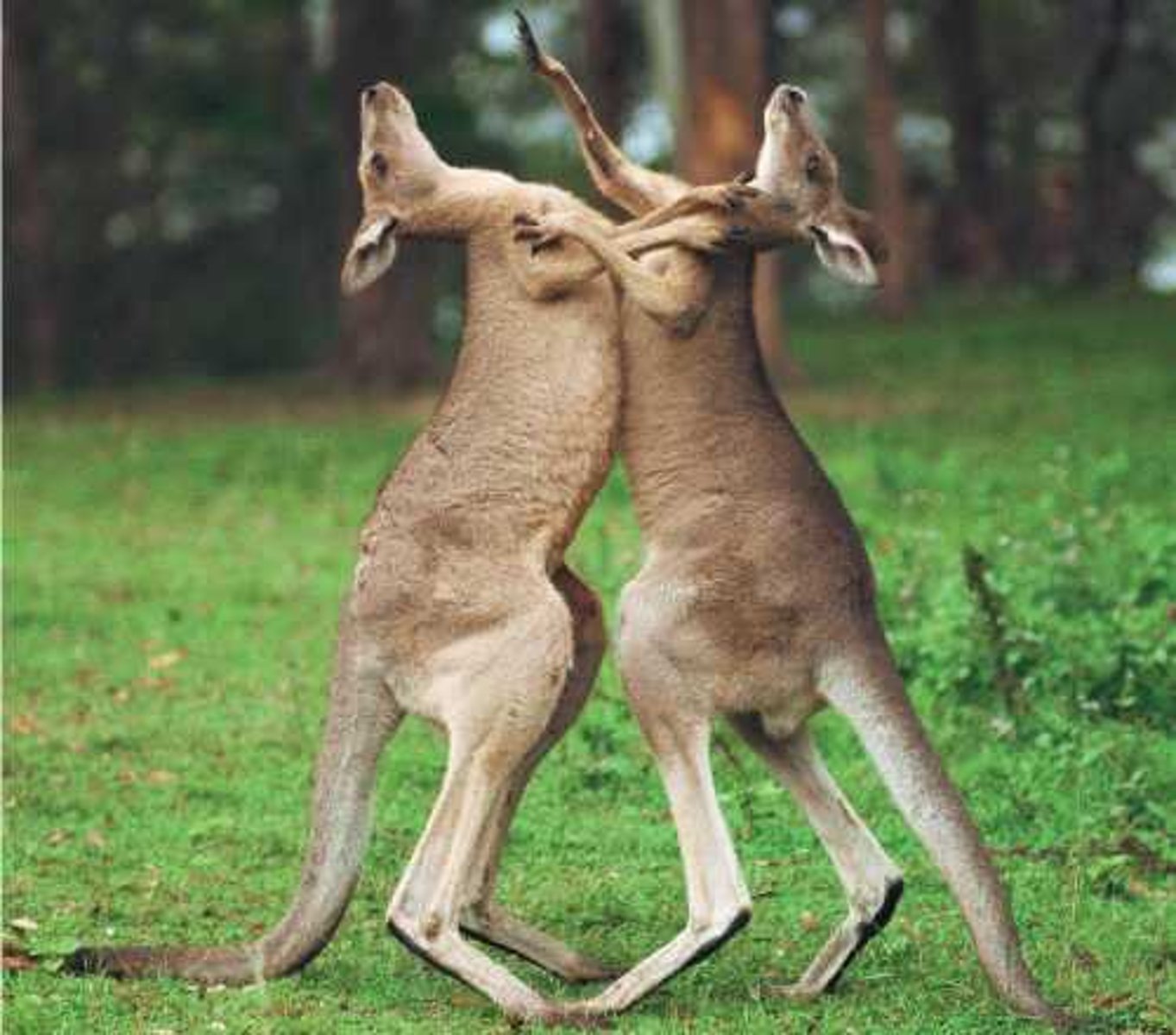
Instinct (Innate) Behavior
behaviors that are inherited
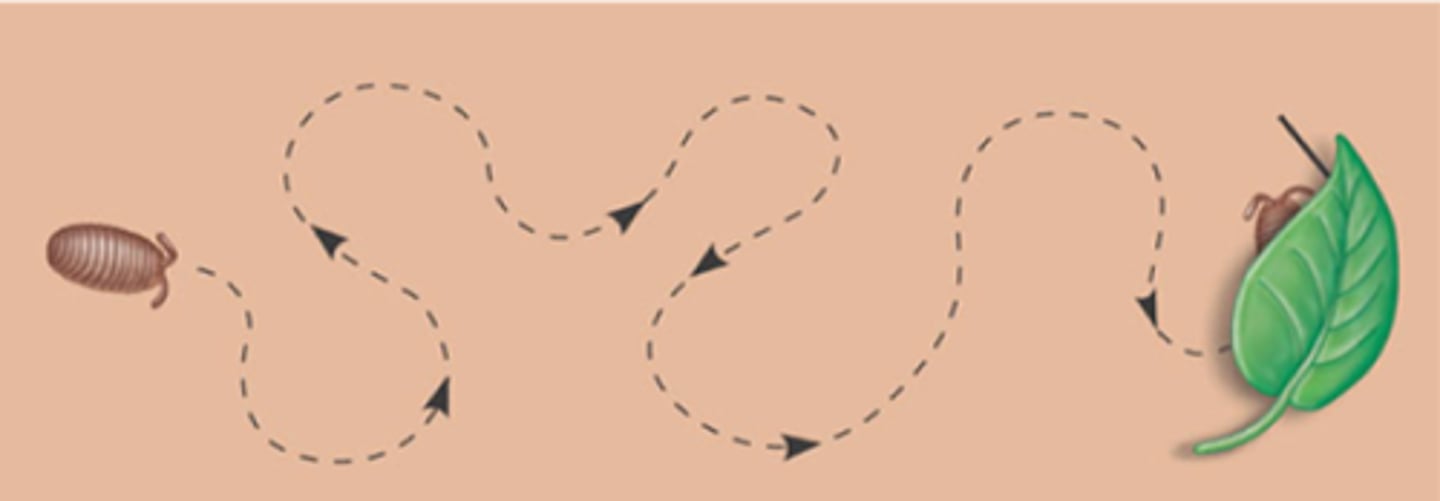
Kinesis
random movement of animal in relation to stimulus; the stimulus causes an alteration in rate or direction of activity or movement.
Fixed-action Patterns
sequence of unlearned acts that are unchangeable and usually continue until they are completed
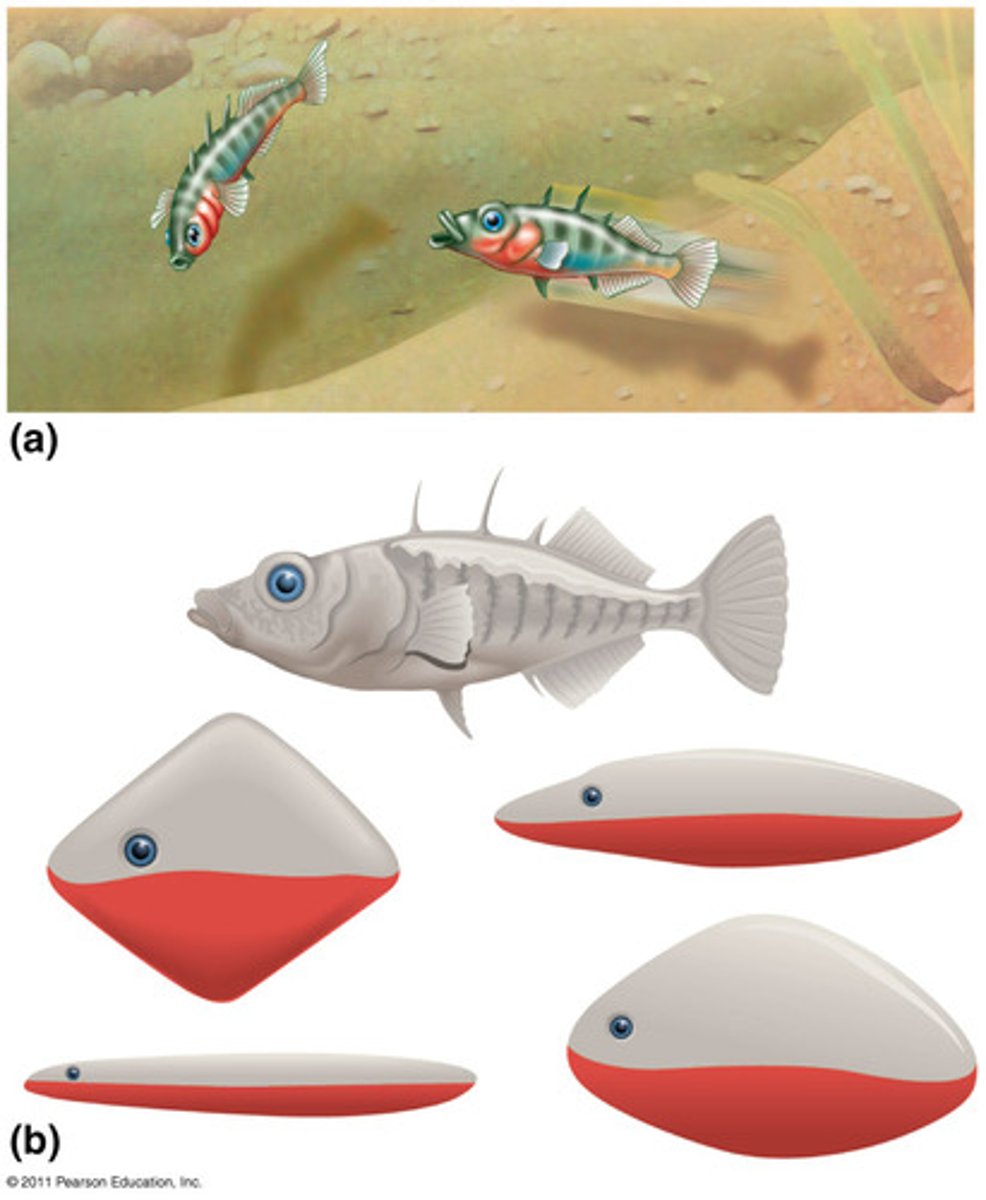
Signal
stimulus that causes change in behavior
Learned Behaviors
Behaviors that are modified based on specific experiences
example: nest building
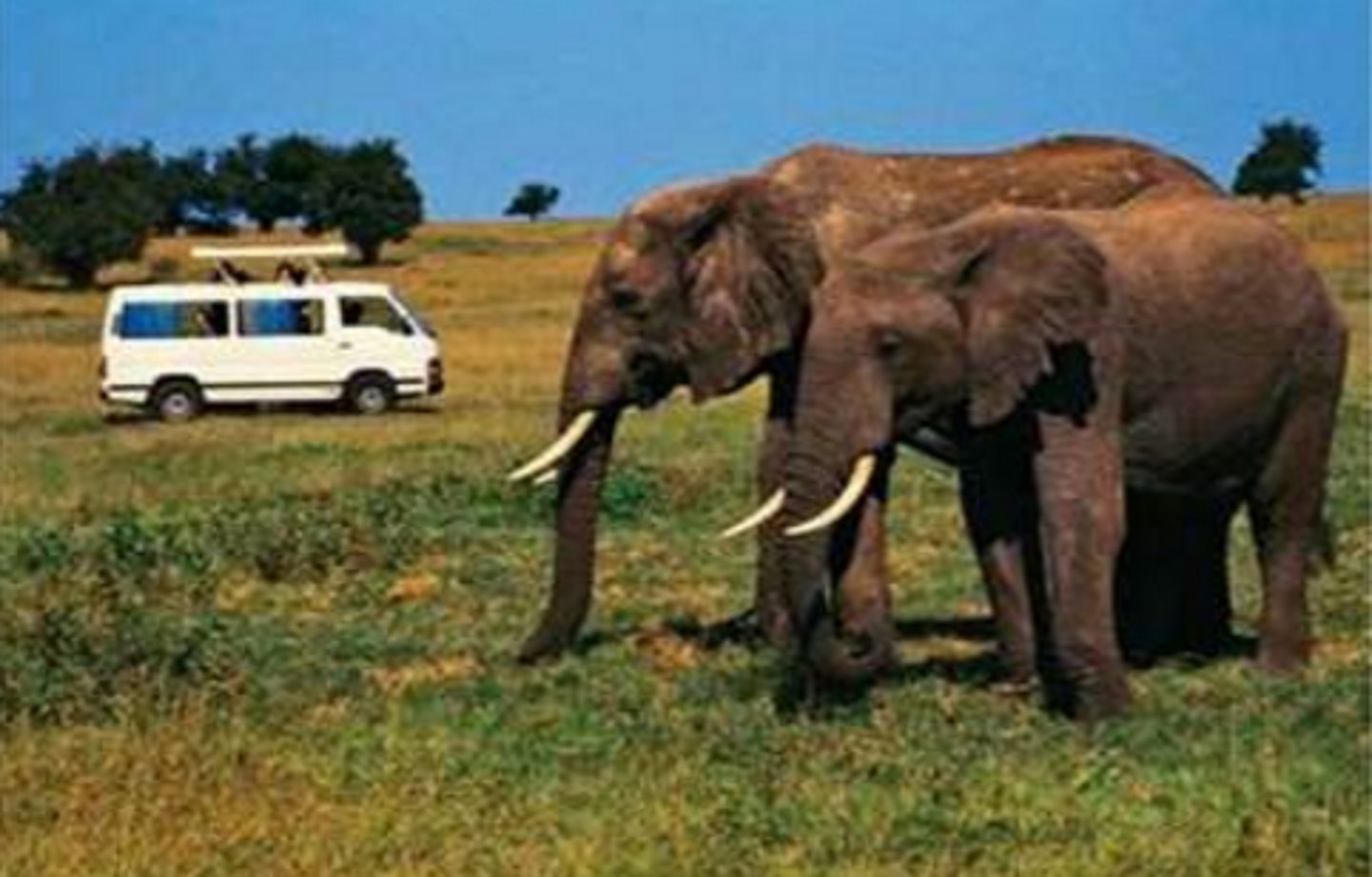
Habituation
loss of responsiveness to stimuli with little or no meaning; animal can ignore meaningless stimuli
Associative Learning
ability to connect one stimulus with another
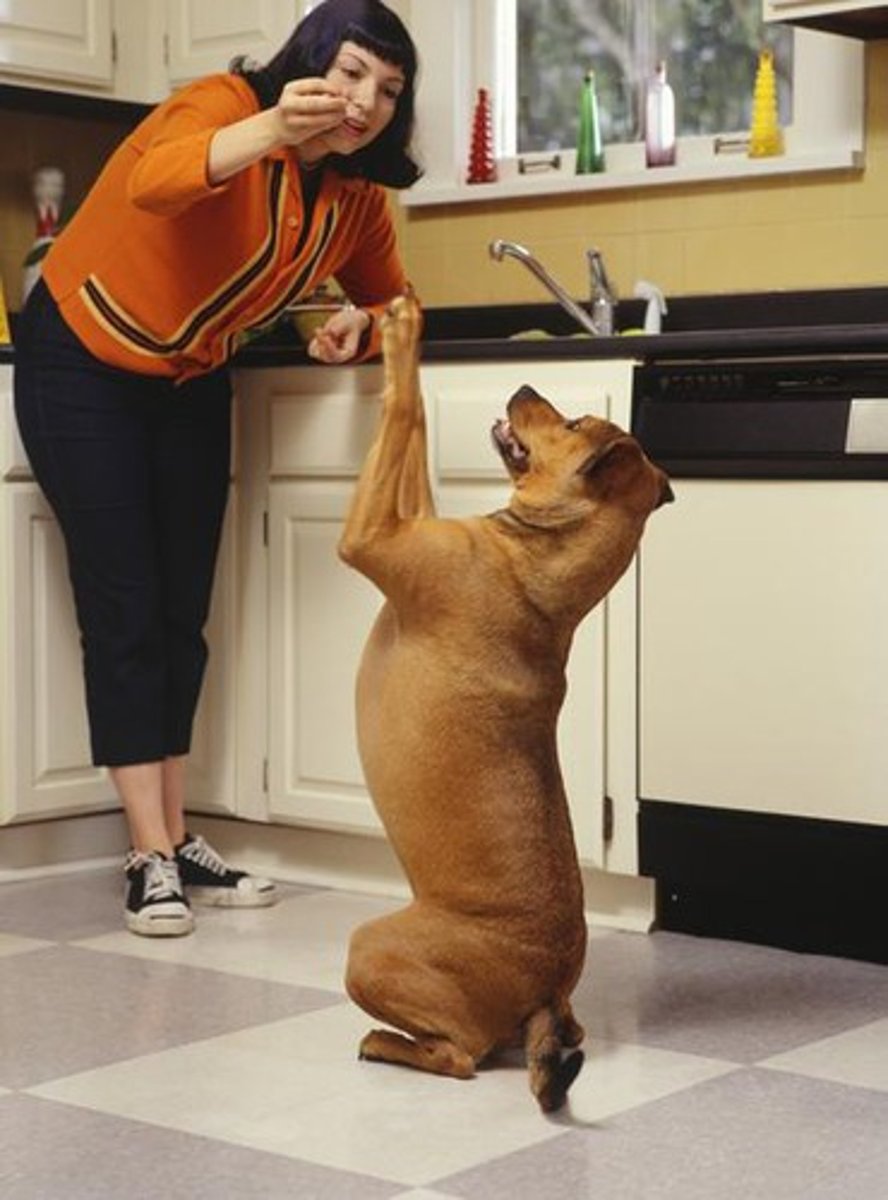
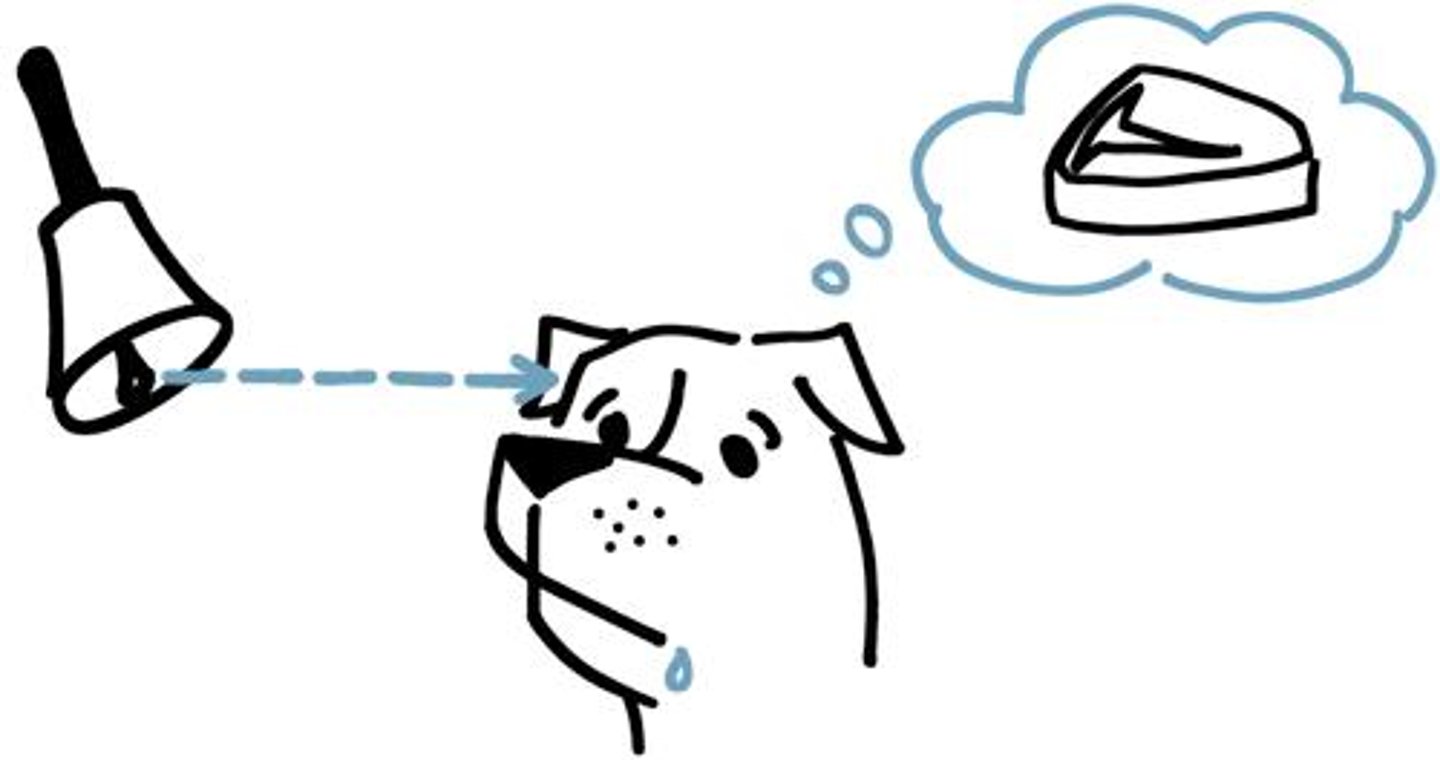
Classical Conditioning
arbitrary stimulus associated with particular outcome
example: training a dog
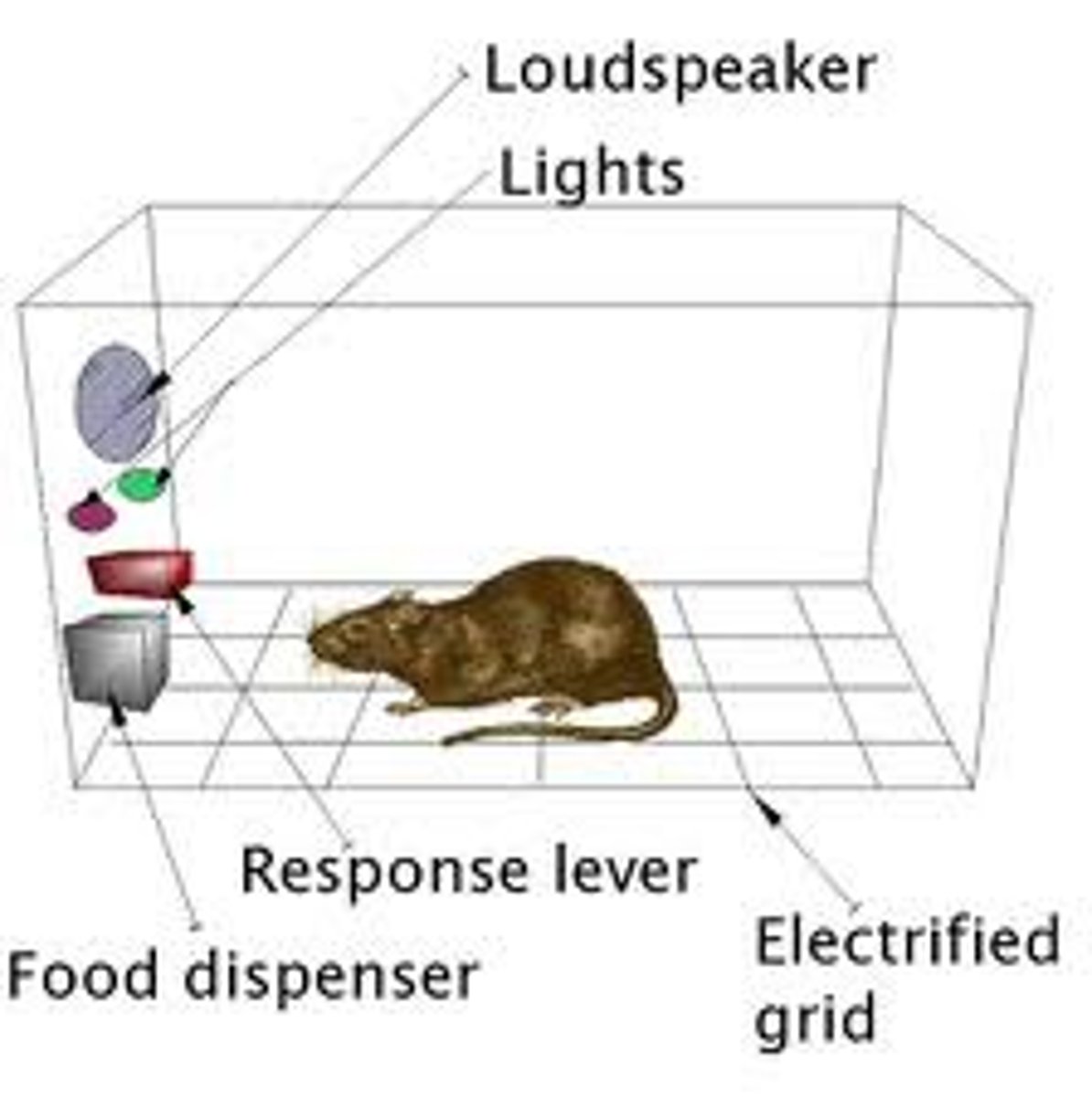
Operant Conditioning (trial and error)
when faced with two choices, an organism can learn to choose the option with the best reward.
example: students who study to improve their grades
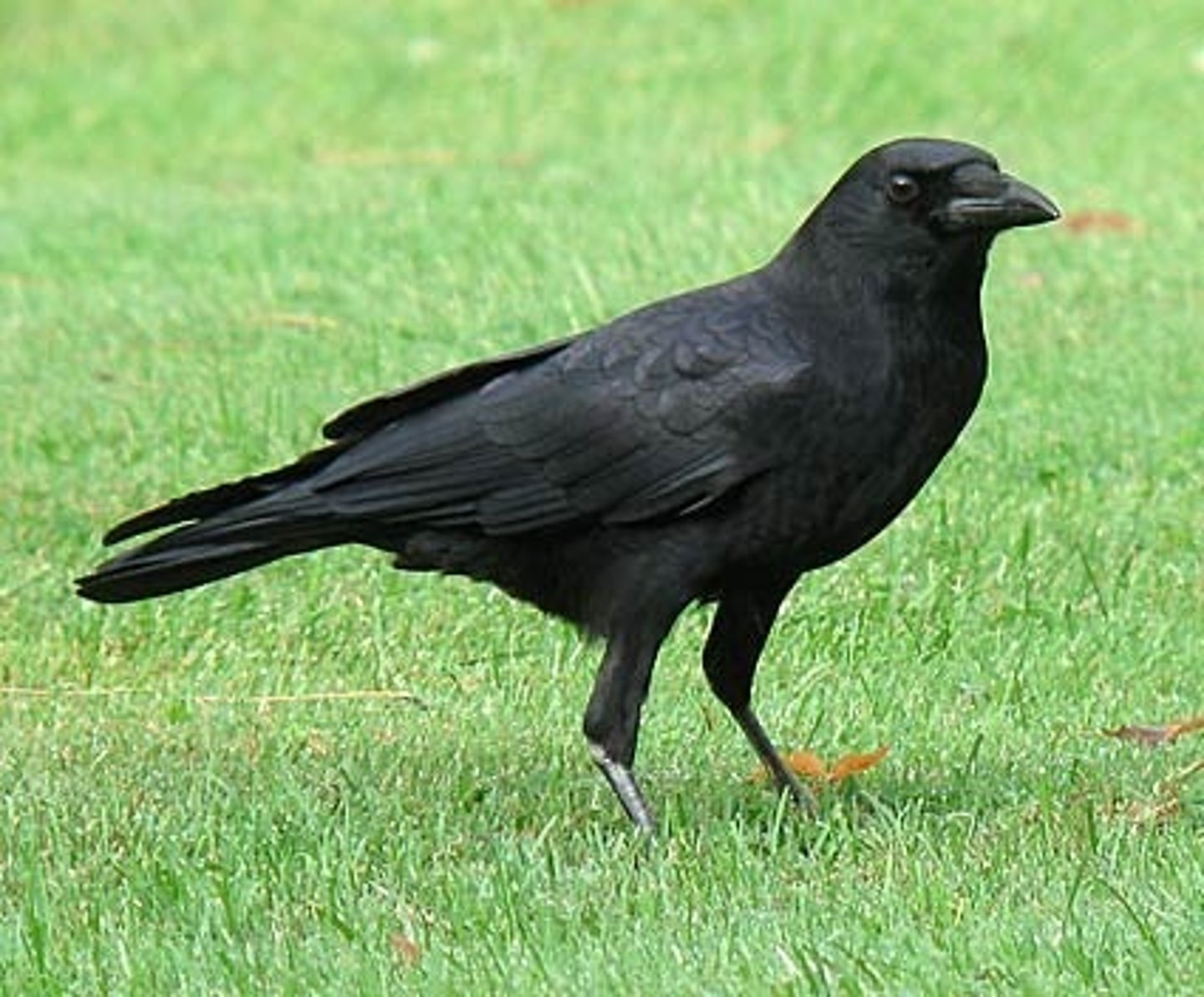
Cognition
process of knowing that involves awareness, reasoning, recollection, and judgement
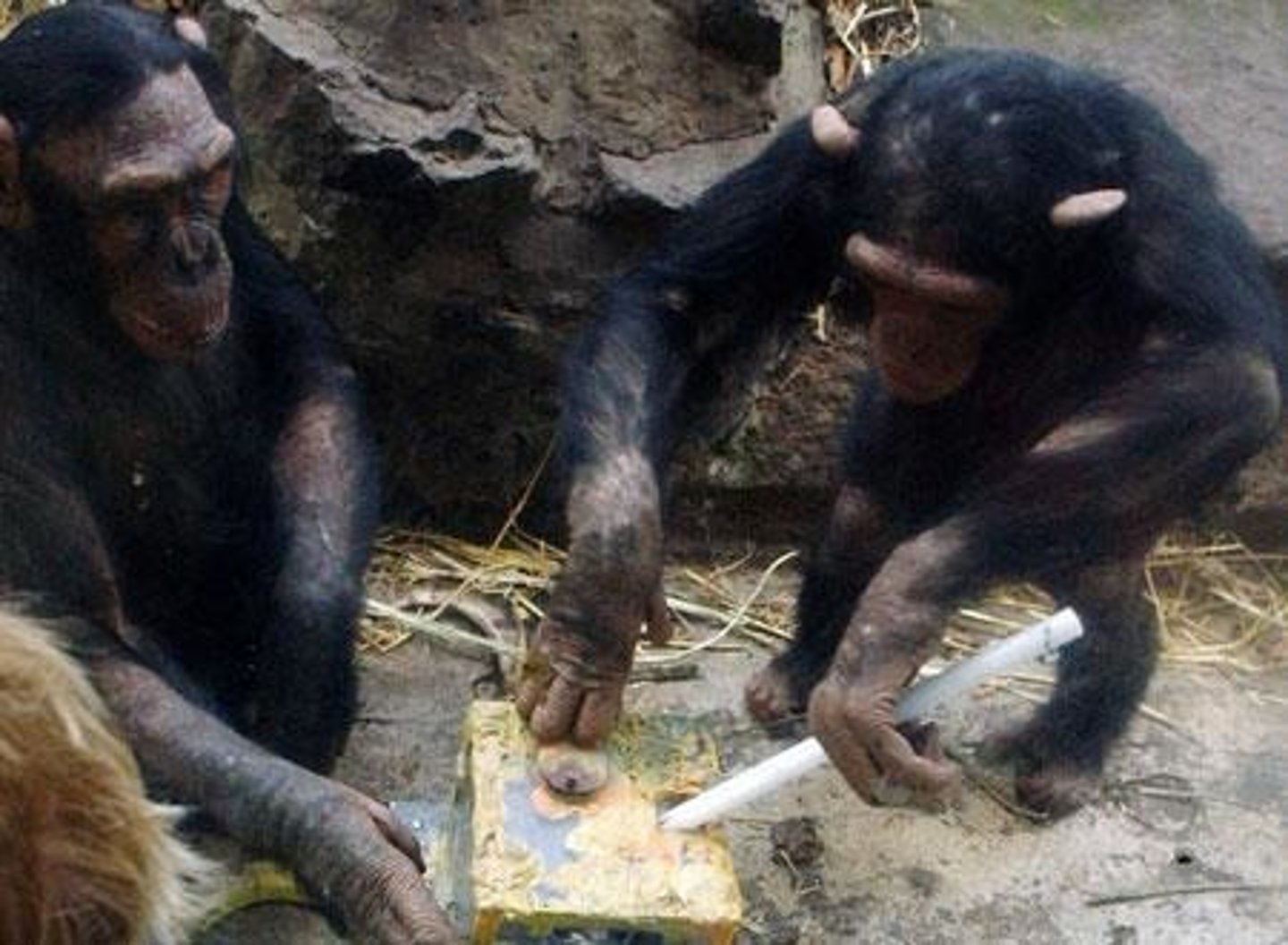
Social Learning
learning by observing others
Altruism
engaging in behavior that doesn't help you, but helps rest of population (selfless)
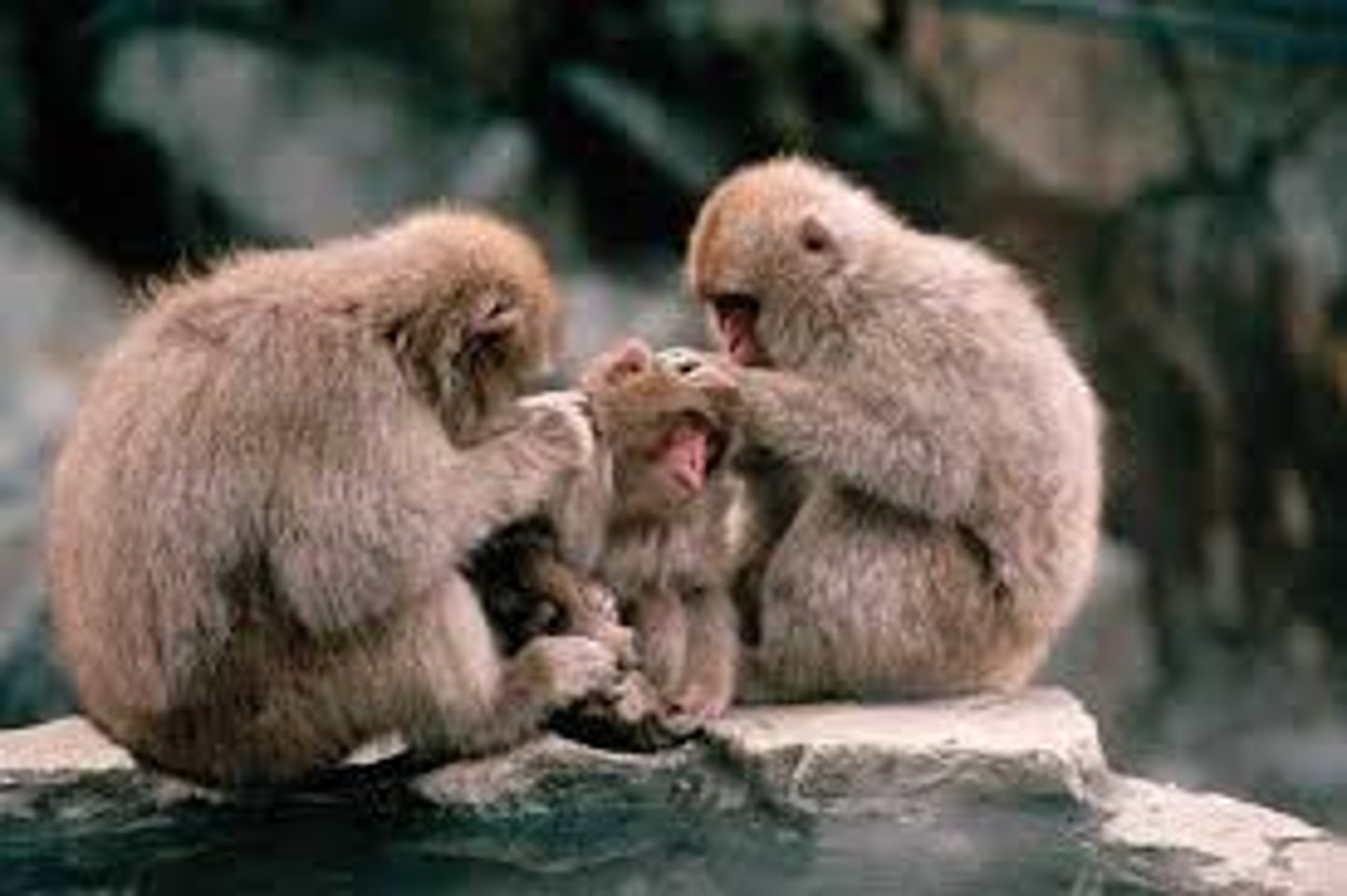
Inclusive Fitness
total effect of producing offspring and helping relatives
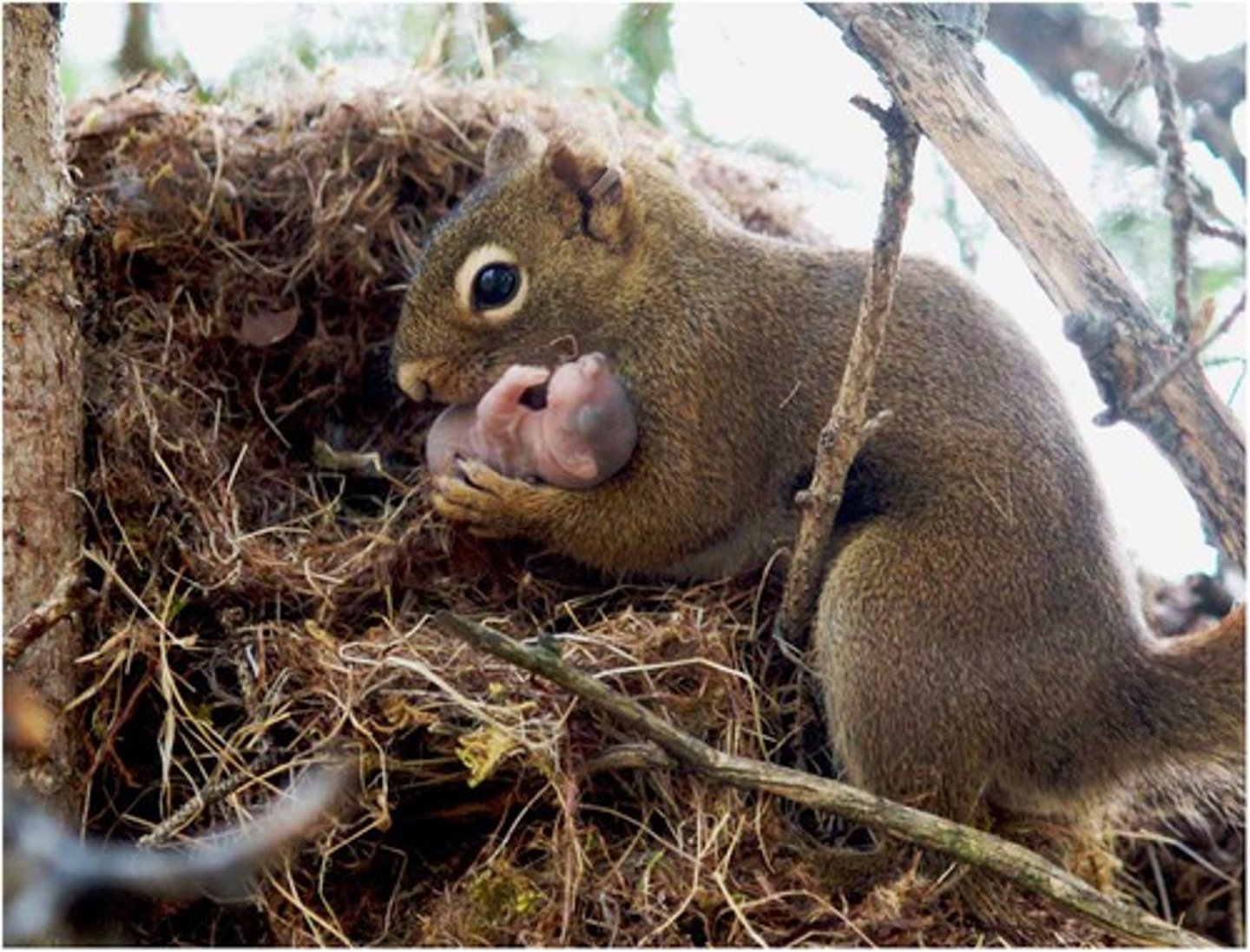
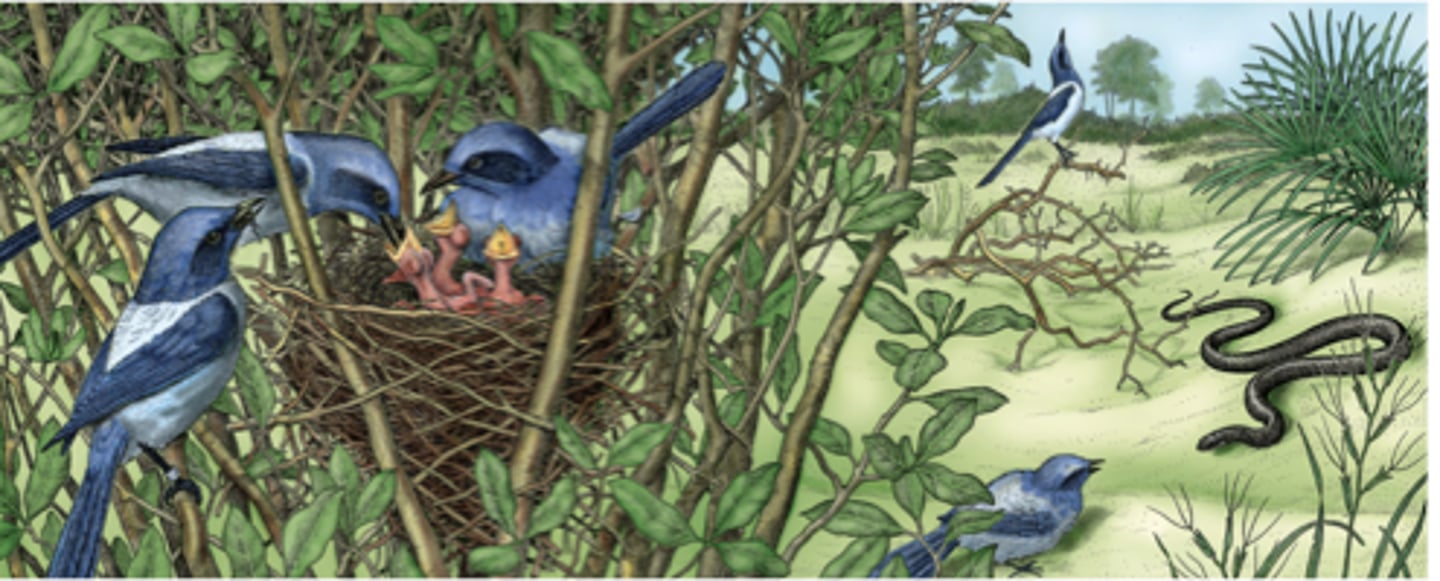
Kin Selection
altruistic behavior that enhances reproductive success of relatives
Agonistic Behavior
threats, rituals, and combat; settles disputes over resources, asserting dominance
Foraging
food obtaining behavior
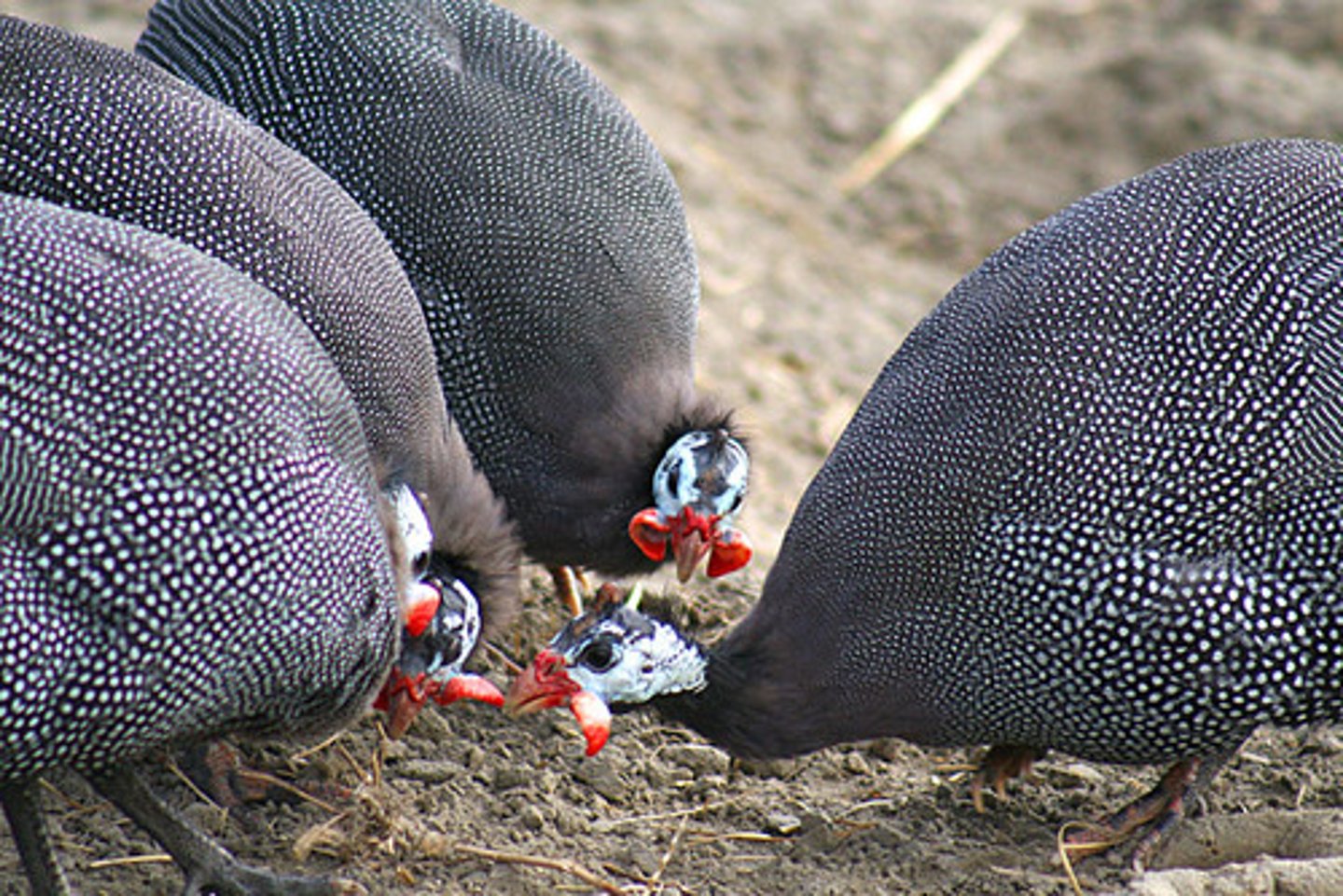
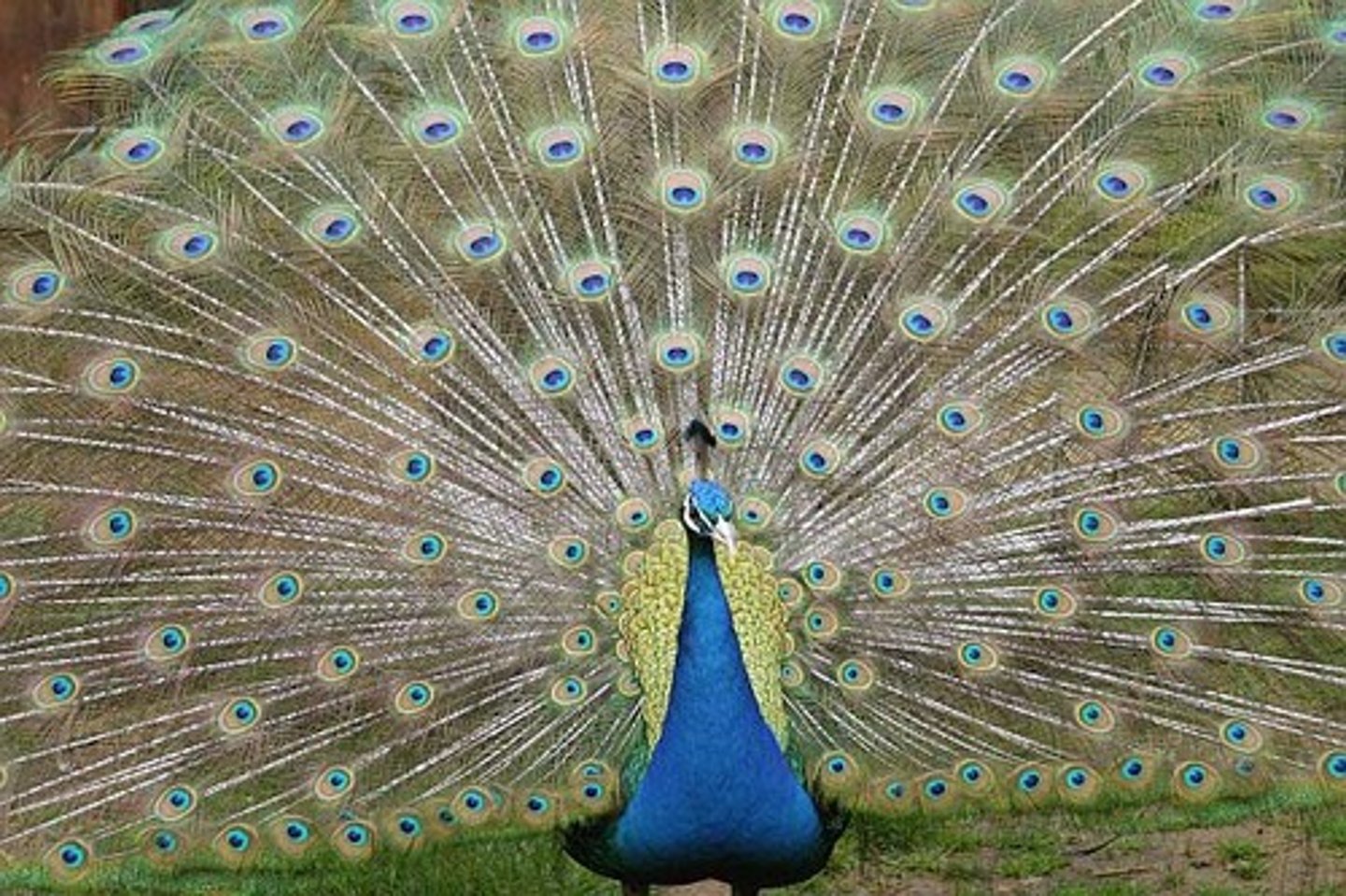
Sexual Selection
seeking and attracting mates/choosing and competing for males
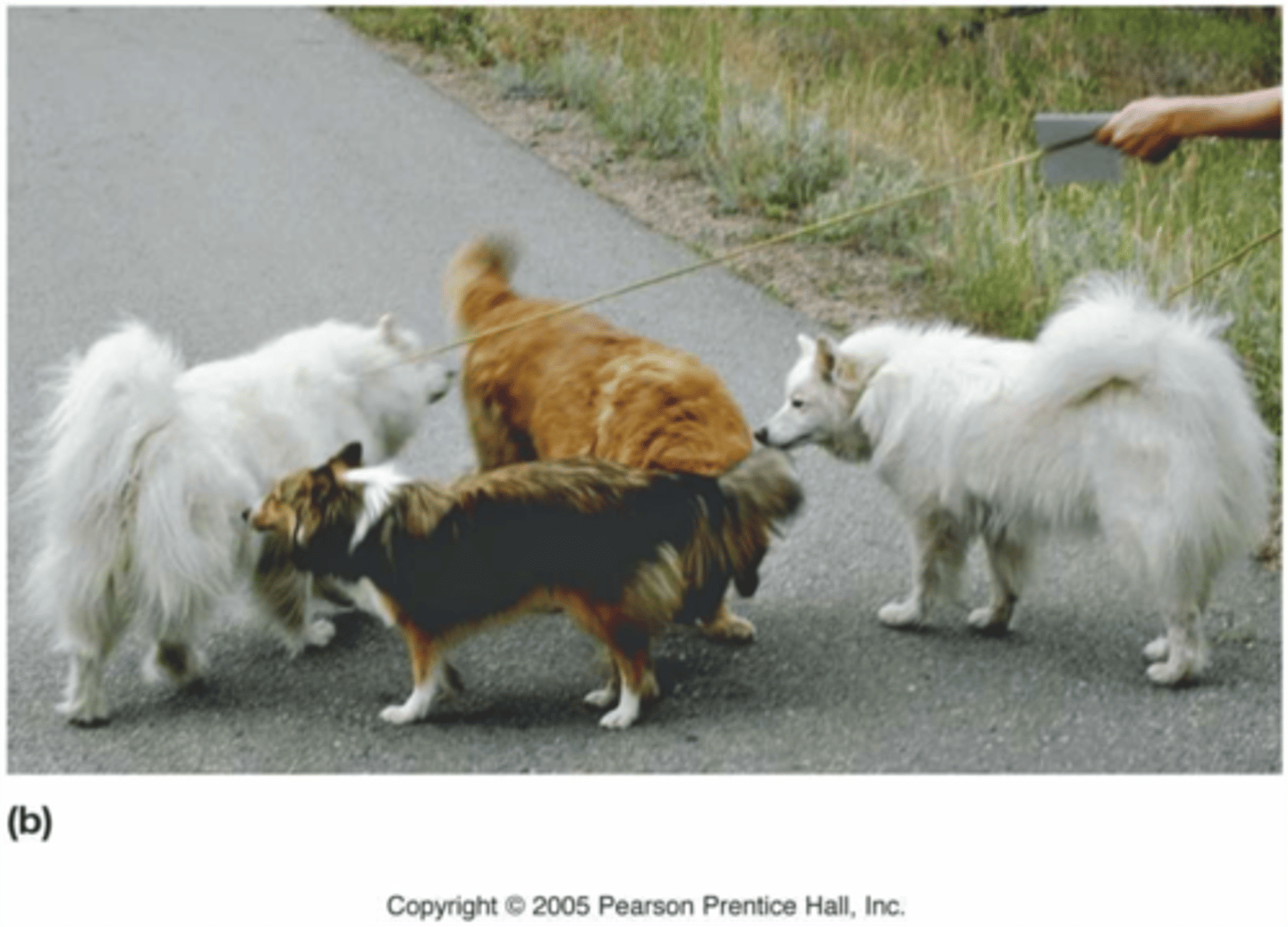
Pheromones
Chemical signals
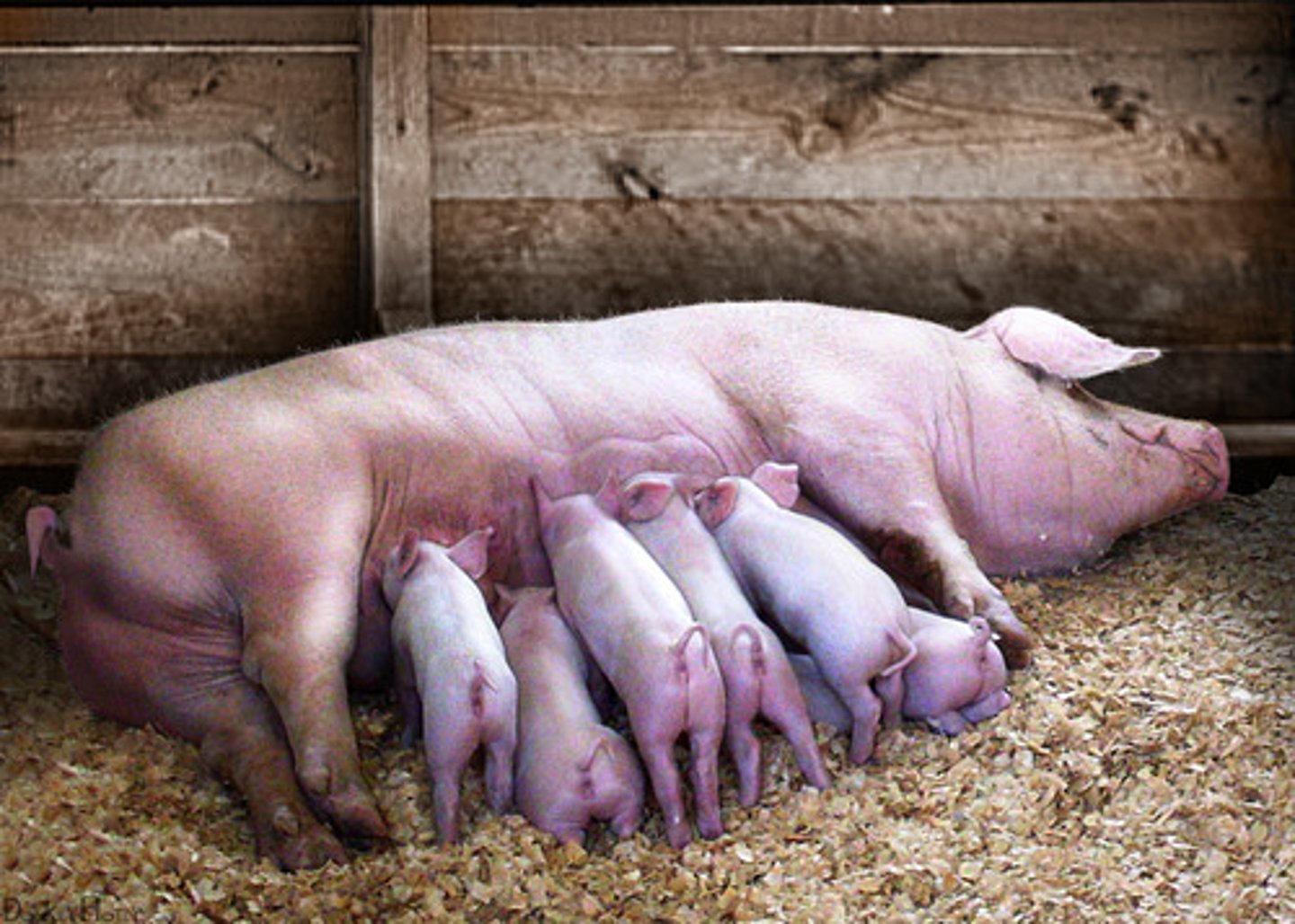
Suckling
A mammal is born knowing how to nurse.
example: pig suckling at birth
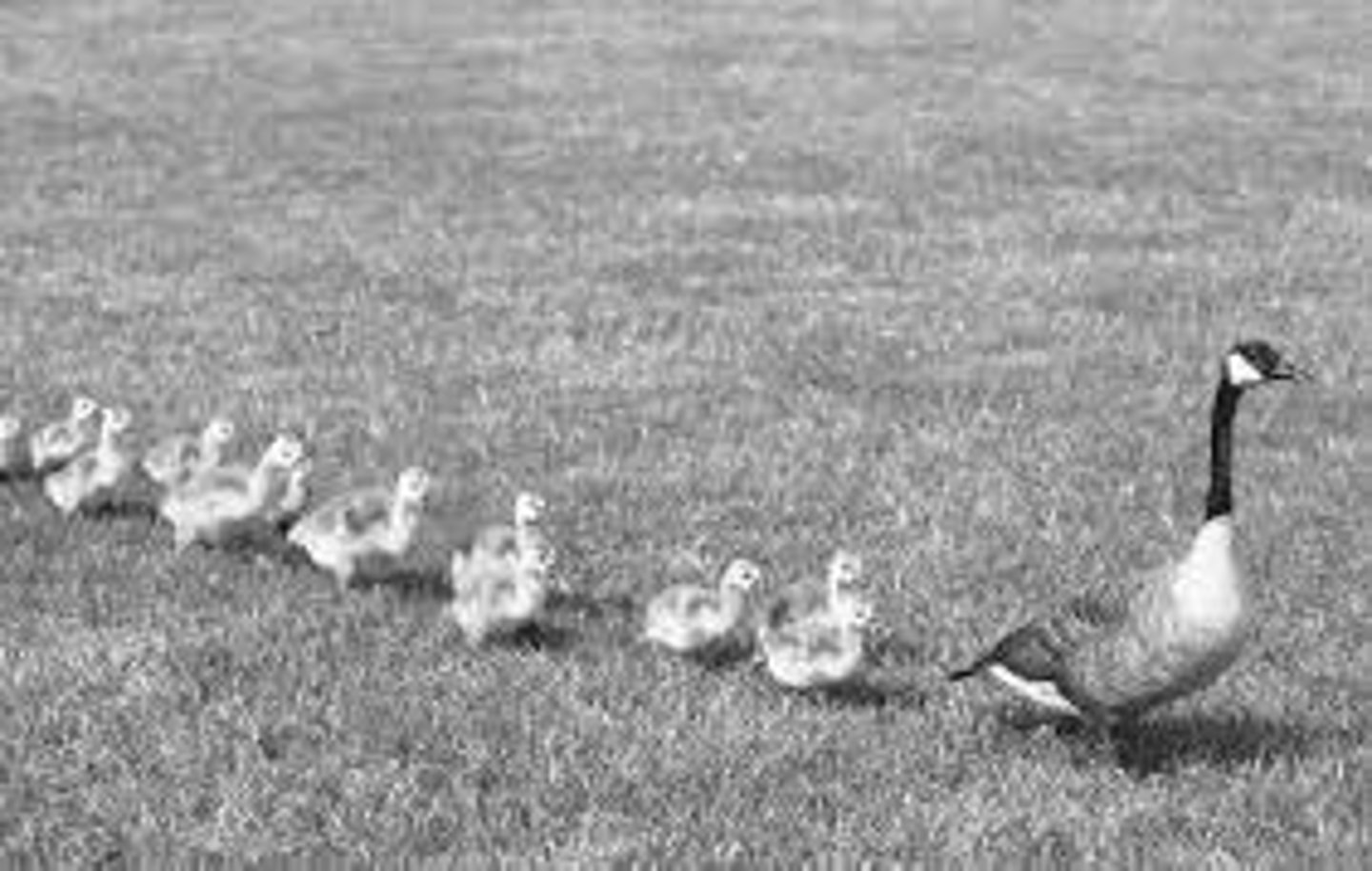
Imprinting
Some baby bird species will follow the first moving object they see usually the mother.
example: ducks
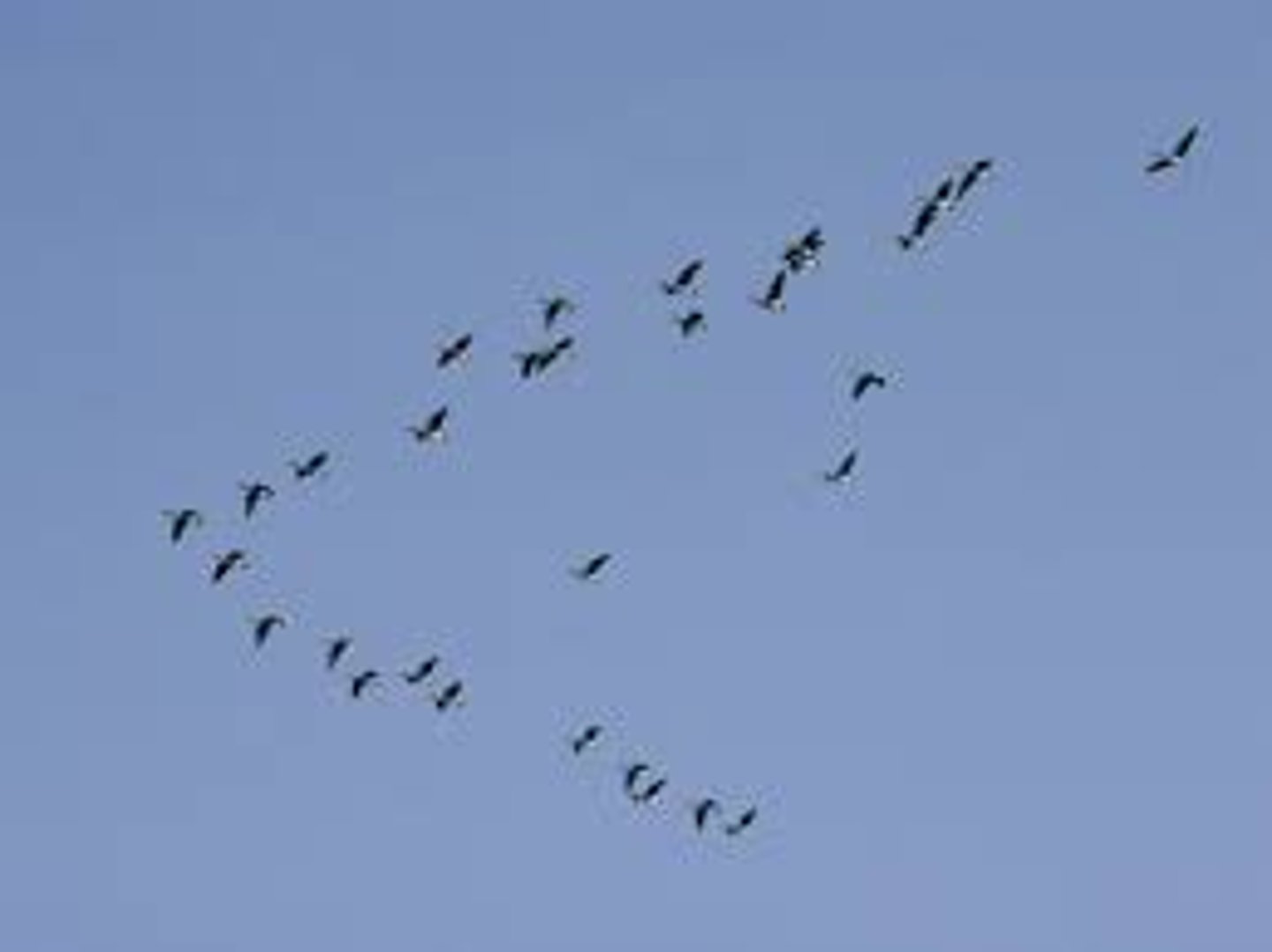
Migration
organisms move from one place to another periodically, generally in response to temperature or food availability.
example: geese, monarch butterflies
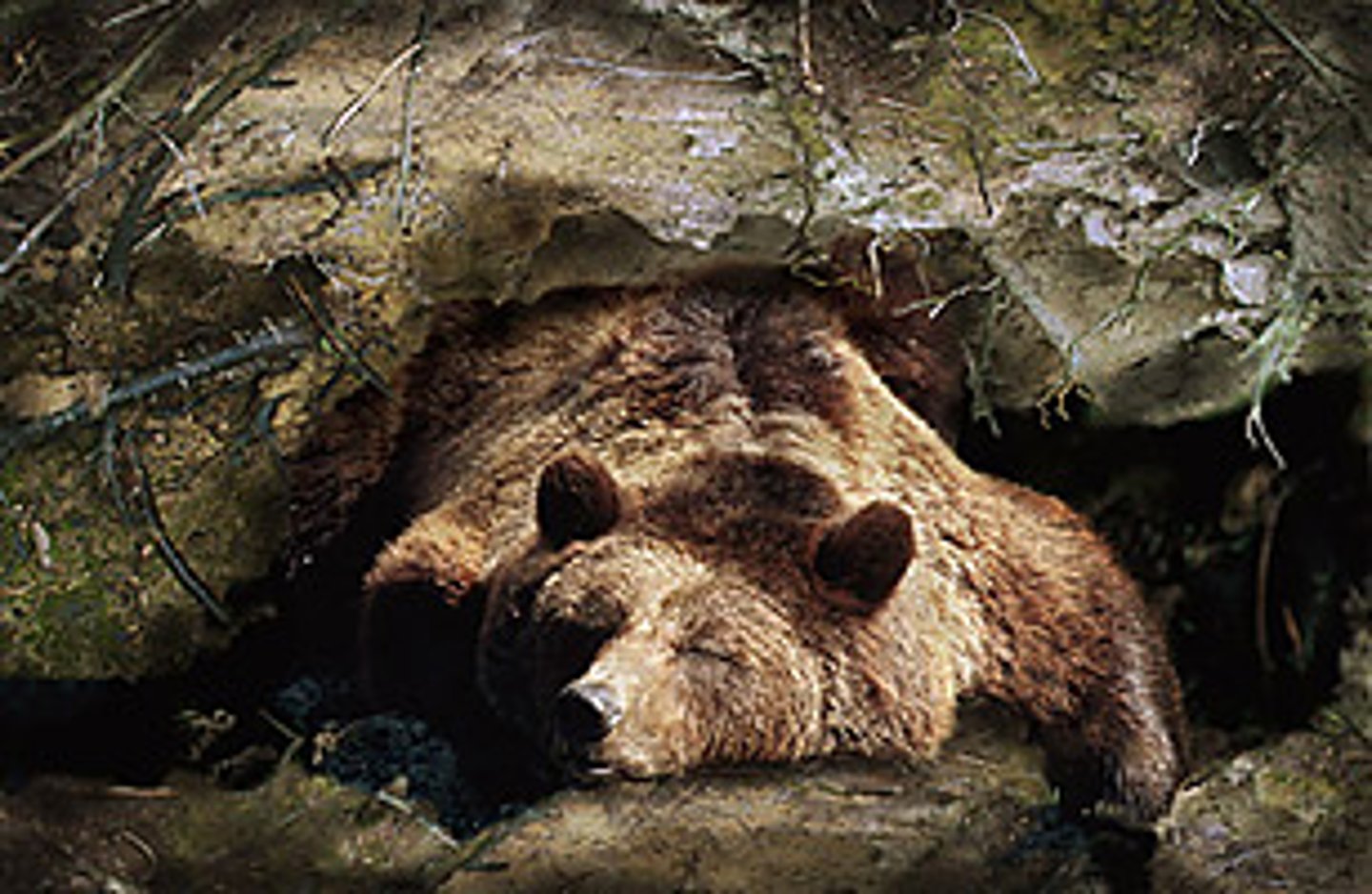
Hibernation
An organism goes dormant for a long period of time to escape cold temperatures
example: bears, chipmunks, frogs
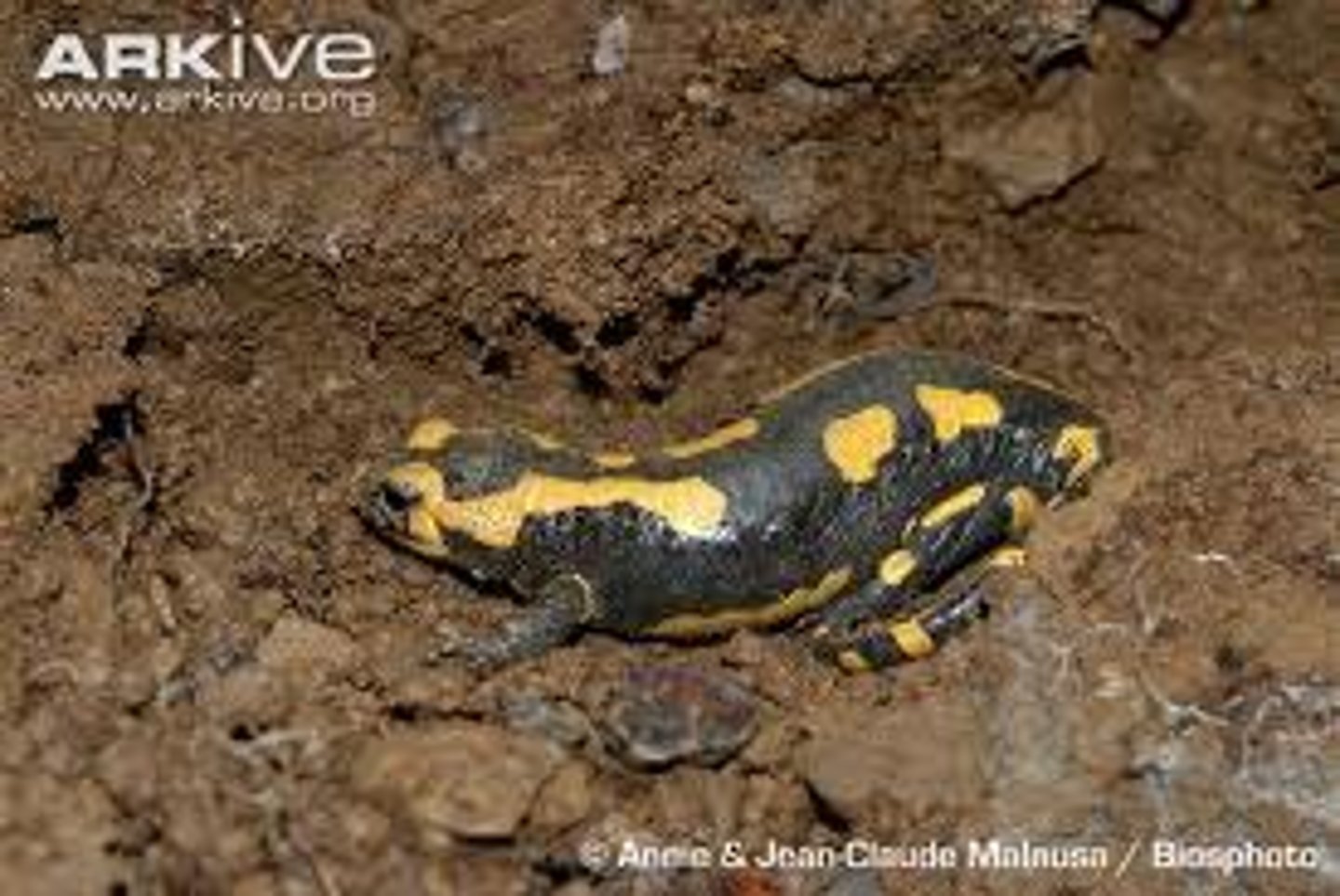
Estivation
An organism goes dormant for a long period of time to escape hot temperatures.
example: African bullfrog, fringe toed lizard, turtle
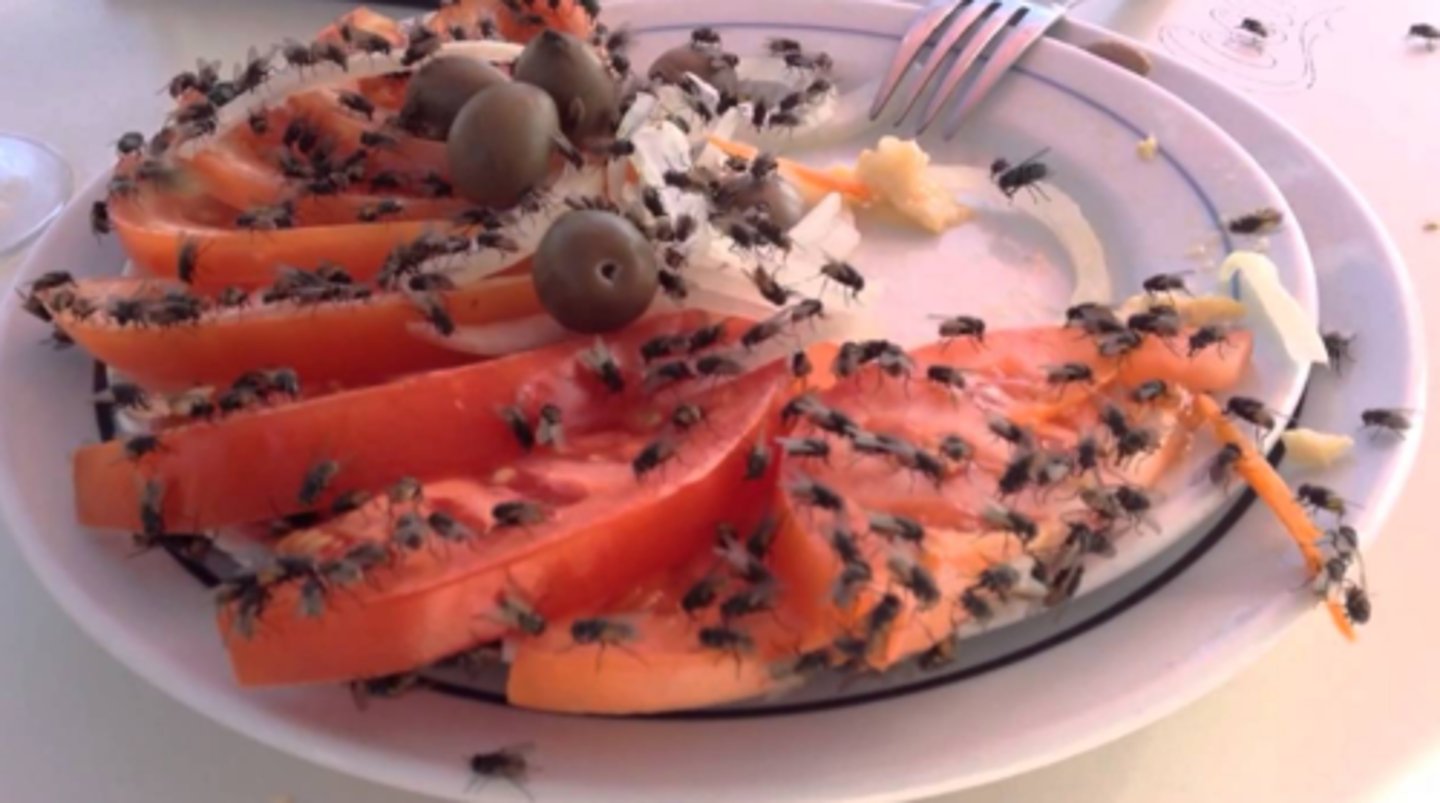
Positive Chemotaxis
An organism responds to a chemical by moving towards it.
example: male cockroach pheromones attract females
Negative Chemotaxis
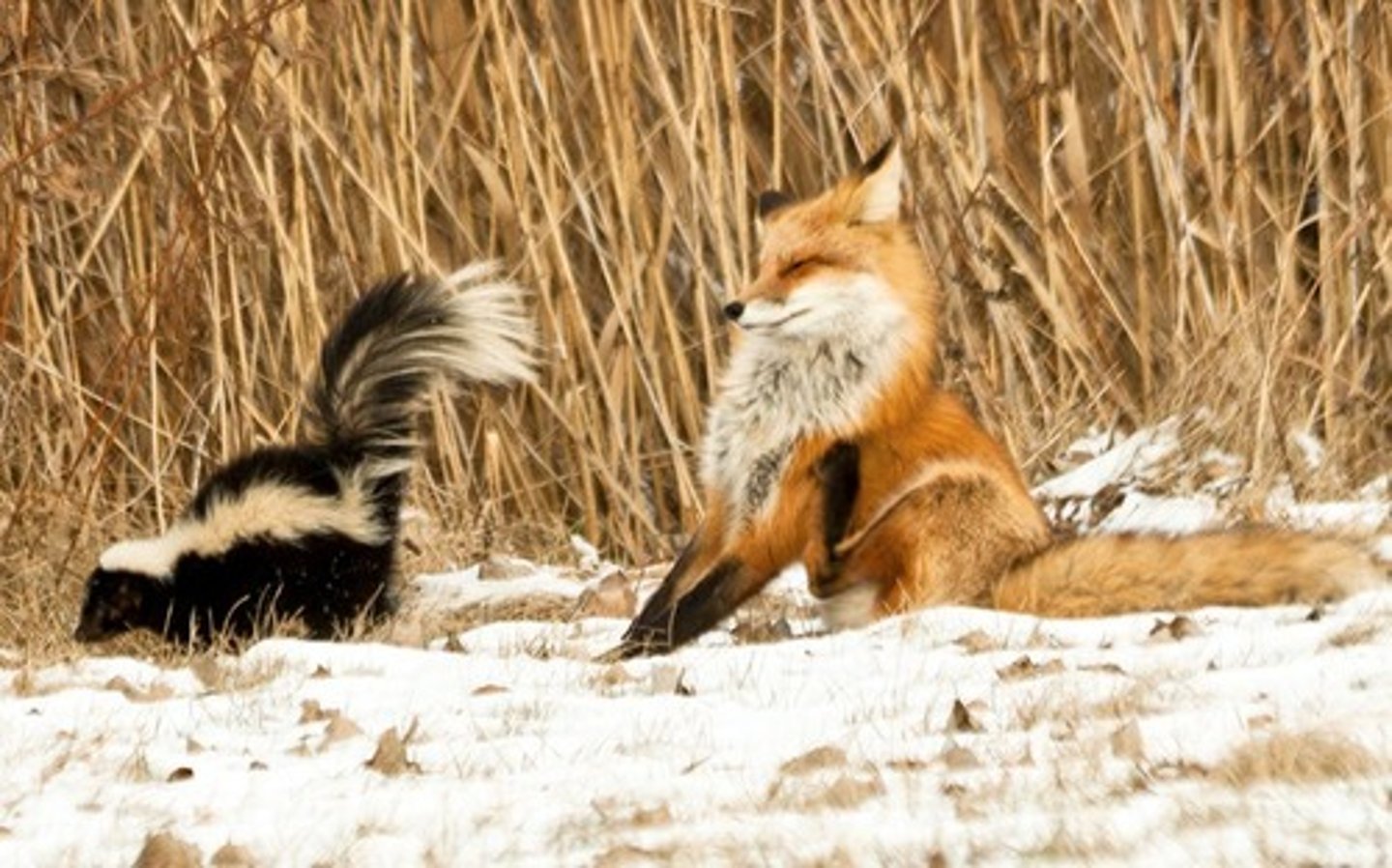
An organism responds to a chemical by moving away from it.
example: the smell of a skunk repels other animals
Positive Phototaxis
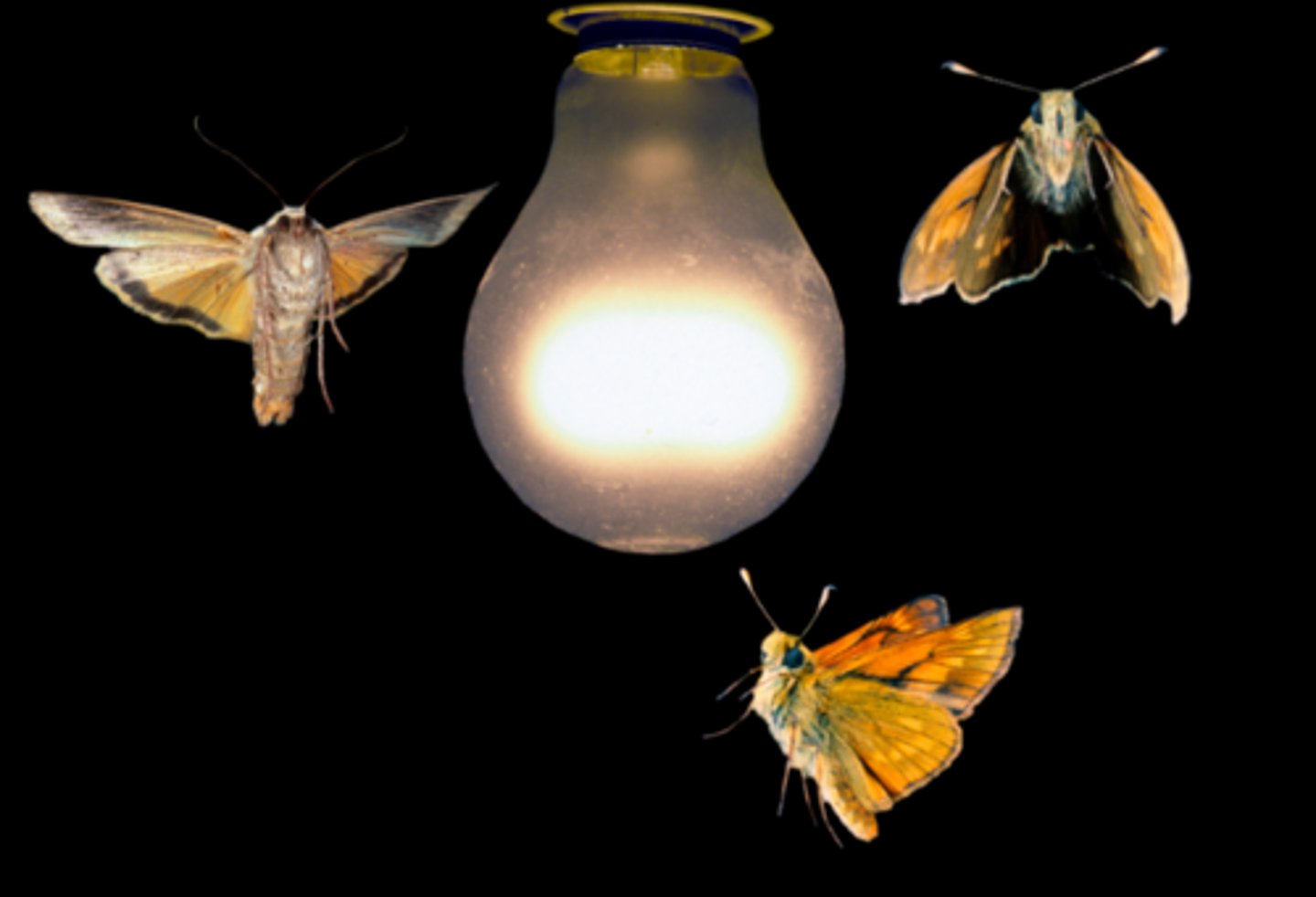
An organism responds to light by moving towards it.
example: moths to a light
Negative Phototaxis
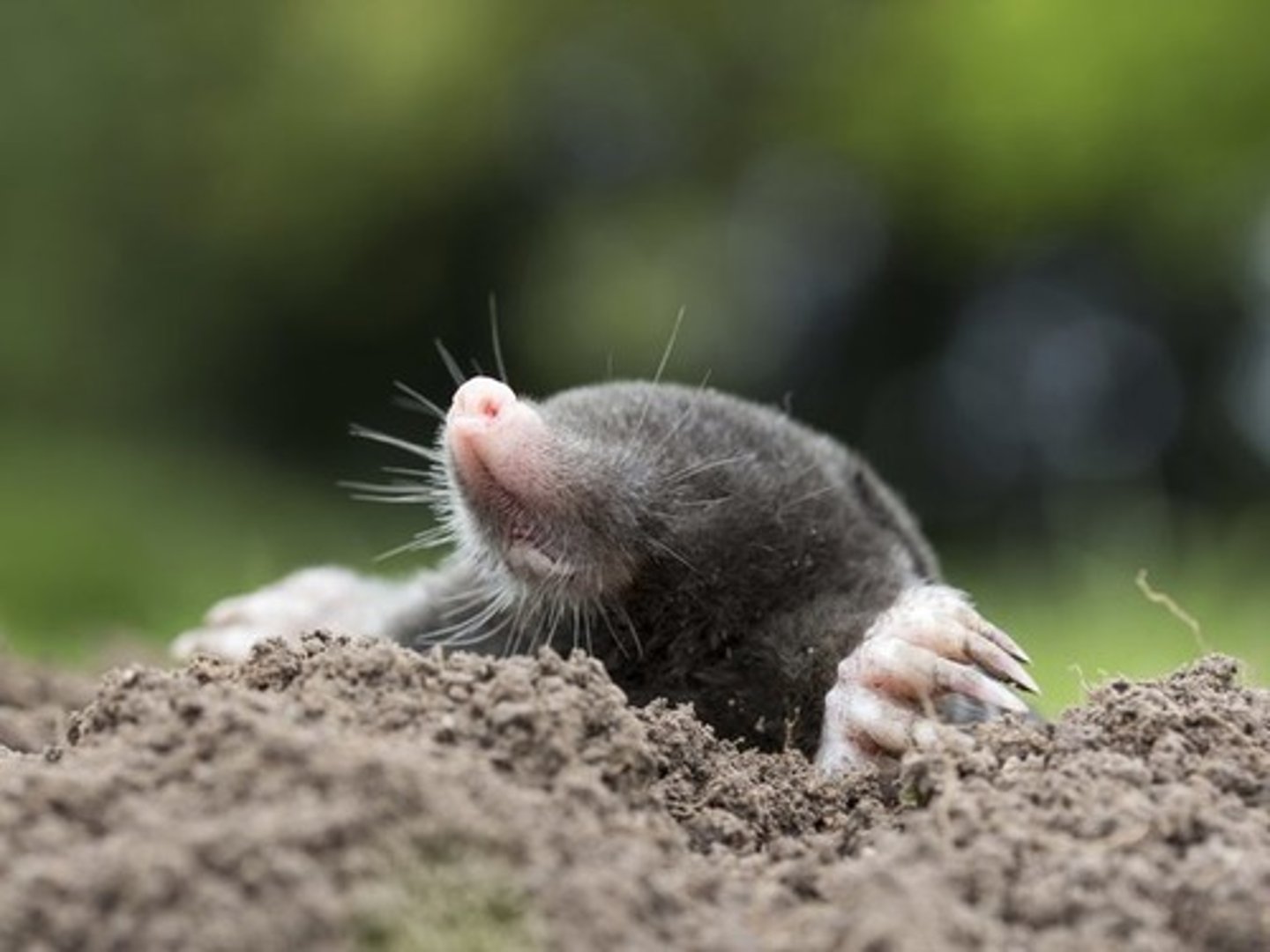
An organism responds to light by moving away from it.
example: moles live underground
 Note
Note  Flashcards (66)