Lecture 9- The City and Country in Britain
 Call Kai
 Learn
Learn Practice Test
 Spaced Repetition
 Match
Match Flashcards
 Knowt Play
1/21

There's no tags or description
Looks like no tags are added yet.
Name | Mastery | Learn | Test | Matching | Spaced | Call with Kai |
|---|
No analytics yet
Send a link to your students to track their progress
22 Terms
The Anglican Church
English King Henry VIII dissolves catholic churches and creates the Church of England in order to divorce his Catholic wife
Has traditions of the Catholic church, opposed by the Puritans who wanted purer worship
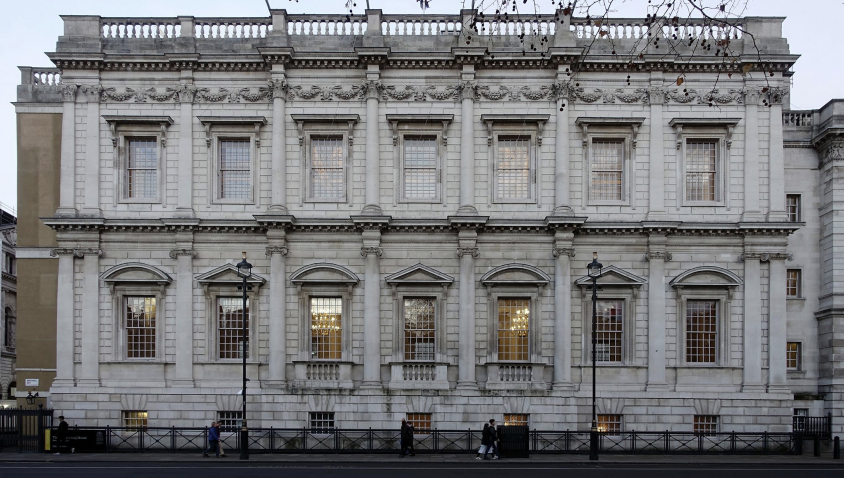
Site/ Location/ Architect
The Banqueting House
London, England
Architect: Inigo Jones
Inigo Jones
Foremost architecture and theatre designer in the British during the first half of the 17th century
Post printing press, knowledge came from italian renaissance books, Palladio
travelled, aware of architectural feats elsewhere
Great Fire of London
1666, destroyed a large part of the City of London
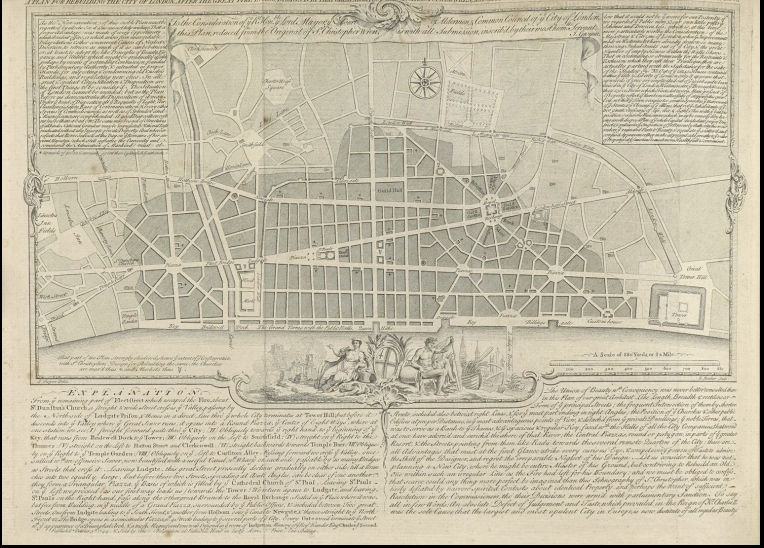
Identify architect who designed this new plan for the city of london
Christopher Wren
Christopher Wren
designer, astronomer, geometrician who designed in classical styles and employed engravings he purchased from his travels
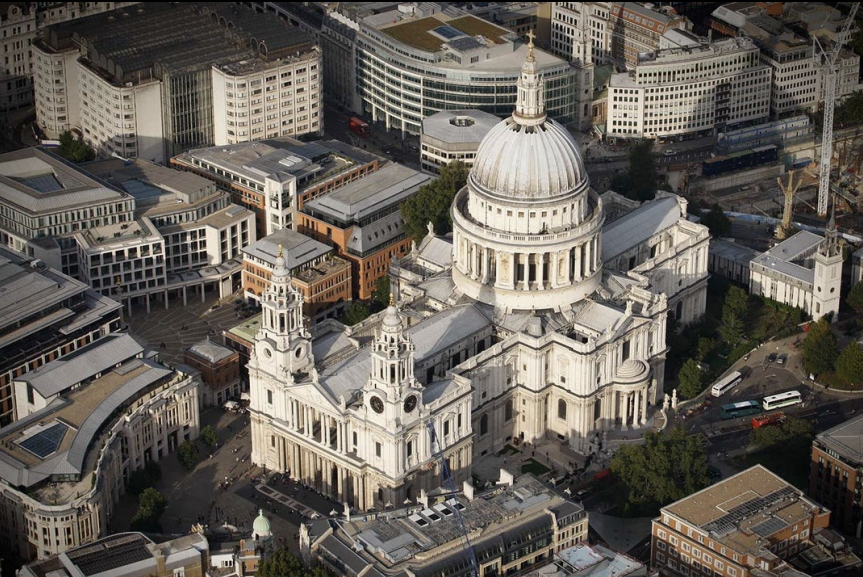
Site/ Location/ Architect
St. Paul’s Cathedral
Location: London, England
Architect: Christopher Wren
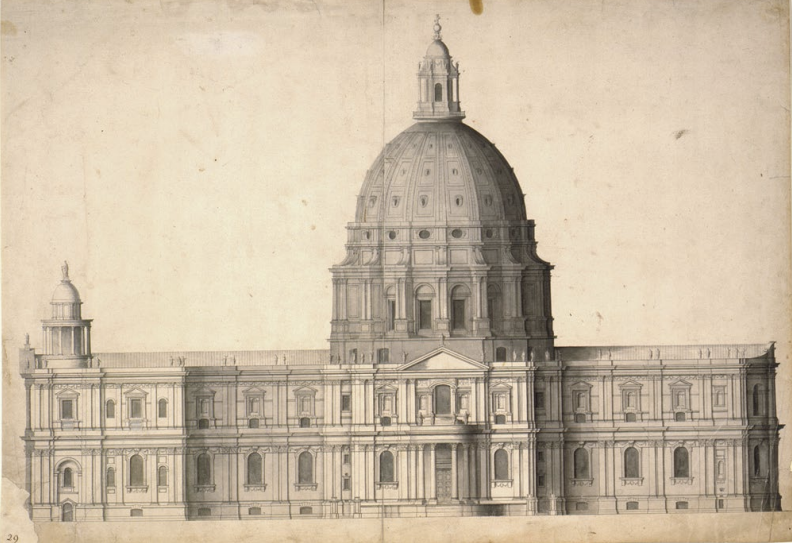
Identify the drawing+ Image caption
South elevation, St. Paul’s Cathedral
Combines Renaissance, Neoclassical, and Gothic elements.
Hides Gothic flying buttresses behind Renaissance "false walls" (screen walls).
Triple Dome: Three nested layers—inner masonry dome, middle brick cone (structural), and outer lead/wood dome.
Massive Scale: Two-story facade divide; Corinthian columns; large triangular pediment.
Function: False walls provide the necessary weight to balance thin naves against the heavy central dome.
The Palladian Revival
superiority of antiquity
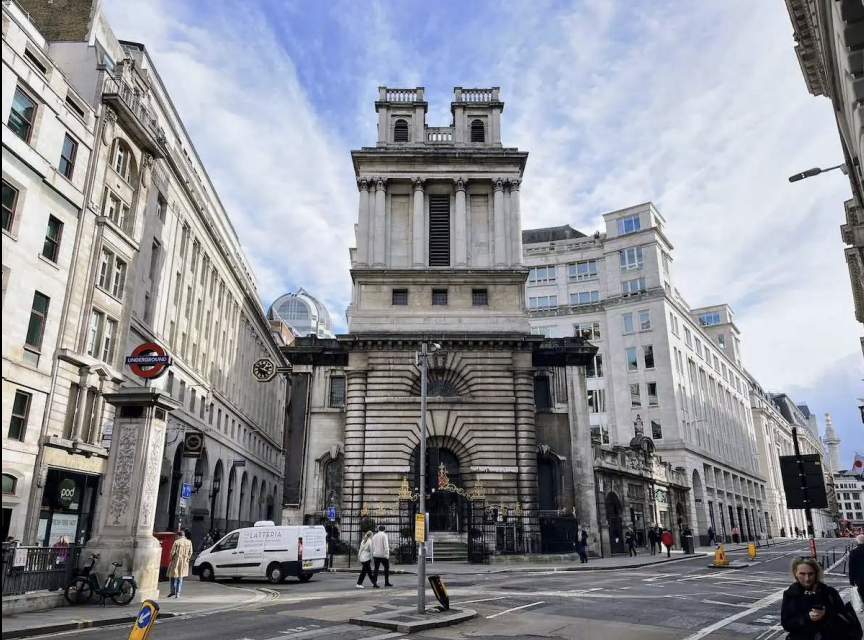
Site/ Location/ Architect
St. Mary Woolnoth
London, England
Nicholas Hawksmoor
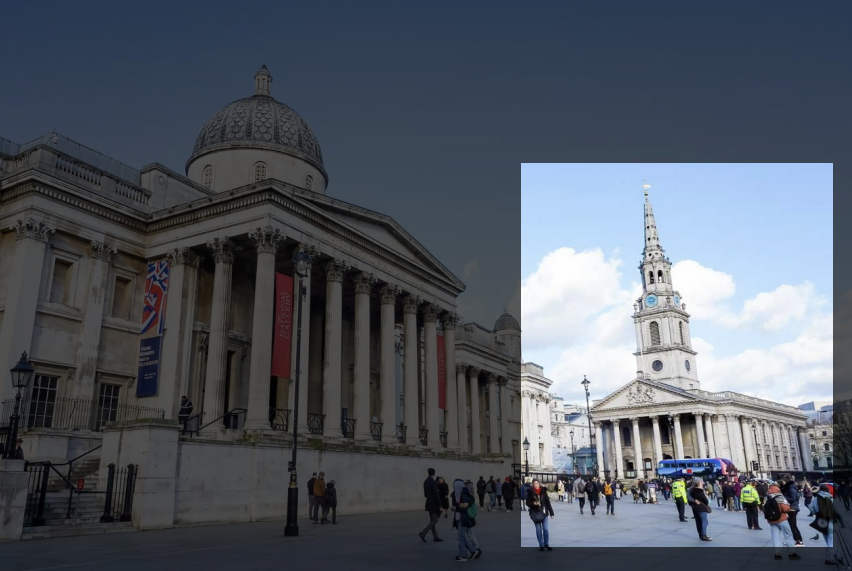
Site/ Location/ Architect
St. Martin-in-the-Fields
London, England
James Gibbs
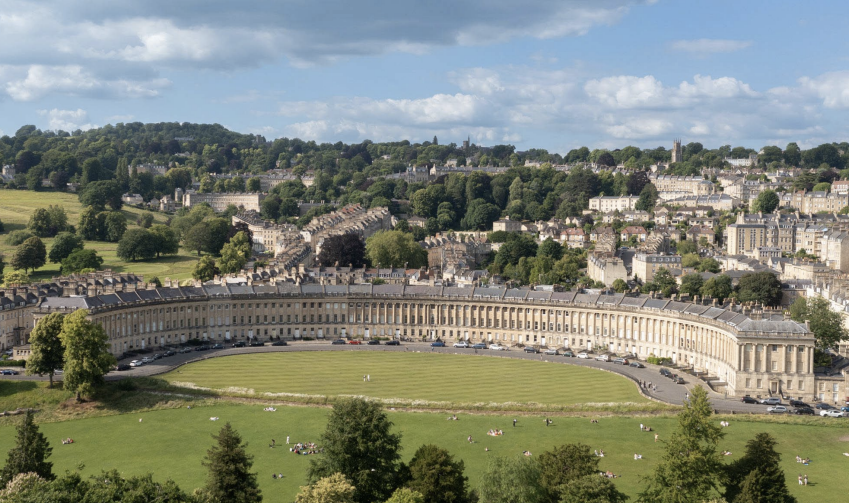
Site/ Location/ Architect
Queen’s Square, Circus, and Royal Crescent
Bath, England
John Wood, the Elder; John Wood, the Younger
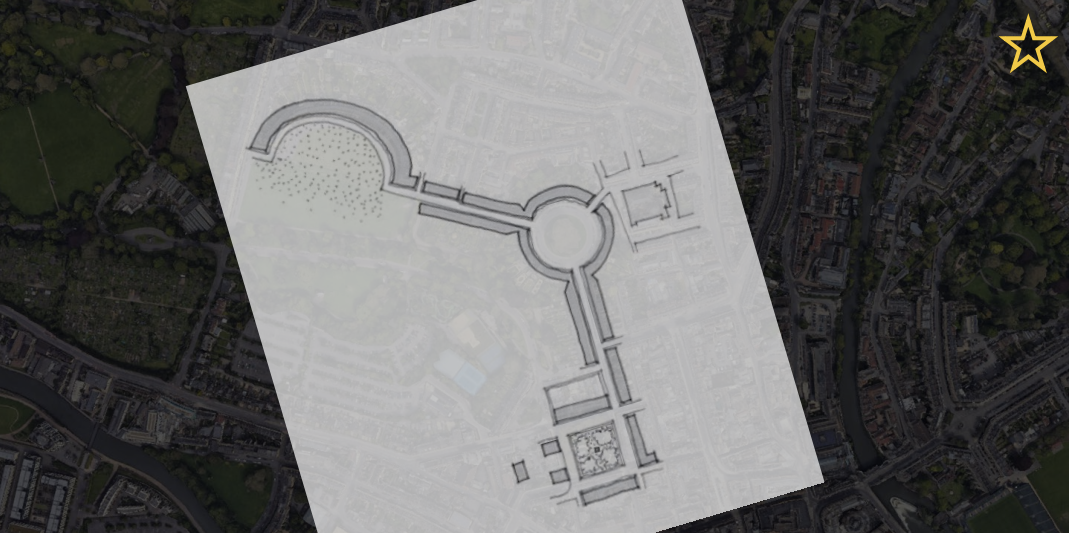
Identify the drawing+ Image caption
Site plan, Queen’s Square, The Circus, and the Royal Crescent
Urban town planning; high-density housing in one structure.
Facade: Looks like one grand mansion; Corinthian columns and pediment.
The Circus: Uses three orders (Doric, Ionic, Corinthian).
Map Shape: Crescent + Circus forms a "key" shape.
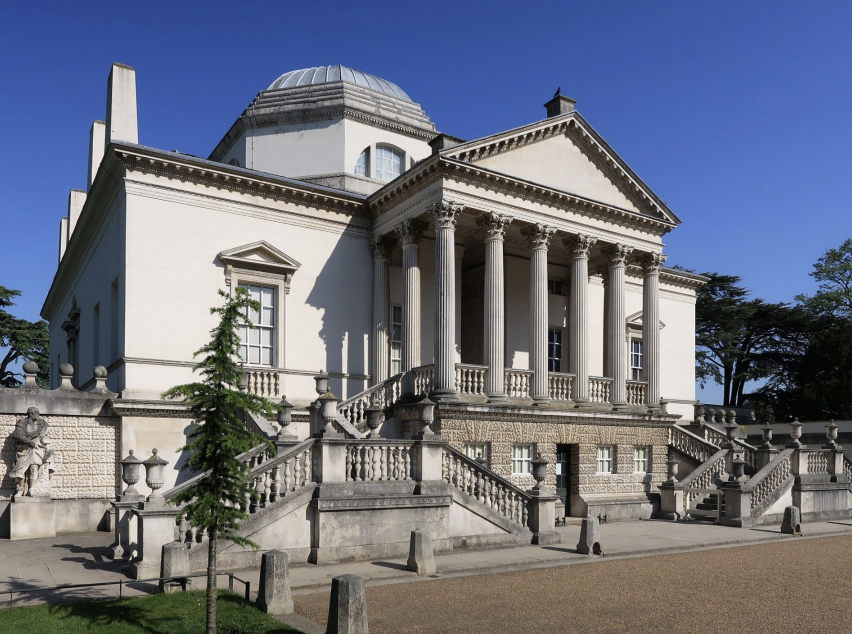
Site/ Location/ Architect
Chiswick House
London, England
Lord Burlington (Richard Boyle) and William Kent
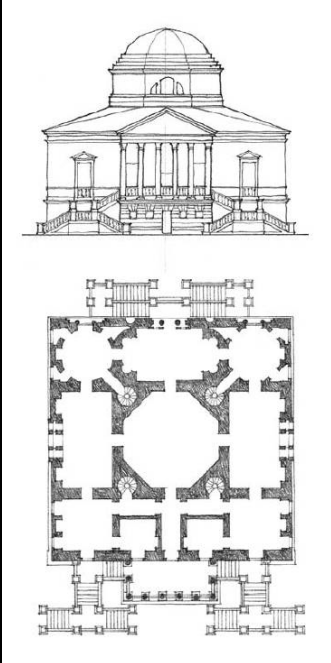
Identify the Drawing+ Image Caption
Elevation and plan, Chiswick House
Political Expression: The house served as Richard Boyle’s first architectural statement regarding his social class's political rights.
Palladian Influence: The design relies heavily on precedent, specifically the architectural forms of Andrea Palladio and his reconstructions of Roman buildings.
Geometric Composition: The layout is "packed and blocky," emphasizing strict symmetry and a variety of geometric shapes.
Interior Layout: The floor plan features a central octagonal hall, four rectangular rooms, a library, and a connecting garden.
Function: Rather than a primary residence, the "pavilion" was designed as a dedicated space for entertaining Boyle’s social circle.
Symmetry and Balance: The structure is mirrored along a midpoint line in both its plan and elevation, which is thought to symbolize a "balance of power."
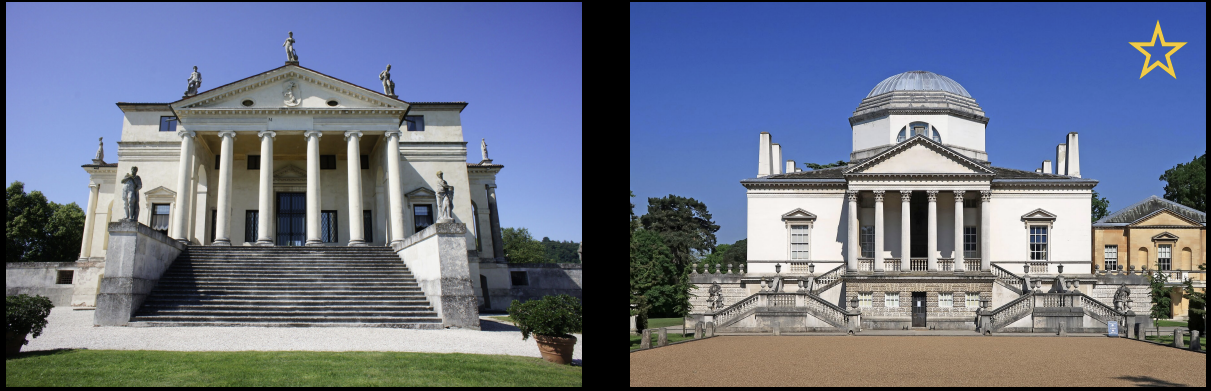
Identify the Images+ Compare
Villa Rotonda vs. Chiswick House
Both: Palladian, exterior columns, grand staircases.
Villa Rotonda: Original Renaissance; rural living; perfectly symmetrical.
Chiswick: Palladian Revival; social hangout; displayed landscape art (William Kent).
Differences: Chiswick is more ornate; uses double-stair arrangement; larger footprint.
China and the European Enlightenment
Jesuits travelled to China and bonded over their shared value on education
Jesuits interests liked in the divine mandate of the ruler and its ability to be revoked, and Chinese gardens
Site/ Location/ Architect
Stowe Gardens
Buckinghamshire, England
Architect: William Kent, among others
ha-ha
a walled ditch which allows uninterrupted views over ground in which animals graze
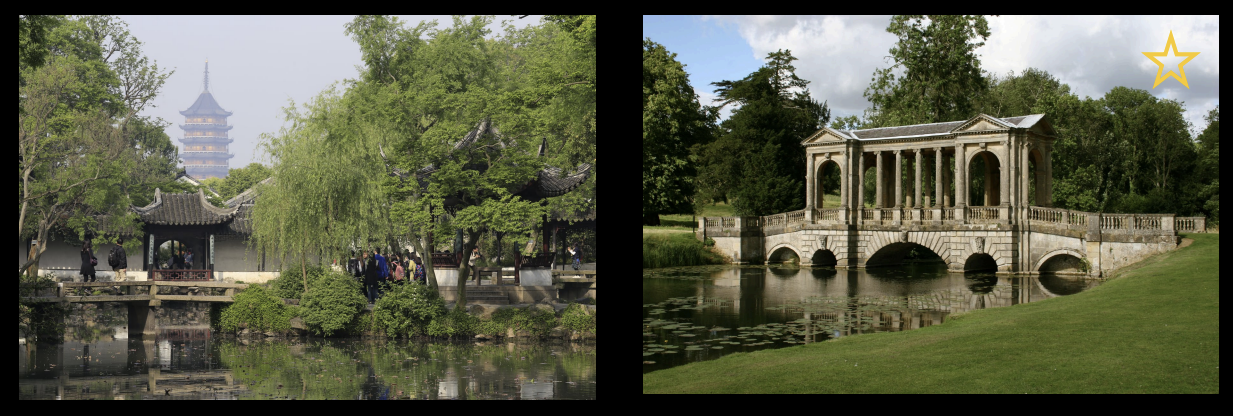
Image Identification+ Compare
Chinese Scholar Gardens vs. Stowe Gardens
Both: Use architecture to frame, embrace, and interact with the natural landscape.
Humble Administrator’s Garden:
Style: Suzhou/Ming Dynasty.
Purpose: Private retreat space.
Method: Uses existing nature to frame views and architecture.
Retains/frames what is already there.
Private retreat (Humble)
Stowe Gardens:
Style: Neoclassical / Palladian.
Purpose: Political and nationalistic expression.
Method: Balances symmetrical man-made elements (octagon lake, pavilions) against natural earth lines.
Actively modifies the landscape to create balance between symmetry and nature.
public/Nationalistic statement
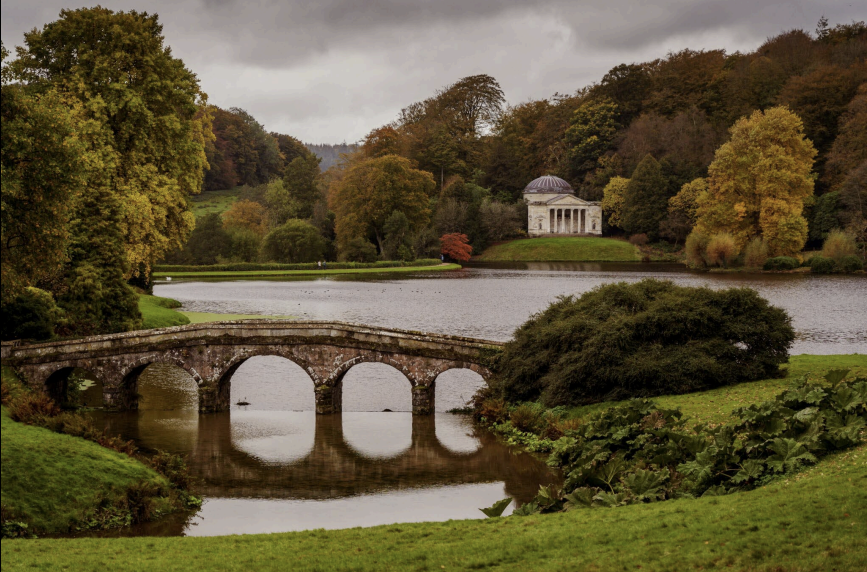
Site/ Location/ Architect
Stourhead
Wiltshire, England
Henry Hoare II with Henry Flitcroft
Picturesque
artistic concept characterized by a preoccupation with the pictorial values of architecture and landscape in combination with each other

