anatomy and physiology sem 1 final
 Call Kai
 Learn
Learn Practice Test
 Spaced Repetition
 Match
Match Flashcards
 Knowt Play
1/188

Earn XP
Description and Tags
anatomy and physiology
Name | Mastery | Learn | Test | Matching | Spaced | Call with Kai | Chat |
|---|
No analytics yet
Send a link to your students to track their progress
189 Terms
levels of structural organization
chemical, cellular, tissue, organ, organ system, human body
chemical level
atoms, molecules
cellular level
blood cells, muscle cells
tissue level
similar cells performing a certain function (connective and nervous tissue)
organ level
brain, heart, bones
organ system level
digestive system
homeostasis
maintaining relatively stable internal conditions even though the outside world changes continuously
receptor
a sensor that monitors the environment and detects stimuli; information is sent to the control center
control center (brain)
analyzes and determines the set point; information is sent to the effector
effector (muscle or gland)
carries out the control center’s response to the stimulus; responds to get body back into homeostasis
receptor to control center is a ____
afferent pathway (approach)
control center to effector is a ____
efferent pathway (exit)
stimuli
any change in your environment
positive feedback loop
enhances the original stimulus so that further responses are greater; same direction as the initial change
negative feedback loop
shuts down the original effect of the stimulus or reduces its intensity; opposite direction as the initial change
examples of a positive feedback loop
childbirth and blood clotting
examples of a negative feedback loop
body temperature increasing or decreasing, blood sugar, and blood pressure
sagittal plane
splits the body left and right
frontal plane
splits the body into front (anterior) and back (posterior)
transverse plane
splits the body into top (superior) and bottom (inferior)
anatomical position
body is erect with feet slightly apart, palms facing forward, and thumbs pointing away from the body
superior
towards the head end or upper part of the body; above
inferior
away from the head end or towards the lower part of the body; below
ventral
towards or at the front of the body; in front
dorsal
towards or at the back of the body; behind
medial
towards or at the midline of the body; on the inner side
lateral
away from the midline of the body; on the outer side
superficial
towards or at the surface of the body
deep
away from the surface of the body; more internal
dorsal cavity
contains the cranial cavity (brain) and vertebral cavity (spinal cord)
ventral
contains the thoracic cavity (lungs, esophagus, trachea, and heart) and abdominopelvic cavity (stomach, intestines, spleen, liver, urinary bladder, reproductive organs, and rectum)
organic compound
any compound composed of atoms (some of which are carbon) held together by covalent (shared electron) bonds; made by living things
examples of organic compounds
proteins, fats, and carbohydrates
inorganic compound
chemical substances that do not contain carbon
examples of inorganic compounds
ex: water, salts, and many acids and base
what’s the difference between inorganic and organic compounds?
Organic compounds always contain carbon, typically bonded to hydrogen, but inorganic compounds lack C-H bonds.
monomer
single molecules that can chemically bond with either identical or different molecules to form larger structures known as polymers; smaller units in polymerization
what process occurs in order for monomers to be linked together?
synthesis and dehydration
synthesis
adding
dehydration
removing water that was previously combined
what process occurs when bonds between monomers are broken?
decomposition and hydrolysis
hydrolysis
adding water to break bonds
which elements would be removed from given monomers during dehydration synthesis?
H2O
function of carbs
protection from trauma, insulation, stored energy, and has cell membrane components
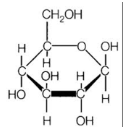
monomer of a carb
monosaccharide (glucose)
two carb monomers linked together
disaccharide (lactose or sucrose)
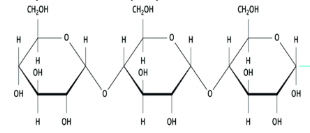
polymer of a carb
polysaccharide (cellulose p, starch p, and glycogen h)
elemental makeup of a carb
carbon, hydrogen, and oxygen in a 1:2:1 ratio
examples of carbs
fruits, grains, vegetables, dairy
function of a protein
structural purpose and the main source of usable stored energy
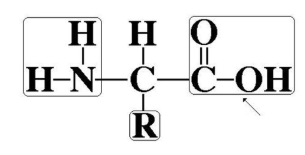
monomer of a protein
amino acid
polymer of a protein
polypeptide
elemental makeup of a protein
central carbon, carbonoxyl group, and amine group with changing “R” group
what are the types of lipids?
triglycerides (most common), phospholipids, steroids, eicosanoids
function of triglycerides
major form of stored energy in the body
elemental makeup of triglycerides
fatty acids and glycerol in a 3:1 ratio
regions of triglycerides
fat deposits (beneath the skin and around organs) protect and insulate body organs
functions of phospholipids
chief components of cell membranes and help transport lipids in blood
elemental makeup of phospholipids
two fatty acid chains with a phosphate group with an attached nitrogen containing group
fatty acid tails…
make one end nonpolar and hydrophobic
fatty acid “head”…
is polar and hydrophilic
functions of steroids
vital to homeostasis, components of cell membranes
elemental makeup of steroids
flat molecules made up of four interlocking hydrocarbon rings; fat soluble and contain little oxygen
The single most important molecule in our steroid chemistry is…
cholesterol
function of eicosanoids
found in all cell membranes, help with various body functions such as blood clotting, blood pressure, inflammation, and labor contractions
elemental makeup of eicosanoids
20-carbon fatty acid
saturated fats
molecules are packed closely together forming solid @ room temp
unsaturated fats
molecules can’t pack together closely to solidify
what is the difference between saturated and unsaturated fats?
Saturated have fatty acids that contain covalent bonds, unsaturated have fatty acids that are missing hydrogen and contain one double bond (bend) of carbon.
which fat is healthier for you?
Unsaturated fats because they don’t solidify at room temp and they are liquid so it is easier to move through blood vessels.
denatured proteins
proteins unfold and lose their specific three-dimensional shape
what causes proteins to denature?
a decrease in pH or temperature rises
How enzymes allow chemical reactions to occur at normal body temperatures:
The presence of specific enzymes determines not only which reactions will be speeded up, but also which reactions will occur—no enzyme, no reaction. This also means that unwanted or unnecessary chemical reactions do not occur.
acids are ____ on a pH scale
lower
bases are ____ on a pH scale
higher
water is ____ on a pH scale
neutral
active transport
requires energy (ATP), low to high concentration
passive transport
doesn’t require energy (ATP), high to low concentration
diffusion
passive transport, no protein, small molecules, nonpolar molecules
osmosis
passive transport, H2O crossing, needs an aquaporin (protein)
facilitated diffusion
passive transport, proteins needed (channels), large, charged molecules
epithelial tissue
a sheet of cells that covers a body surface or lines a body cavity
simple squamous function
allows materials to pass by diffusion and filtration in sites where protection is not important
simple squamous location
kidney glomeruli, air sacs of lungs, lining of heart, blood vessels and lymphatic vessels, serosae
simple cuboidal function
secretion and absorption
simple cuboidal location
kidney tubules, ducts, and secretory portions of small glands, ovary surface
simple columnar function
absorption; secretion of mucus, enzymes, and other substances; ciliated type propels mucus by ciliary action; filtration
simple columnar location (ciliated)
lines small bronchi, uterine tubes, and some regions of the uteru
simple columnar location (nonciliated)
lines the digestive tract, gallbladder and excretory ducts of some glands
pseudostratified columnar function
secrete substances, particularly mucus; propulsion of mucus by ciliary action
pseudostratified columnar location (ciliated)
lines the trachea and most of the upper respiratory tract
pseudostratified columnar location (nonciliated)
in males sperm-carrying ducts and ducts of large glands
stratified squamous function
protects underlying tissues in areas subjected to abrasion
stratified squamous location (keratinized)
forms the epidermis of the skin, a dry epithelium
stratified squamous location (nonkeratinized)
forms the moist linings of the esophagus, mouth, and vagina
transitional epithelium function
stretches readily, permits stored urine to distend urinary organ
transitional epithelium location
lines the uterus, bladder, and part of the urethra
microvilli
tiny finger-like extensions that increase exposed area and are found in the plasma membrane
cilia
tiny, hair-like, and propel substances along their free surface lining the trachea
simple epithelia
a single cell layer, they are typically found where a thin epithelial barrier is desirable