Neuropsych Chapter 4 P1 Structure and Electrical Activity of Neurons
 Call Kai
 Learn
Learn Practice Test
 Spaced Repetition
 Match
Match Flashcards
 Knowt Play
1/62

There's no tags or description
Looks like no tags are added yet.
Name | Mastery | Learn | Test | Matching | Spaced | Call with Kai |
|---|
No analytics yet
Send a link to your students to track their progress
63 Terms
How many dendrites can a single neuron have?
A neuron can have from one (bipolar cell) to many thousands (Purkinje cell) of dendritic shafts
What is the post synaptic density (PSD)?
A structure within the spine head that contains neurotransmitter receptors, scaffold proteins, and adhesion proteins that is important in holding the shape of the spine and giving more space for connections
What is long term potentiation (LTP)?
Very frequent stimulation of a particular synapse that can cause existing dendritic spines to increase in size and may lead to the formation of new a spine
What is spinogenesis?
The formation of a new dendritic spine causes an increase in the surface area of the cell and creates potential to form new synapses
What is long term depression (LTD)?
Low-frequency activity in a specific neuron leading to the shrinkage or removal of dendritic spines
What are axon collaterals?
Branches of a neurons axon that emerge at right angles from the primary axon
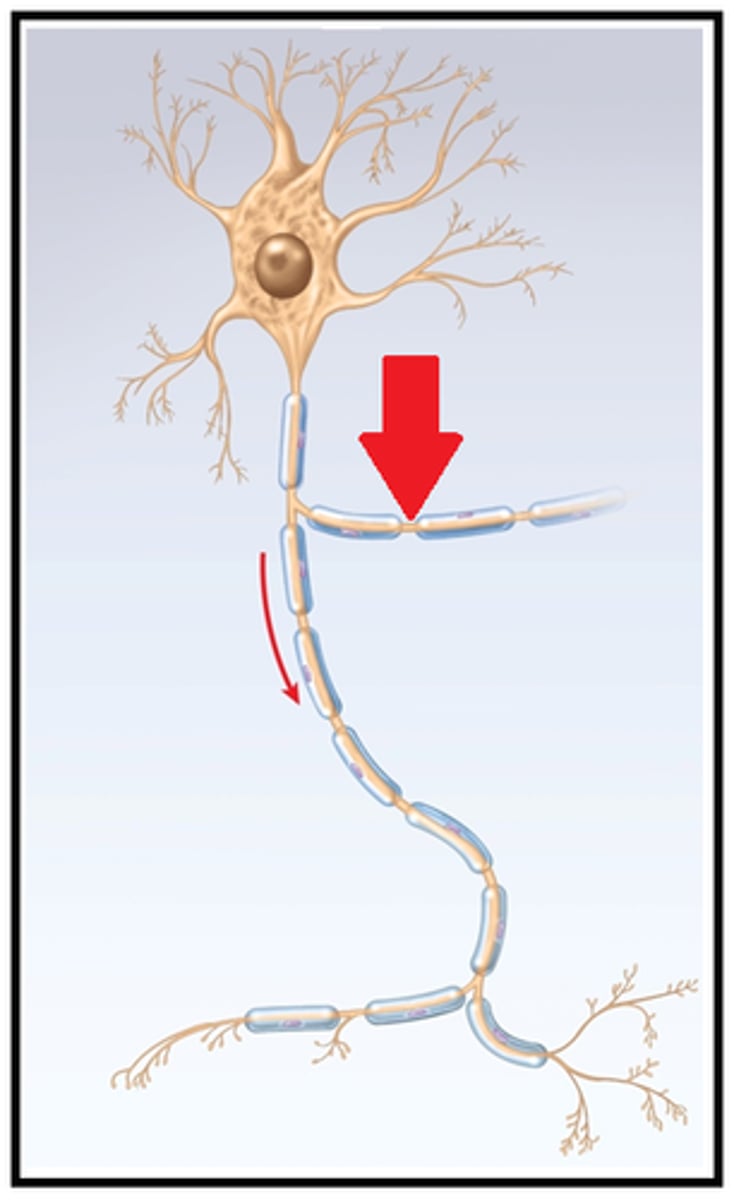
What are the main components of a neuron?
A neuron consists of a cell body, dendrites, and an axon.
What are dendritic spines?
tiny protrusions on dendrites that receive input from other cells
What is the relationship between the size of dendritic spines and synaptic connections?
Larger spines typically have more receptors and potential for synaptic connections, while smaller spines have fewer.
What role does F actin play in dendritic spines?
A scaffold protein in the PSD that helps maintain the spine's structural form and allows it to grow or change shape in response to synaptic activity
What are telodendria?
Smaller branches that divide from axon collaterals
What is the axon terminal?
The knob-like structure at the end of telodendria
- also known as the terminal button or end foot
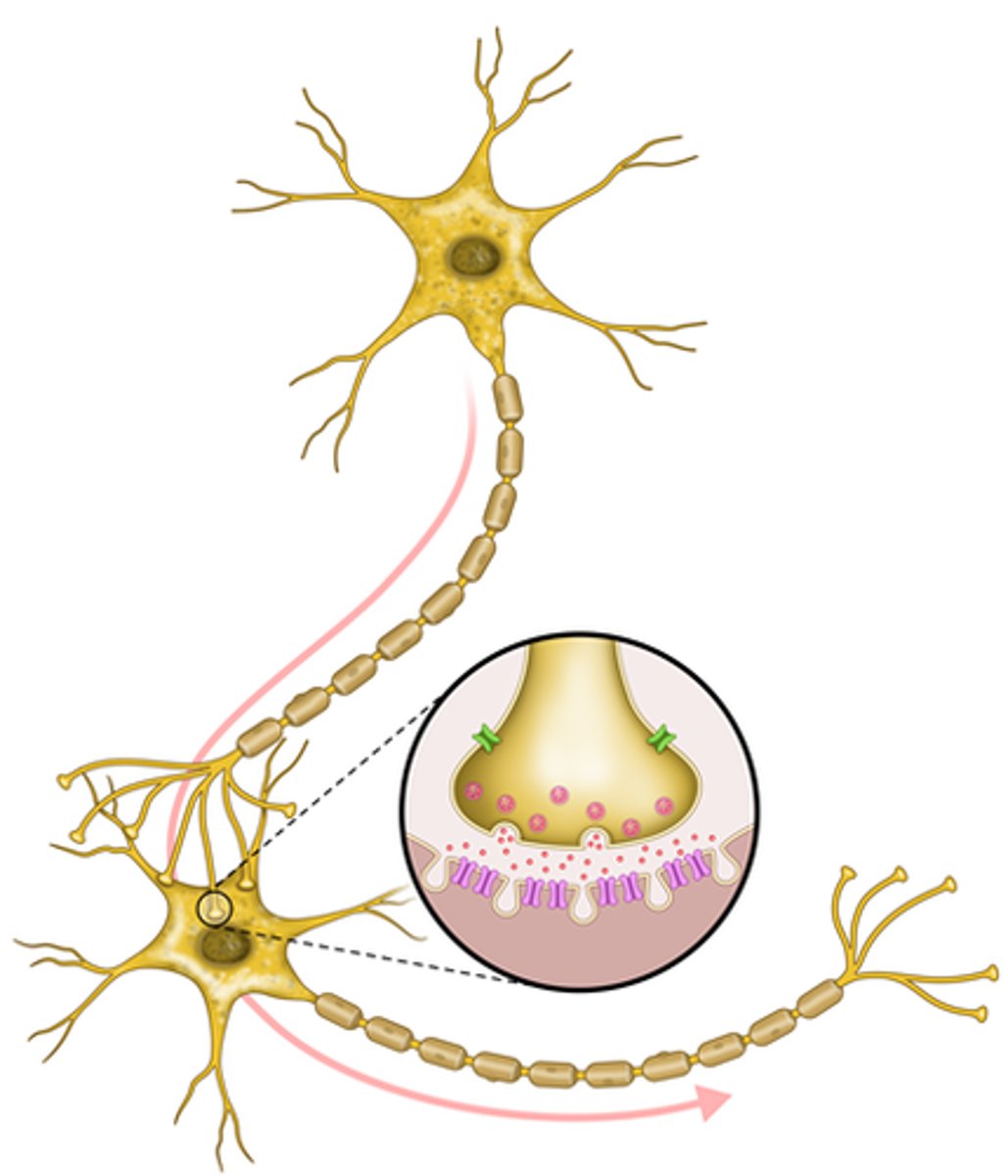
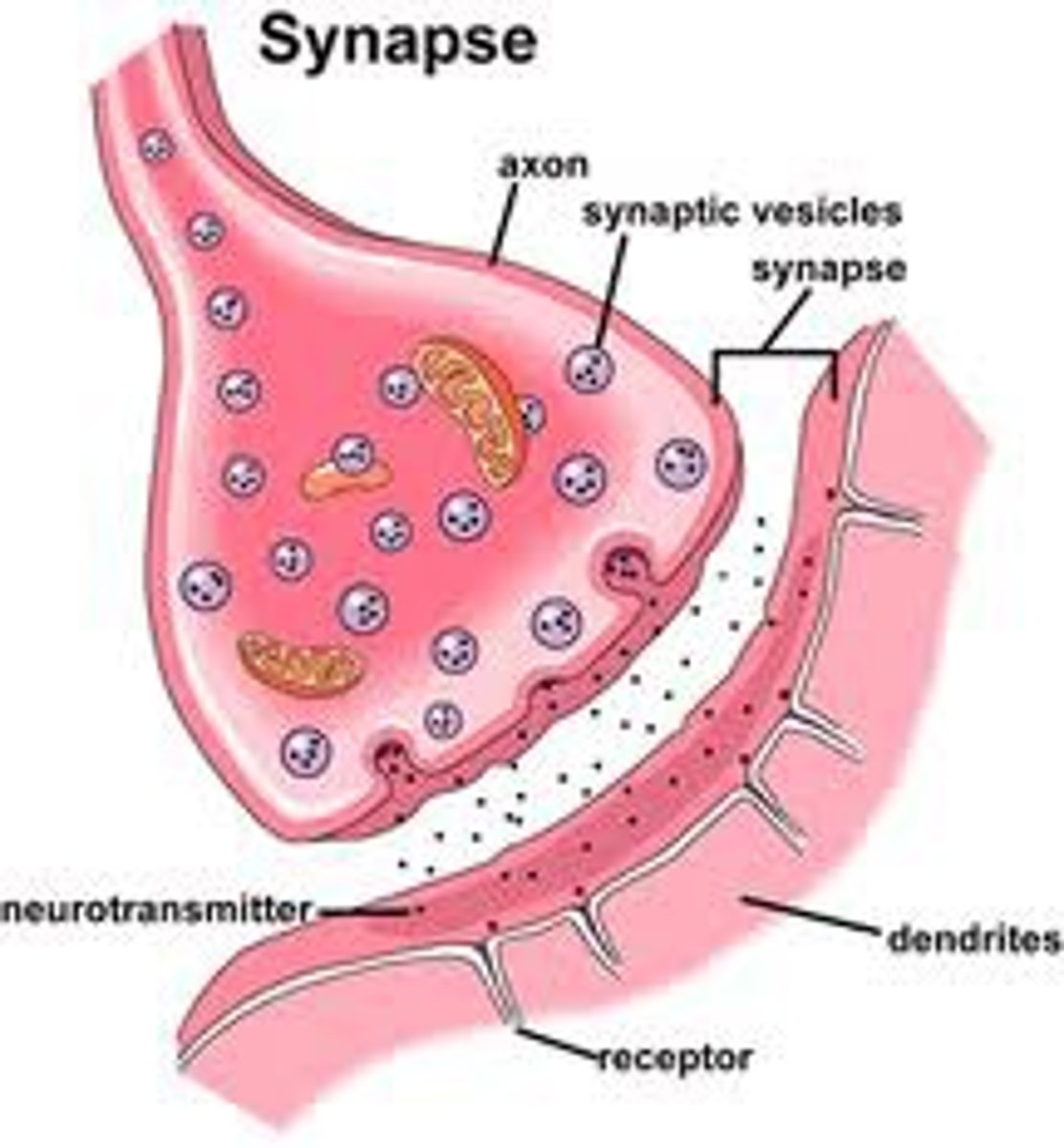
What is a synapse?
The microscopic space between the axon terminal of one neuron and the dendritic spine of another neuron
- "almost connection"
What is the function of the nucleus in a neuron?
Houses chromosomes carrying genetic instructions and produces ribosomes for protein synthesis
What is the axon hillock?
The initial enlargement that forms the beginning of an axon that has a high concentration of ion channels, making it excitable (ready for AP)
What is the sequence of information flow in a neuron?
From the dendritic tree to the axon terminal
- first receives chemical input from receptors -> ligand binds to receptor to cause response (excitatory or inhibitory) -> neuron produces a trigger signal
What is a ligand?
A signaling molecule that binds to a receptor to initiate a biological response
- acts like an agonist (encourages a response)
What is the difference between an agonist and an antagonist?
An agonist binds to a receptor to activate it, while an antagonist binds to block a receptor's biological response.
What neurotransmitters do most mammalian neurons have receptors for?
Glutamate (excitatory) and GABA (inhibitory).
How does a neuron integrate signals?
A neuron integrates signals by summing all the messages it receives from nearby cells in the soma.
What is the role of ionotropic receptors?
ion channels that open when a neurotransmitter binds, changing the ion concentration inside the cell.
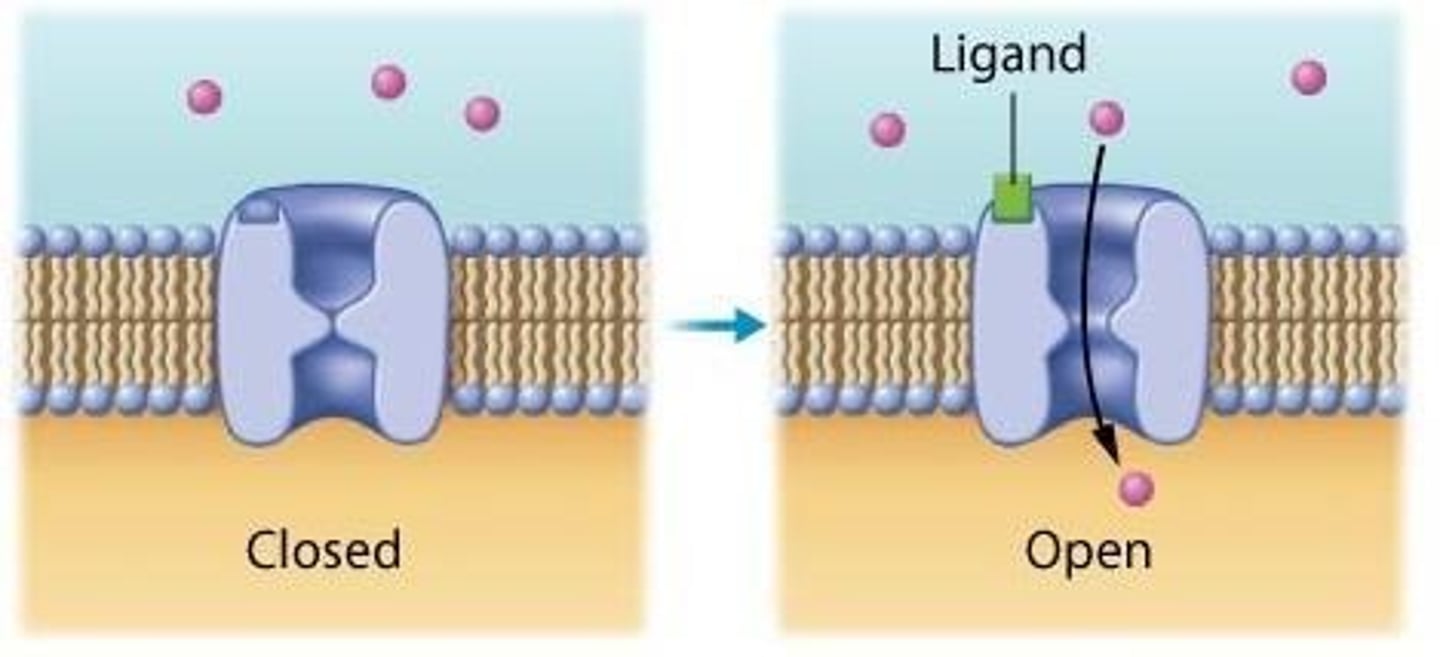
What is a ligand-gated ion channel?
A channel that opens for ions to enter or exit the cell upon ligand binding, allowing for rapid depolarization or hyperpolarization
What is the difference between ionotropic and metabotropic mechanisms?
Ionotropic mechanisms involve direct opening of ion channels by ligand binding, while metabotropic mechanisms involve G protein-coupled receptors that activate secondary messengers to open or close ion channels.
What is the action potential?
A conducting signal produced by the neuron that sends information down the axon to its synapses with other neurons.
What are neurotransmitters?
Chemical messages produced by neurons that communicate output signals to other cells
How do neurons function like factories?
Neurons produce proteins that regulate their own activity (like receptors) and things it can export that affect other cells. (neurotransmitters)
What is the extracellular fluid?
The fluid outside the cell that is separated from the cytoplasm by the cell membrane
What does it mean for a cell membrane to be semipermeable?
It allows only certain substances to pass through while blocking others
- due to variety of proteins (channels, gates, pumps) that regulate substances entering or exiting the cell
What is the function of the endoplasmic reticulum (ER)?
An extension of the nuclear membrane where proteins are assembled
- the "factory floor"
What are Golgi bodies responsible for?
They 'address' and package proteins for transport to their final destinations within the cell
What is the role of mitochondria in the cell?
They supply energy to the cell and contain mtDNA, which produces enzymes that create ATP
What are lysosomes?
Sac-like vesicles that store waste products and contain enzymes for digesting chemical compounds.
What are genes?
Specific segments of DNA that provide the instructions for assembling amino acids into proteins.
What is the structure of DNA?
A double helix made up of nucleotide bases: Adenine (A), Thymine (T), Guanine (G), and Cytosine (C).
What base pairs are found in DNA?
Adenine + Thymine, Guanine + Cytosine.
What is the human genome composed of?
Approximately 3 billion base pairs.
What is the cytoplasm?
The fluid inside the cell that contains organelles and is separated from the extracellular fluid by the cell membrane.
What are microfilaments?
Structures that form the cytoskeleton, providing a framework for the cell's interior.
What is the function of the nuclear membrane?
It surrounds the nucleus and regulates the flow of genetic instructions to the cell.
What is adenosine triphosphate (ATP)?
The main energy source for cellular processes.
What is the significance of ion charge in neurons?
Charged atoms (ions) influence the electrical potential and signaling in neurons.
What is the role of extracellular fluid in the brain?
It cushions neurons and glia, providing nutrients and removing waste products.
How do neurons communicate with each other?
Through the release of neurotransmitters that bind to receptors on other neurons.
What is the state of an atom with equal protons and electrons?
The atom is in a neutral state.
What is intracellular fluid?
Fluid found inside a cell, also known as cytoplasm, made up of water and dissolved substances.
What regulates the movement of substances in and out of a cell?
The cell membrane, which has a bilayer structure
What happens if too much water enters a cell?
The cell can burst.
What happens if too much water leaves a cell?
The cell can shrivel.
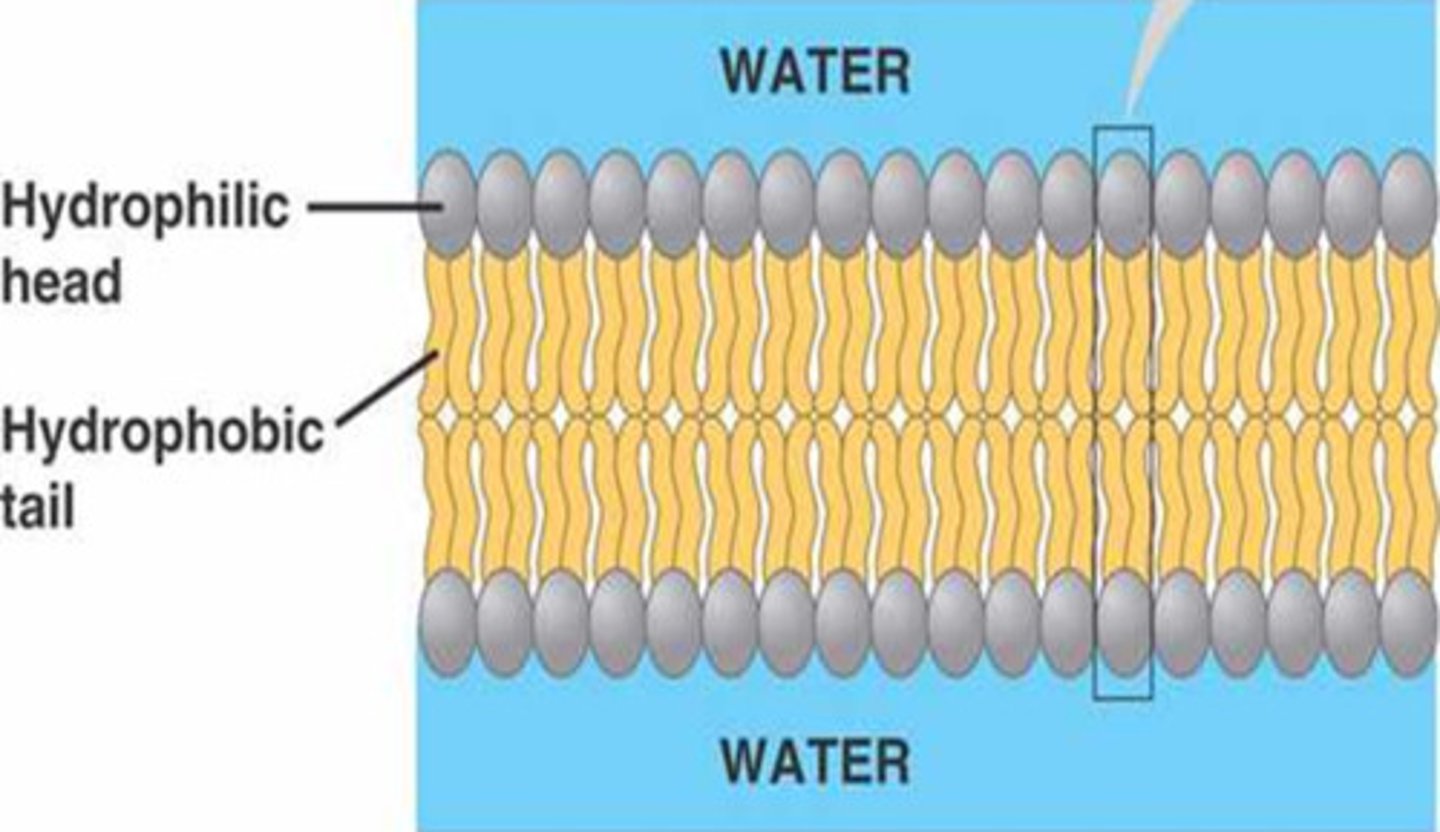
What is a phospholipid?
A molecule that forms the bilayer of the cell membrane - is polar
What is the charge characteristic of the head of a phospholipid?
The head is polar, having a slight positive charge in one location and a slight negative charge in another
- makes it hydrophilic (points towards water outside cell)
Why does the phospholipid bilayer form?
Due to the different polarity of the head (hydrophilic) compared to the tails (hydrophobic)
What role do proteins play in the cell membrane?
They make the cell semipermeable, allowing selective transport of substances through channels, gates and pumps
What are transmembrane proteins?
Proteins that either passively allow, let in through gates, or actively pump atoms, ions, or molecules across the membrane.
What is a passive channel?
A channel that allows particular ions to move through the membrane on their own.
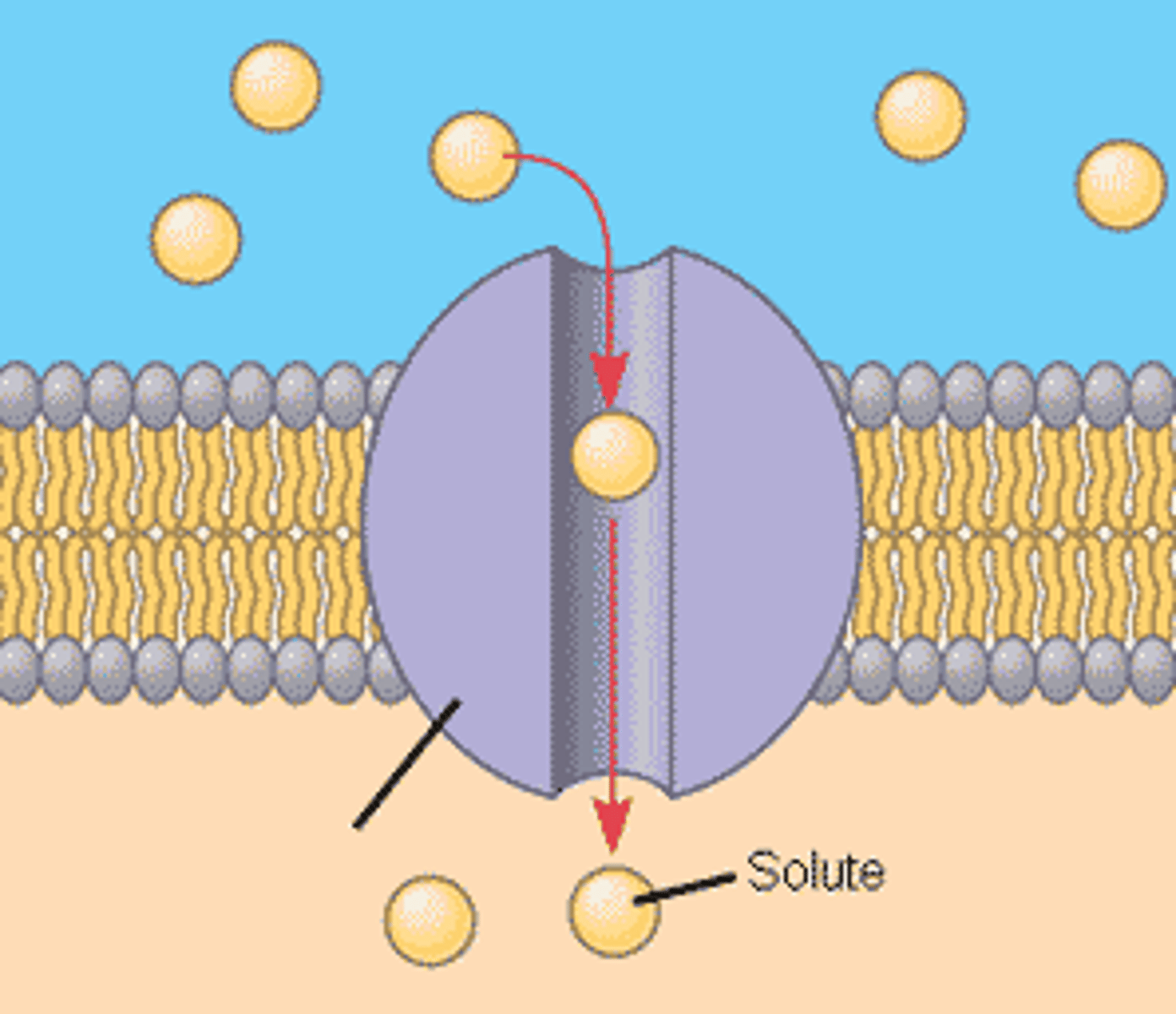
What are gated channels?
Channels that require a ligand to bind in order to open or close.
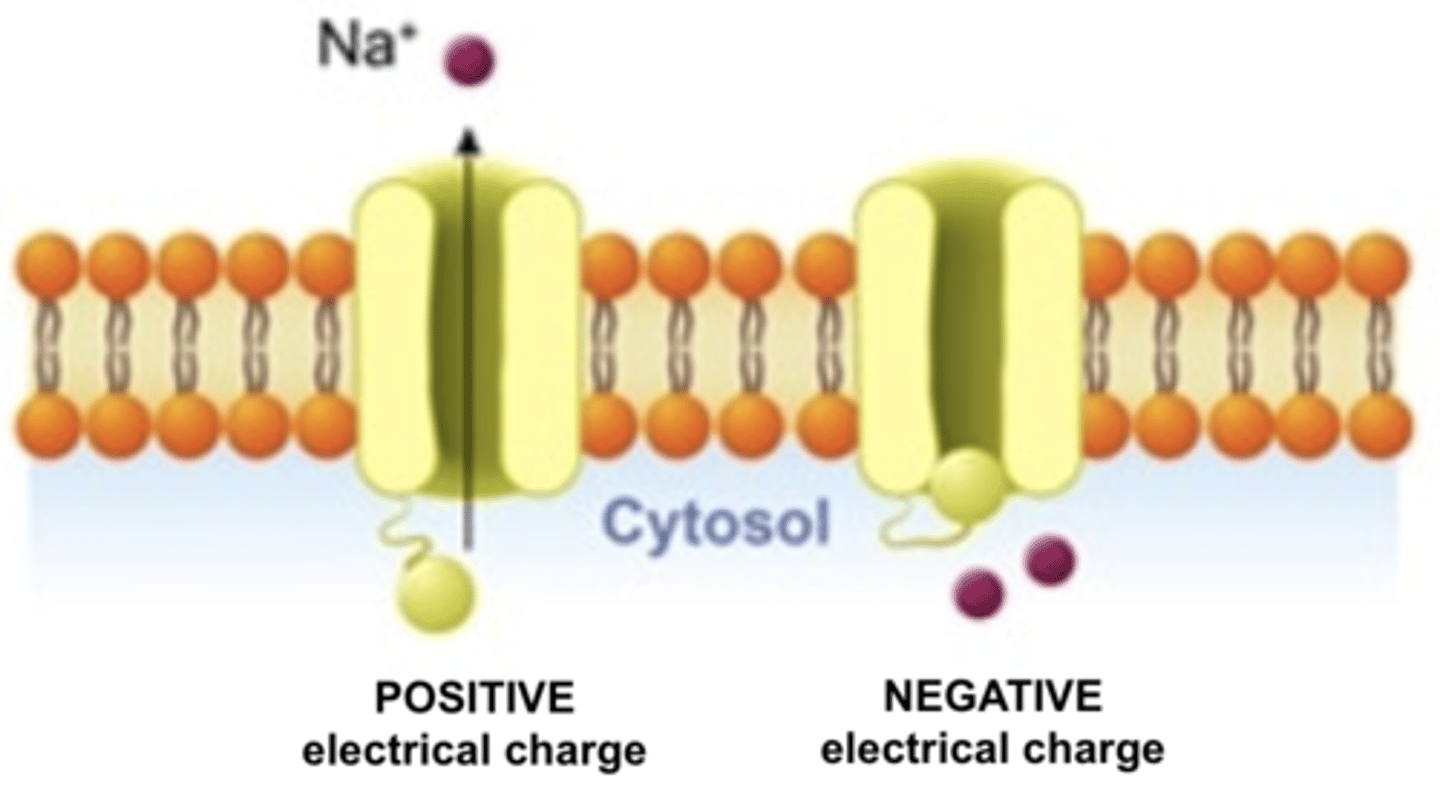
What is a voltage-gated channel?
A channel that opens or closes in response to changes in the membrane's electrical potential
- exist only an axon to propagate an AP
What are pumps in the context of cell membranes?
Proteins that actively transport substances across the membrane against a gradient they naturally want to follow, requiring energy
What happens to the orientation of phospholipids in water?
The polar heads orient towards water while the hydrophobic tails face away from it.
What is the significance of ion concentration differences across the cell membrane?
Precise concentrations of chemicals inside the cell are essential for its healthy functioning.
What can happen if the concentration of ions is not regulated by the cell membrane?
It can lead to cell dysfunction or damage.
What is the primary role of the cell membrane?
To regulate the movement of substances in and out of the cell.
What is the bilayer structure of the cell membrane composed of?
Two layers of phospholipids.
Still learning (6)
You've started learning these terms. Keep it up!

