AQA Business A-level theories and models
 Studied by 2 people
 Call Kai
 Learn
Learn Practice Test
 Spaced Repetition
 Match
Match Flashcards
 Knowt Play
1/37

There's no tags or description
Looks like no tags are added yet.
Name | Mastery | Learn | Test | Matching | Spaced | Call with Kai |
|---|
No analytics yet
Send a link to your students to track their progress
38 Terms
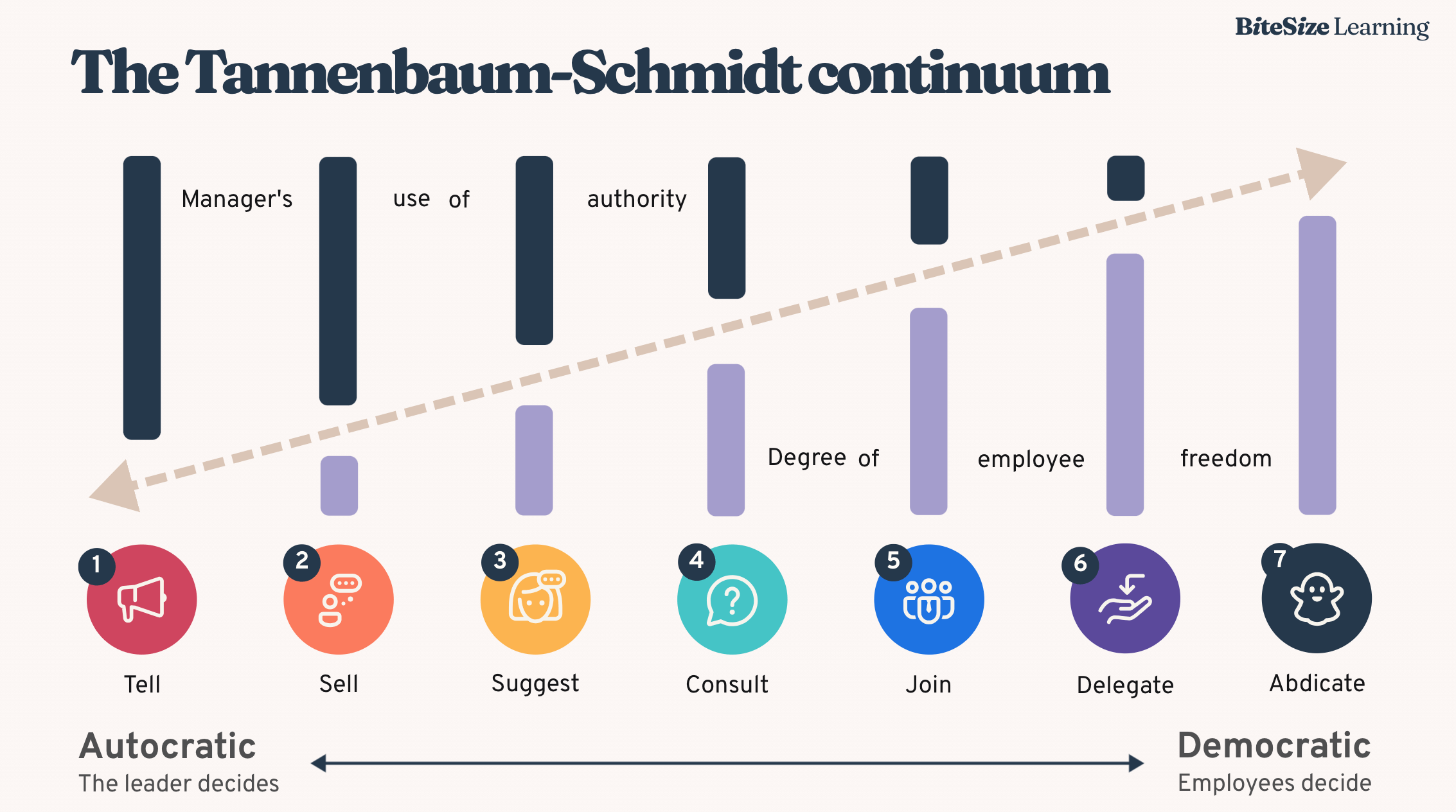
Tannenbaum Schmidt Continuum
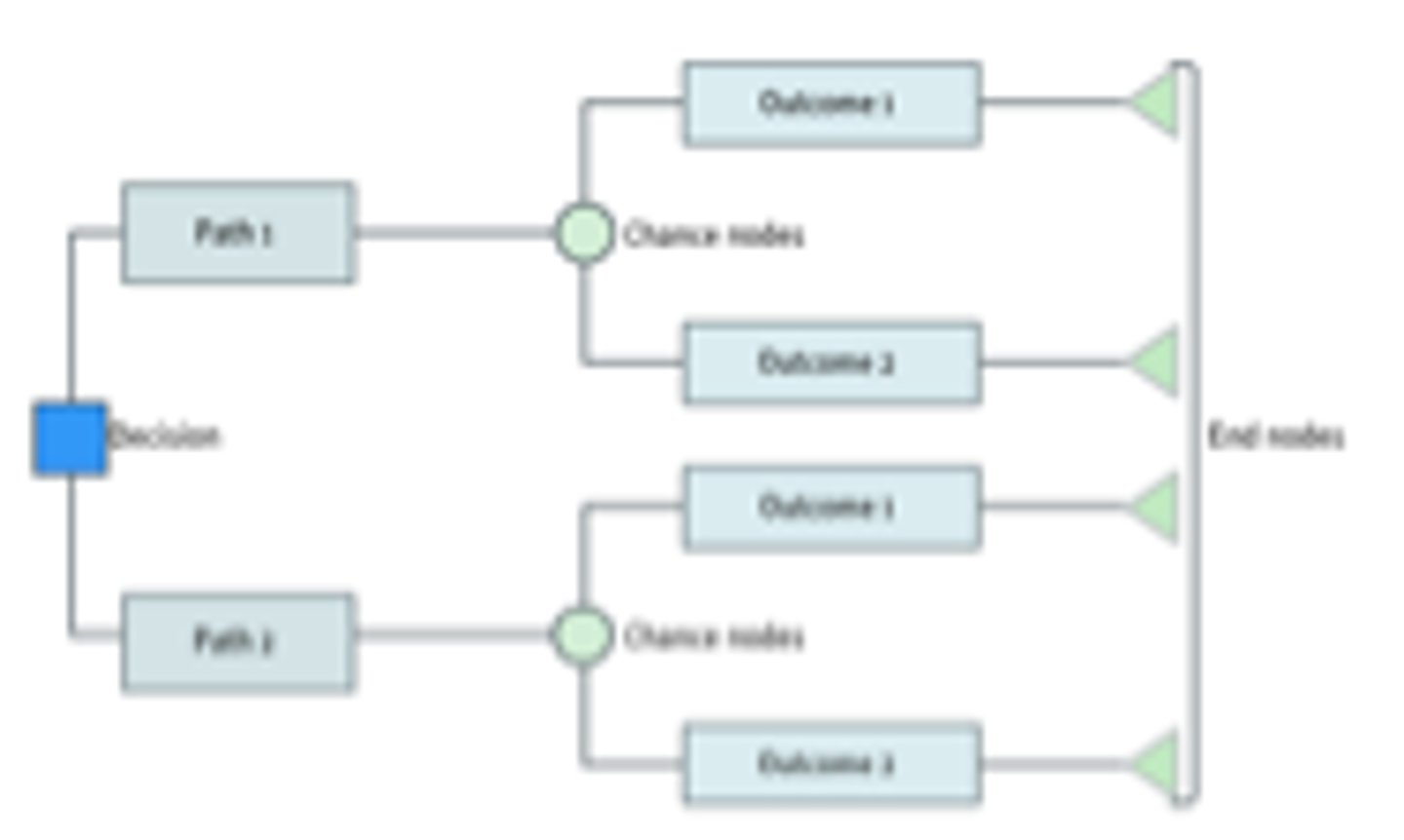
Decision Trees
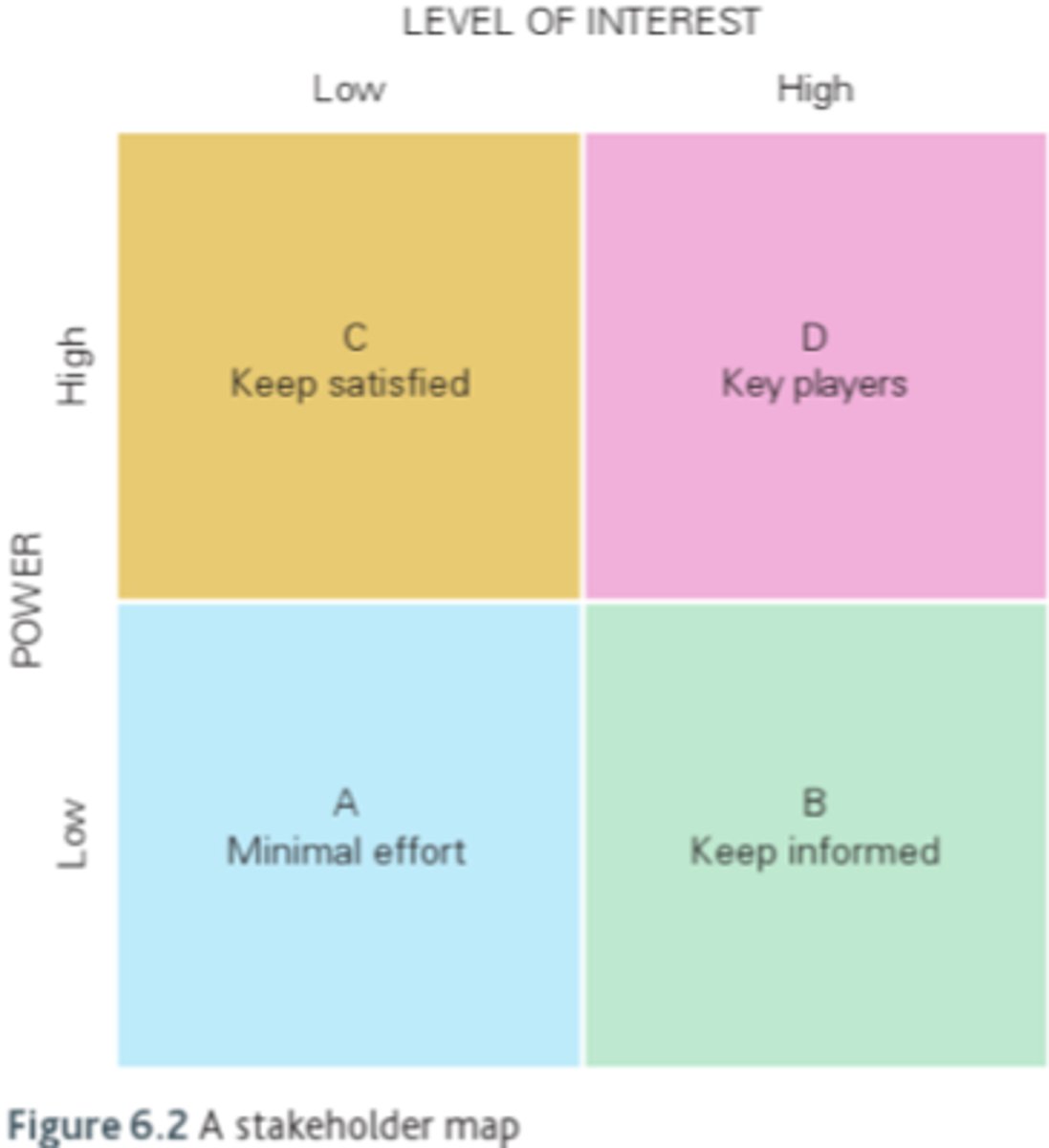
Stakeholder mapping
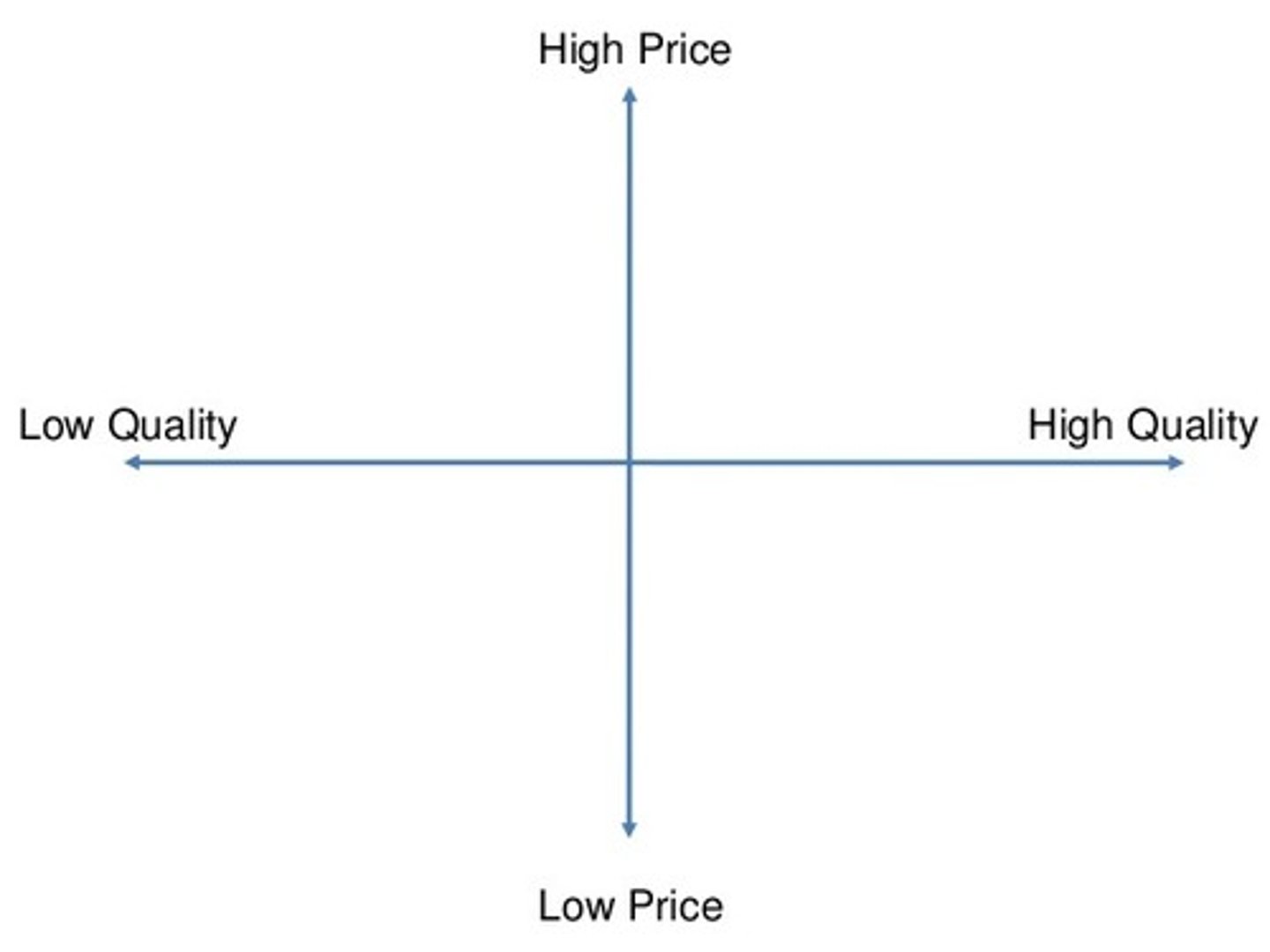
Market mapping
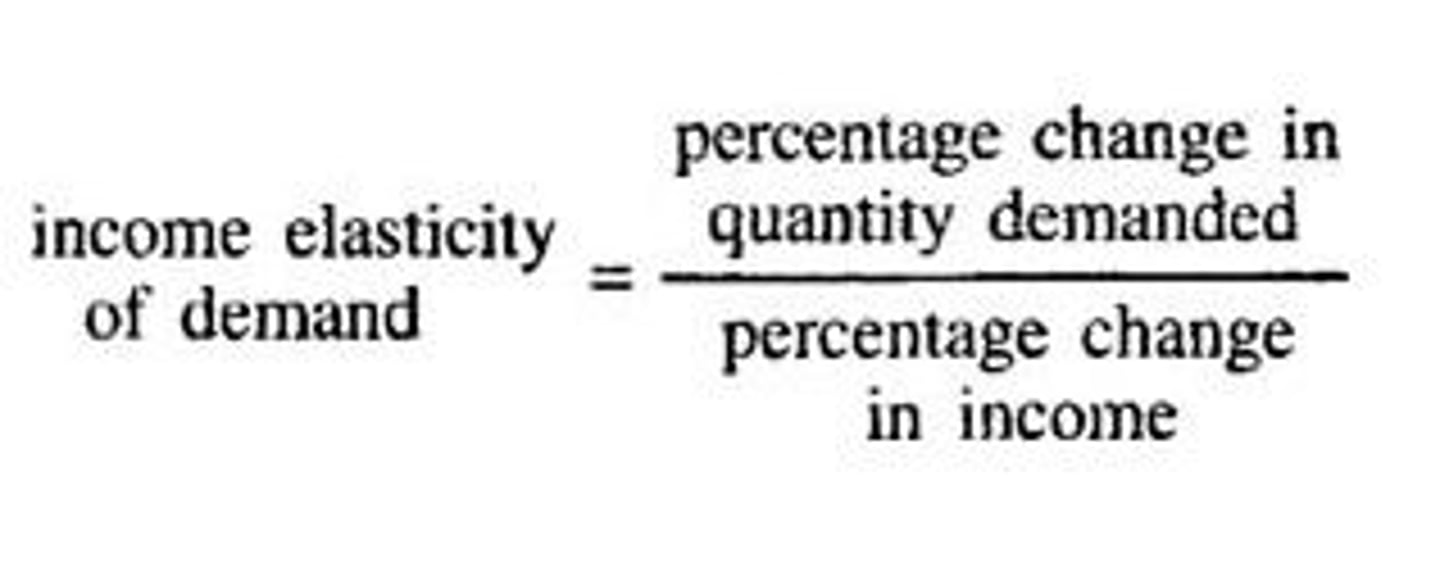
Income elasticity demand
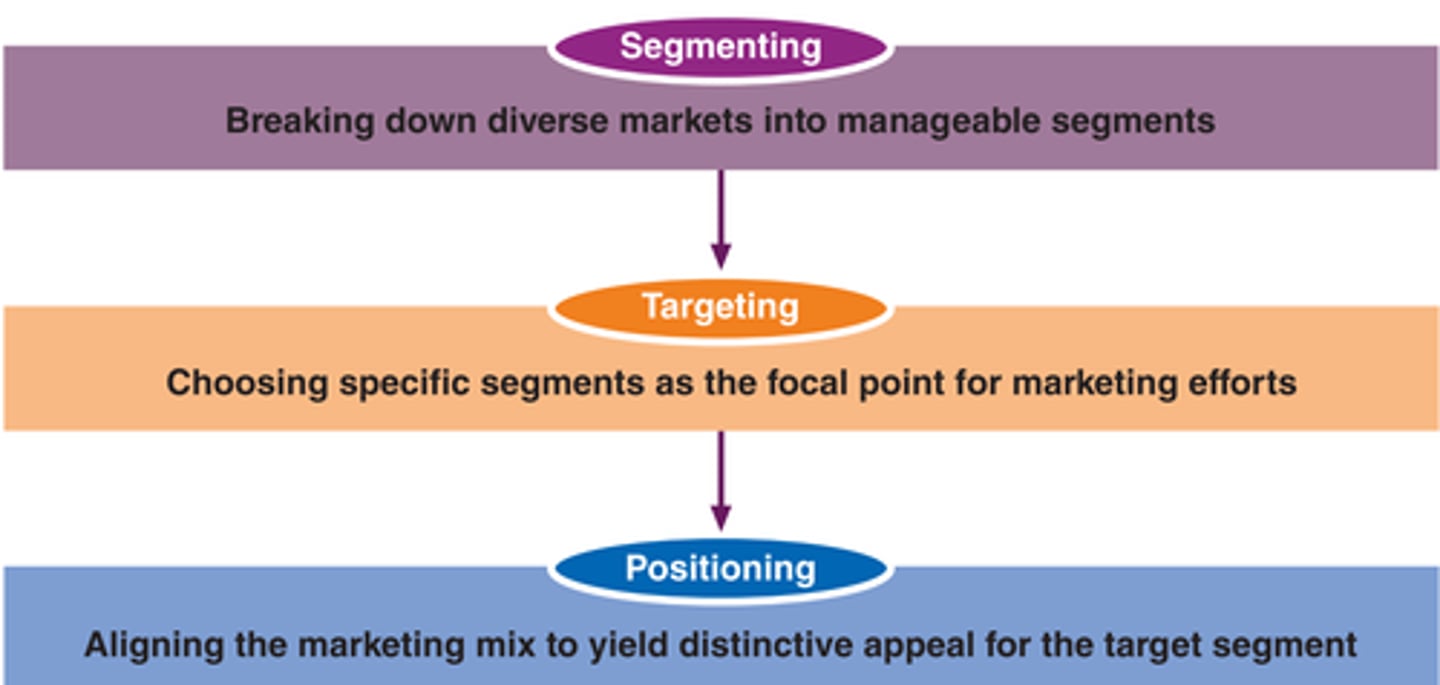
Segmentation, targeting, positioning
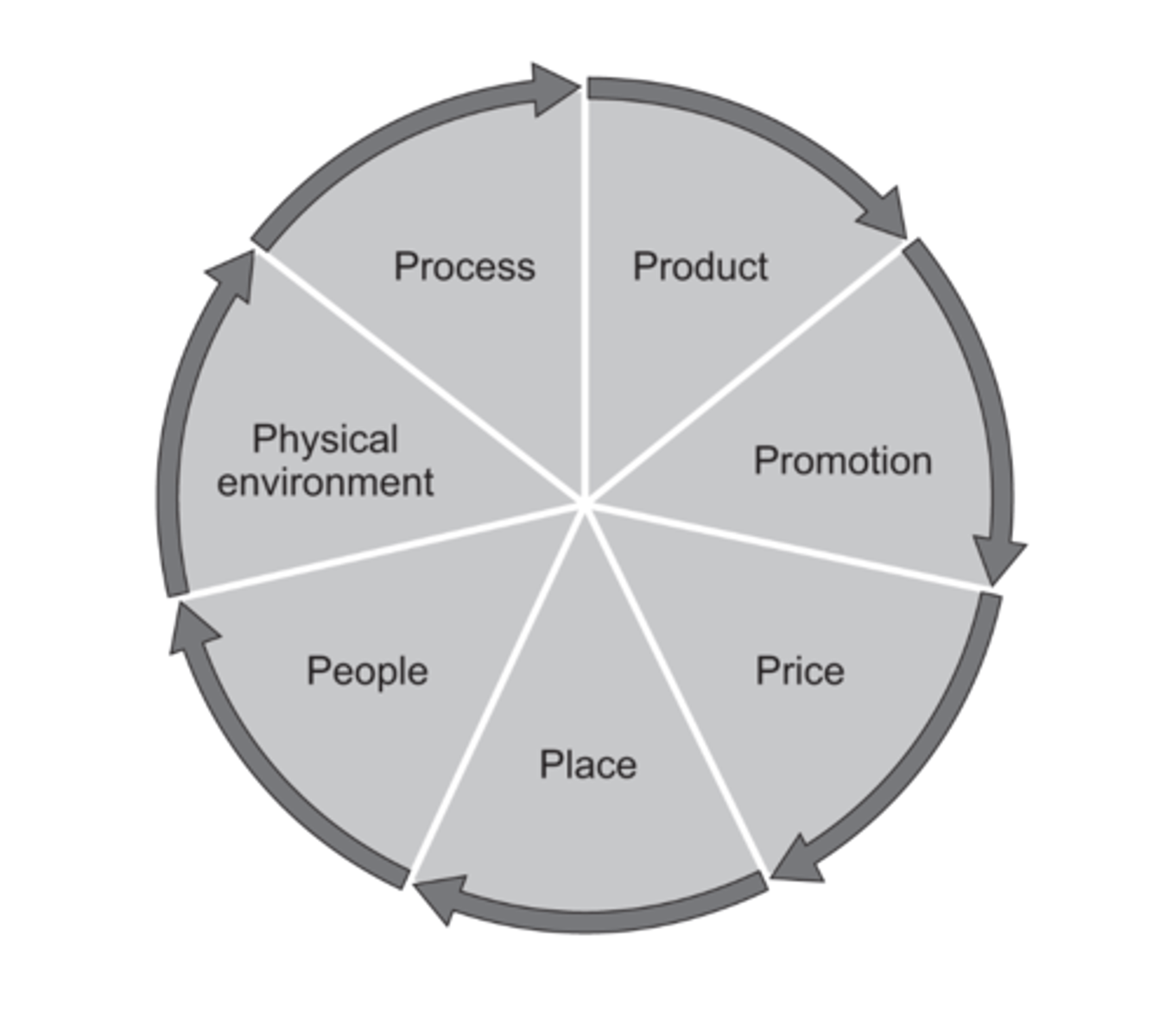
7Ps of the marketing mix
Inventory control chart

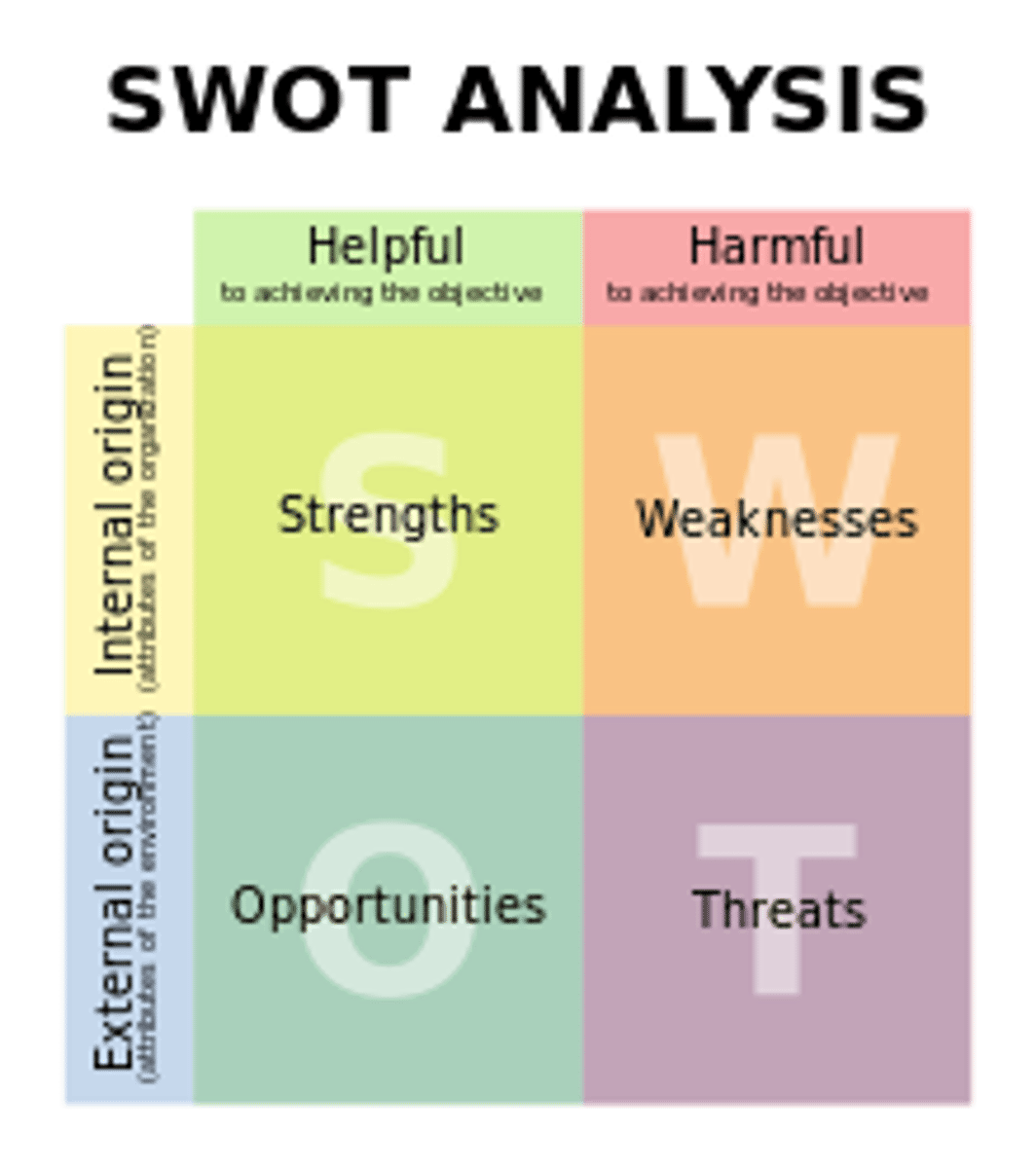
SWOT analysis
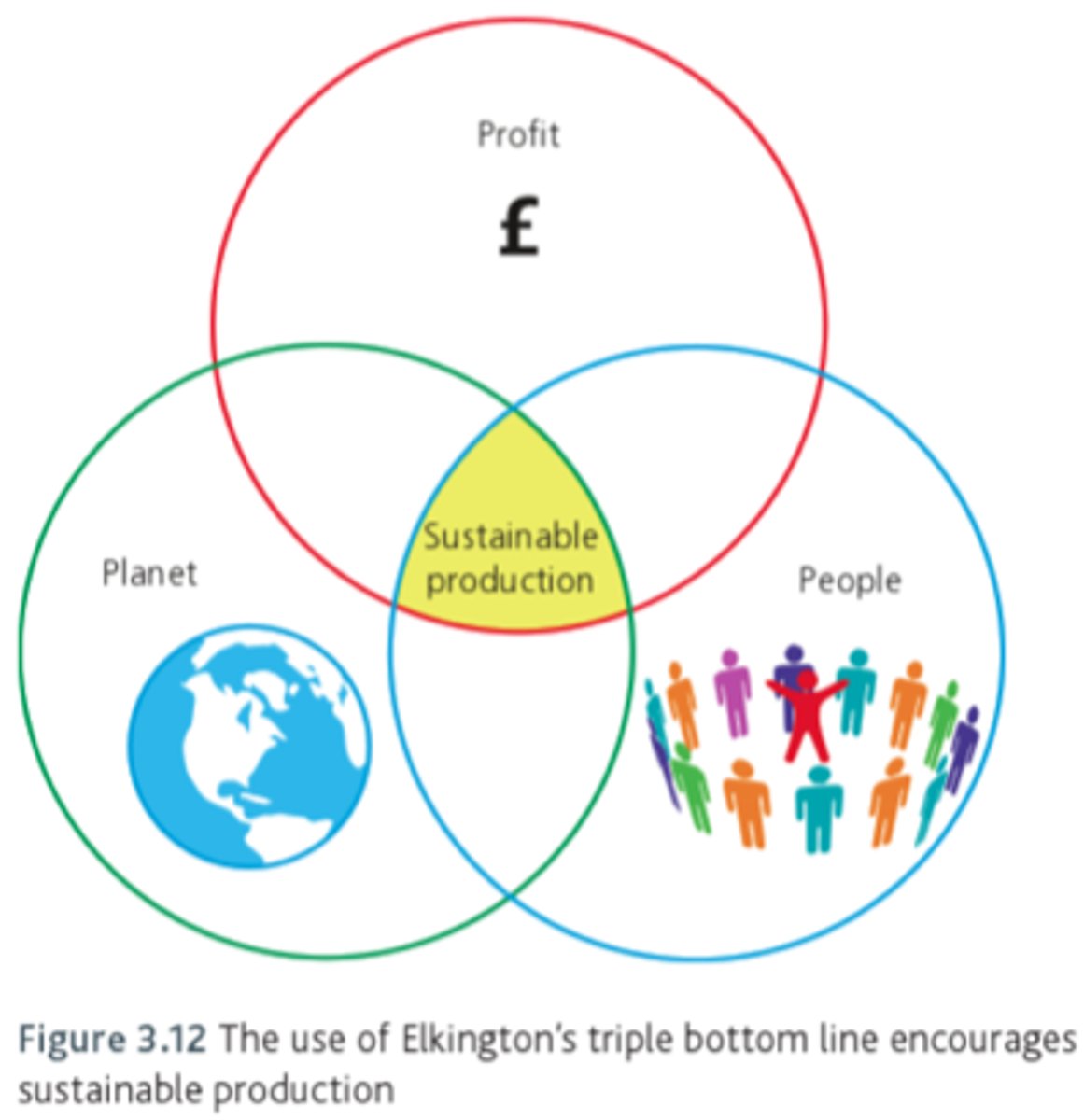
Elkington's Triple Bottom Line
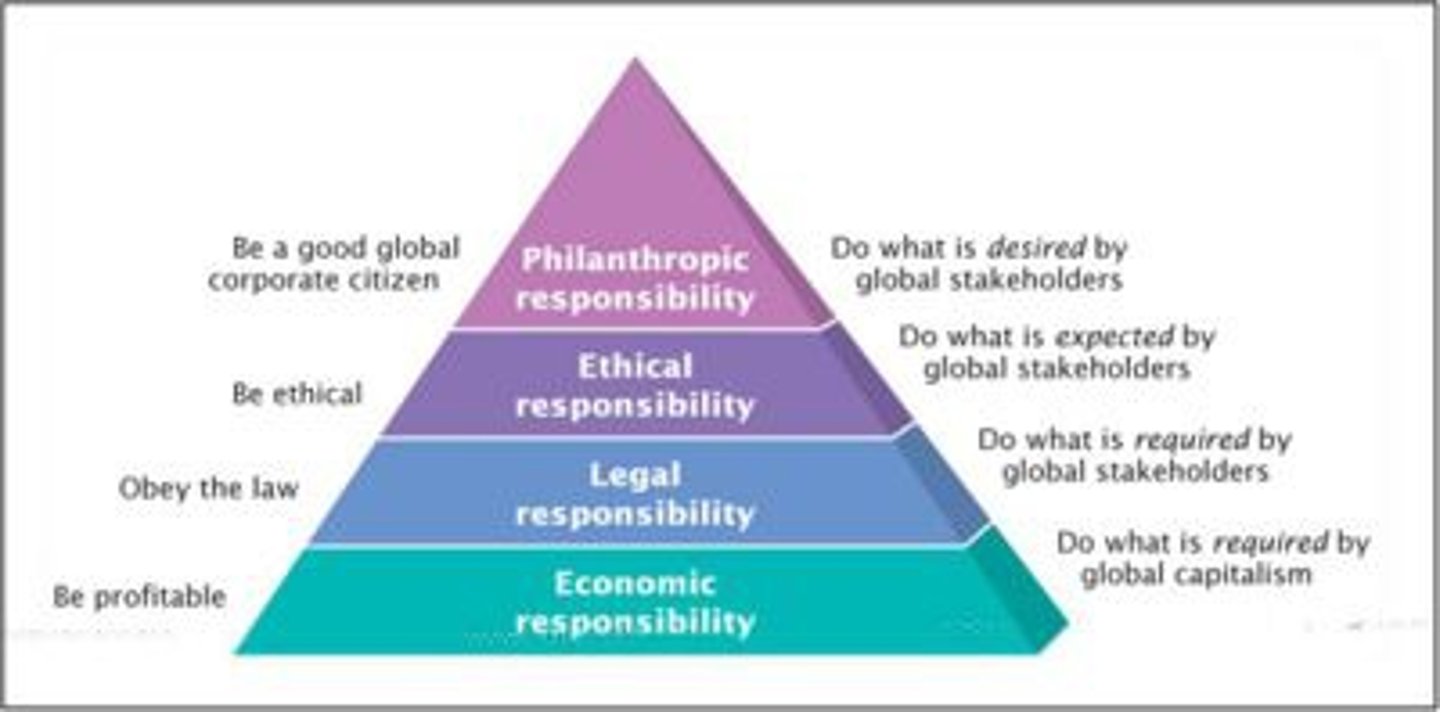
Carroll's Corporate Social Responsibility Pyramid

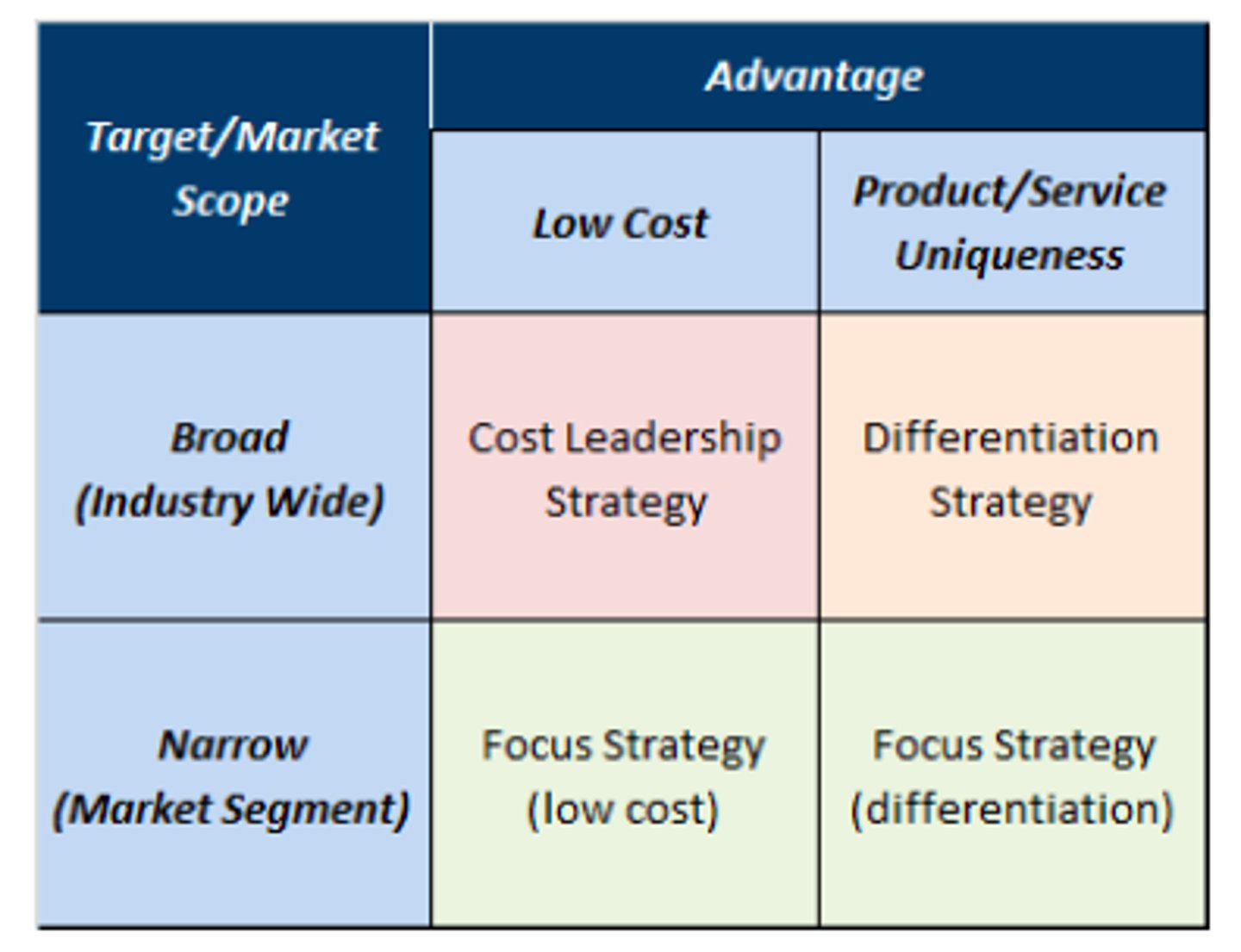
Porter's Strategies
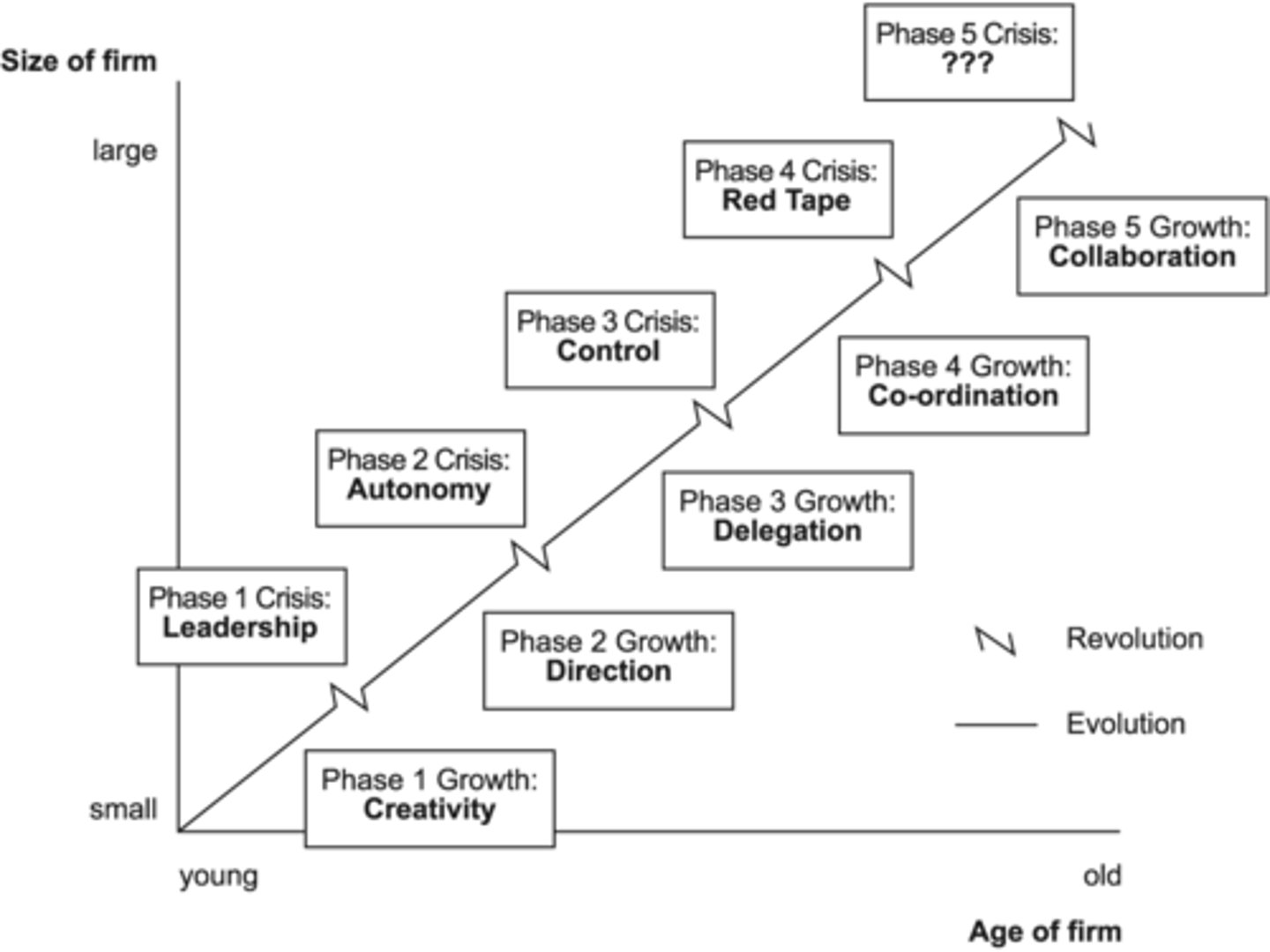
Greiner's Model of Growth
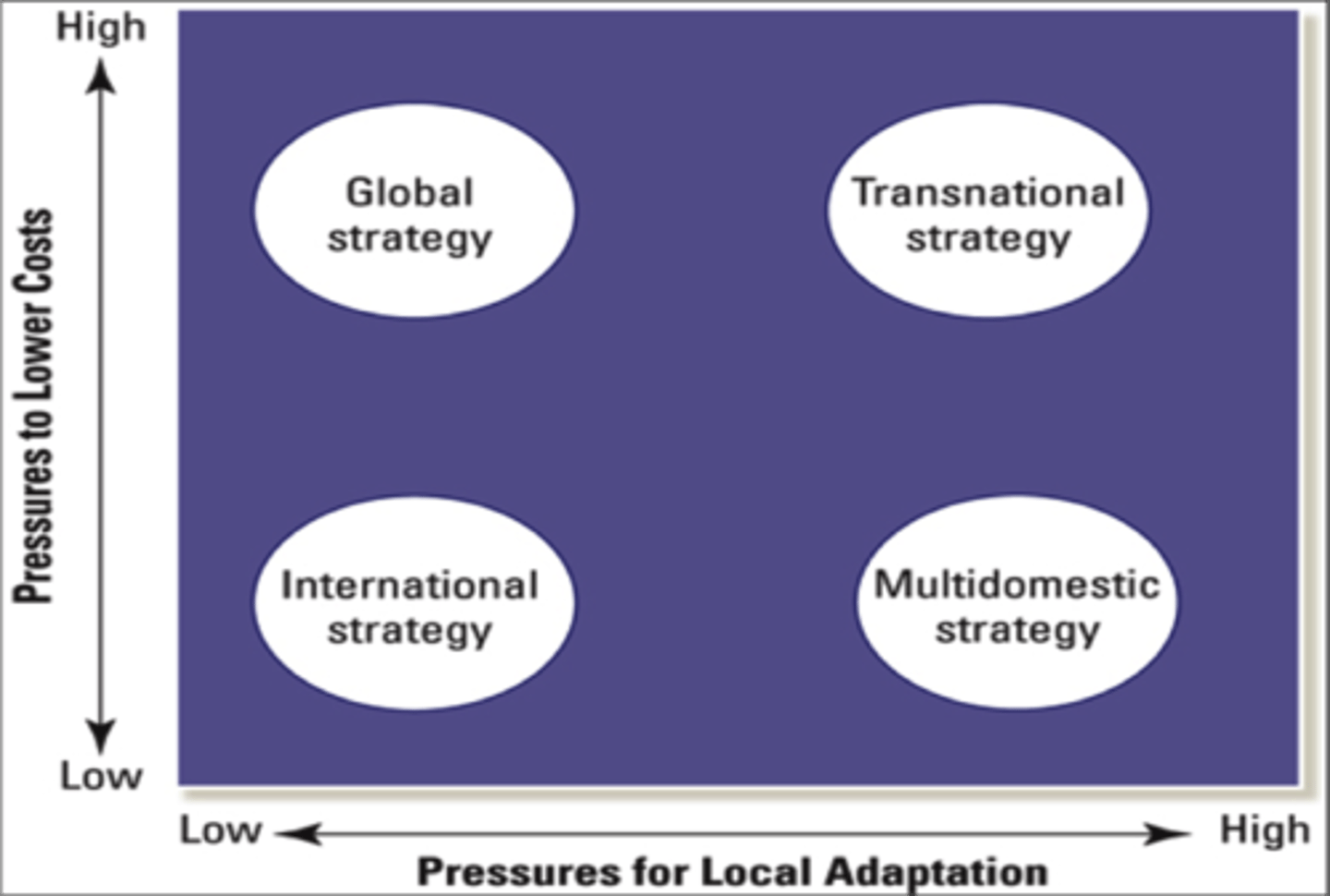
Bartlett and Ghoshal's international, multi-domestic, transnational and global strategies
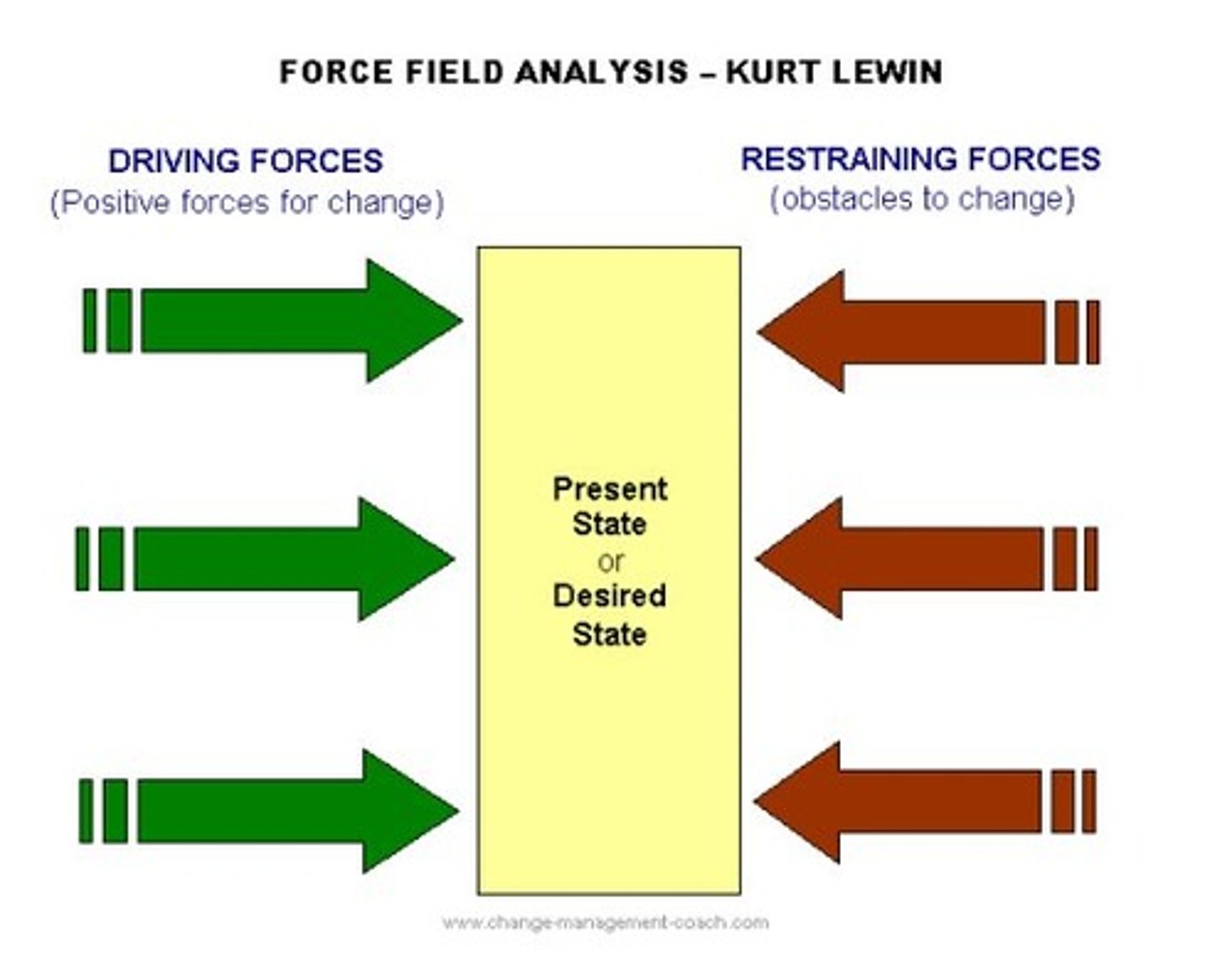
Lewin's force field analysis
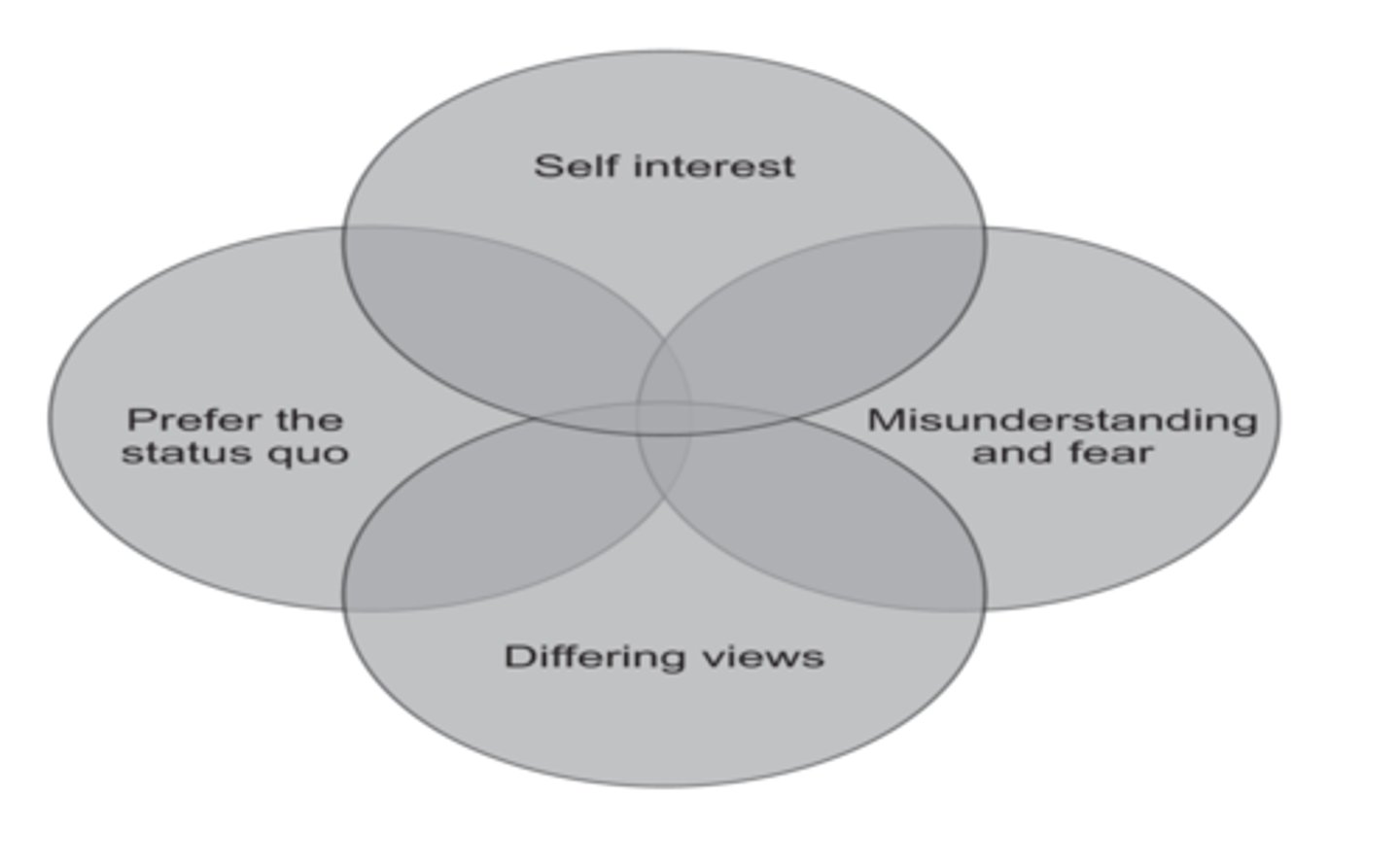
Kotter and Schlesinger's reasons for resistance to change
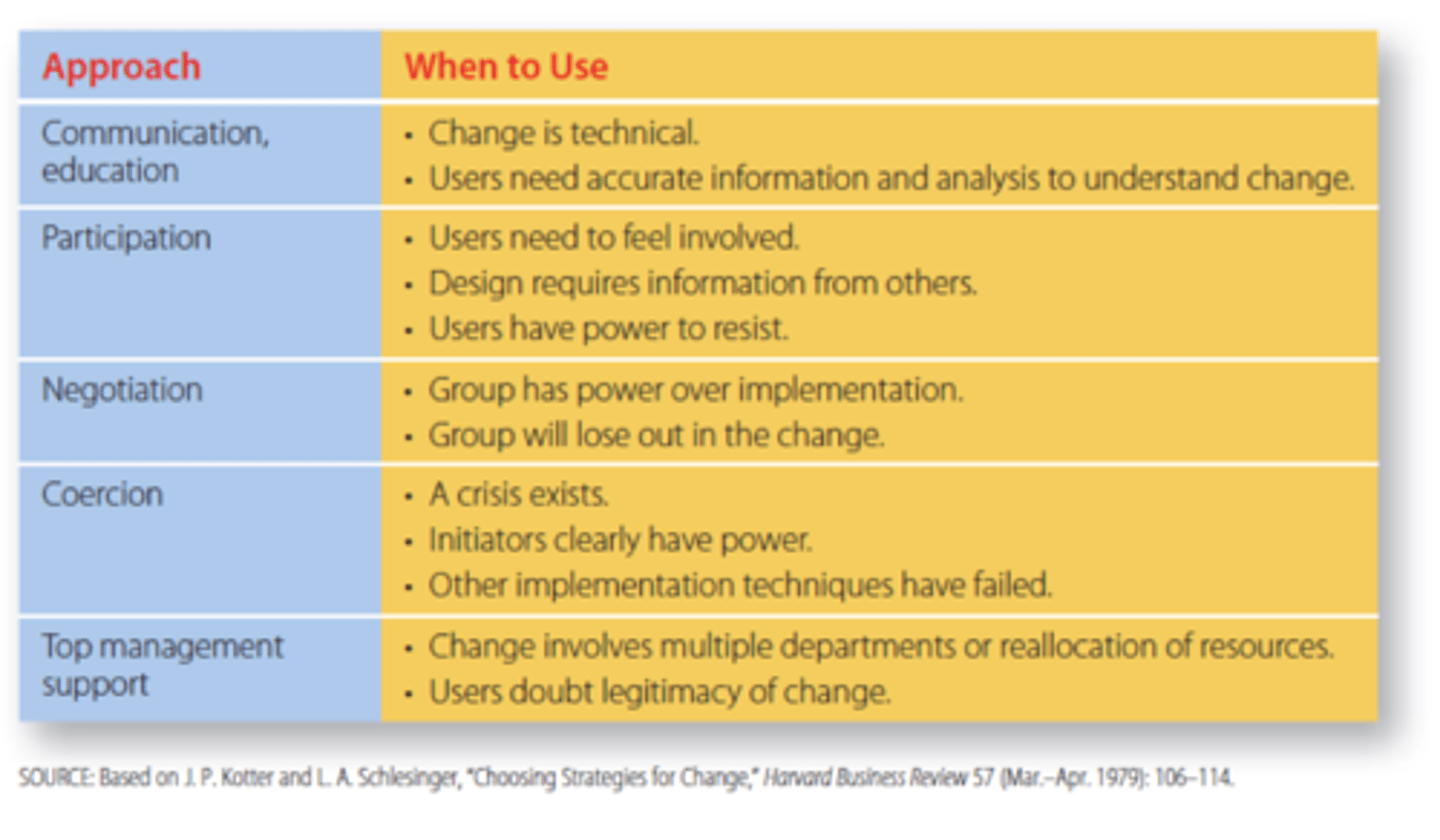
Kotter and Schlesinger's overcoming resistance to change
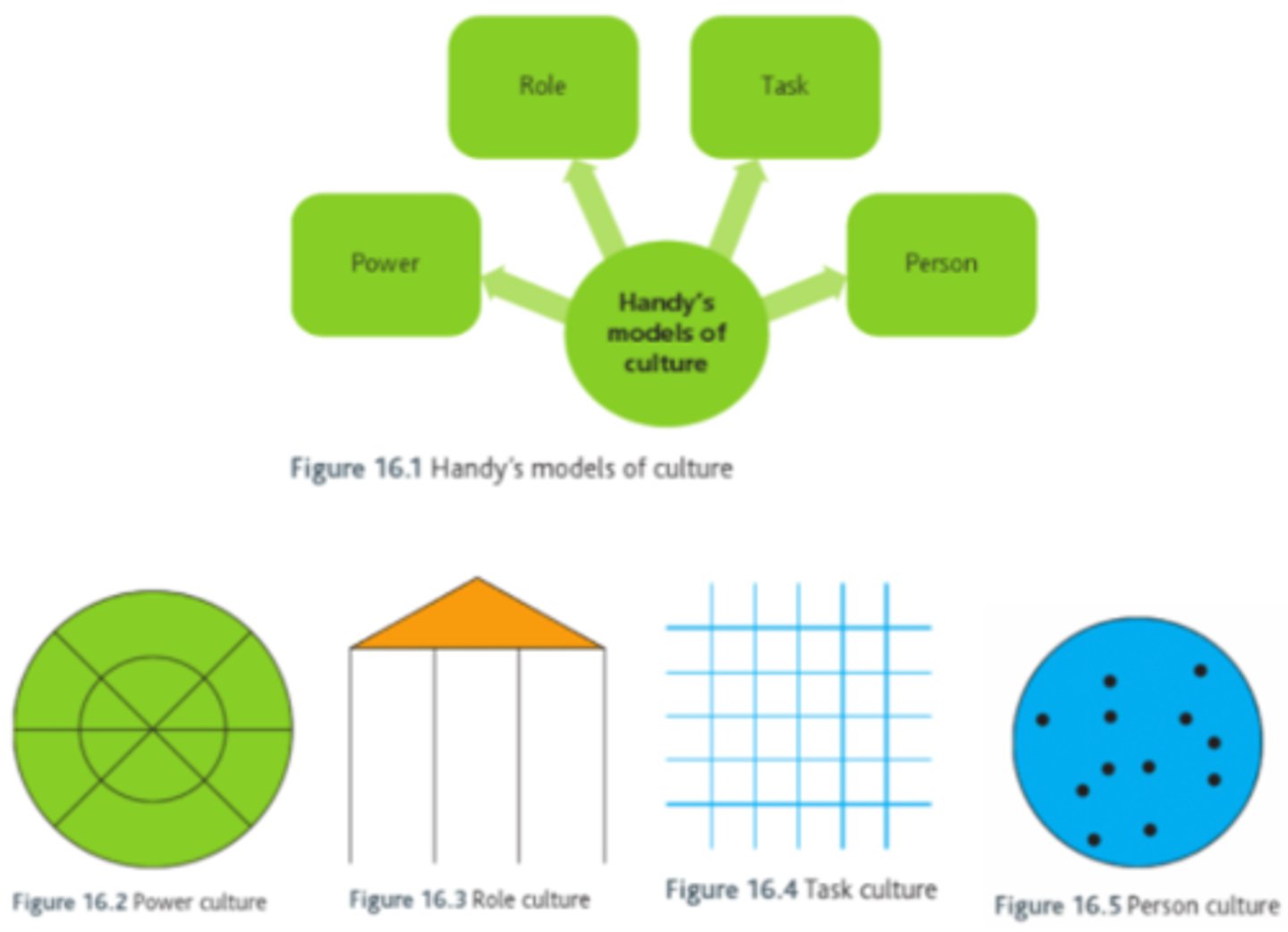
Handy's culture
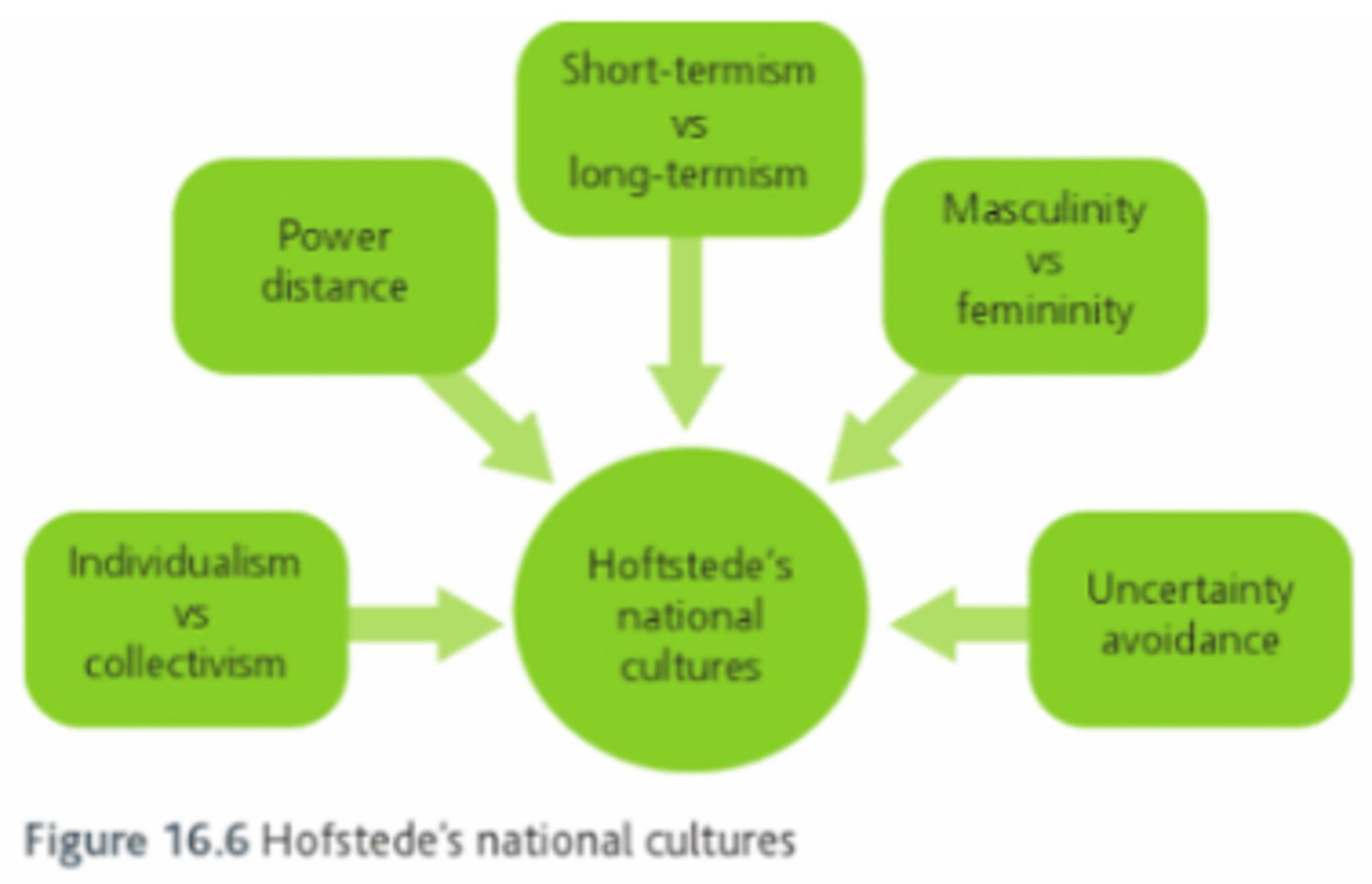
Hofstede's national cultures
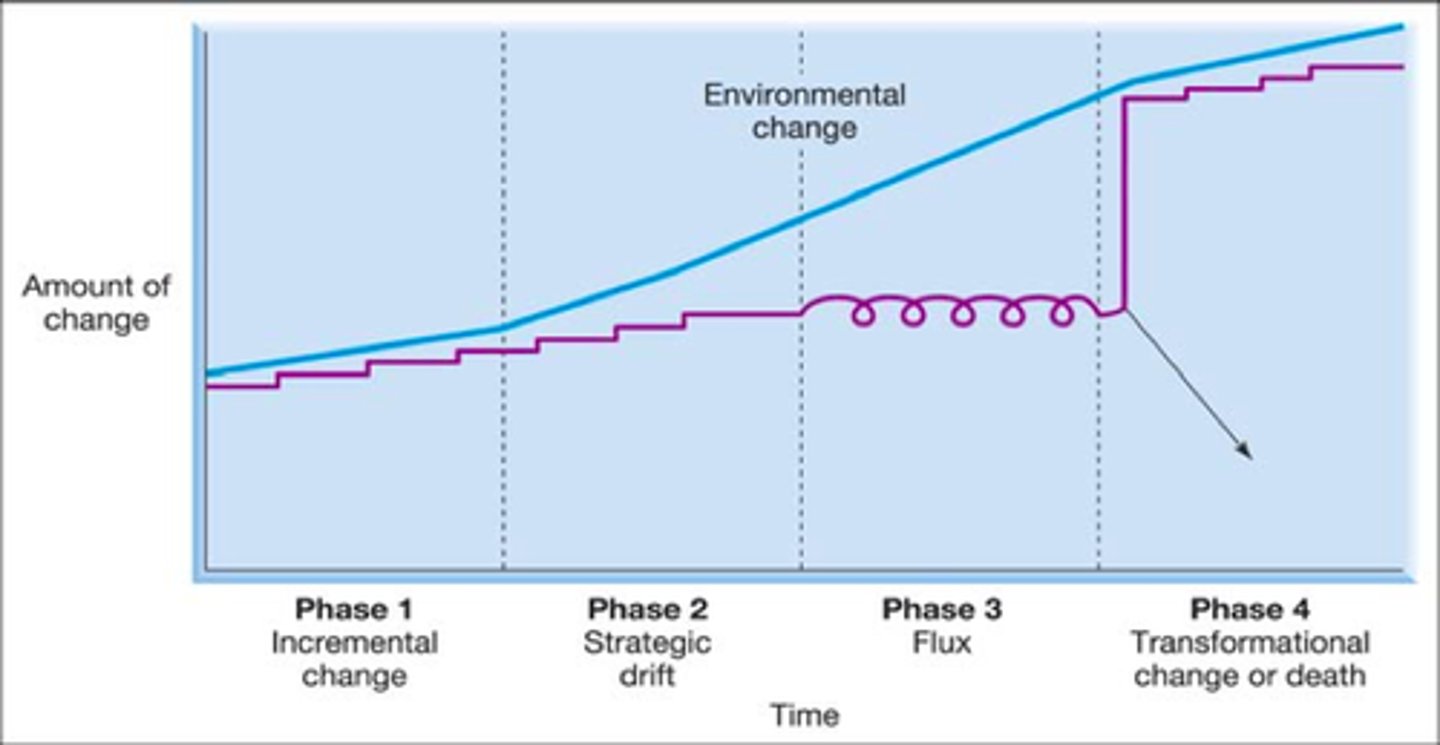
Strategic drift
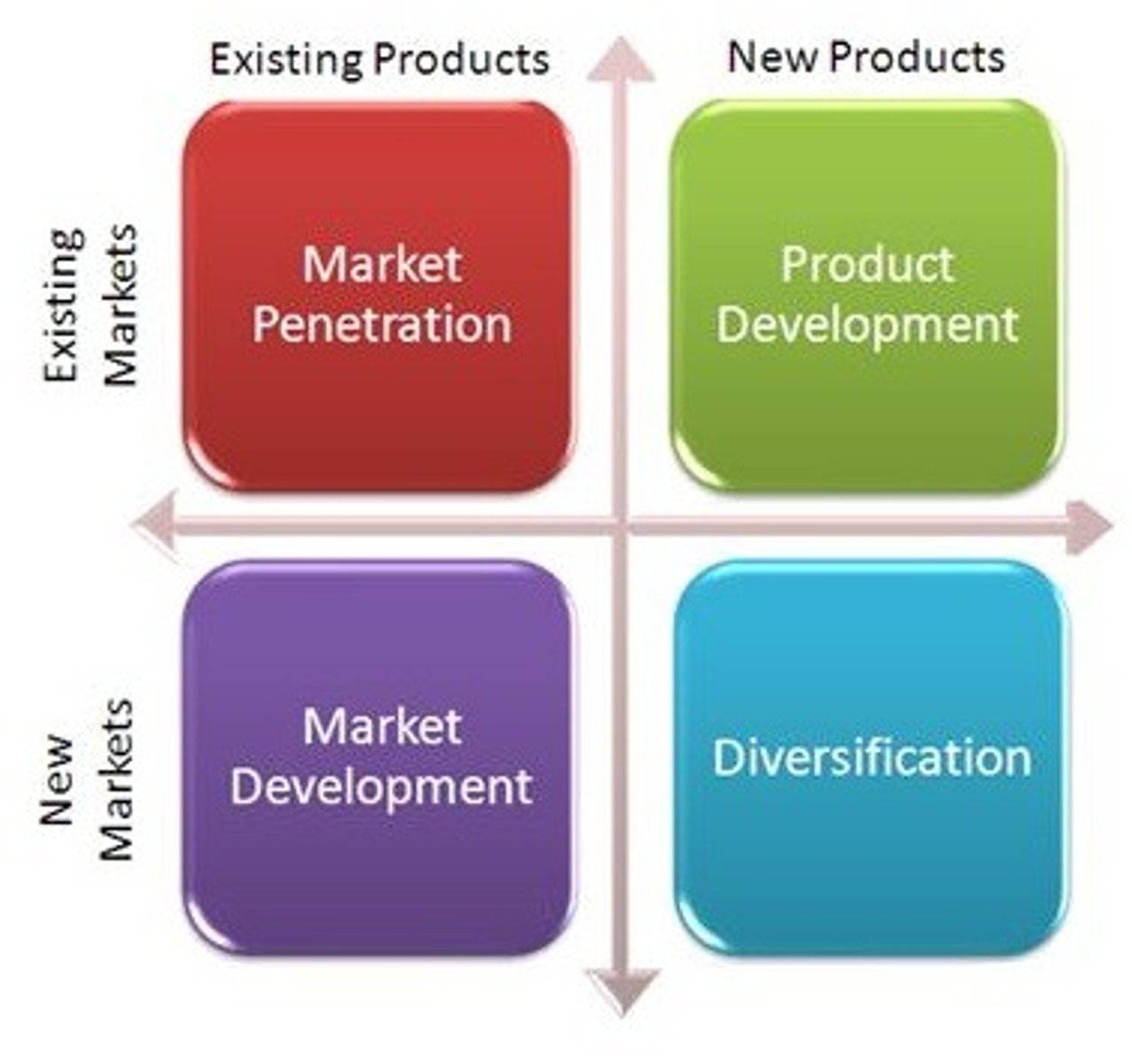
Ansoff's matrix
Caroll's pyramid
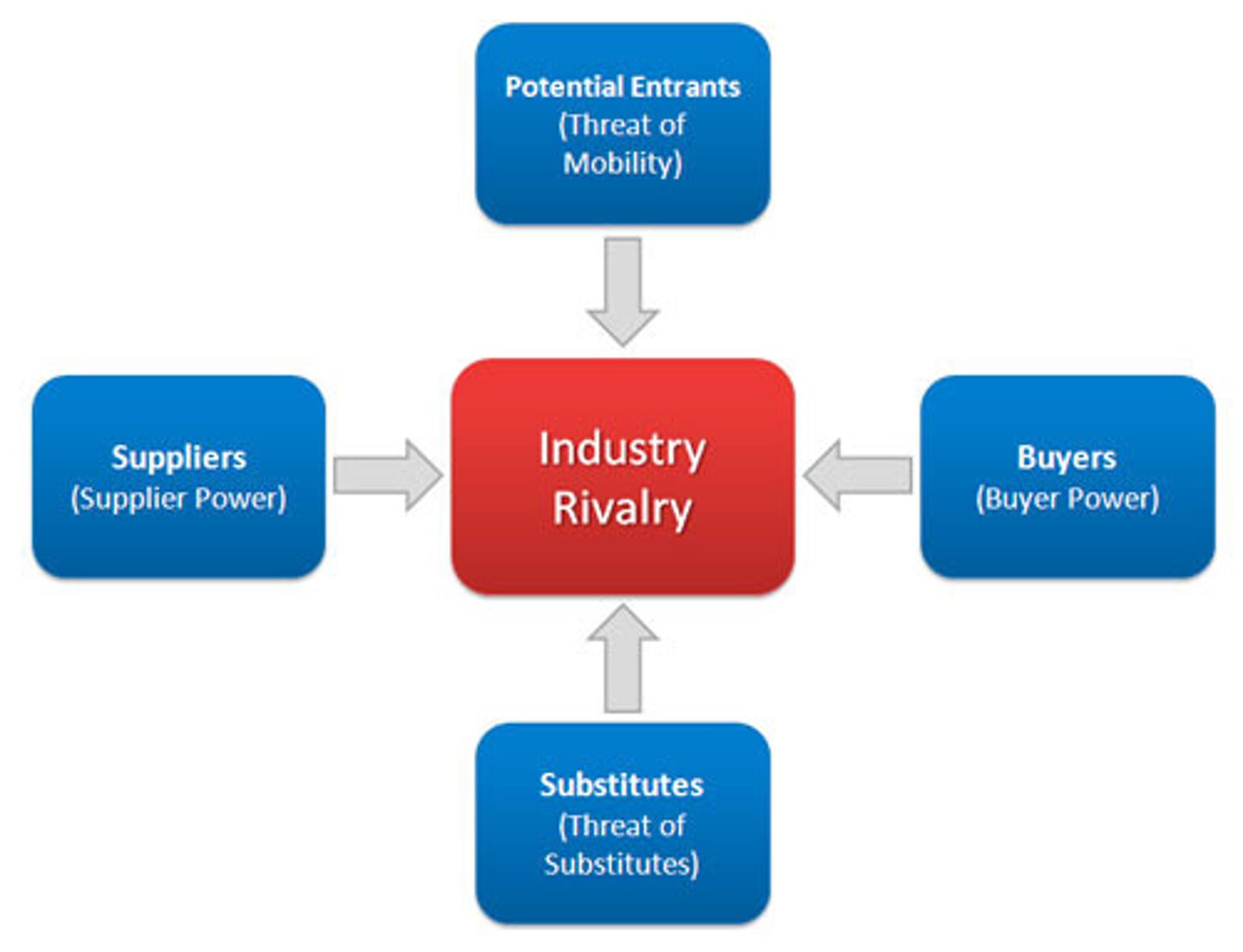
Porter's 5 forces (model of industry rivalry)
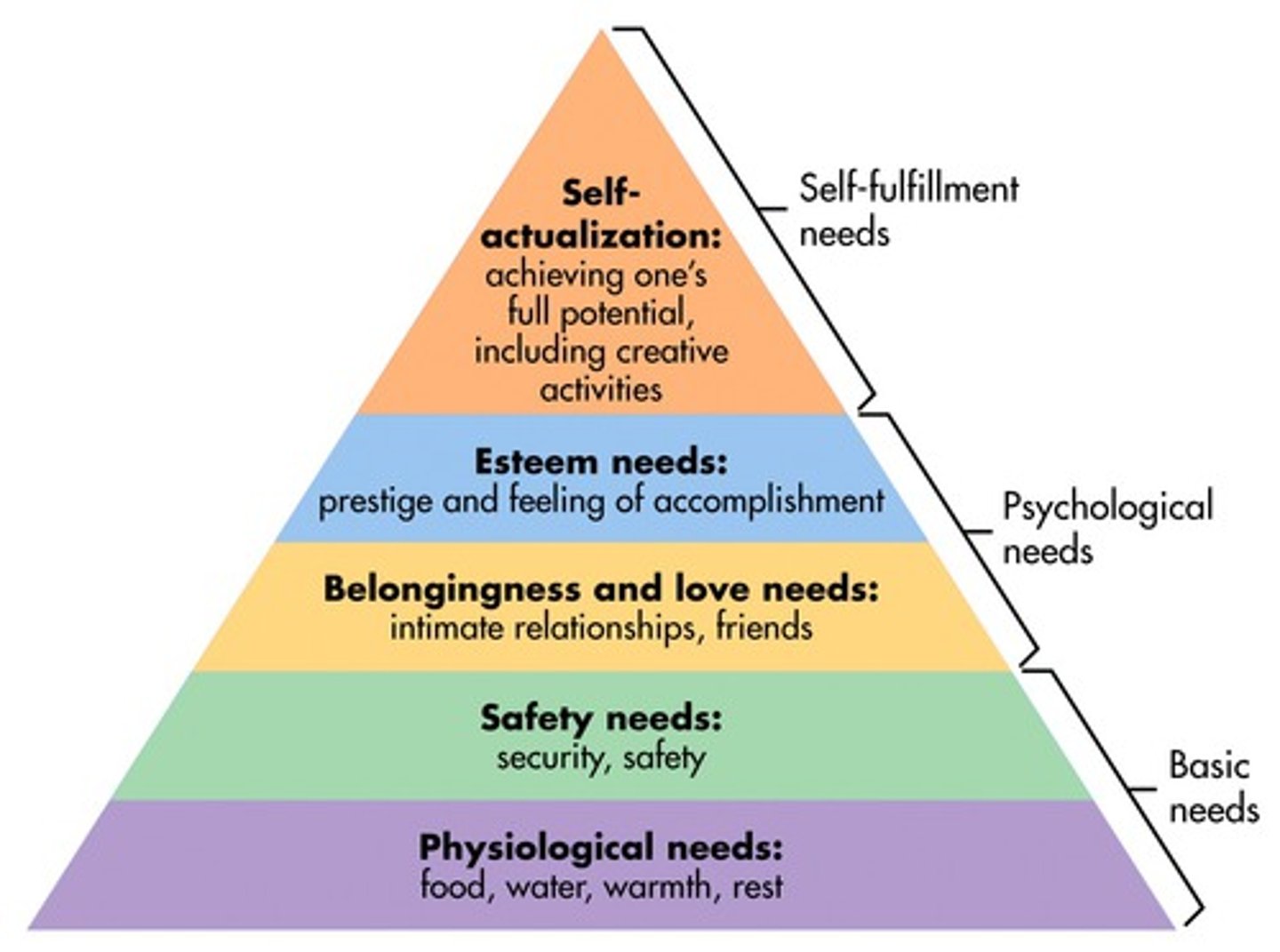
Maslow's hierachy of needs
Taylor's (scientific management)
"Workers are machines with financial needs"
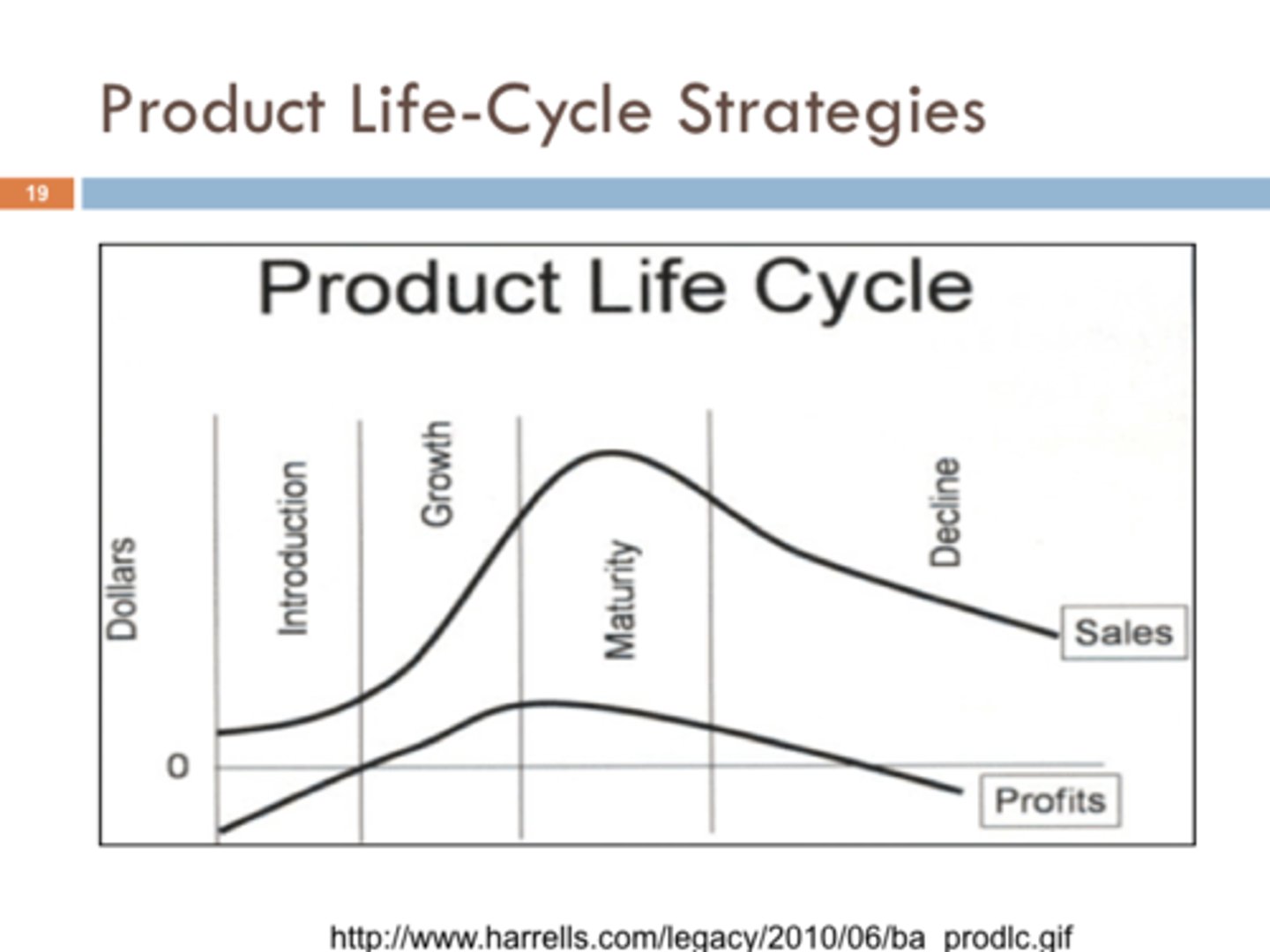
Product life cycle
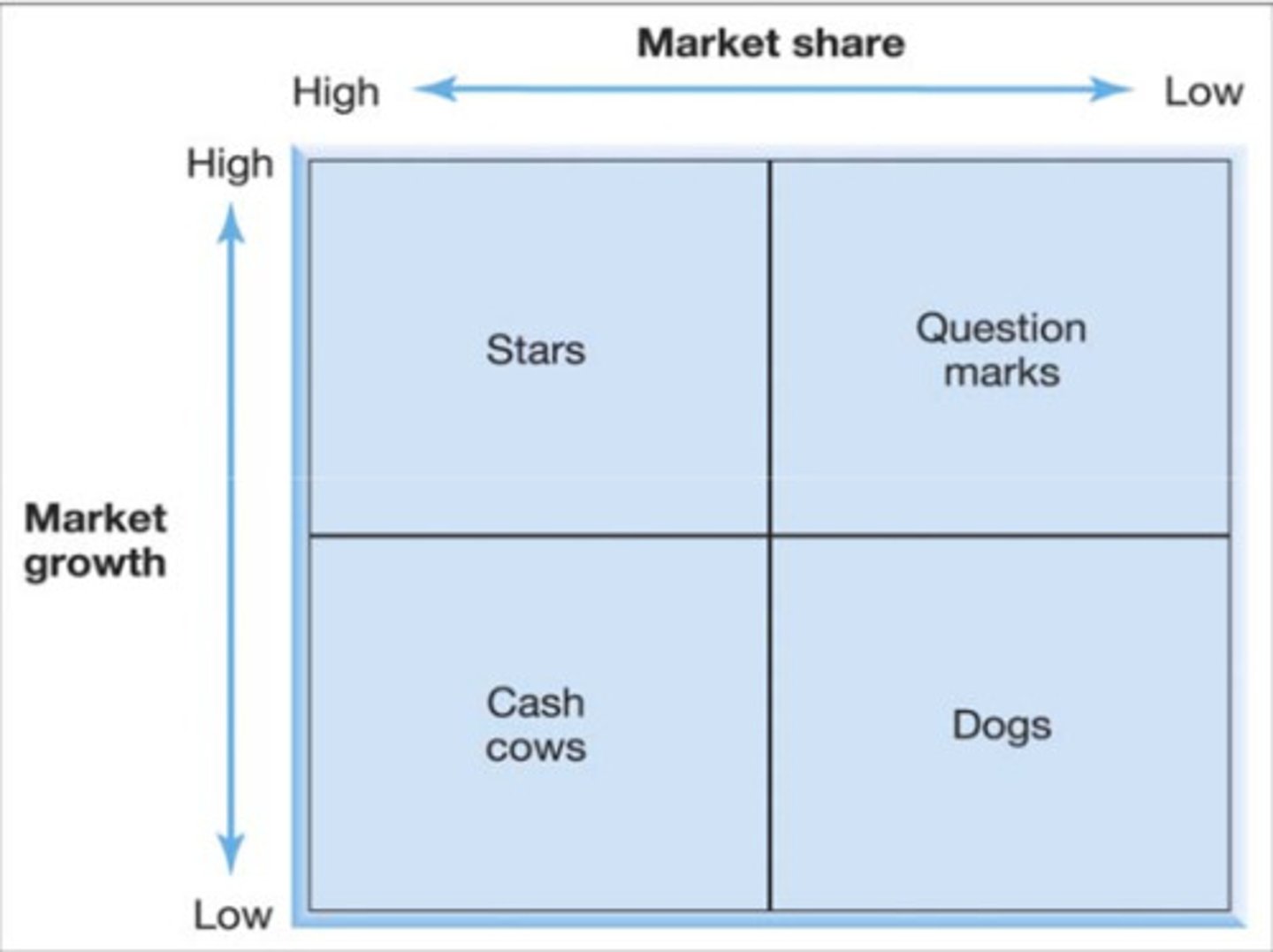
Boston Matrix
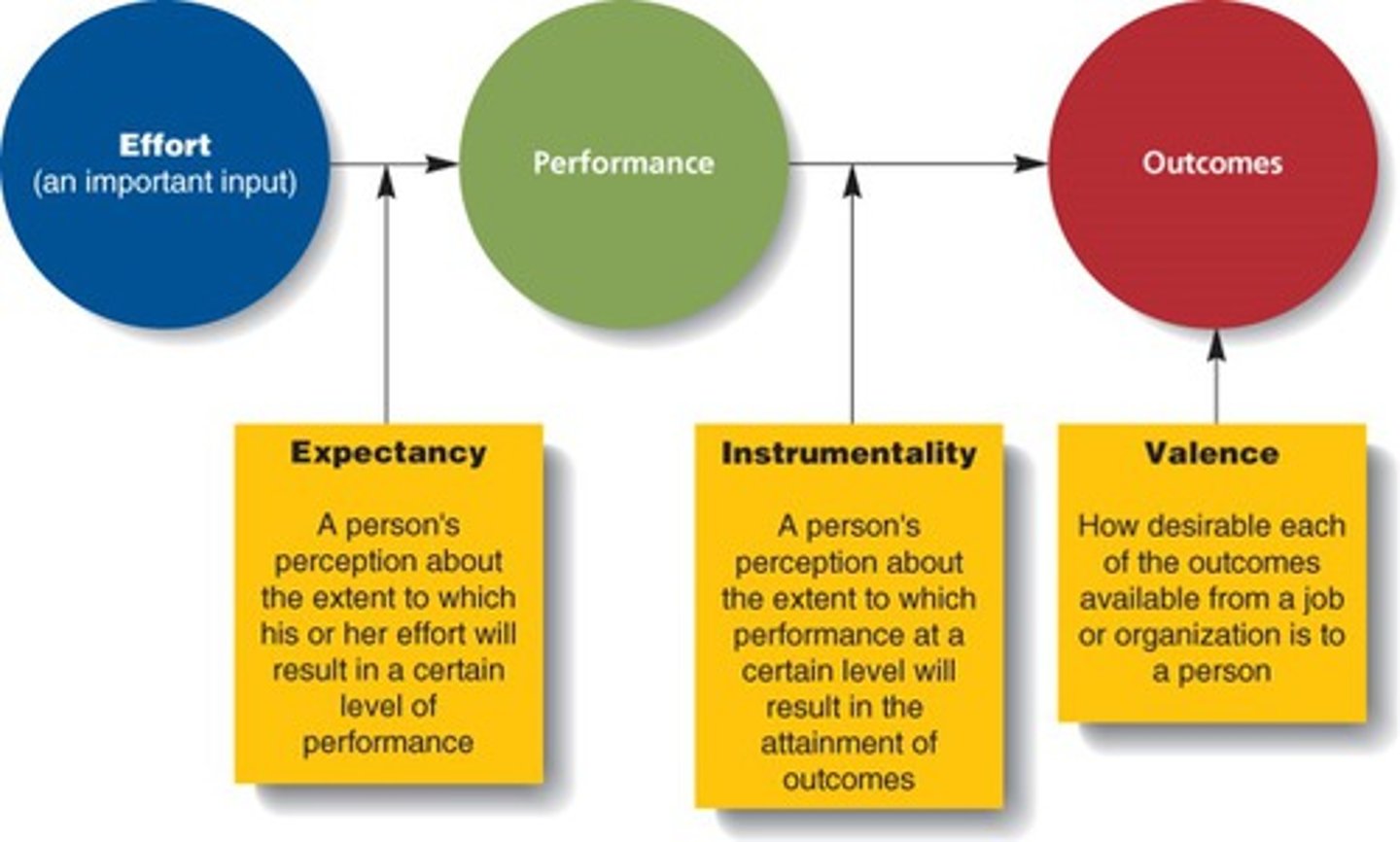
Vroom
Elton Mayo and Hawthorne Experiment
Workers are best motivated by;
Better communication between managers and workers
Greater managment involvement in employees working lives
Working in groups or teams
Ricardo Semler - Total delegation
Trust people to do the right thing for the company
Give them freedom and authority to do work they way they want to
Push decisions down the chain as far as possible
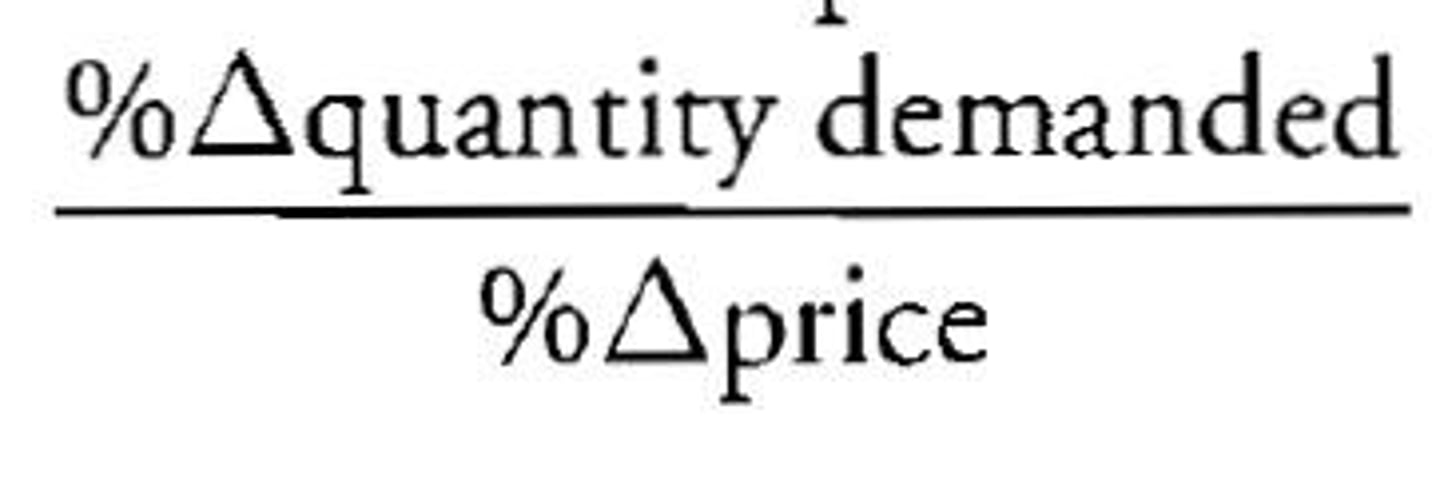
Price Elasticity of demand
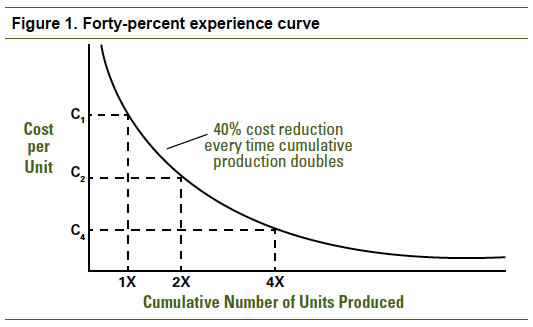
Experience curve
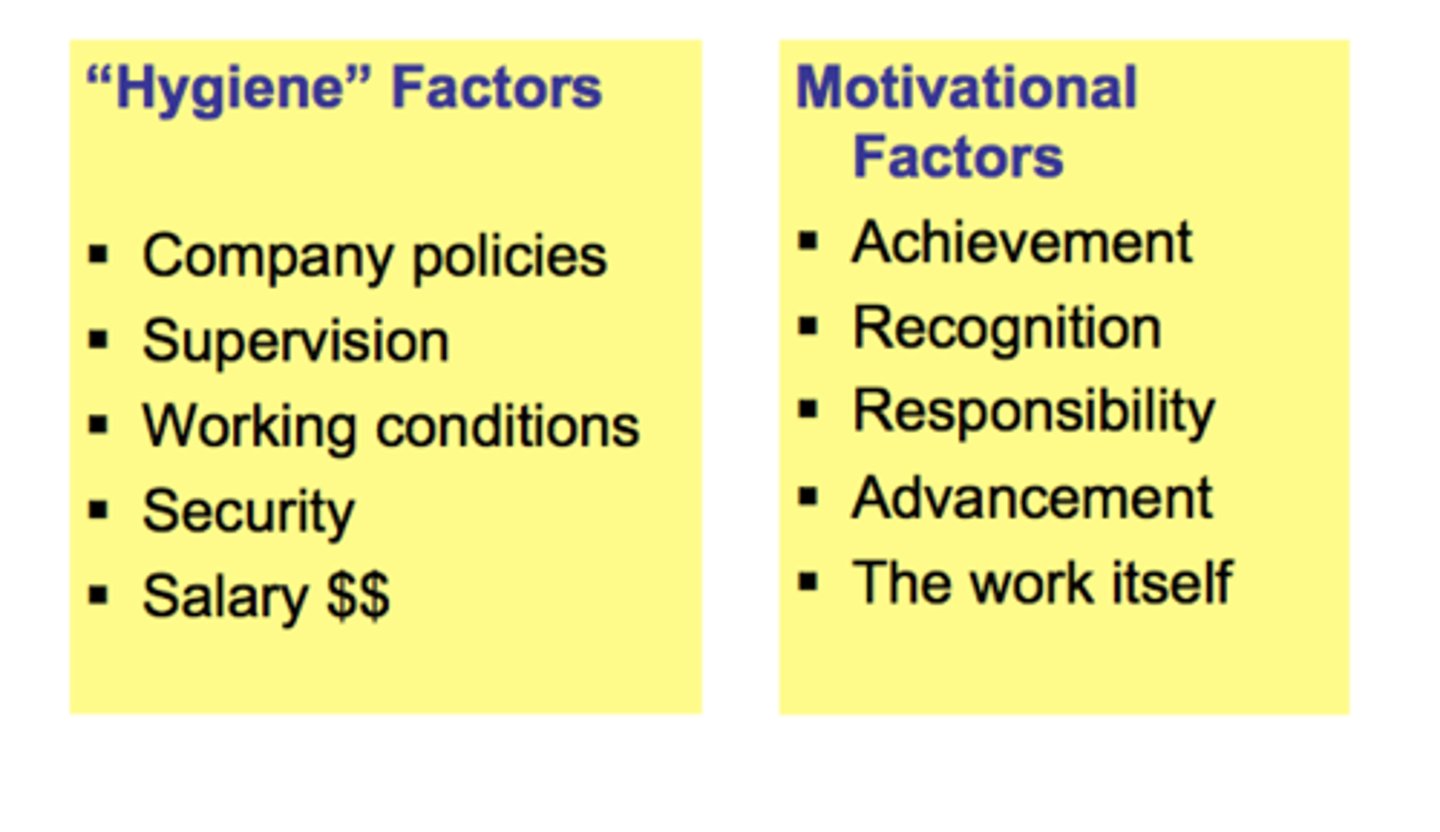
Herzberg two factor theory
soft and hard HRM
Hard HRM
Treats employees simply as a resource of the business (like machinery & buildings)
Soft HRM
Treats employees as the most important resource in the business and a source of competitive advantage
 Note
Note  Flashcards (106)