Asian Art Chapter 15
 Studied by 0 people
 Call Kai
 Learn
Learn Practice Test
 Spaced Repetition
 Match
Match Flashcards
 Knowt Play
1/14

There's no tags or description
Looks like no tags are added yet.
Name | Mastery | Learn | Test | Matching | Spaced | Call with Kai |
|---|
No analytics yet
Send a link to your students to track their progress
15 Terms
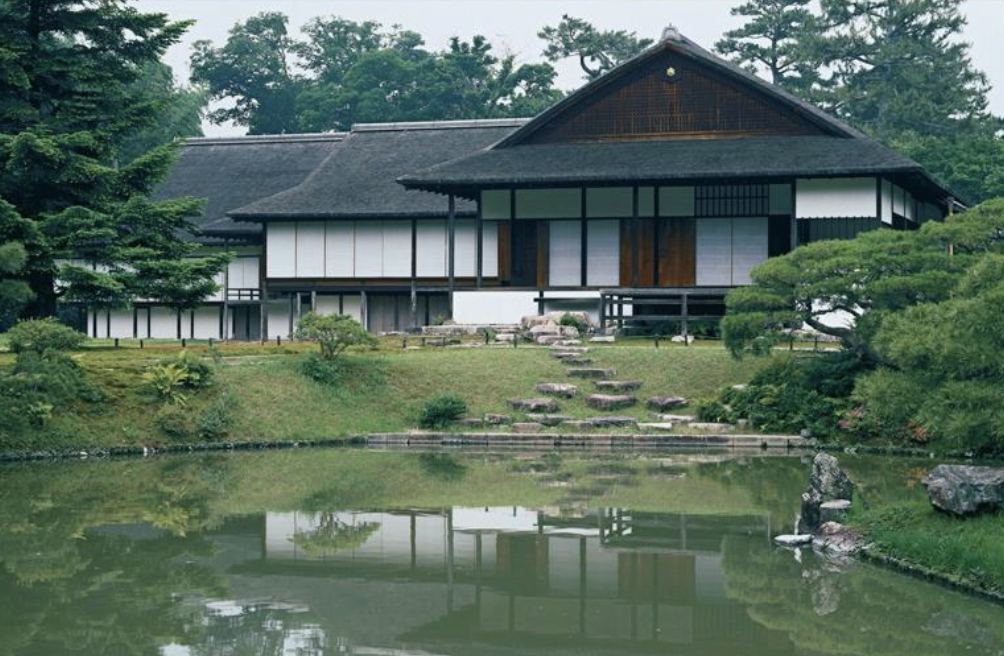
Katsura Imperial Villa, Edo Period
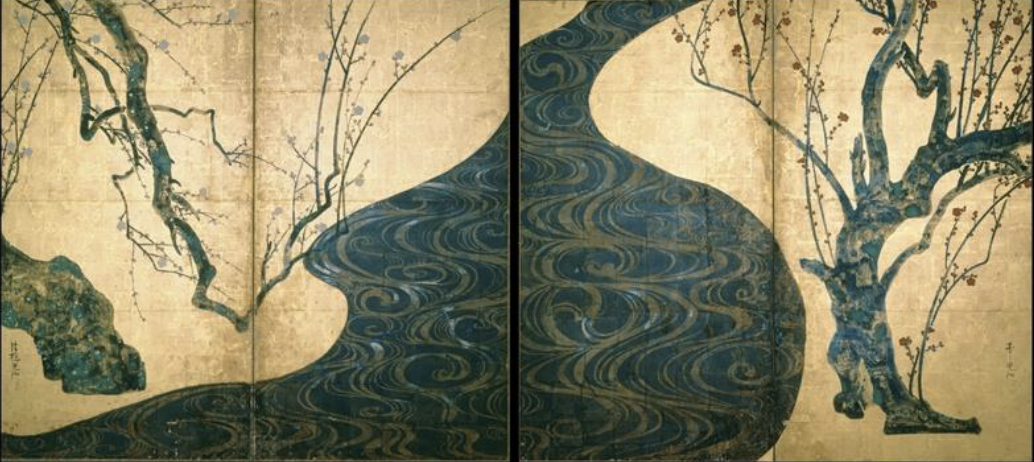
Ogata Korin, Red and White Plum Blossoms, Edo Period, folding screens, ink, color, silver and gold leaf on paper
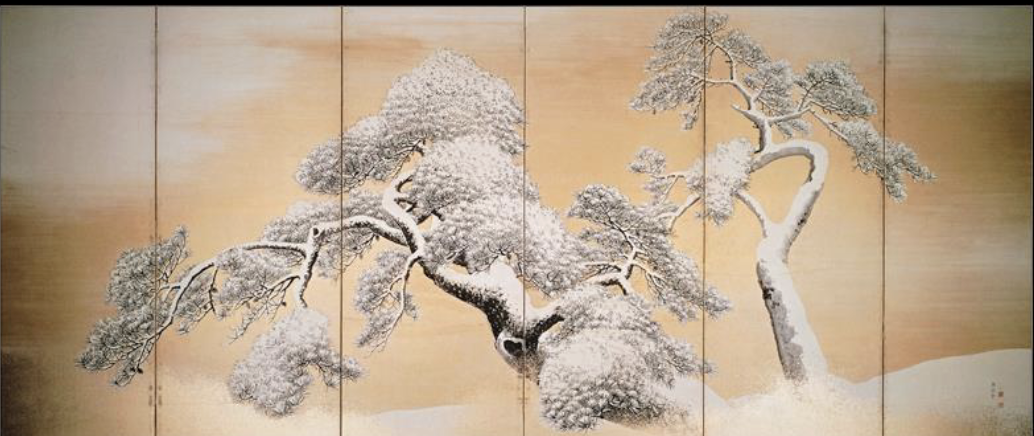
Maruyama Okyo, Pine Trees in the Snow, Edo Period, folding screen, ink, color and gold leaf
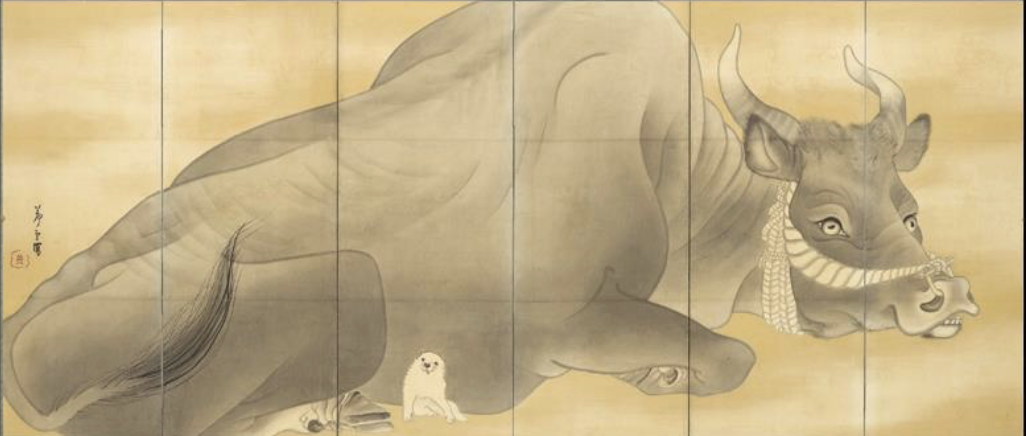
Nagasawa Rosetsu, Bull and Puppy, Edo Period, folding screen, ink, gold wash on paper
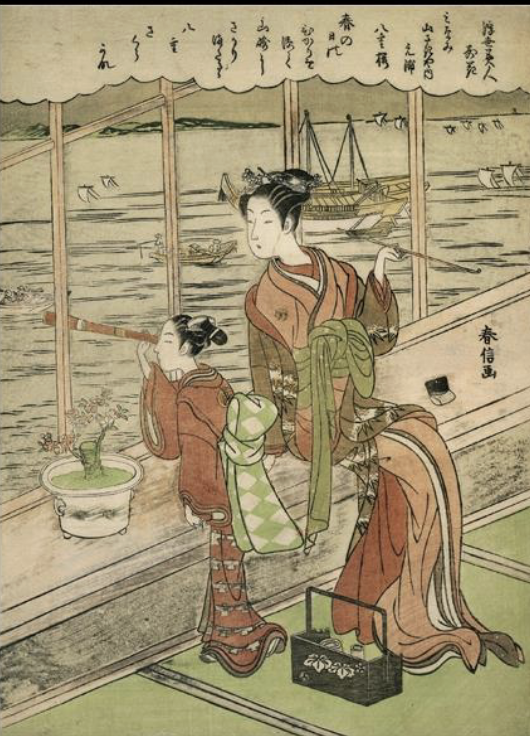
Suzuki Harunobu, The Flowers of Beauty in the Floating World: Motoura and Yaezakura of the Minami Yamasakiya, edo period, polychrome woodblock on paper
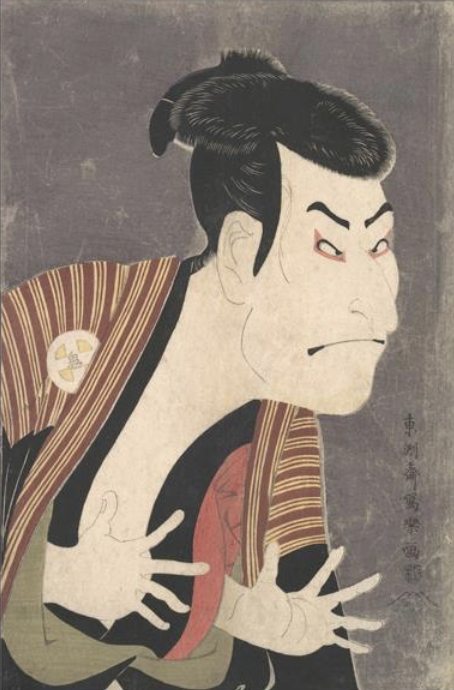
Tosushai Sharaku, Otani Oniji III as Yakku Edobei in the Play the Two Colored Reins, Edo Period, polychrome woodblock on paper
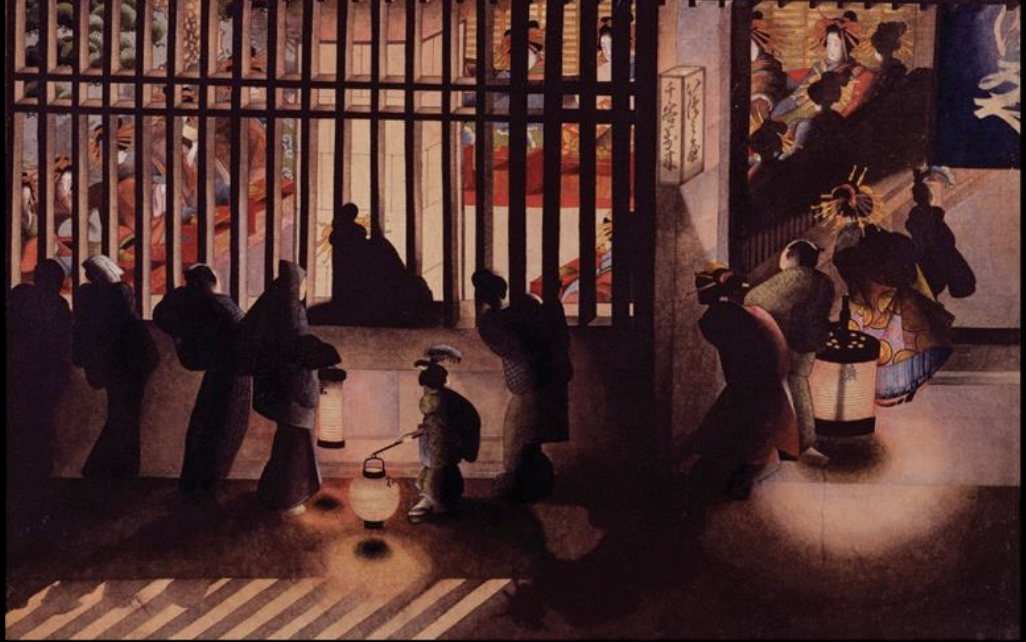
Katsushiku Oi, Yoshiwara at Night, edo period, hanging scroll, ink and color on paper
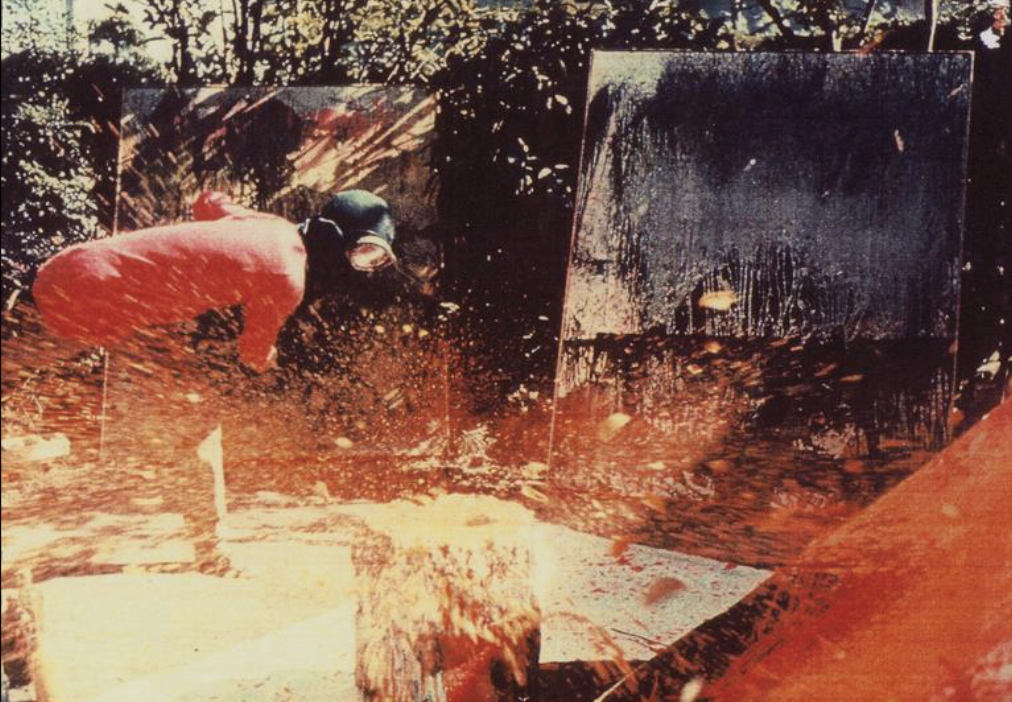
Shozo Shimamoto, Hurling Colors, Showa Period,
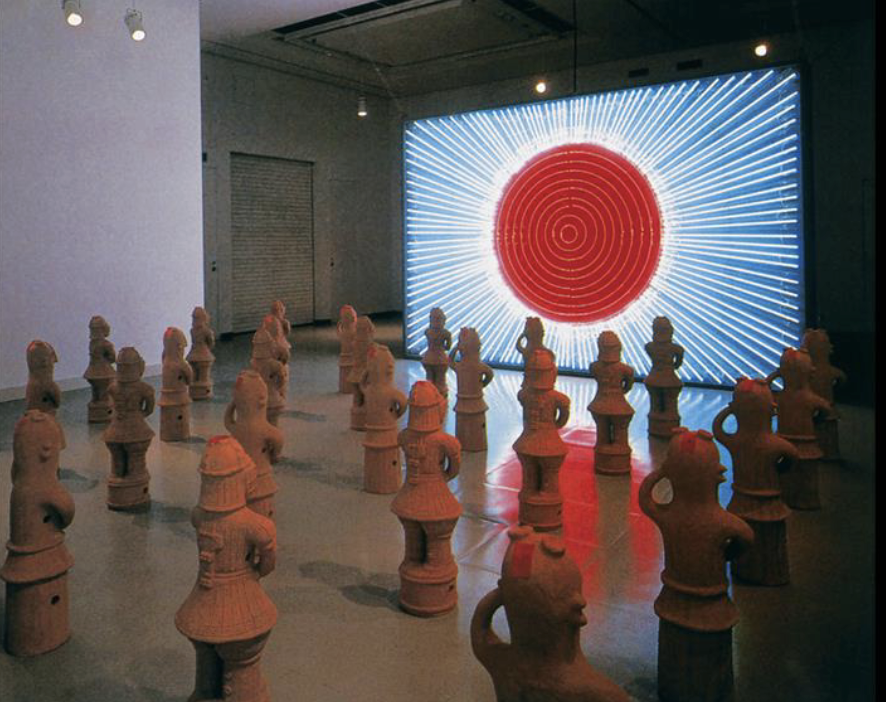
Yanagi Yokimura, Hinomaru Illumination (Haniwa and Ameterasu, neon transformer, programming circuit, painted steel, and haniwa figures
(terracotta).
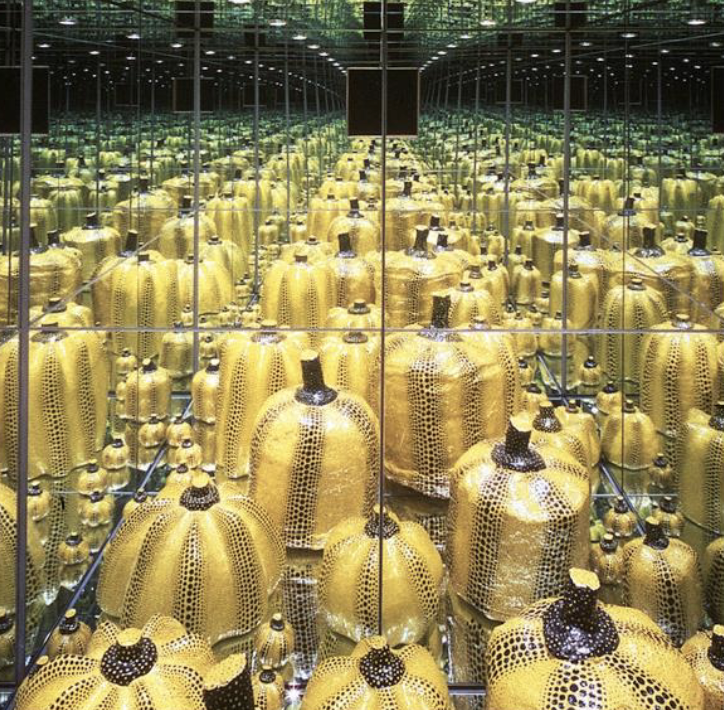
Yayoi Kasuma, Mirror Room - Pumpkin, 1991,
coffer
recessed decorative panel used to decorate flat or vaulted ceilings
shoji
white translucent paper screens with wood lattice framework
Bunjinga
japanese form of chinese literati painting (wenrenhua)
woodblock print
print made from one or more wooden blocks, made using multiple blocks carved in relief usually with a block for each color in the final print
Kabuki Theater
fusion of dance, drama and music that evolved during Edo Japan, actors wearing costumes entertained audiences with melodramatic spectacle plays about legend, history, or contemporary sensation
 Note
Note  Flashcards (85)