Mitosis and Cell Cycle Study Guide
 Call Kai
 Learn
Learn Practice Test
 Spaced Repetition
 Match
Match Flashcards
 Knowt Play
1/24

There's no tags or description
Looks like no tags are added yet.
Name | Mastery | Learn | Test | Matching | Spaced | Call with Kai |
|---|
No analytics yet
Send a link to your students to track their progress
25 Terms
Outline the stages and events of interphase
G1
S
G2
G1 Phase
Cell Growth and differentiation
S Phase
Synthesis and replication of chromosomes
G2 Phase
Synthesis of molecules other than DNA, needed for cell division
Brainstorm a list of 3 metabolic reactions that might occur in each phase of interphase
G1: Phosphorylation of glucose, polymerization of tubulin or actin, sub-pho of ATP in cytoplasm
S: Polymerization of DNA, translation of histone mRNAs, actions of all the DNA replication machinery
G2: Phosphorylation of ADP, synthesis of microtubule components, cyclin synthesis
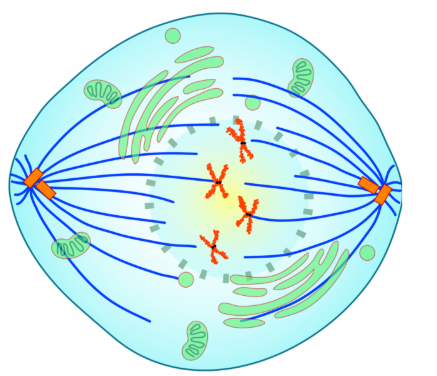
Name the phase of mitosis and label the diagram with the following terms: Chromosomes, centrioles, centromere, kinetochore microtubules, polar microtubules, telomeres, chromatids
Phase of mitosis: Probably prometaphase
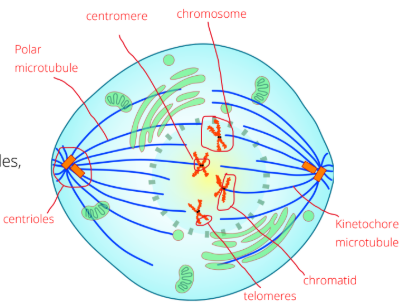
Define the role of the mitotic spindle in mitosis
The mitotic spindle separated chromatids by attaching fibers to the kinetochores of the chromosomes. These chromosomes then end up in separate daughter cells.
Prophase in an animal cell w/ the chromosome number of 6 (2N = 6)
Chromosomes condense
Mitotic spindle grows out of the centrosomes
Kinetochore appears at the centromeres
Centrosomes migrate towards the poles
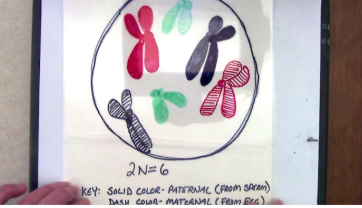
Prometaphase in an animal cell w/ the chromosome number of 6 (2N = 6)
Nuclear envelope disintegrates
Kinetochore appears at the centromere of each chromatid
Spindle fibers attach to the kinetochore
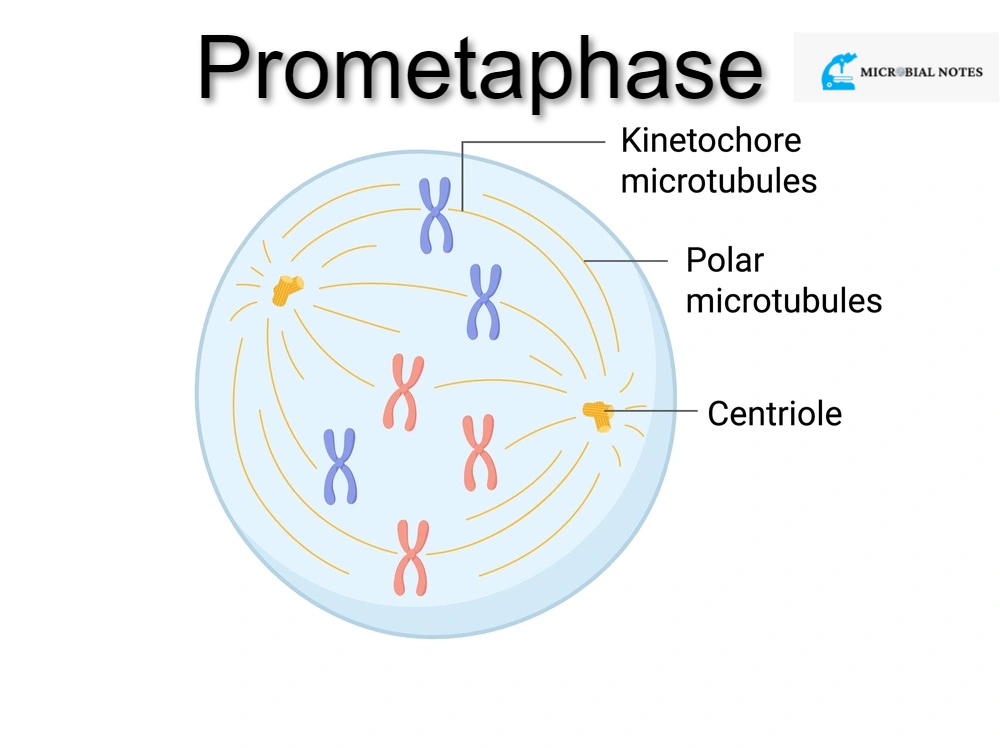
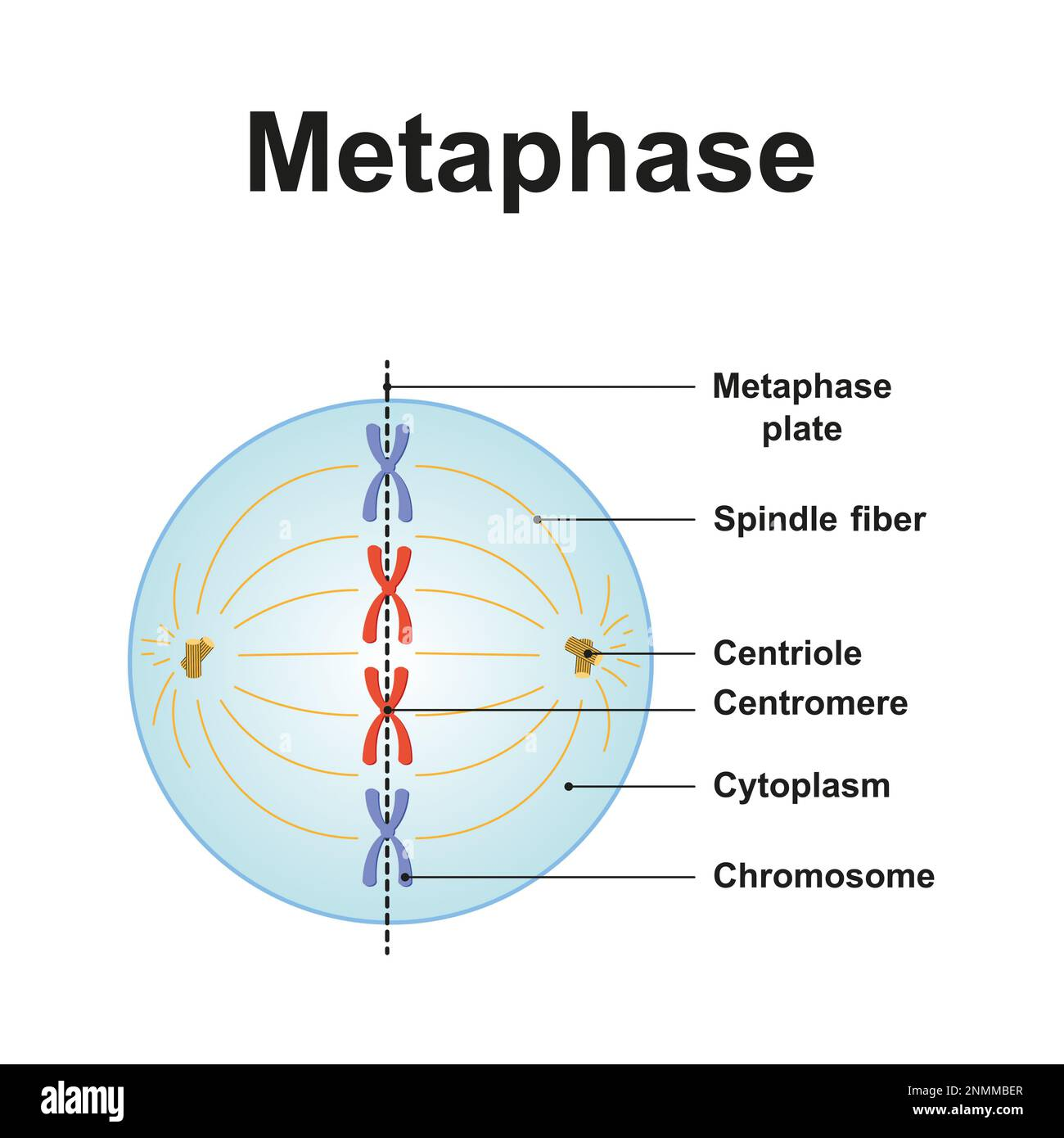
Metaphase in an animal cell w/ the chromosome number of 6 (2N = 6)
The centromere-kinetochore complexes align in the equator of the cell
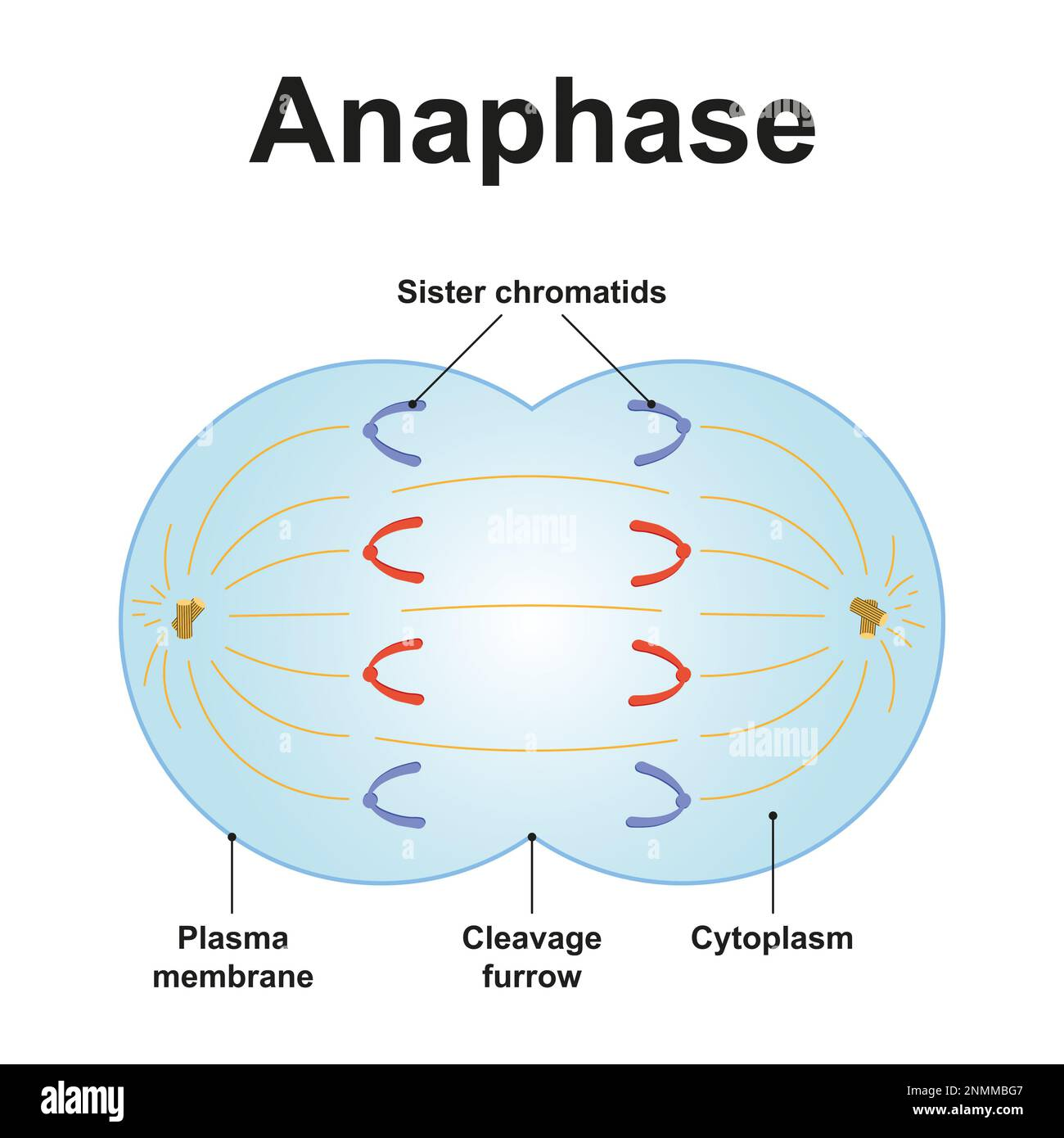
Anaphase in an animal cell w/ the chromosome number of 6 (2N = 6)
Chromatid disjunction (chromatids are pulled apart)
DNA molecules move towards opposite poles
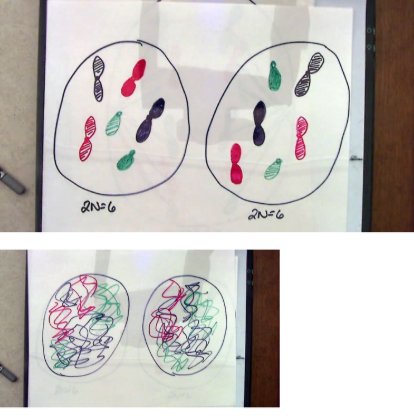
Telophase in an animal cell w/ the chromosome number of 6 (2N = 6)
Nuclear envelope reforms
Spindle disappears
DNA reverts to chromatin
Nucleolus reforms
Cytokinesis in Plant Cells
Cell plate formation using vesicles
New cell wall forms between the two nuclei
Cytokinesis in Animal Cells
Cleavage furrow formation because of contractile ring microfilaments
Cell membrane pinches between 2 nuclei and splits apart
Cytokinesis similarities in both plant AND animal cells
Results in 2 identical daughter cells
Occurs directly after telophase
Divides cytoplasm
Separates 2 nuclei
Why are cleavage furrows absent in plant cells?
The presence of the cell wall, which is rigid and not very bendable, in plant cells prevents the cell from forming cleavage furrows
Predict 3 molecules you would expect to find at or near the cell plate in a plant cell
Phospholipid in vesicle
Cellulose
Membrane proteins
The mechanical control of the cell cycle is regulated at molecular level by a cyclically operating set of molecules. Cyclins and cyclin-dependent kinases (CDKs) are proteins that control a cell’s passage through the cell cycle. The CDKs are present at a constant level in the cell. How is their kinase controlled?
CDK binds to cyclin and P group. Transfers P group to activate target protein. Loss of P groups leads to cyclin degradation
What evidence suggests that CDK is a kinase?
It transfers a phosphate group
Metastasis/ What happens when cancer cells metastasize?
Metastasis: Where individual cancer cells break away and start a new tumor somewhere else
Distinguish between a benign and malignant tumor.
Benign: Tumor doesn’t invade surrounding tissue
Not spreading so it’s non-cancerous
Malignant: Tumor is invading surrounding tissue
It is spreading so it’s cancerous
Since many cells undergo apoptosis, why don’t cancer cells also undergo apoptosis?
Damage or change in genetic material of these cells leads to changes in gene expression and metabolism that result in cancer cells ignoring cell signals to undergo apoptosis
Oncogene genes
Codes for a protein that stimulates cell division, found in cancer cells
Tumor suppressor genes
Regulates cell division, reducing likelihood of unchecked cell division and formation of tumors
What are the contrasting actions between oncogene and tumor suppressor genes?
Oncogenes stimulate cell division, while tumor suppressor genes slow it down

