O Chem 2 (Test 2)

0.0(0)
Studied by 0 people
call kaiCall Kai
learnLearn
examPractice Test
spaced repetitionSpaced Repetition
heart puzzleMatch
flashcardsFlashcards
GameKnowt Play
Card Sorting

1/24

encourage image

There's no tags or description

Looks like no tags are added yet.

Last updated 1:56 AM on 3/19/26
Name
Mastery
Learn
Test
Matching
Spaced
Call with Kai

No analytics yet

Send a link to your students to track their progress

25 Terms
1
New cards
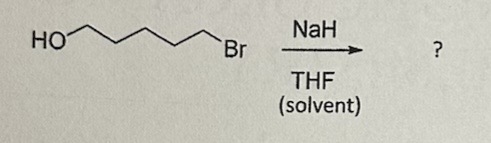
<p>Select the structure of the main organic product of the following reaction?</p>

Select the structure of the main organic product of the following reaction?

D
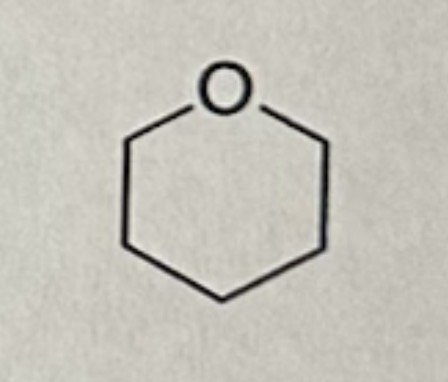
<p>D</p>
2
New cards
<p>The major product of the following reaction is chloral hydrate. Chloral hydrate is a geminal diol with the formula C2H3Cl3O2. It is a colorless solid. It has limited use as a sedative and hypnotic pharmaceutical drug. Provide the structure of chloral hydrate. </p>

The major product of the following reaction is chloral hydrate. Chloral hydrate is a geminal diol with the formula C2H3Cl3O2. It is a colorless solid. It has limited use as a sedative and hypnotic pharmaceutical drug. Provide the structure of chloral hydrate.

C
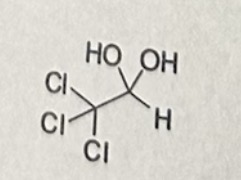
<p>C</p>
3
New cards
<p>In the following general mechanism what type of reaction is occurring at each step? </p>

In the following general mechanism what type of reaction is occurring at each step?

C) Step 1: nucleophilic addition Step 2: Protonation
4
New cards
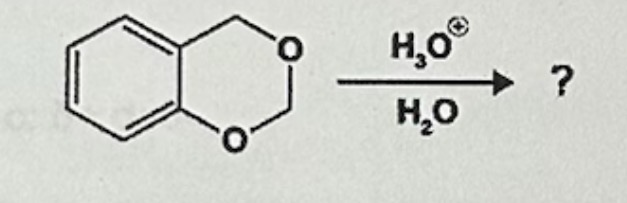
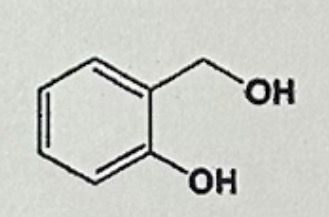
<p>A carbonyl and an alcohol are produced in the following acetal hydrolysis reaction.. Elect the correct molecular structure of the alcohol from the following options. </p>

A carbonyl and an alcohol are produced in the following acetal hydrolysis reaction.. Elect the correct molecular structure of the alcohol from the following options.

C
<p>C</p>
5
New cards
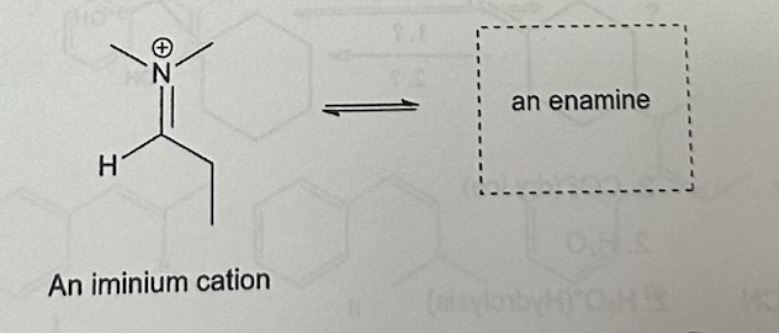
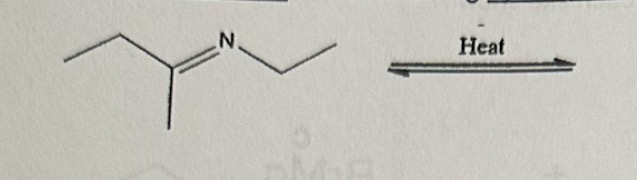
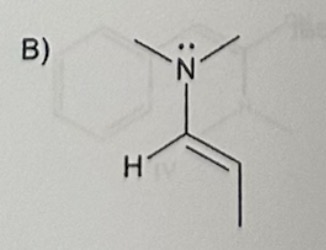
<p>The following rearrangement reaction is an example of an imine-enamine rearrangement reaction. Predict the correct enamine product assuming base is present in the solution. </p>

The following rearrangement reaction is an example of an imine-enamine rearrangement reaction. Predict the correct enamine product assuming base is present in the solution.

B
<p>B</p>
6
New cards
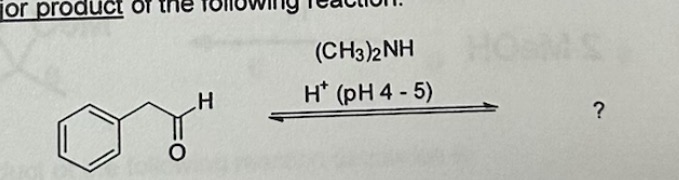
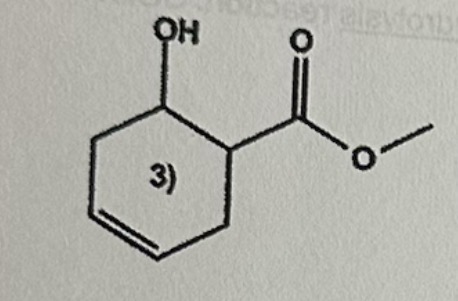
<p>What is the product of the following reaction?</p>

What is the product of the following reaction?

C
<p>C</p>
7
New cards
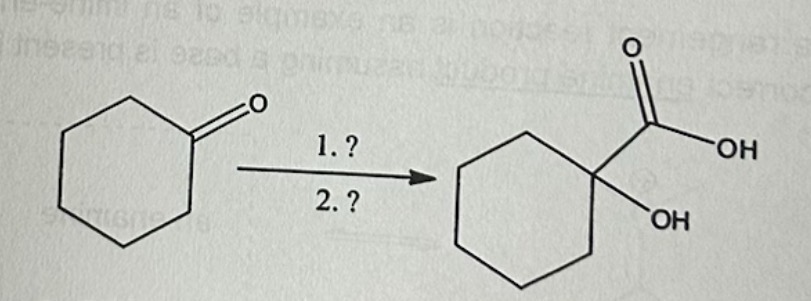
<p>Provide the reagents necessary to carry out the following conversion </p>

Provide the reagents necessary to carry out the following conversion

C) 1. KCN + HCN 2. H3O+ (Hydrolysis)
8
New cards
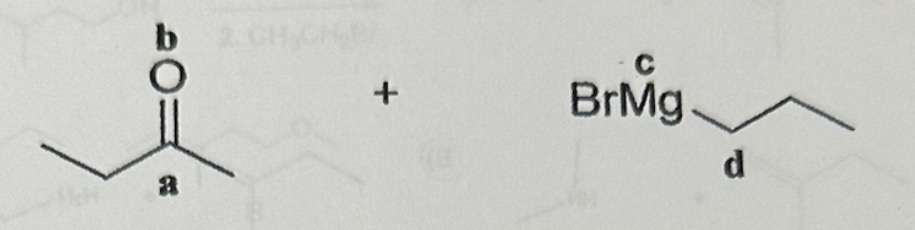
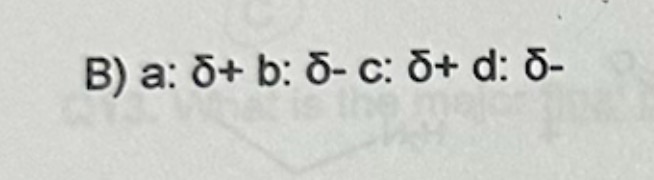
<p>What are the partial charges at each site shown? </p>

What are the partial charges at each site shown?

B
<p>B</p>
9
New cards
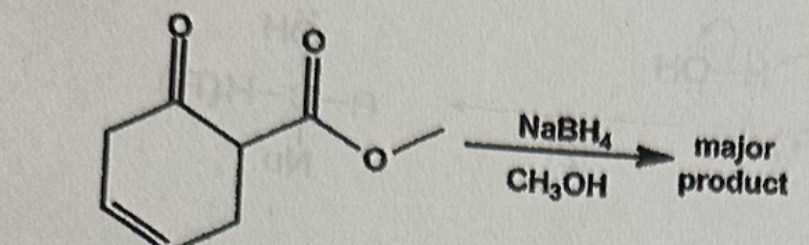
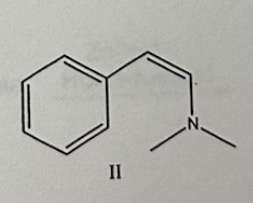
<p>Predict the major product of the following reaction </p>

Predict the major product of the following reaction

B) II
<p>B) II </p>
10
New cards
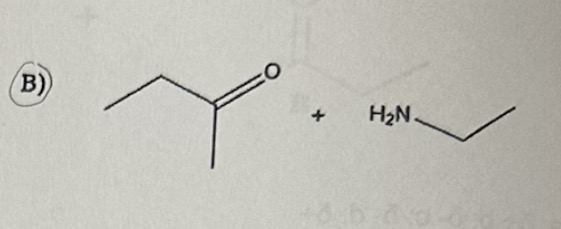
<p>Predict the product (s) for the following hydrolysis reaction </p>

Predict the product (s) for the following hydrolysis reaction

B
<p>B</p>
11
New cards
<p>The products of acetal formation from a ketone are shown below. Which reactant did the oxygen in water originate from? </p>

The products of acetal formation from a ketone are shown below. Which reactant did the oxygen in water originate from?

B) acetone

12
New cards
<p>Predict the final product for the following reaction </p>

Predict the final product for the following reaction

C
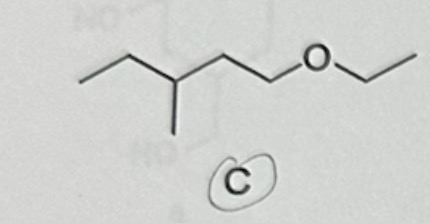
<p>C </p>
13
New cards
<p>What is the major final product (B) formed in the following series of reactions? </p>

What is the major final product (B) formed in the following series of reactions?

A
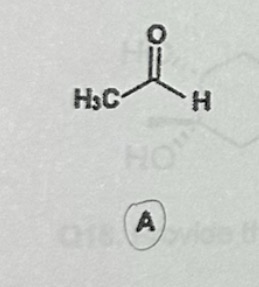
<p>A</p>
14
New cards
<p>the final product of the following reaction sequence is: </p>

the final product of the following reaction sequence is:

E
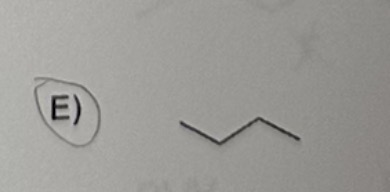
<p>E</p>
15
New cards
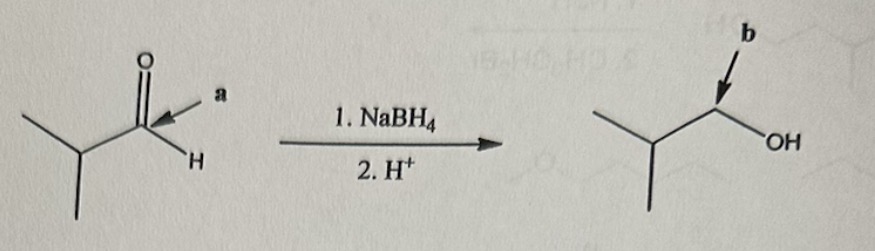
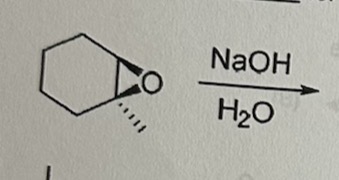
<p>Assign oxidation states for the following carbon atoms: </p>

Assign oxidation states for the following carbon atoms:

D) a is +1; b is -1
16
New cards
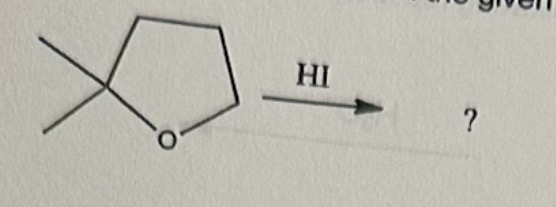
<p>Predict the product for the following ring-opening reaction </p>

Predict the product for the following ring-opening reaction

C) III
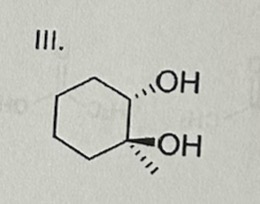
<p>C) III</p>
17
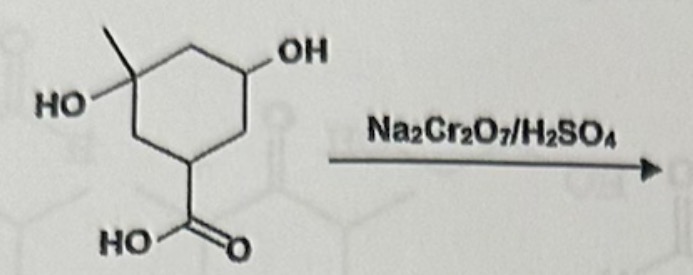
New cards
<p>What is the product of the following oxidation reaction? </p>

What is the product of the following oxidation reaction?

B
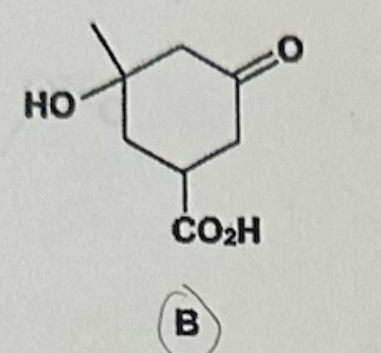
<p>B</p>
18
New cards
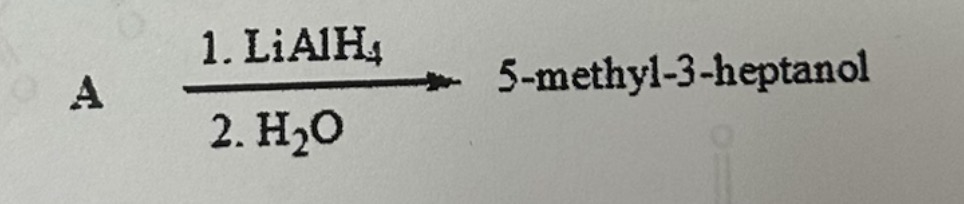
<p>Provide the reactant (A) for the following reaction </p>

Provide the reactant (A) for the following reaction

A) I
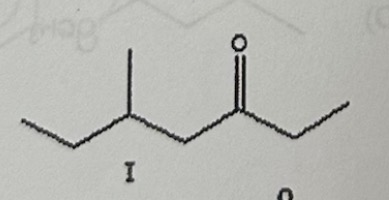
<p>A) I </p>
19
New cards
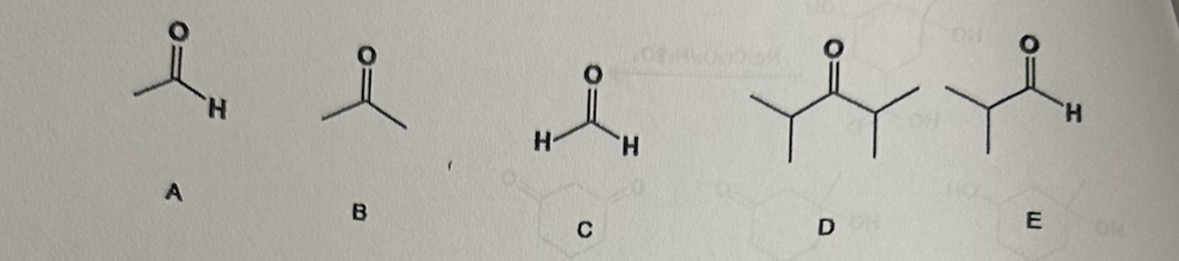
<p>Rank the following compounds in order of decreasing reactivity towards nucleophilic addition, from fastest on the left to slowest on the right</p>

Rank the following compounds in order of decreasing reactivity towards nucleophilic addition, from fastest on the left to slowest on the right

E) C, A, E, B, D

20
New cards
<p>Provide the intermediate product in the following reaction sequence: </p>

Provide the intermediate product in the following reaction sequence:

C
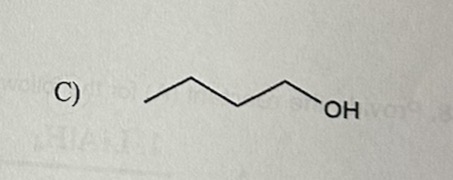
<p>C</p>
21
New cards
<p>What would be the major product of the following reaction? </p>

What would be the major product of the following reaction?

B
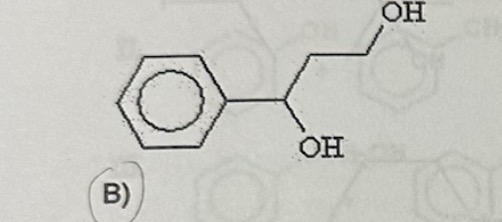
<p>B</p>
22
New cards
<p>What is the product produced in the given reaction? </p>

What is the product produced in the given reaction?

D
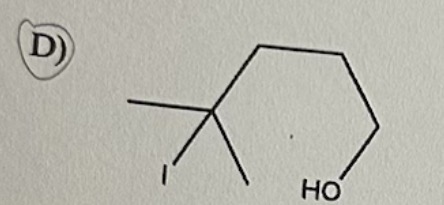
<p>D</p>
23
New cards
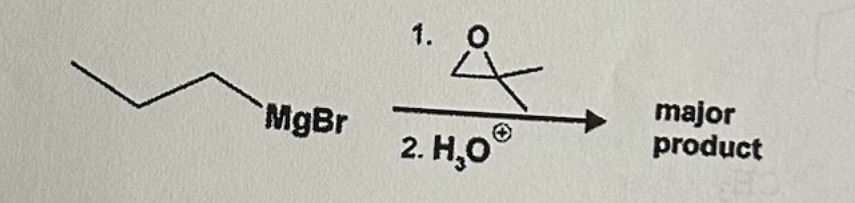
<p>What is the major product produced in the given reactions? </p>

What is the major product produced in the given reactions?

C
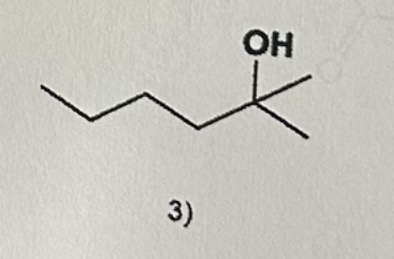
<p>C</p>
24
New cards
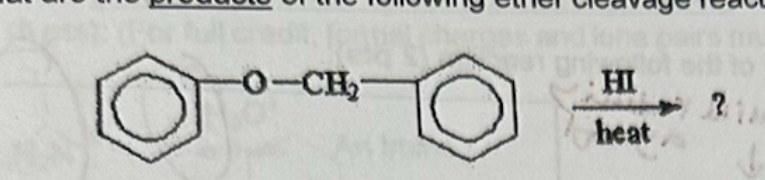
<p>What are the products of the following ether cleavage reaction? </p>

What are the products of the following ether cleavage reaction?

B
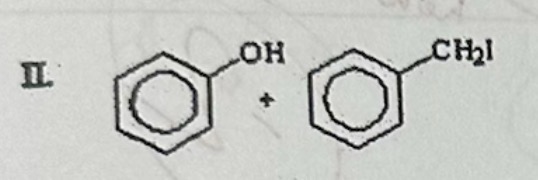
<p>B</p>
25
New cards
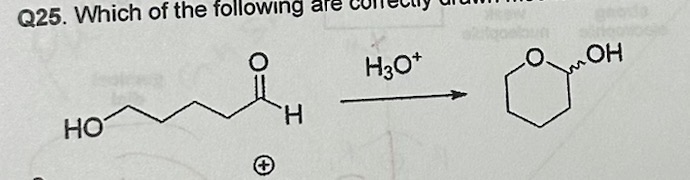
<p>Which of the following are correctly drawn mechanistic steps in the following reaction? </p>

Which of the following are correctly drawn mechanistic steps in the following reaction?

E) all a, b and c

Explore top flashcards