Roman Arch. Monuments Quiz
 Call Kai
 Learn
Learn Practice Test
 Spaced Repetition
 Match
Match Flashcards
 Knowt Play
1/6

There's no tags or description
Looks like no tags are added yet.
Name | Mastery | Learn | Test | Matching | Spaced | Call with Kai |
|---|
No analytics yet
Send a link to your students to track their progress
7 Terms
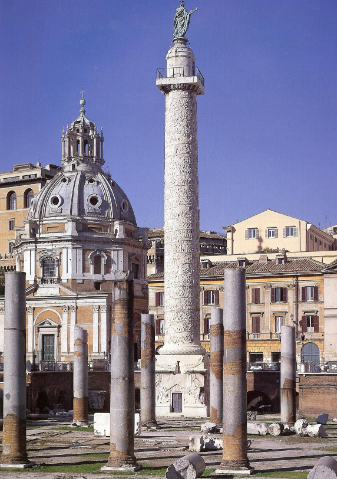
Trajan’s Column
Architect - Apollodoros of Damascus
AD: 107-113
between the 2 libraries in Trajan’s Forum
100 ft tall
3-4 ft wide helical bands
relief 2 inches deep, continuous freeze
shows two campaigns separated by winged victory and the roman trophy
Dacian war campaign
Functions
victory monument
look-out point
propaganda
imperial mausoleum
enforcer of ritual
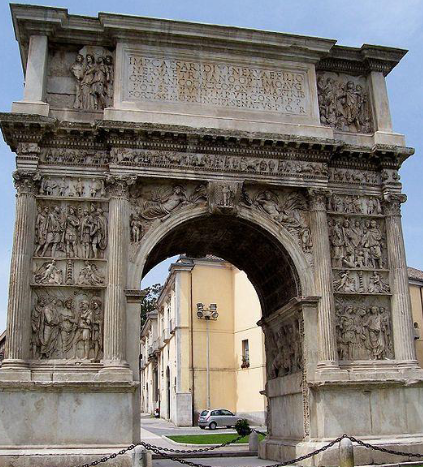
Arch of Trajan
Benevento, Italy
AD: 117-120
meant to show giving back to the people
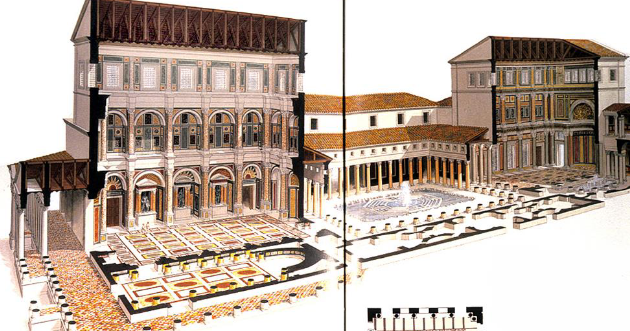
Flavian Palace on the Palatine
AD 91
Architect Rabirius
Flavian period
Public part = Domus Flavia
Private = Domus Augustana
Architecture revolution - private imperial structure, the curving architecture made possible by concrete
Playing with water,light features
Would have been colorful, especially in dining or public places in villas like this
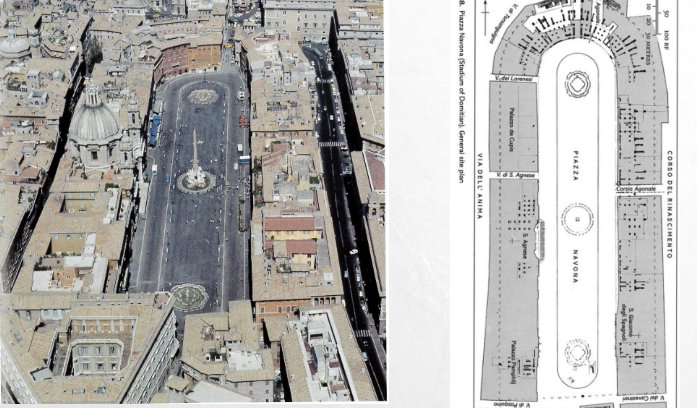
Stadium of Domitian
Campus Martius, 86 CE
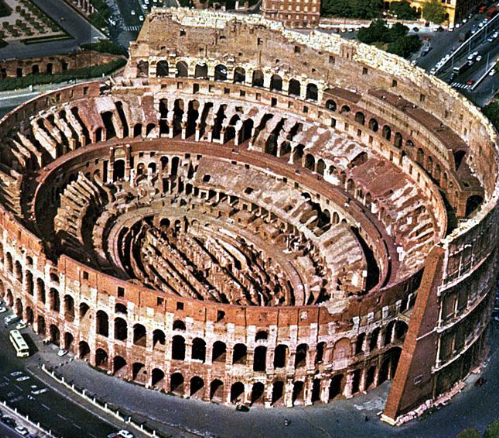
The Flavian Amphitheatre
AKA The Colosseum
Rome
AD 72-80
Velarium: Shade awning
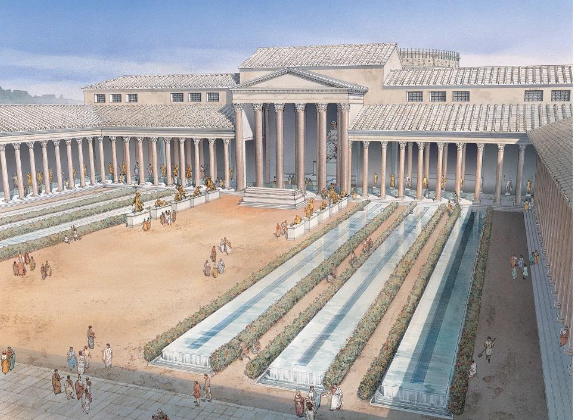
Templum Pacis
Not a forum bc it does not have a civic purpose
More of a leisure space with religious element, but not a temple
Forma Urbis (map of the city)
Stone map
Piece of evidence for how Rome was laid out in the ancient period
Important of symmetry to the romans is how we can tell what is left of the Forma Urbis what is likely what the templum pacis looks like
The spoils of Jerusalem would have been displayed here
Strong message of peace but also calls upon the more violent nature of Rome
‘Forum of Vespasian’
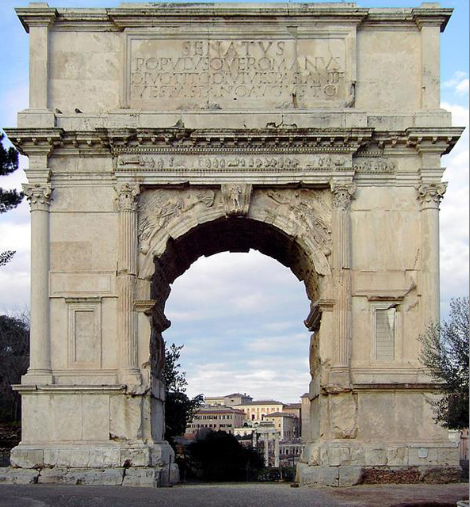
Arch of Titus
Rome
AD 81
Flavian period
Triumphant arch
Part of Triumphant Root
Inscription
‘ the Senate and the Roman people (dedicate this) to the deified Titus Vespasian Augustus son of the defied Vespasian’
Imagery reflects what the inscription is recalling
Spoils of Jerusalem in triumph, AD 70
Celebratory triumph
Bringing the spoils through Rome
Triumph of Titus, AD 70
Figure behind the main person, winged victory behind him crowning him with victory, Roma leading triumph in chariot
Monument that marks victory of Emperor and Empire
Missing a chariot with horses, that adorns the top of the arc

