Oncology Module
 Studied by 0 people
 Call with Kai
 Learn
Learn Practice Test
 Spaced Repetition
 Match
Match Flashcards
 Knowt Play
1/89

There's no tags or description
Looks like no tags are added yet.
Name | Mastery | Learn | Test | Matching | Spaced | Call with Kai |
|---|
No analytics yet
Send a link to your students to track their progress
90 Terms
What are the cardinal features of cancer?
Growth, invasion, and metastasis
Describe the cardinal feature growth.
Means uncontrolled cell growth; becomes too big
Describe the cardinal feature invasion.
Cancer cells spread and grow almost like limbs or flagella that can reach and grab onto nearby things.
Describe the cardinal feature of metastasis.
Considered stage 4 of cancer (most dangerous). This occurs when the cancer cells travel somewhere else in the body, leaving its site of origin (spreading across the body).
What does it mean when it is considered that cancer has no morphological or biochemical change?
This means that a cancer cell is no different than a normal cell (“flesh of his own flesh”); this makes treatment very limited.
What is hypertrophy?
An increase in cell size
What is hyperplasia?
Increase in cell number (replicating)
Define neoplasia.
Proliferating (rapid increase in numbers) cells are morphologically abnormal.
Structure changes when mutation occurs
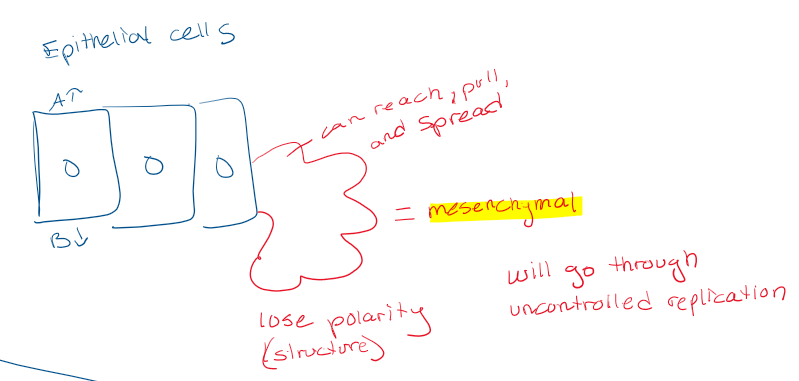
What is a tumor described as?
Proliferation (rapid increase in numbers) usually gives rise to a tissue mass
How can a neoplastic tissue be harmful?
It usually grows more rapidly than the normal tissue of origin. This may arise from a shortening of the cell cycle or from an increase in the proportion of cells undergoing division.
Define anaplasia.
Loss of differentiation of cells and/or tissues
Lose shape of normal cells
Define aneuploidy.
Possessing an abnormal number of chromosomes
Define carcinoma.
A malignant neoplasm forms in epithelial tissue, which is tissue that lines your organs, internal passageways in your body and your skin
This is the most common.
Define dysplasia.
Abnormal tissue development.
“Looks different; not normal looking”
Define neoplasm
An altered, relatively autonomous tissue growth
Define papilloma.
Benign (non-harmful… yet) epithelial tumor
Define sarcoma.
Malignant neoplasm of connective tissue origin (bones)
Describe stage 0 of cancer
Abnormal cells that could grow into cancer cells are present but haven’t spread to nearby tissue (hasn’t affected anything)
This is called carcinoma in situ, often referred to as pre-cancer
“Catching it early”
Describe stage 1 of cancer
Cancer is present but has not spread (localized in that tissue).
Also called early-stage cancer
Describe stages 2-3 of cancer
Cancer is present and has spread into nearby tissue.
For stage 3, the cancer spread further and the tumor is larger
This means it has started to move and invade the rest of the body but hasn’t taken residence
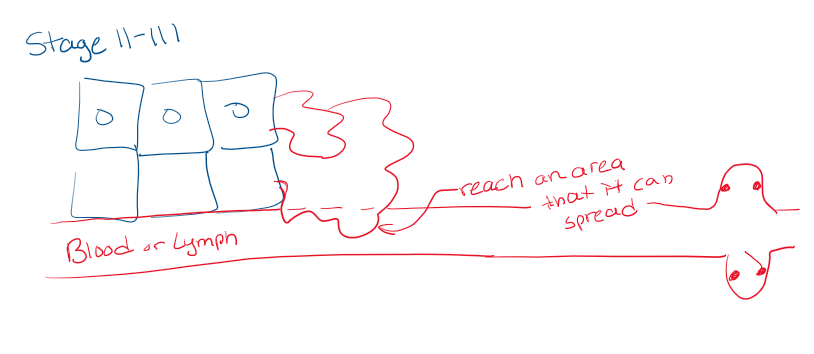
Describe stage 4 of cancer
The cancer has spread to distant parts of the body and has taken residence.
This is called advanced or metastatic cancer
Most common in liver, lung, bones, and brain because these areas have the most blood flow.
Why is cardiac cancer considered rare if that is where the most blood flow is?
The cause is largely unknown. It has been said it may be due to how fast the blood flow is and the shear stress that occurs in this region.
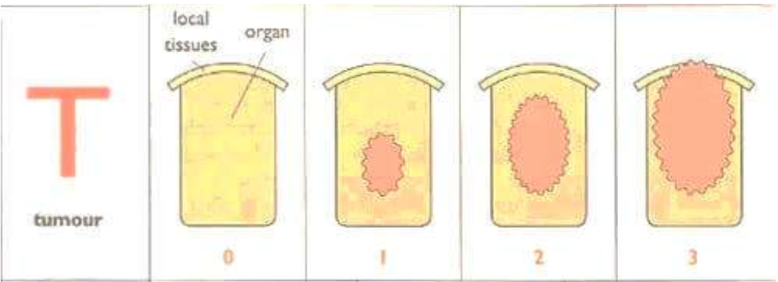
Describe the T in TNM staging.
T means tumor and it describes the stages of the size of the tumor in an organ.
As you can see in the picture, stage 3 indicates the tumor being large enough to push through local tissue
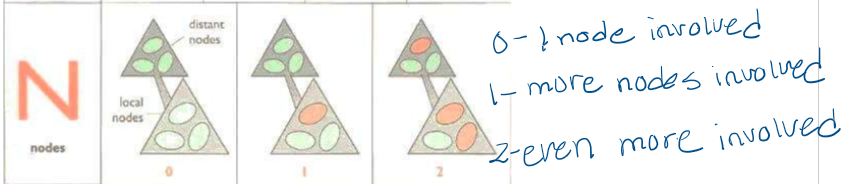
Describe the N in TNM staging.
N means nodes and it describes the amount of affected nodes with cancerous cells
Describe the M in TNM staging.
M stands for metastases, which indicates the number of areas affected by cancerous cells or tumors.
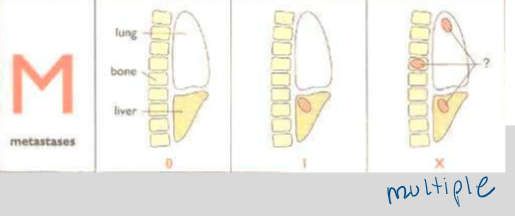
Which type of cancer is the most common in men and why?
Prostate cancer because it is hormone driven.
What is the treatment for prostate cancer in men and what is the effect?
Deprive testosterone to zero to slow growth of cancer.
This typically leads to the body degrading by decreasing muscle growth and increasing body fat.
Chemo is given after this treatment as well
Which type of cancer is the most common in women and why?
Breast cancer because it is hormone driven.
What is the main cause of breat cancer?
Obesity
What is the treatment for breast cancer in women and what is the effect?
Deprive estrogen and progesterone to zero to slow the growth of cancer
This basically puts them in artificial menopause to eliminate estrogen.
Chemo is then done after this treatment
What are the three receptors in women that cancer targets?
Estrogen receptor (ER), progesterone receptor (PR), and HER2
What does it mean when any of the three receptors that cancer targets in women test positive?
It means that that hormone is “helping” the cancer, meaning that is what doctors need to target and eliminate.
Why is it super dangerous if all three receptors that cancer targets in women test negative?
This is very rare, but it is very dangerous because doctors cannot identify where the cancer is originating.
What is the 2nd most common cancer among both men and women?
Lung cancer
What is the main cause of lung cancer?
Smoking/environmental factors
What is the treatment for lung cancer based off of?
Treatment is based on the patient’s genotype, so it is very targeted.
What term was described by Hippocrates (Hippocratic oath) that introduces cancer?
Carcinoma
Who started to use the term "cancer,” and what did he attribute cancer to?
Glen used the term cancer and attributed it to an excess of black bile (melancholia)
Which London surgeon recorded evidence that cancer can be caused by the scrotum in chimney sweeps? What did he attribute cancer to?
Percival Pott found evidence that cancer was being caused by prolonged exposure to soot ("white ash”) from chimney sweeps.
This indicates that cancer was known to be caused by environmental factors in the past.
Who was the first person to describe cancer as an abnormal growth of cells?
Johannes Muller (1838)
Who believed cancer should be described as chronic irritation?
Rudolf Virchow
What kind of procedure has been done in the past that progresses experimental tumor research?
Transplanted tumors
What theory did Virchow make about cancer?
Chronic irritation theory
Describe the chronic irritation theory. What causes the irritation?
It indicates that chronic irritation leads to mutation; that inflammation causes irritation, which induces change.
Smoking is the most irritating
Being obese leads to constant stress and inflammation.
How long does it take for preclinical research to reach phase 3 of a clinical trial?
10-12 years
Describe the 3 phases of a clinical trial
Phase 1: tolerability (20-100 people)
First time testing in humans; determine safe dosage range and identify side effects
Phase 2: More people = effectiveness
Phase 3: Larger in size, many hospitals (100s to 1000s)
Confirm effectiveness, monitor side effects, and compare to standard treatments
Describe how cell line-derived models are used in animal models of cancer.
This is the most common model.
Scientists will take immortalized cancer cells (cells in a dish) and inject them into a mouse through a needle.
Describe how the PDX (patient-derived xenograft) are used in animal models of cancer.
This model has human cancer cells (not in a dish) inserted into a mouse.
If this was used with a normal mouse, the mouse will reject the cells, so scientists bred mice with no immune system.
What is mainly wrong with the cell line-derived and PDX models in animal models of cancer?
Scientists can't use the mice to test if things like exercise and diet lower cancer risk because they inject cancer into the mice, which are not naturally cancerous.
Describe how GEM (genetically engineered models) are used in animal models of cancer.
Scientists use genetically engineered mice that will get cancer.
Describe how environmentally induced models are used in animal models of cancer.
Scientists give mice certain drugs that will have the environment trigger a DNA response.
Who reported that there is an increased incidence of bladder cancer in aniline dye workers in Germany?
Rehn (1895)
According to work with radium, what was suggested to induce skin cancer?
Repeated X-ray burns
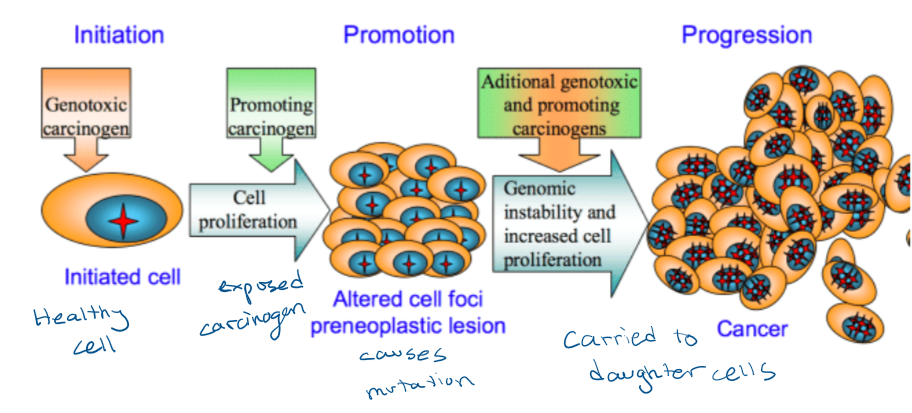
Who achieved the first chemical induction of cancer in laboratory animals and how?
Yamagiwa and Ichikawa (1915) by painting coal tar on the ears of rabbits every 2-3 days for more than a year.
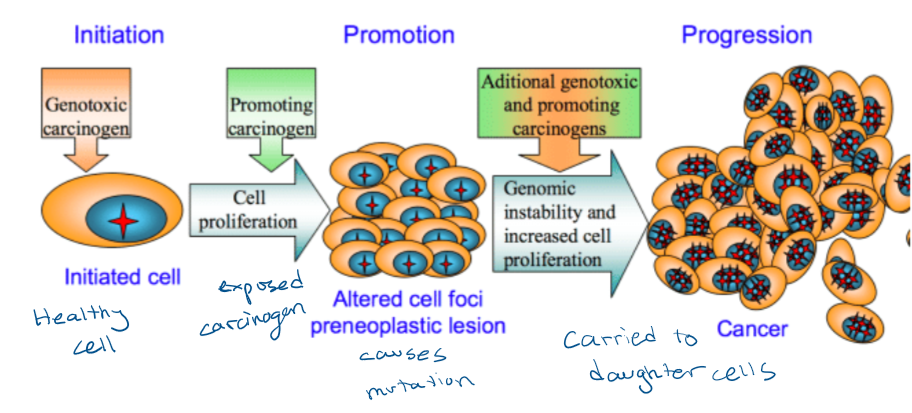
How does a wavelength effect DNA?
It hits DNA, breaking a strand of it. Normally, the strand is replaced by the exact same gene but sometimes it doesn’t and is considered a mutation. This mutation will then be copied by Pol II (Polymerase II) and spread.
If hit hard enough, the wavelength can break both strands of DNA and kill the cell, but there is still a chance of mutation
This is sometimes used as treatment, to kill the cell, even with the chance of mutation
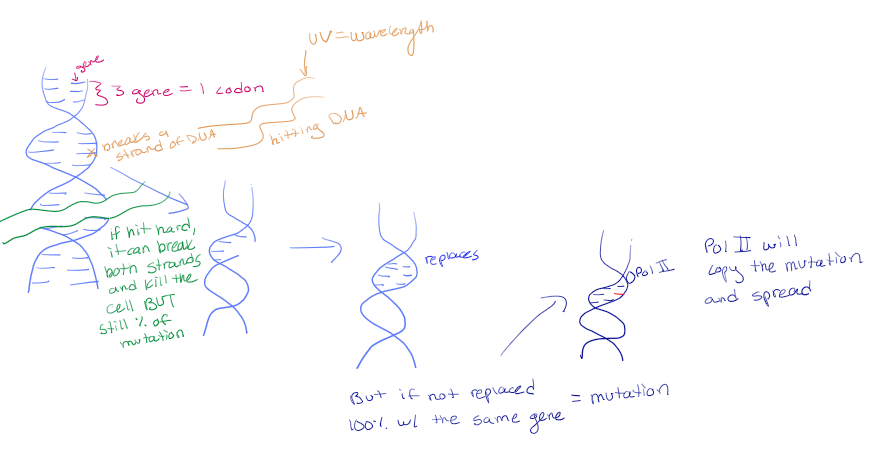
Who published work on a viral agent that causes sarcomas in chickens. What is it known as?
Rous (1910)
Known as Rous Sarcoma Virus or “chicken virus”
The method of virally mediated cancer is the same reason for what?
HPV screenings (cervical cancer protection)
How does a virus spread?
A virus has its own DNA so it will purposefully inject its own DNA into ours and we copy it. This leads to massive mutation = cell growth.
Describe the Warburg Metabolism theory.
Otto Warburg concluded in the 1920s that cancer arose from damaged respiratory mechanisms.
It indicates that cancer cells cannot use oxygen to get energy, so they use glucose, which makes the environment very acidic, which prevents drugs from getting to them and resolving.
This usually leads to missing or damaged mitochondria.
What is the pentose phosphate pathway used for?
It is used to make nucleotides (DNA/RNA), making it essential for cellular growth, repair, and protection against damage
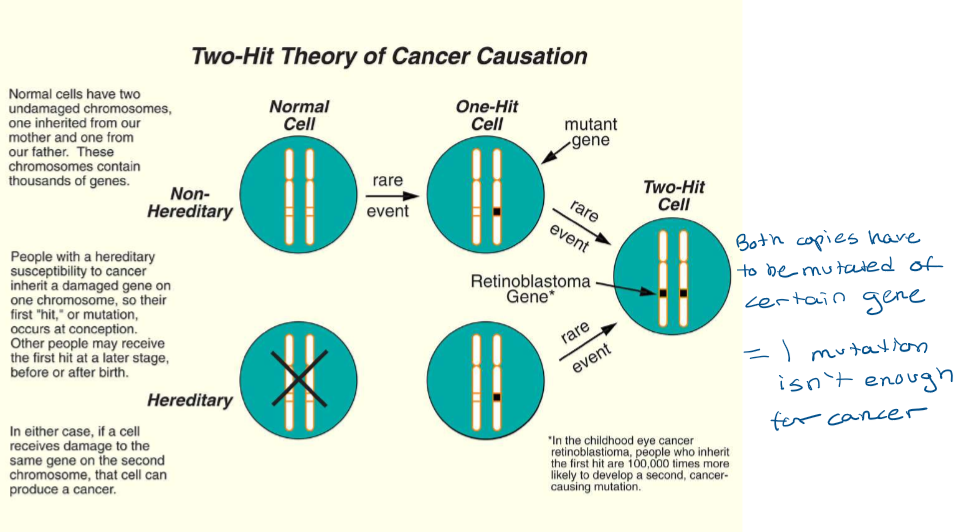
What was Knudson’s ‘Two-Hit’ hypothesis?
It indicated that both copies or strands, have to be mutated of a certain gene. In other words, 1 mutation isn’t enough for cancer.
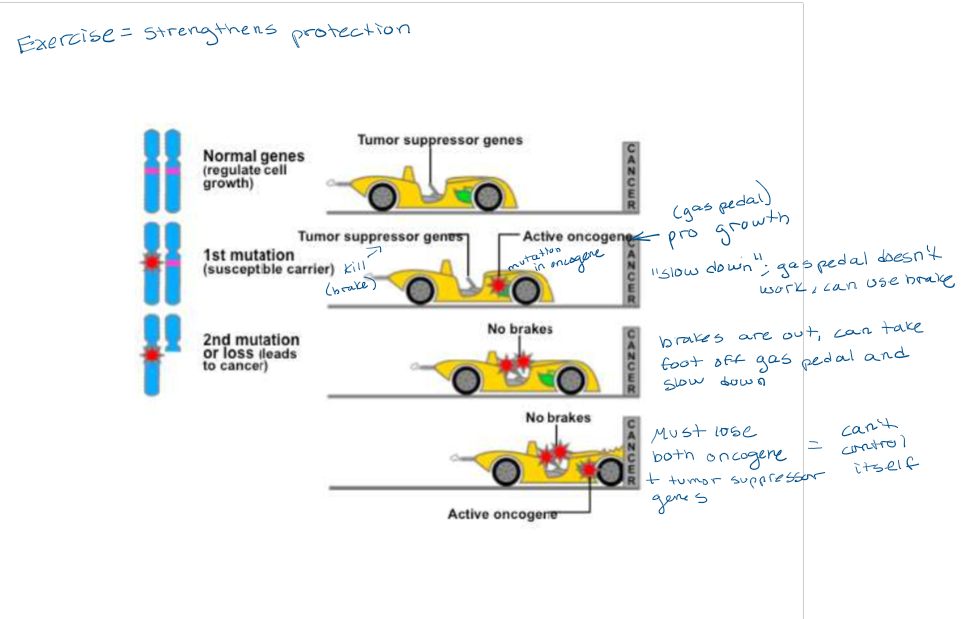
Explain Knudson’s ‘Two-Hit’ hypothesis with tumor suppressor genes and active oncogenes.
With an active oncogene (pro-growth) representing the gas pedal and a tumor suppressor gene (inhibitor) representing the emergency brake, the picture shows how both have to be damaged to run into cancer.
If 1 is damaged, the other will override it and slow it down
If both are damaged, there is nothing stopping it from running into the cancer wall.
What is the role of a tumor suppressor gene?
To stop the cell from replicating (pro-kill)
What is the role of an active oncogene?
To help cells “gain their function” (pro-growth).
What are the four common proto-oncogenes?
HER-2/neu gene
RAS gene
MYC protein
SRC protein
Which type of cancer is most common with HER-2/neu?
Breast cancer
It is amplified in up to 30% of breast cancers
What is the role of HER-2/neu?
It encodes for a cell surface receptor that can stimulate cell division.
In other words, it enhances function, meaning increasing the number of receptors. So if cancer was involved, this gene gives cancer cells more receptors to replicate.
What is the role of the RAS gene?
It controls when kinase signaling pathways are active or inactive, which ultimately controls the transcription of genes, which results in regulating cell growth and differentiation.
What is the role of the MYC protein?
This is a transcription factor that controls the expression of several genes.
It is known to be a master regulator of metabolism
What is the role of the SRC protein?
It is a tyosine kinase, which regulates cell activity.
How does HER2 help breat cancer?
It produces PI3K, which stimulates Akt, then mTOR (=pro-growth), which leads to profileration, differentiation, angiogenesis, cell cycling, survival, and invasion.
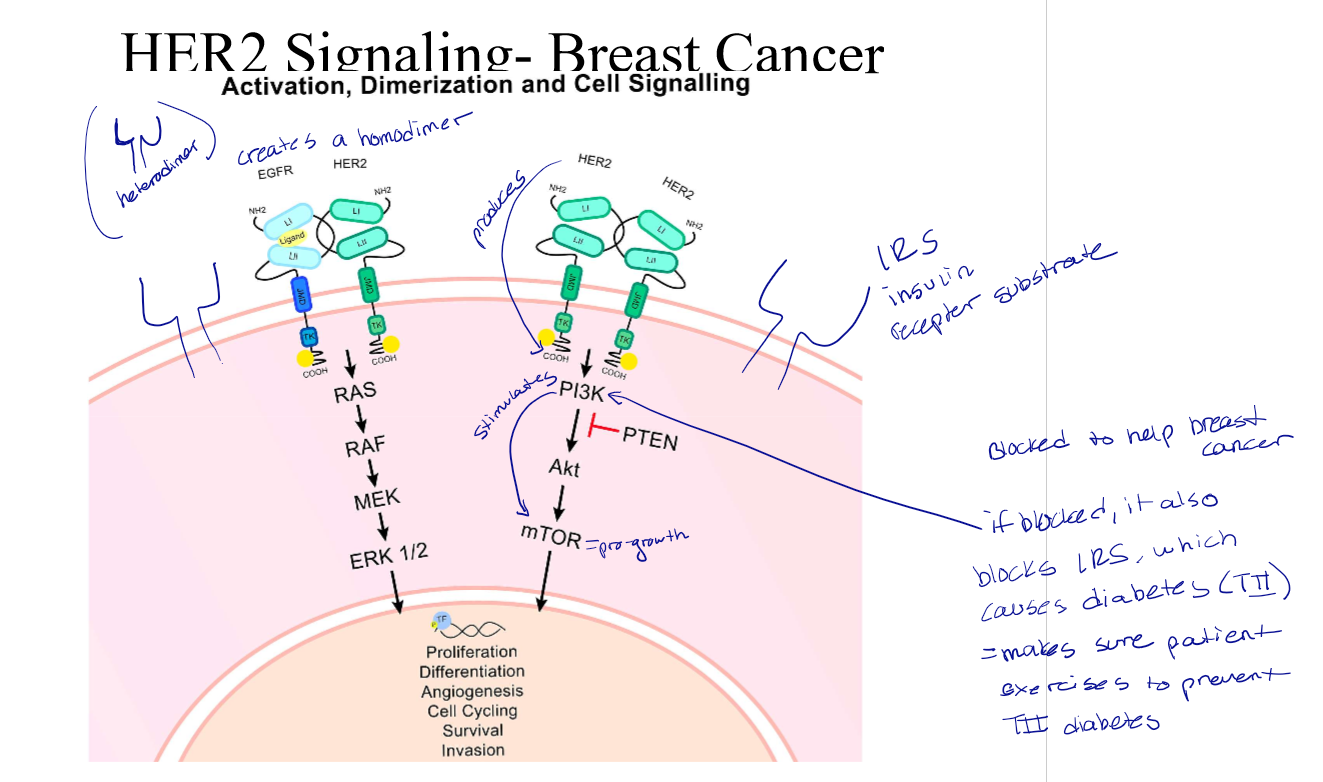
What happens when you block PI3K in HER2 signaling to prevent breast cancer?
It also blocks IRS (insulin receptor substrate), which causes diabetes (Type 2).
To prevent type 2 diabetes, doctors should make sure their patients are exercising.
How does RAS signaling help cancer?
Once the receptor tyrosine kinase is activated, it activates KRAS, which stimulates PI3K and AKT (which causes proliferation), then mTOR, which ultimately leads to differentiation and survival for these cancer cells.
Another way is that when KRAS is activated, it also activates RAF, which then stimulates MERK (which also causes proliferation), then ERK, which leads to cancer cell growth.
One more way is when KRAS is activated, it stimulates RAL, which then stimulates NF-κB, which leads to an inflammatory cascade that leads to cancer cell growth.
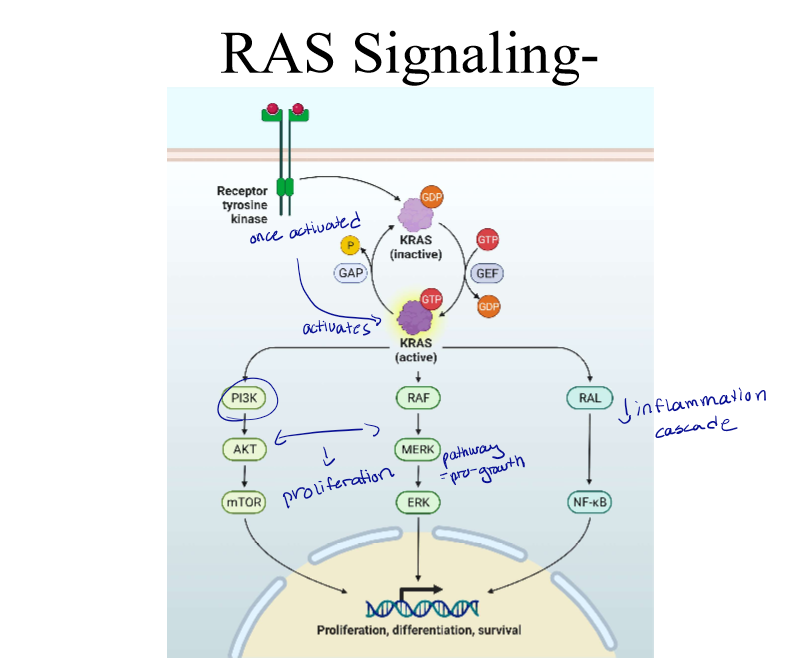
What 2 cancers does RAS signaling promote?
80% of pancreatic cancer
30% colorectal cancer
How does MYC signaling promote cancer?
It is stimulated by PI3K and it leads to abnormal changes.
It leads to apoptosis (cell death), growth, metastasis, proliferation, angiogenesis, and even blocks differentitation.
How does SRC oncogene promote cancer?
It can activate every pathway by phosphorylating target proteins because it is a tyrosine kinase.
What are the tumor suppressor genes?
p53 abd BRCA1/2
What is the role of a tumor suppressor gene?
In normal cells, it acts as a braking signal to slow or kill to stop the cell cycle before the S phase. If they are mutated, the normal brake is disabled, resulting in uncontrolled growth.
What does mutations in tumor suppressor genes cause?
Loss-of-function, which generally shows up when both copies of the gene are mutated.
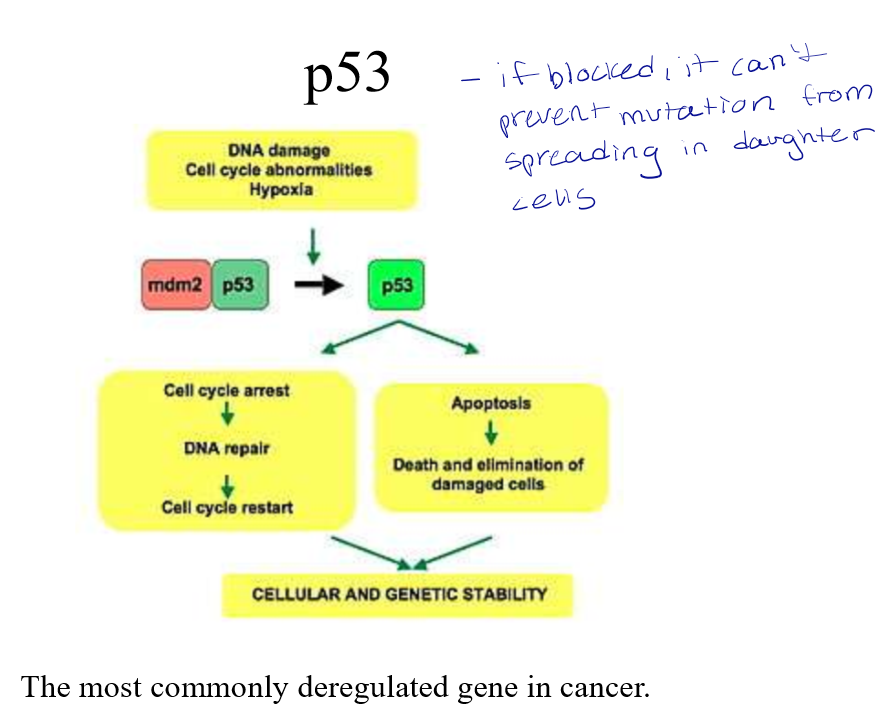
What is the role of p53?
It is a transcription factor that controls the cell death cycle.
It is known as a master regulator of cell death.
If not activated, proteins don’t get activated. If overstimulated, it results in too much cell death. If understimulated, there is not enough cell death (too much cell growth).
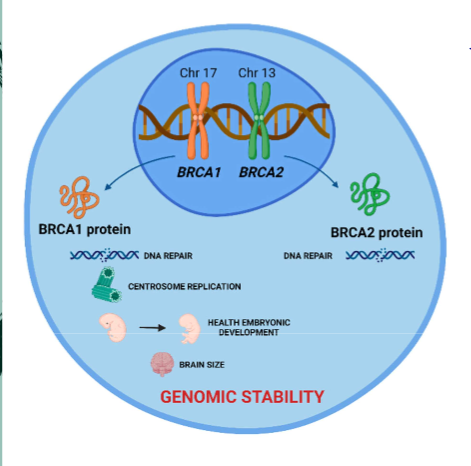
What is the role of BRCA?
Mainly involved in the repair of DNA damage and cell cycle regulation.
If tested positive, it means you do not have it (it lost its function), resulting in an increase of breast cancer.
What happens when p53 is blocked?
It can’t prevent mutation from spreading in daughter cells
What does BRCA stand for?
Breast Cancer Associated Gene
How does cancer kill?
Cancer cells grow so big, they block the function of vital organs.
It’ll start in an unimportant part of the body, then metastasize (spreads) to vital organs
It also gives off substances that interfere with other organs.
What does differentiated mean?
It has its own dedicated purpose = function
Once epithelial cells become dedifferentiated by metastasis, what do epithelial cells become?
Mesenchymal cells, which find gaps in tissue and blood.
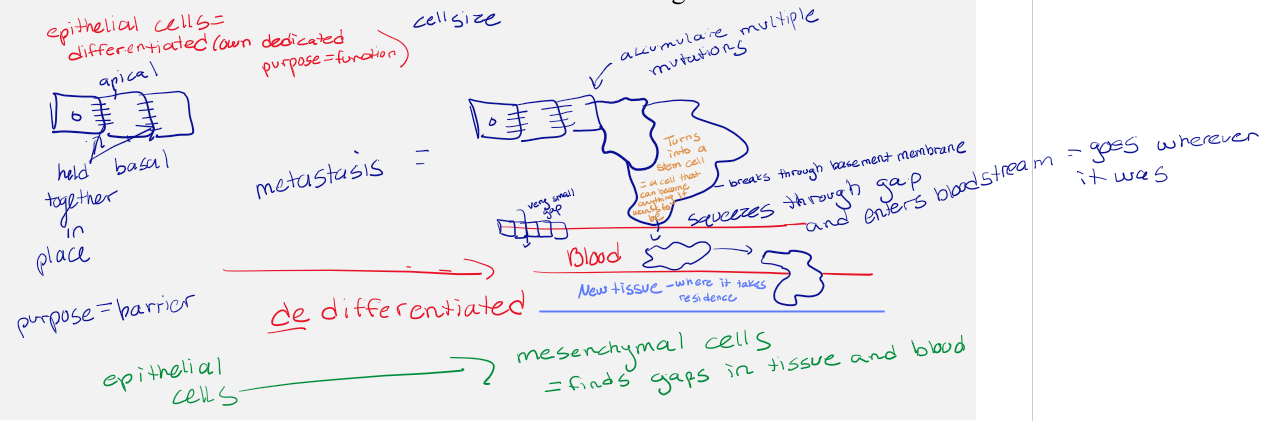
What is a stem cell?
A cell that becomes anything it wants to be
What are the 10 hallmarks of cancer?
Activating invasion and metastasis
Enabling replicative immortality
Deregulating cellular energetics
Avoiding immune destruction
Genome instability and mutation
Inducing angiogenesis
Sustaining proliferative signaling
Evading growth suppressors
Tumor-promoting inflammation
Resisting cell death
What is the acronym that I came up with for the 10 hallmarks of cancer?
IMagine RIver Creatures Are Great At Playing Epic Tough Rounds
How does exercise affect the 10 hallmarks of cancer?
It disrupts the entire cancer-supportive environment by:
Improving metabolism
Lowering inflammation
Strengthening immune function
Stabilizing genomes
Reducing growth signals
 Note
Note  Flashcards (102)