Biology midterm 2
 Call Kai
 Learn
Learn Practice Test
 Spaced Repetition
 Match
Match Flashcards
 Knowt Play
1/76

There's no tags or description
Looks like no tags are added yet.
Name | Mastery | Learn | Test | Matching | Spaced | Call with Kai |
|---|
No analytics yet
Send a link to your students to track their progress
77 Terms
what is sexual reproduction
two parents produce an offspring
what is asexual reproduction
one parent produces an offspring
what is budding
an asexual type of reproduction where a “bud” is produced, being an exact genetic and physical copy of the parent. Ex. yeast
what is binary fission
a type of asexual reproduction where an organism will duplicate it’s genetic information, grow in size, and then split into two separate individuals, roughly same size and have their own copy of DNA. Ex. Bacteria
what is parthenogenesis
a type of asexual reproduction where an egg cell can develop without being fertilized by a sperm cell. Ex. “drone” honey bees
what are advantages of asexual reproduction
quicker time period, requires less energy, and produces more offspring in less time
what is a disadvantage of asexual reproduction
no genetic variation as they are identical copies of parents so DNA does not change
what are disadvantages to sexual reproduction
takes more time, requires two parents, more energy and a more complex process
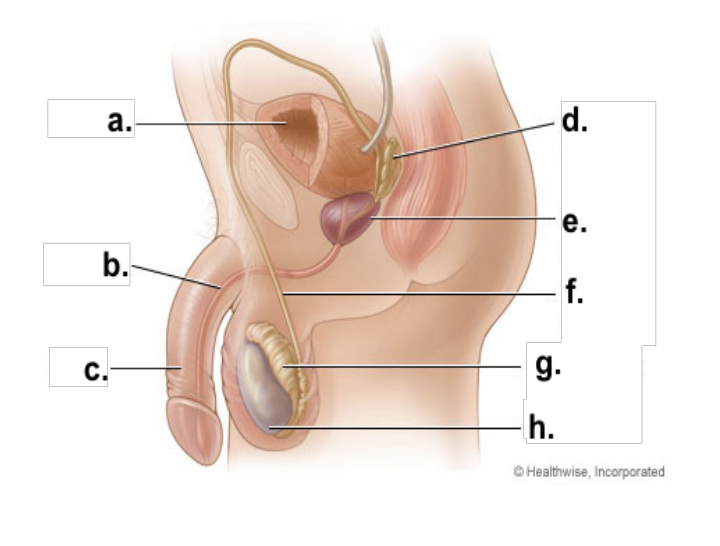
What is “h” and a description/function
testes, are not empty sacs but packed full of coiled structures called seminiferous tubules also where spermatogenesis takes place after puberty
what is spermatogenesis
production of gametes in males and takes place in the seminiferous tubules in the testes
when do males start producing gametes
when a male reaches puberty the hypothalamus in the brain releases GnRH hormone which triggers the pituitary gland to release FSH which affects the special cells in the testes to start producing sperm cells
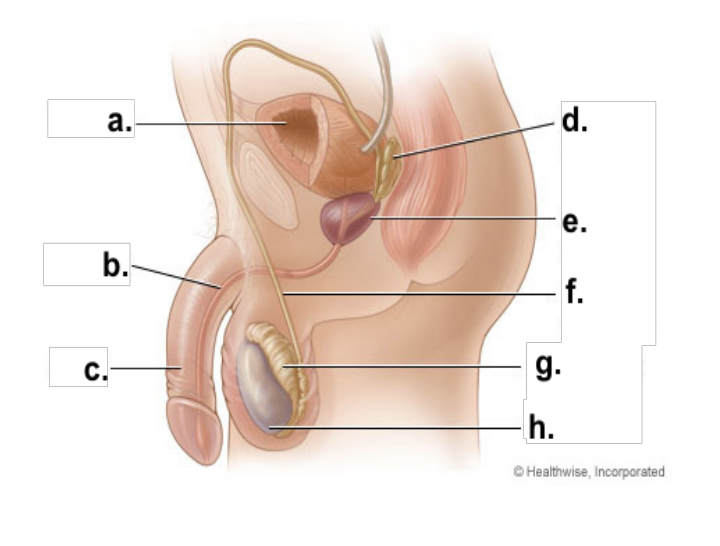
what is “g” and a description/function
epididymis, coiled tubes that sit on the back of the testes that hold unmature sperm cells until they are fully developed and it is time for them to be released
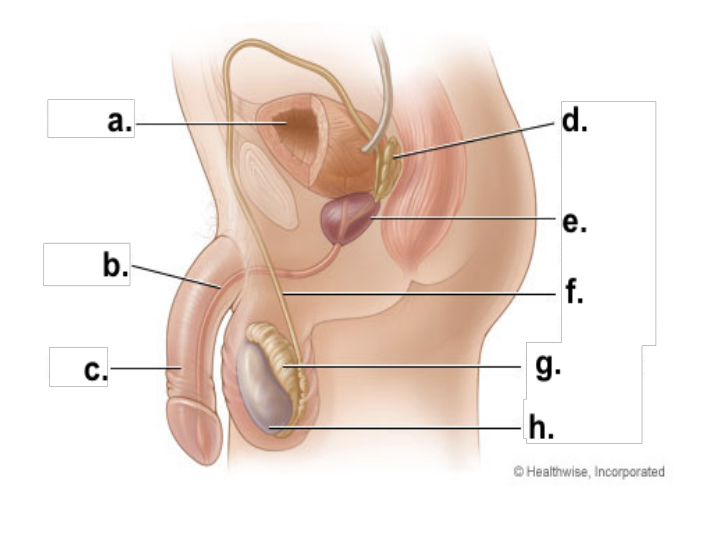
what holds “g” and “h”
scrotum, a sack of skin that holds the testes outside the body and unsure proper temperature for sperm production
describe the head of mature sperm cells
where all the genetic info is stored. It contains acrosome which helps sperm get through the eggs protective coat, allows the plasma membranes of egg and sperm to fuse, and contain a # of digestive enzymes to penetrate the egg
describe the middle piece of a mature sperm cell
contains mitochondria which are the organelles that make energy for the cell’s journey from the testes to the egg
describe the tail of a mature sperm cell
will propel back and fourth to get the sperm to the egg
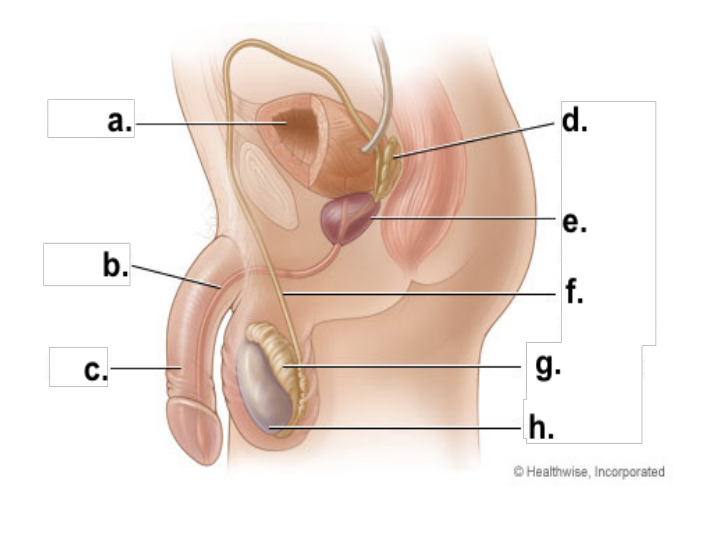
what is “f” and description/function
vas deferens, a tube that transports mature sperm cells from the epididymis to the ejaculatory ducts, while here other secretions are added to help sperm function. during sexual arousal thick muscular layers of the wall contract to quickly transport the sperm
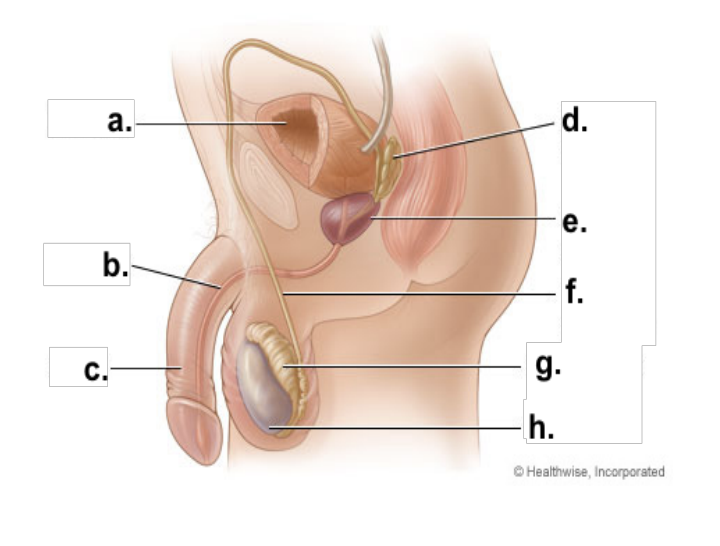
what is “d” and its description/function
seminal vesicles, accessory glands that produce majority of the fluid found in semen. during ejaculation the fluid from the seminal vesicles is released and mixed with the sperm from the vas deferens. secretion contains fructose and prostaglandin
what is the difference between a vasectomy and castration
a vasectomy is an incision in the scrotum to cut a portion of the vas deferens so the sperm can’t make it out of the body, whereas castration is the removal of the testes that stops sperm and testosterone production
what is the difference between sperm and semen
sperm are individual gametes produced in the testes to penetrate the egg whereas semen is a nutrient-rich fluid that transports sperm during ejaculation that may or may not contain sperm
where is the bulbourethral glands/cowper’s gland located and the function
the smallest glands located below the prostate and secrete mucus-rich fluid that protects the sperm cells from the acidic environment of the urethra, also lubricates the pathway
when a male and female gamete come together during fertilization what is formed
a zygote
the production of gametes in males is known as what
spermatogenesis which takes place in the testes
in the testes, where are sperm cells produced specifically
in the seminiferous tubules
the release of male gametes is also known as what
ejaculation
what are the three accessory gland in the male reproductive system
seminal vesicles, prostate gland, and the bulbourethral glands
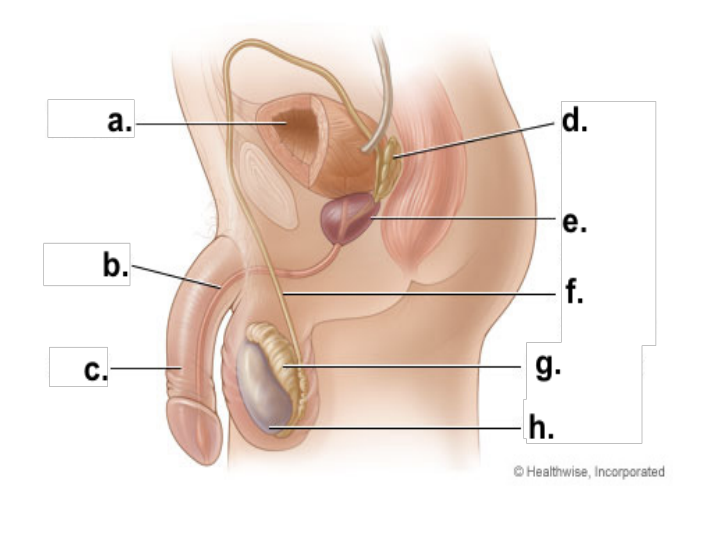
what is “e” and its decription/function
prostate gland, located below the bladder that produces nutrient-rich fluid to improve sperm survival and mobility as well as preventing urine flow into seminal vesicles during ejaculation
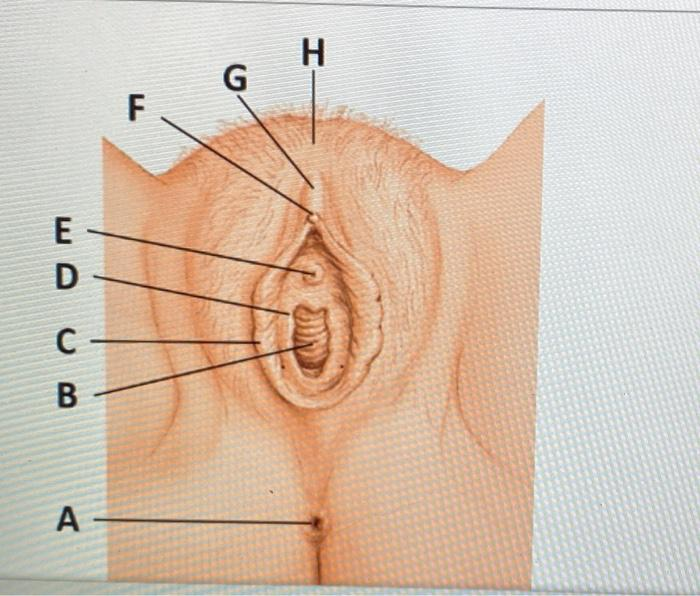
what is “c”
labia minora that protects the urethra and vagina
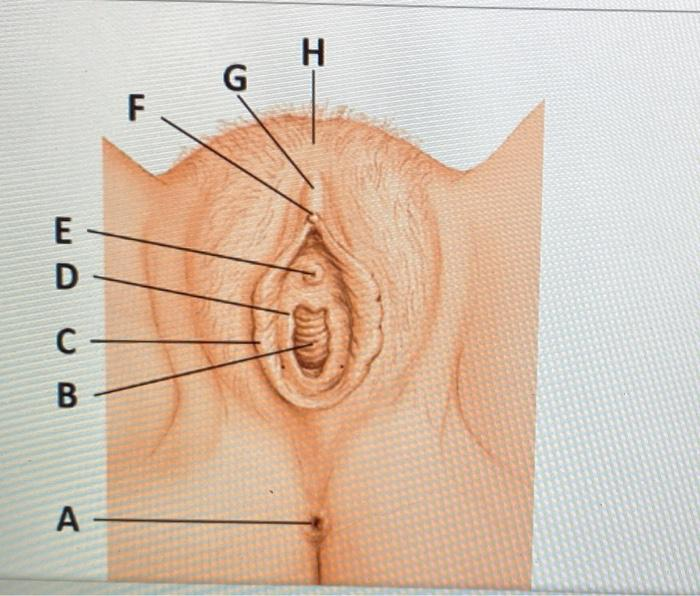
what surrounds “c”
labia majora, another layer of protection
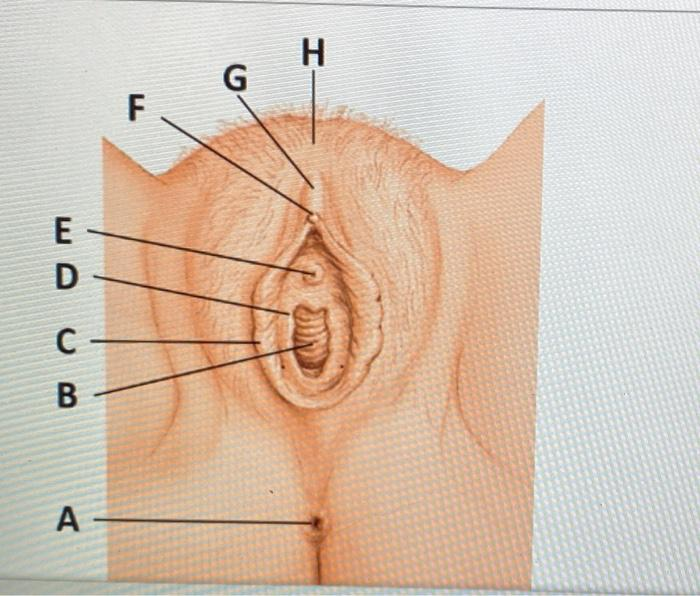
what is “b”
vagina
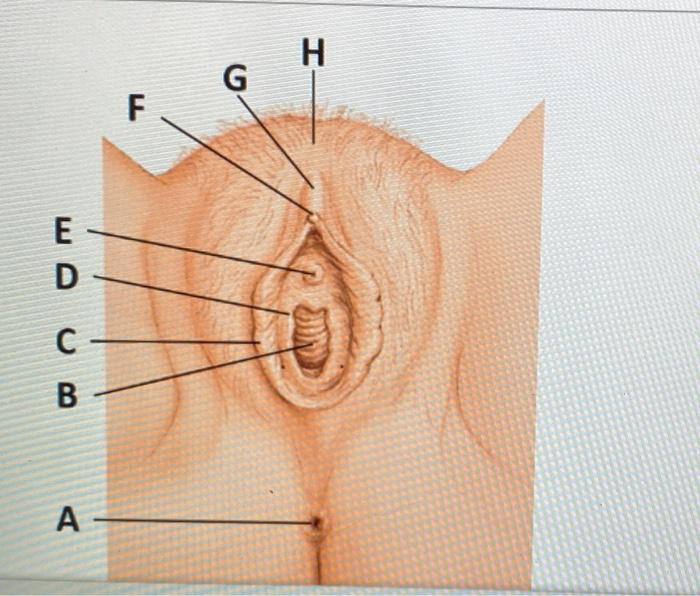
what is “e”
urethral opening
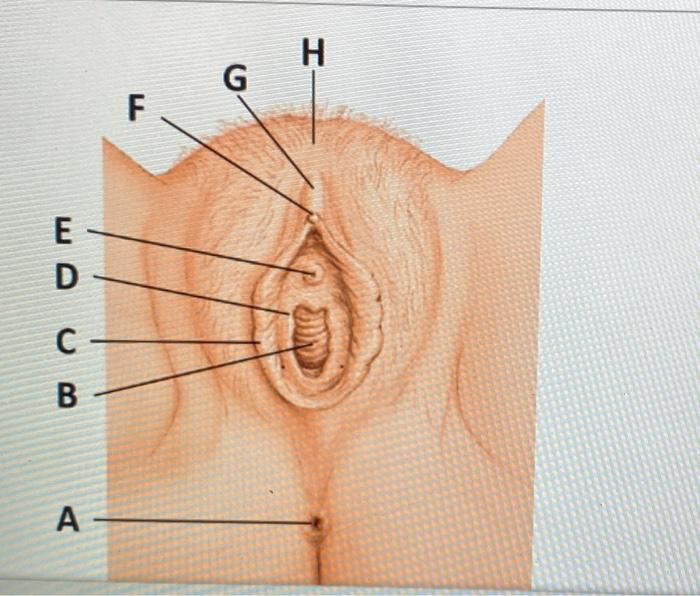
what is “f”
a gland called the clitoris
what is oogenesis
production of female gametes (egg cells) that occurs in the ovaries
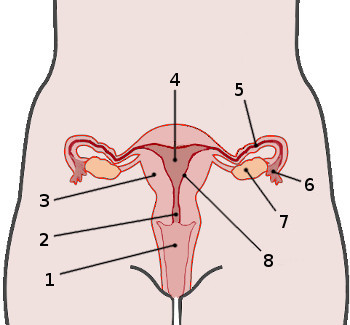
what is “7” and description/function
ovaries, they produce egg cells (oocytes) through ovulation and sex hormones like estrogen and progesterone
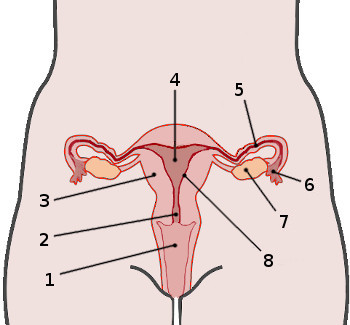
what is “5” and its description/function
oviducts/fallopian tubes, site of fertilization after and egg is released for early embryo development and nourishes before implantation in the uterus. connects the ovaries to the uterus
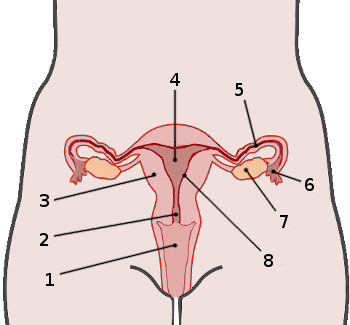
what is “4” and its description/function
uterus, the house of the developing fetus that helps the embryo develop and plant
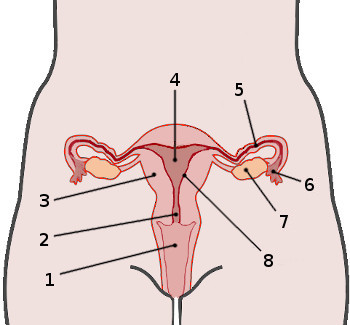
what is “2” and its description/function
cervix, acts as a pathway from the uterus to vagina where it protects the upper reproductive tract, regulates sperm entry, produces mucus, and holds the fetus in place
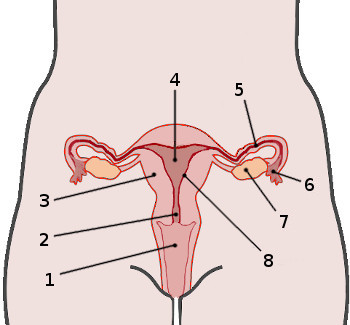
what is “1” and its description/function
vagina, serves as birth canal, exit for menstral flow, and receives penis during sex
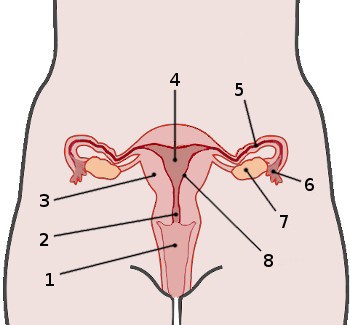
what is “6” and its description/function
fimbriae, “fingers” that sweep up the egg cell/ovum and bring them into the fallopian tubes
what is the release of gametes called in females
ovulation which is a mature egg cell/ovum being released from the ovarian follicle, happens during the ovarian cycle
the vulva consists of what
labia minora, labia majora, and clitoris
when do females start producing gametes
females are born with 700,000 of immature egg cells but the gametes only begin to mature and released once puberty starts
what is the difference between fertilization and implantation
fertilization is when a sperm and egg cell join to from a zygote typically in the fallopian tubes, whereas implantation is the process where the fertilized egg (now blastocyst) attaches to the lining of the uterus
what is an ectopic pregnancy
when implantation of a fertilized egg occurs outside the uterus, most commonly in the fallopian tubes
explain how and why a lithopedion forms (stone baby)
when a fetus dies during an ectopic pregnancy and is to large for the mother to reabsorb so the body treats it as a foreign object and covers it in calcium to protect the mother from infection
how long is a female pregnant/gestation
40 weeks or 9 months
the stages of pregnancy are called what
trimesters
what is a blastocyst
a fertilized cell called a zygote divides multiple times to from a ball of cells, the stage of implantation
what is gestation
the process of development in the uterus from fertilization to birth
how long is trimester 1
week 1 to the end of week 12
how long is trimester 2
week 13 to the end of week 27
how long is trimester 3
week 28 to the end of week 40
during which phase does DNA make a copy of itself
interphase
when will cells generally divide
when they become to large
what structure is responsible for moving the chromosomes during mitosis
spindle
during which phase do chromosomes become visible
prophase
what happens in interphase
the cell is not actually dividing but preparing to divide, this period consists of G1, S-phase (synthesis), and G2
what happens in G1 of interphase
cell increases in size, proteins, and number of organelles. happens before DNA synthesis and replication
what happens in S-phase of interphase
DNA synthesis and replication occurs, genetic material increase
what happens in G2 of interphase
additional cell growth, final prep for division, and increased metabolic activity
what is mitosis
a process of physically dividing up genetic material and cytoplasm that consists of 4 sub phases
What happens in prophase of mitosis
Chromatin condenses into chromosomes, centrioles appear, spindle fibers from, and the nuclear membrane disappears
what happens in metaphase of mitosis
chromosomes line up in the middle of the cell in a single file line, and chromosomes attach to spindle fibers
what happens in anaphase of mitosis
centromere disappears, and chromatids separate from spindle fibers pulling to opposite poles
what happens in telophase of mitosis
chromosomes are at opposite poles, nuclear envelope reappears, spindle fibers disappear, cytokinesis occurs
what is cytokinesis
the separation of the cytoplasm after telophase
how many chromosomes and chromatids are there before and after mitosis
46 chromosomes and 46 chromatids before and after
how many chromosomes and chromatids are there after interphase
46 chromosomes and 92 chromatids
what phases make up the ovarian cycle
follicular phase, ovulatory phase, and luteal phase
what phases make up the uterine cycle
menstruation, proliferative phase, and secretory phase
what happens in the menstrual flow phase and when
shedding of the uterine/endometrium lining beginning day 1 usually to day 5, and happens at the same time as the follicular phase in the ovarian cycle
what happens in the follicular phase and when
follicles that contain egg cells start to grow in the ovaries until ovulation, from day 1 to day 14
what happens in the proliferative phase and when
the uterine/endometrium lining starts to regrow so it can be rich in blood vessels to house a blastocyst, from day 5-14
what happens during ovulation and when
the most mature and dominant follicle is pushing against the ovary wall and eventually breaks through and travels through the oviduct where it can be fertilized, day 14
what happens in the luteal phase and when
the remaining eggs die and the follicle that housed the egg turns into a corpus luteum and if pregnant the structure will stay and continue producing hormones like progesterone and estrogen, occurs day 15 to day 28
what happens in the secretory phase and when
the uterine lining continues to grow and prepare for potential implantation but if no blastocysts implants the corpus luteum will break down after 14 days, occurs day 15 to day 28

