AMSCO AP US History unit 7

0.0(0)
studied byStudied by 0 people
call kaiCall Kai
learnLearn
examPractice Test
spaced repetitionSpaced Repetition
heart puzzleMatch
flashcardsFlashcards
GameKnowt Play
Card Sorting

1/450

encourage image

There's no tags or description

Looks like no tags are added yet.

Last updated 11:32 AM on 2/10/26
Name
Mastery
Learn
Test
Matching
Spaced
Call with Kai

No analytics yet

Send a link to your students to track their progress

451 Terms

1
New cards

Good Neighbor Policy

President Franklin Roosevelt's foreign policy of promoting better relations with Latin America by using economic influence rather than military force in the region. (p. 523)
<p>President Franklin Roosevelt's foreign policy of promoting better relations with Latin America by using economic influence rather than military force in the region. (p. 523)</p>
2
New cards

Pan-American conferences

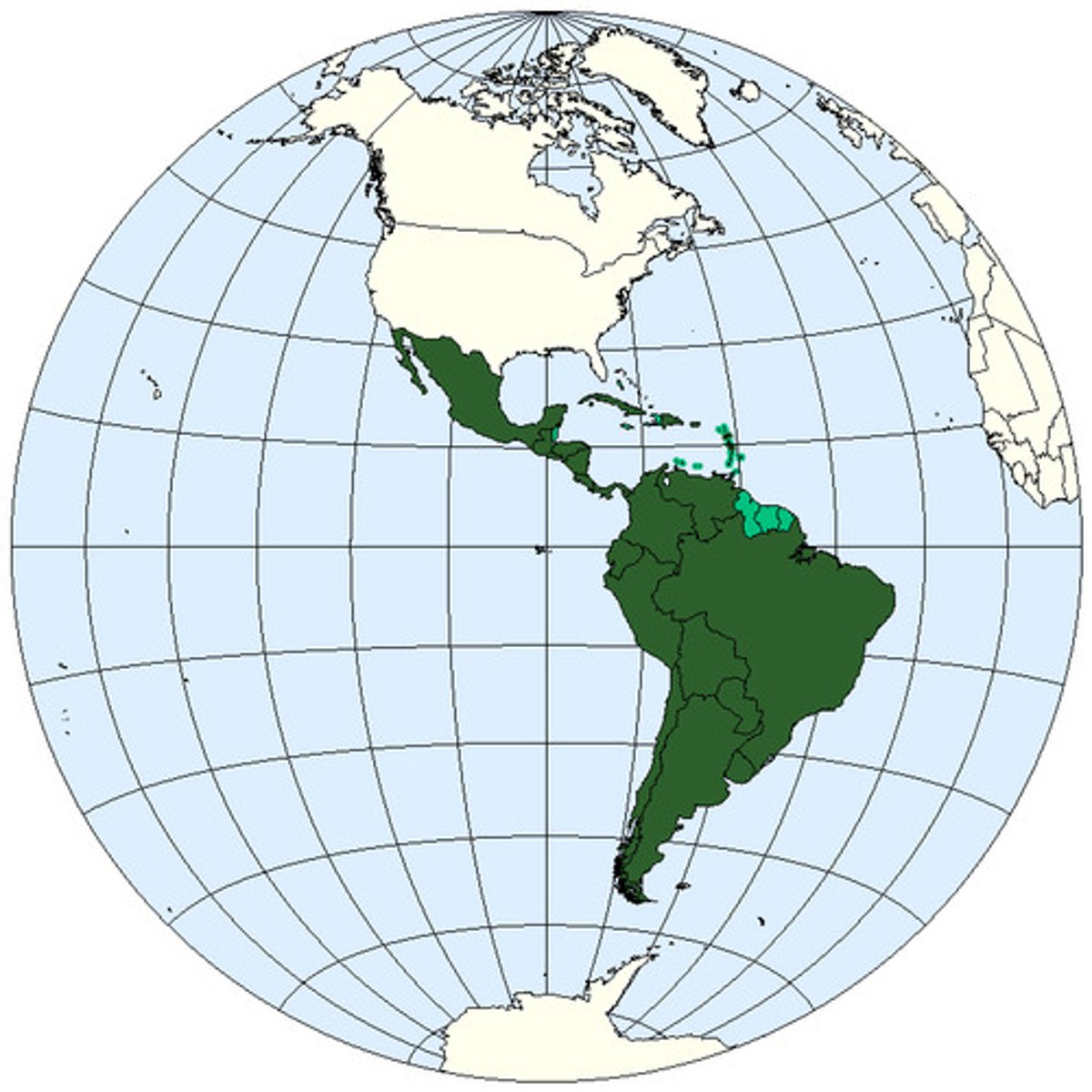
In 1933, the United States attended a conference in Montevideo, Uruguay, in which we pledged to never again intervene in the internal affairs of any Latin American country. At a second conference in 1936, the U.S. agreed to the cooperation between the U.S. and Latin American countries to defend the Western Hemisphere against foreign invasion. (p. 523)
<p>In 1933, the United States attended a conference in Montevideo, Uruguay, in which we pledged to never again intervene in the internal affairs of any Latin American country. At a second conference in 1936, the U.S. agreed to the cooperation between the U.S. and Latin American countries to defend the Western Hemisphere against foreign invasion. (p. 523)</p>
3
New cards

Soviet Union recognized

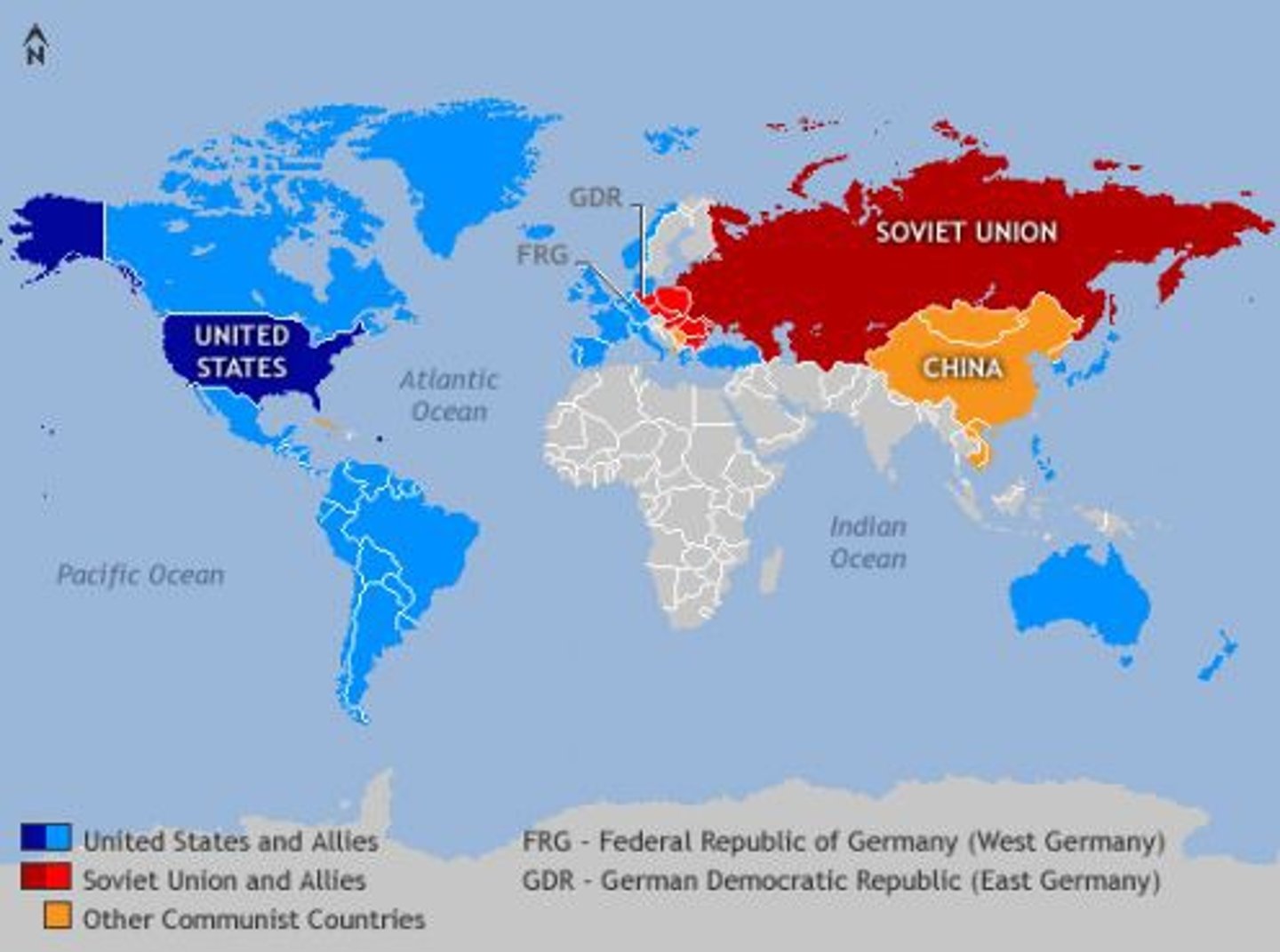
The Republican presidents of the 1920's had refused to grant diplomatic recognition to the Communist regime that ruled the Soviet Union. President Franklin Roosevelt promptly changed this policy by granting recognition in 1933. (p. 524)
<p>The Republican presidents of the 1920's had refused to grant diplomatic recognition to the Communist regime that ruled the Soviet Union. President Franklin Roosevelt promptly changed this policy by granting recognition in 1933. (p. 524)</p>
4
New cards

Independence for Philippines

In 1934, President Roosevelt persuaded Congress to pass the Tydings-McDuffie Act which provided independence for the Philippines by 1946. (p. 524)
<p>In 1934, President Roosevelt persuaded Congress to pass the Tydings-McDuffie Act which provided independence for the Philippines by 1946. (p. 524)</p>
5
New cards

reciprocal trade agreements

In 1934, Congress enacted a plan that would reduce tariffs for nations that reciprocated with comparable reductions for U.S. imports. (p. 524)
<p>In 1934, Congress enacted a plan that would reduce tariffs for nations that reciprocated with comparable reductions for U.S. imports. (p. 524)</p>
6
New cards

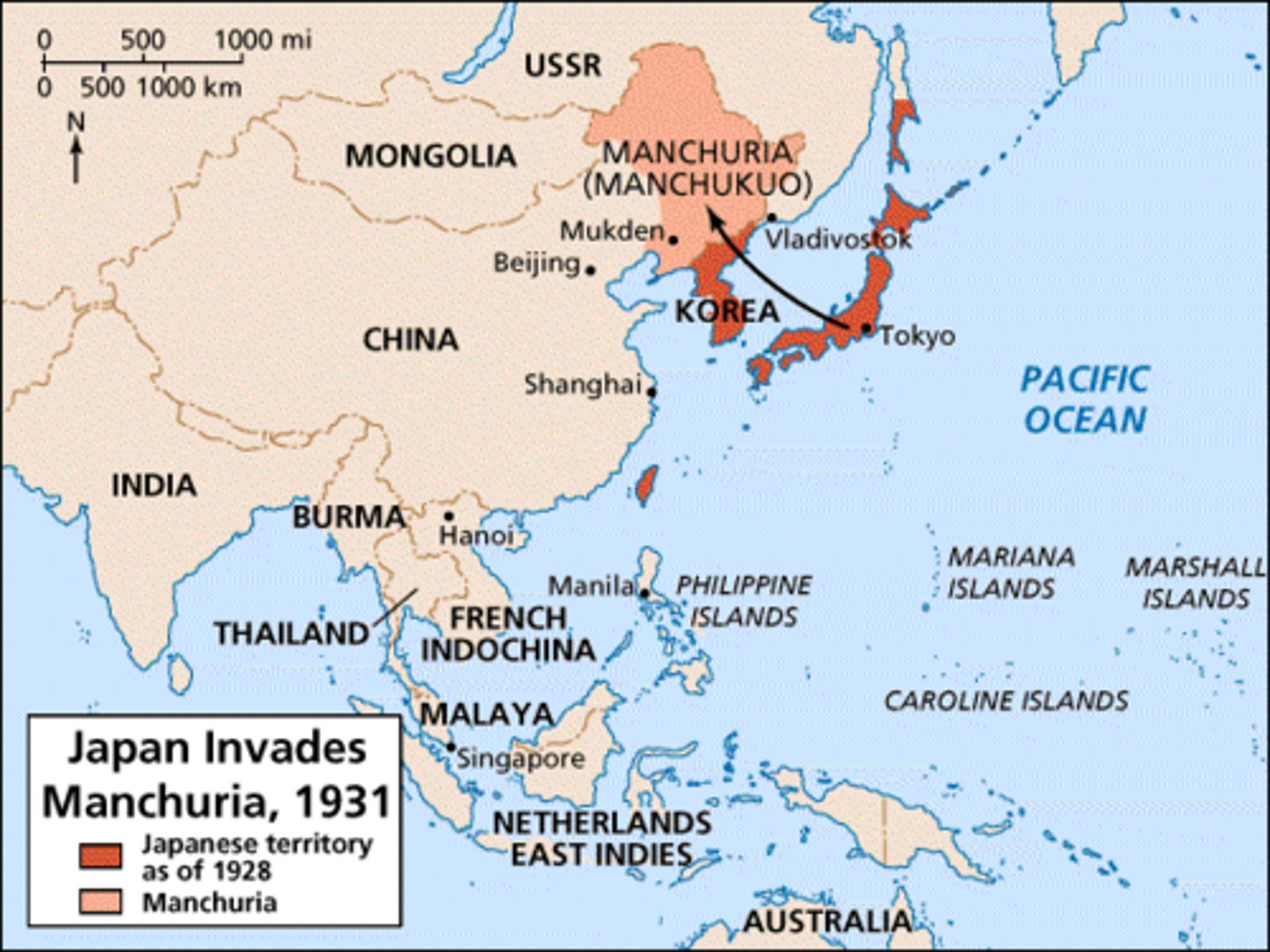
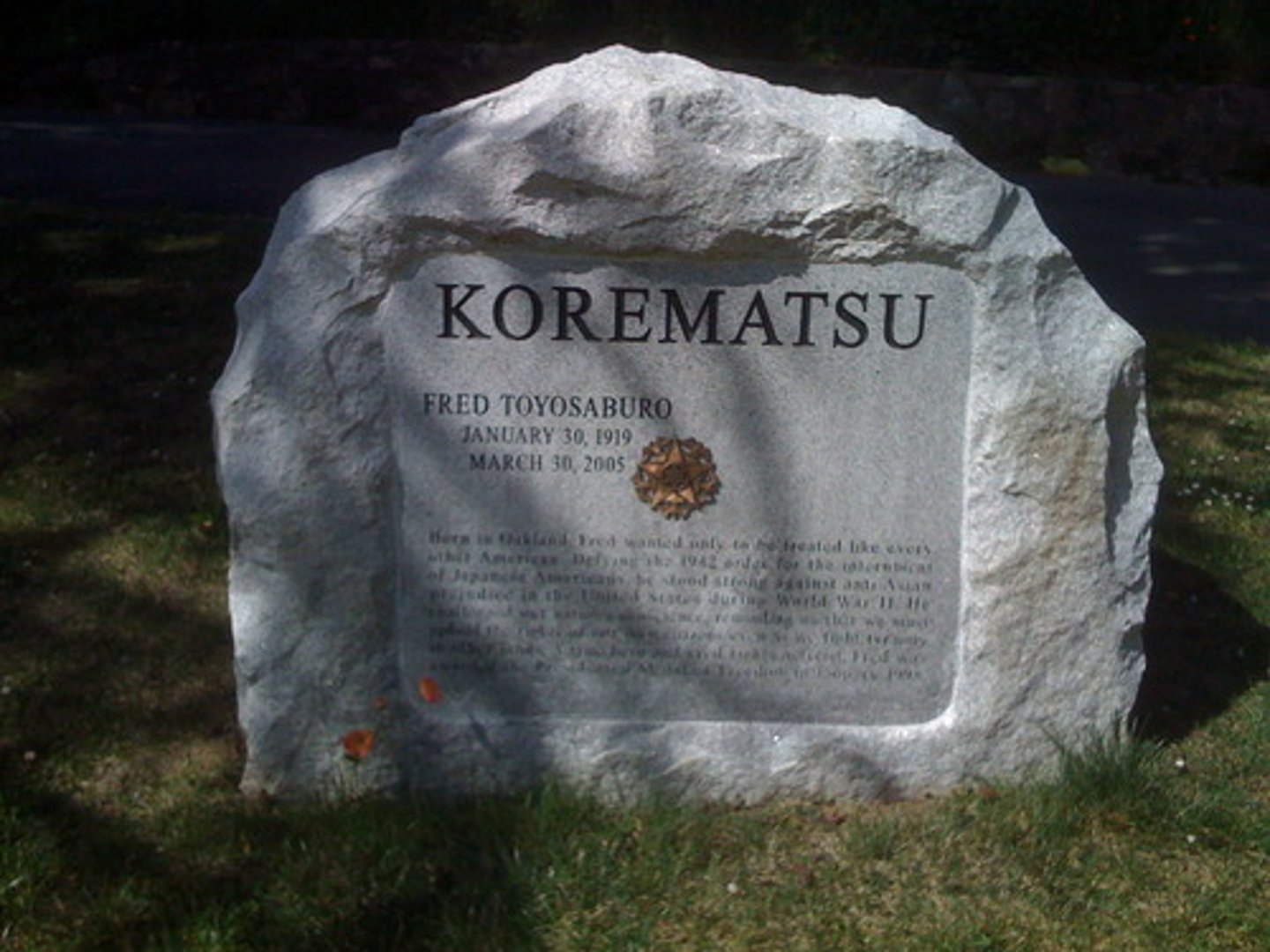
Japan takes Manchuria

In September 1931, Japanese troops invaded Manchuria, on China's eastern seaboard. The League of Nations passed a resolution condemning the action but did not take action. (p. 521)
<p>In September 1931, Japanese troops invaded Manchuria, on China's eastern seaboard. The League of Nations passed a resolution condemning the action but did not take action. (p. 521)</p>
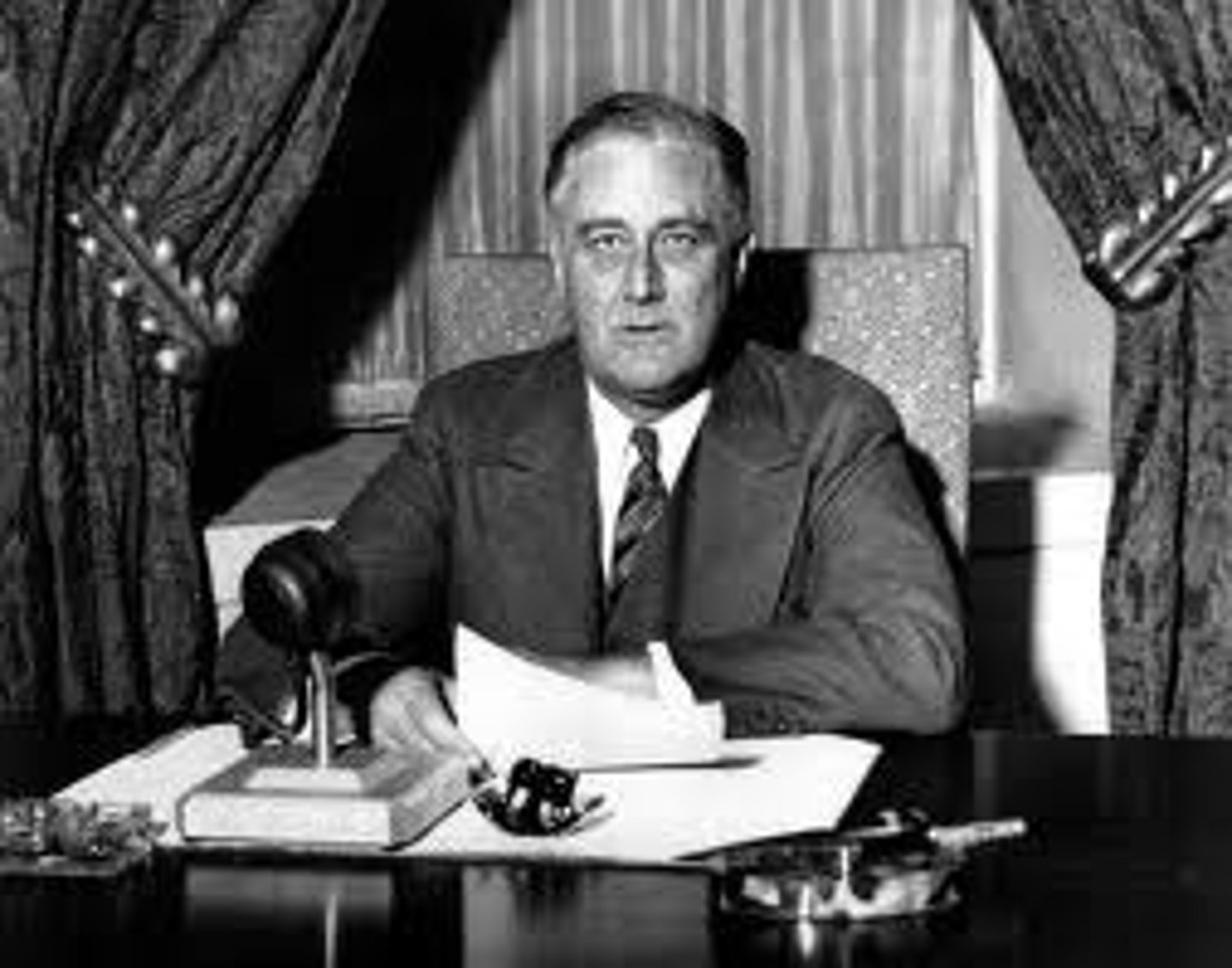
7
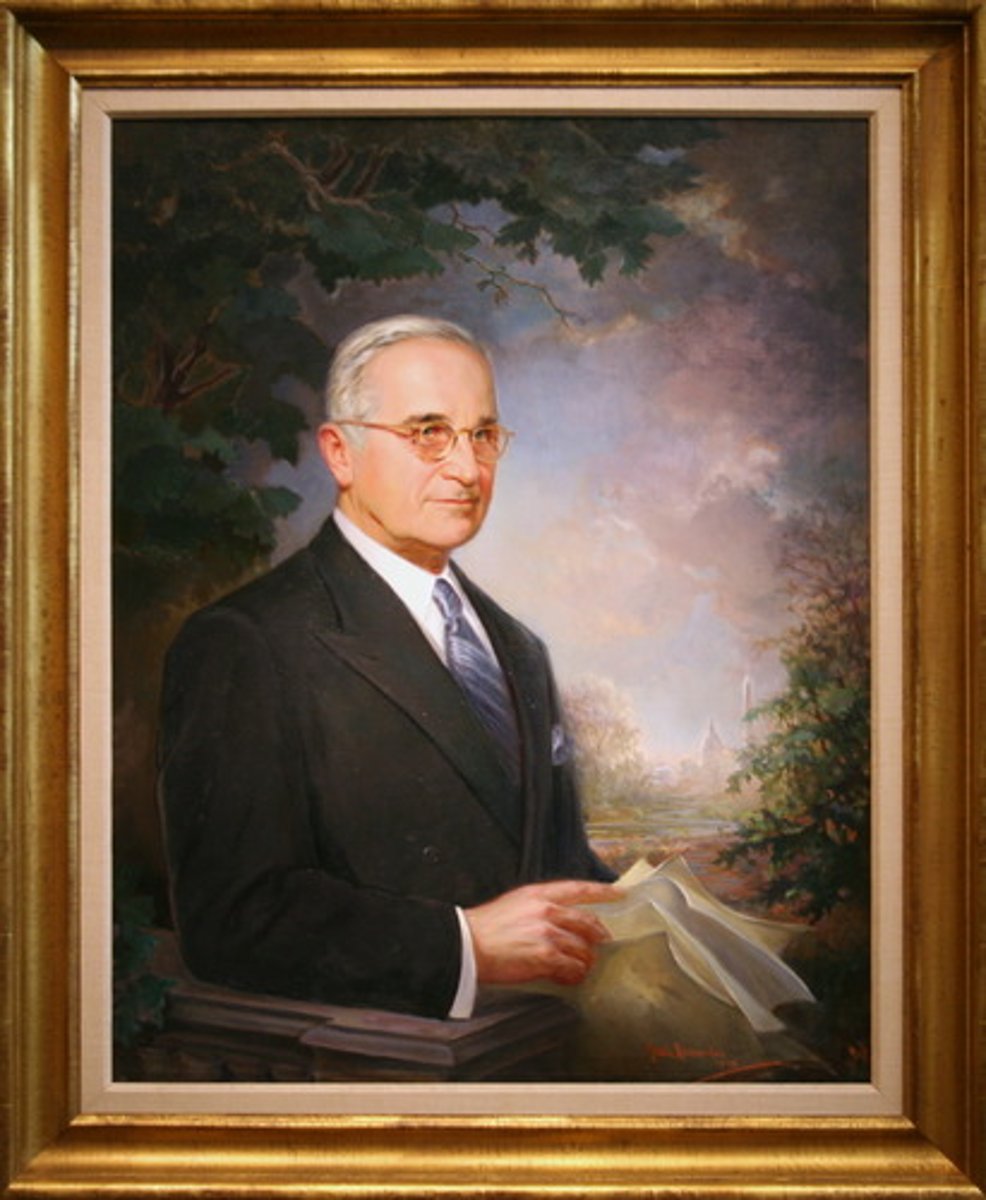
New cards

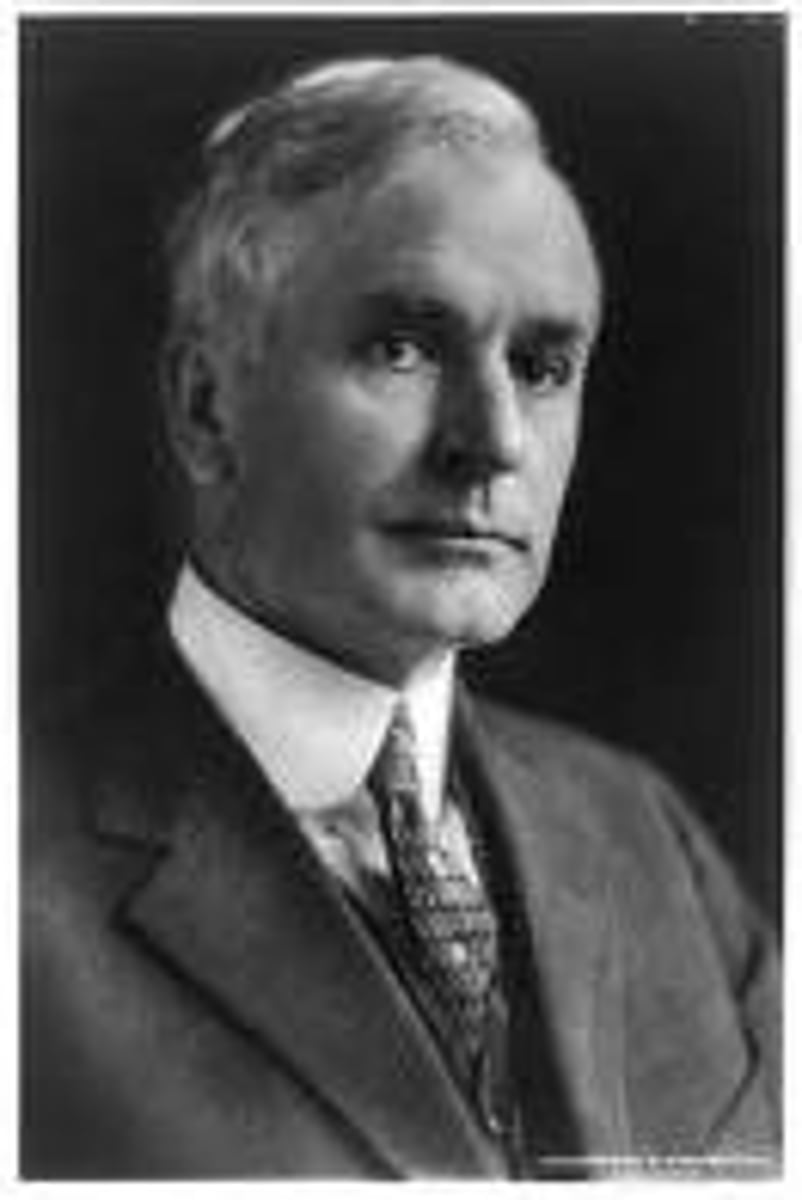
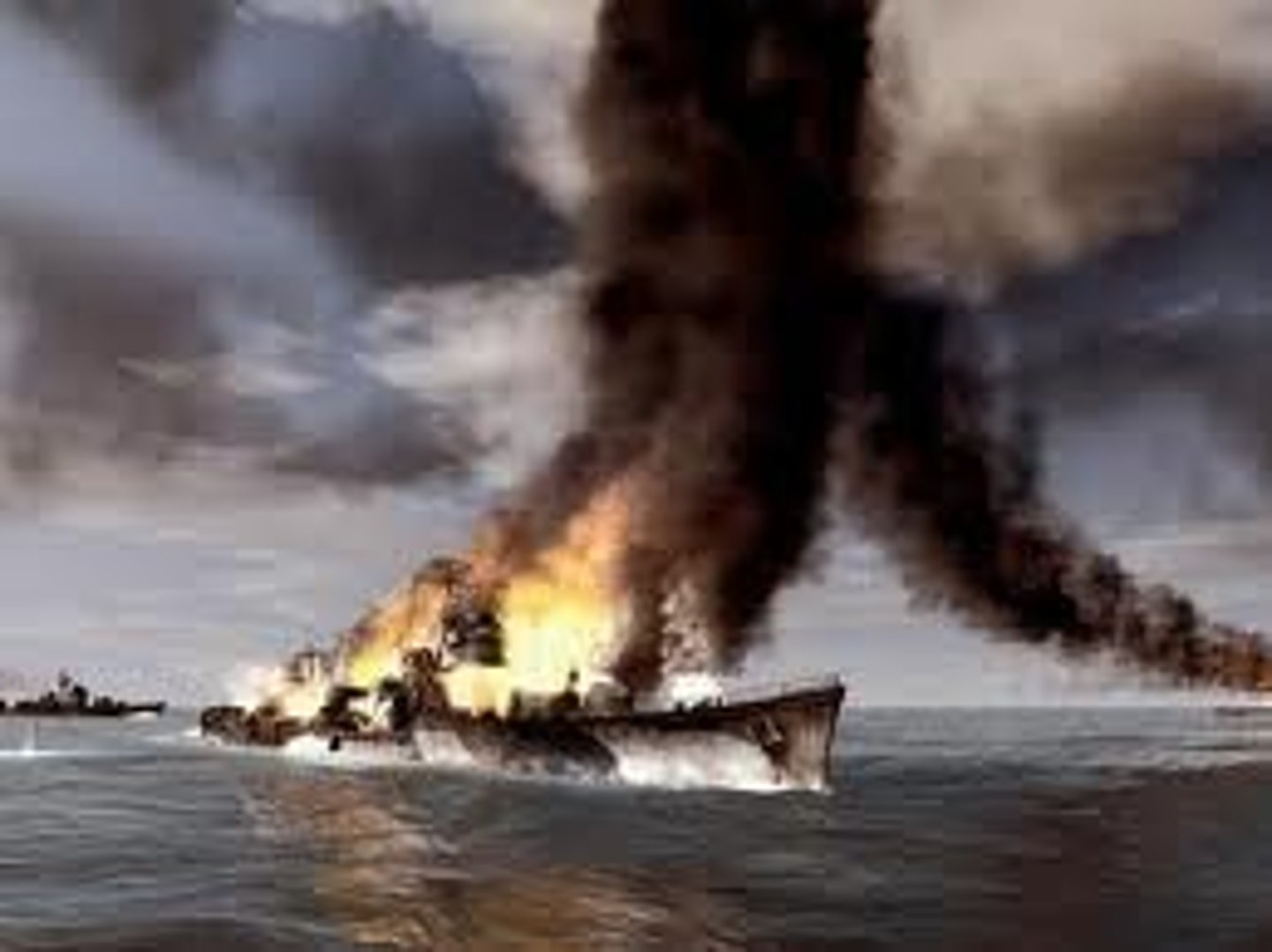
Stimson Doctrine

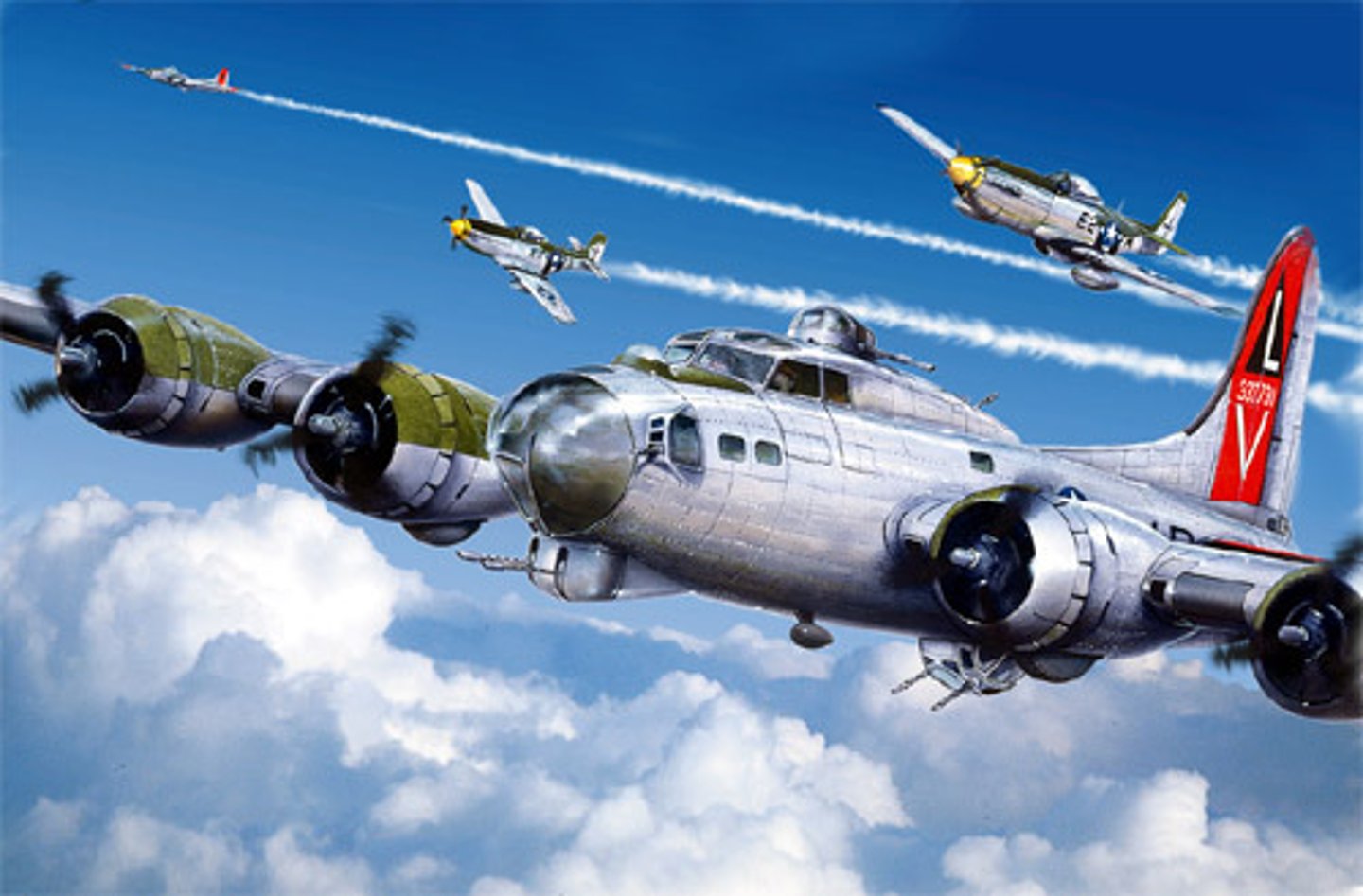
In 1932, Secretary of State Henry Stimson said the United States would not recognize territorial changes resulting from Japan's invasion of Manchuria. (p. 522)
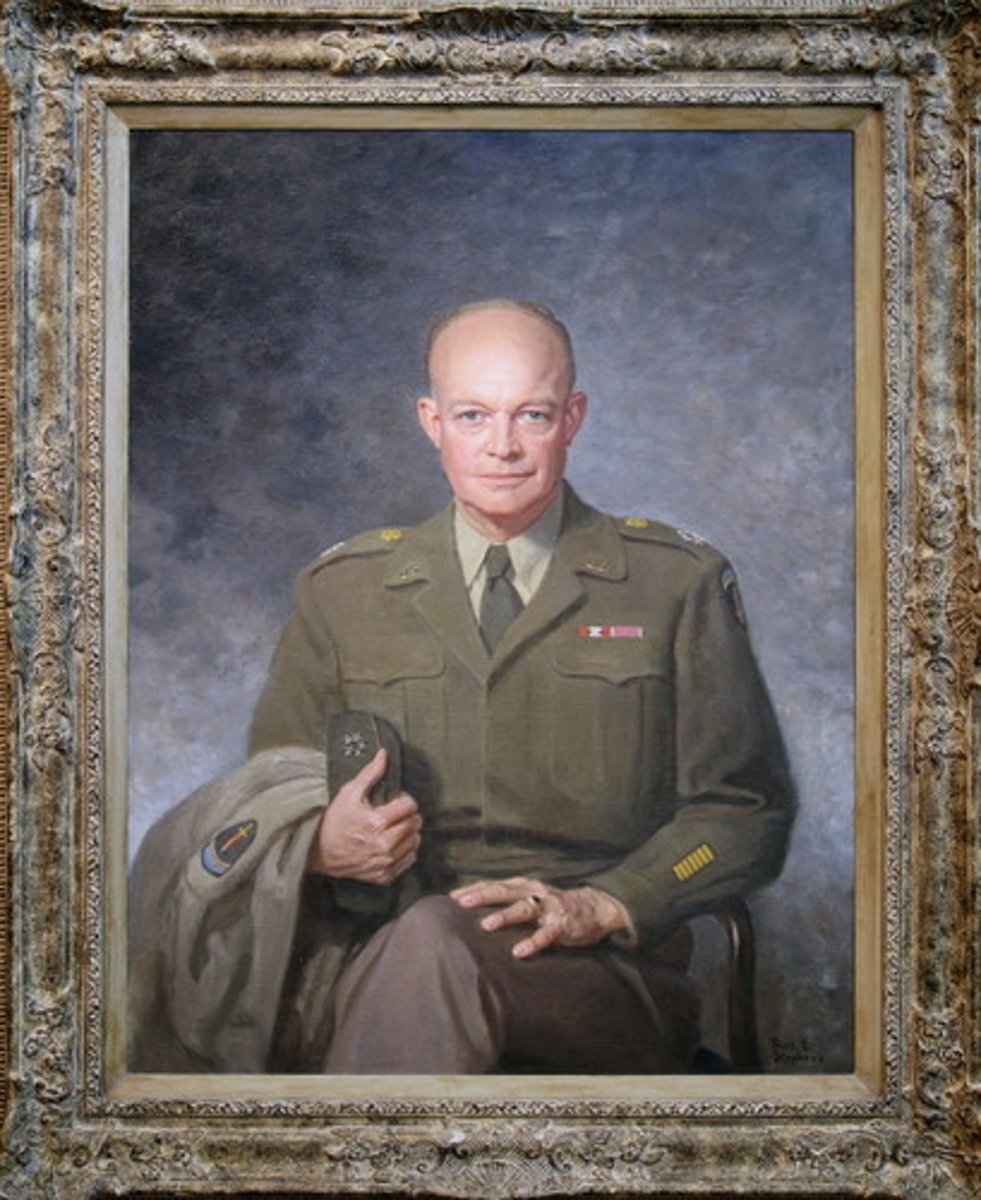
<p>In 1932, Secretary of State Henry Stimson said the United States would not recognize territorial changes resulting from Japan's invasion of Manchuria. (p. 522)</p>
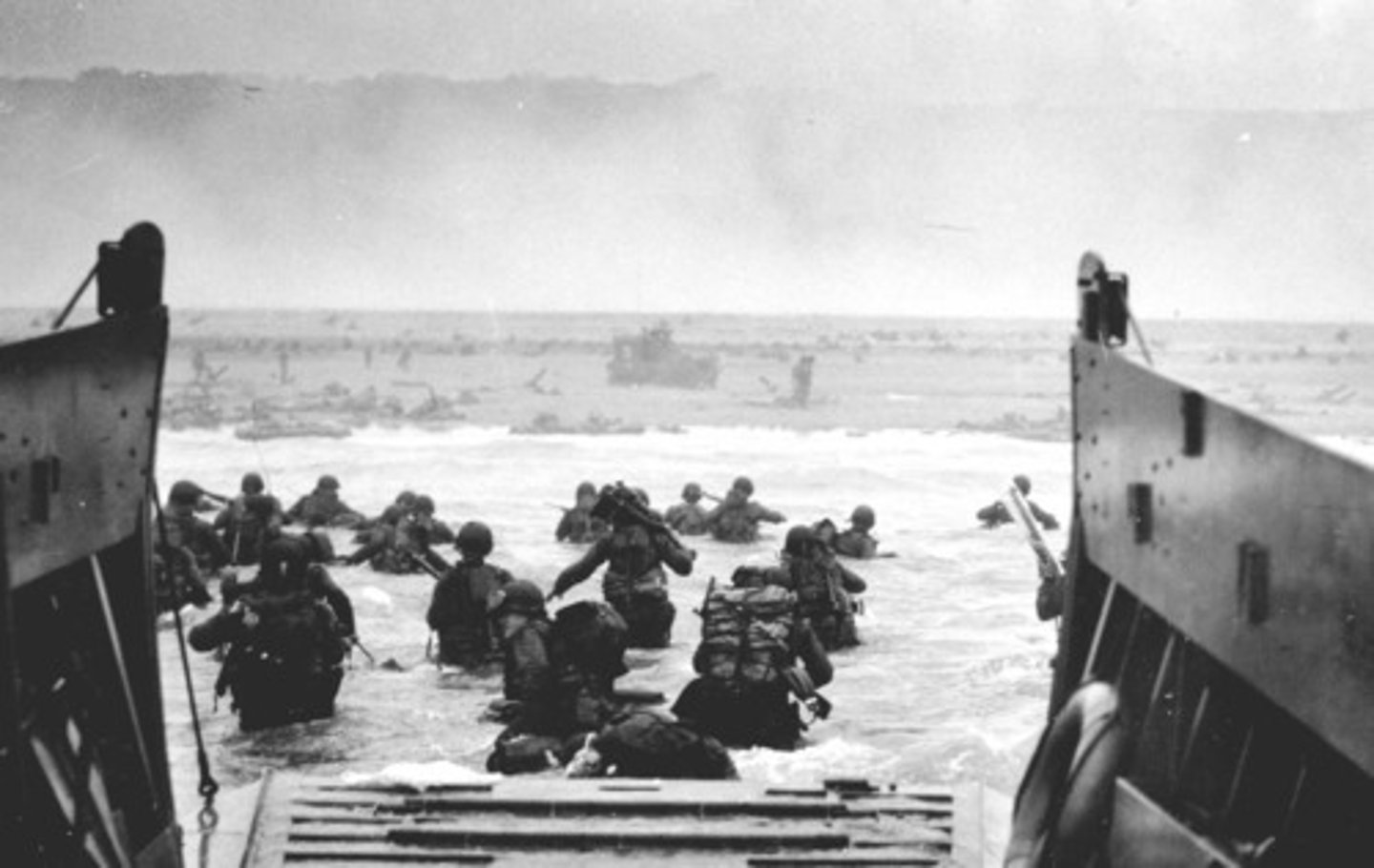
8
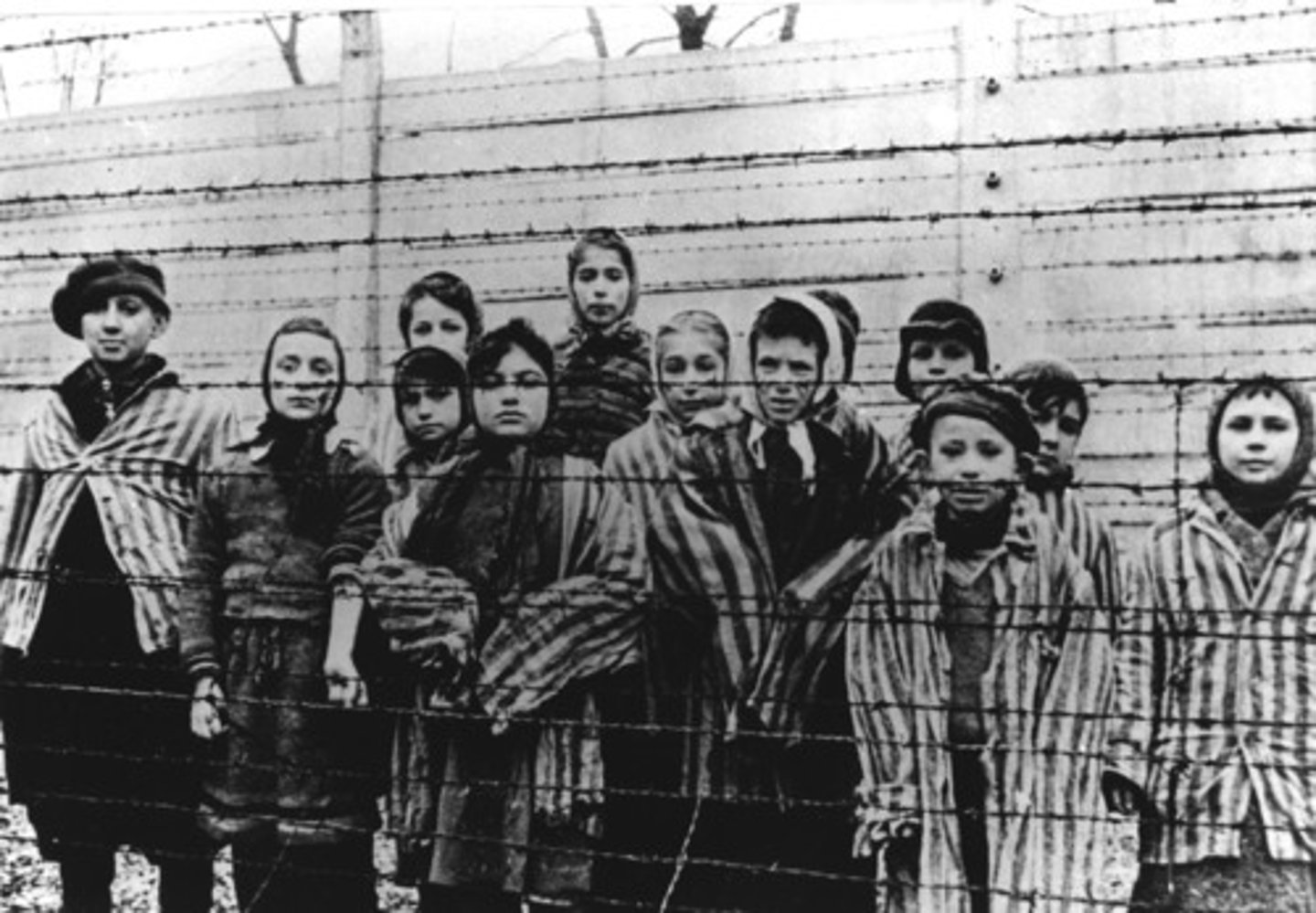
New cards

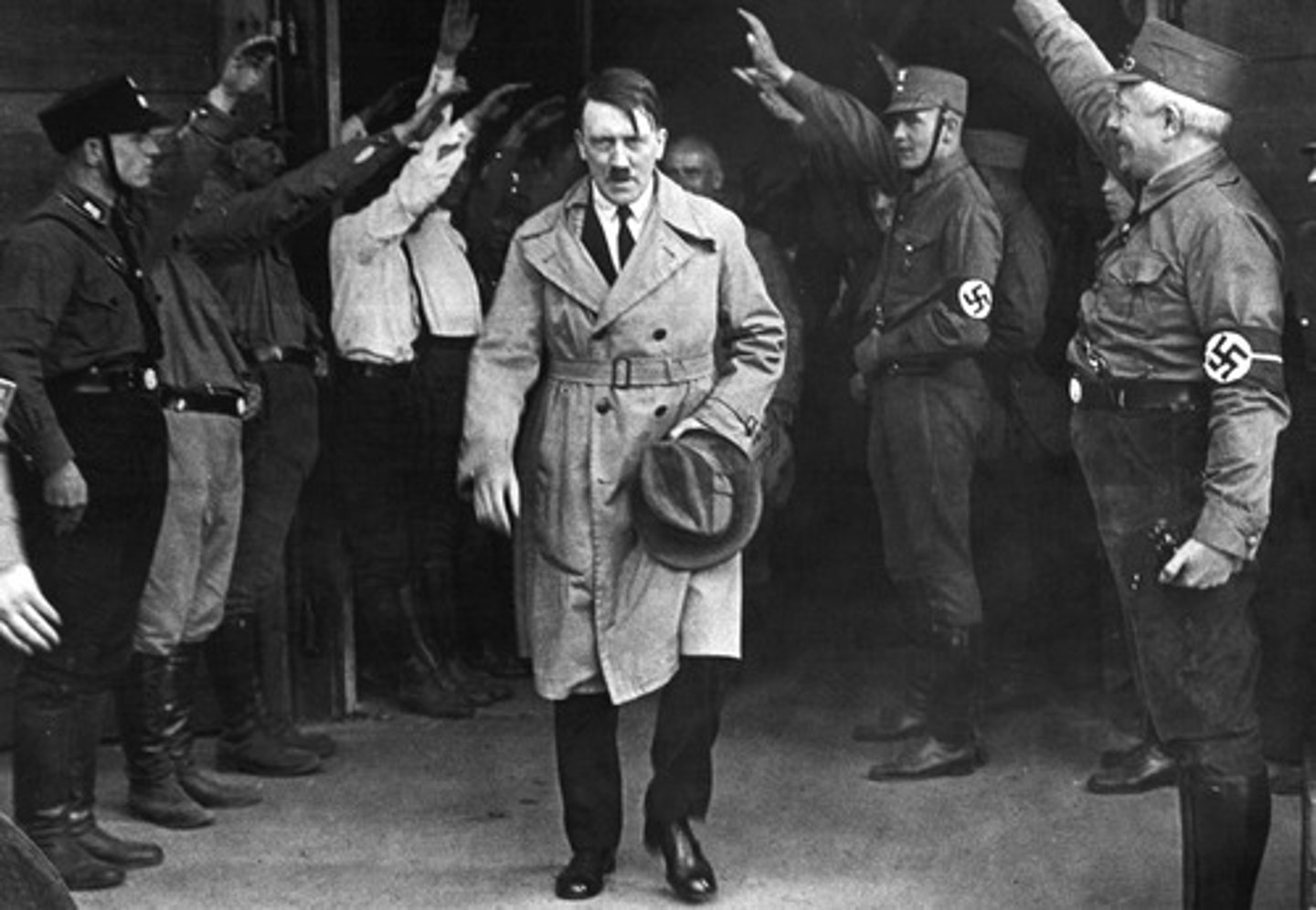
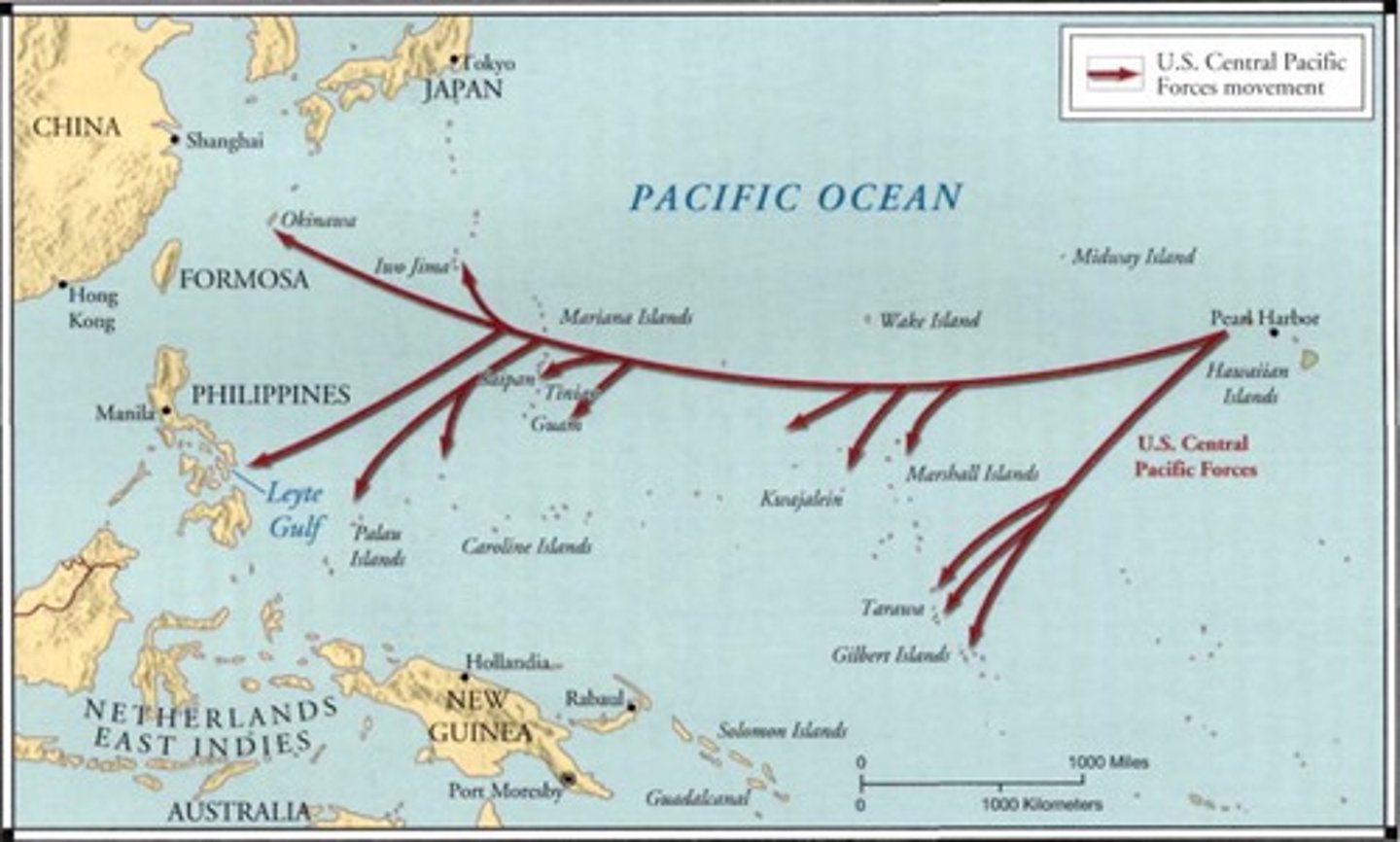
fascism

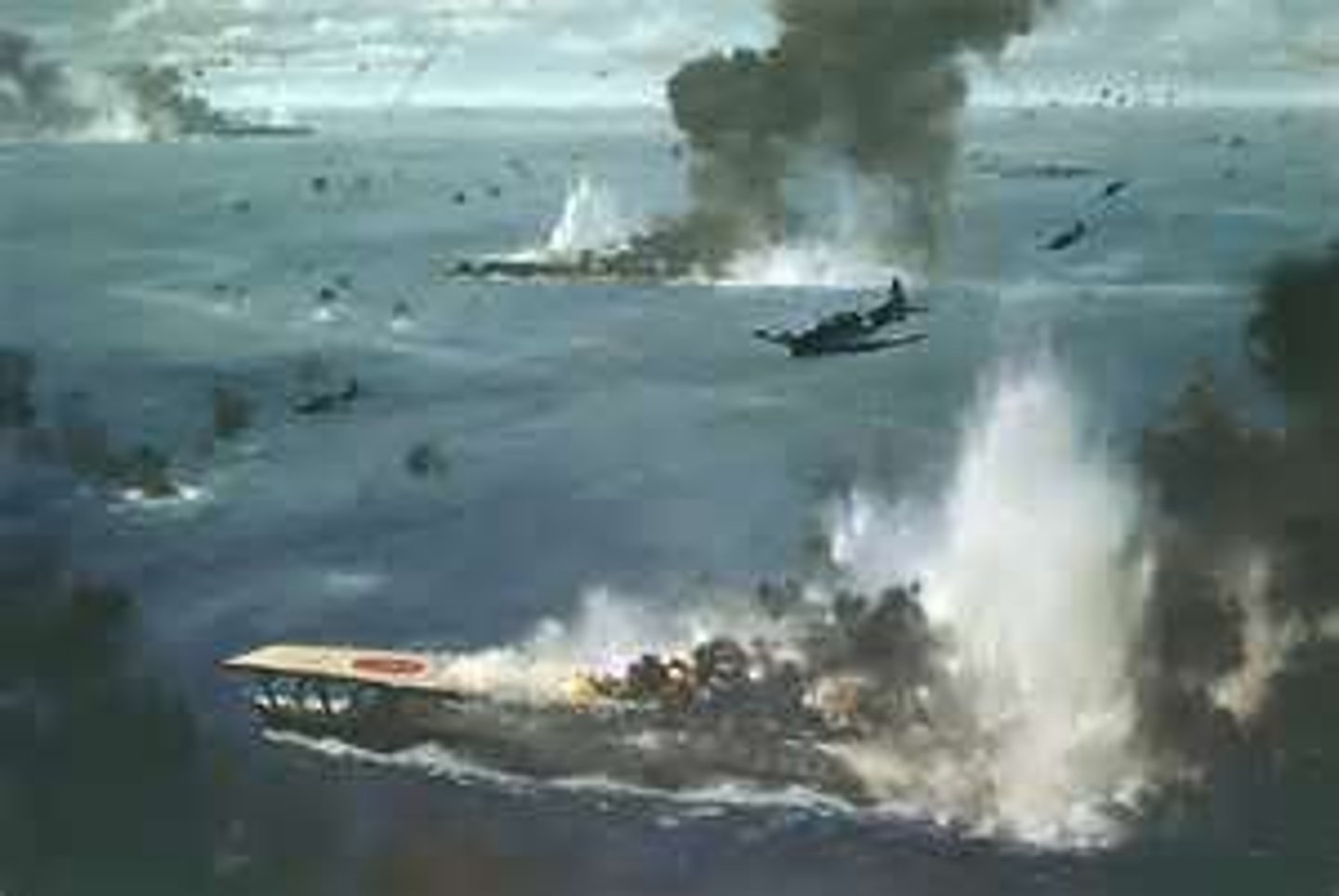
A political system in which people glorify their nation and their race through an aggressive show of force. Economic hardships led to the rise of military dictatorships, first in Italy, then in Japan and Germany. (p. 524)
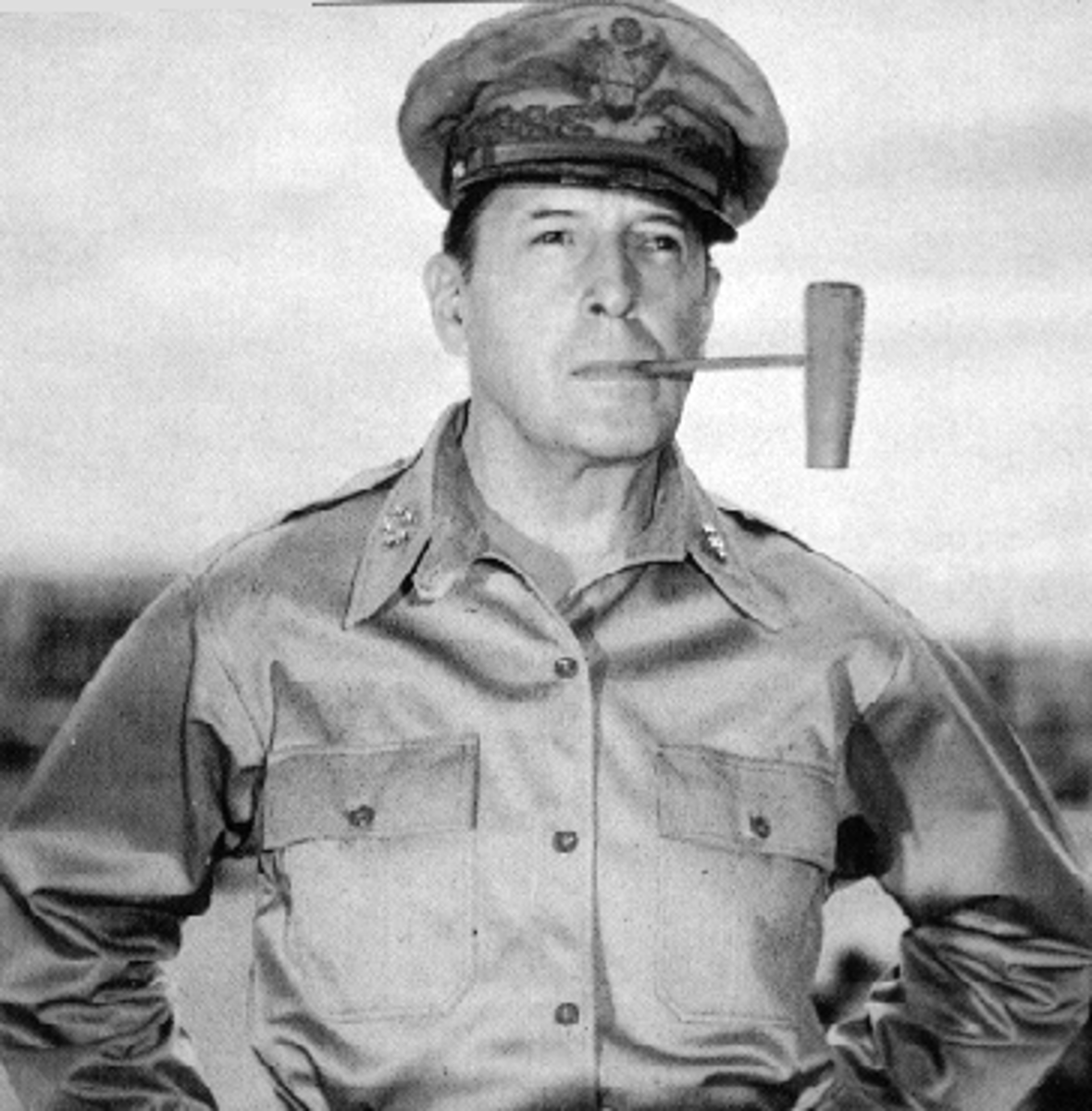
<p>A political system in which people glorify their nation and their race through an aggressive show of force. Economic hardships led to the rise of military dictatorships, first in Italy, then in Japan and Germany. (p. 524)</p>
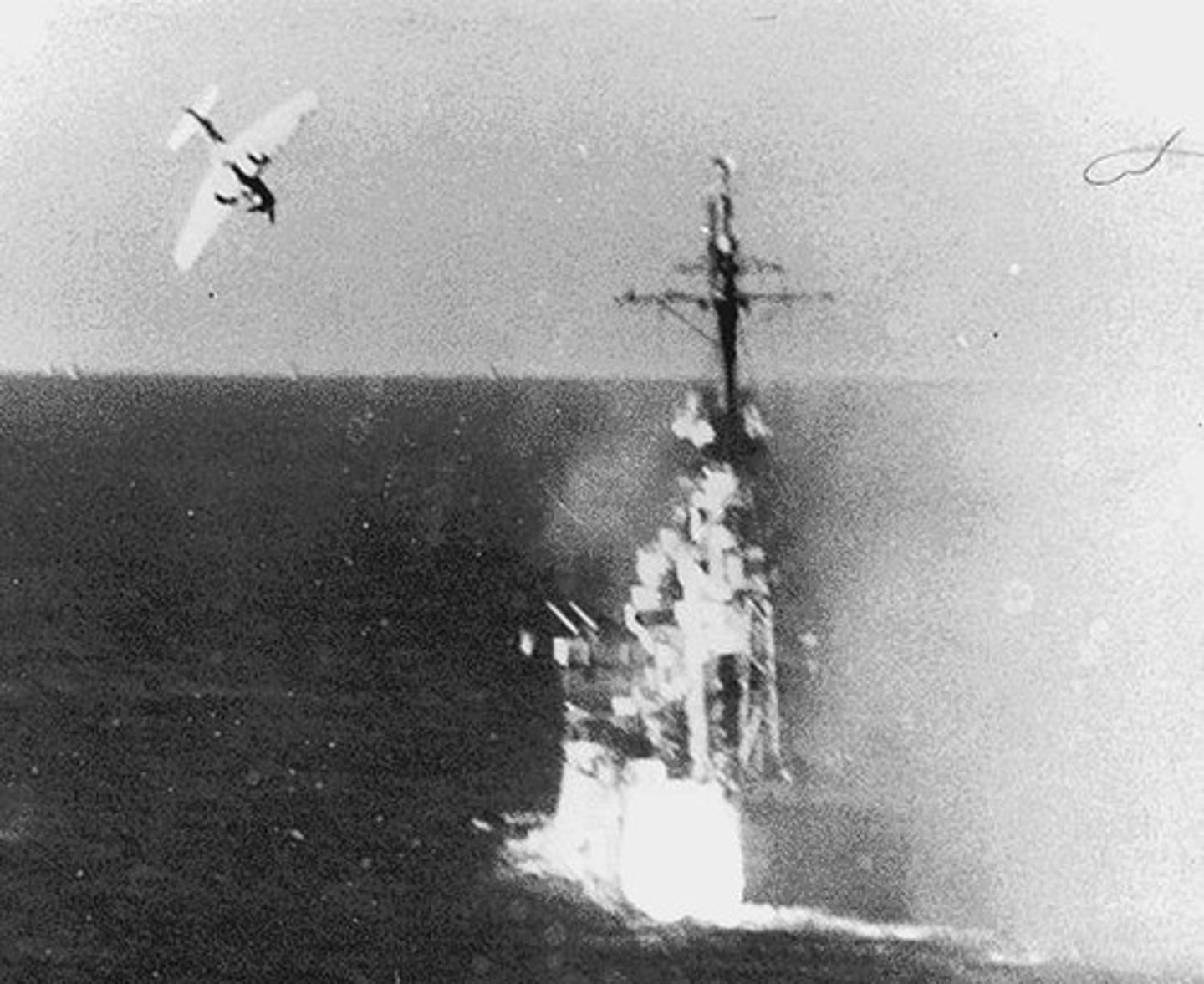
9
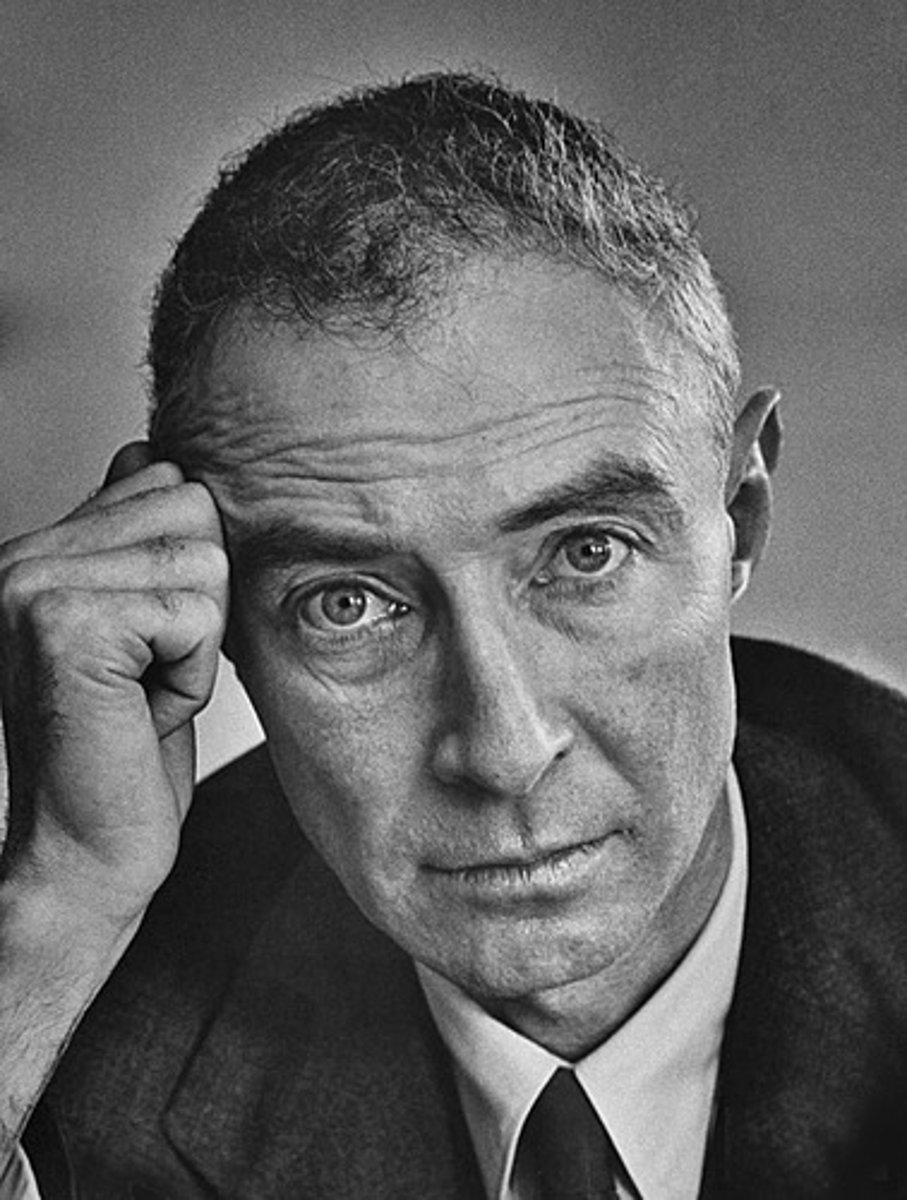
New cards

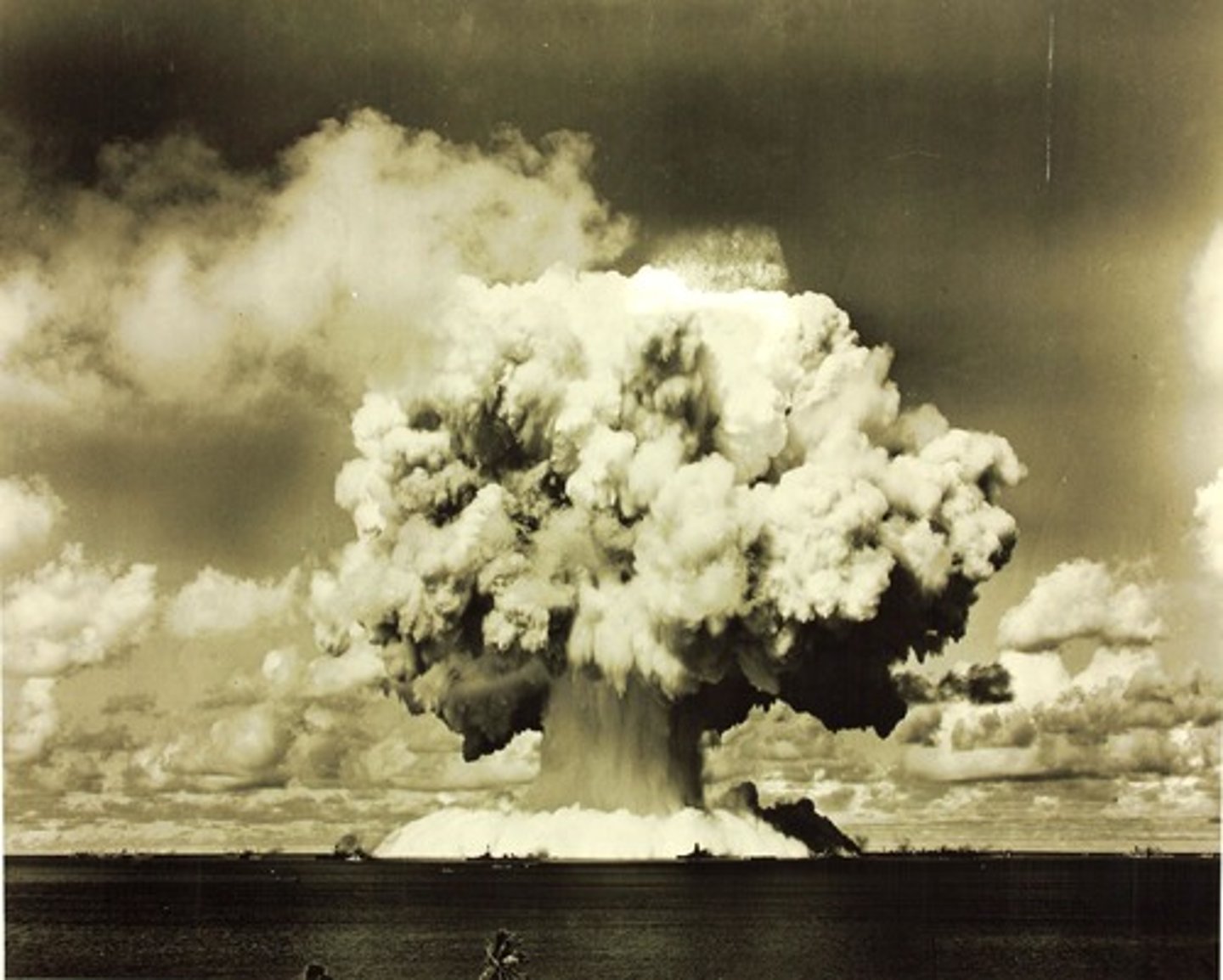
Italian Fascist party

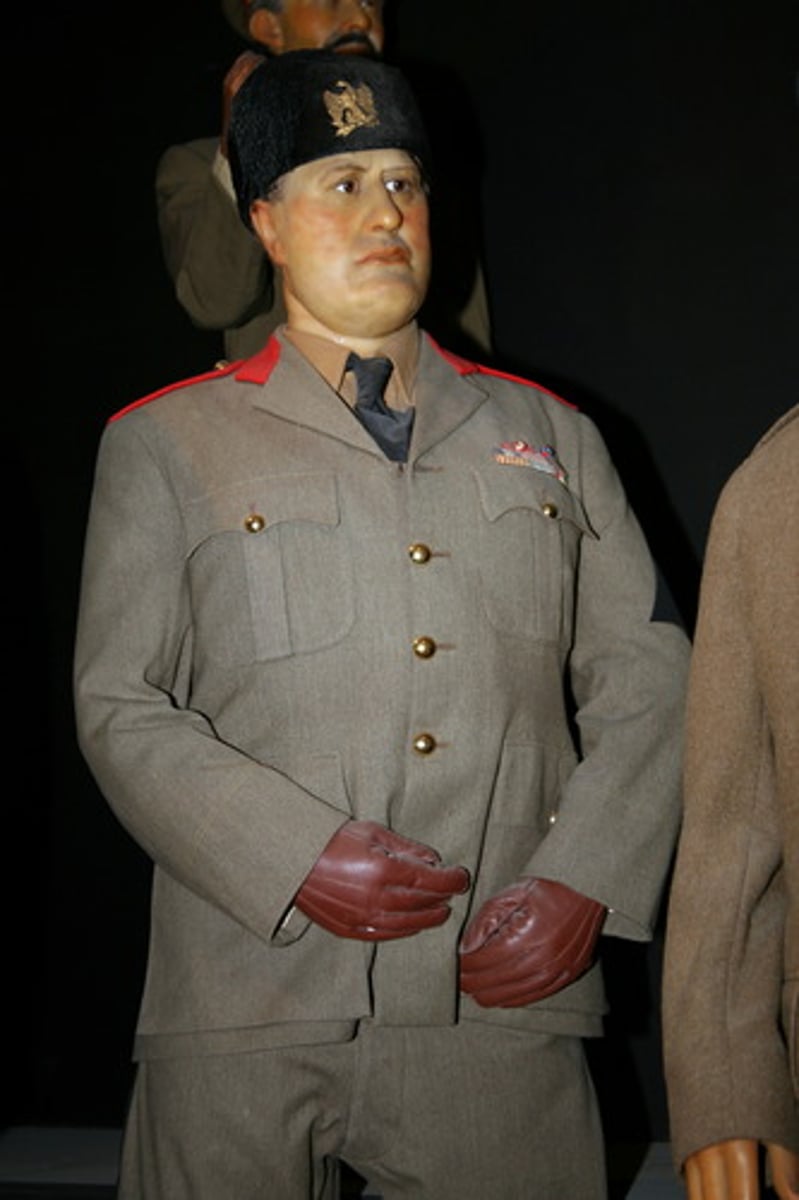
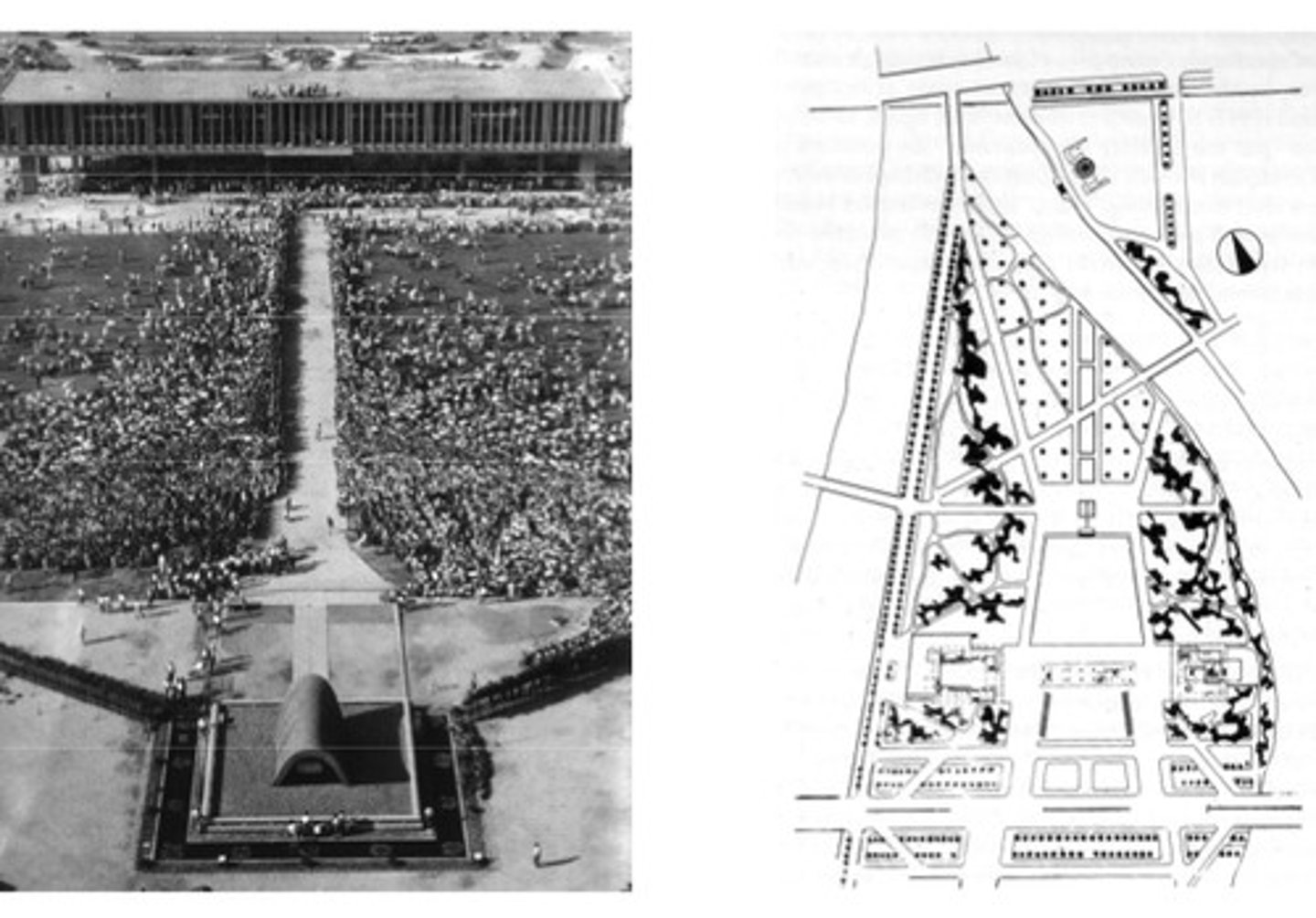
In 1922, they seized power in Italy. They attracted dissatisfied war veterans, nationalists, and those afraid of rising communism. They marched on Rome and installed Mussolini in power. (p. 524)
<p>In 1922, they seized power in Italy. They attracted dissatisfied war veterans, nationalists, and those afraid of rising communism. They marched on Rome and installed Mussolini in power. (p. 524)</p>
10
New cards

Benito Mussolini

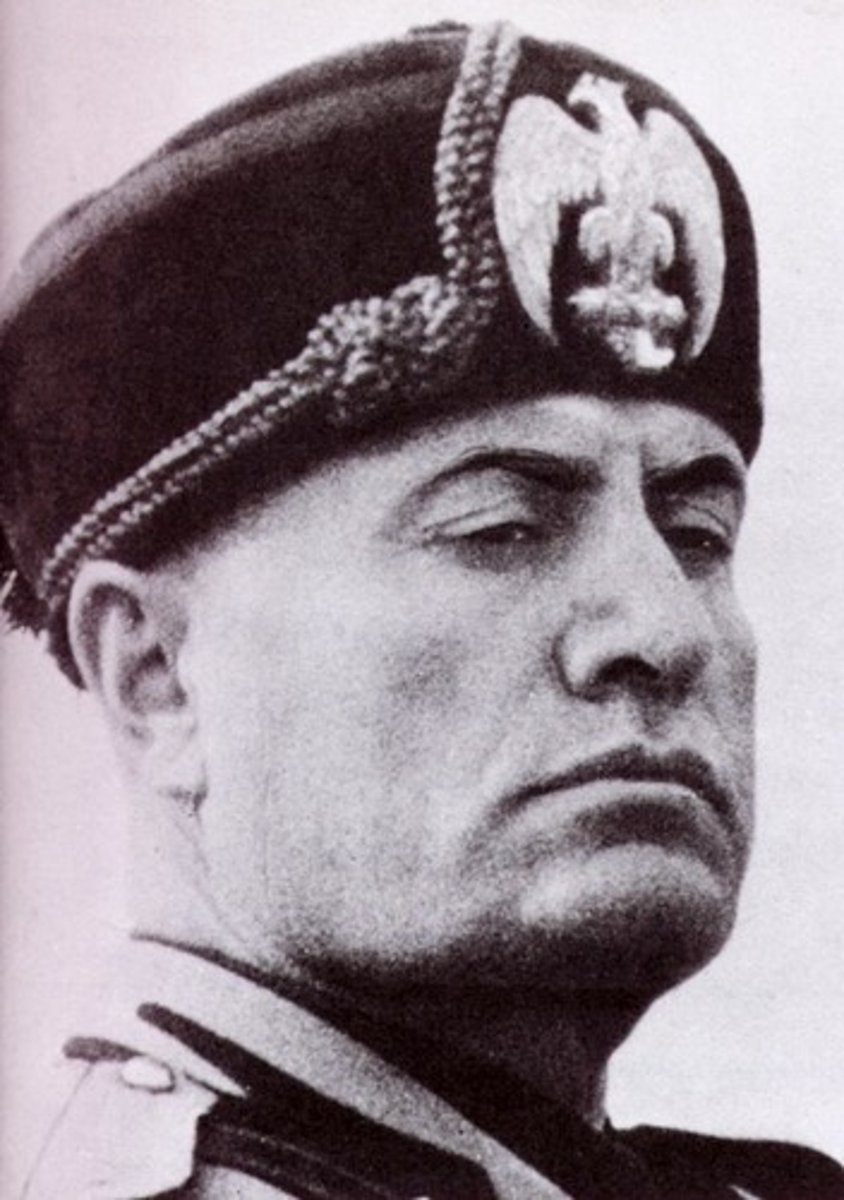
He founded the Italian Fascist Party, and sided with Hitler and Germany in World War II. In 1945, he was overthrown and assassinated by the Italian Resistance. (p. 524)
<p>He founded the Italian Fascist Party, and sided with Hitler and Germany in World War II. In 1945, he was overthrown and assassinated by the Italian Resistance. (p. 524)</p>
11
New cards

Ethiopia

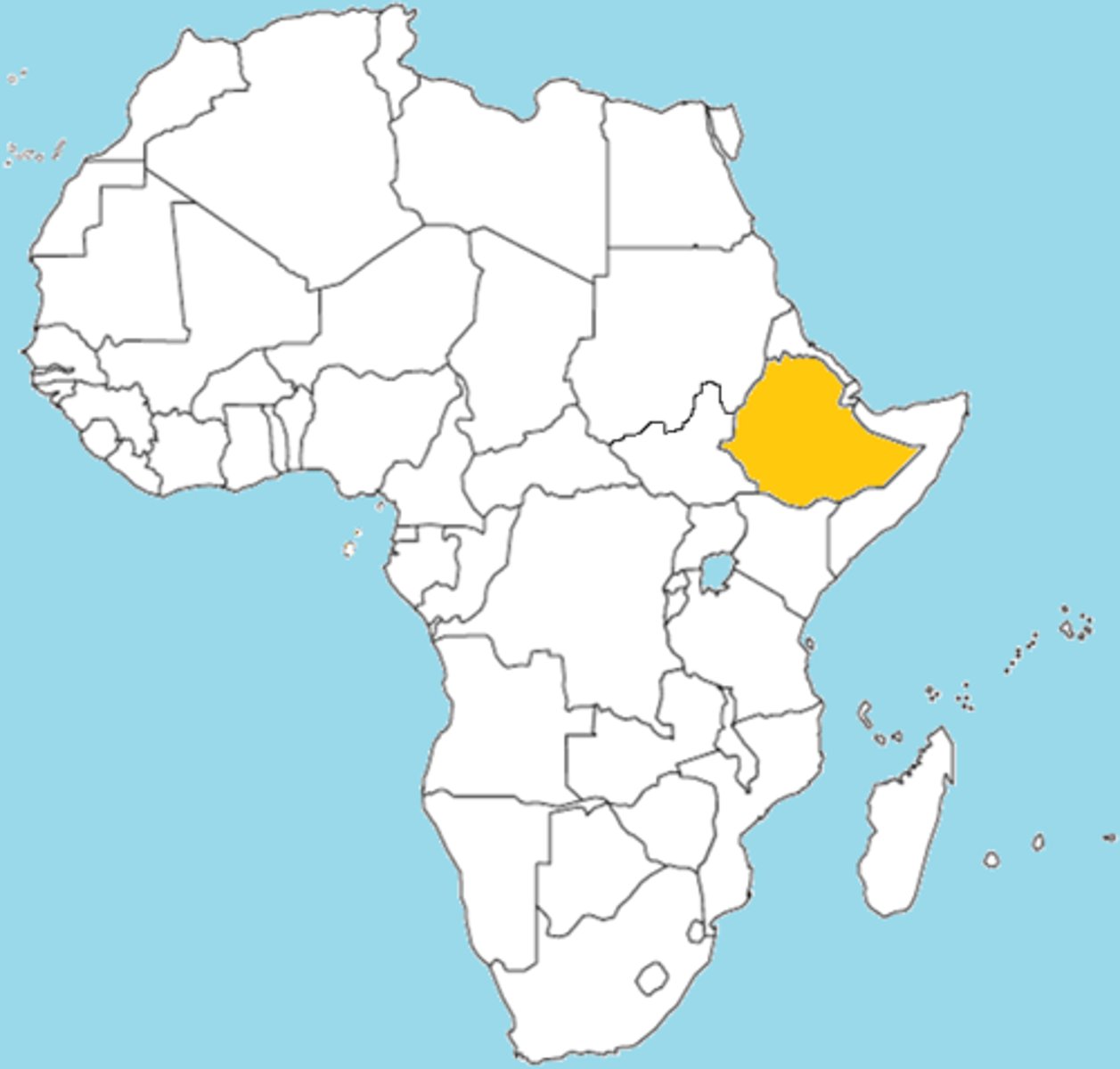
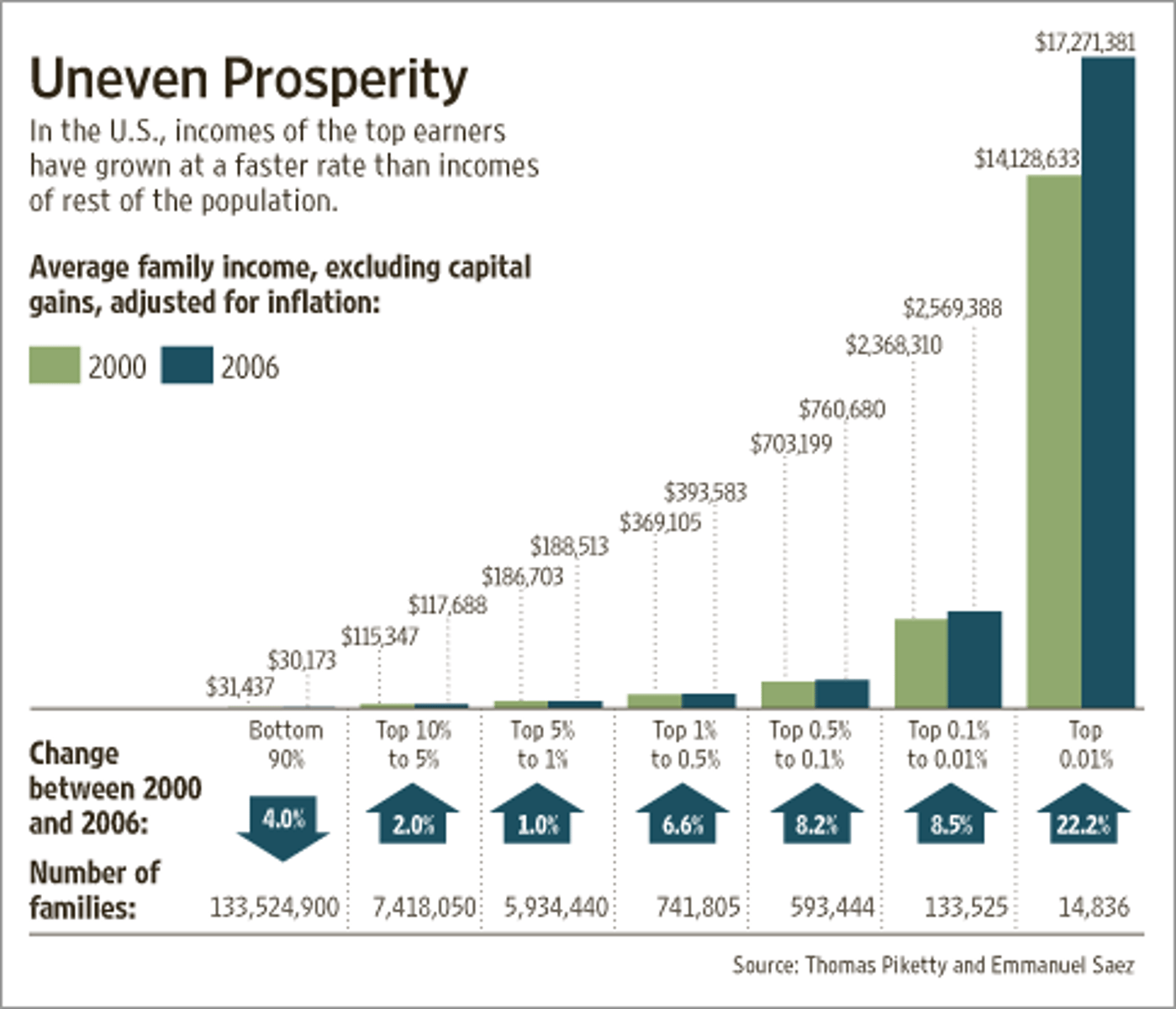
In 1935, fascist Italy invaded this African nation. (p. 526)
<p>In 1935, fascist Italy invaded this African nation. (p. 526)</p>
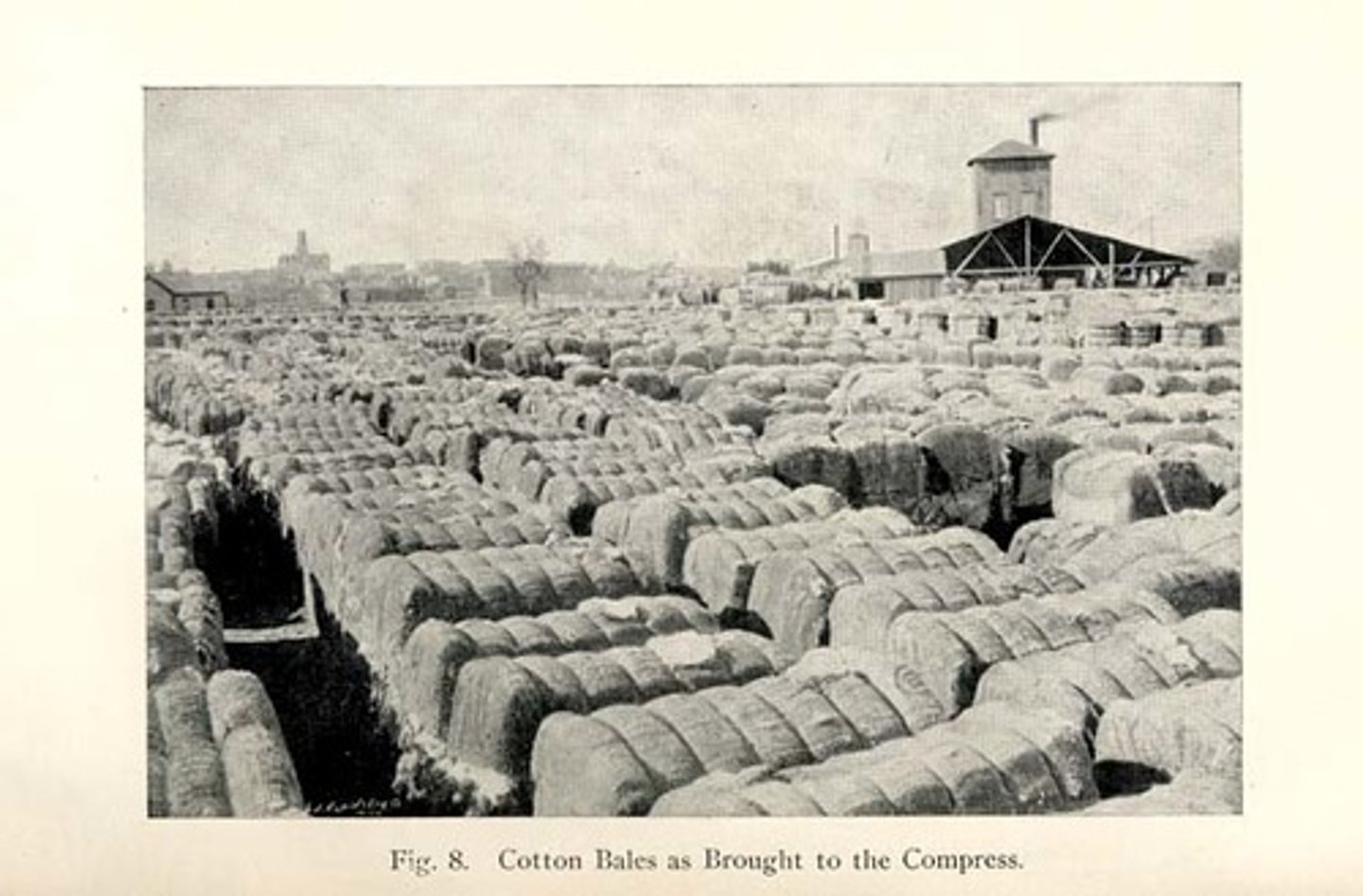
12
New cards

German Nazi party

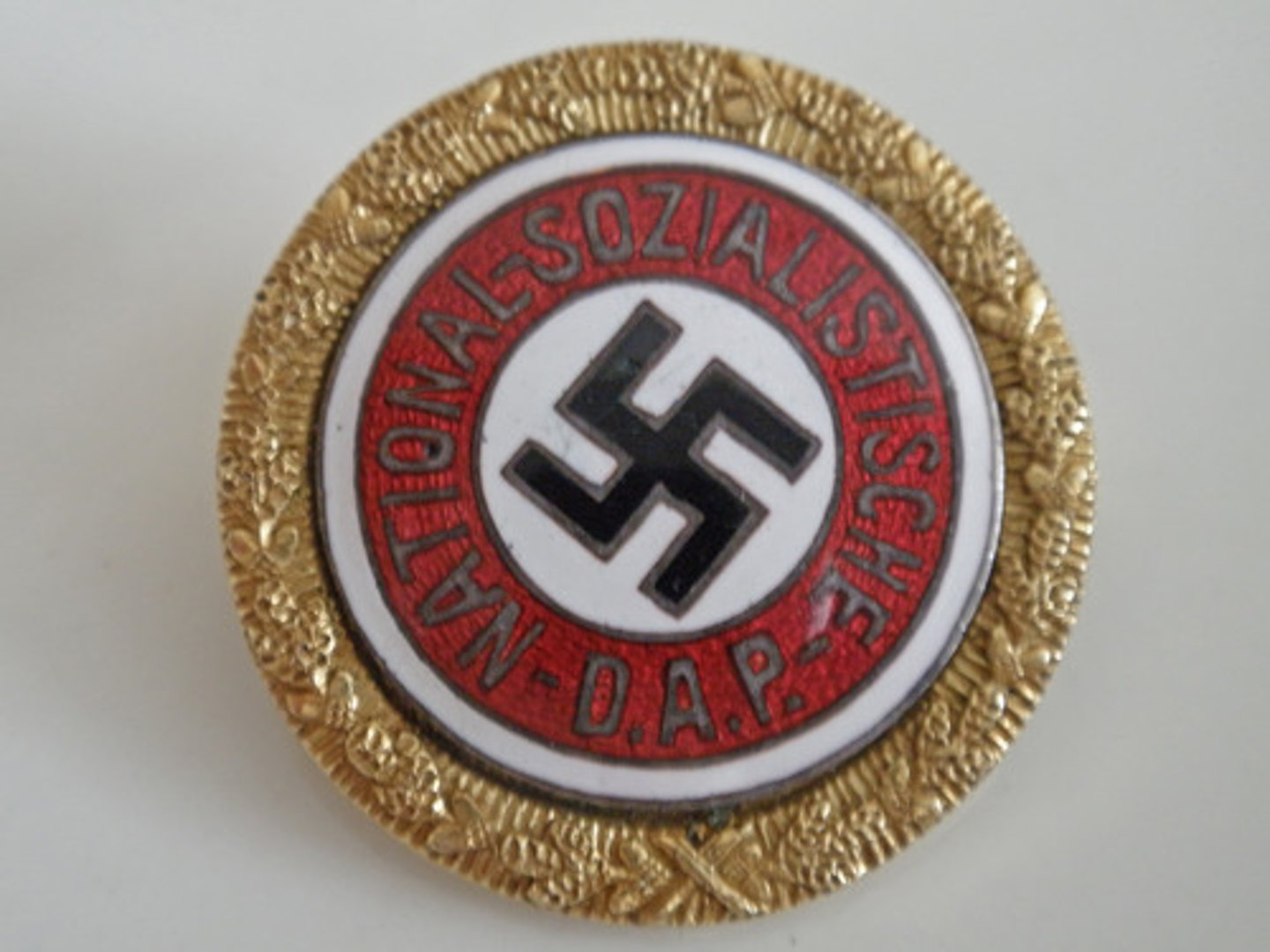
This party arose in 1920's Germany in reaction to deplorable economic conditions after war and national resentments over the Treaty of Versailles. By 1933, the party under leader Adolph Hitler, had gained control of the German legislature. (p. 524)
<p>This party arose in 1920's Germany in reaction to deplorable economic conditions after war and national resentments over the Treaty of Versailles. By 1933, the party under leader Adolph Hitler, had gained control of the German legislature. (p. 524)</p>
13
New cards

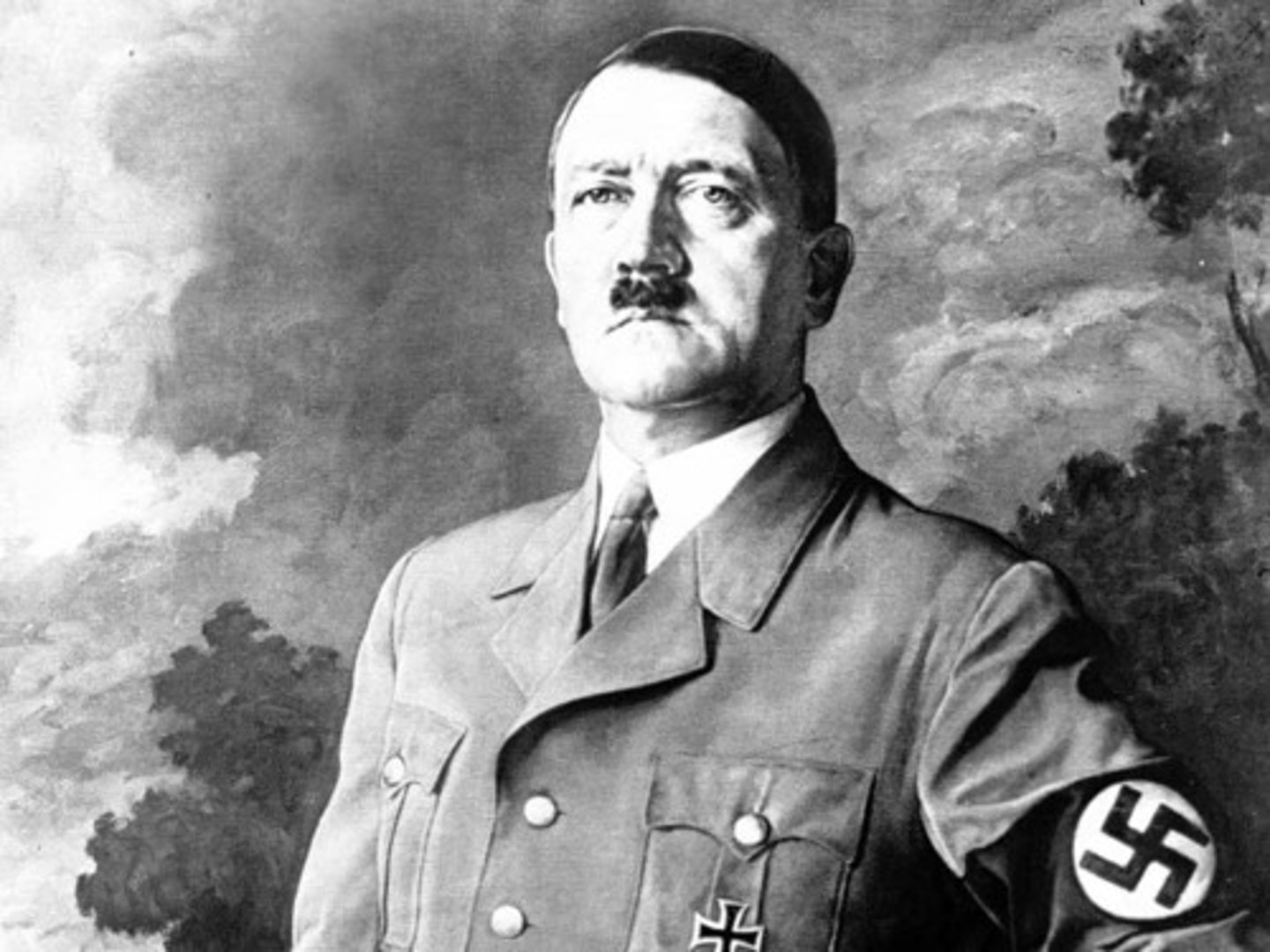
Adolf Hitler

Austrian-born founder of the German Nazi Party and chancellor of the Third Reich (1933-1945). His fascist philosophy, embodied in the book Mein Kampf attracted widespread support, and after 1934 he ruled as an absolute dictator. Hitler's pursuit of aggressive nationalist policies resulted in the invasion of Poland (1939) and the subsequent outbreak of World War II. His regime was infamous for the extermination of millions of people, especially European Jews. He committed suicide in 1945, when the collapse of the Third Reich was imminent. (p. 524)
<p>Austrian-born founder of the German Nazi Party and chancellor of the Third Reich (1933-1945). His fascist philosophy, embodied in the book Mein Kampf attracted widespread support, and after 1934 he ruled as an absolute dictator. Hitler's pursuit of aggressive nationalist policies resulted in the invasion of Poland (1939) and the subsequent outbreak of World War II. His regime was infamous for the extermination of millions of people, especially European Jews. He committed suicide in 1945, when the collapse of the Third Reich was imminent. (p. 524)</p>
14
New cards

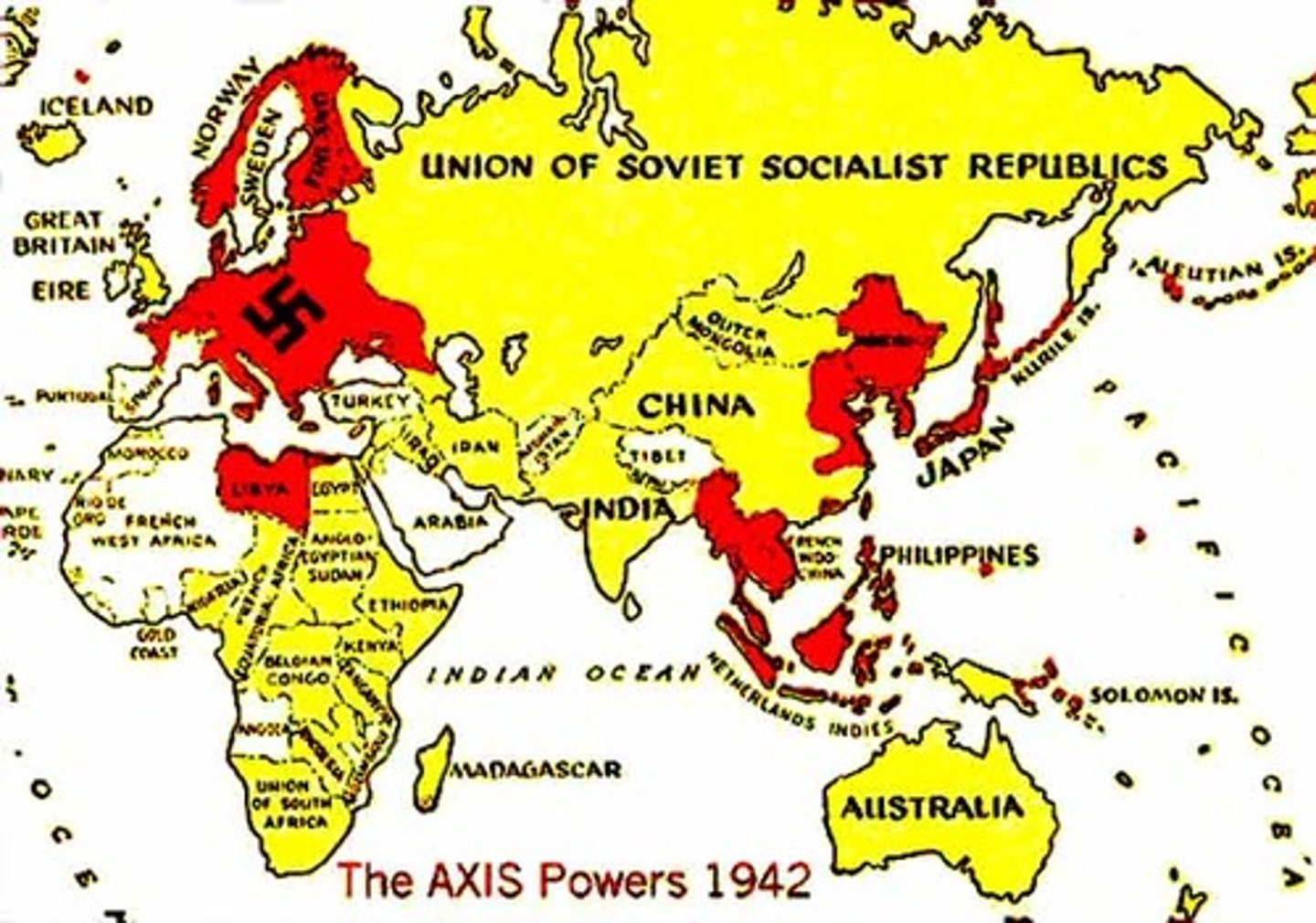
Axis Powers

Alliance of Germany, Italy, and Japan during World War II.
<p>Alliance of Germany, Italy, and Japan during World War II.</p>
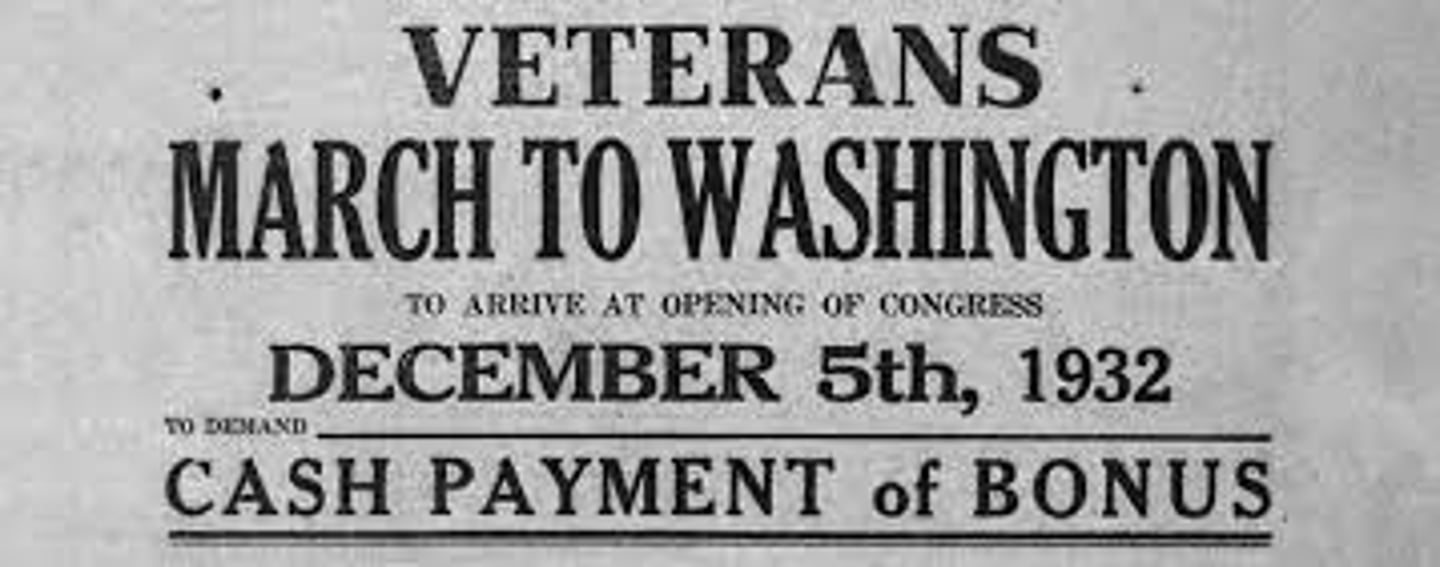
15
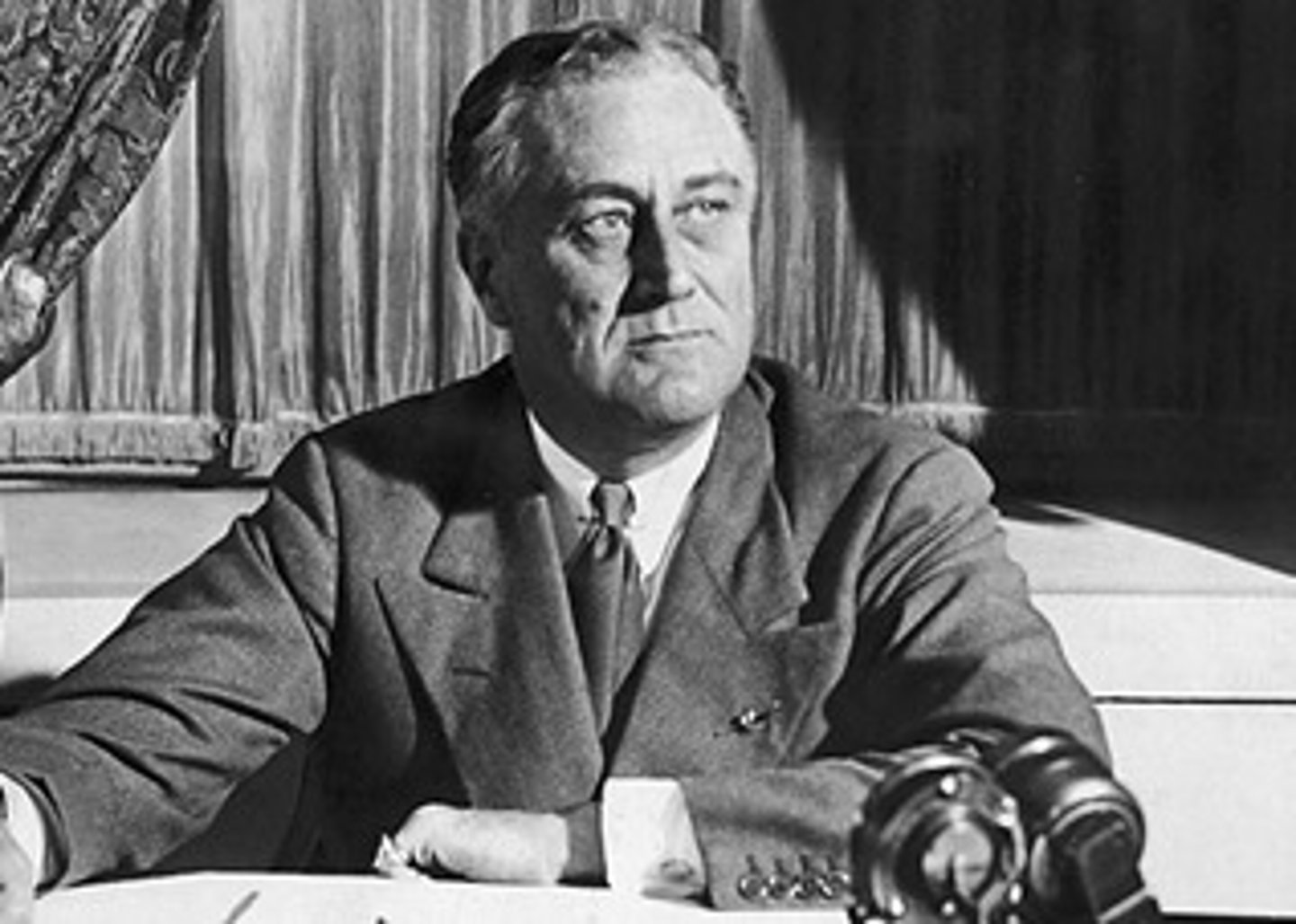
New cards

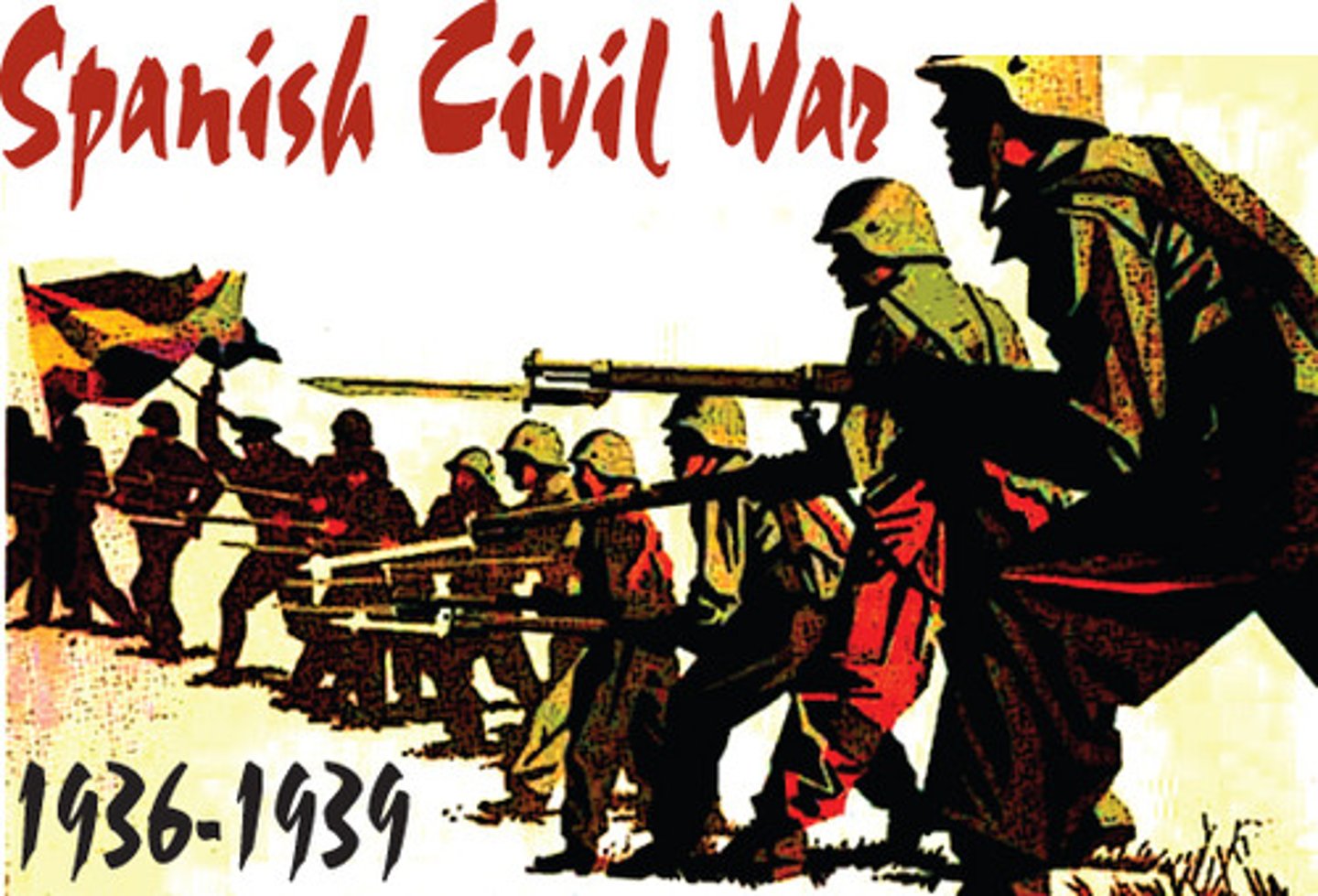
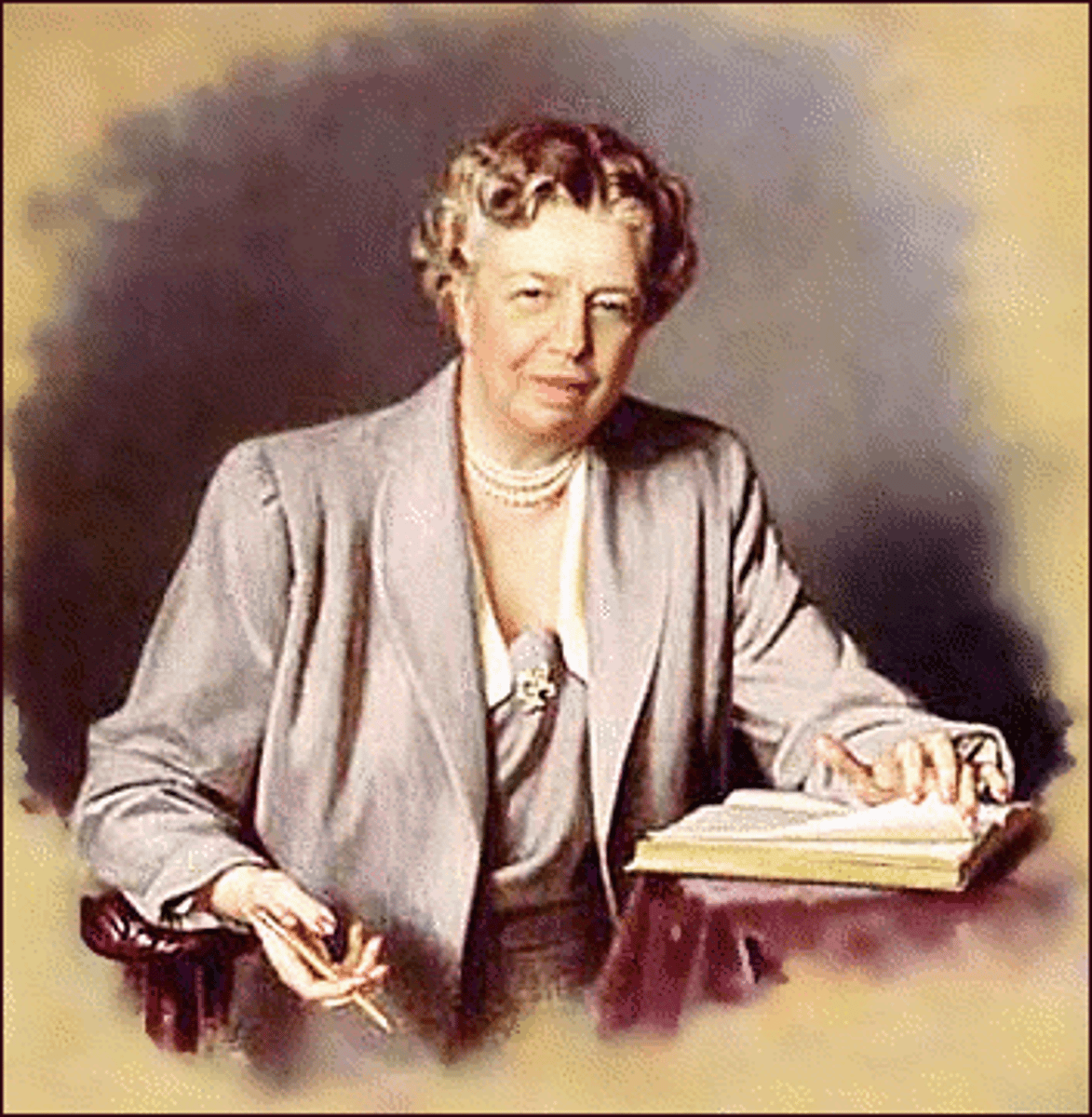
Spanish Civil War

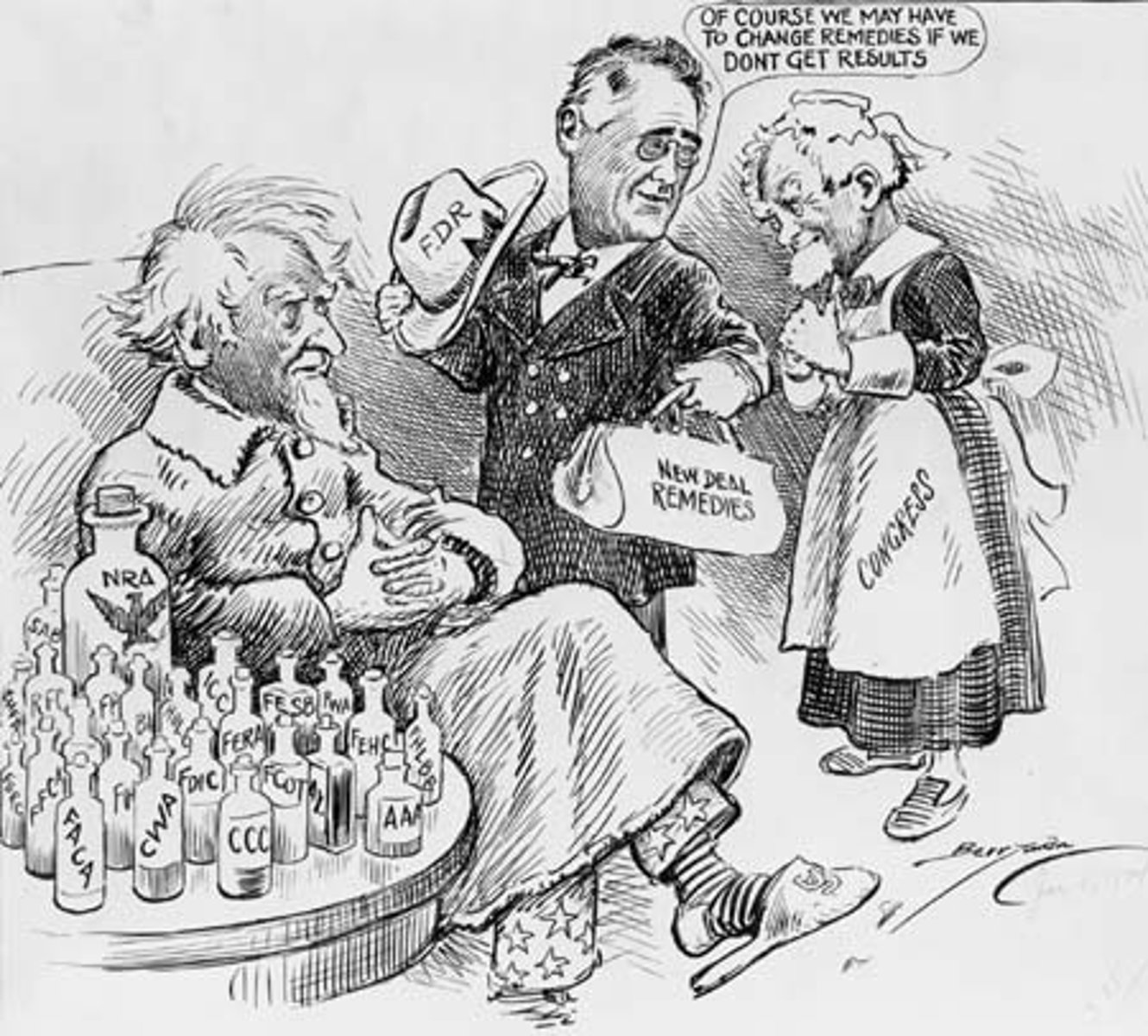
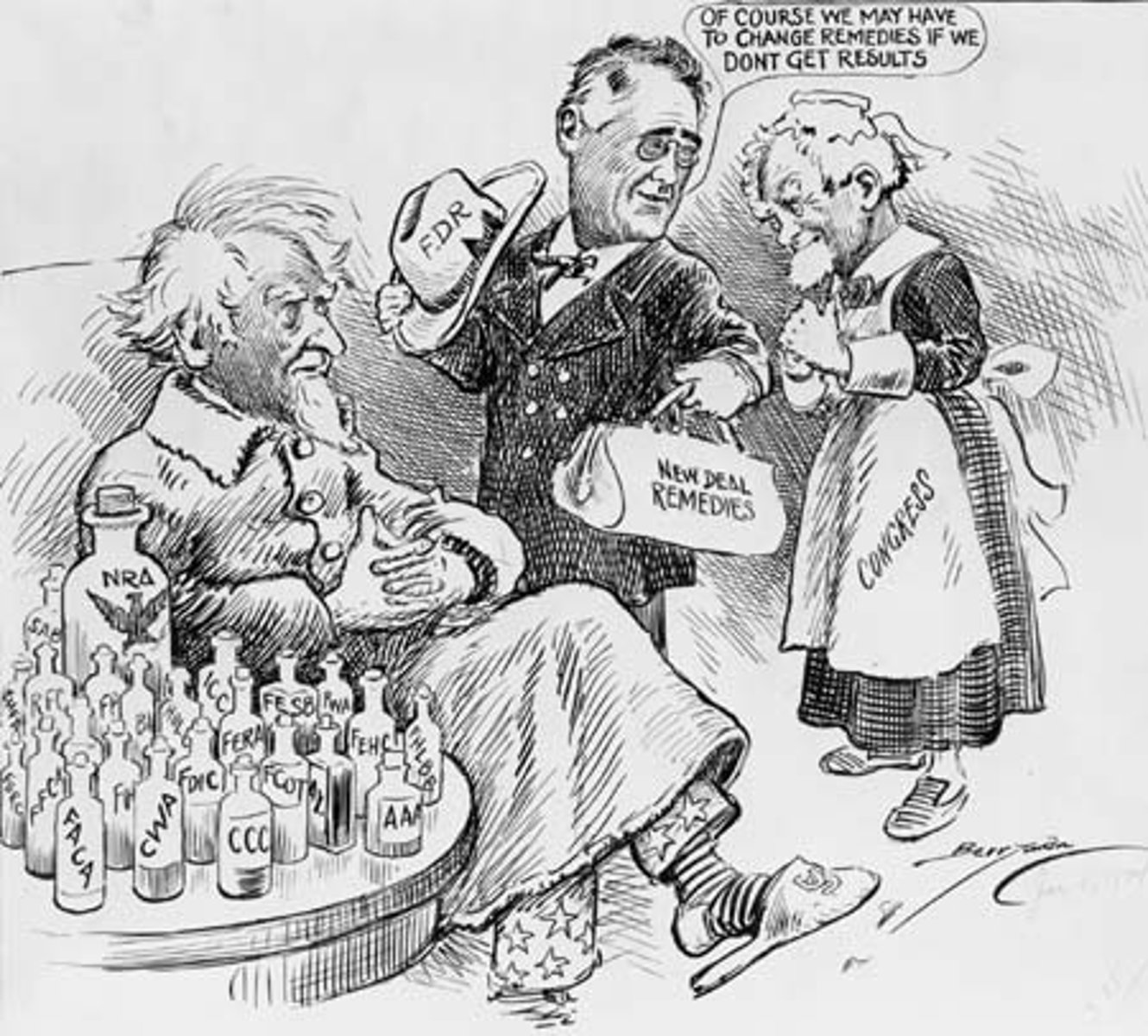
In 1936, a rebellion erupted in Spain after a coalition of Republicans, Socialists, and Communists was elected. General Francisco Franco led the rebellion. The revolt quickly became a civil war, by 1939 Franco had established a military dictatorship. (p. 525)
<p>In 1936, a rebellion erupted in Spain after a coalition of Republicans, Socialists, and Communists was elected. General Francisco Franco led the rebellion. The revolt quickly became a civil war, by 1939 Franco had established a military dictatorship. (p. 525)</p>
16
New cards

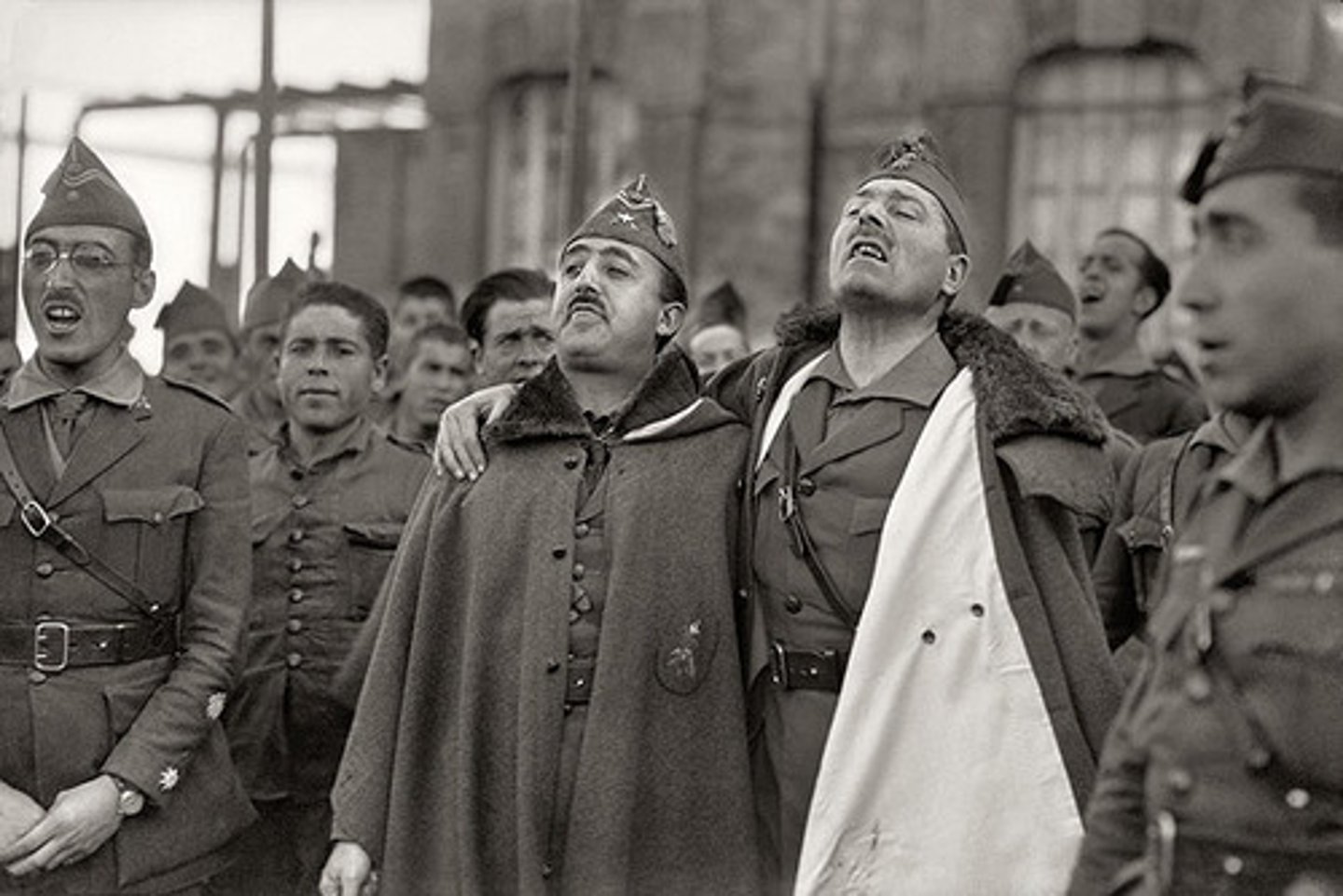
Francisco Franco

In 1936, he plunged Spain into a Civil War. By 1939, Franco's Fascist had established a military dictatorship. (p. 525)
<p>In 1936, he plunged Spain into a Civil War. By 1939, Franco's Fascist had established a military dictatorship. (p. 525)</p>
17
New cards

Rhineland

In 1936, Adolf Hitler invaded this region. This was in violation of the Treaty of Versailles which had declared the area a demilitarized zone. (p. 526)
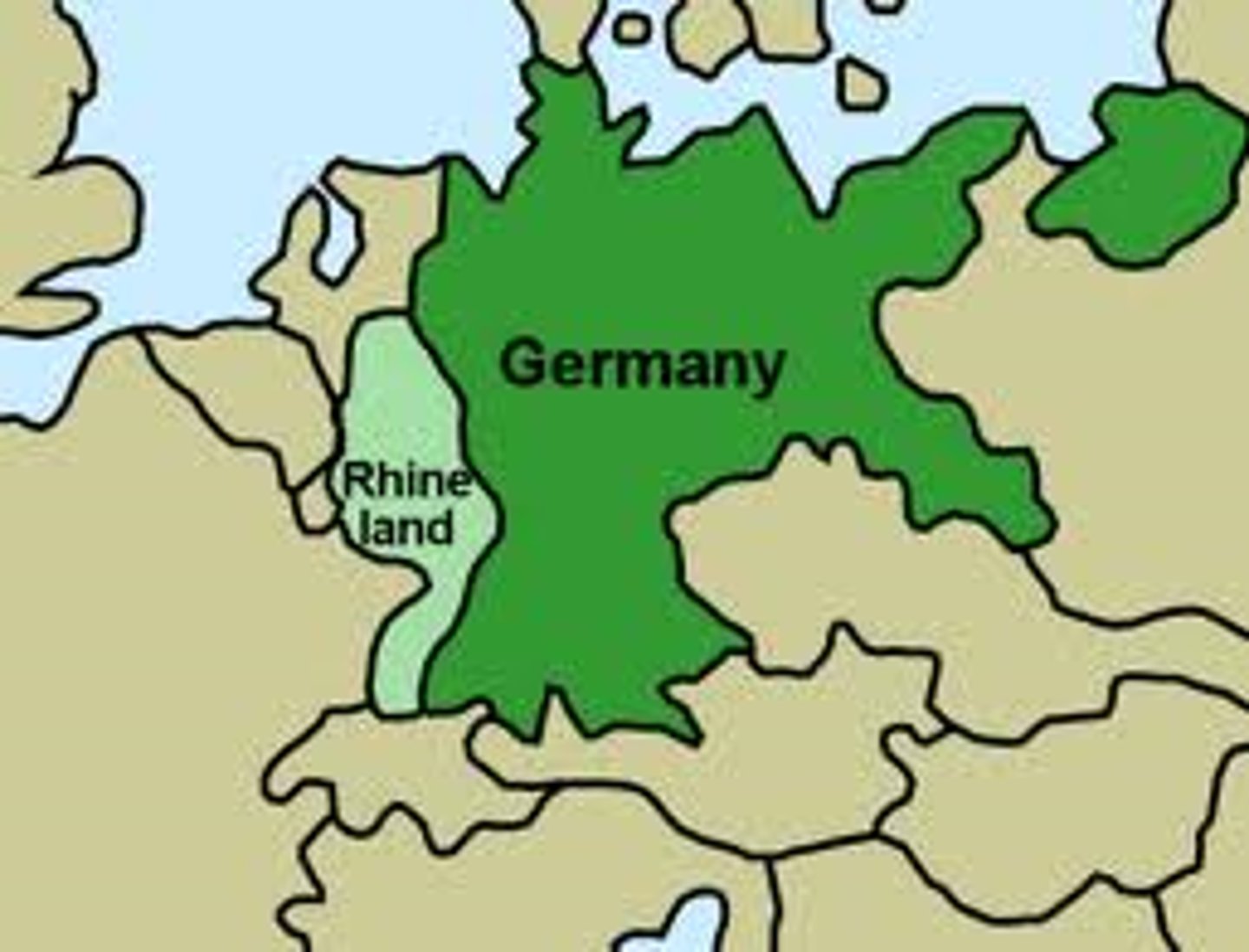
<p>In 1936, Adolf Hitler invaded this region. This was in violation of the Treaty of Versailles which had declared the area a demilitarized zone. (p. 526)</p>
18
New cards

Sudetenland

In 1938, Hitler insisted Germany had the right to take over an area in western Czechoslovakia. (p. 526)
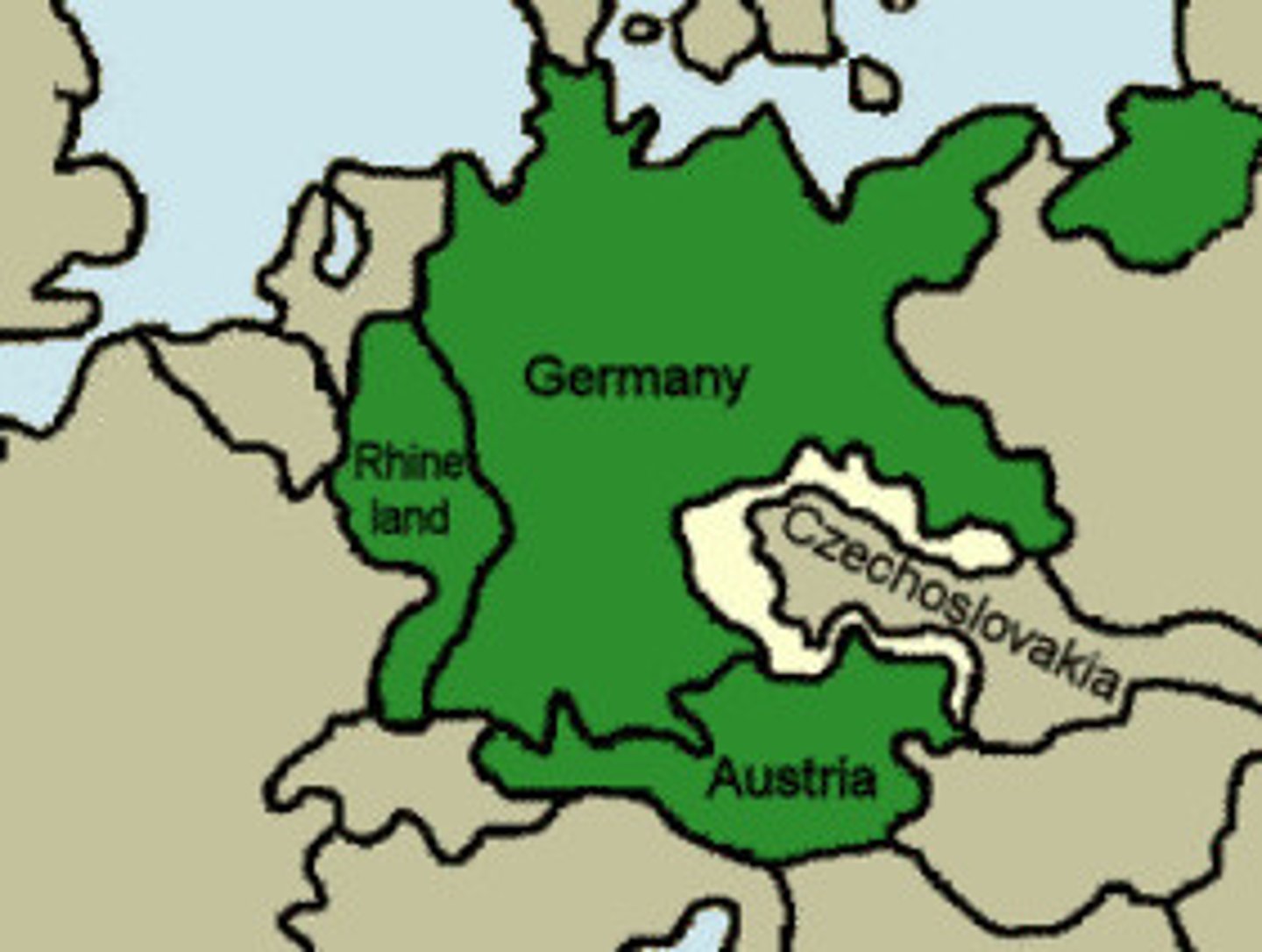
<p>In 1938, Hitler insisted Germany had the right to take over an area in western Czechoslovakia. (p. 526)</p>
19
New cards

Munich

A 1938 conference, at which European leaders attempted to appease Hitler by turning over the Sudetenland to him in exchange for promise that he would not expand Germany's territory any further. (p. 526)
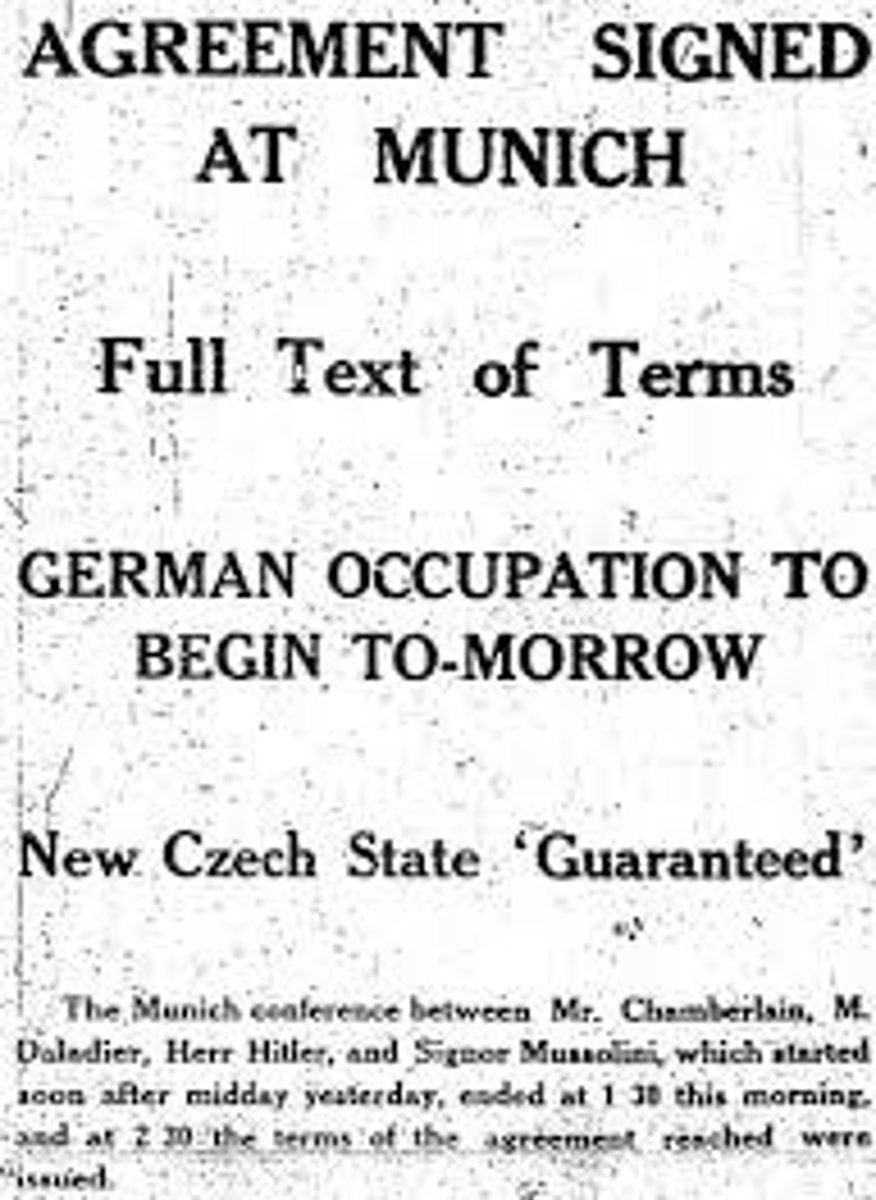
<p>A 1938 conference, at which European leaders attempted to appease Hitler by turning over the Sudetenland to him in exchange for promise that he would not expand Germany's territory any further. (p. 526)</p>
20
New cards

appeasement

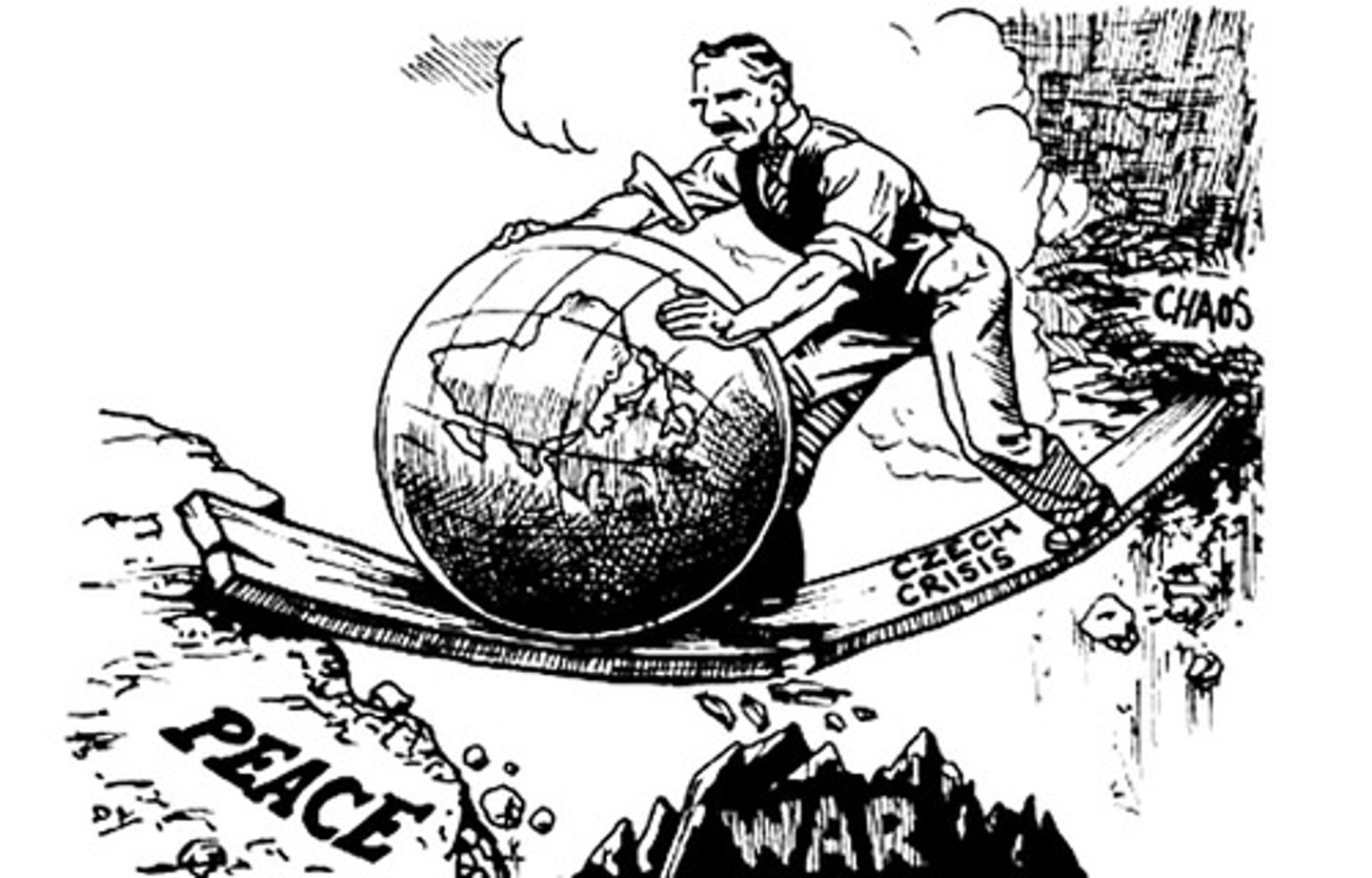
A policy of making concessions to an aggressor in the hopes of avoiding war. In the years 1935 to 1938, a series of military actions by Fascist dictatorships made Britain, France, and the United States nervous, but they did nothing to stop the actions.

* 1935 - Italy invades Ethiopia

* 1936 - German troops invade the Rhineland

* 1937 - Japan invades China

* 1938 - Germany takes the Sudetenland

(p. 526)
<p>A policy of making concessions to an aggressor in the hopes of avoiding war. In the years 1935 to 1938, a series of military actions by Fascist dictatorships made Britain, France, and the United States nervous, but they did nothing to stop the actions.</p><p>* 1935 - Italy invades Ethiopia</p><p>* 1936 - German troops invade the Rhineland</p><p>* 1937 - Japan invades China</p><p>* 1938 - Germany takes the Sudetenland</p><p>(p. 526)</p>
21
New cards

Poland; blitzkrieg

On September 1, 1939, Germany invaded this country using overwhelming air power and fast-moving tanks, a term of warfare called lightning war. Britain and France then declared war against Germany. (p. 528)
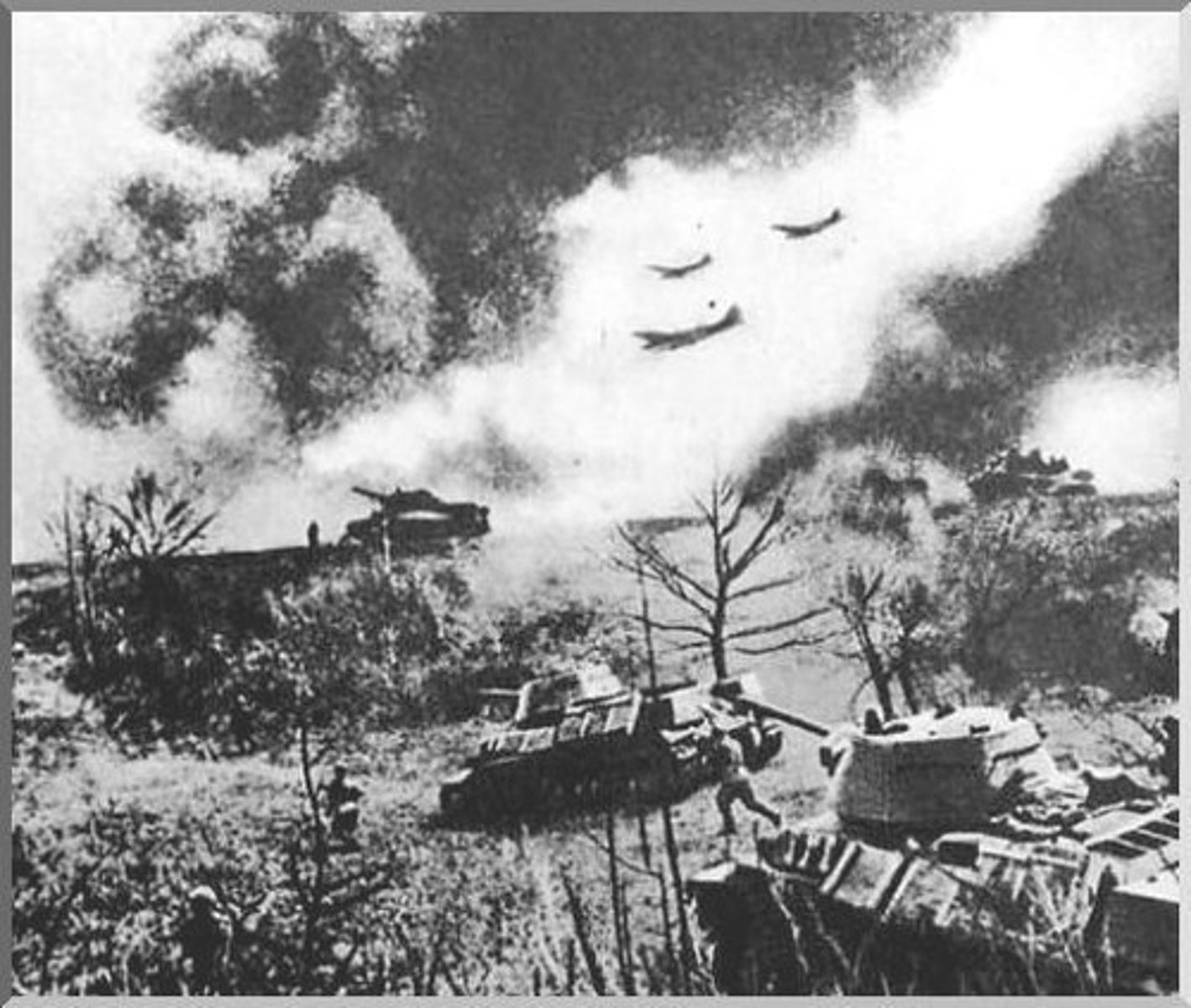
<p>On September 1, 1939, Germany invaded this country using overwhelming air power and fast-moving tanks, a term of warfare called lightning war. Britain and France then declared war against Germany. (p. 528)</p>
22
New cards

isolationism

A policy of non-participation in international economic and political relations. A 1934 committee led by Senator Gerald Nye concluded the main reason for participation in World War I was because of the bankers and arm manufacturers greed. This caused the U.S. public to be against any involvement in the early stages of World War II. (p.. 525)
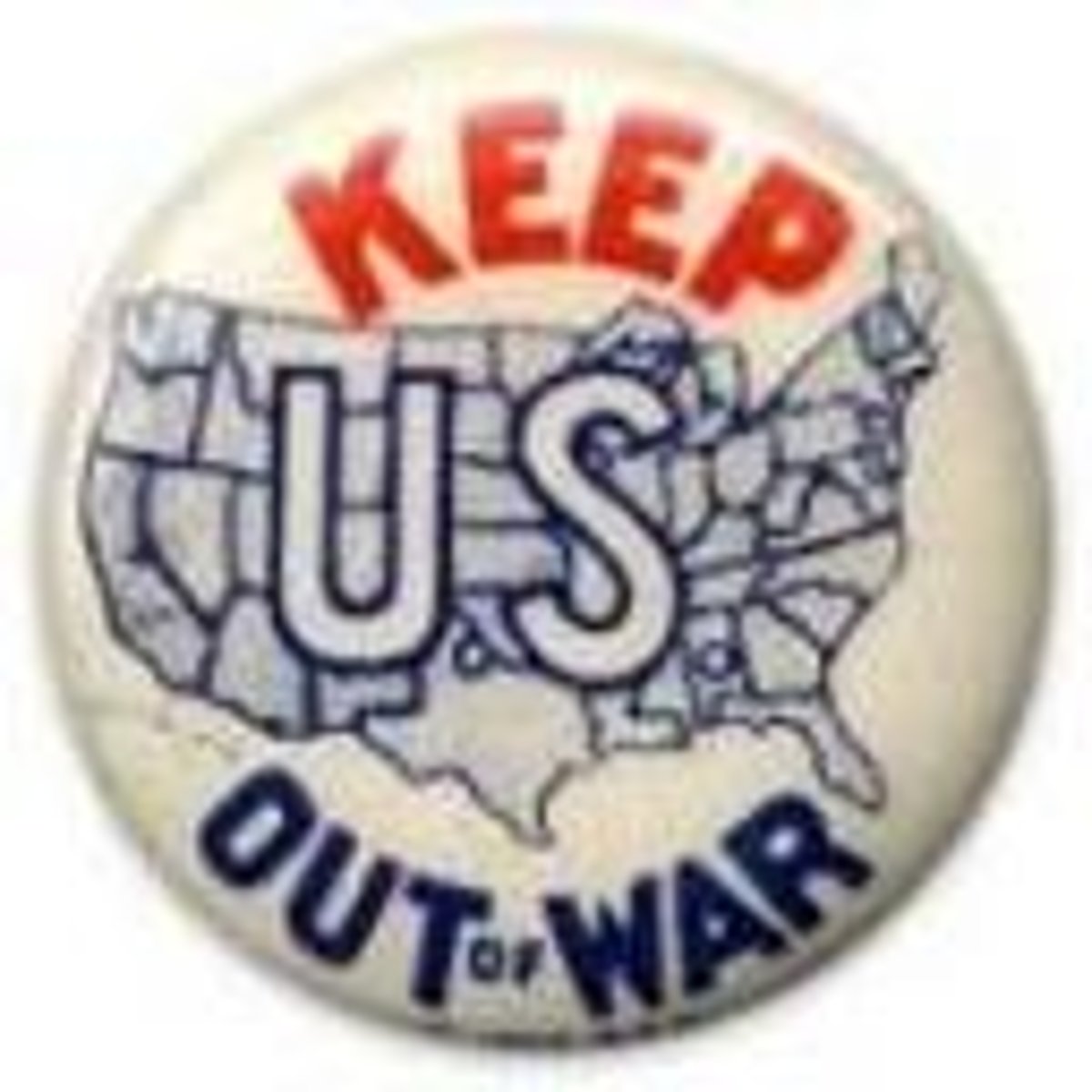
<p>A policy of non-participation in international economic and political relations. A 1934 committee led by Senator Gerald Nye concluded the main reason for participation in World War I was because of the bankers and arm manufacturers greed. This caused the U.S. public to be against any involvement in the early stages of World War II. (p.. 525)</p>
23
New cards

Nye Committee

In 1934, a Senate committee led by South Dakota Senator Gerald Nye to investigate why America became involved in World War I. They concluded that bankers and arm manufacturers pushed the U.S. into the war so they could profit from selling military arms. This committee's work pushed America toward isolationism for the following years. (p. 525)
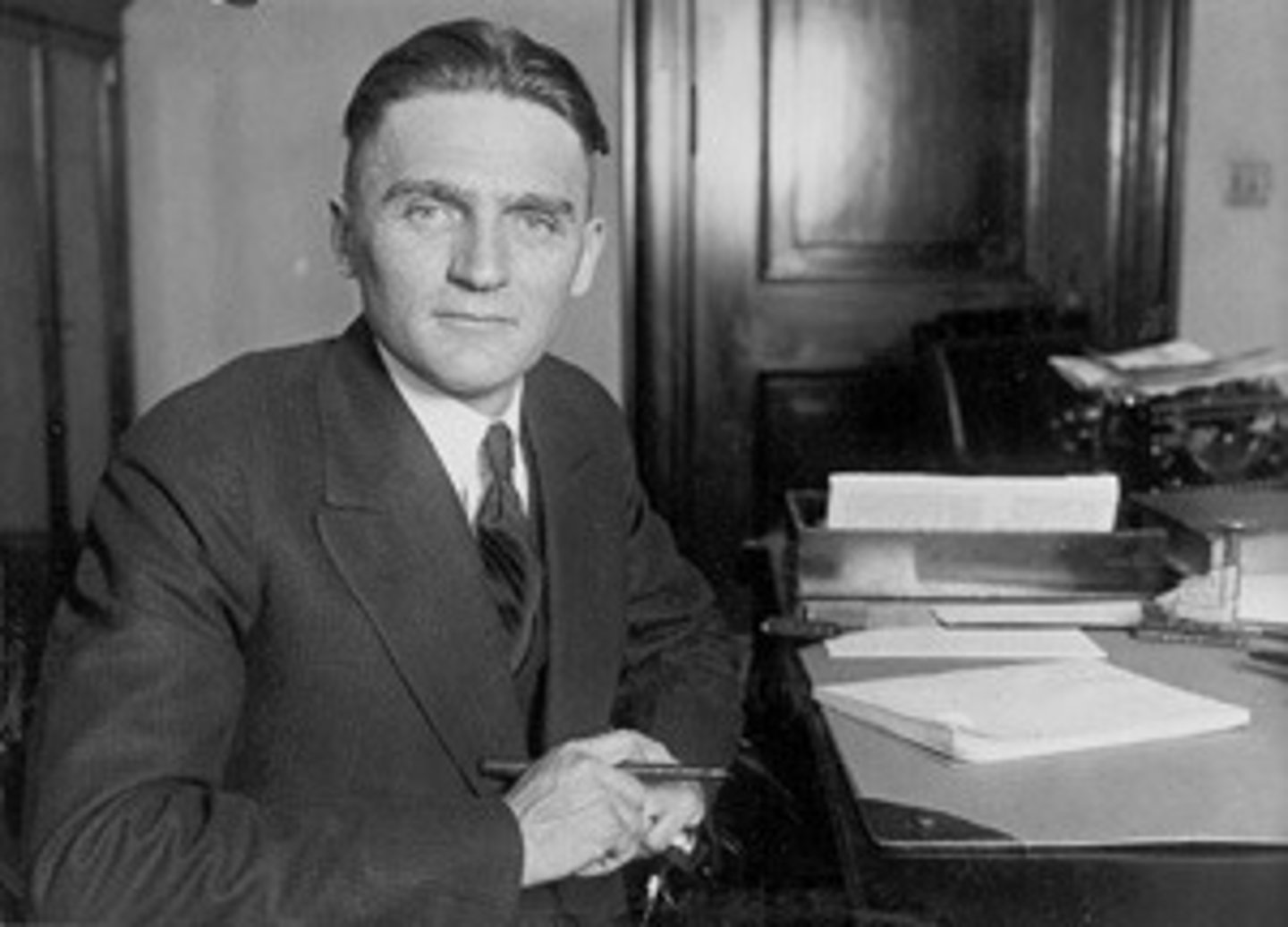
<p>In 1934, a Senate committee led by South Dakota Senator Gerald Nye to investigate why America became involved in World War I. They concluded that bankers and arm manufacturers pushed the U.S. into the war so they could profit from selling military arms. This committee's work pushed America toward isolationism for the following years. (p. 525)</p>
24
New cards

Neutrality Acts

Laws passed by isolationists in the late 1930s, that were designed to keep the United States out of international wars. (p. 525)
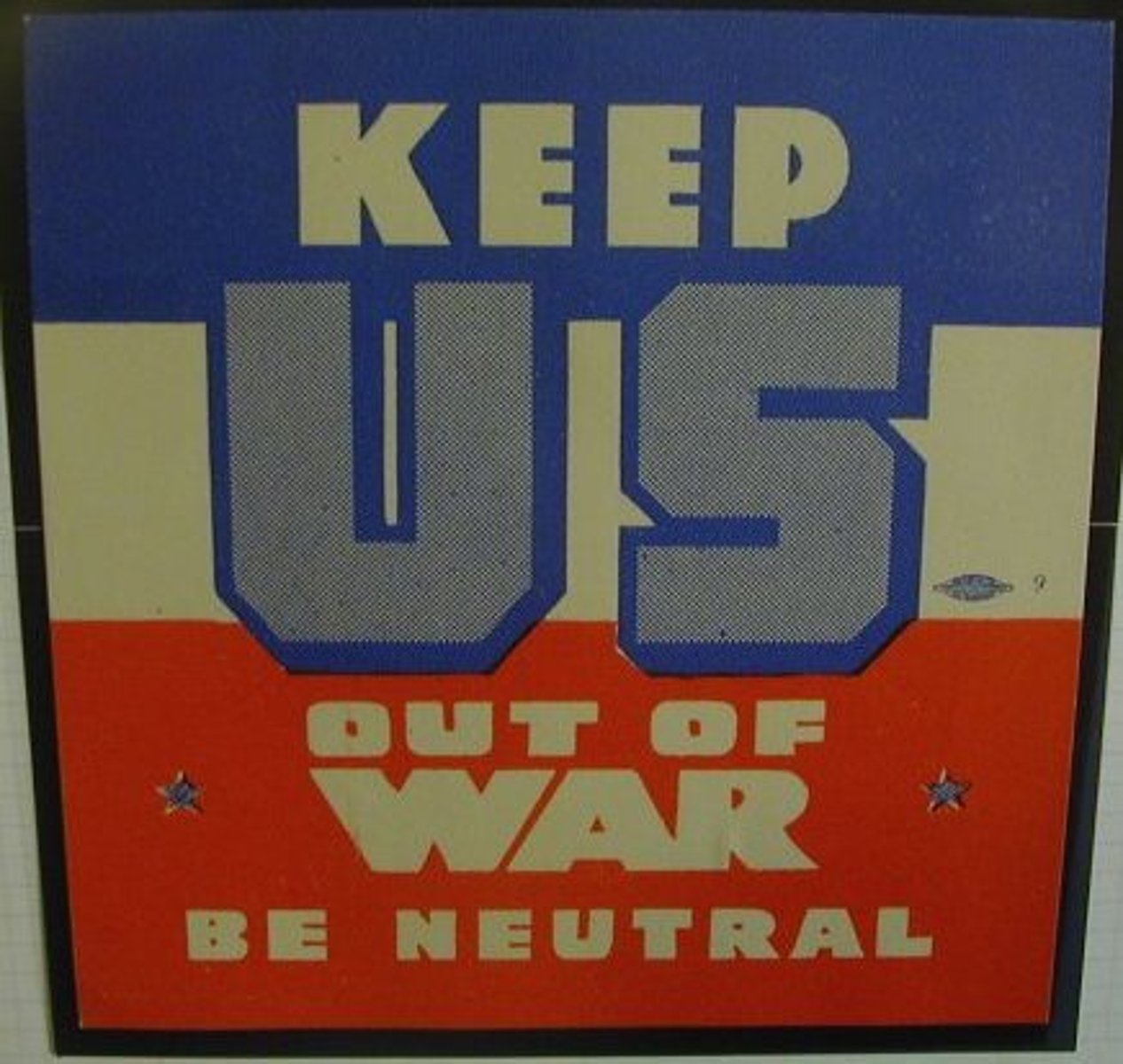
<p>Laws passed by isolationists in the late 1930s, that were designed to keep the United States out of international wars. (p. 525)</p>
25
New cards

America First Committee

In 1940, after World War II had begun in Asia and Europe, isolationists became alarmed by President Roosevelt's support for Britain. To mobilize American public opinion against the war, they formed this committee. Charles A. Lindbergh was one of it spokesmen. (p. 525)
<p>In 1940, after World War II had begun in Asia and Europe, isolationists became alarmed by President Roosevelt's support for Britain. To mobilize American public opinion against the war, they formed this committee. Charles A. Lindbergh was one of it spokesmen. (p. 525)</p>
26
New cards

Charles Lindbergh

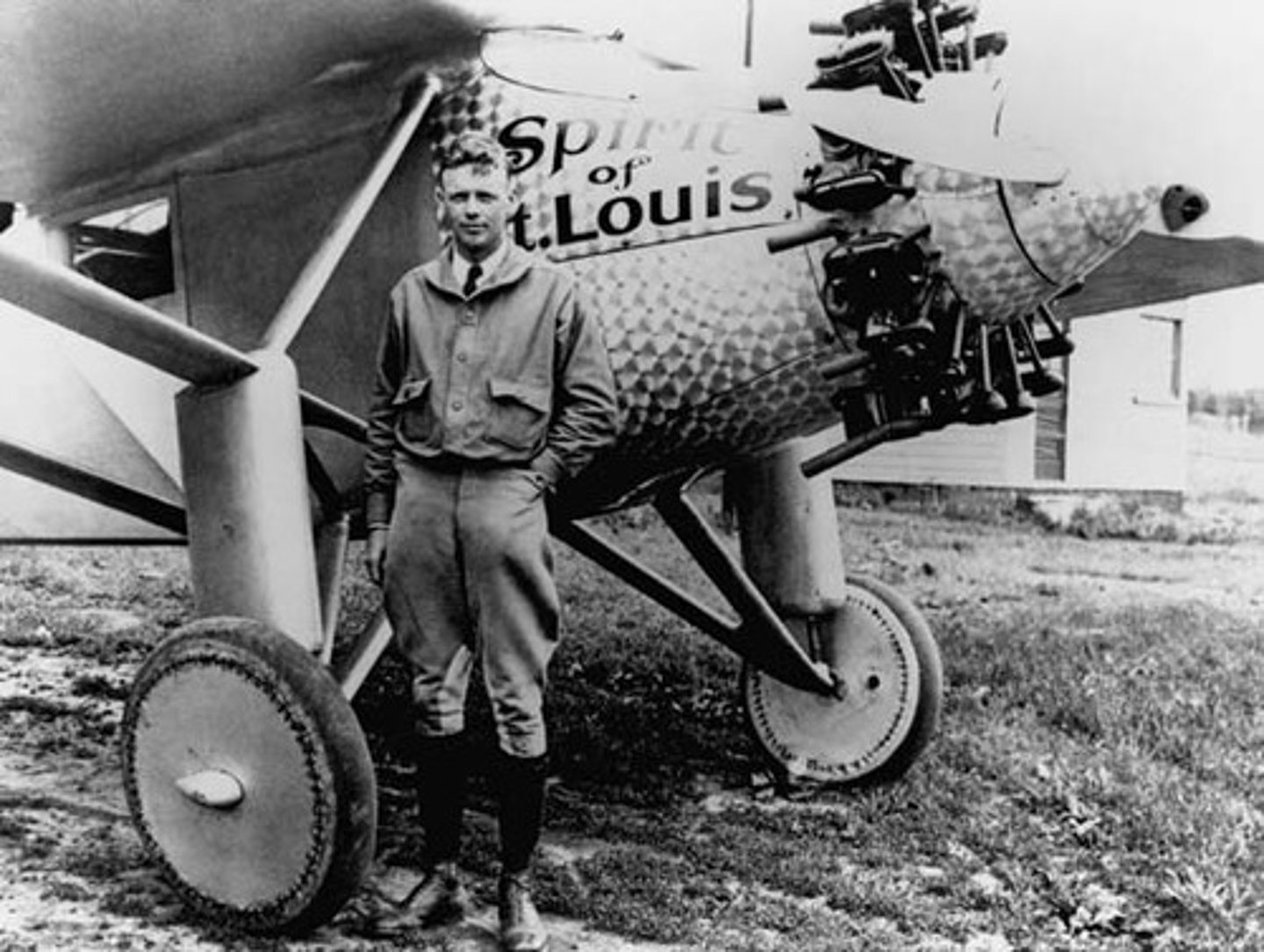
In 1927, this U.S. aviator thrilled the world, by making the first nonstop flight from Long Island to Paris. In 1940, he was a speaker for the isolationist America First Committee. (p. 480, 525)
<p>In 1927, this U.S. aviator thrilled the world, by making the first nonstop flight from Long Island to Paris. In 1940, he was a speaker for the isolationist America First Committee. (p. 480, 525)</p>
27
New cards

Quarantine speech

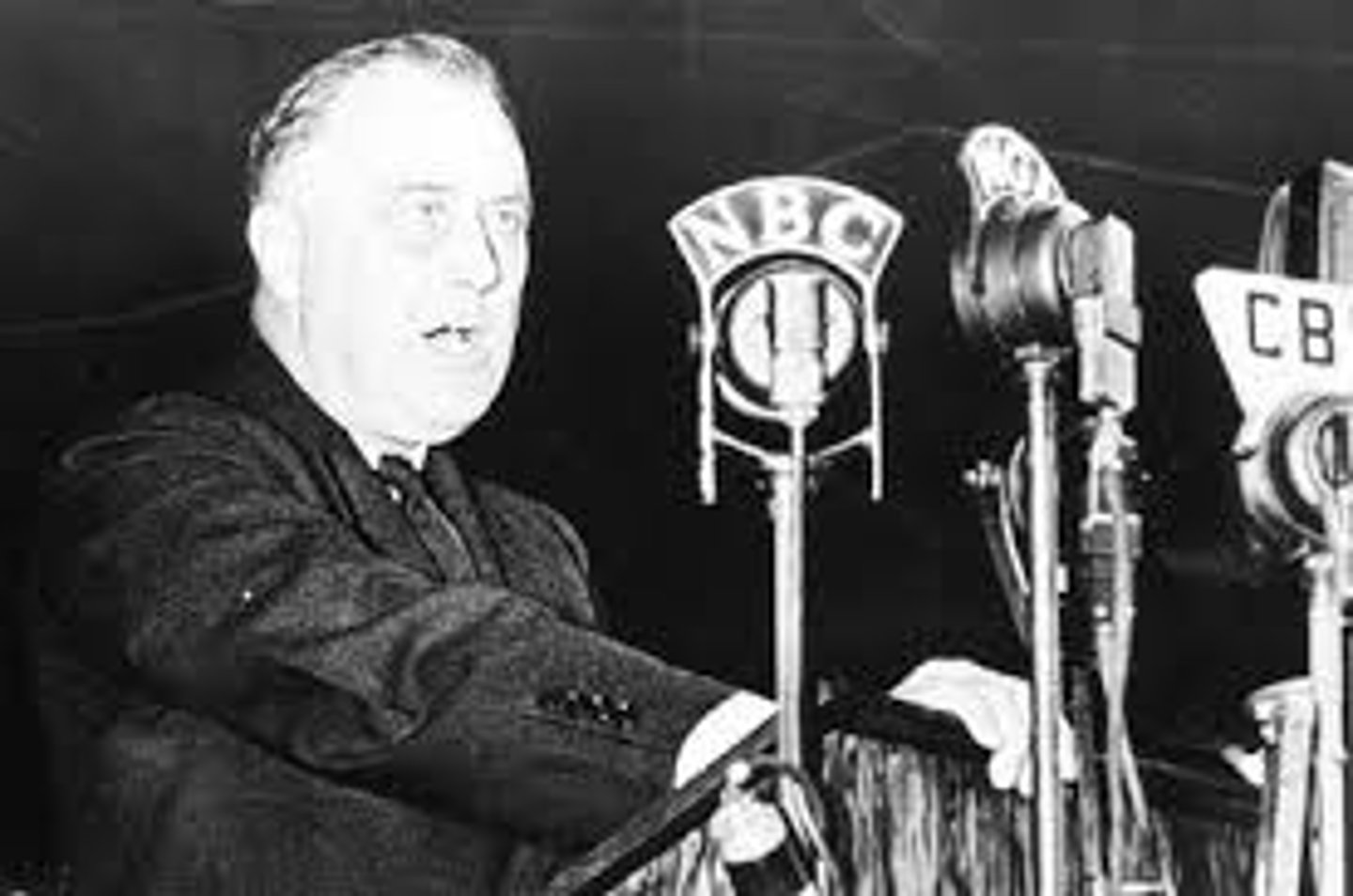
In 1937, President Franklin D. Roosevelt made this speech after Japan invaded China. He proposed that democracies act together to "quarantine" Japan. Public reaction to the speech by the American public was negative, and the idea was abandoned. (p. 526)
<p>In 1937, President Franklin D. Roosevelt made this speech after Japan invaded China. He proposed that democracies act together to "quarantine" Japan. Public reaction to the speech by the American public was negative, and the idea was abandoned. (p. 526)</p>
28
New cards

cash and carry

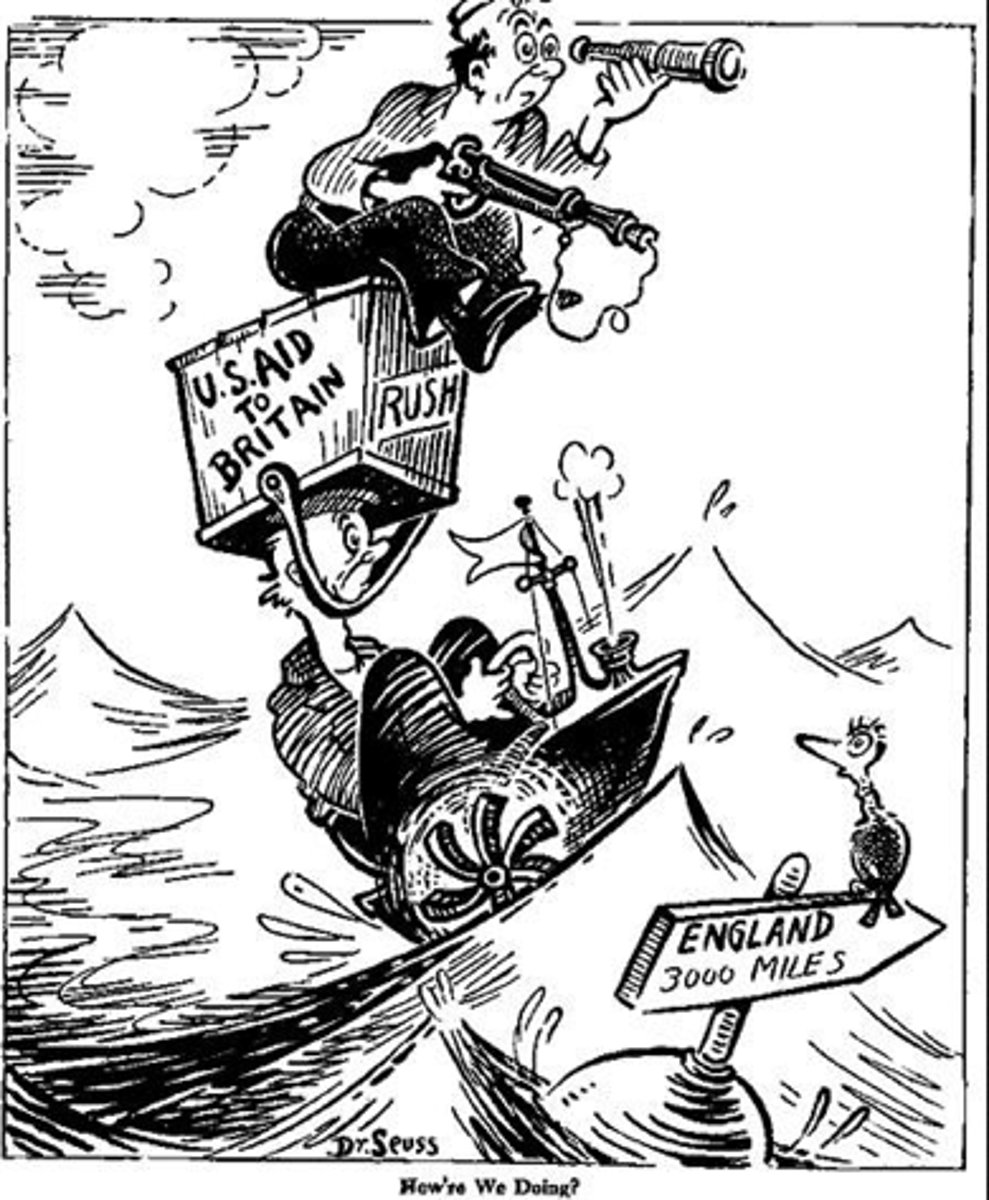
Policy adopted by the United States in 1939 to preserve neutrality, while aiding Great Britain. Great Britain could buy U.S. military arms if it paid in full and used its own ships to transport them. (p. 528)
<p>Policy adopted by the United States in 1939 to preserve neutrality, while aiding Great Britain. Great Britain could buy U.S. military arms if it paid in full and used its own ships to transport them. (p. 528)</p>
29
New cards

Selective Training and Service Act

In 1940, Roosevelt passed this law requiring all males aged 21 to 36 to register for military service. (p. 528)
<p>In 1940, Roosevelt passed this law requiring all males aged 21 to 36 to register for military service. (p. 528)</p>
30
New cards

destroyers-for-bases deal

In September 1940, Roosevelt cleverly arranged a trade that would help Great Britain. The United States gave Britain fifty older but still serviceable US destroyers, in exchange the U.S. was given the right to build military bases on British Islands in the Caribbean. (p. 528)
<p>In September 1940, Roosevelt cleverly arranged a trade that would help Great Britain. The United States gave Britain fifty older but still serviceable US destroyers, in exchange the U.S. was given the right to build military bases on British Islands in the Caribbean. (p. 528)</p>
31
New cards

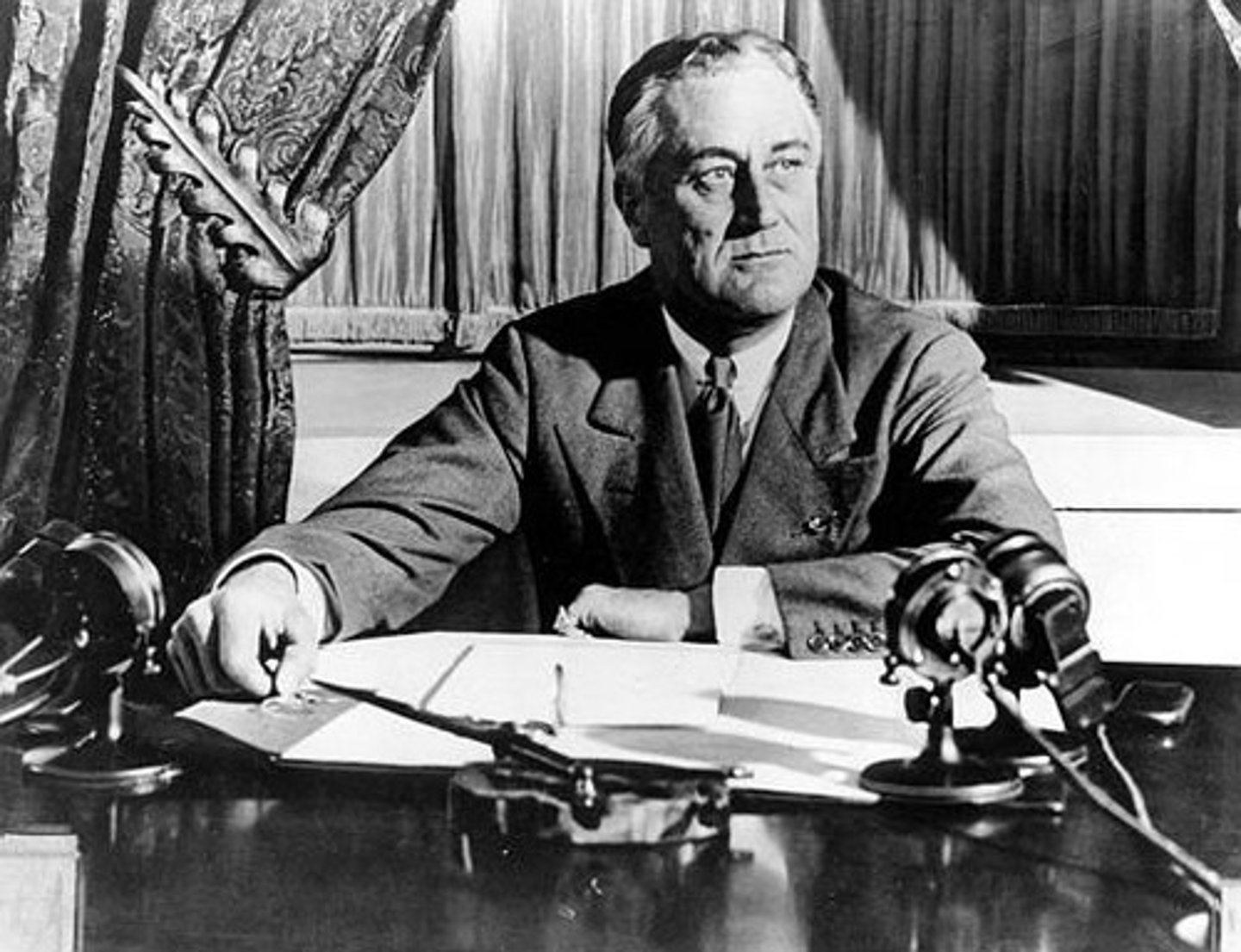
FDR, third term

In the 1940 presidential election, Franklin D. Roosevelt won a third term in office. (p. 529)
<p>In the 1940 presidential election, Franklin D. Roosevelt won a third term in office. (p. 529)</p>
32
New cards

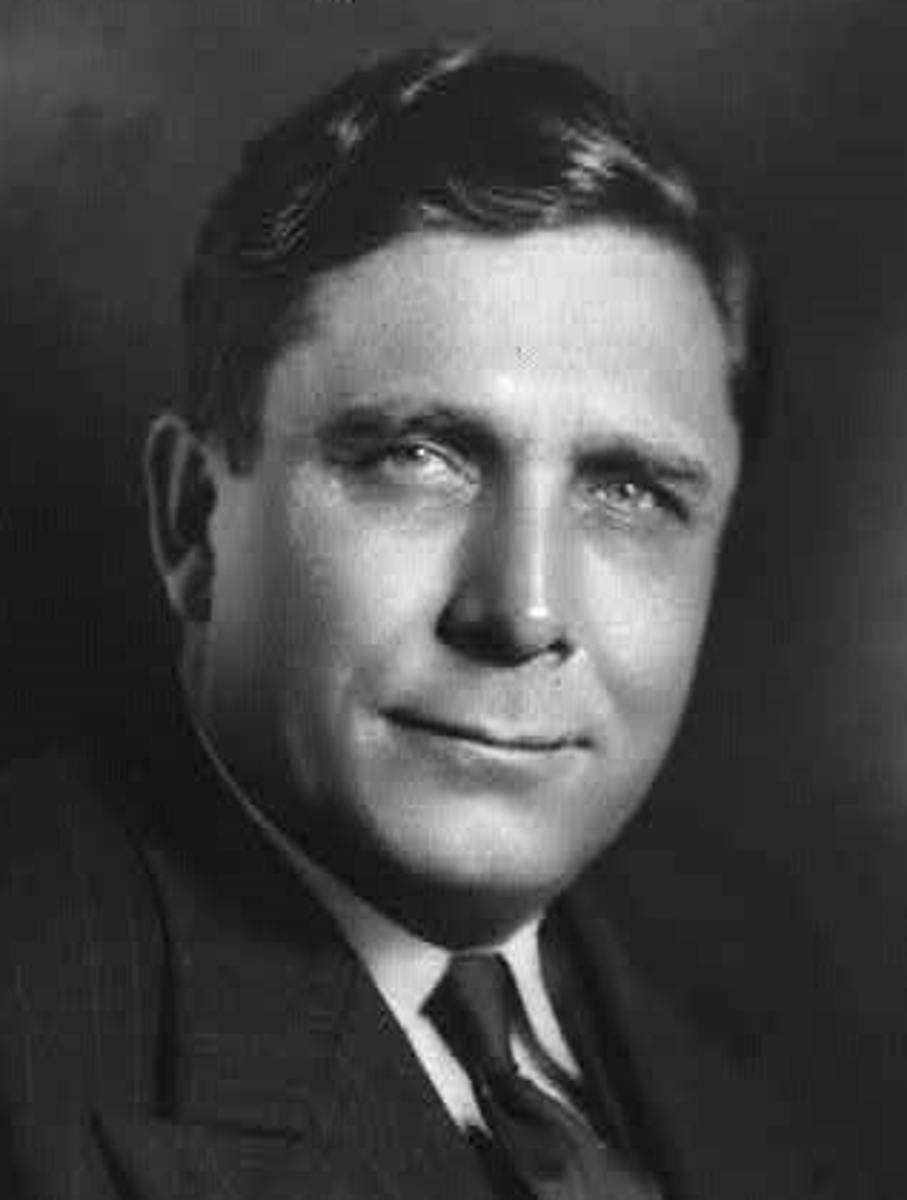
Wendell Willkie

Franklin Roosevelt's Republican opponent in the 1940 Presidential election. (p. 529)
<p>Franklin Roosevelt's Republican opponent in the 1940 Presidential election. (p. 529)</p>
33
New cards

Four Freedoms speech

A speech by President Franklin Roosevelt on January 6, 1941 that proposed lending money to Britain for the purchase of U.S. military weapons. He argued that the U.S. must help other nations defend "four freedoms" (freedom of speech, freedom of religion, freedom from want, and freedom from fear). (p. 529)
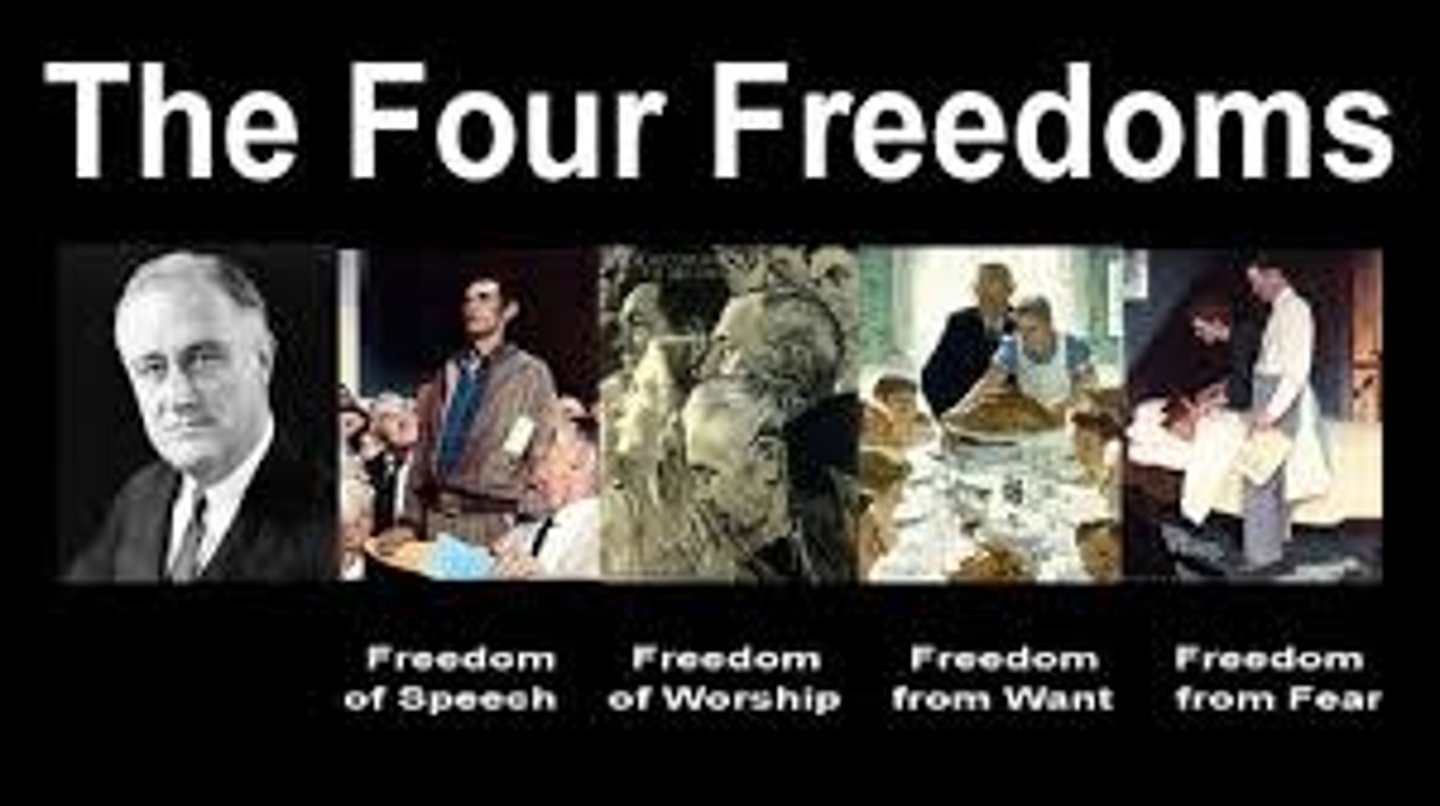
<p>A speech by President Franklin Roosevelt on January 6, 1941 that proposed lending money to Britain for the purchase of U.S. military weapons. He argued that the U.S. must help other nations defend "four freedoms" (freedom of speech, freedom of religion, freedom from want, and freedom from fear). (p. 529)</p>
34
New cards

Lend-Lease Act

In March 1941, this act permitted Britain to obtain all U.S. arms they needed on credit during World War II. (p. 529)
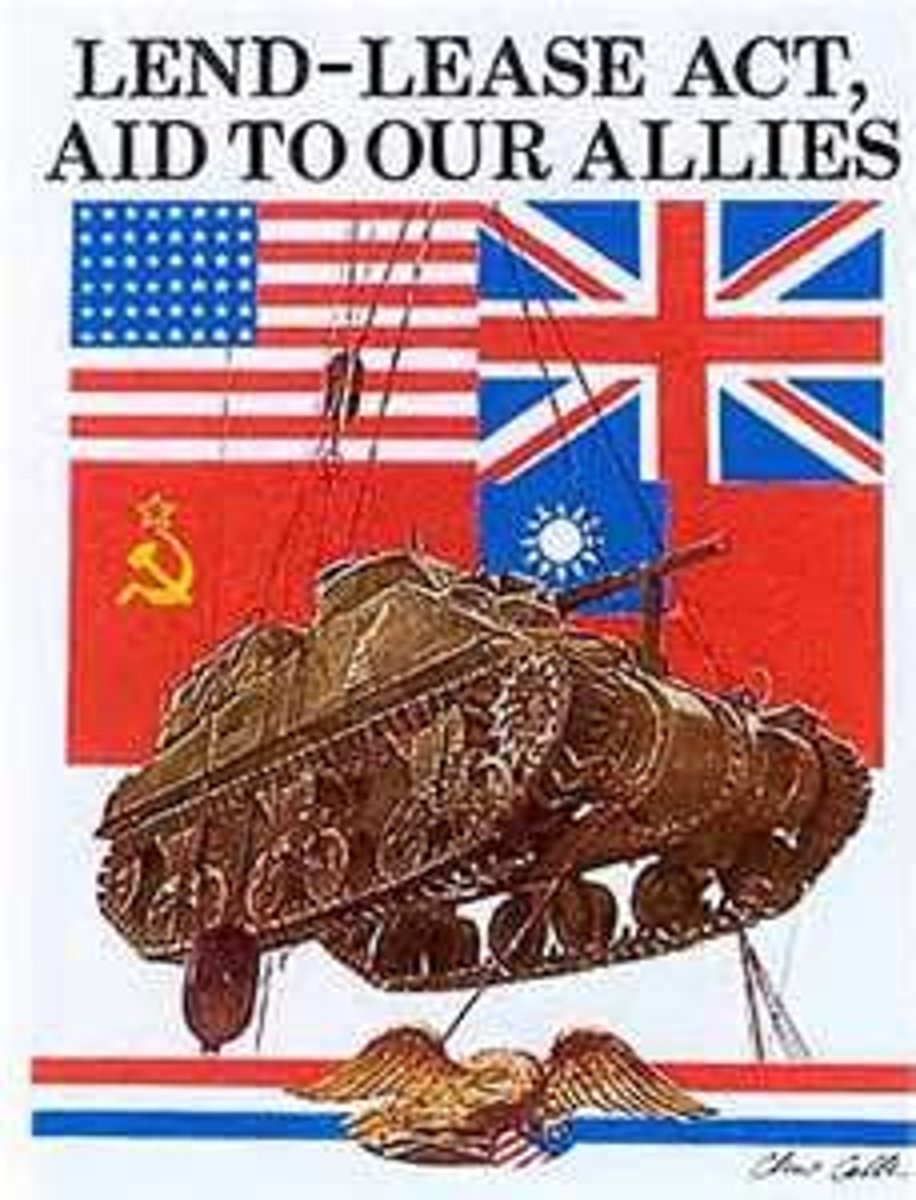
<p>In March 1941, this act permitted Britain to obtain all U.S. arms they needed on credit during World War II. (p. 529)</p>
35
New cards

Atlantic Charter

In August 1941, U.S. president Franklin D. Roosevelt and British prime minister Winston Churchill met aboard a ship off the coast of Newfoundland. They created this agreement which outlined the principles for peace after the war. (p. 530)
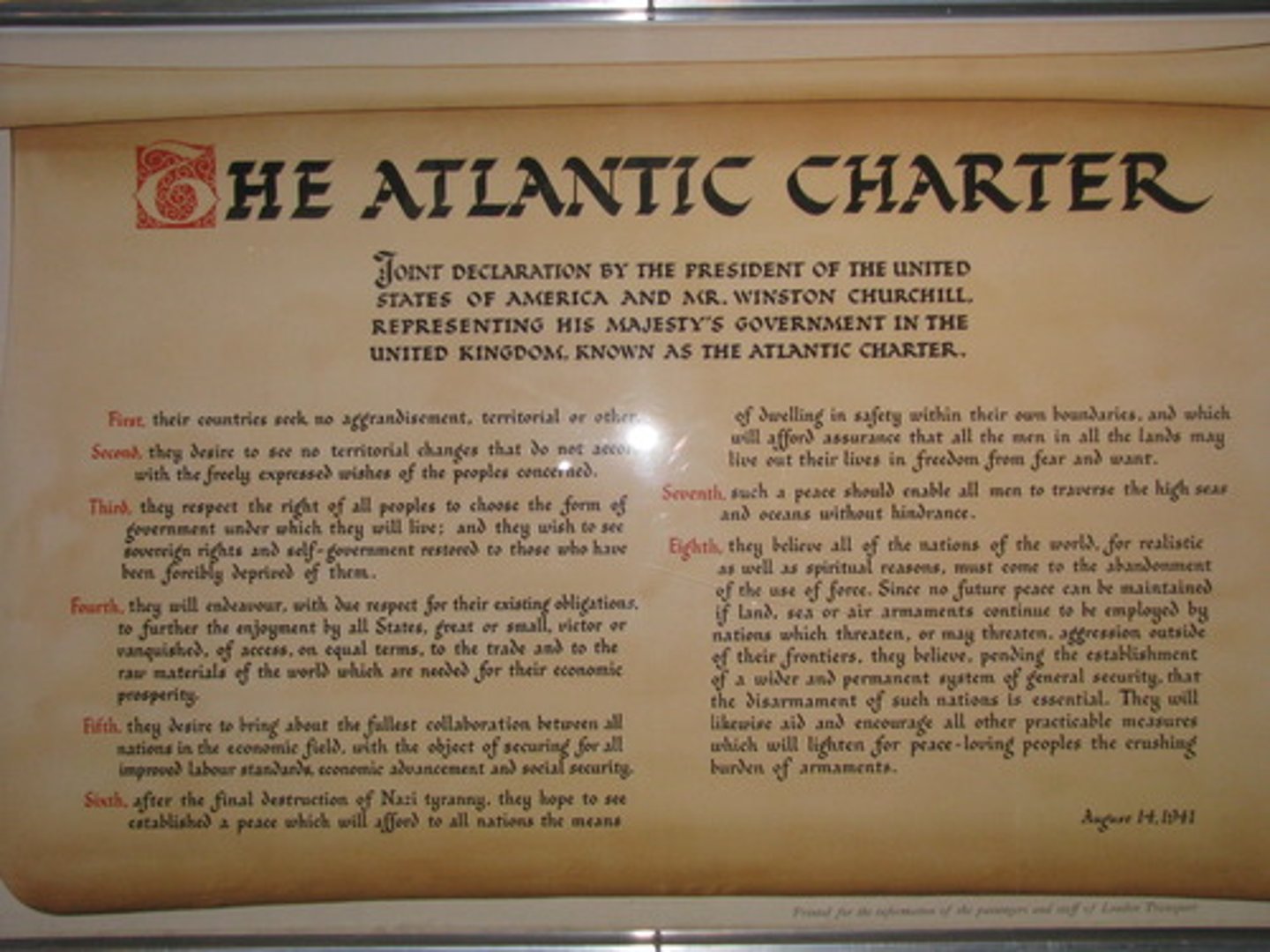
<p>In August 1941, U.S. president Franklin D. Roosevelt and British prime minister Winston Churchill met aboard a ship off the coast of Newfoundland. They created this agreement which outlined the principles for peace after the war. (p. 530)</p>
36
New cards

escort convoys

In July 1941, the U.S. began to provide protection for British ship carrying U.S. arms being transported to Britain. (p. 530)
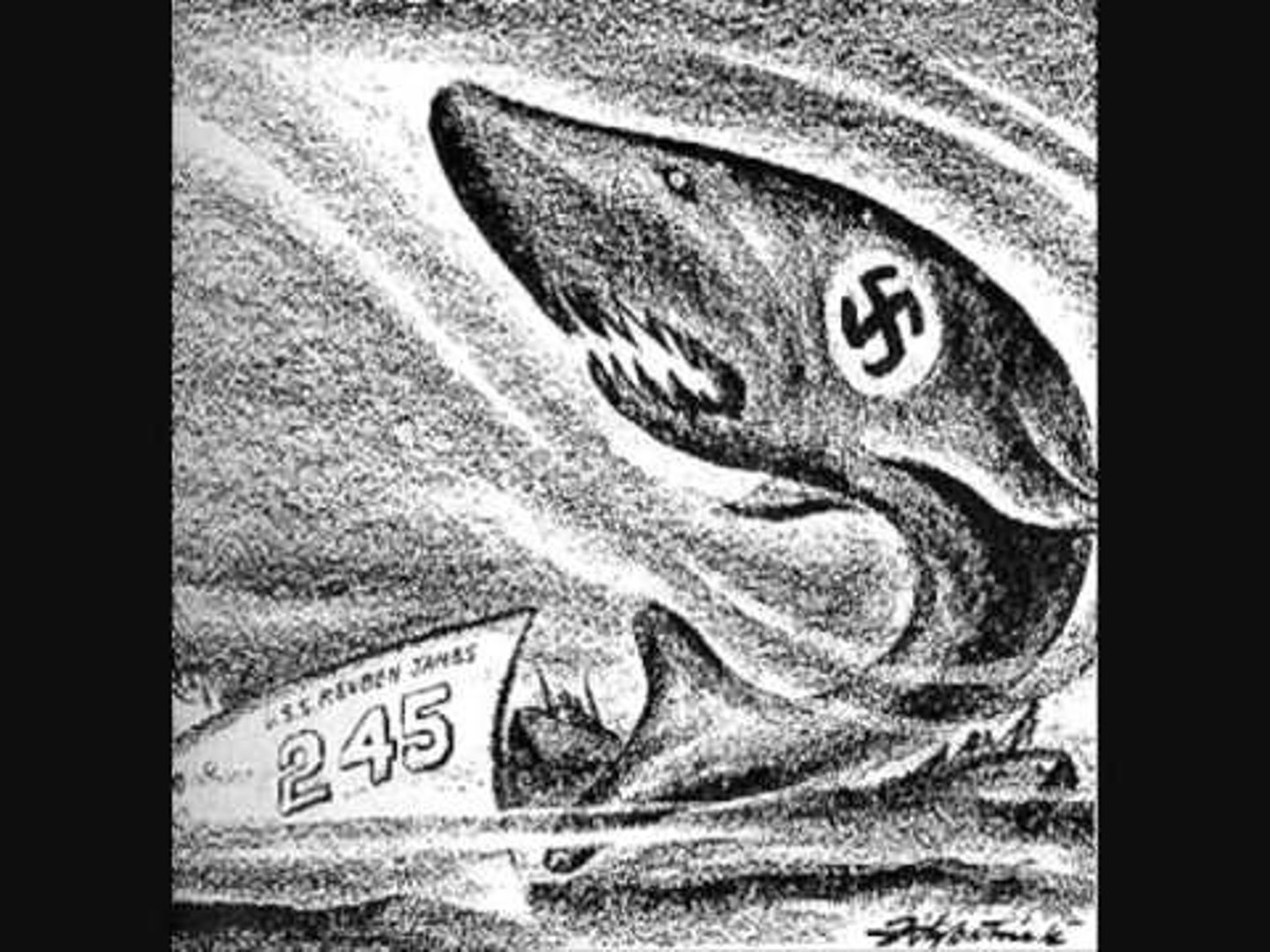
<p>In July 1941, the U.S. began to provide protection for British ship carrying U.S. arms being transported to Britain. (p. 530)</p>
37
New cards

oil and steel embargo

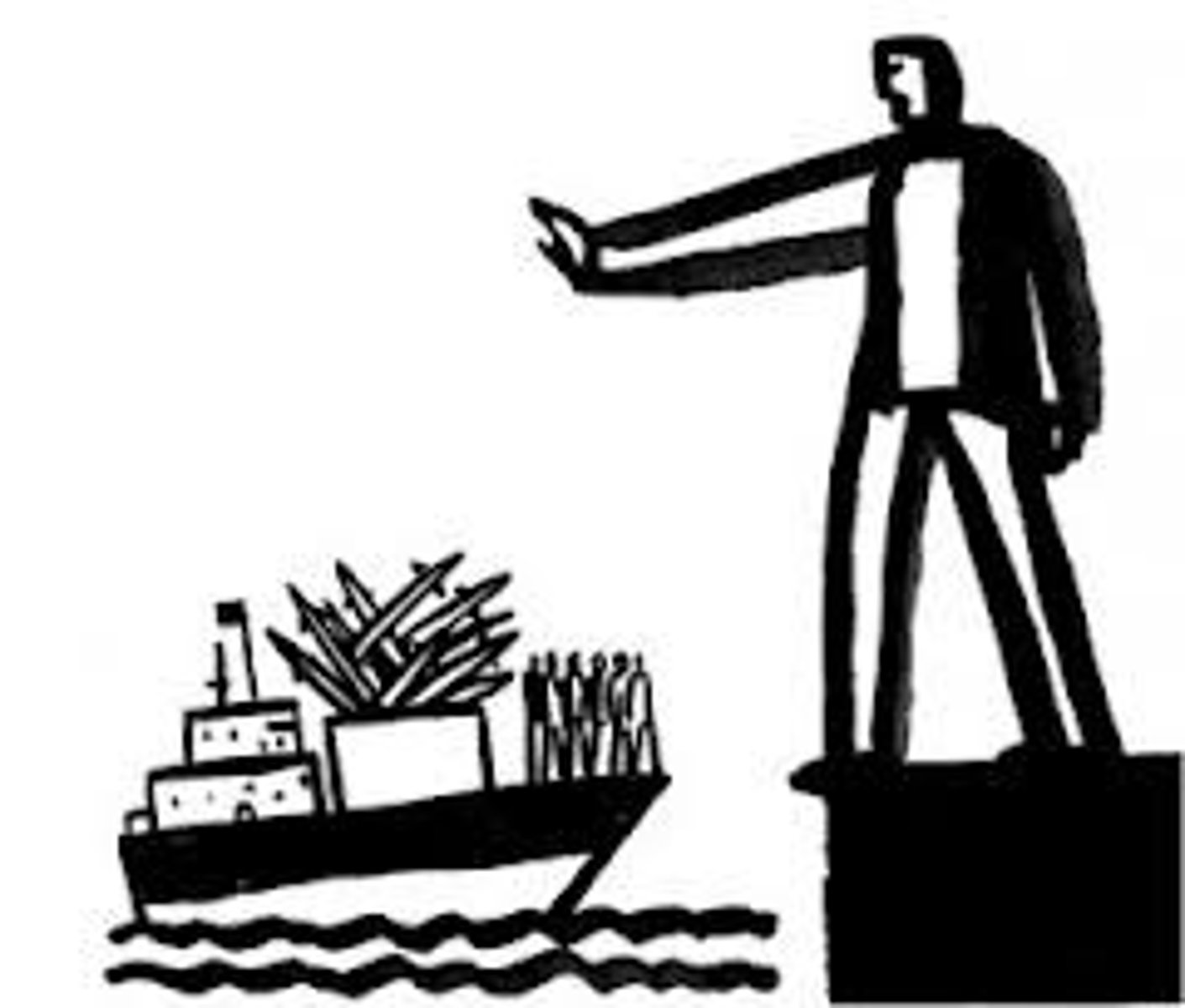
In September 1940, Japan joined the Axis powers. The United States responded by prohibiting export of steel and scrap iron to Japan and other countries. In July 1941, when Japan invaded French Indochina, the U.S. cut off Japanese access to many vital materials, including U.S. oil. (p. 530)
<p>In September 1940, Japan joined the Axis powers. The United States responded by prohibiting export of steel and scrap iron to Japan and other countries. In July 1941, when Japan invaded French Indochina, the U.S. cut off Japanese access to many vital materials, including U.S. oil. (p. 530)</p>
38
New cards

Pearl Harbor

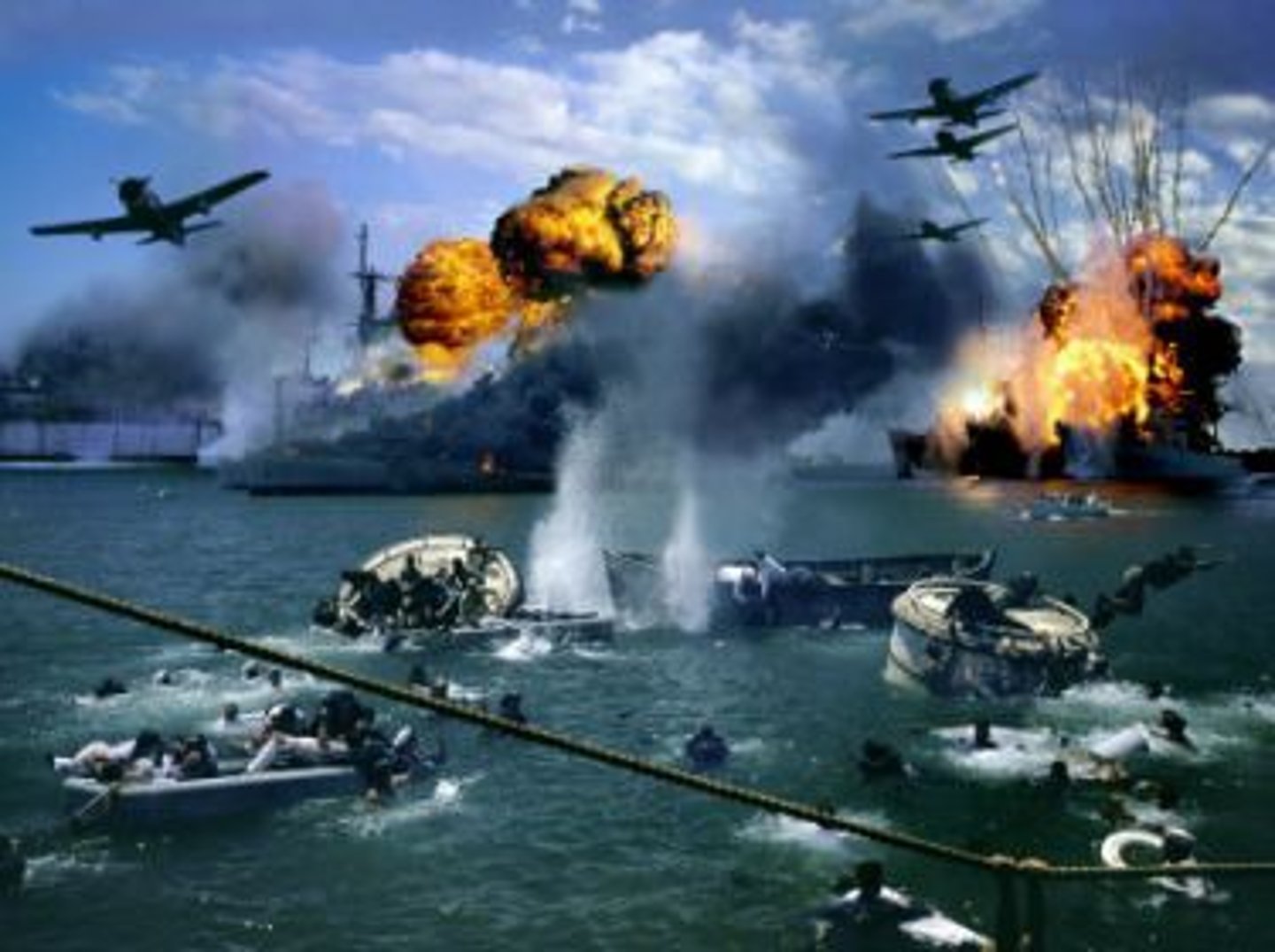
On December 7, 1941, a date that will live in infamy, this U.S. naval base in Honolulu, Hawaii was bombed by Japanese planes. 2,400 Americans were killed and 20 warships were sunk or severely damaged. The next day, the United States declared war on Japan. (p. 531)
<p>On December 7, 1941, a date that will live in infamy, this U.S. naval base in Honolulu, Hawaii was bombed by Japanese planes. 2,400 Americans were killed and 20 warships were sunk or severely damaged. The next day, the United States declared war on Japan. (p. 531)</p>
39
New cards

War Production Board

During World War II, President Roosevelt established this agency to allocated scarce materials, limit or stop the production of civilian goods, and distribute contracts among competing manufacturers. (p. 531)
<p>During World War II, President Roosevelt established this agency to allocated scarce materials, limit or stop the production of civilian goods, and distribute contracts among competing manufacturers. (p. 531)</p>
40
New cards

Office of Price Administration

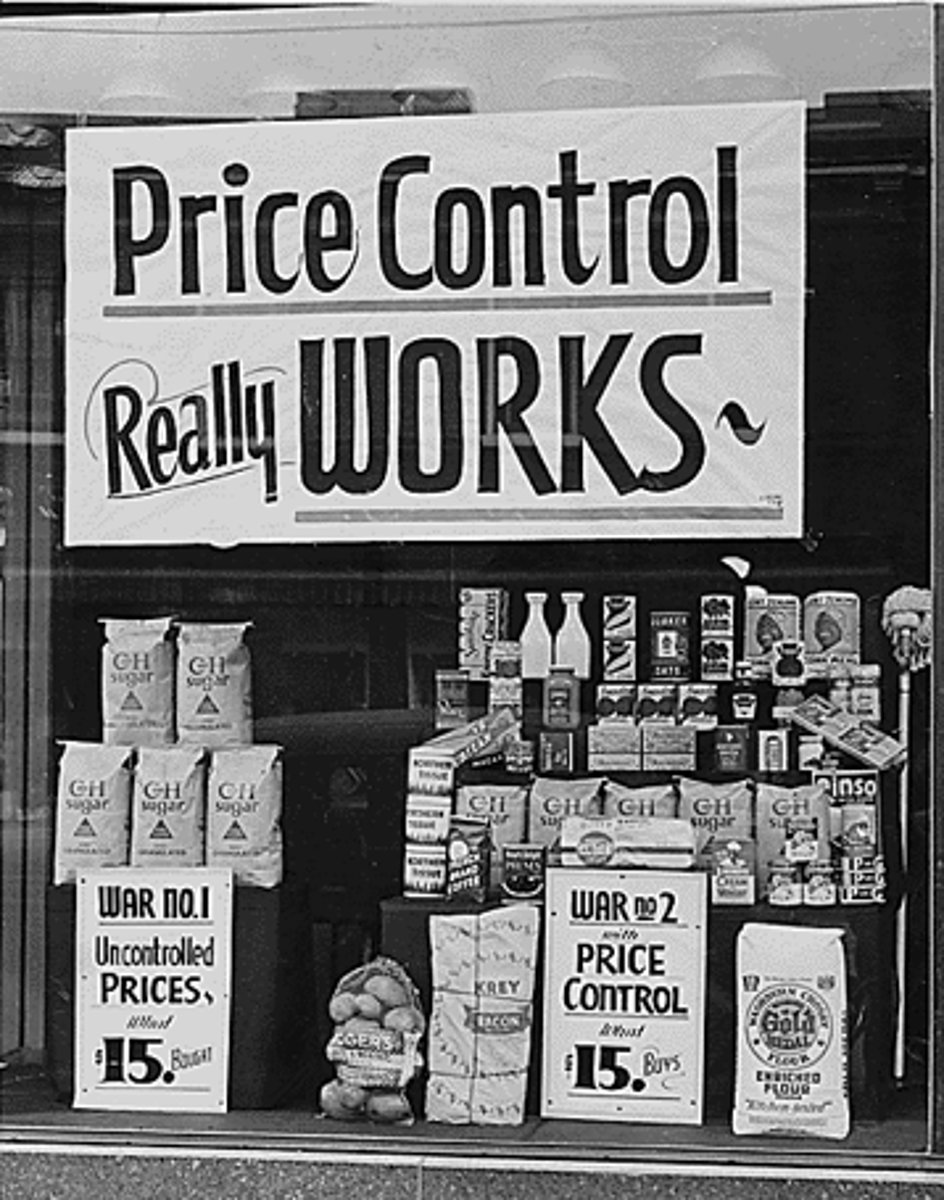
This World War II federal agency regulated most aspects of civilian lives by freezing prices, wages, and rents and rationing commodities in order to control inflation. (p. 532)
<p>This World War II federal agency regulated most aspects of civilian lives by freezing prices, wages, and rents and rationing commodities in order to control inflation. (p. 532)</p>
41
New cards

government spending, debt

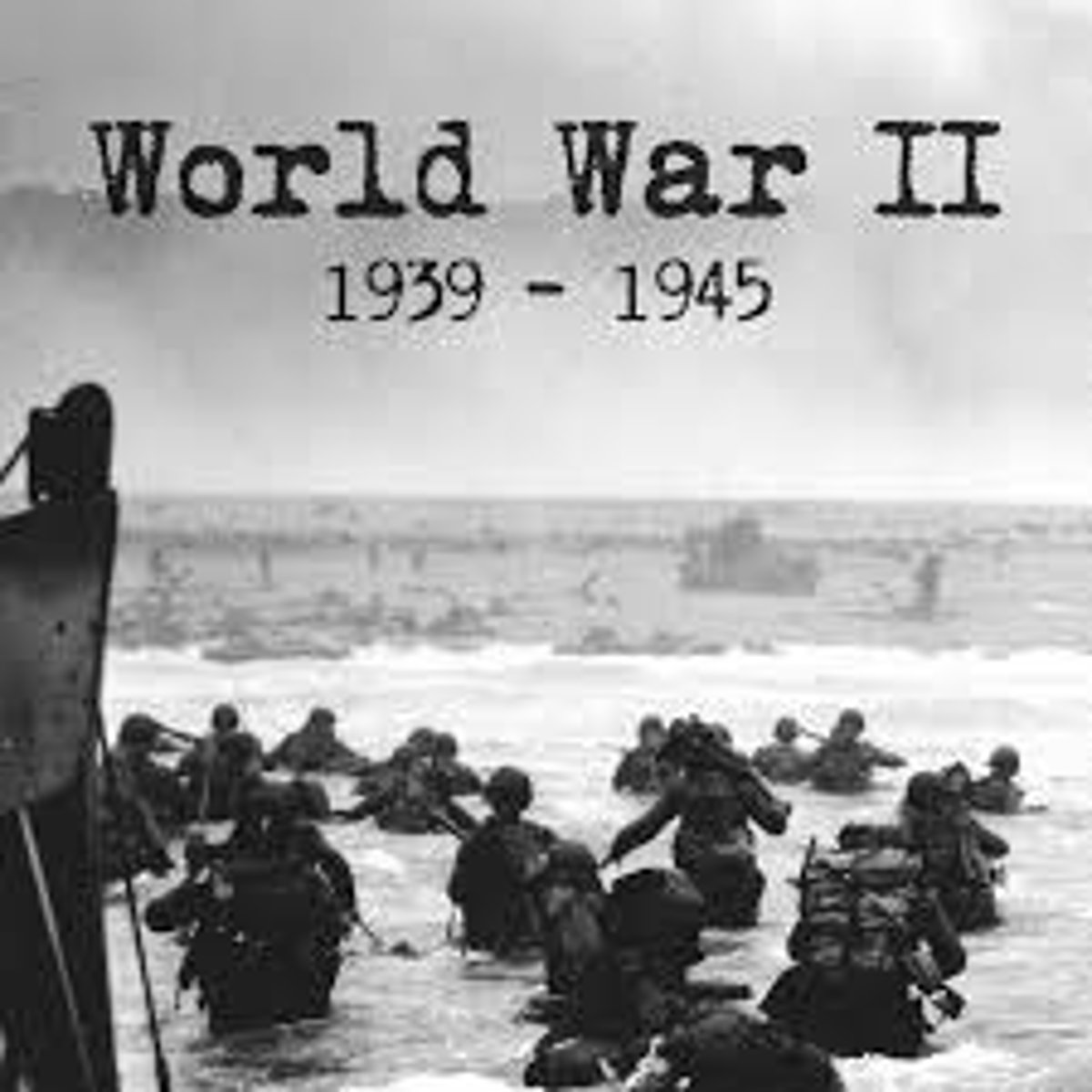
During World War II federal spending increased 1000 percent between 1939 and 1945, and the gross national product grew by 15 percent or more each year. By the war's end, the national debt was $250 billion, five times what it had been in 1941. (p. 532)
<p>During World War II federal spending increased 1000 percent between 1939 and 1945, and the gross national product grew by 15 percent or more each year. By the war's end, the national debt was $250 billion, five times what it had been in 1941. (p. 532)</p>
42
New cards

role of large corporations

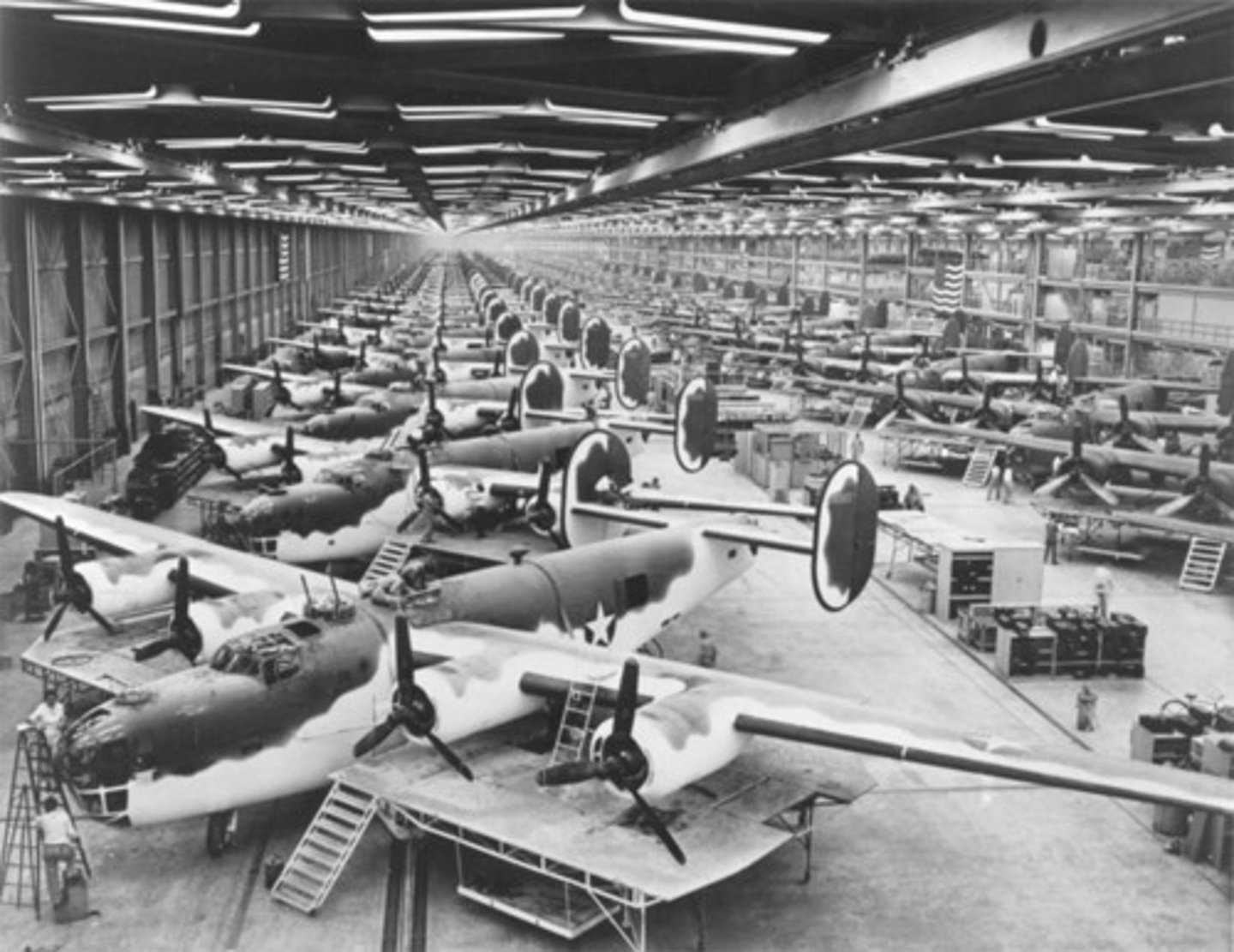
During World War II, the 100 largest corporations accounted for 70 percent of wartime manufacturing. (p. 532)
<p>During World War II, the 100 largest corporations accounted for 70 percent of wartime manufacturing. (p. 532)</p>
43
New cards

research and development

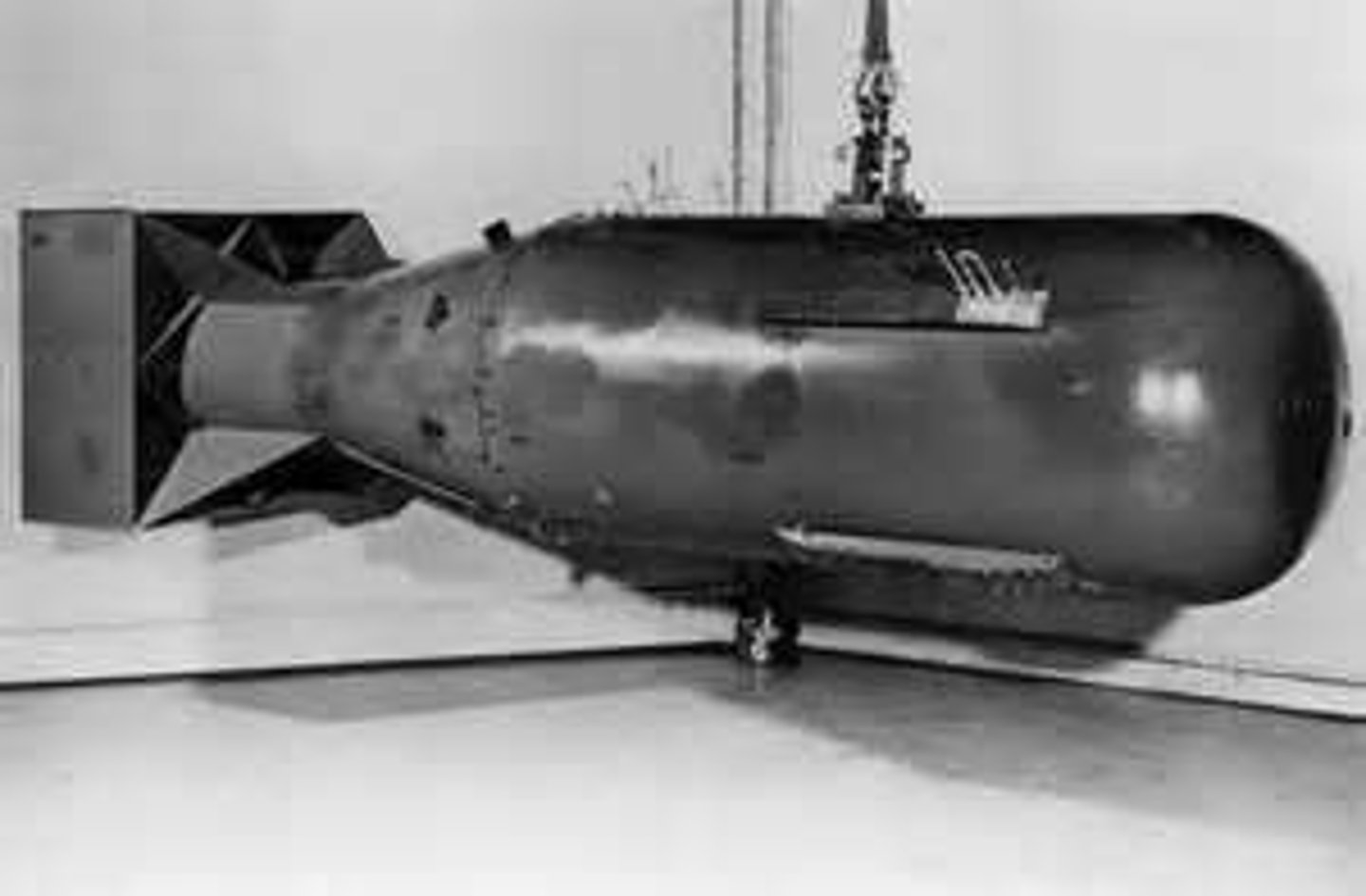
The United States government worked closely with industrial companies, universities, and research labs to create and improve technologies that could be used to defeat the enemy. (p. 532)
<p>The United States government worked closely with industrial companies, universities, and research labs to create and improve technologies that could be used to defeat the enemy. (p. 532)</p>
44
New cards

Manhattan Project

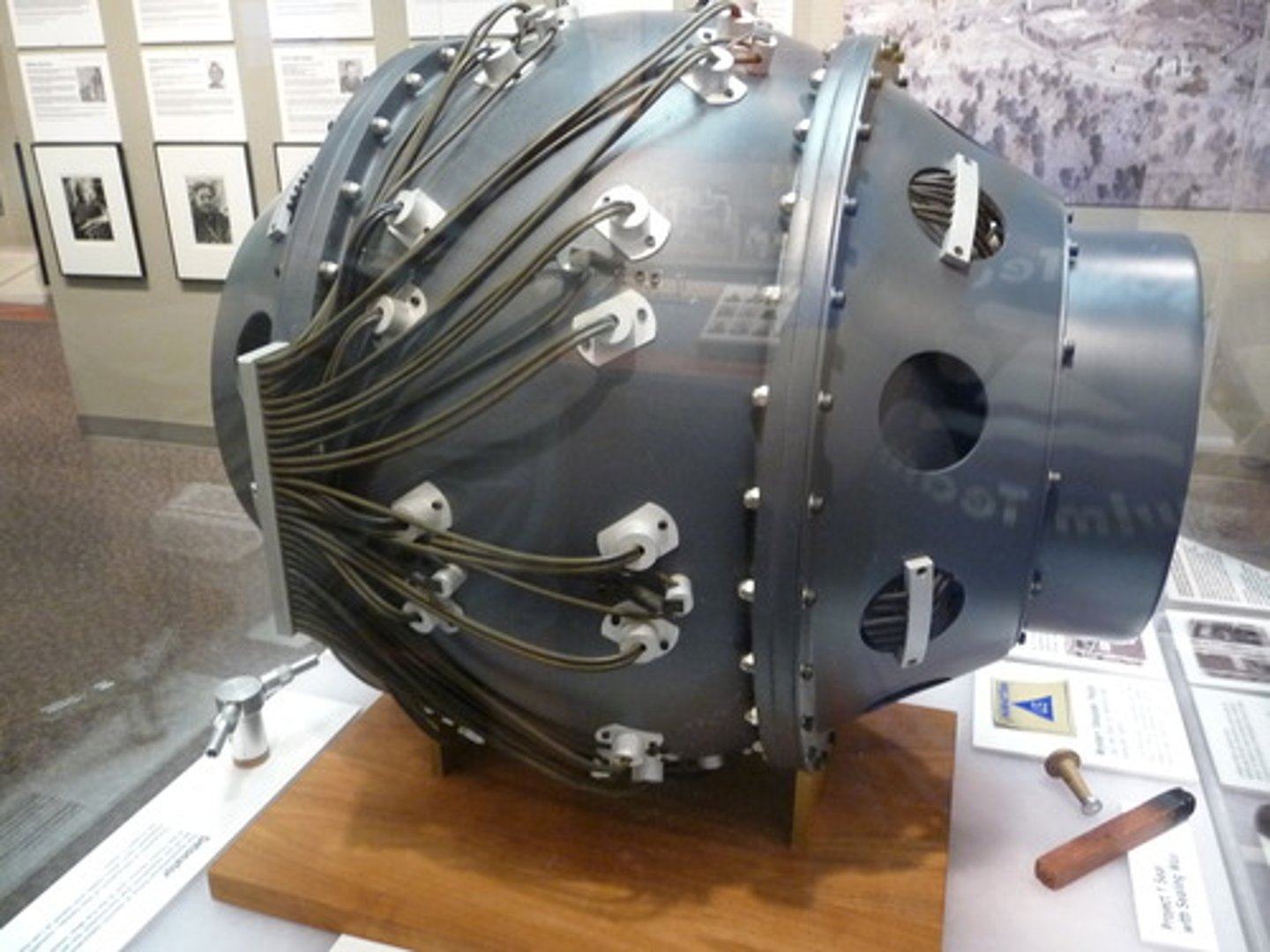
Code name for the secret United States project set up in 1942 to develop atomic bombs for use in World War II. (p. 532)
<p>Code name for the secret United States project set up in 1942 to develop atomic bombs for use in World War II. (p. 532)</p>
45
New cards

Office of War Information

Established by the government to promote patriotism and help keep Americans united behind the World War II effort. (p. 533)
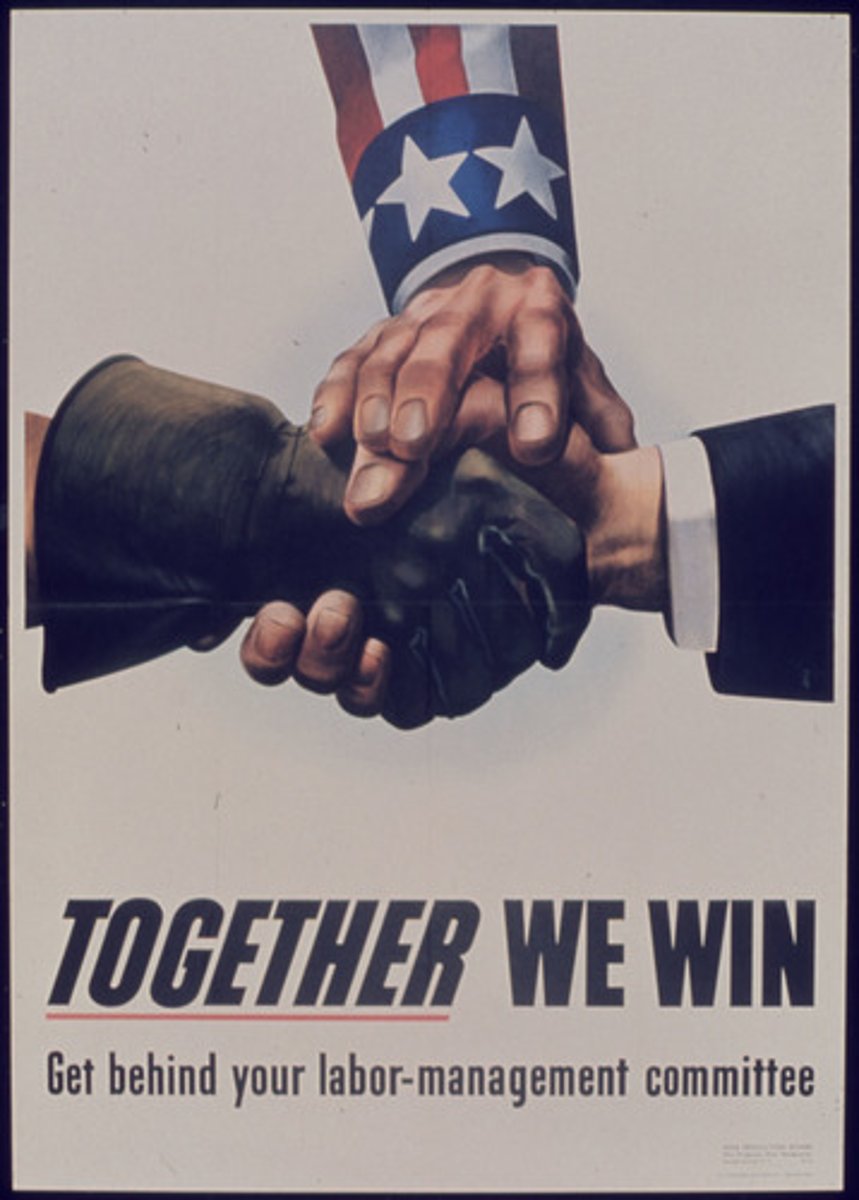
<p>Established by the government to promote patriotism and help keep Americans united behind the World War II effort. (p. 533)</p>
46
New cards

the Good War

The term for the unity of Americans supporting the democratic ideals in fighting World War II. (p. 533)
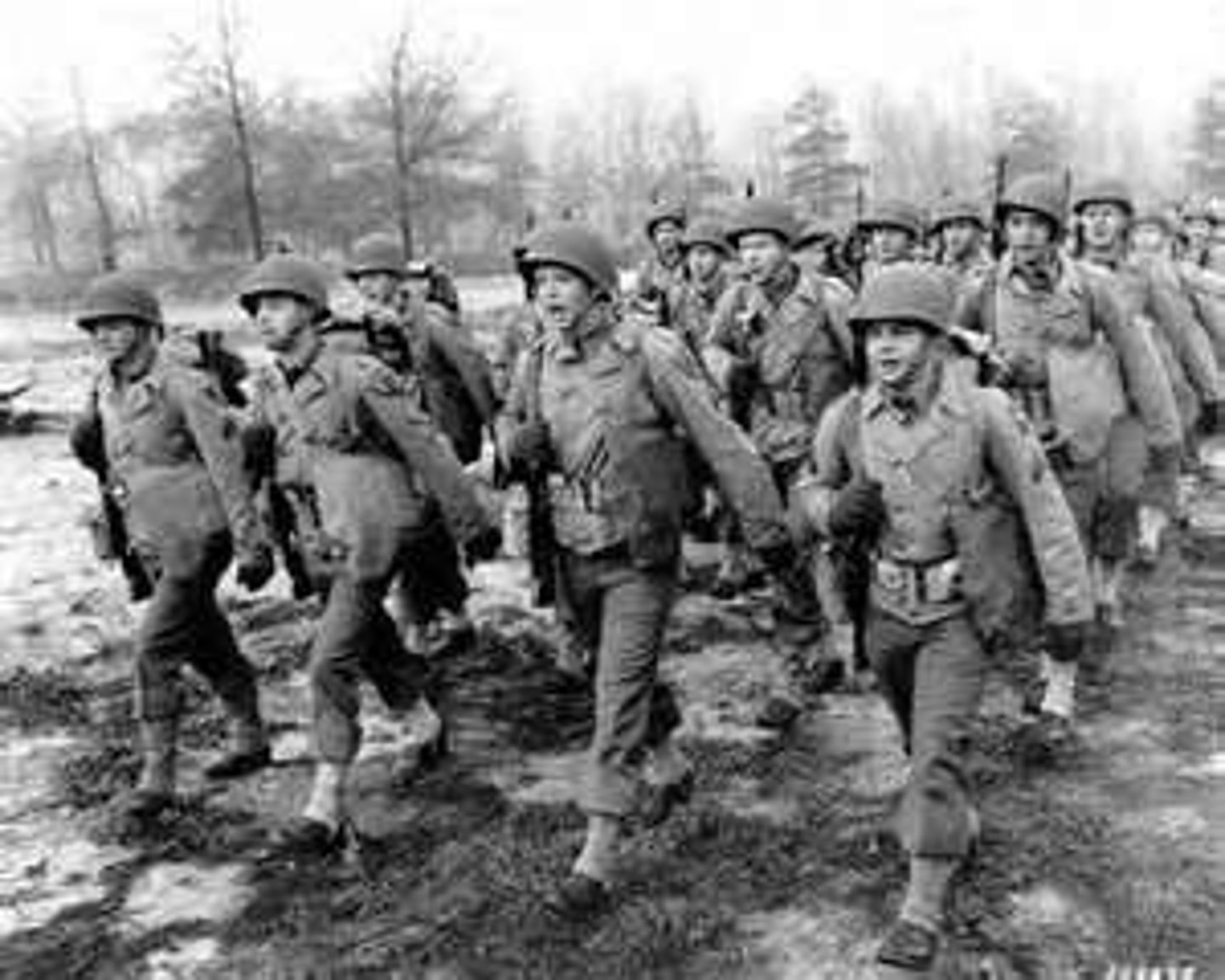
<p>The term for the unity of Americans supporting the democratic ideals in fighting World War II. (p. 533)</p>
47
New cards

wartime migration

During World War II, over 1.5 million African-Americans migrated from the South to job opportunities in the North and the West. (p. 533)
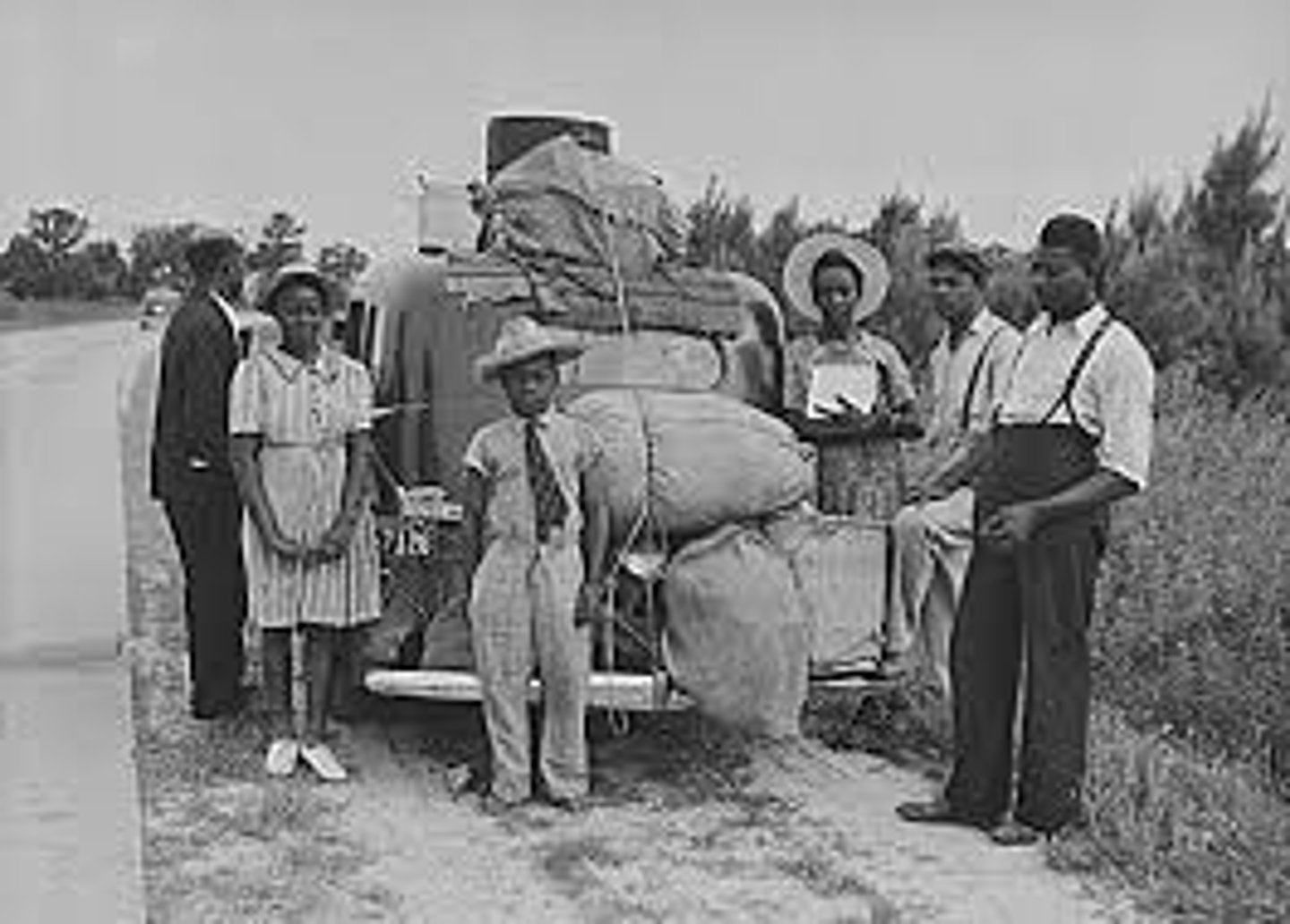
<p>During World War II, over 1.5 million African-Americans migrated from the South to job opportunities in the North and the West. (p. 533)</p>
48
New cards

civil rights, Double V

During World War II civil rights leaders encouraged African Americans to adopt the Double V slogan - one for victory, one for equality. (p 533)
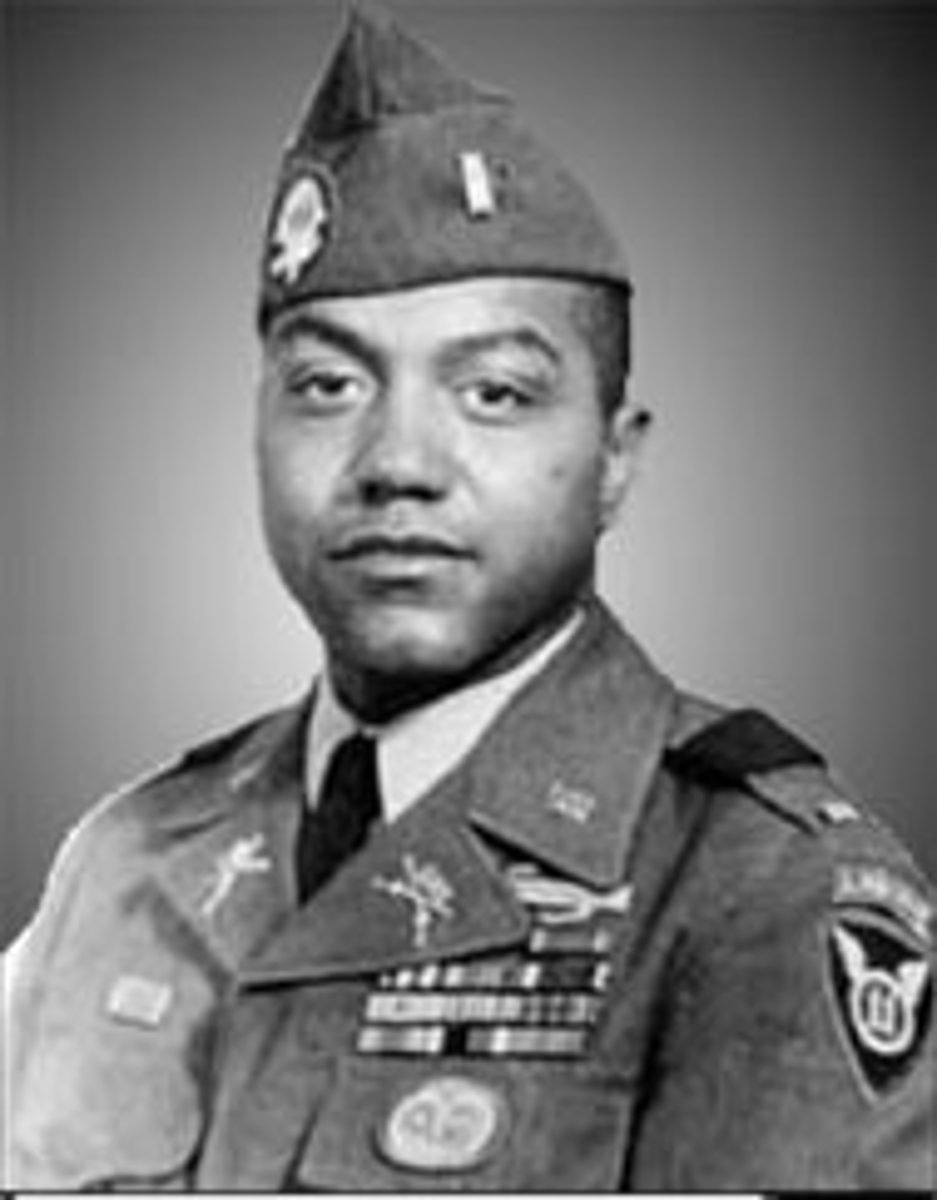
<p>During World War II civil rights leaders encouraged African Americans to adopt the Double V slogan - one for victory, one for equality. (p 533)</p>
49
New cards

executive order on jobs

During World War II, President Roosevelt issued an executive order to prohibit discrimination in government and in businesses that received federal contracts. (p. 533)
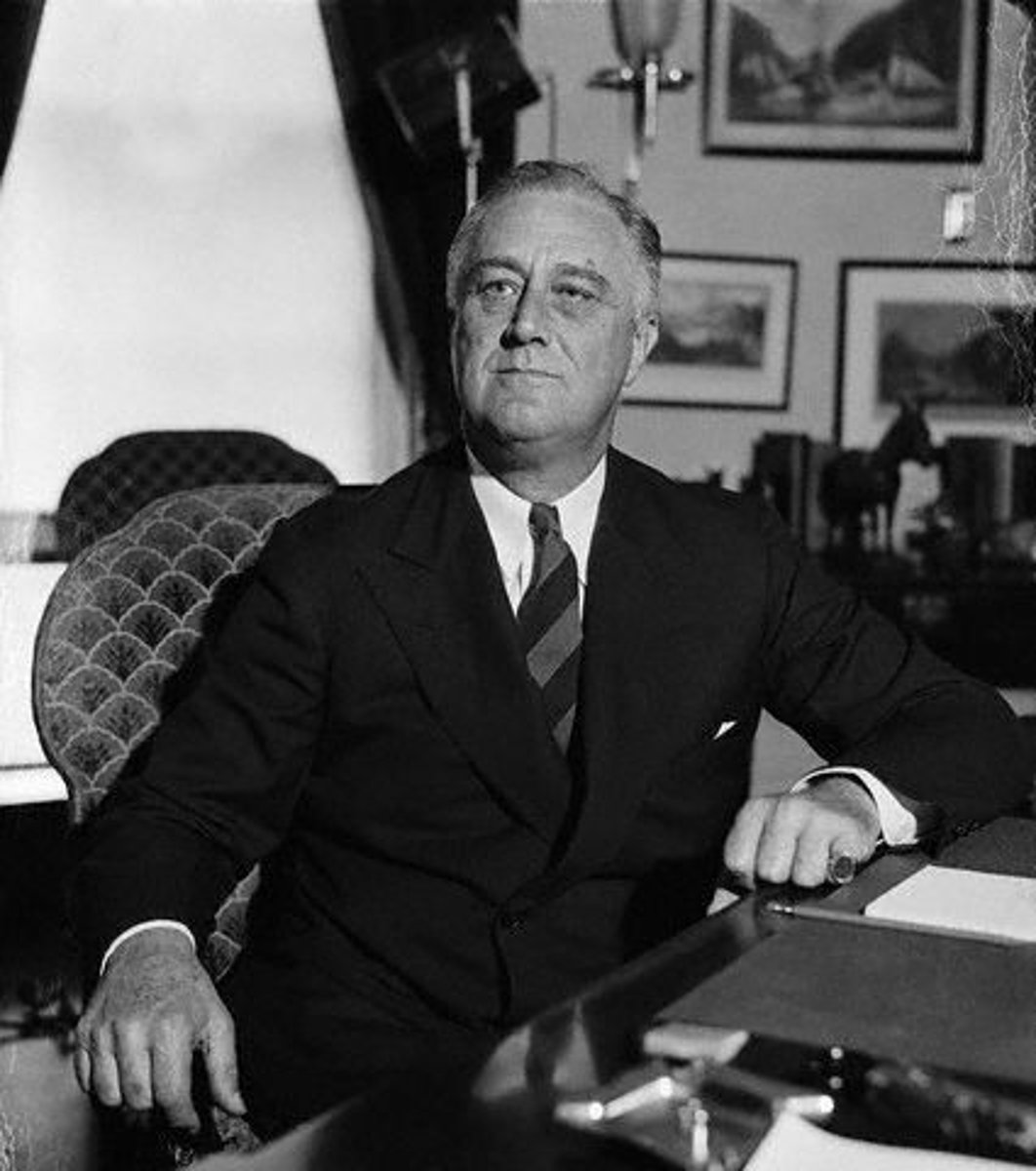
<p>During World War II, President Roosevelt issued an executive order to prohibit discrimination in government and in businesses that received federal contracts. (p. 533)</p>
50
New cards

Smith v. Allwright

This Supreme Court case in 1944 ruled that it was unconstitutional to deny membership in political parties to African Americans as a way of excluding them from voting in primaries. (p. 533)
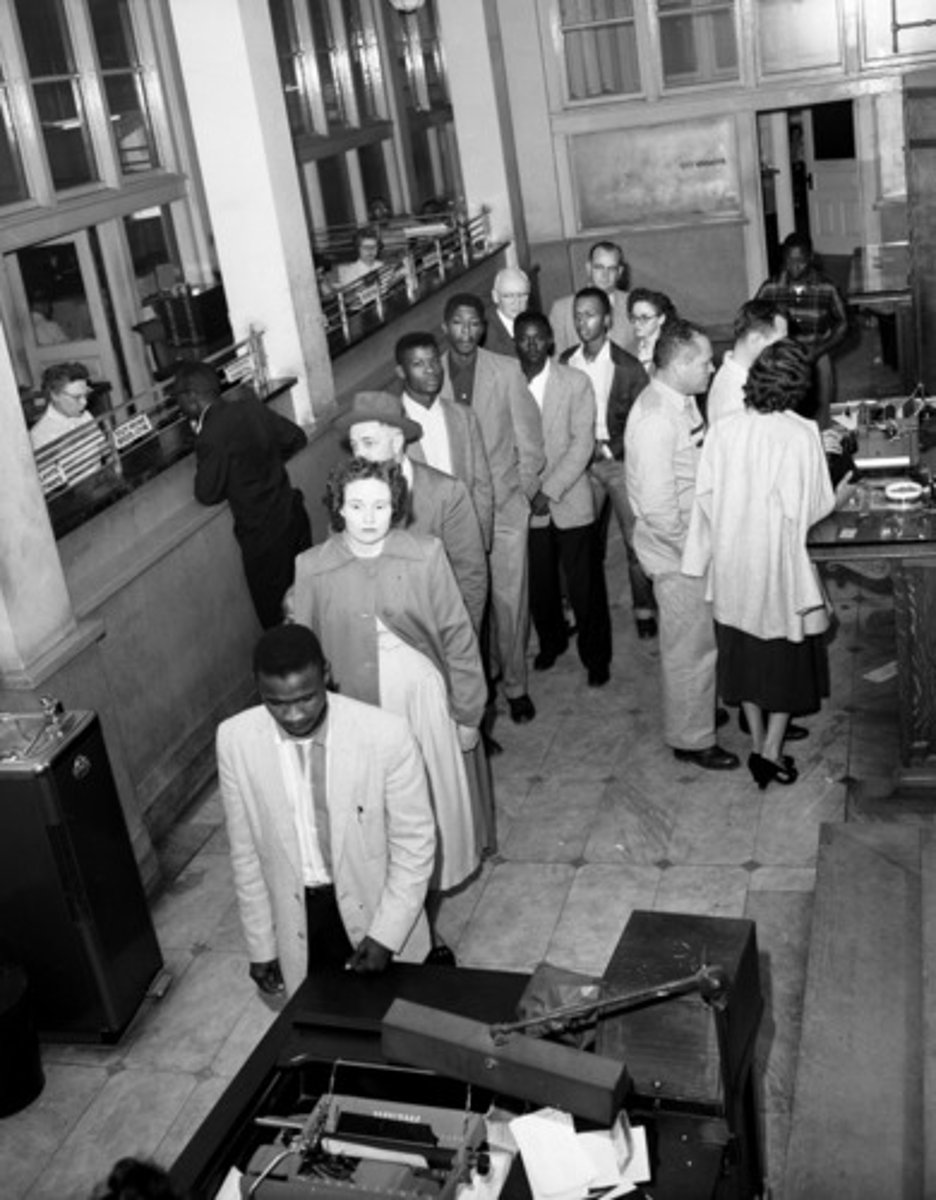
<p>This Supreme Court case in 1944 ruled that it was unconstitutional to deny membership in political parties to African Americans as a way of excluding them from voting in primaries. (p. 533)</p>
51
New cards

Braceros program

A program the American and Mexican governments agreed to, in which contract laborers would be admitted to the United States for a limited time as migrant farm workers (p. 533)
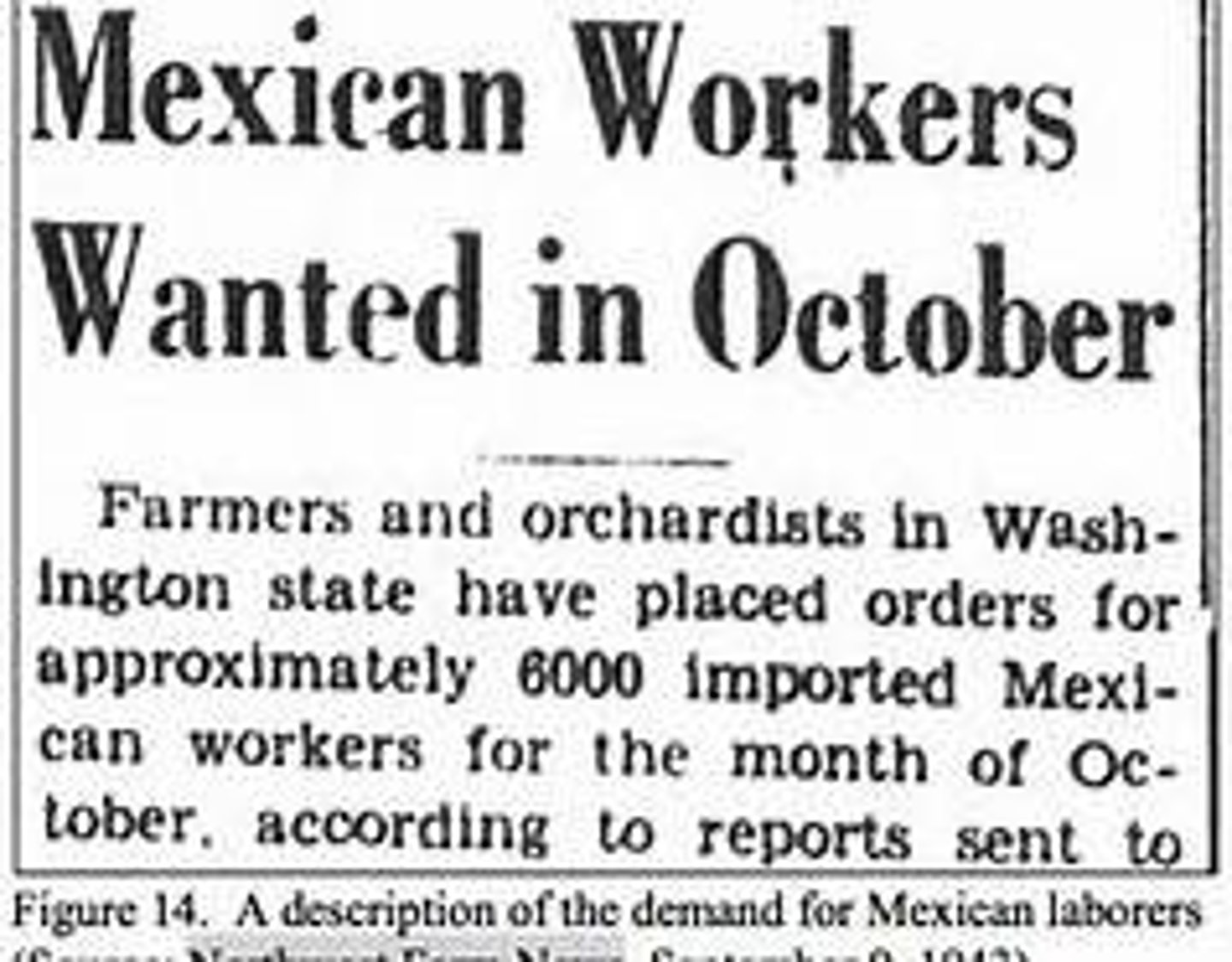
<p>A program the American and Mexican governments agreed to, in which contract laborers would be admitted to the United States for a limited time as migrant farm workers (p. 533)</p>
52
New cards

Japanese internment

In 1942, over 100,000 Japanese Americans living on the United States West coast were rounded up and put in internment camps. (p. 534)
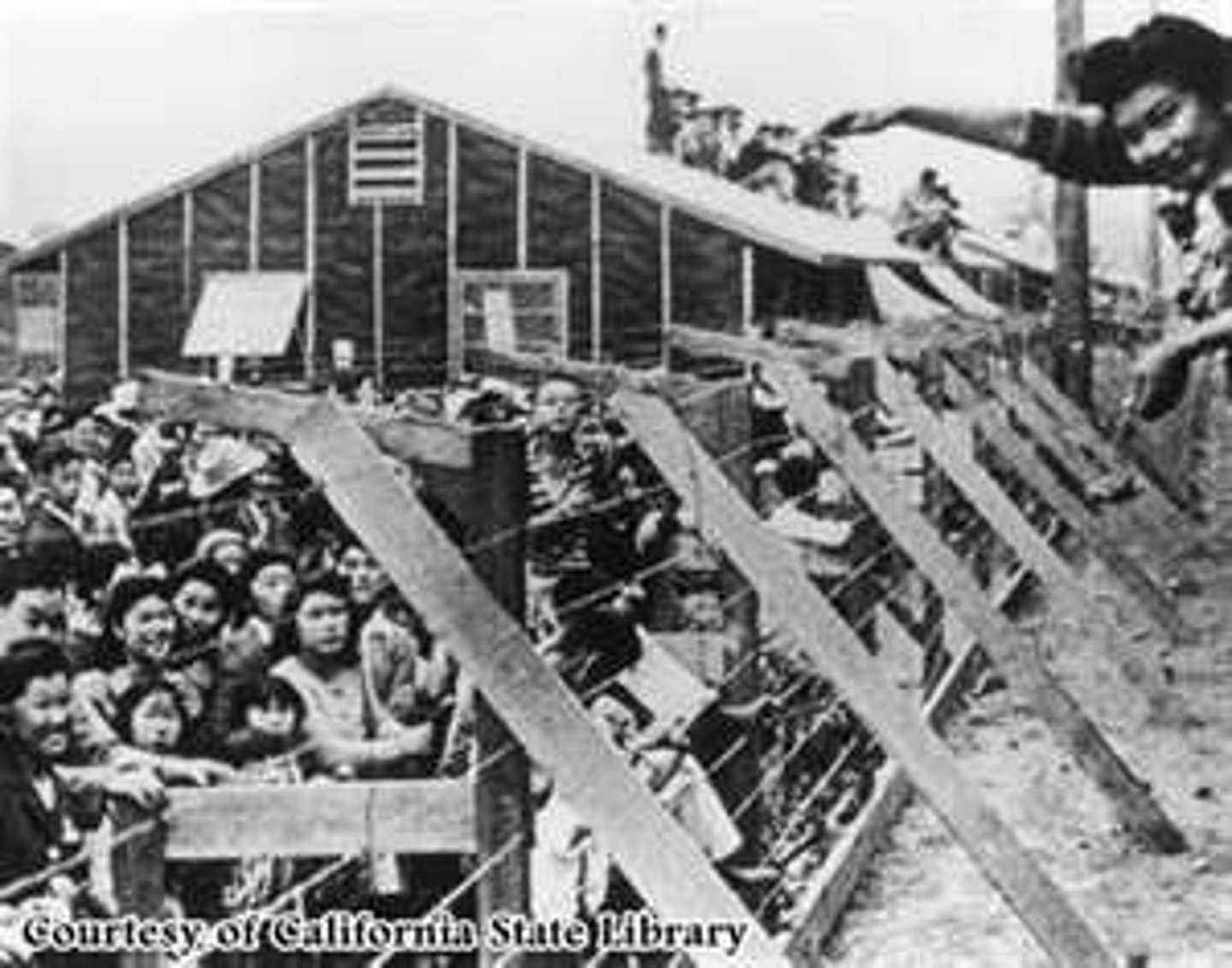
<p>In 1942, over 100,000 Japanese Americans living on the United States West coast were rounded up and put in internment camps. (p. 534)</p>
53
New cards

Korematsu v. U.S.

A 1944 Supreme Court case which upheld the order providing for the relocation of Japanese Americans. It was not until 1988 that Congress formally apologized and agreed to pay financial compensation to each survivor. (p. 534)
<p>A 1944 Supreme Court case which upheld the order providing for the relocation of Japanese Americans. It was not until 1988 that Congress formally apologized and agreed to pay financial compensation to each survivor. (p. 534)</p>
54
New cards

Rosie the Riveter

A propaganda character designed to increase production of female workers in industrial jobs in the shipyards and defense plants during World War II. (p. 534)

<p>A propaganda character designed to increase production of female workers in industrial jobs in the shipyards and defense plants during World War II. (p. 534)</p>
55
New cards

wartime solidarity

The New Deal helped immigrant groups feel more included, and serving together in combat or working together in defense plants helped to reduce prejudices. (p. 534)
<p>The New Deal helped immigrant groups feel more included, and serving together in combat or working together in defense plants helped to reduce prejudices. (p. 534)</p>
56
New cards

election of 1944

In this presidential election, Franklin D. Roosevelt replaced his vice president with Harry S. Truman, as they ran against Republican Thomas Dewey. Roosevelt won an unprecedented fourth term, but he died within three months. (p. 534)
<p>In this presidential election, Franklin D. Roosevelt replaced his vice president with Harry S. Truman, as they ran against Republican Thomas Dewey. Roosevelt won an unprecedented fourth term, but he died within three months. (p. 534)</p>
57
New cards

Harry S. Truman

He became president on April 12, 1945, when President Franklin Roosevelt died suddenly. In August 1945, he order an atomic bomb be dropped on Hiroshima then on Nagasaki, to end the war with Japan. Japan surrendered on September 2, 1945. (p. 537, 538)
<p>He became president on April 12, 1945, when President Franklin Roosevelt died suddenly. In August 1945, he order an atomic bomb be dropped on Hiroshima then on Nagasaki, to end the war with Japan. Japan surrendered on September 2, 1945. (p. 537, 538)</p>
58
New cards

Battle of the Atlantic

The protracted naval war to control the shipping lanes in the North Atlantic. (p. 535)
<p>The protracted naval war to control the shipping lanes in the North Atlantic. (p. 535)</p>
59
New cards

strategic bombing

United States bomber carried out daylight bombing raids on military targets in Europe, but the lines between military and civilian targets became blurred as war went on. (p. 535)
<p>United States bomber carried out daylight bombing raids on military targets in Europe, but the lines between military and civilian targets became blurred as war went on. (p. 535)</p>
60
New cards

Dwight Eisenhower

The United States general who commanded the invasion of Normandy (D-Day), Casablanca and the defeat of Nazi Germany. (p. 536)
<p>The United States general who commanded the invasion of Normandy (D-Day), Casablanca and the defeat of Nazi Germany. (p. 536)</p>
61
New cards

D-Day

On June 6, 1944 the Allies landed in northern France with the largest invasion by sea in history. By the end of August Paris was liberated from the Nazis, and by September Allied troops had crossed the German border. (p. 536)
<p>On June 6, 1944 the Allies landed in northern France with the largest invasion by sea in history. By the end of August Paris was liberated from the Nazis, and by September Allied troops had crossed the German border. (p. 536)</p>
62
New cards

Holocaust

A methodical plan, orchestrated by Germany's Adolph Hitler to eliminate Jews, non-conformists, homosexuals, non-Aryans, and mentally and physically disabled. Six million Jews and several million non-Jews would be murdered by the Nazis. (p. 536)
<p>A methodical plan, orchestrated by Germany's Adolph Hitler to eliminate Jews, non-conformists, homosexuals, non-Aryans, and mentally and physically disabled. Six million Jews and several million non-Jews would be murdered by the Nazis. (p. 536)</p>
63
New cards

island-hopping

The United States strategy in the Pacific, which called for capturing Japanese-held islands in the Pacific and moving on to others to bring the American military closer and closer to Japan itself. (p. 536)
<p>The United States strategy in the Pacific, which called for capturing Japanese-held islands in the Pacific and moving on to others to bring the American military closer and closer to Japan itself. (p. 536)</p>
64
New cards

Battle of Midway

On June 4-7, 1942, the U.S. naval victory over the Japanese fleet at Midway Island. The Japanese lost four of their best aircraft carriers. The battle marked a turning point in the war in the Pacific. (p. 536)
<p>On June 4-7, 1942, the U.S. naval victory over the Japanese fleet at Midway Island. The Japanese lost four of their best aircraft carriers. The battle marked a turning point in the war in the Pacific. (p. 536)</p>
65
New cards

Douglas MacArthur

United States general who served as chief of staff and commanded Allied forces in the South Pacific during World War II. (p. 537)
<p>United States general who served as chief of staff and commanded Allied forces in the South Pacific during World War II. (p. 537)</p>
66
New cards

kamikaze attacks

Japanese pilots would deliberately crash their planes into American ships, killing themselves, but also inflicting severe damage to the ships. (p. 537)
<p>Japanese pilots would deliberately crash their planes into American ships, killing themselves, but also inflicting severe damage to the ships. (p. 537)</p>
67
New cards

J. Robert Oppenheimer

American theoretical physicist and professor of physics. He led the top-secret Manhattan Project, which built the world's first atomic bomb. (p. 537)
<p>American theoretical physicist and professor of physics. He led the top-secret Manhattan Project, which built the world's first atomic bomb. (p. 537)</p>
68
New cards

atomic bomb

A nuclear weapon in which enormous energy is released by nuclear fission. (p. 537)
<p>A nuclear weapon in which enormous energy is released by nuclear fission. (p. 537)</p>
69
New cards

Hiroshima; Nagasaki

On August 6, 1945, the United States dropped the first atomic bomb on Hiroshima, Japan. Then on August 9, a second atomic bomb was dropped on Nagasaki. About 250,000 Japanese died as a result. Within a week after the second bomb was dropped, Japan agreed to surrender. (p. 537)
<p>On August 6, 1945, the United States dropped the first atomic bomb on Hiroshima, Japan. Then on August 9, a second atomic bomb was dropped on Nagasaki. About 250,000 Japanese died as a result. Within a week after the second bomb was dropped, Japan agreed to surrender. (p. 537)</p>
70
New cards

Big Three

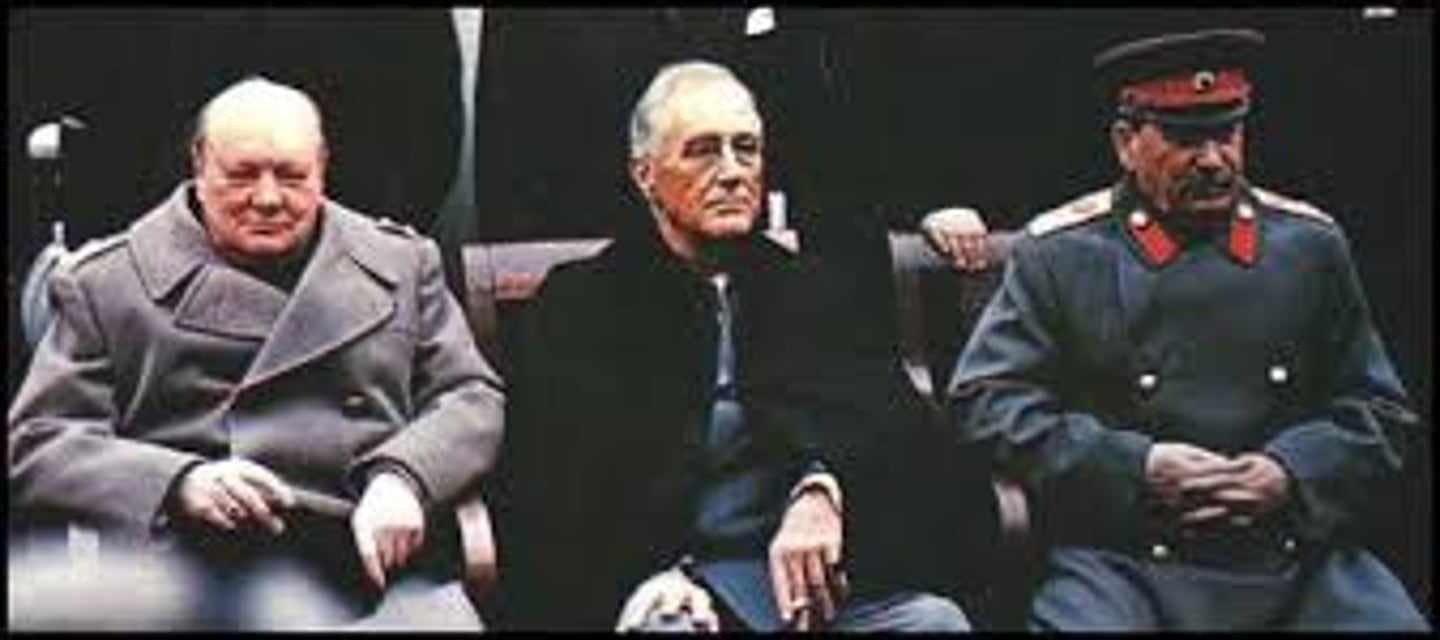
The leaders of the Allies during World War II included: Soviet Union - Joseph Stalin, Great Britain - Winston Churchill, United States - Franklin Roosevelt. (p. 537)
<p>The leaders of the Allies during World War II included: Soviet Union - Joseph Stalin, Great Britain - Winston Churchill, United States - Franklin Roosevelt. (p. 537)</p>
71
New cards

Casablanca Conference

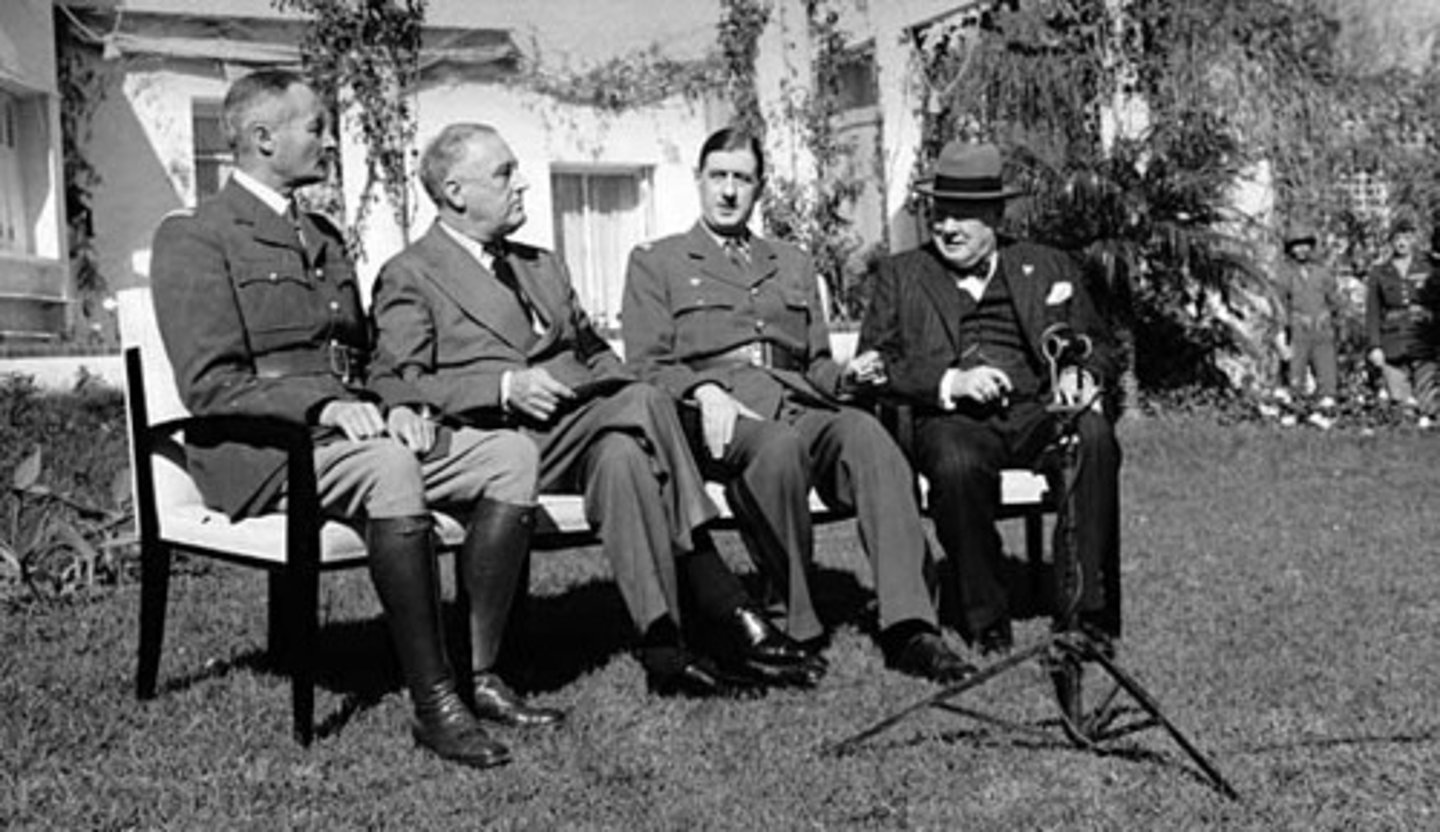
The conference attended by Roosevelt and Churchill in January 1943, to discuss the strategy to win World War II. The plan called for the invasion of Sicily and Italy by British and American troops. They resolved to accept nothing less than unconditional surrender of Axis powers. (p. 537)
<p>The conference attended by Roosevelt and Churchill in January 1943, to discuss the strategy to win World War II. The plan called for the invasion of Sicily and Italy by British and American troops. They resolved to accept nothing less than unconditional surrender of Axis powers. (p. 537)</p>
72
New cards

unconditional surrender

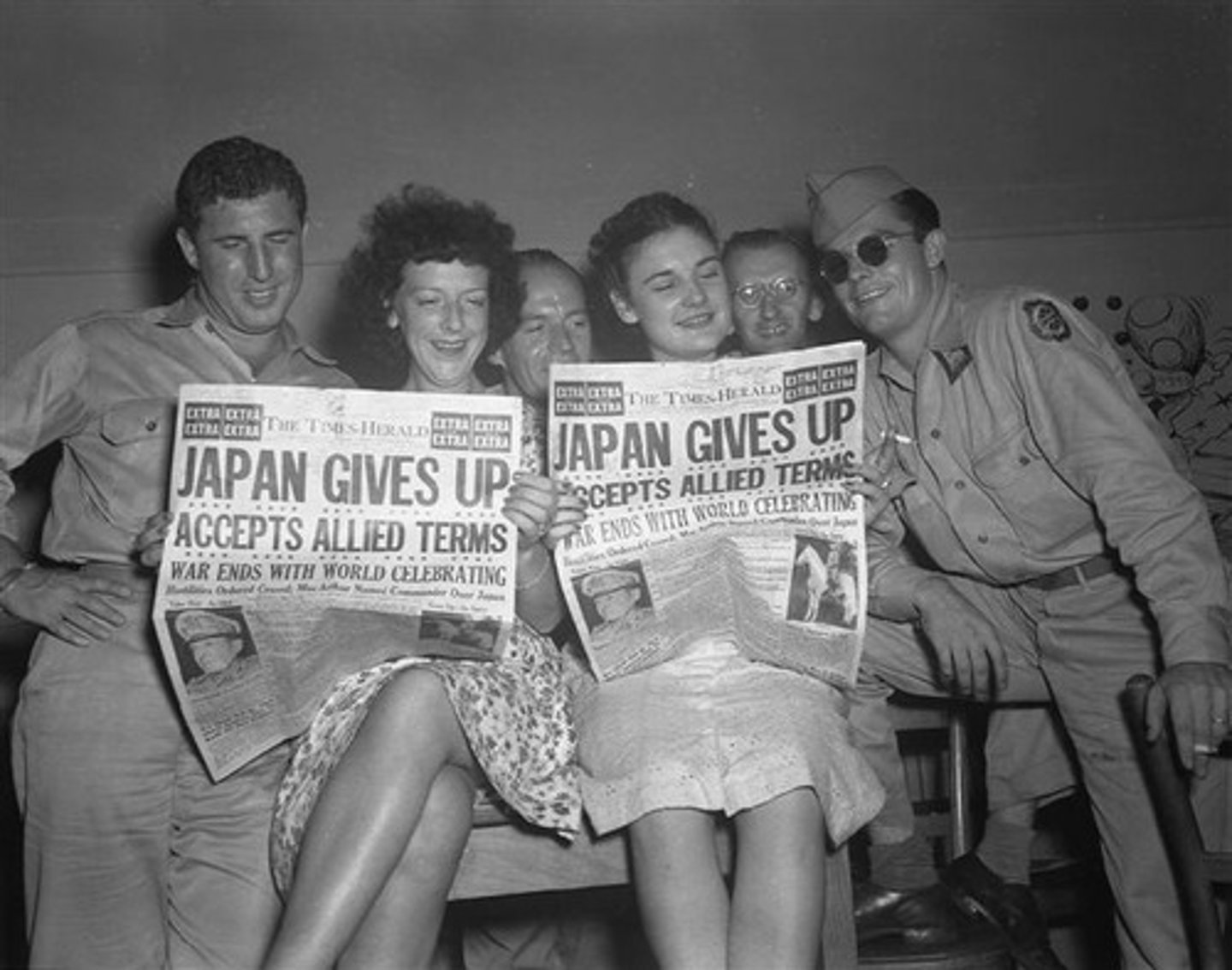
A surrender with any demands or requests. (p. 538)
<p>A surrender with any demands or requests. (p. 538)</p>
73
New cards

Tehran, Yalta, Potsdam

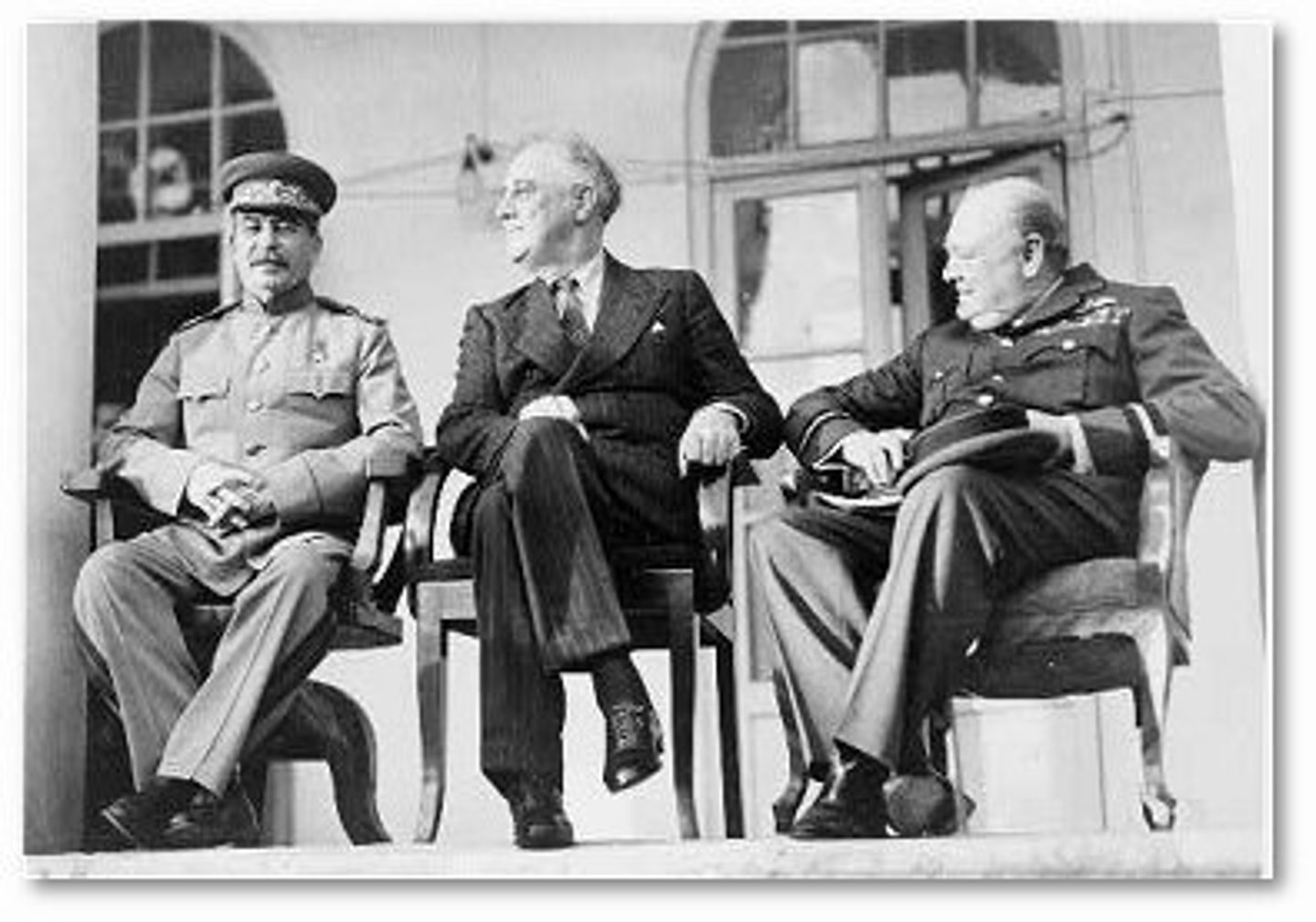
The three cities that held conferences for the leaders of the Allied powers, United States, Great Britain, and Soviet Union during World War II. (p. 538)
<p>The three cities that held conferences for the leaders of the Allied powers, United States, Great Britain, and Soviet Union during World War II. (p. 538)</p>
74
New cards

United Nations

On October 24, 1945, this international organization formed after World War II to promote international peace, security, and cooperation. (p. 539)
<p>On October 24, 1945, this international organization formed after World War II to promote international peace, security, and cooperation. (p. 539)</p>
75
New cards

stock market crash

A boom stock market of 1928 led to a sell off starting in October 1929. Within three years the stock market would decline to one-ninth of its peak. (p. 497)
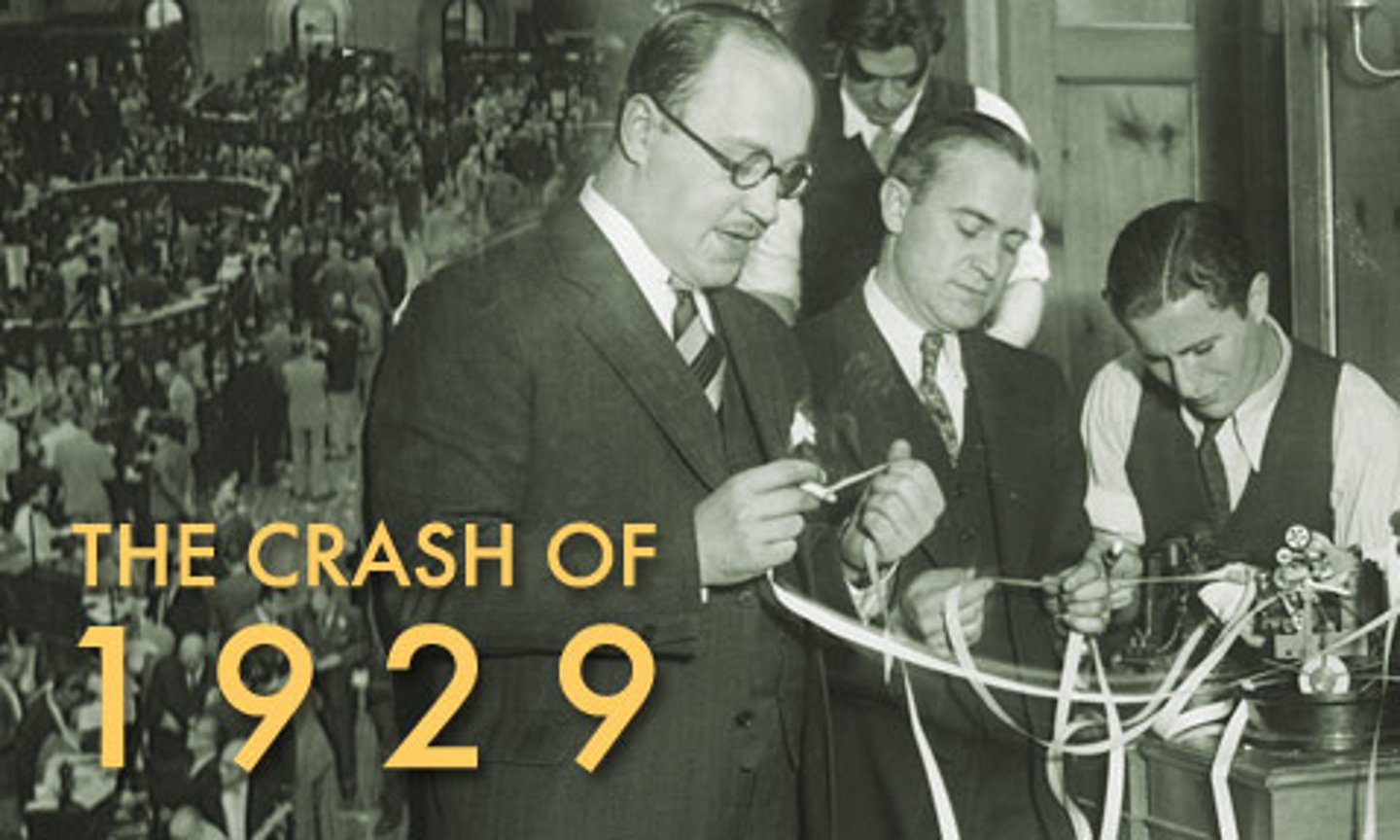
<p>A boom stock market of 1928 led to a sell off starting in October 1929. Within three years the stock market would decline to one-ninth of its peak. (p. 497)</p>
76
New cards

Black Tuesday

On October 29, 1929, millions of panicky investors sold, as the bottom fell out of the stock market. (p. 497)
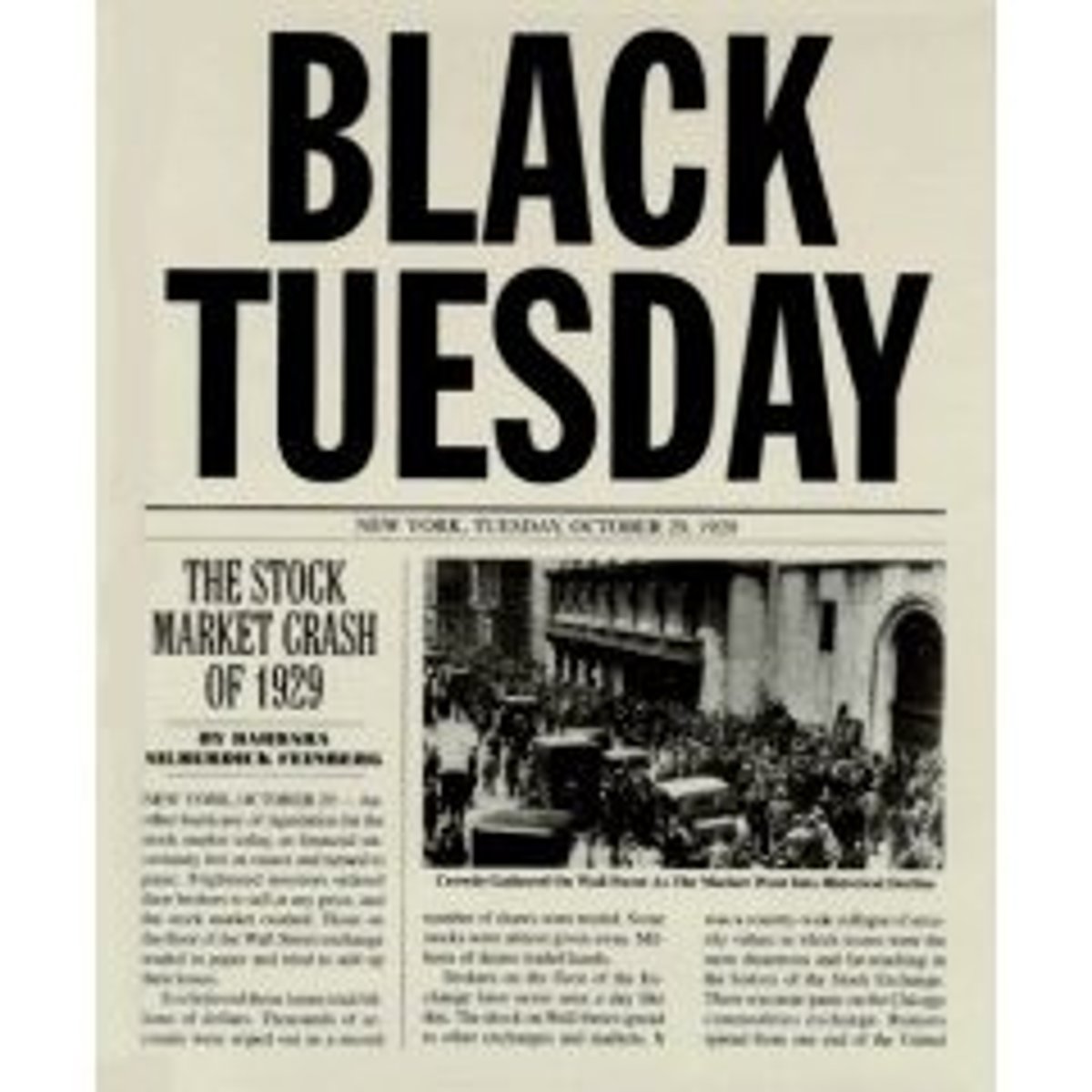
<p>On October 29, 1929, millions of panicky investors sold, as the bottom fell out of the stock market. (p. 497)</p>
77
New cards

Dow Jones index

The Wall Street stock market index. In September 1929 the index was at a high of 381, in three months it fell to 198. Three years later, the index would finally hit bottom at 41, less than one-ninth of the peak. (p. 497)
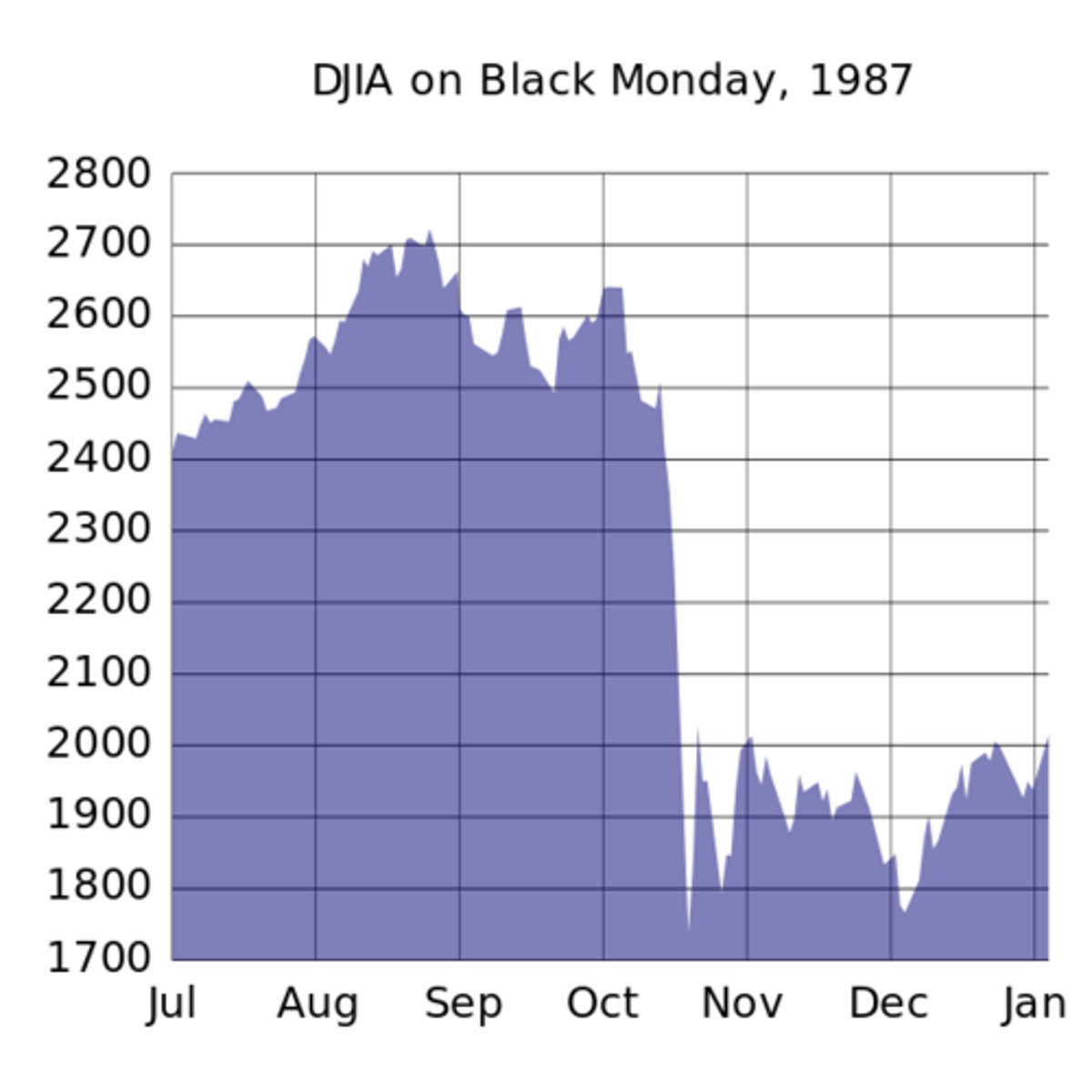
<p>The Wall Street stock market index. In September 1929 the index was at a high of 381, in three months it fell to 198. Three years later, the index would finally hit bottom at 41, less than one-ninth of the peak. (p. 497)</p>
78
New cards

buying on margin

This purchase method allowed people to borrow most of the cost of the stock, making down payments as low as 10 percent. Investors depended on the price of the stock increasing so they could repay their loans. (p. 497)
<p>This purchase method allowed people to borrow most of the cost of the stock, making down payments as low as 10 percent. Investors depended on the price of the stock increasing so they could repay their loans. (p. 497)</p>
79
New cards

uneven income distribution

Wages had risen relatively little compared to the large increases in productivity and corporate profits. Economic success was not shared by all, as the top 5 percent of the richest Americans received over 33 percent of all income. (p. 497)
<p>Wages had risen relatively little compared to the large increases in productivity and corporate profits. Economic success was not shared by all, as the top 5 percent of the richest Americans received over 33 percent of all income. (p. 497)</p>
80
New cards

excessive debt

Consumers and businesses believed the economic boom was permanent so they increased borrowing, which later led to loan defaults and bank failures. (p. 498)
<p>Consumers and businesses believed the economic boom was permanent so they increased borrowing, which later led to loan defaults and bank failures. (p. 498)</p>
81
New cards

overproduction

Business growth, aided by increased productivity and use of credit, had produced a volume of goods that workers with stagnant wages could not continue to purchase. (p. 498)
<p>Business growth, aided by increased productivity and use of credit, had produced a volume of goods that workers with stagnant wages could not continue to purchase. (p. 498)</p>
82
New cards

Federal Reserve

During the Great Depression, the Federal Reserve followed a tight money policy. Instead of trying to stabilize banks, the money supply and prices, they tried to preserve the gold standard. (p. 498)
<p>During the Great Depression, the Federal Reserve followed a tight money policy. Instead of trying to stabilize banks, the money supply and prices, they tried to preserve the gold standard. (p. 498)</p>
83
New cards

postwar Europe

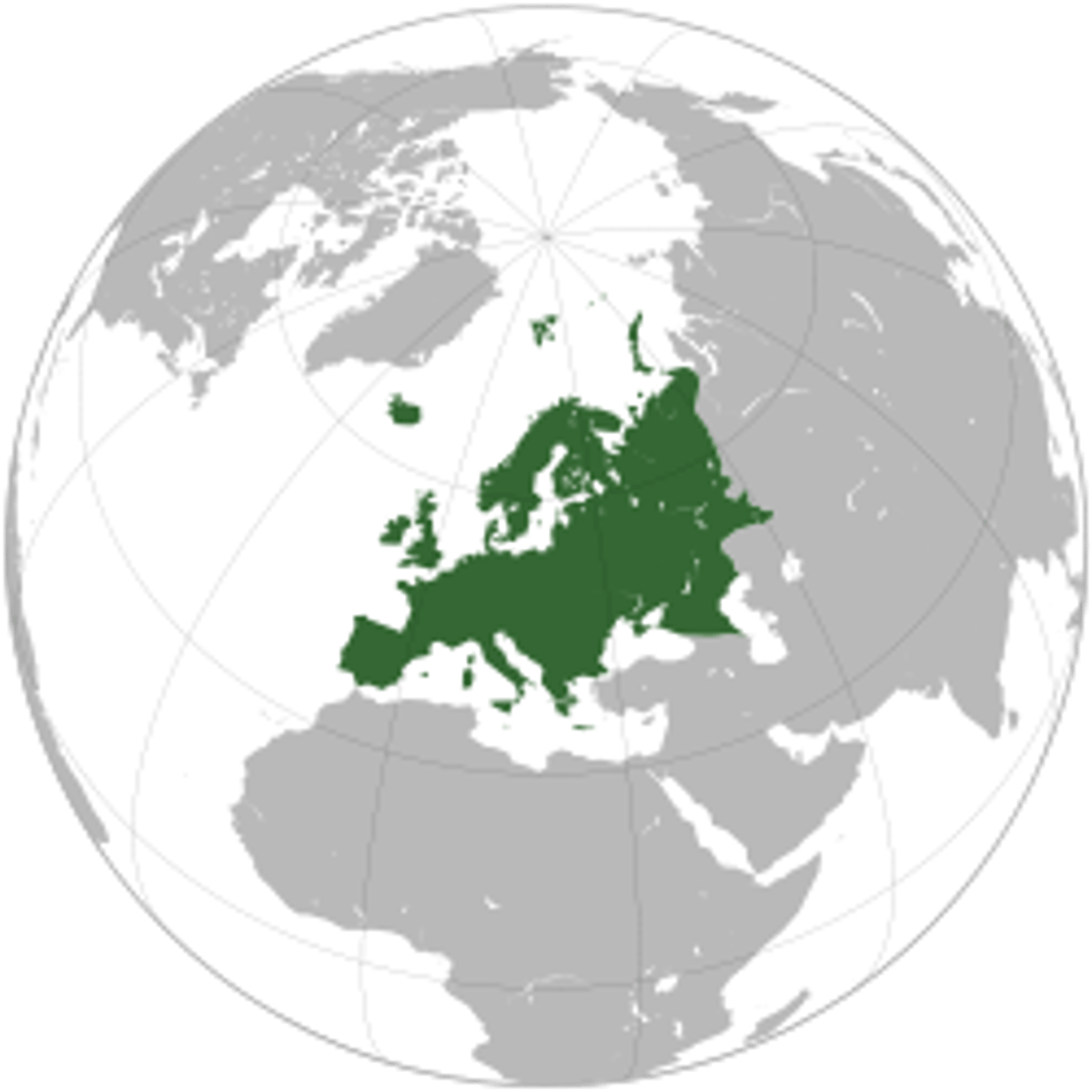
Europe had not recovered from World War I and the U.S. insistence on loan repayment and tariffs weaken Europe and contributed to the Worldwide depression. (p. 498)
<p>Europe had not recovered from World War I and the U.S. insistence on loan repayment and tariffs weaken Europe and contributed to the Worldwide depression. (p. 498)</p>
84
New cards

debts and high tariffs

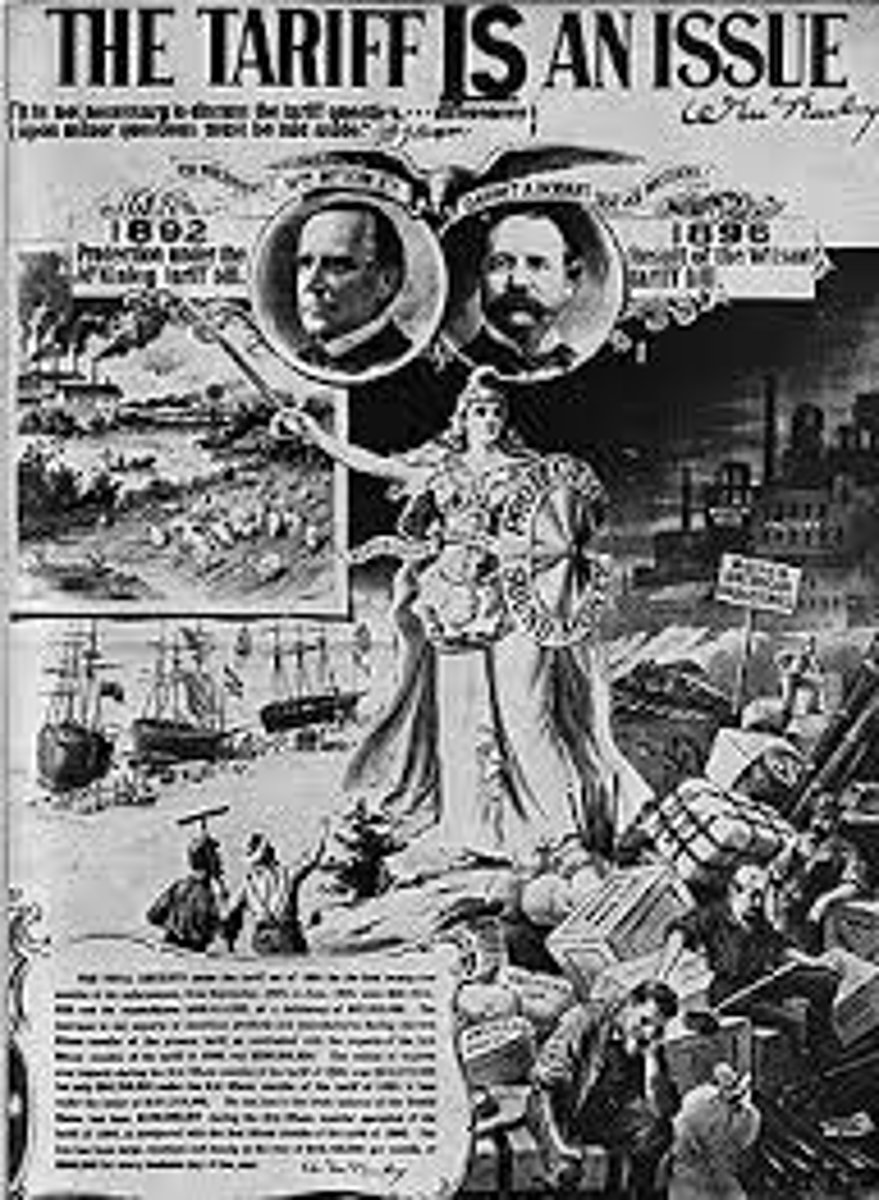
Leading up to the Great Depression, the United States insisted on full World War I loan repayments and high tariffs on imports. This weakened Europe and contributed to the worldwide depression. (p. 498)
<p>Leading up to the Great Depression, the United States insisted on full World War I loan repayments and high tariffs on imports. This weakened Europe and contributed to the worldwide depression. (p. 498)</p>
85
New cards

Gross National Product

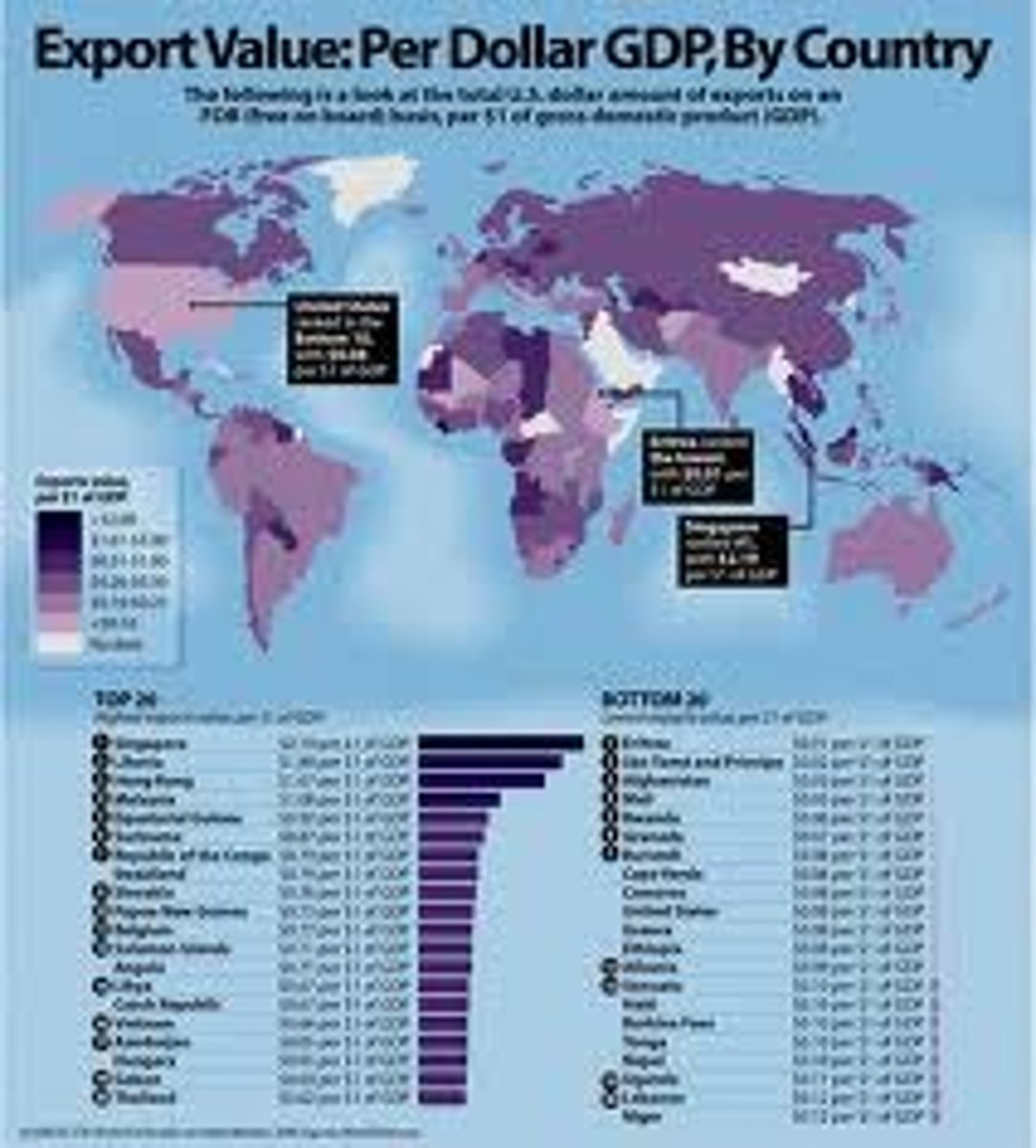
The value of all the goods and services produced by a nation in one year. In 1929, the United States Gross National Product was $104 billion, but it dropped to $56 billion in 1932. (p. 498)
<p>The value of all the goods and services produced by a nation in one year. In 1929, the United States Gross National Product was $104 billion, but it dropped to $56 billion in 1932. (p. 498)</p>
86
New cards

unemployment

By 1933 25% of the workforce, not including farmers, did not have employment. (p. 498)

<p>By 1933 25% of the workforce, not including farmers, did not have employment. (p. 498)</p>
87
New cards

bank failures

During the Great Depression 20 percent of all banks failed. (p. 498)
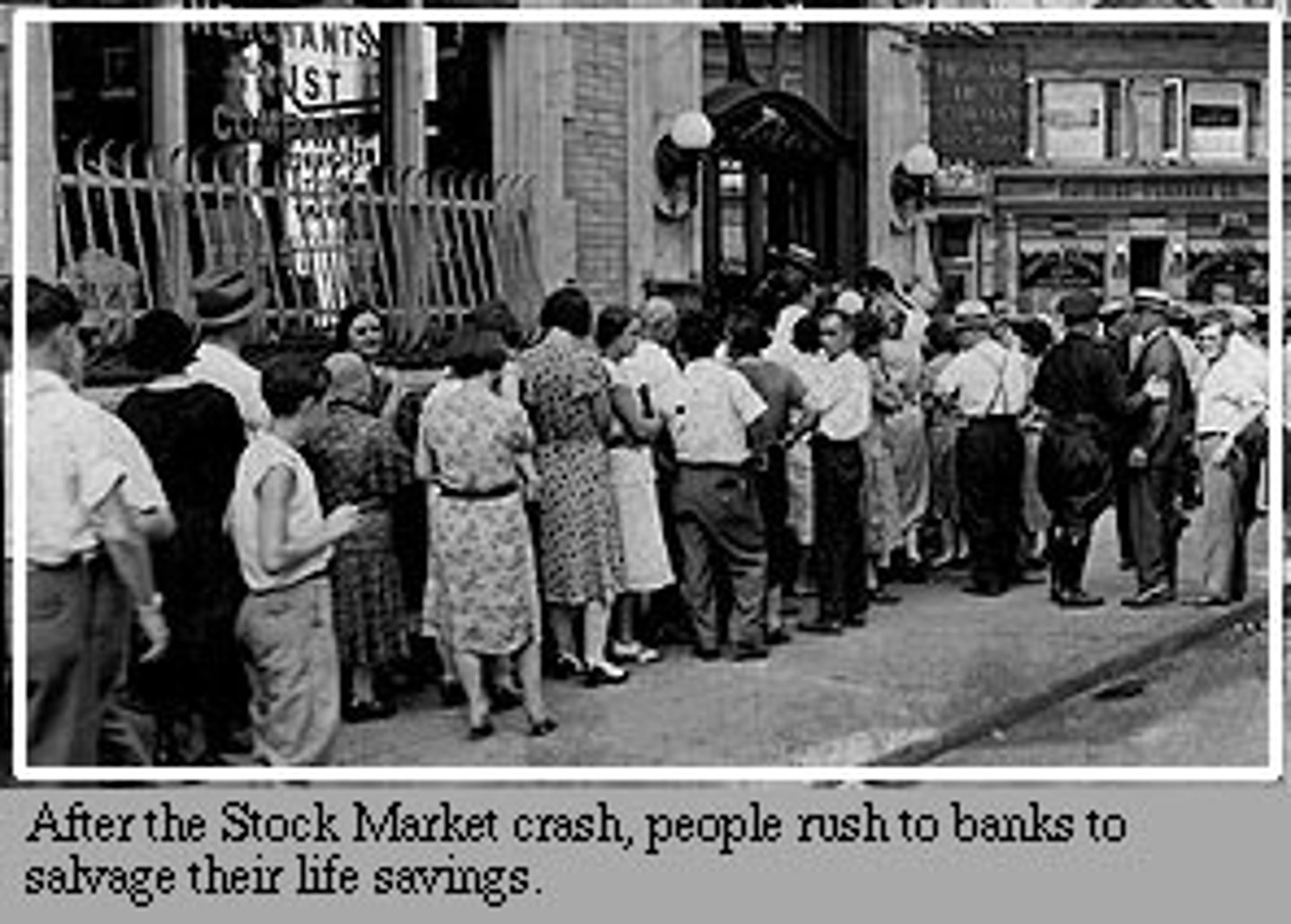
<p>During the Great Depression 20 percent of all banks failed. (p. 498)</p>
88
New cards

poverty and homeless

During the Great Depression poverty and homelessness increased. (p. 499)
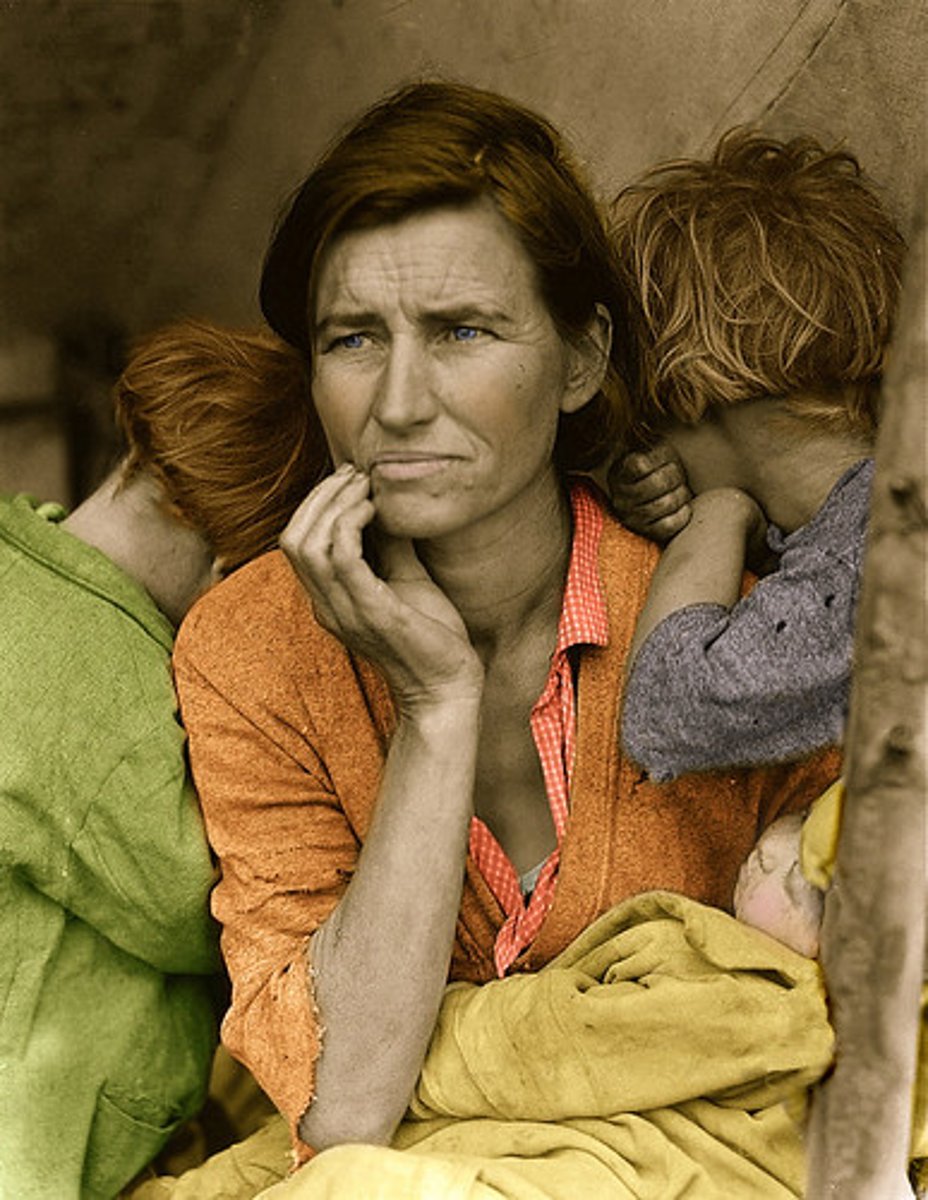
<p>During the Great Depression poverty and homelessness increased. (p. 499)</p>
89
New cards

Herbert Hoover

He was President of the United States at the time of the stock market crash. He thought that prosperity would soon return. He was slow to call for legislative action and he thought public relief should come from the state and local governments, not the federal government. (p. 500)
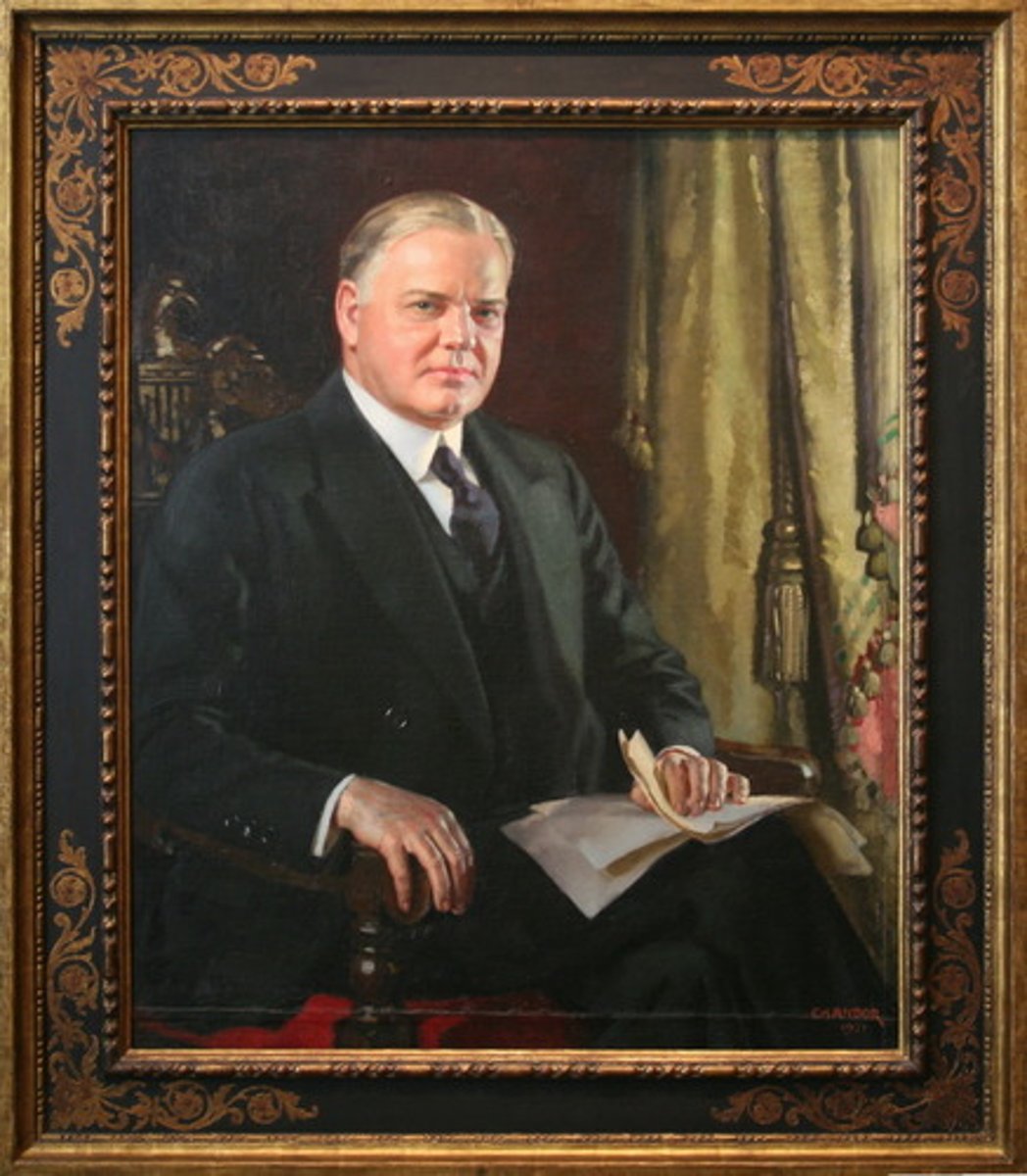
<p>He was President of the United States at the time of the stock market crash. He thought that prosperity would soon return. He was slow to call for legislative action and he thought public relief should come from the state and local governments, not the federal government. (p. 500)</p>
90
New cards

self-reliance

President Herbert Hoover did not ask Congress for legislative action on the economy until the summer of 1930. He was concerned that government assistance to individuals would destroy their self-reliance. (p. 500)
<p>President Herbert Hoover did not ask Congress for legislative action on the economy until the summer of 1930. He was concerned that government assistance to individuals would destroy their self-reliance. (p. 500)</p>
91
New cards

Hawley-Smoot Tariff

In June 1930, President Hoover signed into law the highest tariff rates in history, ranging from 31 to 49 percent. In retaliation, European countries enacted their own tariffs. This reduced trade for all nations and worsened the worldwide depression. (p. 500)
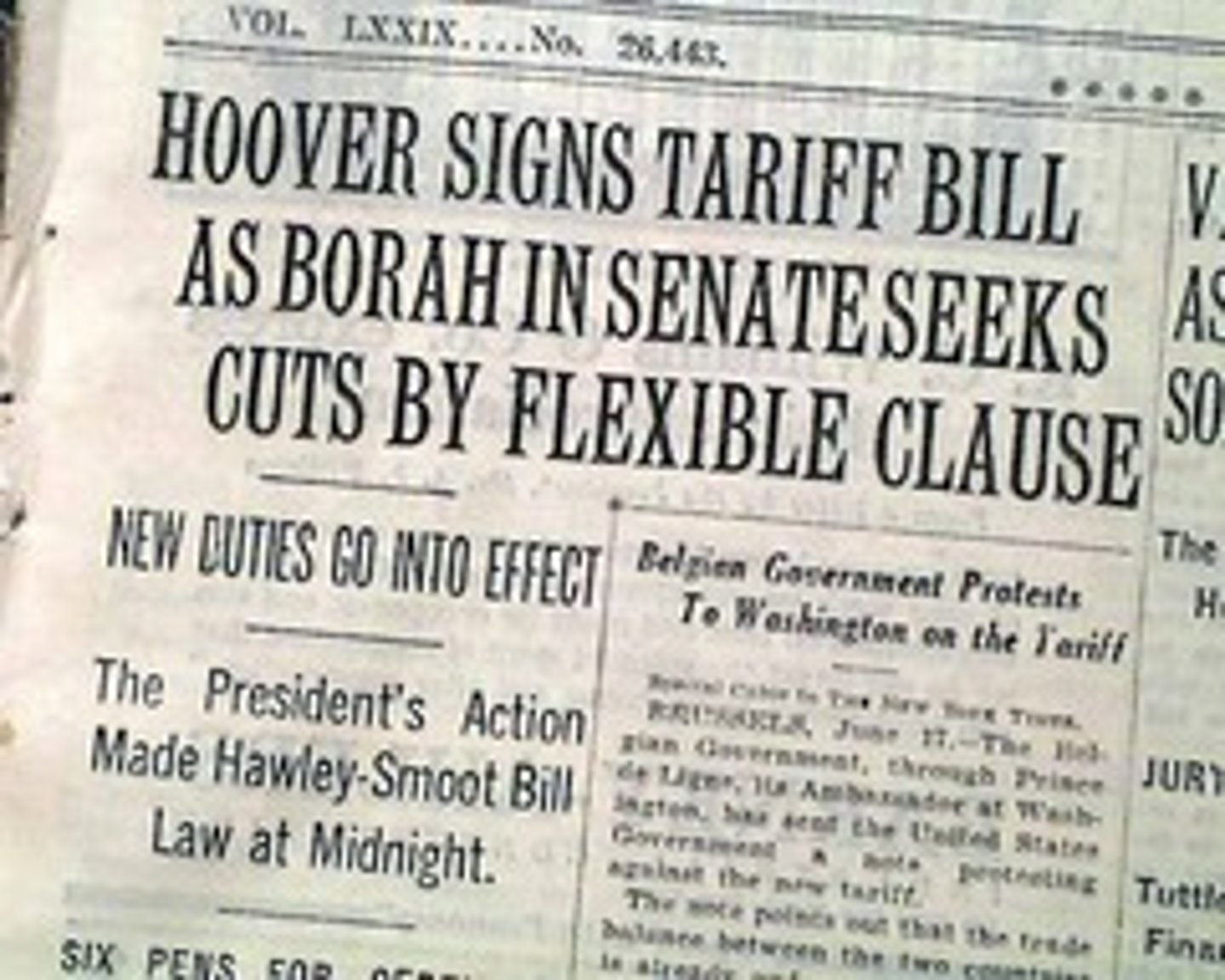
<p>In June 1930, President Hoover signed into law the highest tariff rates in history, ranging from 31 to 49 percent. In retaliation, European countries enacted their own tariffs. This reduced trade for all nations and worsened the worldwide depression. (p. 500)</p>
92
New cards

debt moratorium

Suspension on the payment of international debts. In 1931, President Hoover proposed a suspension of international debt payments. (p. 500)
<p>Suspension on the payment of international debts. In 1931, President Hoover proposed a suspension of international debt payments. (p. 500)</p>
93
New cards

Farm Board

It was authorized to help farmers stabilize prices by temporarily holding surplus grain and cotton in storage. (p. 500)
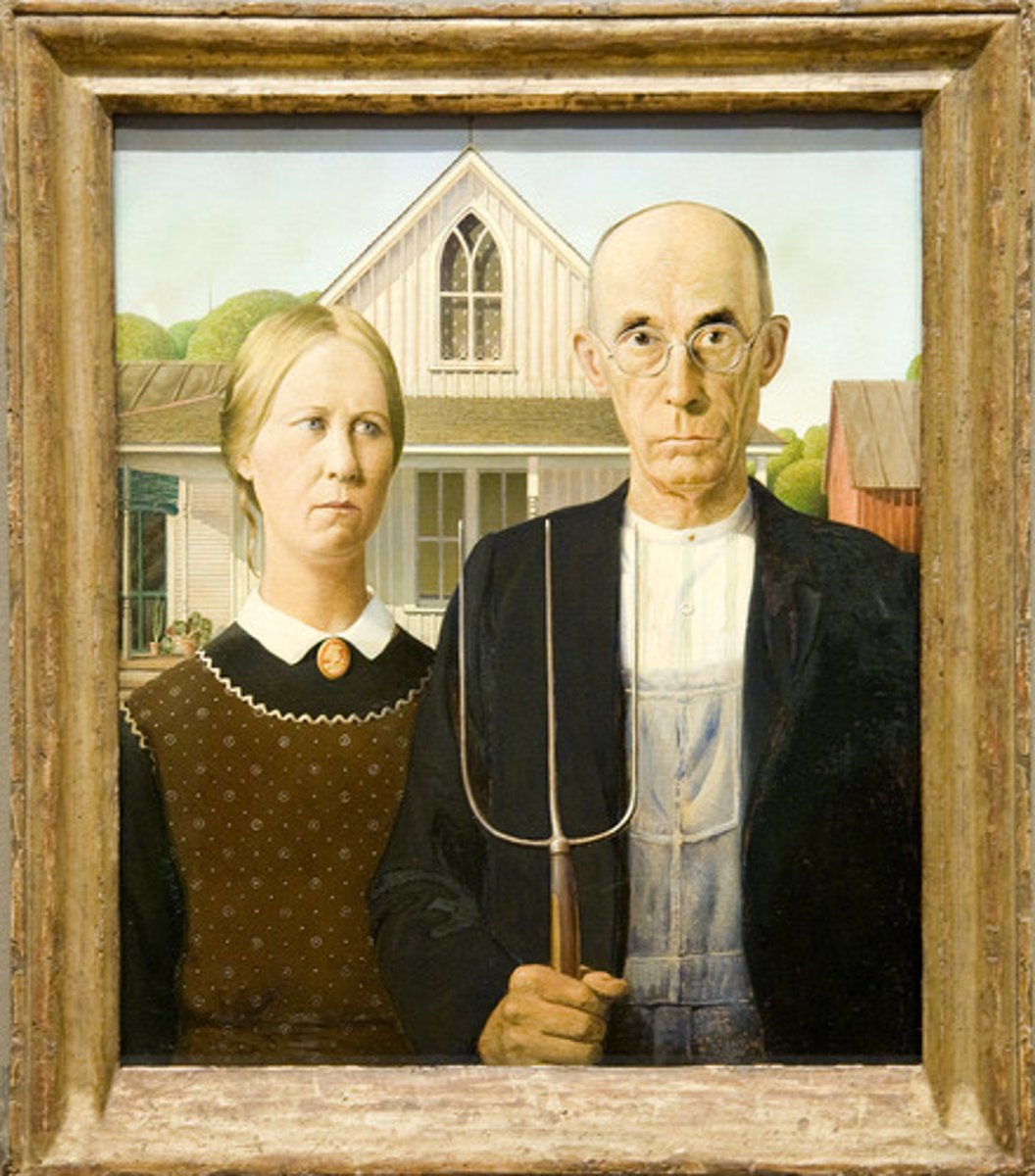
<p>It was authorized to help farmers stabilize prices by temporarily holding surplus grain and cotton in storage. (p. 500)</p>
94
New cards

Reconstruction Finance Corporation

In 1932, Congress funded this government-owned corporation as a measure for propping up faltering railroads, banks, life insurance companies, and other financial institutions. President Hoover thought that emergency loans would stabilize key business and the benefits would "trickle down" to smaller businesses and ultimately bring recovery. (p. 501)
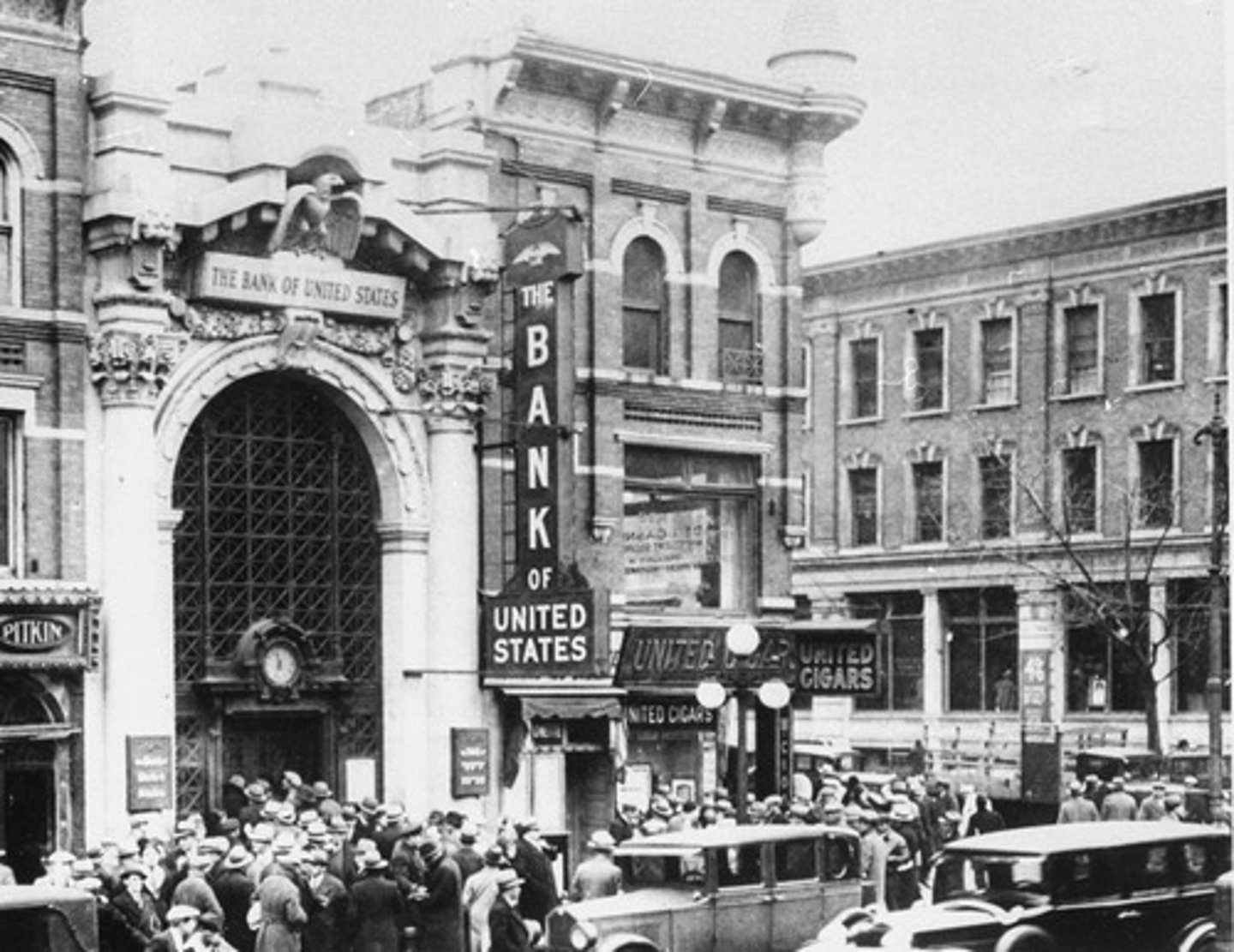
<p>In 1932, Congress funded this government-owned corporation as a measure for propping up faltering railroads, banks, life insurance companies, and other financial institutions. President Hoover thought that emergency loans would stabilize key business and the benefits would "trickle down" to smaller businesses and ultimately bring recovery. (p. 501)</p>
95
New cards

Twentieth Amendment

Also known as the lame-duck amendment, this amendment shortened the period between the presidential election and inauguration. The new president's term would start on January 20. (p. 502)

<p>Also known as the lame-duck amendment, this amendment shortened the period between the presidential election and inauguration. The new president's term would start on January 20. (p. 502)</p>
96
New cards

bonus march

Thousands of unemployed World War I veterans marched to Washington, D.C. and set up encampments to demand immediately payment of the bonuses promised to them at a later date. The Army, led by General Douglas MacArthur broke up the encampment. (p. 501)
<p>Thousands of unemployed World War I veterans marched to Washington, D.C. and set up encampments to demand immediately payment of the bonuses promised to them at a later date. The Army, led by General Douglas MacArthur broke up the encampment. (p. 501)</p>
97
New cards

Franklin D. Roosevelt

This Democratic candidate won the 1932 presidential election. As a candidate, he promised a "new deal" for the American people, the repeal of Prohibition, aid for the unemployed, and cuts in government spending. (p. 502)
<p>This Democratic candidate won the 1932 presidential election. As a candidate, he promised a "new deal" for the American people, the repeal of Prohibition, aid for the unemployed, and cuts in government spending. (p. 502)</p>
98
New cards

Eleanor Roosevelt

She was the most active first lady in history, writing a newspaper column, giving speeches, and traveling the country. She served as the president's social conscience and influenced him to support minorities. (p. 502)
<p>She was the most active first lady in history, writing a newspaper column, giving speeches, and traveling the country. She served as the president's social conscience and influenced him to support minorities. (p. 502)</p>
99
New cards

New Deal

Franklin D. Roosevelt's plan to help people at the bottom of the economic pyramid. (p. 503)
<p>Franklin D. Roosevelt's plan to help people at the bottom of the economic pyramid. (p. 503)</p>
100
New cards

relief, recovery, reform

The New Deal included the three R's: relief for people out of work, recovery for business and the economy, and reform of American economic institutions. (p. 503)
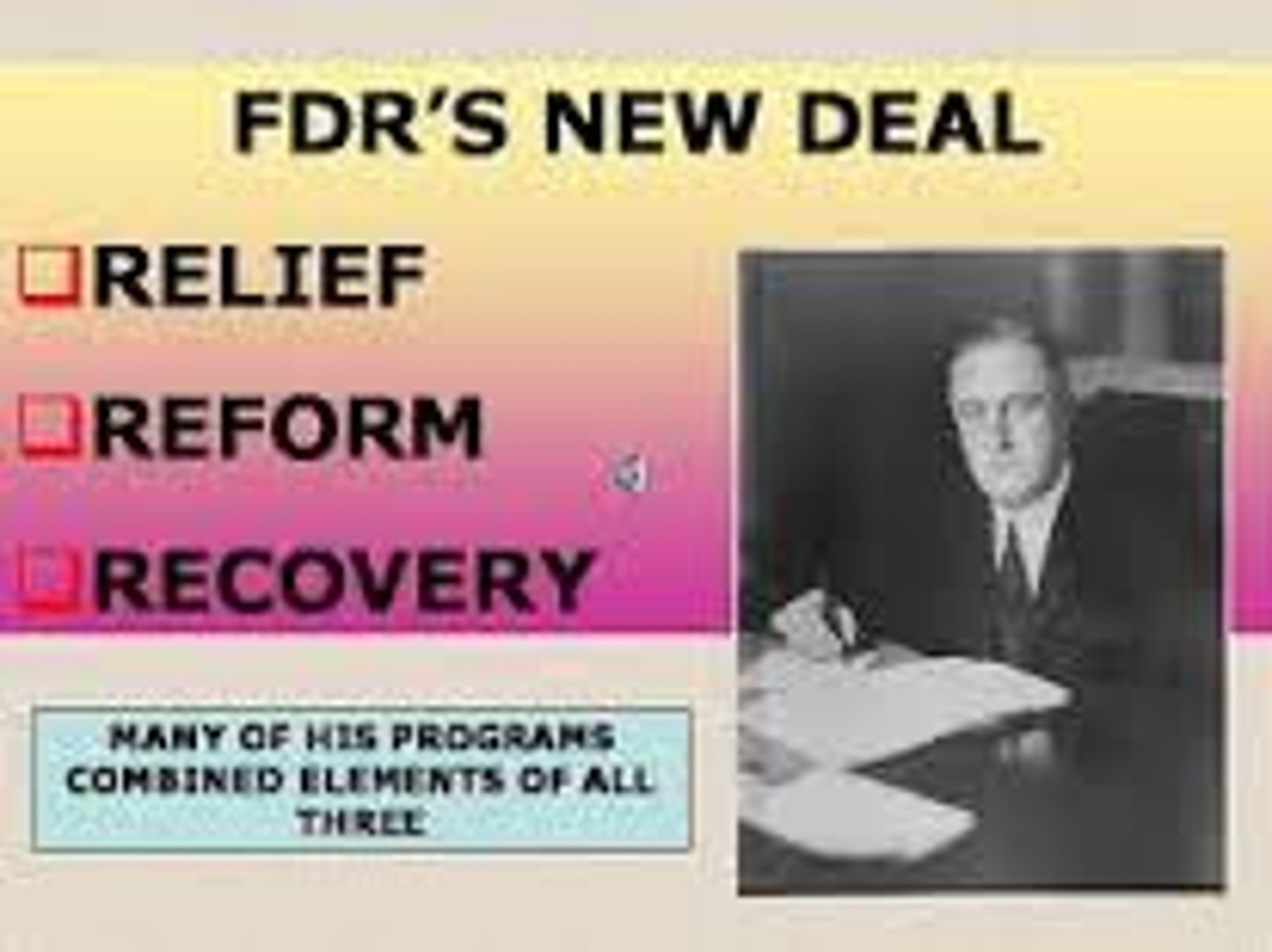
<p>The New Deal included the three R's: relief for people out of work, recovery for business and the economy, and reform of American economic institutions. (p. 503)</p>

Explore top flashcards

Thứ 2: 1 -150
Updated 265d ago
flashcards Flashcards (150)
Cell theory
Updated 1113d ago
flashcards Flashcards (27)
Anatomy Exam 1
Updated 1116d ago
flashcards Flashcards (97)
Meiosis Vocab
Updated 1015d ago
flashcards Flashcards (24)
Giddes APUSH Unit 2
Updated 843d ago
flashcards Flashcards (46)
EDU
Updated 317d ago
flashcards Flashcards (70)
Thứ 2: 1 -150
Updated 265d ago
flashcards Flashcards (150)
Cell theory
Updated 1113d ago
flashcards Flashcards (27)
Anatomy Exam 1
Updated 1116d ago
flashcards Flashcards (97)
Meiosis Vocab
Updated 1015d ago
flashcards Flashcards (24)
Giddes APUSH Unit 2
Updated 843d ago
flashcards Flashcards (46)
EDU
Updated 317d ago
flashcards Flashcards (70)