modern world history: Sci. Rev. & Enlightenment
 Studied by 0 people
 Call with Kai
 Learn
Learn Practice Test
 Spaced Repetition
 Match
Match Flashcards
 Knowt Play
1/43

There's no tags or description
Looks like no tags are added yet.
Name | Mastery | Learn | Test | Matching | Spaced | Call with Kai |
|---|
No study sessions yet.
44 Terms
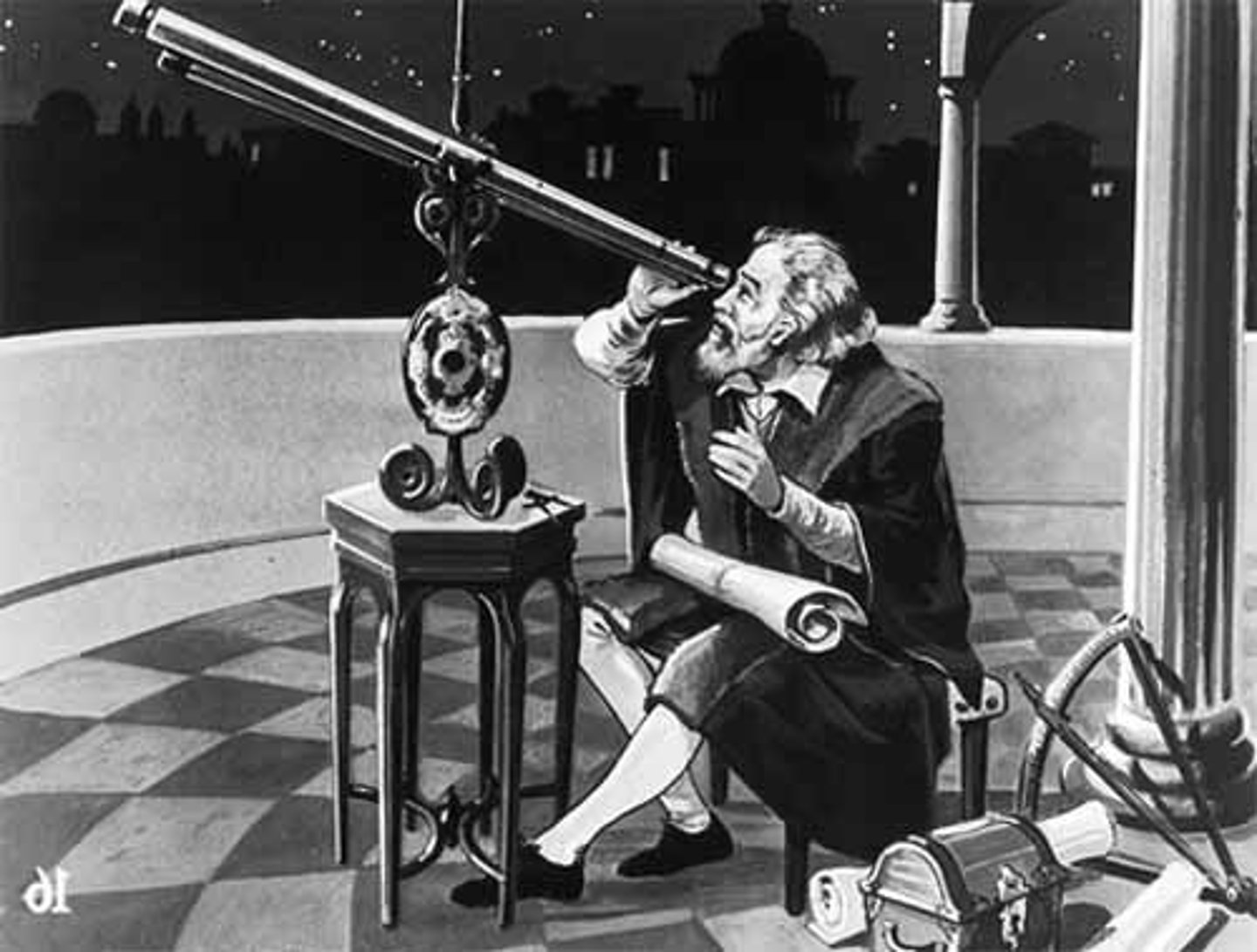
Galileo
-built the first telescope
-proved the Heliocentric theory
-laws of inertia
Copernicus
-leader of the scientific revolution
-developed the Heliocentric theory
Kepler
-planetary motions theory; concept that planets move in elliptical orbits.
Newton
-theory of gravity
-developed calculus
-"greatest genius"
Priestly
discovered oxygen properties of CO2
Hooke
discovered the cell
Vesalius
-studied human anatomy, wrote On the Fabric of the Human Body
Boyle
-father of modern chemistry
-developed idea of controlled experiments
-proved air was a mixture of several gases
Janssen
invented the first microscope
Harvey
discovered that blood circulates through the body
Hobbes
-social contract that meant people would GIVE UP their freedom
-believed the best form of government was an Absolute Monarchy
Locke
-enlightenment influenced by his ideas
-believed people had the natural rights of life, liberty, and property.
-believed the government had to protect those rights, or people should rebel
Montesqieu
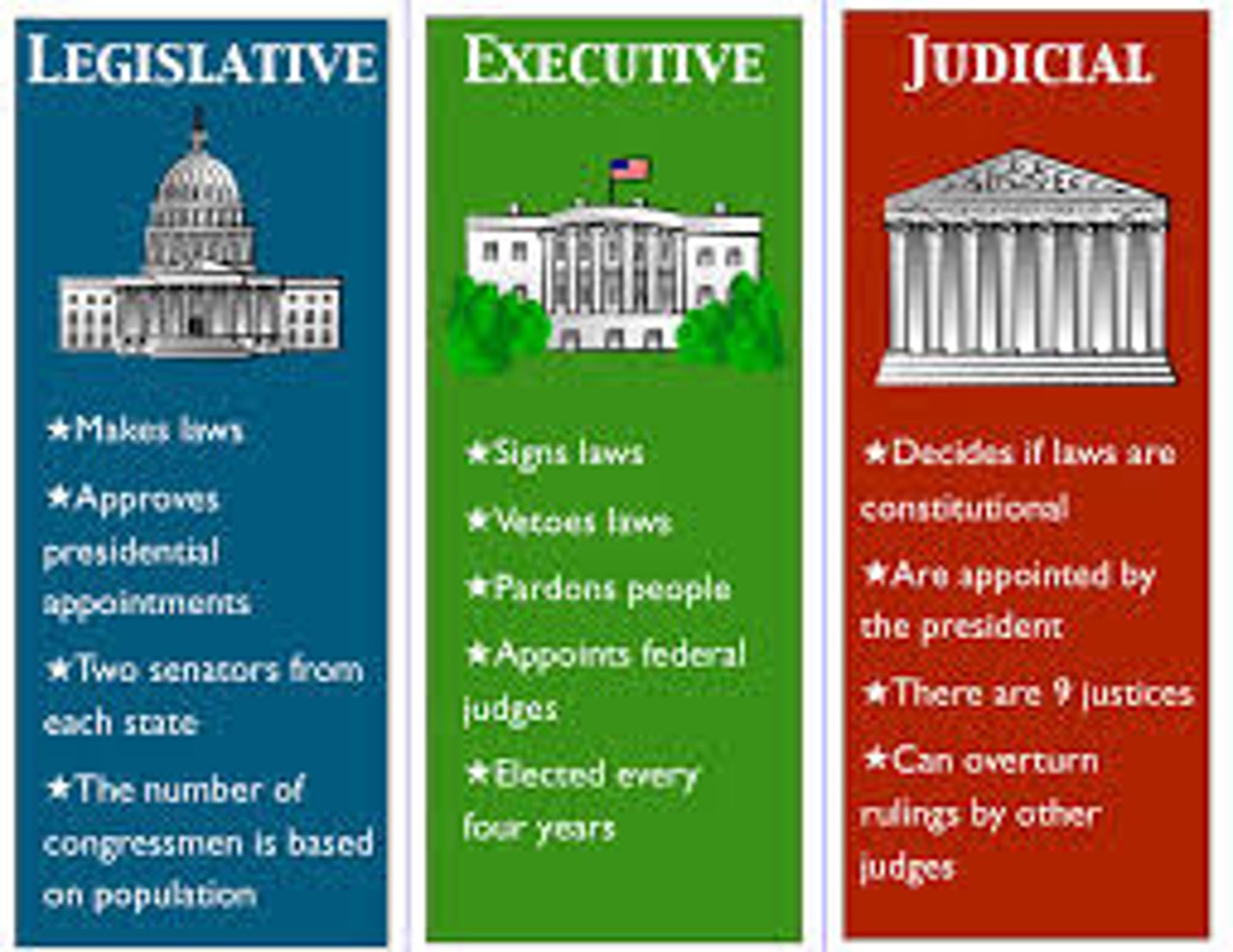
enlightenment thinker, believed in three branches of government
Voltaire
-advocate for free thought and tolerance
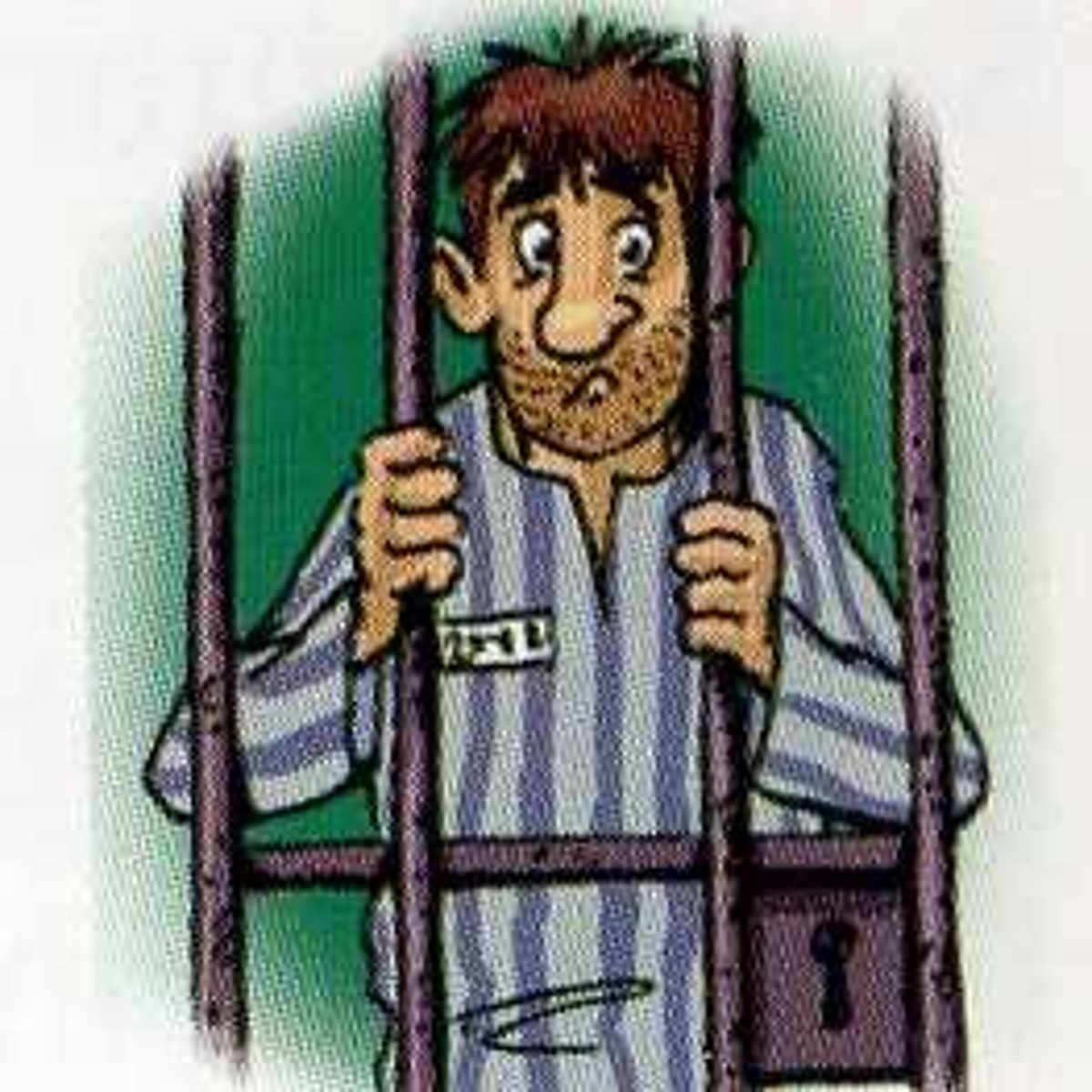
-spent 2 prison terms in Bastille for mocking the church
Diderot
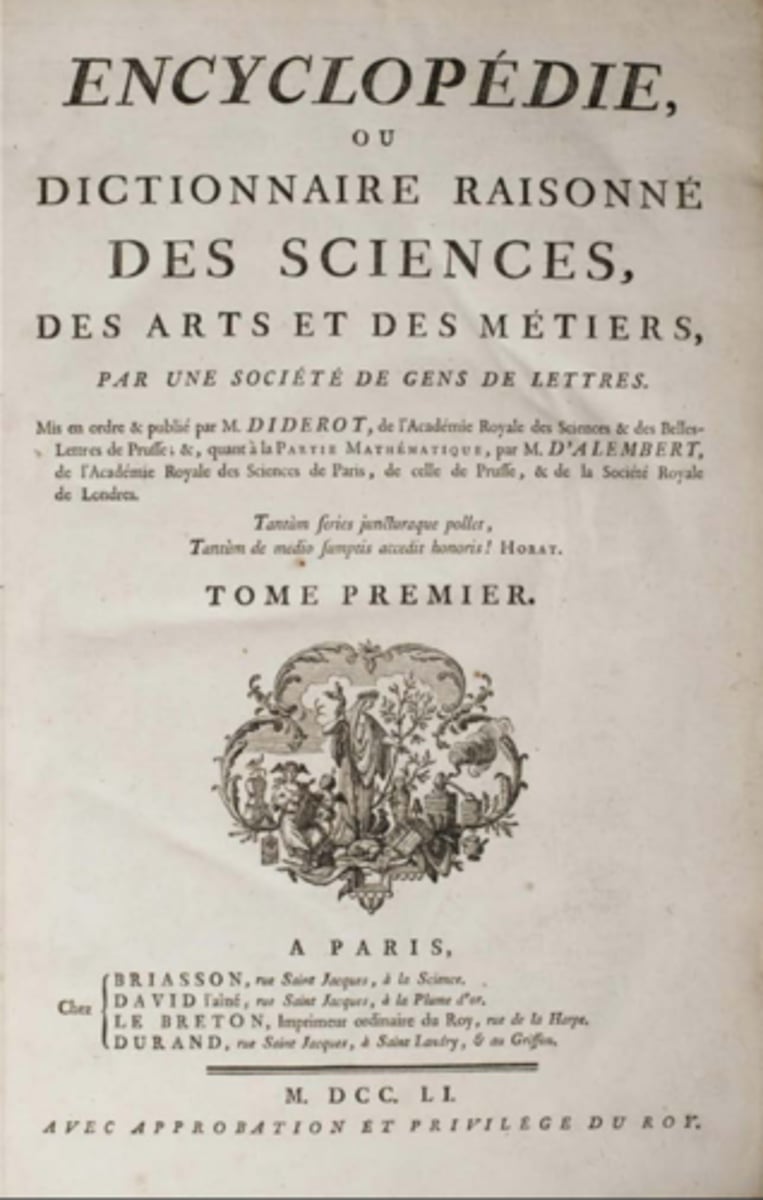
editor and writer of the encyclopedia
Smith
-wrote the Wealth of Nations
-supported laissez-faire
-protect society from invasion, defend citizens from injustice, and keep up public works citizens couldn't afford
Wollstonecraft
-first feminist; argued for women's rights and rights to participate in government
-wrote a Vindication of the Rights of Women

Rousseau
-wrote social contract that people are obligated to freedom and emotion
-believed a legitimate government rules with consent of its people
What was the role of salons during the Enlightenment?
social gatherings with engaging conversations consisting of new ideas (hosted by wealthy and influential women)
Geocentric Theory
Theory that the earth is the center of the Universe
Heliocentric Theory
Theory that the sun is at the center of the universe. NOT supported by the catholic church.
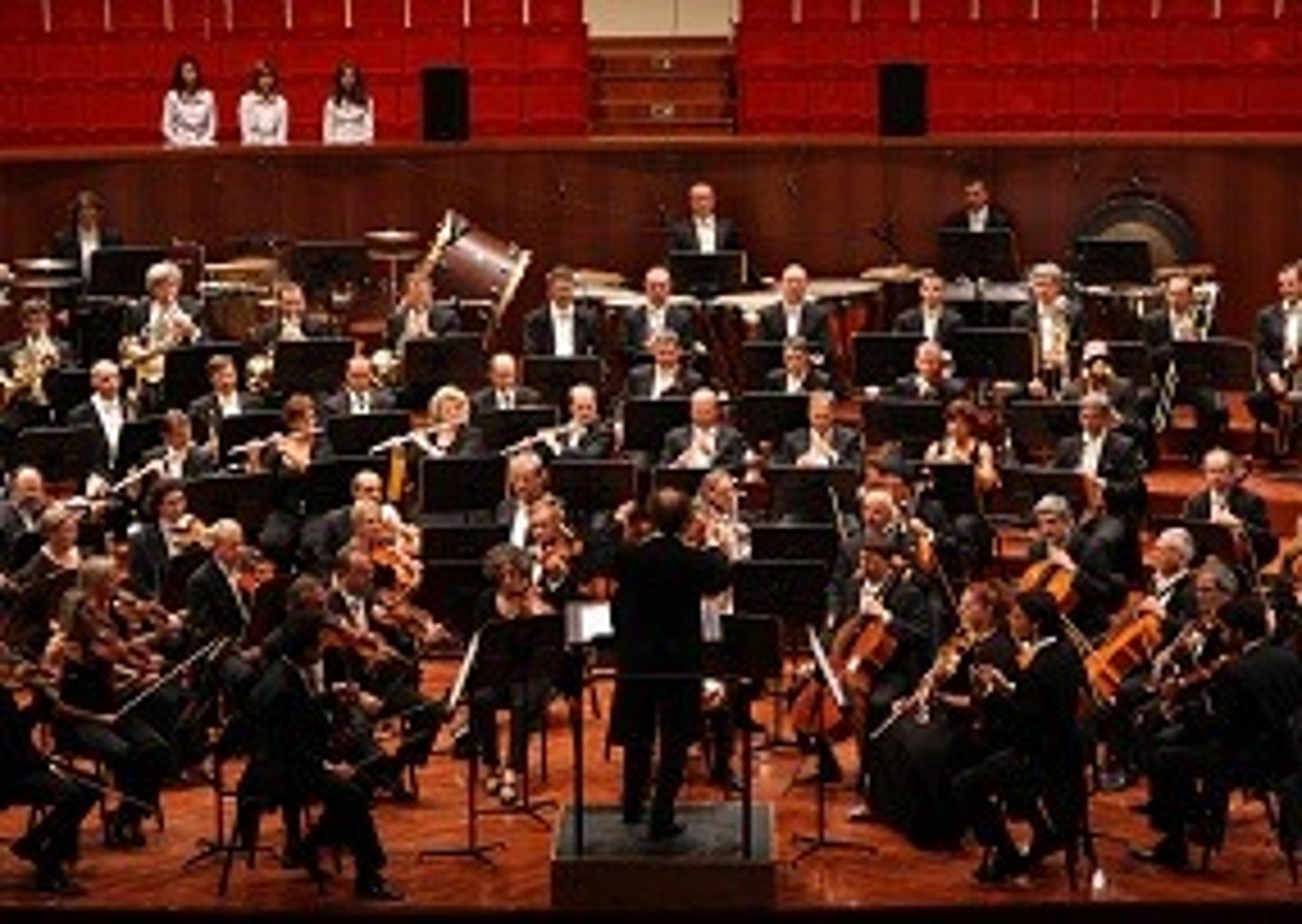
What were the characteristics of Baroque music?
developed in late 1600's, early 1700's; odd styled music noted for its drama and complexity with 2 musical techniques: fugue and counterpoint
Who were the baroque composers?
Bach and Handel
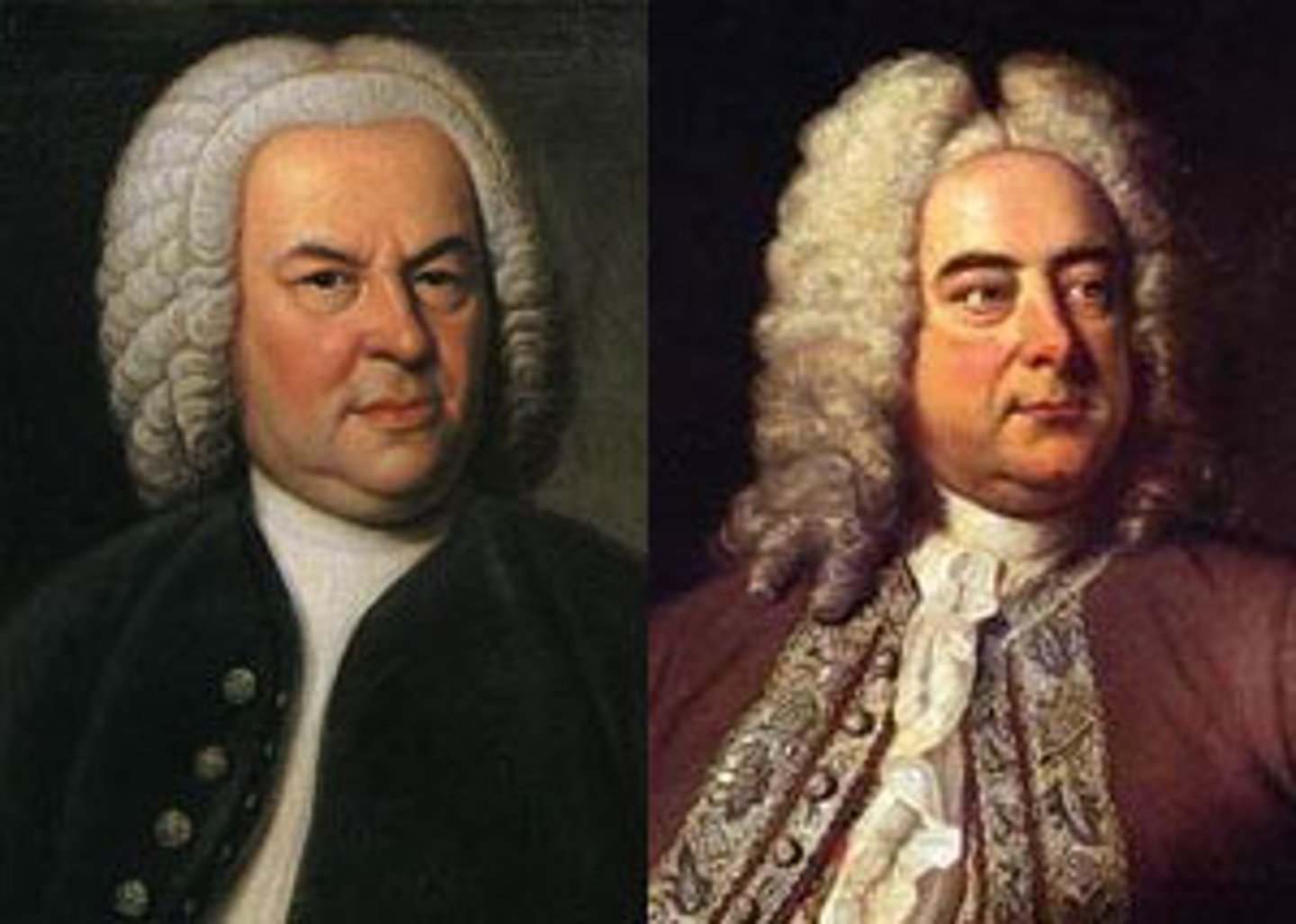
What were the characteristics of Classical music?
1750-1820; symphony, concerto dominate music consisting of unity, clarity, and balance
Who were the classical composers?
Mozart(child prodigy), Haydn(father of symphony), Beethoven(greatest European composer of all time)
Which Enlightenment thinker inspired future lower class people to rebel against unfair government treatment
Rousseau

What were enlightened despots?
european monarchs who accepted and used the Enlightenment's ideas to rule fairly
Were the enlightened despots always successful in their practices?
no
Who were Enlightened Despots?
absolute rulers who used their power to bring about political and social change
What form of government did Thomas Hobbes believe was the best type of government?
an absolute monarchy
What city was the most active during the time of the Enlightenment? Why?
paris; it had a poor government, so people were motivated to change it with their own ideas and wanted to be proactive and progressive to fairly adjust the french governmnent. it also had many salons
Adam Smith said the government had three roles to protect:
protect society from invasion, defend citizens from injustice, and keep up public works for citizens
Rene Descartes' famous quote was:
"I think, therefor I am."
The Declaration of Independence was based off of which Enlightenment thinkers ideas?
John Locke
Explain Montesquieu's 3 branches of government:
executive- king carried out and enforced laws
legislative- parliament had lawmaking power
judicial- interpreted laws and judged when broken
Who is considered the leader of the scientific revolution? What was he able to prove?
nicolaus copernicus developed the heliocentric theory and that the earth rotated on its axis; however he did not have the tools to prove it
What does Adam Smith's term laissez-faire mean?
translated to "allow to do"- policy of minimum governmental interference in the economic affairs of individuals and society
What did Rousseau believe the best form of government was?
direct democracy- he only form of government that Rousseau believed would give expression to humanity's innate freedom and autonomy
Which scientific revolution person wrote On The Fabric of the Human Body?
andrea vesalius
What does John Locke's idea of government suggest of people in society?
believed people had a natural ability to govern their own affiars and look after the welfare of society
What were the steps of Bacon's scientific method?
observation, hypothesis, experimentation, conclusion
The early philosophes had five main ideas to their thinking? List them and explain them.
reason- facts and evidence for belief
nature- human nature and balance for rights
happiness- be happy in everyday life
progress- change and make things better
liberty- freedom
How did Voltaire, Rousseau, Locke, and Montesquieu impact the American Revolution or development of the U.S. Constitution?
voltaire- social reform
rousseau- equality within society
locke- legitimate government w/ consent of people
montesquieu- separation of powers(3 branches)
Voltaire was an enlightenment philosopher that defended most strongly : ____________________ and _______________________
free thought and tolerance
 Note
Note  Flashcards (36)