Integration of Omics Based Technologies in Drug Target Discovery
 Call Kai
 Learn
Learn Practice Test
 Spaced Repetition
 Match
Match Flashcards
 Knowt Play
1/11

There's no tags or description
Looks like no tags are added yet.
Name | Mastery | Learn | Test | Matching | Spaced | Call with Kai |
|---|
No analytics yet
Send a link to your students to track their progress
12 Terms
Omics and drug discovery
Advancing a single drug from concept to market is extremely expensive, exceeding 1 billion US dollars, while being costly, time consuming, and very risky
Omics-based technologies can accelerate drug discovery and provide novel, clinically valid targets
Omics
Adding the suffix "-omics" to a molecular term indicates a comprehensive or global assessment of that set of molecules.
These fields provide the collective characterization and quantification of pools of biological molecules.
These approaches enable a deep investigation into the structure, function, and dynamics of a cell, tissue, or organism
Genomics
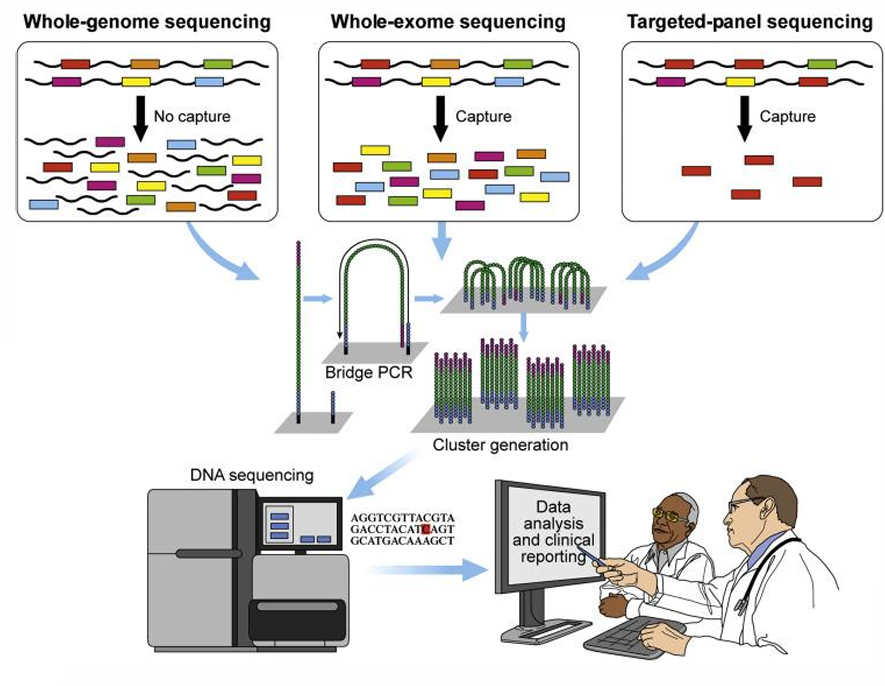
Genetic mapping and DNA sequencing of sets of genes or complete genomes of selected organisms
Can provide evidence of causation
Identification of disease-associated mutations: assess risk for diseases and discover effective drug targets
Identify variants: SNPs, INDELs, SVs
Pharmacogenomics
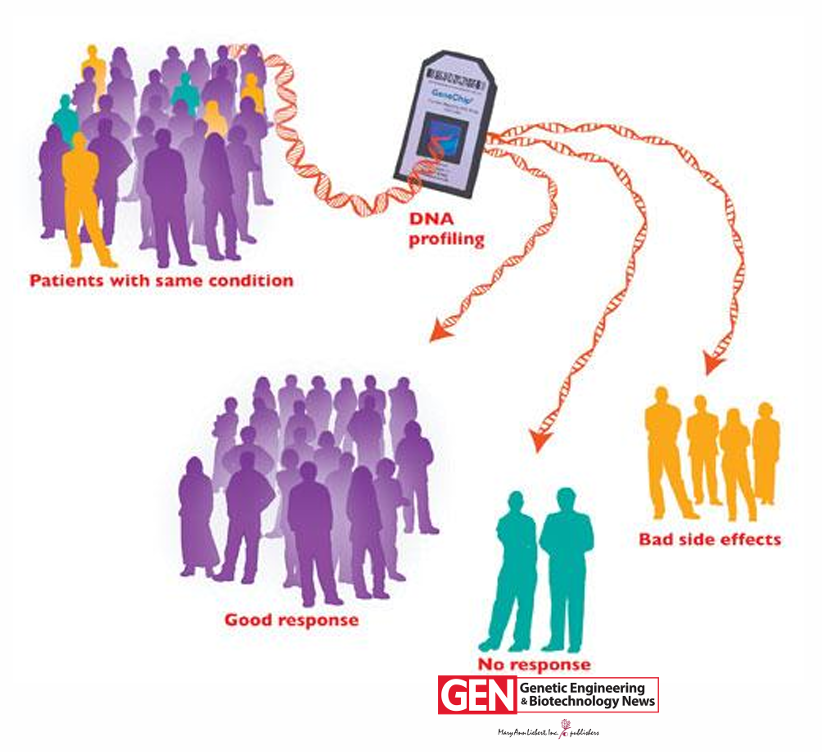
Patient stratification: study the impact of genetic variations on drug response and drug metabolism
Patient’s response to treatment could be linked to SNP genomic profile
Can assess the efficacy and drug-related toxicity
Helps to determine which available drugs are suitable for a particular patient
Safer and more powerful medicines
Transcriptomics
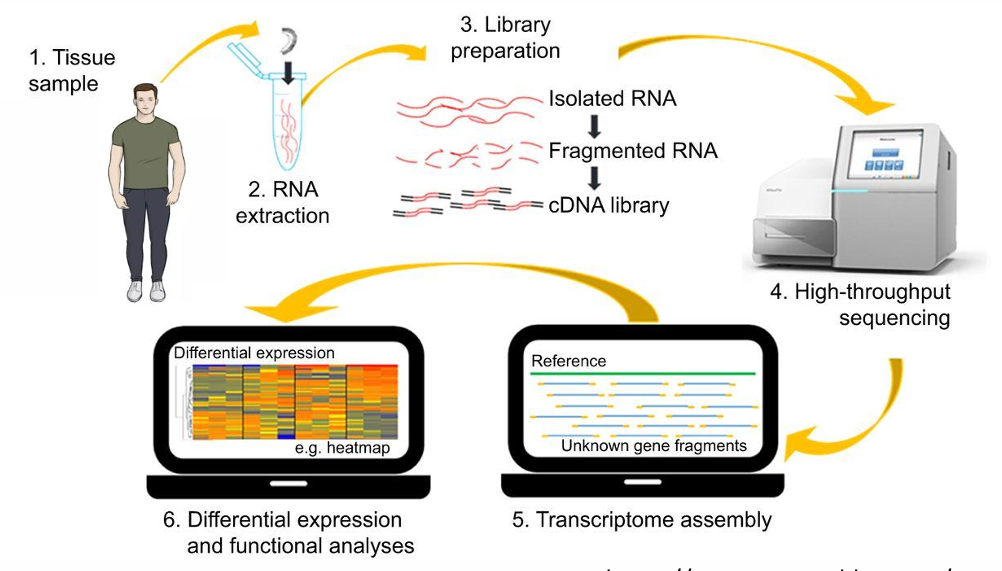
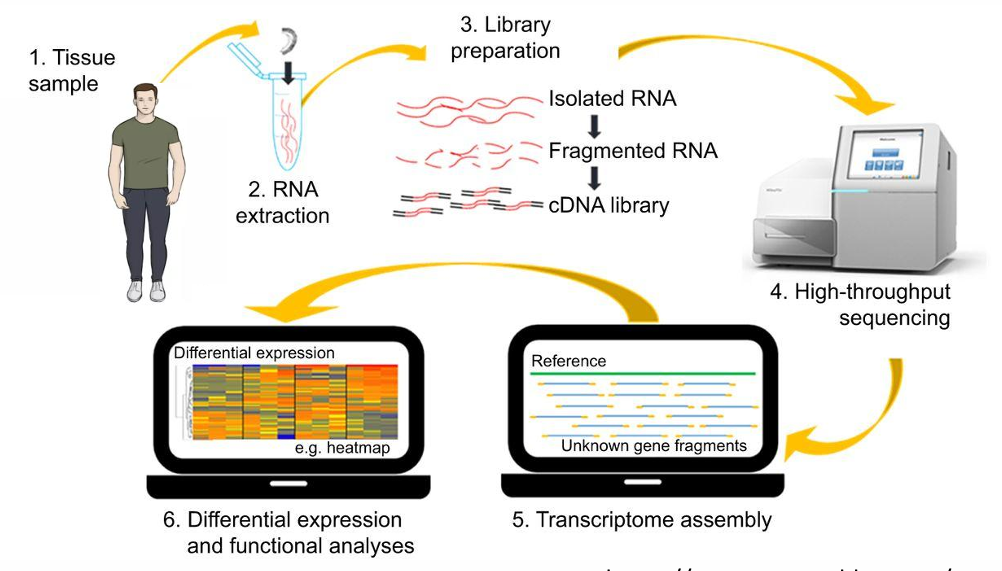
Study of the complete set of RNA transcripts at a given time
Gene expression profiling, used to evaluate potential adverse effects at an early stage in drug development
Support alternative methods for chemical risk assessment
Expanding with NGS technologies
Epigenomics
Study of epigenetic modifications to DNA and histone proteins that regulate gene expression without altering the DNA sequence
ChIP-Seq, Bisulfite sequencing, Methylation arrays, ATAC-Seq
ATAC-Seq (Assay for Transposase-Accessible Chromatin with Sequencing): provide insights into chromatin structure and accessibility
Proteomics
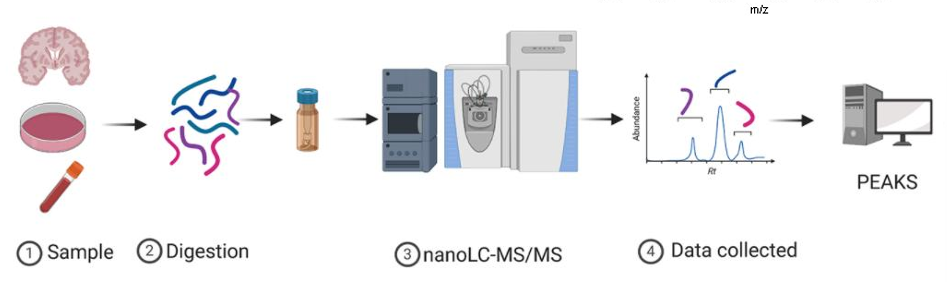
Analysis of the entire protein content of a cell, tissue, or organism under a specific condition
Protein expression profiling, functional proteomics, and phospho-proteomics
Identify and validate druggable proteins, study drug efficacy and toxicology, and disease stratification
Mass spectrometry is the main technique for proteome analysis
Metabolomics
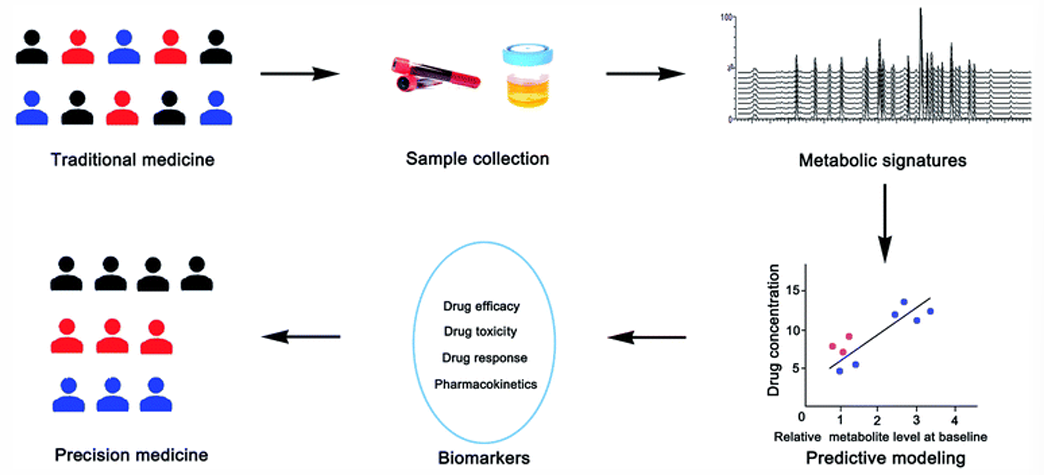
Study of all the metabolites present in a cell, tissue or organism under different conditions
Overview of the metabolic status and global biochemical events associated with a cellular or biological system
Includes: lipidomics, glycomic, pharmacometabolomics
Help to identify biomarkers
Multi-omics
Multi-omics integrates datasets across different omics studies (genome, epigenome, transcriptome, proteome, metabolome, microbiome)
Approaches are categorized by their initial focus: "genome first", "phenotype first", or "environment first"
Data integration usually relies on study designs involving correlation or co-mapping
Bio-informatics
Application of tools of computation to analyze biological data
Because omics platforms produce large, complex, "data-rich" outputs, concurrent development of bioinformatics methodology is required for data integration and interpretation
Limitations: data quality, standardization, reproducibility, interpretation, and validation
Omics in drug repurposing
Multi-omics screening is highly useful for drug reuse (repurposing existing drugs for new treatments)
Computer-based approaches integrate disease phenotypes and targets using drug-oriented, target-oriented, and disease-oriented classifications
Conclusion
Omics-based technologies promise the discovery of new therapeutic targets by vastly improving the understanding of molecular disease mechanisms.
New methodologies are causing a paradigm shift from traditional "hypothesis-driven" research to "discovery-based" research, and from "traditional" medicine to "personalized" medicine.
There are still many obstacles facing the integration of omics, including experimental, technical, analytical, and financial hurdles.
The future of drug discovery will rely heavily on integrating these omics technologies through robust bioinformatics platforms, advanced data analysis, and AI-driven insights.

