The effect of pH on enzymes (core practical): Key concepts in biology: Biology: GCSE (9:1)
 Call Kai
 Learn
Learn Practice Test
 Spaced Repetition
 Match
Match Flashcards
 Knowt Play
1/20

There's no tags or description
Looks like no tags are added yet.
Name | Mastery | Learn | Test | Matching | Spaced | Call with Kai |
|---|
No analytics yet
Send a link to your students to track their progress
21 Terms
Enzyme
Biological catalysts which speed up reactions without being used up
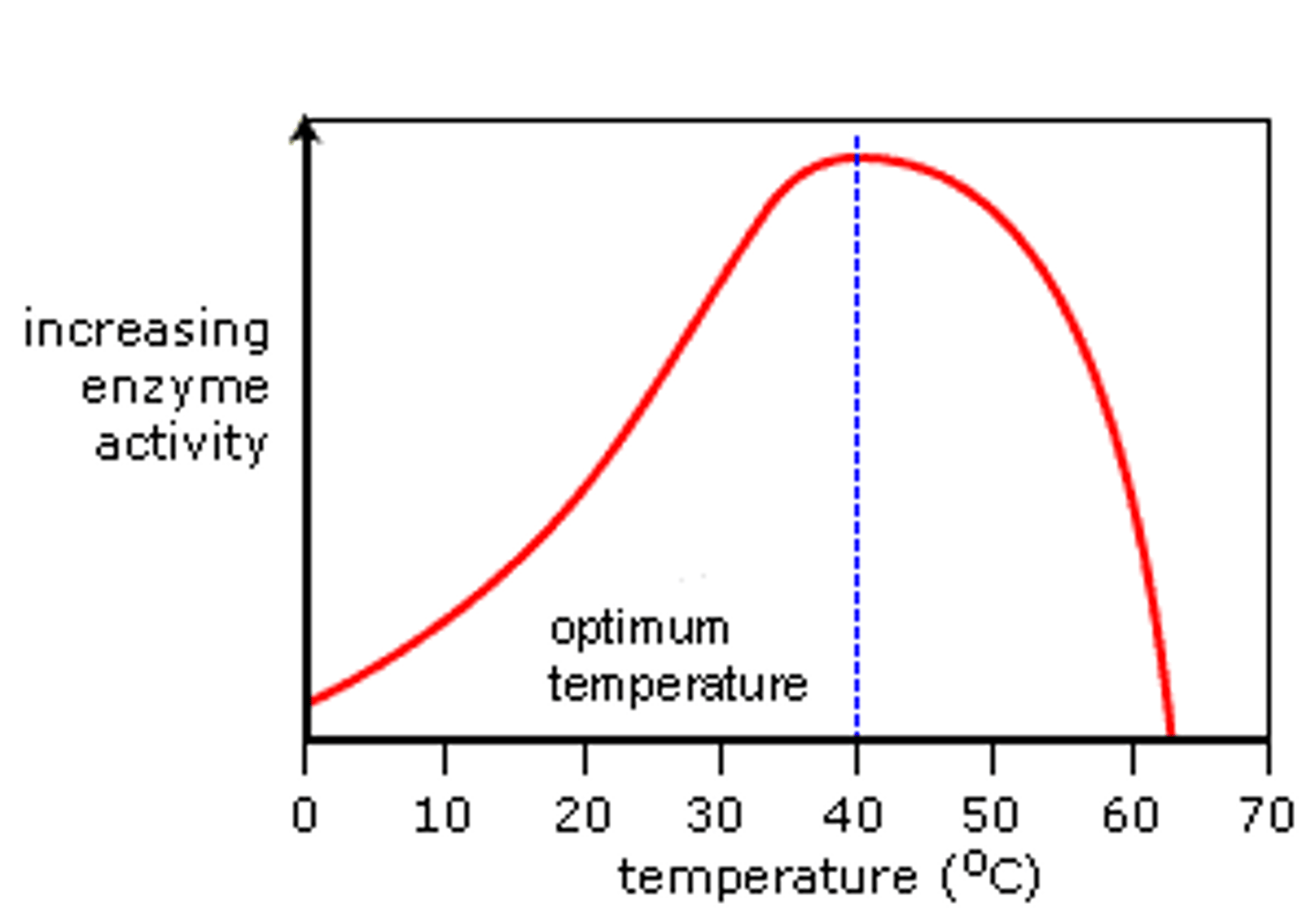
Enzymes and temperature
The enzyme rate increases as temperature increases up to an optimum, after which the enzyme becomes denatured
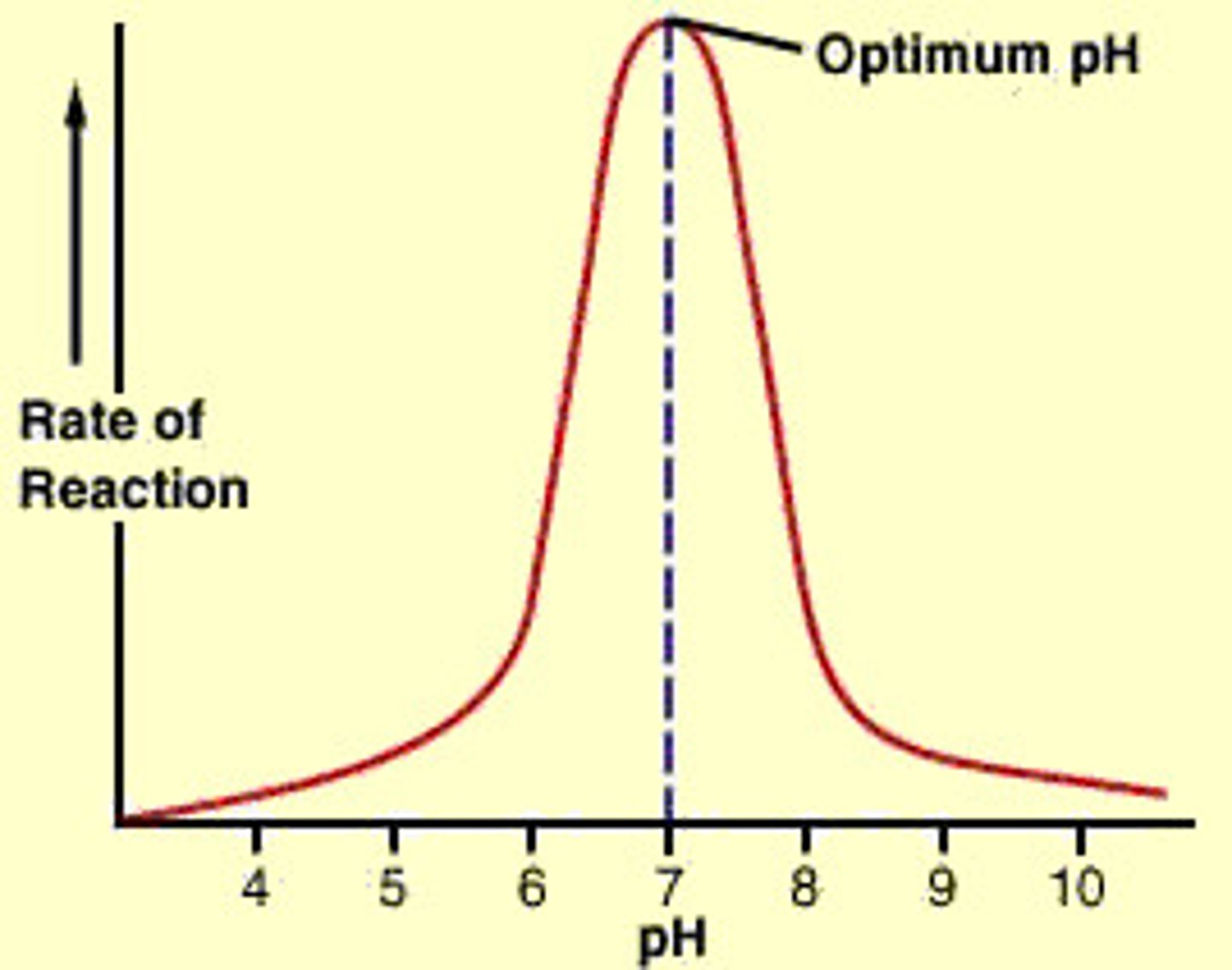
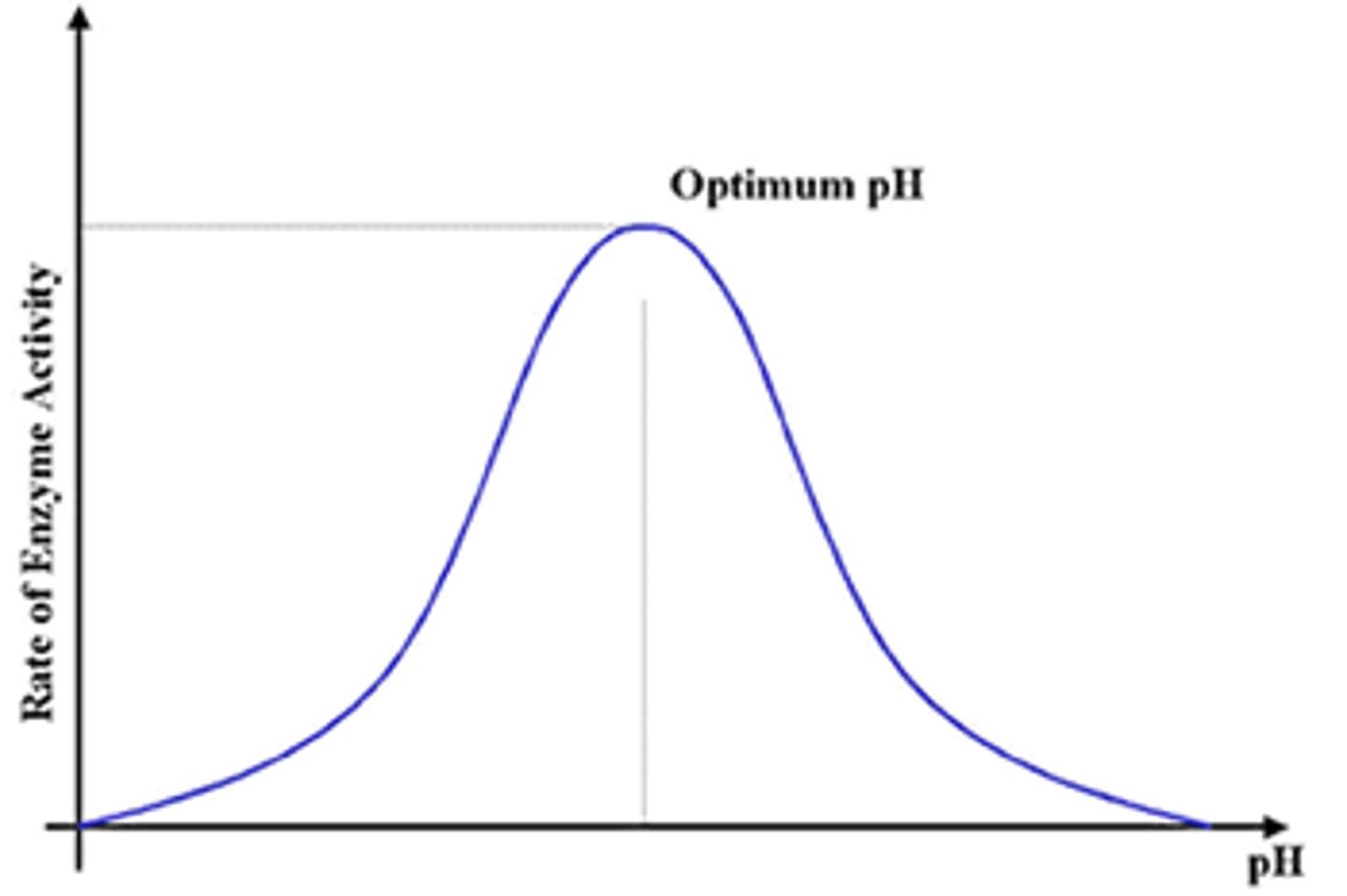
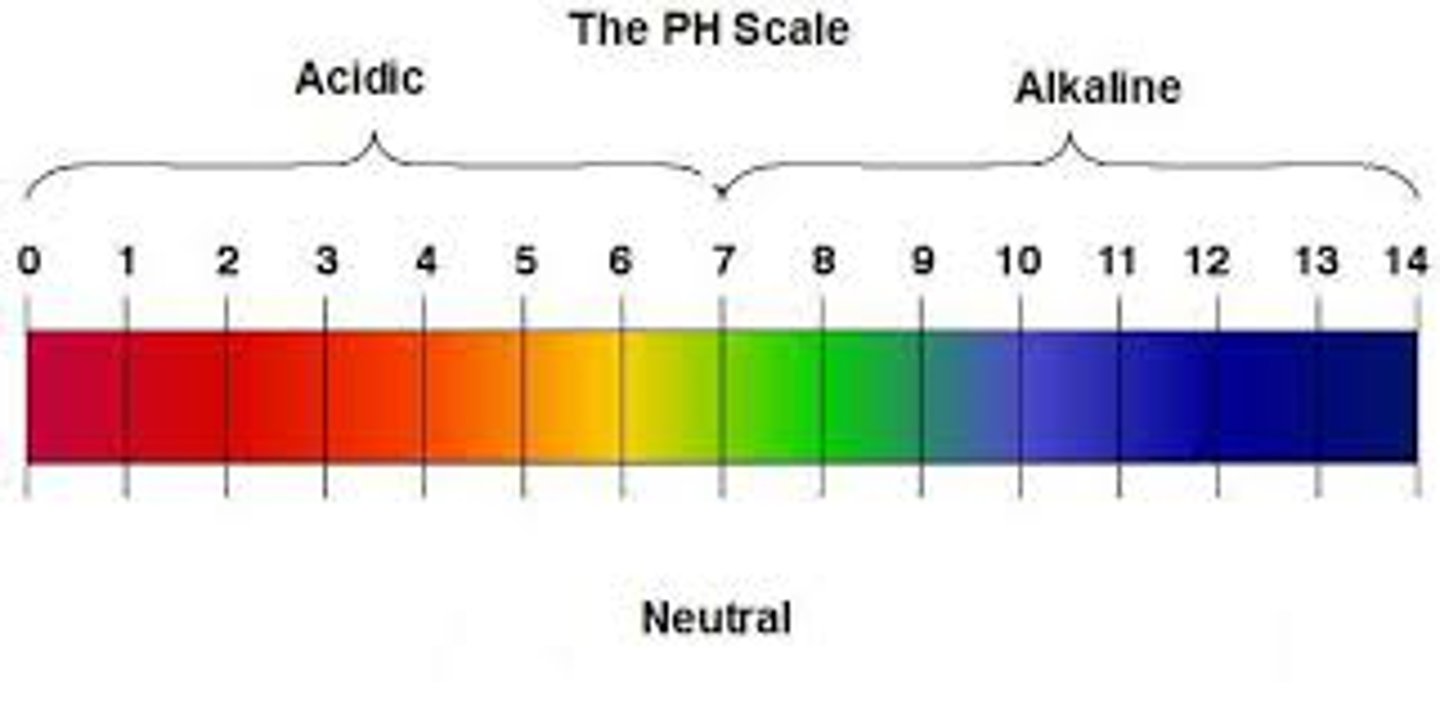
Enzymes and pH
The reaction rate decreases as the pH moves away from the enzyme's optimum pH
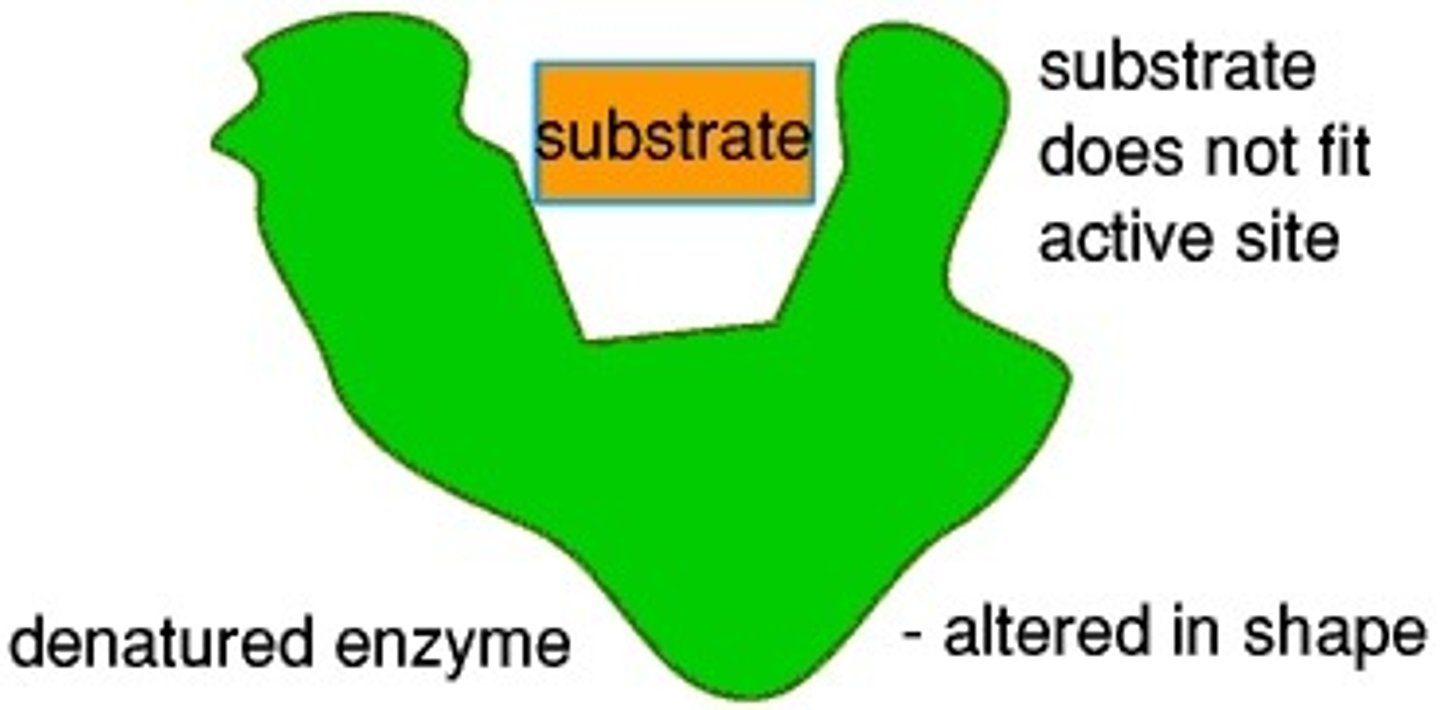
Denature
When the active site changes shape and can no longer bind to a substrate due to unsuitable temperature or pH
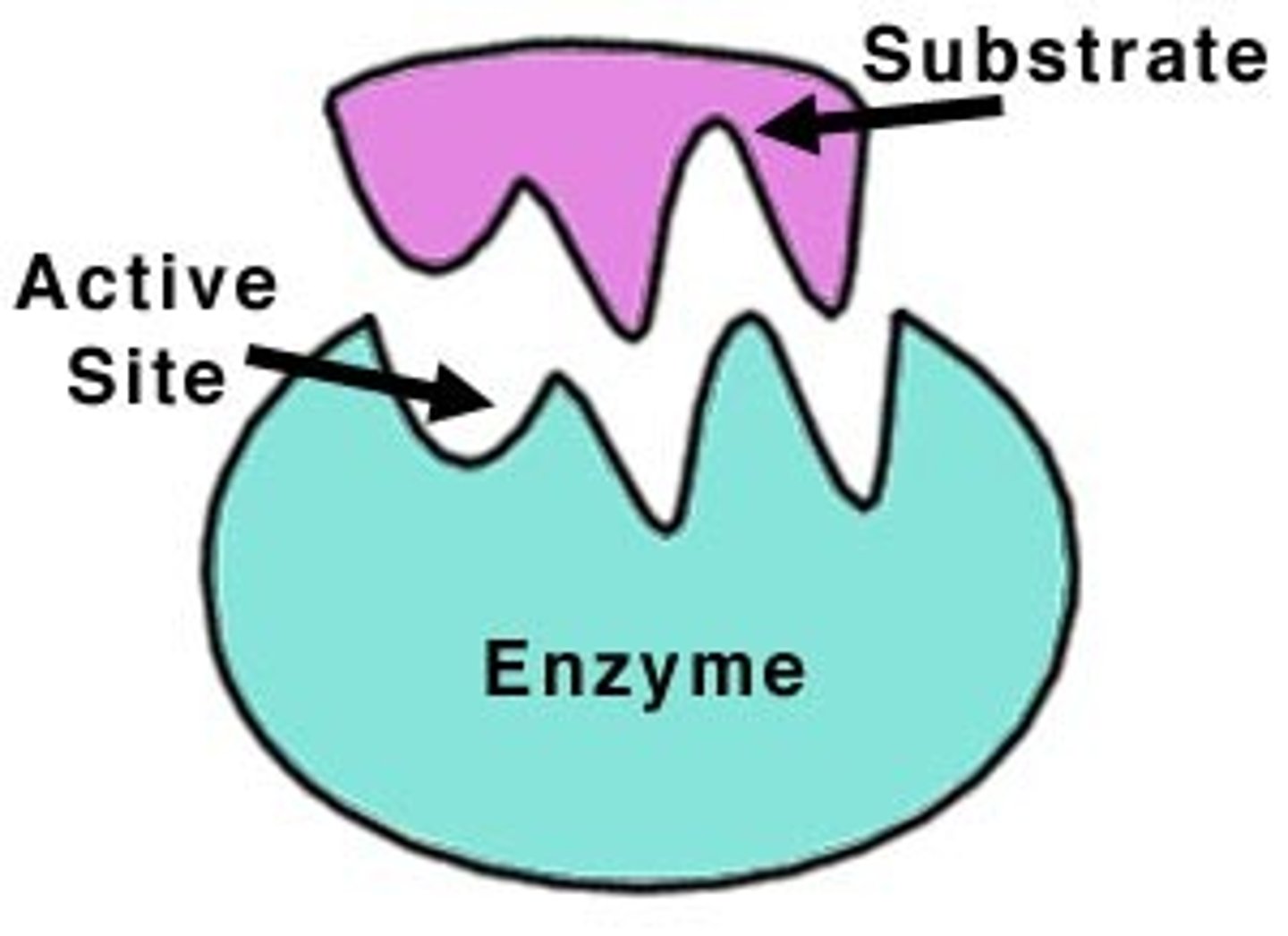
Active site
The part of an enzyme where the substrate binds
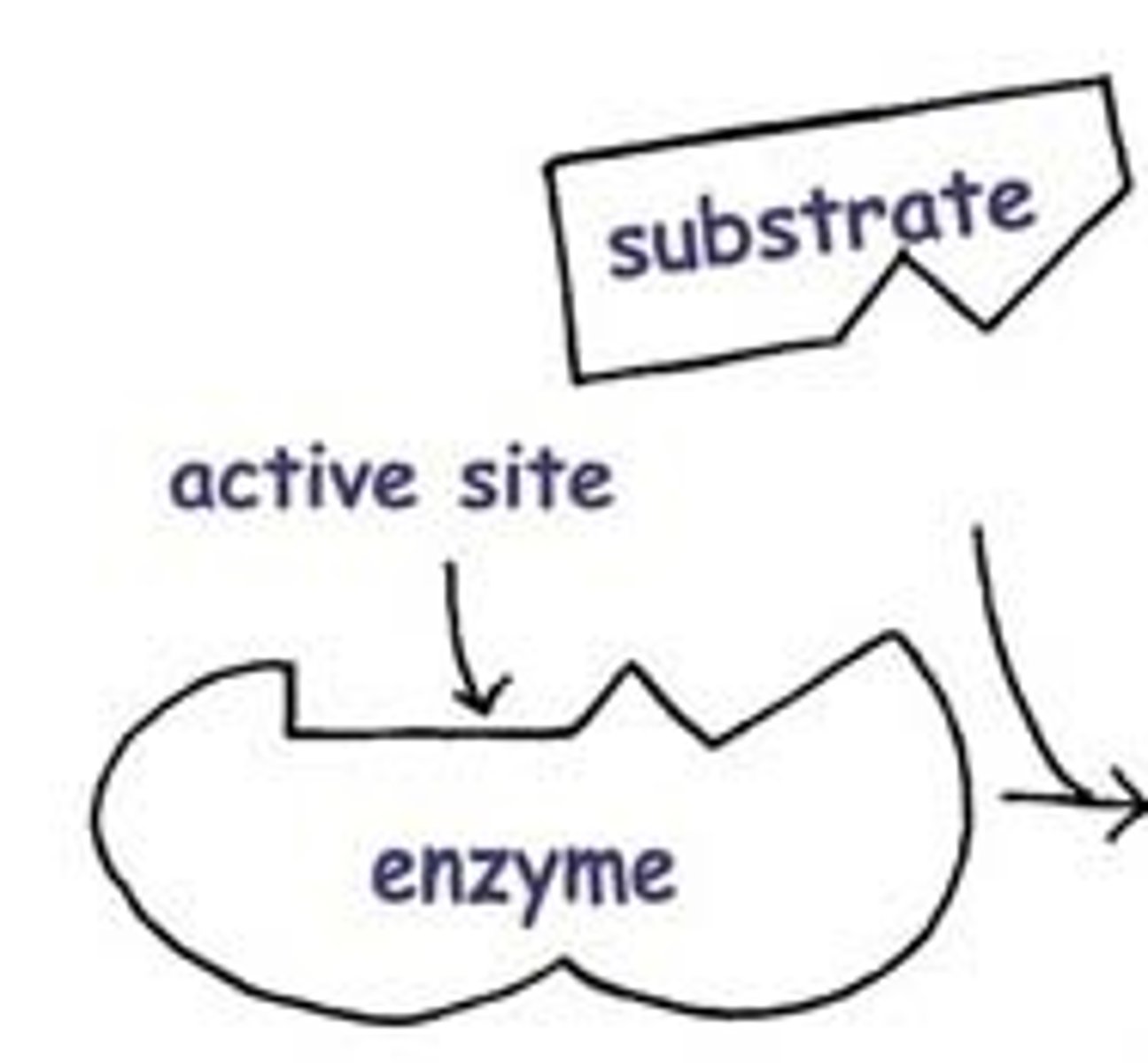
Substrate
Reactant of an enzyme catalysed reaction
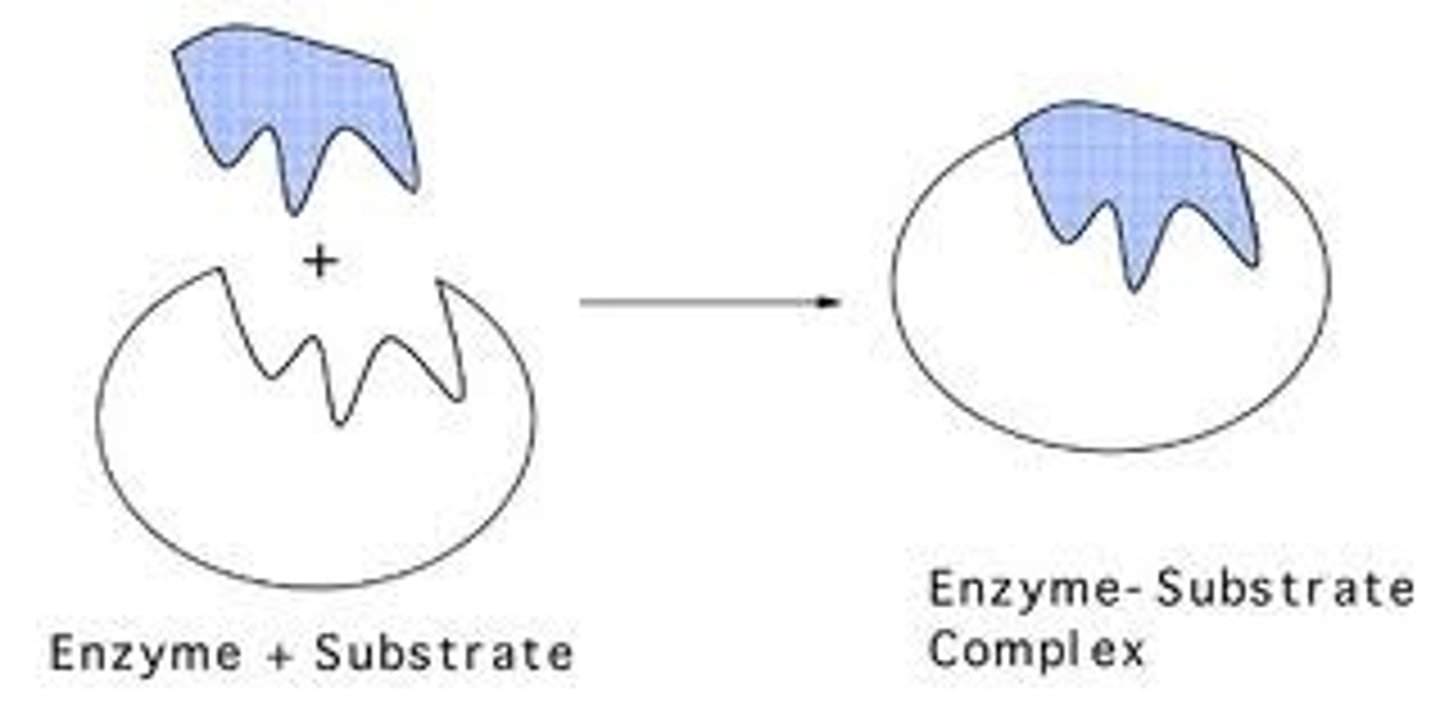
Product
A substance produced in a chemical reaction
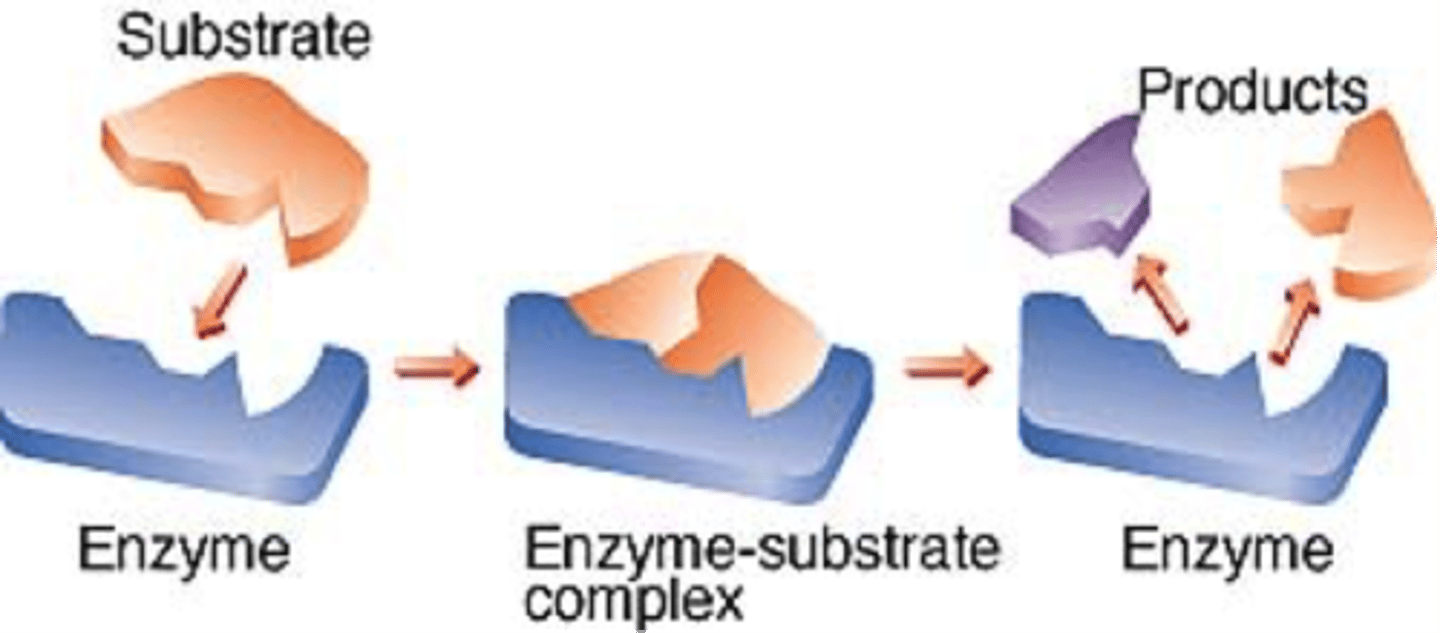
Lock and key theory
When a substrate fits into its enzyme just like a key fits a lock
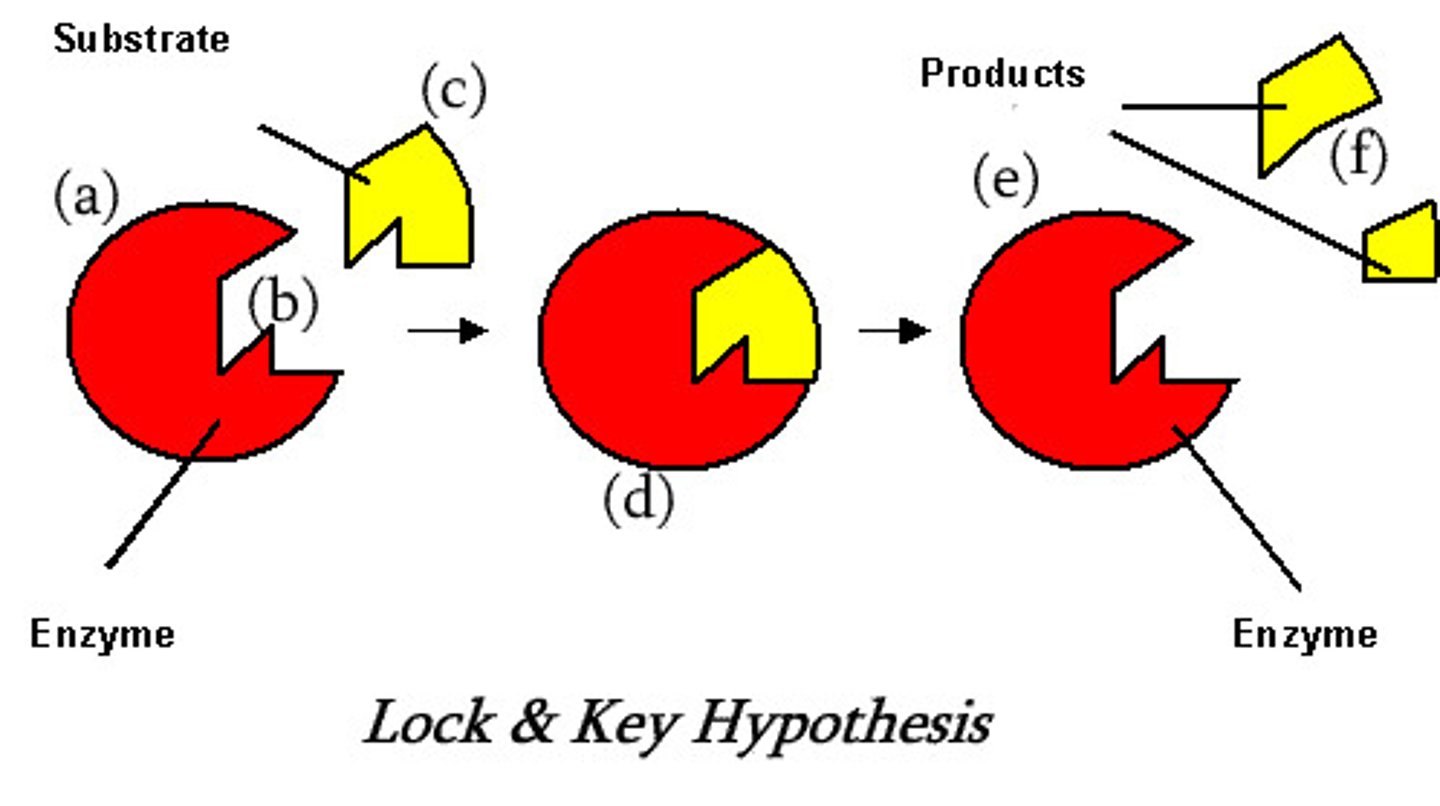
Optimum rate
An ideal pH or temperature value that results in maximum enzyme activity
Amylase
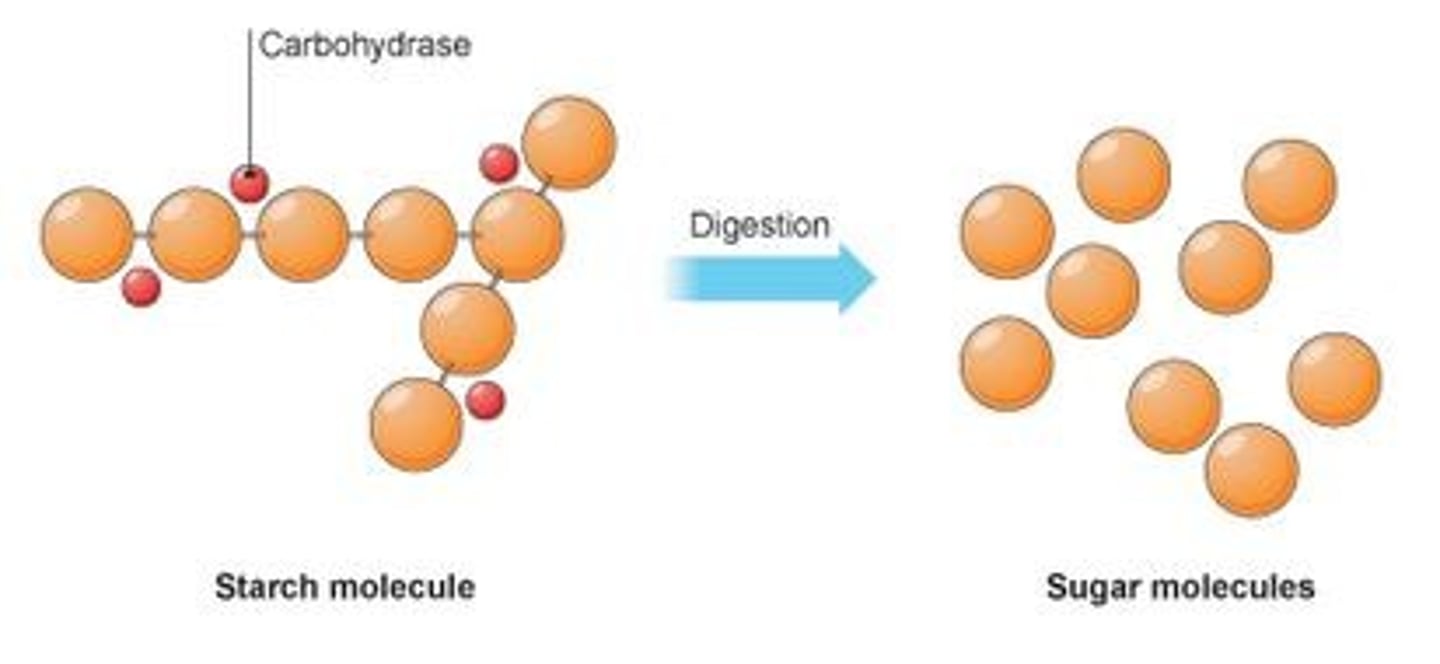
A carbohydrase enzyme that breaks starch down into sugars
Starch
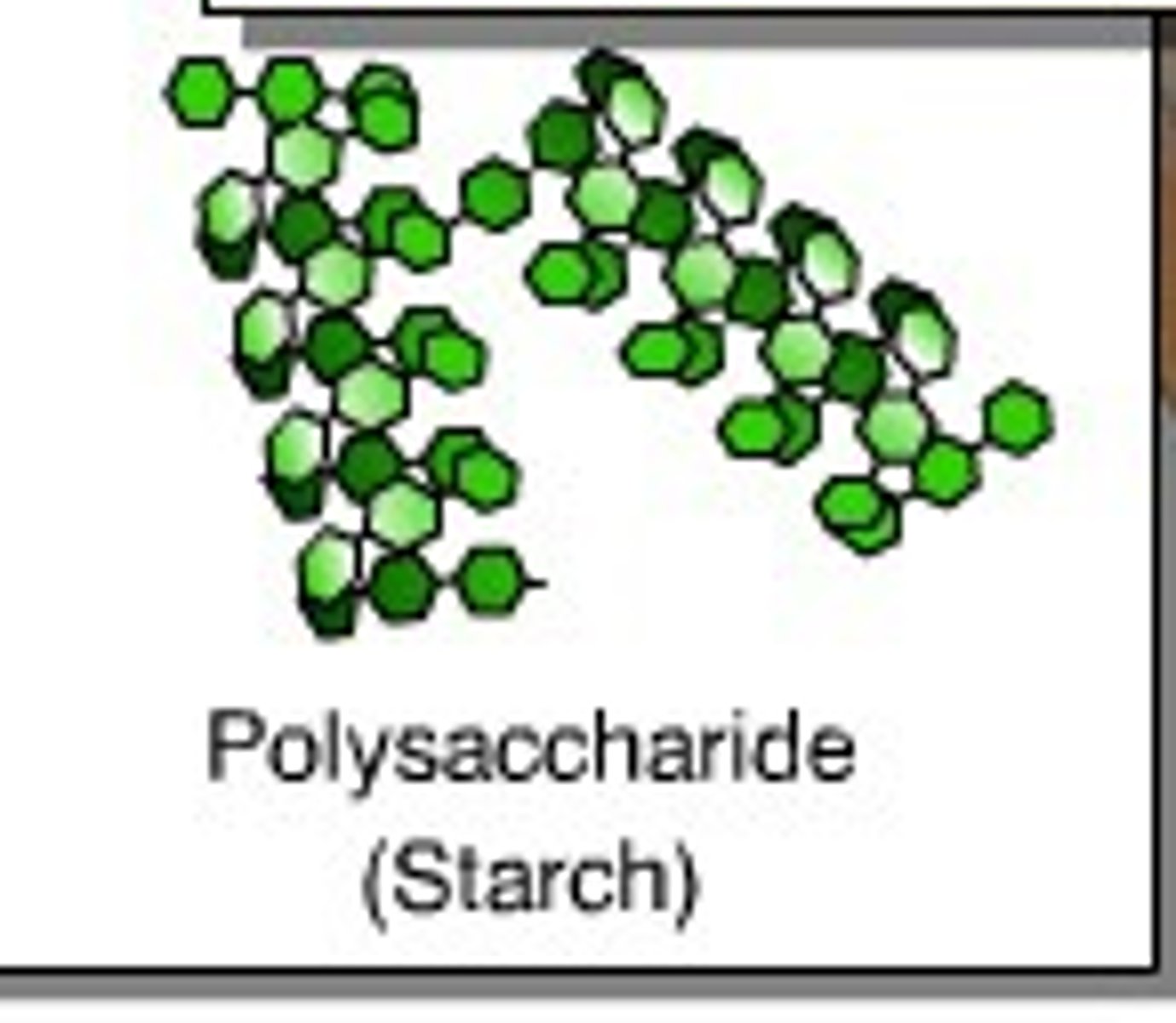
A large carbohydrate found in plants made up of many glucose molecules
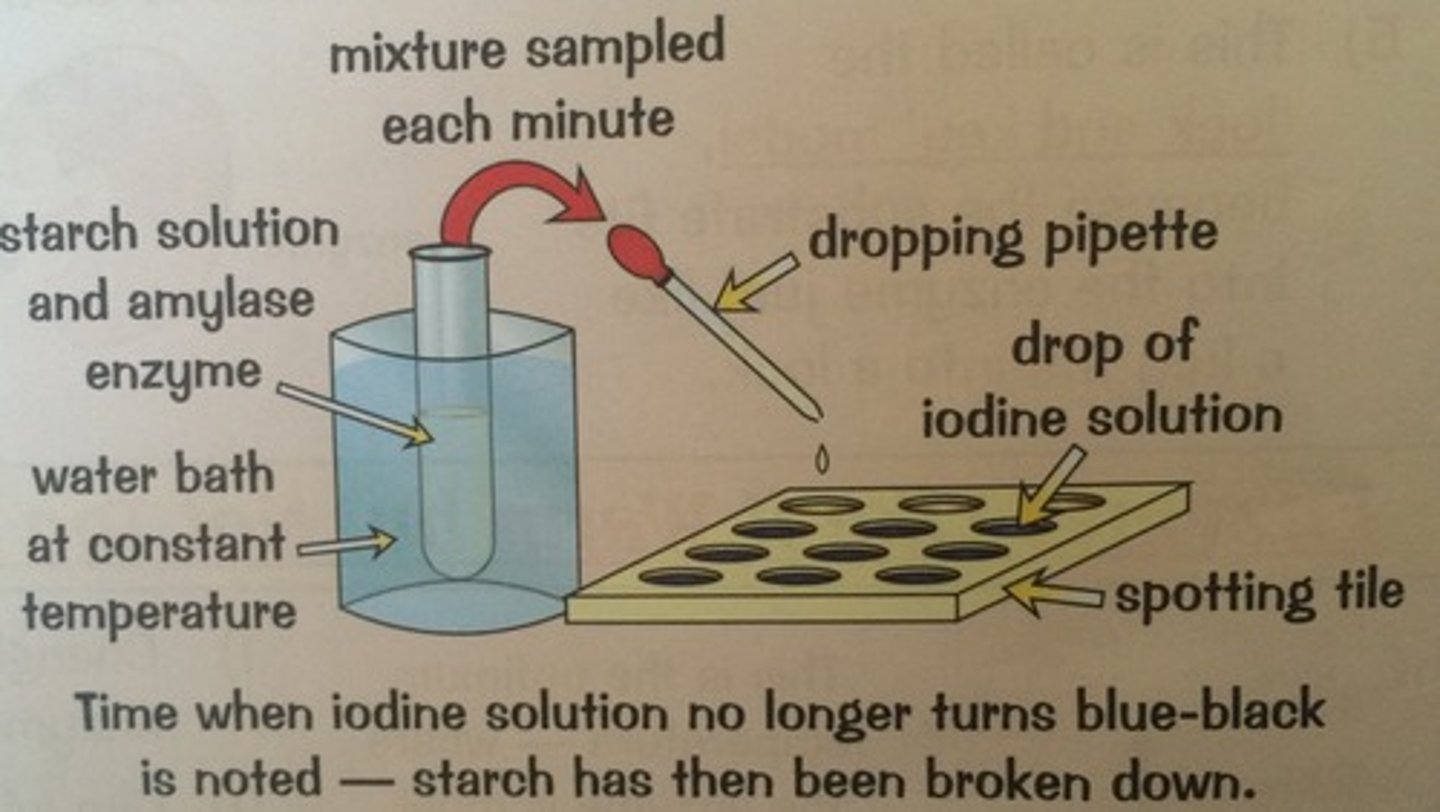
Iodine solution
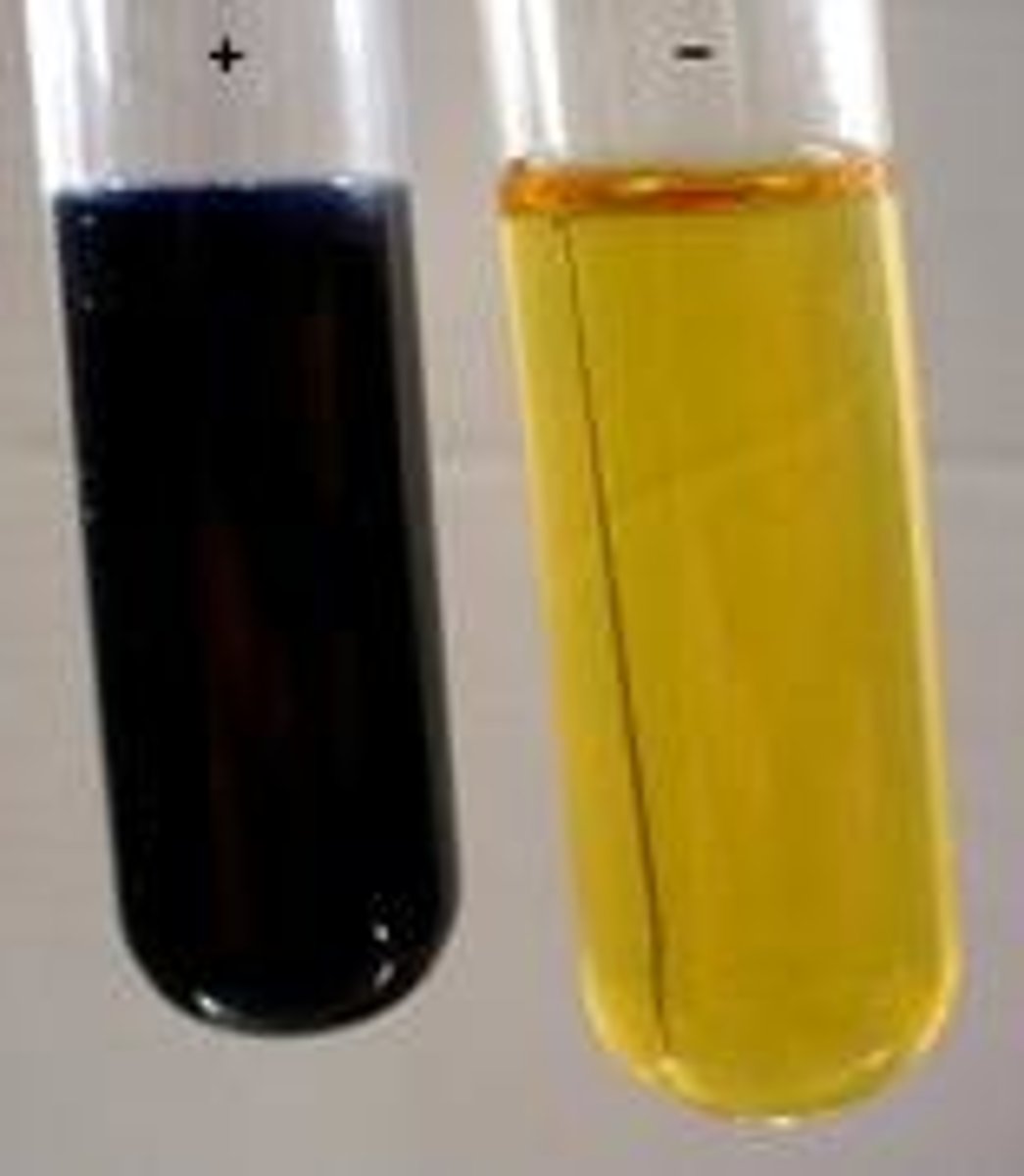
Turns from orange to blue-black in the presence of starch, will remain orange if starch has been broken down by amylase
Buffer solution
A solution that controls and keeps the pH of a solution to a specific range
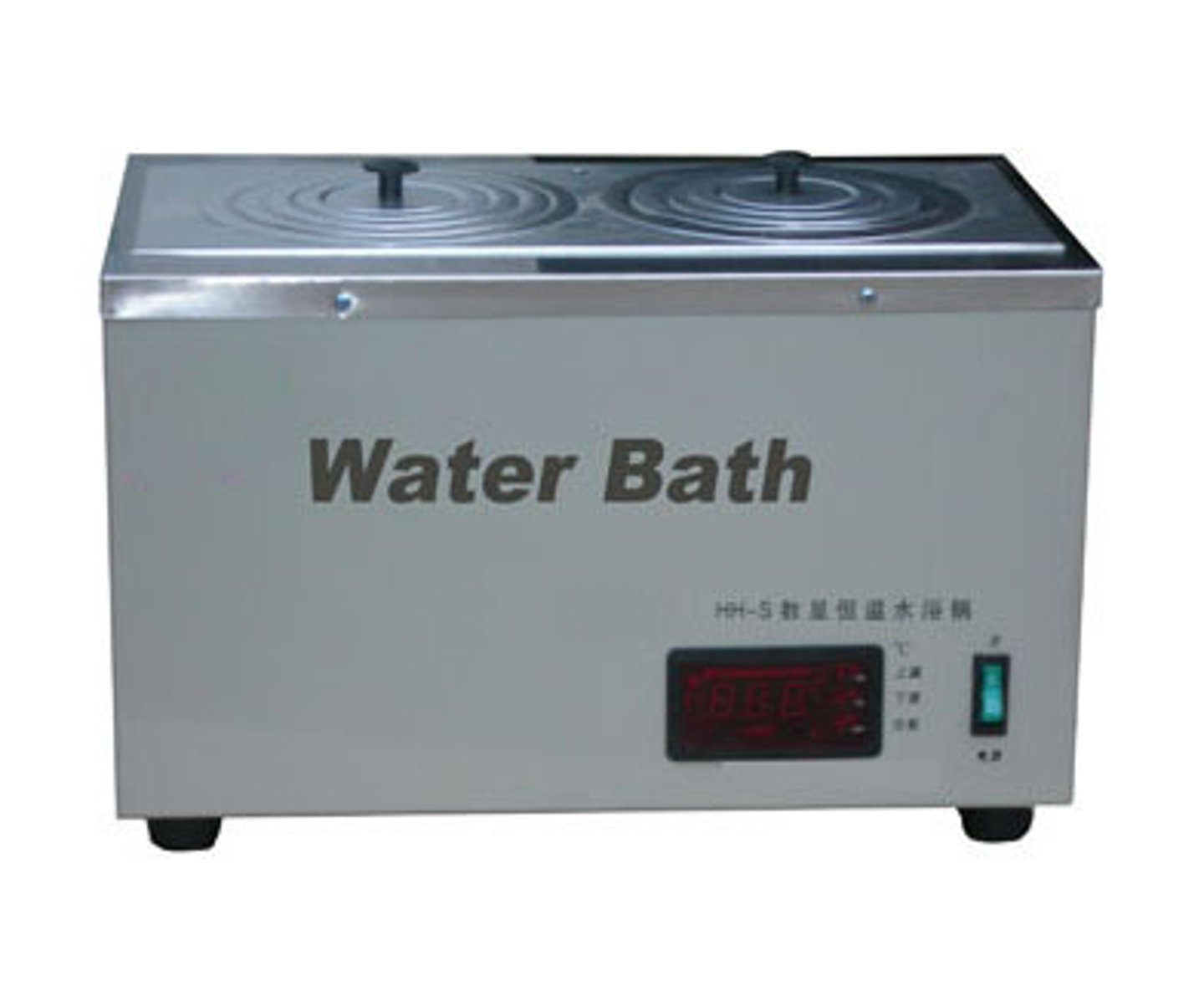
Water bath
A container of water heated to a given temperature for control purposes
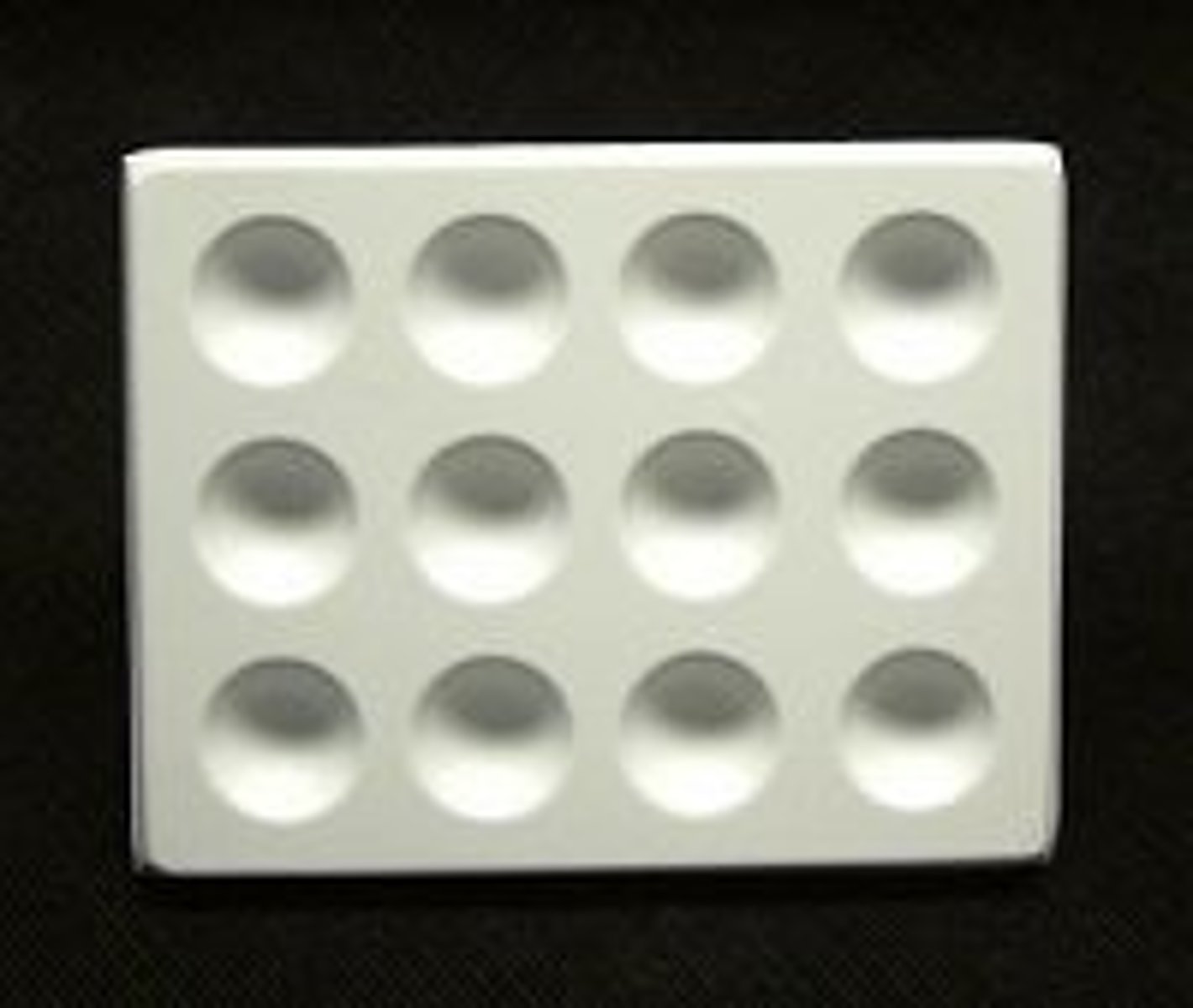
Spotting tile
Equipment used to observe the colour changes of small quantities of reacting mixtures
Time taken for starch to break down
The dependent variable or factor that is measured in this experiment to investigate pH and enzyme activity
pH condition
The independent variable or factor that is changed in this experiment to investigate pH and enzyme activity
Temperature
A variable that should be controlled in this experiment to ensure the results are valid
End of reaction
The reaction can be confirmed as complete when iodine on the spotting tile no longer changes colour from orange to blue-black
Examples of other control variables
To ensure the results are valid the volumes and concentrations of all solutions should be controlled
Expected results
Amylase will break down starch effectively at an optimum pH, this can be identified as the pH condition that causes iodine to remain orange the quickest

