[PEDIA] Normal Vital Signs, Infantile and Physiologic Reflexes, and Milestones (SJ)
 Studied by 0 people
 Call Kai
 Learn
Learn Practice Test
 Spaced Repetition
 Match
Match Flashcards
 Knowt Play
1/29

There's no tags or description
Looks like no tags are added yet.
Name | Mastery | Learn | Test | Matching | Spaced | Call with Kai |
|---|
No analytics yet
Send a link to your students to track their progress
30 Terms
What is the normal heart rate, respiratory rate, and blood pressure of a patient who is 0-28 days old?
HR: 104-162 bpm
RR: 31-60 cycles/min
BP: 60-80 / 30-53 mmHg
MAP: 40 or higher
What is the normal heart rate, respiratory rate, and blood pressure of a patient who is 1-3 months old?
HR: 104-162 bpm
RR: 31-60 cycles/min
BP: 73-105 / 36-68 mmHg
MAP: 48 or higher
What is the normal heart rate, respiratory rate, and blood pressure of a patient who is 4-11 months old?
HR: 109-159 bpm
RR: 29-53 cycles/min
BP: 82-105 / 46-68 mmHg
MAP: 58-80
What is the normal heart rate, respiratory rate, and blood pressure of a patient who is 1-3 years old?
HR: 89-139 bpm
RR: 25-39 cycles/min
BP: 82-105 / 46-68 mmHg
MAP: 53-81
What is the normal heart rate, respiratory rate, and blood pressure of a patient who is 4-6 years old?
HR: 71-128 bpm
RR: 17-31 cycles/min
BP: 91-114 / 50-74 mmHg
MAP: 63-87
What is the normal heart rate, respiratory rate, and blood pressure of a patient who is 12 years old or older?
HR: 50-104 bpm
RR: 12-25 cycles/min
BP: 105-136 / 62-87 mmHg
MAP: 76-103
What is the normal temperature when taken orally?
33.5-37.5°C
What is the normal temperature when taken via the axilla?
36.5-37.5°C
What is the normal temperature when taken rectally?
36.6-38°C
What is the normal temperature when taken temporally?
36.3-37.8°C
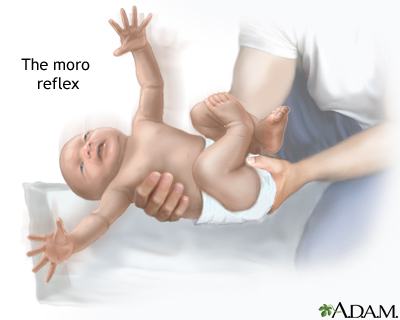
Give the stimulus, response, and age of suppression of the Moro reflex.
Stimulus: sudden neck extension
Response: shoulder abduction and elbow and finger extension followed by arm flexion and abduction
Age of Suppression: 4-6 months
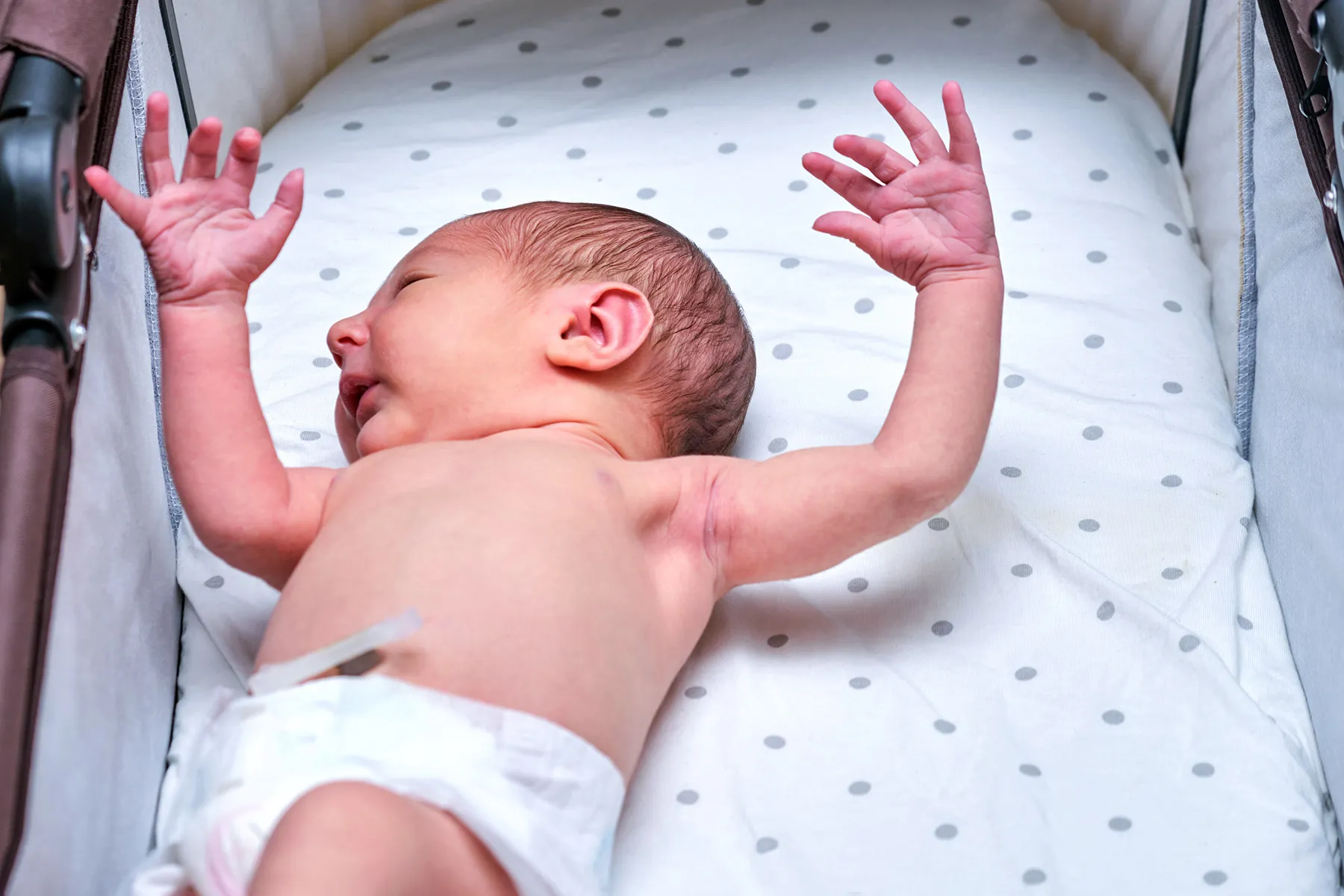
Give the stimulus, response, and age of suppression of the Startle reflex.
Stimulus: sudden noise
Response: shoulder abduction and elbow and finger extension followed by arm flexion and abduction
Age of Suppression: 4-6 months
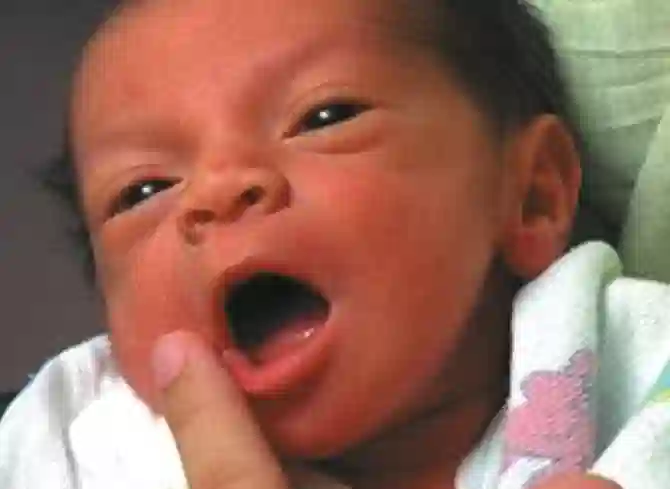
Give the stimulus, response, and age of suppression of the Rooting reflex.
Stimulus: stroking lips or around mouth
Response: moving mouth and head towards stimulus in search of nipple
Age of Suppression: 4 months
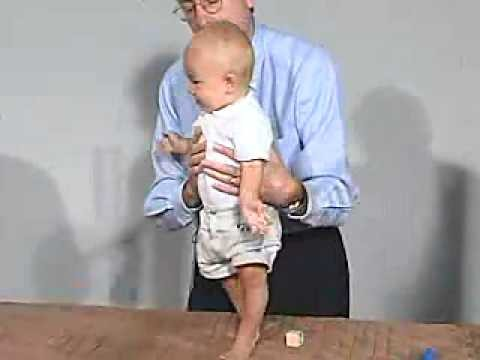
Give the stimulus, response, and age of suppression of the Positive supporting reflex.
Stimulus: light pressure or weightbearing on plantar surface
Response: legs extend for partial support of body weight
Age of Suppression: 3-5 months replaced by volitional weight bearing with support
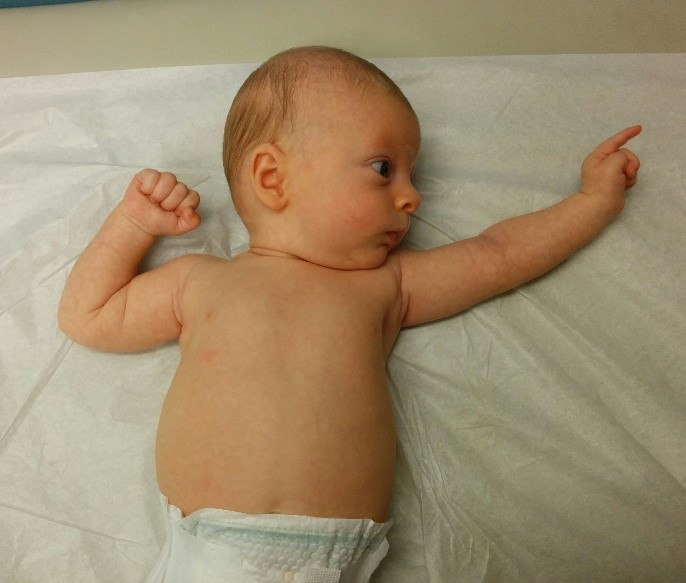
Give the stimulus, response, and age of suppression of the Asymmetric tonic neck reflex.
Stimulus: head turning to side
Response: extremities extend on face side, flex on occiput side
Age of Suppression: 6-7 months
Other name: Archer’s or Fencer’s reflex
Give the stimulus, response, and age of suppression of the Symmetric tonic neck reflex.
Stimulus: (1) neck flexion; (2) neck extension
Response: (1) arms flex, legs extend; (2) arms extend, legs flex
Age of Suppression: 6-7 months

Give the stimulus, response, and age of suppression of the Palmar grasp reflex.
Stimulus: touch or pressure on palm or stretching finger flexors
Response: flexion of all fingers, hand fisting
Age of Suppression: 5-6 months

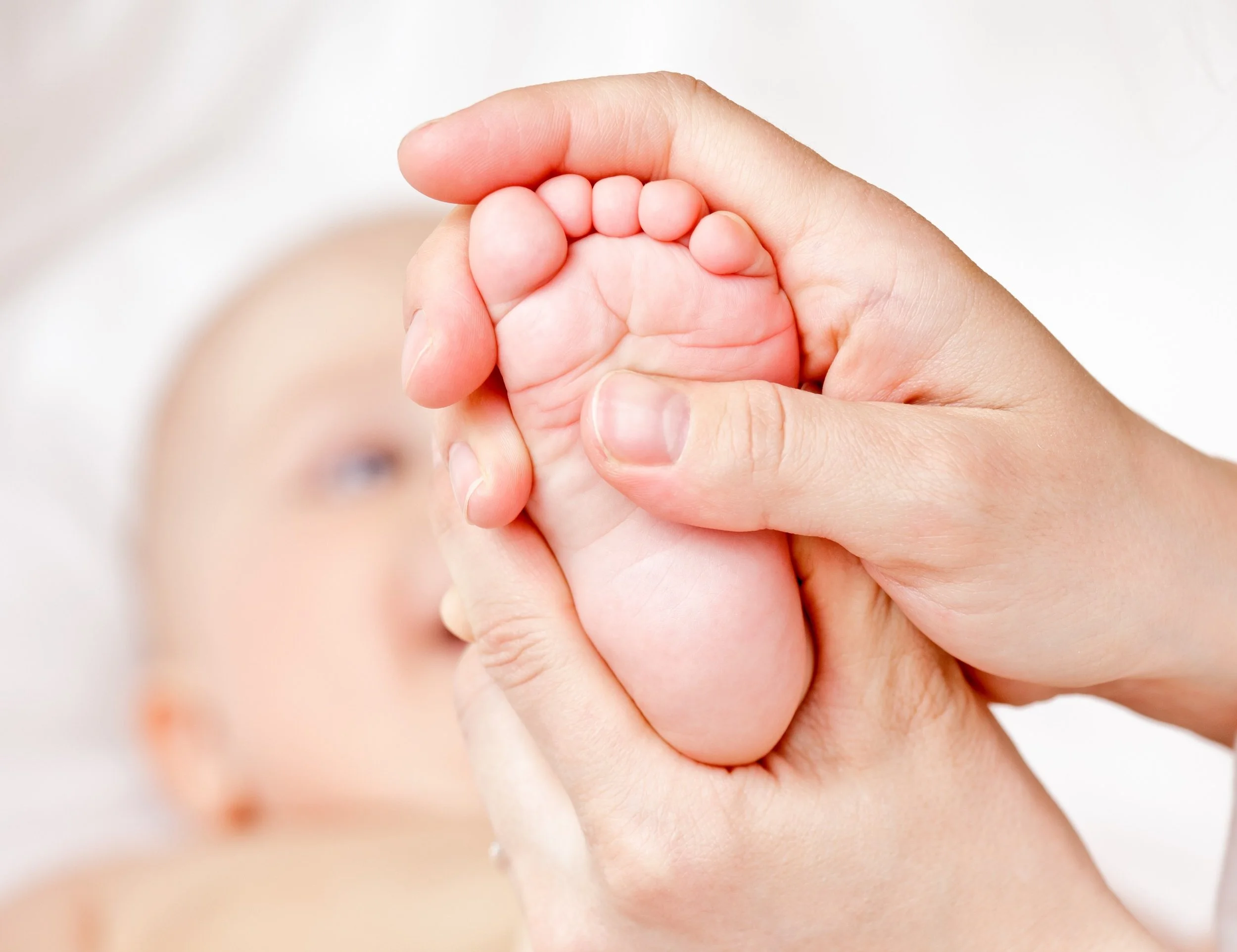
Give the stimulus, response, and age of suppression of the Plantar grasp reflex.
Stimulus: pressure on sole distal to MT heads
Response: flexion of all toes
Age of Suppression: 12-14 months when walking is achieved
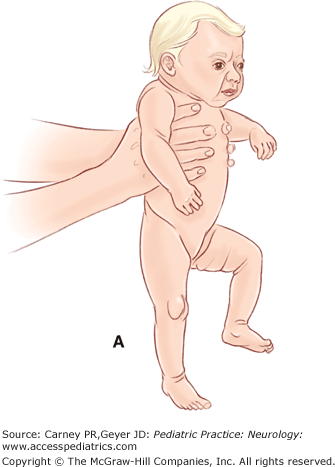
Give the stimulus, response, and age of suppression of the Automatic neonatal walking reflex.
Stimulus: on vertical support plantar contact and passive tilting of body forward and side to side
Response: alternating automatic steps with support
Age of Suppression: 3-4 months

Give the stimulus, response, and age of suppression of the Placement or Placing reflex.
Stimulus: tactile contact on dorsum of foot and hand
Response: extremity flexion to place hand or foot over obstacle
Age of Suppression: before end of first year
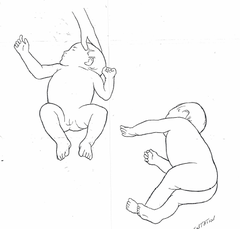
Give the stimulus, response, and age of suppression of the Neck righting or Body derotational reflex.
Stimulus: neck rotation in supine
Response: sequential body rotation from shoulder to pelvis towards direction of face
Age of Suppression: 4 months replaced by volitional rolling
Give the stimulus, response, and age of suppression of the Tonic labyrinthine reflex.
Stimulus: (1) supine; (2) prone
Response: (1) predominant extensor tone; (2) predominant flexor tone
Age of Suppression: 4-6 months
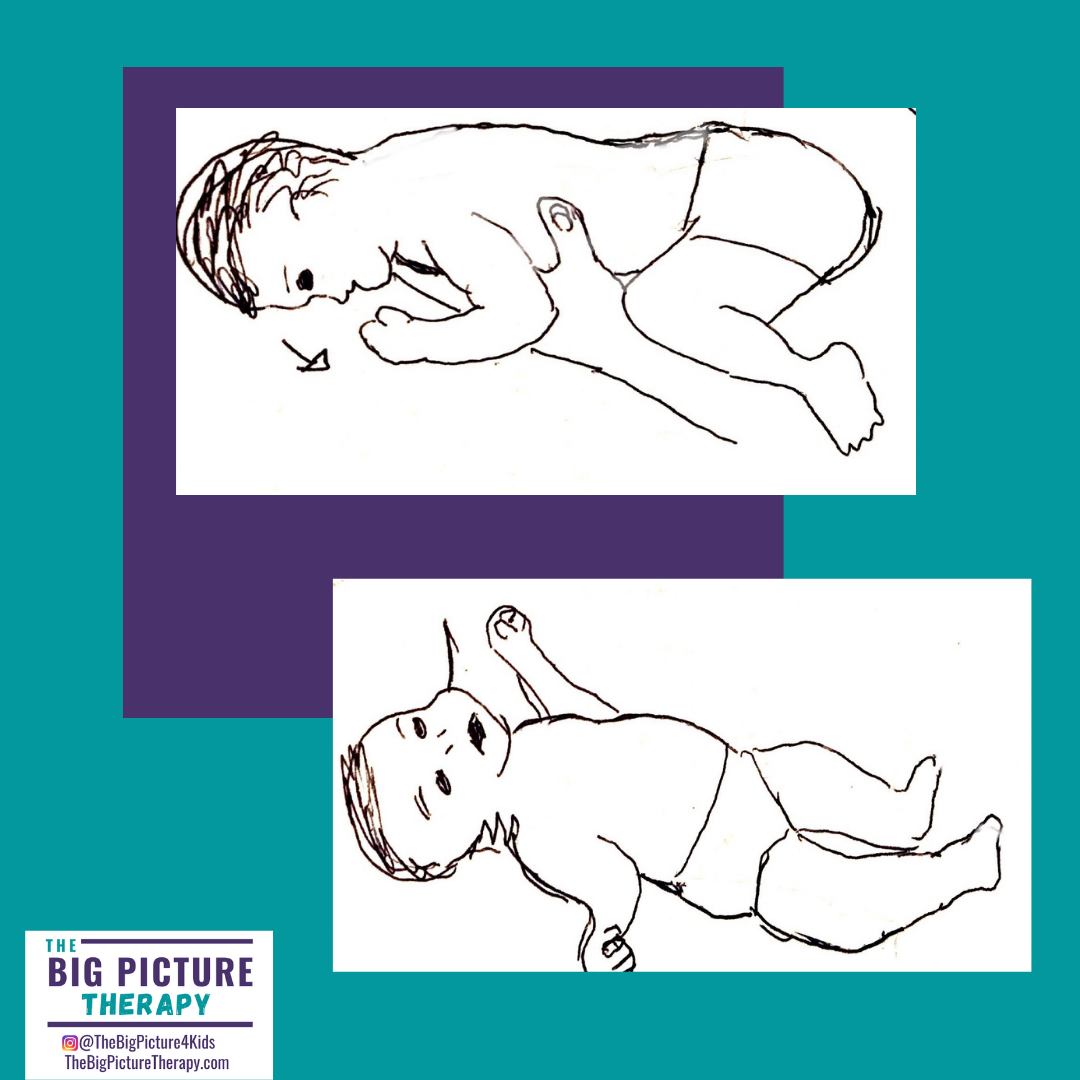
Give the stimulus, response, and age of emergence of the Head righting reflex.
Stimulus: visual and vestibular
Response: align face or head vertically, mouth horizontally
Age of Suppression:
Prone — 2 months
Supine — 3-4 months
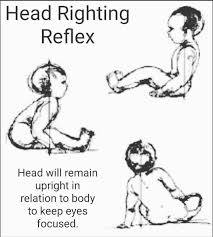
Give the stimulus, response, and age of emergence of the Head and body righting reflex.
Stimulus: tactile, vestibular, and proprioceptive
Response: align body parts in anatomic position relative to each other and gravity
Age of Suppression: 4-6 months

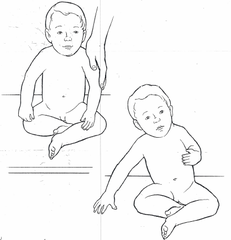
Give the stimulus, response, and age of emergence of the Protective extension reflex.
Stimulus: displacement of gravity outside supporting base in sitting or standing
Response: extension or abduction of lateral extremity towards displacement to prevent falling
Age of Suppression:
Sitting anterior — 5-7 months
Lateral — 6 months
Posterior — 7-8 months
Standing — 12-14 months
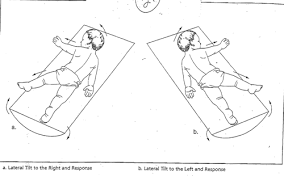
Give the stimulus, response, and age of emergence of the Equilibrium or tilting reactions.
Stimulus: displacement of center of gravity
Response: adjustment of tone and posture of trunk to maintain balance
Age of Suppression:
Sitting — 6-8 months
Standing — 12-14 months
Enumerate the gross motor developmental milestones per age.
3 months — good head control in sitting; rolls back to side
6 months — ability to sit; rolls both ways
9 months — crawls; pulls to stand and cruises
12 months — walks with hand held or independently; can squat (stand to sit)
18 months — can run; walks stairs
24 months — kicks ball; runs better
3 years — balances on one foot; rides a tricycle
4 years — hops on one foot; stands on one foot for 5 seconds
5 years — skipping; stands on one foot for 10 seconds; mature gait; walks backwards heel-toe
Enumerate the language developmental milestones per age.
3 months — cries and coos
6 months — babbles and makes vowel sounds
9 months — uses gestures; understands “no”
12 months — mama/dada specific; has at least two other words; responds to name
18 months — 4-20 words; follows simple instructions; one or more body parts
24 months — two-word sentences; body parts; intelligible most of the time (75%); 200 words
3 years — first and last name; knows age and sex; three-word sentences; can count 3 objects
4 years — four- to five-word sentences; counts to 4; knows colors
5 years — counts to 10 or more objects; six- to eight-word sentences; knows coins; knows address
Enumerate the fine motor developmental milestones per age.
3 months — grasps toy; object to mouth; hands to midline
6 months — thumb opposition emerging; reaches with one hand
9 months — can release voluntarily; pincer grasp (crude); can point
12 months — bangs 2 blocks together; grossly turns pages in a book; puts objects in a container; pincer grasp (mature)
18 months — builds tower of 2 or 4 cubes; throws ball; scribbles
24 months — builds tower of 6 or 7 cubes; turns a door knob; can draw a vertical line
3 years — builds tower of 9 or 10 cubes; holds crayon with fingers; copies circle
4 years — throws ball overhead; uses scissors; draws circle and square; can draw person of 2-4 parts
5 years — catches a ball; copies triangle; draws person with a body
Enumerate the social developmental milestones per age.
3 months — smiles at face
6 months — recognizes family members
9 months — plays patty cake and peek-a-boo
12 months — waves bye-bye
18 months — feeds self; takes off simple clothes
24 months — can put on some clothes
3 years — dresses; potty trained; separates easily
4 years — tries to be independent; imaginary play
5 years — ties shoelaces, sings, and dances
 Note
Note  Flashcards (94)