History Lecture & Video Notes (Architecture of Doom - 1960 CE)
 Call Kai
 Learn
Learn Practice Test
 Spaced Repetition
 Match
Match Flashcards
 Knowt Play
1/106

There's no tags or description
Looks like no tags are added yet.
Name | Mastery | Learn | Test | Matching | Spaced | Call with Kai |
|---|
No analytics yet
Send a link to your students to track their progress
107 Terms
Hitler's 3 Fixations
Lintz (His home town)
Antiquity
Wagner (Creative artist and politician)
Nazism
Driven by aesthetic, to beautify the world through violence.
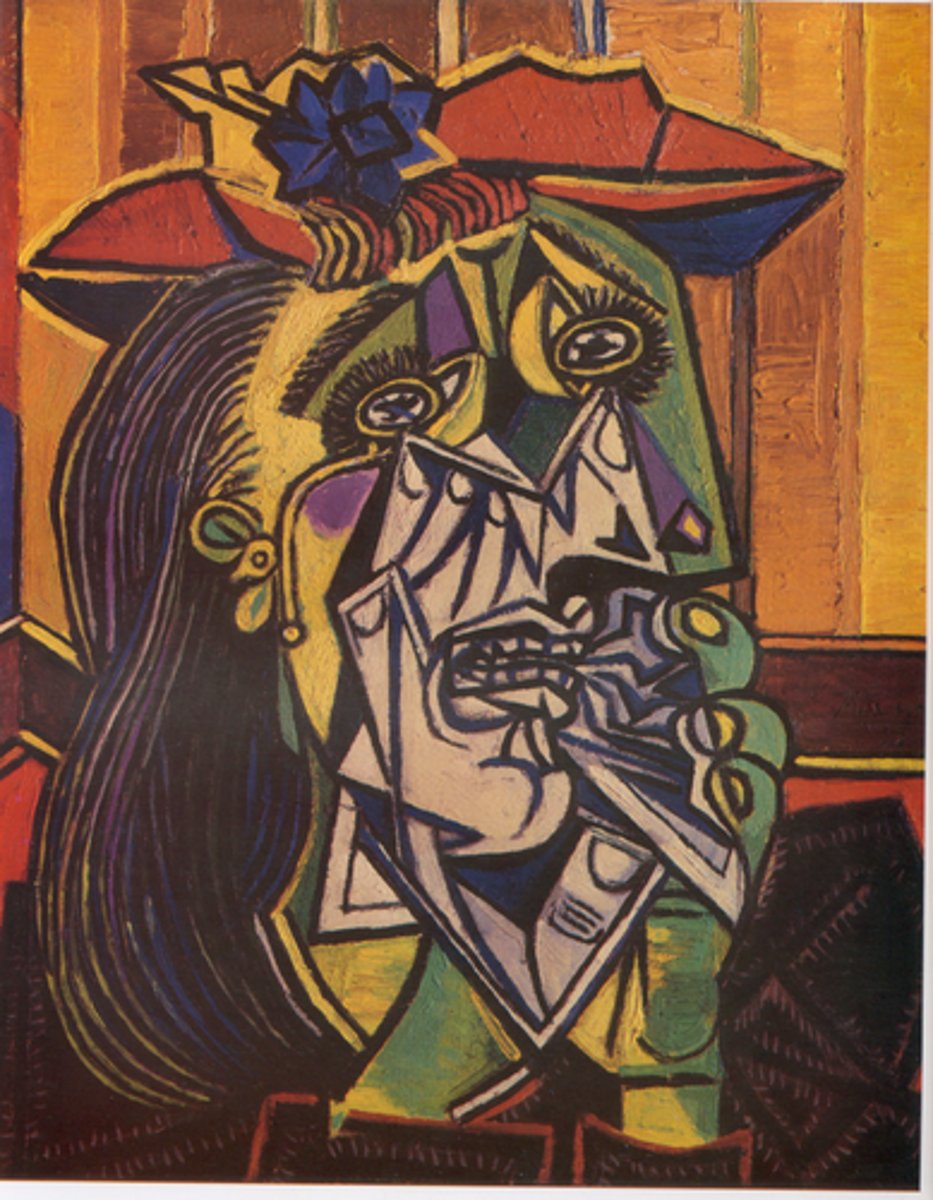
Degenerative Art
The Nazi term for modern art.
Nazi regime believed that cultural degeneration was a genuine threat to society, and that Jewish people perpetuated it.

Degenerative Art Exhibit
Expressionist/abstract art put on display in an exhibit then burned to send a message to modern artists.
National Socialist Society for German Culture
"Modern art is a sign of mental illness"
Claimed there was a link between degeneration of art and degeneration of mind. Modern artists were seen as insane.
Passed law mandating sterilization of these artists.
Hitler's Art Collection
Bismarck era art.
Reveals how limited his intellect was
Most were portraits of photos that were traced over
Cleanliness of Workplace
Hitler's belief that lower-class workers were taught cleanliness, they will feel at a bourgeois level, and not resist the bourgeois.
Albert Speer
Hitler's lead architect
Chancellery Myth
Stated that Hitler had commissioned Speer only 1 year prior to its completion.
It had began 4 years prior.
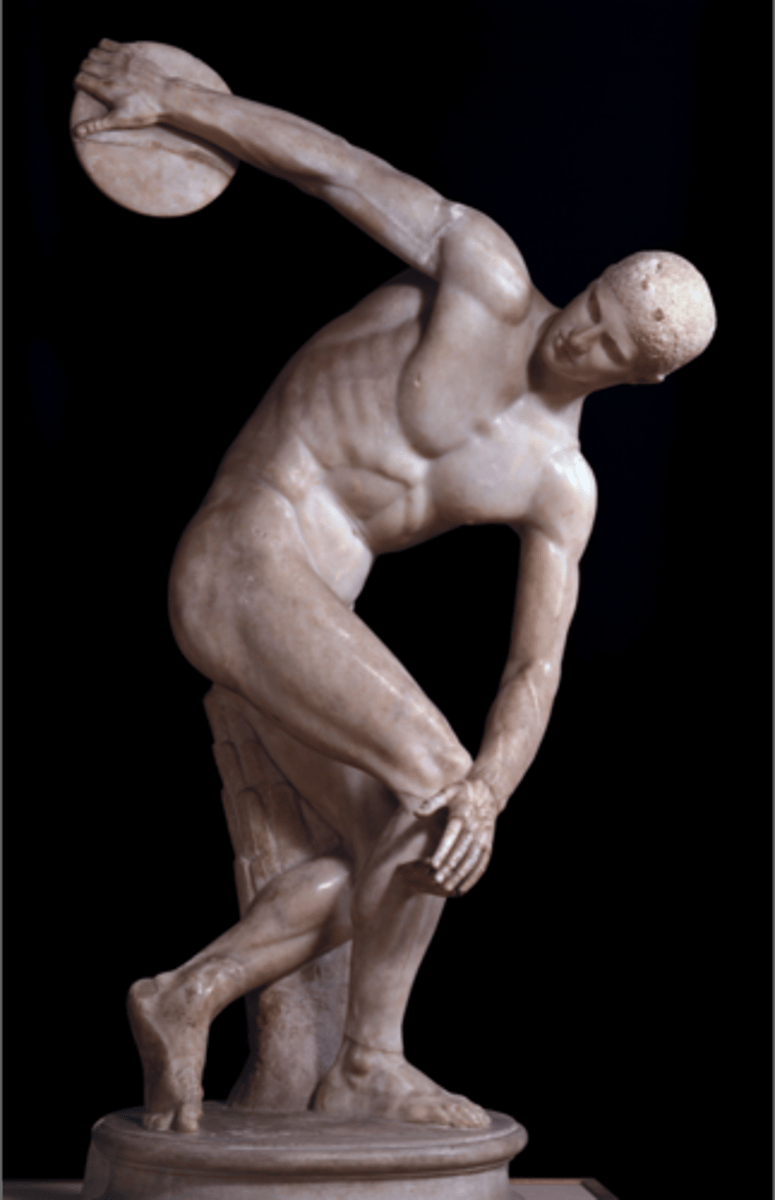
The Discus Thrower
Classical Greek statue that set standard for Nazi sculpture.
Hitler believed it showed how man's physical condition was at its peak, and now it has digressed and it's up to him to return that beauty to Germany.
Hitler's view on Paris
Thought it was beautiful and wanted to destroy it so it wouldn't outshine Germany.
Why did Hitler decide not to destroy Paris?
He thought that the beauty of Paris would pail in comparison when he completed his plans for Berlin.
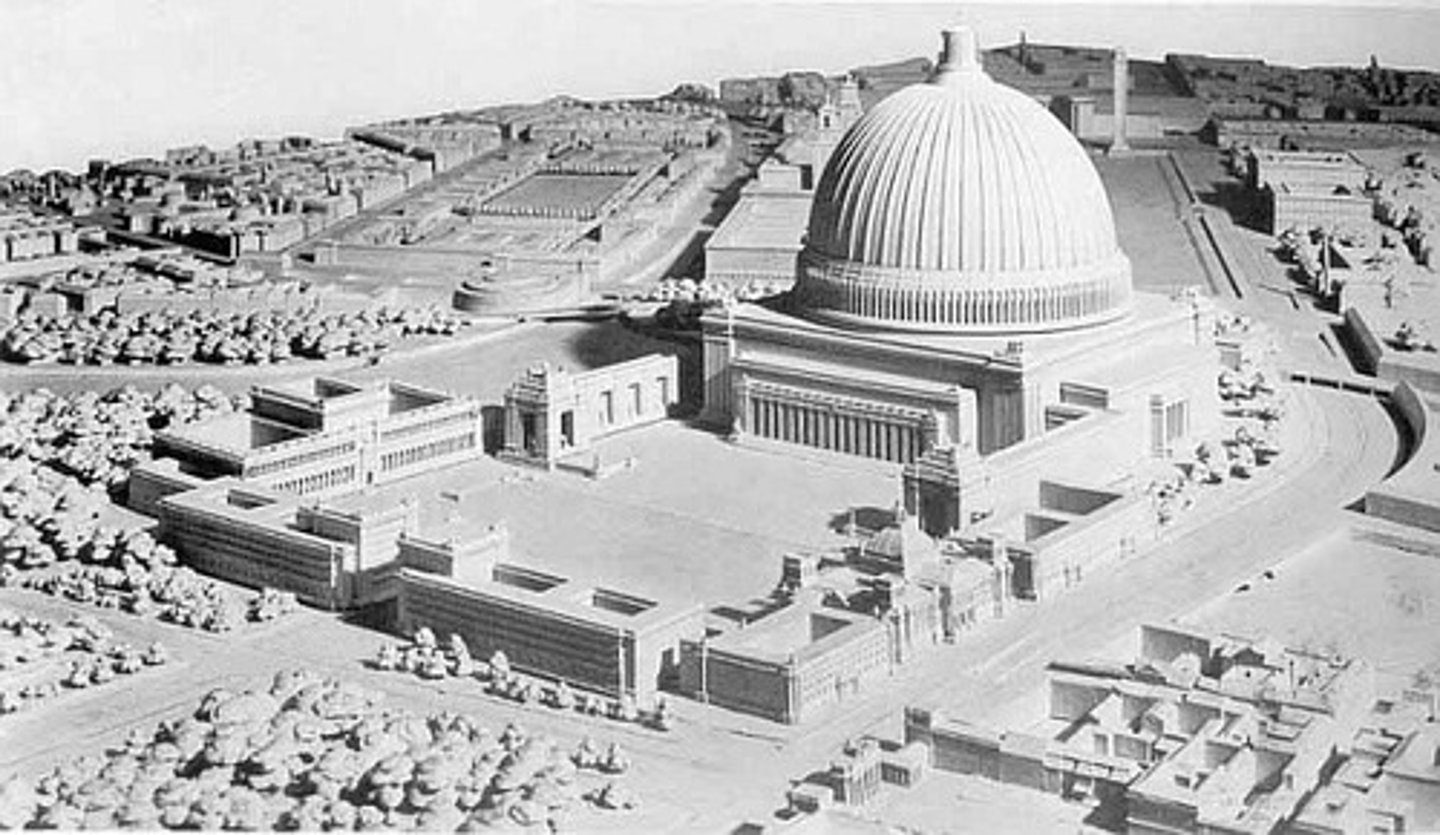
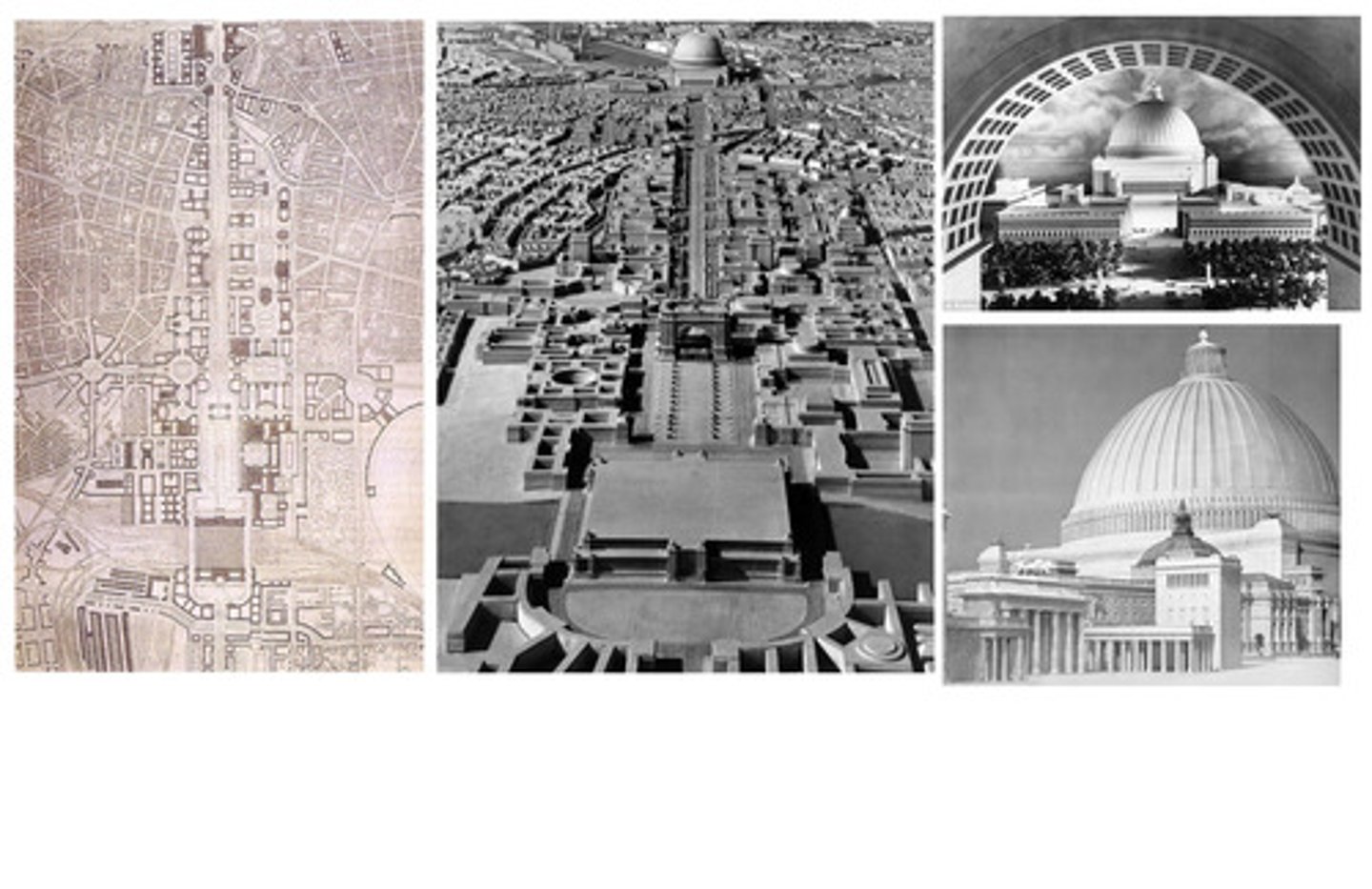
Hitler's Berlin Plan
Model built for his art museum.
Featured a large arch, Hitler's palace, and great hall.
Believed project would be complete in 1950 with the war won.
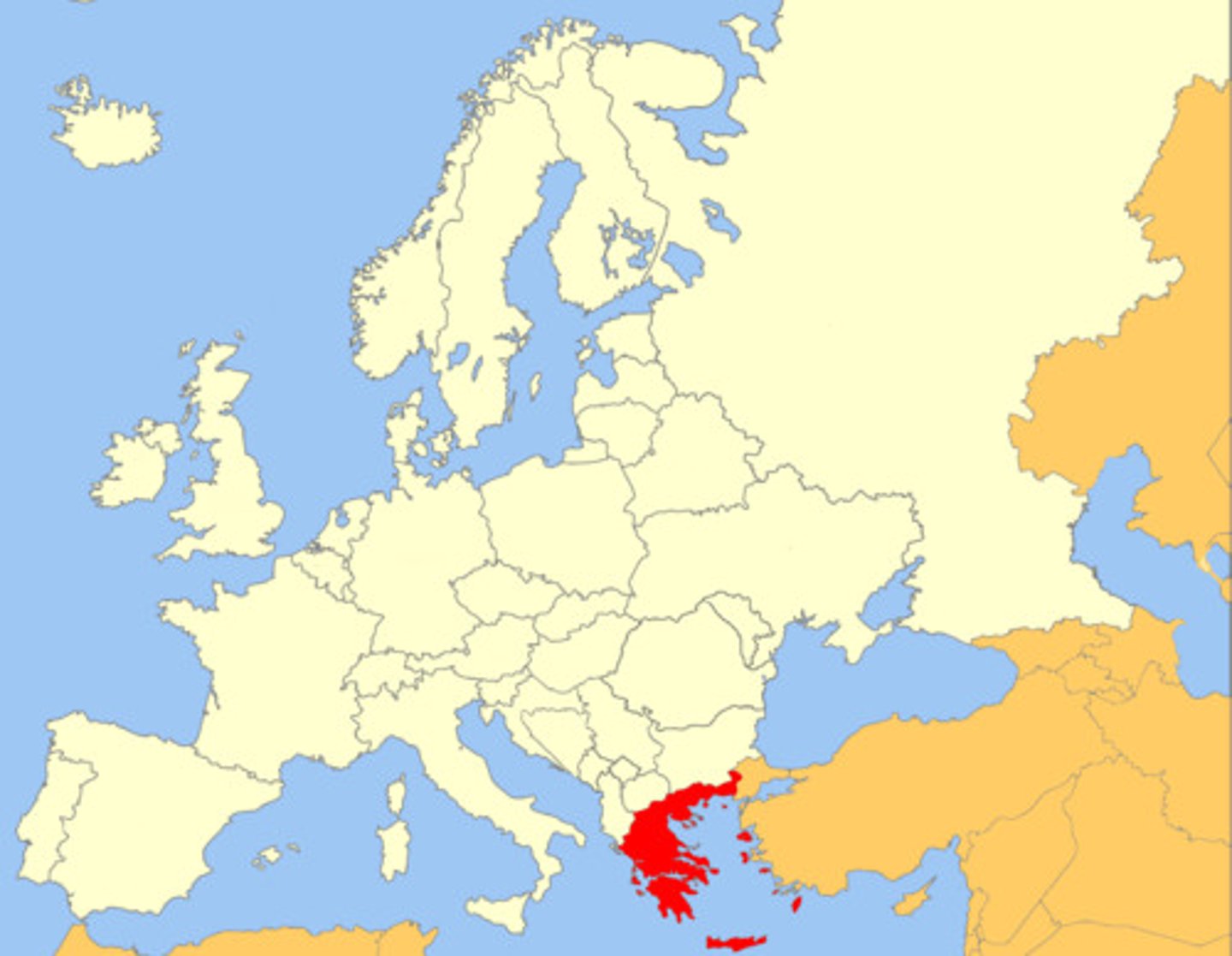
T/F: Hitler ordered the bombings of Athens.
False. Hitler forbade them from being bombed when they were invaded, viewing Athens as his Mecca, and the Greeks as the forefathers of the Germans.
War Art
Depicting war not as dreadful, but as "homely and poetic"
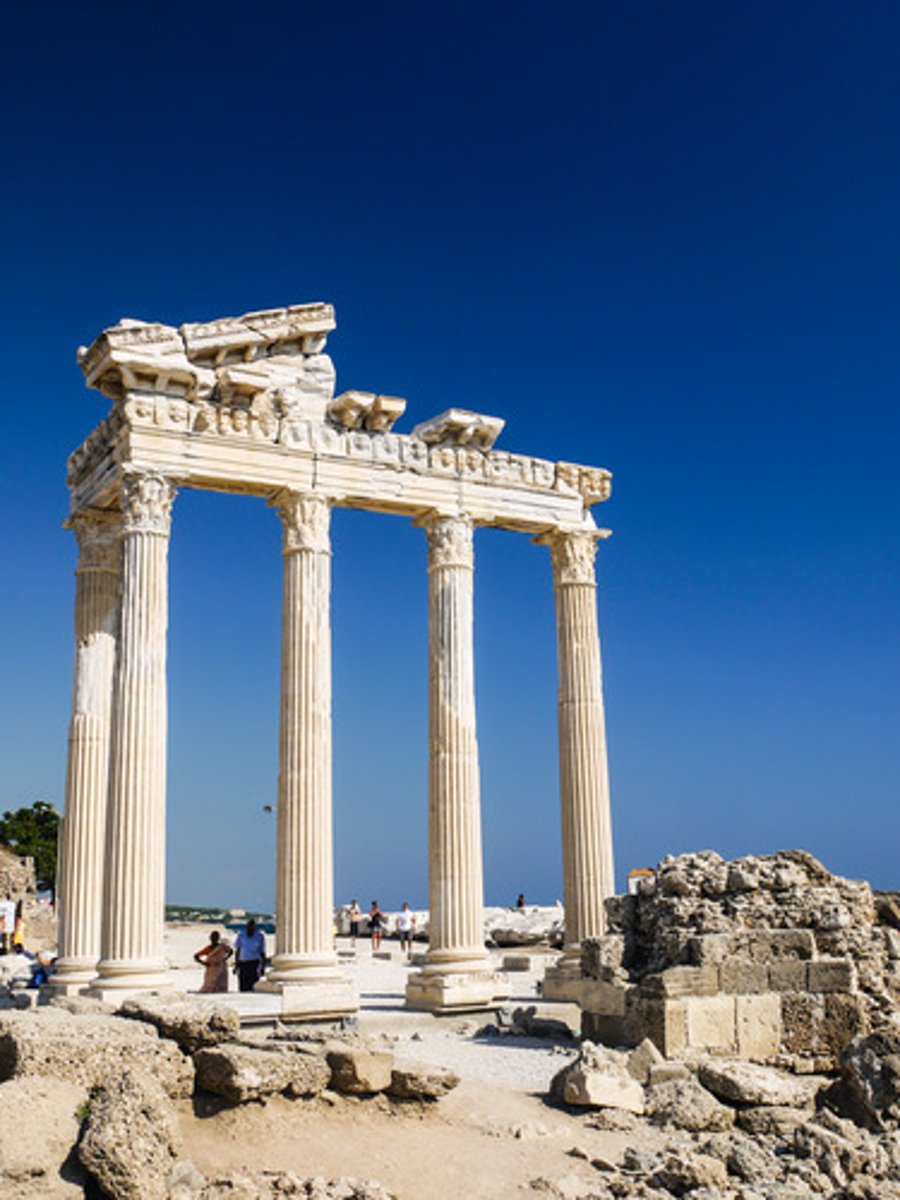
Ruins Principle
Nazi accordance that buildings would be constructed so that in the distant future they should collapse into picturesque ruins.
Hitler's Antiquity
Fighting a modern war with ancient objectives of conquest, annihilating cities and people.
Used war prisoners as slaves to build his architecture.
T/F: After Germany was defeated in Russia, Hitler's objective switched from world domination to genocide.
True
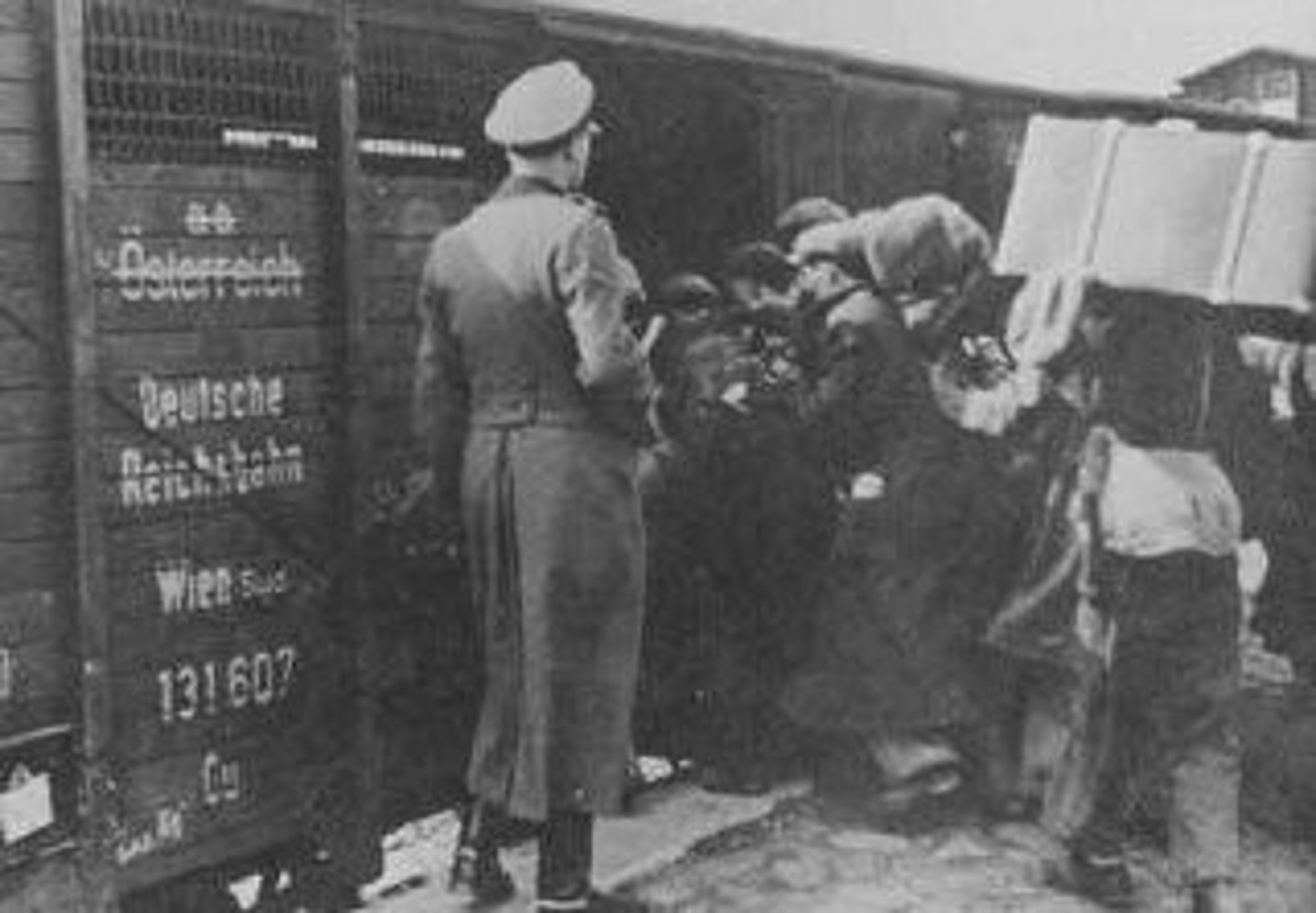
Gas Vans
Those targeted by Nazis picked up in vans, motor exhaust is pumped into back of van, bodies are dumped.
"The Eternal Jew" Film
Peak of propaganda, marked the beginning of mass extermination, saying antisemitism seen as hygiene, and genocide as delousing.
Said that Jews only made "perverted" abstract art, Germans made "pure" art.
Karl May
German author who wrote about indigenous peoples and how to fight them, despite never traveling to the lands these people were from.
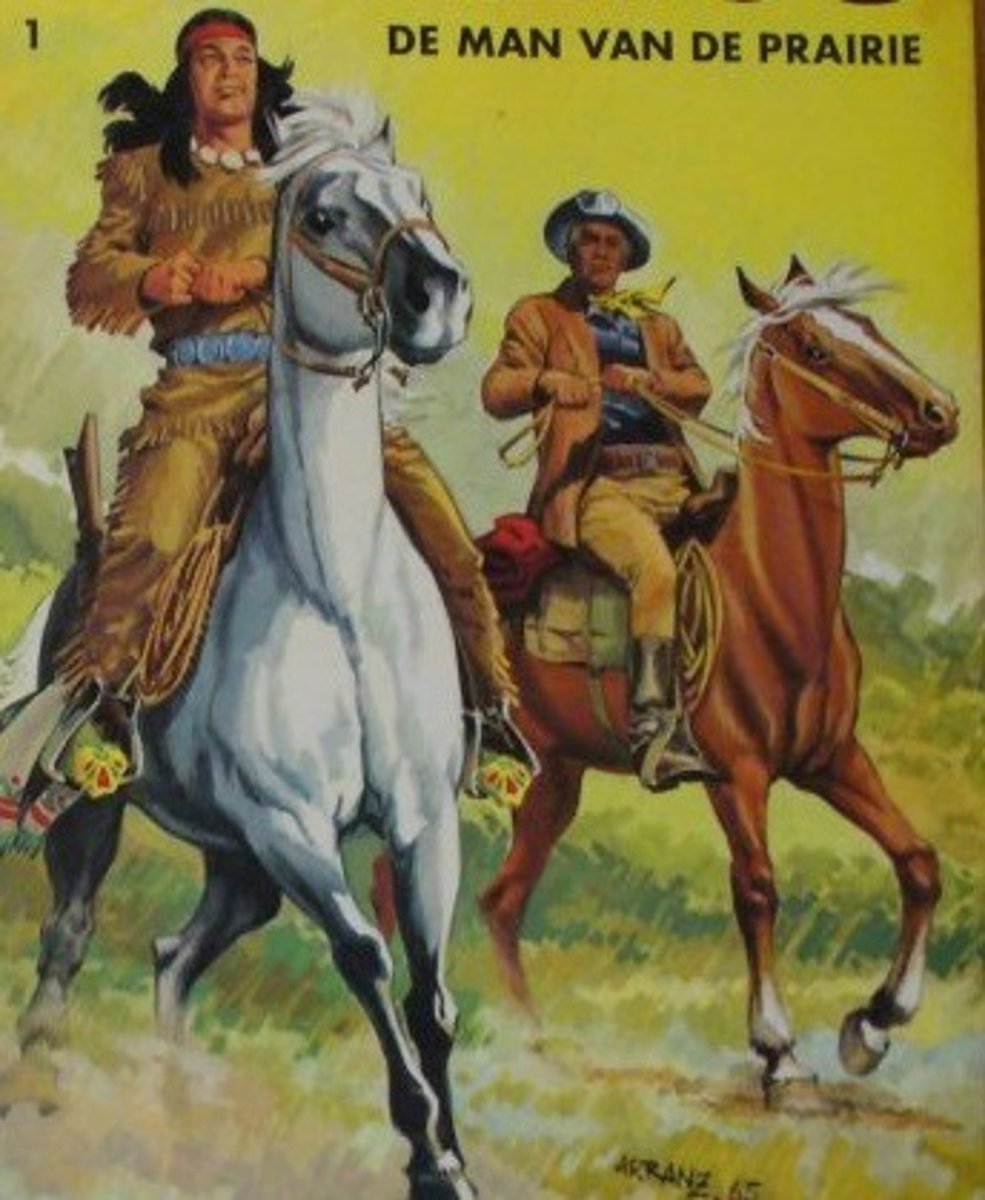
T/F: Hitler required each soldier carry a copy of one of Karl May's books detailing how to fight Indigenous people.
True. However, these books were purely speculative, and had no basis.
T/F: In light of Karl May's books, Hitler believed that imagination was the basis for knowledge, rather than fact and experience.
True. This lead him to believe a multitude of antisemitic conspiracy theories, making genocide his top priority.
Sonderkommando 1005
Task force for destroying all evidence of the Holocaust.
Response to Germany realizing they were losing the war, not wanting allied powers to find out about the extent of their genocide.
Lintz Plan
New model for city of Lintz, where Hitler's vast art collection is stored in a salt cave.
Whole city was rigged with land mines, destroying the city and all his art when the allies arrived.
Punic Wars
Likened struggles of Germany to that of Rome's wars with Carthage.
"Shame of defeat will be outshined by glory of fall."
T/F: Charles Eames required his employees had a degree.
False.
"I can teach you how to draw if you can think, you can see, and you can prove it to me."
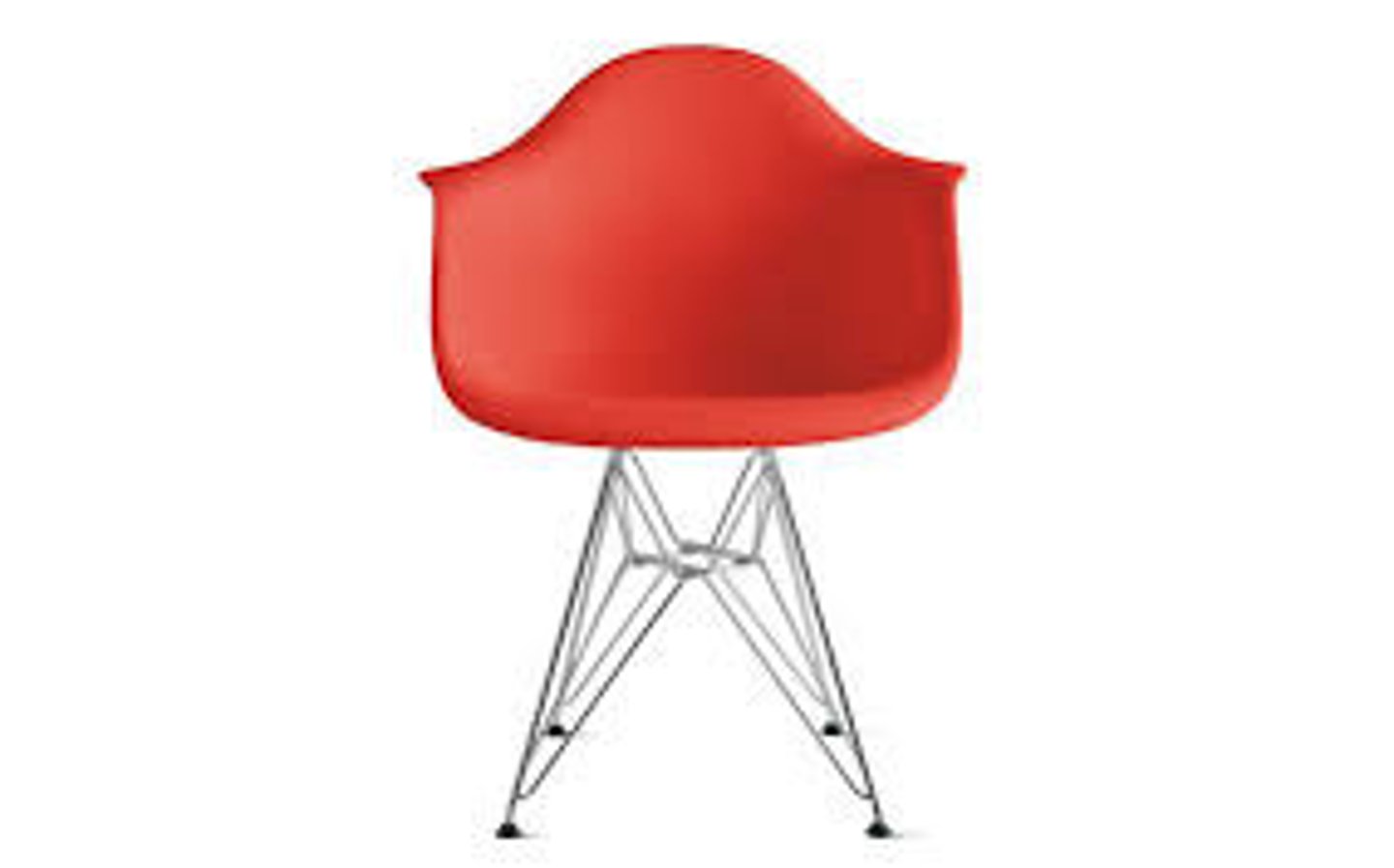
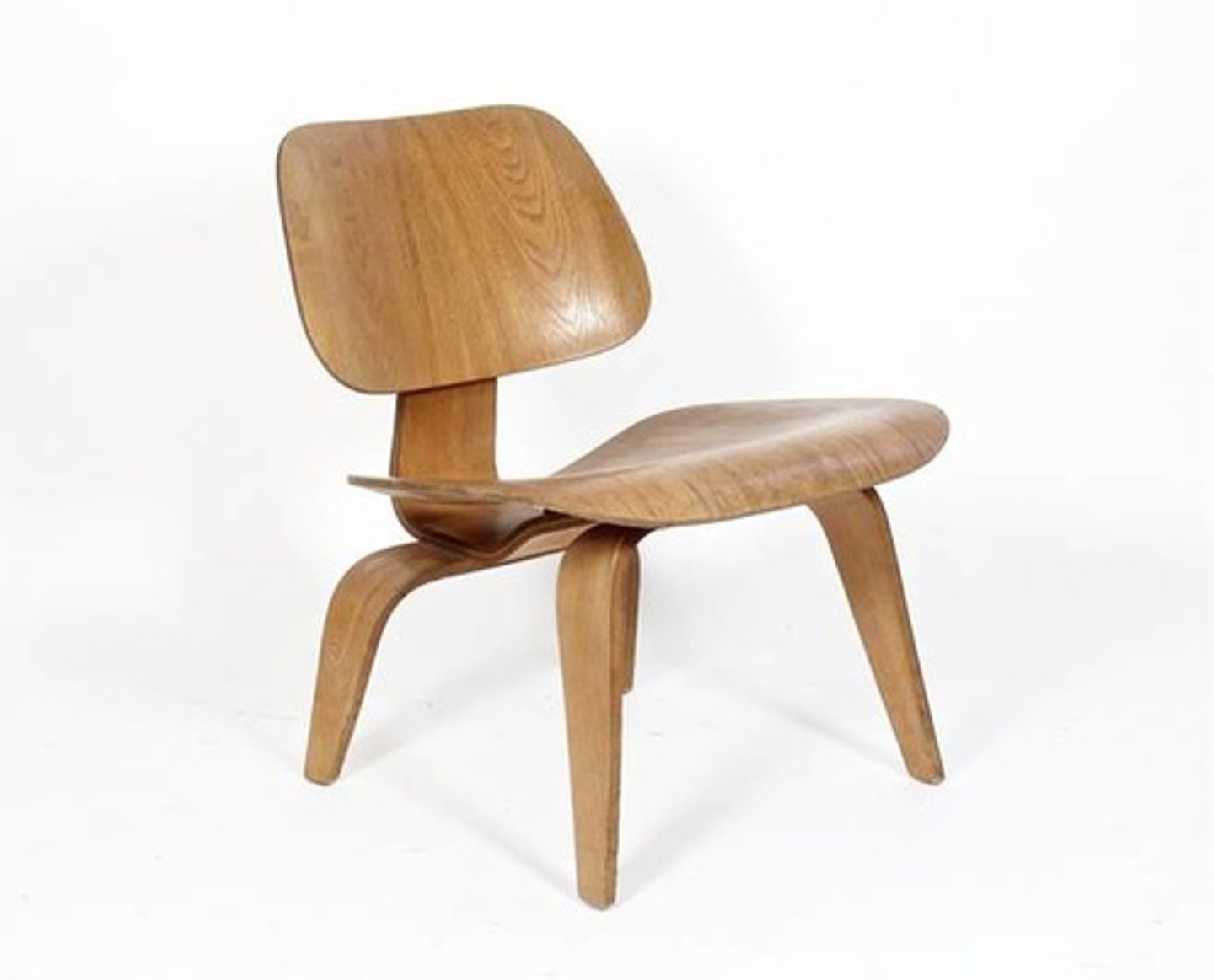
Eames Chair
modern chair designed by Charles and Ray Eames
Created from a single-piece shell, rather than the back and seat being two separate pieces.
T/F: The Eames chair began as a failure.
True. Was not technologically possible at the time Charles designed it with his partner at the time.
T/F: Charles believed work and love life should be separate.
False.
That is why he cheated on his wife with Ray and left her and his infant son to create art and architecture with Ray.
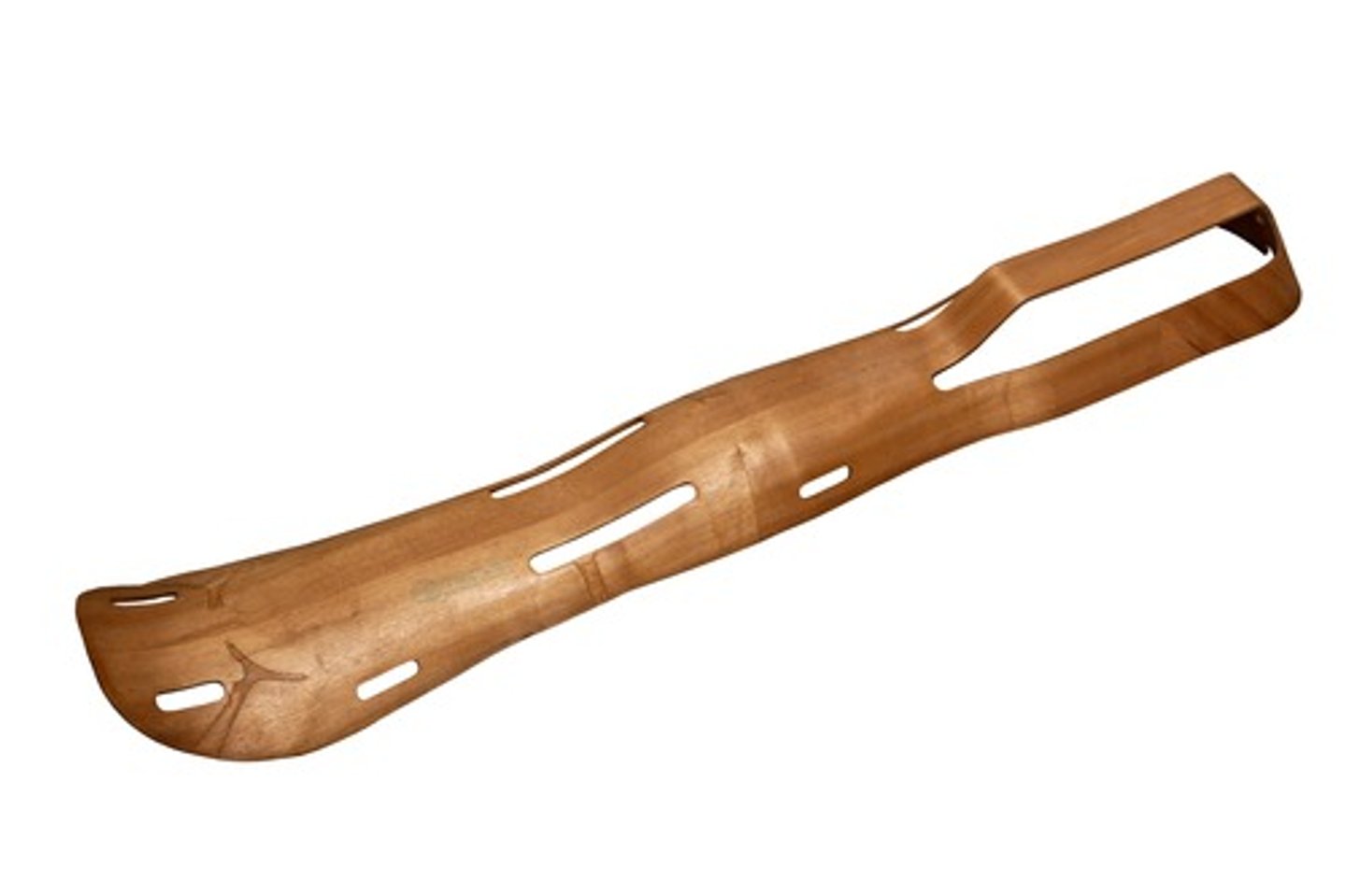
Why did Charles and Ray Eames invent a new molded plywood splint for wounded soldiers?
Because they could not work on the Eames chair due to a shortage of resources during the war, so they experimented with the technology by making molded splints.
"We wanted to make the best for the most for the least"
Phrase that popularized Eames chair.
Studied multiple body types to determine the best design for users.
Credit Controversy
Charles received most credit for designs. Rae would sometimes be mentioned, and his workers were forced to remain anonymous.
"I was happy being exploited by a proper master."
What expressionist painter taught Ray Eames?
Hans Hofmann

T/F: Because Charles was more focused on architecture and technicality, he relied on Ray's artistic expertise in his designs.
True.
Ray would receive little credit though, despite Charles trying to push her to the forefront. 1950's America was not ready to accept a woman was capable of meaningful contributions.
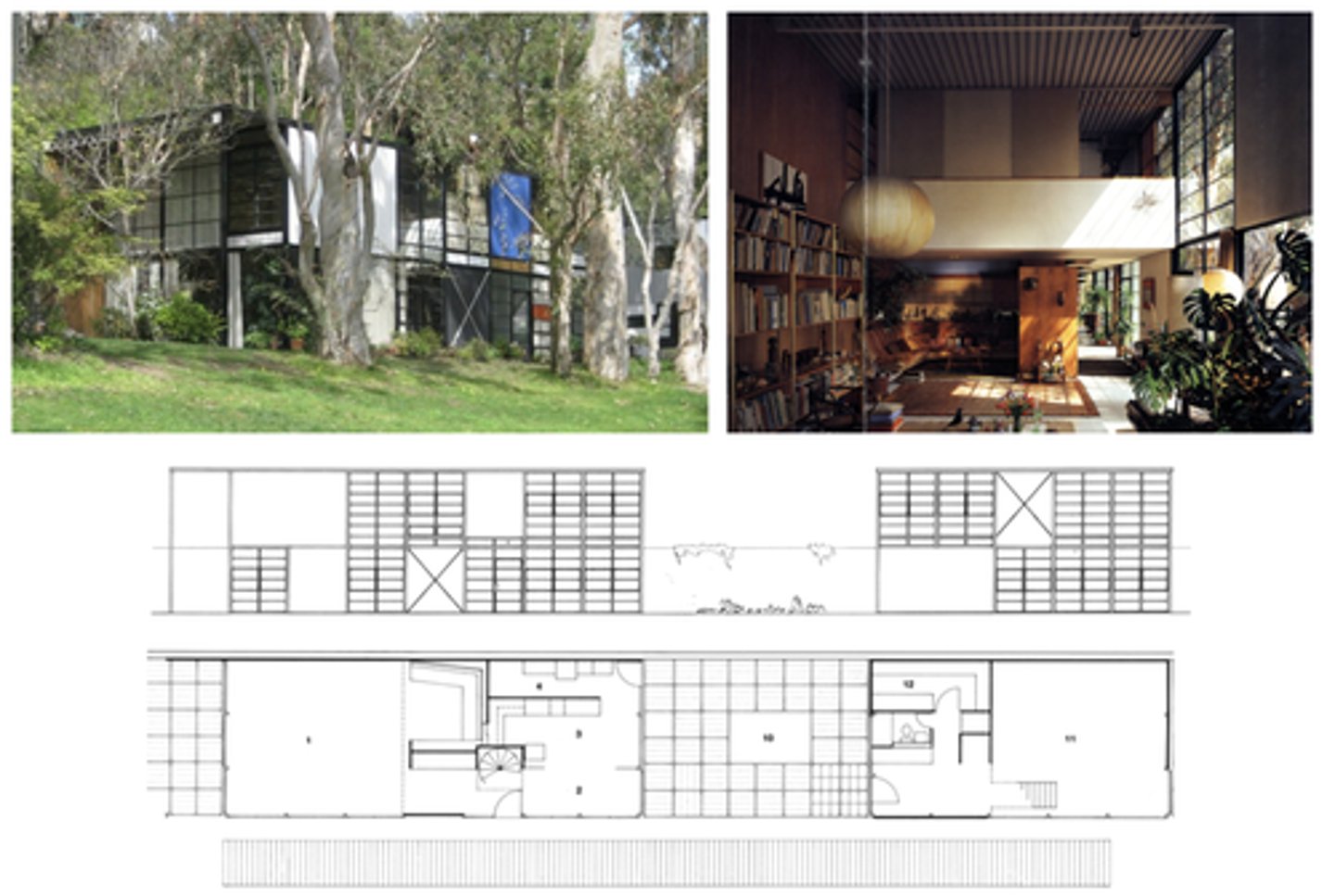
Eames House (Case Study House No. 8)
Modern Building that still feels "Homey"
"The container for your life can be simple, but that doesn't mean your life has to be simple."
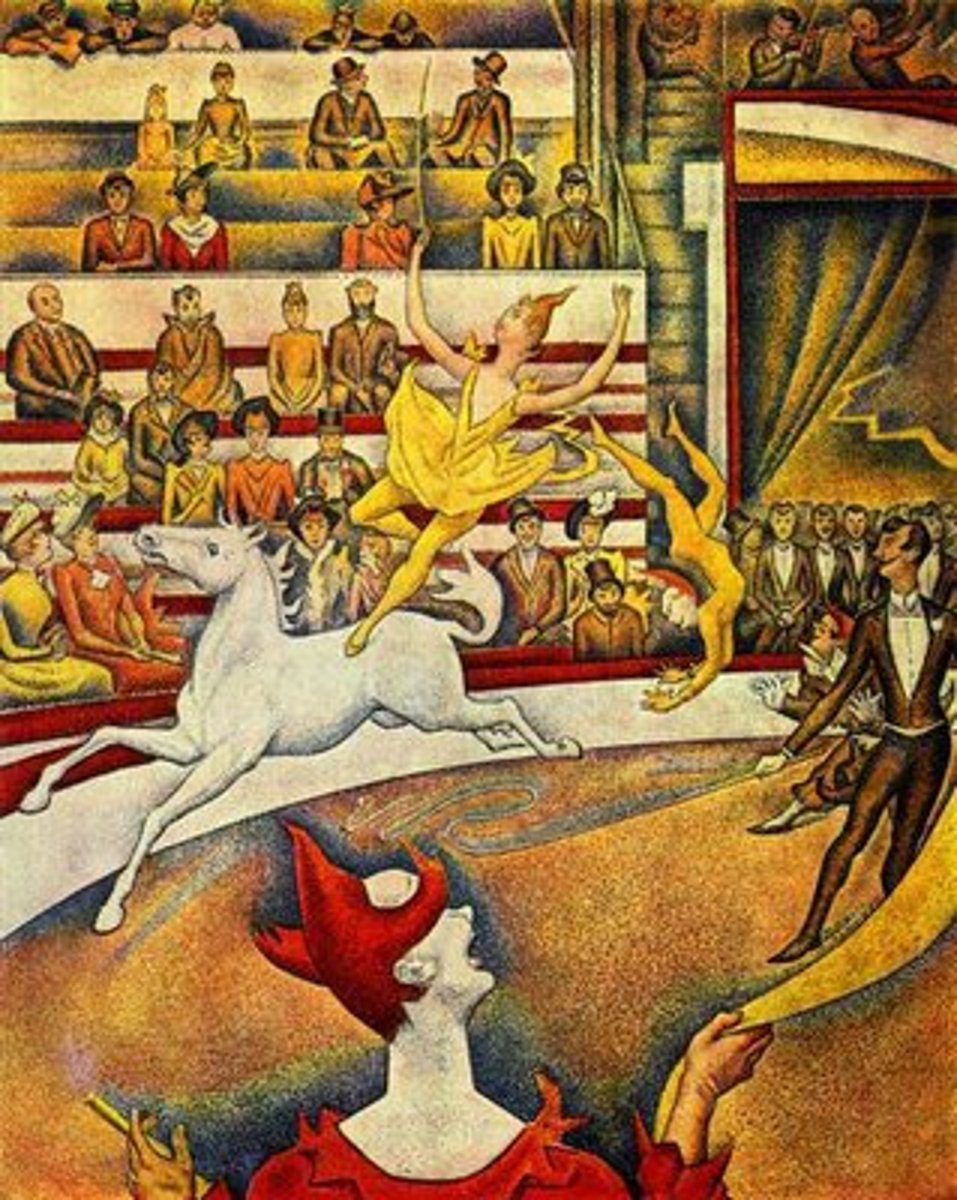
Why was Charles Eames so infatuated by circuses?
They "Never let the blood show"
A circus appears to be chaos, when actually every person knows their specific task and conducts it in an orderly fashion.
T/F: Eames Films told stories with pictures, not dialogue.
True. They were a form of art, not a form of storytelling.
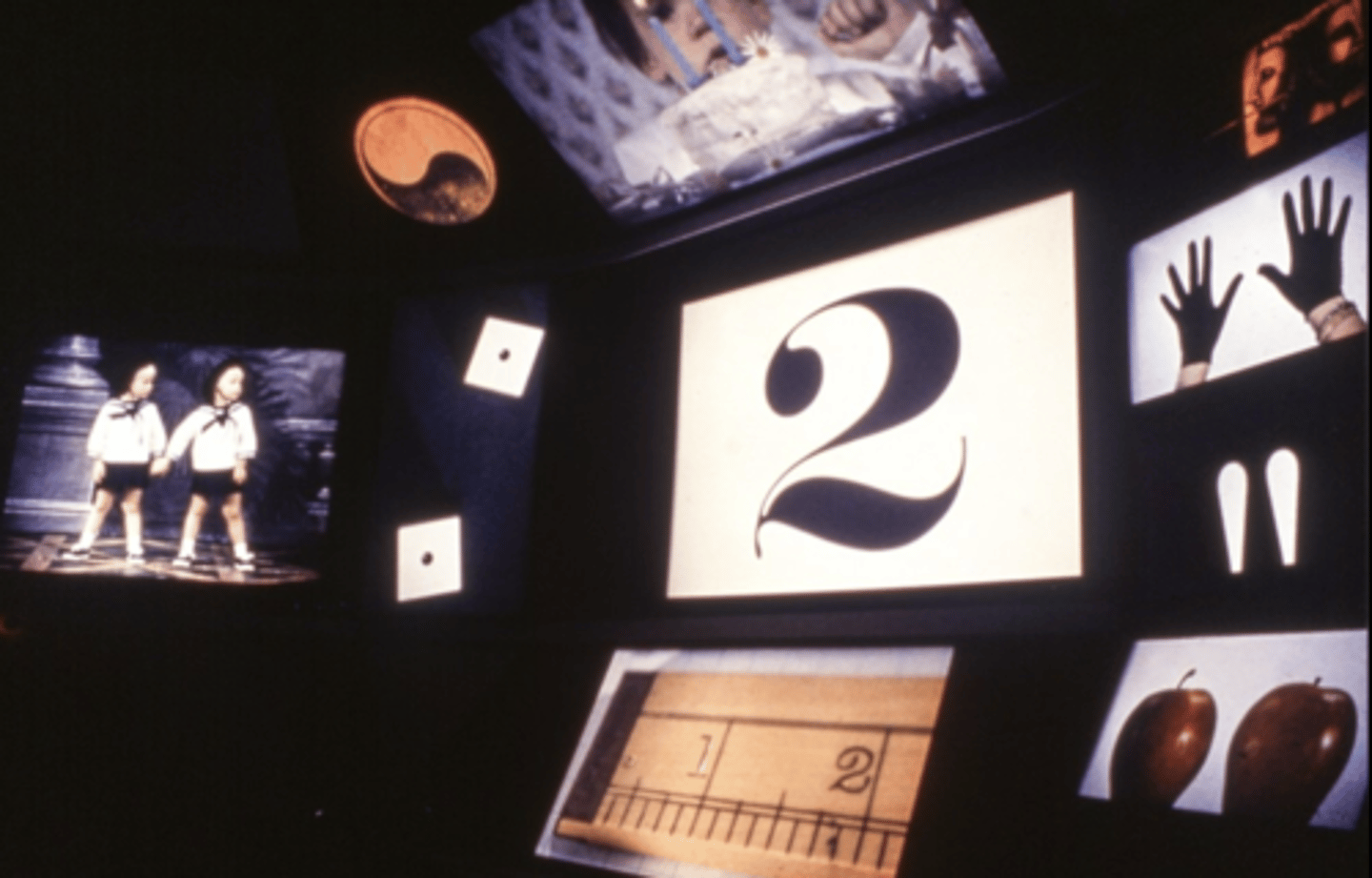
Glimpses of the USA (1959)
Nationalistic film to show Russia the "Greatness of the USA" during the Cold War.
Propaganda that highlighted the similarities between USA and Russia without using militaristic imagery.
"We all look at the same stars" mentality.
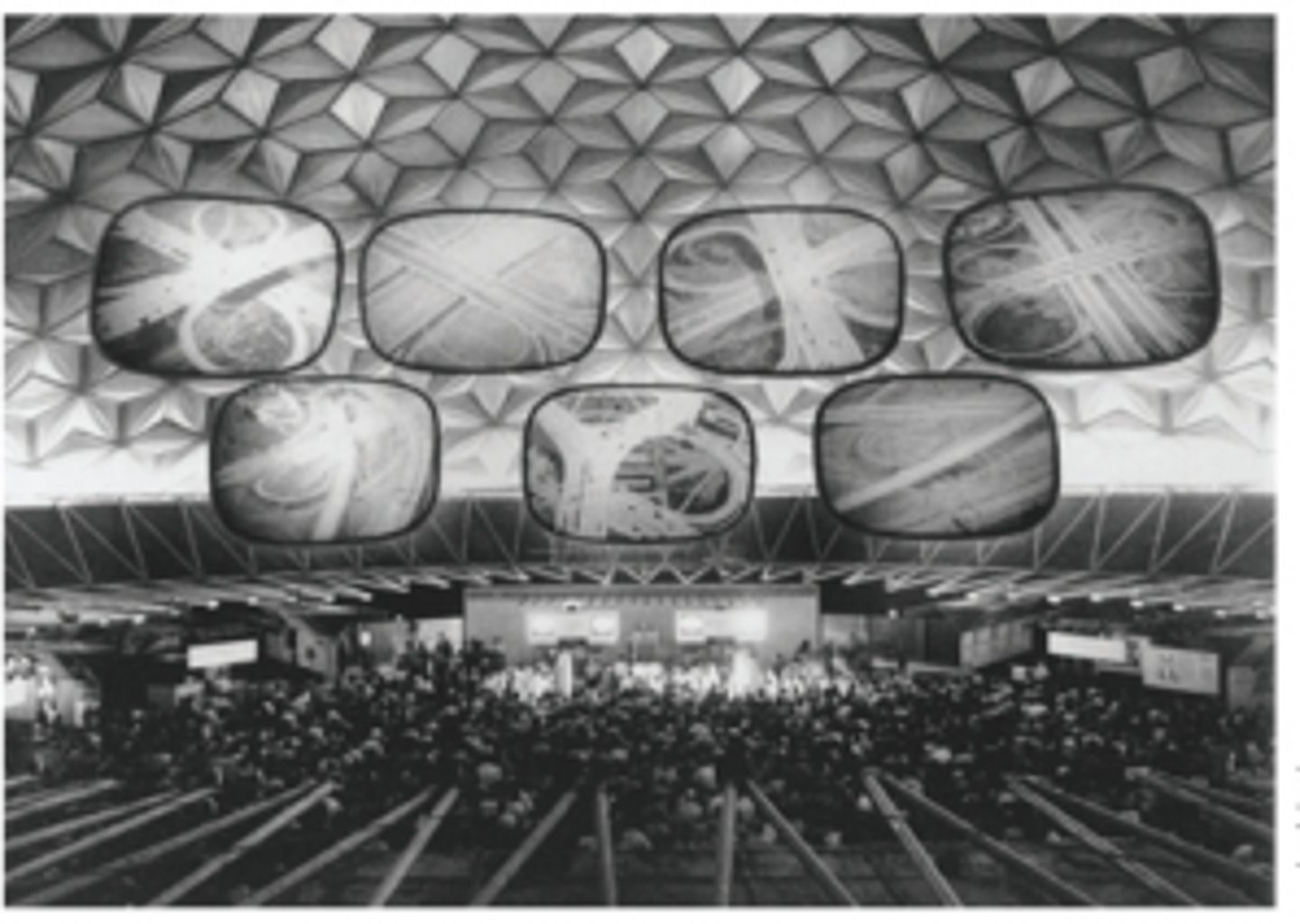
The Information Machine
PR Cartoon to promote computers when public was scared of AI takeover.
"As human problems advance, so should solutions."
T/F: If Charles Eames' vision for a project went overbudget, he would pay for additional expenses.
True.
T/F: The Eameses worked for large corporations because they wanted the high pay that came with that.
False. While they disagreed with a lot of these corporations greedy practices, they felt that it was the only way to reach more people.
Powers of Ten
Film showing a camera zooming out from a couple having a picnic by powers of 10 meters. Made to help kids learn math.
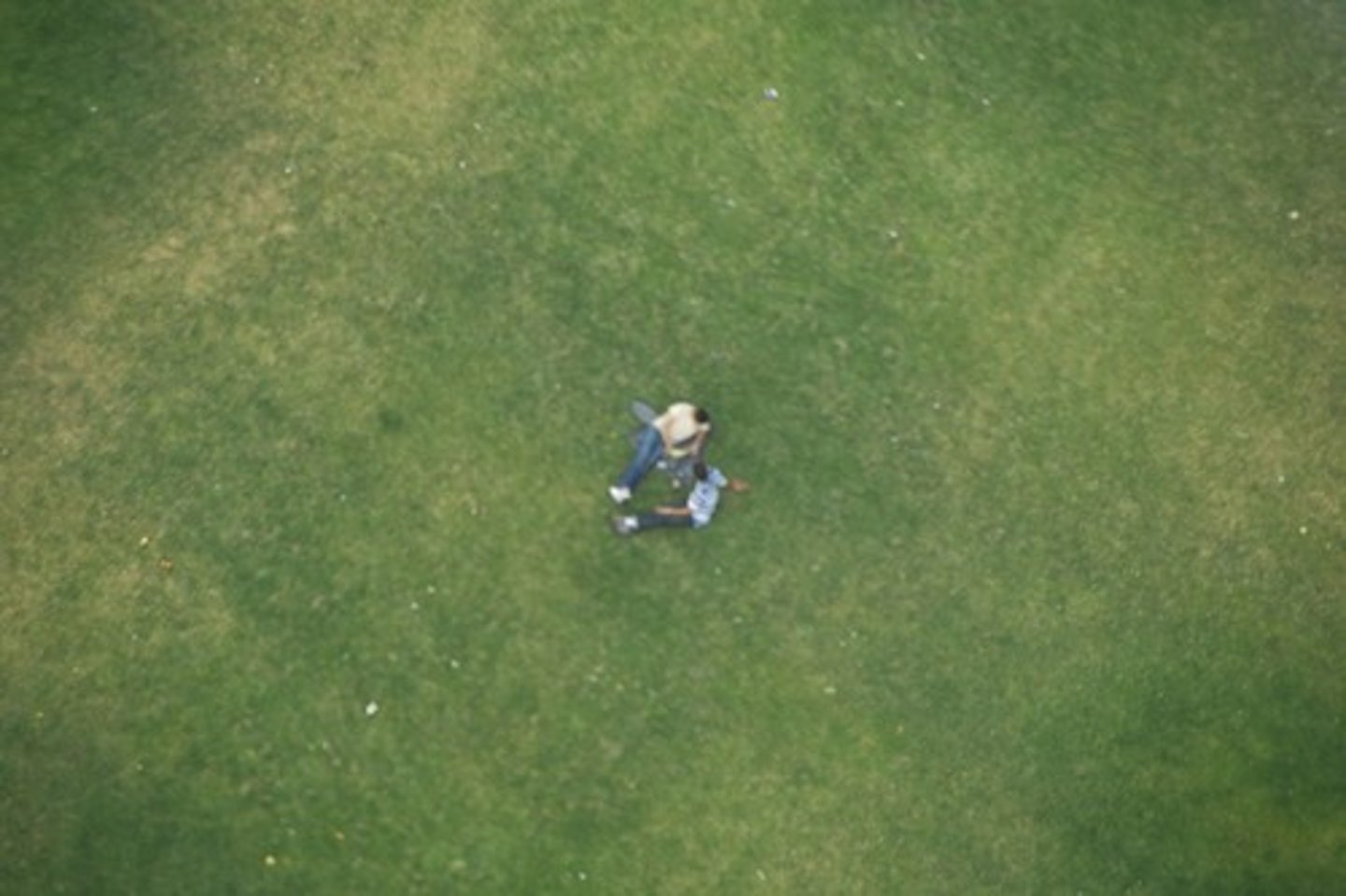
Impact of Powers of Ten on Charles and Ray
Ray was an artist and not good with math.
Charles started to work more on math-related projects, and since his work and love life are one, he started to lose feelings.
The World of Franklin & Jefferson
Charles and Ray's most ambitious project
History exhibit with multiple films, photos, objects and readings.
Hated for containing to many words and too much junk.
T/F: Ray became head of the Eames office after Charles died
True.
However, she could not handle or enjoy it. Ended up closing the office and donating everything to library of congress, becoming an activist for female painters and designers.
T/F: In the 19th century, cities were made up of separate designs individually pieced together.
False. During the 19th century, there was a shift in perspective and people believed that cities could be designed as a whole.
Shifts in cities in the 19th century
Rejection of small, quaint streets in favor of broad boulevards, segregation by function, and skyscrapers.
La Sarraz Congress 6 Questions
1. Modern technology and its consequences
2. Standardization
3. Economy
4. Urbanism
5. Education
6. Realization: Architecture and the State
Athens Charter
Book that defined splitting cities' functions into...
inhabitation
recreation
work
transportation
green belts between.

Urban Renewal
Cities would blight minority neighborhoods, build highway through them to connect city to itself, suburbs, other cities and/or states.
Seagram Building (Mies van der Rohe)
Epitome of post-WWII skyscraper design.
Modernist high rise with glass curtain wall.
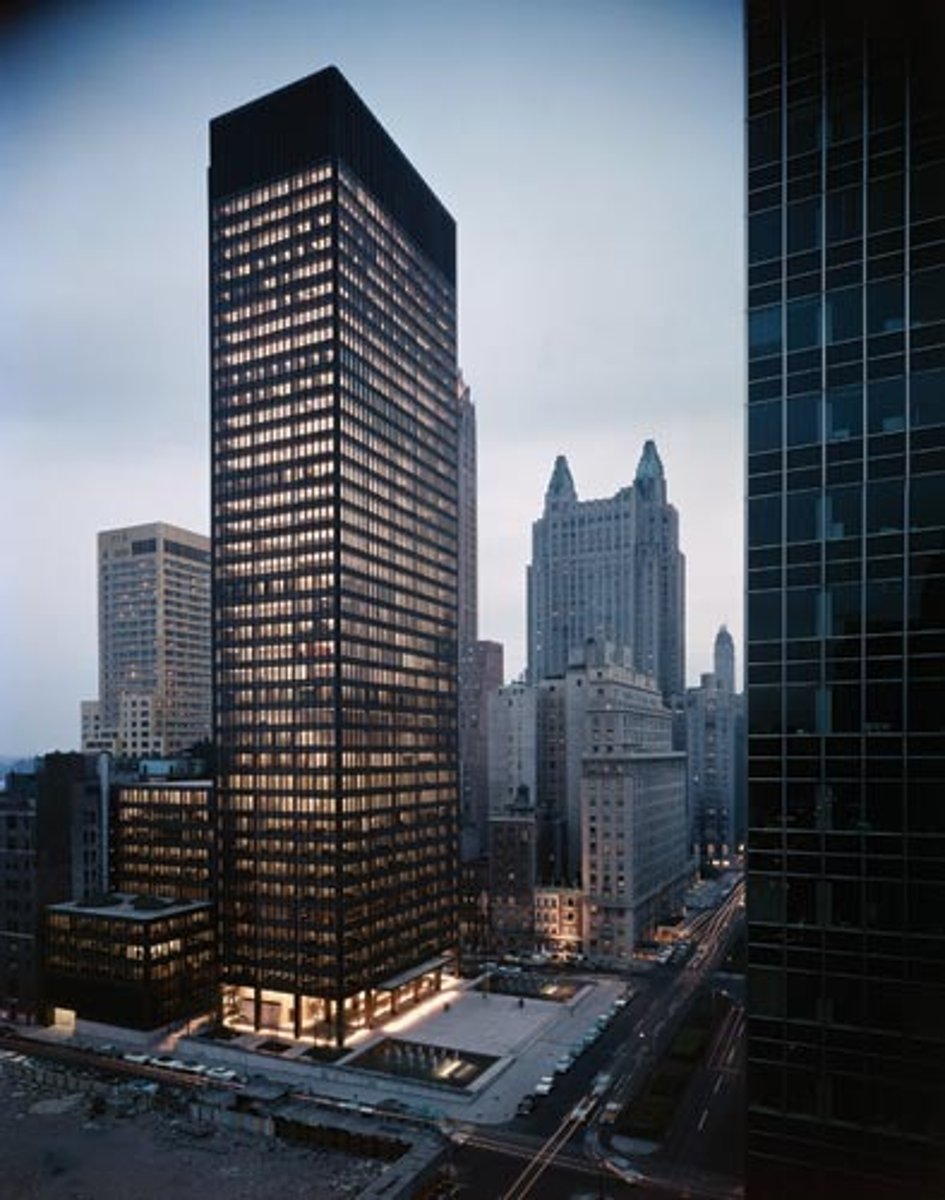
T/F: The Bronze I-Beams serve structural purpose in the Seagram Building
False. They were used to express technological advancement at the time.
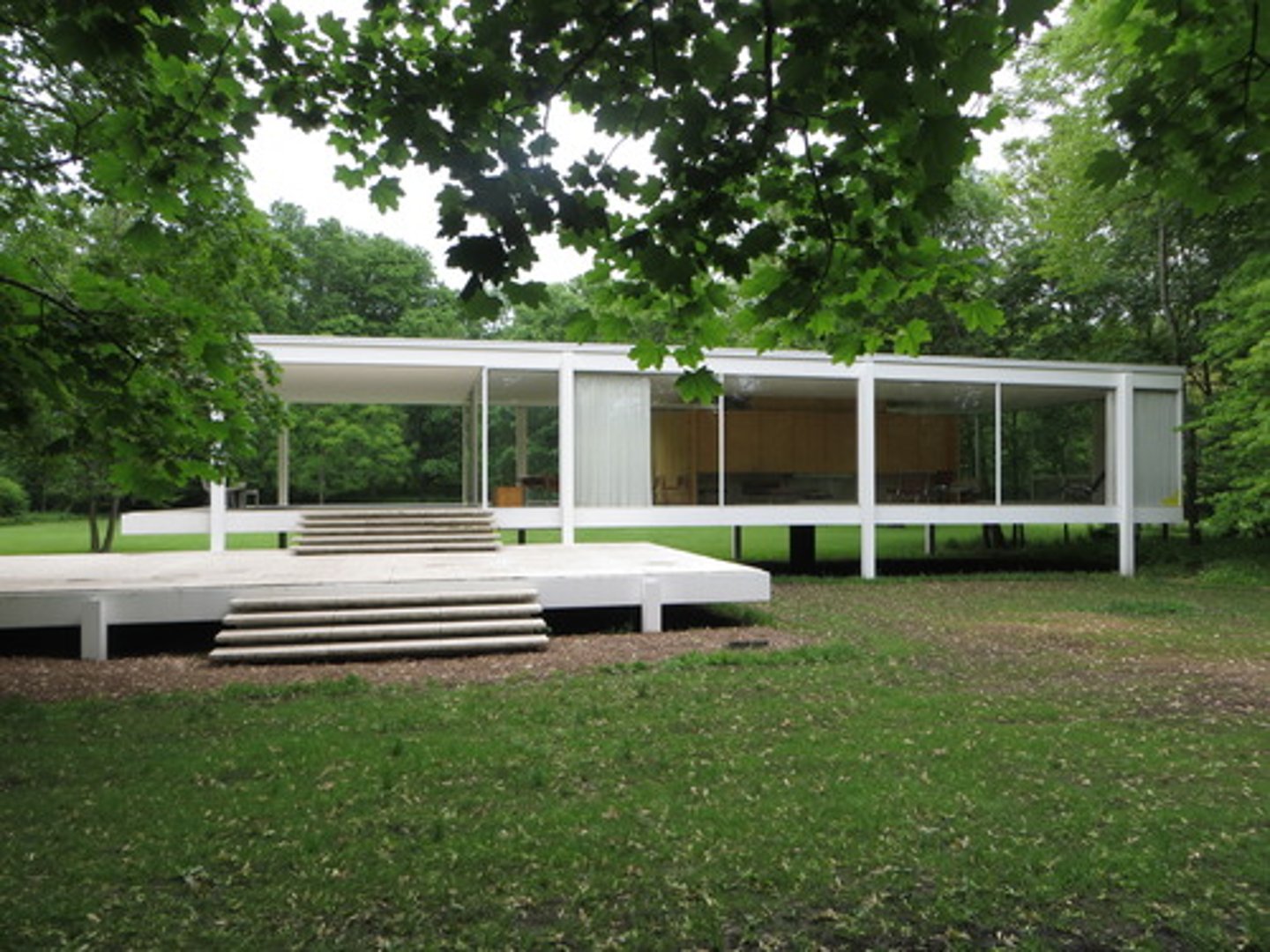
Mies van der Rohe
"Less is more"
Disdain for materialism, believed buildings should express technological function.
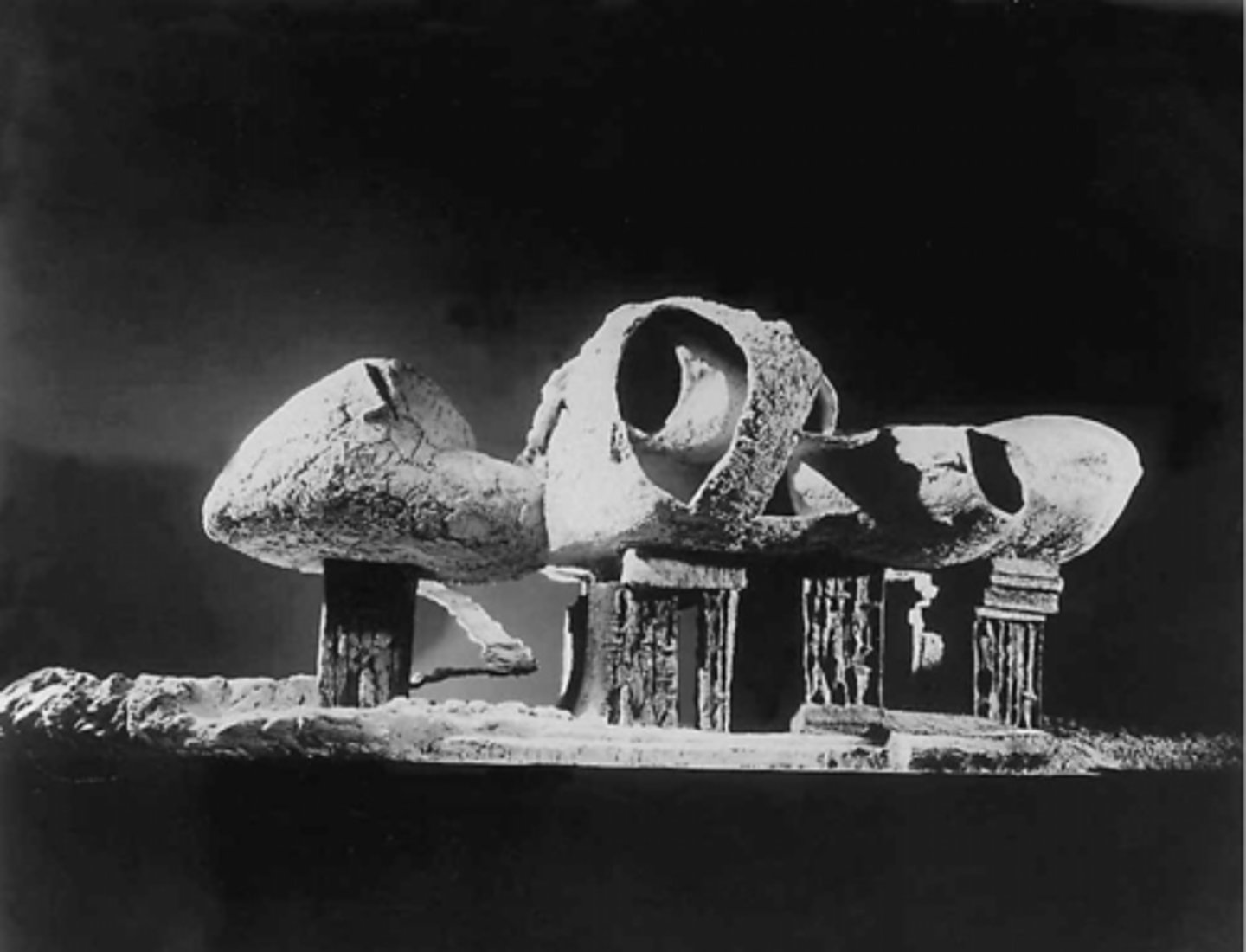
Endless House (Friedrick Kiesler)
Womb-like space lifted on piers.
Smooth, continuous, organic form.
First time Hadid-esque organic forms were created.
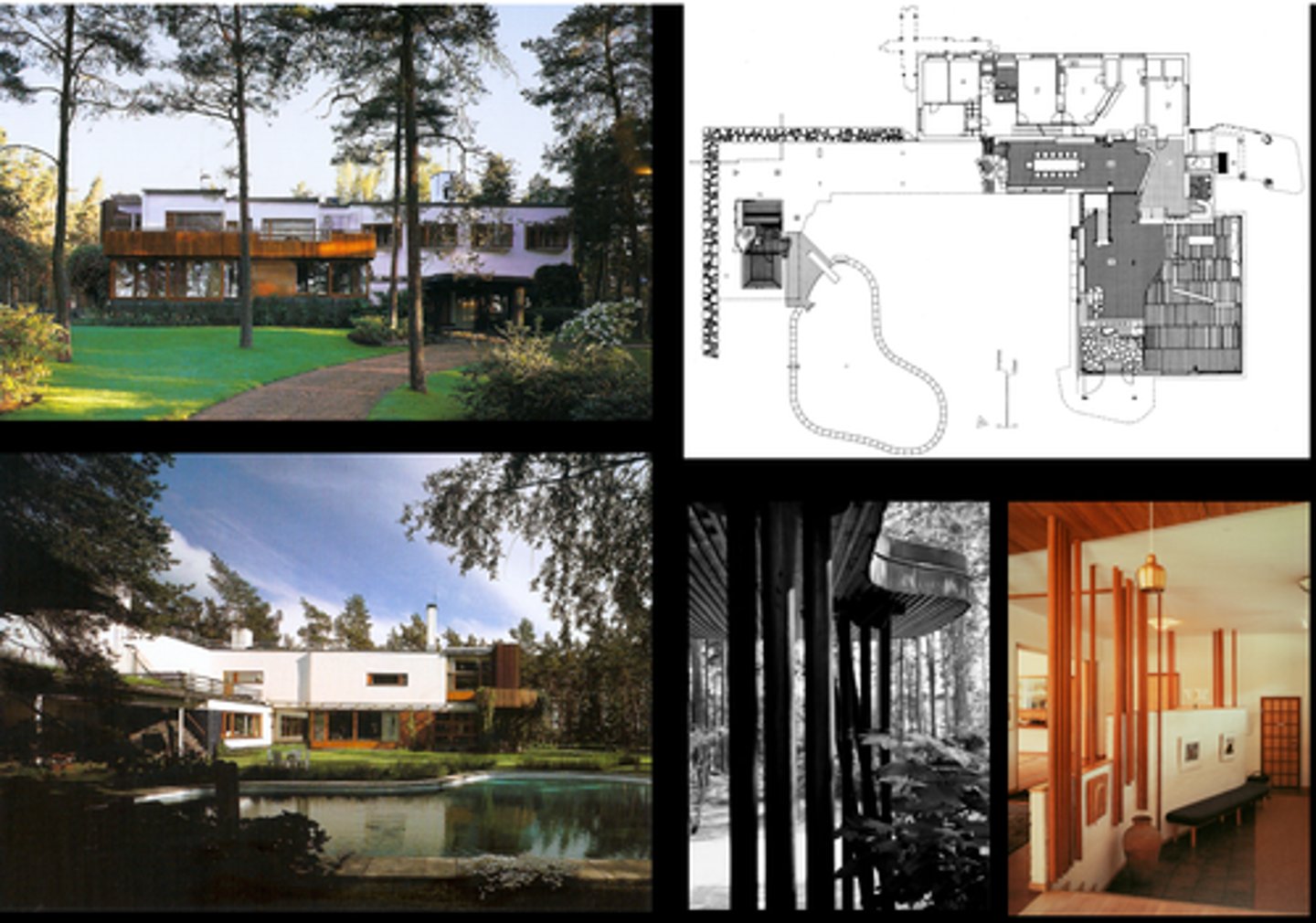
Aino & Alvar Aalto
Rejection that modern design was universal, created architecture with geometry and materials that connected to site, culture, and societal standards while still remaining modern.
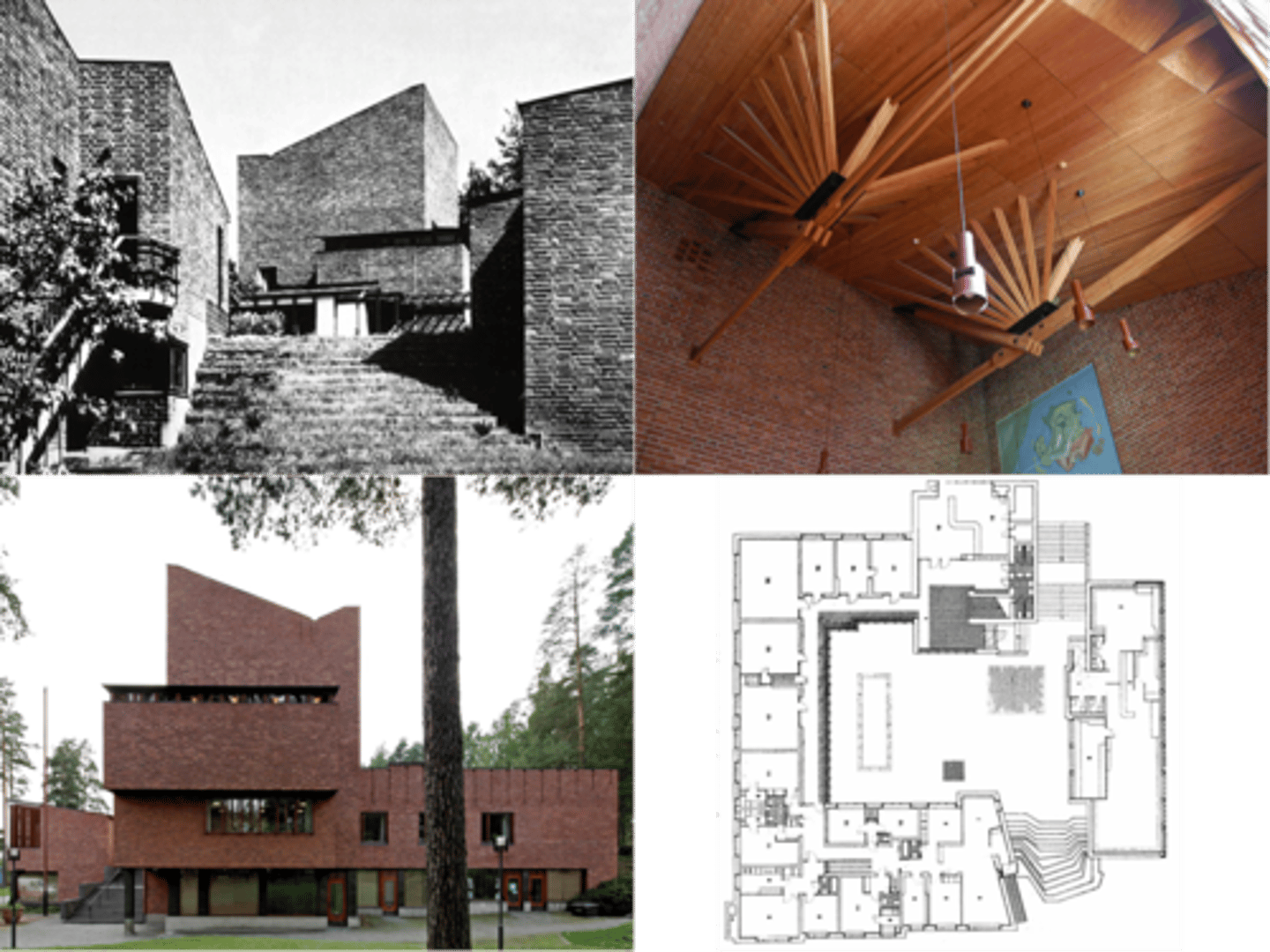
Saynatsalo Town Hall (Alvar Aalto)
Broken apart into chunks w/ central plaza
Seen as an "open hand"
Incorporated texture, wood, and brick. (What modernism despised).
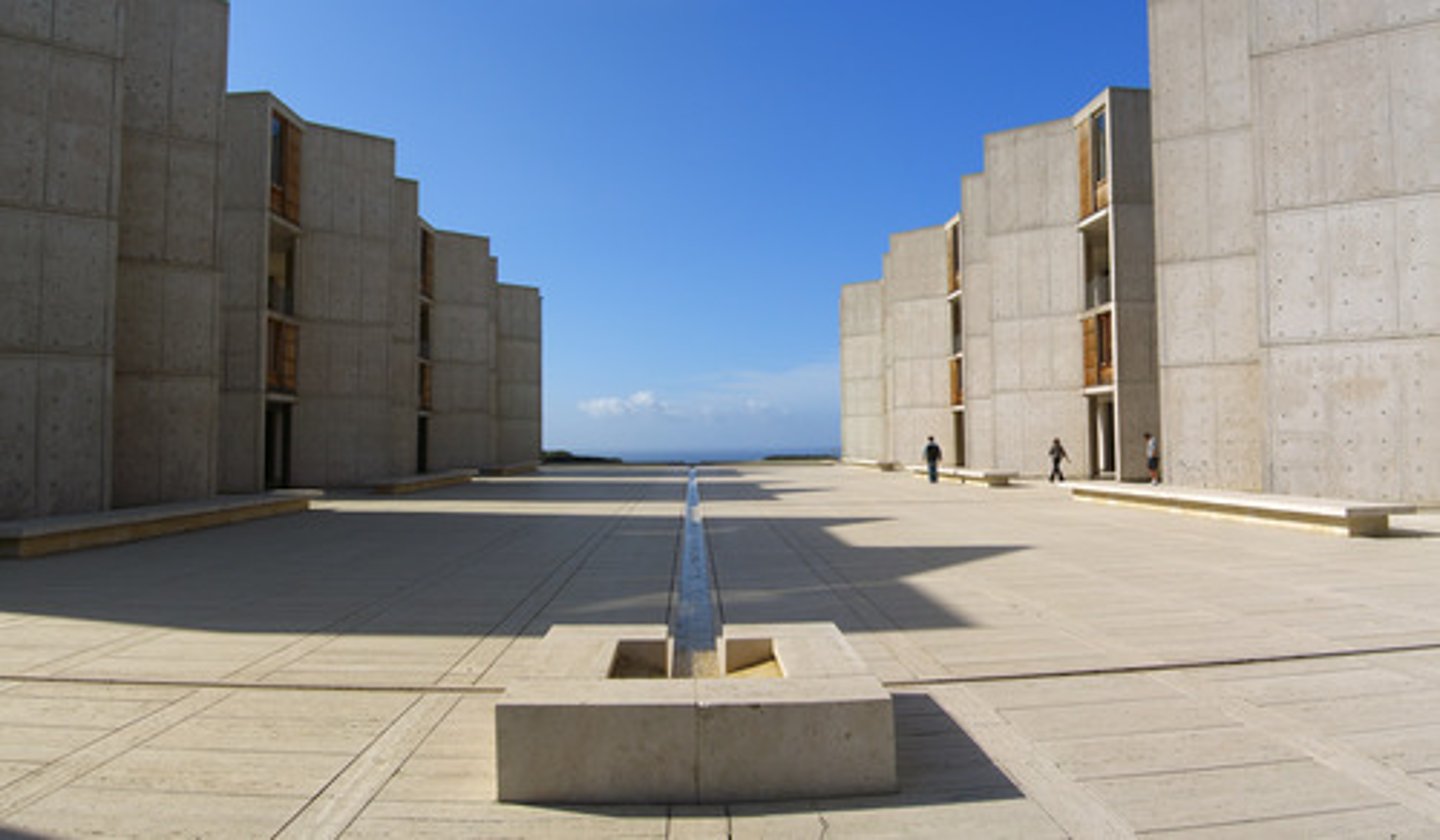
Louis Kahn
Challenged idea of "Free Plan" (Domino House)
Reclaimed idea of rooms and load-bearing walls.
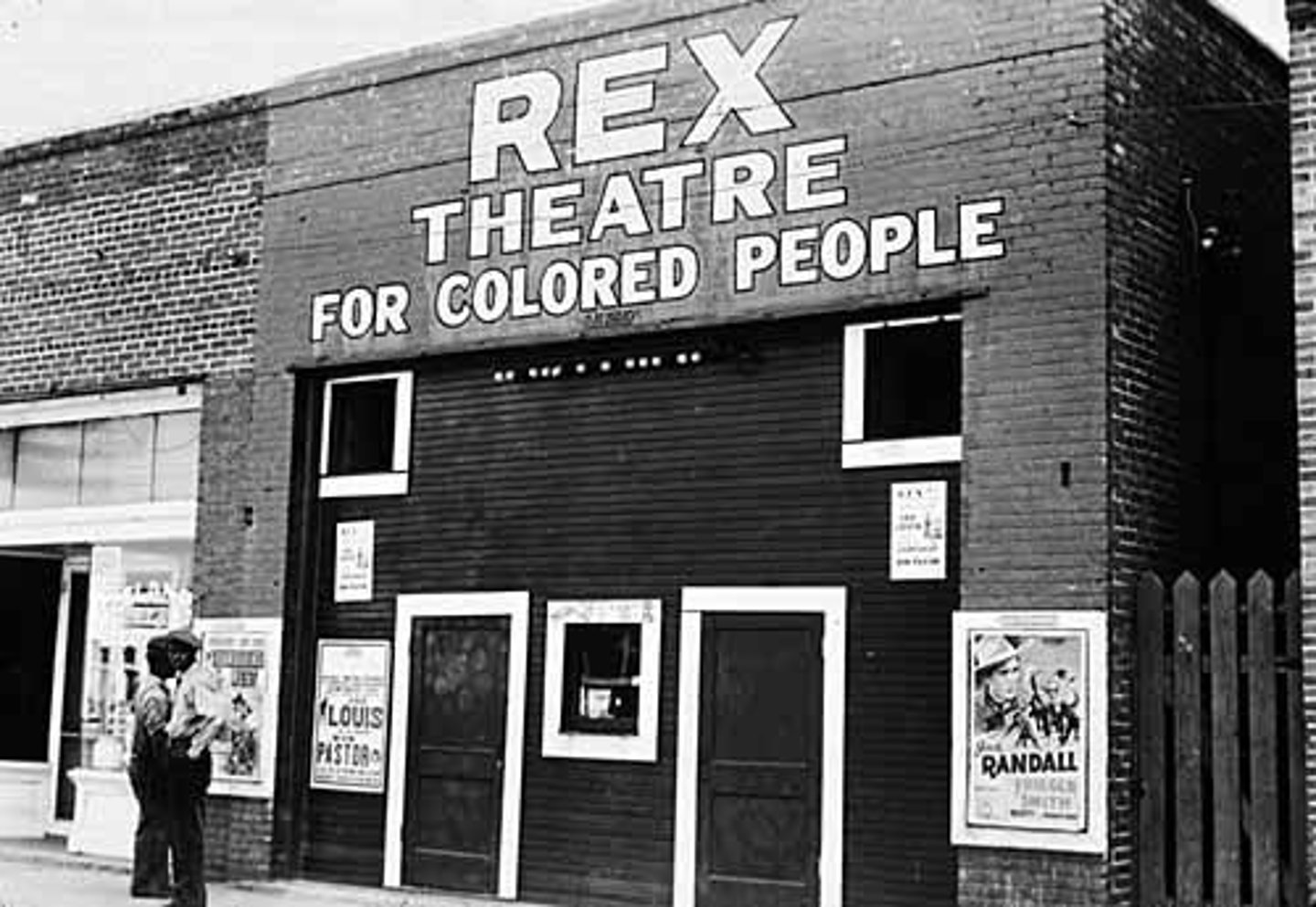
De Jure Segregation
Racially explicit policy on the part of the government designed to segregate metropolitan areas.
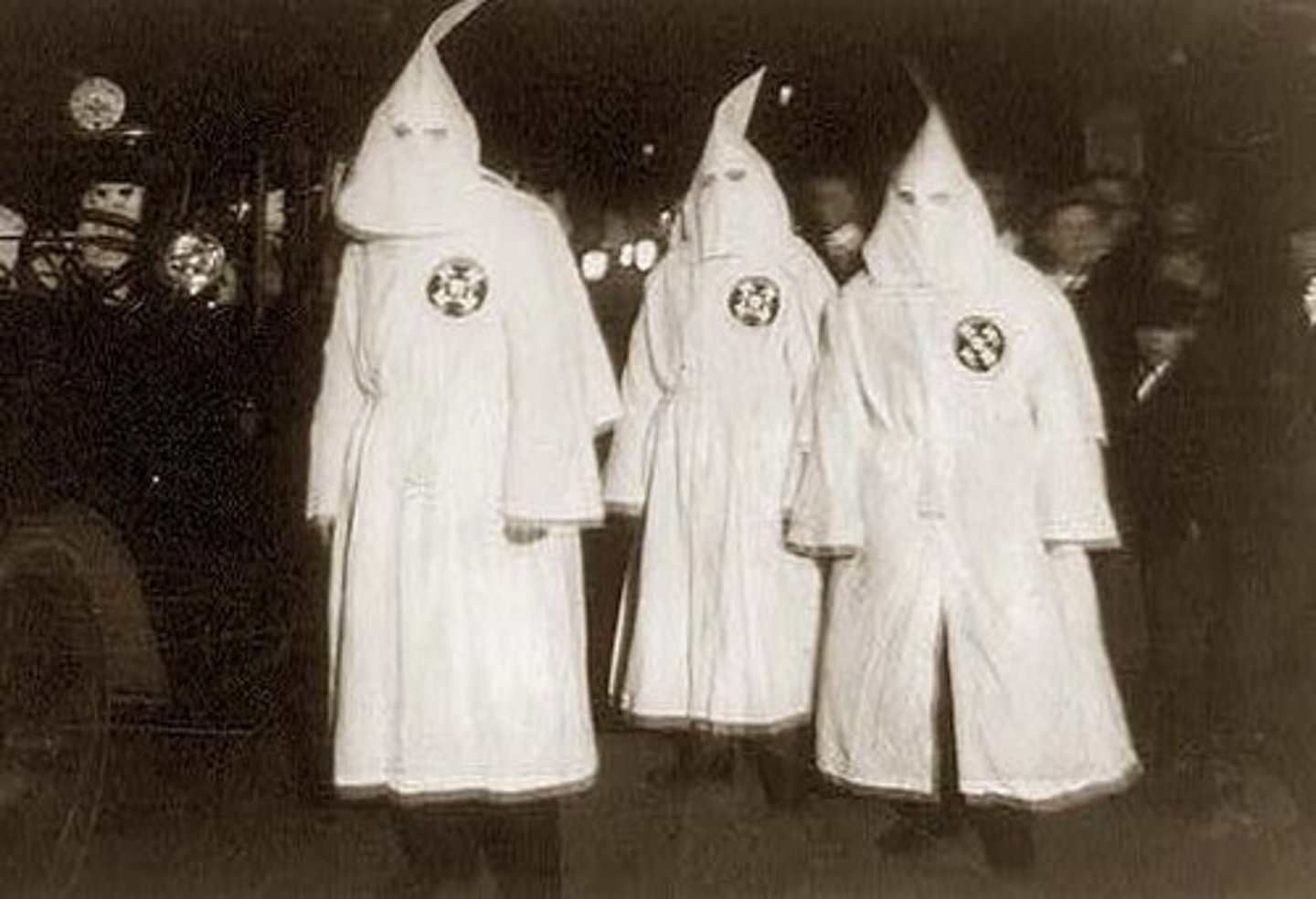
De Facto Segregation
Prejudice by people. This did not segregate the country on its own, though.
First Civilian Public Housing Program
Demolished integrated neighborhoods to build segregated public housing.
United States Housing Authority (Austin, TX)
Divided residents by white, black, and hispanic.
Closed black schools, libraries, and other facilities forcing black people in Austin to move to park in the East.
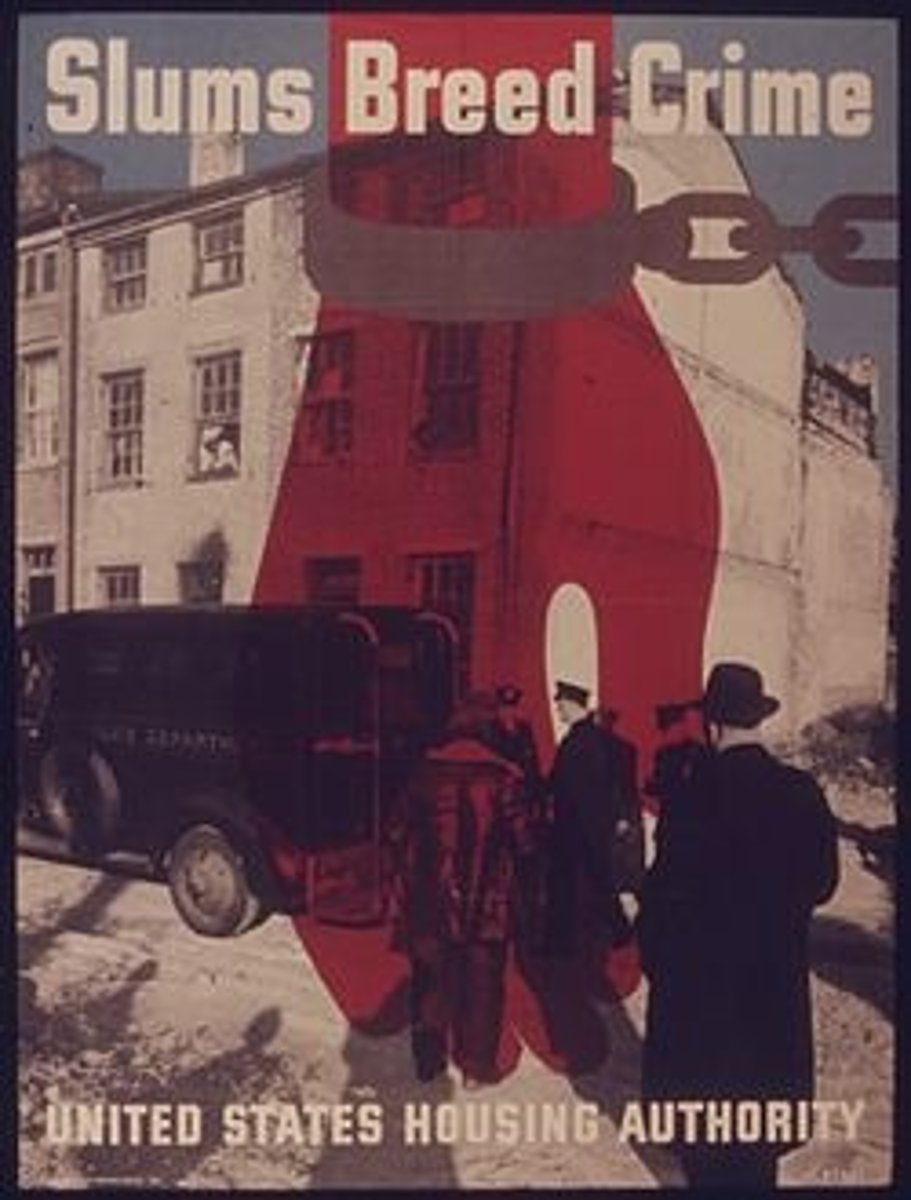
T/F: The Federal Housing Administration (FHA) would only subsidize suburbs under the condition that only white people could live there.
True.
Why was it deemed constitutional that the FHA could deny insurance to black people for home loans?
Because they were private agreements
Redlining
Color-coded maps to show where it was safe to insure mortgages. Government would not insure mortgages to black people.
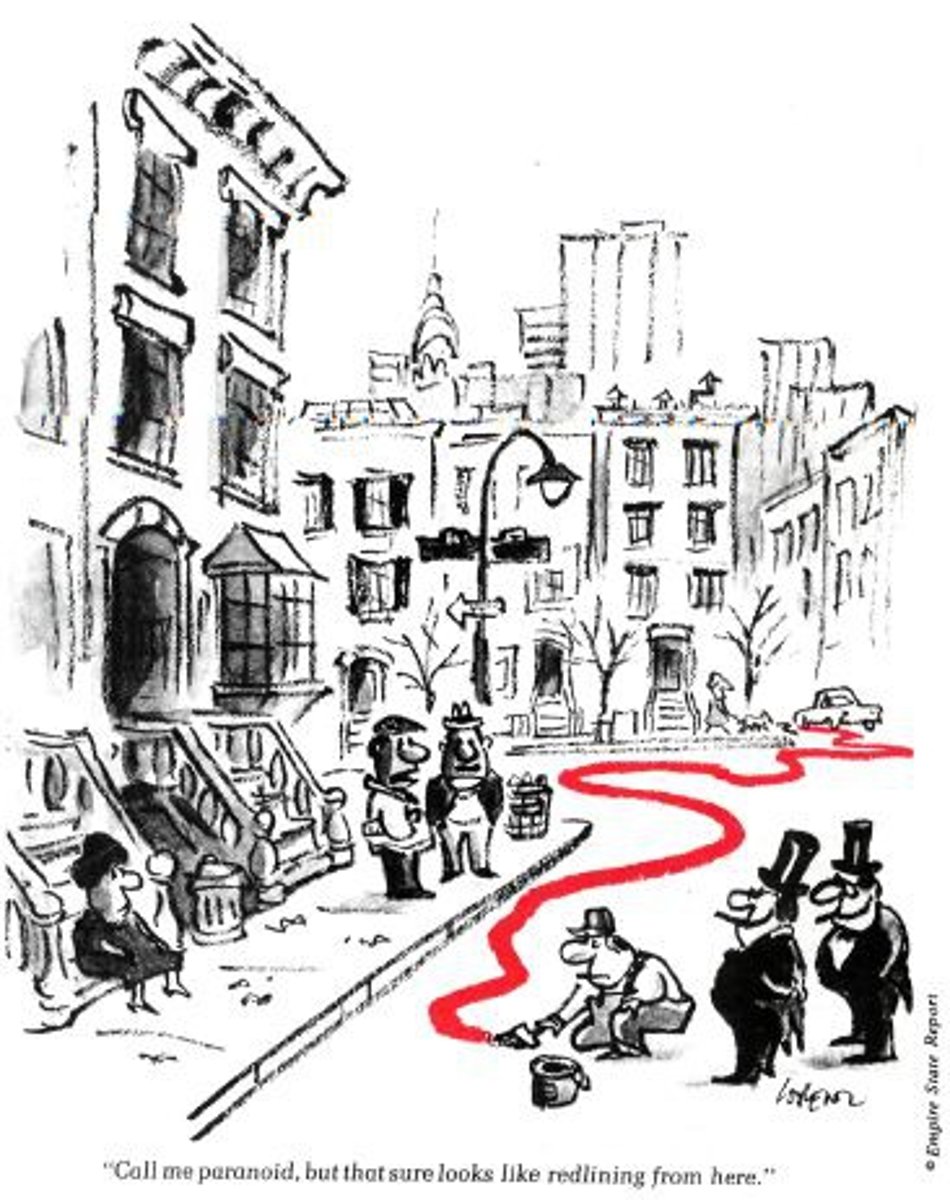
Why would the government not insure mortgages for black people?
They believed that if black people moved in/near white neighborhoods, they would decrease property value.
Proven false as the scarcity (low supply, high demand) of integrated neighborhoods allowed for increased property value.
Slums
Homes overcrowded due to low supply of property available for black people.
Causes of slum conditions
Government services, such as sewage and garbage, were denied/unfrequented.
Roads, factories, and toxic waste plants were put into these neighborhoods to prevent the deterioration of white neighborhoods.
Why did the existence of slums make white people more anti-integration?
Because the poor conditions of slums were believed to be fault of black people, not of the government.
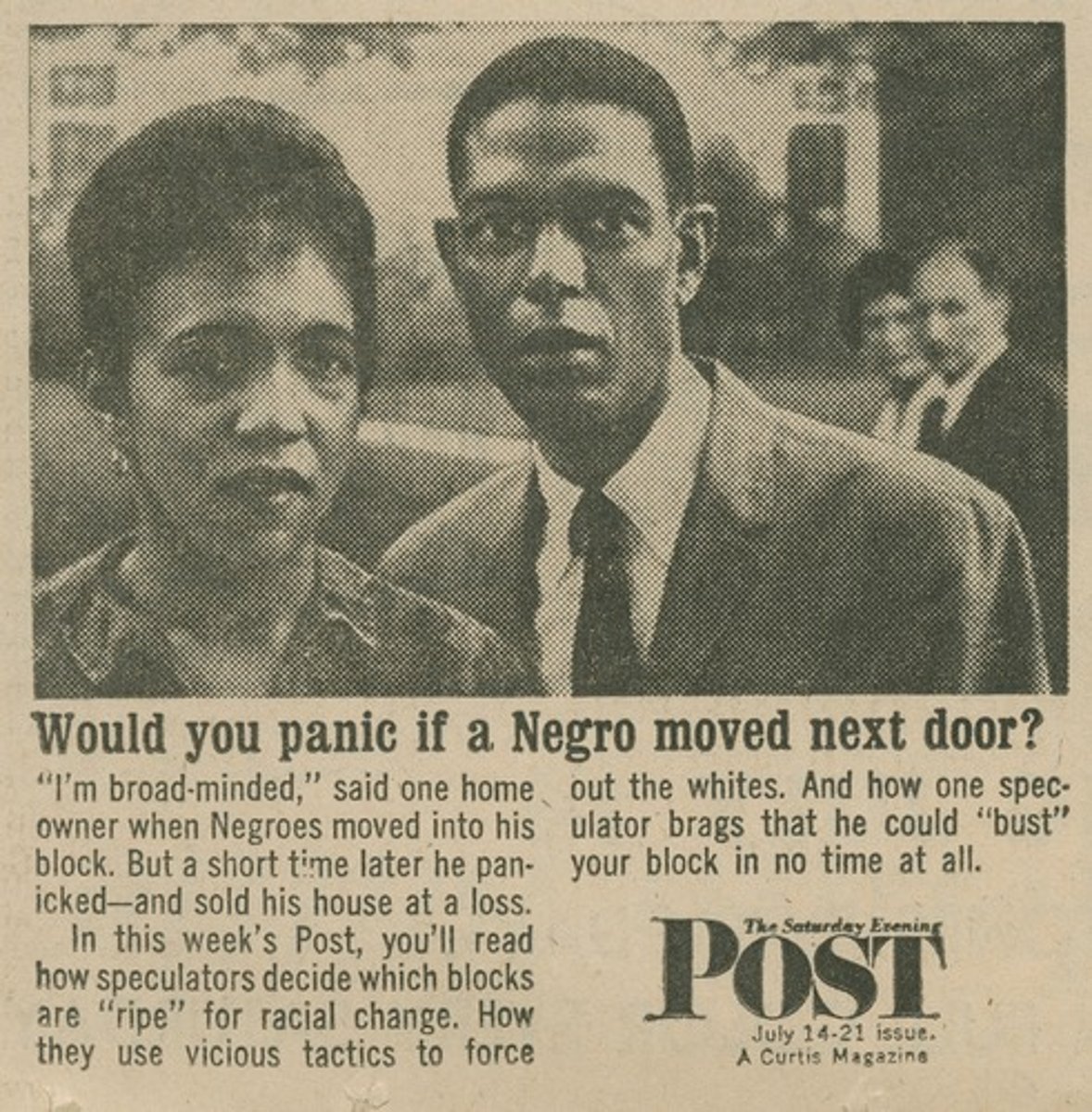
Blockbusting
A process by which real estate agents would sell homes in borderline black/white areas at above-market price, and convince white neighbors to sell their houses at low prices out of fear their neighborhood would become a slum.
Slum Clearance
Designing an interstate highway through a "slum," forcefully moving black people away from downtown shopping districts to not deter white shoppers and commuters.
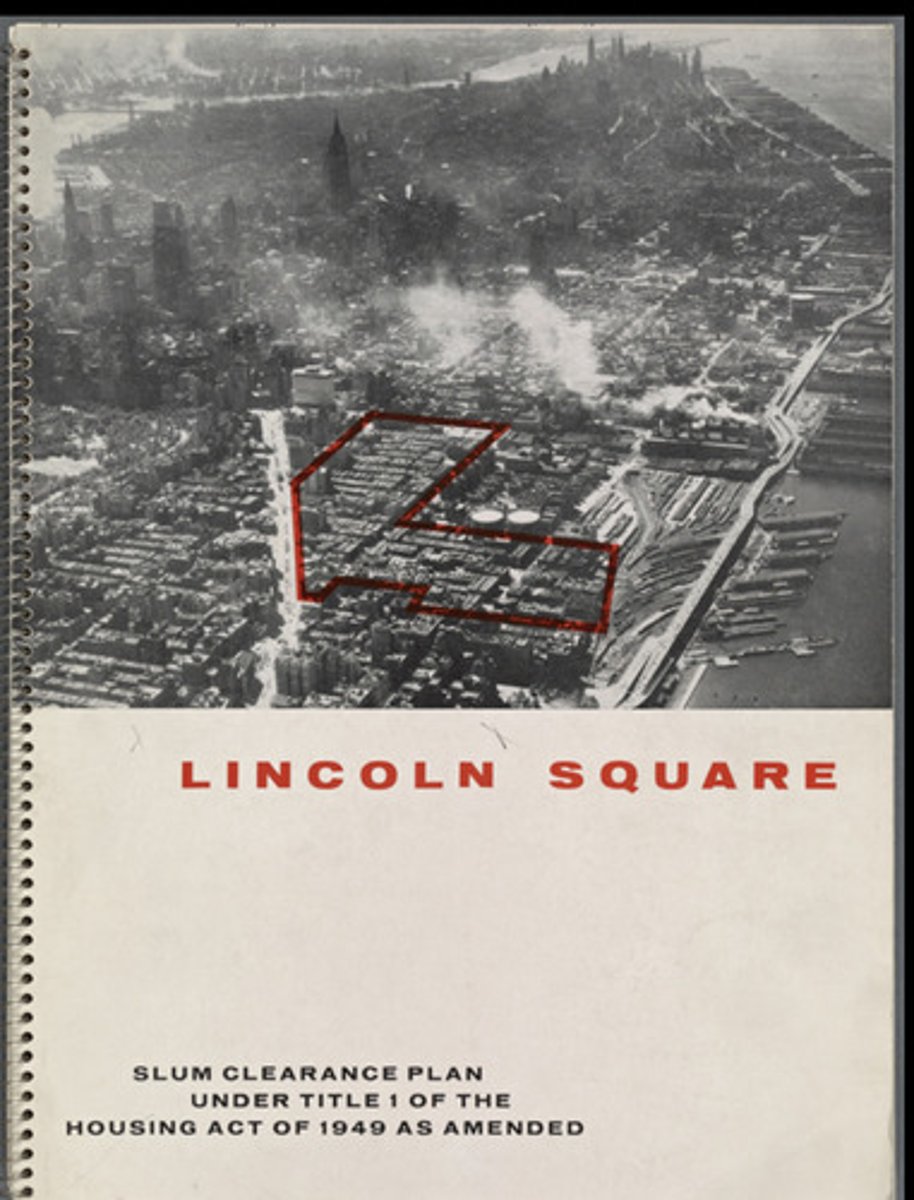
T/F: During slum clearance, the government would label wealthy integrated neighborhoods as segregated black neighborhoods, turn them into slums, and then put them through slum clearance.
True.
State-Sponsored Violence
When a black family moved into a white neighborhood, white residents would terrorize the family and their home. Police would encourage rioters and were demoted for trying to help.
Wealth Gap
Because black tenants were not allowed a mortgage to own their homes, they could not gain equity on their properties, there was a massive wealth gap. Equity gained by white people could be spent on things like college and retirement.
Fair Housing Act
Prohibited discrimination in housing.
However, homes were no longer affordable to a lot of black people, as home prices had gone up, and only white people with equity built up could afford them.
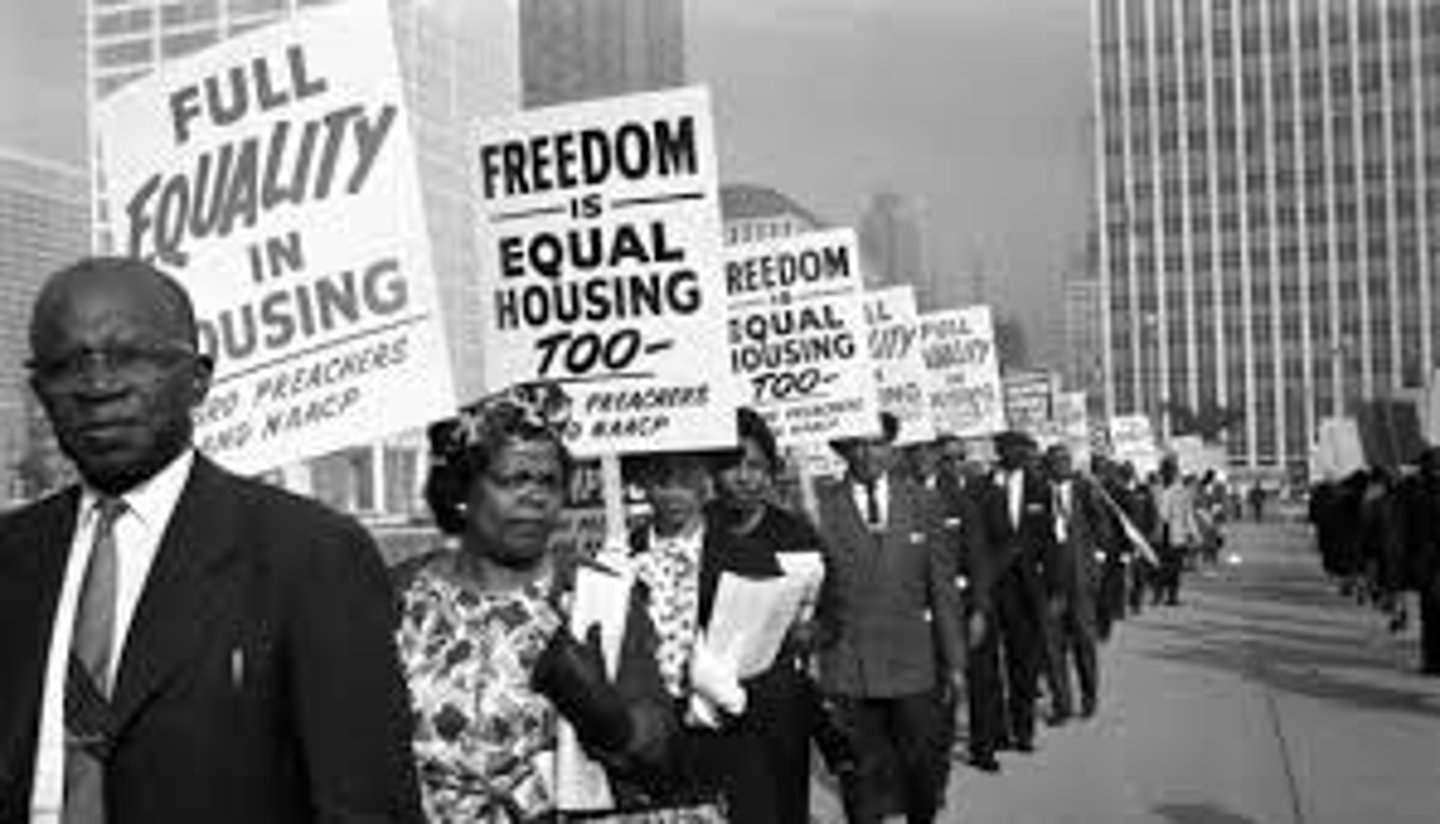
3 Provisions in the Constitution for residential segregation
5th Amendment (All citizens treated fairly)
14th Amendment (State & Local gov. treat all citizens fairly)
13th Amendment (Abolished slavery and treatment of black people as second-class citizens)
Who was the first African American to be admitted to the AIA in 1923?
Paul Williams
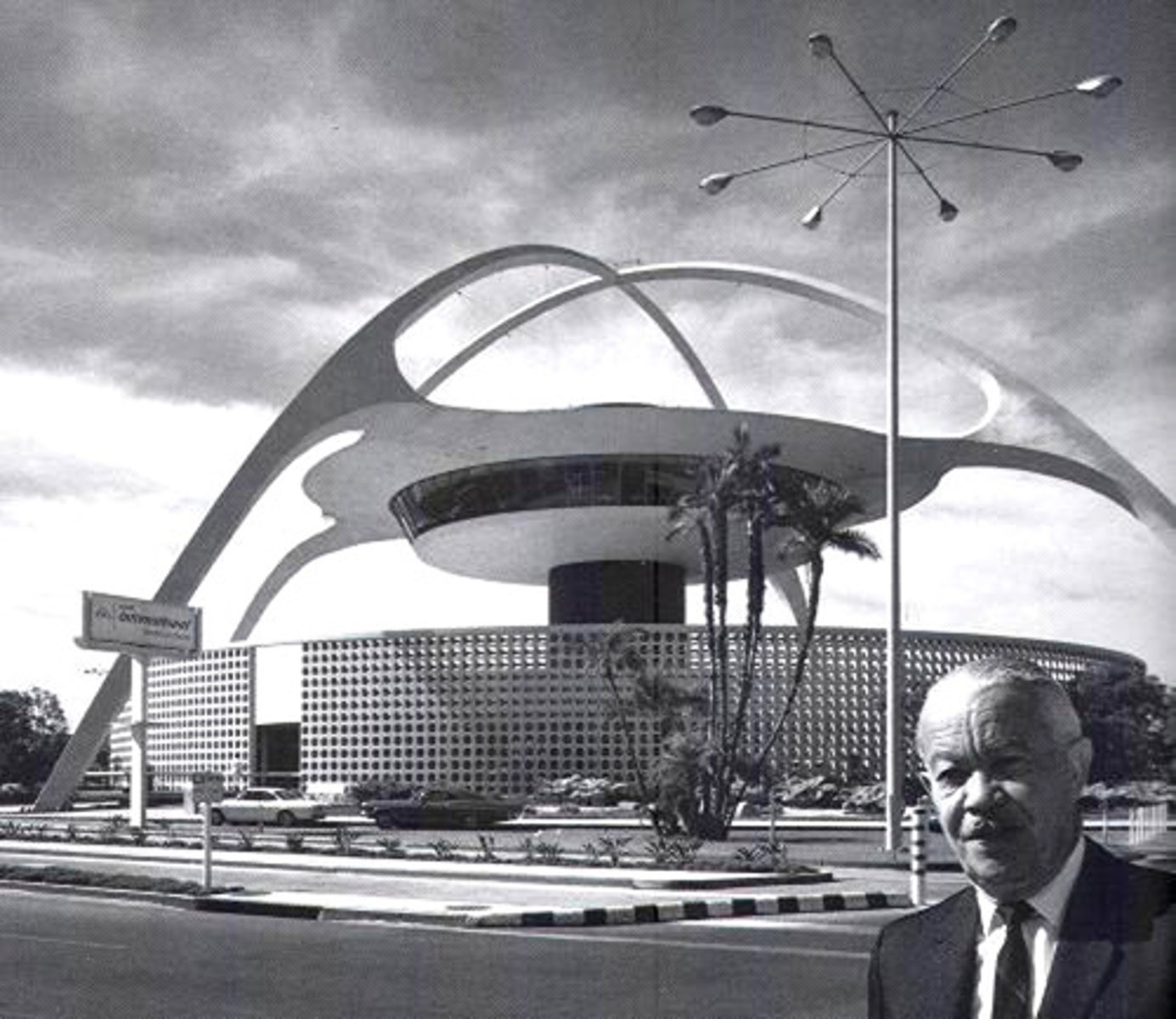
Paul Williams
"Architect to the Stars"
African American architect who lived and worked in California, worked with many afluent people in Hollywood
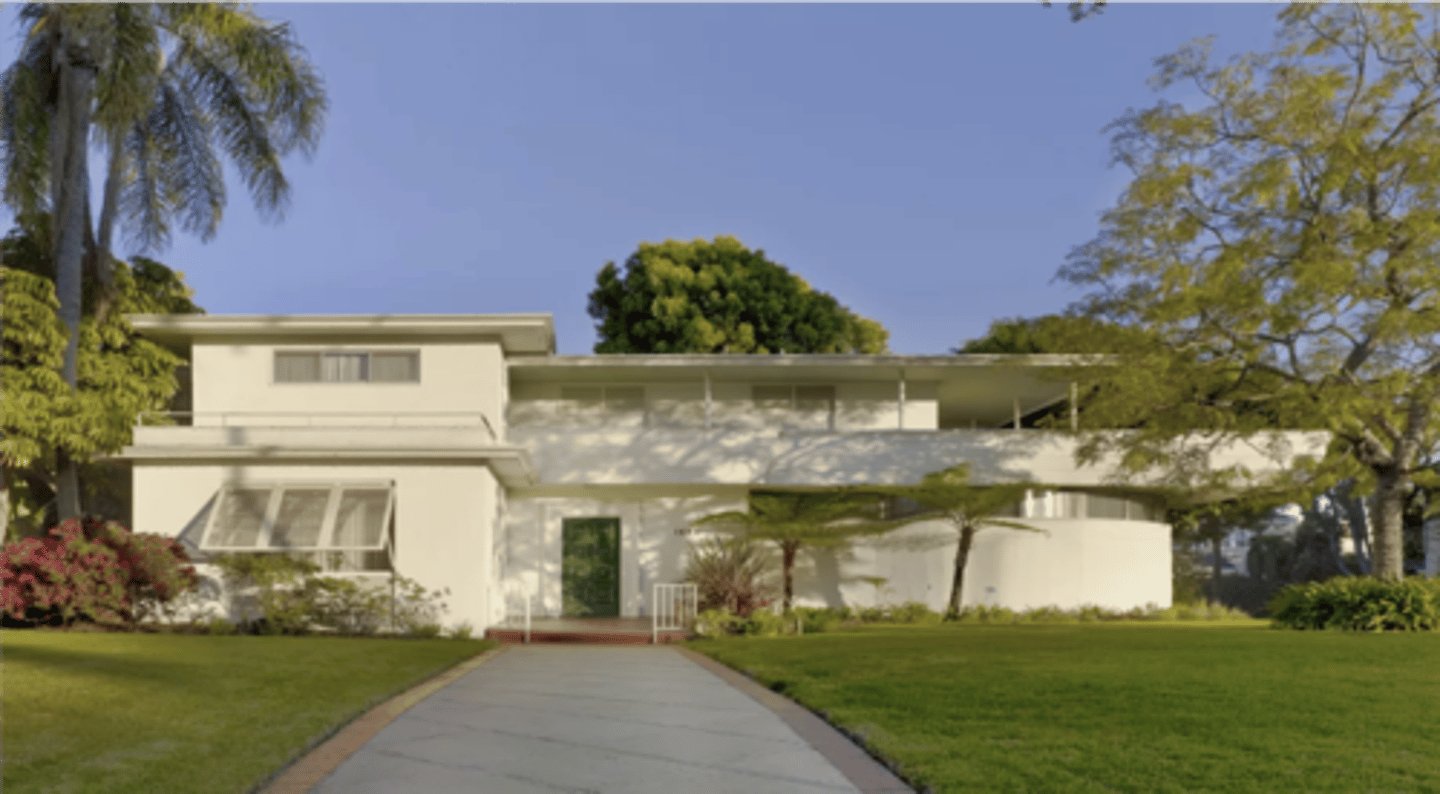
Prominent Features of a Paul Williams Home
Spiral Stairs
Use of Round Figures (ex. windows, openings)
Grand - but not overstated - Entryways
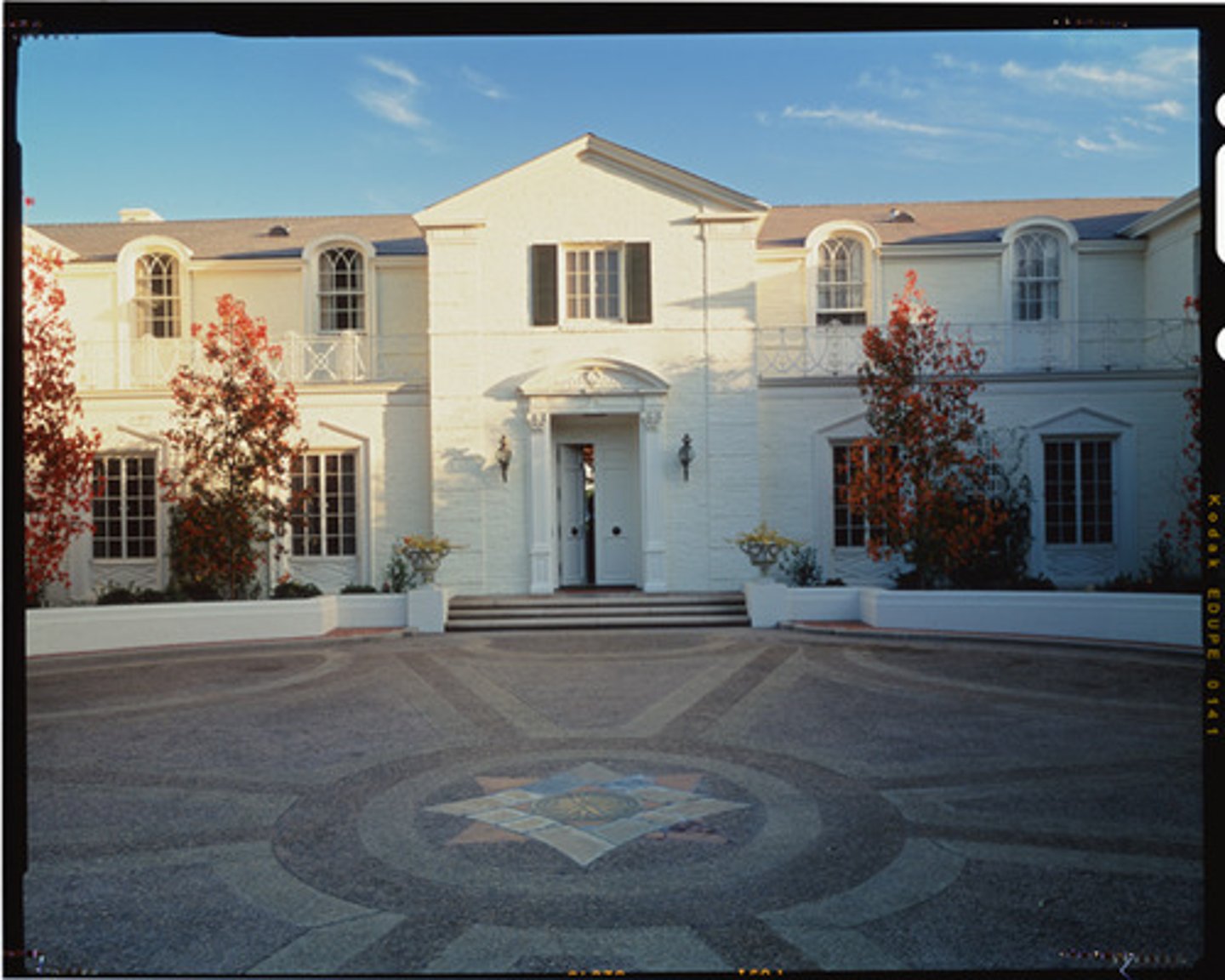
Williams' Holistic Design Approach
Worked very closely with the client, consistently asked them what they wanted in their home. This made each Paul Williams home very unique. This is what made his work appeal to clients due to how much he cared.
Ex. designed Frank Sinatra's house after Sinatra reached out to him from seeing his other work.
The Beverly Hills Hotel
One of Williams most well-known and celebrated work.
Many celebrities view it as the place to stay in Hollywood.
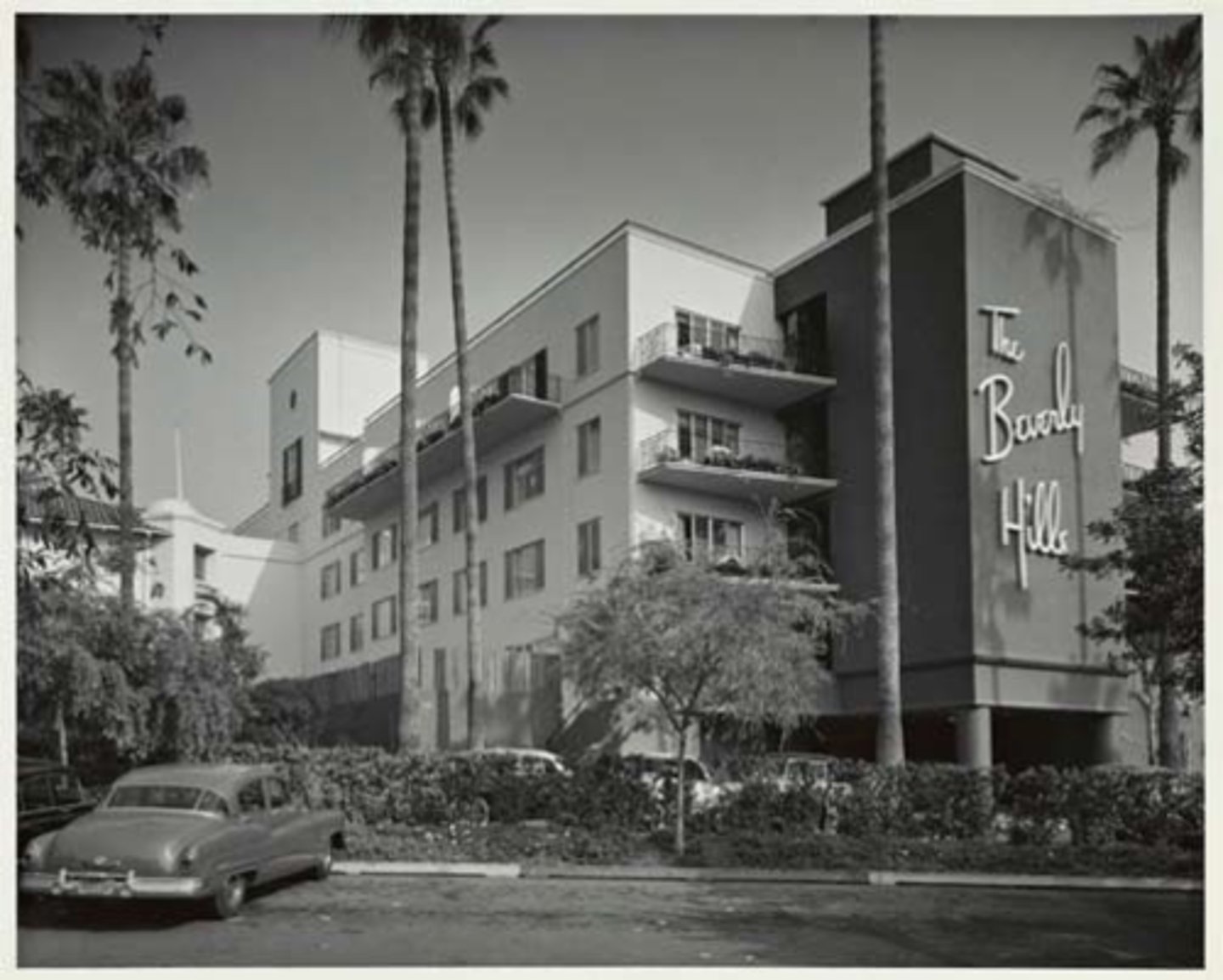
T/F: Paul Williams was prohibited from staying at the Beverly Hills Hotel that he designed or even sit by the pool due to segregation.
True.
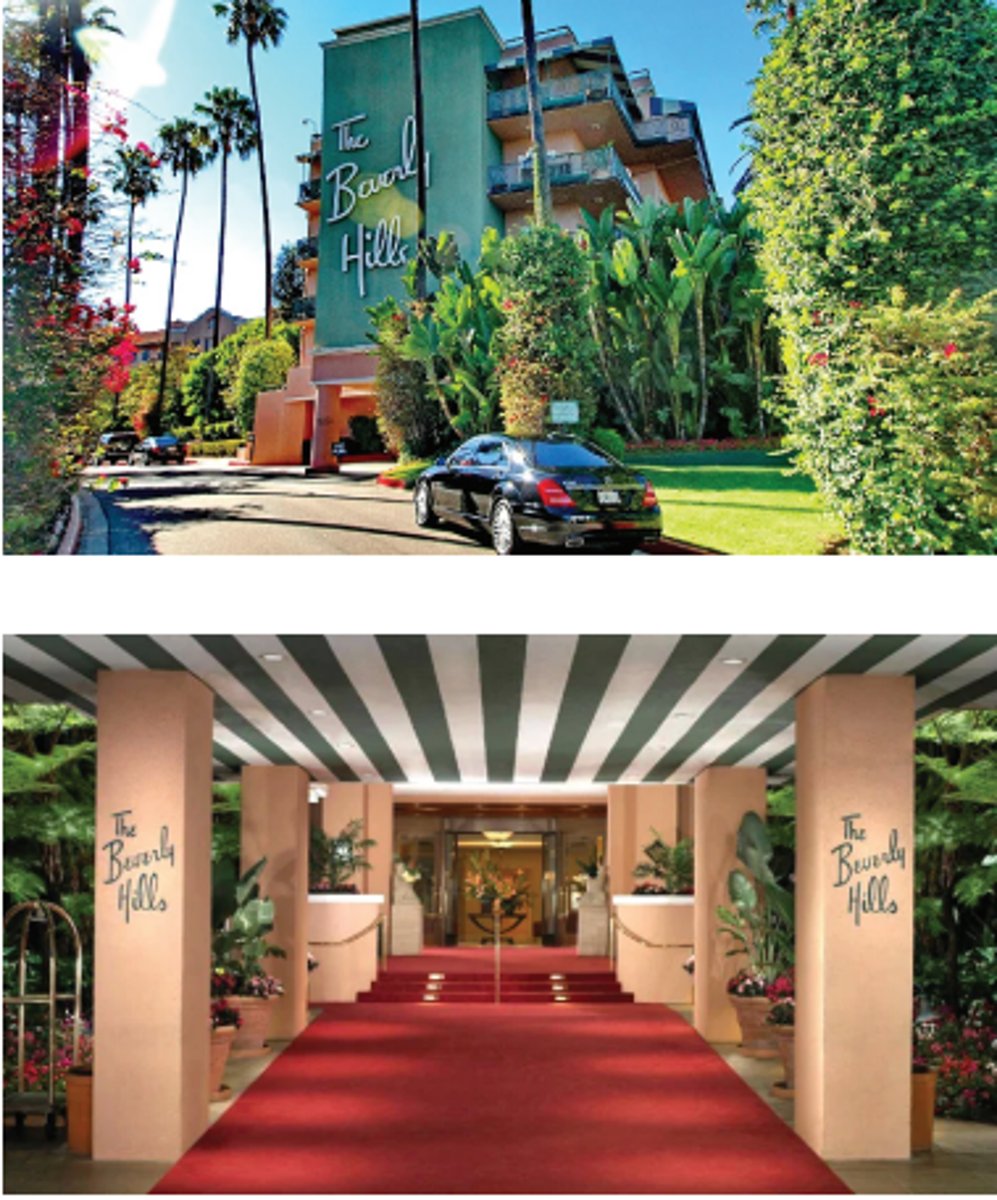
Due to racial bias in California, Paul Williams first got his work through...
Design Competitions
the anonymous nature of these competitions allowed for his work to be seen without bias.
Reginald Johnson
One of Paul Williams' mentors.
Why did Paul Williams' family move to California?
His parents had tuberculosis, and California was advertised as a place with "healing" weather. They went in hopes of getting better.
Why was Williams' work often dismissed?
His style didn't match the Modern edge of the day.
Broadway Federal Saving and Loan Association
Federal Bank established by Paul Williams to help African Americans acquire home loans in California, as most banks often rejected them.
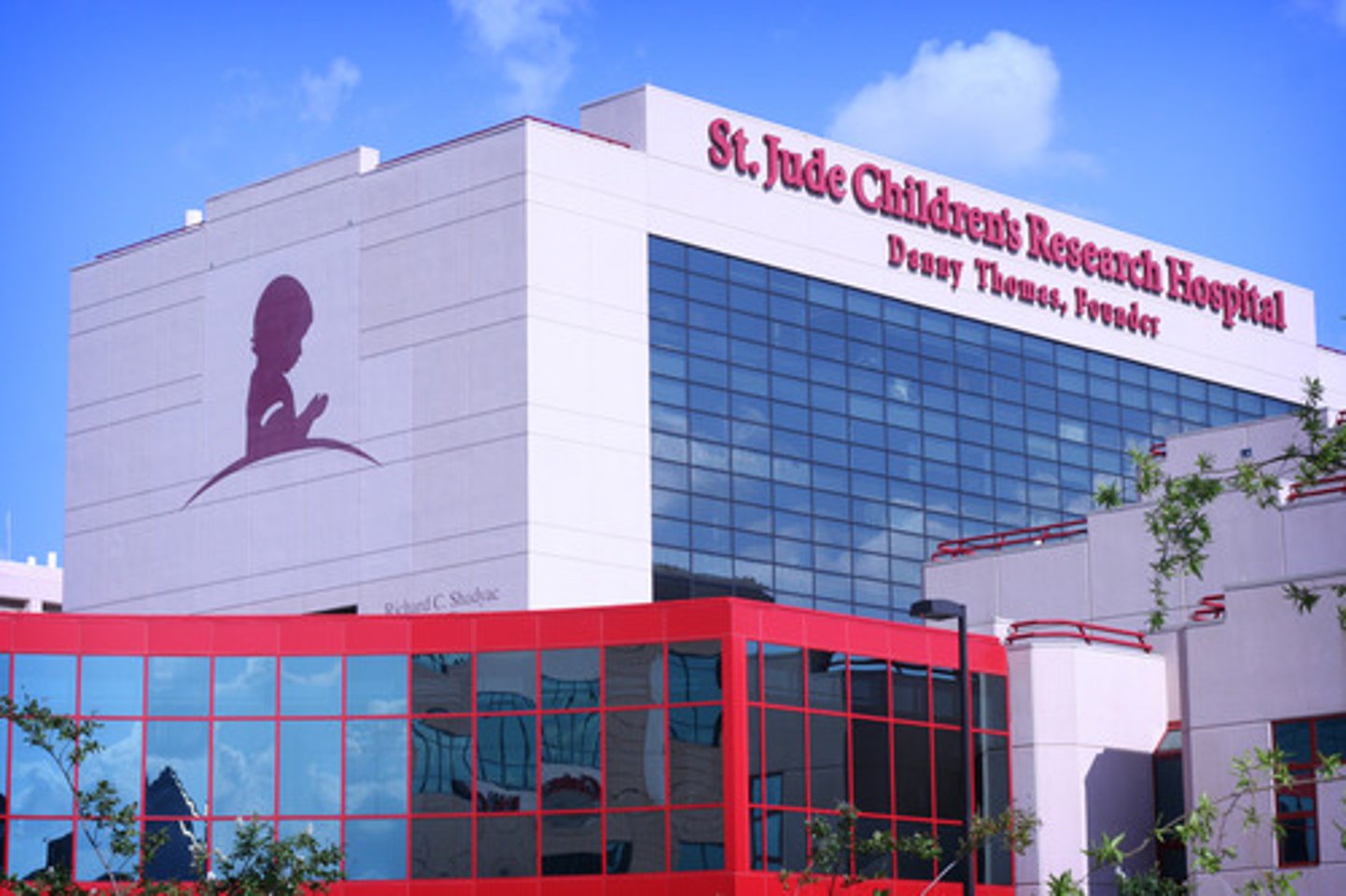
Danny Thomas
American actor and friend of Paul Williams
worked with Williams to create the St. Jude's Children Research Hospital in Memphis, TN.
MCA building
One of Williams' first commercial projects
A commercial building that was design to feel like a home.
Late-Modern Changes
Telecommunication/broadcasting
Civil Rights Movement
T/F: In the 1960's, the United States shifted from a SERVICE economy to a PRODUCTION economy.
False. The United States shifted from PRODUCTION to SERVICE. Production became outsourced to other countries (ex: Made in China), while service became the primary driver for the economy. (Ex: Food, retail, and office work)
Ronchamp Chapel
Designed by Le Corbusier.
Large sloped roof that defied his previous "cardboard architecture."
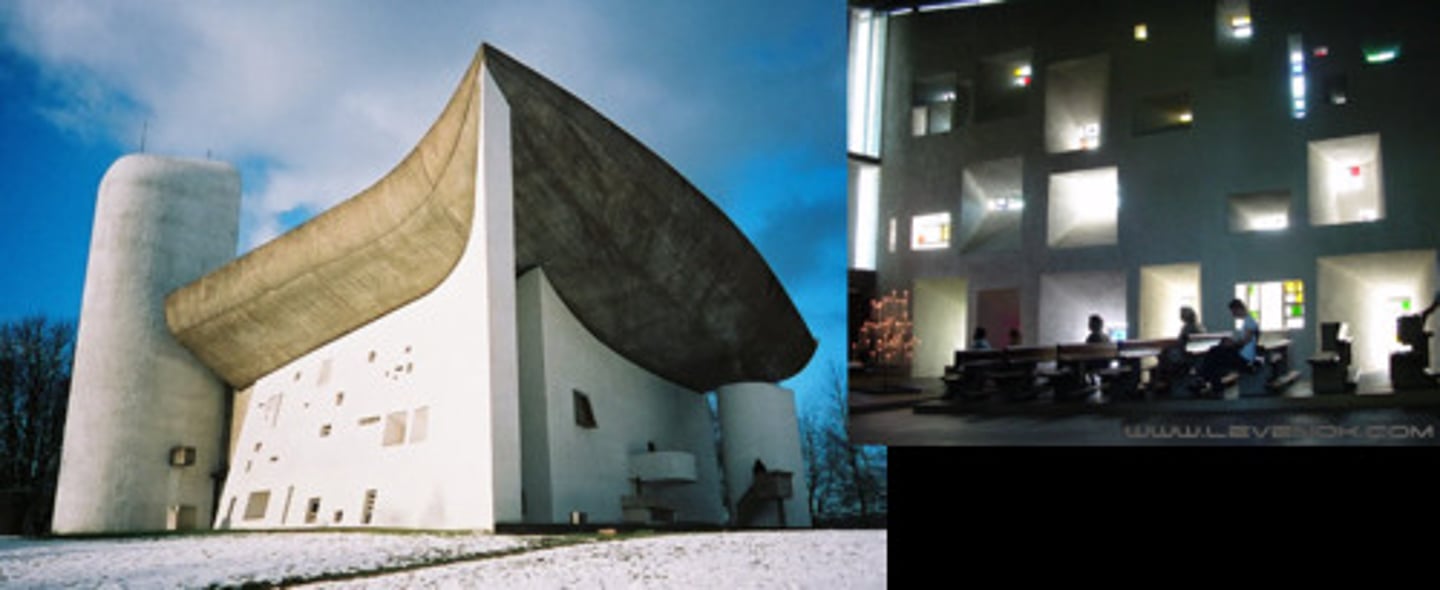
Why were the stone walls of the Monastery of Sainte Marie de la Tourette so rough that they could cut you if you ran into them?
To make users aware of the fragility of their mortal body
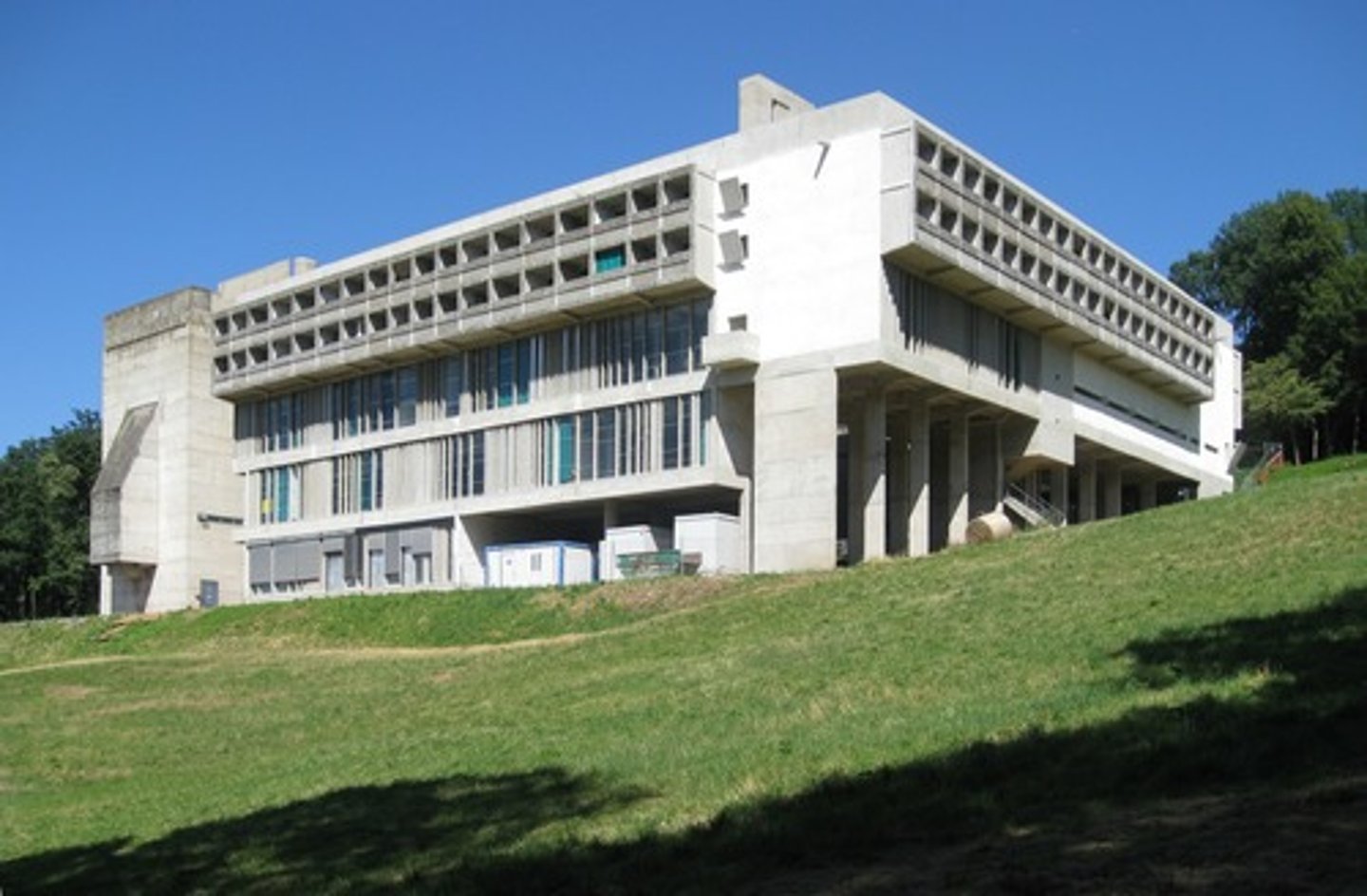
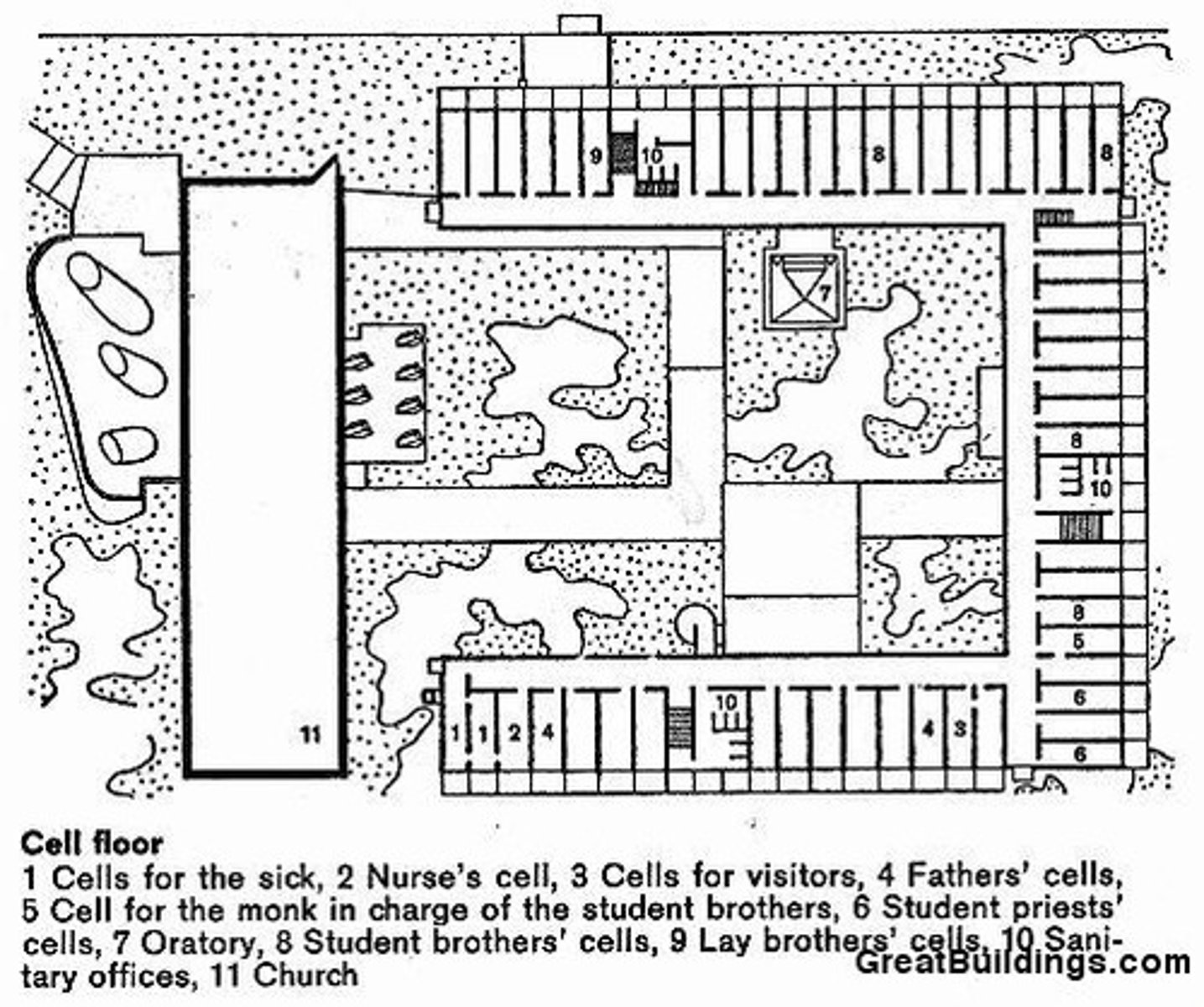
Why did the priest who commissioned La Tourette incorporate residential spaces?
Because Corbusier was agnostic, and did not want to design a specifically religious building. It needed to serve a function besides a monastery.
Light Cannons
Openings for natural light with their walls painted. Appears similar to a stained glass clerestory to the naked eye.
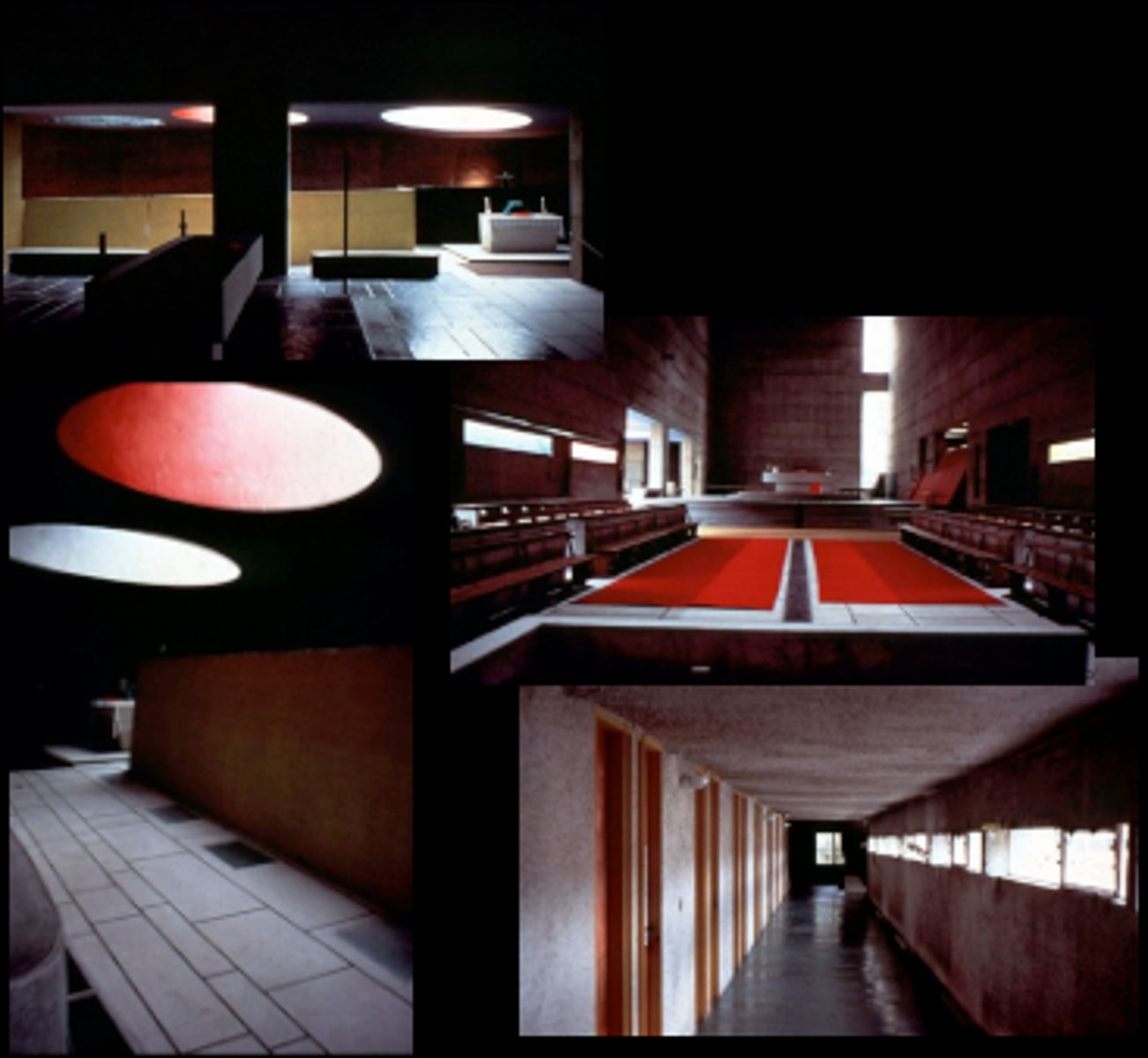
T/F: Typical of most monasteries, the confessional in La Tourette was hidden to the side.
False. It was painted bright red and featured a light that would activate when used.
Done to show how sin was a human trait and using the confessional was the point of using the monastery.
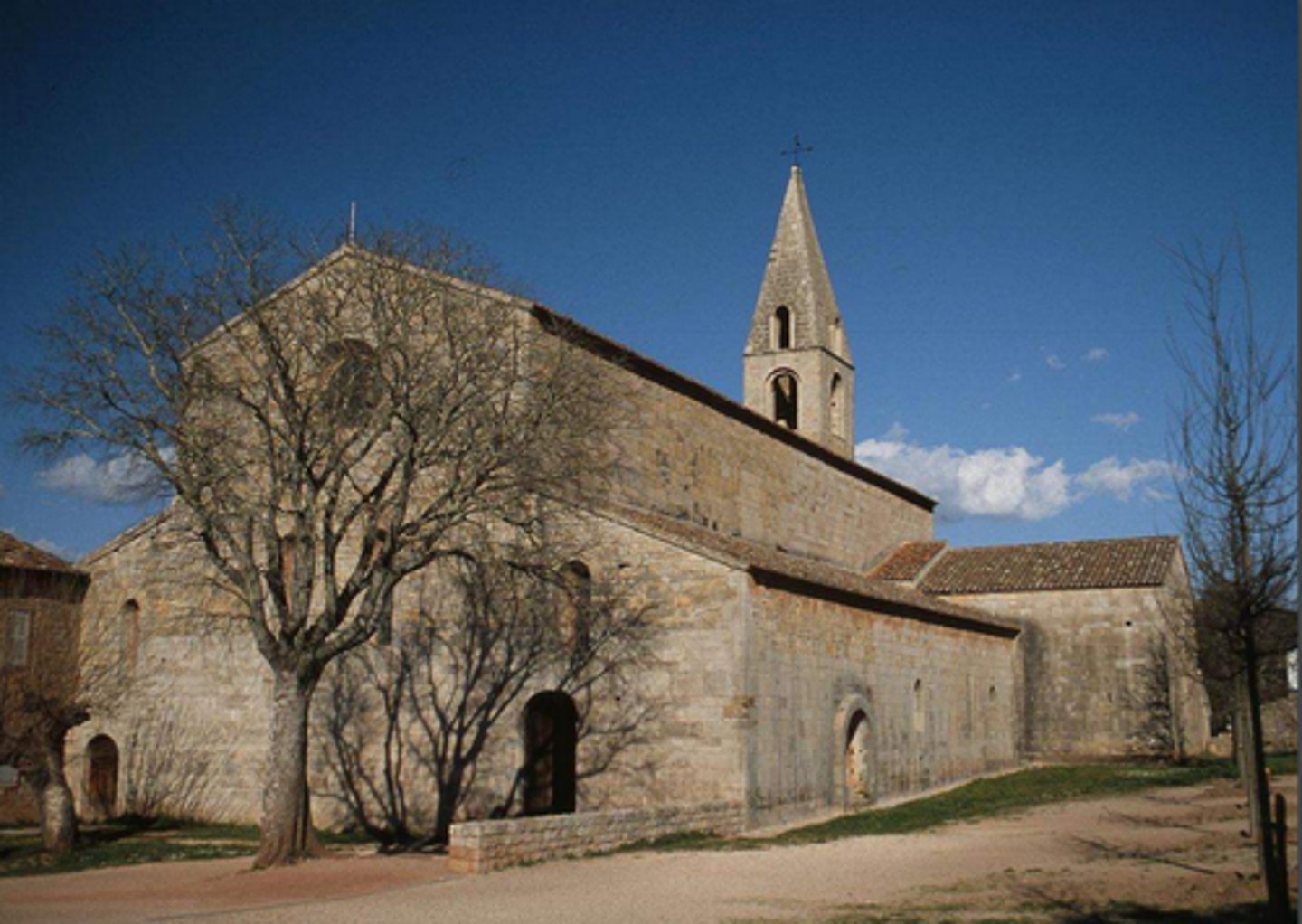
Abbey of Thoronet
Another religious building by Corbusier. Aforementioned painfully rough walls to make users aware of the fragility of their mortal body.
Carlos Scarpa
"Architect's Architect"
Designed Foundation Querini Stampalia
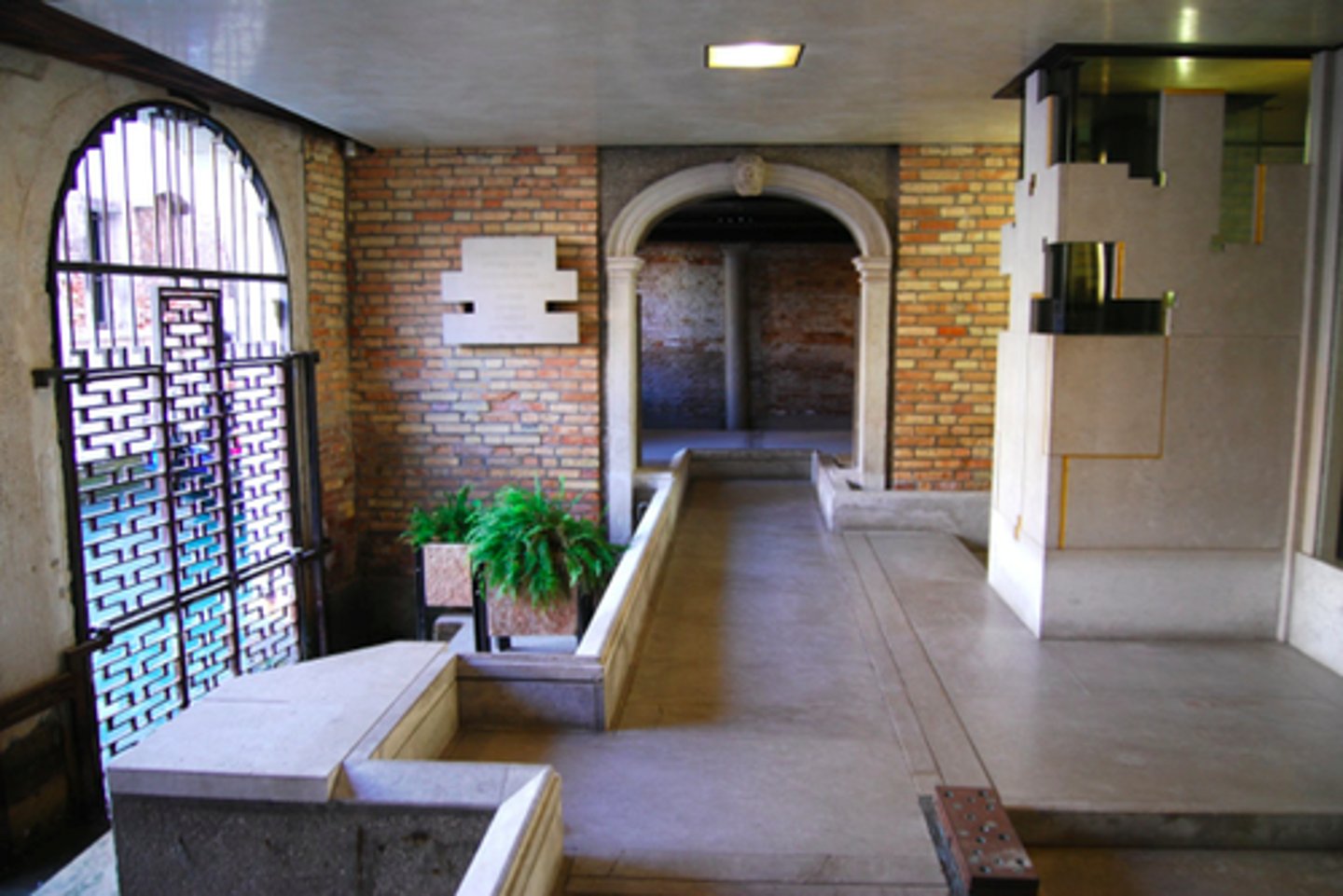
Foundation Querini Stampalia
Renovation project combining expensive and cheap materials.
Entrance it at a higher plane for a gondola, with stairs leading down to open first floor to allow water inside due to frequent floods in Venice.
La Tendenza ("The Trend")
Rejection of the avant-garde and utopian ideals of modernism in favor of a more critical, historical, and grounded approach to architecture.