Welfare at slaughter
 Call Kai
 Learn
Learn Practice Test
 Spaced Repetition
 Match
Match Flashcards
 Knowt Play
1/47

There's no tags or description
Looks like no tags are added yet.
Name | Mastery | Learn | Test | Matching | Spaced | Call with Kai |
|---|
No analytics yet
Send a link to your students to track their progress
48 Terms
What are the stages of slaughter?
Catching/Transportation
Lairage and Restraint
Stunning and Slaughter
What are the two stages that the slaughter method usually involves?
Inducing loss of consciousness (must last until death, often called stunning)
Causing the death of the animal
What are the reasons for ensuring good welfare at slaughter?
Moral responsibility
Legislation
Economics of meet quality
How can poor welfare lead to meat quality issues?
Poor welfare practices will result in bruising and poor meat quality issues.
Poor stunning and bleeding will contribute to carcase quality problems such as burst blood vessels and broken bones. These problems will result in a lower value end-product.
What potential issues are associated with animal transportation? What does the basic criteria for transportation include?
Death physical injury, stress (poor meat quality)
Basic criteria:
Roofing to protect against rain or sun
No sharp or protruding objects in the animal compartment
No holes, gaps or cracks in the floor
Anti-slip flooring and sufficient bedding
Ramps and lateral protection for loading/unloading
Side openings to provide ventilation in hot weather
What additional conditions must trucks transporting livestock for more than 8 hours fulfil?
Access to the animals in order to water and feed them in vehicle
Proper ventilation system (passive or mechnical)
Drinking facilities (permanent access to water required for pigs)
Space and equipment to store and deliver feed during journey
How are poultry transported?
In crates like the following
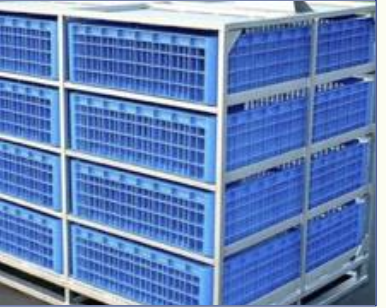
Need to minimise stresses during transportation and injuries and deaths (dont over or under stock crates)
What must be ensured in lairage
Enough space to lie down.
Water ad lib.
Avoid mixing animals that may lead to increased stress and harm.
Control of temperature, light, noise
Food if there longer than 12 hrs
To whom should issues be reported to (what does it depend on)?
Enforcement depends on where problem occurred
Farm (APHA)
Transport (Trading Standards)
Lairage (FSA)
Also depends on what the issue is
How does stress affect meat quality?
Affects metabolism of glycogen in muscles
Glycogen is energy source for muscle activity. Following slaughter glycogen converted to lactic acid
Amount of glycogen pre-slaughter affects pH post slaughter
Chronic stress depletes glycogen. Acute stress increases metabolic activity
Affected meat is safe but not desired by consumers
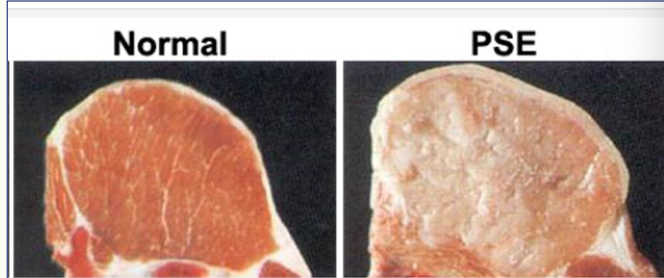
How does Pale, Soft, Exudative (PSE) meat occur? In which species is it predominant in?
Acute stress increases metabolic activity.
Denaturation of the proteins because of low pH, inability to keep the fluids in the cells.
Predominately in pigs.
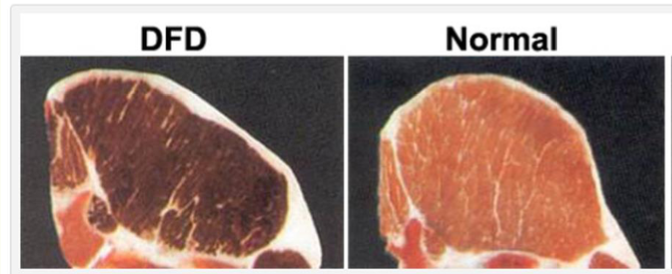
How does Dark, Firm Dry (DFD) meat occur? In which species is it predominant in?
Chronic stress depletes glycogen.
No denaturation of proteins, fluid remains bound.
Commonly in cattle. Pigs and sheep occasionally.
What is the purpose of the ante-mortem inspection?
To determine whether there is any sign of any condition which might adversely affect human or animal health
To enable the Official Veterinarian (OV) to make the decision as to whether the animal can be slaughtered for human consumption
To determine whether any test should be carried out in relation to disease diagnosis or for residues of veterinary medical products
To determine whether welfare has been compromised
What are the tasks involved in AMI?
OV (from FSA) carry out AMI
Meat Hygiene Inspector may assist OV
Food Business Operator has responsibilities that food standard agency (FSA) are required to verify are fulfilled
What are the general things that the OV must do during the AMI?
Where animals are slaughtered without ante-mortem inspection, the OV must declare the meat from such animals unfit for human consumption.
The OV must verify that the FBO is presenting animals that do not have hide, skin or fleece conditions that present an unacceptable risk of contamination of the meat (checking cleanliness)
What are the features that the FBO should identify in order to accept animals into the slaughterhouse?
Are properly identified
Are accompanied by the relevant information from the holding of provenance
Are not from areas under disease control with movement restrictions unless the Competent Authority so permits
Are clean
Are healthy, as far as the FBO can judge
Are in a satisfactory state as regards to welfare
OV must be notified if FBO aware that animals does not comply with any above
What should the AMI identify?
Must observe each animal (except poultry) moving and at rest
Inspection must be sufficient to identify animals showing neurological symptoms, respiratory symptoms, alimentary tract abnormalities, change in gait, or external abnormalities
When should the AMI take place?
The inspection must take place within 24 hours of arrival at the slaughterhouse and less than 24 hours before slaughter
What is the purpose of food chain information? Who evaluates it?
Food chain information (FCI) is used by slaughterhouse FBOs to assess any potential hazards presented by the animals intended for slaughter as part of their HACCP- based food safety management systems.
FCI required for every animal intended for human consumption. The producer must provide FCI to the FBO for all animals presented for slaughter.
It is the FBO’s responsibility to evaluate the FCI and then make it available to the OV without delay.
The OV must review the FCI before ante-mortem inspection to determine the inspection procedures required.
Give some examples of 'suspect animals' that are to undergo detailed AMI for the OV to decide whether the animal is fit for slaughter for human consumption?
Animals showing clinical signs of illness, disease or disorder
Animals showing clinical signs of a disease transmissible to man or animals, especially a notifiable
Disease (e.g., animals are found or suspected to have any form of clinical TB)
Animals showing clinical signs of a disease or disorder likely to make fresh meat unfit for human consumption
Animals showing signs of fatigue or stress
What is the aim of the Clean Livestock Policy?
Aims to ensure a consistent approach to categorisation of animals presented for slaughter and to minimise the risk foodborne disease caused by bacterial pathogens on dirty hides and fleeces
Which categories in the clean livestock policy will be deemed fit for slaughter?
Categories one and two (clean and dry, slightly dirty and dry or damp)
What is the purpose of stunning?
Renders animal immediately insensible to pain.
Killed by exsanguination (sticking)
What are the three commonly used methods for stunning an animal?
Mechanical (percussive)
Electrical
Chemical (gaseous)
Explain how percussive stunning (captive bolt) is used?
Primary objective is to induce immediate insensibility by administering a severe blow to the skull of the animal.
Produces rapid acceleration of head- causes brain to impact against inside of skull- disrupts normal activity, increases intra-cranial pressure followed by drop
Animal must then remain unconscious until it dies from bleeding or pithing
What species is captive bolt used for?
Mainly for stunning cattle, sheep and goats
To a lesser extent for pigs, horses and farmed deer.
What happens when you stun an animal with captive bolt?
The initial effect= immediate unconsciousness accompanied by ‘tonic’ activity - animal collapses, stops breathing and becomes rigid, with its head extended and its hind legs flexed towards the abdomen.
Period of rigidity normally lasts for 10 - 20 seconds following stunning.
The forelegs may be flexed initially and then gradually straighten out.
This tonic activity is followed by a period of involuntary kicking movements which gradually subsides.
An effective stun is dependent on the blow being administered to the correct part of the skull.
To ensure maximum impact on the brain, the best position is where the brain is closest to the surface of the head and where the skull is at its thinnest.
What defines an effective stun? What are the signs of it?
One which renders the animal immediately unconscious and insensible to pain.
Signs of an effective mechanical stun:
Animal collapses (tonic phases)
No rhythmic breathing
Fixed, glazed expression
No corneal reflex
Relaxed jaw, possibly with tongue hanging out
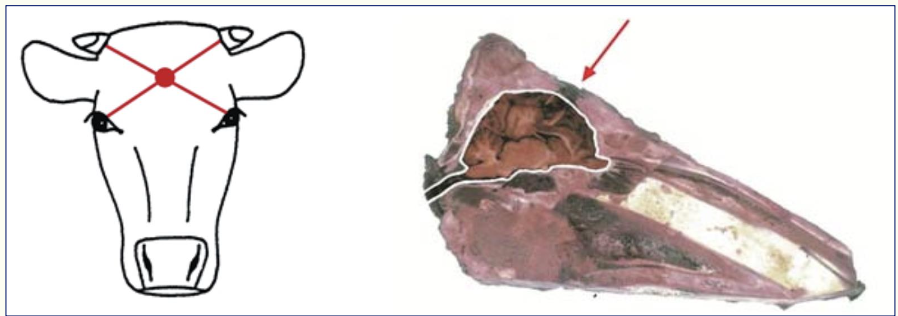
Where is the ideal stunning location for cattle?
At crossing of two imaginary lines drawn between eyes and centre of base of opposite horns
Muzzle of stunner should be held at right angle to the skull so bold is directed through upper brain towards brainstem
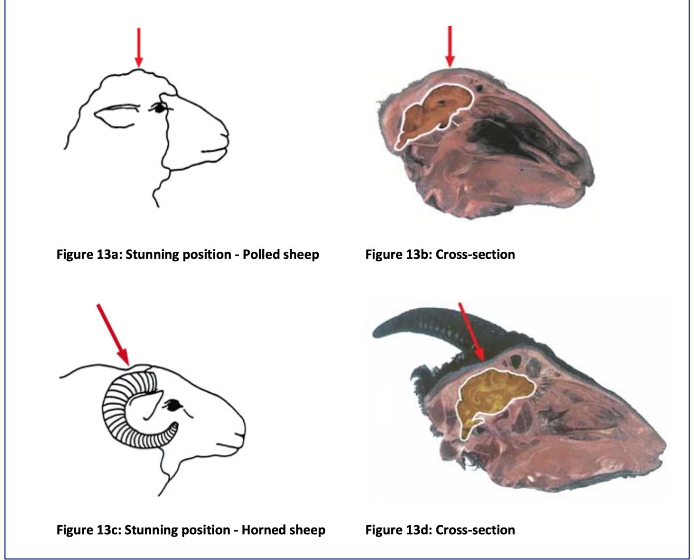
Where is the ideal stunning location for sheep?
Depends on whether animal is polled or horned
Polled: muzzle should be placed at highest point of head and on midline aiming straight down
Horned: muzzle should be placed on midline behind ridge between horns and aimed towards base of tongue
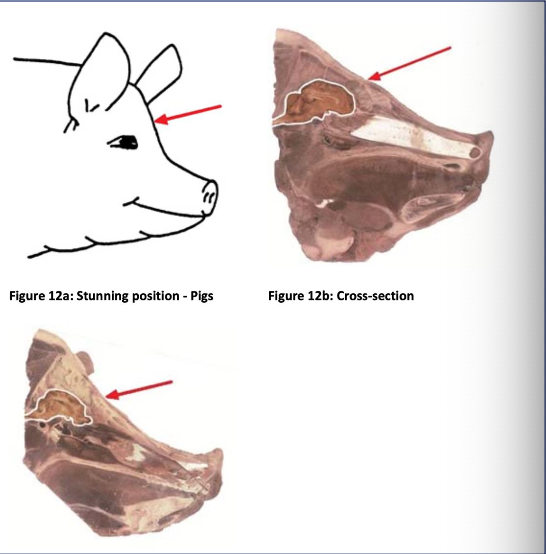
Why do you typically not use captive bolt on pigs?
(Most difficult animals to stun with captive bolt)
Target area very small exacerbated with dish face characteristic
Brain lies deep within head with mass of sinuses lying between frontal bone and brain cavity
What is the principle of electrical stunning? How does it work?
Principle is to pass sufficient current through brain to interrupt normal activity so animal becomes immediately unconscious
Known as electronarcosis (fully reversible)
What dictates the time between stunning and bleeding?
Duration of consciousness to avoid risk of animals recovering consciousness before they die from loss of blood
After tonic phase, clonic phase you have recovery
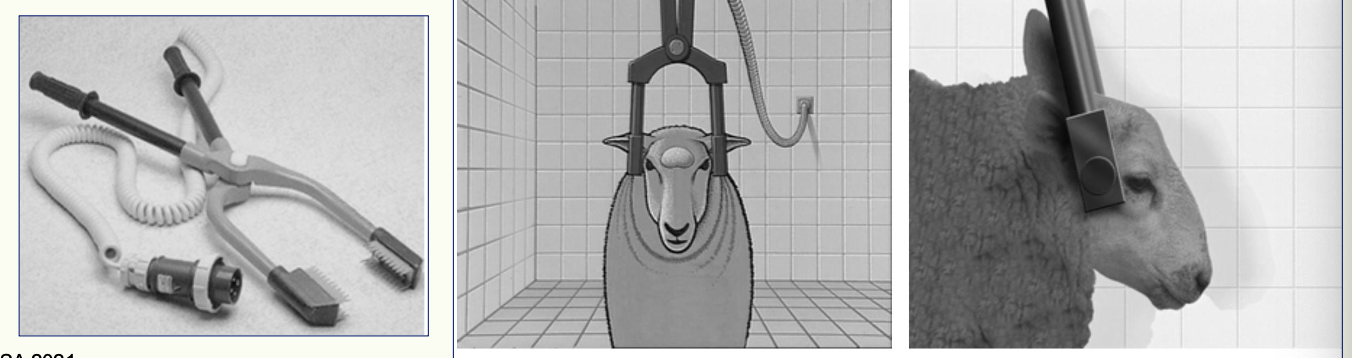
How are sheep electrically stunned?
Head only stunning within a group in a pen or invidual animals in a restrainer-conveyer
Most widely used are scissor tongs
How is death achieved in poultry after electrical stunning?
Cutting major blood vessels in neck
What are the signs of an effective electrical stun in poultry?
Neck arched with eyes fully open.
No rhythmic breathing immediately after the stun.
Rigidly extended legs.
Constant rapid body tremors.
Wings held close to the body (following initial uncontrolled bursts of flapping).
Describe the process of electrical stunning of poultry?
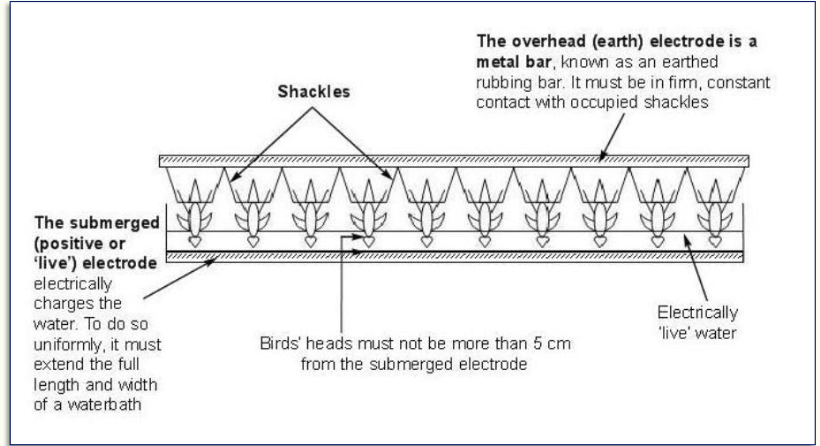
Ramp for head
Water spray to ensure good conduction
Water level can be adjusted
Standardization of birds
How long after electrical stunning should a bird be killed?
Within a max of 15 seconds by either neck-cutting or neck dislocation
What are the different ways gas stunning can work and their pros and cons?
Carbon dioxide
Heavier than air
Cheap
May induce unpleasant effects
Inert gases (e.g. argon)
More expensive
No physiological effects
Vacuum or Nitrogen (poultry only)
What does bleeding cattle involve?
Bleed as soon as possible after stunning whilst still in the tonic (rigid) phase
Involves severing carotid arteries and jugular veins or blood vessels from which they arise
Bleeding should be carried out by an incision made with sharp knife in jugular furrow at base of neck- knife being directed towards entrance of chest to sever all major blood vessels arising from heart
In interest of good hygiene use two knives first to open skin- second to sever blood vessels
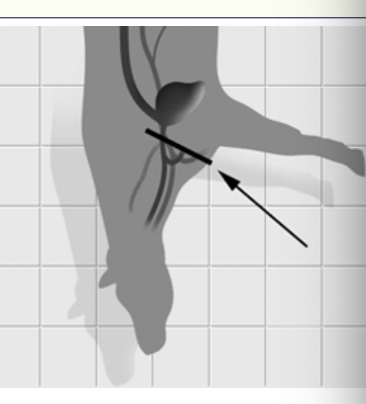
What is the maximum stun-stick interval in most cattle lines?
60 seconds where carcass must be hoisted to bleed area
How is bleeding carried out in sheep?
Bleeding may be carried out in similar way as cattle or by incision made close to head using blade at least 120mm long to sever both carotid and jugulart
In EU trachea and oesophagus intended for human consumption must remain in tact
Use incision at entrance to chest
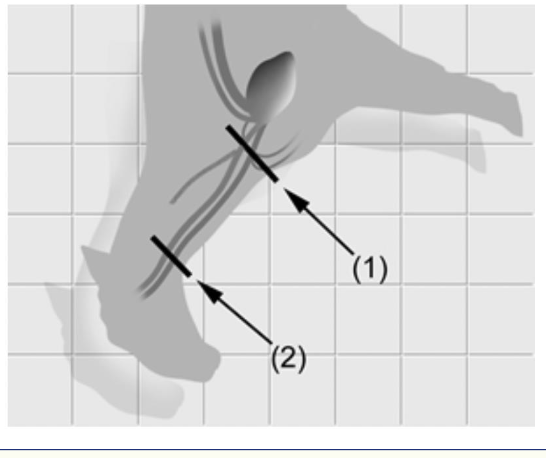
What is the maximum stun-stick interval in sheep/goats?
15 seconds
What does bleeding pigs involve?
Knife at least 120 mm long inserted in midline of neck at depression before breastbone
When incision made knife handle lowered so blade is in near vertical position and pushed upward to sever all major blood vessels
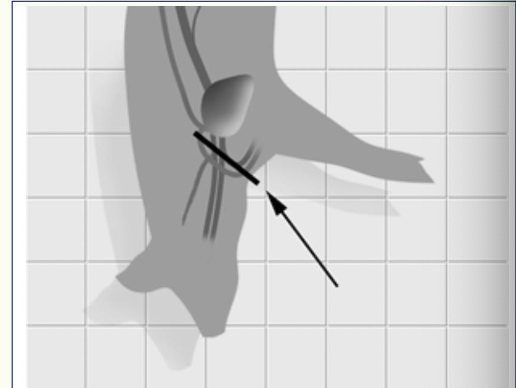
What is the maximum stun-stick interval in pigs?
15 seconds
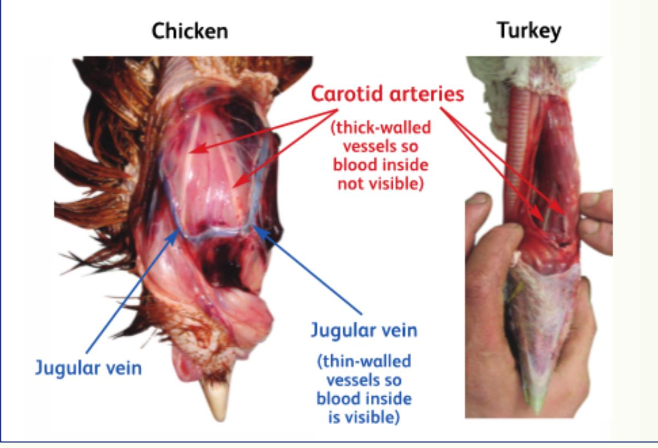
How is poultry bled?
Sever both carotid arteries or vessels from which they arrive
When slaughtering birds should be kept suspended to allow time for blood to drain from carcase
Turkeys and geese must be allowed to bleed for a minimum of two minutes, and other birds for one and a half minutes, before plucking and evisceration can begin
What are the exemptions for religious slaughter?
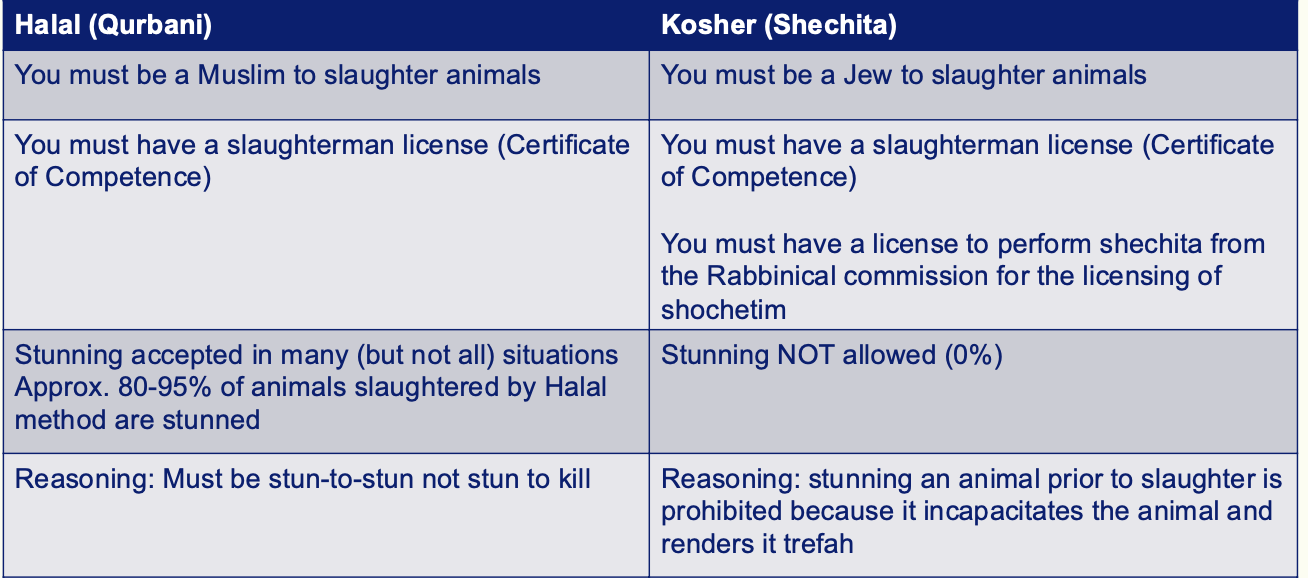
What are the requirements for bovine kosher slaughter?
Must be kept upright in an approved restraining pen
A head restraint is required
Support to the animal is required during and after slaughter
Sharp knife
Rapid uninterrupted movement of the knife
Severe both carotid arteries and both jugular veins

