Film History Midterm Study Guide
 Call Kai
 Learn
Learn Practice Test
 Spaced Repetition
 Match
Match Flashcards
 Knowt Play
1/58

Earn XP
Description and Tags
These flashcards cover key terms and concepts from early film history, focusing on devices, genres, filmmakers, and changes within the film industry.
Name | Mastery | Learn | Test | Matching | Spaced | Call with Kai |
|---|
No analytics yet
Send a link to your students to track their progress
59 Terms
When one sequence fades over another in a film.
Dissolve
Early motion picture device in which images were viewed through a peephole.
Kinetoscope
A moving picture camera that doubles as a projector, hand cranked, lightweight, and portable.
cinematographe
Early motion picture projector developed by Thomas Armat for Edison.
Vitascope
Introduces small slack loops of film above and below the projector or camera lens to isolate the filmstrip from tension and vibration.
Latham loop
Thomas Edison's studio, recognized as the world's first motion picture studio.
the Black Maria
During this phase, moving pictures focused on scenes of everyday life, making the familiar wondrous through the reproduction of motion.
Novelty Period
When a scene is shown from different angles and often seen from different perspectives as it plays back in time.
Overlapping editing
A live variety stage show featuring different live acts and allowing audiences to pay a single price to see various attractions.
Vaudeville
Non-fiction films shot at familiar or notable locations, characteristic of Lumière’s style.
actualities
Short films focusing on non-narrative spectacle with a direct and exhibitionist mode of address.
cinema of attractions
Pioneer of early cinema known for his special effects, especially in 'A Trip to the Moon
Georges Méliès
Filmmaking done frame by frame, creating an advanced flipbook style of animation.
Stop Motion animation
An image combining parts of two or more separate images by blocking out unwanted areas and protecting previously exposed ones.
Matte shot
Editing technique that cuts between two or more related actions occurring simultaneously in different locations.
Cross cutting
Films addressing social problems, featuring dynamic action, and appealing to both men and women.
Serial films
A venue dedicated exclusively to moving pictures, typically seating 100-200 patrons with a five-cent admission fee.
the Nickelodeon
A pioneer filmmaker who directed, produced, and distributed independent films, often focusing on Black life.
Oscar michauex (idc if I spelled it wrong)
Films made for Black audiences, produced by Black filmmakers, highlighting stories about Black life.
Race Pictures
A comic genre based on physical humor or bodily violence, often involving elaborate props.
Slapstick comedy
A film that draws attention to itself, often breaking the fourth wall or showing filmmaking processes.
self reflexive film
on December 29th 1895 Lumiere brothers unveil the worlds first public movie screening at the grand cafe using the cinematographe
the Cinematographe at the grand cafe
Contrast between Edison and Lumière films
Edison’s films focused on studio-based entertainment for individual viewing, while the Lumières emphasized real-life scenes and collective cinema experiences, helping shape the future of public film exhibition.
Stop-motion substitution
form of in-camera editing in which the camera is started and begins to film a scene until, at a precisely timed moment, the camera is stopped, a substitution or change is made in the scene, and the camera is started again
Christmas Closings/McClellan Massacre of 1908
December 24, 1908, the mayor of New York, George B. McClellan, ordered the closing of all nickelodeons in the city by revoking the business licenses of nickelodeon owners.
The MPPC's Board of Censorship
Reviewed films made in the US and suggested changes that were optional
when images stay on the retina after it disappears
Persistence of vision
Identify three aspects of the studio system that Thomas Ince put into place at Inceville
Centralized production control, continuity scripts, assembly line production
Describe the basic 4-part structure of the suspense melodrama with reference to any one of the following: The Lonely Villa
Threat / Danger Introduced – Criminals break into the house while the family is alone, establishing the immediate peril.
Family in Peril / Complication – The women barricade themselves inside the villa, heightening tension.
Race Against Time / Rescue Effort – The father receives a message and races home to save them, creating parallel action.
Resolution / Safety Restored – The father arrives in time, the burglars are thwarted, and safety is restored, resolving the suspense.
Define lasky lighting with a example
When you take or add in fill light resulting in a cinematic shot
Ex. The cheat opening shot
The “Big Three” Studios
Paramount, Loew’s, First National
The first magic lantern shown was held in…
An abandoned monastery
Two ways Hollywood took over global market in ww1
Distributors owned their owners theaters where they premiered their films
Us had a massive market since Europe was closed
Magic lanternists are responsible for developing:
The Dissolve
The first public exhibition of filmed moving pictures projected on a large screen took place in
Paris 1895
Which of the following optical toys demonstrate the "persistence of vision"?
The thaumatrope, phenakistiscope, and zoetrope
Describe three effects that the nickelodeon boom had on the film industry (2 pts. each):
forced companies to change its practices
Standardized production
Gave moving pictures a bad reputation
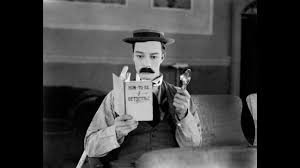
Film Identification
Sherlock, Jr. (Buster Keaton, 1924)
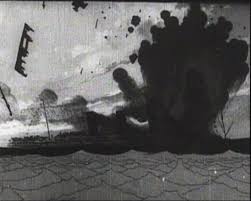
Film Identification
The Sinking of the Lusitania (Winsor McCay, 1919)
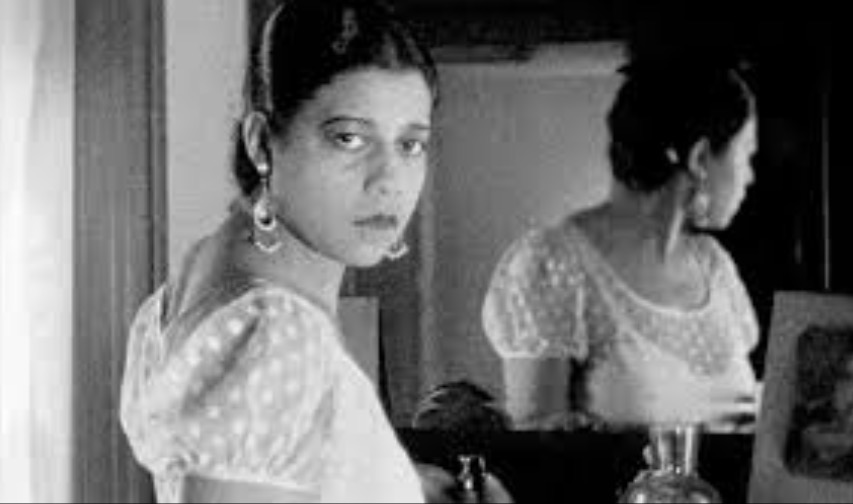
Film Identification
Within Our Gates (Oscar Micheaux, 1920)
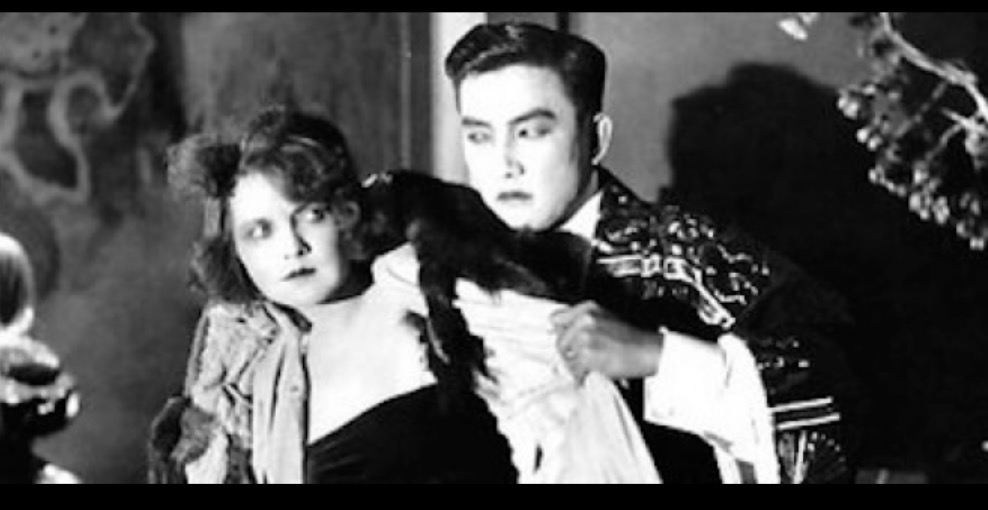
Film Identification
The Cheat (Cecil B. DeMille, 1915)
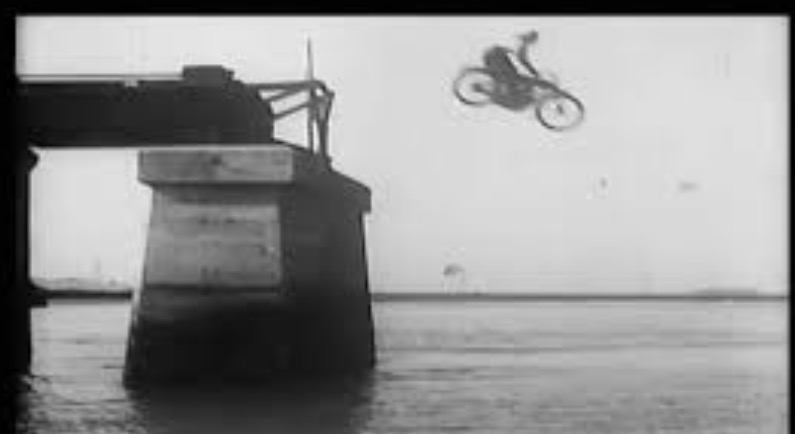
Film Identification
The Hazards of Helen, Episode 26: The Wild Engine (1915)
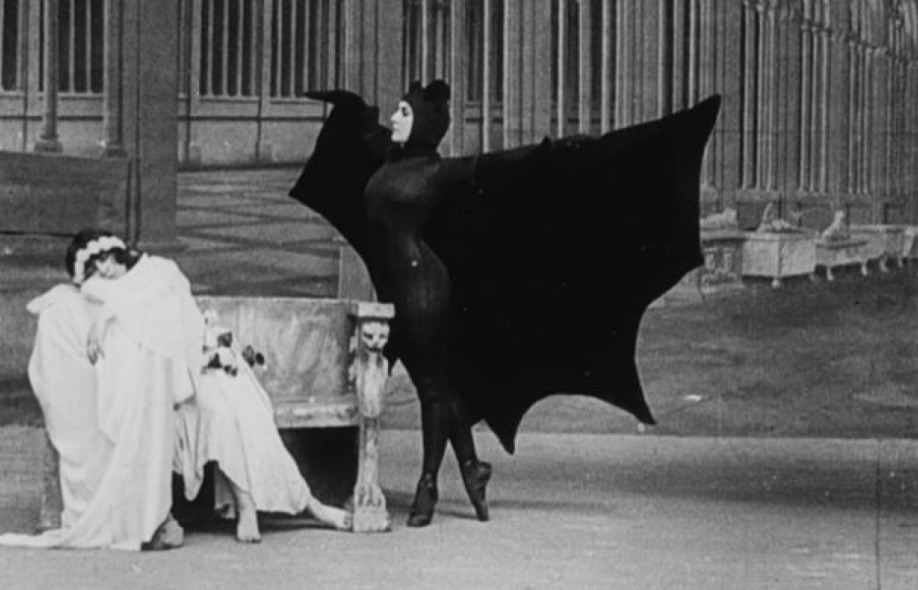
Film Identification
Les Vampires (Louis Feuillade, 1915)
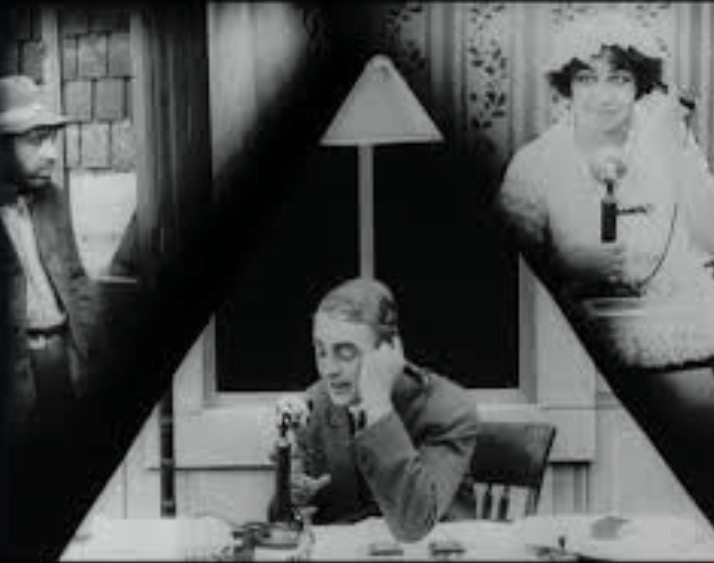
Film Identification
Suspense (Lois Weber, 1913)
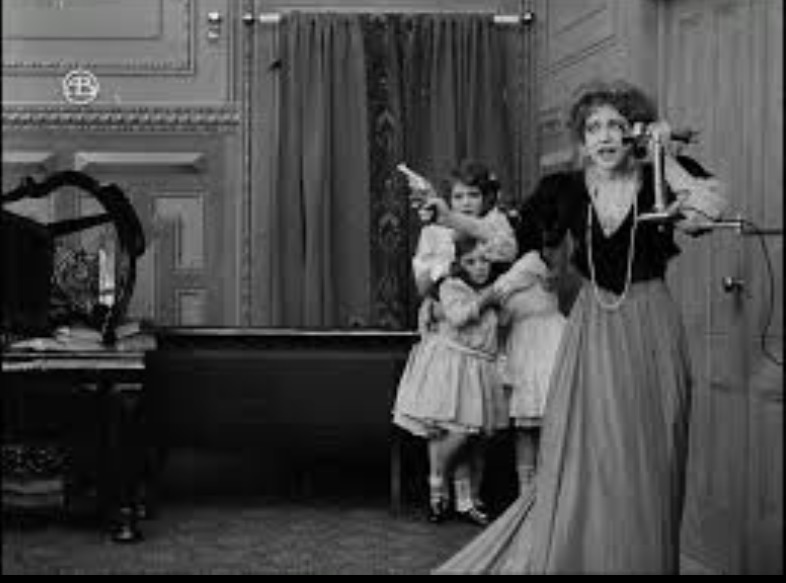
Film Identification
The Lonely Villa (D.W. Griffith, 1909)
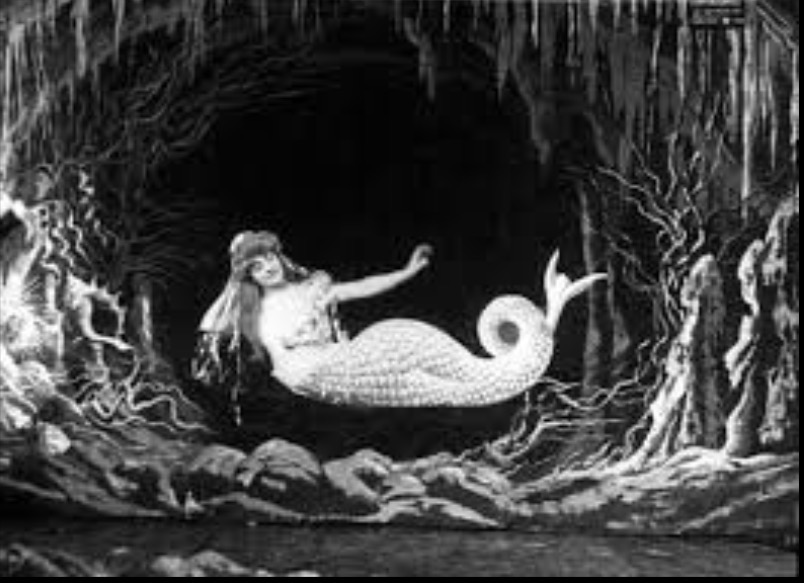
Film Identification
The Mermaid/ La Sirène (Méliès, 1904)
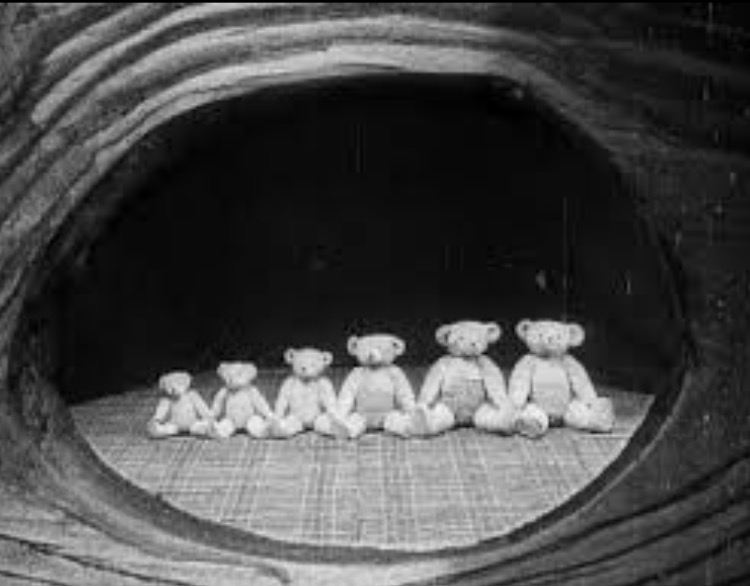
Film Identification
The “Teddy” Bears (Porter 1907)
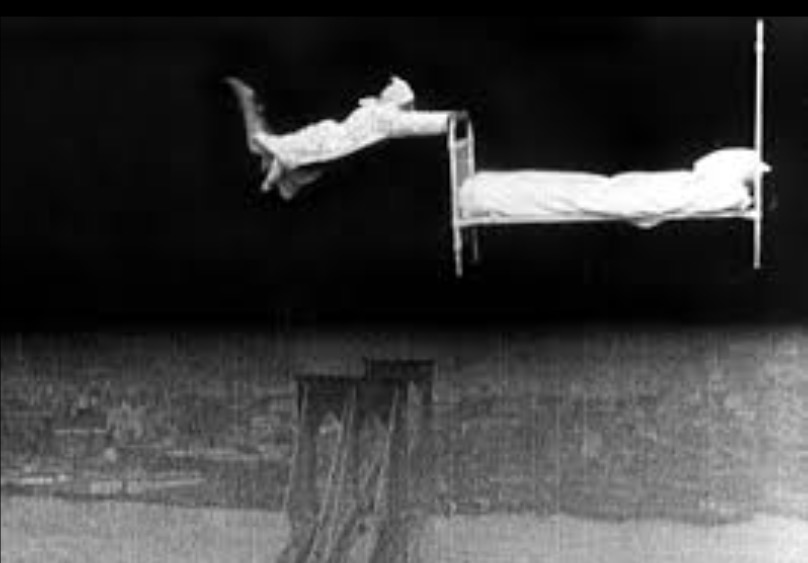
Film Identification
The Dream of a Rarebit Fiend
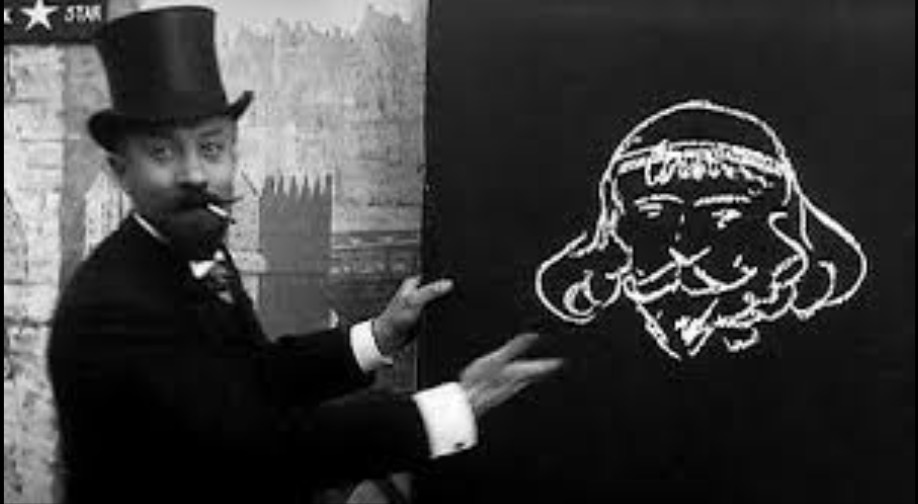
Film Identification
The Untameable Whiskers (Georges Méliès, 1904)
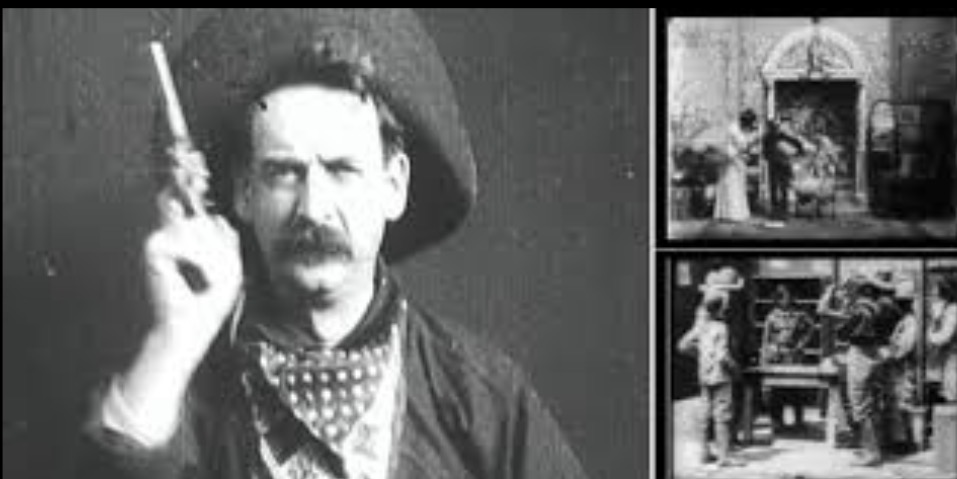
Film Identification
The Great Train Robbery (Edison, 1903)
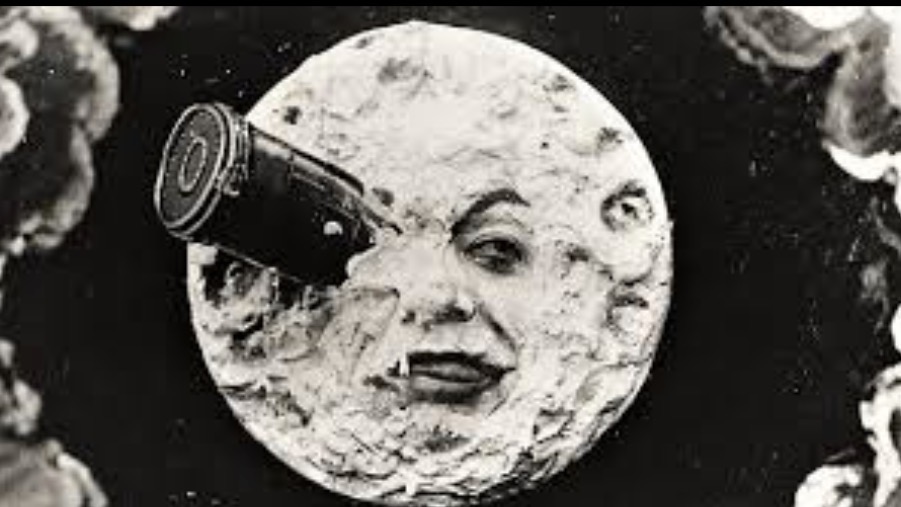
Film Identification
A Trip to the Moon (Georges Méliès, 1902)
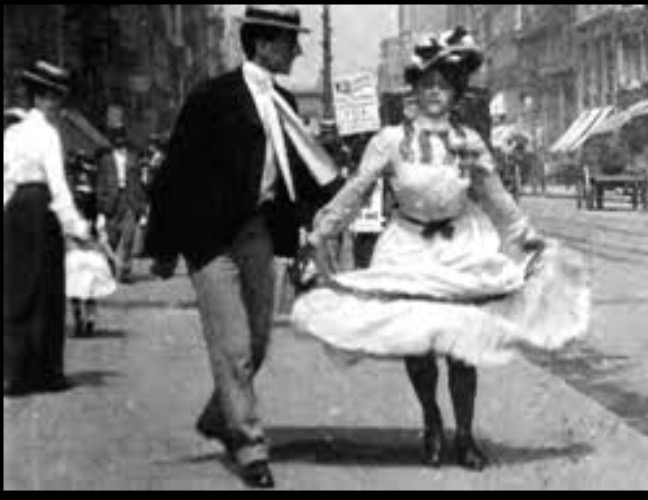
Film Identification
What Happened on 23rd Street (Edison 1901)
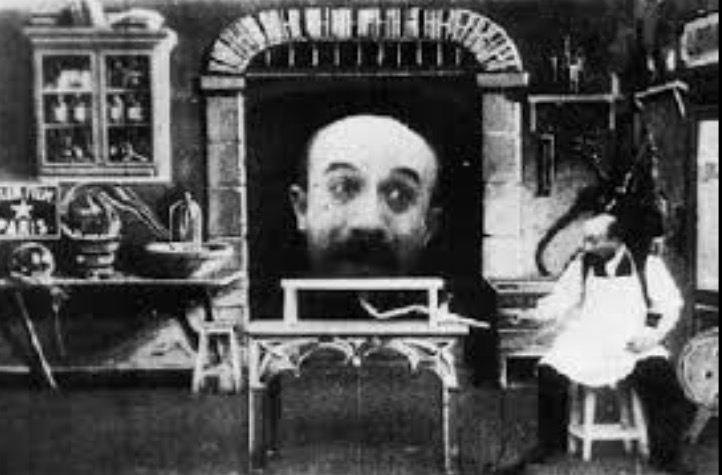
Film Identification
The Man with the Rubber Head (Georges Méliès, 1901)
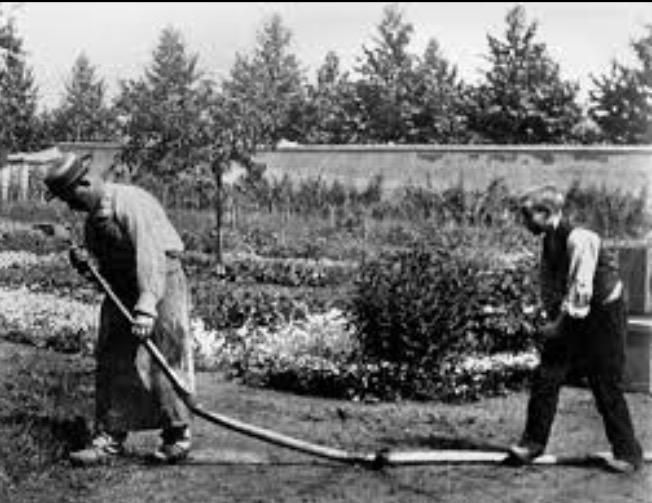
Film Identification
The Sprinkler Sprinkled/Arroseur Arrosé (Lumière Bros., 1895)
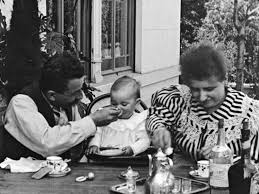
Film Identification
The Baby’s Breakfast/Repas de bébé (Lumière Bros., 1895)
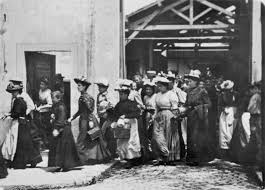
Film Identification
Workers Leaving the Factory (Lumière Bros., 1895)
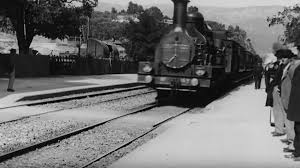
Film Identification
Arrival of a Train at Ciotât Station (Lumière Bros., 1895)
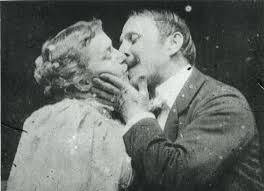
Film Identification
John C. Rice and May Irwin Kiss (Edison, 1895)
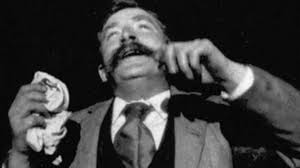
Film Identification
Edison Kinetoscopic Recording of a Sneeze
Explore top notes

