Module 3: Jung
 Studied by 0 people
 Call Kai
 Learn
Learn Practice Test
 Spaced Repetition
 Match
Match Flashcards
 Knowt Play
1/34

There's no tags or description
Looks like no tags are added yet.
Name | Mastery | Learn | Test | Matching | Spaced | Call with Kai |
|---|
No analytics yet
Send a link to your students to track their progress
35 Terms
The conscious
Anything you are readily aware of, namely, all external senses, impressions, thoughts, and awareness of feelings and bodily sensations
The personal unconscious
Individual (personal) experiences, namely, repressed memories, impulses, or subliminally perceived experiences
The collective unconscious
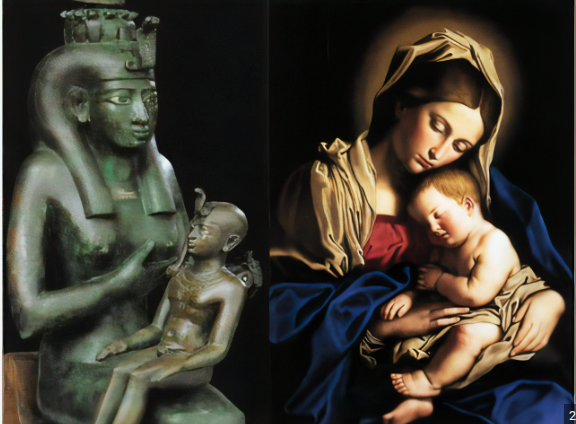
Results from collective experiences inherited from our ancestors, such as archetypes and innate tendencies (mother carrying baby)
Archetype
Represent an ancient image or a universal thought derived from the collective unconscious
Inherited NOT learned
What are Jung’s four approaches to therapy?
Confession
Elucidation
Education
Transformation
What are Jung’s two proposed types of attitudes?
Introverted and Extroverted Attitude
Confession
Recounting one’s history
Elucidation
Therapist provides interpretation and explanation
Education
Teaching patient’s how to be social beings
Transformation
Therapist moves the patient towards self-realisation
Persona
The tendency to protect your public self and hide your private self—the “good impression.”

Shadow
The “dark side” of the ego, namely, oppression, depression, and aggressive urges. If you lie, cheat, and steal, that will likely exist within the shadows.
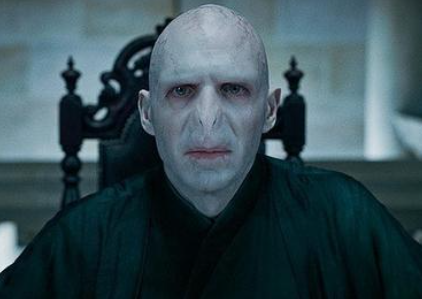
Anima and Animus
The feminine and masculine sides of each person. To have a good psyche, you must balance both the masculine and feminine.
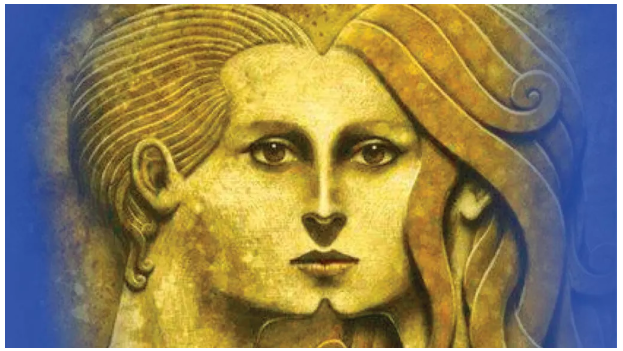
Anima
The female aspect present in men, associated with deep emotionality
Animus
The male aspect present in women, associated with logical and being rational
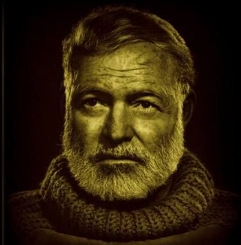
Mother
Anyone related to fertility, but most importantly, it could be positive or negative
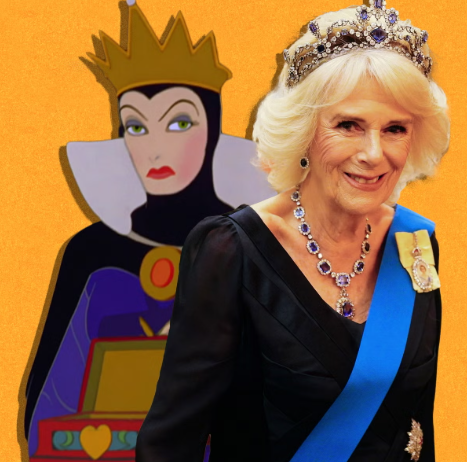
Hero
The conqueror of the enemy

The trickster
The comical relief character, such as a magician

External child
A mature person who behaves childishly

Key takeaway from Jung’s archetypes
Each generate some sort of image, and they are inherited, not learned.
They were not created by Disney movies; you already know them, but just recognise them in Disney movies
Jung’s dynamic psyche
The interplay between the three principles that operate the psyche: the principle of opposites, equivalence, and entropy
Principle of opposites
Every wish immediately brings to mind its opposite; if you have a good thought, you cannot help but have an opposite bad thought.
Ex. If you pick up a tiny baby robin to nurse it, you can’t help but think you can easily crush it in your hand.

Principle of equivalence
The energy created from the opposition is "given" to both sides equally.
Ex. When you hold the baby robin, the energy to help it and the energy to crush it are equal.

What happens between the two equal energies in the psyche according to the principle of equivalence?
You either acknowledge it, or you can deny and suppress it into a “complex,” which clusters around an archetype (e.g. suppression would make it part of the shadow)
Principle of entropy
When oppositions come together, and so for energy to decrease over a person’s lifetime
Ex. The ending “honeymoon” phase of a marriage
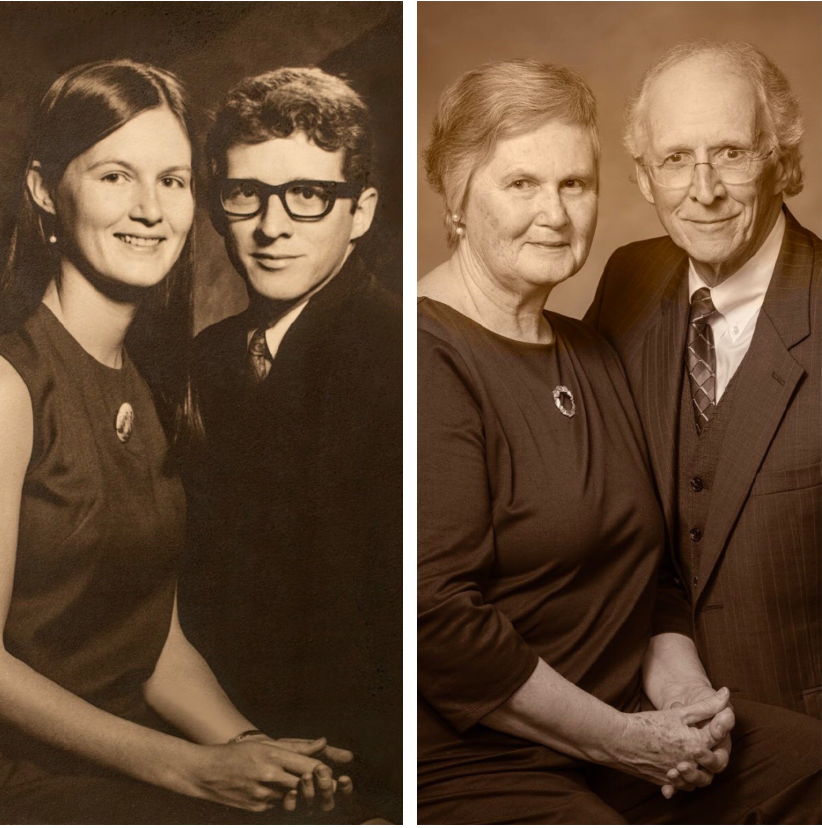
Introversion (according to Jung)
The turning inward of psychic energy, meaning, being more oriented to your inner world, such as to your fantasies, dreams, and/or overall individual perceptions
Extroversion (according to Jung)
The turning outward of your psychic energy, meaning, a person is more oriented toward their external environment and surroundings
What are Jung’s four psychological function types?
Thinkers
Feelers
Sensor
Intuiters
Thinkers
They think rather than feel; they use logic rather than feelings
Feelers
More inclined to personal values, beliefs, and feelings rather than logic and critical thinking
Sensor
Most comfortable dealing with their five senses
Intuiter
Goes beyond the consciousness and focuses on the extrasensory—it is like seeing around corners
How did Jung measure introversion and extroversion?
Jung didn't rank introversion and extroversion on a scale like the big five; he stated we had both, but more of one over the other
Goal of Jungian psychotherapy
To help healthy people reach self-actualisation, and to help people with chronic conditions be healthy
What can a self-actualised person do, according to Jung?
Can best assimilate their unconscious self into self-actualisation
 Note
Note  Flashcards (132)