Measures of Health & Disease
 Call Kai
 Learn
Learn Practice Test
 Spaced Repetition
 Match
Match Flashcards
 Knowt Play
1/30

There's no tags or description
Looks like no tags are added yet.
Name | Mastery | Learn | Test | Matching | Spaced | Call with Kai |
|---|
No analytics yet
Send a link to your students to track their progress
31 Terms
Epidemiology
The measure of distribution and determinants of disease and injuries in human populations
3 Cs of epidemiology
• Counting
• Comparing
• Causal inferences
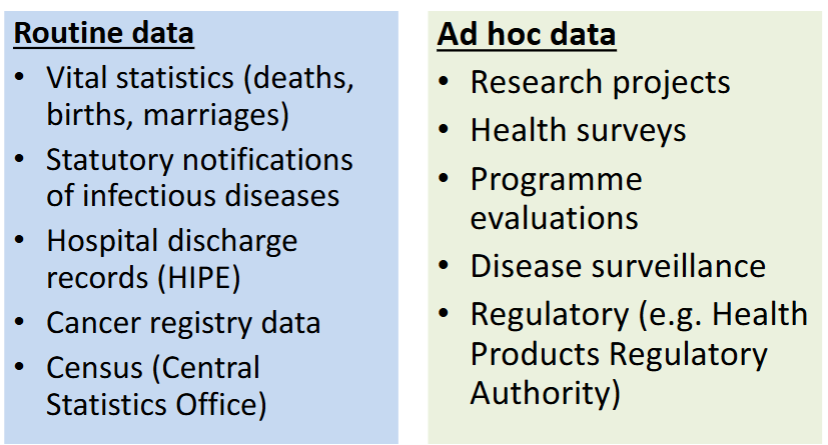
Compare these sources of data: Routine data vs Ad hoc data
Give 2 examples of Health-Related Quality of Life (HRQoL) measures
EQ-5D
SF-6D
Total fertility rate (TFR)
Average number of children that would be born to a woman over her lifetime
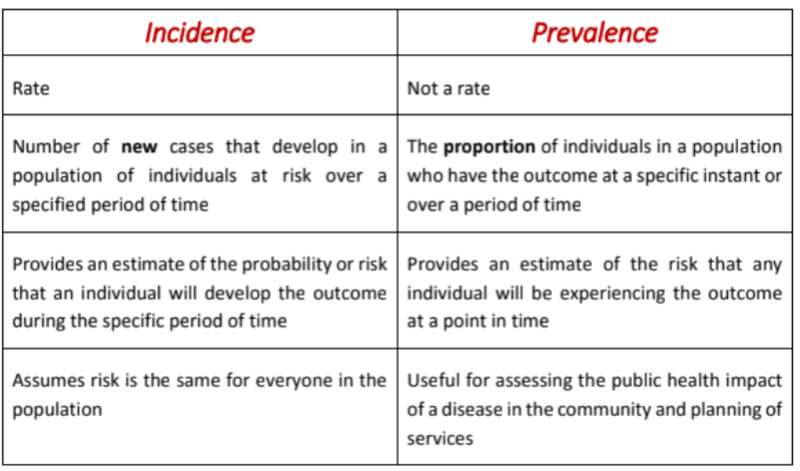
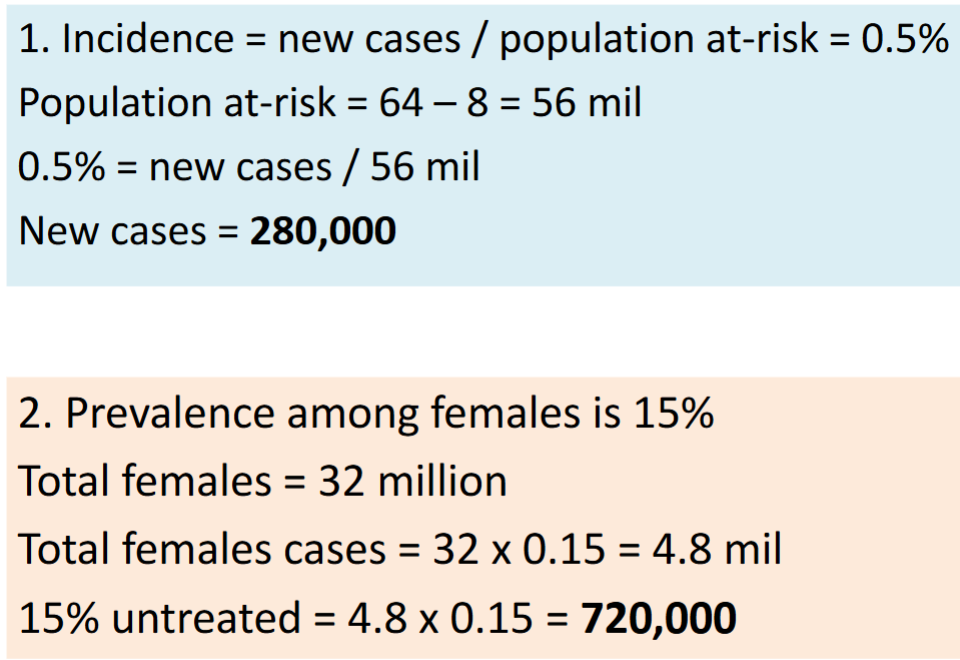
Difference between saying incidence & prevalence
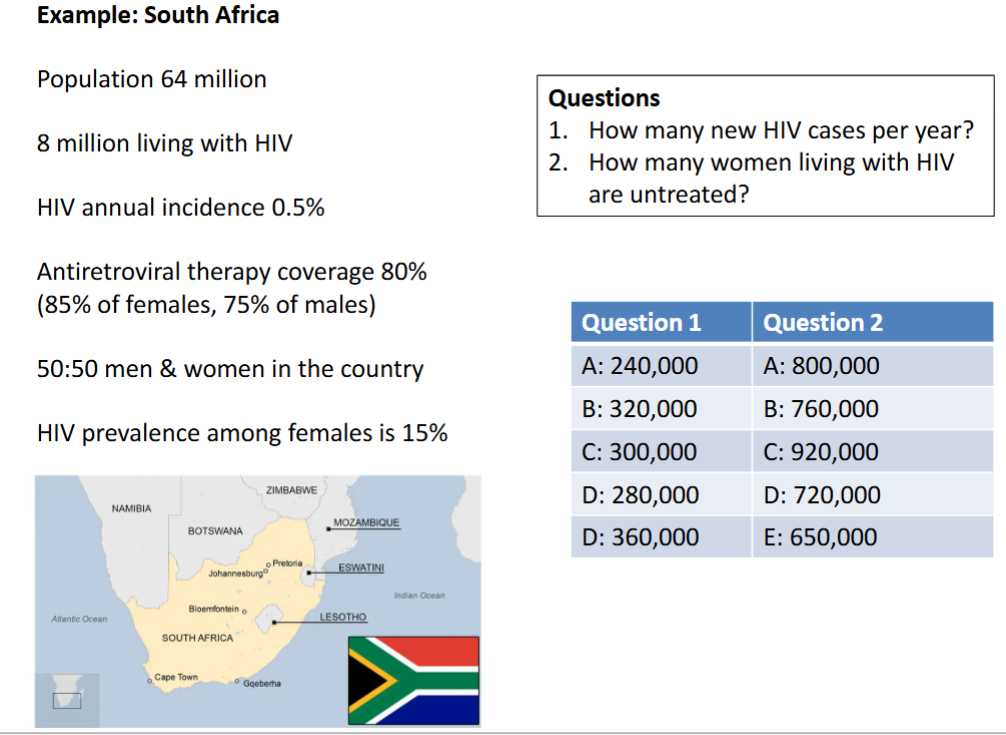
GBD stands for …
Global Burden of Disease
Global Burden of Disease
The burden of disease refers to the physical, emotional, social, and financial impact of diseases on individuals and populations.
Measures health losses from diseases, injuries, and risk factors globally
What do QALYs and DALYs stand for
QALYs - Quality-Adjusted Life Years
DALYs - Disability-Adjusted Life Years
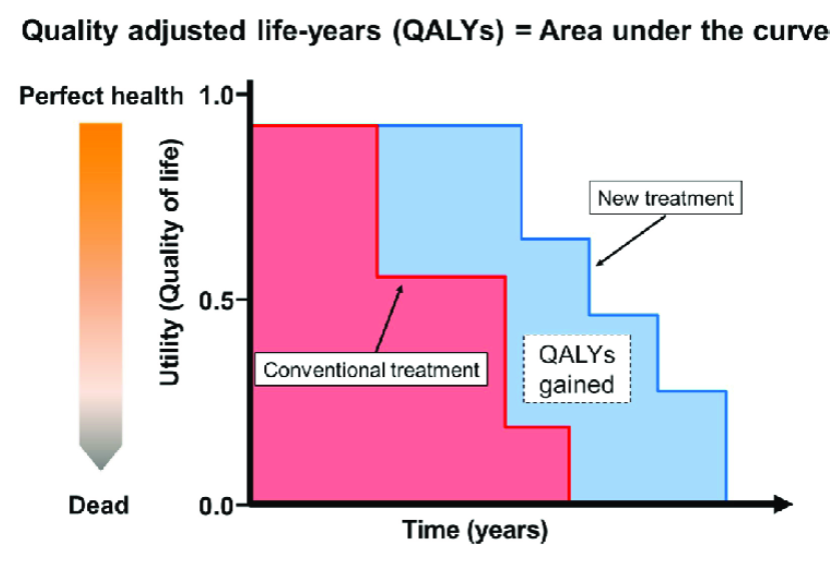
How is QALY calculated & what does it mean
Measures health gain
Uses HrQOL scores
Combine quantity of life & quality of life
• 1 year in perfect health = 1 QALY
• 1 year at half-quality health = 0.5 QALYs
QALY = Quality of life score × Time in health state
Purpose
• Allow comparison across different diseases and interventions
• Used widely in cost-effectiveness analysis
• Central to decision-making bodies such as NICE
• Reflect patient-reported outcomes and lived experience
• Common in high-income regions
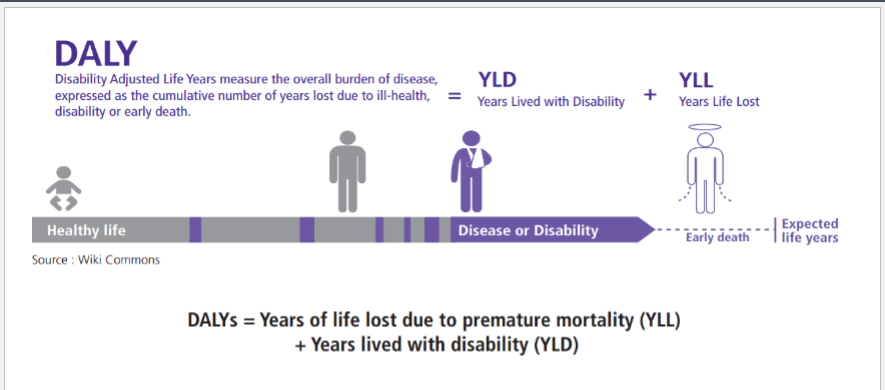
How is DALY calculated & what does it mean
Measure health loss
Represent years of healthy life lost due to disease or injury
Two components:
1. Years of Life Lost (YLL) due to premature death
2. Years Lived with Disability (YLD)
Purpose
• Quantify disease burden
• Inform policy & resource allocation
• Compare populations
• Evaluate interventions
• Common in global health
YLL
Years of Life Lost
What does Years of Life Lost measure
A measure of premature mortality
An upper age limit (e.g. 75) is chosen.
A person who dies at the age of 60 contributes 15 YLL (75 − 60 = 15) to the calculation
YLD
Years Lived with Disability
How is Years Lived with Disability measured
Multiply the prevalence or incidence by the Disability Weight.
What are 4 Limitations and Criticisms of QALYs & DALYs
• Place more importance on younger people
• Do not explicitly address equity or fairness
• Reduce complex health experiences to a single number
• Based on population preferences (QALYs)
• Based on expert-derived disability weights (DALYs)
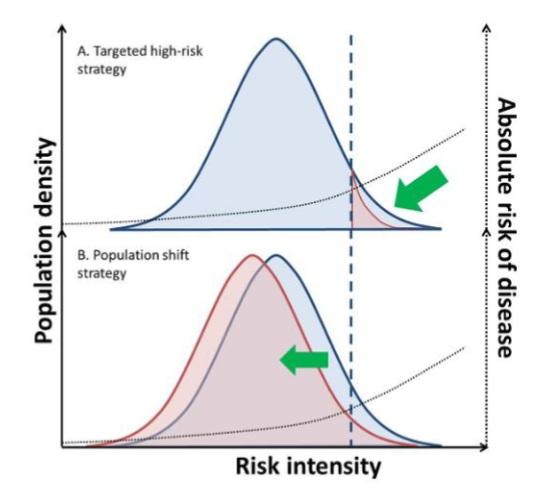
Targeted high-risk strategy vs population shift strategy
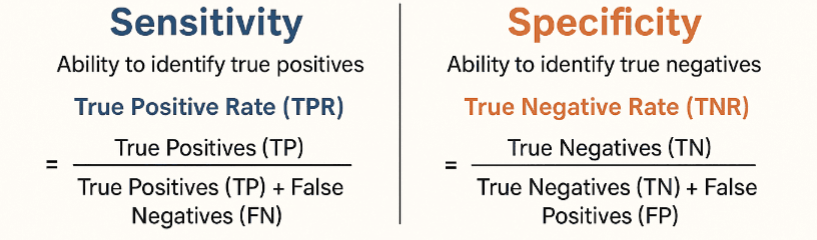
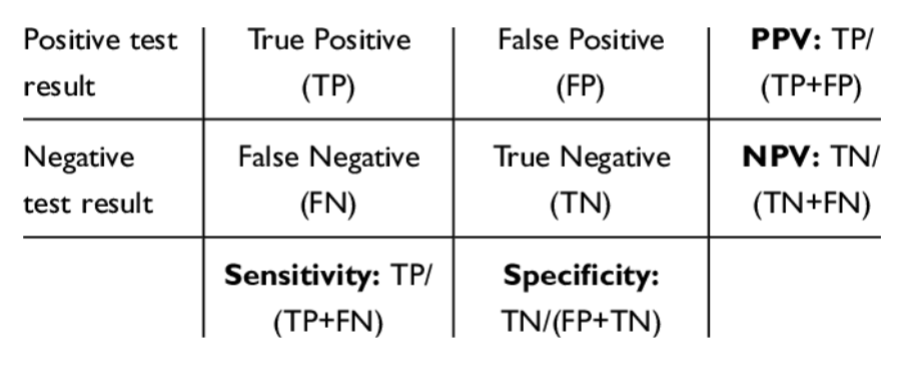
2 Measures of test accuracy are sensitivity & specificity. What do these mean?
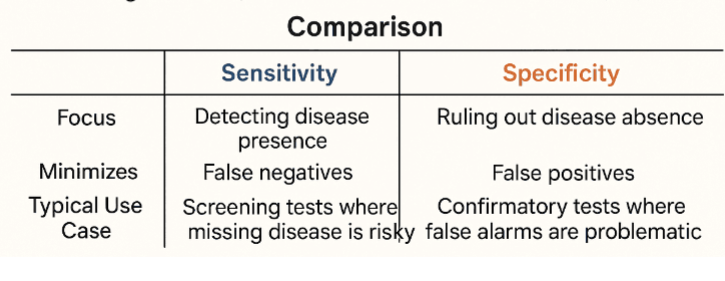
Sensitivity / Specificity measures true positive / negative rate
Positive predicted value (or negative predicted value) formula
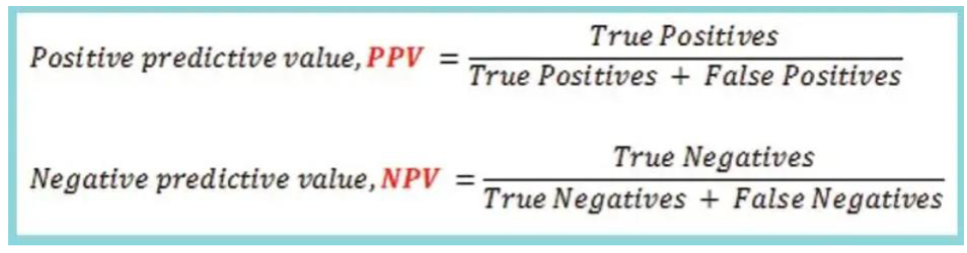
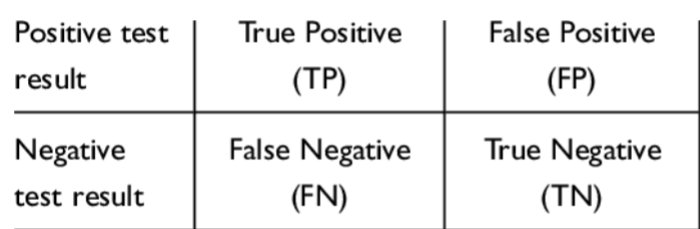
Which of these figures are pulled together to form
PPV
NPV
Sensitivity
Specificity
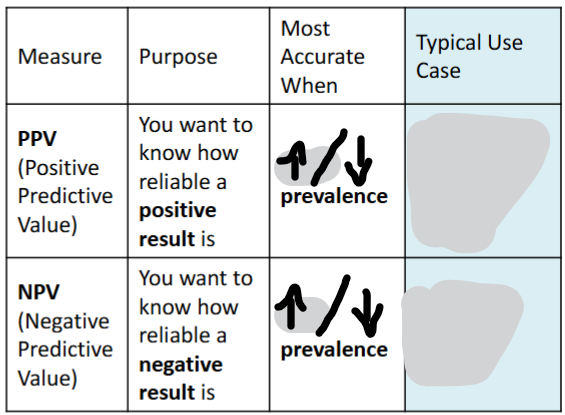
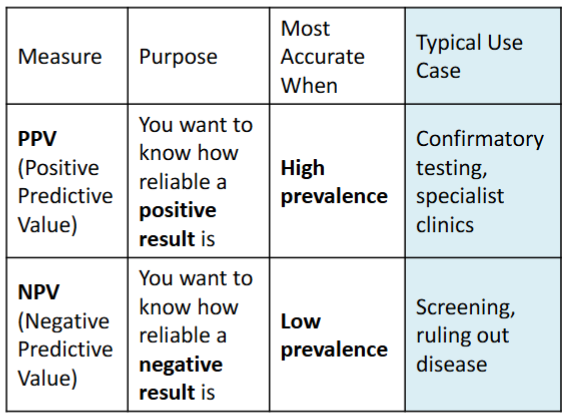
Which of these depend heavily on prevalence:
PPV
NPV
Sensitivity
Specificity
PPV & NPV heavily depend on prevalence
Sensitivity and specificity (measures of test accuracy) are unaffected by prevalence
Say there’s 100,000 pregnancies.
100 have the disease; 99,900 are healthy
Results will show:
• 100 who have the disease = 99 diagnosed as TP (99% sens)
• 99,900 who don’t have it – 99900 x 0.01 = 999 diagnosed as FP (99% spec)
What is the Positive Predictive Value?
A. 9%
B. 25%
C. 50%
D. 90%
E. 99%
PPV = TP / (TP+FP)
= 99 / (99+999)
= 99 / 1998
= 9%
Calculate Negative Predictive Value
Say there’s 100,000 pregnancies.
100 have the disease; 99,900 are healthy
Results will show:
• 100 who have the disease = 1 diagnosed as FN (99% sens)
• 99,900 who don’t have it = 99900 x 0.01
= 98901 diagnosed as TN (99% spec)
NPV = TN / (TN+FN)
= 98901 / (1 + 98901)
= 99.9999%
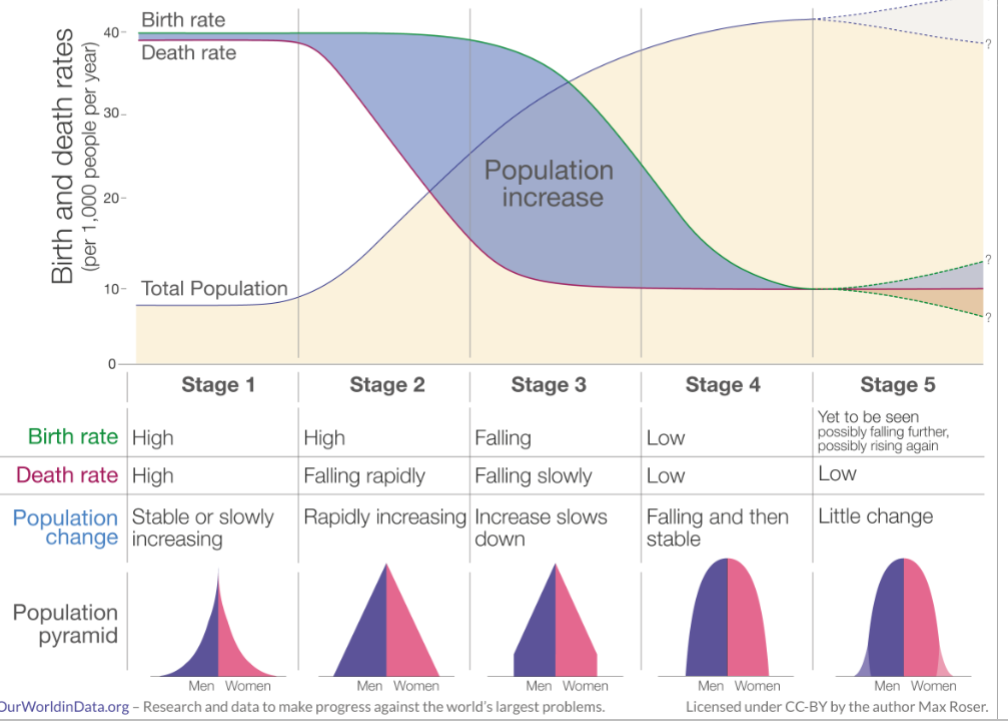
When studying demography, population change may arise because of what 4 factors
• 1. Births
• 2. Deaths
• 3. Migration
• 4. Ageing
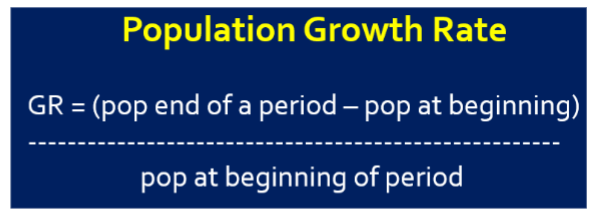
Population growth rate formula
3 Policies to increase the number of working-age adults
• Family-friendly policies (e.g. subsidised paternity & maternity leave, tax allowances for parents)
• Encouraging migration
• Increase the state pension age
3 Policies to slow down population growth
• Family planning e.g. subsidised contraception
• Gender equality and education of girls
• One-child policy (China)
What are the 5 stages of demographic transition