(1) Norway: Political History and Notable Figures
 Call Kai
 Learn
 Practice Test
 Spaced Repetition
 Match
 Flashcards
 Knowt Play
1/21

There's no tags or description
Looks like no tags are added yet.
22 Terms
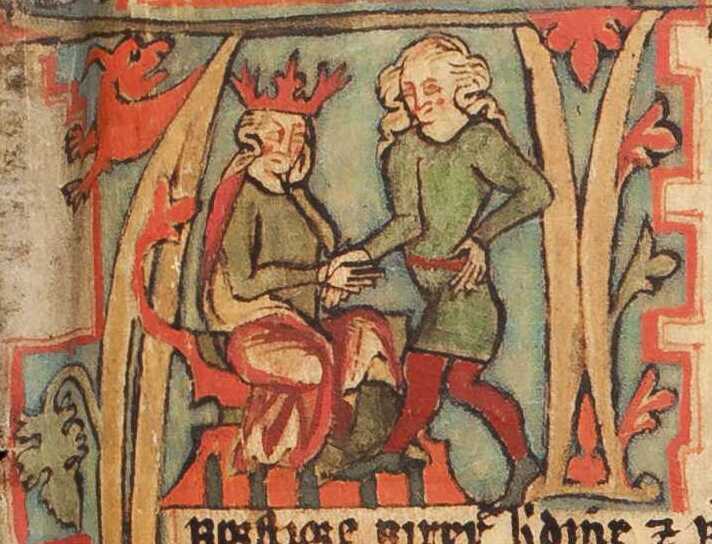
872 - 930 - Harald Fairhair (All Facts)
First King and Founder of the Kingdom of Norway
He united the various princedoms after his victory in the Battle of Hafrsfjord
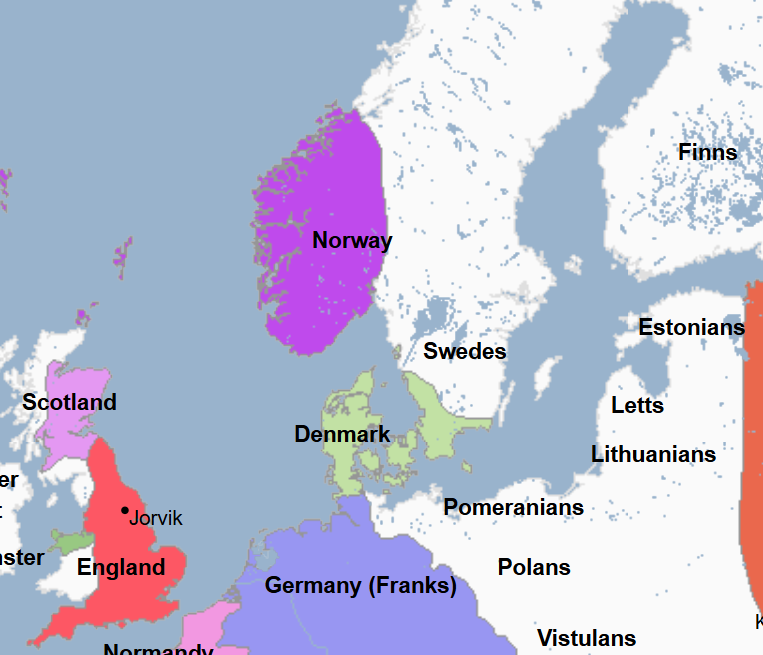
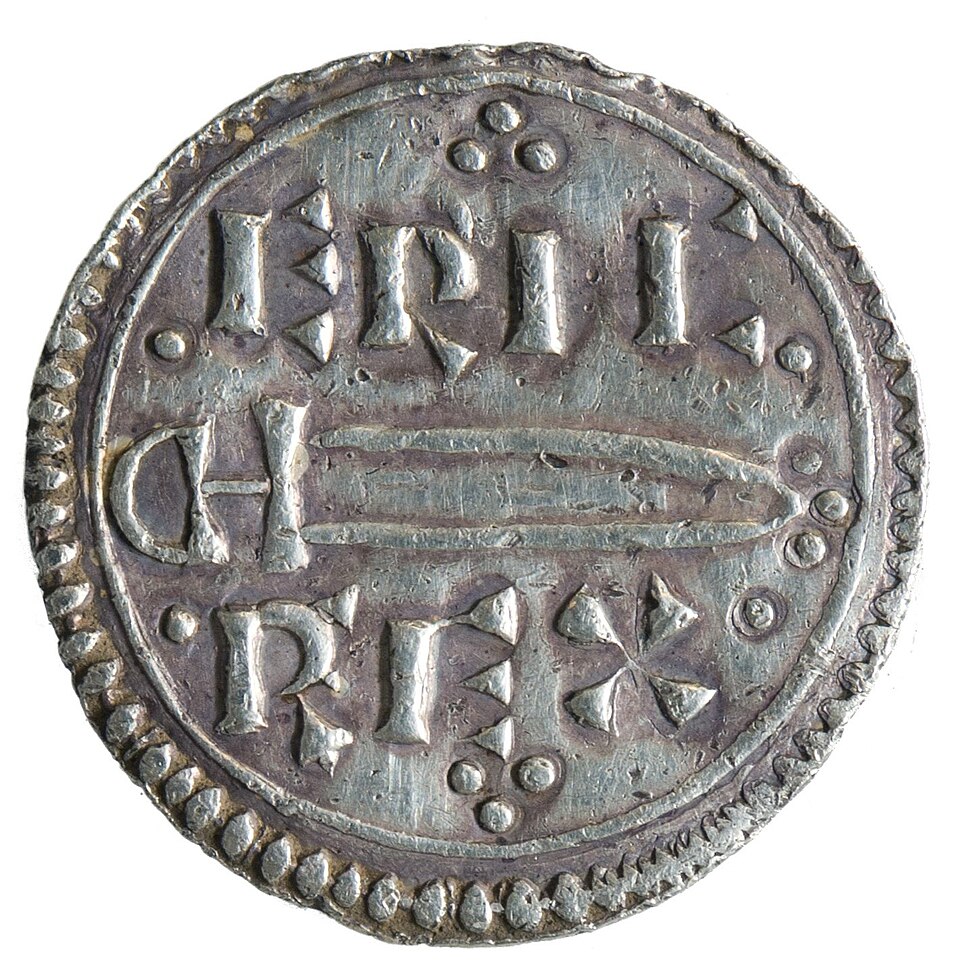
931 - 933 - Eric “Bloodaxe” Haraldsson (All Facts)
2nd King of Norway
He ruled not only Norway, but also York in Northumbria
However, he and his forces were decisively defeated by Eadred and his English forces long after his rule over Norway, in 954
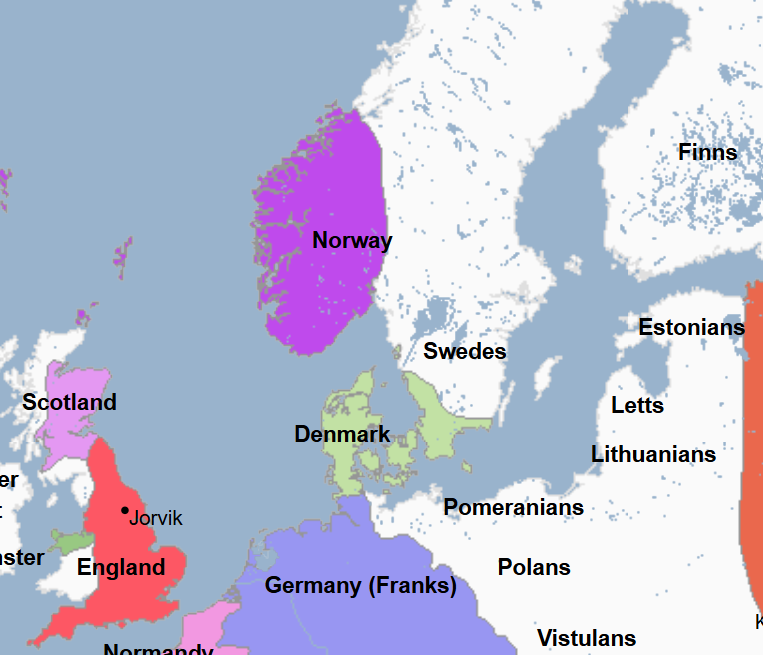
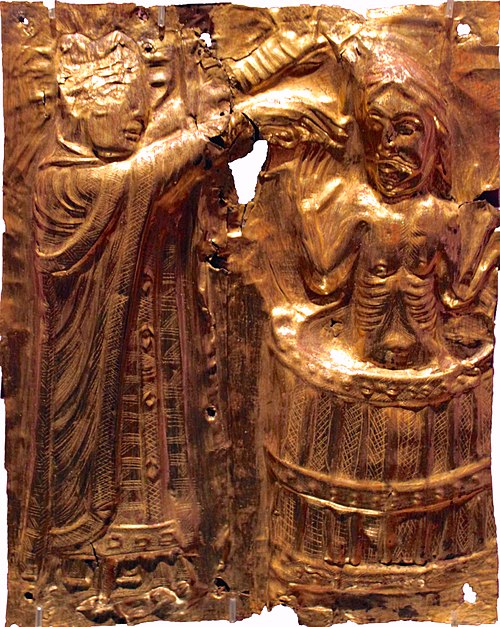
961 - 980 - Harald Bluetooth (All Facts)
5th King of Norway
He was also King of Denmark
He converted to Christianity, having accepted baptism, and thus made Denmark a Christian Kingdom by the start of his reign, having forsaken the old gods of Norse paganism
Some said he was converted as the result of an argument with a missionary, Bishop Poppo, during which the namesake challenged Poppo to prove his faith by ordeal
When the missionary agreed, he thrust his hand into a white-hot iron glove and when he withdrew his hand, it was unharmed
Witness to such a miracle, the namesake king conceded that Christ was the one true God and that Christ alone should be worshipped in Denmark
Others said he was converted as a result of his defeat to Otto the Great and was forced to convert as part of the price of defeat
While there was much grumbling among those who feared the revenge of the old Norse Gods during his reign, he was eager to be on good terms with Otto the Great and Germany and the Holy Roman Empire while he simultaneously expanded his influence in northern Europe
He commissioned the second of the two “Jelling Stones” in the town of Jelling in Denmark, which commemorated
His parents, his predecessor father and his wife, the namesake’s mother, Thyra
His conversion of the Danes to Christianity
His unification of Denmark and conquest of Norway
He embraced Christianity and promoted its spread, helping establish an organized church structure in Denmark
He spread his influence north by supporting his widowed sister Gunnhild and her five sons in their fight for the throne of the Kingdom of Norway
He also designed to expand his territory into modern-day Sweden
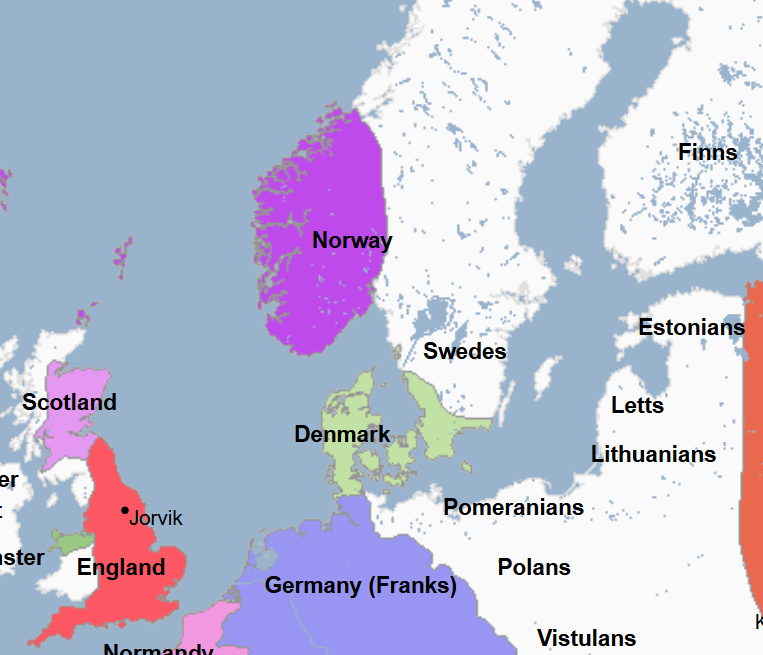

995 - 1000 - Olaf Tryggvason (All Facts)
6th King of Norway
He forcibly converted his own people, the Norse, to Christianity
He defeated Aethelred II “The Unready” and his English forces in the Battle of Maldon
He allied with Sweyn Forkbeard and the Danes to take London, failing, but ravaging throughout southern England and collective massive tribute from them under the reign of Aethelred II “The Unready”
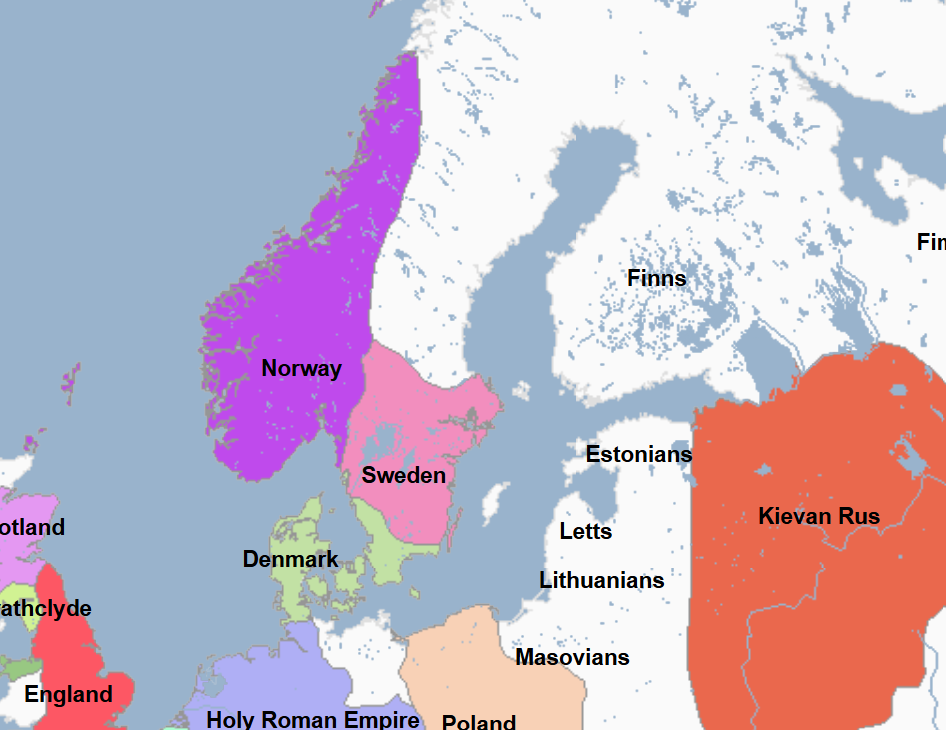
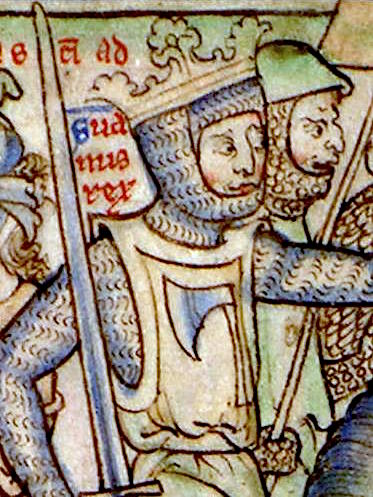
1000 - 1013 - Sweyn Forkbeard (All Facts)
7th King of Norway
He was also King of Denmark and King of England
He and Olaf the Norsemen of the Vikings attacked England under the reign of their King Aethelred II “The Unready,” even after Aethelred II had paid the Vikings off, ravaging throughout southern England and collecting massive tribute payments from Aethelred II
They failed to take London initially
He and his Danish forces eventually took control of all of England following the English surrender of London to them
Their King Aethelred II “The Unready” was deposed and was reported to have fled to France to join Queen Emma and their children, who have taken refuge with her brother, the Duke of Normandy
He and his forces subjugated the English forces and were not prepared or willing to take bribes from them
He planned to consolidate his hold on England as an act of revenge against Aethelred II “The Unready”
This was because he wished to avenge his sister Gunnhild and the Danes killed by Aethelred II “The Unready” in the secret St. Brice’s Day Massacre of Danes living in England which he ordered
He retaliated by burning homestead throughout southern England before accepting a substantial bribe to withdraw
However, when Aethelred II “The Unready” persuaded one of his top commanders, Thorkell the Tall, to defect, he felt he had no choice but to invade England, and he landed on Humberside and marched south
He thus became King of England for a short time, usurping the throne, overthrowing the House of Wessex and replacing it with the House of Denmark
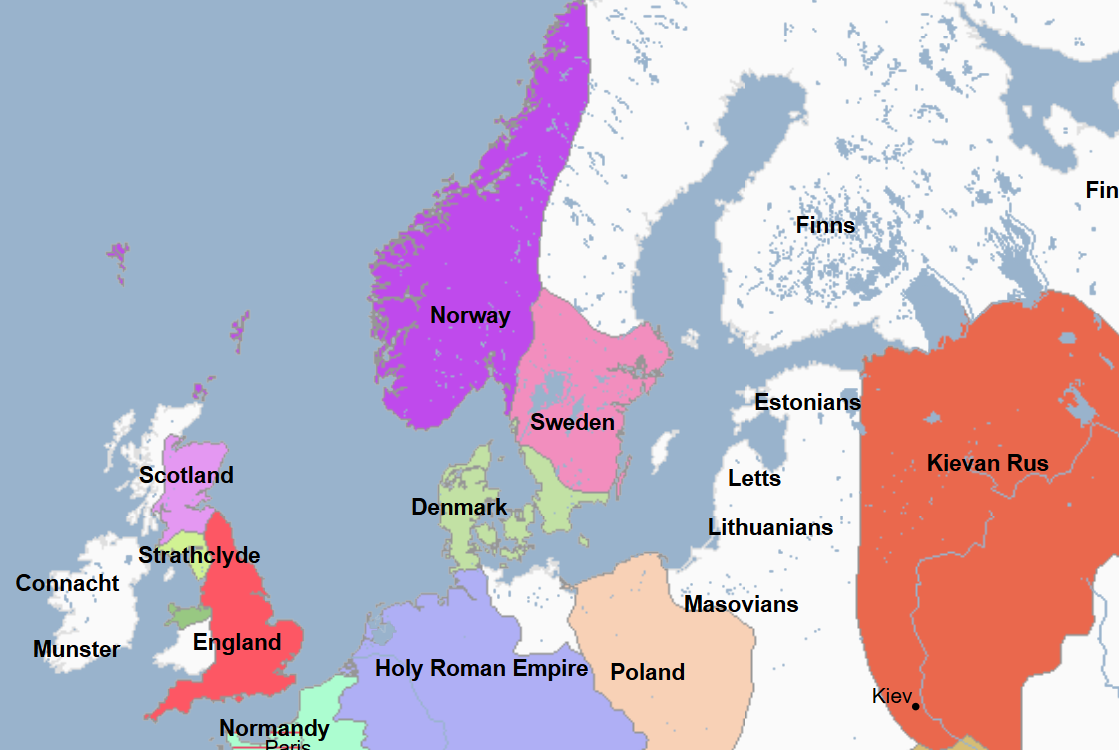
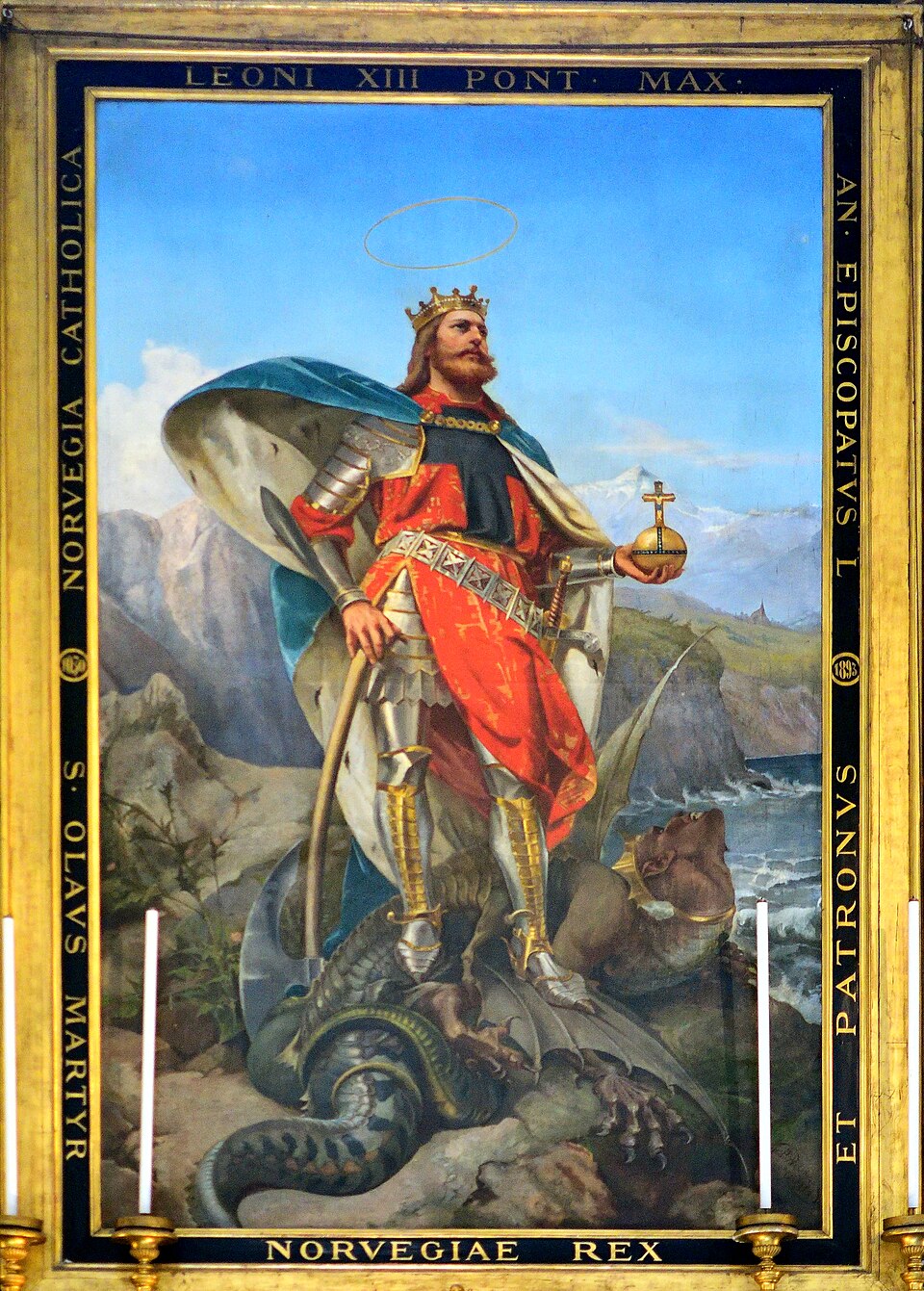
1015 - 1028 - St. Olaf Haraldsson (All Facts)
8th King of Norway
He took to the sea at age 12
He his forces fought against Denmark, Sweden, Finland, England, France, and Gotland
When he fought against the Swedes, he ended the fighting and married their king’s daughter
He was baptized in France
He was a ruthless warriors but an enlightened king and a firm believer in the law
He was the first Norwegian King of Norway (as opposed to Danish or English King of Norway) to embrace Christianity, which he introduced to Norway and in which he created a state church
He joined Anund Jacob and the Swedes to attack Canute the Great and Denmark, but this failed
He died and his forces were defeated by Canute the Great and his “Farmer Army” in the Battle of Stiklestad
He was made a hero and saint as a result of his fighting and death
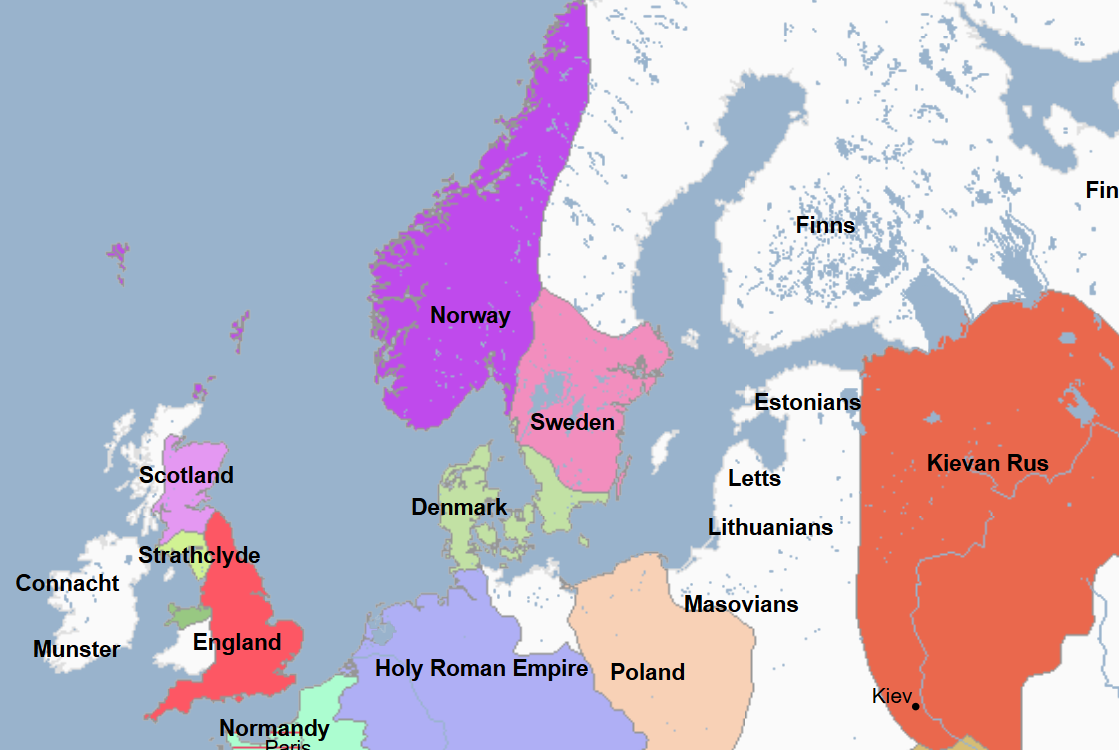
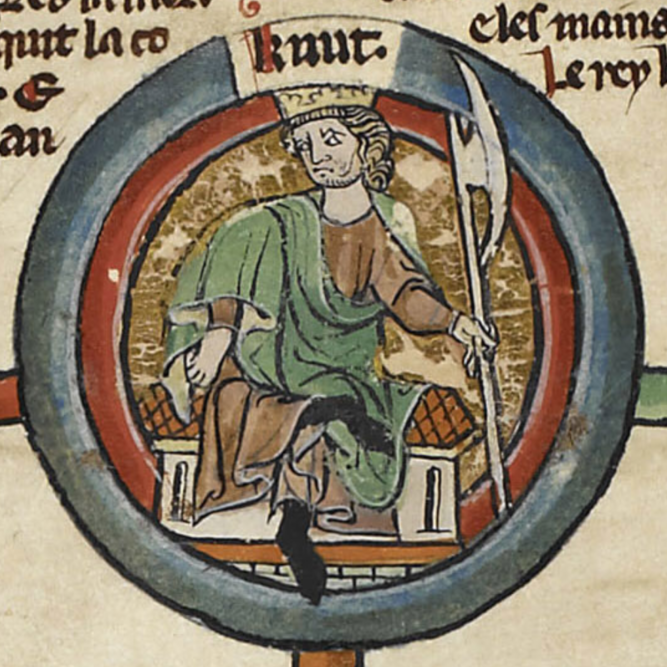
1028 - 1035 - Canute the Great (All Facts)
9th King of Norway
He was also King of Denmark and King of England
He thus built a unified Danish Empire
He was the son of Sweyn Forkbeard and was offered the English throne after defeating his predecessor Edmund Ironside
The death of Harald II of Denmark enabled him to unite England and Denmark
He defeated Edmund Ironside and his English forces in the Battle of Ashingdon, and they agreed to split England in half
When Edmund Ironside was murdered soon afterwards, the namesake took the other half of England
He further consolidated his rule by eliminating potential rivals
He married Aethelred II’s widow, Emma of Normandy
He oversaw a reign distinguished by skillful statecraft and utter ruthlessness
He espoused Christianity
He established equal rights for both Danes and Englishmen
He sent most of his army back to Denmark, confident in his position as ruler
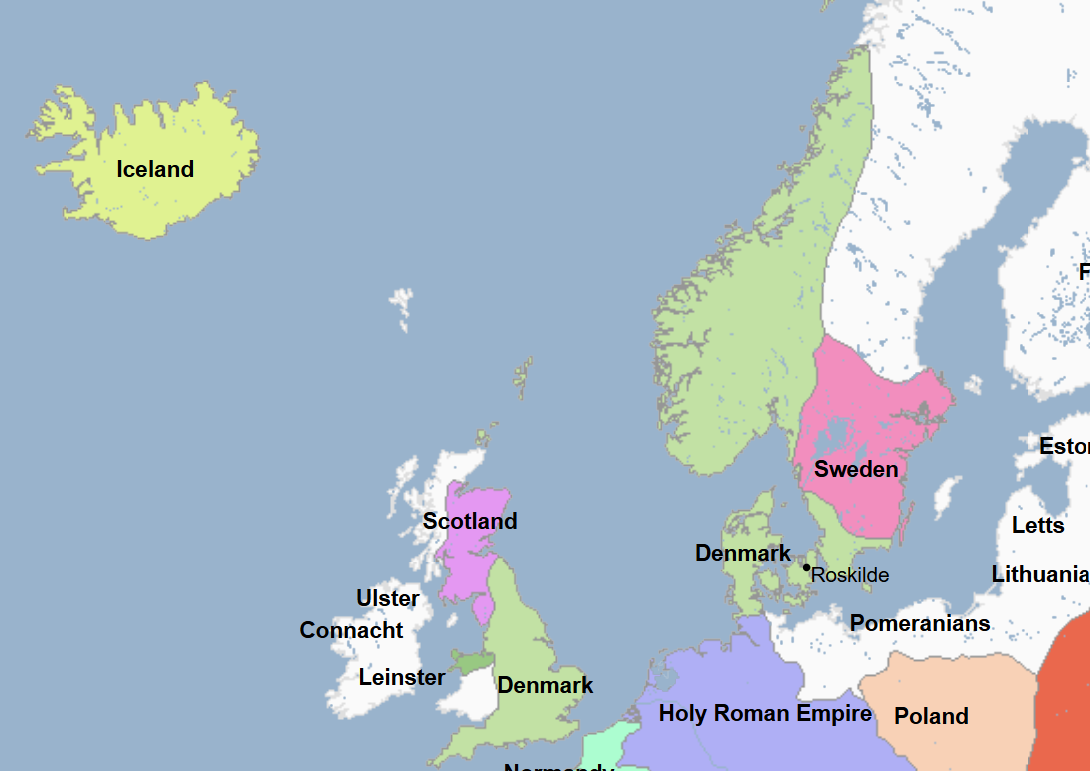
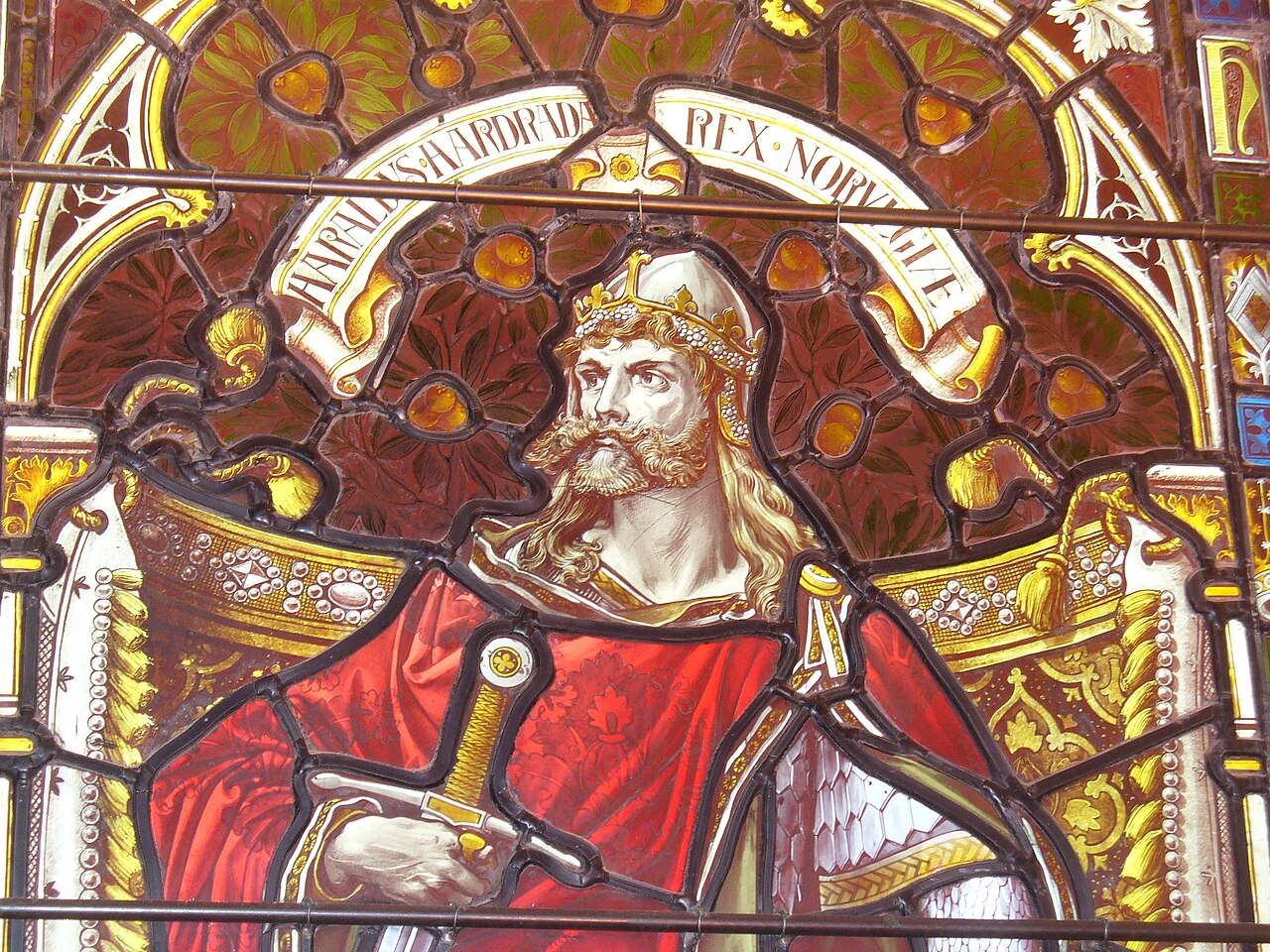
1046 - 1066 - Harald Hardrada (All Facts)
11th King of Norway
He tried and failed to invade England after he and his Norwegian forces were defeated by Harold II and his English forces in the Battle of Stamford Bridge
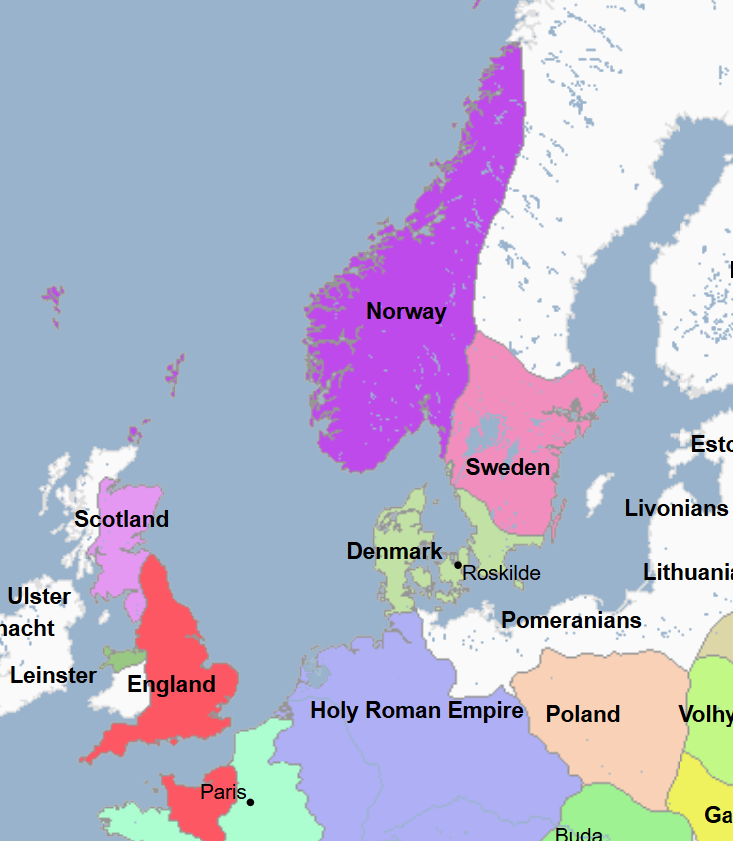
1156 - 1184 - Magnus V (All Facts)
King of Norway
Having no legal right of inheritance, he was defeated by his rival and namesake successor, who claimed to be of royal blood and succeeded him
1177 - 1202 - Sverre Sigurdsson (All Facts)
King of Norway
He is considered one of the most important rulers in Norwegian history
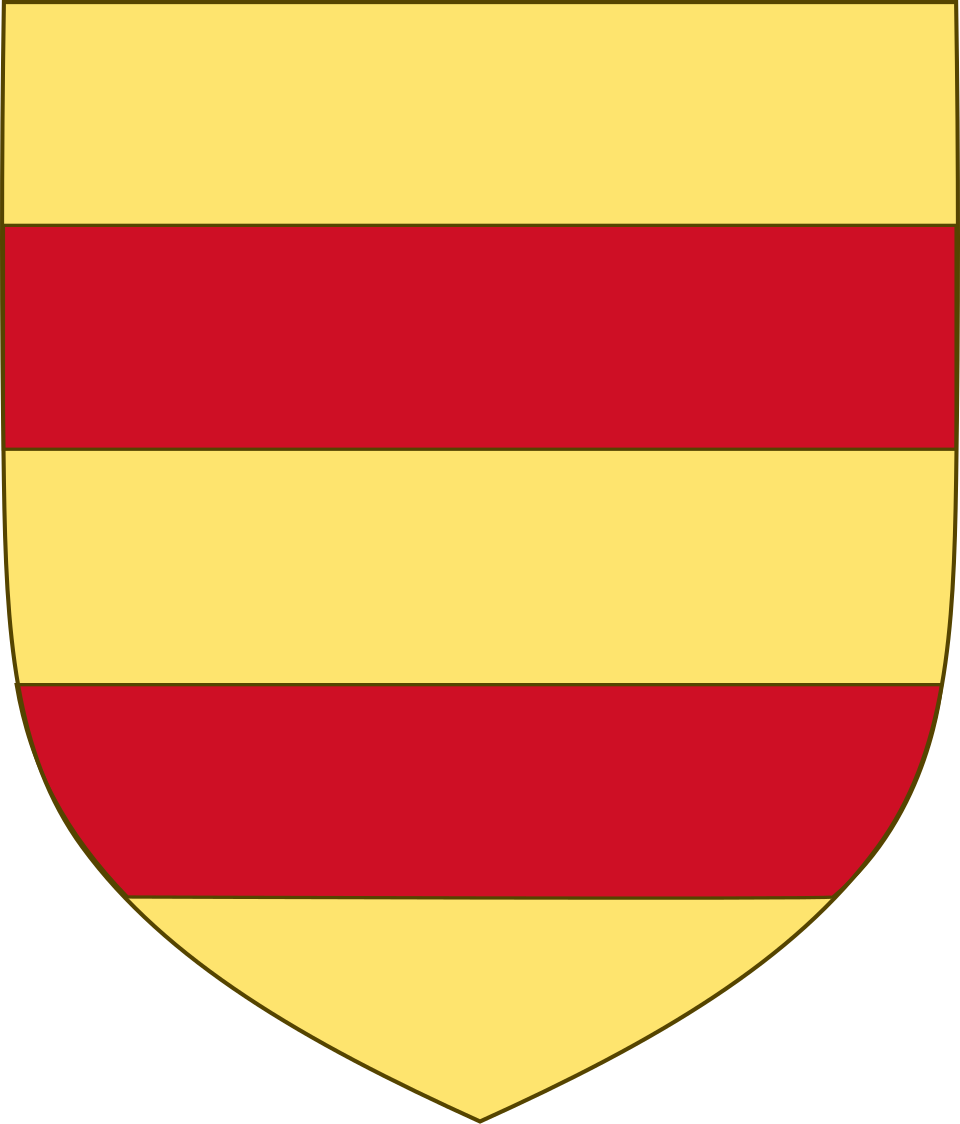
1101 / 1450 - 1814 - House of Oldenburg (All Facts)
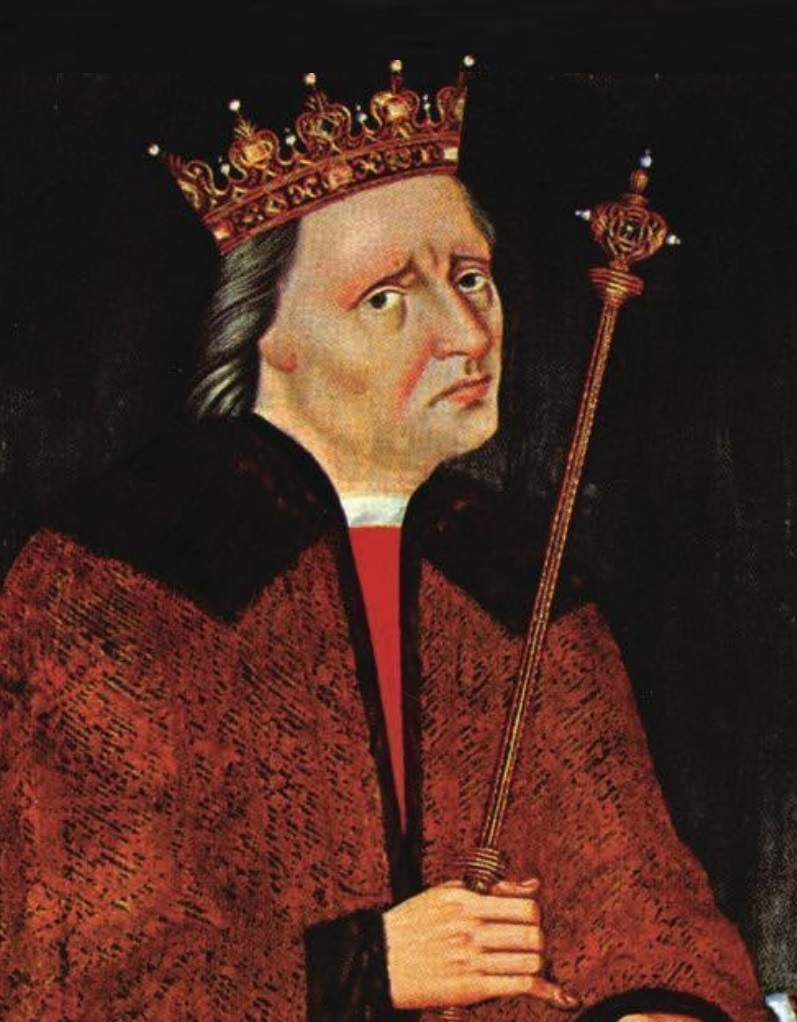
1450 - 1481 - Christian (All Facts)
First King of Norway from the House of Oldenburg
He was installed via the Treaty of Bergen
He ceded Orkney and Shetland to King James III of Scotland in pledge for the dowry of his daughter Margaret, who was to marry King James III
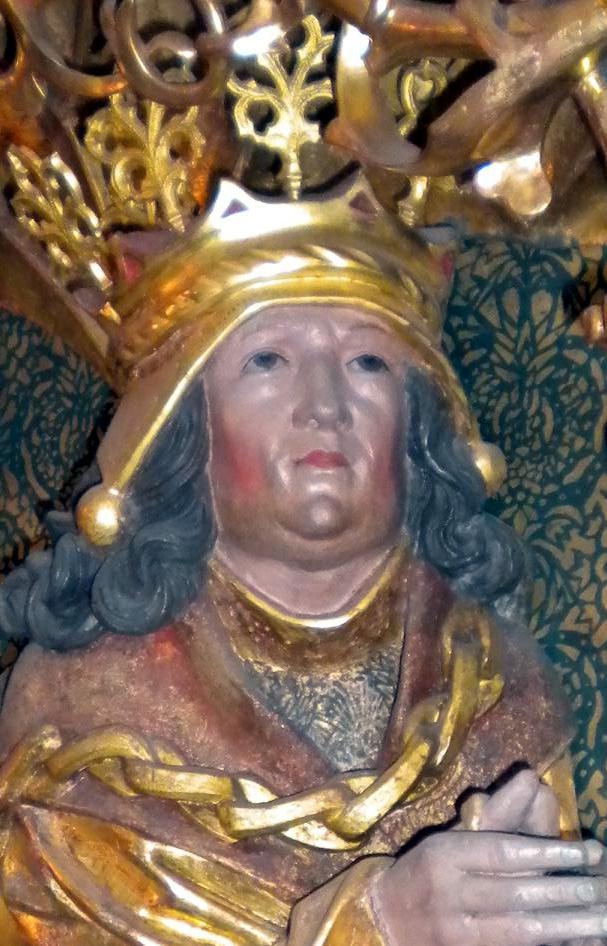
1483 - 1513 - Hans (All Facts)
2nd King of Norway from the House of Oldenburg
He was the son of his predecessor
He invaded Sweden and was crowned king thereafter, thus reuniting Norway, Sweden, and Denmark under his rule

1513 - 1523 - Christian II (All Facts)
3rd King of Norway from the House of Oldenburg

1524 - 1533 - Frederick (All Facts)
4th King of Norway from the House of Oldenburg

1537 - 1559 - Christian III (All Facts)
5th King of Norway from the House of Oldenburg

1559 - 1588 - Frederick II (All Facts)
6th King of Norway from the House of Oldenburg
He conquered the peasants’ republic of Ditmarsh (located between the Elbe and Eider Rivers) in alliance with his uncles, the dukes of Holstein

1588 - 1648 - Christian IV (All Facts)
7th King of Norway from the House of Oldenburg
He also became the Duke of Schleswig-Holstein
He and his Danish and Norwegian forces
defeated King Charles IX and Gustavus Adolphus and their Swedish forces in the Kalmar War
were defeated by Johann Tserclaes and his Holy Roman forces and Catholic League in the Battle of Lutter during the Thirty Years’ War
were defeated by Axel Oxenstierna and his Swedish forces in the Torstenson War
He had long covered the German lands which, after their defeat, Denmark-Norway conceded to Sweden and its mercenary armies which had then occupied them
During his reign,
He made the considerable mistake of increasing the Sound Dues (tolls for non-Danish ships passing through the Danish Sound)
Even though Sweden was exempt from such payments, the namesake made life difficult for Sweden’s ships by increasing the toll for ships from any of Sweden’s newly-acquired territories
Under his reign,
Danish-Norwegian forces were defeated in the Battle of Dessau Bridge during the Thirty Years’ War

1648 - 1660 - Frederick III (All Facts)
8th King of Norway from the House of Oldenburg
He led Norway in the Northern War
He and his Danish-Norwegian forces were defeated by Charles X Gustav and his Swedish forces in the First Dano-Swedish War
He signed the Treaty of Roskilde (with Charles X Gustav of Sweden), ending the First Dano-Swedish War
He and his Danish-Norwegian forces defeated Charles X of Gustav and his Swedish forces in the Second Dano-Swedish War
Two days before the Swedish attack on Copenhagen during this war, he called his burghers together and announced far-reaching changes in their status, allowing them to
control taxation
have access to offices of state that were reserved for nobility prior to that point
buy land on an equal footing with the nobility (who, at that point, were said to be “running like hares,” desperate to save their fortunes from the Swedes
He then declared himself an absolute monarch, stating that “above all human laws and knowing no other superior beings or judge over him… save God alone”
He did this despite facing an angry aristocracy, backed by his country’s burghers and common people
In order to stop the nobility from leaving the country, he
ordered that the city gates of Copenhagen of Denmark be closed
placed the country under temporary military control

1670 - 1699 - Christian V (All Facts)
9th King of Norway from the House of Oldenburg

1699 - 1730 - Frederick IV (All Facts)
10th King of Norway from the House of Oldenburg
He led Norway in the Great Northern War
He and his Norwegian forces were defeated and forced to sign the Peace of Travendal, forcing Norway out of the anti-Swedish coalition and war after King Charles XII and his Swedish forces invaded in the Battle of Humlebaek during the Great Northern War
During his reign,
He abolished serfdom in Norway
After his reign, however, serfdom was essentially reinstituted in Norway