Ancient Africa and Spirituality
 Studied by 0 people
 Call with Kai
 Learn
Learn Practice Test
 Spaced Repetition
 Match
Match Flashcards
 Knowt Play
1/6

There's no tags or description
Looks like no tags are added yet.
Name | Mastery | Learn | Test | Matching | Spaced | Call with Kai |
|---|
No analytics yet
Send a link to your students to track their progress
7 Terms

Traditional African medicine consisted of a very holistic healing system that combined spirituality, customs, and medicine. Rather than separating the body from the spirit, health was understood as a balance between physical, emotional, social, and spiritual well-being.
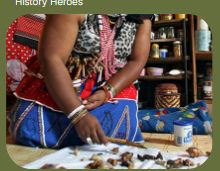
Something that was very common throughout ancient Africa in terms of medicine was the presence of practitioners or healers.
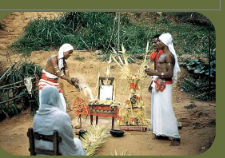
These practitioners relied heavily on locally sourced herbs and natural materials, with medicinal knowledge passed down orally from generation to generation. Many of the remedies treated common illnesses such as colds, flu, stomach issues, headaches, similar to what over-the-counter medicine treats today. In addition to plants, animal products such as bones, or skin were sometimes used in remedies or as amulets and ceremonial tools, reflecting the close relationship between human life, animal life, and healing.
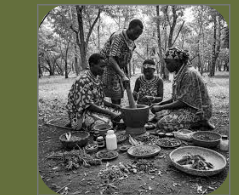
Herbal remedies were especially relied on because they were inexpensive, accessible, and effective. Africa’s tropical regions provided plants with antimicrobial, antimalarial, and anti-inflammatory properties—many of which are still recognized in Western medicine today. These remedies were prepared as teas, powders, ointments, extracts or steam baths. Steam baths, for example, promoted sweating, circulation, allowing medicinal plants to be inhaled or absorbed through the skin. Taking steam baths was also seen as a form of spiritual cleansing.
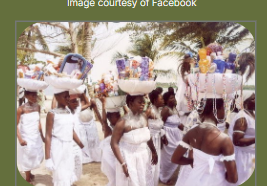
Traditional African medicine went beyond treating physical symptoms. Spiritual rituals played a major role and were believed to address the root cause of illness. Furthermore the healing knowledge of practitioners was thought to come from a spiritual source, healers often addressed spiritual concerns before medical ones. Patients were suggested to perform rituals, provide offerings to a deity, or participate in dances and chants meant to invite guidance from the spirit world.
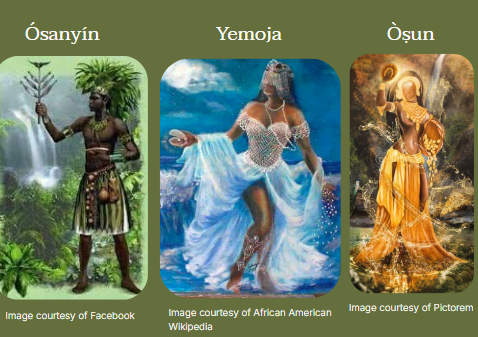
Traditional African beliefs were rooted in animism, ancestor veneration, and reverence for deities, all of which were woven into medical practices. Deities were seen as diagnostic authorities, such as Ósanyín, the deity of medicinal plants; Yemoja, associated with fertility and women’s health; and Òṣun, associated with emotional well-being, renewal, and balance.
Conclusion
Overall, traditional African medicine was not just about curing disease, but about restoring harmony between the individual, the community, and the spiritual world.
 Note
Note  Flashcards (31)