Exam 2 Notes - Indus Valley Civilization & Buddhist Architecture
 Call Kai
 Learn
Learn Practice Test
 Spaced Repetition
 Match
Match Flashcards
 Knowt Play
1/97

Earn XP
Description and Tags
These flashcards cover key terms and concepts related to the Indus Valley Civilization, Vedic Period, Buddhist and Hindu architecture, as well as the influence of these cultures in later historical contexts.
Name | Mastery | Learn | Test | Matching | Spaced | Call with Kai |
|---|
No analytics yet
Send a link to your students to track their progress
98 Terms
Indus Valley Civilization
An ancient civilization that formed along the Indus River, notable for urban planning, agriculture, and trade.
Harappa
One of the major sites of the Indus Valley Civilization, dating from 2600-1900 BCE.
Mohenjo Daro
Another prominent site of the Indus Valley Civilization, established around 2400-2000 BCE, known for its advanced urban planning.
Great Bath
A significant structure at Mohenjo Daro used for ceremonial bathing, surrounded by residential buildings for priests.
Granary
A large storage building for grains, found at Harappa, located on the citadel.
Vedic Period
Period from 1500 BCE to 500 BCE marked by the decline of Indus civilization and the arrival of Aryan nomads.
Buddhism
A religion founded by Siddhartha Gautama, emphasizing the Four Noble Truths and the concept of enlightenment.
Stupa
A mound-like structure containing relics of Buddha, serving as a focal point for meditation and circumambulation.
Chaitya
Vihara halls that enshrine stupas, often used for communal worship.
Mandala
A sacred geometric shape or design representing the universe, used in ritual meditations.
Hinduism
An ancient religion also known as Sanatana, characterized by a belief in multiple gods and a rich tapestry of texts and traditions.
Ajanta Caves
A series of rock-cut Buddhist cave monuments in India, featuring intricate carvings and paintings.
Kailash Temple
A rock-cut temple in India, representing a cosmic mountain, and built from a single cliff.
Sanchi Stupa
An example of early Buddhist architecture, significant for its design and historical importance.
Meenakshi Temple
A prominent temple that has evolved into a fort and eventually a city, exemplifying the integration of religious and urban spaces.
Colosseum
An iconic amphitheater in Rome, known for its architectural innovations and historical significance.
Hypogeum
The underground chambers beneath the Colosseum utilized for gladiatorial combat and storing animals.
Cloaca Maxima
One of the world's earliest sewage systems, constructed in ancient Rome.
Dura Europos
An ancient city in Syria known for its multicultural society and significant archaeological findings.
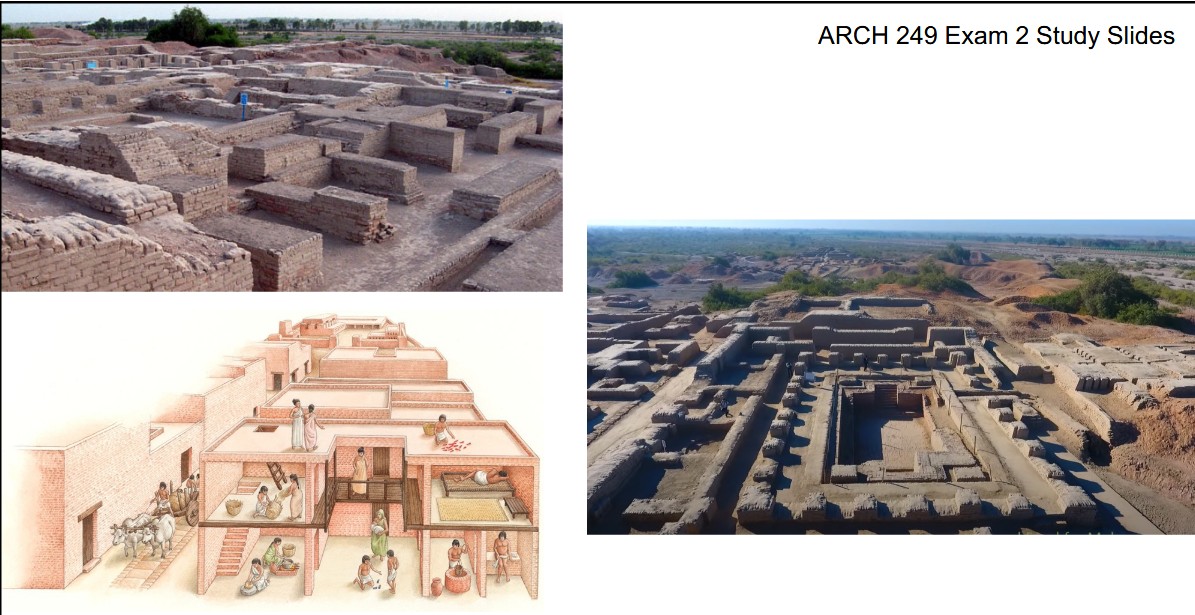
Mohenjo-Daro
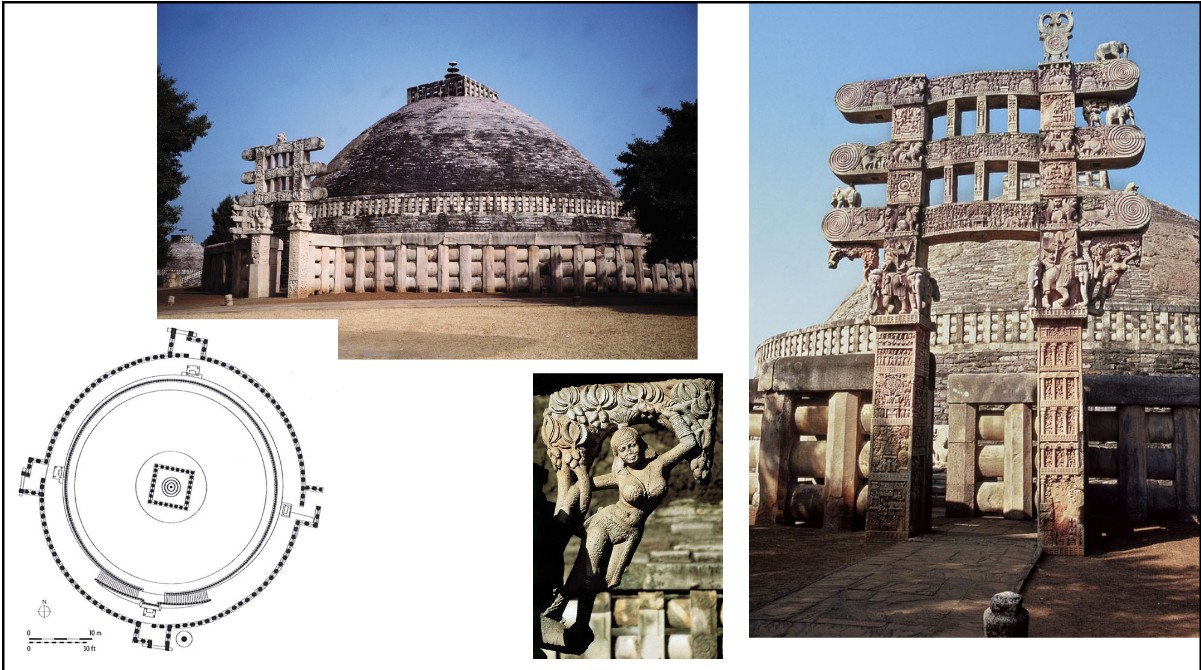
Great Stupa at Sanchi
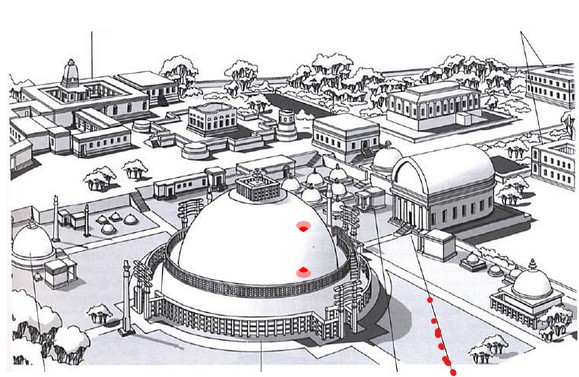
Sanchi Stupa Complex
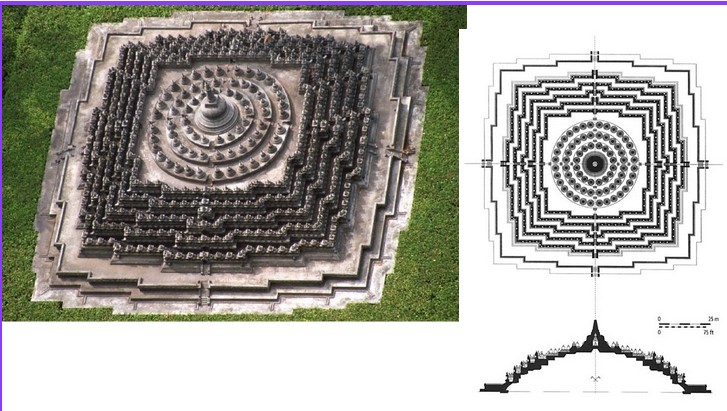
Borobudur, Java, Indonesia, Great Stupa Shrine, 800-850 CE
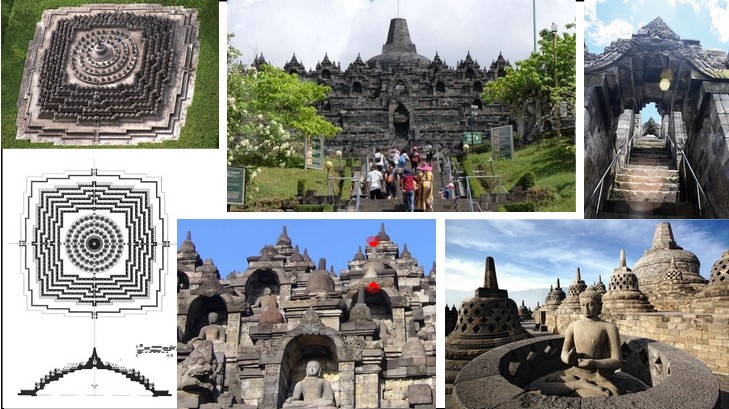
Borobudur, Java, Indonesia, Great Stupa Shrine, 800-850 CE
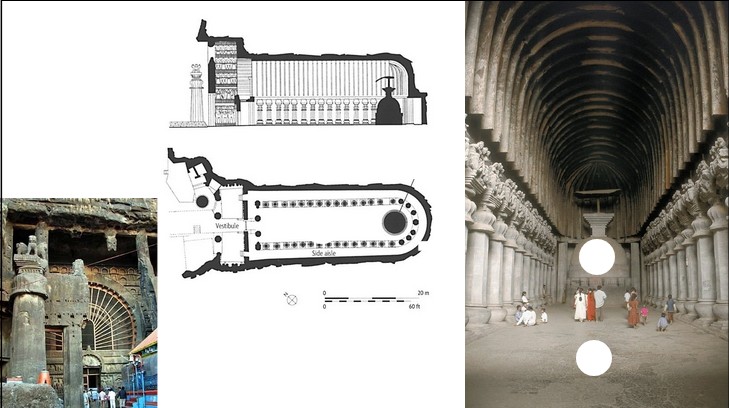
Karli Cave Lonavala, Maharashtra
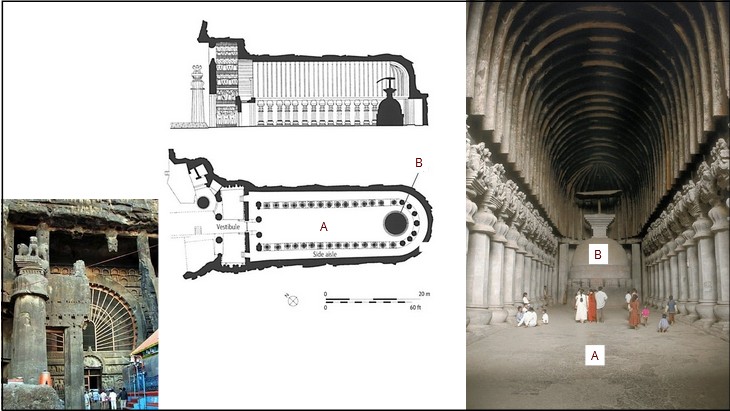
A: Nave
B: Stupa
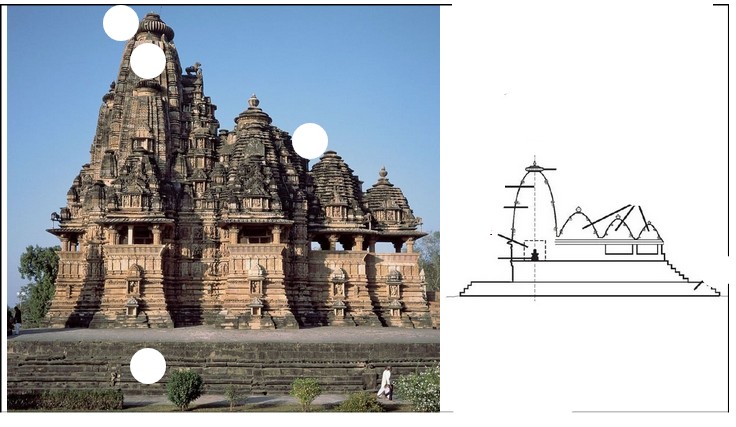
Lakshmana Temple_ Khajuraho (ca. 950),10th Century
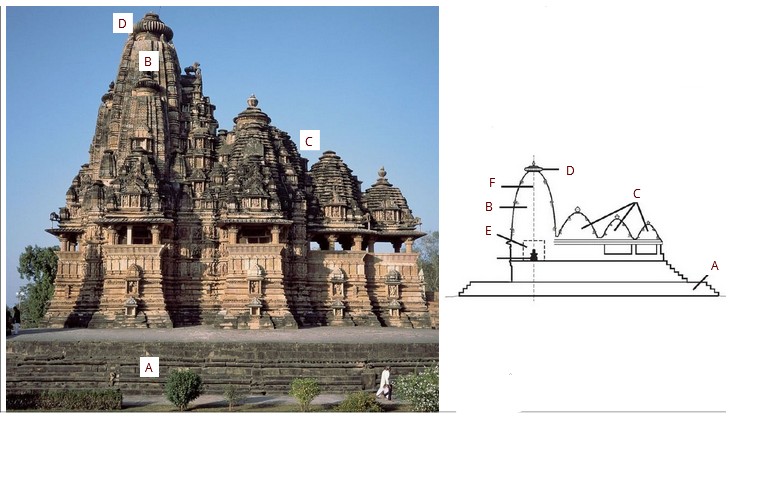
A
Plinth
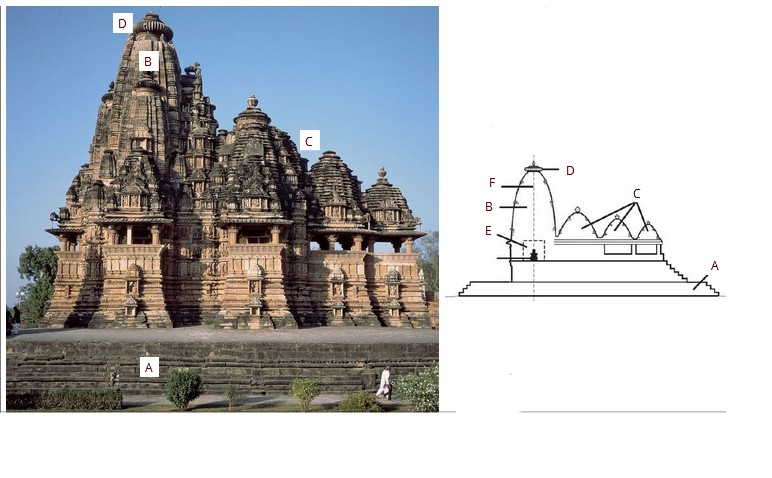
B
Shikara
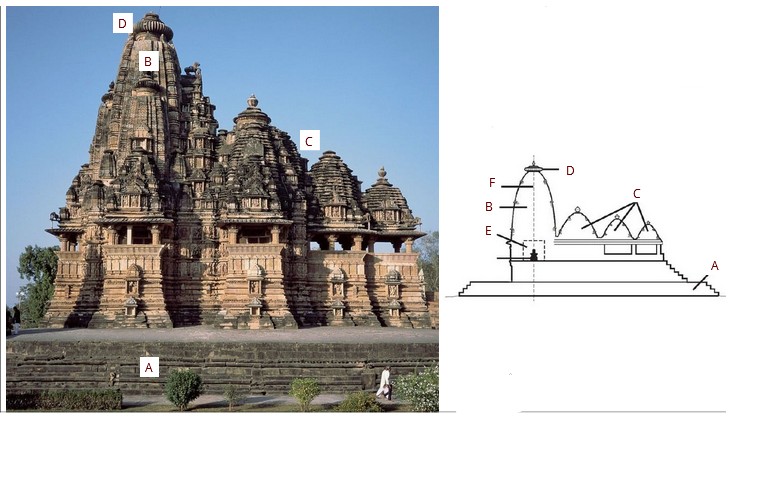
C
Mandapas
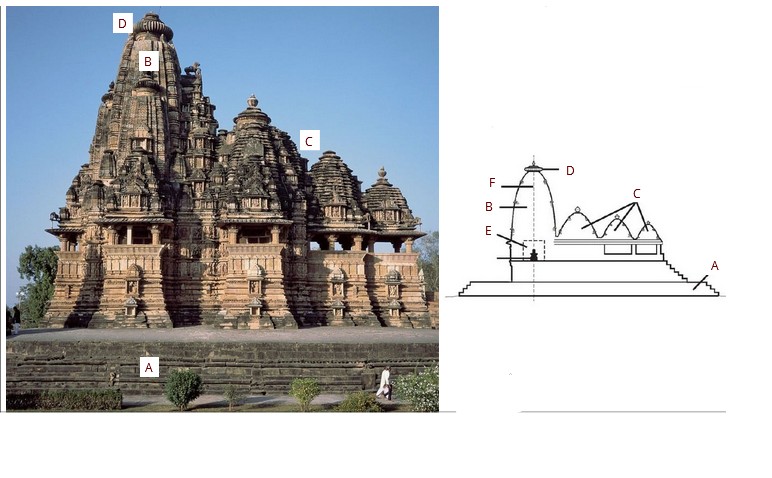
D
Amlaka
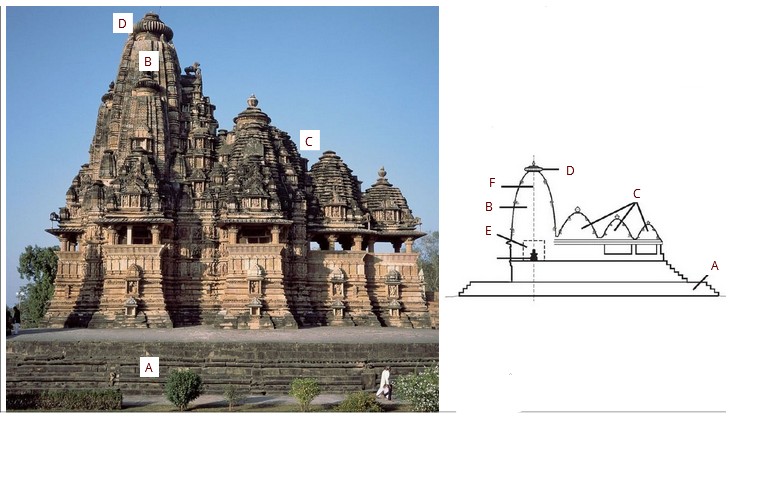
E
Garbagriha
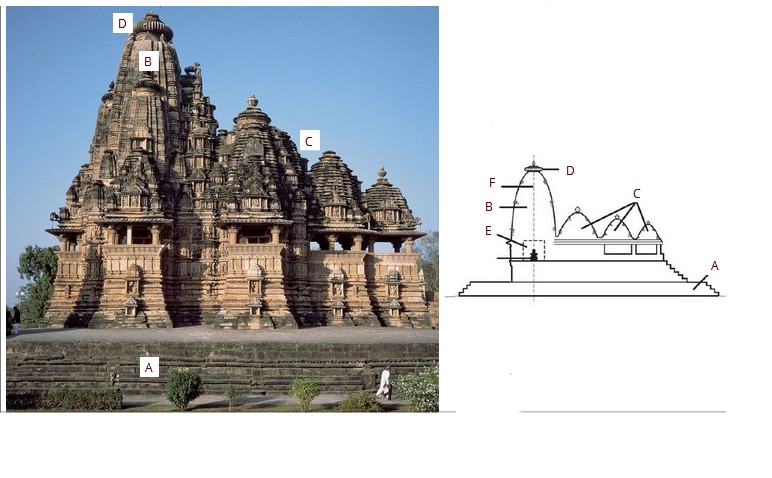
F
Axis Mundi
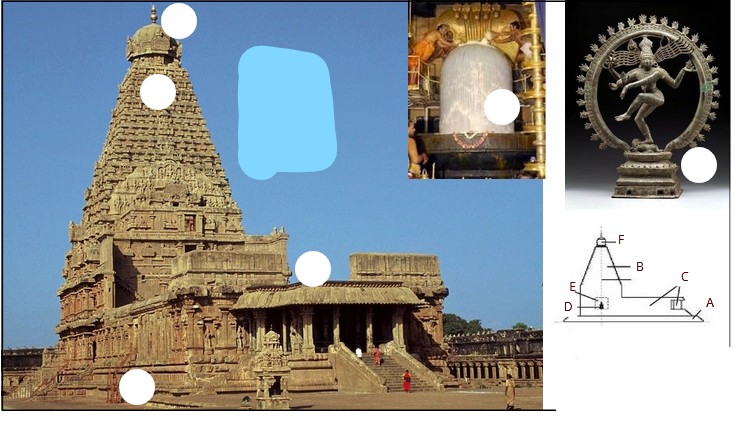
Dravidian Style – South Indian Style _ BRIHADESVARA TEMPLE TANJORE : 1004-1009 AD
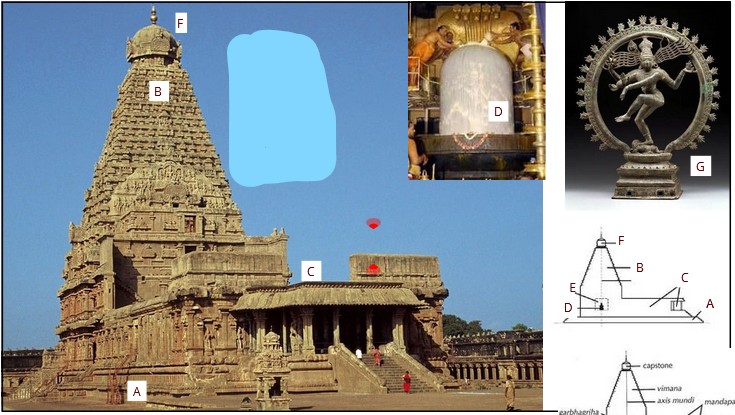
A
PLINTH
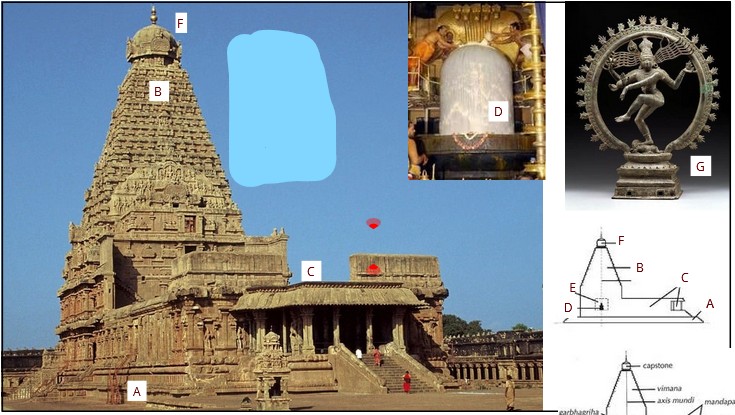
B
VIMANA
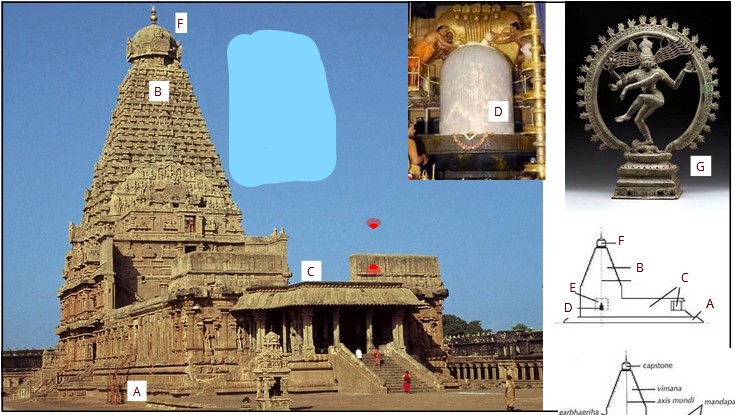
C
MANDAPAS
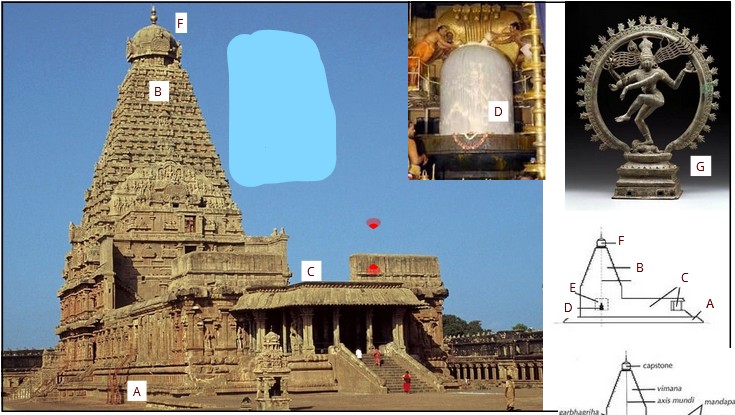
D
IMAGE
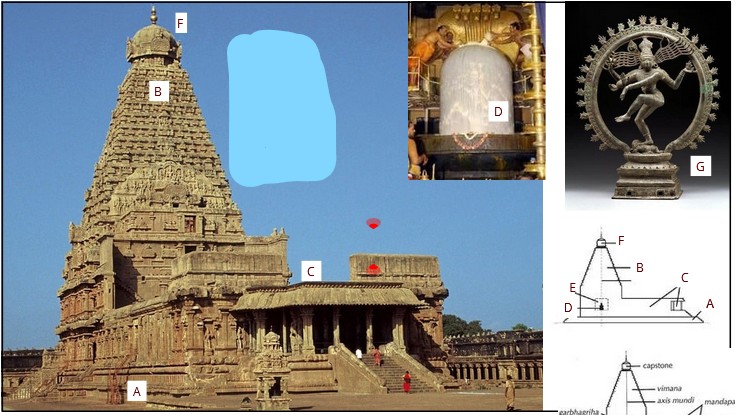
E
GARBAGRIHA
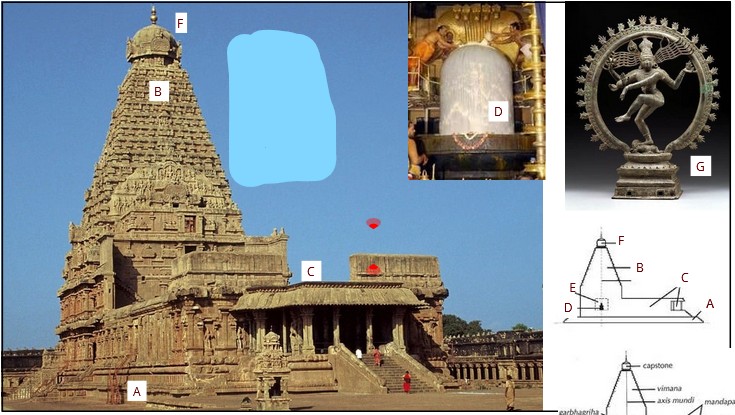
F
CAPSTONE
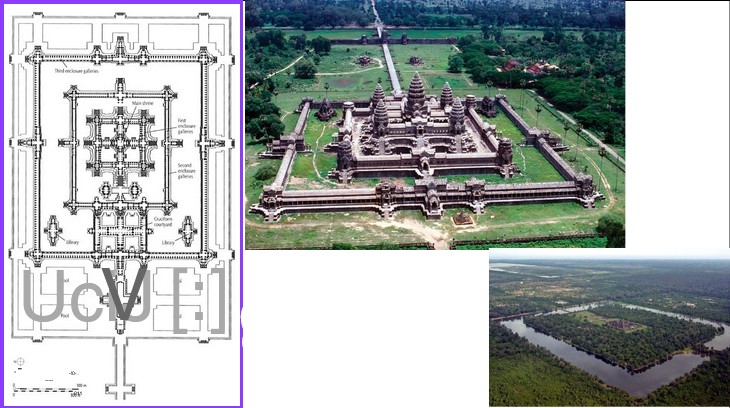
Angkor Wat, Cambodia begun ca. 1120
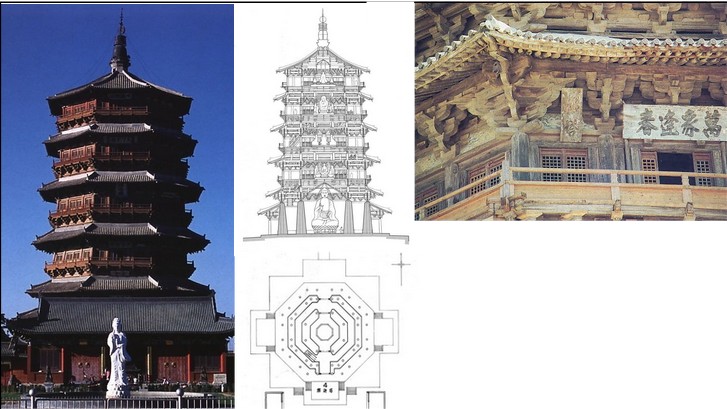
Fogong Temple Pagoda, Shanxi Province, China, 1056
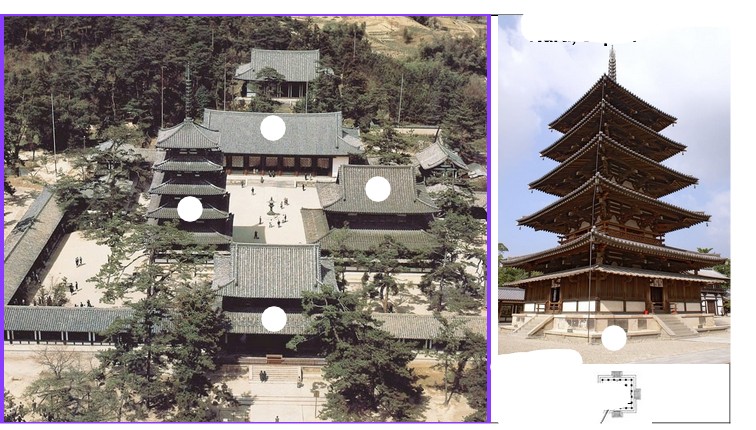
Horyuji Temple Complex Nara, Japan
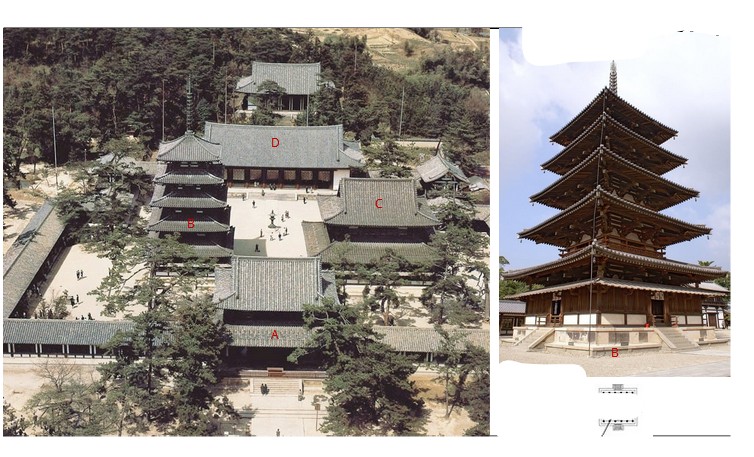
A
INNER GATE
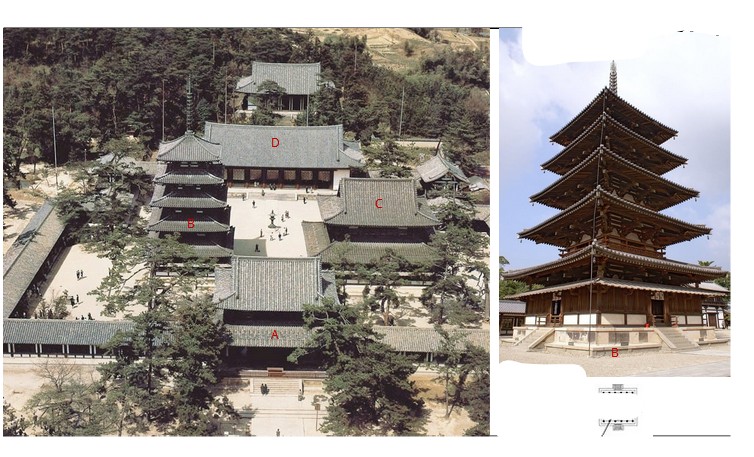
B
PAGODA
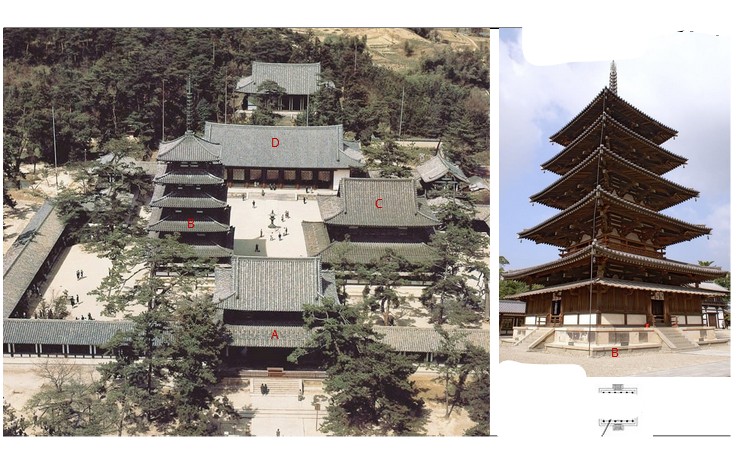
C
KONDO/GOLDEN HALL
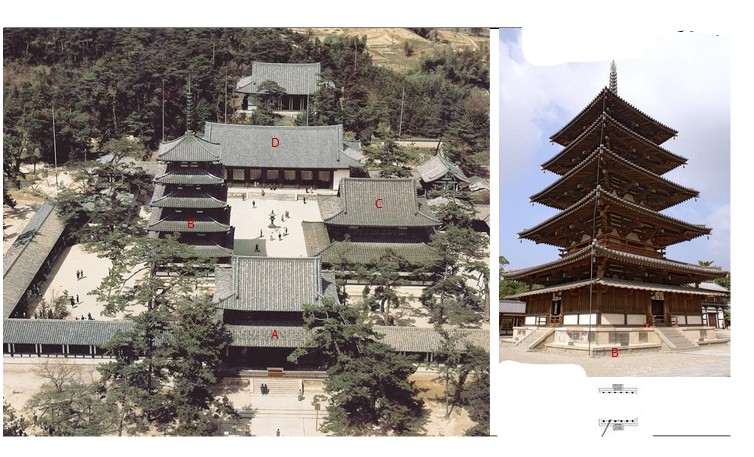
D
LECTURE HALL
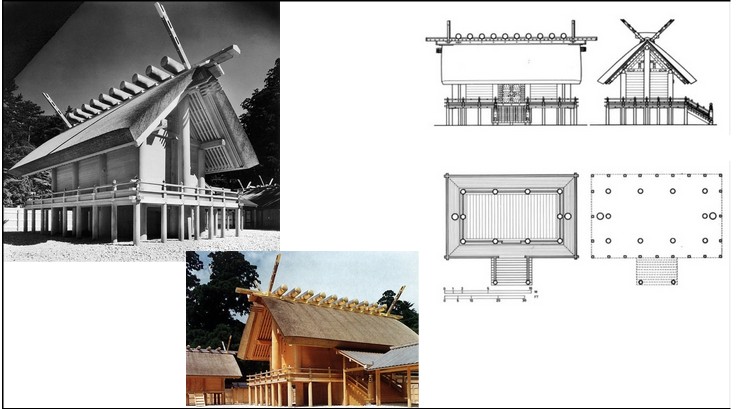
Inner Ise Shrine, Uji-Yamada, Japan 690 CE - present
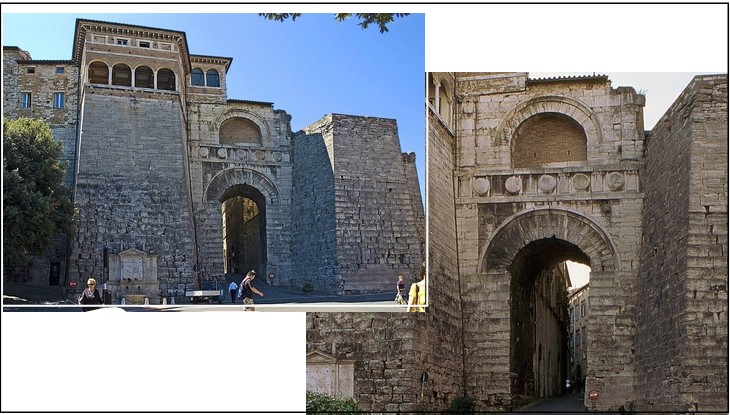
Porta Augusta (“Arch of Augustus”) Perugia
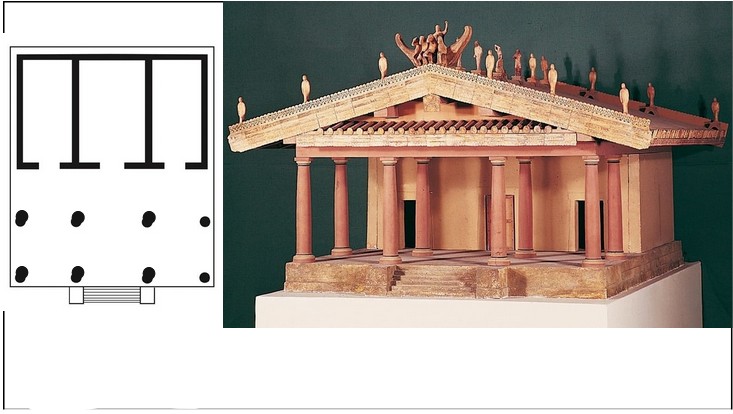
Model of an Etruscan Temple
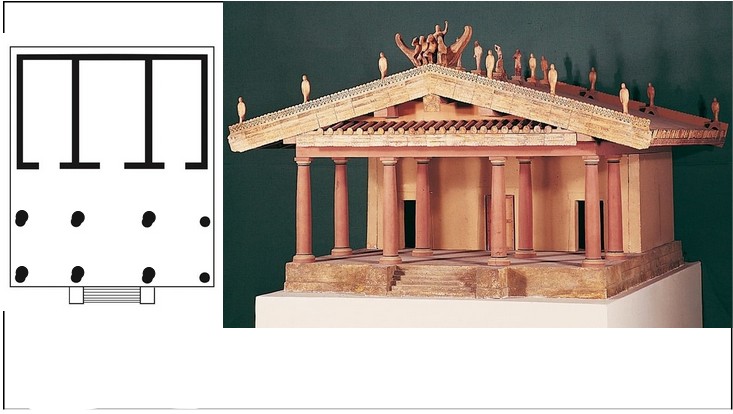
….
•non-peripteral plan
•different orientation of cella
•emphasis on deep front porch
•raised podium with central stair
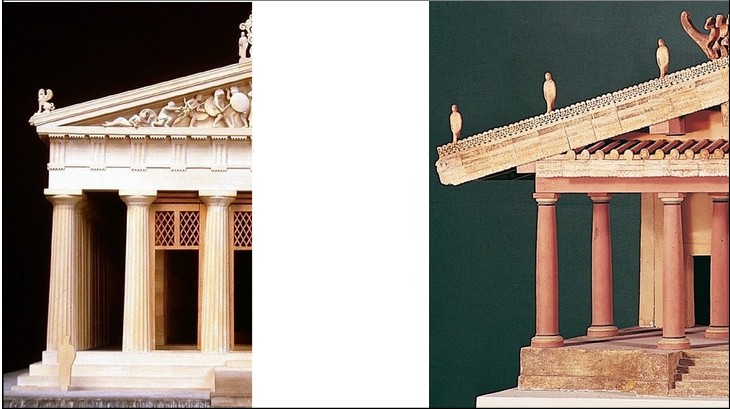
compared to greek temple
greek temple: three steps
etruscan: set on podium stairs only at front
columns
g: doric order
e: set on base tuscan
frieze
g: has one
e: only overhand no frieze
g:triangular pediment
e:exposed ceiling rafters
visual diffs
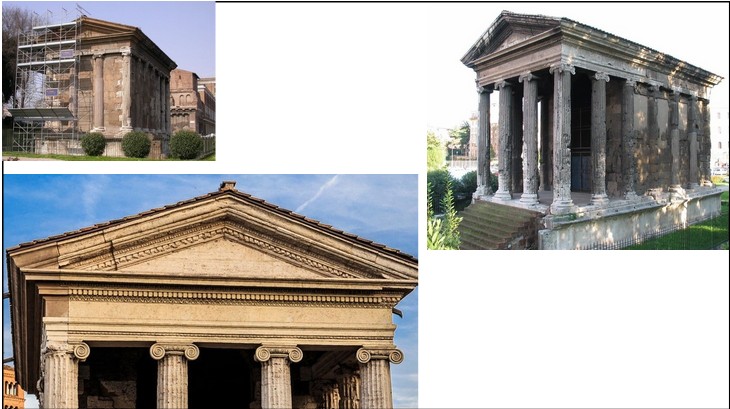
Roman Temples: Rome, Temple of Portunus (also called “Fortuna Virilis”)
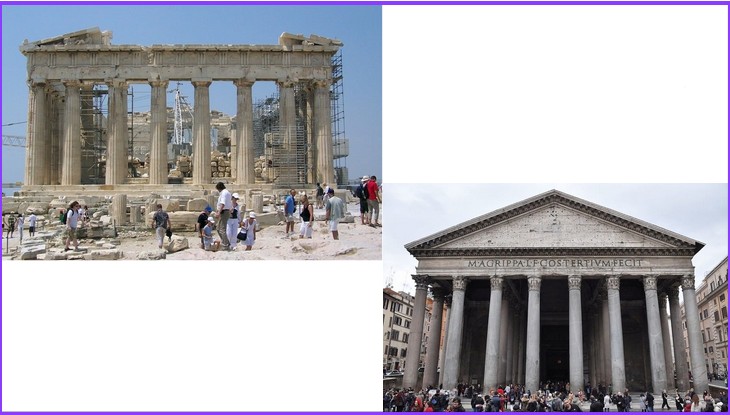
Left
Parthenon East Façade (Front)
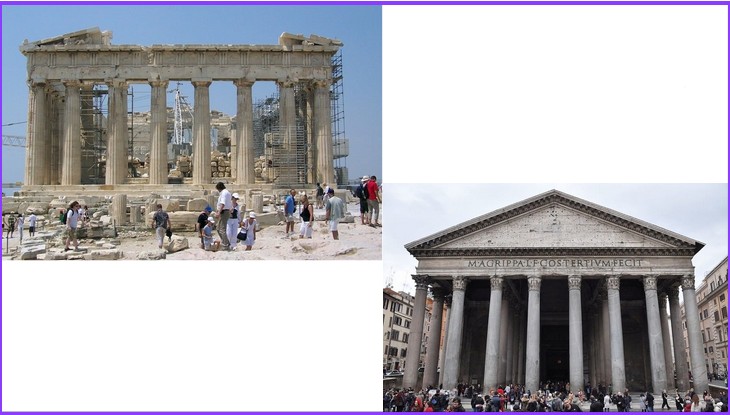
Right
Pantheon North Façade (Front)
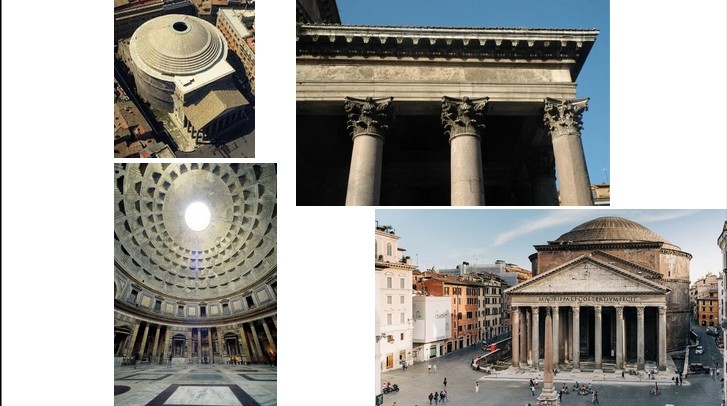
Pantheon
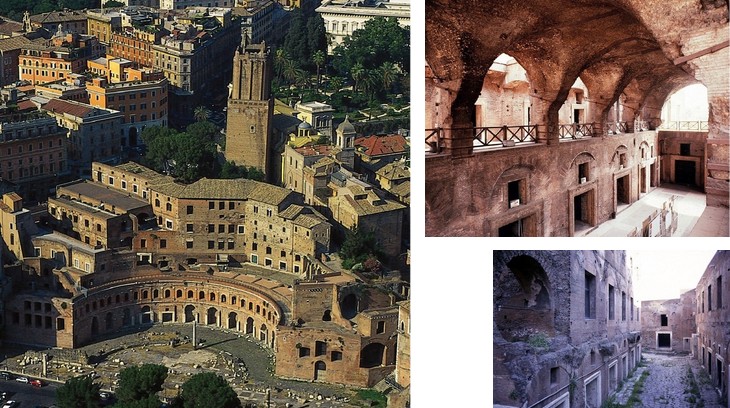
Markets of Trajan
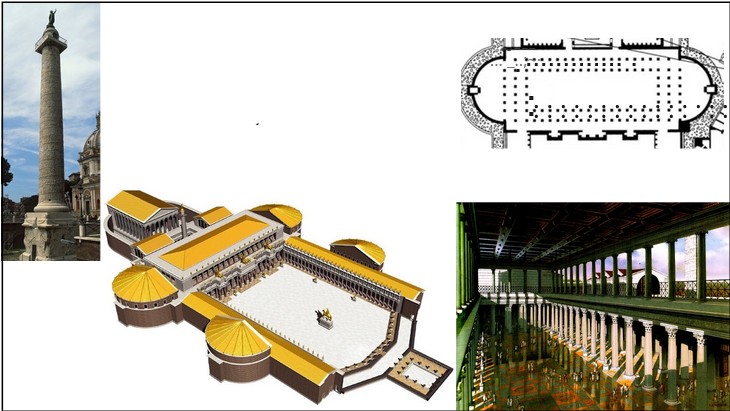
Forum and Markets of Trajan, c. 100-114 CE Column of Trajan
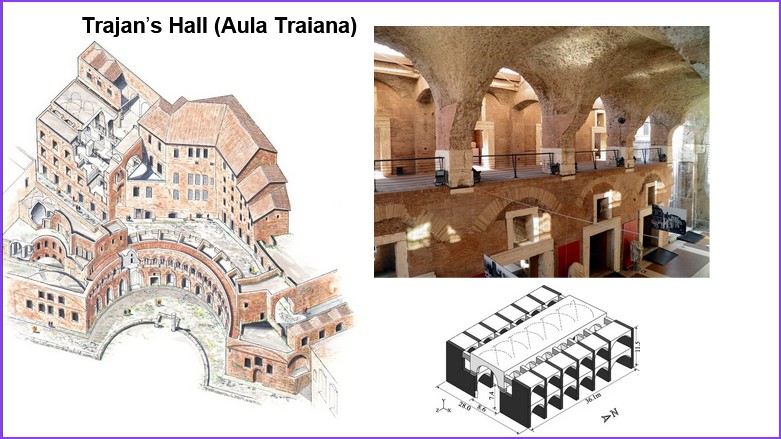
Trajan’s Hall (Aula Traiana)
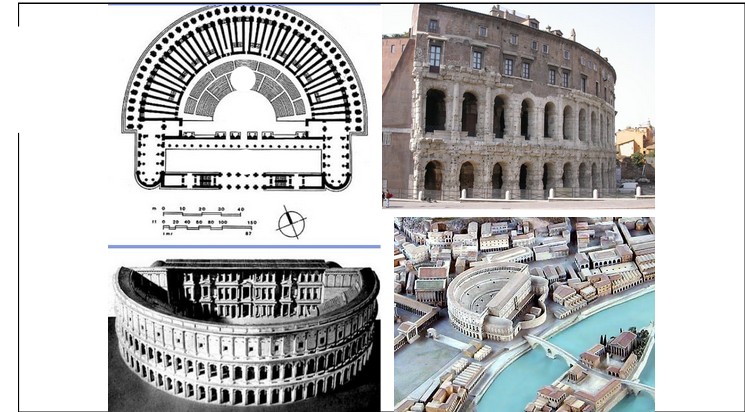
Theater of Marcellus, Rome, 13-11 BCE
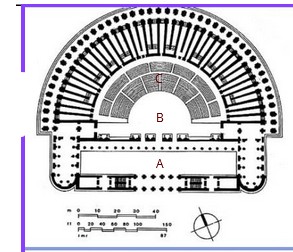
A
SKENE
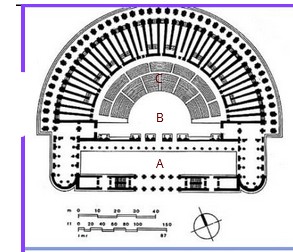
B
ORCHESTRA
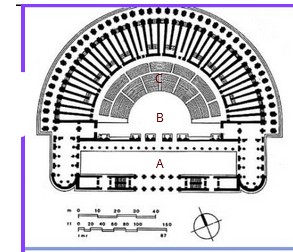
C
THEATRON
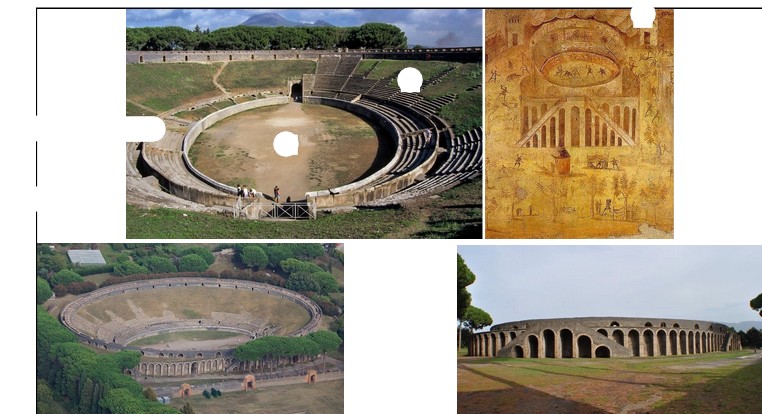
Flavian Amphitheater (“Colosseum”), Rome, 72-80 CE
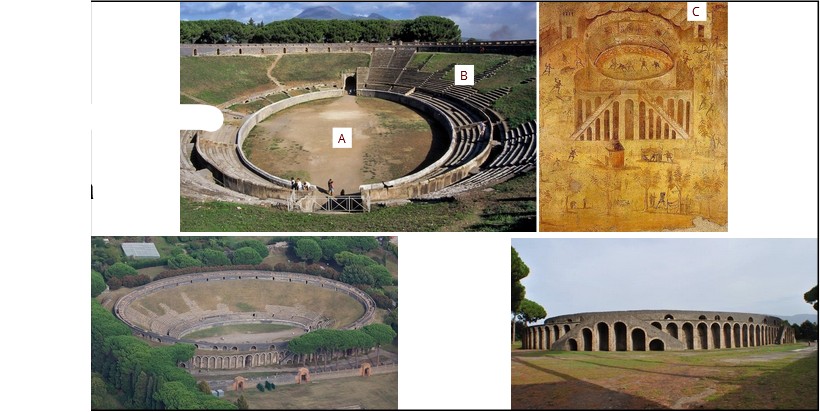
A
ARENA
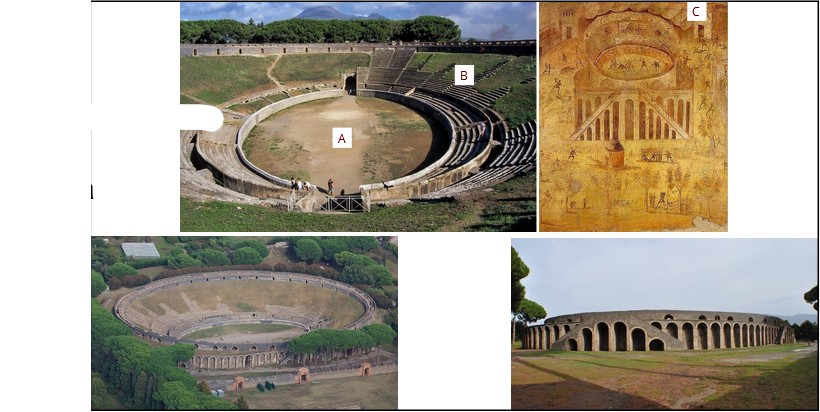
B
CAVEA
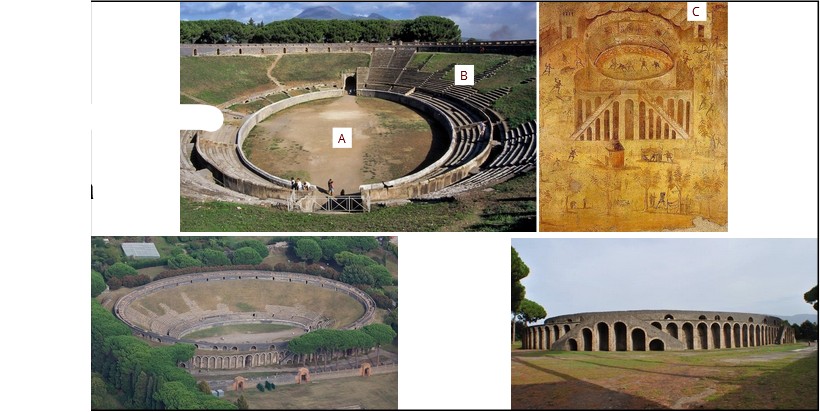
C
RIOT OF 59/VELA/SAILS
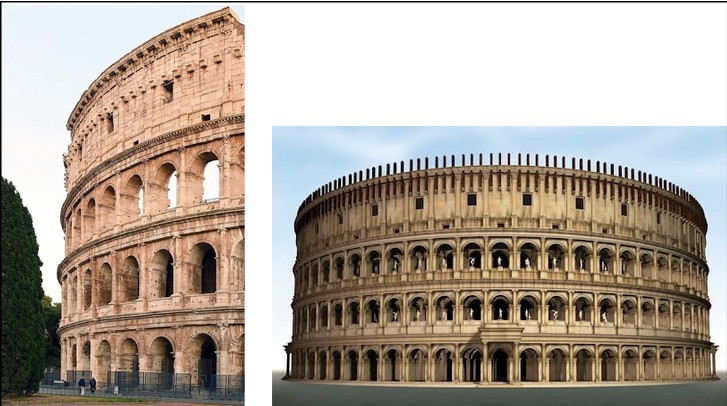
Flavian Amphitheater (“Colosseum”), Rome, 72-80 CE
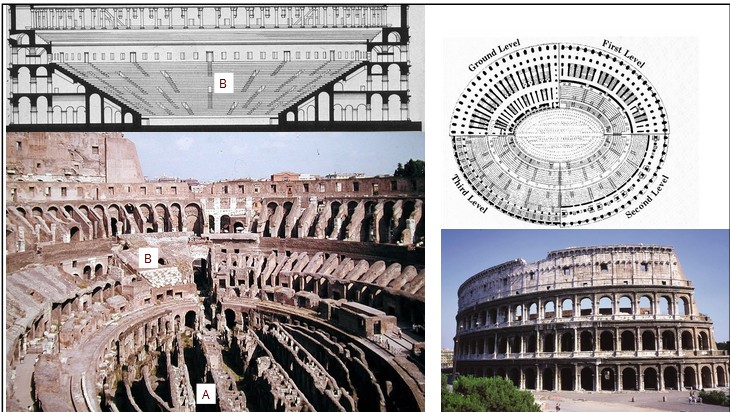
A
HYPOGEUM
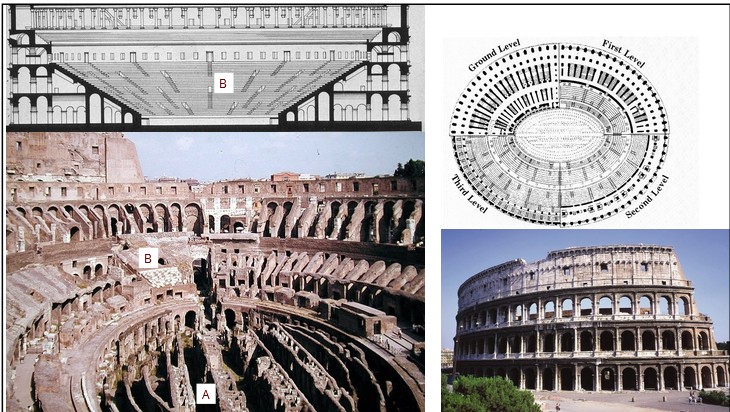
B
CAVEA
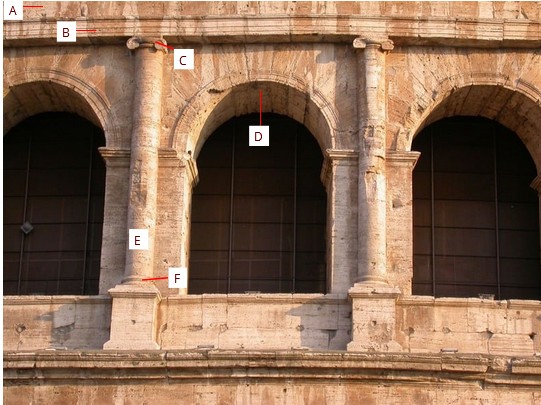
A
FRIEZE
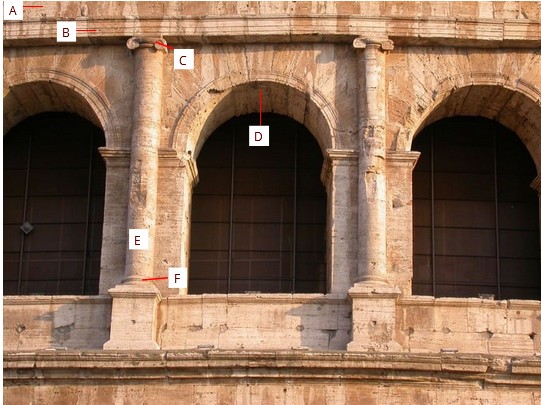
B
ARCHITRAVE
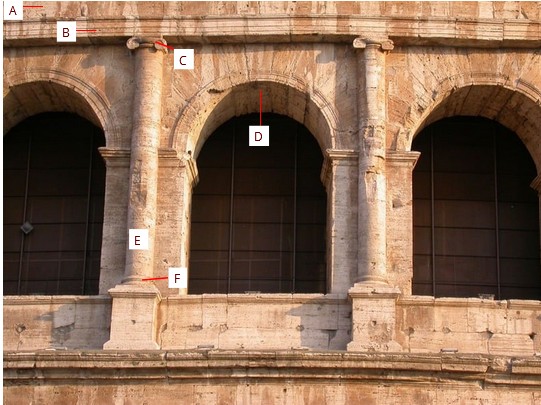
C
CAPITAL
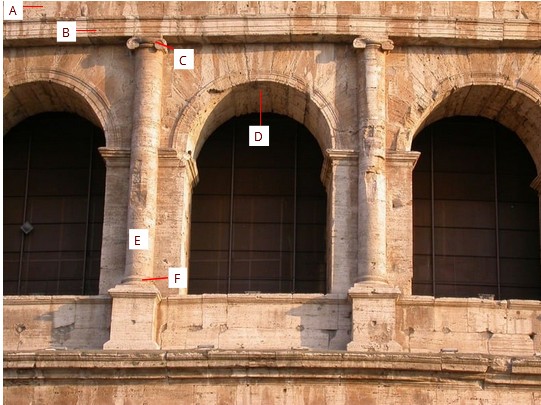
D
KEYSTONE
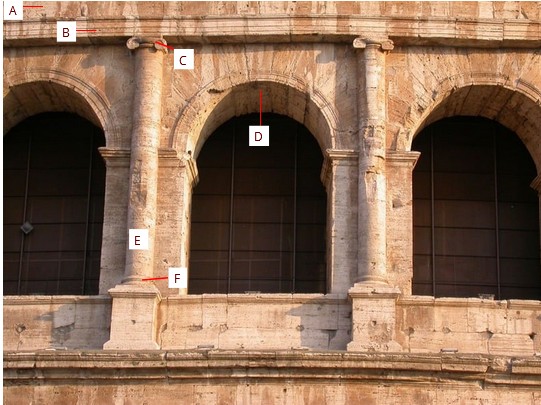
E
SHAFT
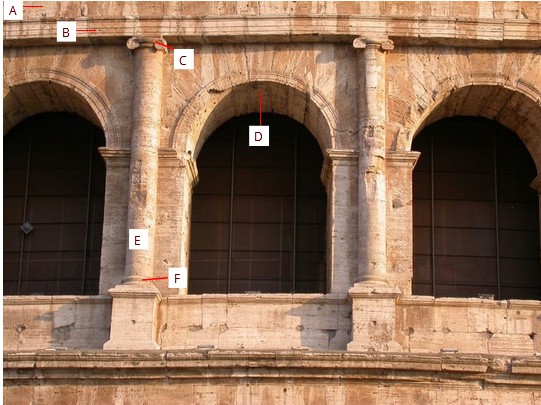
F
BASE
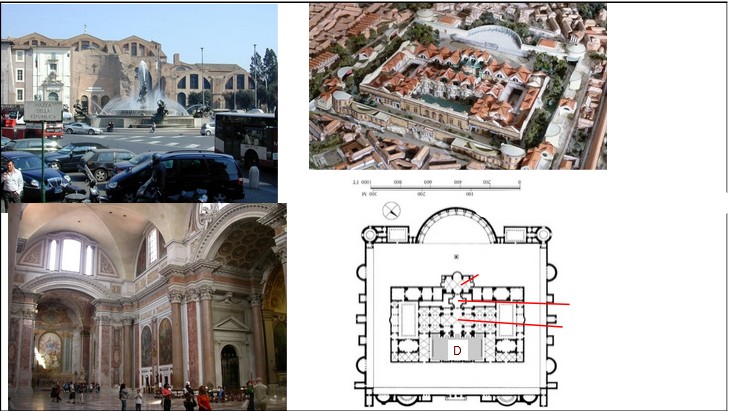
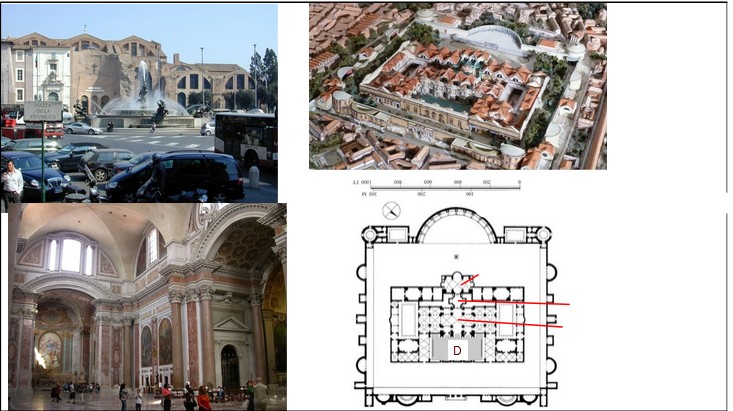
Baths of Diocletian, Rome, 298-306 CE
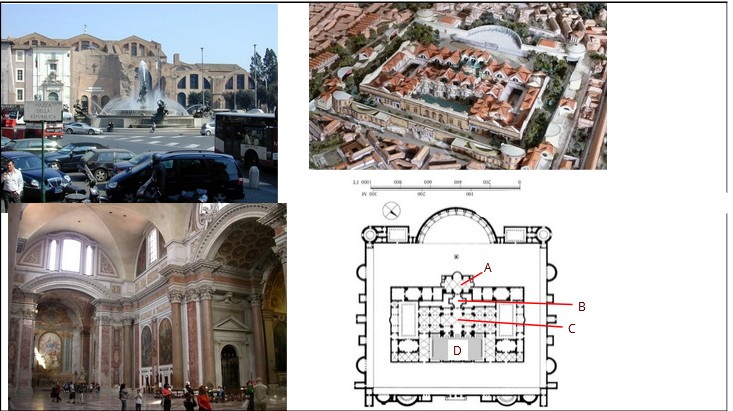
A
CALDARIUM
B
TEPIDARIUM
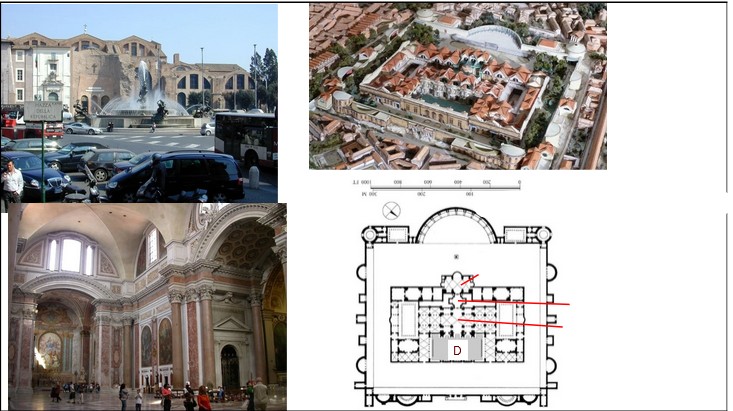
C
FRIGIDARIUM
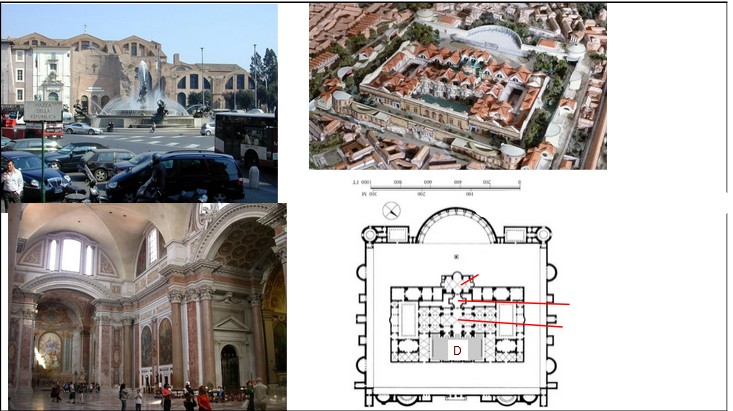
D
SWIMMING POOL
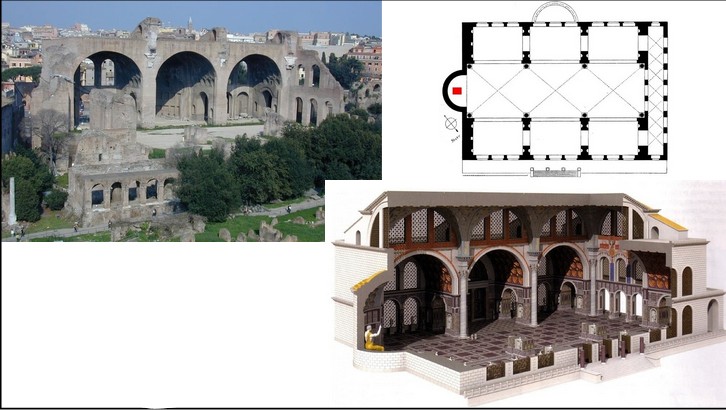
Basilica Nova c. 307-315 CE
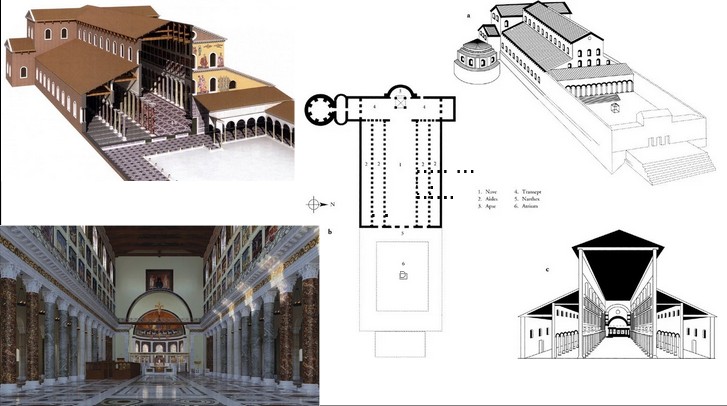
Rome: Old St. Peter’s ca. 318-322 CE (demolished c. 16
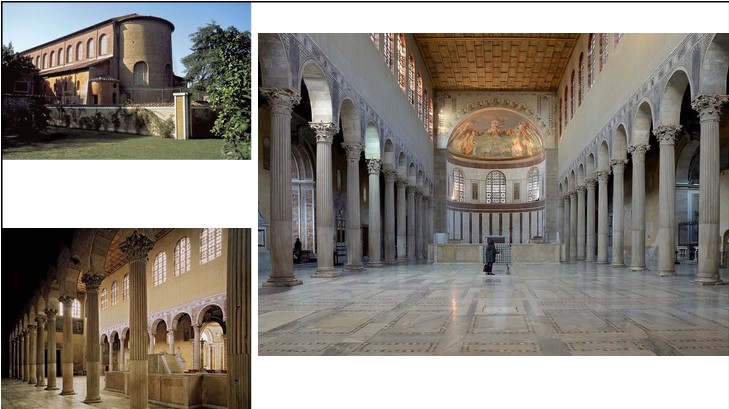
Church of Santa Sabina Rome (Aventine Hill) built ca. 422-432 CE basilica plan
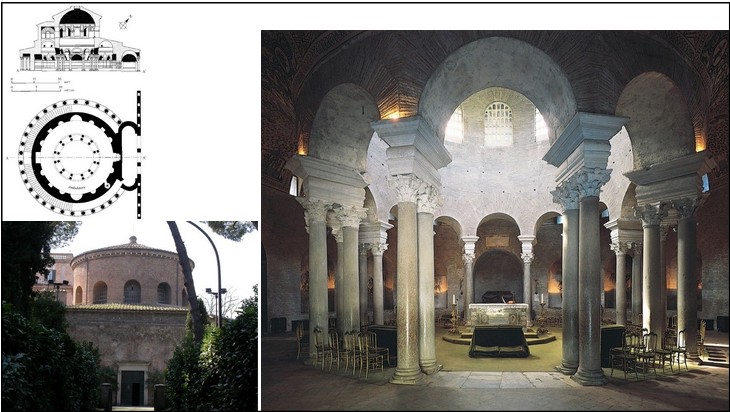
Rome: Mausoleum of Santa Costanza, c. 350 CE
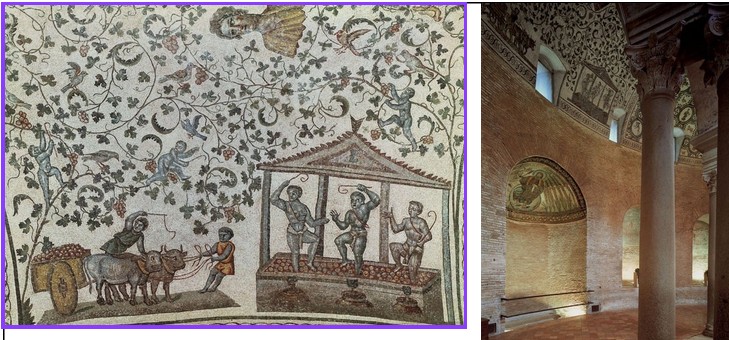
Rome: Mausoleum of Santa Costanza, c. 350 CE
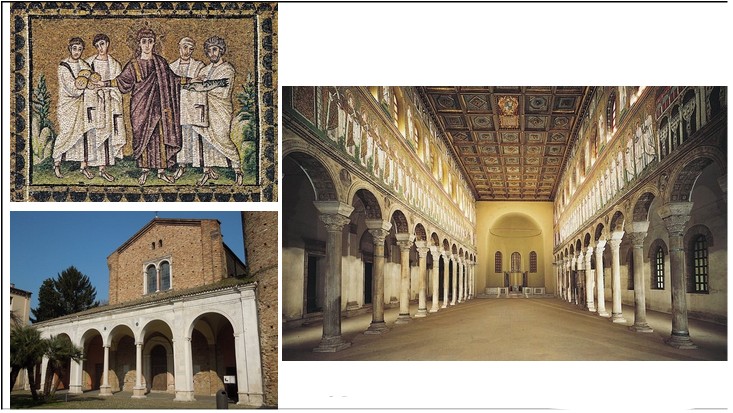
Ravenna: S. Apollinare Nuovo, c. 490
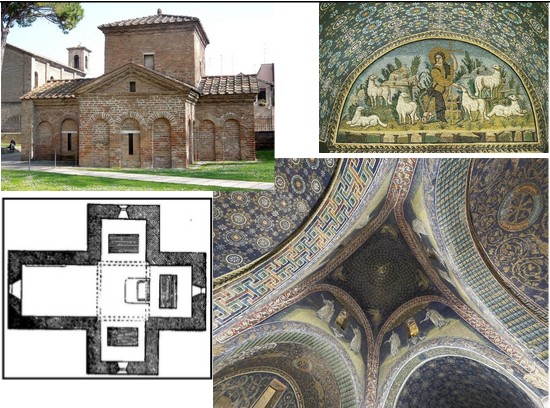
Ravenna: Mausoleum of Galla Placidia, c. 425
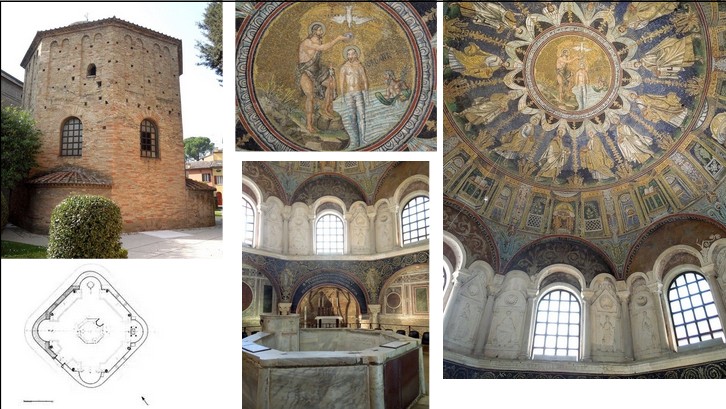
Ravenna: Orthodox Baptistery c. 458 CE Octagonal plan, with niches
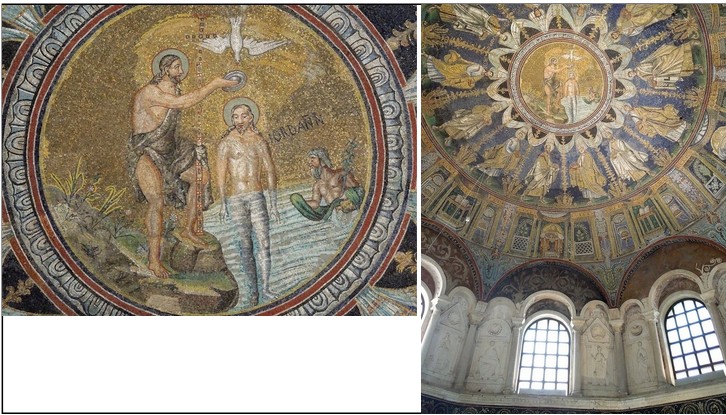
Ravenna: Orthodox Baptistery, c. 458 CE
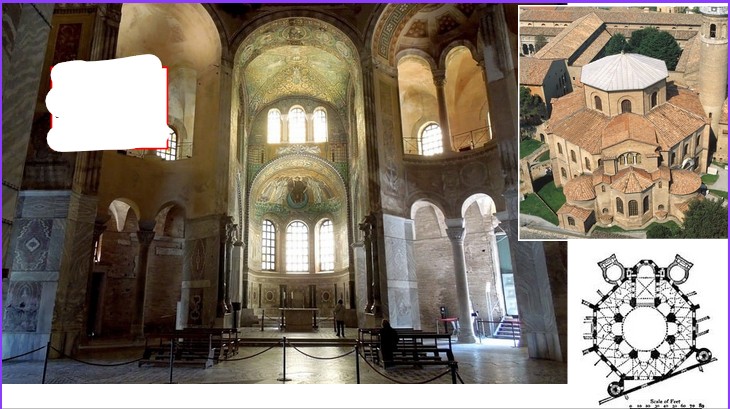
Ra venna : San Vitale 538-548 CE Early Byzantine Period
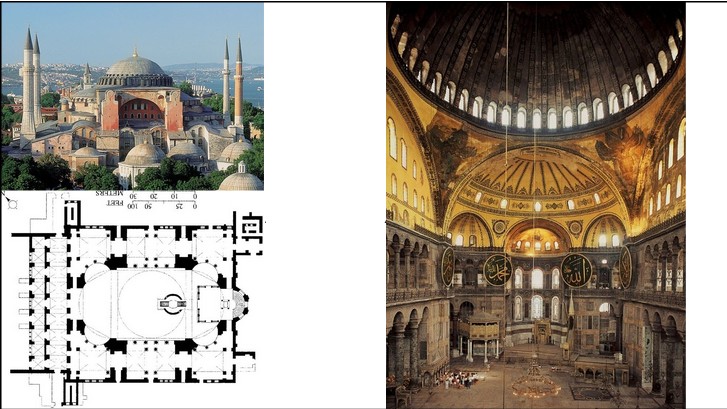
HAGIA SOPHIA
Theotokos
" Go d-be ar er” “Mother of God”
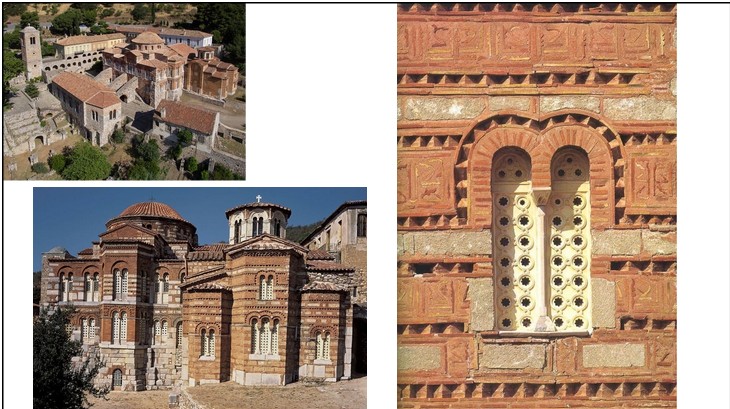
Hosios Loukas Monastery Greece
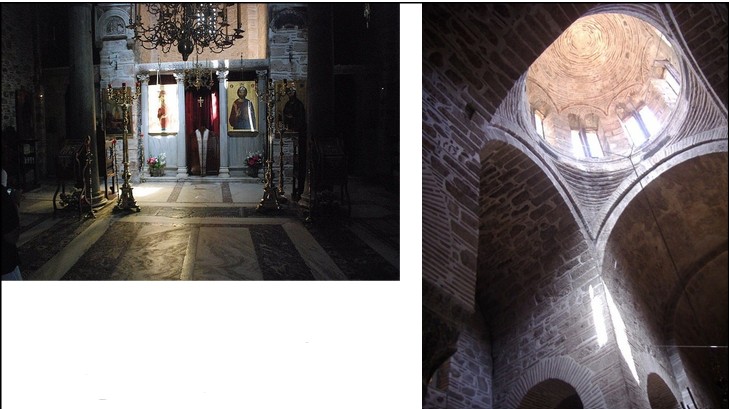
left
curtain seperates altar during mass
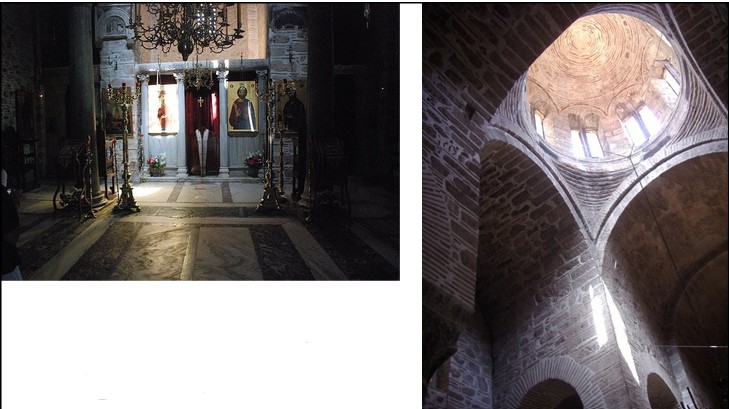
Right
Domeon pendentives
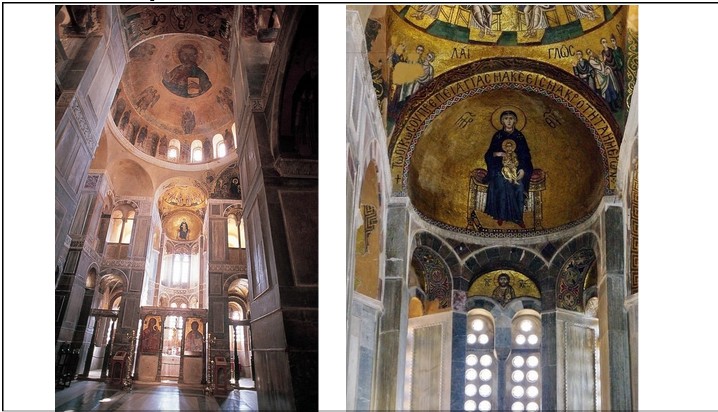
left
squinch
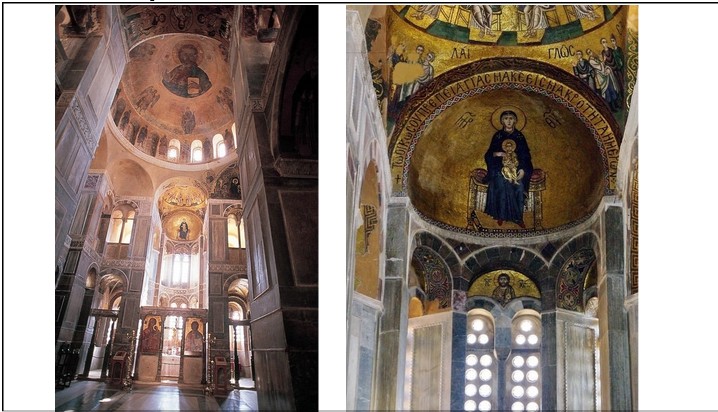
right
mary above apse

