MUS 206 Music In India
 Call Kai
 Learn
Learn Practice Test
 Spaced Repetition
 Match
Match Flashcards
 Knowt Play
1/48

There's no tags or description
Looks like no tags are added yet.
Name | Mastery | Learn | Test | Matching | Spaced | Call with Kai |
|---|
No analytics yet
Send a link to your students to track their progress
49 Terms
Caste System
Brahmin
Kshatriyas
Vaisyas
Sudras
Parrah/Dalit
Karnatak Music
improv
time honored music making
spirituality
learned orally
not usually written
music is usually vocal
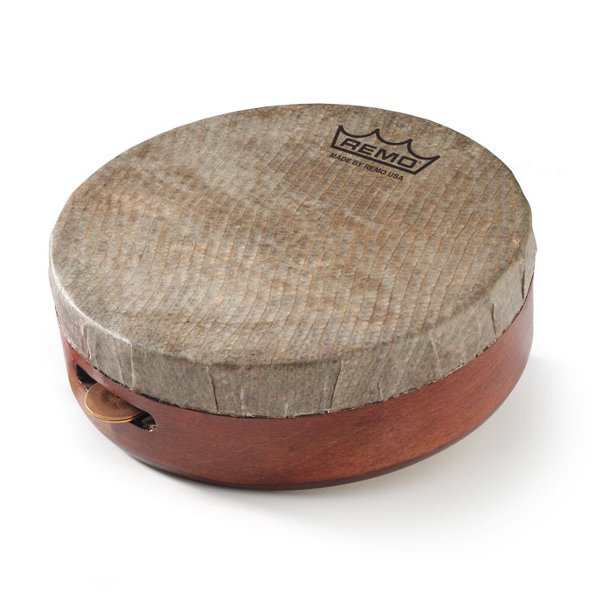
Kanjira
Tamburine like drum
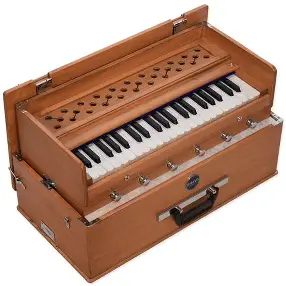
Harmonium
most common accompaniment instrument
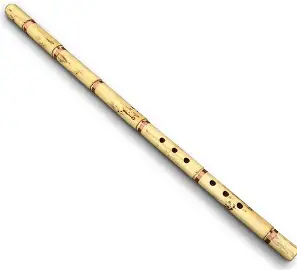
Kulal
bamboo flute
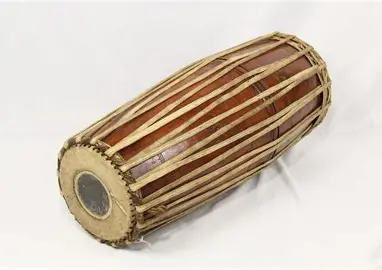
Mridangam
double headed drum
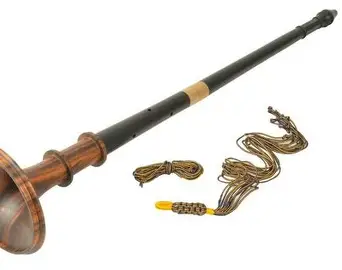
Nagasvaram
Double reed
temple ceremonies
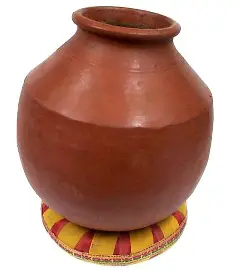
Ghatam
clay pot
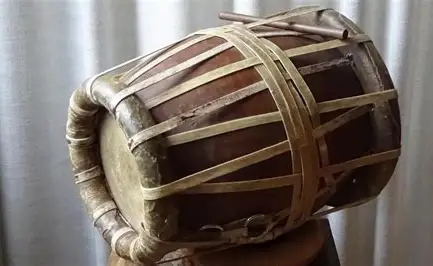
Tavil
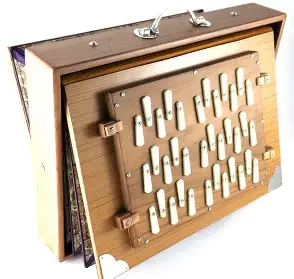
Shruti Box
keyless harmonium
works as a drone
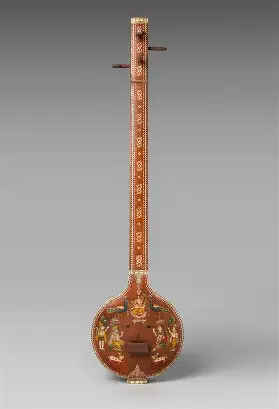
Tambura
4 strings
drone strings underneath
works as a drone along with tambura
Bhajan
(to praise)
a song form
amateur performers
repeat and chant names of gods
spiritual setting
“Destroyer of Demons” song for Rama
Kriti
a song form
pallavi - anapallavi - pallavi - caranam - pallavi
concert genre
“Unnai Nambinan”
sit on floor and perform
Trinity of Composers
thought to bring blessings
Syama Satri (1742-1827)
Tyagaraja (1767-1847)
Muttusvami Dikshitar (1776-1835)
Karnatic music comes from these 3
all members of Brahmin class
Tamil Movement
1930s
Promoting the Tamil culture, language/society, lower class/caste
upperclass hesitant to allow their music
Annamalai Chattiar
Chattiar founded Tamil Music Academy
Tala
Jatis
salkattu syllables (rhythmic solfege)
ta-ka-ta, ta-ka, ta-ka-di-mi, ta-ka-jo-nu
5 primary jatis
catarsura- 4 beats
tusra- 3 beats
misra- 7 beats
Khanda- 5 beats
Sankirna- 9 beats
Kriya- hand gestures for rhythms
Raga
Svara- the note
Arohana- ascending
Avarohana- descending
Melodic Solfege
sa-ri-ga-ma-pa-dha-ni-sa
Gamaka
ornamentation:
kampita- shake/vibrato
Jaru- slide
Janta- accent/stress
Characteristic Phrases
kirivani raga
kapi raga
all usually learned aurally
Concert Repertoire and Setting
center song is the main piece
performers expected to bring rasa, emotion, depth
no rehearsals
repertoire learned by ear
performers may be family
a lot of music is improvised
vocalist needs 2 octave range
vocalist sets the pitch
“if it was to happen” T. Brinda
Alapana
Part of Concert Structure
introduction
led by vocals
5-20 minutes
no percussion
all improvised
introduces the raga
Kiri
Part of Concert Structure
composed section
percussion comes in
Niraval
Part of Concert Structure
improvised lines
call and response between vocal and instruments
compliments the vocals
Svara Kalpana
Part of Concert Structure
using solfege syllables
all are improvising
complimenting the vocalist
Tawa’if/Nautch
female musicians and entertainers, “courtesans”
Kotha Salons
place where men go to relax
like a brothel
Devadasi
a female singer
“ever auspicious woman”
didn’t go to school
had patrons
finacialy well off
less improv than men
turned to prostitution at the end of 20th century
Bangalore
full name Bangalre Nagarathnammal (1878-1952)
successful singer of 20th century
“Vaddni (didn’t I tell you not to girl?)”
recorded 1921
Guru
music teacher
life coach
more informal setting
Music Academy of Madras
founded 1937
thought there was a fault in Indian Music
founded by members of Brahman class
took music out of the hands of hereditary musicians/music
specified Ragas- what notes to use etc
women were not involved in this
Kathakali
(dance drama)
based on traditional sanskrit drama
core repertoire of 36 plays connected to Hindu mythology
costumes and makeup represent characters and have meaning
dancers dont sing, spell out test through gestures
kuti- paper frames on face
traditionally men only
Pacca
Kathakali Dance Role
green
refined moral heros
deities
paper beards framing face
Minukku
Kathakali Dance Role
played by women, traditionally men
less stylized, more realistic costume
Katti
Kathakali Dance Role
mustaches
rough, coarse character w/ redeeming qualities
Tadi
Kathakali Dance Role
evil
demons, malevolent characters
color of the beards show how evil- white, red, black
Kari
Kathakali Dance Role
supernatural
female character
black face w/ painted dots
Kathkali Ensemble
2 main players
lead singer played cennilam (single cymbal)
second singer plays to cymbals
2 drummers cerda and maddalam for male roles
idakkya double headed drum, pitched for female roles
srutti box
conch shell for entrences
Slokam
Kathkali Song form
opens scenes
nonmetric
singers can improv
Padam
Kathkali Song form
2 singers sing dialogue while actors mime
Bollywood
one of the largest film industries in the world
centered in bombay
first sound film 1931
sound dramas emerge in 1930s
elaborate song and dance sequences
bridges different languages
plots of love, romance
popular music in south asia comes from bollywood songs
playback singers, voices for actors
sing in different languages and voices
western influence in music
indian movies very long
Hindustani Music
music of north india
instruments include sitar, tabla
form Alap, Jar, Gat, Khyal
Alap
Hindustani Music Form
intro
no meter
Jar
Hindustani Music Form
once meter is founded
Gat
Hindustani Music Form
instrumental music performance
Khyal
Hindustani Music Form
vocal performance
Ravi Shankar
began as a dancer
composer
comes from Brahman class
toured all over the world
wrote music that combines indian and western
one of the most famous in 1960s
world famous sitar player
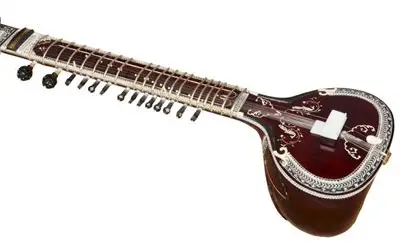
Sitar
Hindustani Instrument
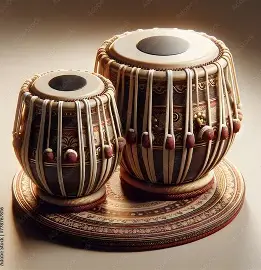
Tabla
Hindustani Instrument