OSU Anatomy: The special sense organs

0.0(0)
Studied by 0 people
call kaiCall Kai
learnLearn
examPractice Test
spaced repetitionSpaced Repetition
heart puzzleMatch
flashcardsFlashcards
GameKnowt Play
Card Sorting

1/44

encourage image

There's no tags or description

Looks like no tags are added yet.

Last updated 5:43 PM on 3/24/26
Name
Mastery
Learn
Test
Matching
Spaced
Call with Kai

No analytics yet

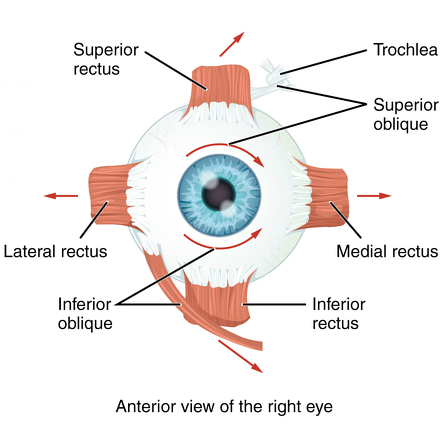
Send a link to your students to track their progress

45 Terms

1
New cards

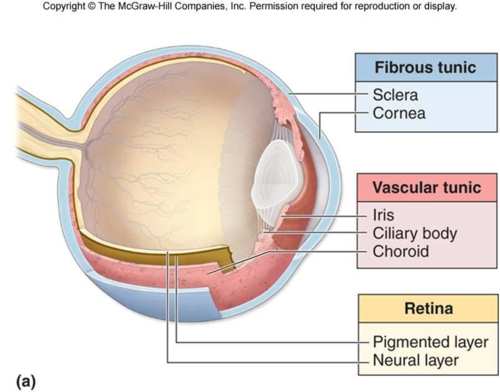
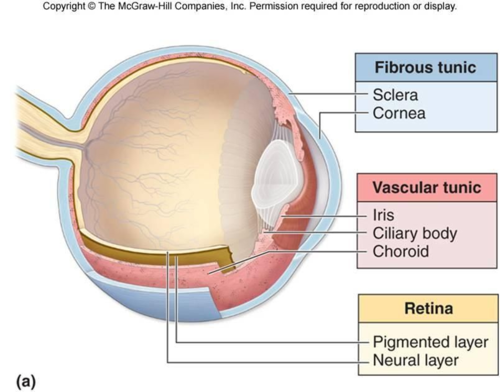
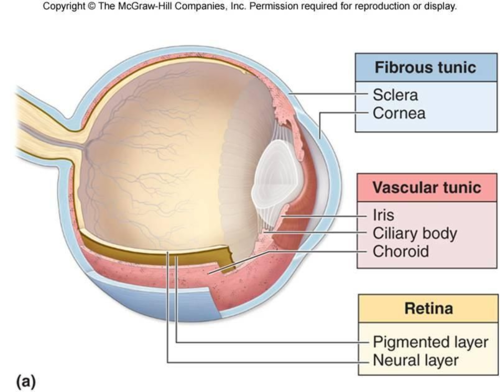
what are the three tunics of the eye

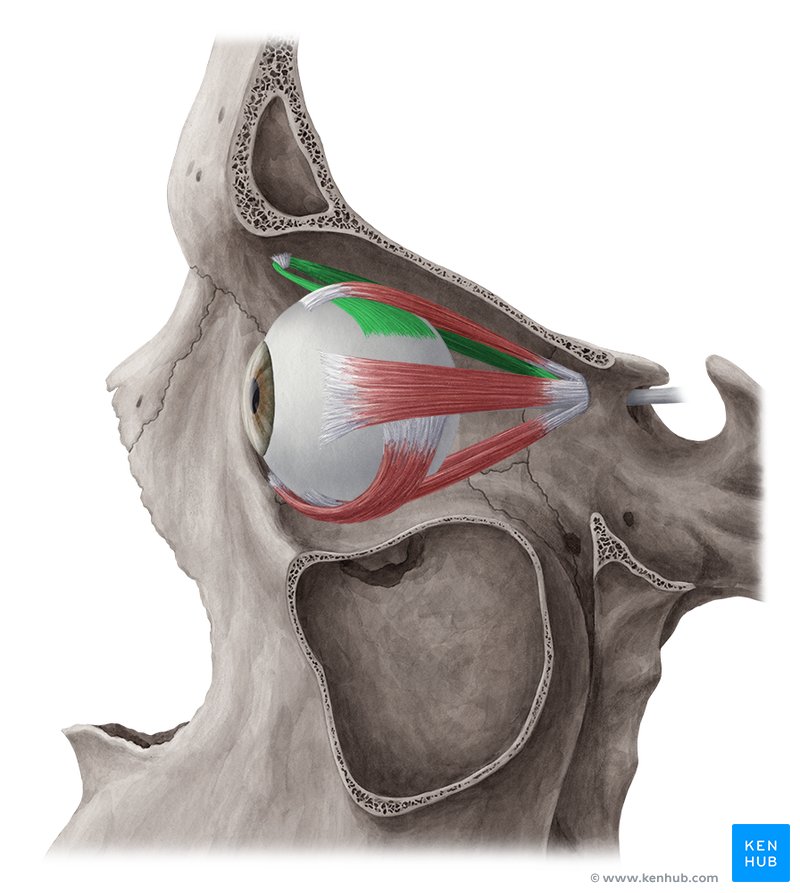
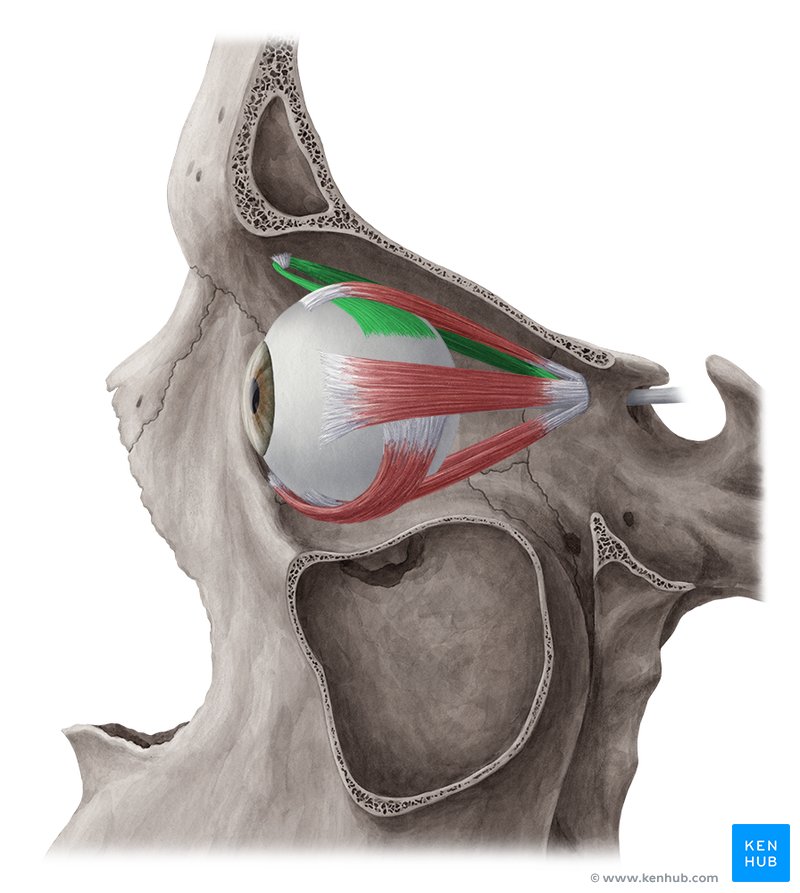
  • fibrous tunic

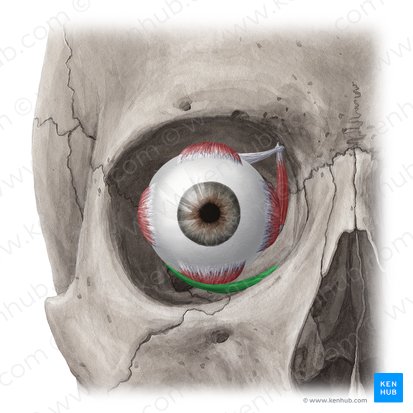
    • structural support

  • vascular

    • arteries and veins

  • sensory

    • retina

<ul><li><p>fibrous tunic</p><ul><li><p>structural support</p></li></ul></li><li><p>vascular</p><ul><li><p>arteries and veins</p></li></ul></li><li><p>sensory</p><ul><li><p>retina</p></li></ul></li></ul><p></p>
2
New cards

the fibrous tunic is composed of

  • sclera

  • cornea

<ul><li><p>sclera</p></li><li><p>cornea </p></li></ul><p></p>
3
New cards

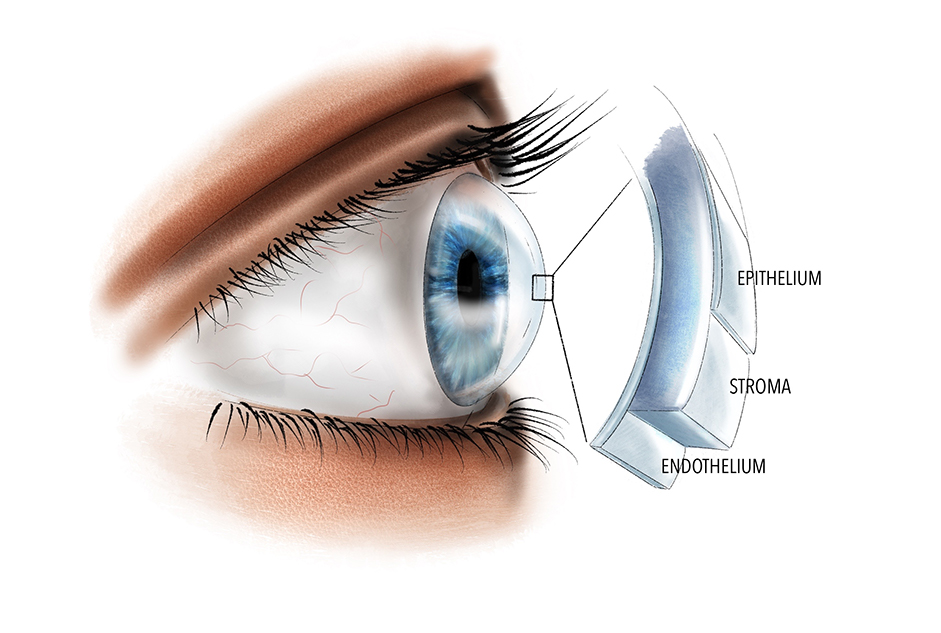
describe the cornea

  • transparent dome layer of the eye that covers the iris and pupil
<ul><li><p><span>transparent&nbsp;dome&nbsp;layer of&nbsp;the&nbsp;eye&nbsp;that&nbsp;covers&nbsp;the&nbsp;iris and pupil</span></p></li></ul><p></p>
4
New cards

describe the sclera

  • the whites of the eyes muscles attach here
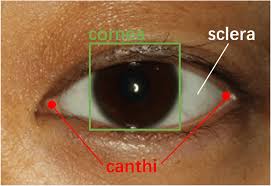
<ul><li><p><span>the&nbsp;whites&nbsp;of&nbsp;the&nbsp;eyes&nbsp;muscles&nbsp;attach&nbsp;here</span></p></li></ul><p></p>
5
New cards

describe the vascular tunic

  • iris

  • pupil

  • ciliary body

  • choroid

<ul><li><p>iris</p></li><li><p>pupil</p></li><li><p>ciliary body</p></li><li><p>choroid</p></li></ul><p></p>
6
New cards

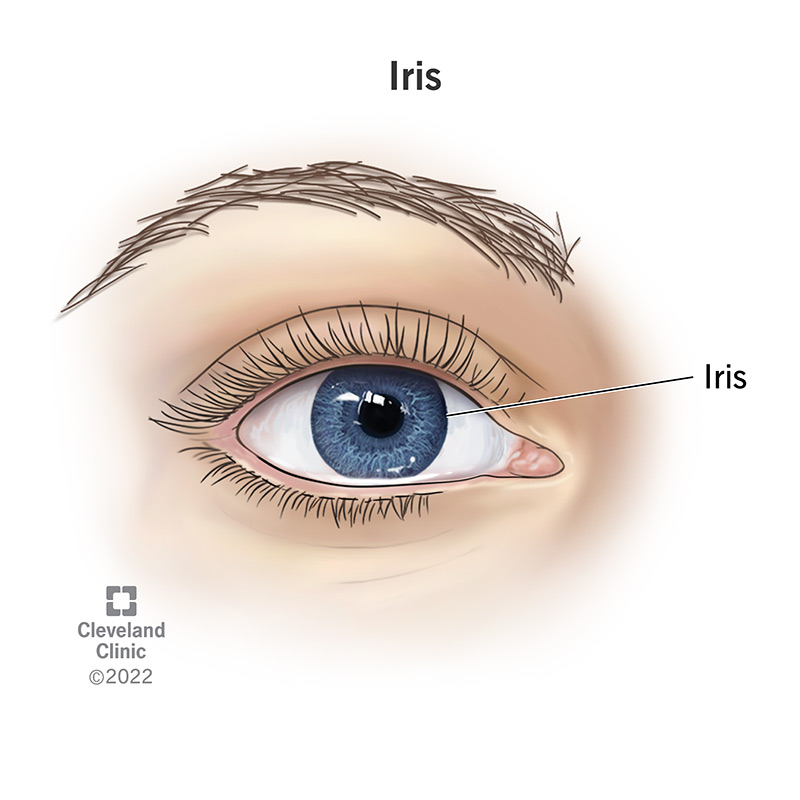
describe the iris

  • the colored portion of the eye

  • controls the size of the pupil

<ul><li><p>the colored portion of the eye</p></li><li><p>controls the size of the pupil</p></li></ul><p></p>
7
New cards

describe the pupil

  • light travels through here to retina via lens
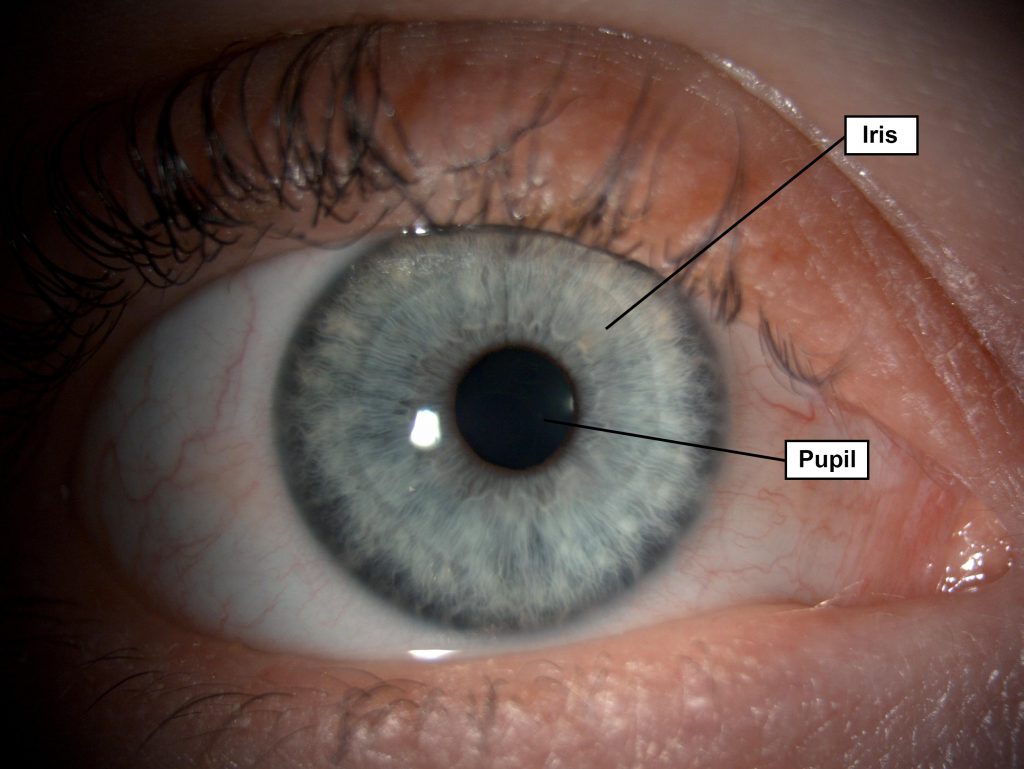
<ul><li><p>light travels through here to retina via lens</p></li></ul><p></p>
8
New cards

describe the ciliary body

  • controls shape of the lens of the eye (near vs far vision)
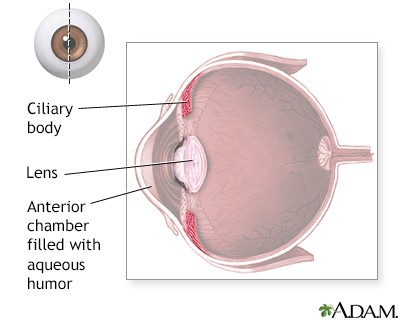
<ul><li><p>controls shape of the lens of the eye (near vs far vision)</p></li></ul><p></p>
9
New cards

describe the choroid

  • middle layer of the eyeballs wall that supplies blood
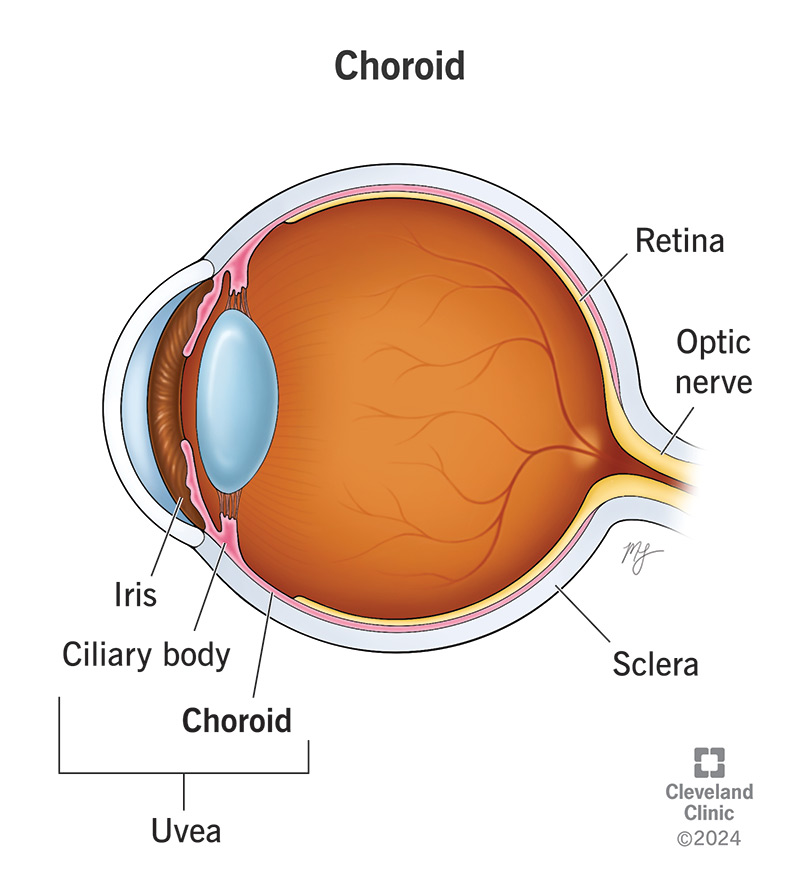
<ul><li><p>middle layer of the eyeballs wall that supplies blood</p></li></ul><p></p>
10
New cards

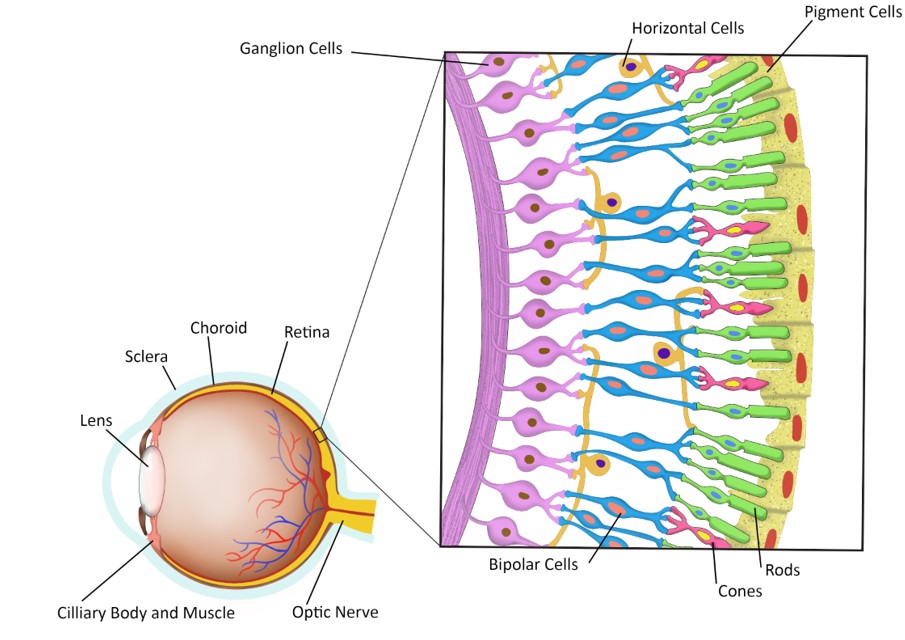
describe the retina

  • contains photoreceptors that turn light information into neural information
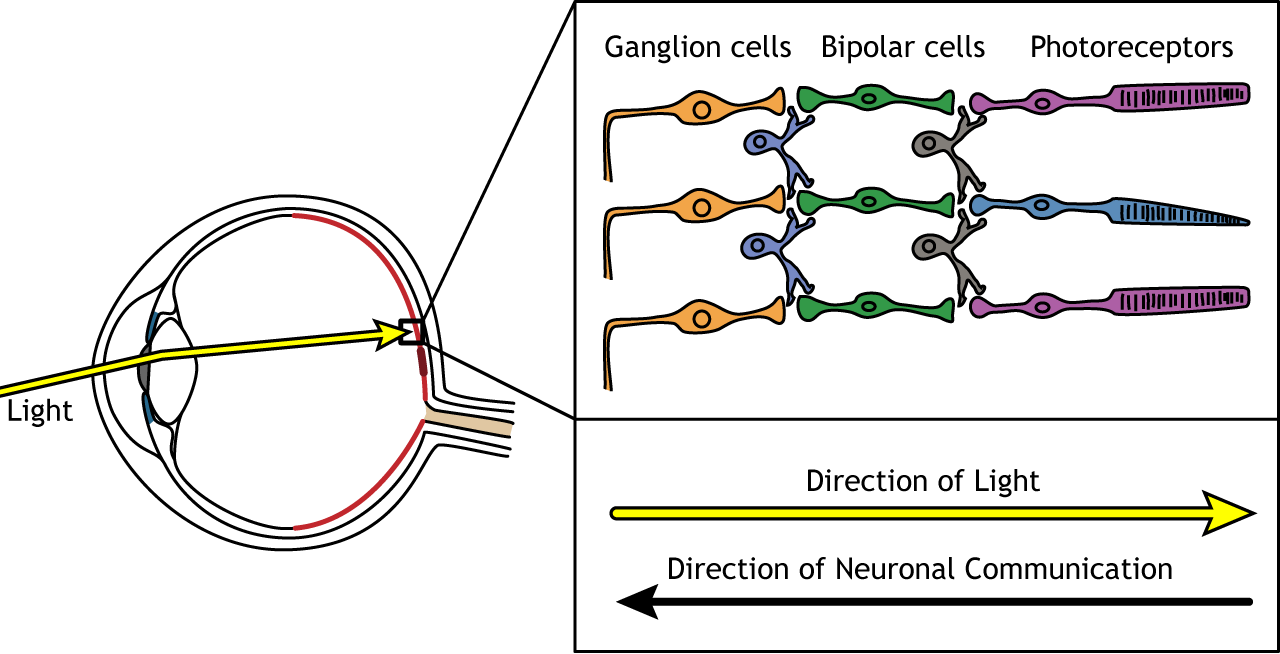
<ul><li><p>contains photoreceptors that turn light information into neural information</p></li></ul><p></p>
11
New cards
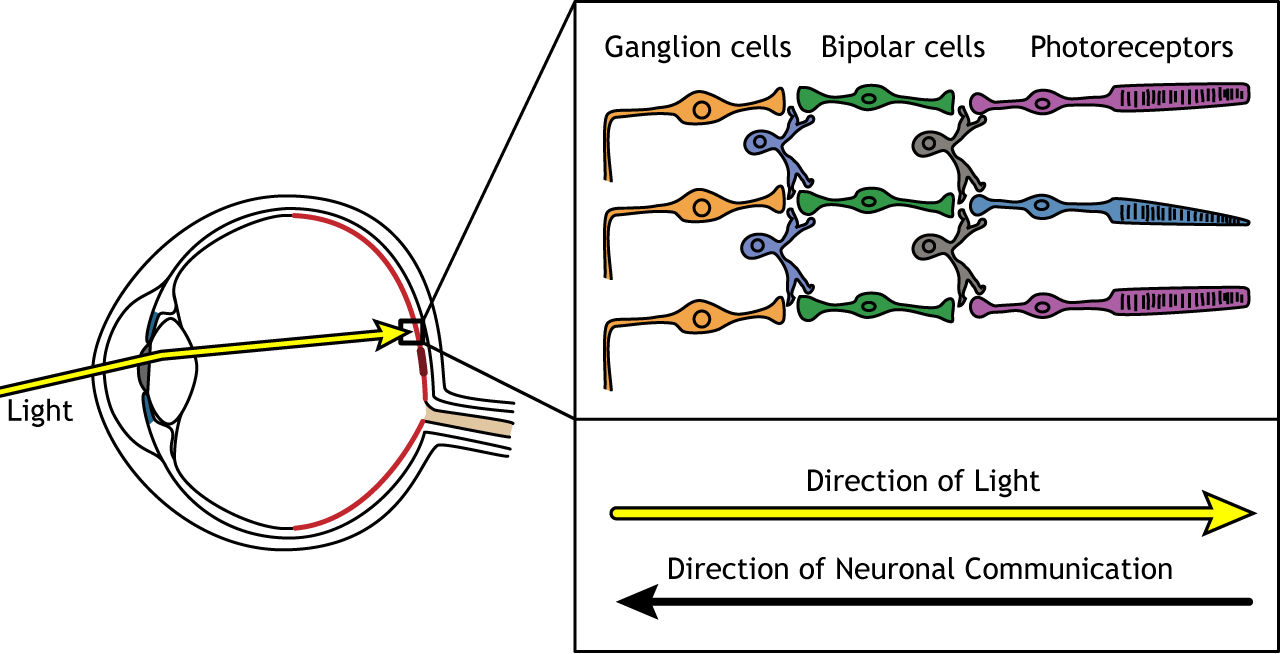
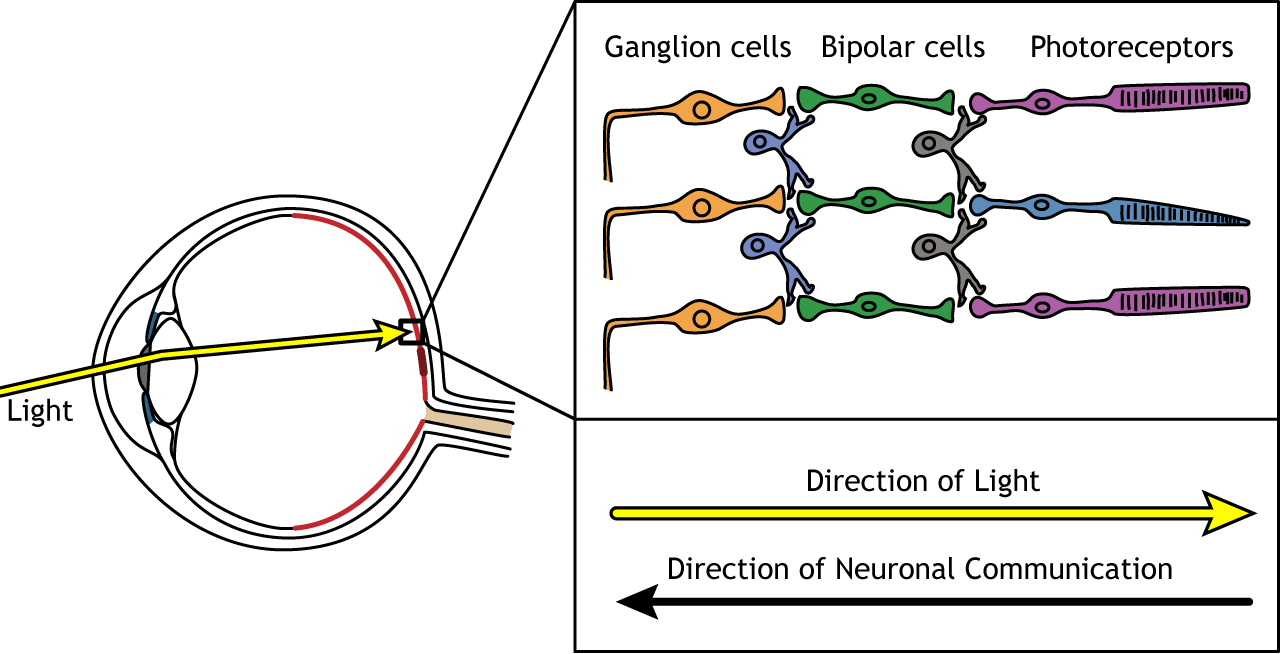
<p>describe the pathway of visual information in the retina </p>

describe the pathway of visual information in the retina

  • light travels to photoreceptors

    • pass to bipolar cells via horizontal cells

      • pass to ganglion cells via amacrine cells

        • axons of ganglion cells form optic nerve
<ul><li><p>light travels to <strong>photoreceptors </strong></p><ul><li><p>pass to <strong>bipolar cells </strong>via horizontal cells</p><ul><li><p>pass to <strong>ganglion cells</strong> via amacrine cells</p><ul><li><p>axons of ganglion cells form <strong>optic nerve</strong></p></li></ul></li></ul></li></ul></li></ul><p></p>
12
New cards

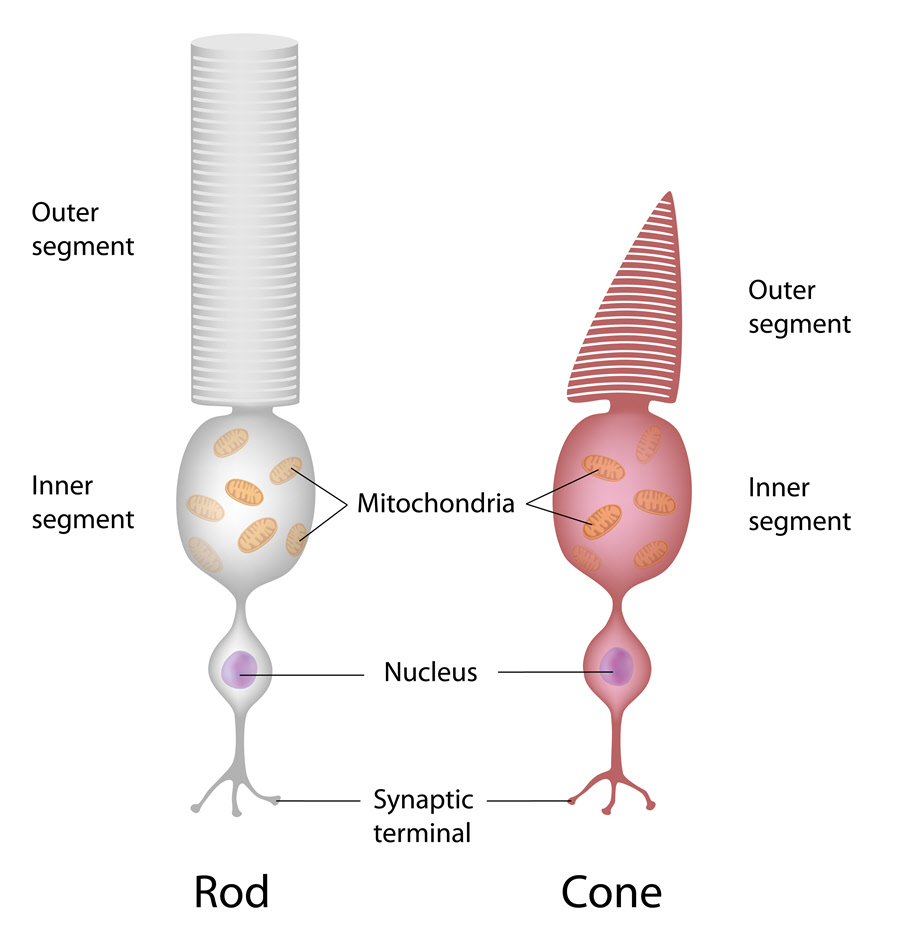
what are the two types of photoreceptors and specialization

  • rods

    • dark vision

  • cones

    • colored vision

<ul><li><p>rods</p><ul><li><p>dark vision </p></li></ul></li><li><p>cones</p><ul><li><p>colored vision</p></li></ul></li></ul><p></p>
13
New cards
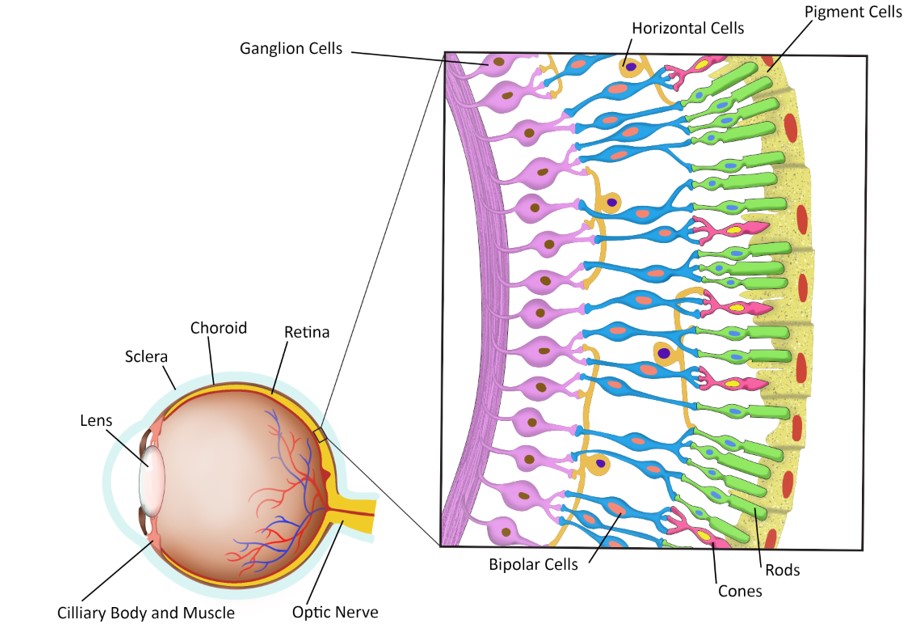
<p>the collection of axons formed from ganglion cells form the…</p>

the collection of axons formed from ganglion cells form the…

optic nerve
<p>optic nerve</p>
14
New cards
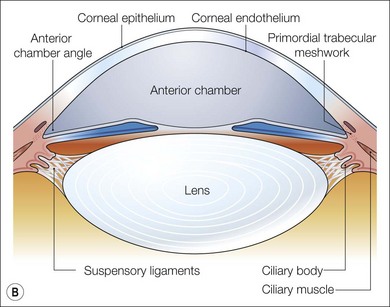
<p>describe the anterior chamber of the eye</p>

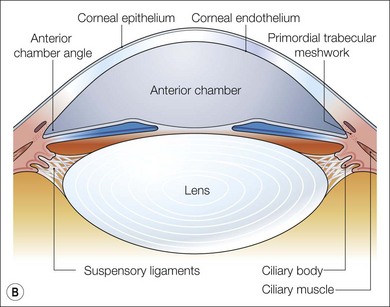
describe the anterior chamber of the eye

space between the the cornea and thlens filled with aqueous humor

<p>space&nbsp;<span>between</span>&nbsp;<span>the</span>&nbsp;<span>the</span>&nbsp;<span>cornea</span>&nbsp;<span>and</span>&nbsp;<span>th</span>e&nbsp;<span>lens</span>&nbsp;<span>fill</span>e<span>d</span>&nbsp;<span>with</span>&nbsp;<span>aqueous</span>&nbsp;<span>humor</span></p><p></p><p></p>
15
New cards
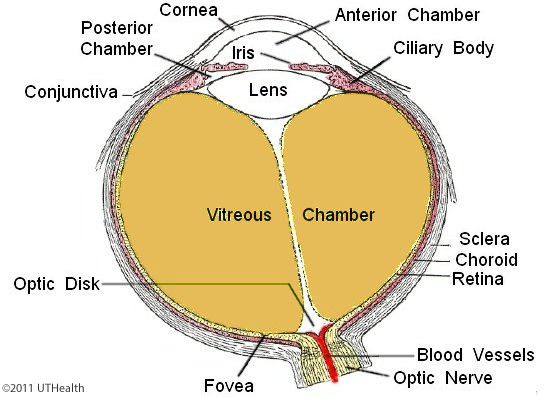
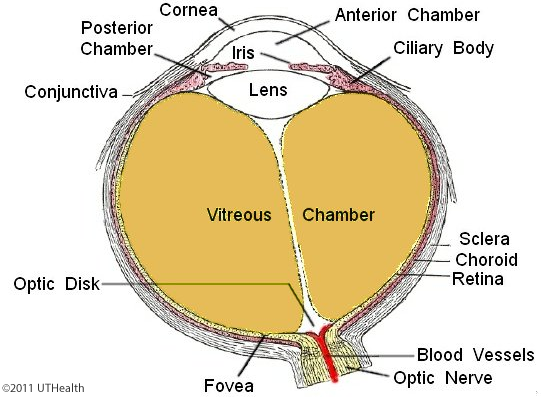
<p>describe the posterior chamber</p>

describe the posterior chamber

  • the largest space right behind the lens

    • filled with vitreous humor

    • gives shape and support to eyeball

    • produced only during embryonic development
<ul><li><p>the largest space right behind the lens</p><ul><li><p>filled with vitreous humor</p></li><li><p>gives shape and support to eyeball</p></li><li><p>produced only during embryonic development</p></li></ul></li></ul><p></p>
16
New cards
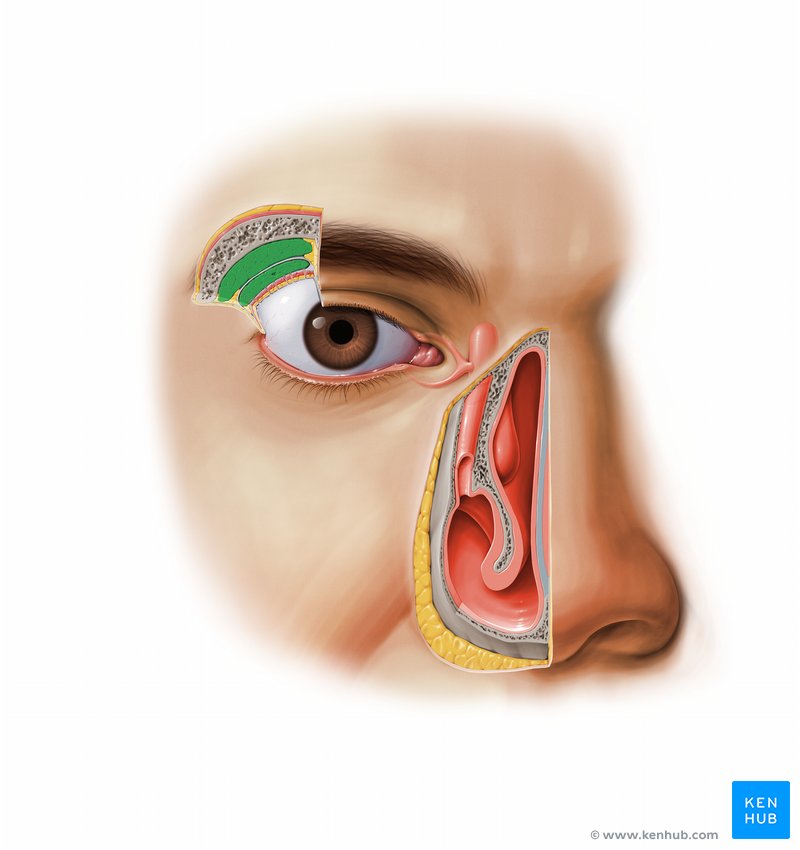
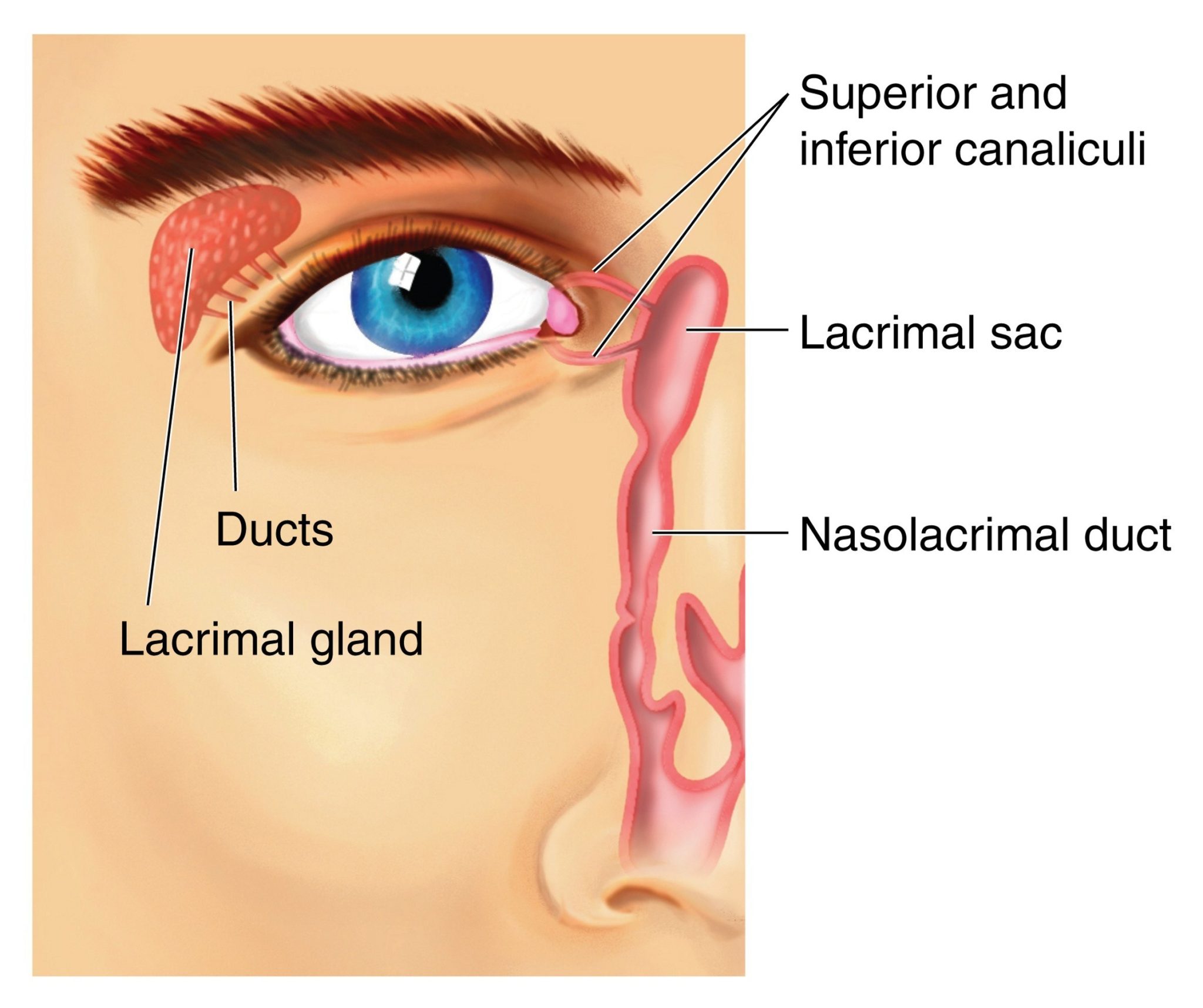
<p>describe this</p>

describe this

this is the lacrimal gland

  • produces lacrimal fluid (tears)

  • fluid travels medially and into the nasolacrimal duct
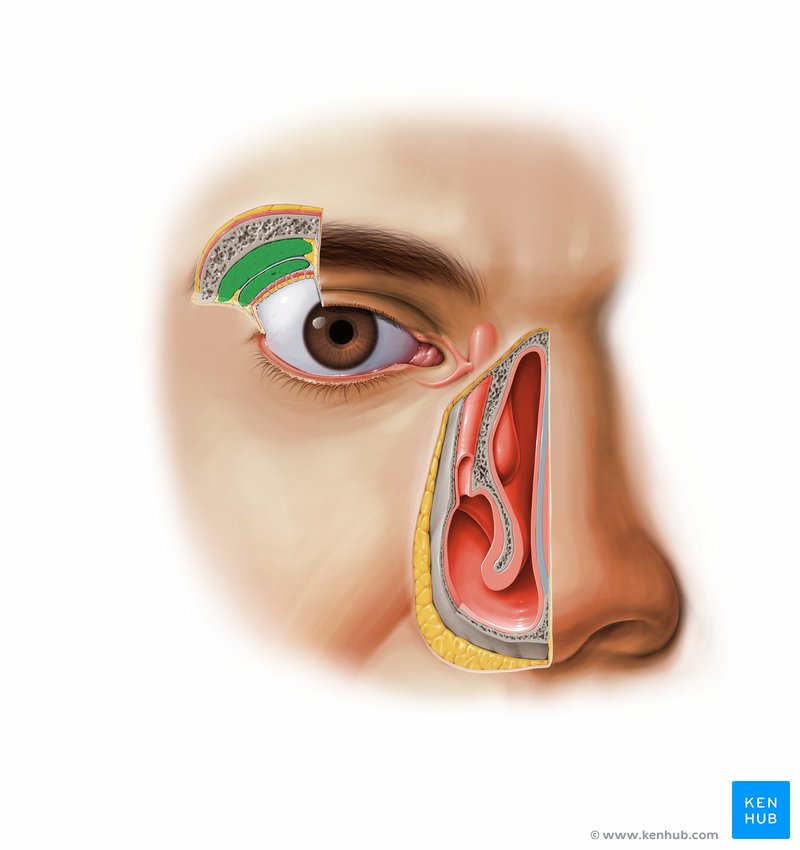
<p>this is the lacrimal gland</p><ul><li><p>produces lacrimal fluid (tears)</p></li><li><p>fluid travels medially and into the nasolacrimal duct </p></li></ul><p></p>
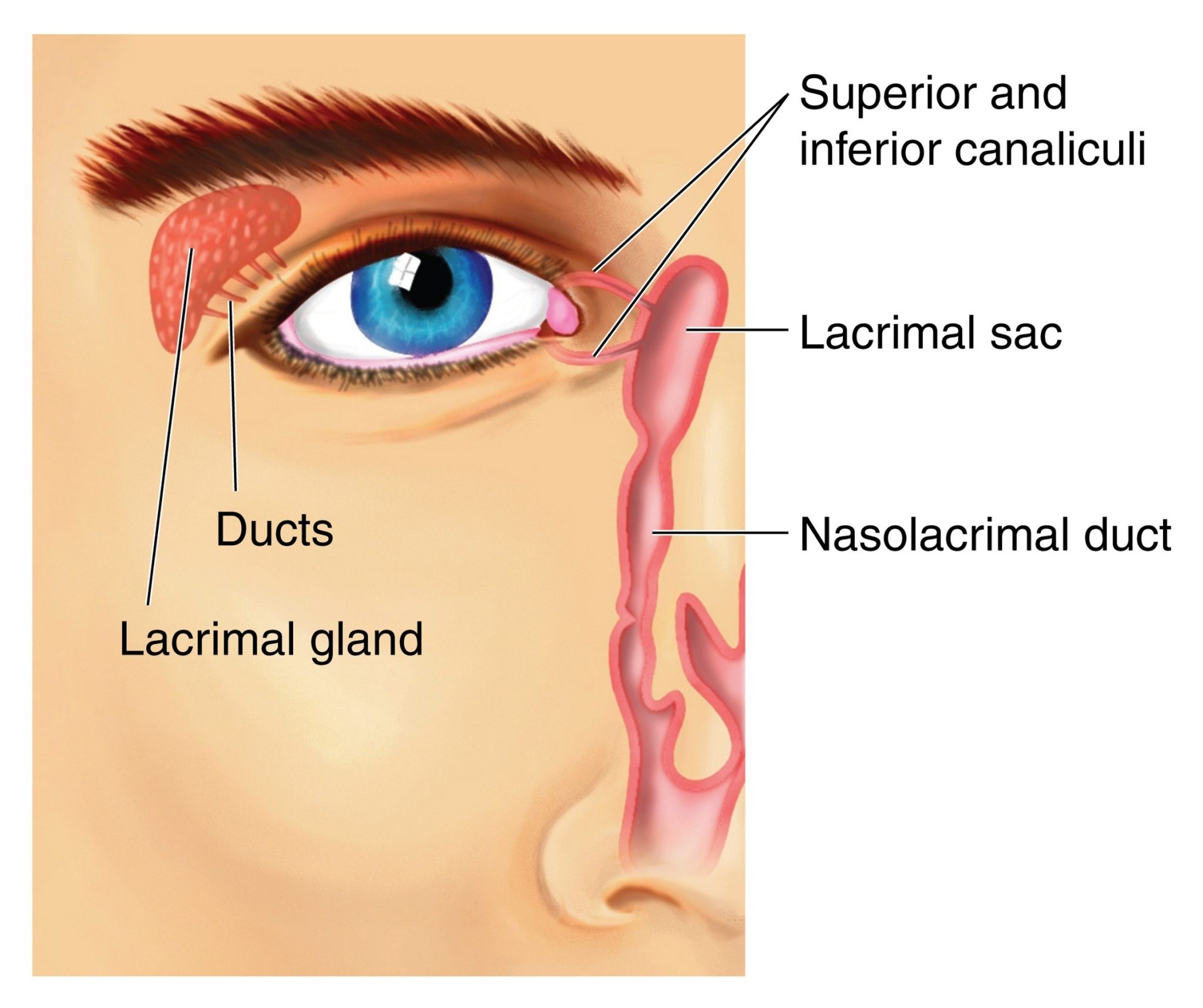
17
New cards
<p>where does lacrimal fluid drain into</p>

where does lacrimal fluid drain into

  • nasolacrimal duct

<ul><li><p>nasolacrimal duct</p></li></ul><p></p>
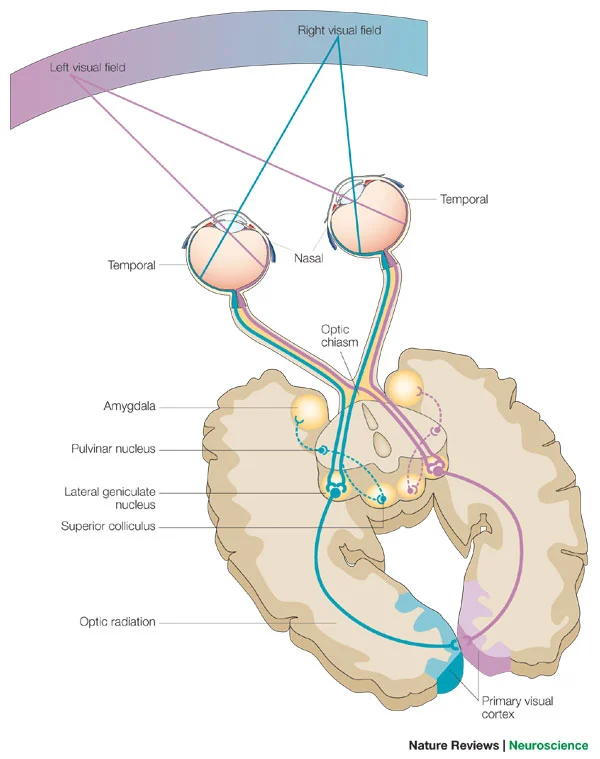
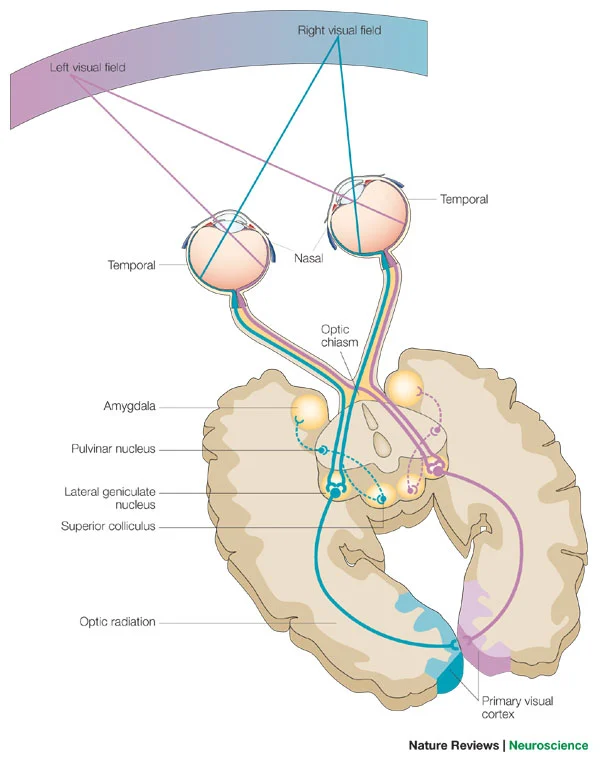
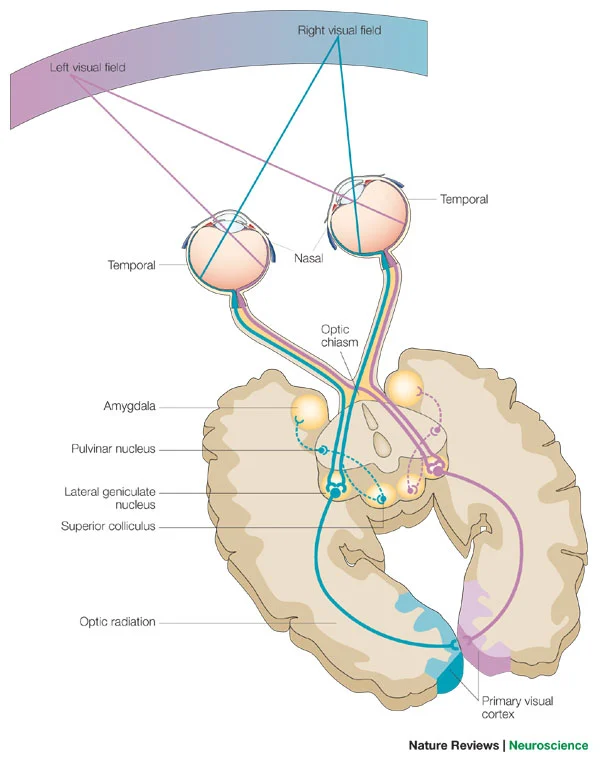
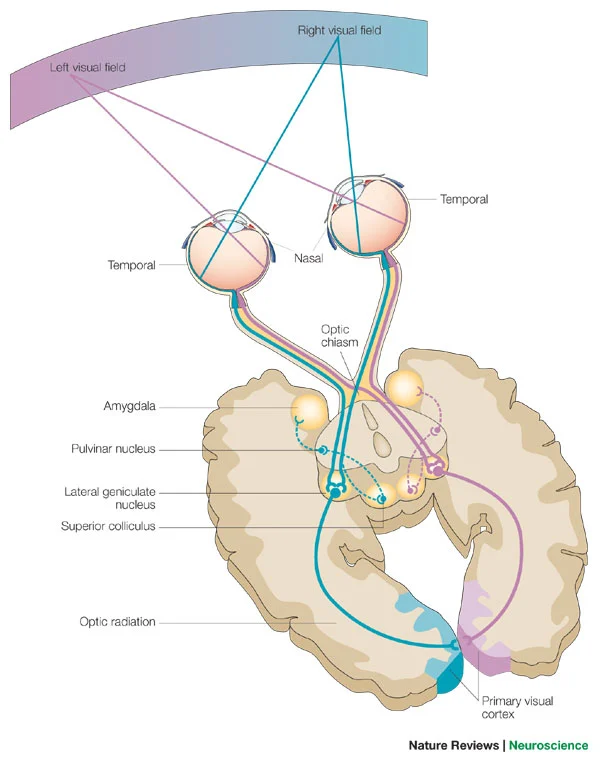
18
New cards

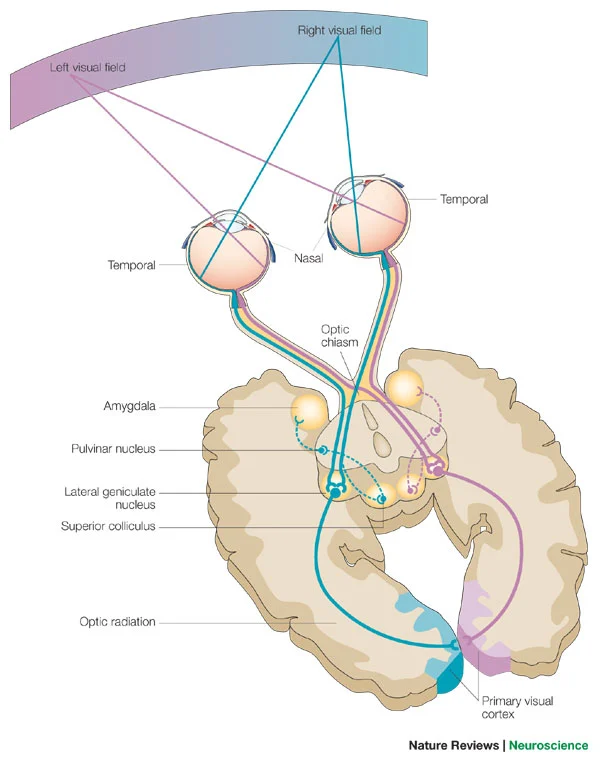
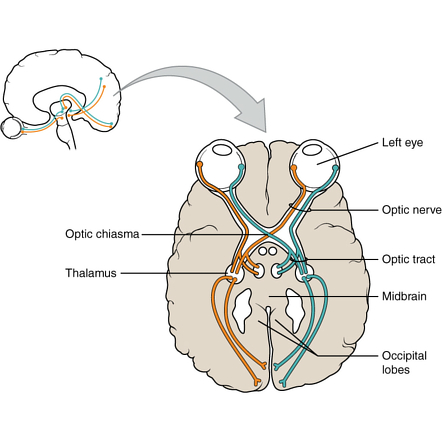
draw out the visual field pathway

knowt flashcard image
19
New cards
<p>each optic nerve contains ____ of each visual field information</p>

each optic nerve contains ____ of each visual field information

  • half

<ul><li><p>half</p></li></ul><p></p>
20
New cards

when the optic nerves cross over, that is the…

  • optic chiasm

    • temporal visual field information crosses over
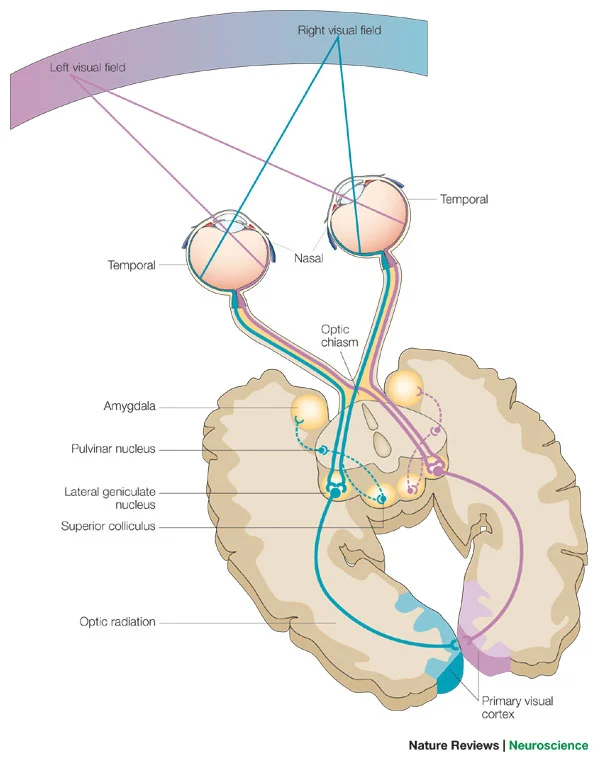
<ul><li><p>optic chiasm </p><ul><li><p>temporal visual field information crosses over</p></li></ul></li></ul><p></p>
21
New cards

damage to the optic chiasm will mean a loss to…

  • peripheral vision

    • temporal visual field information is damaged
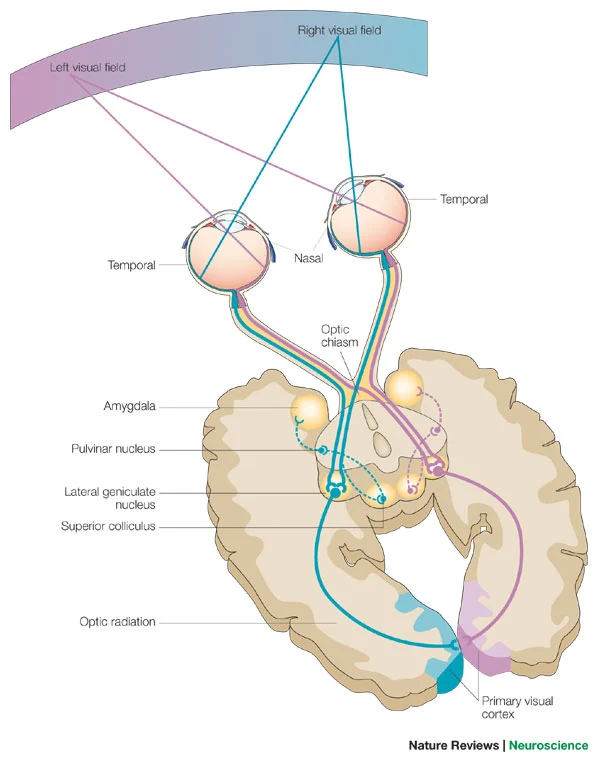
<ul><li><p>peripheral vision </p><ul><li><p>temporal visual field information is damaged</p></li></ul></li></ul><p></p>
22
New cards
<p>optic tracts will contain the ___ visual field information</p>

optic tracts will contain the ___ visual field information

  • opposite

<ul><li><p>opposite</p></li></ul><p></p><p></p>
23
New cards
<p>where do fibers in the optic tract synapse then?</p>

where do fibers in the optic tract synapse then?

  • relayed to the thalamus

  • received to the primary visual cortex in the occipital lobes
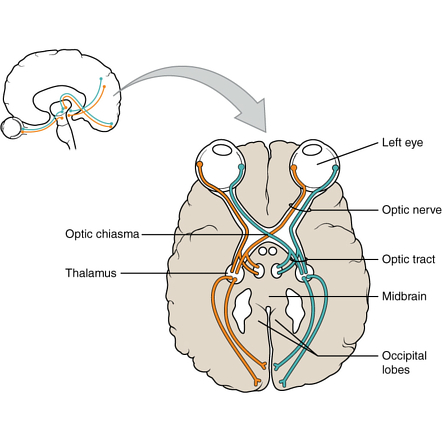
<ul><li><p>relayed to the <strong>thalamus</strong></p></li><li><p>received to the<strong> primary visual cortex</strong> in the <strong>occipital lobes</strong></p></li></ul><p></p>
24
New cards
<p>what is the origin and insertion of the extrinsic muscles of the eye</p>

what is the origin and insertion of the extrinsic muscles of the eye

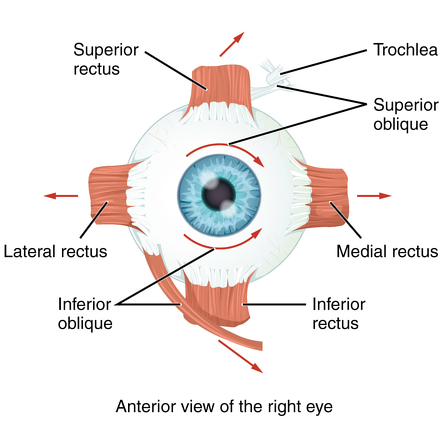
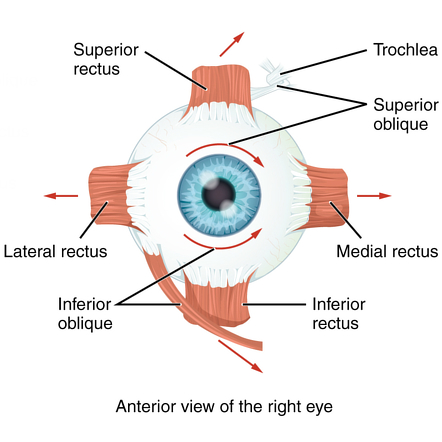
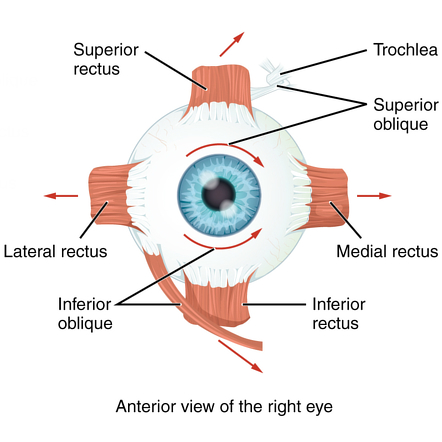
  • origin

    • surface of orbit

  • insertion

    • sclera

<ul><li><p>origin</p><ul><li><p>surface of orbit</p></li></ul></li><li><p>insertion</p><ul><li><p>sclera </p></li></ul></li></ul><p></p>
25
New cards
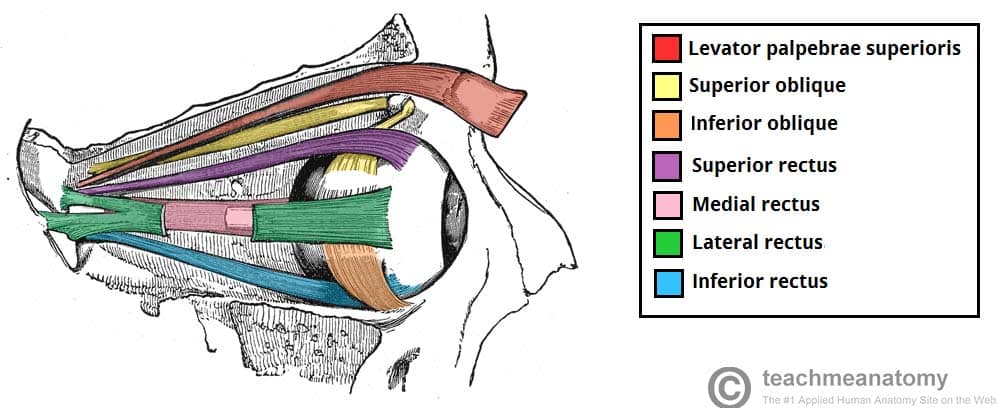
<p>what is this</p>

what is this

  • superior rectus

    • elevation of the gaze

      • innervated by oculomotor nerve (CN 3)
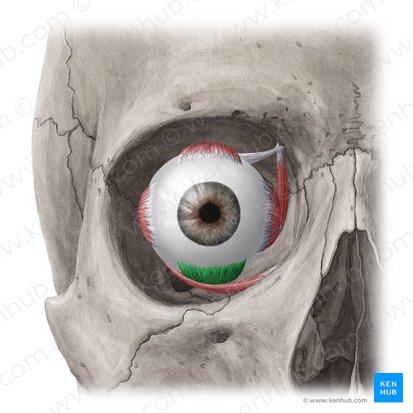
<ul><li><p><strong>superior rectus</strong></p><ul><li><p>elevation of the gaze</p><ul><li><p>innervated by oculomotor nerve (CN 3)</p></li></ul></li></ul></li></ul><p></p>
26
New cards
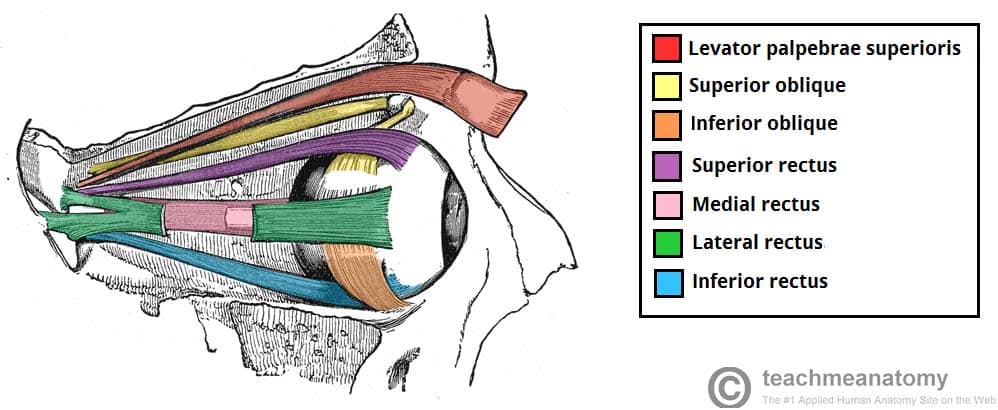
<p>what is this</p>

what is this

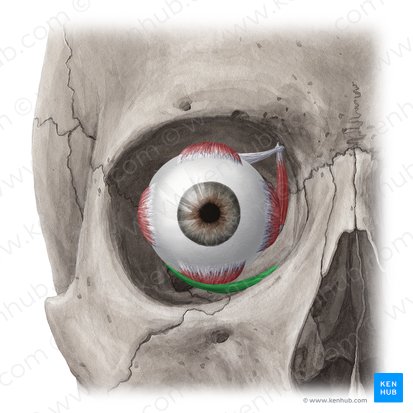
  • inferior rectus

    • depression of the gaze

      • innervated by oculomotor nerve (CN 3)
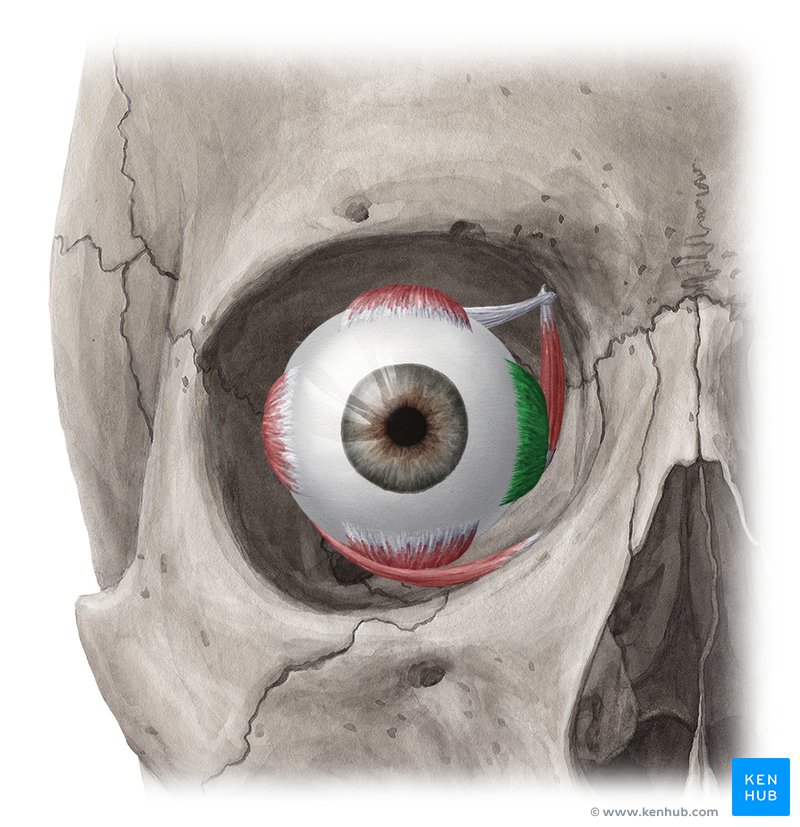
<ul><li><p><strong>inferior rectus</strong></p><ul><li><p>depression of the gaze</p><ul><li><p>innervated by oculomotor nerve (CN 3)</p></li></ul></li></ul></li></ul><p></p>
27
New cards
<p>what is this</p>

what is this

  • medial rectus

    • adduction of the gaze

      • innervated by oculomotor nerve (CN 3)
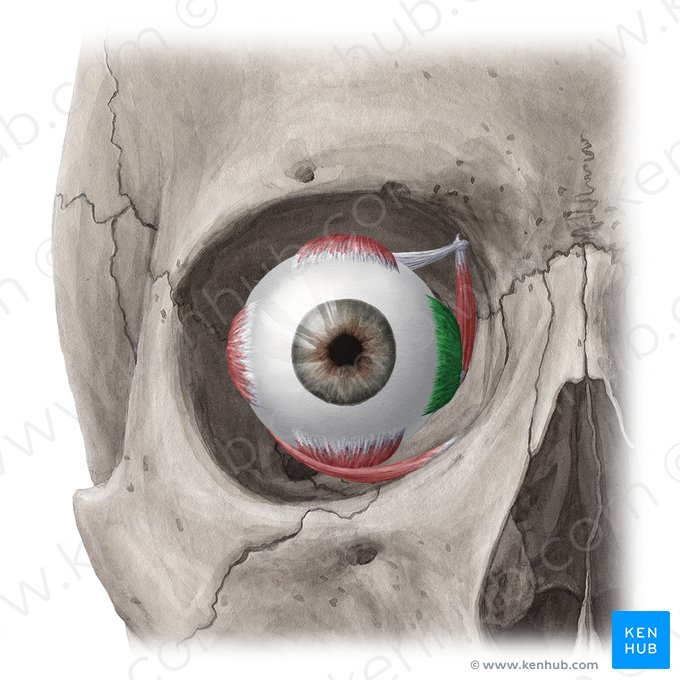
<ul><li><p><strong>medial rectus</strong></p><ul><li><p>adduction of the gaze</p><ul><li><p>innervated by oculomotor nerve (CN 3)</p></li></ul></li></ul></li></ul><p></p>
28
New cards
<p>what is this</p>

what is this

  • lateral rectus

    • abduction of the gaze

      • innervated by abducens nerve (CN 6)

<ul><li><p><strong>lateral rectus</strong></p><ul><li><p>abduction of the gaze</p><ul><li><p>innervated by abducens nerve (CN 6)</p></li></ul></li></ul></li></ul><p></p>
29
New cards
<p>What is this</p>

What is this

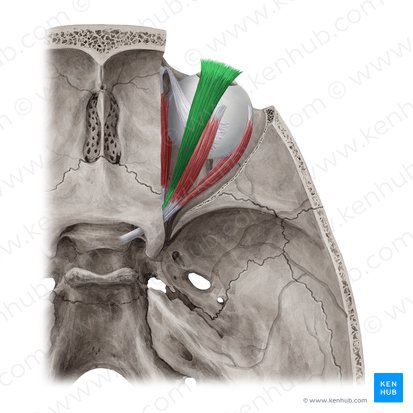
  • superior oblique

    • depression and abduction of the gaze

      • trochlear nerve (CN 4)

<ul><li><p>superior oblique </p><ul><li><p>depression and abduction of the gaze</p><ul><li><p>trochlear nerve (CN 4)</p></li></ul></li></ul></li></ul><p></p>
30
New cards
<p>What is this</p>

What is this

  • inferior oblique

    • elevation and abduction of the gaze

      • oculomotor nerve (CN 3)

<ul><li><p><strong>inferior oblique </strong></p><ul><li><p>elevation and abduction of the gaze</p><ul><li><p>oculomotor nerve (CN 3)</p></li></ul></li></ul></li></ul><p></p>
31
New cards

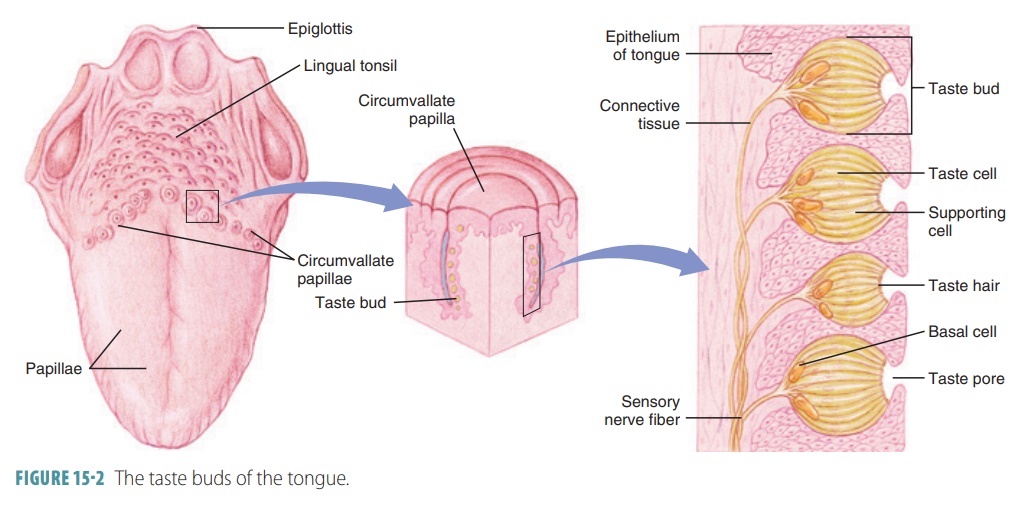
what are the two cell types of the papillae

  • gustatory cells

    • taste cells carrying information

  • basal cells

    • give rise to new taste cells

<ul><li><p><strong>gustatory cells </strong></p><ul><li><p>taste cells carrying information</p></li></ul></li><li><p><strong>basal cells </strong></p><ul><li><p>give rise to new taste cells </p></li></ul></li></ul><p></p>
32
New cards

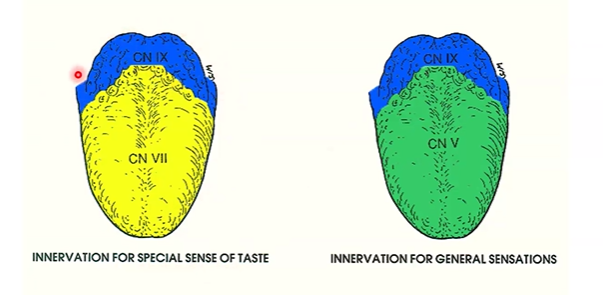
the anterior 2/3rd portion of the tongue is innervated by the….

  • sensory for taste

    • facial nerve

  • general sensory (touch and pressure)

    • mandibular division of trigeminal nerve (CN 5.3)
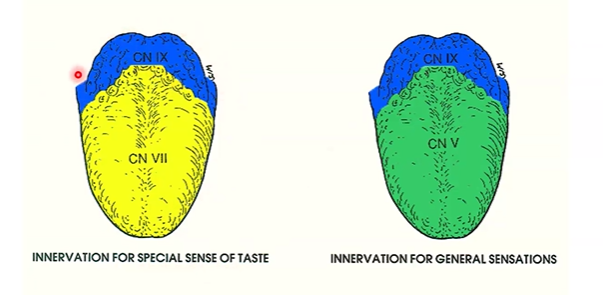
<ul><li><p>sensory for taste</p><ul><li><p><strong>facial nerve</strong></p></li></ul></li><li><p>general sensory (touch and pressure)</p><ul><li><p><strong>mandibular division of trigeminal nerve (CN 5.3)</strong></p></li></ul></li></ul><p></p><p></p>
33
New cards

the posterior 1/3rd portion of the tongue is innervated by the….

  • sensory for taste and general sensory

    • glossopharyngeal nerve (CN 9)

<ul><li><p>sensory for taste and general sensory</p><ul><li><p><strong>glossopharyngeal nerve (CN 9)</strong></p></li></ul></li></ul><p></p>
34
New cards
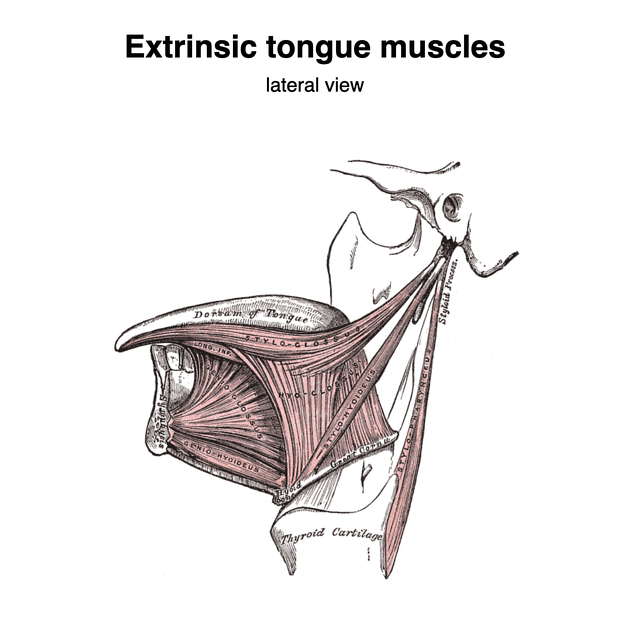
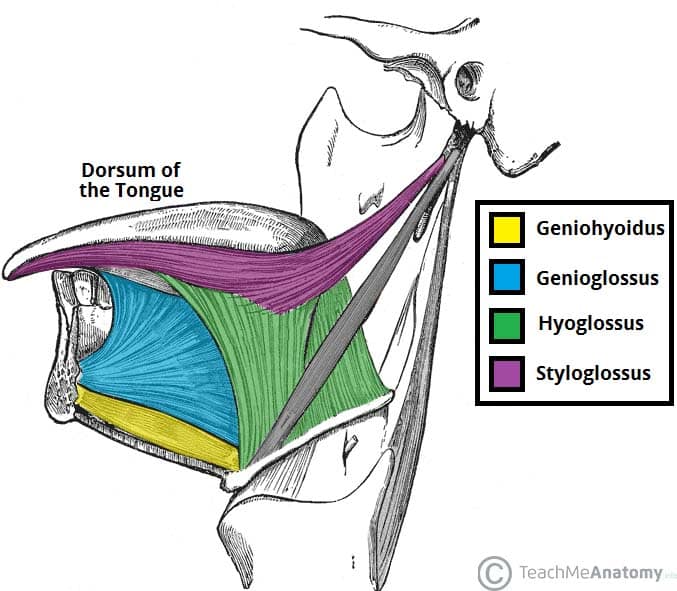
<p>What are the extrinsic muscles of the tongue</p>

What are the extrinsic muscles of the tongue

  • styloglossus

  • hypoglossus

  • genioglossus

<ul><li><p>styloglossus</p></li><li><p>hypoglossus</p></li><li><p>genioglossus</p></li></ul><p></p>
35
New cards
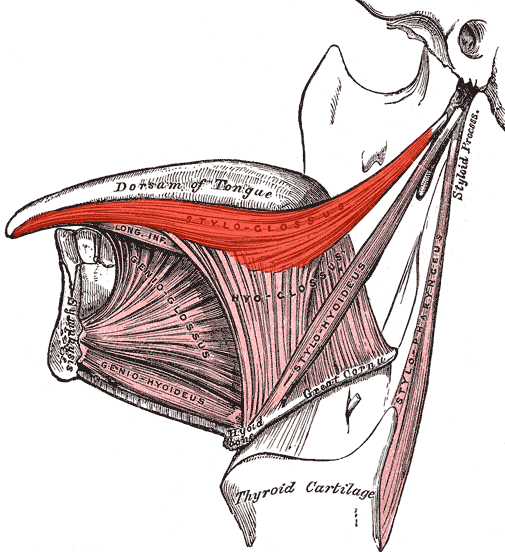
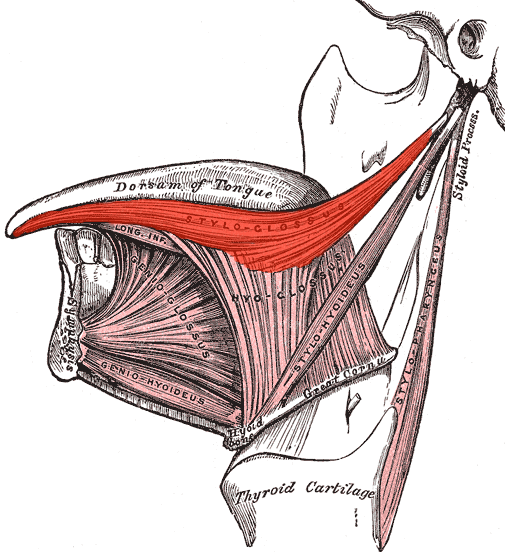
<p>what is this muscle</p>

what is this muscle

  • styloglossus m.

    • attached to styloid process

    • elevates and retracts the tongue

      • innervated by the hypoglossal nerve

<ul><li><p><strong><u>styloglossus m.</u></strong></p><ul><li><p>attached to styloid process</p></li><li><p>elevates and retracts the tongue</p><ul><li><p><em>innervated by the hypoglossal nerve </em></p></li></ul></li></ul></li></ul><p></p>
36
New cards
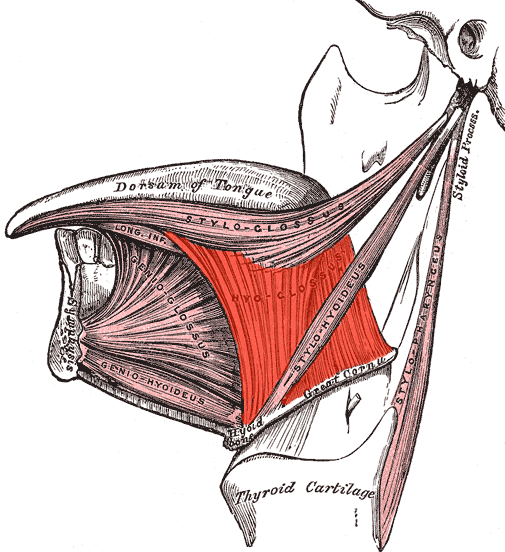
<p>what is this muscle</p>

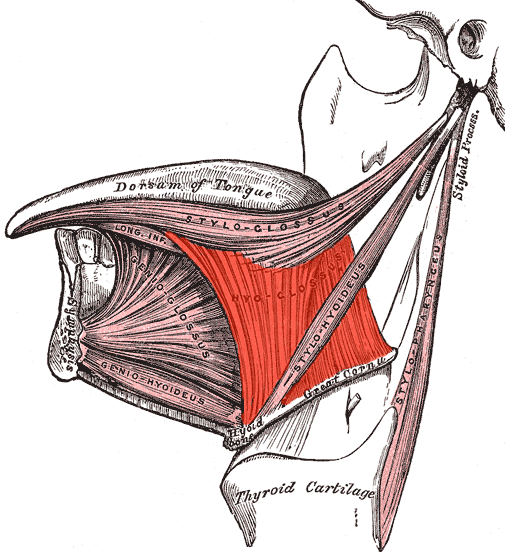
what is this muscle

  • hyoglossus muscle

    • attached to hyoid bone

    • depresses and retracts the tongue

      • innervated by the hypoglossal nerve

<ul><li><p><strong><u>hyoglossus muscle</u></strong></p><ul><li><p>attached to hyoid bone</p></li><li><p>depresses and retracts the tongue</p><ul><li><p><em>innervated by the hypoglossal nerve </em></p></li></ul></li></ul></li></ul><p></p>
37
New cards
<p>what is this</p>

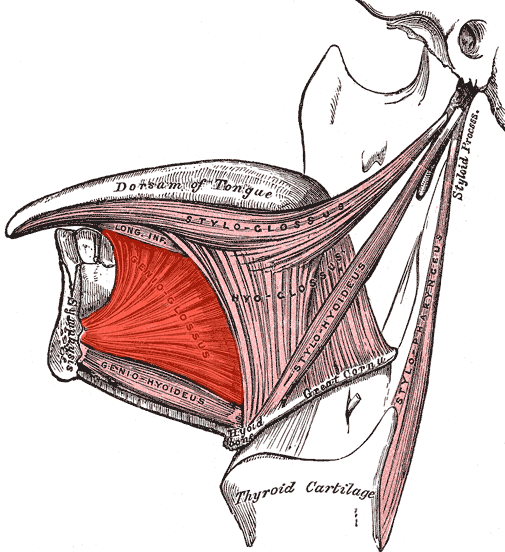
what is this

  • genioglossus m.

    • protraction of the tongue

<ul><li><p>genioglossus m.</p><ul><li><p> protraction of the tongue</p></li></ul></li></ul><p></p>
38
New cards

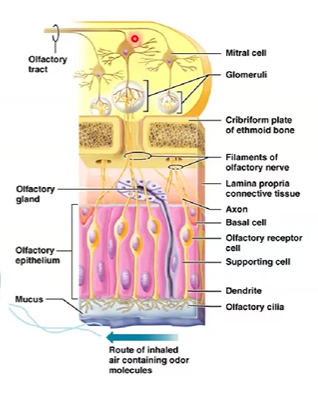
describe the olfactory sensory pathway

  • odor is first detected by dendritic end of neuron

  • carried up to the axon of the receptor

  • runs through the cribriform foramina

  • synapses on mitral cells on the olfactory bulb

  • goes through the olfactory tract

<ul><li><p>odor is first detected by dendritic end of neuron </p></li><li><p>carried up to the axon of the receptor</p></li><li><p>runs through the cribriform foramina </p></li><li><p>synapses on mitral cells on the olfactory bulb</p></li><li><p>goes through the olfactory tract</p></li></ul><p></p>
39
New cards

the axons of the olfactory receptor cells synapse to form the _______ and the axons of the mitral cells synapse to form the __________

the axons of the olfactory receptor cells synapse to form the olfactory nerve and the axons of the mitral cells synapse to form the olfactory tract
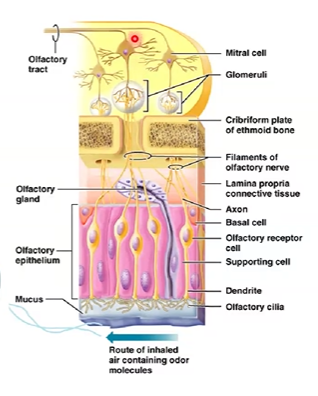
<p>the <em>axons </em>of the<strong> olfactory receptor cells </strong>synapse to form the <span style="color: red;"><strong>olfactory nerve </strong></span>and the <em>axons </em>of the <strong>mitral cells</strong> synapse to form the <span style="color: blue;"><strong>olfactory tract</strong></span></p>
40
New cards

describe the olfactory pathway in the brain

  • skips the thalamus and goes directly to primary olfactory cortex in temporal lobe

    • or through the subcortical route to elicit emotion and memory

41
New cards

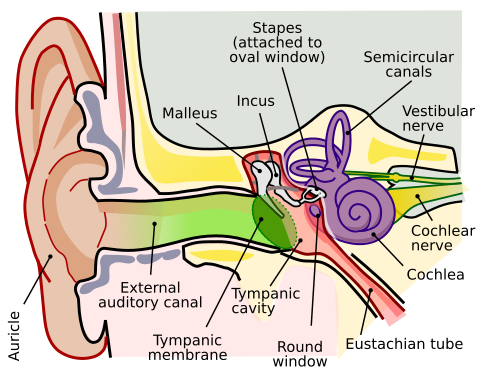
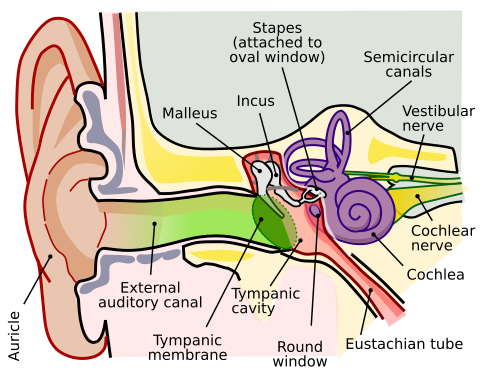
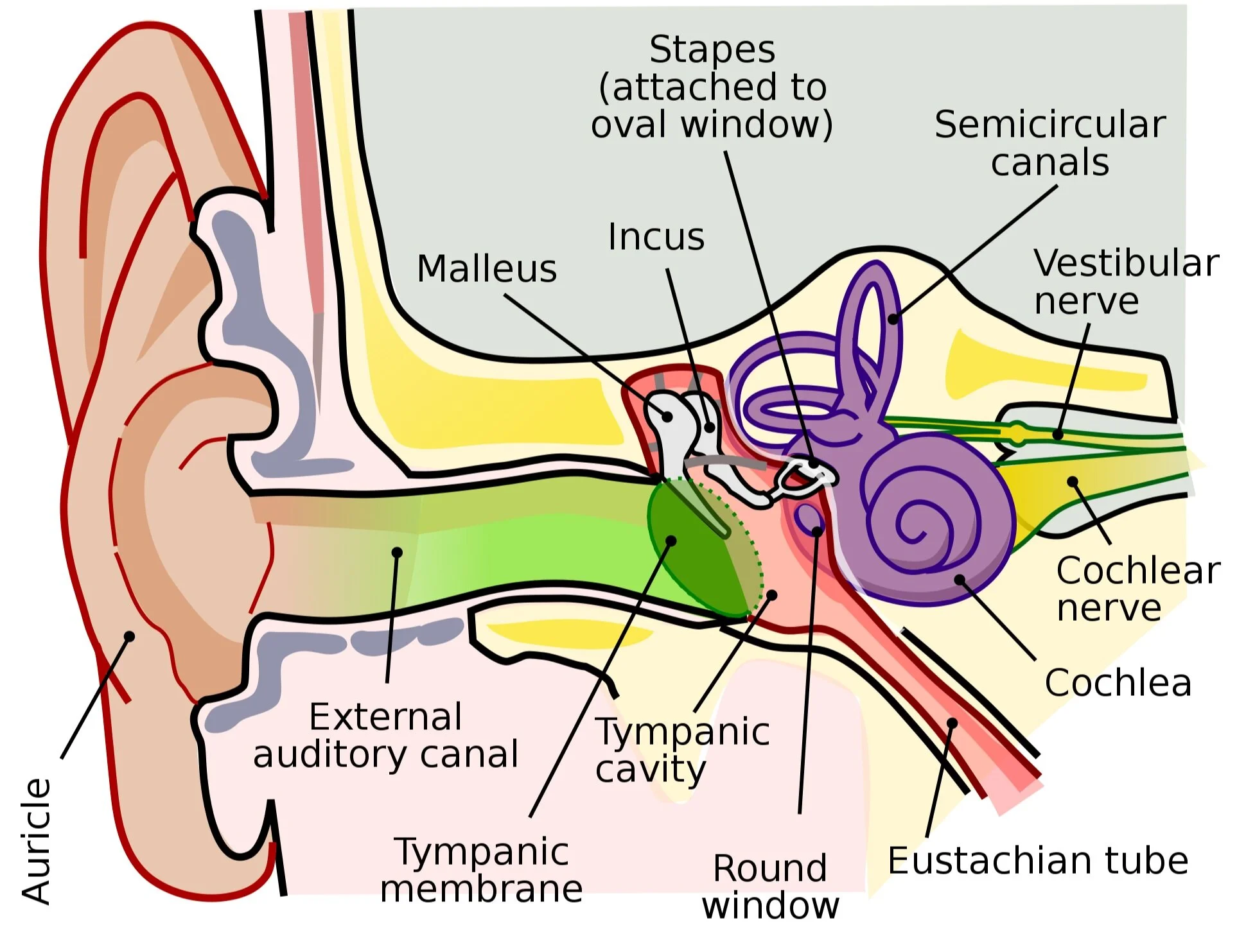
describe the external parts of the ear

  • auricle

    • localized soundwaves to enter the ear

  • external auditory canal

  • tympanic membrane

    • ear drum

<ul><li><p>auricle</p><ul><li><p>localized soundwaves to enter the ear</p></li></ul></li><li><p>external auditory canal</p></li><li><p>tympanic membrane</p><ul><li><p>ear drum</p></li></ul></li></ul><p></p>
42
New cards

describe the middle parts of the ear

  • auditory ossicle bones

    • malleus

    • incus

    • stapes

  • pharyngotympanic tube

<ul><li><p>auditory ossicle bones</p><ul><li><p>malleus </p></li><li><p>incus</p></li><li><p>stapes</p></li></ul></li><li><p>pharyngotympanic tube</p></li></ul><p></p>
43
New cards

describe the inner parts of the ear

  • oval window

  • cochlea

    • sensory receptors for hearing

  • semi-circular canals

    • balance and equilibrium

  • round window

    • release of pressure

<ul><li><p>oval window</p></li><li><p>cochlea</p><ul><li><p>sensory receptors for hearing</p></li></ul></li><li><p>semi-circular canals</p><ul><li><p>balance and equilibrium</p></li></ul></li><li><p>round window </p><ul><li><p>release of pressure</p></li></ul></li></ul><p></p>
44
New cards

sensory receptors from the cochlear nerve carry information to ________ and receptors from semicircular canals carry information to the ________

sensory receptors from the cochlear nerve carry information to cochlear nerve and receptors from semicircular canals carry information to the vestibular nerve

45
New cards

the cochlear and vestibular nerves combine to form the __________

the cochlear and vestibular nerves combine to form the vestibulocochlear nerve
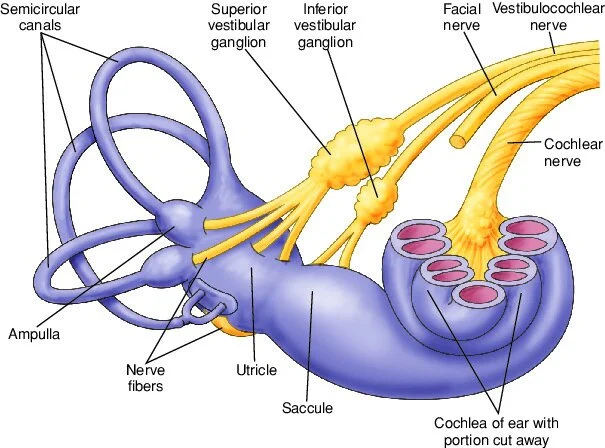
<p>the <strong>cochlear </strong>and <strong>vestibular </strong>nerves combine to form <span style="color: green;"><strong><u>the vestibulocochlear nerve</u></strong></span></p>

Explore top notes

note
Shakespeare
Updated 946d ago
0.0(0)
note
Memory
Updated 1089d ago
0.0(0)
note
Supply Chain Test #2
Updated 720d ago
0.0(0)
note
Unit 2: Poetry I
Updated 1082d ago
0.0(0)
note
Unit 2 Ap psych review
Updated 324d ago
0.0(0)
note
Shakespeare
Updated 946d ago
0.0(0)
note
Memory
Updated 1089d ago
0.0(0)
note
Supply Chain Test #2
Updated 720d ago
0.0(0)
note
Unit 2: Poetry I
Updated 1082d ago
0.0(0)
note
Unit 2 Ap psych review
Updated 324d ago
0.0(0)

Explore top flashcards

flashcards
Chapter 5 - Language
31
Updated 1197d ago
0.0(0)
flashcards
WWII Terms
20
Updated 782d ago
0.0(0)
flashcards
Chapter 12-Latin
50
Updated 860d ago
0.0(0)
flashcards
Study Hints for Unit 3
32
Updated 494d ago
0.0(0)
flashcards
APUSH AP ExamVocab
314
Updated 1061d ago
0.0(0)
flashcards
Supply Chain Management MidTerm
34
Updated 904d ago
0.0(0)
flashcards
4.2
70
Updated 973d ago
0.0(0)
flashcards
2B Verbos -car, -gar, -zar
41
Updated 1084d ago
0.0(0)
flashcards
Chapter 5 - Language
31
Updated 1197d ago
0.0(0)
flashcards
WWII Terms
20
Updated 782d ago
0.0(0)
flashcards
Chapter 12-Latin
50
Updated 860d ago
0.0(0)
flashcards
Study Hints for Unit 3
32
Updated 494d ago
0.0(0)
flashcards
APUSH AP ExamVocab
314
Updated 1061d ago
0.0(0)
flashcards
Supply Chain Management MidTerm
34
Updated 904d ago
0.0(0)
flashcards
4.2
70
Updated 973d ago
0.0(0)
flashcards
2B Verbos -car, -gar, -zar
41
Updated 1084d ago
0.0(0)