Ethics: Determinism
 Studied by 0 people
 Call Kai
 Learn
Learn Practice Test
 Spaced Repetition
 Match
Match Flashcards
 Knowt Play
1/20

There's no tags or description
Looks like no tags are added yet.
Name | Mastery | Learn | Test | Matching | Spaced | Call with Kai |
|---|
No analytics yet
Send a link to your students to track their progress
21 Terms
Overarching name for Determinist views
Traditional Hard Determinism
Three types of Determinism
- Scientific determinism
- Psychological behaviourism
- Theological determinism

Scientific Determinism
Based on evidence from the natural & applied (newer) sciences, e.g. psychology & sociology

Psychological Behaviourism
- Human behaviour is caused (mostly) by environmental conditions
- All actions are conditioned by previous ones
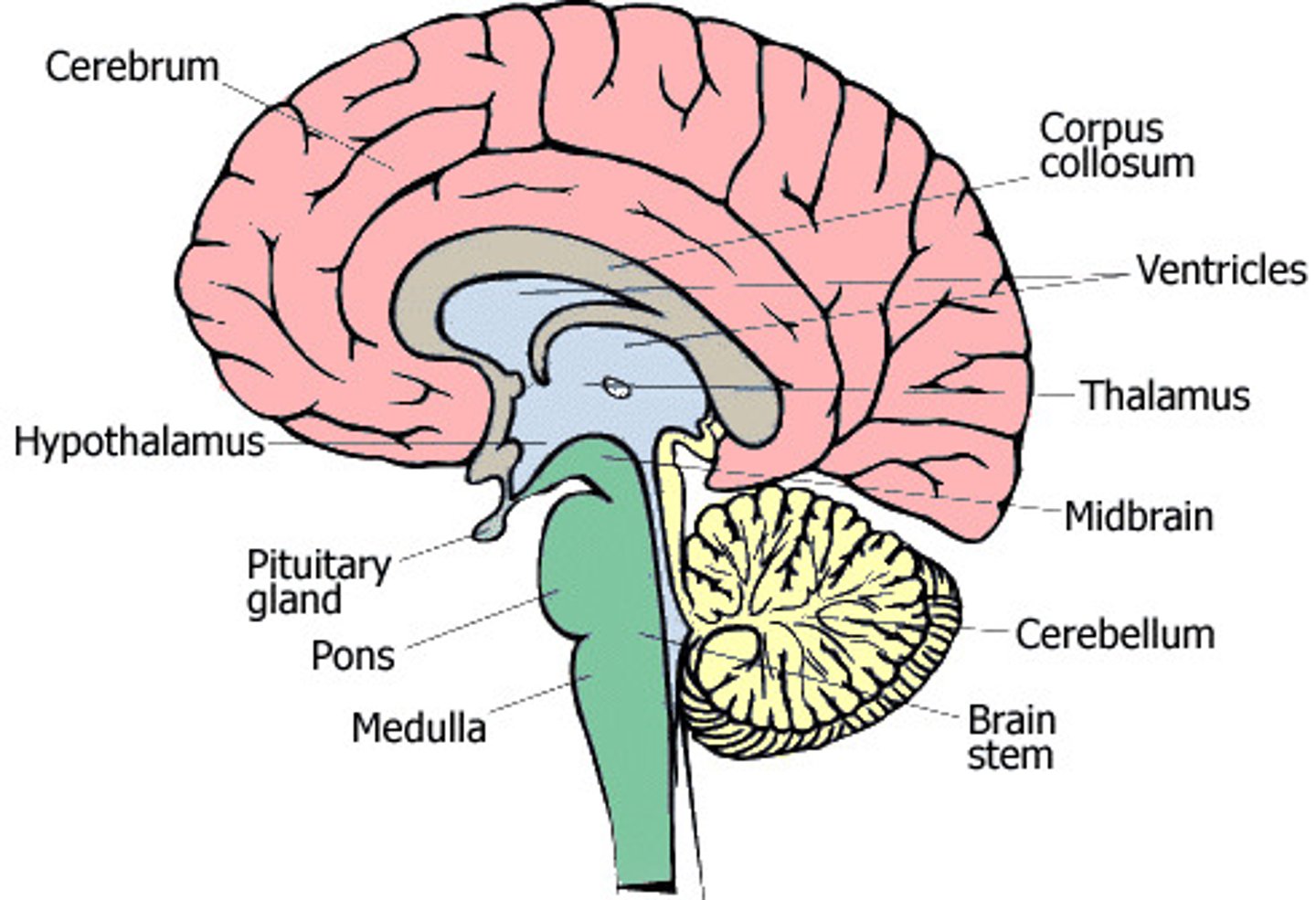
What is Traditional Hard Determinism based on ?
Universal causation

Universal Causation
Nothing is random and nothing is free

What do many Hard Determinists adopt?
Reductionist approach

Reductionist approach
Human behaviour can be reduced to the laws of physics
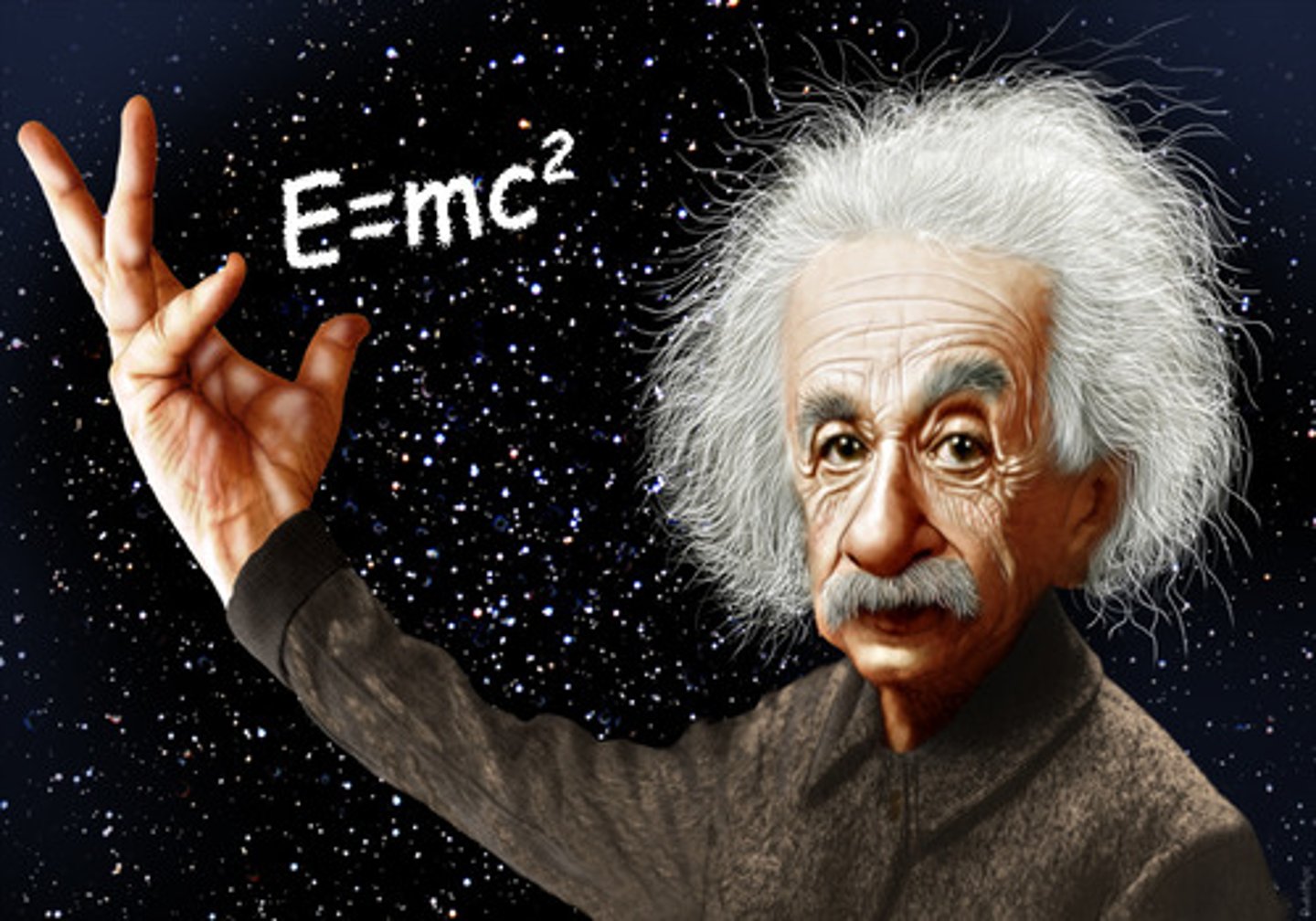
Hard Determinism views
- Apparent lack of cause for some actions = Due to ignorance
- Freedom to choose = Illusion referred to by Spinoza as "dreaming with our eyes open."

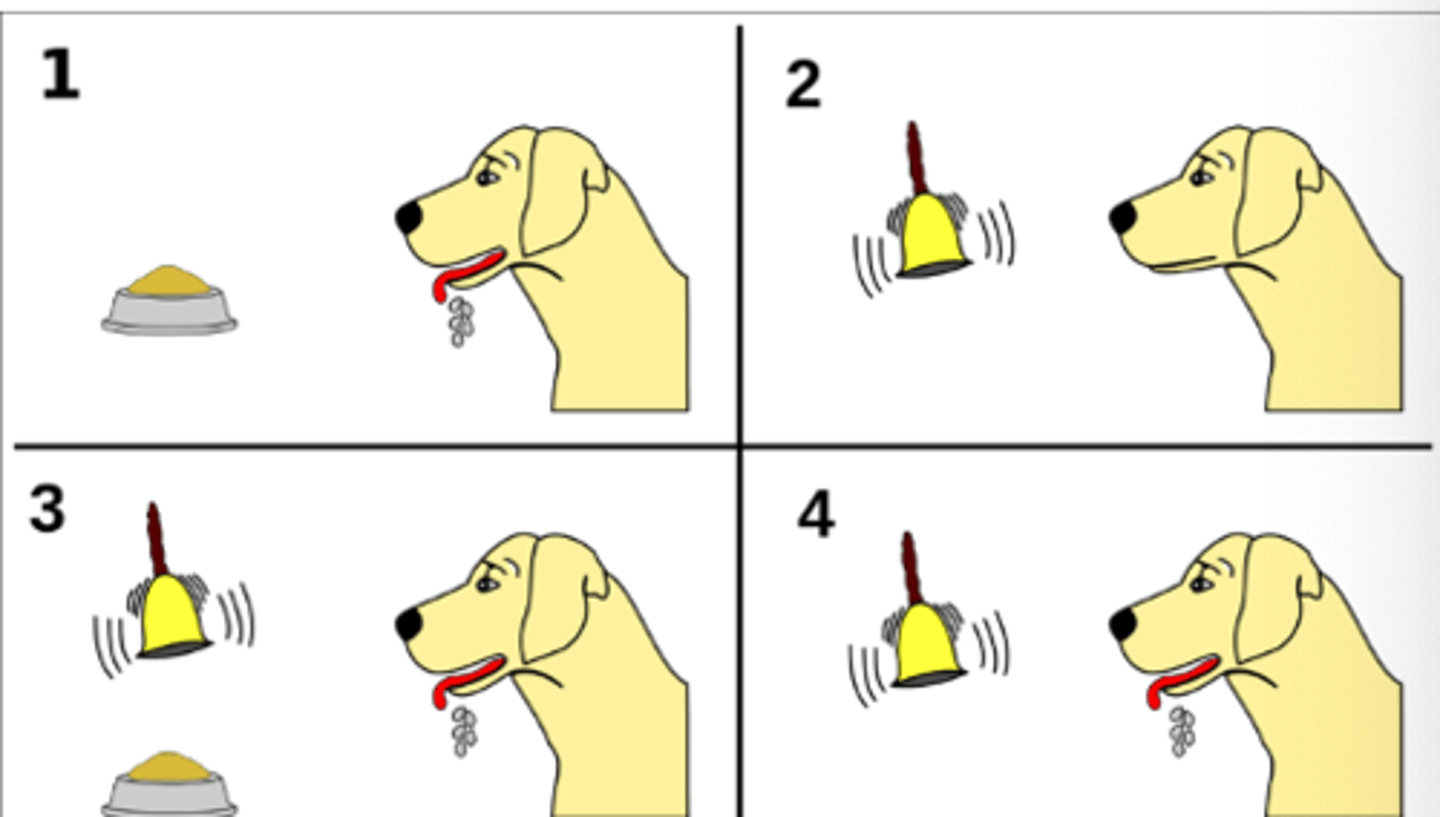
Psychological behaviourism origins
Early 20th Century studies of Pavlov on canine digestive glands
Psychological behaviourism scholars
Watson & Skinner
PB view of free will - Watson
- People would feel free because they were doing what they wanted.
- Free Will = Non-empirical "mentalist constructs" that were therefore of no use in scientific enquiry.
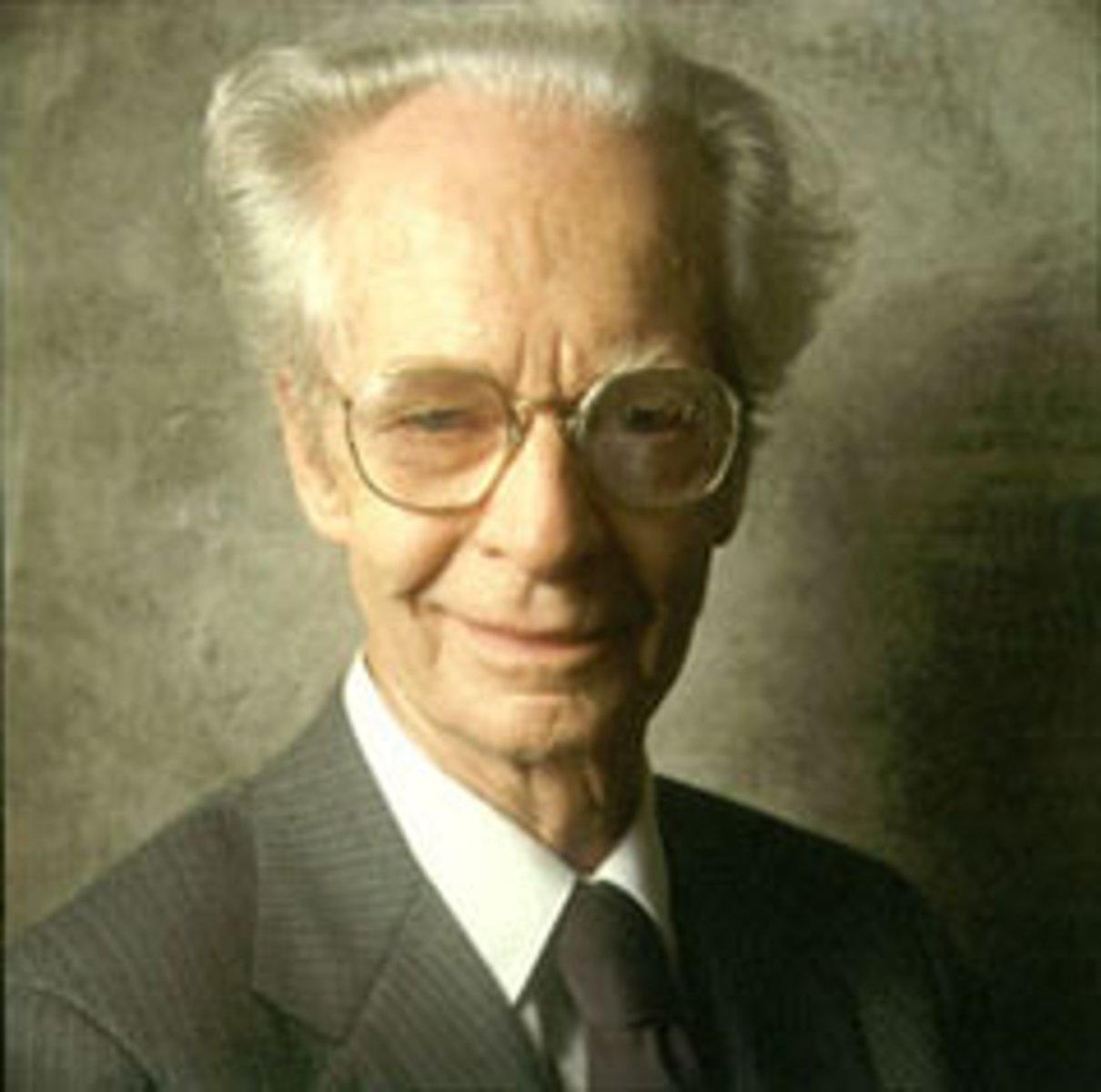
Difference between Watson & Skinner
- Watson focused on fear
- Skinner preferred positive reinforcement
Shared view of Watson & Skinner
Claimed that "conditioning by the carrot or the stick" could lead to changed behaviour.

Criticisms of Skinner's theories
- Human behaviour is much more complex than that shown in animal studies
- If everything is a set of conditioned responses, then his theory is just a response

Spinoza Hard Determinism quote
"Men think themselves free on account of this alone, that they are conscious of their actions and ignorant of the causes of them."

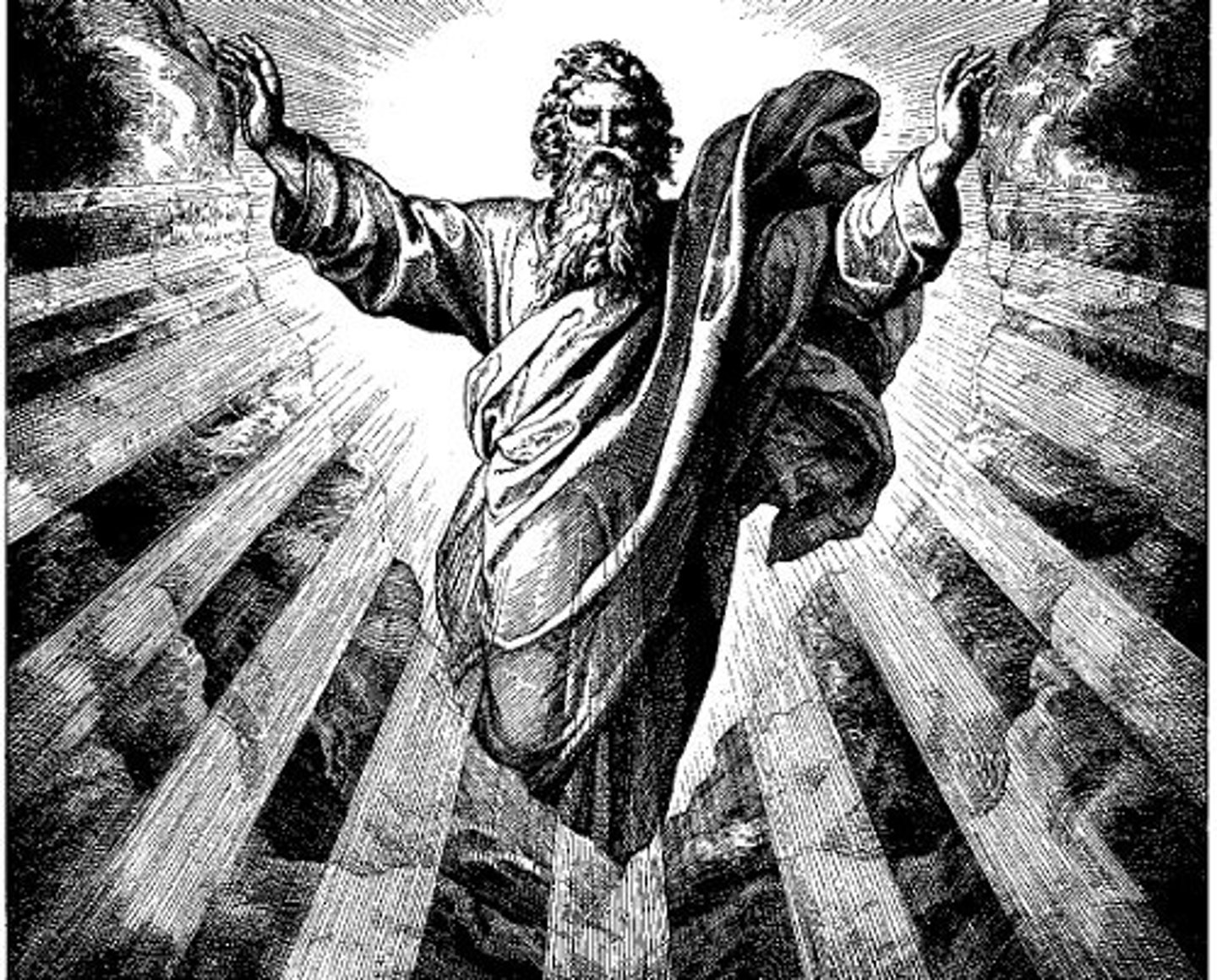
Theological Determinism
The focus on predestination to show that we do not have free will; God's omniscience is causative.
Theological Determinism scholars
Augustine, Calvin & Aquinas
Aquinas' solution to Theological Determinism
- God's omniscience is not causative
- God exists timelessly and so simply knows
- Actions stemming from free choices cause God's timeless knowledge.

Process theology view of predestination
God exists in time and so cannot know the future or our actions, so we are free.

Theological Determinism quote - Norman Geisler
"Moral determinism makes God immoral and makes humans amoral."
 Note
Note  Flashcards (132)