PSK4U - Unit 3 Review

0.0(0)
studied byStudied by 0 people
0.0(0)
full-widthCall Kai
learnLearn
examPractice Test
spaced repetitionSpaced Repetition
heart puzzleMatch
flashcardsFlashcards
GameKnowt Play
Card Sorting

1/67

encourage image

There's no tags or description

Looks like no tags are added yet.

Study Analytics
Name
Mastery
Learn
Test
Matching
Spaced

No study sessions yet.

68 Terms

1
New cards

Appendicular Skeleton

Includes moveable limbs (arms, wrists, hands, fingers, legs, ankles, feet, & toes) and supporting girdles (pectoral & pelvic girdles).
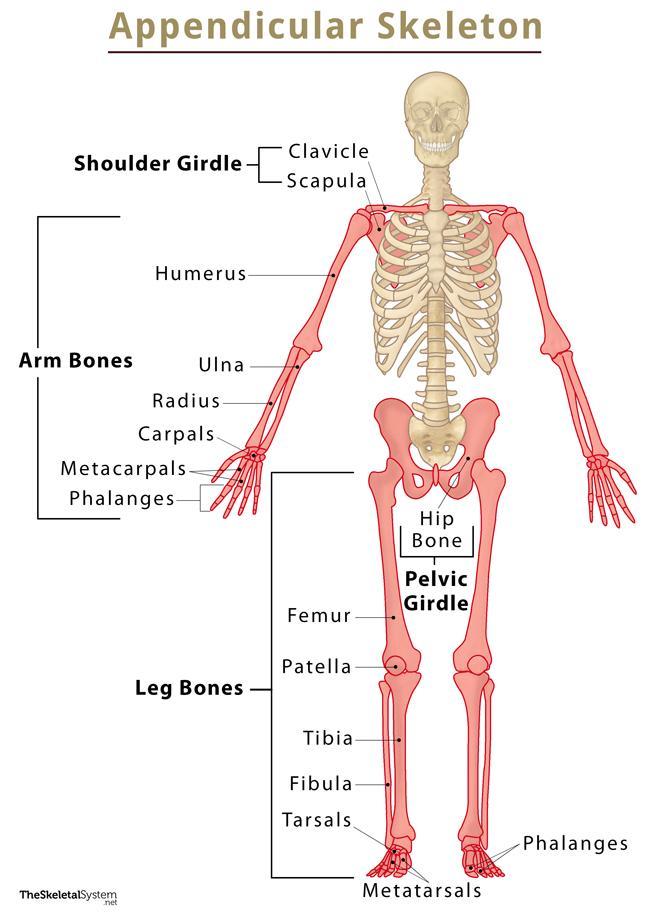
<p>Includes moveable limbs (arms, wrists, hands, fingers, legs, ankles, feet, &amp; toes) and supporting girdles (pectoral &amp; pelvic girdles).</p>
2
New cards

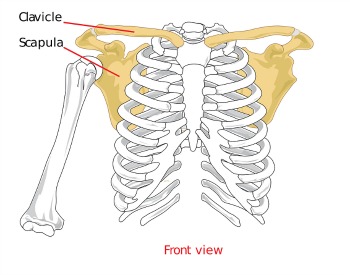
Pectoral Girdle

Scapula and Clavicle

<p>Scapula and Clavicle</p>
3
New cards

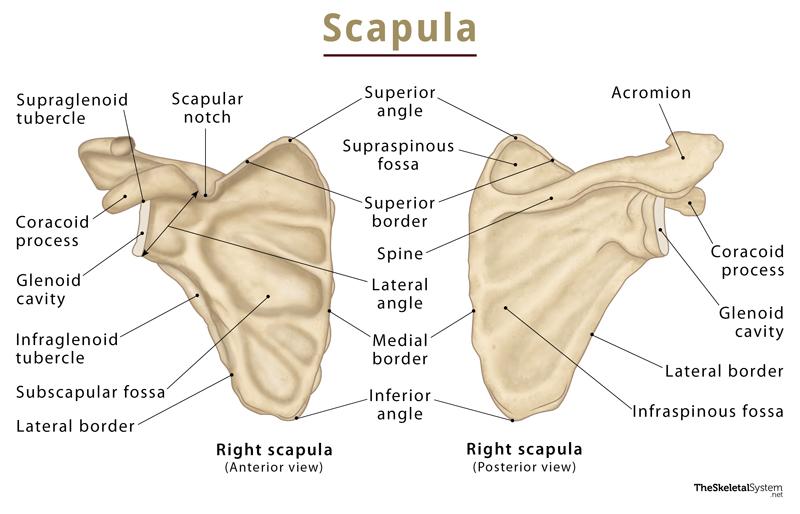
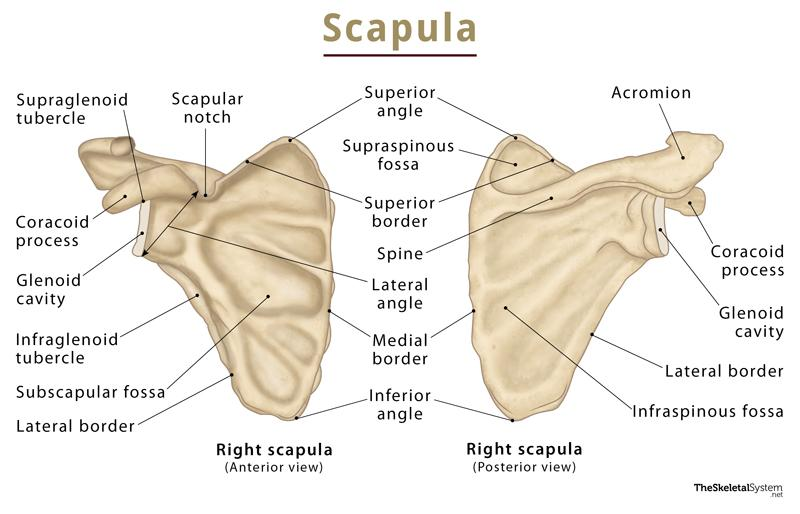
Scapula

  • Attach the upper arm to the thorax

  • Makes up part of the shoulder

<ul><li><p>Attach the upper arm to the thorax</p></li><li><p>Makes up part of the shoulder</p></li></ul><p></p>
4
New cards

Clavicle

Rigid support for scapula and humerus

Keeps the upper limb away from the thorax to allow maximum range of movement
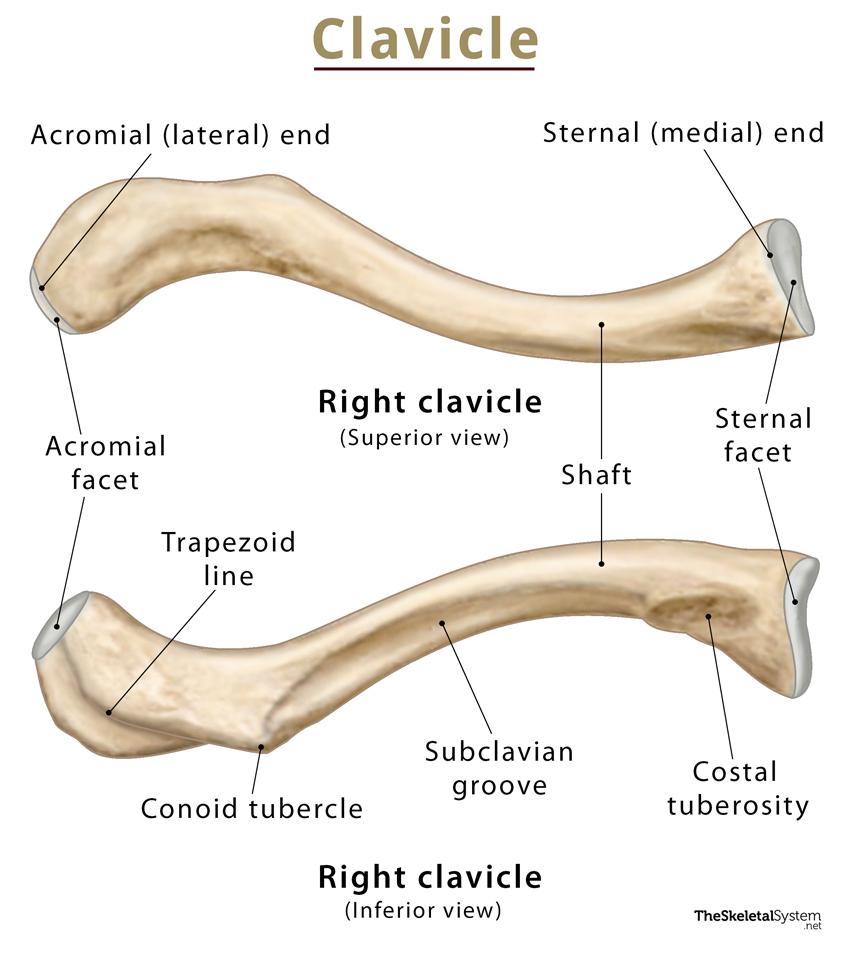
<p>Rigid support for scapula and humerus</p><p>Keeps the upper limb away from the thorax to allow maximum range of movement</p>
5
New cards

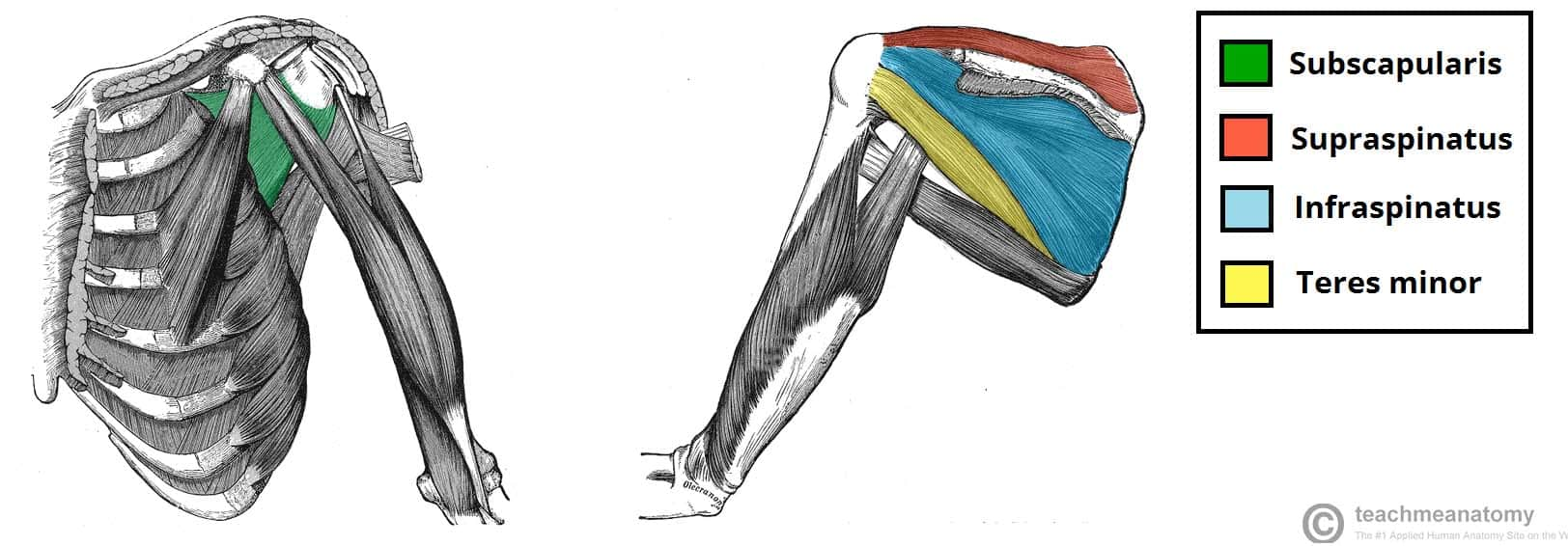
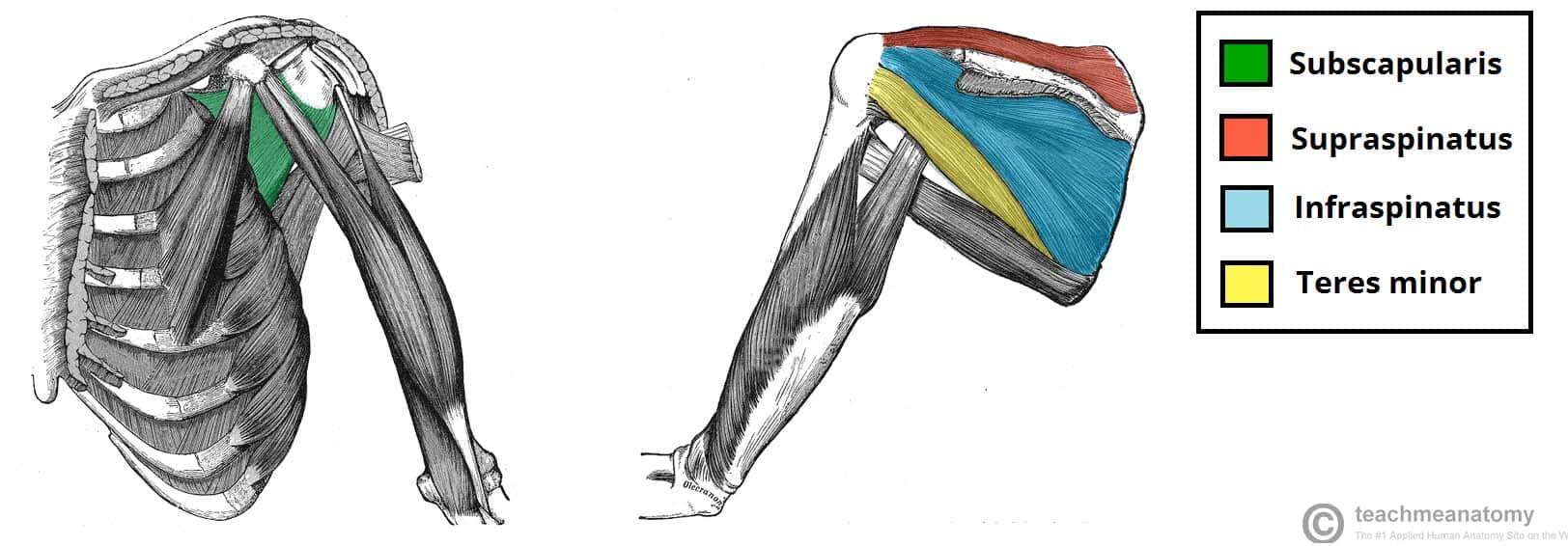
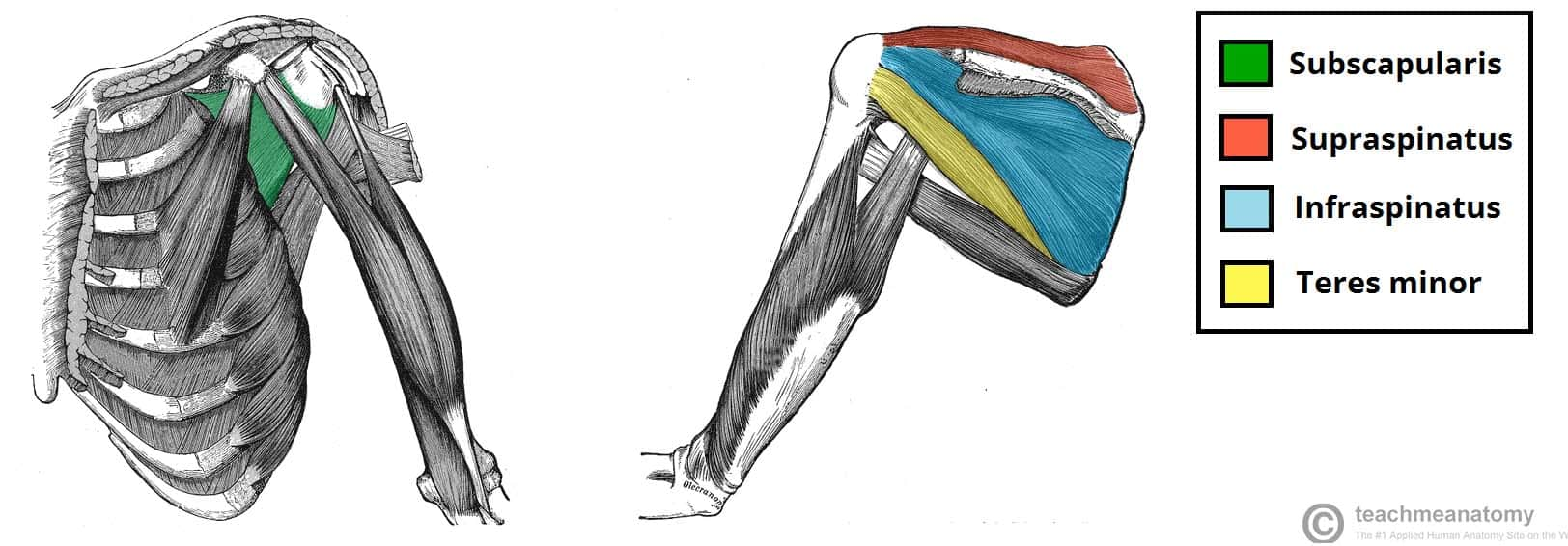
Upper Limbs

Humerus, Radius, Ulna, Carpals, Metacarpals, Phalanges
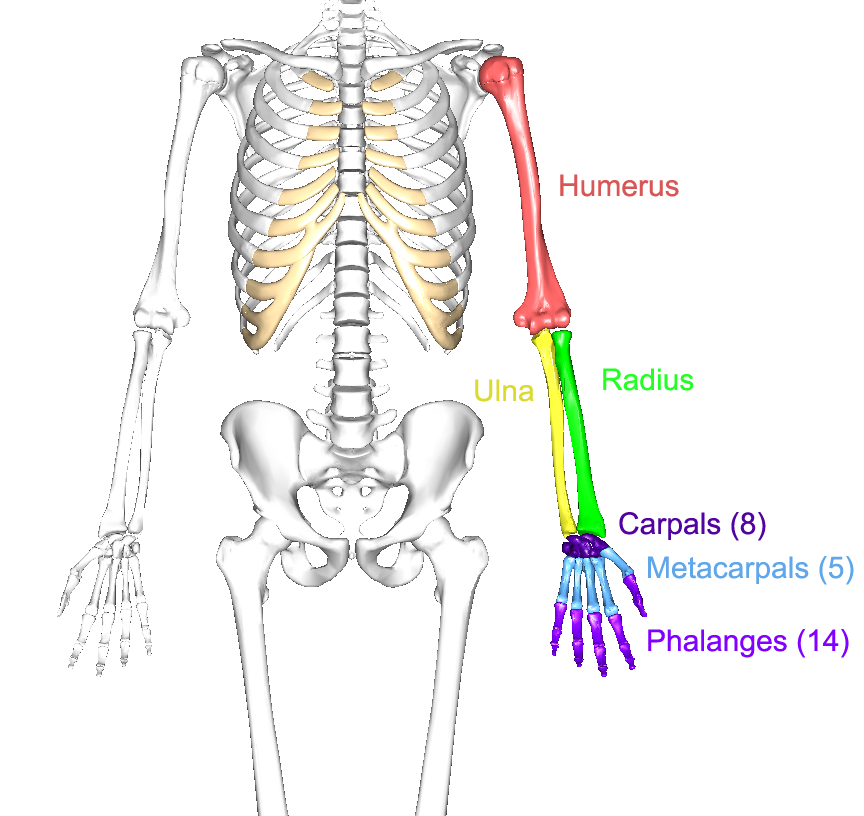
<p>Humerus,&nbsp;Radius, Ulna, Carpals, Metacarpals,&nbsp;Phalanges</p>
6
New cards

Humerus

  • Largest bone in the arm

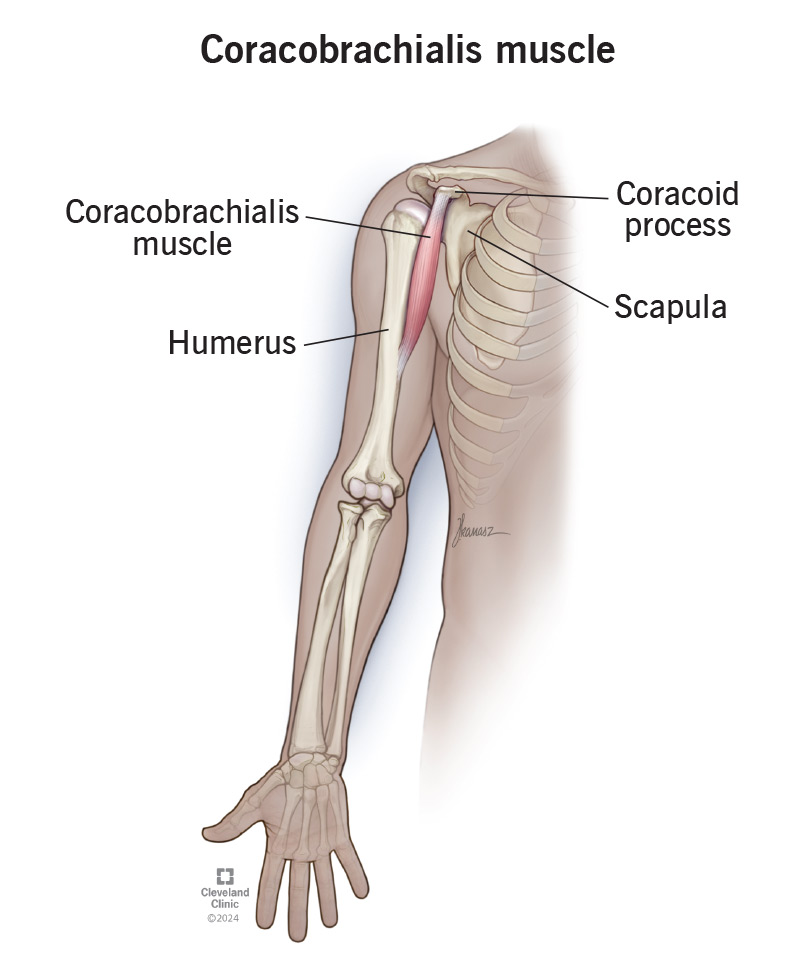
  • Powerful muscles that manipulate the upper arm at the shoulder and the forearm at the elbow are anchored to the humerus
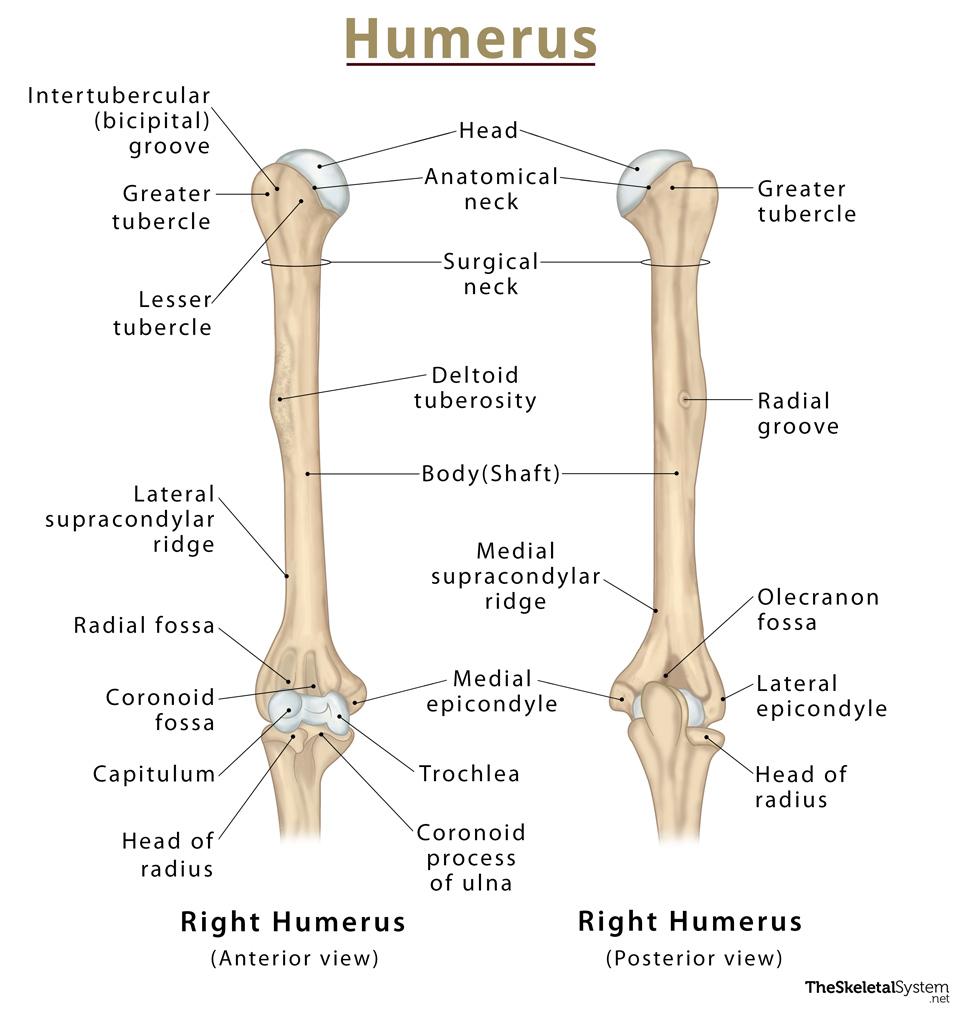
<ul><li><p>Largest bone in the arm</p></li><li><p>Powerful muscles that manipulate the upper arm at the shoulder and the forearm at the elbow are anchored to the humerus</p></li></ul><p></p>
7
New cards

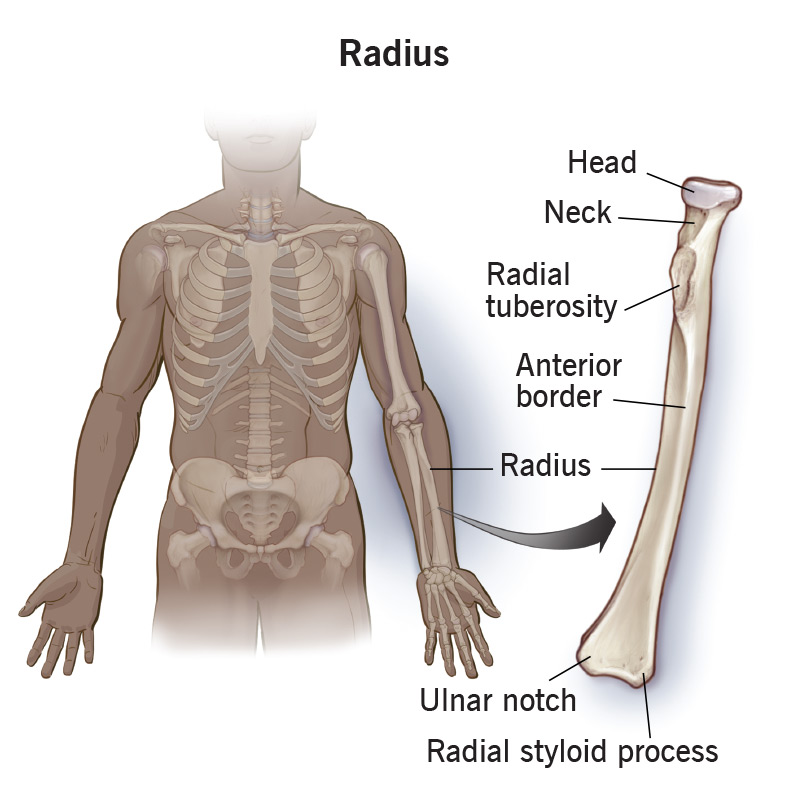
Radius

  • Slightly shorter of the two forearm bones

  • On the thumb side of the forearm and rotates to allow the hand to pivot at the wrist
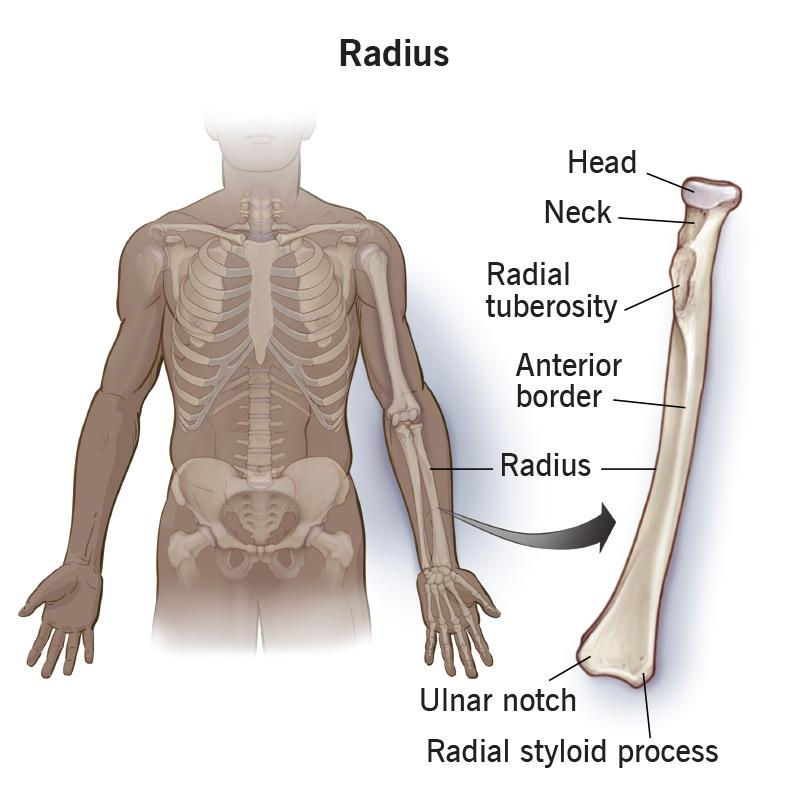
<ul><li><p>Slightly shorter of the two forearm bones</p></li><li><p>On the thumb side of the forearm and rotates to allow the hand to pivot at the wrist</p></li></ul><p></p>
8
New cards

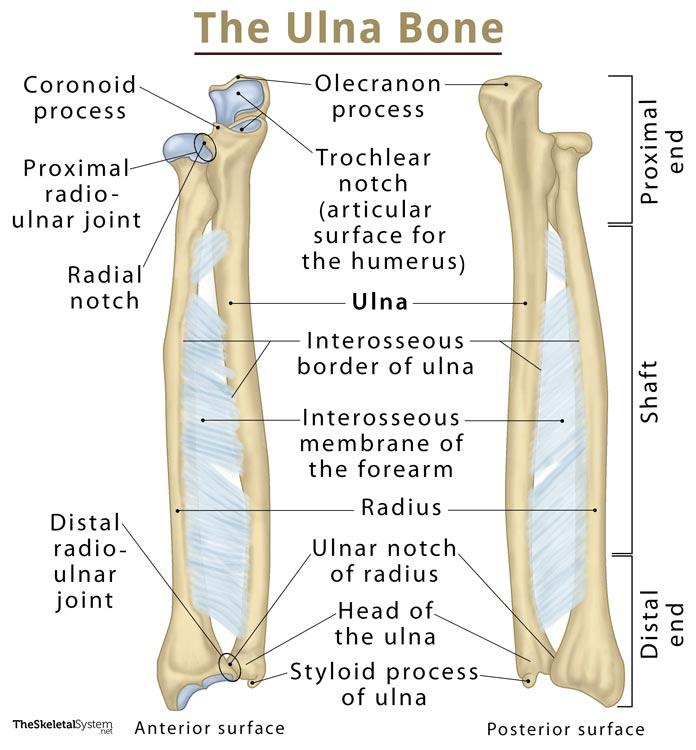
Ulna

Together with the radius, the ulna enables the wrist joint to rotate
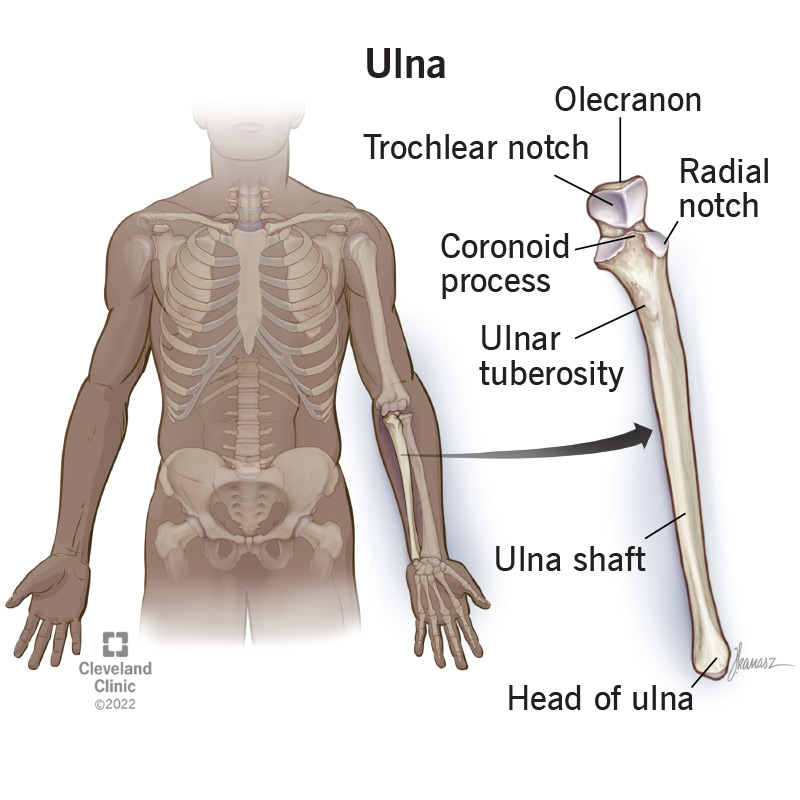
<p>Together with the radius, the ulna enables the wrist joint to rotate</p>
9
New cards

Carpals

  • Facilitate effective positioning of the hand

  • Increase the freedom of movements at the wrist
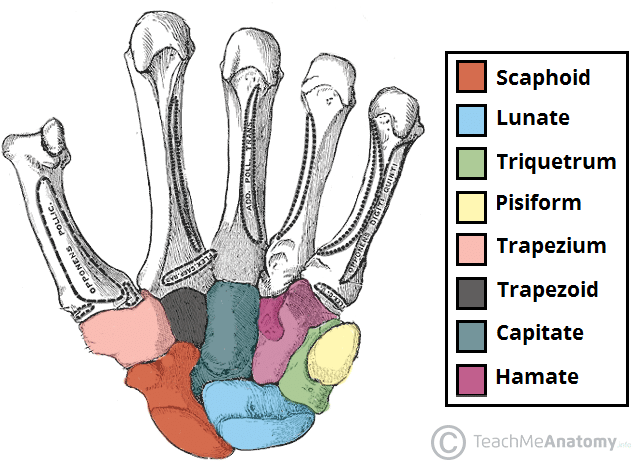
<ul><li><p>Facilitate effective positioning of the hand</p></li><li><p>Increase the freedom of movements at the wrist</p></li></ul><p></p>
10
New cards

Metacarpals

Stabilizes the palmar and dorsal regions of the hand
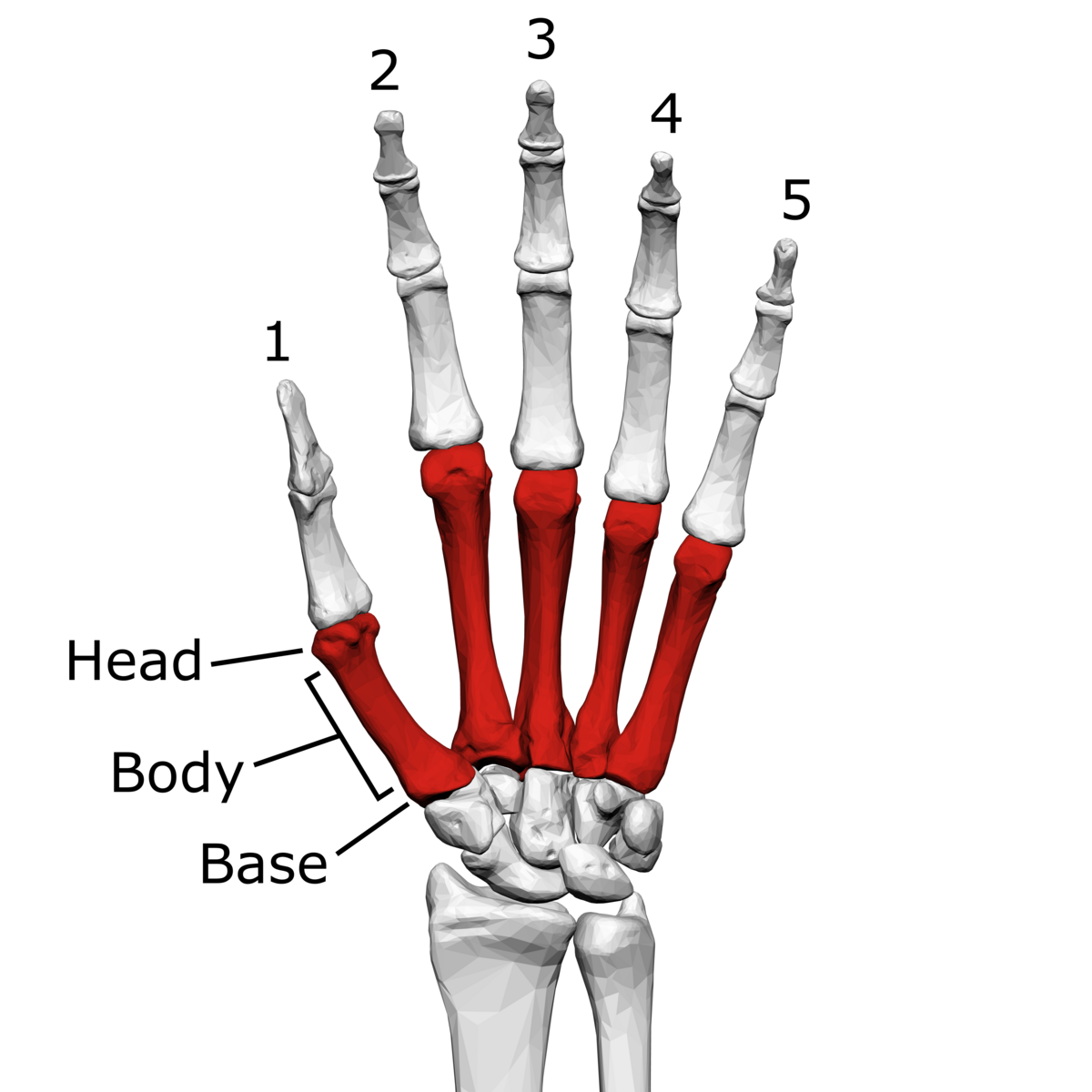
<p>Stabilizes the palmar and dorsal regions of the hand</p>
11
New cards

Phalanges (Hand)

Produce fine and skilled movements of the hands
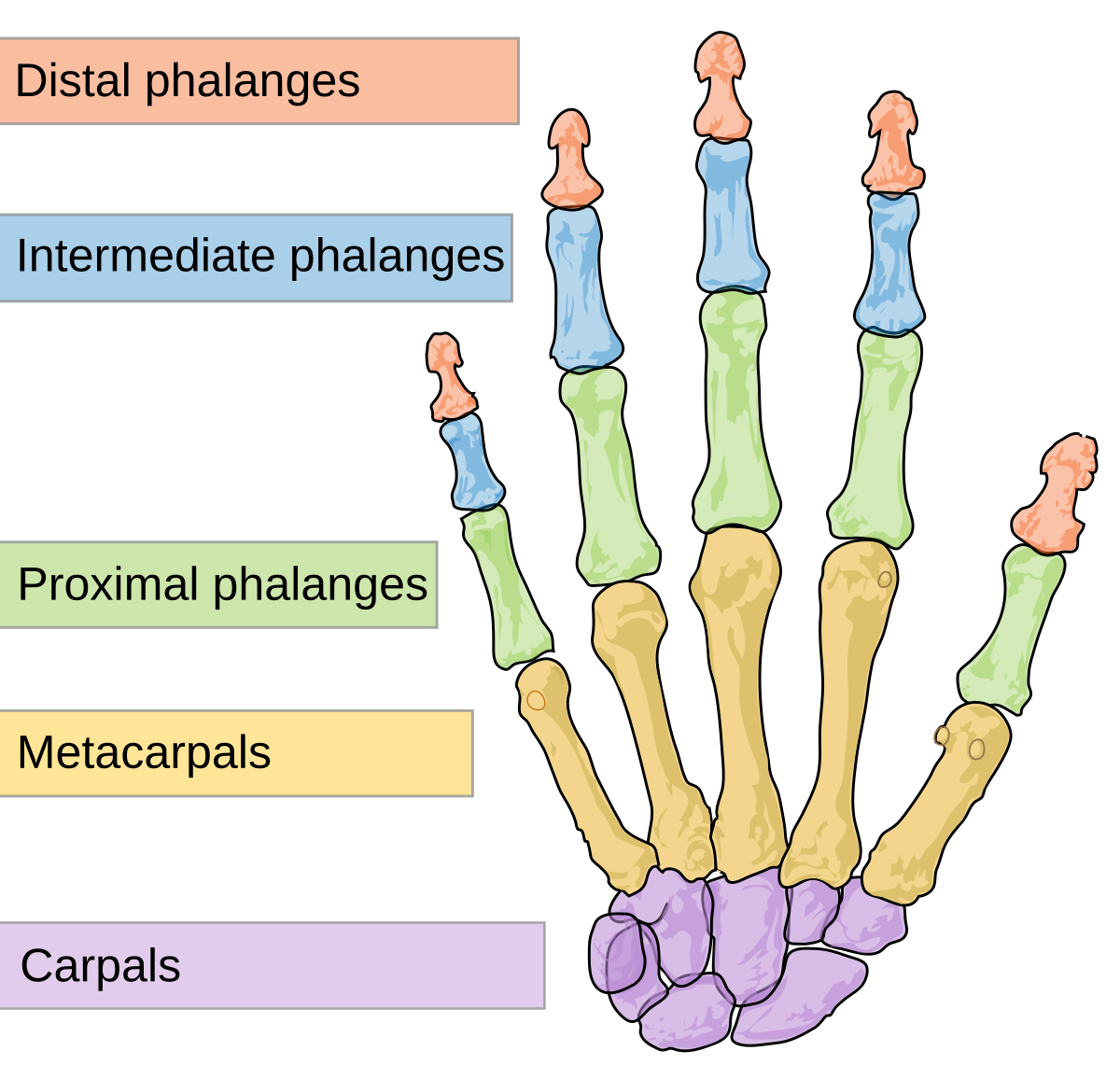
<p>Produce fine and skilled movements of the hands</p>
12
New cards

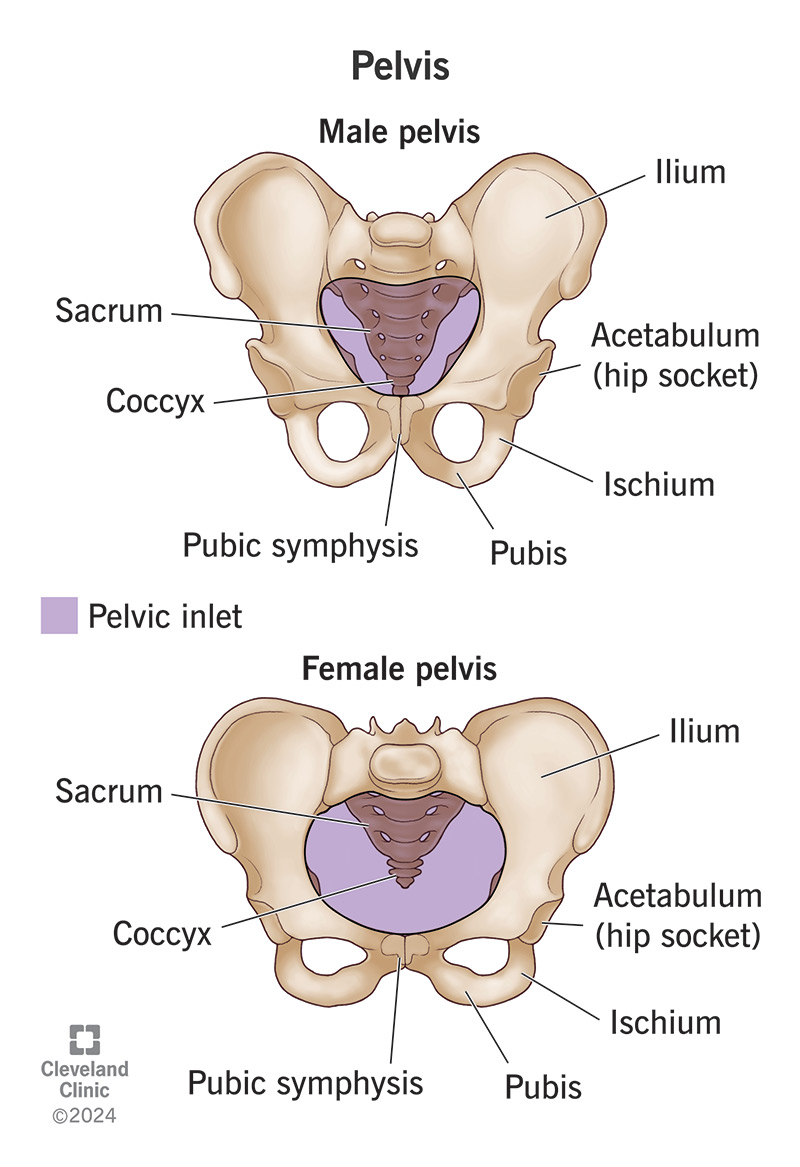
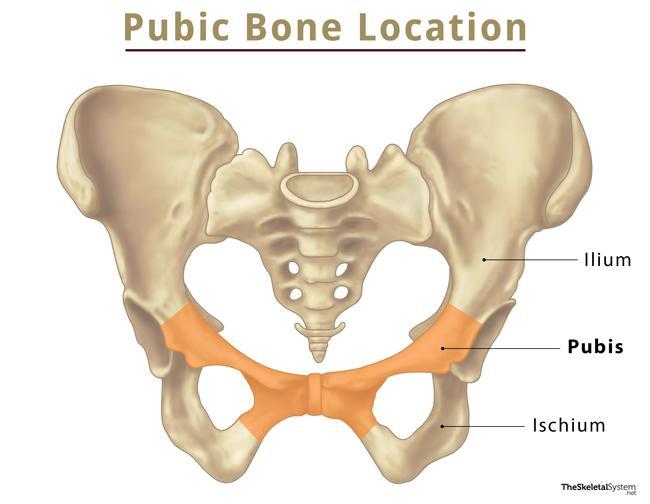
Pelvic Girdle

Sacrum, Coccyx, Ilium, Ischium, Pubis
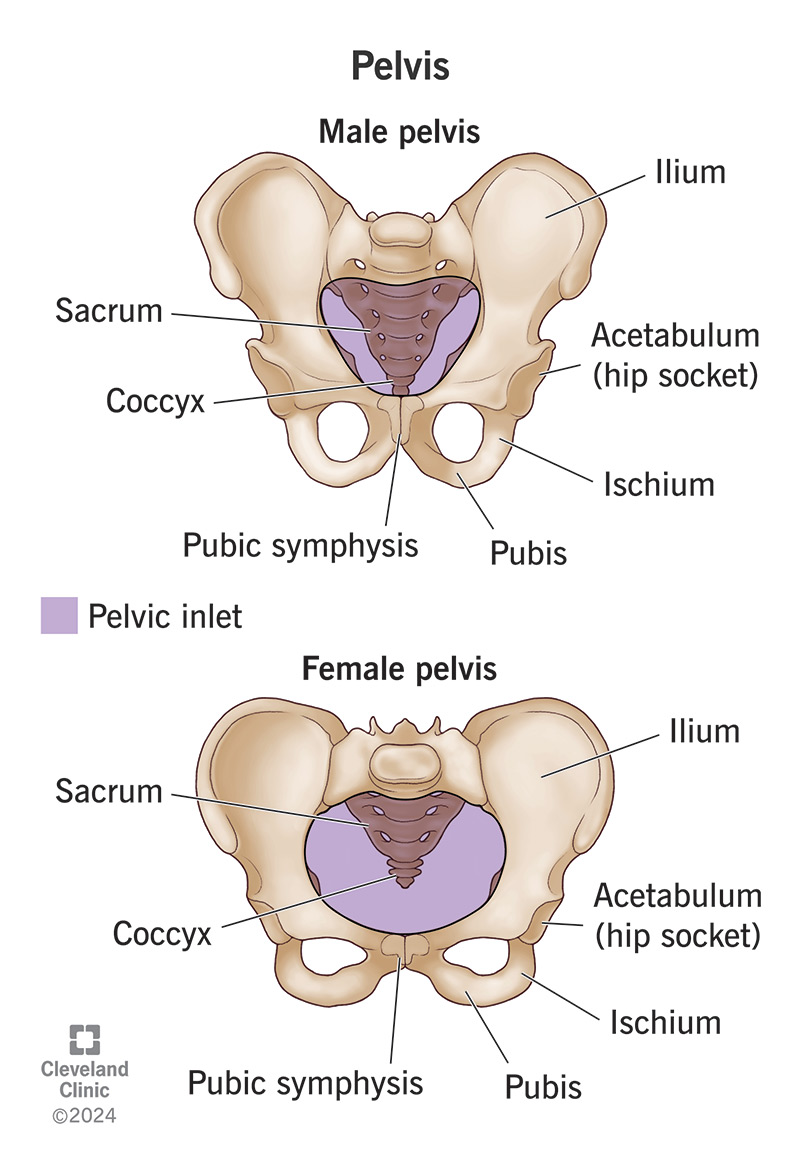
<p>Sacrum, Coccyx, Ilium, Ischium, Pubis</p>
13
New cards

Pelvis

  • Transfer of weight from the upper axial skeleton to the lower appendicular components of the skeleton

  • Provides attachment for a number of muscles and ligaments used in locomotion.

  • Protects abdominal and pelvic area

<ul><li><p>Transfer of weight from the upper axial skeleton to the lower appendicular components of the skeleton</p></li><li><p>Provides attachment for a number of muscles and ligaments used in locomotion.</p></li><li><p>Protects abdominal and pelvic area</p></li></ul><p></p>
14
New cards

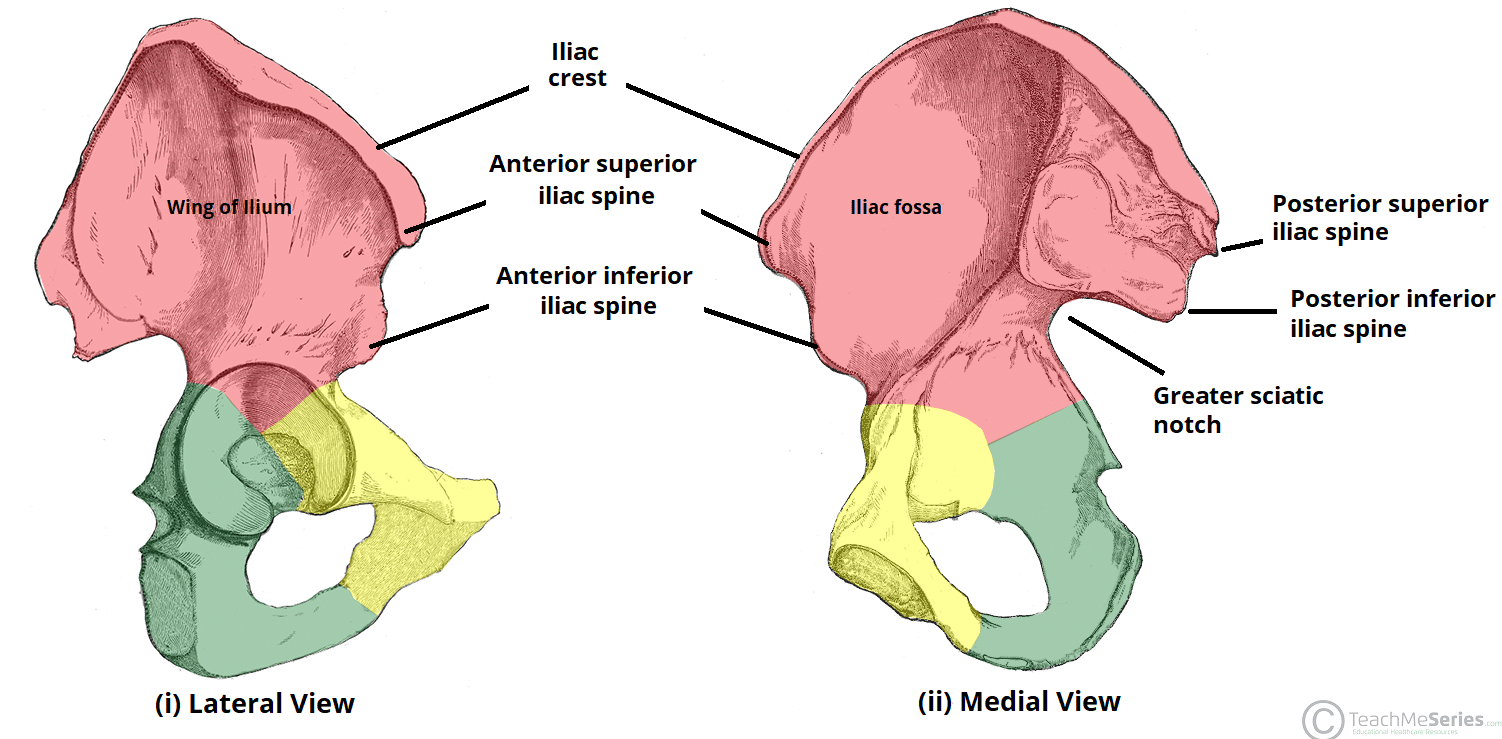
Ilium

  • Muscle attachment

  • Helps hold head of femur

<ul><li><p>Muscle attachment</p></li><li><p>Helps hold head of femur</p></li></ul><p></p>
15
New cards

Ischium

Supports weight while sitting
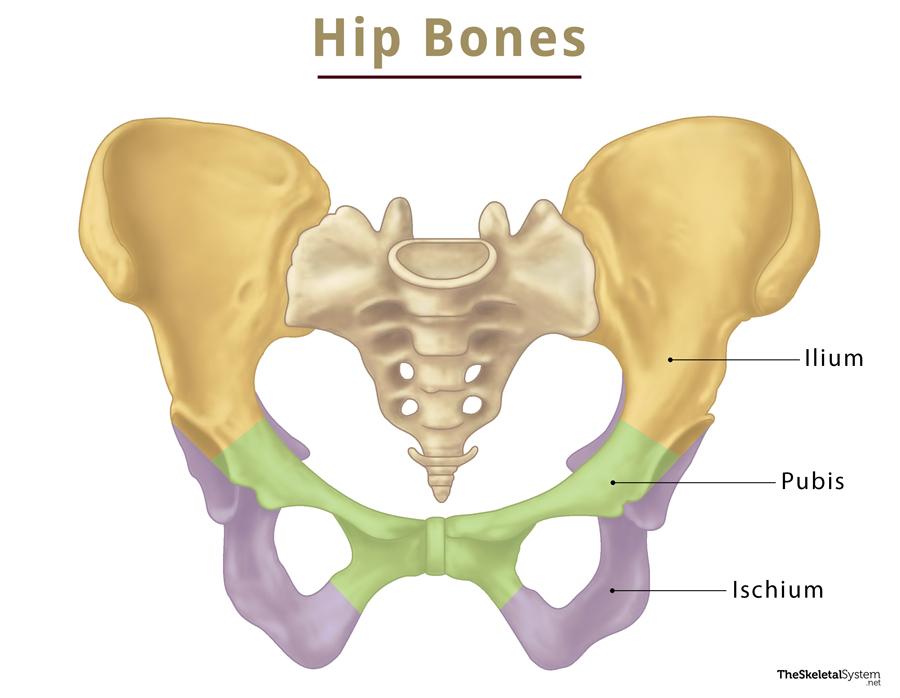
<p>Supports weight while sitting</p>
16
New cards

Pubis

  • Protects organs, nerves, arteries and veins in the pelvis

  • Place for muscular attachment

<ul><li><p>Protects organs, nerves, arteries and veins in the pelvis</p></li><li><p>Place for muscular attachment</p></li></ul><p></p>
17
New cards

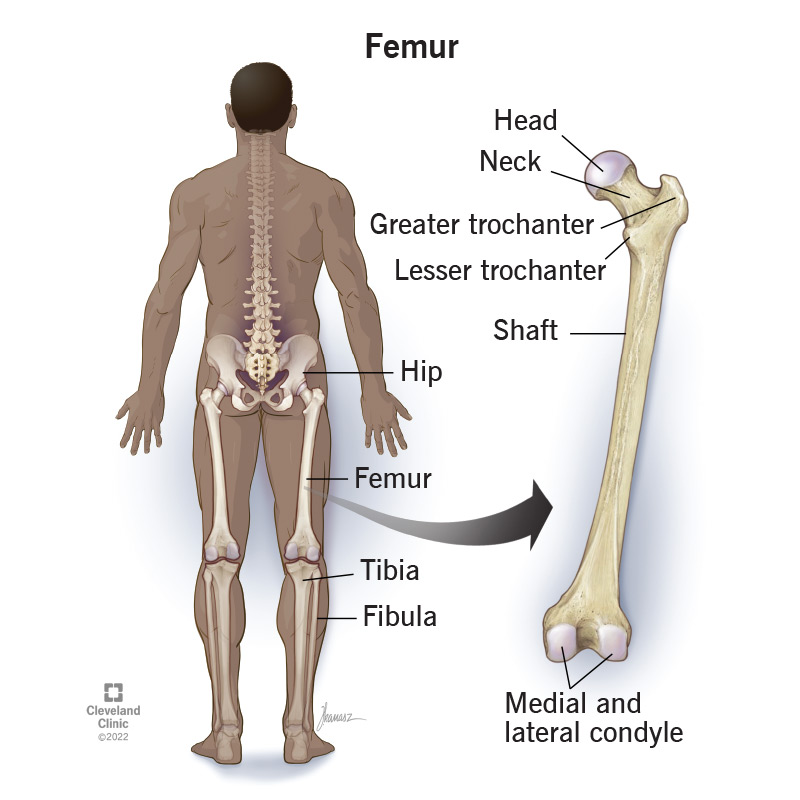
Femur

  • Transmits forces from the tibia to the hip joint

  • It acts as the site of origin and attachment of many muscles
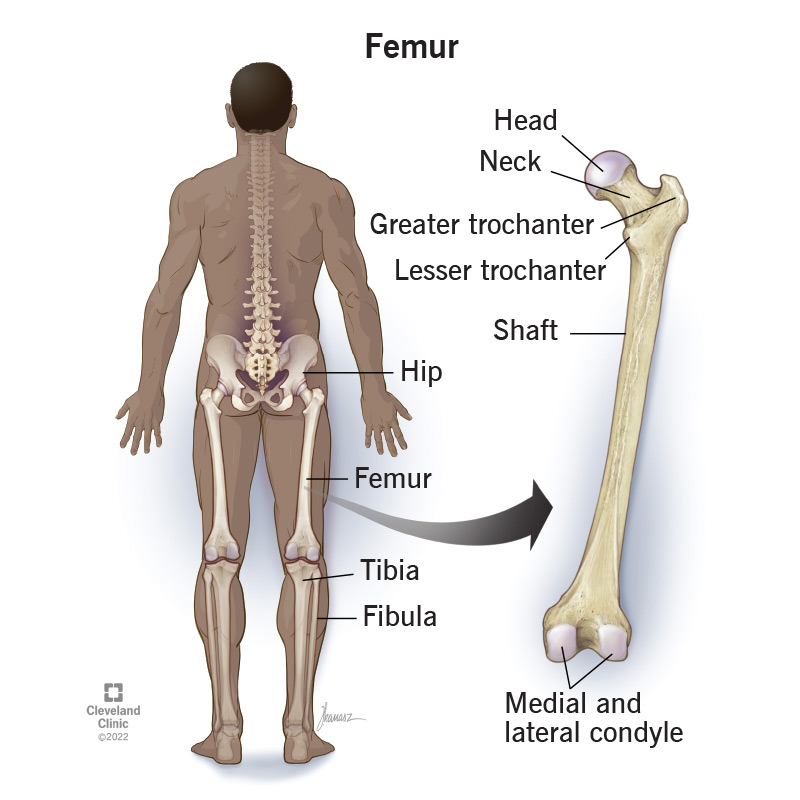
<ul><li><p>Transmits forces from the tibia to the hip joint</p></li><li><p>It acts as the site of origin and attachment of many muscles</p></li></ul><p></p>
18
New cards

Lower Limbs

Tibia, Fibula, Patella, Tarsals, Metatarsals, Phalanges
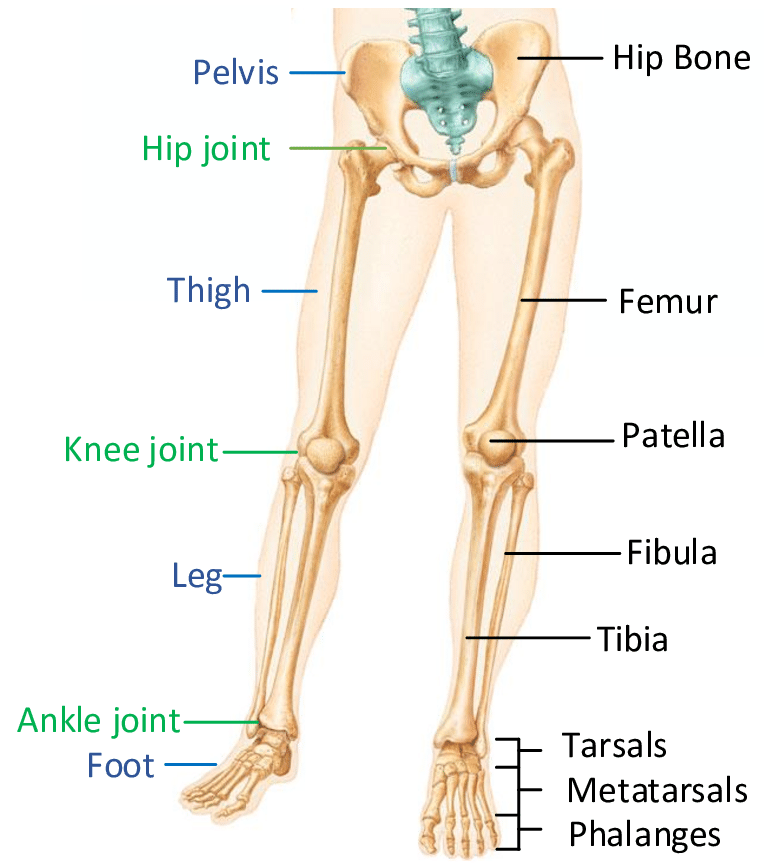
<p>Tibia,&nbsp;Fibula,&nbsp;Patella, Tarsals, Metatarsals,&nbsp;Phalanges</p>
19
New cards

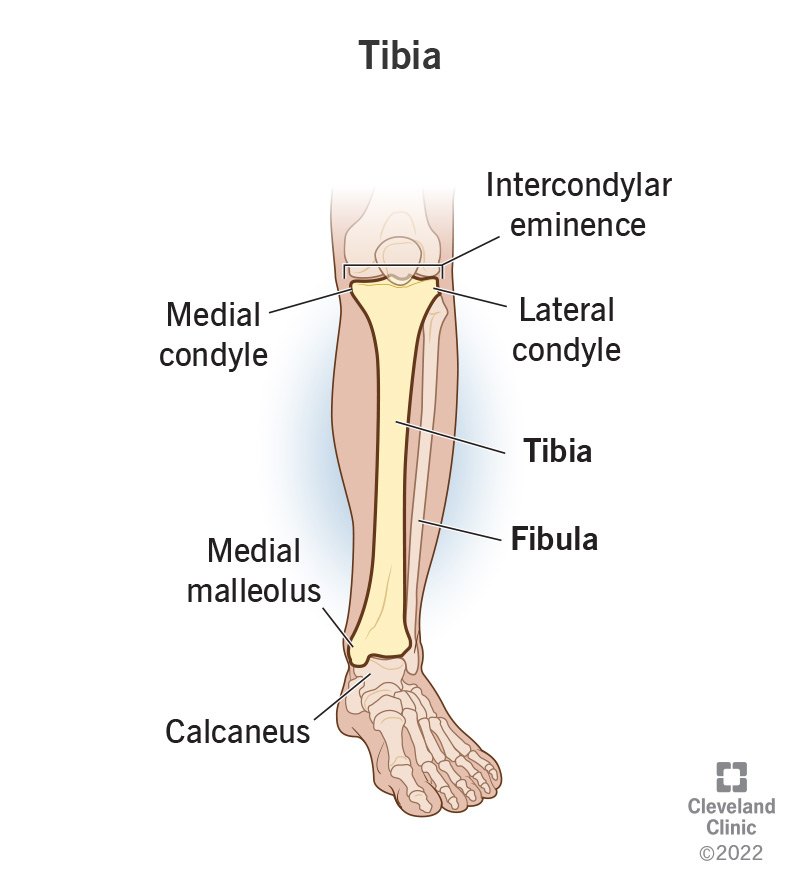
Tibia

Weight bearing

<p>Weight bearing</p>
20
New cards

Fibula

Act as an attachment for muscles and not as a weight-bearer
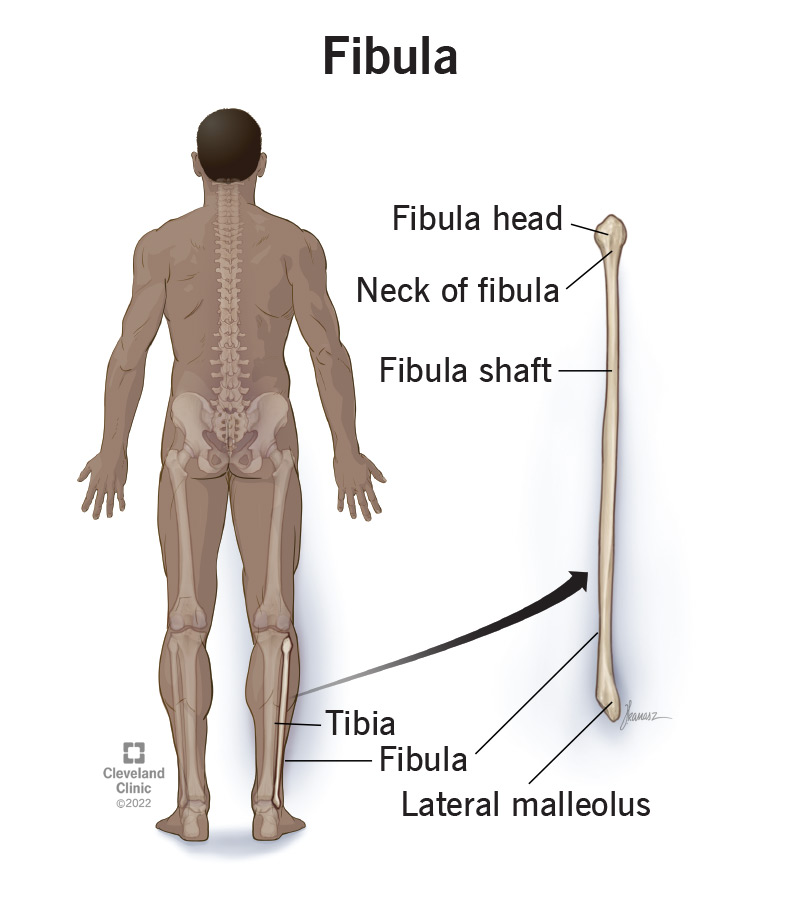
<p>Act as an attachment for muscles and not as a weight-bearer</p>
21
New cards

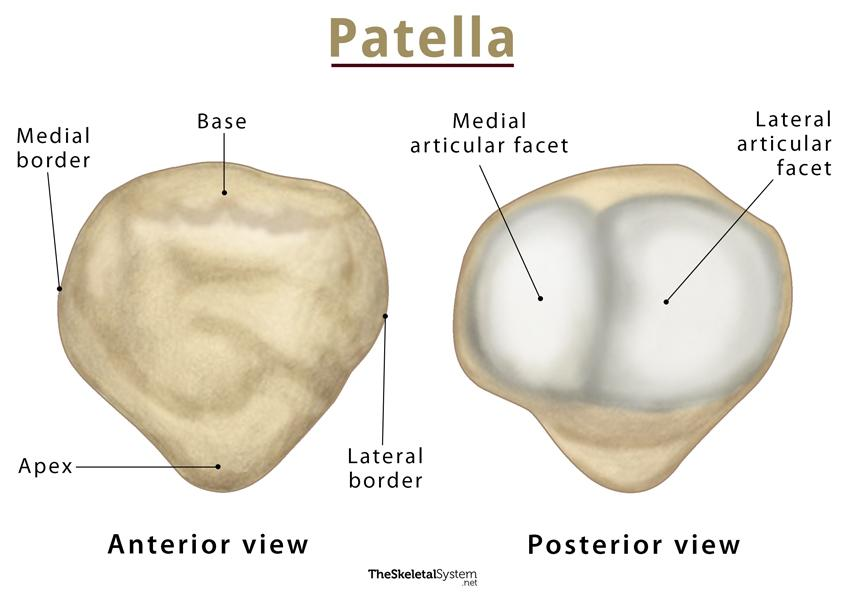
Patella

  • Leg extension

  • Protects the anterior aspect of the knee joint
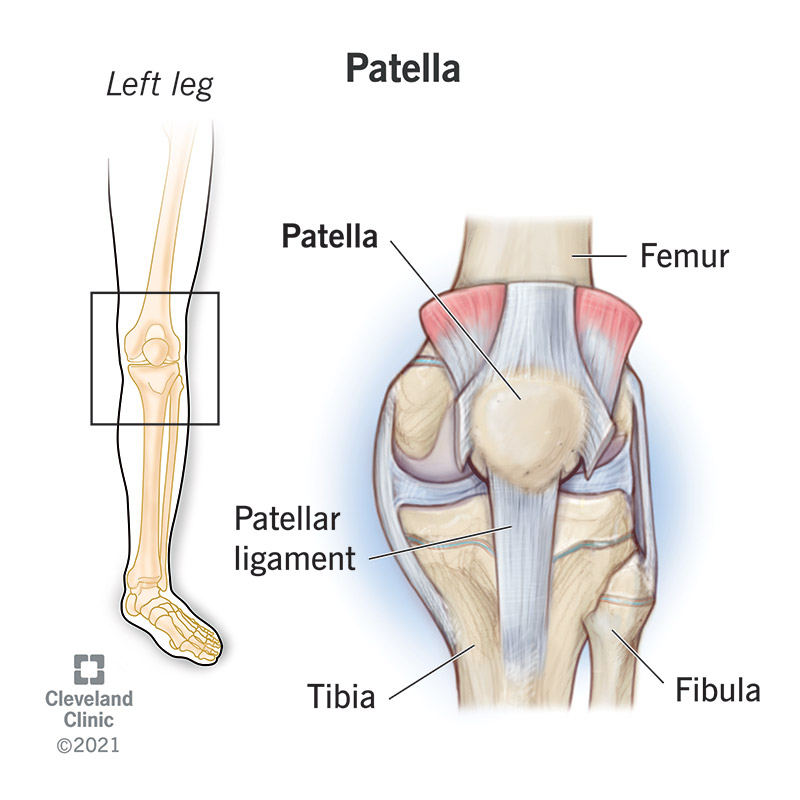
<ul><li><p>Leg extension</p></li><li><p>Protects the anterior aspect of the knee joint</p></li></ul><p></p>
22
New cards

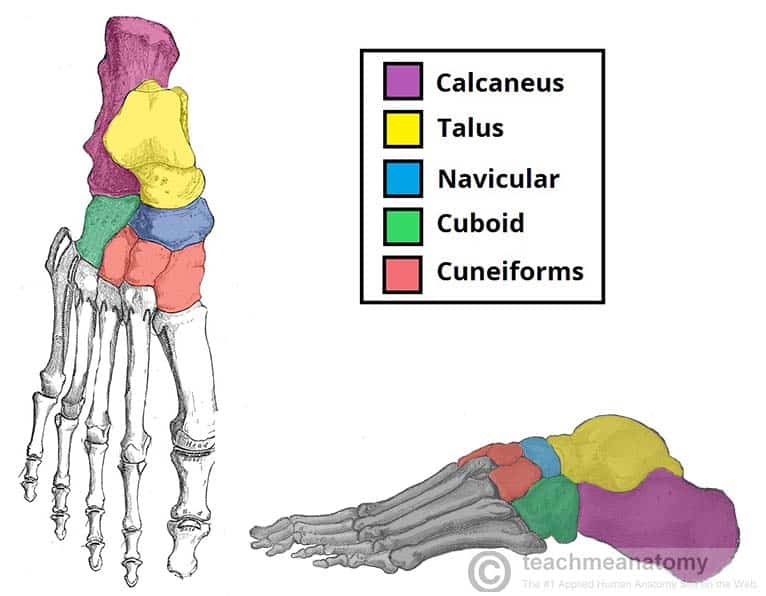
Tarsals

  • Talus articulates with the bones of the lower leg to form the ankle joint

  • Weight-bearing

<ul><li><p>Talus articulates with the bones of the lower leg to form the ankle joint</p></li><li><p>Weight-bearing</p></li></ul><p></p>
23
New cards

Metatarsals

  • Use to push off when we step or run

  • Propels us forward

<ul><li><p>Use to push off when we step or run</p></li><li><p>Propels us forward</p></li></ul><p></p>
24
New cards

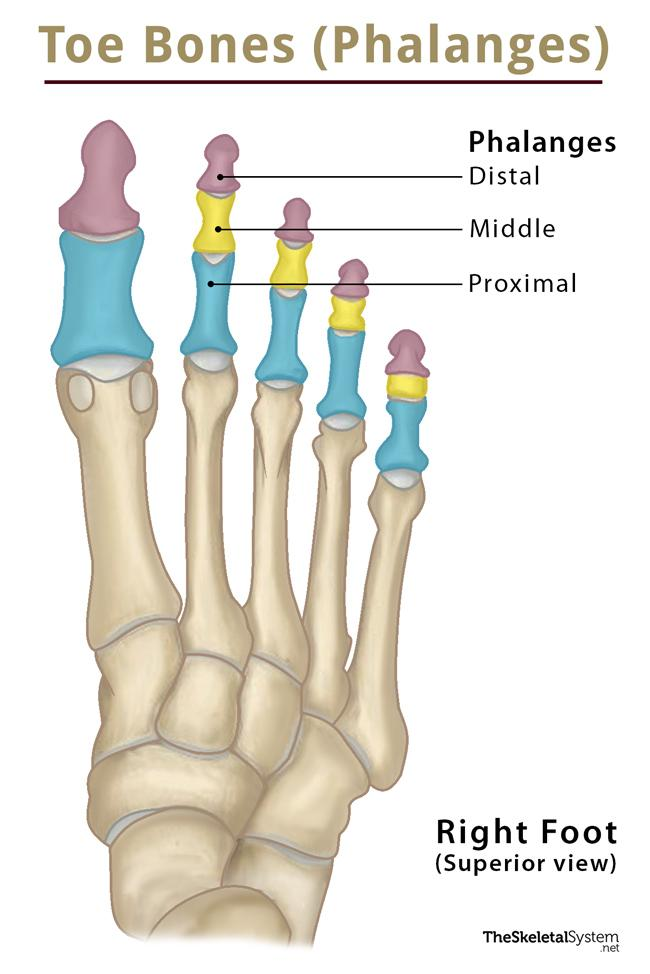
Phalanges (Foot)

  • Weight Transmission

  • Balance and Posture

  • Ambulation

<ul><li><p>Weight Transmission</p></li><li><p>Balance and Posture</p></li><li><p>Ambulation</p></li></ul><p></p>
25
New cards

Scapula

  • Acromion process

  • Coracoid process

  • Glenoid fossa (cavity)

  • Scapular spine

<ul><li><p>Acromion process</p></li><li><p>Coracoid process</p></li><li><p>Glenoid fossa (cavity)</p></li><li><p>Scapular spine</p></li></ul><p></p>
26
New cards

Ulna

  • Olecranon process

  • Styloid process of ulna

<ul><li><p>Olecranon process</p></li><li><p>Styloid process of ulna</p></li></ul><p></p>
27
New cards

Radius

Styloid process of radius

<p>Styloid process of radius</p>
28
New cards

Pelvis

  • Iliac crest

  • Greater sciatic notch

  • Acetabulum

  • Pubic symphysis

  • Obturator foramen

<ul><li><p>Iliac crest</p></li><li><p>Greater sciatic notch</p></li><li><p>Acetabulum</p></li><li><p>Pubic symphysis</p></li><li><p>Obturator foramen</p></li></ul><p></p>
29
New cards

Femur

  • Head of femur

  • Neck of Femur

  • Greater trochanter

  • Lesser trochanter

  • Medial condyle

  • Lateral condyle

<ul><li><p>Head of femur</p></li><li><p>Neck of Femur</p></li><li><p>Greater trochanter</p></li><li><p>Lesser trochanter</p></li></ul><p></p><ul><li><p>Medial condyle</p></li><li><p>Lateral condyle</p></li></ul><p></p>
30
New cards

Patella

Apex of Patella

<p>Apex of Patella</p>
31
New cards

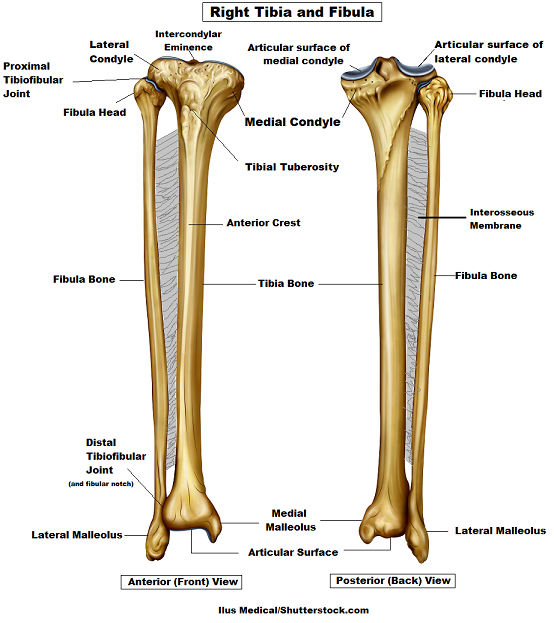
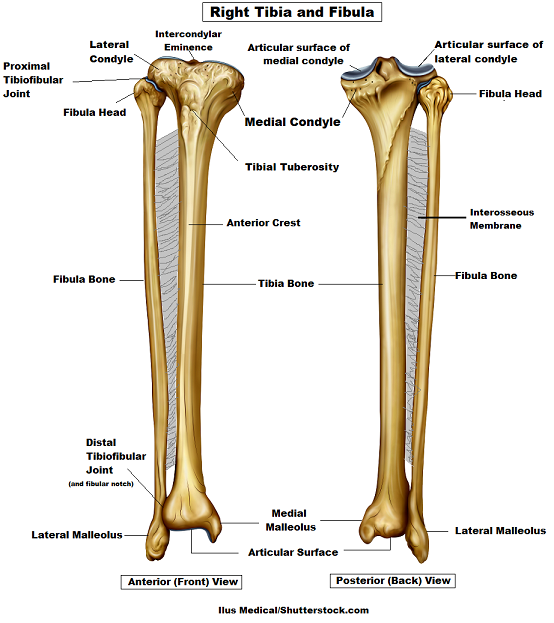
Tibia

  • Tibial tuberosity (patellar ligament)

  • Anterior Crest

  • Medial malleolus

  • Lateral malleolus

<ul><li><p>Tibial tuberosity (patellar ligament)</p></li><li><p>Anterior Crest</p></li></ul><p></p><ul><li><p>Medial malleolus</p></li><li><p>Lateral malleolus</p></li></ul><p></p>
32
New cards

Fibula

Head of fibula

<p>Head of fibula</p>
33
New cards

Gluteus Maximus, Medius and Minimus

  • One of the strongest muscles in the human body

  • Responsible for movement of the hip and thigh

  • Standing up from a sitting position, climbing stairs, and staying in an erect position
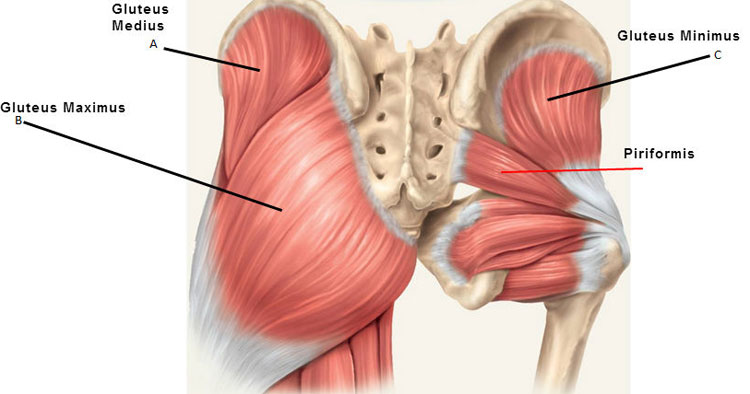
<ul><li><p>One of the strongest muscles in the human body</p></li><li><p>Responsible for movement of the hip and thigh</p></li><li><p>Standing up from a sitting position, climbing stairs, and staying in an erect position</p></li></ul><p></p>
34
New cards

Hamstrings

  • Three muscles make up the Hamstring:

    • Biceps Femoris

    • Semitendinosus

    • Semimembranosus

  • Allows the leg to flex, rotate, extend

  • Properly warming up and stretching before exercise will help prevent injury to this muscle
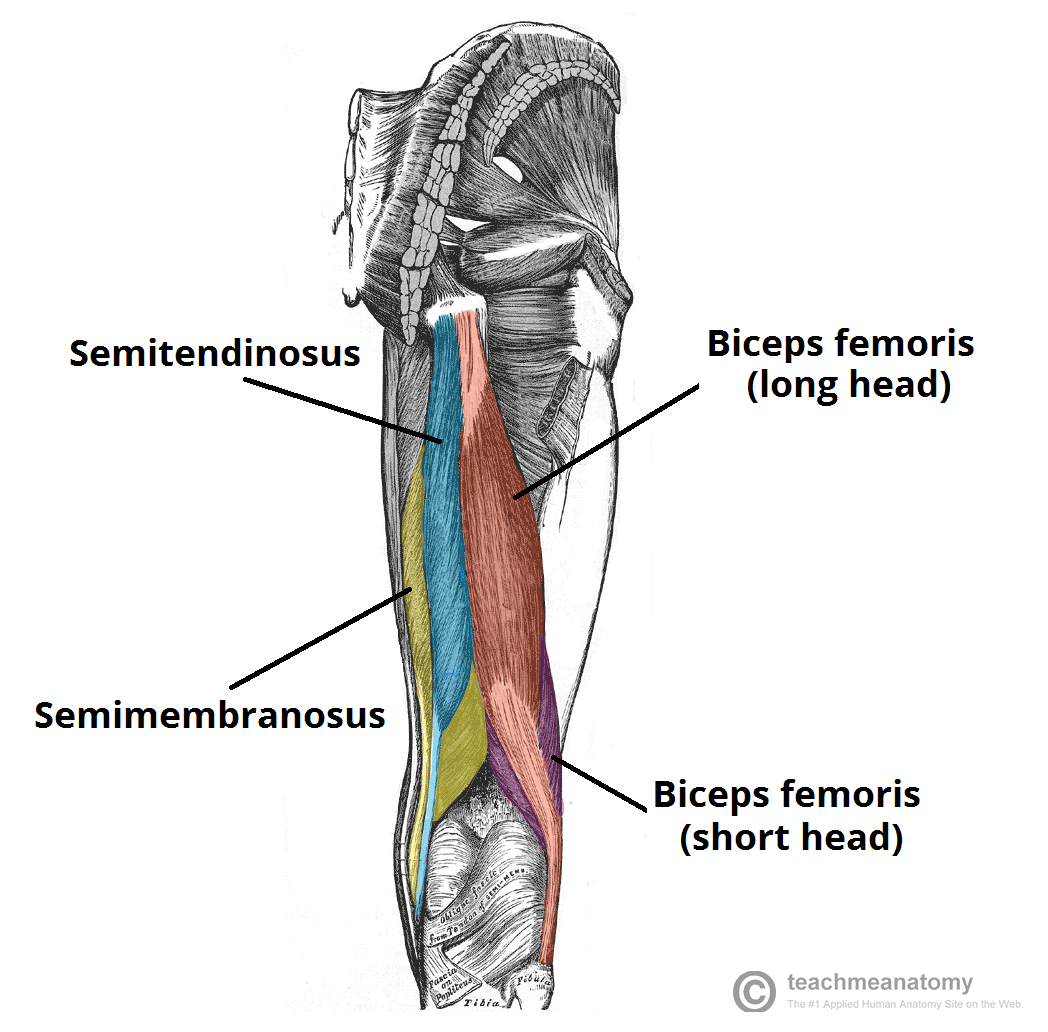
<ul><li><p>Three muscles make up the Hamstring:</p><ul><li><p><strong>Biceps Femoris</strong></p></li><li><p><strong>Semitendinosus</strong></p></li><li><p><strong>Semimembranosus</strong></p></li></ul></li><li><p>Allows the leg to flex, rotate, extend</p></li><li><p>Properly warming up and stretching before exercise will help prevent injury to this muscle</p></li></ul><p></p>
35
New cards

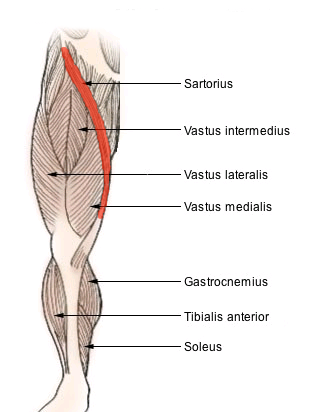
Quadriceps

  • Four separate muscles

    • Vastus Lateralis

    • Vastus Medialis

    • Vastus Intermedius

    • Rectus Femoris

  • Each originates on the femur bone and attaches to the patella

  • Assist in extending the knee

  • Used for walking and running

<ul><li><p>Four separate muscles</p><ul><li><p><strong>Vastus Lateralis</strong></p></li><li><p><strong>Vastus Medialis</strong></p></li><li><p><strong>Vastus Intermedius</strong></p></li><li><p><strong>Rectus Femoris</strong></p></li></ul></li><li><p>Each originates on the femur bone and attaches to the patella</p></li><li><p>Assist in extending the knee</p></li><li><p>Used for walking and running</p></li></ul><p></p>
36
New cards

Adductors (Magnus, Longus, Brevis) Pectineus, Gracilis

  • Controls the femur’s ability to move inward and from side to side

  • walking, sprinting, and a variety of other bipedal motions
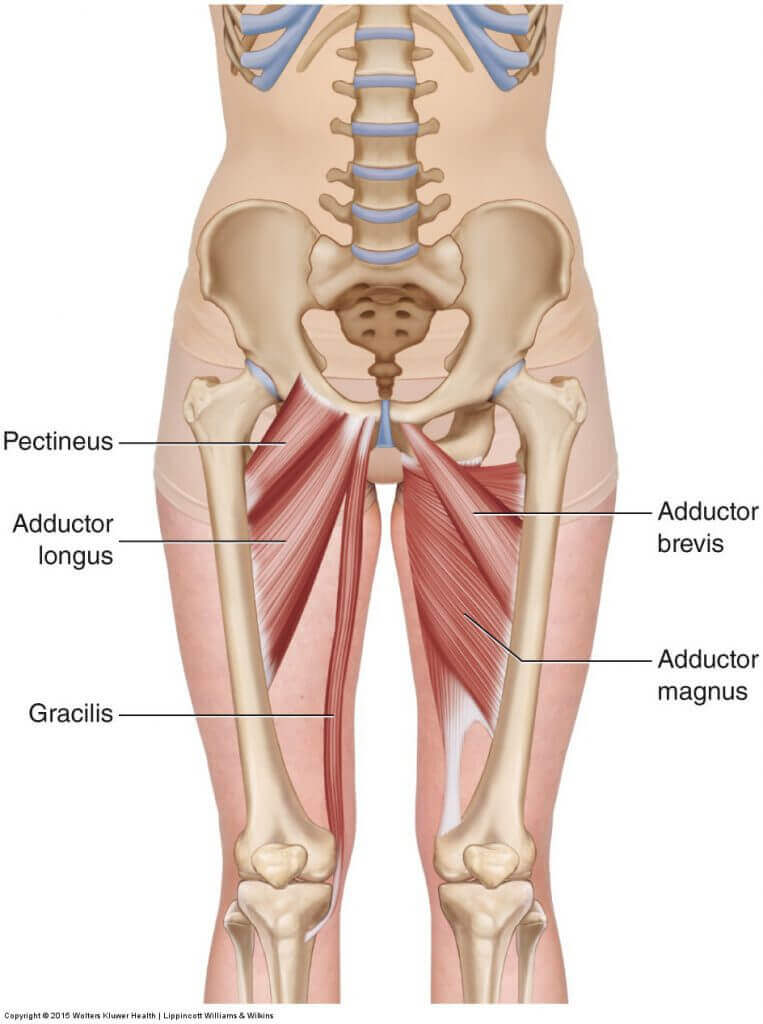
<ul><li><p>Controls the femur’s ability to move inward and from side to side</p></li><li><p>walking, sprinting, and a variety of other bipedal motions</p></li></ul><p></p>
37
New cards

Iliopsoas

  • Divided into two parts:

    • iliacus

    • psoas major

  • Flexion and external rotation of the hip joint.

  • If this muscle tightens, the action may result in lower back pain.
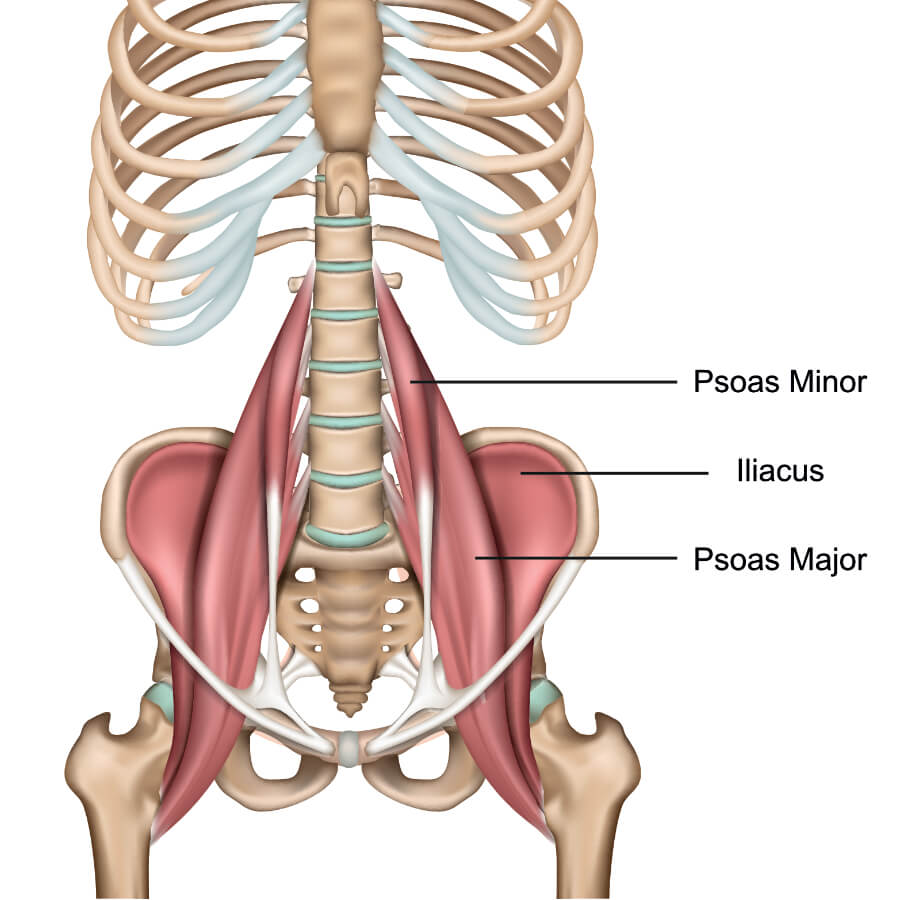
<ul><li><p>Divided into two parts:</p><ul><li><p><strong>iliacus</strong></p></li><li><p><strong>psoas major</strong></p></li></ul></li><li><p>Flexion and external rotation of the hip joint.</p></li><li><p>If this muscle tightens, the action may result in lower back pain.</p></li></ul><p></p>
38
New cards

Sartorius

  • Longest muscle in the human body

  • Helps flex, adduct, and rotate the hip

  • Knee flexion

<ul><li><p>Longest muscle in the human body</p></li><li><p>Helps flex, adduct, and rotate the hip</p></li><li><p>Knee flexion</p></li></ul><p></p>
39
New cards

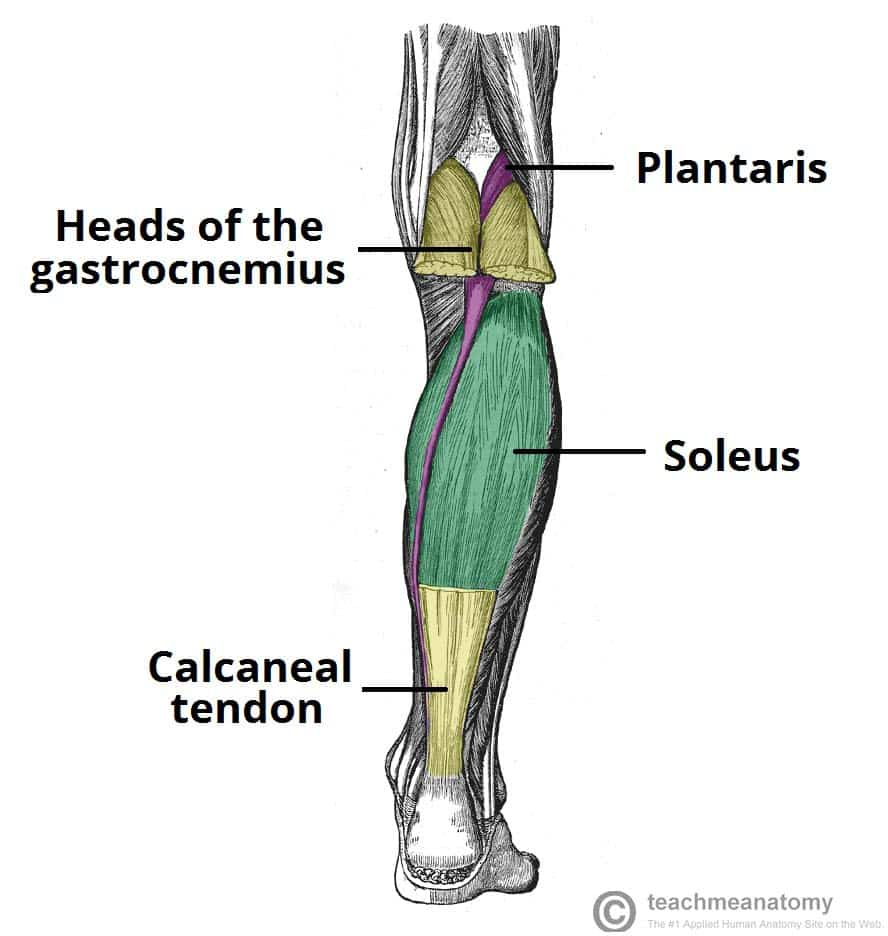
Gastrocnemius

  • Calf muscle

  • Helps with walking and bending

  • Causes the knee to bend

  • Joins onto the Achilles tendon (strongest and thickest tendon in the human body)
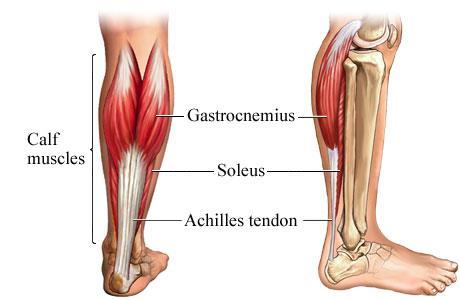
<ul><li><p>Calf muscle</p></li><li><p>Helps with walking and bending</p></li><li><p>Causes the knee to bend</p></li><li><p>Joins onto the Achilles tendon (strongest and thickest tendon in the human body)</p></li></ul><p></p>
40
New cards

Soleus

  • Plantar flexion

  • Pushing off the ground while walking

  • Helps to maintain posture by preventing the body from falling forward.
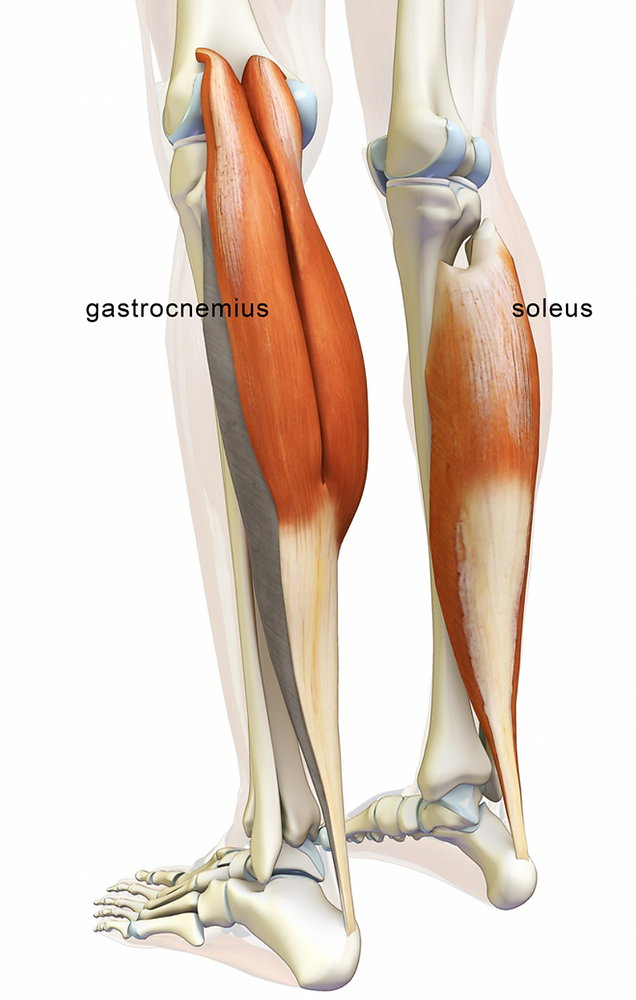
<ul><li><p>Plantar flexion</p></li><li><p>Pushing off the ground while walking</p></li><li><p>Helps to maintain posture by preventing the body from falling forward.</p></li></ul><p></p>
41
New cards

Plantaris

Plantar flexion

<p>Plantar flexion</p>
42
New cards

Tensor Fasciae Latae

  • Can medially rotate and abduct the femur at the hip joint.

  • Assists in flexion and stabilization of the knee when it is extended as well as when we walk and run.
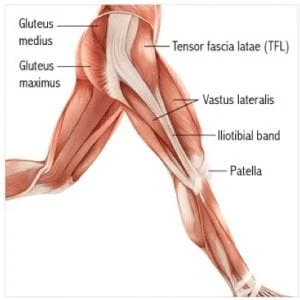
<ul><li><p>Can medially rotate and abduct the femur at the hip joint.</p></li><li><p>Assists in flexion and stabilization of the knee when it is extended as well as when we walk and run.</p></li></ul><p></p>
43
New cards

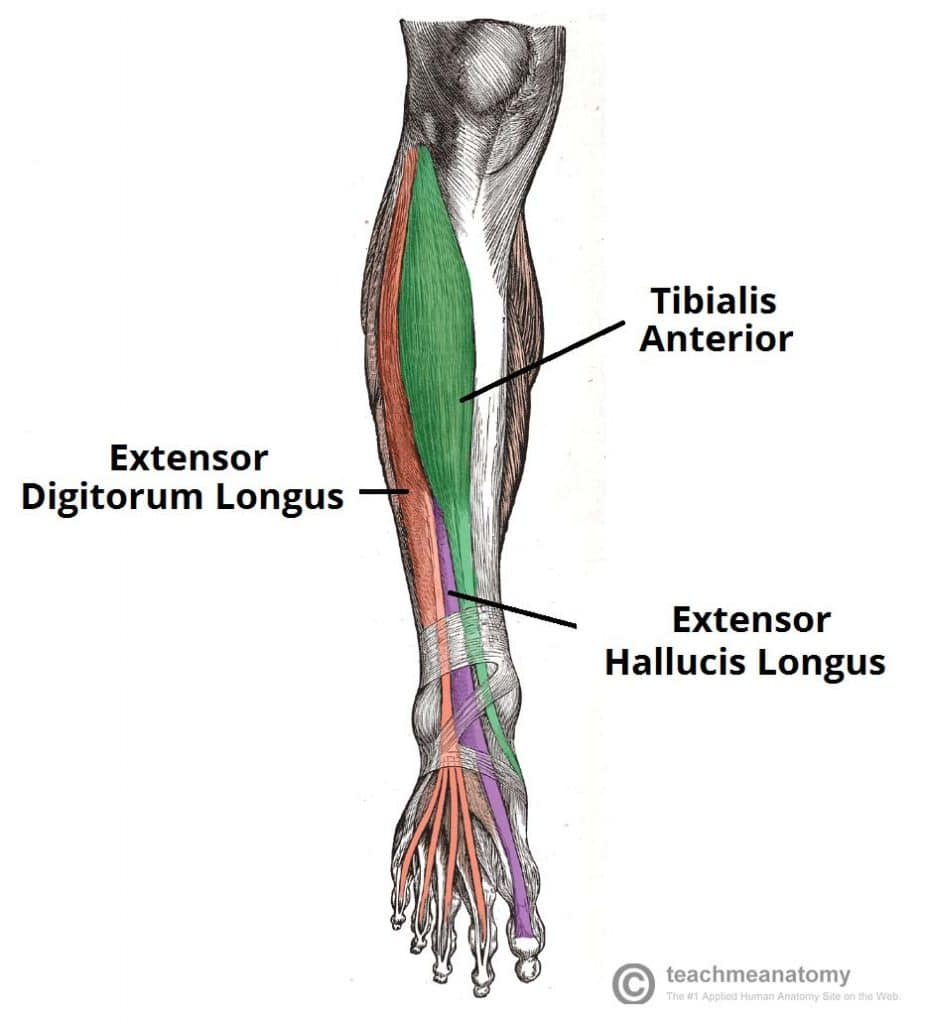
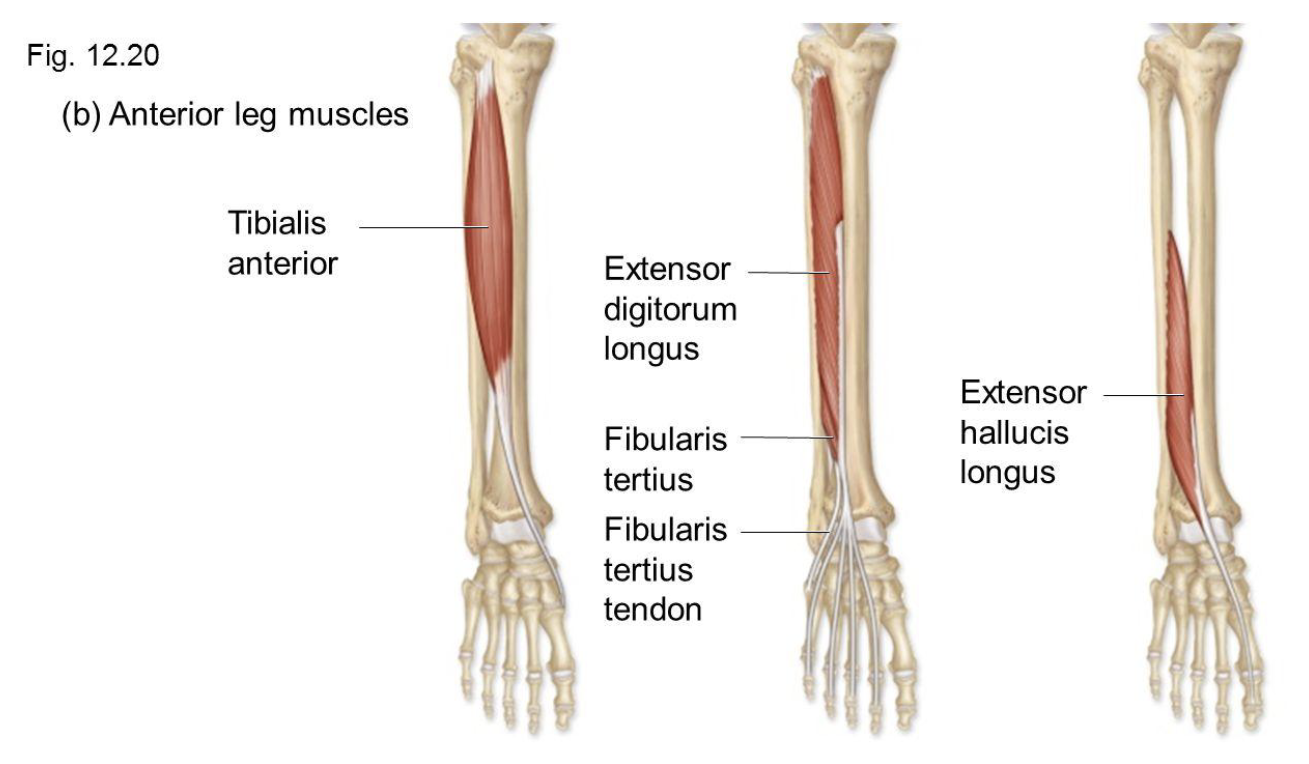
Tibialis Anterior

  • Help to dorsiflex the foot

  • Inverts the foot

  • Holds up the arch of the foot

<ul><li><p>Help to dorsiflex the foot</p></li><li><p>Inverts the foot</p></li><li><p>Holds up the arch of the foot</p></li></ul><p></p>
44
New cards

Fibularis Longus (Peroneus) and Brevis

  • Everts and flexes the ankle

  • Lateral compartment

  • Helps to stabilize the leg on top of the foot
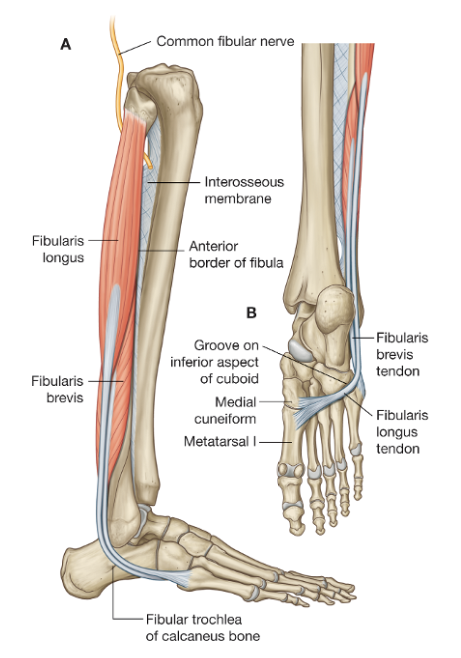
<ul><li><p>Everts and flexes the ankle</p></li><li><p>Lateral compartment</p></li><li><p>Helps to stabilize the leg on top of the foot</p></li></ul><p></p>
45
New cards

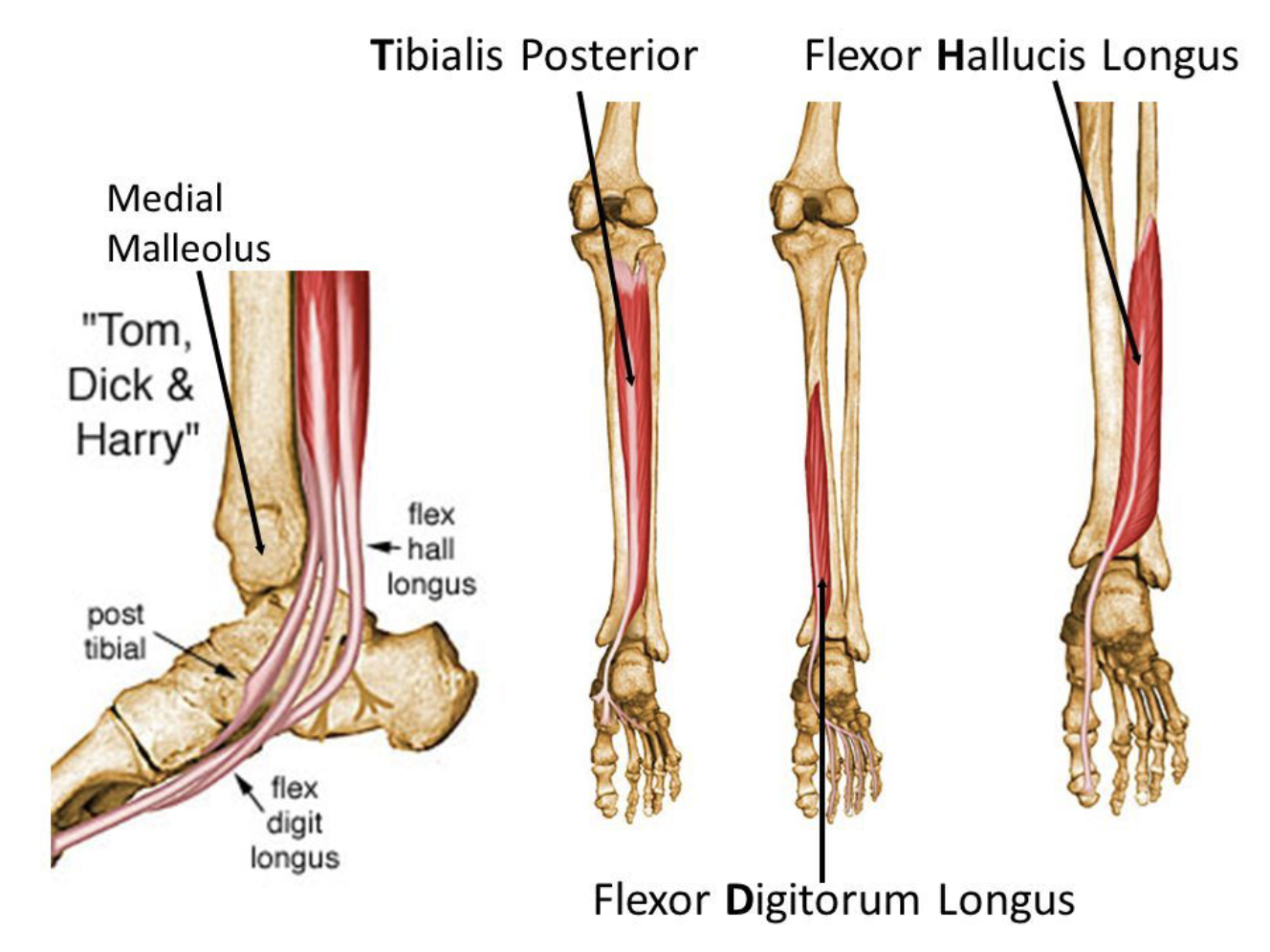
Flexor Digitorum Longus and Flexor Hallucis Longus

  • Flexes the foot at the ankle, along with the four smallest toes.

  • Flexes the big toe

  • Assists in dorsiflexing

  • Helps with inversion of the foot

<ul><li><p>Flexes the foot at the ankle, along with the four smallest toes.</p></li><li><p>Flexes the big toe</p></li><li><p>Assists in dorsiflexing</p></li><li><p>Helps with inversion of the foot</p></li></ul><p></p>
46
New cards

Extensor Digitorum Longus and Extensor Hallucis Longus

  • Extends the foot at the ankle, along with the four smallest toes.

  • Extends the big toe

  • Assists in plantar flexion

  • Helps with eversion of the foot

<ul><li><p>Extends the foot at the ankle, along with the four smallest toes.</p></li><li><p>Extends the big toe</p></li><li><p>Assists in plantar flexion</p></li><li><p>Helps with eversion of the foot</p></li></ul><p></p>
47
New cards

Popliteus

Plays a role in unlocking the knee during extension
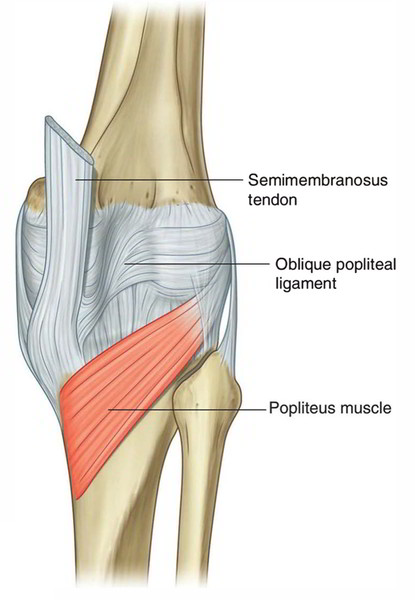
<p>Plays a role in unlocking the knee during extension</p>
48
New cards

Lumbricals

Flexion and adduction of the toes
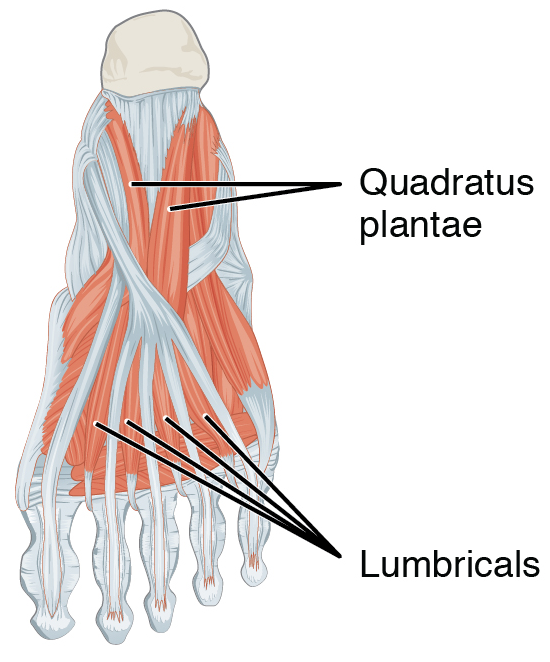
<p>Flexion and adduction of the toes</p>
49
New cards

SSIT

  • Rotator Cuff Muscles

    • Subscapularis

    • Supraspinatus

    • Infraspinatus

    • Teres Minor

  • Rotate upper limb at the shoulder joint
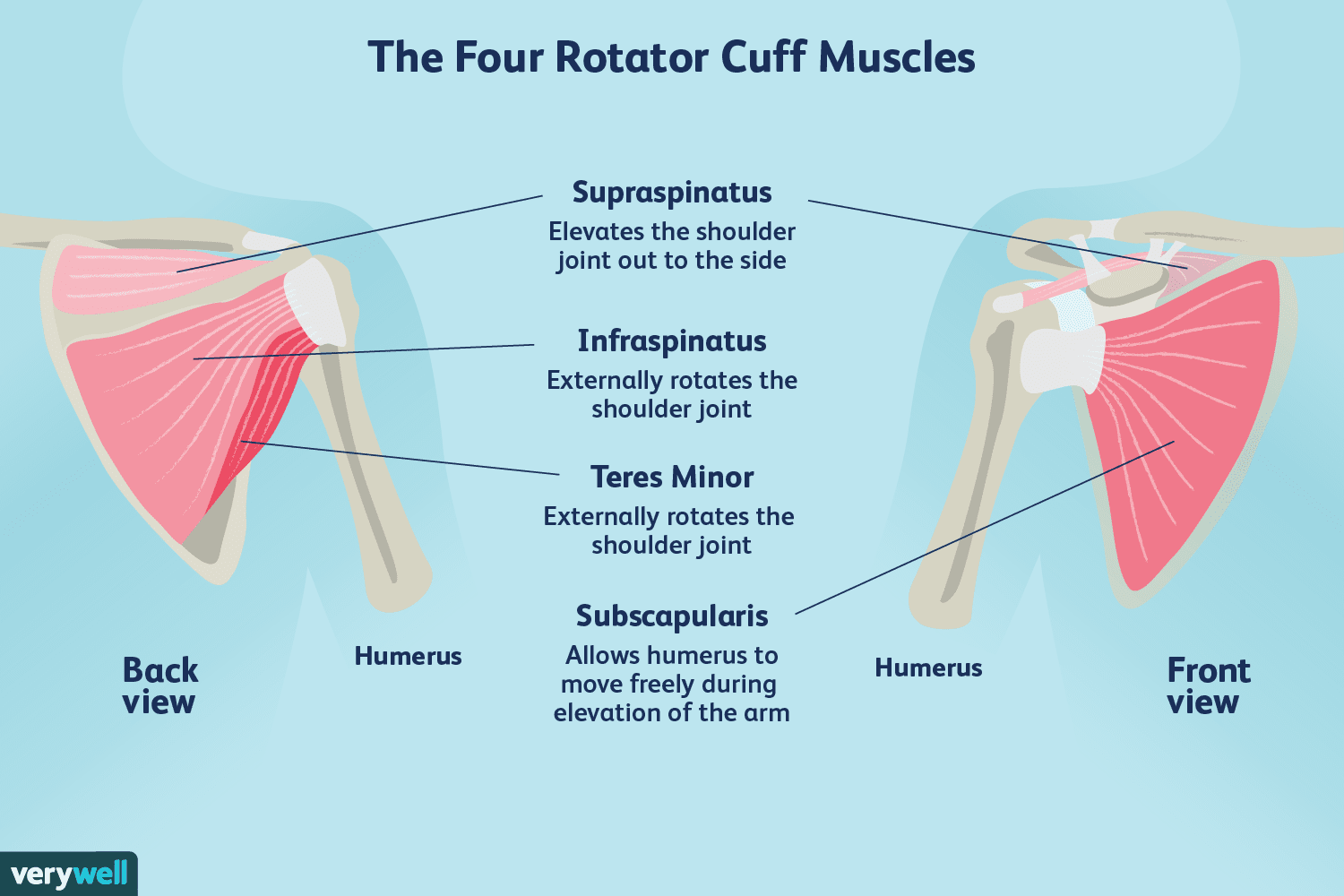
<ul><li><p>Rotator Cuff Muscles</p><ul><li><p>Subscapularis</p></li><li><p>Supraspinatus</p></li><li><p>Infraspinatus</p></li><li><p>Teres Minor</p></li></ul></li><li><p>Rotate upper limb at the shoulder joint</p></li></ul><p></p>
50
New cards

Subscapularis

Helps to stabilize the head of the humerus in the glenoid fossa during shoulder movements.
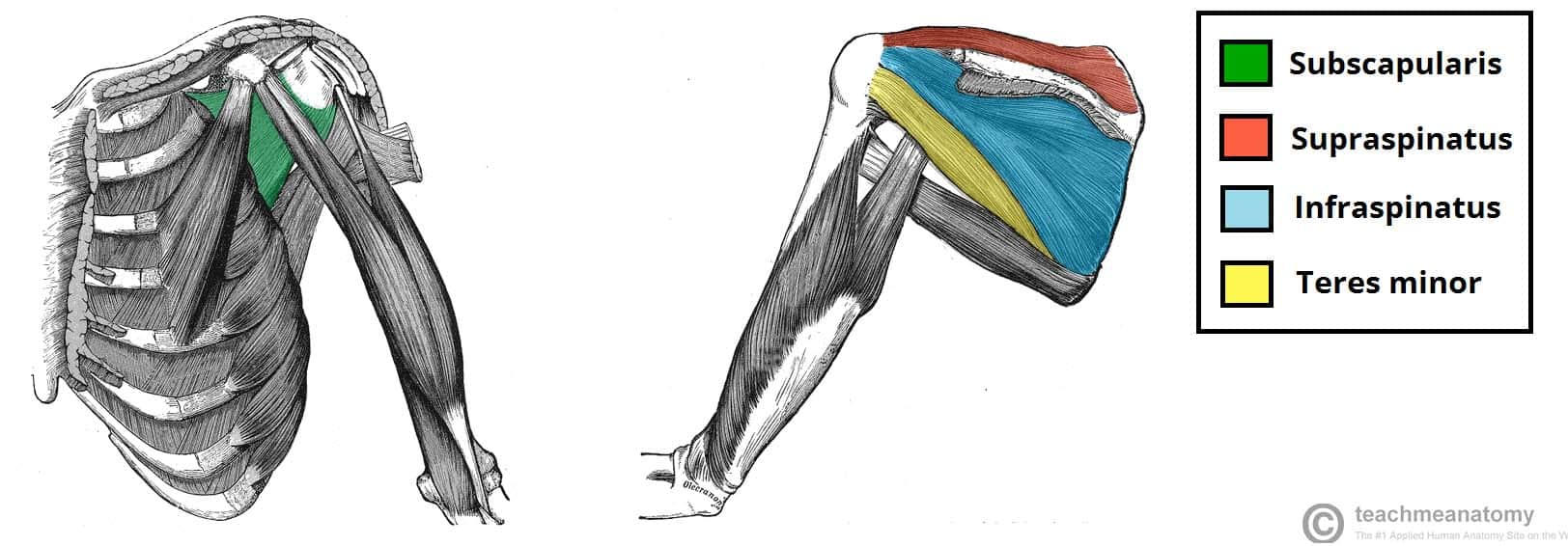
<p>Helps to stabilize the head of the humerus in the glenoid fossa during shoulder movements.</p>
51
New cards

Supraspinatus

  • Helps the deltoid muscle initiate the abduction of the arm.

  • Helps stabilize the shoulder joint

<ul><li><p>Helps the deltoid muscle initiate the abduction of the arm.</p></li><li><p>Helps stabilize the shoulder joint</p></li></ul><p></p>
52
New cards

Infraspinatus

  • Laterally rotates the arm at the shoulder joint

  • Helps stabilize the shoulder

<ul><li><p>Laterally rotates the arm at the shoulder joint</p></li><li><p>Helps stabilize the shoulder</p></li></ul><p></p>
53
New cards

Teres Minor

  • Laterally rotates the arm at the shoulder

  • Weakly image adducts the arm

<ul><li><p>Laterally rotates the arm at the shoulder</p></li><li><p>Weakly image adducts the arm</p></li></ul><p></p>
54
New cards

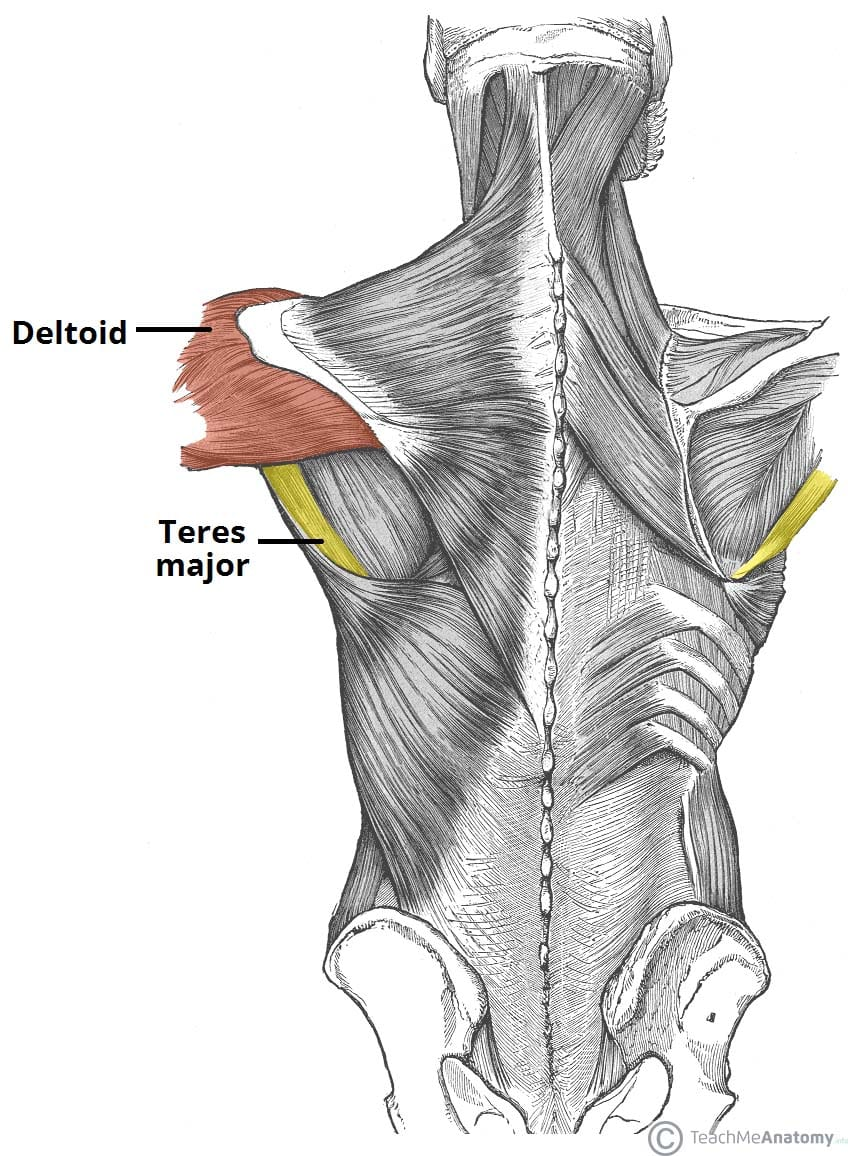
Deltoid

  • Named after the Greek letter Delta due to the similar shape

  • Anterior, middle, and posterior fibers

  • Arm rotation

  • Allows a person to keep carried objects at a safer distance from the body
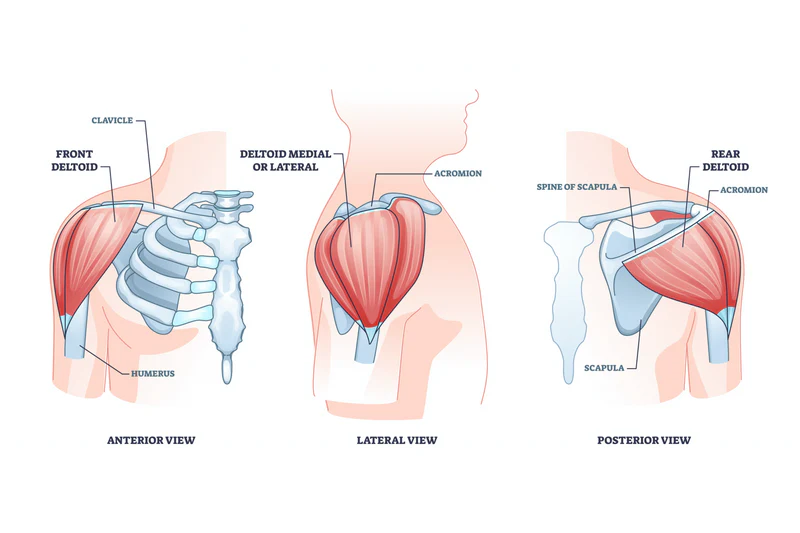
<ul><li><p>Named after the Greek letter Delta due to the similar shape</p></li><li><p>Anterior, middle, and posterior fibers</p></li><li><p>Arm rotation</p></li><li><p>Allows a person to keep carried objects at a safer distance from the body</p></li></ul><p></p>
55
New cards

Teres Major

  • Adducts and internally rotates the arm

  • Assists the latissimus dorsi in wood-chopping
<ul><li><p>Adducts and internally rotates the arm</p></li><li><p>Assists the latissimus dorsi in wood-chopping</p></li></ul><p></p>
56
New cards

Coracobrachialis

Flexor of the arm

<p>Flexor of the arm</p>
57
New cards

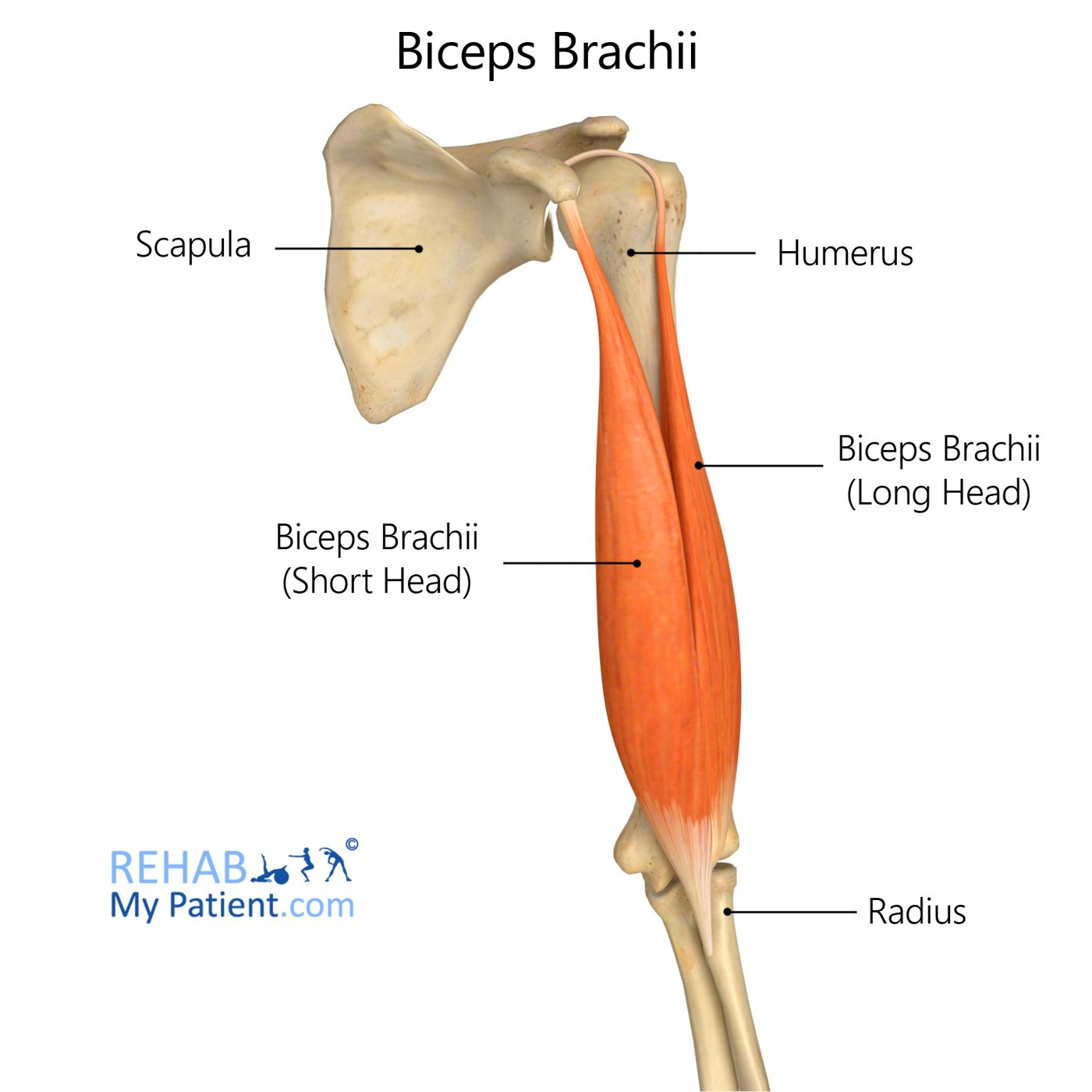
Biceps Brachii

  • Double-headed muscle

  • Helps control the motion of two different joints (Shoulder and the elbow)

  • Functions to lift the forearm

<ul><li><p>Double-headed muscle</p></li><li><p>Helps control the motion of two different joints (Shoulder and the elbow)</p></li><li><p>Functions to lift the forearm</p></li></ul><p></p>
58
New cards

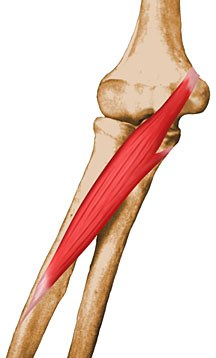
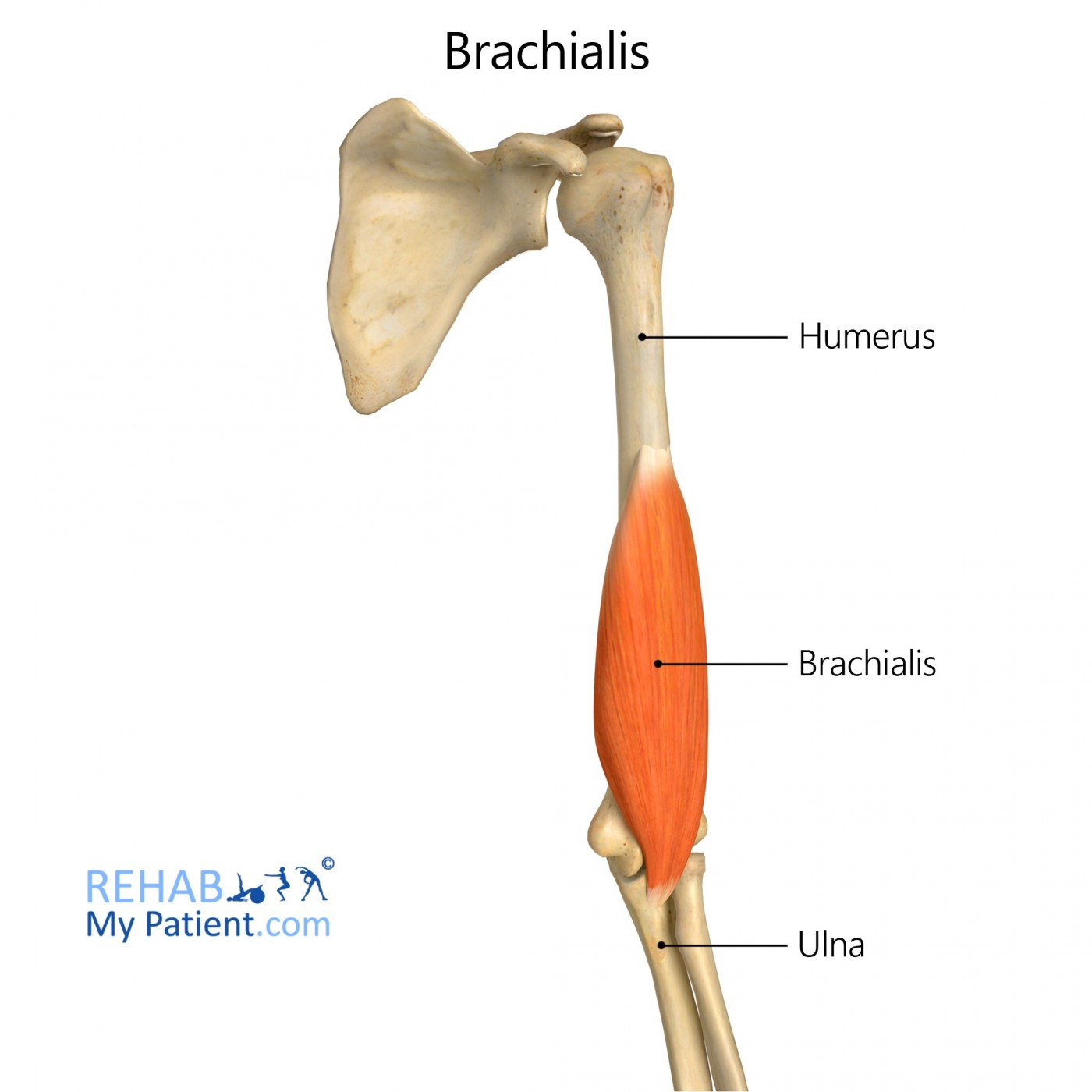
Brachialis

Works with biceps brachii to flex the elbow
<p>Works with biceps brachii to flex the elbow</p>
59
New cards

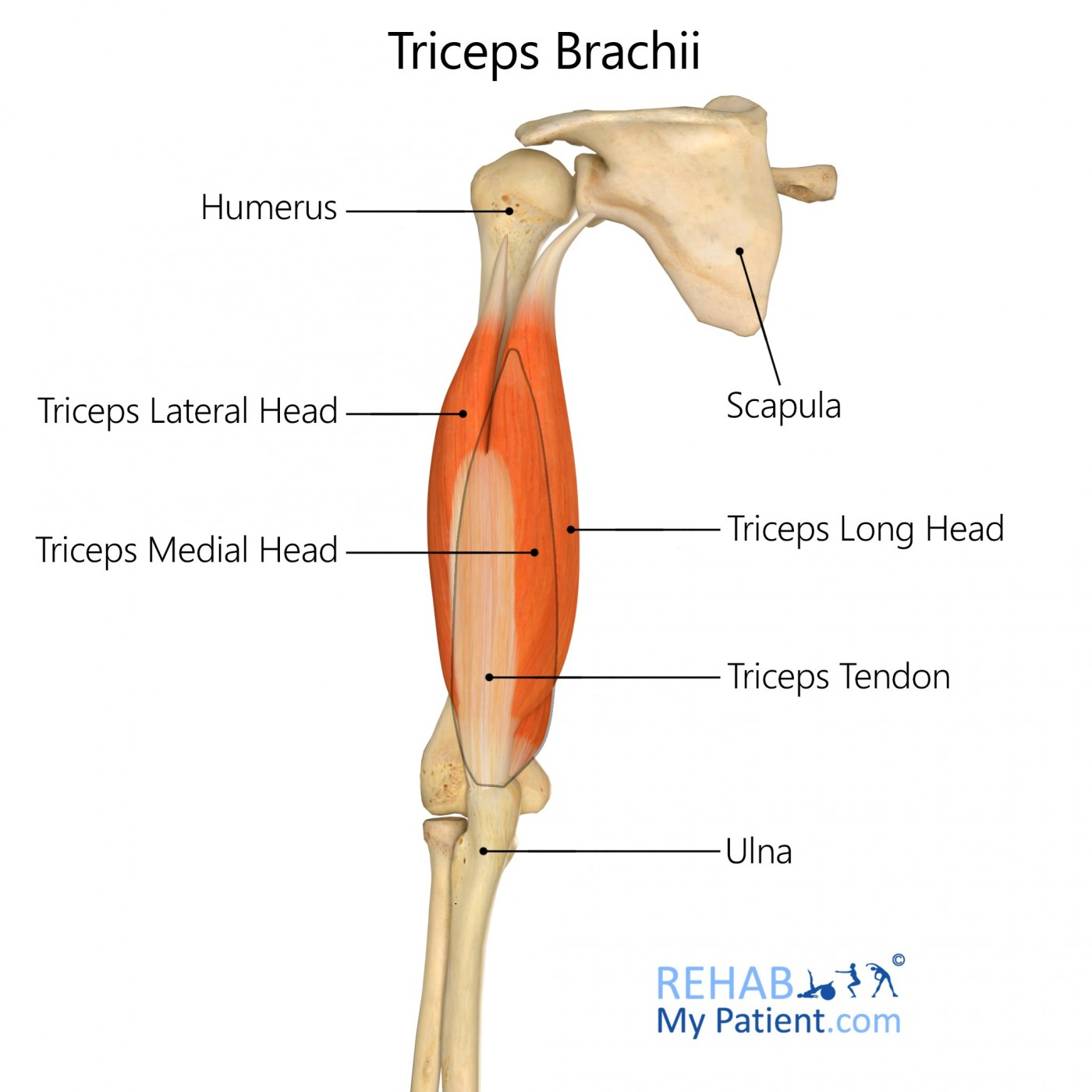
Triceps Brachii

  • Enables extension and retraction of the forearm

  • When the triceps are contracted, the forearm extends and the elbow straightens

  • If the triceps are relaxed and the biceps flexed, your elbow will bend, pulling your forearm toward your upper arm
<ul><li><p>Enables extension and retraction of the forearm</p></li><li><p>When the triceps are contracted, the forearm extends and the elbow straightens</p></li><li><p>If the triceps are relaxed and the biceps flexed,&nbsp;<span><span>your elbow will bend, pulling your forearm toward your upper arm</span></span></p></li></ul><p></p>
60
New cards

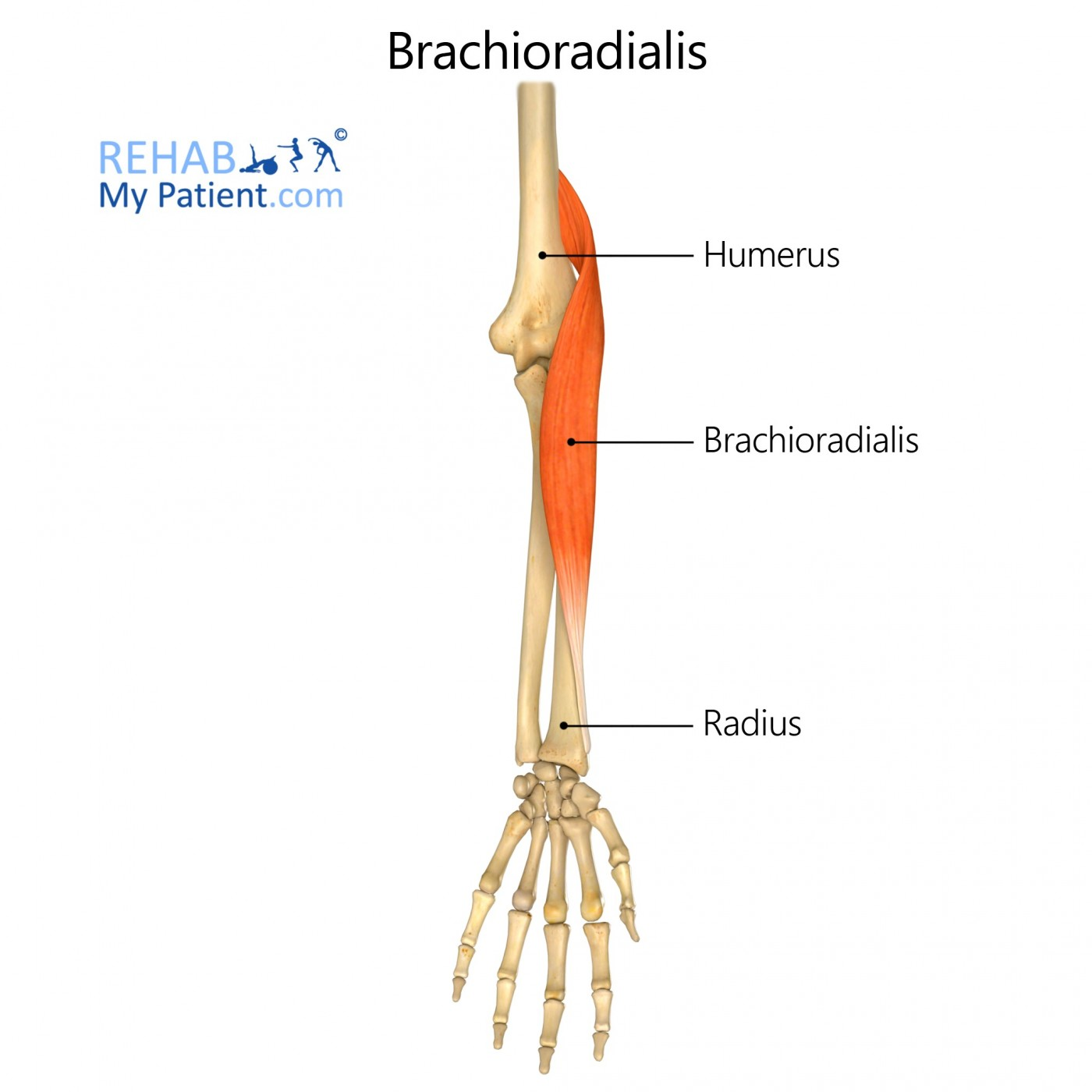
Brachioradialis

  • Elbow flexor

  • Shaking hands muscle

<ul><li><p>Elbow flexor</p></li><li><p>Shaking hands muscle</p></li></ul><p></p>
61
New cards

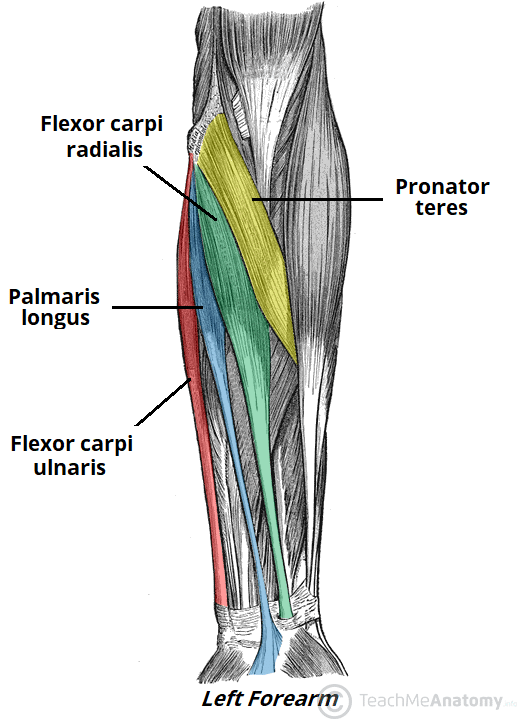
Flexor-Pronator Group

  • Inside of forearm

  • Flex and abduct the hand

<ul><li><p>Inside of forearm</p></li><li><p>Flex and abduct the hand</p></li></ul><p></p>
62
New cards

Pronator Teres

Pronates forearm

<p>Pronates forearm</p>
63
New cards

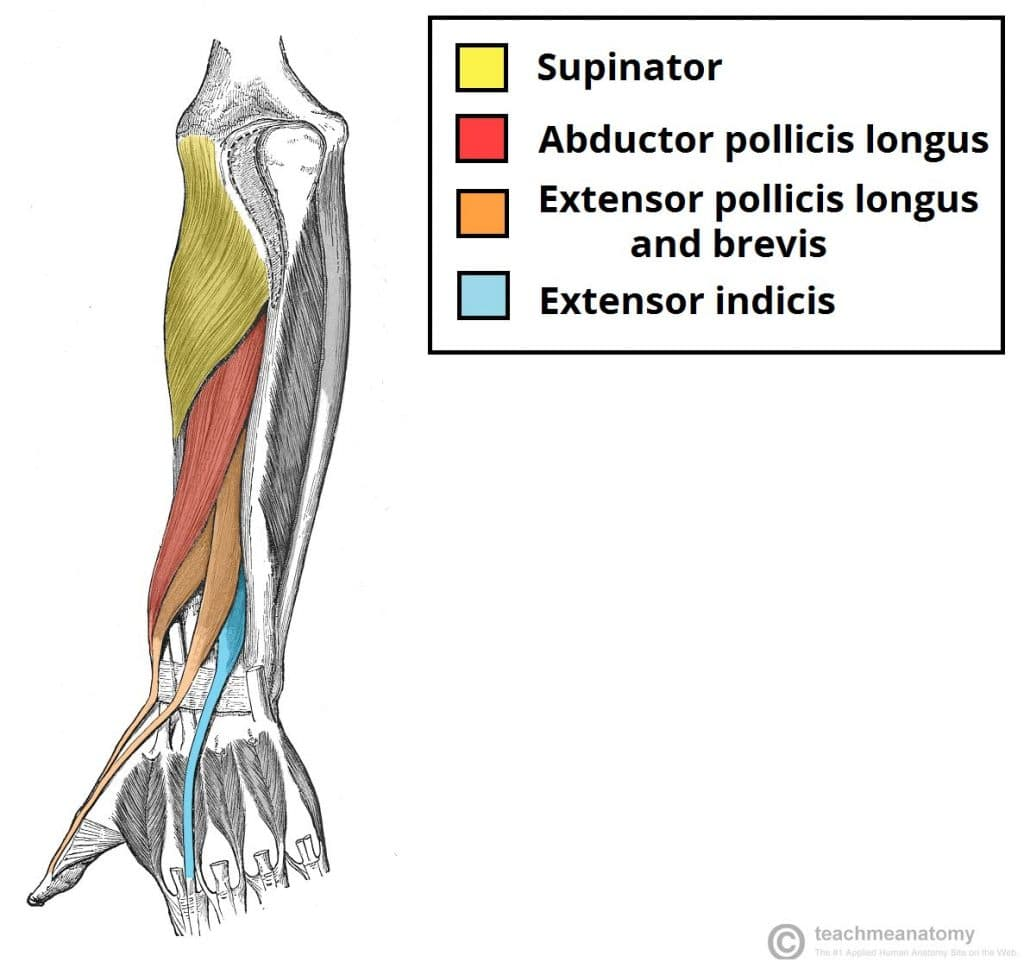
Extensor-Supinator Group

Back of forearm
<p>Back of forearm</p>
64
New cards

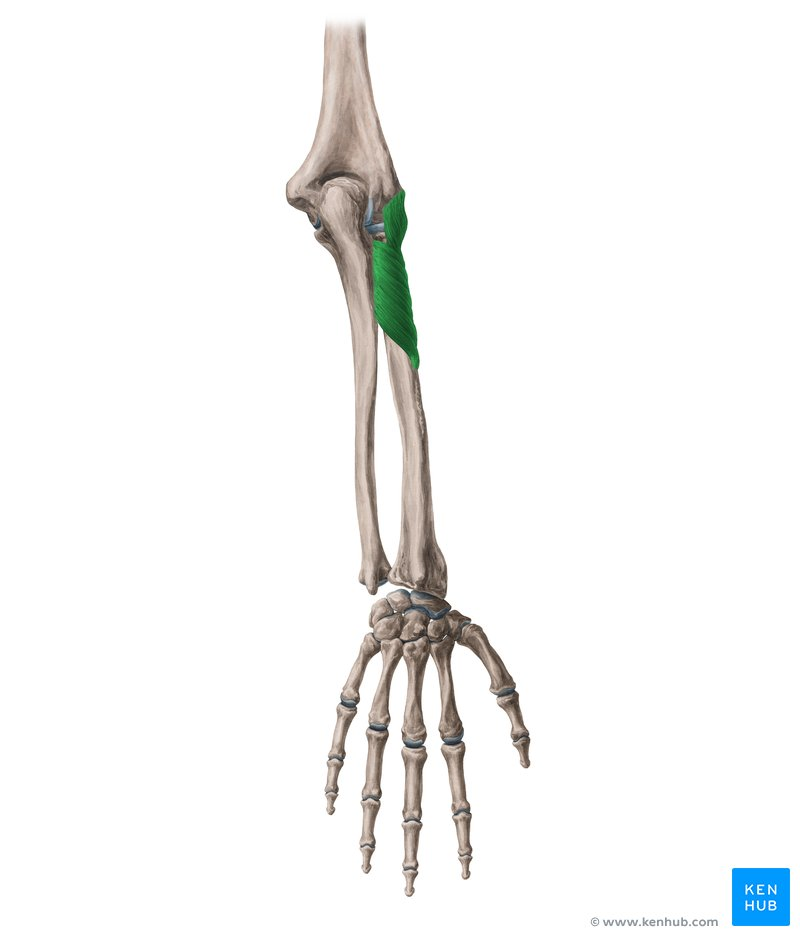
Supinator

<p></p>
65
New cards

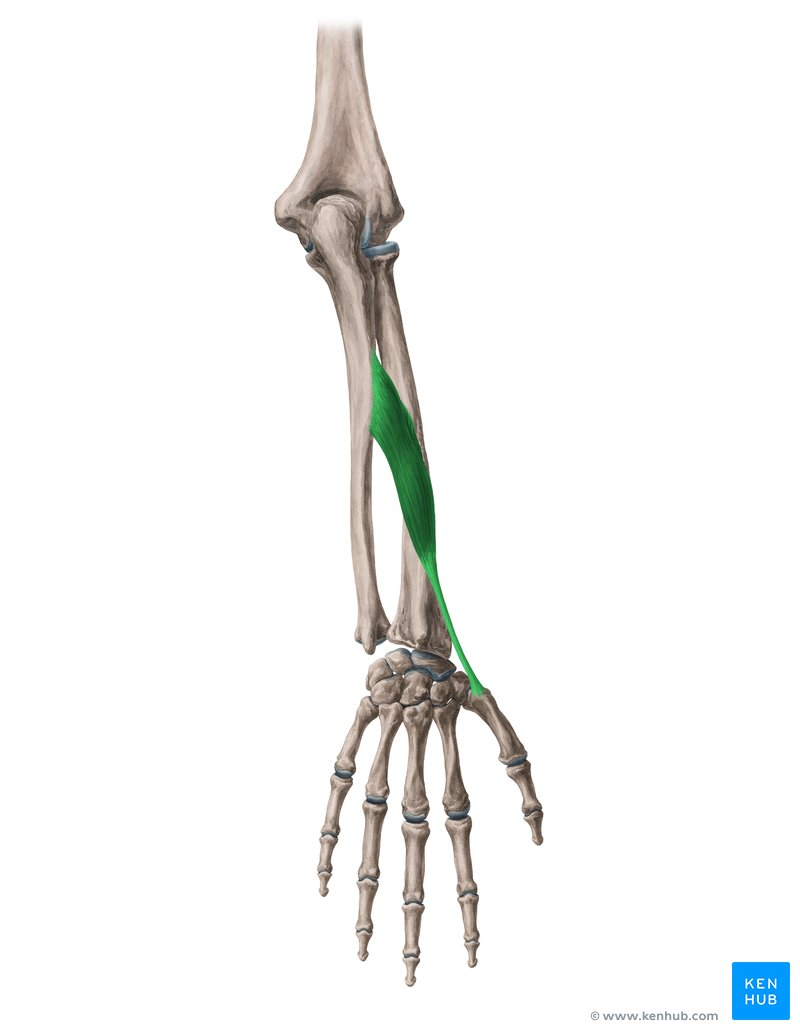
Abductor Pollicis Longus

knowt flashcard image
66
New cards

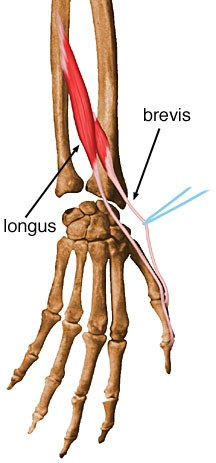
Extensor Pollicis Longus and Brevis

knowt flashcard image
67
New cards

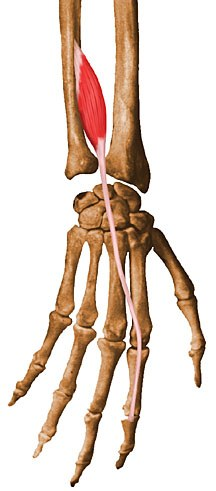
Extensor Indicis

knowt flashcard image
68
New cards

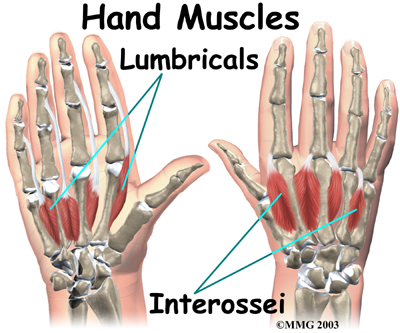
Lumbricals

flex, extend, abduct, and adduct fingers
<p>flex, extend, abduct, and adduct fingers</p>