English Language Features
 Studied by 1 person
 Call Kai
 Learn
Learn Practice Test
 Spaced Repetition
 Match
Match Flashcards
 Knowt Play
1/68

There's no tags or description
Looks like no tags are added yet.
Name | Mastery | Learn | Test | Matching | Spaced | Call with Kai |
|---|
No analytics yet
Send a link to your students to track their progress
69 Terms
Ellipsis
Missing out words creating incomplete construction
Uncontractible verb
Verb that can’t be shortened
False start
Starting then restarting an utterance to correct it
Adjacency pair
A conversational structure where one speaker's utterance prompts a specific response from another speaker.
Copula verb
Joins subject to the subject compliment (e.g. predicative adjective) which describes the subject
E.g he was happy
Contractible auxiliary
auxiliary- verb comes before main verb to express tense, mood, form negative
Contractible - used in a contraction e.g. we’re coming over
Discourse marker
Words or phrases that organize discourse and guide conversation flow.
Hedge
Word/phrase which softens the force that something is said
Tag question
A declarative or imperative followed by a short interrogative
prosodic features
aspects of speech such as intonation, stress, and rhythm that convey meaning beyond words.
elision
The omission of sounds or syllables in spoken language, often to facilitate smoother or faster speech.
repair
Self correction mid utterance
Dialect
Specific words/grammar uses associated with a speific region
contraction
two words are combined into one by omitting certain sounds or letters, commonly used in informal speech.
phatic language
small talk with purely social function
colloquial language
informal language used in everyday conversation
taboo language
language that is socially prohibited or restricted, often considered offensive or inappropriate in certain contexts.
attributive adjective
Pre-modifies noun/pronoun - before
predicative adjective
post modifies noun/pronoun - after
Superlative adjective
-est suffix
Comparative adjective
-er suffix
demonstrative pronoun
points at something e.g. this, that, those
relative pronoun
linking words come right after the noun they refer to e.g. whom, whose, that
possessive pronoun
take ownership e.g. mine hers his
Personal pronoun
identify speakers
he she you we I
indefinite pronoun
refers to non-specific people or things, e.g. anyone, everyone, something.
interrogative pronoun
used to ask questions, e.g. who, what, which, where
complex sentence
contains main clause & subordinate clause where one part more important than the other
subordinate clause
a clause that cannot stand alone as a complete sentence and depends on the main clause for its meaning.
compound sentence
two main clauses joined together by co-ordinating conjunction - neither more important than the other
minor sentence
lacks either a subject or a verb
simple sentence
one main clause, needs subject & verb
what is the subject
person or thing that performs the action, described by verb
what is the object
the person or thing that receives the action of the verb.
what is the passive voice
subject receives the action of the verb instead of performing it.
What is the active voice
subject performs the action of the verb.
declarative
sentence that makes a statement
interrogative
question
imperitive
command
non-finite verb
has no ownership, don’t show tense, person or number
auxiliary verb
primary (e.g. be have do) or modal (can may might must) auxiliary verbs - helping verbs, go in front of main verbs to express tense, mood, construct negatives or questions
stative verb
describe the state of being or perception rather than what someone/something is doing e.g. it seems
dynamic verb
what is actually happening e.g. kill, jump
perfective verb aspect
to have + past participle (-ed)
present perfective - she has jumped
past perfective - she had jumped
progressive verb aspect
to be + present continuous (ing)
present progressive - she is jumping
past progressive - she was jumping
past progressive verb aspect
she had been jumping
present perfective progressive
she has been jumping
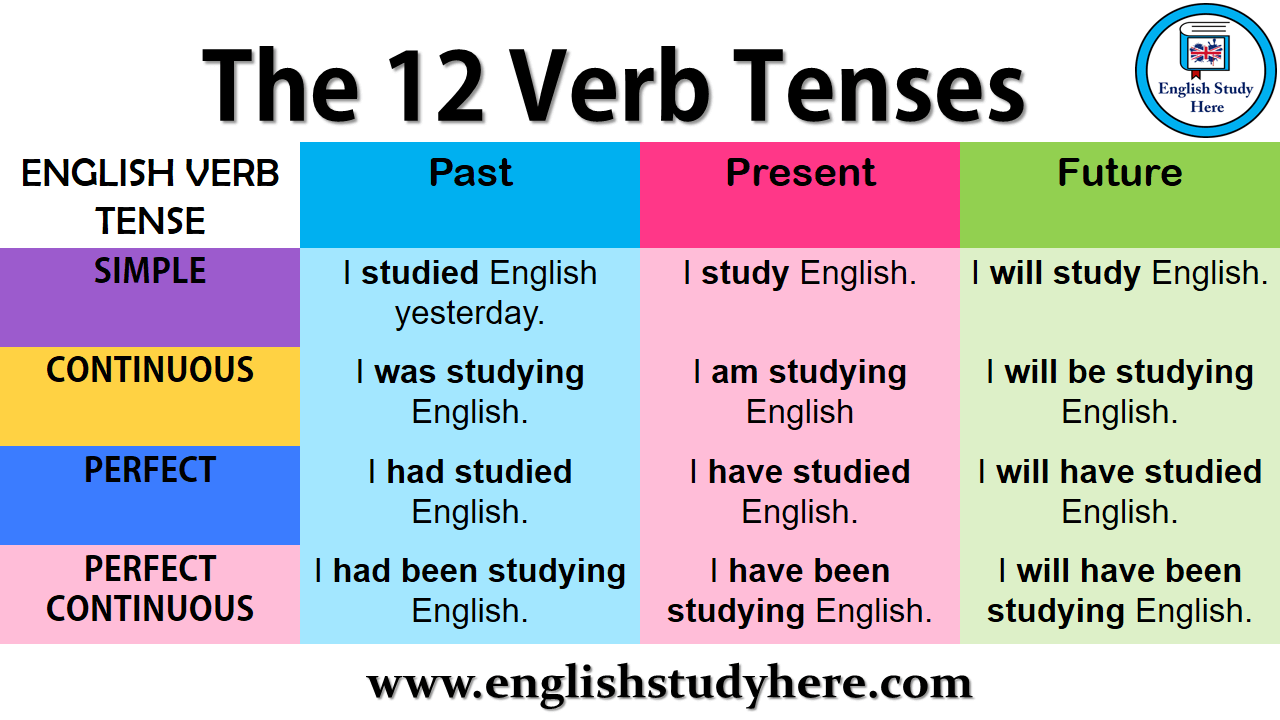
explain the 12 tenses
definite article
determines the object specifically e.g. the
indefinite article
could be one of many, less specific e.g. a
subordinating conjunction
connect subordinating clause to a main clause
coordinating conjunction
words that join together words, phrases, or clauses of equal importance in a sentence
For
And
Nor
But
Or
Yet
So
prepositional noun phrase
preposition e.g. on by to from + noun phrase
compound complex sentence
contains at least two main clauses (joined by a coordinating conjunction) and at least one subordinate clause
relative clause
modifies a noun or noun phrase
e.g. I enjoyed the bread that I baked yesterday
possessive pronoun
show possession e.g. his, hers, theirs
reflexive pronoun
indicate object of verb is the same as it’s subject
personal pronoun
way of identifying speakers, addresses e.g. he, her, I, you
Deictic expression
utterances that cannot be understood unless the context is known e.g. over there, that one
topic shifter
utterance which moves the conversation onto another topic e.g. by the way, so
topic loop
utterance which returns the conversation to an earlier topic e.g. anyway
convergence
language used by a speaker moves closer to that used by another speaker
divergence
language used by a person moves away from that used by another e.g. way of marking social boundaries or patronising/gaining respect
repair
return to a previously stated phrase e.g. he, sorry, she did it
Clause
Must contain subject and verb
independent clause
Clause containing subject and verb that can stand by itself
dependent clause
clause containing subject and verb that is reliant on/attached to another clause
What’s the difference between a clause and a phrase
Clause - must contain subject and verb
Dependent (stand alone) or independent clause (needs other clause)
Phrase - group of words without a subject-verb combination
Verb phrase, prepositional phrase, noun phrase
 Note
Note  Flashcards (103)