Chapter 2 - Everything Neurons
 Studied by 0 people
 Call with Kai
 Learn
Learn Practice Test
 Spaced Repetition
 Match
Match Flashcards
 Knowt Play
1/21

There's no tags or description
Looks like no tags are added yet.
Name | Mastery | Learn | Test | Matching | Spaced | Call with Kai |
|---|
No analytics yet
Send a link to your students to track their progress
22 Terms
Golgi Staining
a dye method to label neurons in brain slices from many different animals
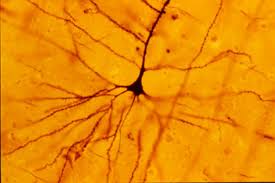
Reticular Theory (Camillo Golgi)
The cells of the brain are all directly connected to each other; forming a continuous network
Neuron Doctrine (Santiago Ramon y Cajal)
Each cell in the brain is independent of other cells, there are no continuous connections between the cells of the brain
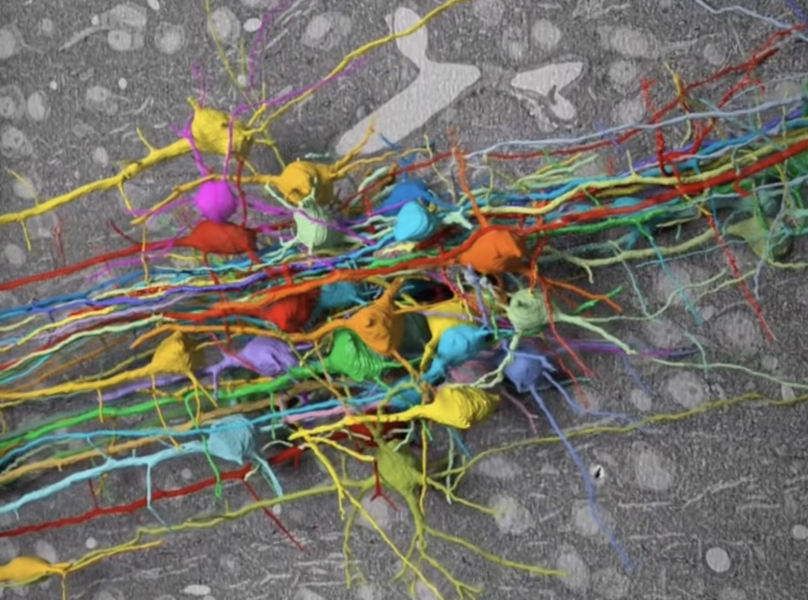
Connectome
A reconstructive “map” of every neuron and its connections
Neurons
Highly specialized cell that has the same components of all other cells in our body (nucleus, mitochondria, ribosomes, etc.)
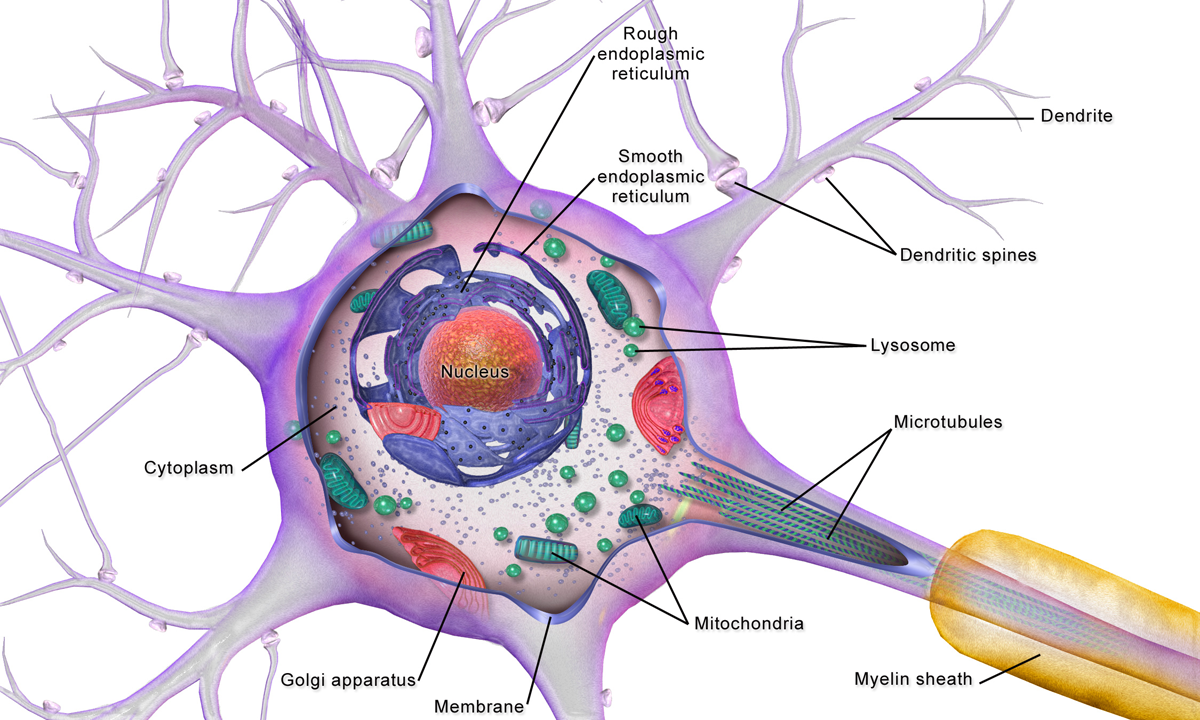
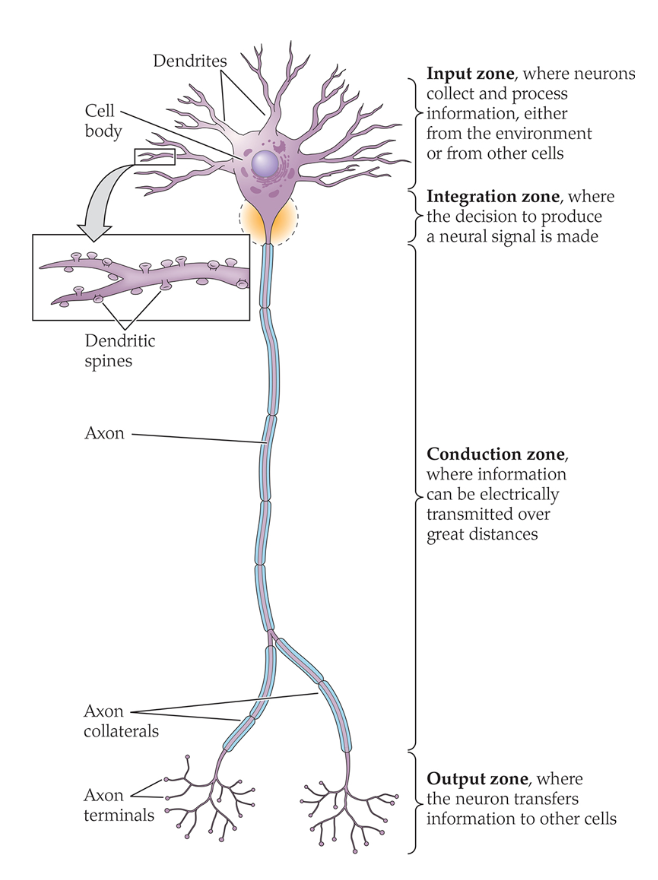
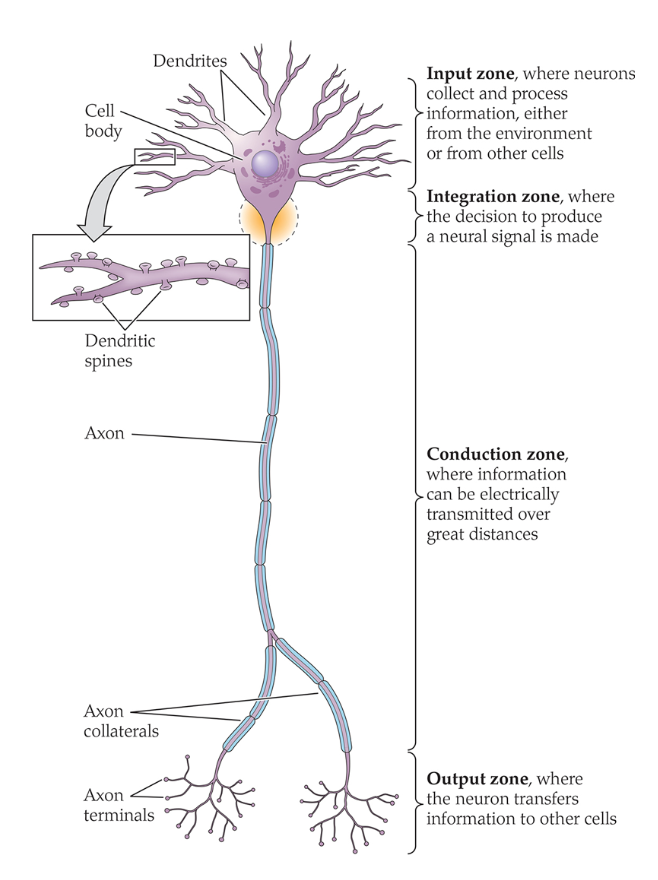
Neuron Organization: Dendrites
“input zone”
Branching offshoots from the cell body, site where information is received from neurons;
Packed full of neurotransmitter receptors where chemicals released from other neurons bind to influence activity
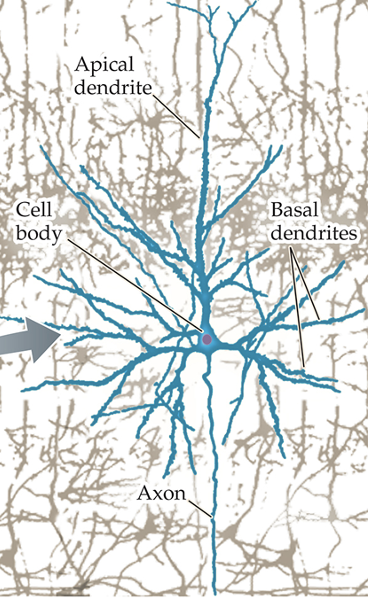
Dendrite Types
Basal Dendrite: near the cell body;
Apical Dendrite: far from the cell body
Neuron Organization: Soma/Cell Body
“integration zone”
Cell body of the neuron where the primary organelles are located;
Site where dendrites and axons are sprouted;
Specialized area of the soma where the axon begins is the axon hillock
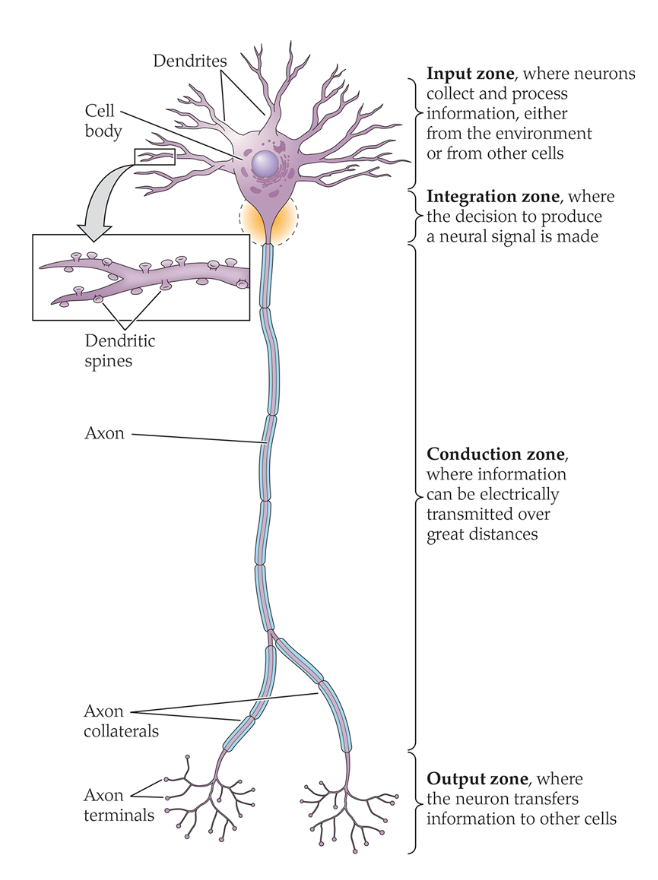
The Soma/Cell Body’s Axon Hillock
Where neurons integrate the thousands of inputs and decide whether or not to “fire” (send a signal)
Neuron Organization: Axon
“conduction zone”
A long, cable-like offshoot of the soma used for transmitting electrical signals;
Wrapped tightly in myelin
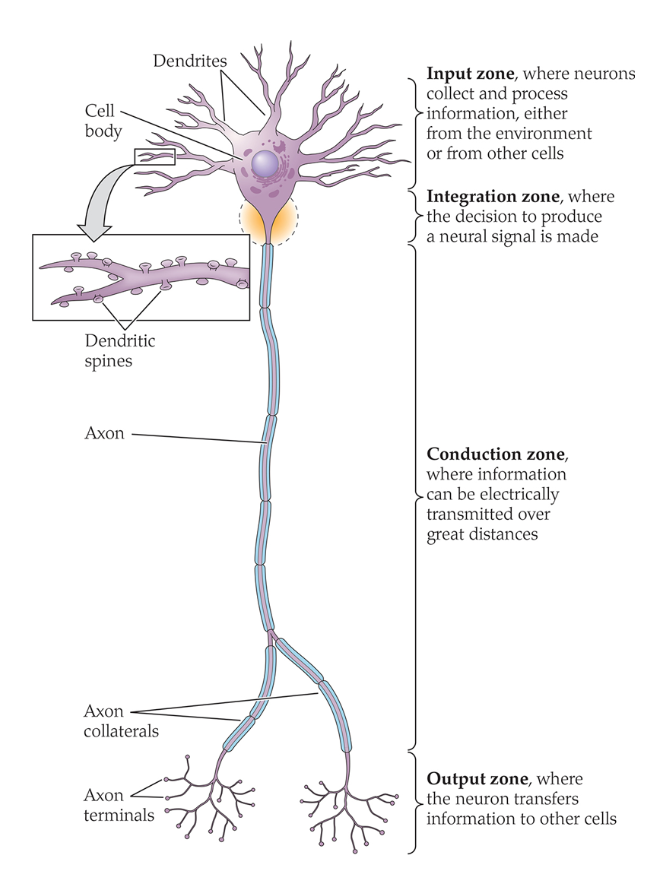
Myelinated Axons
Myelin: a fatty sheath that serves as electrical insulation;
Nodes of Ranvier: Tiny gaps in the myelin sheath where electrical ions can flow into the axon
Neuron Organization: Axon Terminal
“output zone”
Specialized swelling at the end of axons where a neuron transforms an electrical signal into chemical release;
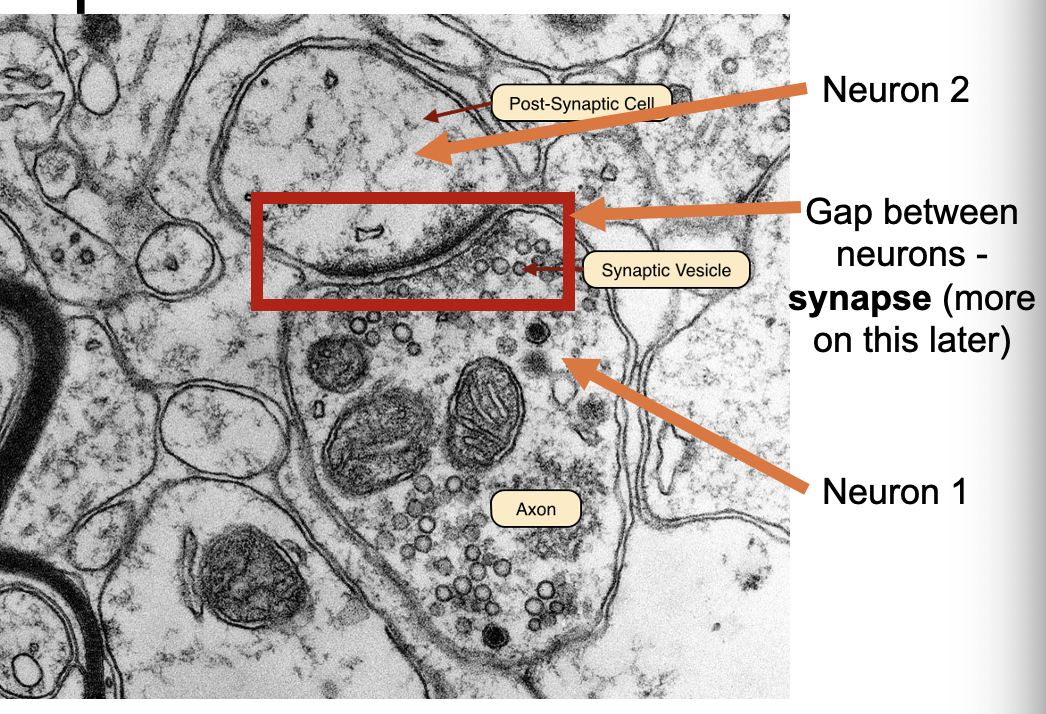
Packed full of synaptic vesicles which hold and release neurotransmitters (chemical messengers);
From ~100 billions neurons we estimate ~500 trillion synapses
Axonal Transport
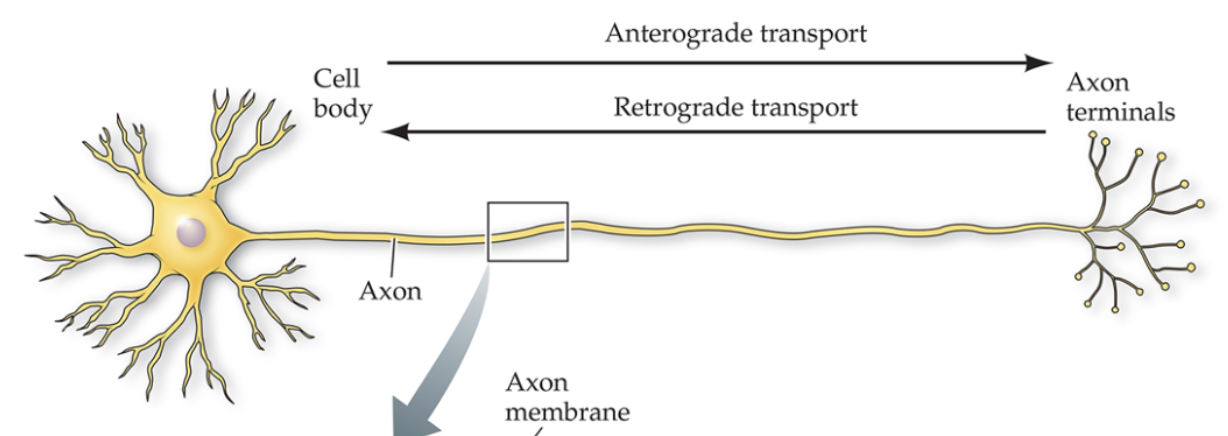
Electrical signals travel unidirectionally from the cell body to the axon terminal
Direction of Flow
Anterograde Transport: from the cell body to the axon terminal;
Retrograde Transport: from the axon terminal to the cell body
Glial Cells
Non-neuronal cells in our brains
Types of Glial Cells
Oligodendrocytes: form the fatty myelin sheath around axons;
Astrocytes: form the blood brain barrier and supply neurons with energy;
Microglia: the immune cells of the brain that eat debris
The Synapse
The gap between an axon terminal and the post-synaptic neuron
Electrical Signaling
Neurons transform an electrical signal into a chemical signal, which are conveyed via the synapse
Electrochemical Gradients
The difference in electrical charge and chemical concentration between the semipermeable cell membrane
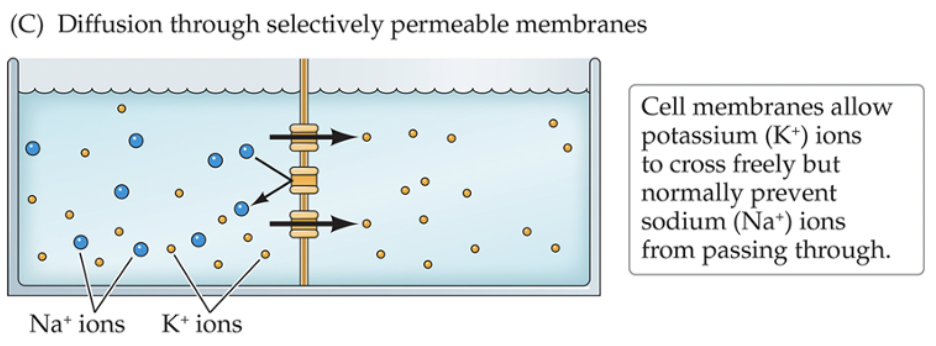
Voltage
Referential measurement that quantifies the electrical charge difference across the neuronal membrane
Resting Membrane Potential
The stable electrical charge difference across a cell’s membrane when it is not actively sending signals;
Neurons resting membrane potential is around -70 mV (more negatively charged at rest relative to surroundings)
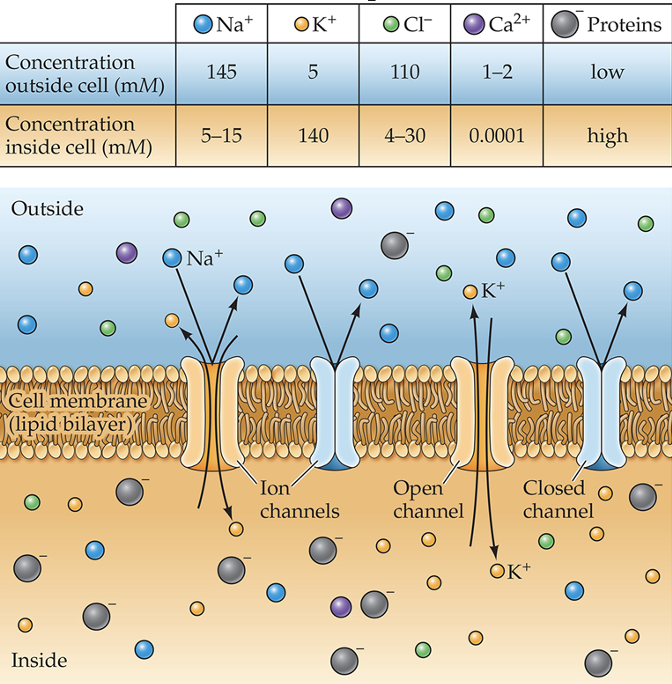
Concentrations of chemical within and outside the cell
Inside the cell: high concentration of negatively charged proteins and potassium (K+), proteins are too big to transfer across the membrane;
Outside the cell: high concentration of sodium (Na+), chloride (Cl-), and calcium (Ca2+)
 Note
Note  Flashcards (54)