Anxiety vs Fear - Chapter 14
 Call Kai
 Learn
Learn Practice Test
 Spaced Repetition
 Match
Match Flashcards
 Knowt Play
1/25

There's no tags or description
Looks like no tags are added yet.
Name | Mastery | Learn | Test | Matching | Spaced | Call with Kai |
|---|
No analytics yet
Send a link to your students to track their progress
26 Terms
Anxiety disorders are marked by WHAT, feeling of WHAT and intense apprehension without apparent reason
Anxiety disorders are marked by PSYCHOLOGICAL AROUSAL, feeling of TENSION and intense apprehension without apparent reason
Anxiety disorder
WHAT
WHAT
WHAT
WHAT
Anxiety disorder
Generalized anxiety disorder
Panic disorder
Phobias
Obsessive-compulsive disorder
Anxiety
A diffuse, vague, unpleasant feeling that something WHAT will happen (with no clear onset and offset)
The worry is about unknown WHAT
WHAT intense
Concerned with potential threats or danger that might occur in the WHAT
Form of disorder: WHAT
Anxiety
A diffuse, vague, unpleasant feeling that something BAD will happen (with no clear onset and offset)
The worry is about unknown DANGERS
LESS intense
Concerned with potential threats or danger that might occur in the FUTURE
Form of disorder: Generalized anxiety disorder
Fear/panic
A sudden WHAT of terror in face of perceived immediate dangers (with clear onset and offset)
The cause of fear is WHAT most of the time
WHAT intense
Concerned with threat or danger in the WHAT
Form of disorder: WHAT
Fear/panic
A sudden INCREASE of terror in face of perceived immediate dangers (with clear onset and offset)
The cause of fear is KNOWN most of the time
MORE intense
Concerned with threat or danger in the IMMEDIATE ENVIRONMENT
Form of disorder: Panic disorder and phobia
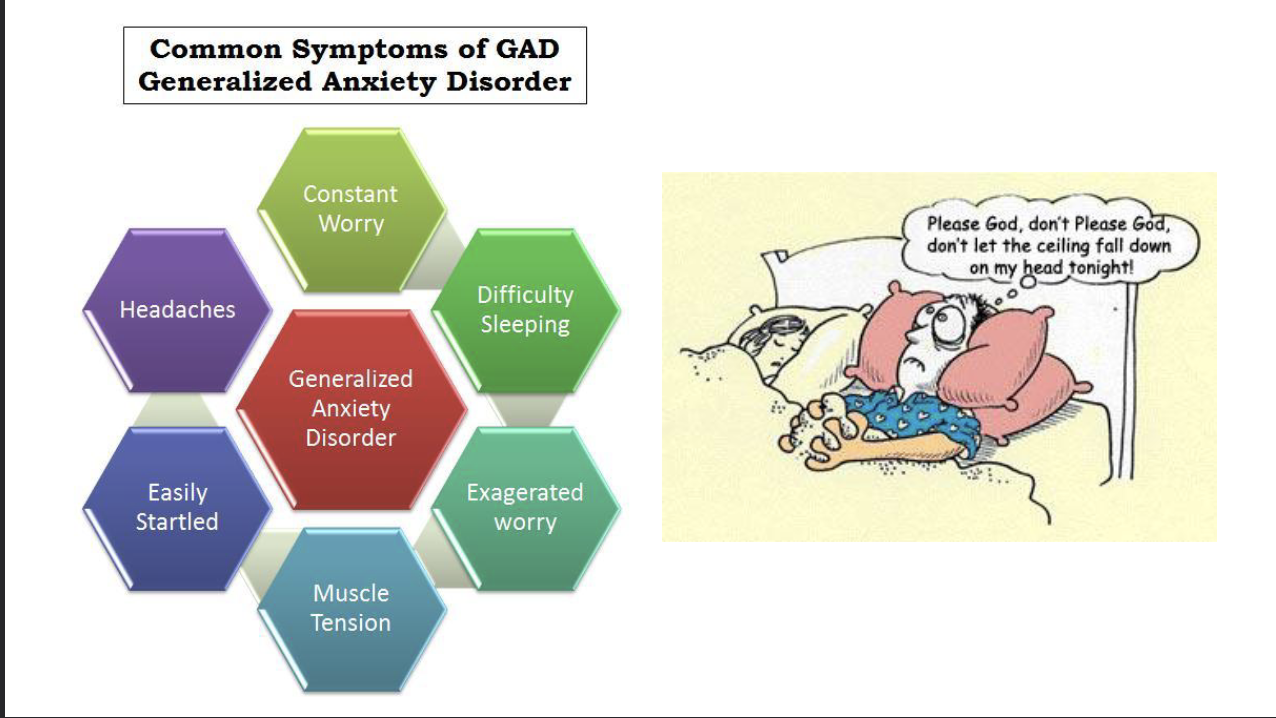
Generalized anxiety disorder
An anxiety disorder in which an individual feels WHAT and WHAT most of the time for at least WHAT months when not threatened by any specific danger or object.
Threat and danger are WHAT.
Analogy: Spending too much time anticipating alarms that probably will not sound
Generalized anxiety disorder
An anxiety disorder in which an individual feels ANXIOUS and WORRIED most of the time for at least SIX months when not threatened by any specific danger or object.
Threat and danger are IMAGINARY.
Analogy: Spending too much time anticipating alarms that probably will not sound
Panic Disorder
An anxiety disorder in which sufferers experience unexpected, severe WHAT that begin with a feeling of intense apprehension, WHAT, or WHAT.
The indicators of panic disorder are similar to those of generalized anxiety disorder, except that they are greatly WHAT and usually have a sudden onset
Panic Disorder
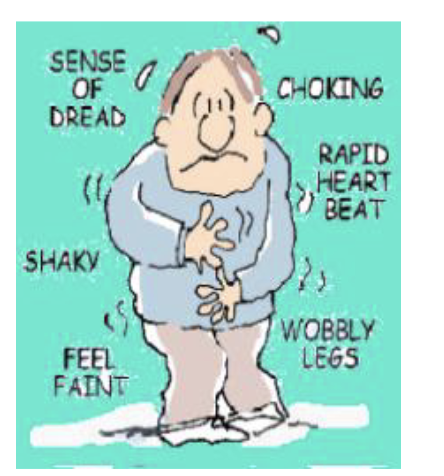
An anxiety disorder in which sufferers experience unexpected, severe PANIC ATTACKS that begin with a feeling of intense apprehension, FEAR, or TERROR.
The indicators of panic disorder are similar to those of generalized anxiety disorder, except that they are greatly MAGNIFIED and usually have a sudden onset
Clinical Features of Panic Attacks
A discrete period of intense WHAT or WHAT, in which WHAT (or more) of the following symptoms developed abruptly and reached a peak within WHAT minutes:
Palpitations, pounding heart, or accelerated heart rate
Sweating
Trembling or shaking
Sensations of shortness of breath or smothering
Feeling of choking
Chest pain or discomfort
Nausea or abdominal distress
Feeling dizzy, unsteady, lightheaded, or faint
Derealization (feelings of unreality) or depersonalization (being detached from oneself)
Fear of losing control or going crazy
Fear of dying
Paresthesia (numbness or tingling sensations)
Chills or hot flushes
Clinical Features of Panic Attacks
A discrete period of intense FEAR or DISCOMFORT, in which FOUR (or more) of the following symptoms developed abruptly and reached a peak within 10 minutes:
Palpitations, pounding heart, or accelerated heart rate
Sweating
Trembling or shaking
Sensations of shortness of breath or smothering
Feeling of choking
Chest pain or discomfort
Nausea or abdominal distress
Feeling dizzy, unsteady, lightheaded, or faint
Derealization (feelings of unreality) or depersonalization (being detached from oneself)
Fear of losing control or going crazy
Fear of dying
Paresthesia (numbness or tingling sensations)
Chills or hot flushes
Phobias
Phobia is a persistent and irrational fear (of a specific object, activity, or situation) that is excessive and unreasonable, given the reality of the threat.
Phobias
Two major categories of phobias
WHAT
WHAT
Phobias
Two major categories of phobias
Social phobia (social anxiety disorder)
Specific phobia
Social Phobia
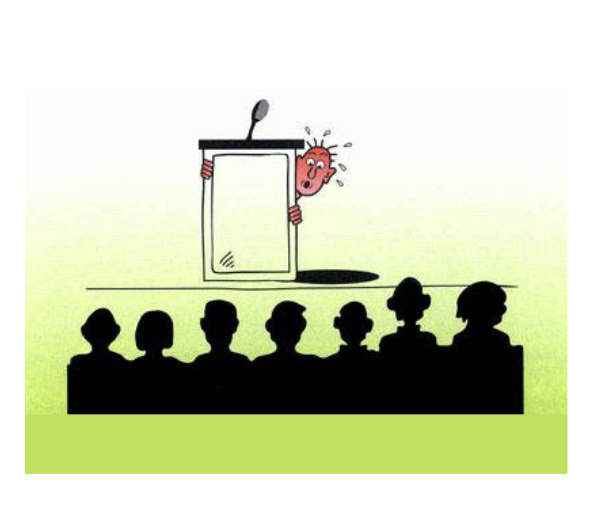
A persistent , irrational fear that arises in anticipation of a public situation in which an individual can be observed by others.
Examples
Giving a speech
Playing a musical instrument
Meeting with strangers
Social Phobia
Common signs of anxiety in social phobic individuals:
Intense WHAT
WHAT of the hands
Quavering WHAT
Profuse perspiration
Muscle WHAT
Social Phobia
Common signs of anxiety in social phobic individuals:
Intense BLUSHING
TREMORS of the hands
Quavering VOICE
Profuse perspiration
Muscle TENSION
Social Phobia
At the core of the phobia, the individual is afraid of being WHAT or WHAT.
Social phobic people experience great fear at the mere thought of having to WHAT
They are constantly afraid that they will say something WHAT.
They are over concerned about how others may WHAT of them
Social Phobia
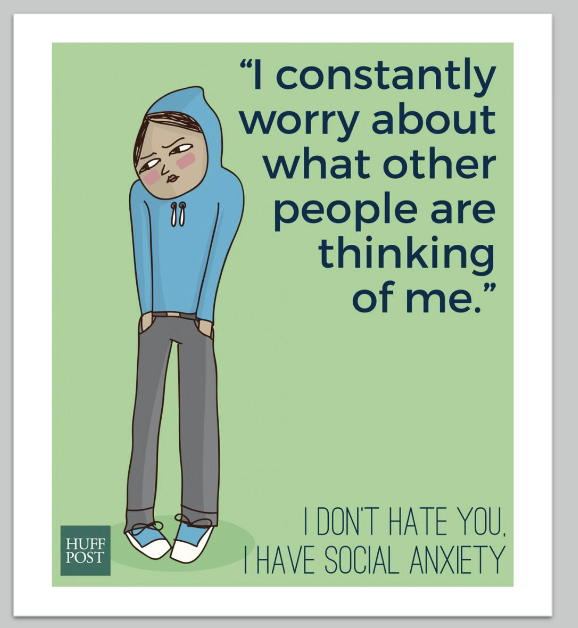
At the core of the phobia, the individual is afraid of being HUMILIATED or EMBARRASSED.
Social phobic people experience great fear at the mere thought of having to INTERACT WITH OTHER PEOPLE
They are constantly afraid that they will say something STUPID.
They are over concerned about how others may THINK of them
Specific phobias
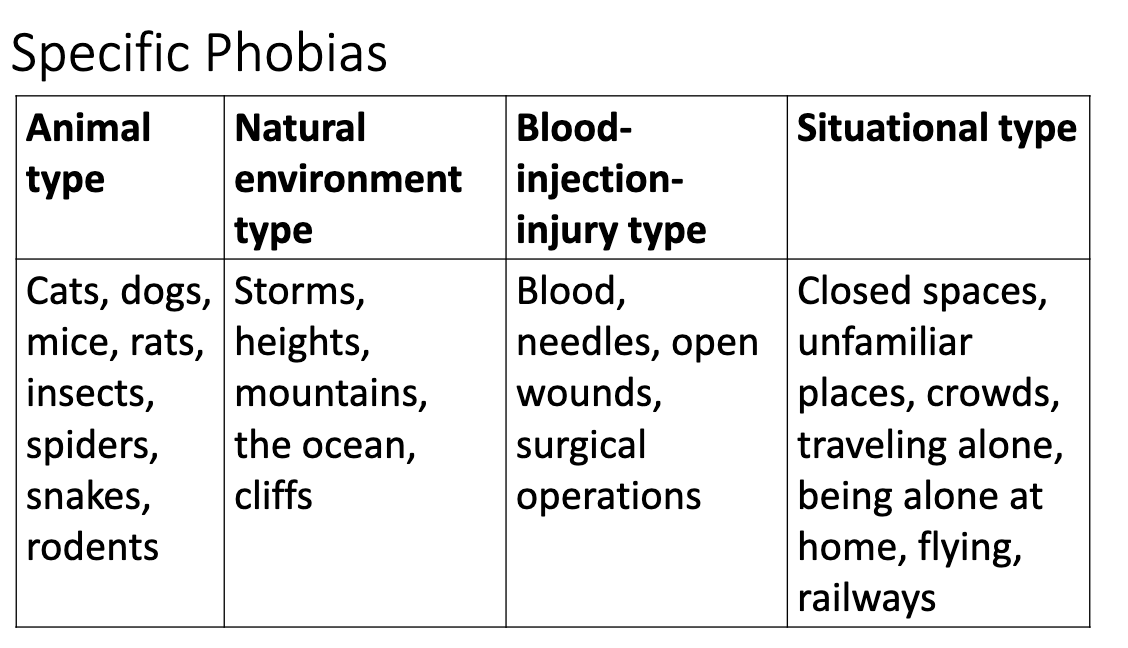
Specific phobias are phobias that occur in response to specific types of objects or situations.
Specific phobias
The stimuli that evoke them are WHAT
The most common fear-arousing stimuli tend to be WHAT, WHAT, or WHAT that presented WHAT dangers in earlier stages of human evolution.
Specific phobias
The stimuli that evoke them are NOT RANDOM.
The most common fear-arousing stimuli tend to be ANIMALS, OBJECTS, or EVENTS that presented REAL dangers in earlier stages of human evolution.
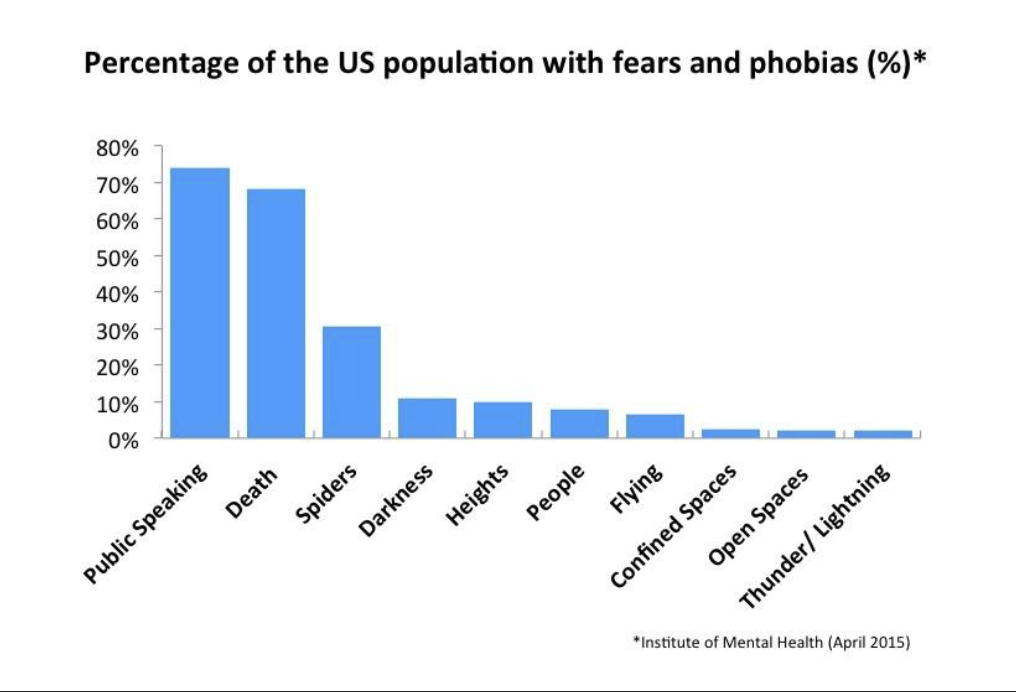
What are the most popular phobis in the US
Public speaking
death
spiders
Agoraphobia
Agoraphobia is a form of WHAT type of specific phobias.
Agoraphobia
Agoraphobia is a form of SITUATIONAL type of specific phobias.
Agoraphobia
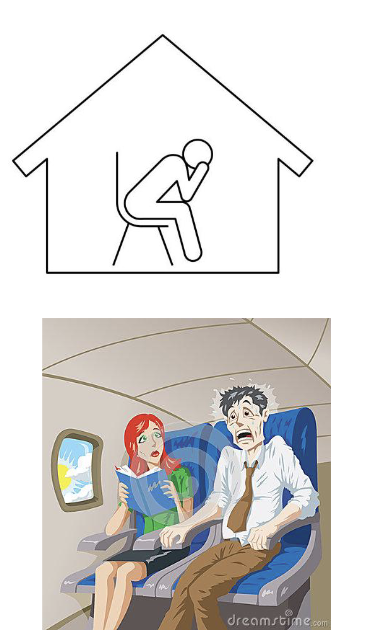
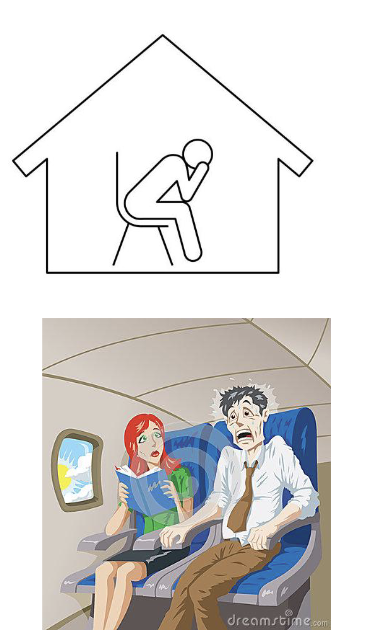
It is an extreme fear of being in situations from which escape may be WHAT or WHAT of situations such as being alone outside one’s home, traveling in a car, bus, or airplane, or being in a crowded area.
Agoraphobia
It is an extreme fear of being in situations from which escape may be DIFFICULT or AVOIDANCE of situations such as being alone outside one’s home, traveling in a car, bus, or airplane, or being in a crowded area.
Obsessive-Compulsive Disorder
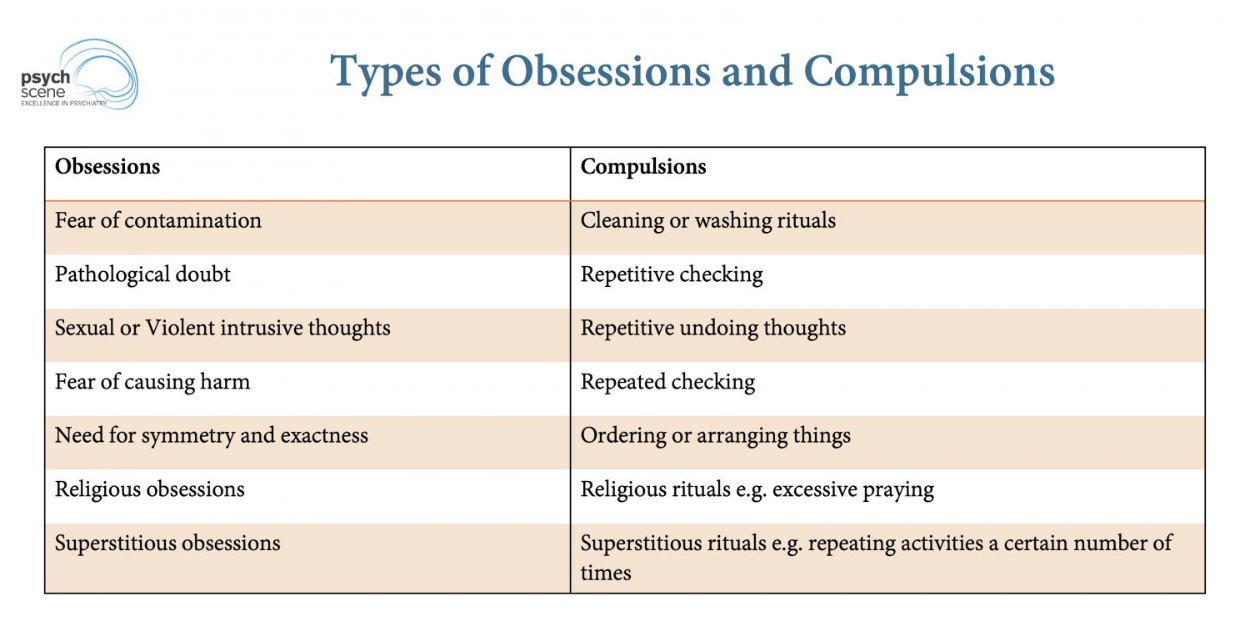
Obsessions
Obsessive-Compulsive Disorder
Obsessions are thoughts, images, or impulses that RECUR or PERSIST despite a person’s efforts to suppress them.
Obsessive-Compulsive Disorder
Compulsions
Obsessive-Compulsive Disorder
Compulsions are REPETITIVE and PURPOSEFUL acts performed according to certain RULES or in a ritualized manner in response to an obsession.
Obsessive-Compulsive Disorder
A compulsive behaviour serves to reduce the WHAT produced by a form of WHAT.
Obsessive-Compulsive Disorder
A compulsive behaviour serves to reduce the ANXIETY produced by a form of OBSESSION.
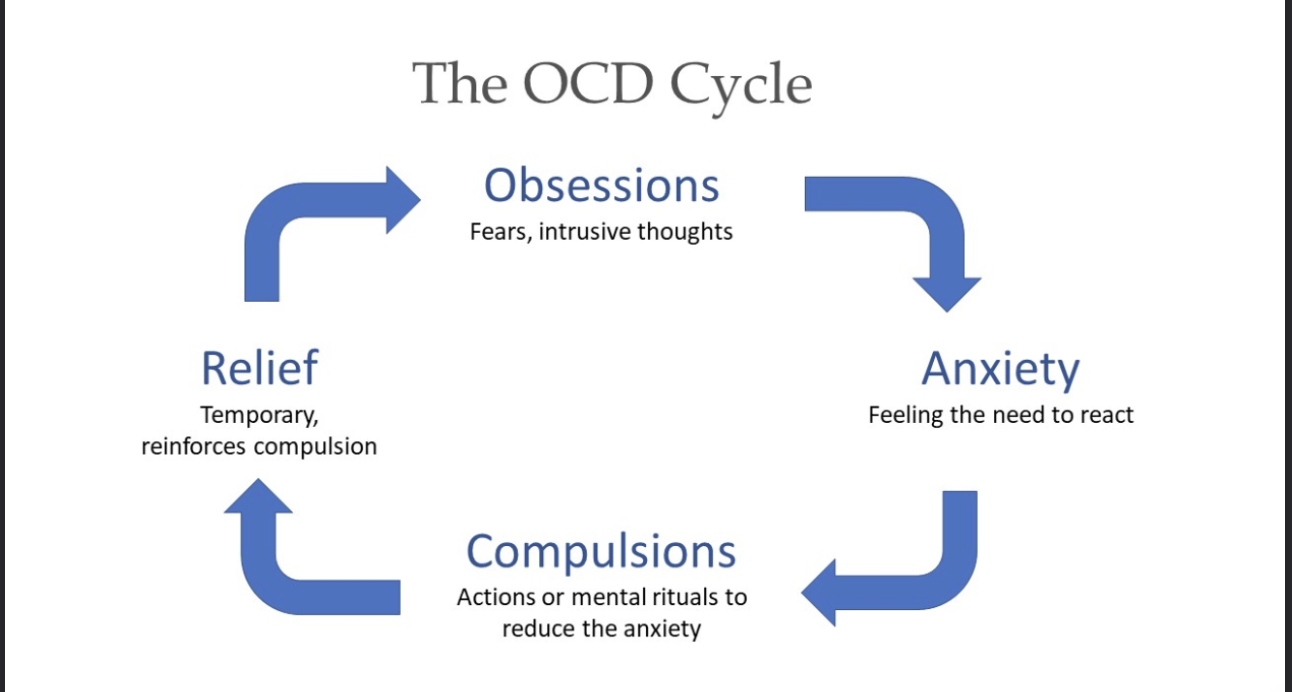
The OCD cycle
obsessions (fears, intrusive thoughts) → anxiety (feeling the need to react) → compulsions (actions or mental rituals to reduce the anxiety) → Relief (temporary, reinforces compulsions) → Obsessions
Types of obsessions and compulsions
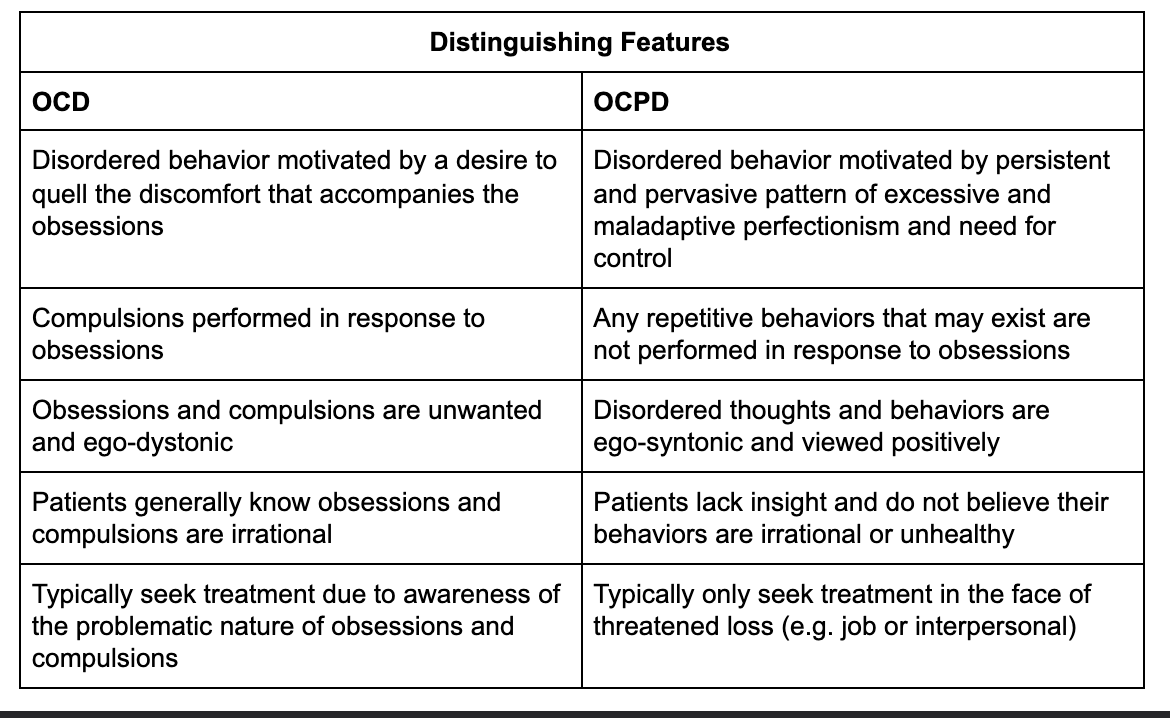
OCPD is defined by strict adherence to WHAT, WHAT, and WHAT.
People with OCPD are likely to obsess over even the WHAT of their life. They like to be in control of those details all the time.
They restrict their flexibility and openness to WHAT experiences.
Compulsive behaviors are driven by the need to be WHAT (OCPD is a personality disorder)
OCPD is defined by strict adherence to ORDERLINESS, CONTROL, and PERFECTIONISM.
People with OCPD are likely to obsess over even the SMALLEST DETAILS of their life. They like to be in control of those details all the time.
They restrict their flexibility and openness to NEW experiences.
Compulsive behaviors are driven by the need to be PERFECT (OCPD is a personality disorder)
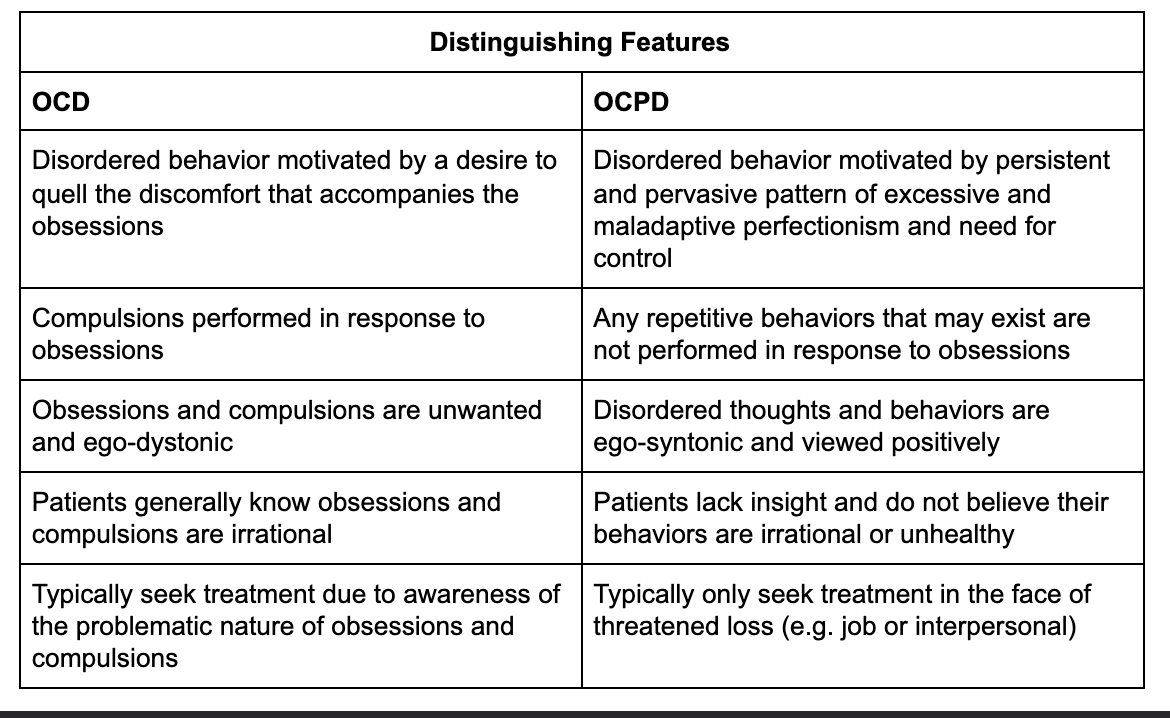
Individuals with OCD constantly suffer from frequent, upsetting thoughts in a WHAT (e.g., worry about contamination).
They try to control these thoughts by forming particular WHAT or WHAT (e.g., repetitive and extended periods of washing).
Compulsive behaviours are driven by the need to WHAT (OCD is an anxiety related disorder)
Individuals with OCD constantly suffer from frequent, upsetting thoughts in a LOOP (e.g., worry about contamination).
They try to control these thoughts by forming particular BEHAVIOURS or RITUALS (e.g., repetitive and extended periods of washing).
Compulsive behaviours are driven by the need to REDUCE ANXIETY (OCD is an anxiety related disorder)
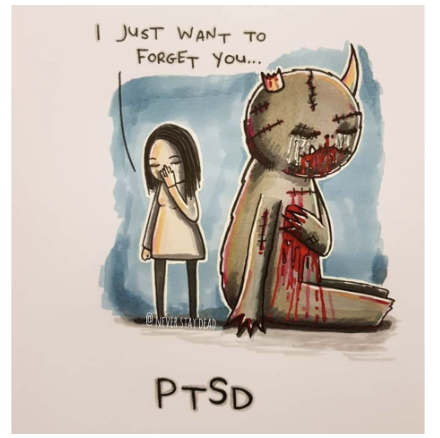
Posttraumatic Stress Disorder
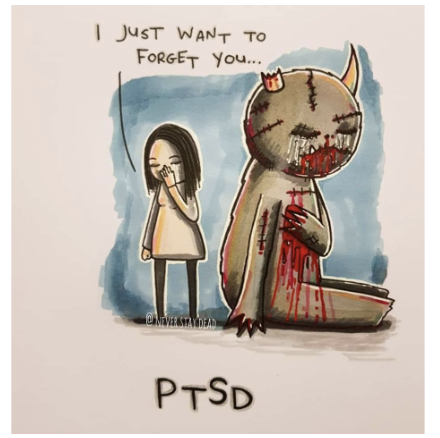
In DSM-5, PTSD is classified as a trauma and stressor-related disorder characterized by the persistent WHAT of WHAT events through distressing recollections, dreams, hallucinations, or dissociative flashbacks; developed in response to rape, life- threatening events, severe injury, and natural disasters
Note: In DSM-4, it was classified as an WHAT disorder.
Posttraumatic Stress Disorder
In DSM-5, PTSD is classified as a trauma and stressor-related disorder characterized by the persistent RE-EXPERIENCE of TRAUMATIC events through distressing recollections, dreams, hallucinations, or dissociative flashbacks; developed in response to rape, life- threatening events, severe injury, and natural disasters
Note: In DSM-4, it was classified as an ANXIETY disorder.
Diagnostic Criteria of PTSD
Exposed to a WHAT event.
The traumatic event is WHAT.
Avoidance of WHAT associated with the trauma and WHAT of responsiveness.
Increased WHAT.
Duration more than WHAT
Causes WHAT or WHAT.
Diagnostic Criteria of PTSD
Exposed to a TRAUMATIC event.
The traumatic event is RE-EXPERIENCED.
Avoidance of STIMULI associated with the trauma and NUMBING of responsiveness.
Increased AROUSAL.
Duration more than 1 MONTH
Causes DISTRESS or IMPAIRMENT.