TOPIC 6 - Production & Process Control
 Studied by 0 people
 Call with Kai
 Learn
Learn Practice Test
 Spaced Repetition
 Match
Match Flashcards
 Knowt Play
1/12

There's no tags or description
Looks like no tags are added yet.
Name | Mastery | Learn | Test | Matching | Spaced | Call with Kai |
|---|
No analytics yet
Send a link to your students to track their progress
13 Terms
General Production Requirement
Written procedures for production and process control are needed to ensure product identity, strength, quality, and purity
Follow procedures during execution and document real-time performance
Deviations must be recorded, explained, and critical deviations investigated and documented (both the investigation and conclusion)
In-process controls and testing are required to ensure batch uniformity and integrity
Equipment must be cleaned, maintained and sanitised regularly to prevent contamination or malfunction
A formal change control system must assess changes affecting production or control of drug products
Controls
Purpose: To ensure drug products are produced with the required quality attributes (ie. identity, purity, potency, safety, etc)
GDP and SOPs must be followed at every production step
OVERVIEW
Before starting production – Area & Line Clearance
During Production – GDP/SOPs
After Production – Batch Record Review
Cleaning, Maintenance & Calibration
Deviation Management & CAPA
Change Control
Before Starting Production (Area & Line Clearance)
Check that:
SOPs and documents are correct and of the latest revision (ie. remove old batch documents)
Raw materials, intermediates and packaging correctly identified and within expiry
Correct, clean, calibrated and functional equipment and appropriate lines are selected and changeover done if needed
All previous deviations resolved
After Production (Production Record Review)
Quality Assurance must review and approve all records (ie. production, control) before a batch is released
Ensures batch was made according to intended process and consistent in quality
Must comply with GMP and GDP
All deviations/non-conformance, including related batches, to be investigated in accordance to company procedures
Equipment Cleaning & Maintenance
Equipment and utensils must be regularly cleaned, maintained and sanitized to prevent contamination and malfunction
Cleaning:
Removes product residue to prevent cross-contamination
Removes food source for microorganisms
Uses cleaning detergents and soaps with high purity water; hot water alone used when possible
Sanitising (NOT Sterilisation):
Reduces microbial counts on equipment surfaces
Uses thermal or chemical sanitising agents
Water utility systems primarily follow sanitization practices
Degree of cleaning and maintenance depends on if the next batch is of the same or different product
Product changeover is more stringent
SOPs (for equipment cleaning and maintenance) must have:
Personnel responsibility
Schedule, frequency and status expiry
Methods for cleaning/maintenance (including equipment and materials used), disassembly and reassembly
Protection of clean equipment before use
Inspection of equipment for cleanliness before use
Maintenance of cleaning/maintenance records
Clean In Place (CIP)
Cleaning is done without disassembling equipment (eg. vessels, tanks, associated pipings)
Cleaning chemicals and rinse water (PW and/or WFI) are sent through pipes in a circulating or once-through manner
Removes media, culture, and product residues to a consistent, acceptable level and cleaning agents by final WFI rinse
CIP Cycle:
Pre-rinse with PW/WFI
Caustic wash with KOH (dissolve and remove organic residues and kill microorganisms)
Rinse with PW/WFI
Acid wash with H3PO3 (removes inorganic deposits and neutralises metal surfaces → prevents corrosion)
Rinse with PW/WFI
Final Rinse with HOT PW/WFI (removes all remaining cleaning agents)
Air blow (blows out residual water and dry equipment → prevents stagnation and reduces moisture)
Clean Out of Place (COP)
Used to clean parts or systems that must be removed, disassembled or brought out of place
eg. flexible hoses, sanitary clamps, end caps etc.
Can be manual and automated
Care must be taken to prevent contamination from environmental exposure or personnel interference
COP washer is an automated COP system
Cleans disassembled and brought out of place parts/fittings
Same stages as CIP cycle
Uses jet sprays inside wash chamber to create turbulent flow and mixing (for effective cleaning)
CIP vs COP
Advantages of CIP:
Eliminates environment and personnel exposure to the containment
Improves cleaning process consistency and reproducibility
No need to shut down or disassemble equipment so does not impact manufacturing efficiency
Equipment Maintenance
To ensure equipment reliability and prevent reactive failures through scheduled programs
SOPs must outline:
Responsibility
List of critical instrument
Maintenance schedules
Description of methods, equipment and materials used in maintenance operations
Management of Out-of-Tolerance (OOT) observations
Records
2 types of maintenance – ① Preventive ② Predictive
Preventive | Predictive |
Time-interval maintenance | Condition-based maintenance |
Based on calendar time or equipment running hours | Based on equipment conditions |
Intervals are based on average deterioration rate | Uses trend data from condition monitoring to predict failure |
Increases reliability of assets and reduces reactivity to failure | |
Preventive Maintenance
All production-related equipment must be certified by accredited bodies to ensure accuracy at all times
Preventive maintenance program:
Ensures all equipment are in optimal condition
Documents all maintenance activities, dates and personnels involved
Calibration (Standards)
All relevant data-recording equipment must be calibrated to ensure accuracy
New or repaired instruments require calibration before use
All equipment to be reviewed on calibration requirements upon receipt
Maintain clear inclusion/exclusion lists with reasons, location and final approval by Quality
Calibration standards must be traceable to national or international standards (eg. SPRING Singapore, NIST)
Calibration Guidelines
Classification of equipment depends on severity of accuracy of equipment on the product
Critical (affects product quality) – Calibrated minimally every 6 months
Non-critical (no direct impact) – Calibrated minimally every 12 months
Accuracy requirements should be set in consent with Quality and Calibration departments
Non-conforming equipment must NOT be used
Calibration Records
Must include:
Equipment identification
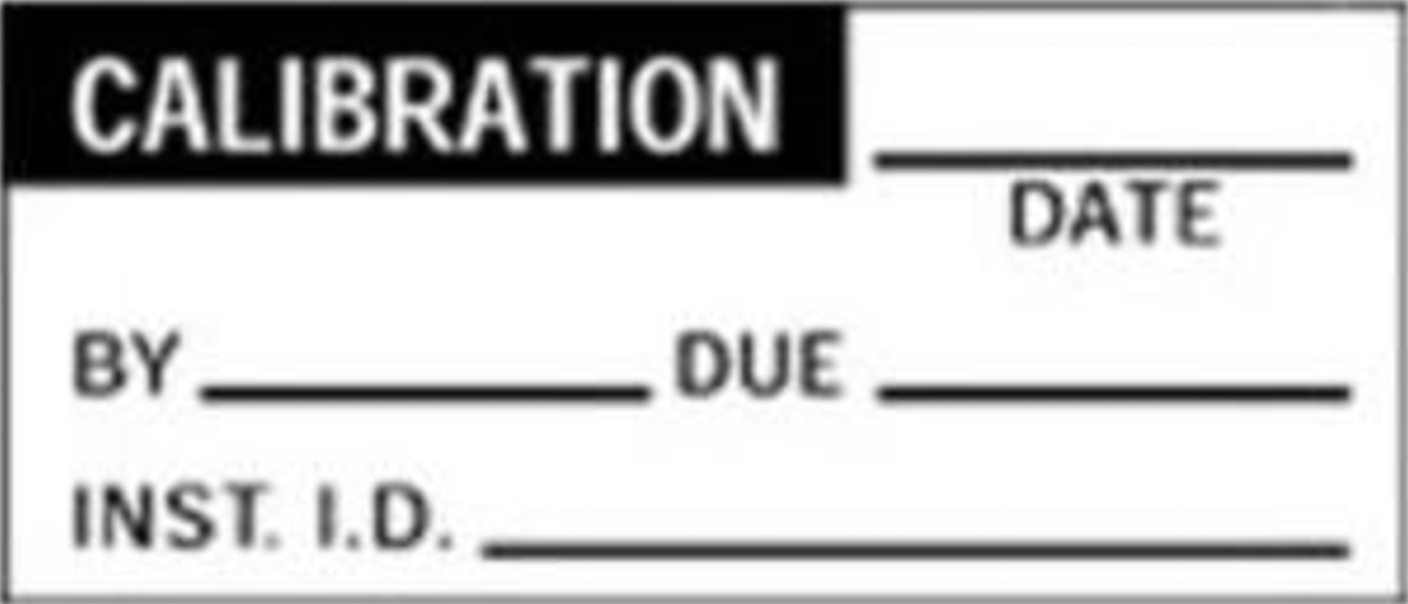
Calibration dates
Individual performing each calibration
Next calibration date
Records must be displayed on/near the equipment or be readily available
 Note
Note  Flashcards (54)