Evolution and Human Health
 Studied by 0 people
 Call Kai
 Learn
Learn Practice Test
 Spaced Repetition
 Match
Match Flashcards
 Knowt Play
1/13

Earn XP
Description and Tags
exam 3
Name | Mastery | Learn | Test | Matching | Spaced | Call with Kai |
|---|
No analytics yet
Send a link to your students to track their progress
14 Terms
The ghost of famines past
worked as powerful agents of natural selection
ex: prima people
Diabetes
A group of metabolic disorders related to high blood sugar levels
Cardiovascular disease, stroke, chronic kidney disease, foot ulcers, and damage to the eyes
not a disease, its a collection of symptoms
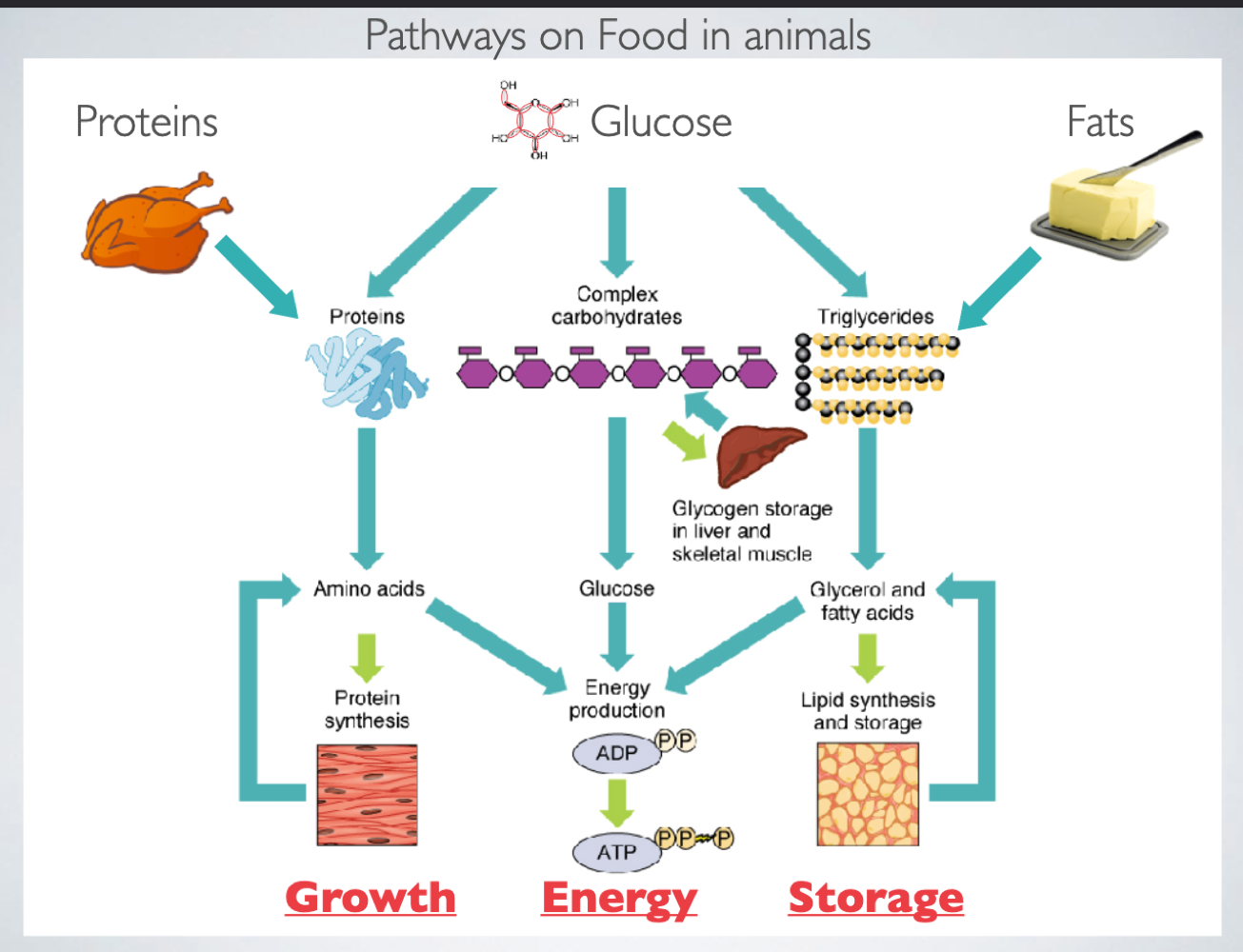
eat somehting with carbohydrates = increase the level of sugar (Mainly Glucose) on the blood
use of insulin = Blood sugar level go down
can turn stored fat into glucose
Type 1
caused by the destruction of insulin-producing cells resulting in the body producing little or no insulin

Type 2
caused by insulin resistance and relative deficiency where insulin produced by the body is not used effectively
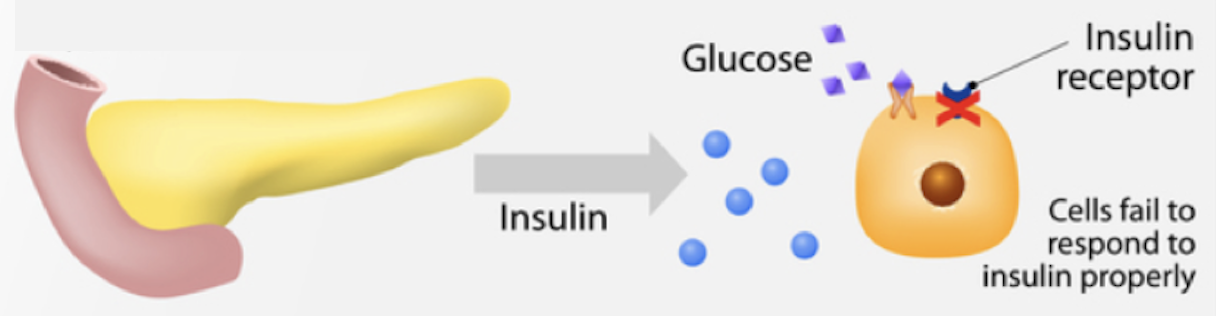
But what does diabetes has to do with famines?
famines have worked as powerful agents of natural selection
Selection the genes that are the most efficient at using food
during a famine, those who are diabetic tend to surive, then they reproduce and the whole pop. is diabetic, which leads to a genetic bottleneck
A Genetic or Population bottleneck is an event that drastically reduces the size of a population and therefore, decreases its gene pool. Due to the event, the remaining population becomes more genetically homogenous
Carbs used to be rare, so these mutations helped people to use them efficiently and store them as “fat” very fast
Prima people (arizona)
are all overweight (3/4 are obese) and have the highest rate of diabetes in the world
the cycles of drought and famine in the desert made the Pima’s to undergo multiple genetic bottlenecks that spread the HLA-DQA1, HLA-DQB1, and HLA-DRB1genes across the population
This genetic bottleneck allowed scientists to identify spree of the genes associated with diabetes (Type 1) HLA genes
The Pima evolved in the desert and their genes help them survive
Now, those same genes are their #1 cause of mortality
what determines which culture will dominate another
the "discovery" of America - 1400s
pre-colombus North America was full differnt cultures
Maya
Aztec
Inca
Pre-coumbus America had 2 empires
How fewer than 5000 people from Europe dominated more than 150 000 000
people in the Americas?
guns and diseases (mainly) - set of new pathogens
stimated that 120 000 000 died in the first 75 years after the arrival of Europeans
city livestock
large disease outbreaks:
no clean water
no sewer
no soap
no house toilets
pathogens moving across species
John Snow
wanted to discover what these people were dying from
People lived far from the brewery = died
people lived next to the brewery = lived
For 100’s of years, people from Europe lived in these conditions
Father of Epidemiology and Urban Sanitation
their immune system evolved
Over time, epidemics after epidemic, Europeans became immune or resistant to many deadly pathogens
ex: influenza (flu), smallpox, measles, cholera
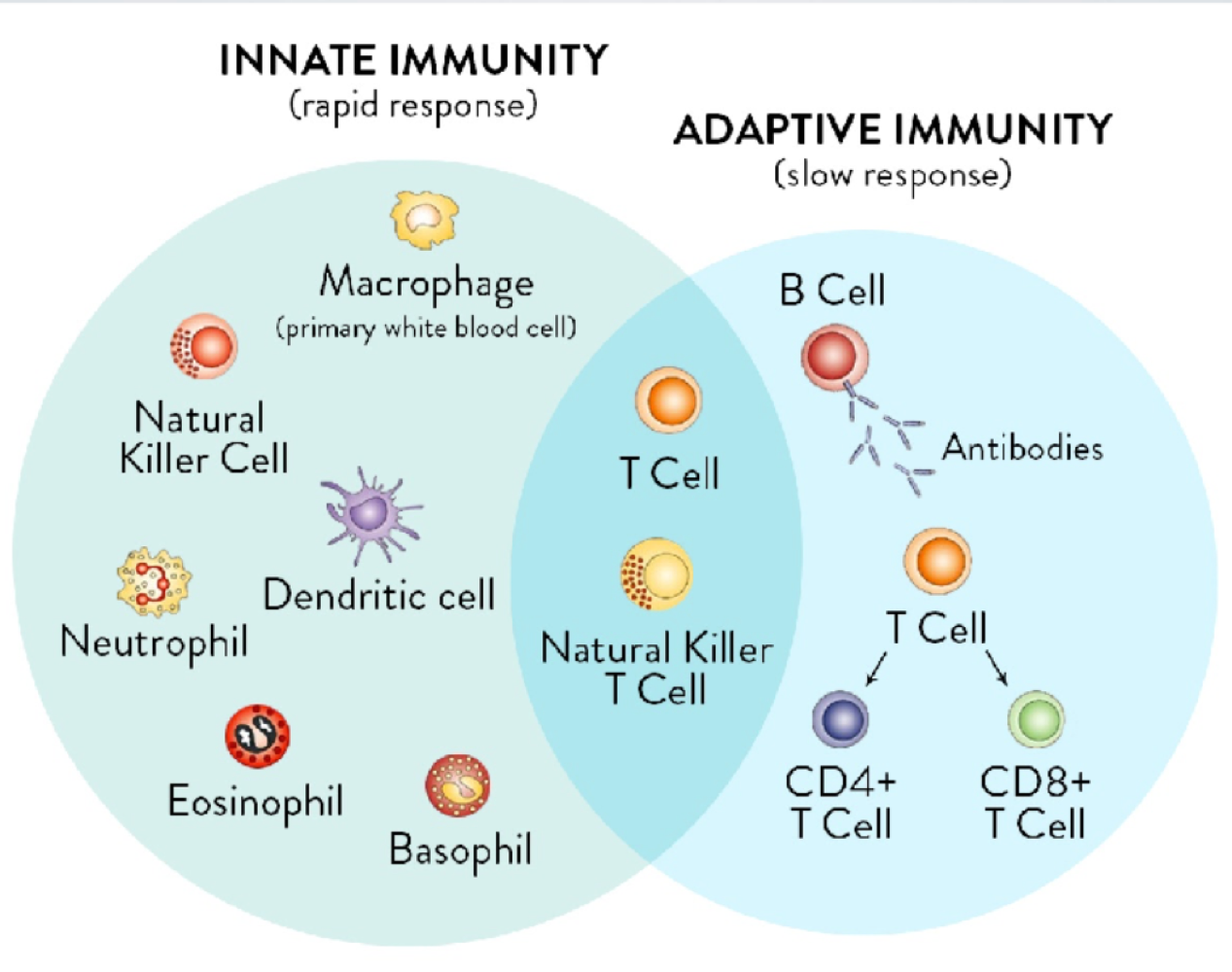
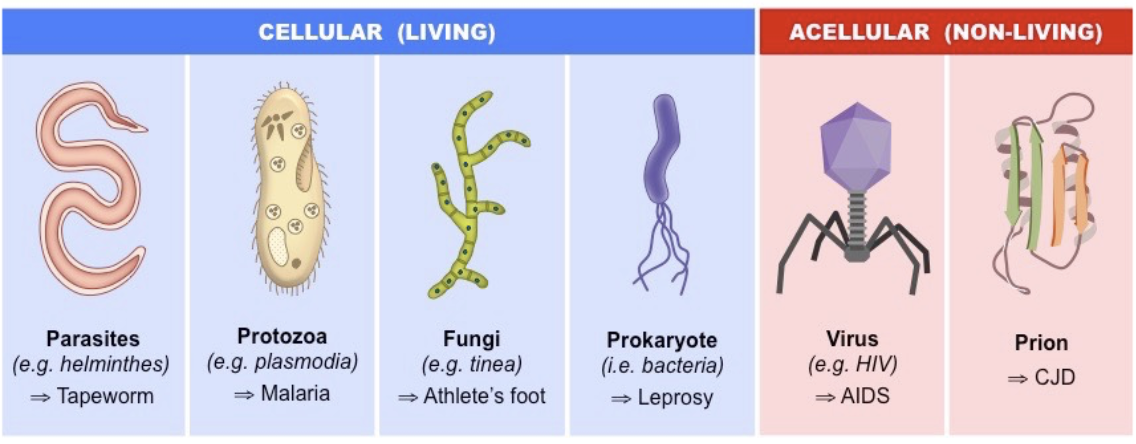
Pathogens
a problem for humans for centuries
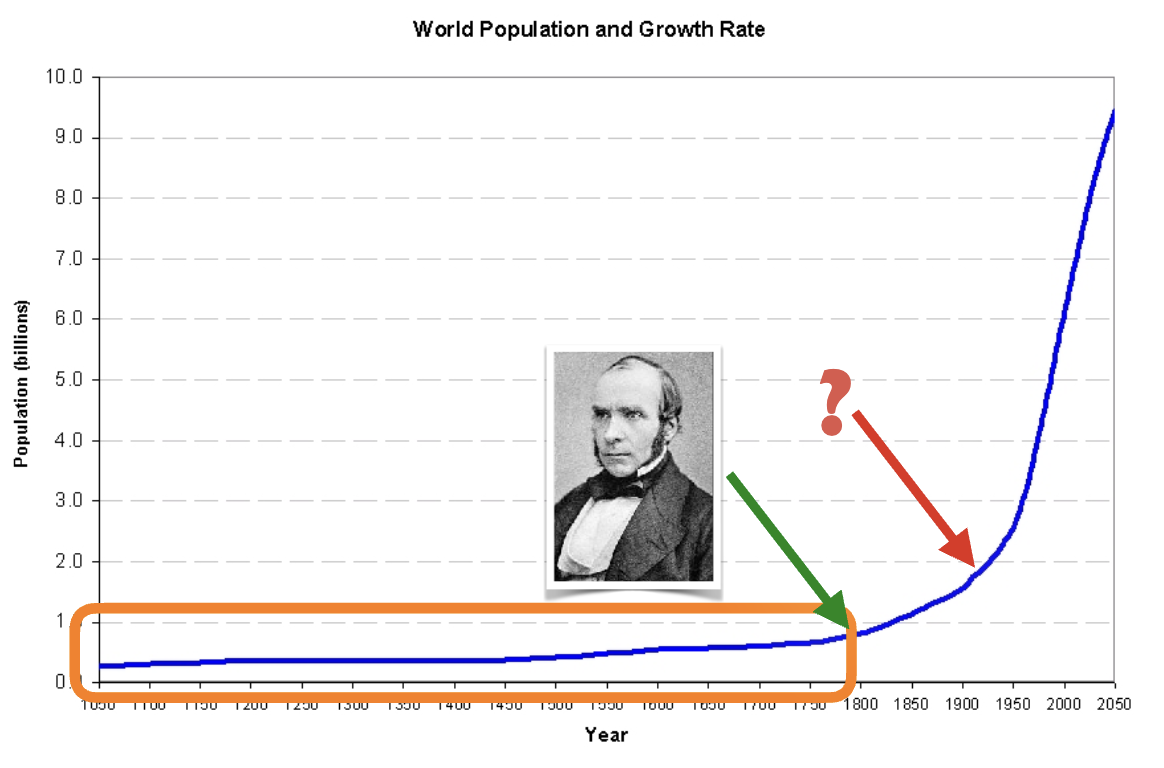
Historical World population
first infection point was John Snow
then antibiotics
New weapons of warfare
antibiotics were created for soldiers b/c they were dying from infections in the trenches during WW2
pills - chemical weapons that selectively kill pathogens
shots - advanced training program for the immune system
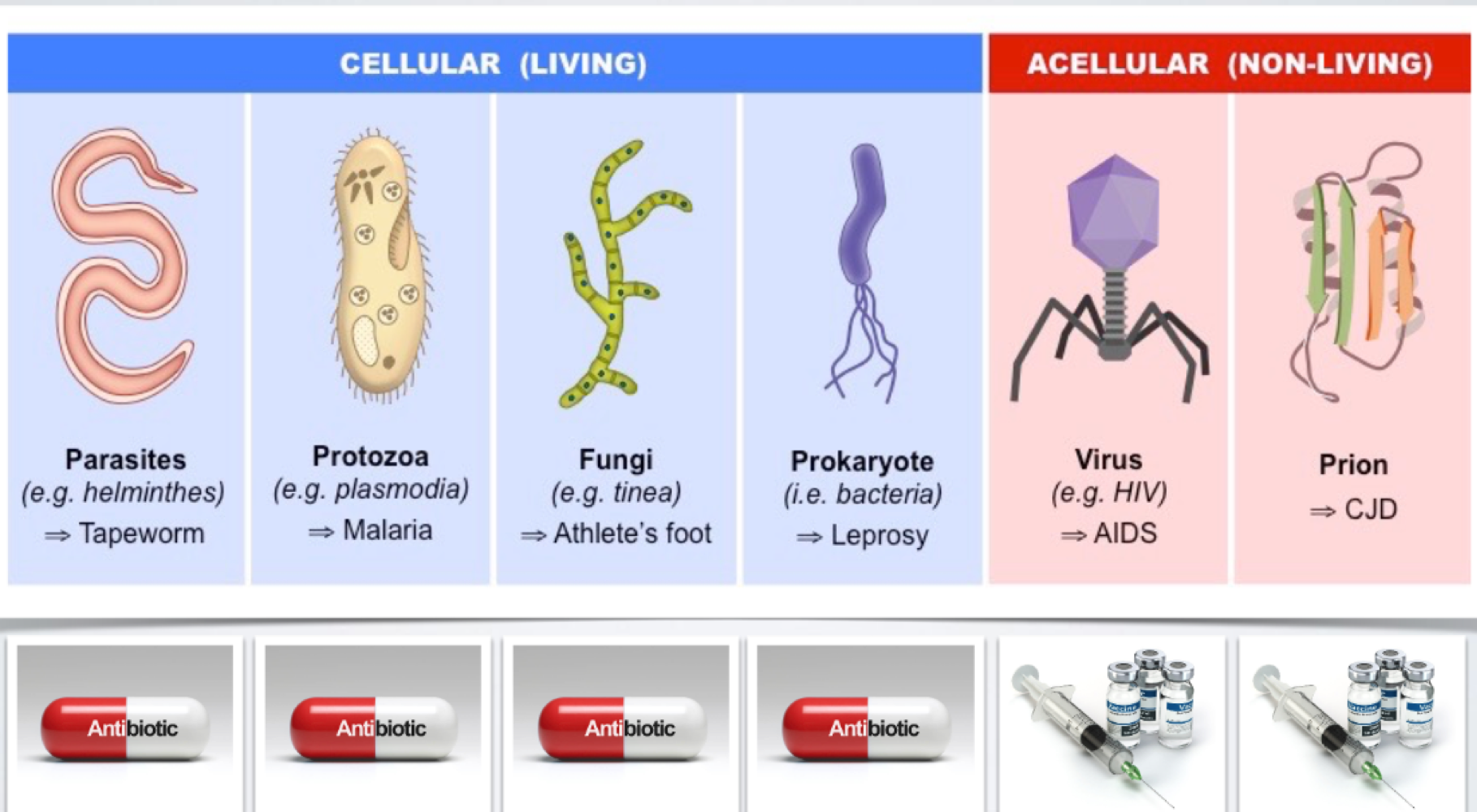
evolutionary arms race - medicine
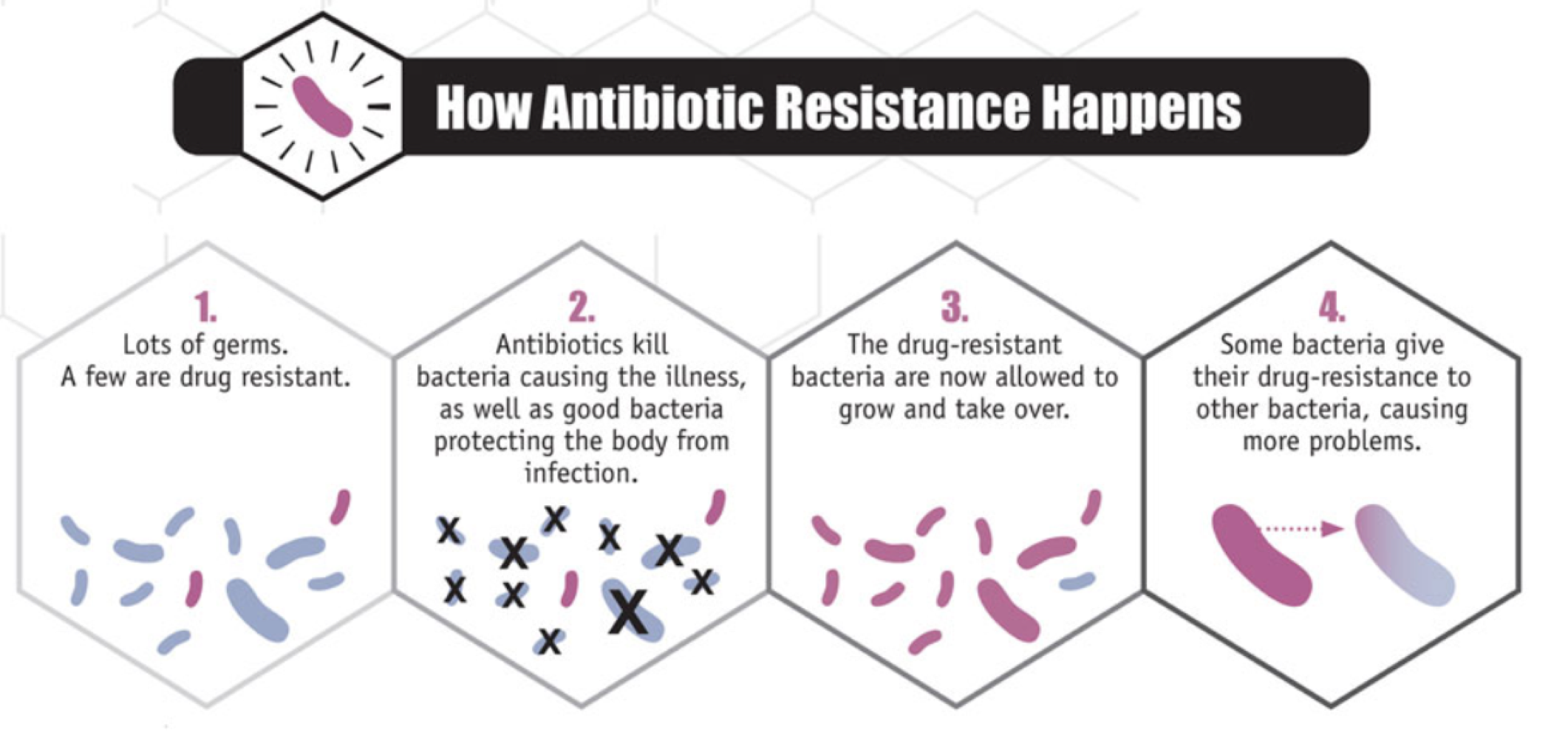
Pathogens evolve and adapt to Antibiotics and Vaccines
We are running out of effective antibiotics
Developing new drugs is expensive
They Hygiene Hypothesis
a theory that suggests an increase in allergies and autoimmune diseases may be linked to a reduced exposure to microorganisms, pathogens, and parasites in early childhood due to improved sanitation and hygiene
 Note
Note  Flashcards (20)