Classics 10 Ellis Midterm
 Call Kai
 Learn
Learn Practice Test
 Spaced Repetition
 Match
Match Flashcards
 Knowt Play
1/53

Earn XP
Description and Tags
Name | Mastery | Learn | Test | Matching | Spaced | Call with Kai |
|---|
No analytics yet
Send a link to your students to track their progress
54 Terms
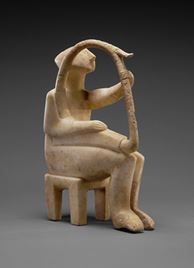
Cycladic Harp Player
2700-2300BCE
Aegean Bronze Age
Cyclades
Marble
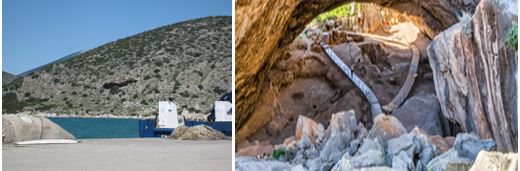
The Franchthi Cave
18000BCE - 3200BCE
Paleolithic/Neolithic Habitation of Greece
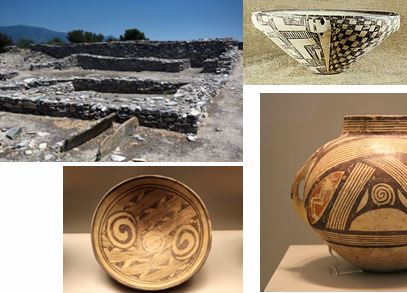
Pottery from Neolithic Dimini
5300 3300BCE
Spiral/Geometric Patterns
Variety in style showed interaction b/w comms
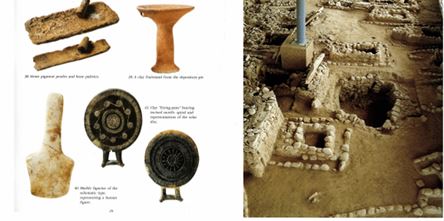
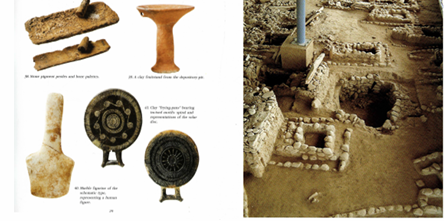
Early Helladic Cemetery at Tsepi
3000 – 2000BCE
Shows organization in community, ppl buried with grave goods
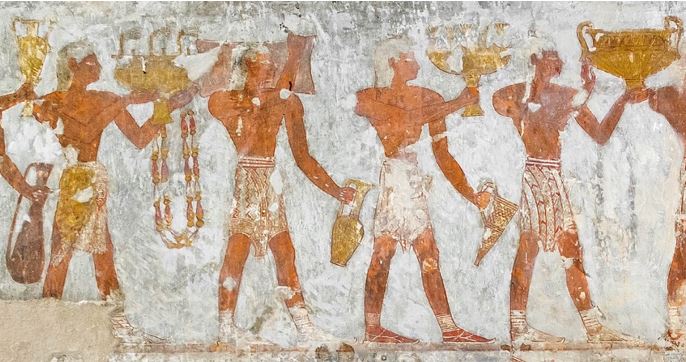
Rekhmire Tomb in Egypt
ca.1400BCE
Depict Greek tribe bringing gift to Egyptian Pharaoh, signifying trade relations & exploration
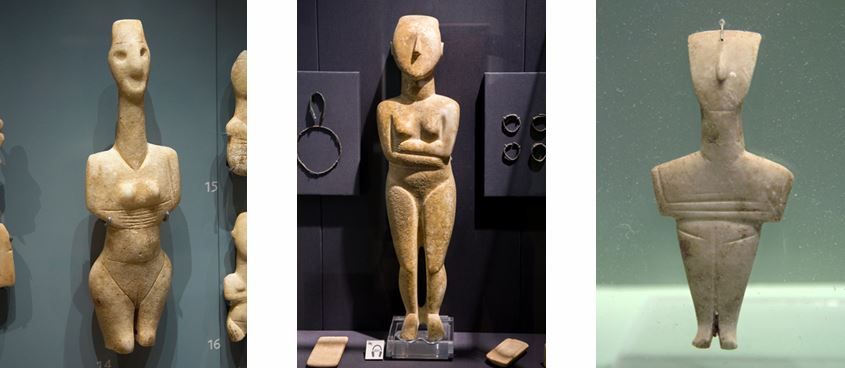
Cycladic Figurines
Early Bronze Age
Cyclades
Geometric Patterns/Shapes
Majority Female-Form
Marble
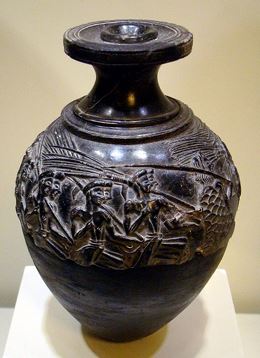
Harvester Vase
Hagia Triada, 1500BCE, Late Bronze Age
Depicts Men Marching in Harvest Celebration
Minoan Civilization
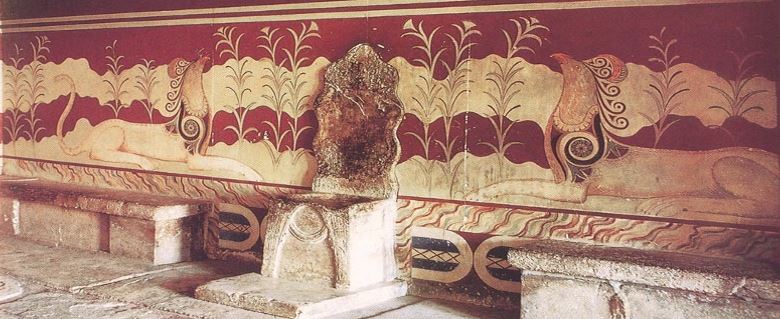
King’s Throne at Knossos
Minoan Palace on Crete
restored by Emile Gilliéron and Piet de Jong
Painted Griffins symbolize guardianship/kingship/power
Likely ceremonial/religious space
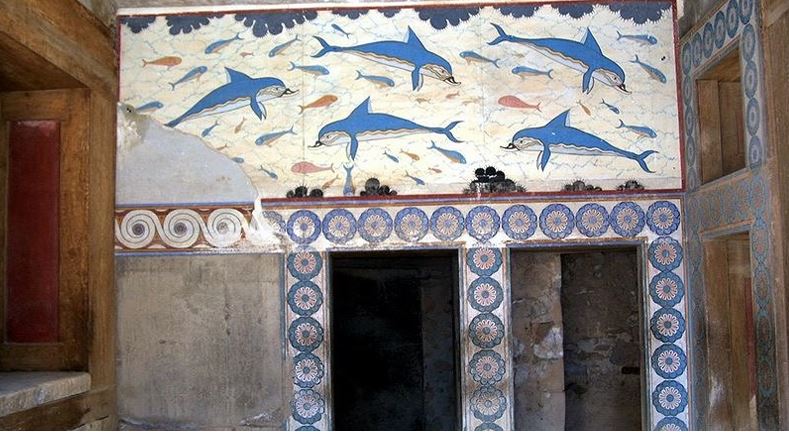
Fresco of the Dolphins, Knossos
restored by Emile Gilliéron and Piet de Jong
Minoan Fresco in Palace of Knossos, Crete
Decorative/Religious Purposes
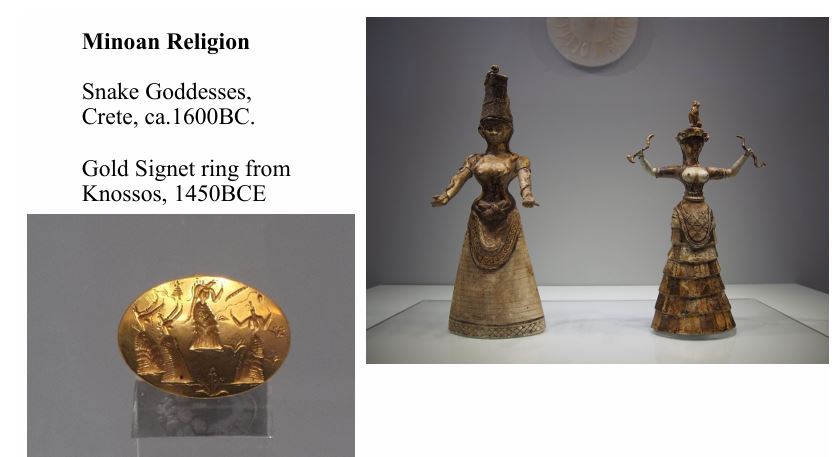
Snake Goddesses, Crete // Signet Ring, Crete
Symbolize priestesses, maybe. Fertility, protection
“Ring of King Minos”, depicts bull-leaping scene (bulls important in Minoan culture)
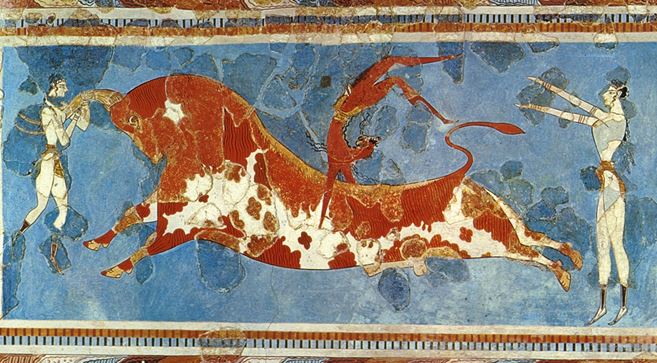
Bull-Leaping Fresco, Knossos
Depicts people leaping over bull
Found in Palace of Knossos, part of collection?
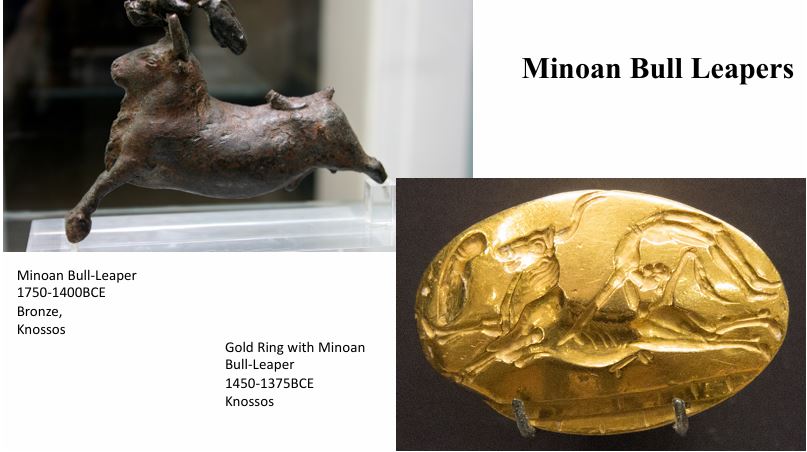
Minoan Bull-Leapers
Minoan Culture Valued Bulls
Potentially religious, to honor Minoan Goddess
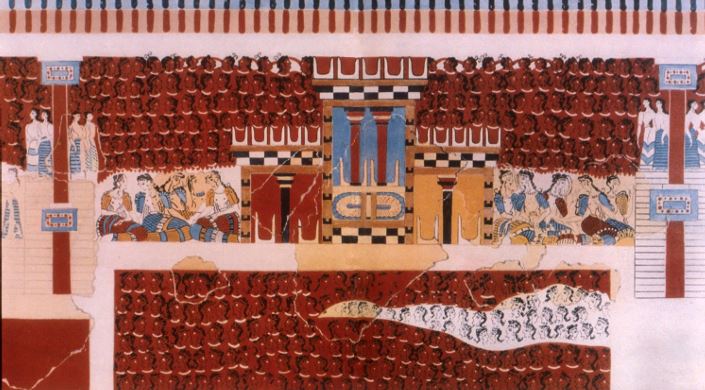
Grandstand Fresco at Knossos
ca. 1500BCE Middle-Late Bronze Age
Depicts mass gathering, potentially cultural/religious event in Central Court of Palace of Knossos
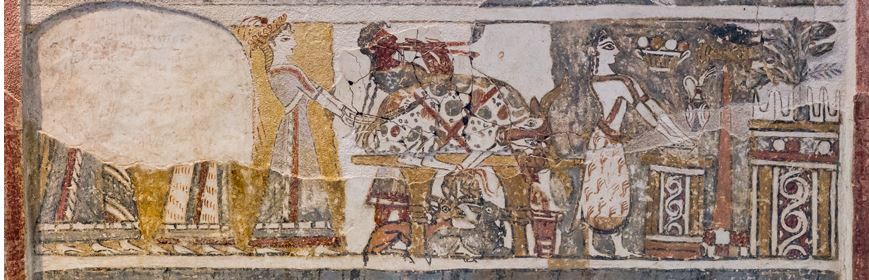
Hagia Triada Sarcophagus
ca. 1400BCE Late Bronze Age
Stone Chest depicting Minoan funeral rituals, libations, processions
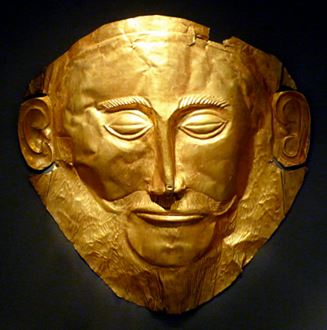
The ‘Mask of Agamemnon’
Mycenae
1500BCE Middle-Late Bronze Age
Gold
Discovered by Heinrich Schliemann, likely predates Agamemnon, symbol of Mycenean funeral traditions
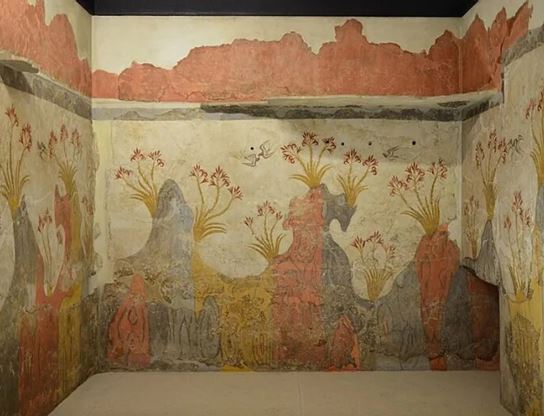
Spring Fresco Akrotiri
ca. 1650BCE — Bronze Age
Depicts springtime Theran landscape
Maybe symbolizes rebirth, springtime
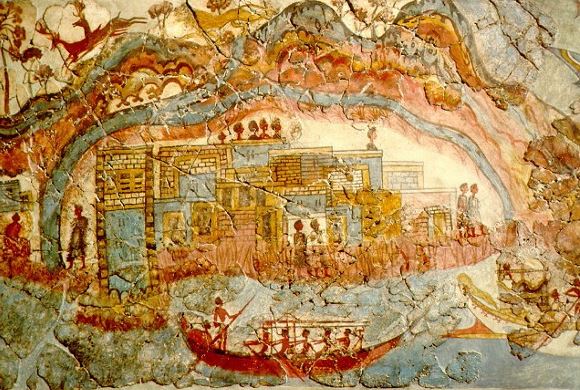
Flotilla Fresco detail from Akrotiri, Minoan
ca.1650BC — Bronze Age
Depicts procession of ships, sign of trading
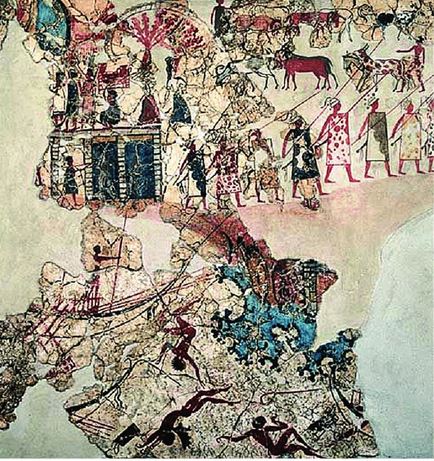
North Wall Frieze from West House, Akrotiri, Minoan
ca. 1650BCE — Bronze Age
Depicts women carrying water, village scene.
Signifies well as common town center, and community in Minoa
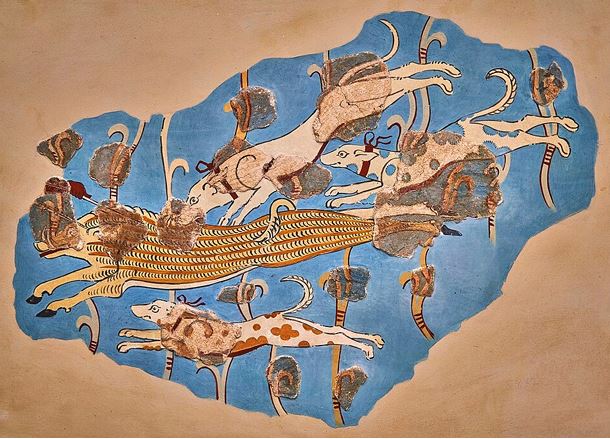
Boar Hunt Fresco Tiryns, Mycenae
ca. 13th century BCE — Late Bronze Age
Depicts boar hunt
Symbolizes elite status, power, rite of passage through boar hunting
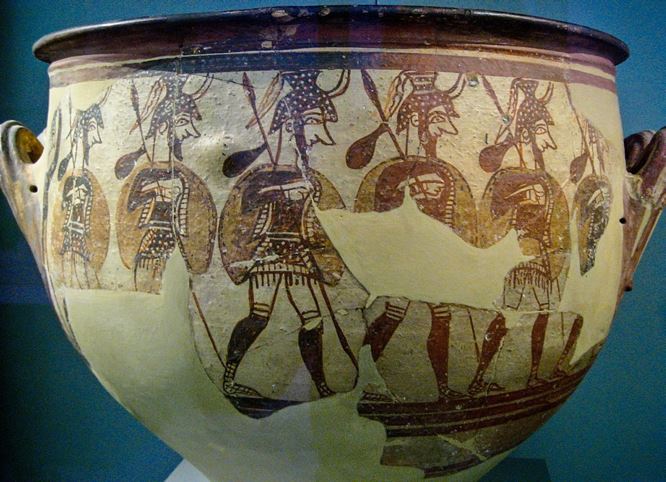
Mycenean Soldiers on the Warrior Vase
ca.1200BCE — Late Bronze Age
Depicts Mycenean soldiers marching to war, symbolizes period’s decline and warfare
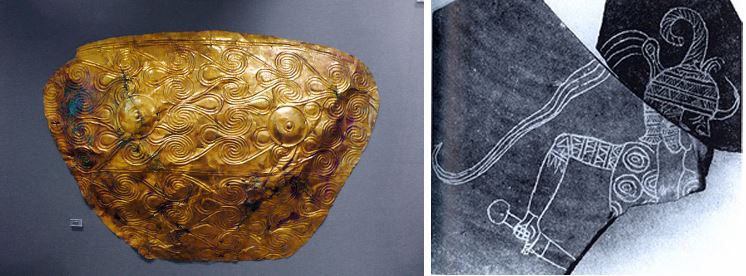
Mycenaean armor in Hittite Art
Mycenaean armor distinctive, POV of Hittites (Anatolia, Trkey)
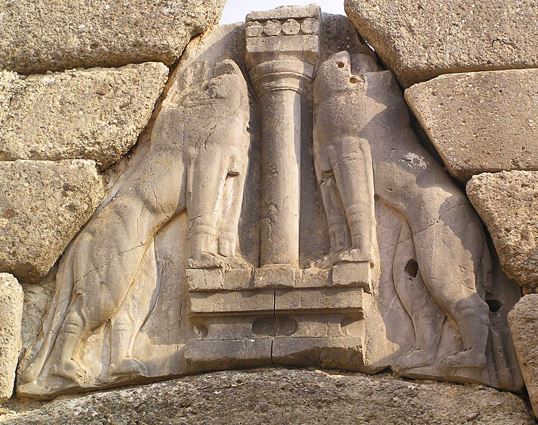
Lion Gate Mycenae
Late Bronze Age
Symbolizes protection, strength, royal authority
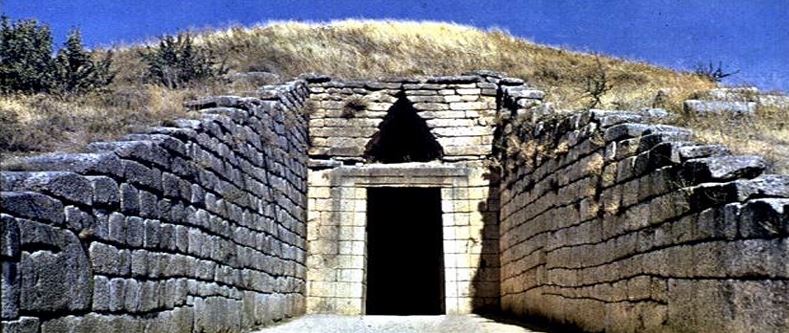
‘Treasury of Atreus’ Tholos Tomb at Mycenae
1300-1250BCE — Late Bronze Age
Likely burial place of Mycenean ruling elite, symbolizing wealth and elite status with grandeur
Largest Tholos tomb in Mycenae (domed)
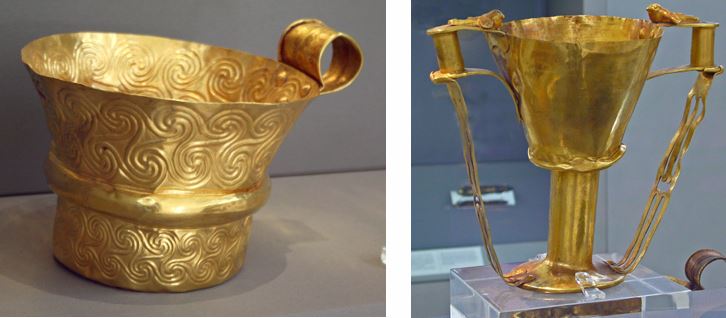
Mycenaean Wealth Cups from Mycenae
ca. 1500BCE — Middle Bronze Age
Gold
Symbolized Mycenean prosperity and wealth
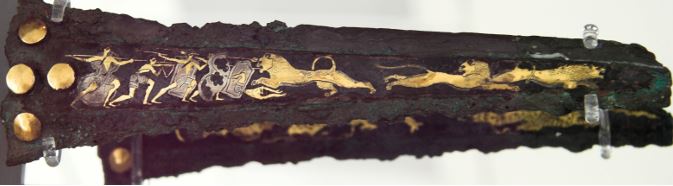
Lion Hunt Dagger from Shaft Grave IV, Mycenae
1550-1500BCE
Indicates high-status of person it was buried with
Depicts dramatic hunt scene
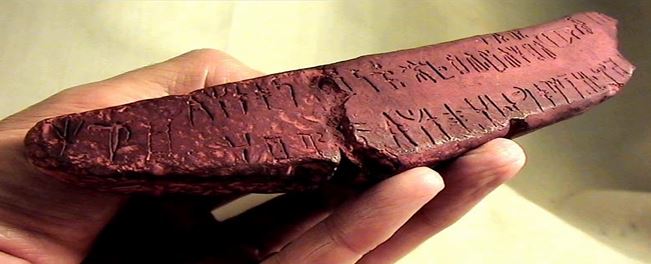
Linear B
Deciphered by Michael Ventris in 1952
Used for writing Mycenean Greek
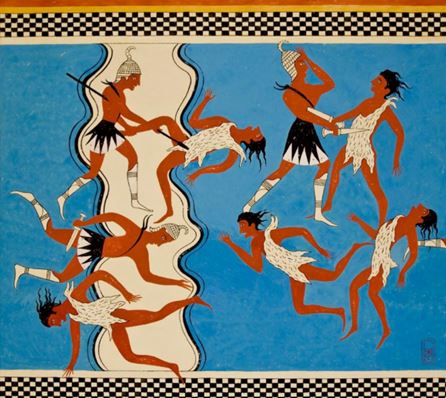
Warrior Fresco, Pylos, Mycenae
Found in Palace of Pylos, reconstructed by Piet de Jong
Depicts warriors fighting across water, probably showing conquest
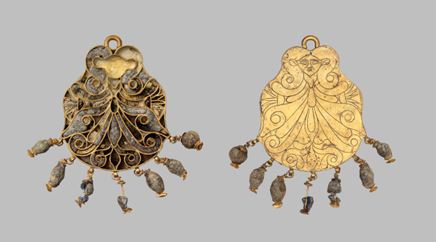
Pendants from Palace of Nestor at Pylos
made of gold, lapis lazuli and glass
depict Egyptian goddess Hathor
ca. 1400BCE
Signifies active trade between Mycenae and Egypt
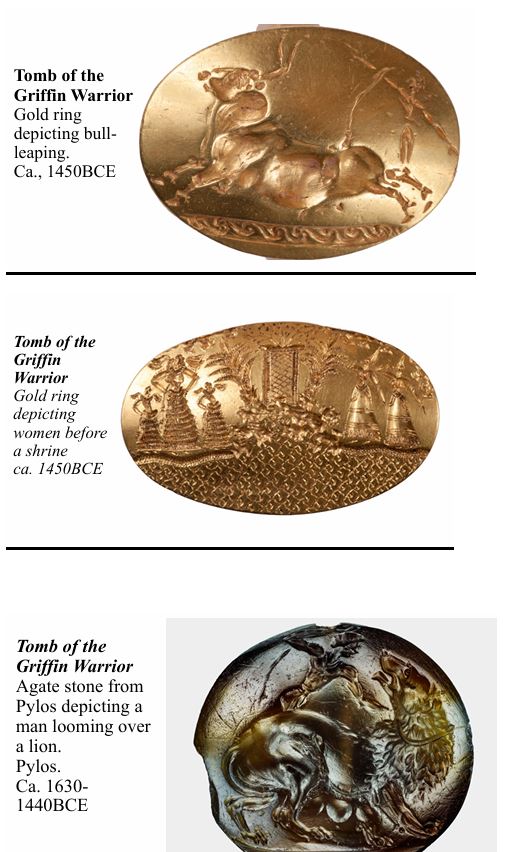
Various Rings from the Tomb of the Griffin Warrior
middle Bronze Age
Depict bull-leaping, women at shrine, man over lion
Symbolize connection in Minoan and Mycenean cultures (especially via bull-leaping imagery)
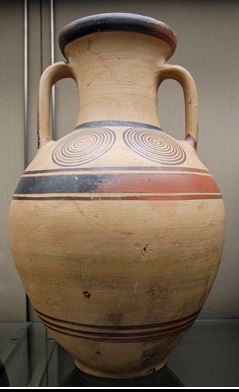
Protogeometric Amphora from the Ceramicus cemetery in Athens
ca. 975-950BCE — Iron Age
Example of Athenian pottery, cultural revival after fall of Mycenae
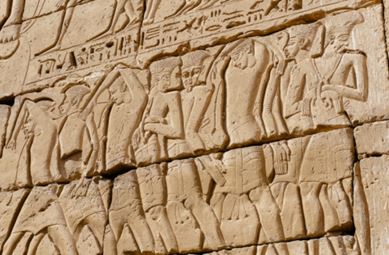
Peleset Prisoners – Stone relief at Ramses III’s temple at Medinet Habu (Egypt)
Depict defeat of Peleset, likely part of Sea Peoples. Signify war and presence of an outside threat that Egypt overcame
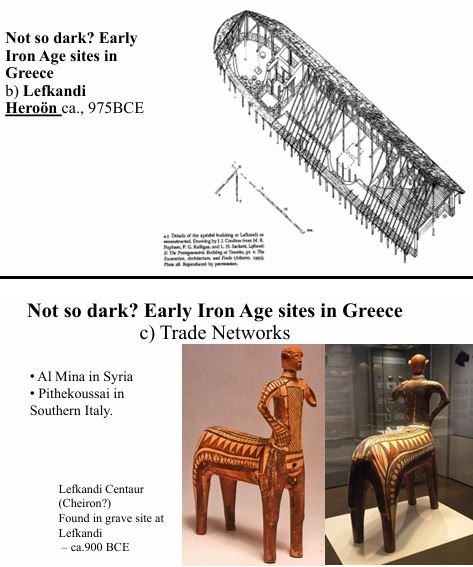
Lefkandi Heroon & Centaur
Early Iron Age
Centaur found in grave depicts likely Chiron, Protogeometric. Connections to Eastern Mediterranean.
Heroon is shrine, signifying elite’s wealth and power, transition from Mycenean to Iron Age/Dark Ages
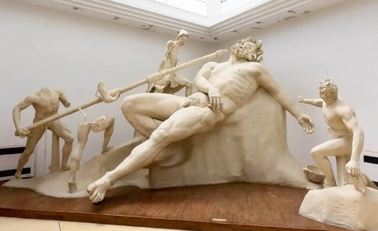
The Blinding of the Cyclops
Depicts Odysseus tricking Polyphemus and blinding him to leave
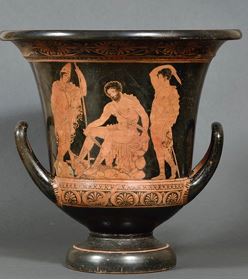
Odysseus Summoning the Shades
Lucanian Red-Figure Calyx-Crater.
390BCE. Golden Age
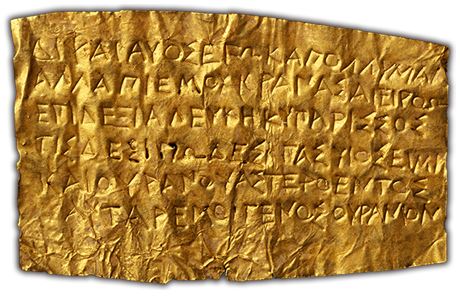
Tablet with instructions for the deceased in the Underworld
350-300BCE — Greek Golden Age
Symbolizes importance of proper burial for deceased, so their souls make it to Hades’ realm
Elpenor not given proper burial…
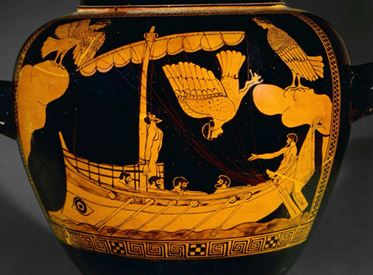
Siren Vase: Detail of Red Figure Stamnos.
480BCE. Golden Age
Depicts Sirens taunting Odysseus as he travels, tied to the ship’s pole
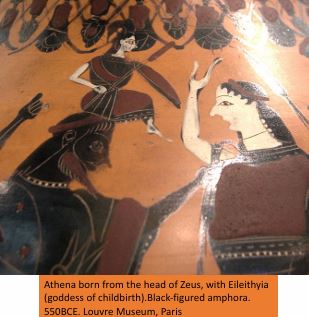
Athena Born from the Head of Zeus, with Eileithyia (goddess of childbirth)
Black-figured amphora.
550BCE — Beginning of Golden Age
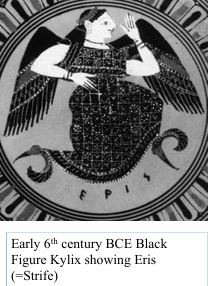
Black Figure Kylix showing Eris (=Strife)
500 BCE — Golden Age/Iron Age
Relates to Work and Days — Hesiod
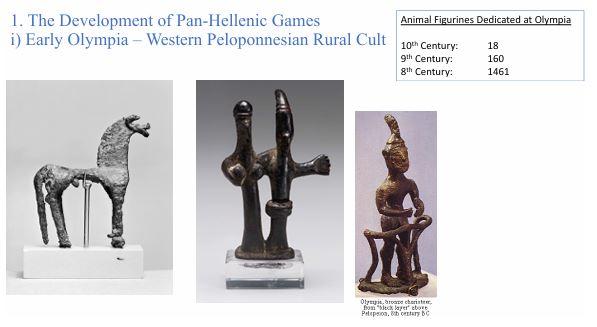
Early Olympia – Western Peloponnesian Rural Cult
Animal Figurines
Signify worship of deity before worship of Zeus
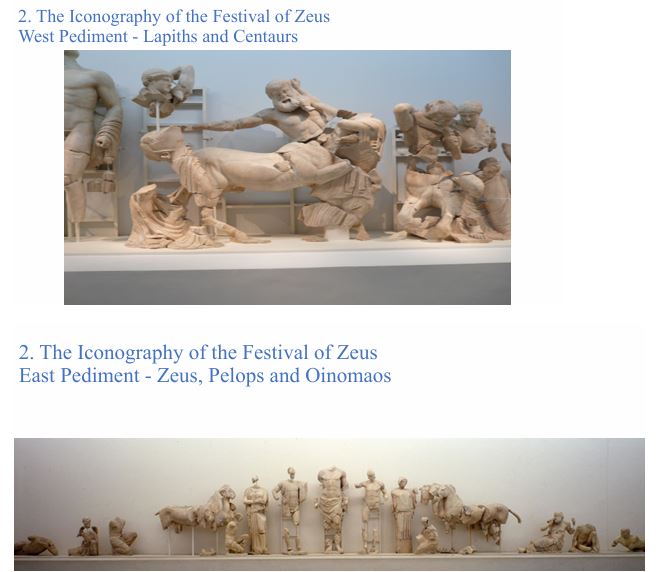
The Iconography of the Festival of Zeus
East Pediment — Zeus, Pelops, Oinomaos
West Pediment — Zeus fighting Lapiths & Centaurs
Metopes –- Heracles Cleaning the Stables of Augeas (King of Elis) ((UNPICTURED))
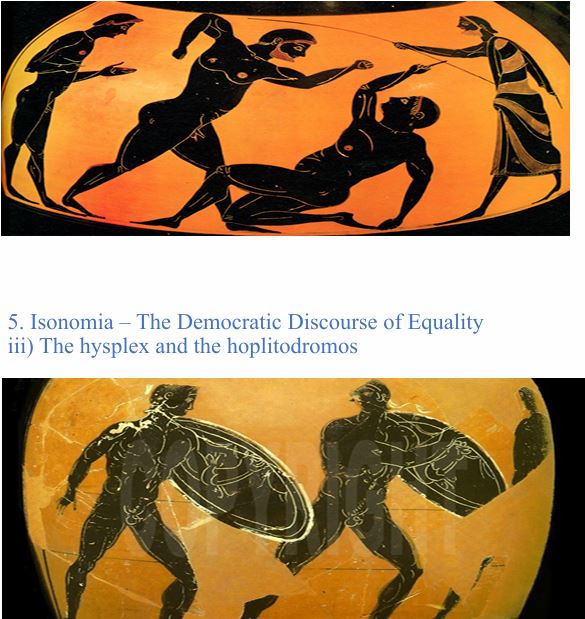
Hysplex and the Hoplitodromos
Depicts Olympic events, showing importance of them
Hysplex was the mechanical starting gate for footraces
Hoplitodromos was armored sprint event
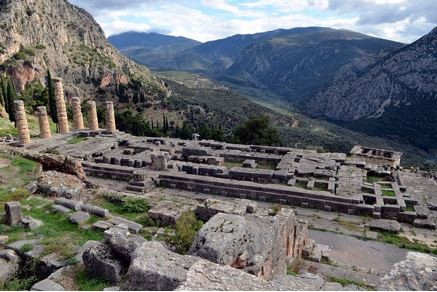
Temple of Apollo at Delphi
Site of worship for Apollo, also where Pythia (Oracle of Delphi) resided to give prophecies
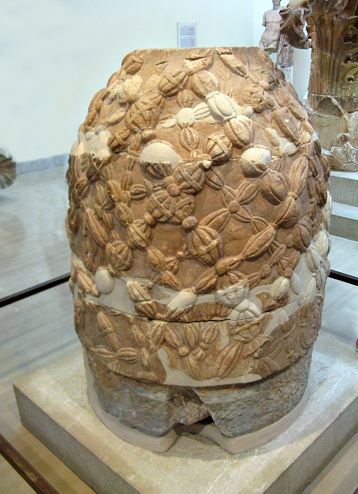
The Omphalos
Marble
Late 1st century CE
Zeus set it there — center of the world. In Delphi, symbolized connection to Gods. Used by Oracle.
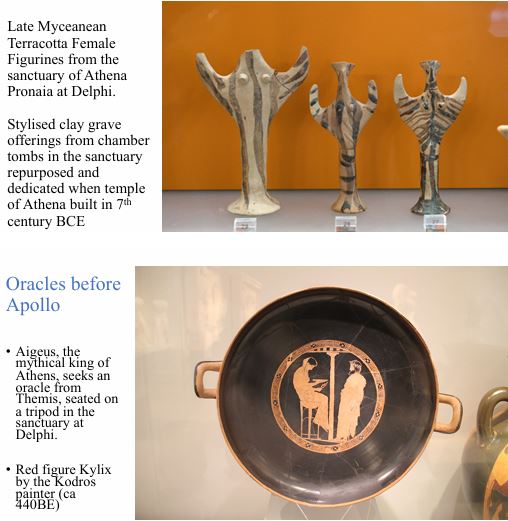
Top: Late Myceanean Terracotta Female Figurines from the sanctuary of Athena Pronaia at Delphi.
Bottom: Red figure Kylix depicting Aigeus, the mythical king of Athens, seeking an oracle from Themis at Delphi.
Both show pre-Apollo cult activity at Delphi, which was then repurposed to serve Apollo & Athena
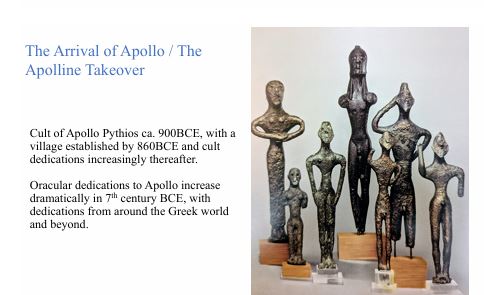
Oracular dedications to Apollo, figurines
Cult of Apollo Pythios ca. 900BCE,
Increased heavily in 600BCE, dedications from across Greek world
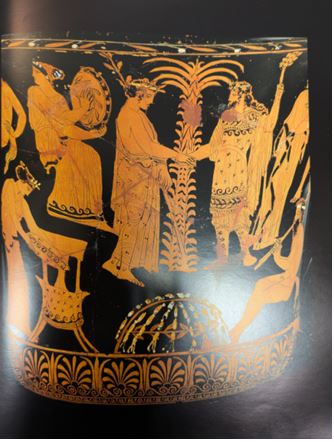
Apollo Welcomes Dionysus at Delphi, Above the Omphalos.
Red figure krater
Early 4th century BCE
Shows contrast/coexistence between Apollo (wisdom) and Dionysus (chaos, madness)
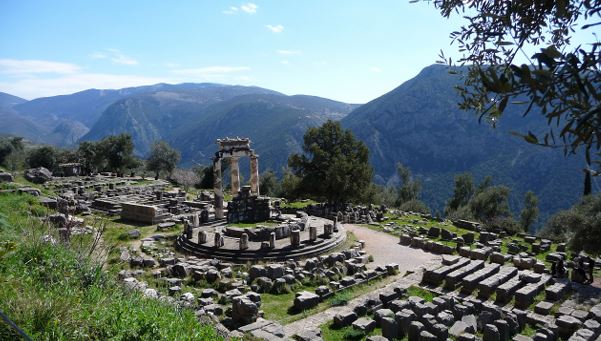
Tholos in the Sanctuary of Athena Pronaia
Gateway to the main sanctuary // multiple uses?
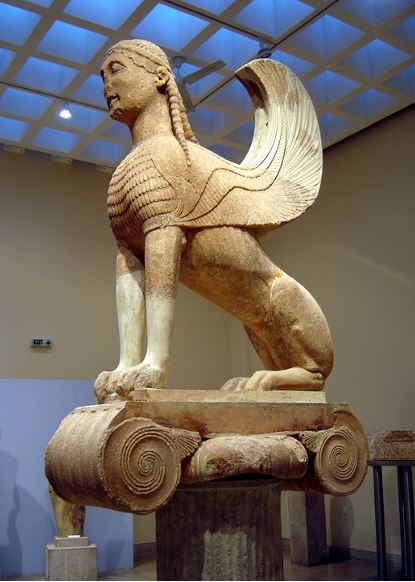
Sphinx of Naxians
ca. 560BCE — Archaic Period
Dedicated by Naxians to Apollo to recieve promanteia (consult oracle first)
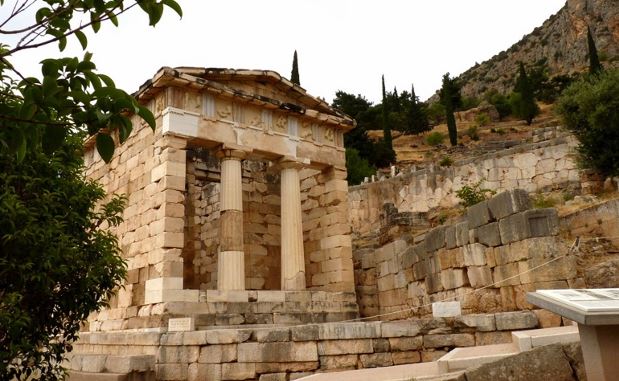
Athenian Treasury Delphi
Built to honor/thank Apollo for victory at battle of Marathon. Housed treasures for Apollo.
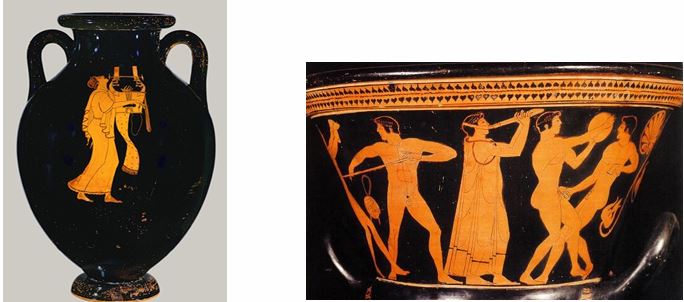
Mousikoi Agones – The Kithara and the Aulos
Depicts music contests at Pythian games. Shows kithara and aulos instruments, dedication to the Muses.
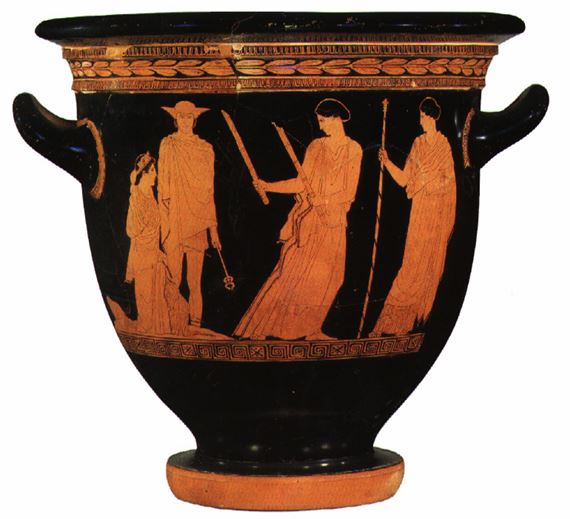
Attic Red Figure Krater
5th century BCE — Athenian Golden Age
Depicts Hermes leading Persephone forth from the underworld to be greeted by Hekate and her mother Demeter
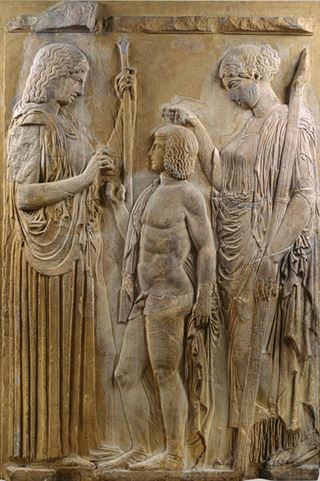
Marble Votive Relief found at Eleusis
440BCE
Depicts Demeter, Triptolemos and Persephone
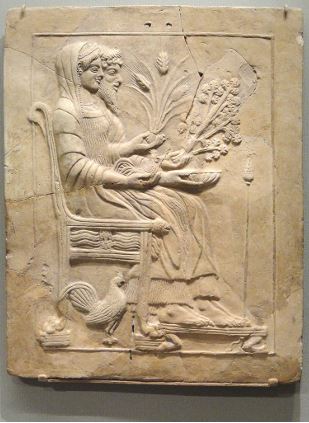
Marble Pinax of Persephone and Hades found in Sanctuary of Persephone in Locri, Sicily
Early 5th century BCE
Depicts Hades & Persephone w/offerings. Pinax likely donated by maidens ready for marriage, praying for Persephone’s protection
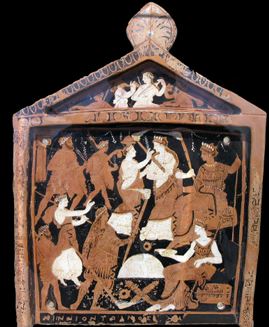
Ninnion Tablet found at Eleusis
Red Clay
370BCE
Only known representation of Eleusinian Procession and Initiation

