Art History Exam 2
 Call Kai
 Learn
Learn Practice Test
 Spaced Repetition
 Match
Match Flashcards
 Knowt Play
1/10

There's no tags or description
Looks like no tags are added yet.
Name | Mastery | Learn | Test | Matching | Spaced | Call with Kai |
|---|
No analytics yet
Send a link to your students to track their progress
11 Terms
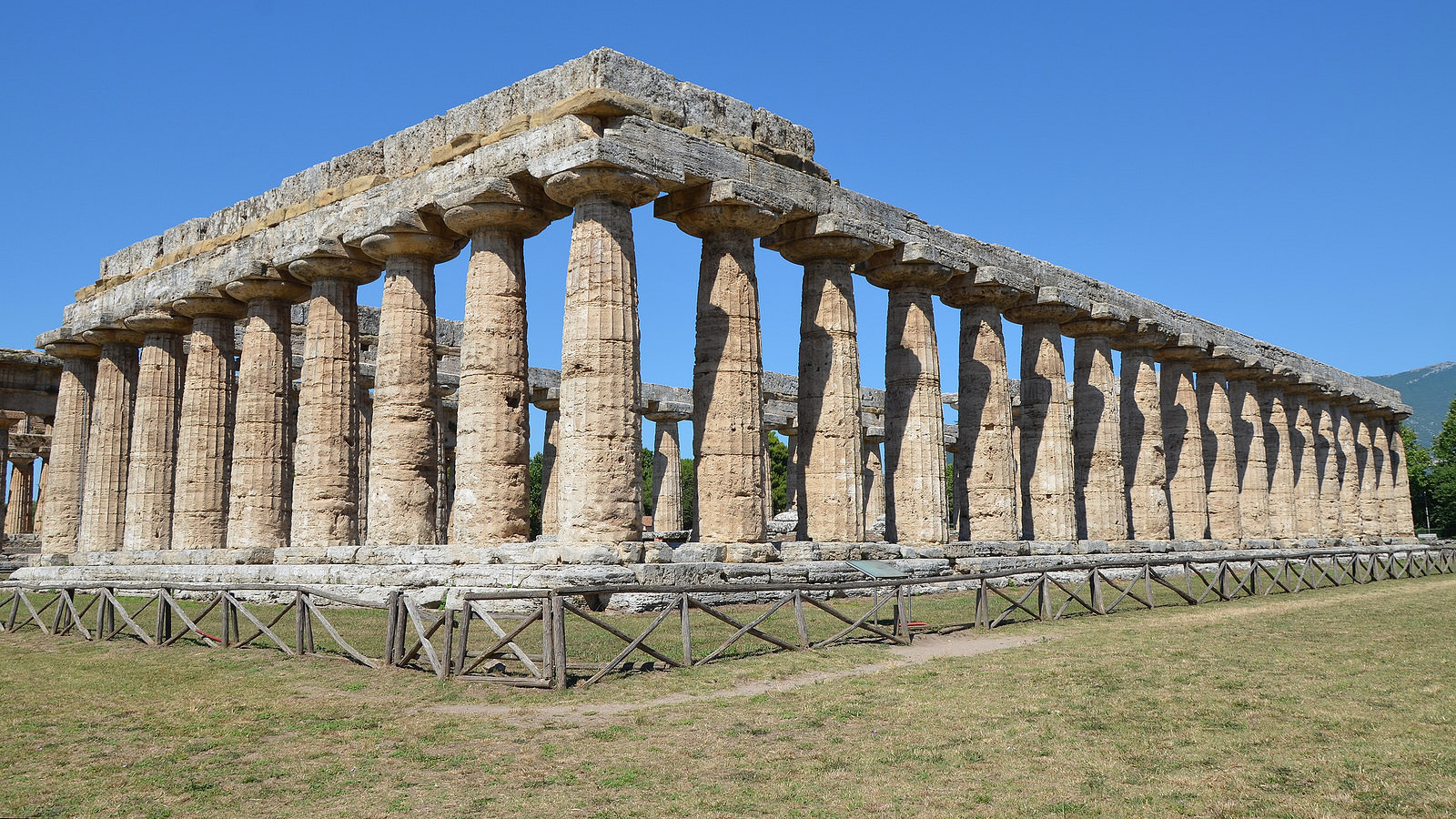
Temple of Hera I- Archaic Greece, Italy
temples contained satues for deities (this one alludes to worshiping 2 deities- Hera [main one] and Zeus). limestone covered in plaster, would be painted in color, doric, one of first examples of architecture being geared towards the human eye,
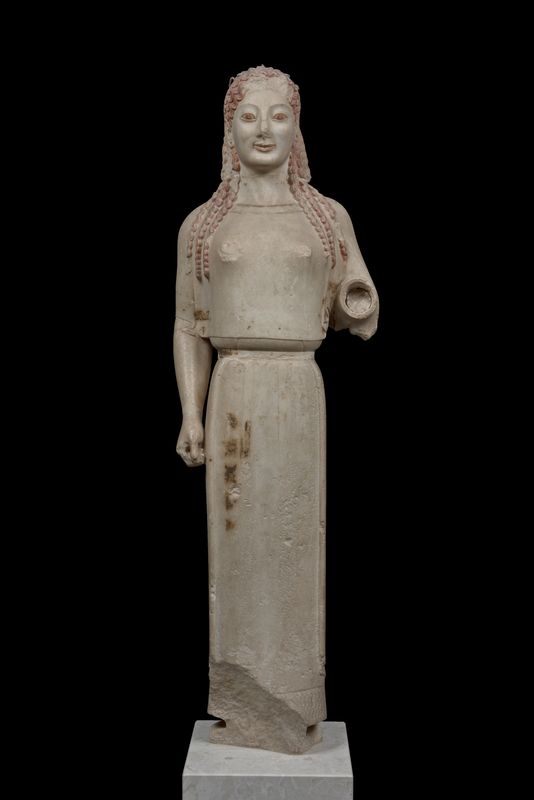
Peplos Kore- Archaic Greece, Athens
Kore=female youth, always clothed. Marble w/ traces of paint
Different animals painted on the middle of the skirt, thought that she represented Artemis/ Diana (explains the animals on the skirt and she might have held something like a bow)
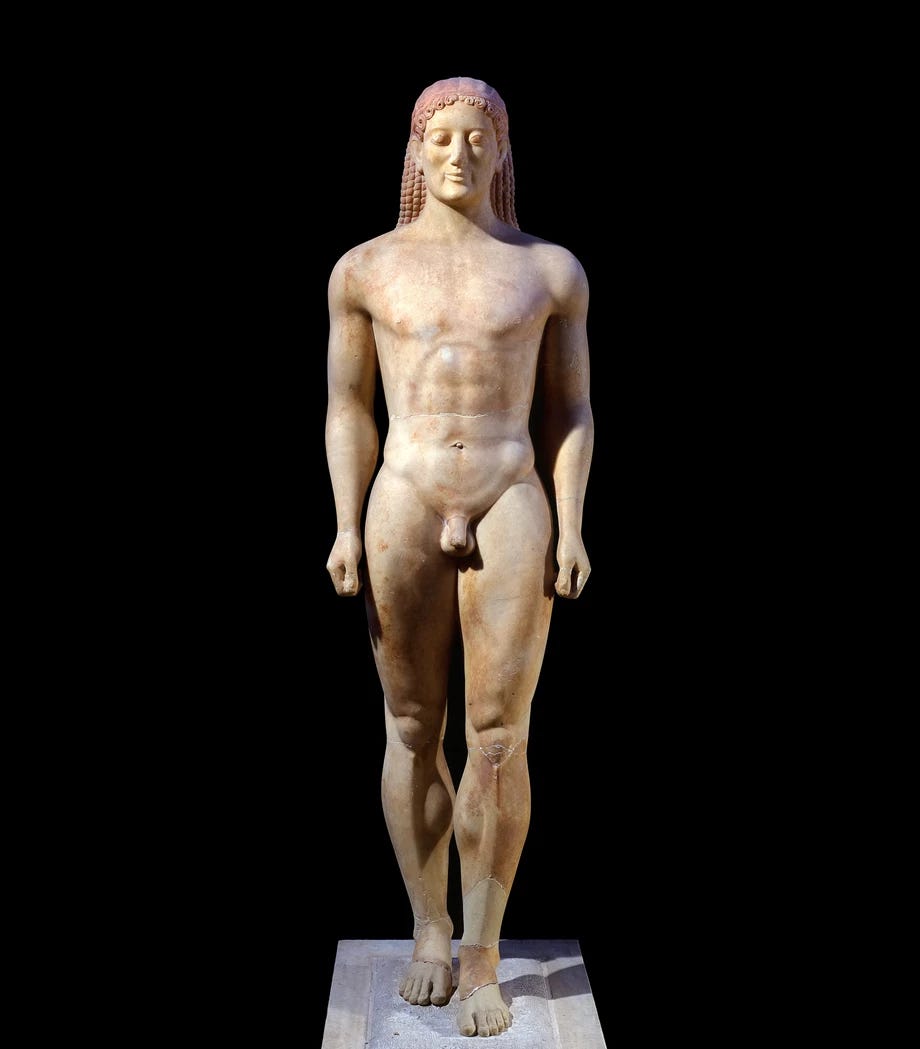
Kouros from Anavysos- Archaic Greece, Attica
He is moving and naked, shows the archaic smile
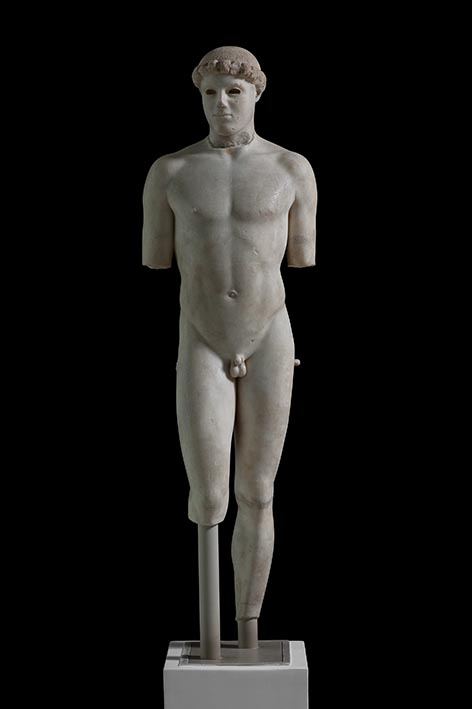
Kritios boy- Classical Greece, from the Akropolis, Athens
marble, 4 feet tall, when he was found he was not whole (he wouldve had inlaid eyes)
hes in contrapposto, vv naturalistic movement of the body, starts the movement towards idealized beauty in Ancient Greece and Rome
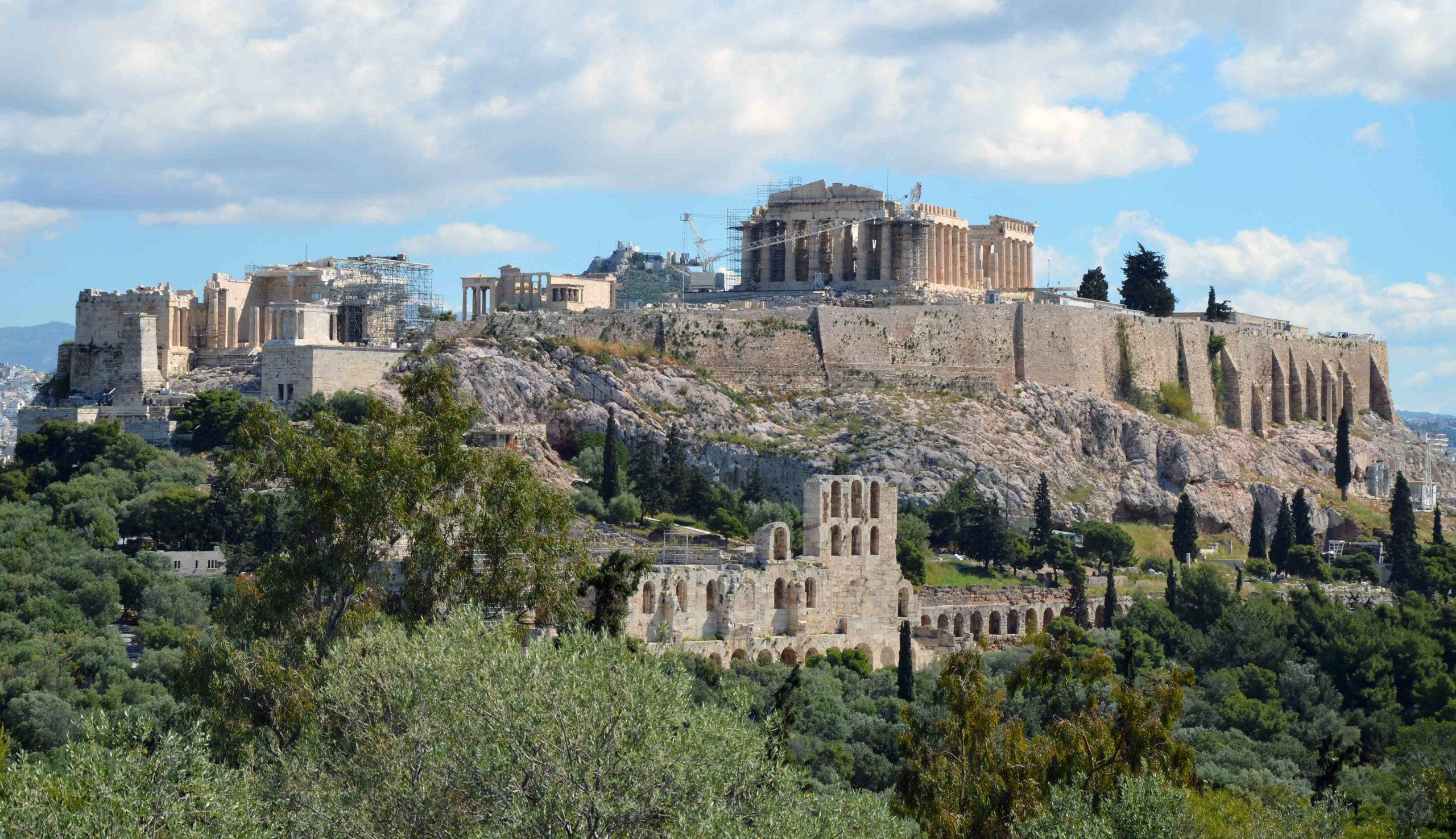
Parthenon- Classical Greece, Akroplis, Athens
Parthenon= temple of Athena, rebulding project under Perikles (was originally destoyed by Persians), held grand games and processions every 4 years (festival in honor of Athena), intertwining of religioin and politics,
Used to hold a grand gold statue of Athena (was melted down) Doric and Ioninc features
Had a lot of calculation in how to set up thepractical and visual features
There was a competition between Athena and Poseidon to see who got Athens (Athena won)
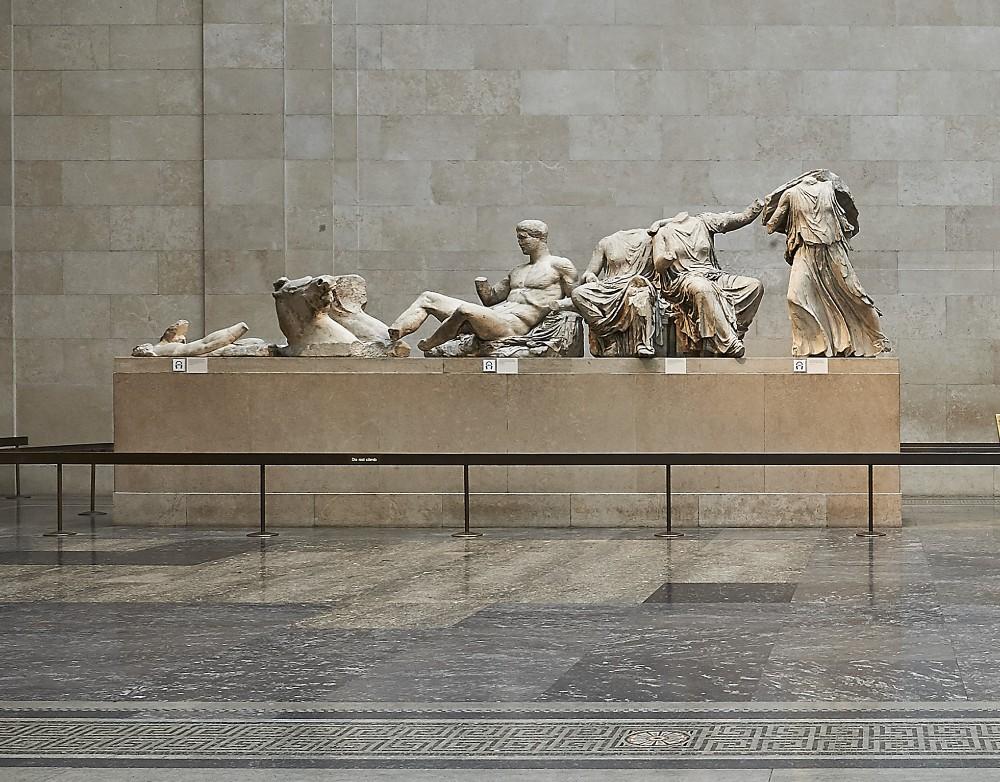
Pediment and frieze from the Parthenon- Classical Greece
A lot of battle scenes, focus on idealization of features, classical emphasis on balence and order, needed extreme high relief sculpting so the viewer can understand when standing below
whole fight between British Museum and Museum in Athens,
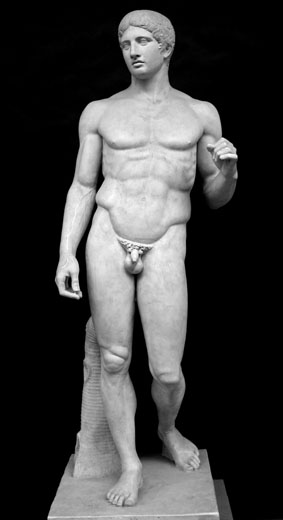
Dorphoros (Spear Bearer)- Classical Greece
Roman marble copy of Greek bronze (the bronze was probably melted down)→ the Romans copied so much Greek stuff, sometimes many times
Bro is 6’7 in contrapposto, used a peice of marble to help balence the leg, fully idealized (but naturalistic) and leaning into the contapossto
Bro was probs holding a spear (as seen with hand having a slot to put something in it)
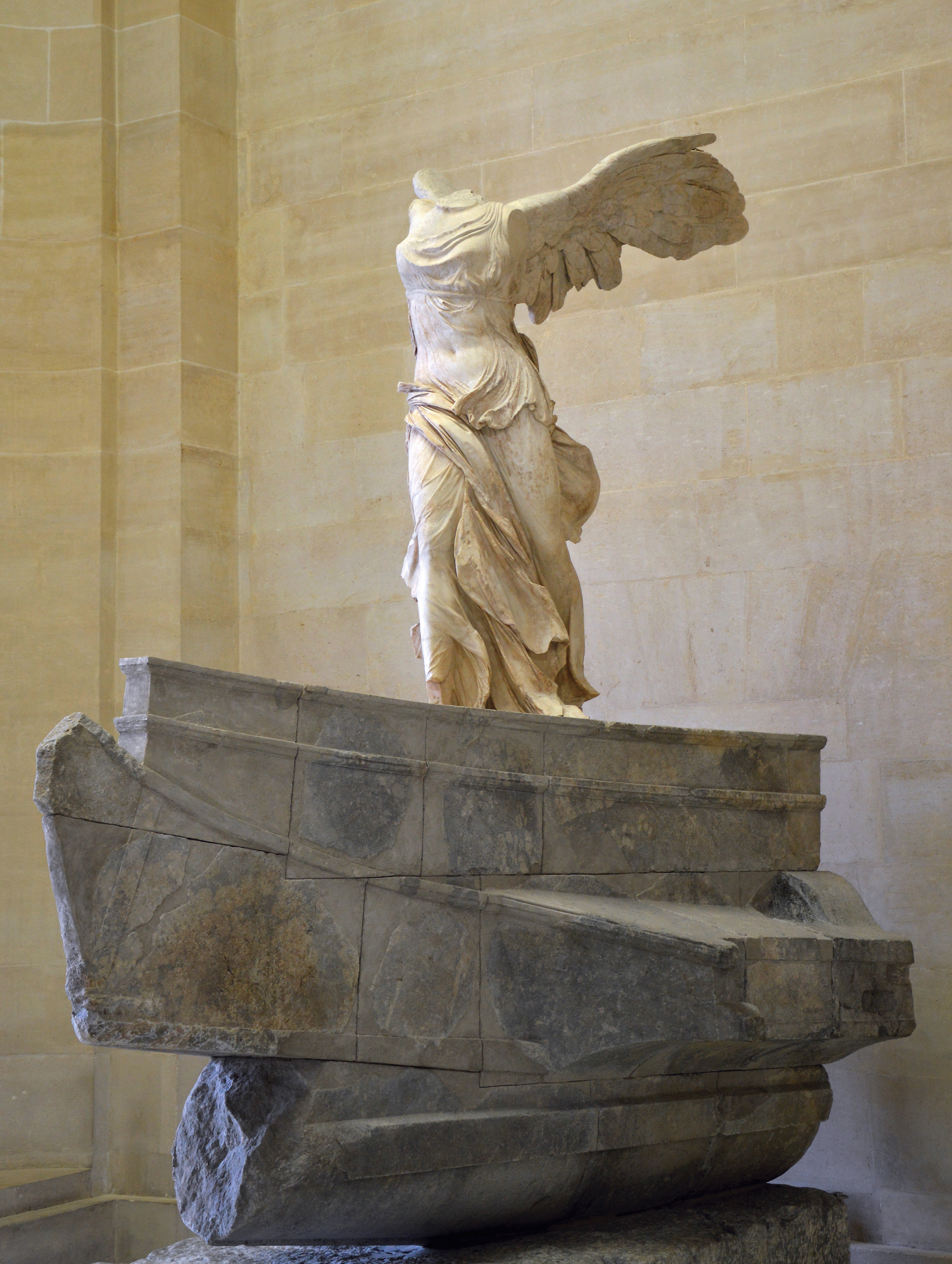
Winged Victory (Nike) of Samothrace- Hellenistic Greece
Boat and Nike are made from different marbles, thought that she was a spoil of war that a cult got and they made the ship to help signify naval victories. Was in a temple for Greek gods that cultists frequented.
Extreme attention to detail on her and the wings→ only meant to be seen from the front because the back of her is not really detailed at all. Surface would’ve been painted, the body is polished while the wings are not.
There are slots in the back of the figure to help support the wings
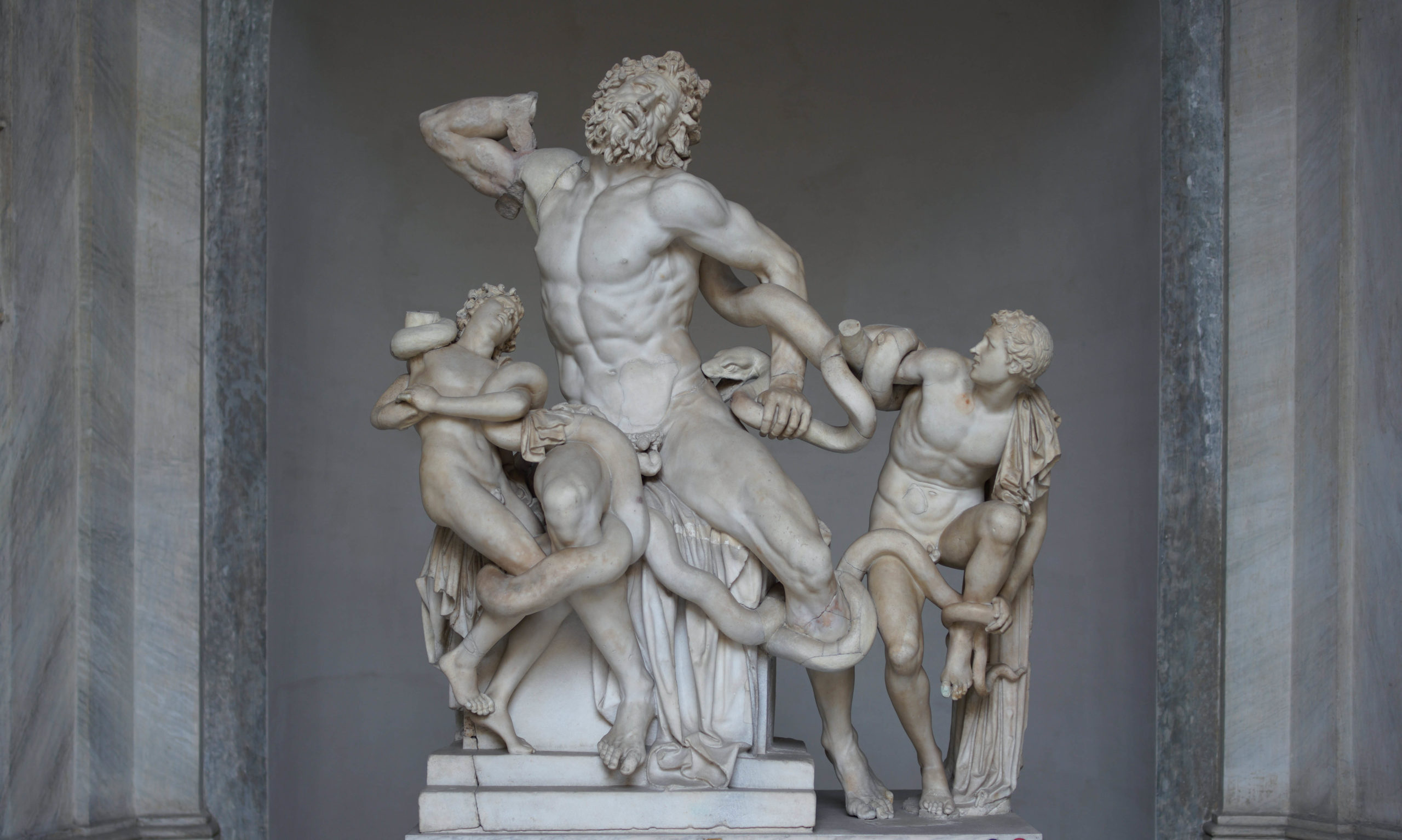
Laocoon and his Sons- Hellenistic Greece
In Vatican museum, taken here after if was found. Was here since the 15th century= MANY renouned artists came here and studied this piece.
STORY= bro was a priest who warned to not let the Trojan horse in= gods (Poseidon and Athena) were not happy abt this→ sent serpents to kill him and his sons
Baroque art lowkey inspired by Hellenistic because of how moody, macabre, and dramatic it is. This is seen in the straining in his and his sons muscles trying to escape, the pain on their faces. Thought that one of the boys is dead because he is limp as hell.
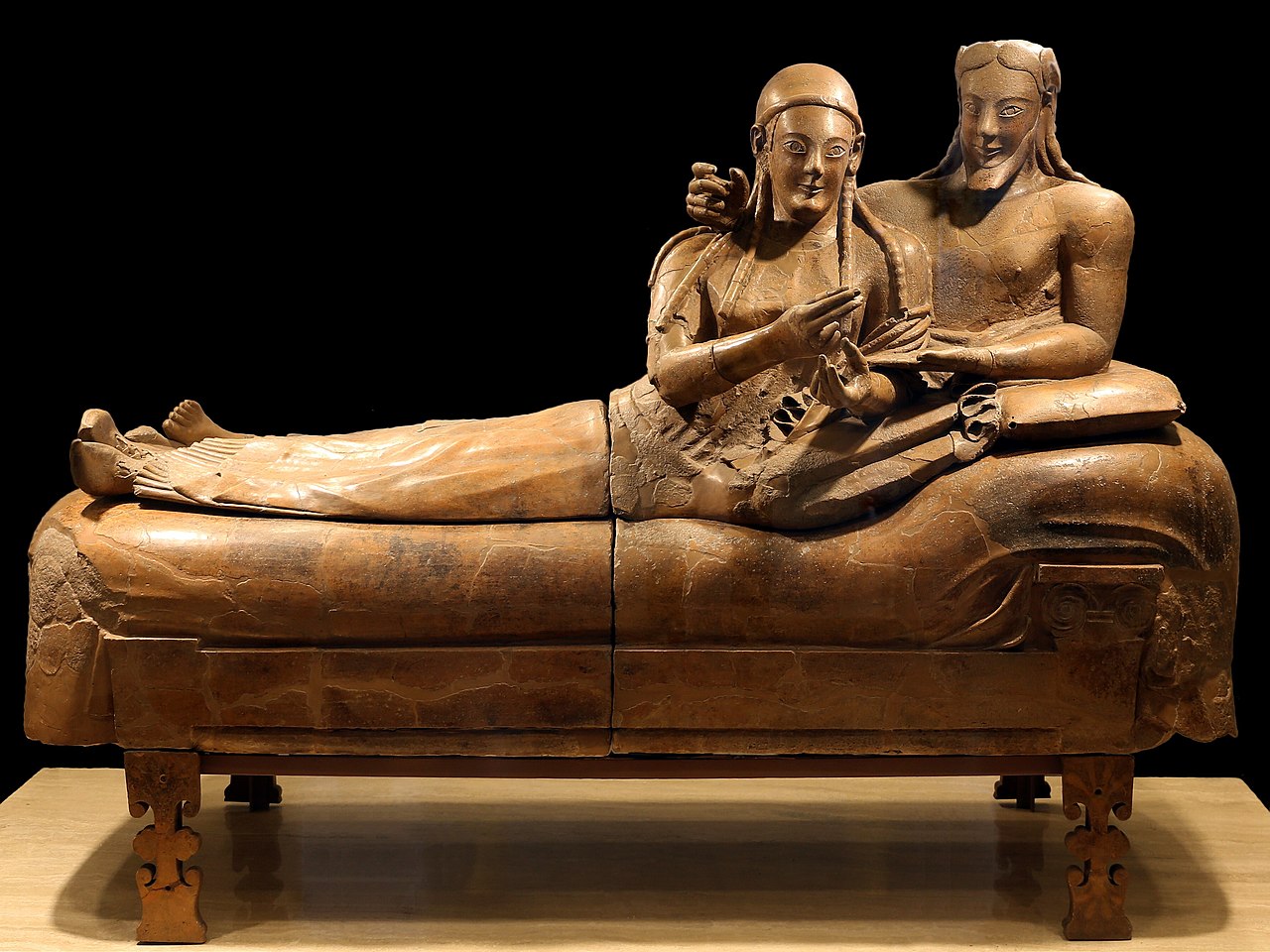
Sarcophagus of the Spouses- Etruscan (Italy)
Made from terracotta, made of 4 different pieces, may have held ashes→ cremation
Stylized features+figures, originally holding things (pomegranites or oils for the girl), disparity of upper and lower body
Important to see as a pair= shows gender equality
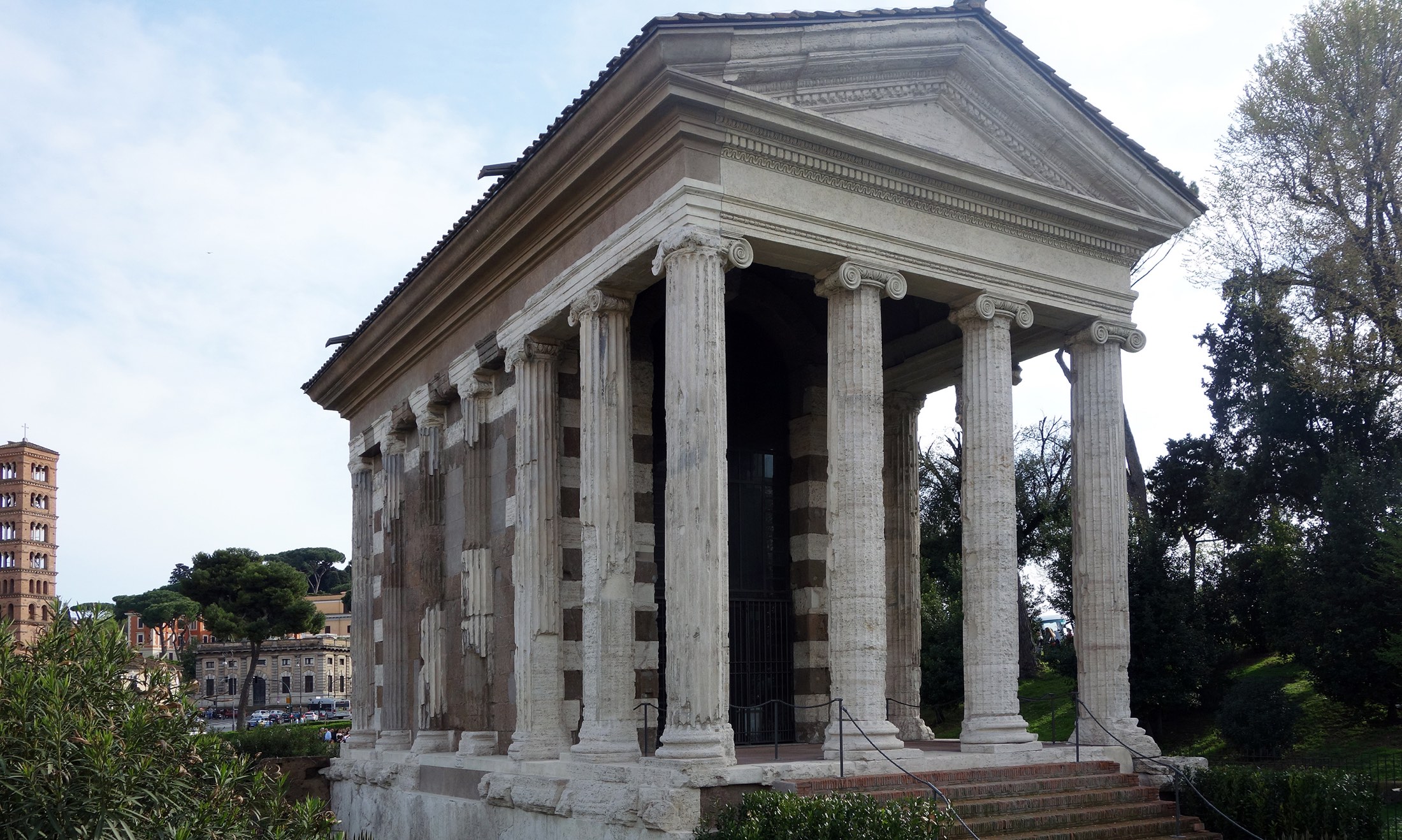
Temple of Portunus- Roman Republic

