Species in Solution
 Call Kai
 Learn
Learn Practice Test
 Spaced Repetition
 Match
Match Flashcards
 Knowt Play
1/30

There's no tags or description
Looks like no tags are added yet.
Name | Mastery | Learn | Test | Matching | Spaced | Call with Kai | Chat |
|---|
No analytics yet
Send a link to your students to track their progress
31 Terms
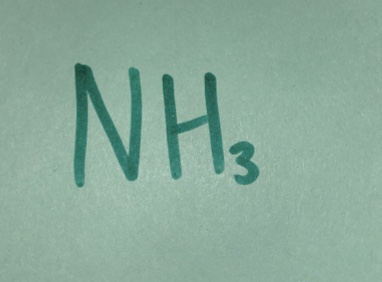
Weak base (molecular)

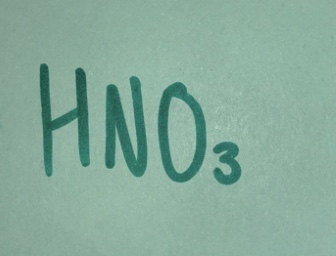
Strong acid

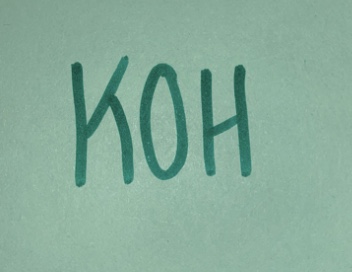
Strong base

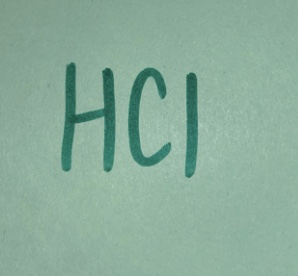
Strong acid

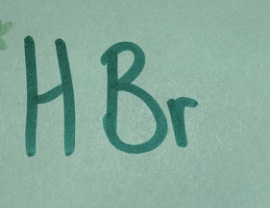
Strong acid

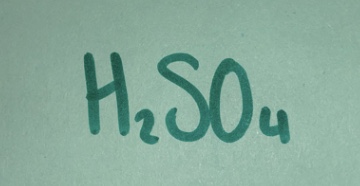
Strong acid
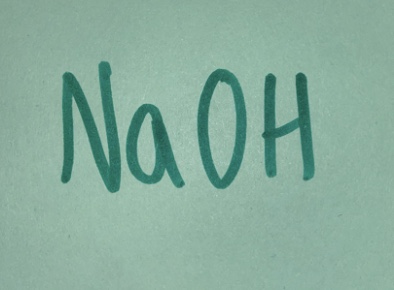
Strong base

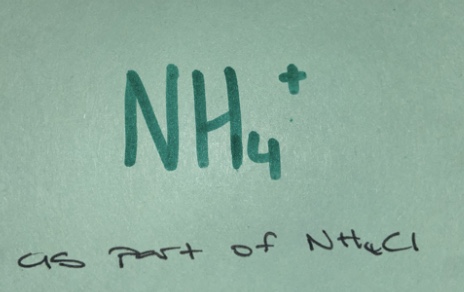
Weak acid
(non neutral salt)
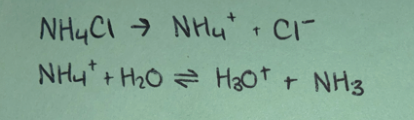
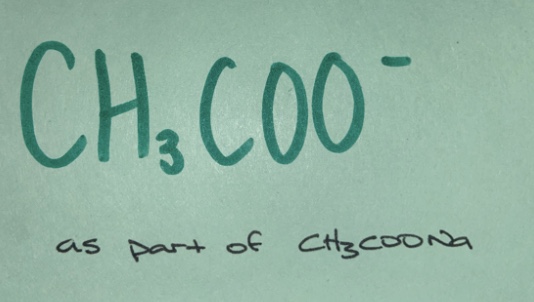
Weak base
(non-neutral salt)
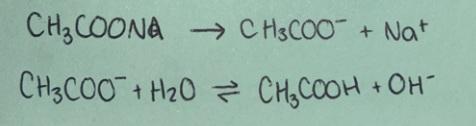
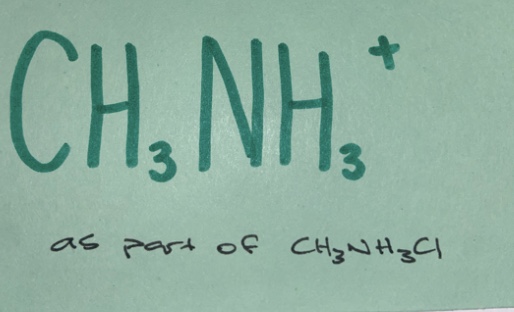
Weak acid
(non-neutral salt)
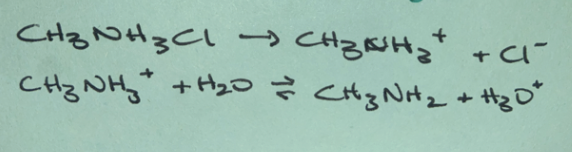
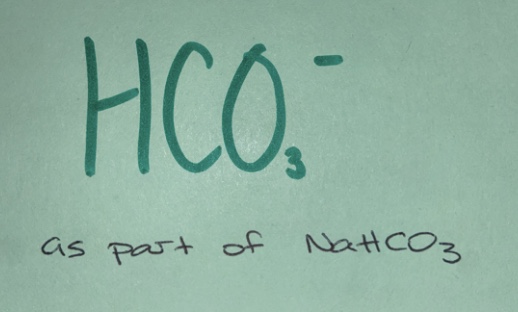
Weak base
(non-neutral salt)
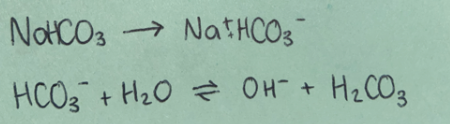
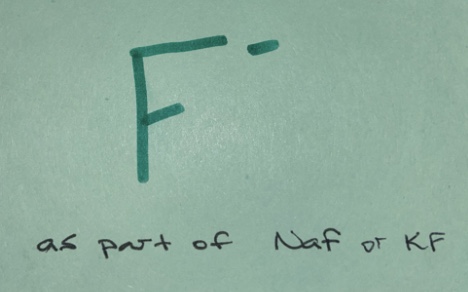
Weak base
(non-neutral salt)
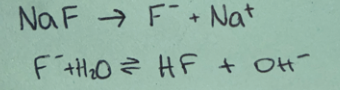
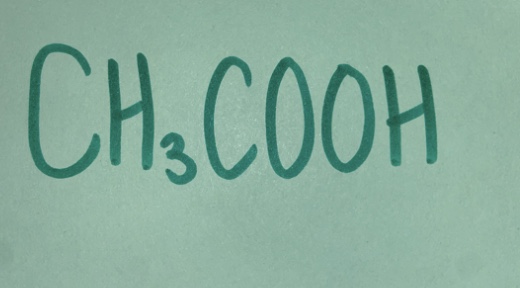
Weak acid
(mollecular)

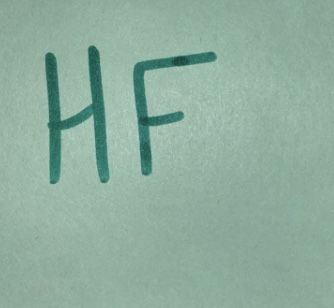
Weak acid
(molecular)

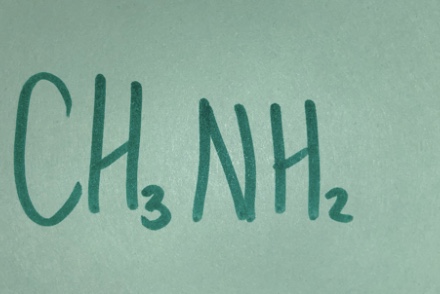
Weak base
(mollecular)

Conductivity
Str. Acid
Str. base
Salt
Fully dissociates
High [ions]
Good conductors
Strong acid
Fully dissociates in H20 >
(full arrow, not equation)
Acids
Proton donor
(increases (H30+) in water)
Conductivity
wk acid
wk base
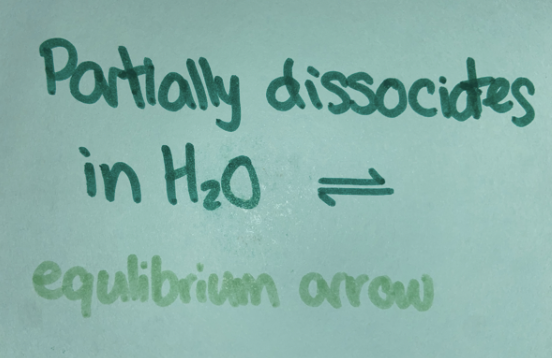
Portial dissoc
Low (ions)
Poor Conductors
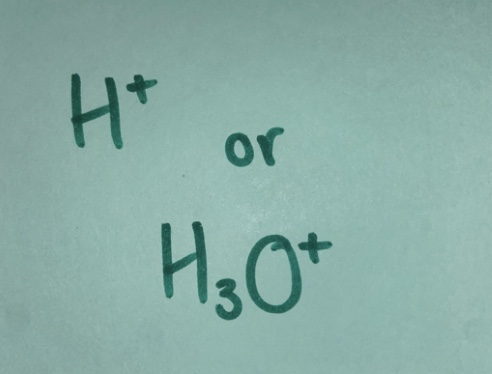
Proton
Conductivity depends on
(ions)
pH
Str base
Full dissoc
High (OH-)
Low(H30+)
High pH
Amphiprotic
a species that can donate or accept a proton
eg. H20, HCO3-
Weak(acid)
Bases
Proton acceptor
(increases (OH-) in water)
pH
Str acid
Full dissoc
High(H3O+)
Low pH
R.O.R
wk acid
Full dissoc
High(H3O)
Lots of particles/mL
Lots of collisons/s
Fast R.O.R
R.O.R
wk acid
Partial dissoc
Low(H3O+)
Fewer particles/mL
Fewer collisons/s
Slower ROR
pH
wk acid
Partial dissoc
Lower(H3O+)
Higher pH
Conjugate acid/base pairs
Species that differ by 1 x H+
Do we need to include water in the equation
Not if its a salt nor a strong base