Lab 2: Population Growth and Competition (Celine)
 Studied by 0 people
 Call Kai
 Learn
Learn Practice Test
 Spaced Repetition
 Match
Match Flashcards
 Knowt Play
1/31

There's no tags or description
Looks like no tags are added yet.
Name | Mastery | Learn | Test | Matching | Spaced | Call with Kai |
|---|
No analytics yet
Send a link to your students to track their progress
32 Terms
Intraspecific competition
Competition between individuals of the same species
- A population in the absence of another species
- Ex. Cat vs. cat trying to eat the same food

Interspecific competition
Competition between individuals of different species
- A population in the presence of another species
- Ex. Cat vs. dog trying to eat the same food
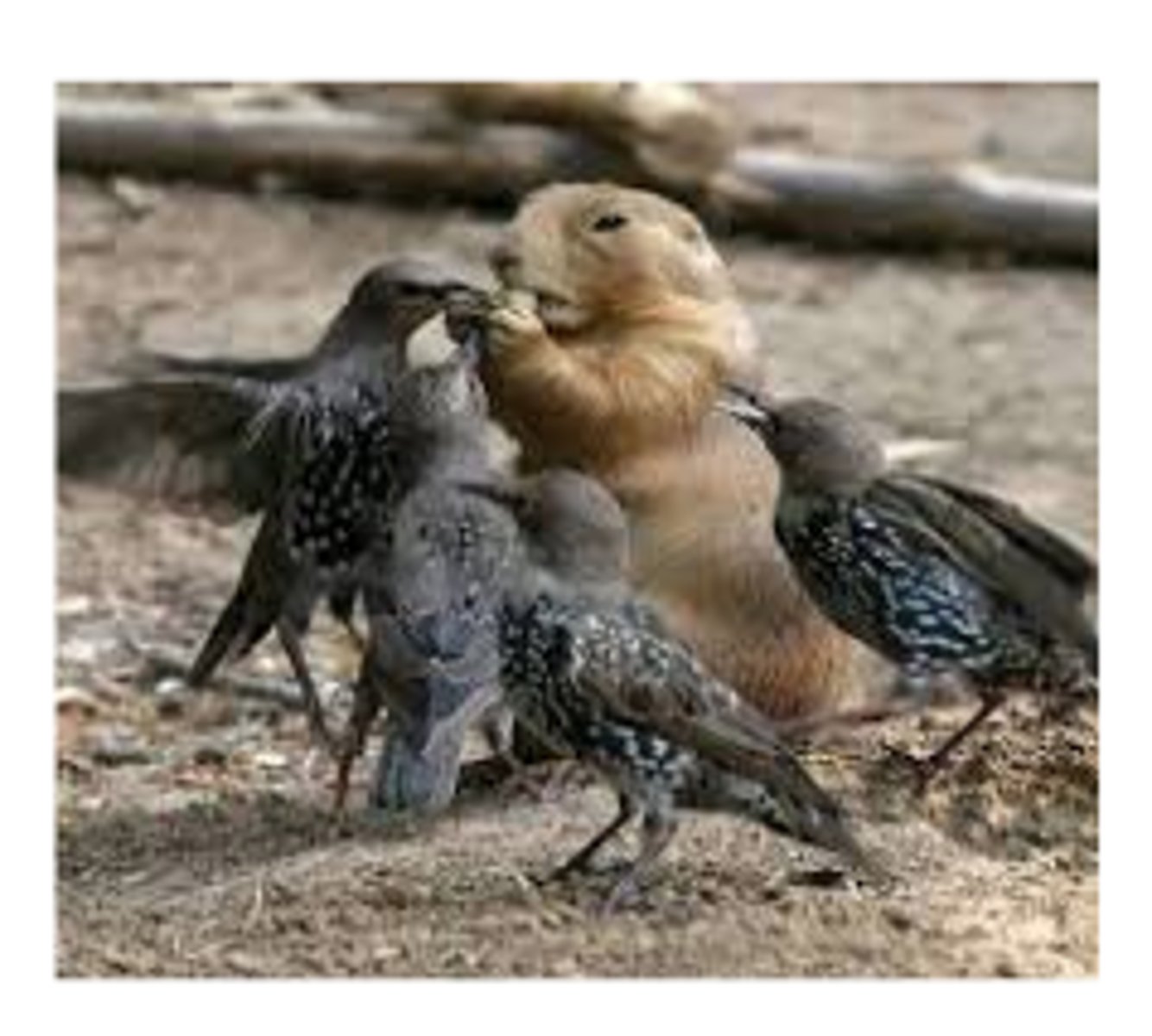
Theoretically, what can a species do in the absence of interspecific competition?
A species can sustain a viable population in a range of habitats that possess suitable environmental conditions and resources
In Celine words: A species can live and thrive in different places as long as those places have what they need and the right condition to survive.
What is the theoretical habitat in which a species can thrive in a range of suitable ones called?
Fundamental niche
It's basically the ideal living conditions of a species
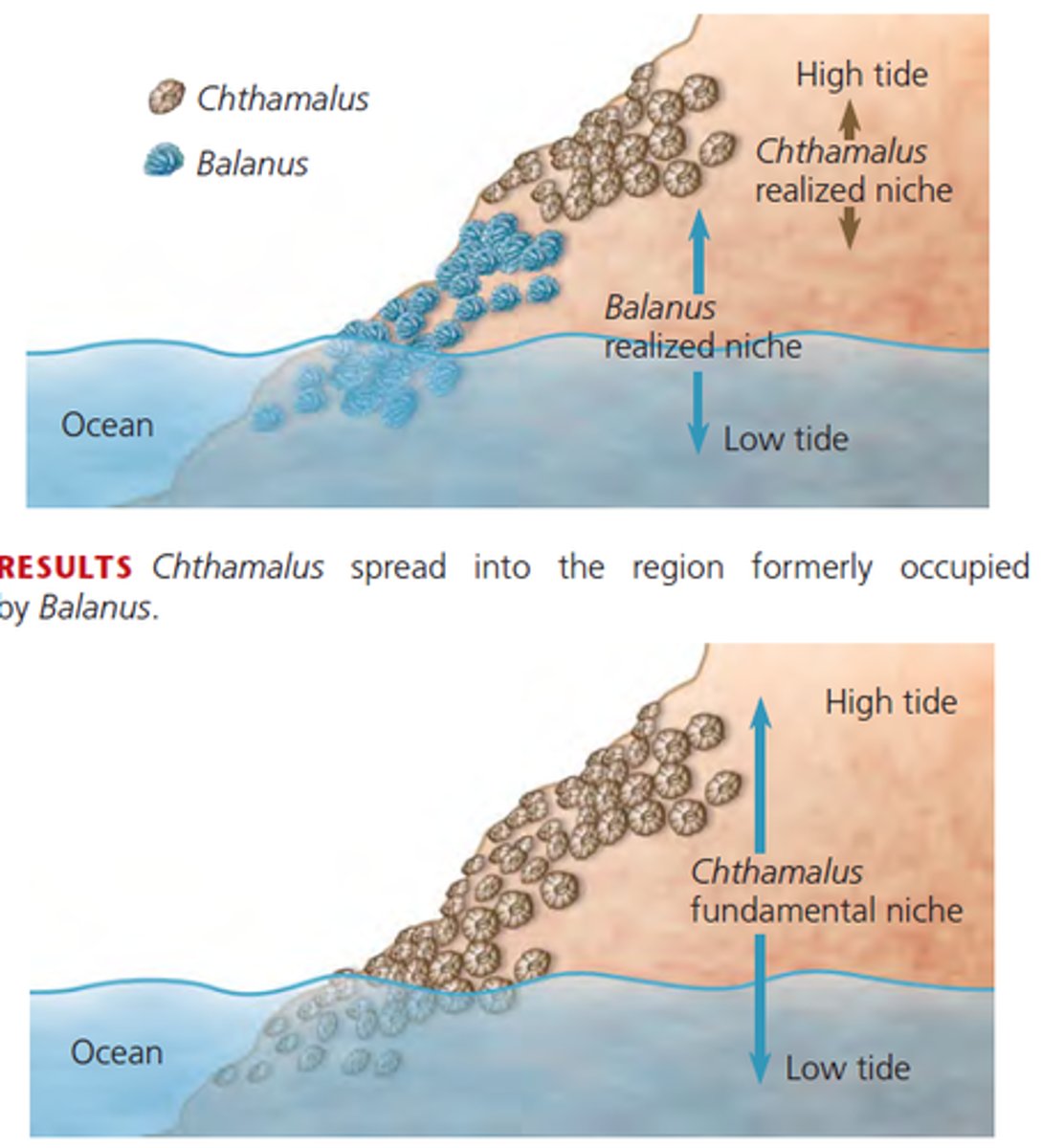
In nature, species always compete with each other. When interspecific competition constricts the habitat options in which a species can live, what is the smaller habitat known as?
Realized niche
It's basically the actual habitat a species occupies
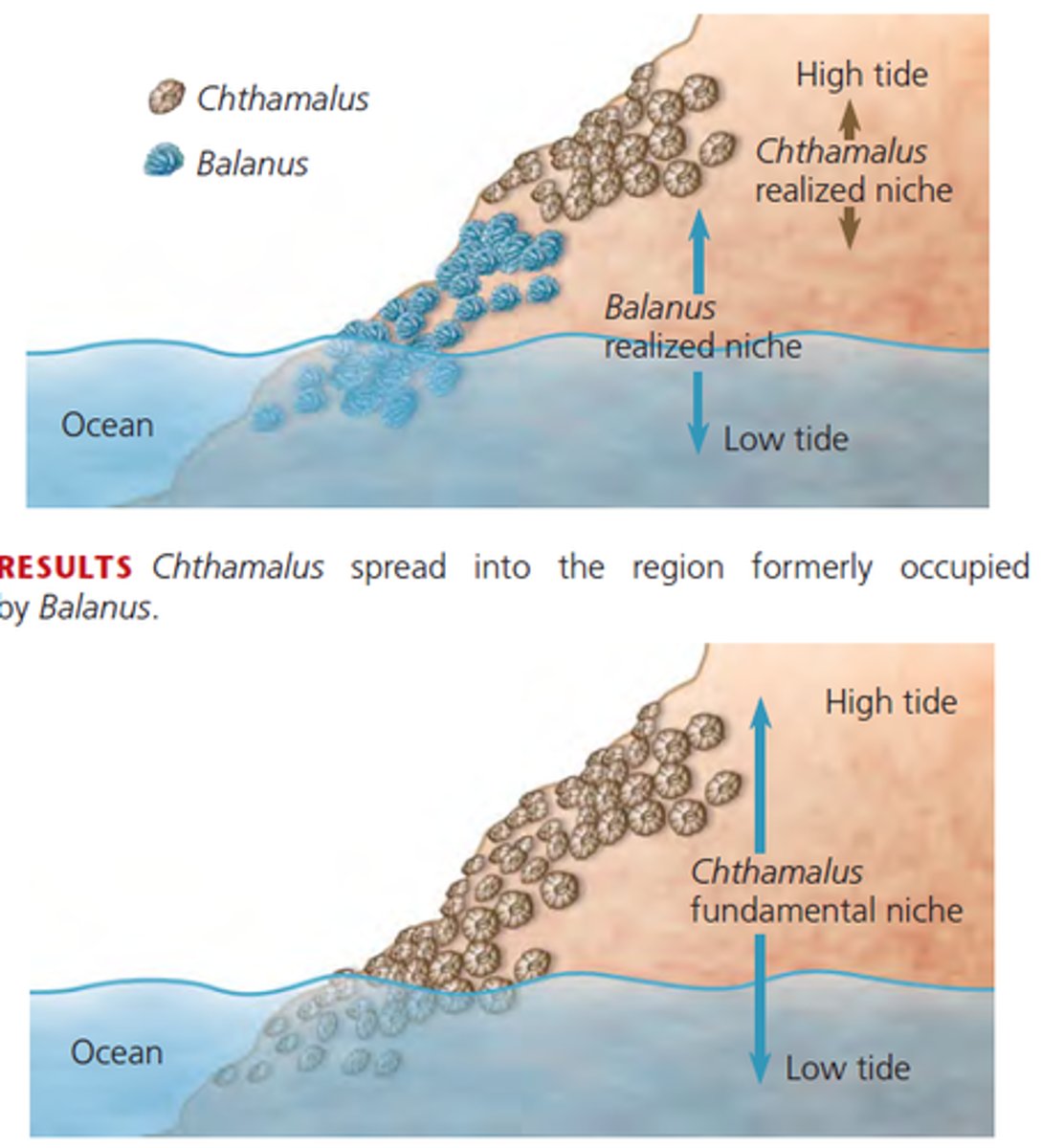
Who was G. F. Gause and what did he do?
He was a Russian ecologist in the 1930s.
He conducted a series of laboratory experiments that explored the niche concept.
What species did G. F. Gause use to study niches?
Two protozoan species: Paramecium aurelia and Paramecium caudatum
What did the protozoa in Gause's experiment eat?
Yeast and bacteria
Be aware: The medium was replenished with oatmeal, but the protozoa did NOT eat the oatmeal. Instead, yeast and bacteria fed on the oatmeal, and protozoa, in turn, fed off of these bacteria and yeast.
In Gause's first experiment, he grew his two species by themselves in a jar of liquid medium, ensuring that they were regularly fed. What happened in the beginning of the experiment?
In the beginning, when there were few individuals in the jar, the resources (bacteria and yeast) were abundant, and most of the protozoan individuals had high reproductive success.
SUMMARY: Lots of resources, high reproductive success
In Gause's first experiment, he grew his two species by themselves in a jar of liquid medium, ensuring that they were regularly fed. What happened at the end of the experiment?
In the end, the protozoa population size increased exponentially until there were more individuals than the resources in the jar could support. This resulted in a reduction of the total number of protozoa in the population until resources were able to rebound or replenish.
SUMMARY: Protozoa population exponentiated and hit carrying capacity
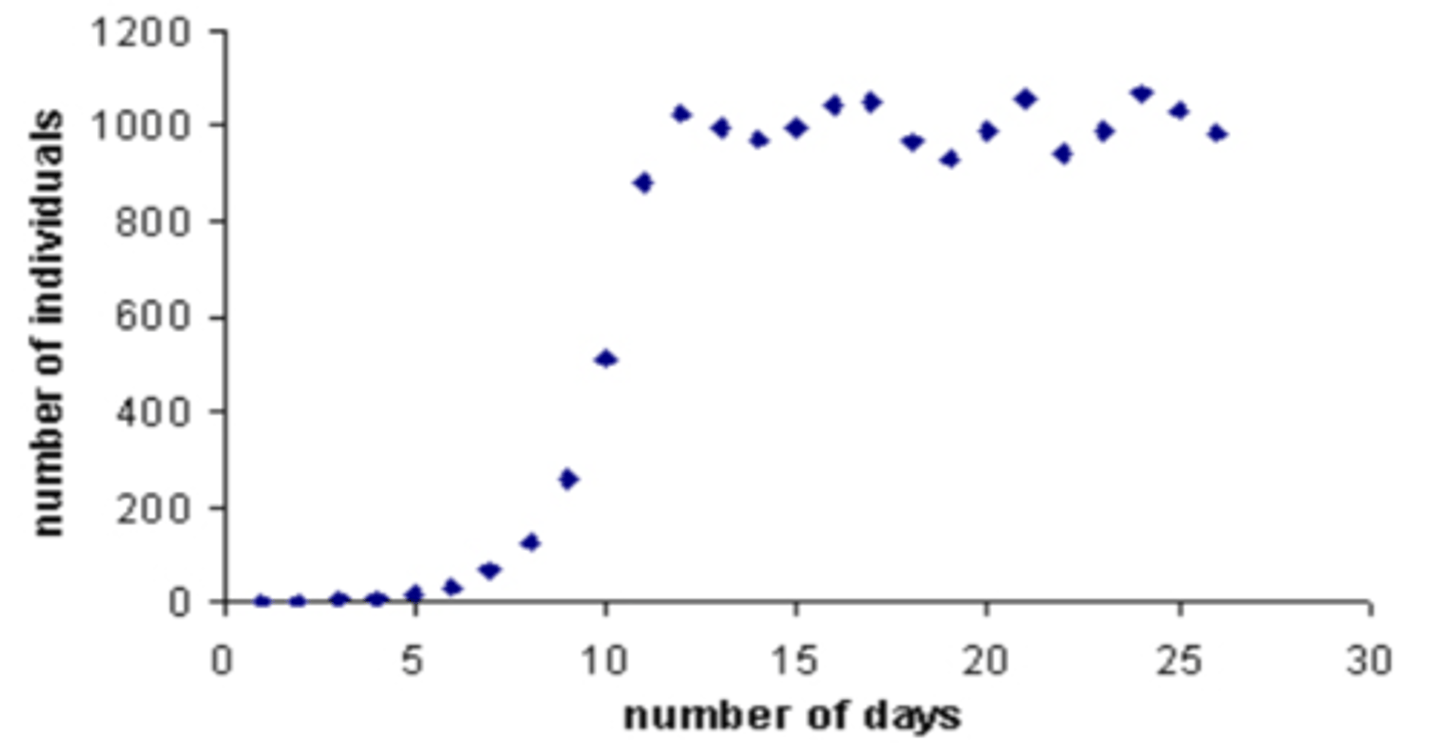
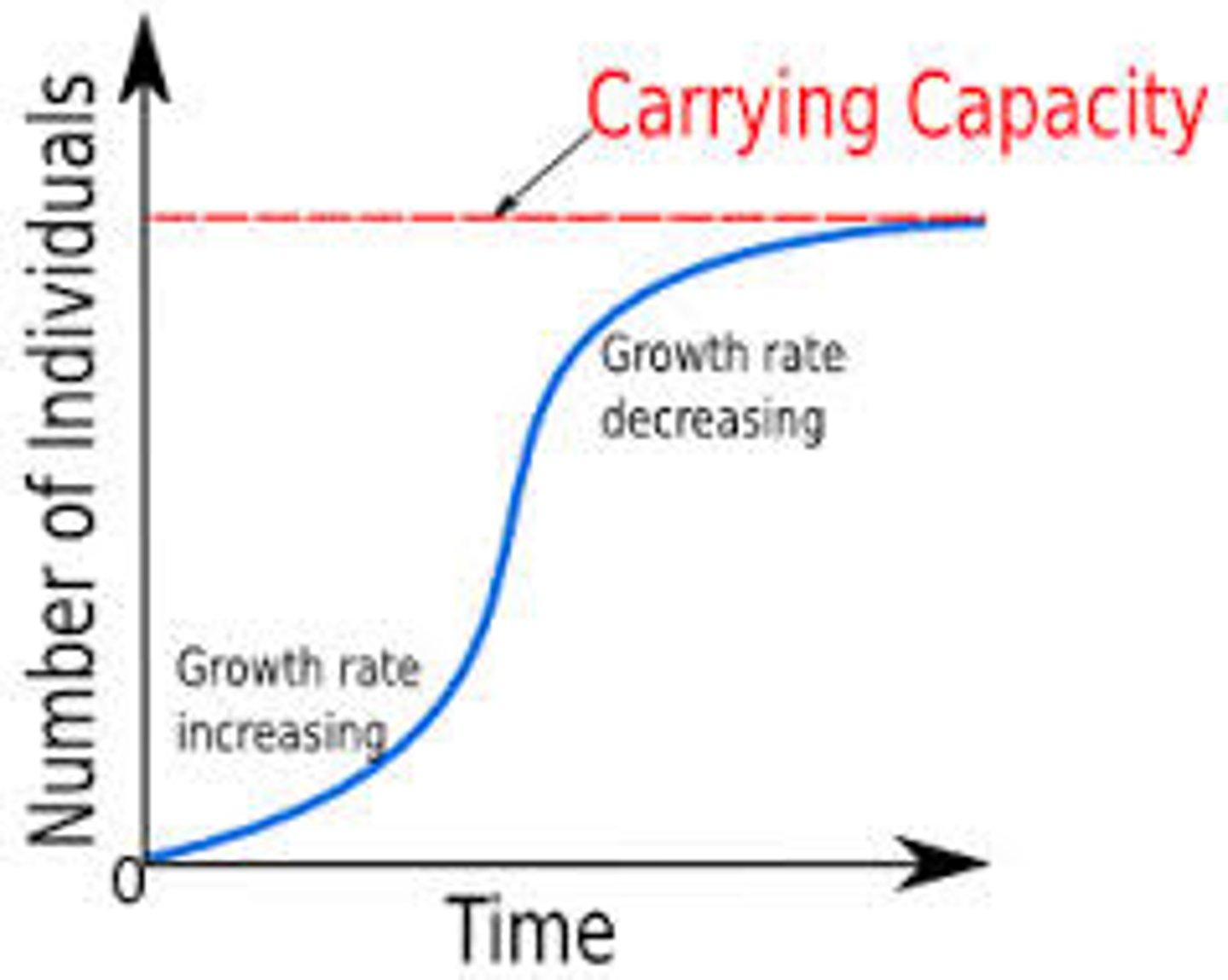
In Gause's first experiment, he grew his two species by themselves in a jar of liquid medium, ensuring that they were regularly fed. At some point, the population hit a "limit" to how much resources can sustain a population. What is this limit called?
Carrying Capacity (K); the final, stable number of protozoa in a jar fluctuated in a cyclic manner above and below K
Carrying Capacity (K)
The maximum number of individuals a set of resources can support in a given environment
In Gause's first experiment, he grew his two species by themselves in a jar of liquid medium, ensuring that they were regularly fed. What happens when there were more individuals than the resources in the jar could support?
It led to a reduction of the total number of protozoa in the population until the resources were able to rebound or replenish
In Gause's first experiment, he grew his two species by themselves in a jar of liquid medium, ensuring that they were regularly fed. What happens when resources are replenished?
The protozoa population increases in number until they again overexploit their resources.
When cultured alone, what was the growth of each protozoa population described by?
A logistic growth curve
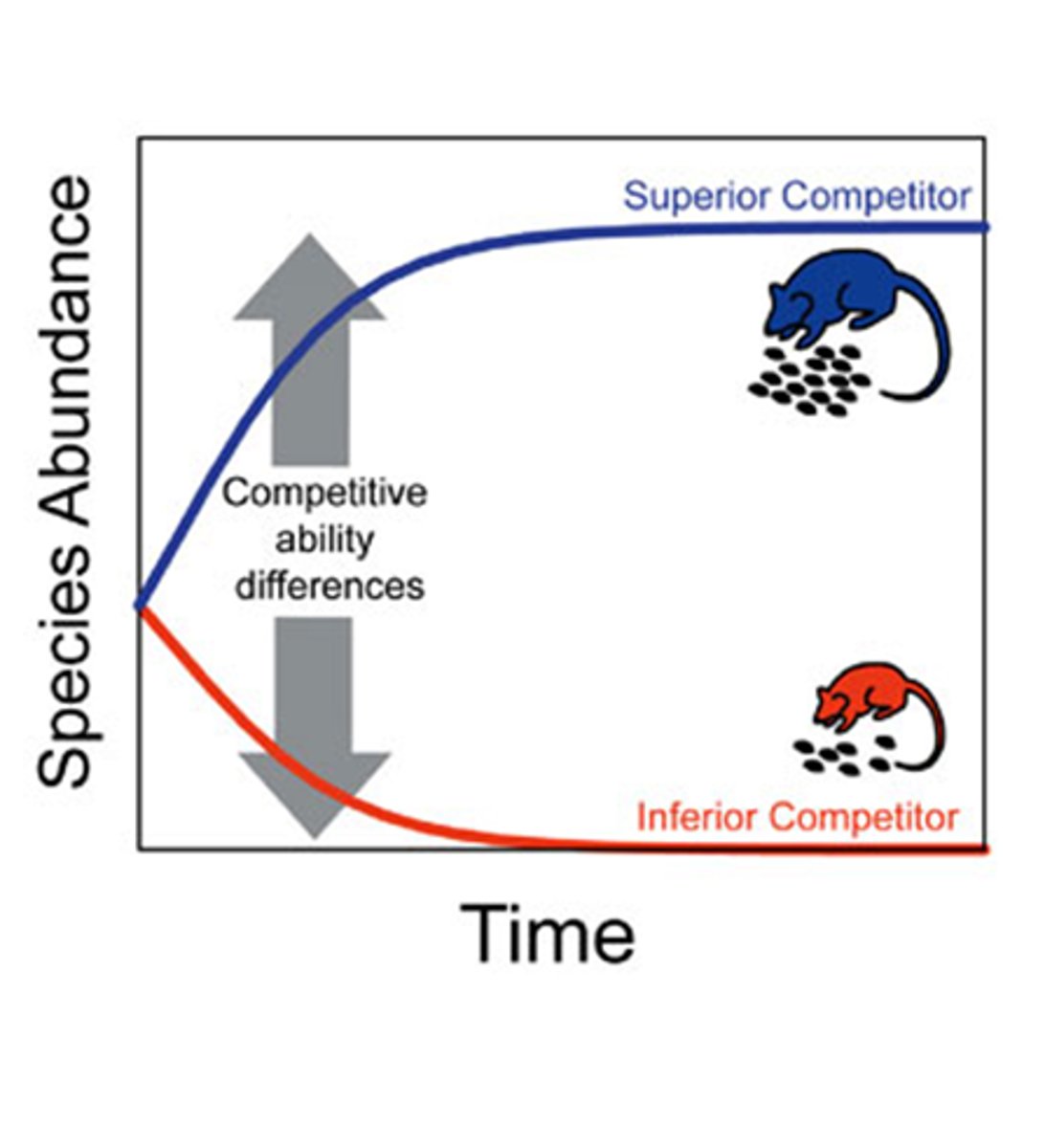
In Gause's second experiment, Gause grew his two species together in a jar of medium. What did he observe?
P. aurelia always survived and P. caudatum always declined to the point of extinction.
In Gause's second experiment, Gause grew his two species together in a jar of medium. What did he conclude after his observation?
P. aurelia was a superior competitor in the environment.
What is the competitive exclusion principle and why did Gause propose it?
Competitive exclusion principle: Two species competing for the same, limiting resources cannot coexist in the same niche indefinity. One species will ALWAYS use the resources more efficiently and cause the other species to become extinct locally.
He proposed it to explain the phenomenon of why P. aurelia always survived in the joint medium, while P. caudatum always died out.
In Gause's second experiment, Gause grew his two species together in a jar of medium. Was the realized niche of P. caudatum bigger or smaller than its fundamental niche?
Its realized niche was substantially smaller.
This is because an essential part of P. caudatum's fundamental niche was occupied by P. aurelia, so P. caudatum was unable to sustain a viable population in the presence of the other species
During our lab, we represented two different species of protozoans. What were these two species, and what did they differ in?
Paramecium digitus and Paramecium utensiius
They differed by their feeding mouth parts
What did P. digitus's mouth part resemble?
A human hand
What did P. utensilius's mouth part resemble?
A fork
If you represent P. digitus, what could you do?
Use your DOMINANT hand to capture one unit of food at a time AND hold the collected food in the same hand
If you represented P. utensilius, what could you do?
Use a fork in your NON-DOMINANT hand to retrieve nutrients and hold food in the other hand
Where do P. digitus and P. utensilius live?
In a creek that provides a fixed amount of nutrients that are replenished as water flows through their habitat from a nutrient-rich upstream source
What is the food source of P. digitus and P. utensilius in the simulation?
Kidney beans
Initially, how many units of food are in the first habitat? How many additional food units is brought by the flow of water to each habitat after every generation of feeding?
200 units of food initially
40 additional food units per generation of feeding
Each generation of feeding is 30 seconds long.
How was intraspecific competition modelled in our simulation?
A single individual of P. utensilius colonizes the first stream area. It collects as much food as it can in the generation of feeding time, and reproduces accordingly.
There is no other species represented in this first stream.
What happens when you collect
a. 0-4 nutrients?
b. 5-9 nutrients?
c. 10-14 nutrients?
d. 15-19 nutrients?
a. You die
b. You survive and continue feeding in the next round
c. You survive and continue feeding in the next round with one additional offspring
d. You survive and continue feeding in the next round with two additional offspring

How many generations can each Paramecium survive for?
3 generations*
*Don't overthink this or count it towards death. This is simply done to make sure everyone in the class can participate in the simulation. They are "replaced" after they die, so B = D anyways!
How was interspecific competition modelled in our simulation?
One individual of each species colonizes a single habitat of 200 units of nutrients. They collect food and reproduce accordingly.
Two species are represented in the second stream!
How many generations do we do in this simulation?
15
 Note
Note  Flashcards (24)