Bones, Muscles, Joints, Actions and Directions - PSK4U
 Studied by 0 people
 Call Kai
 Learn
Learn Practice Test
 Spaced Repetition
 Match
Match Flashcards
 Knowt Play
1/171

There's no tags or description
Looks like no tags are added yet.
Name | Mastery | Learn | Test | Matching | Spaced |
|---|
No study sessions yet.
172 Terms
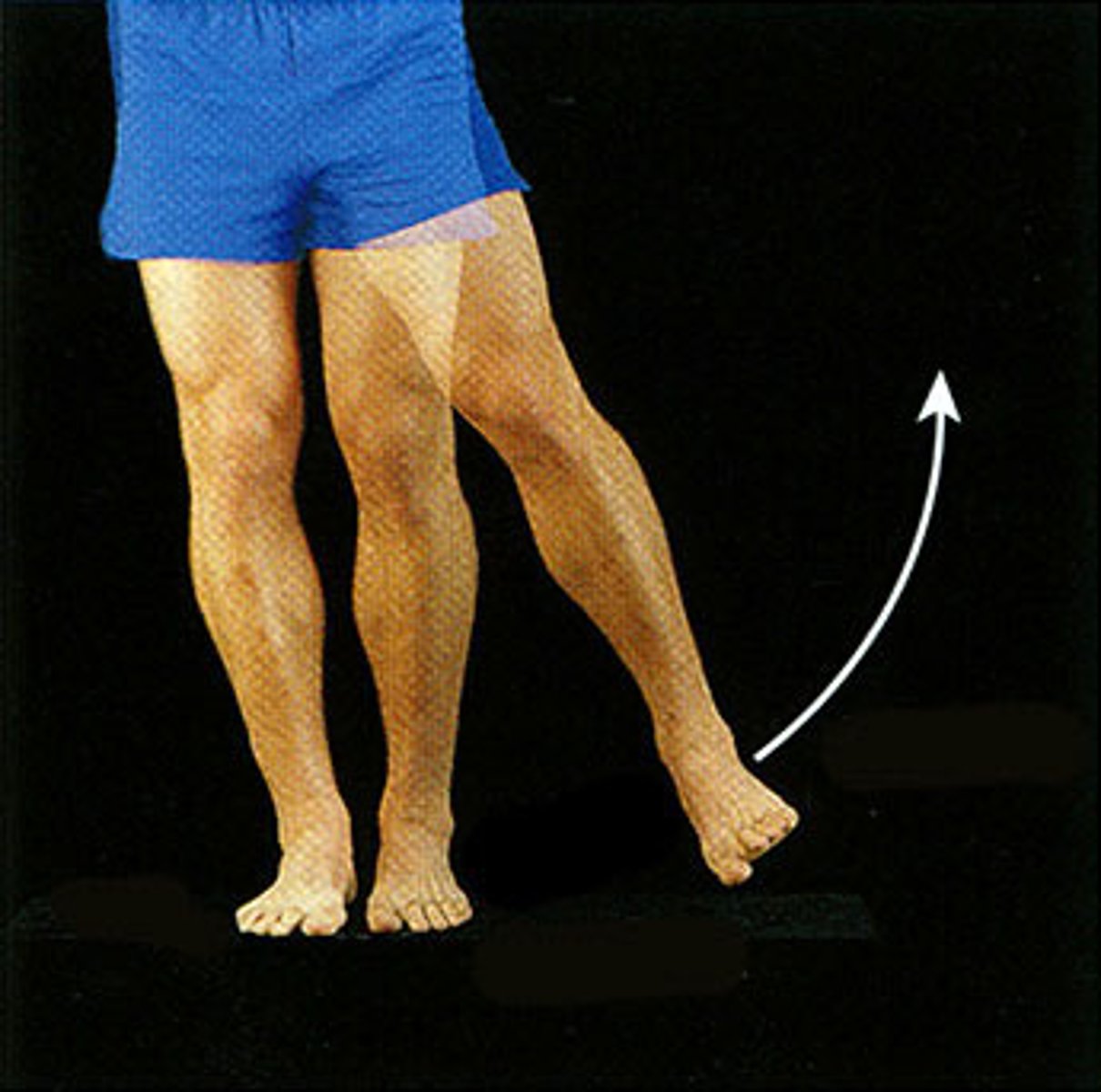
Action: Abduction
Moving away from the midline
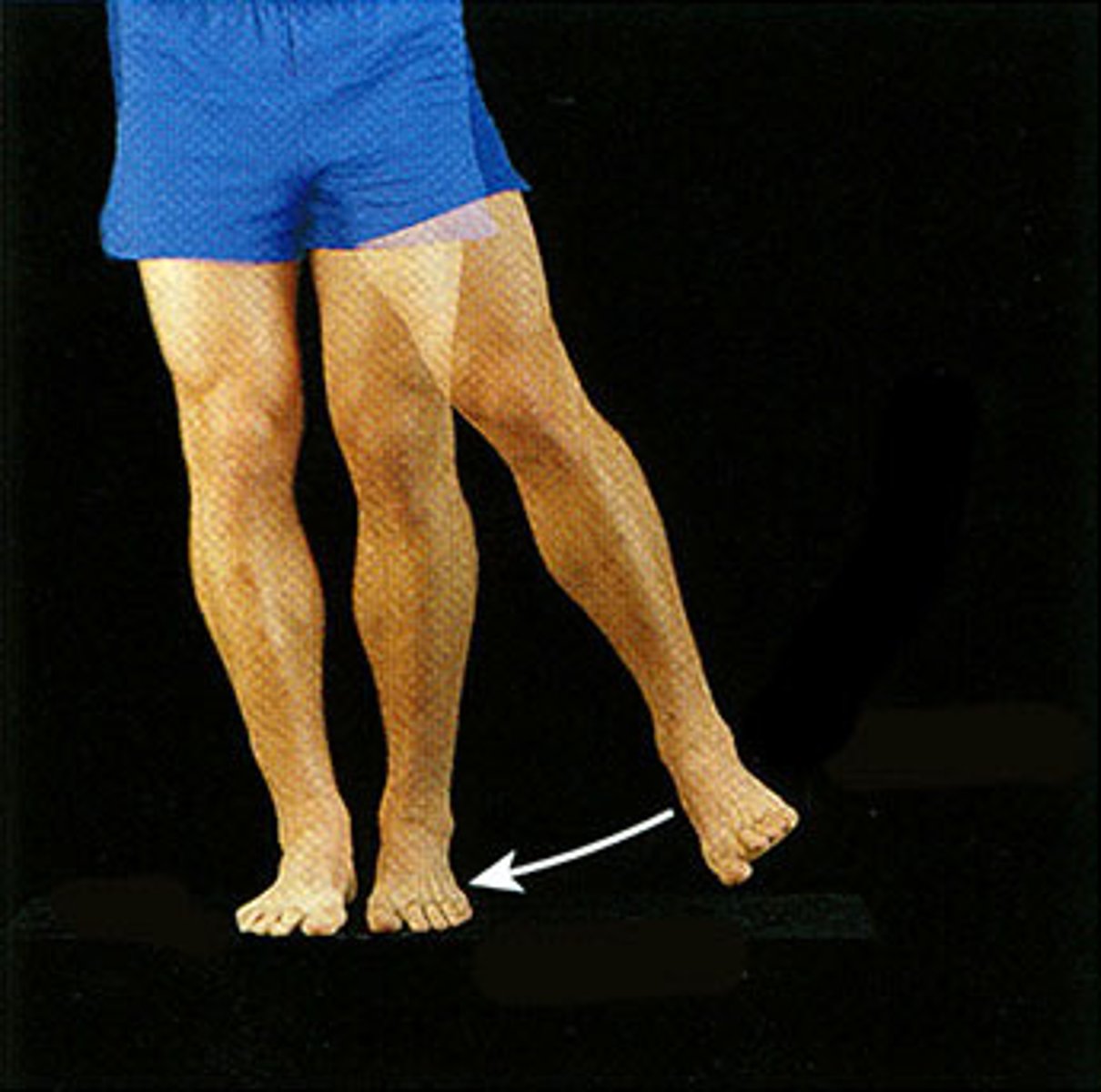
Action - Adduction
Moving towards the midline
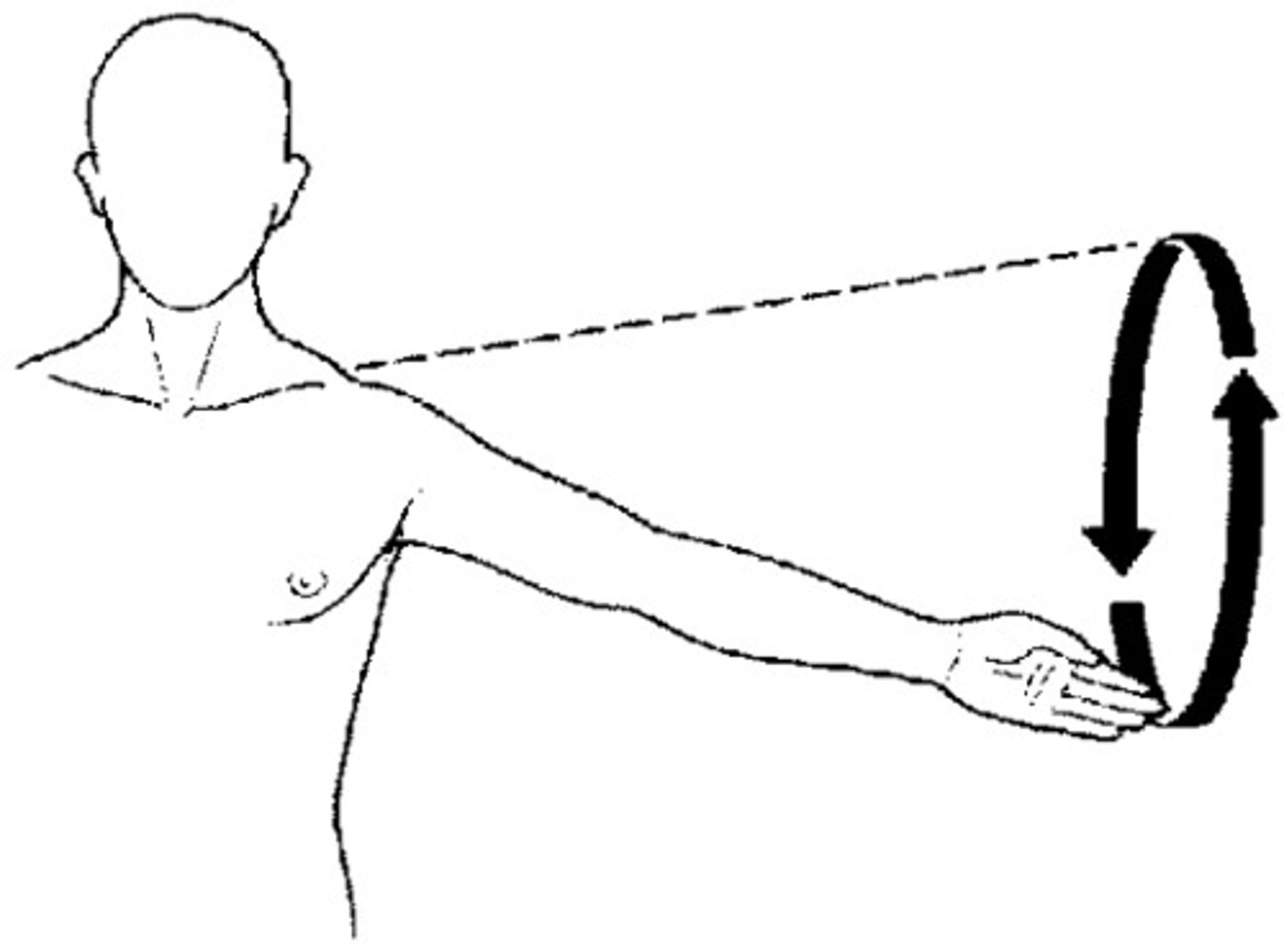
Action: Circumduction
Performing flexion, extension, abduction and adduction. Only can be performed at ball-and-socket joints, such as glenohumeral and acetabulofemoral joint
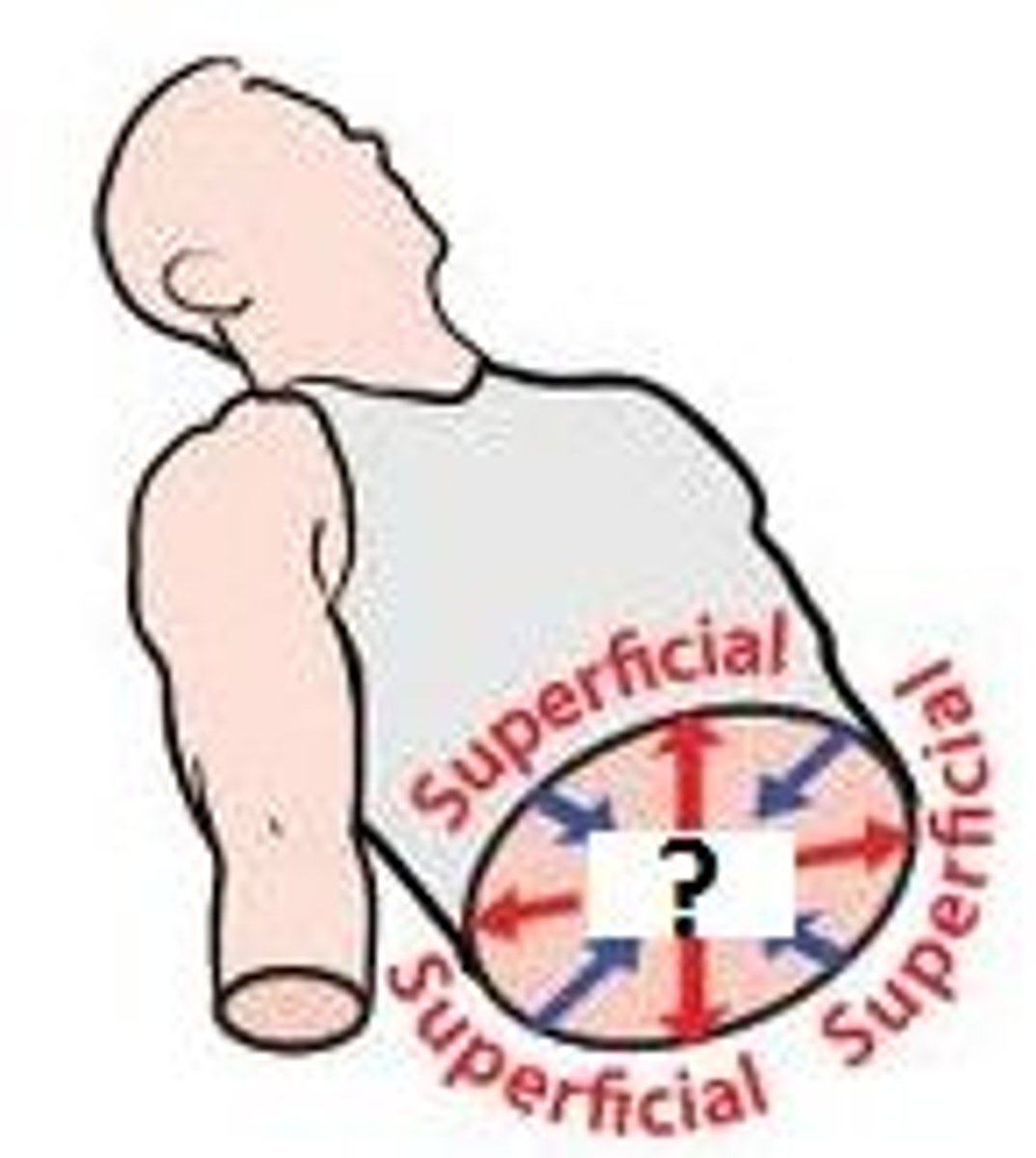
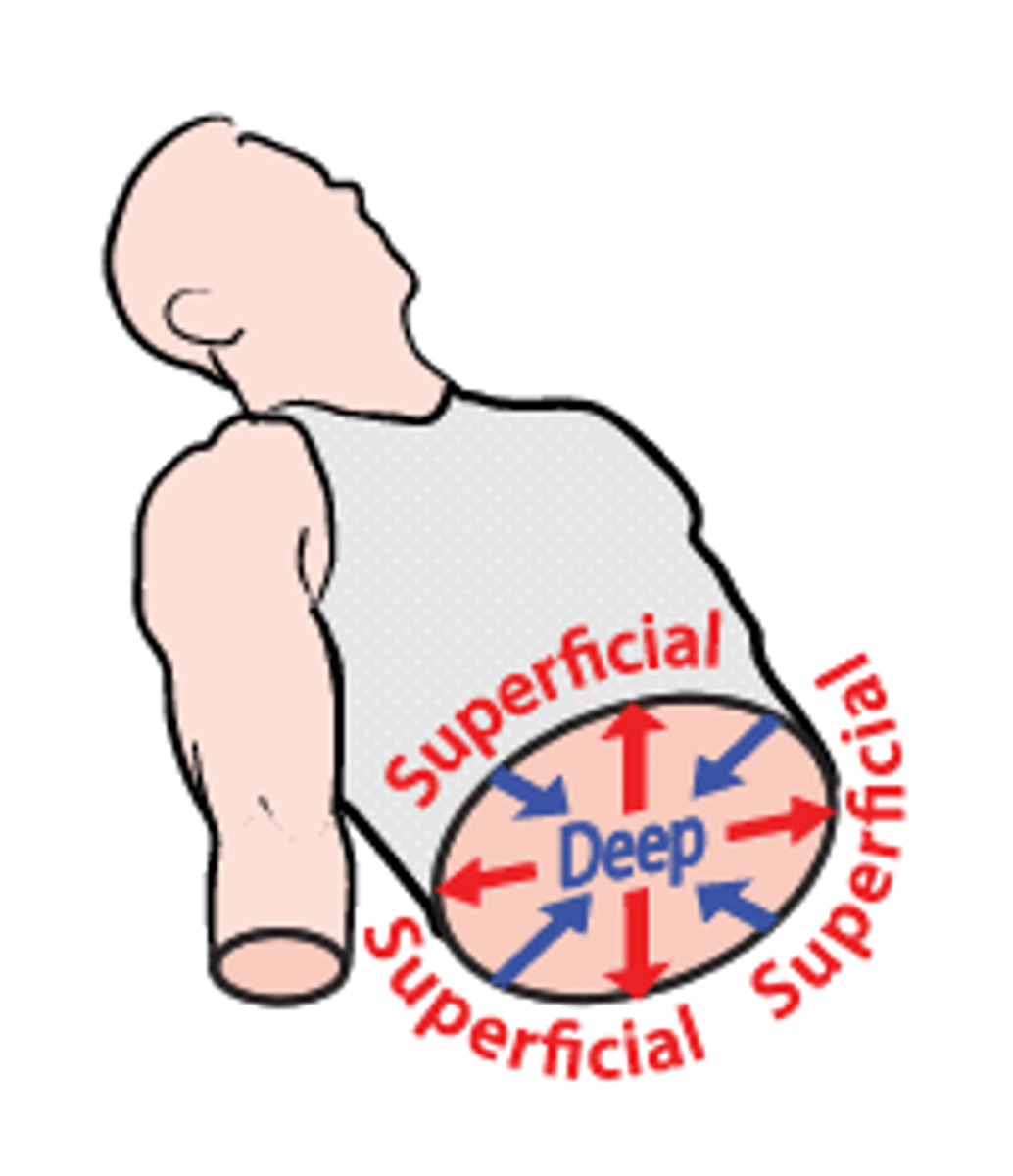
Descriptive Term: Deep
Opposite of superficial. Used as a comparison, e.g - the heart is deep to the skin.
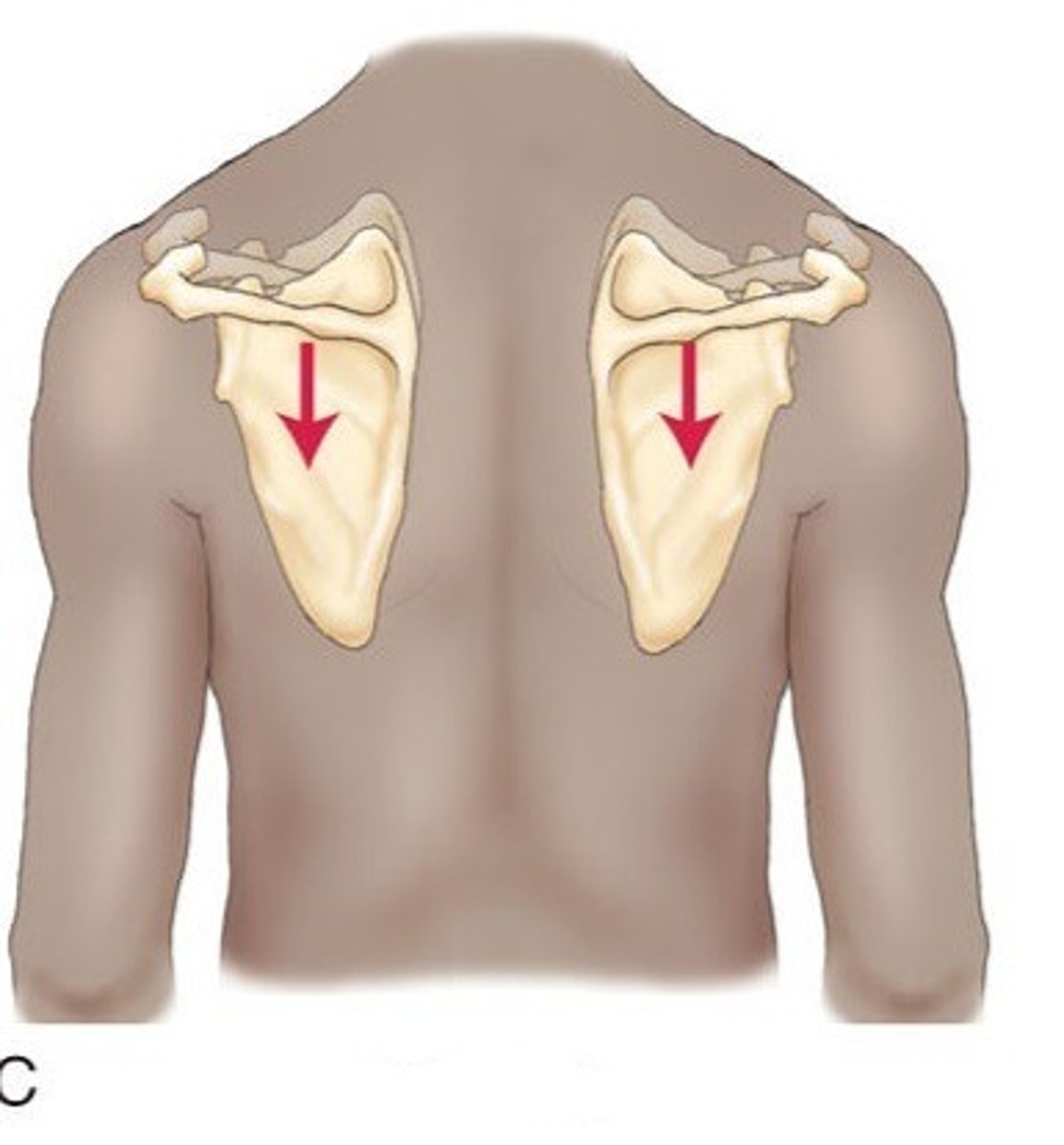
Action: Depression
Moving a body part inferiorly. Opposite of elevation.
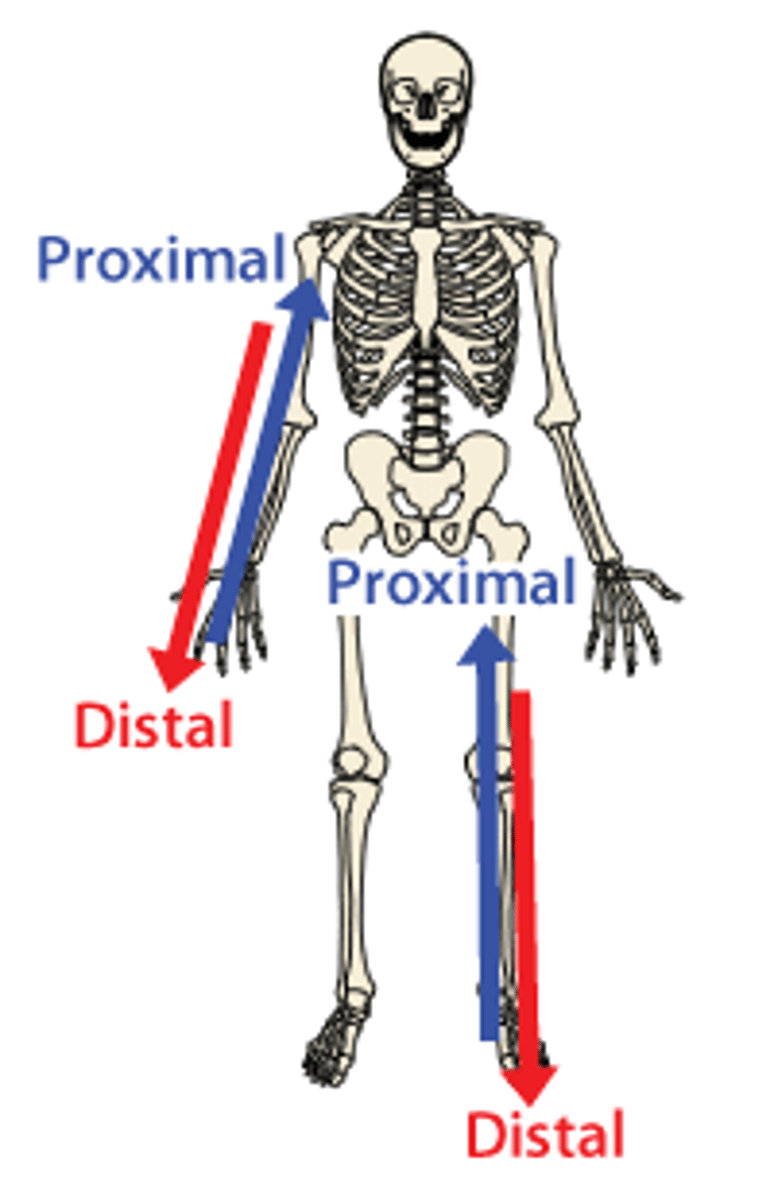
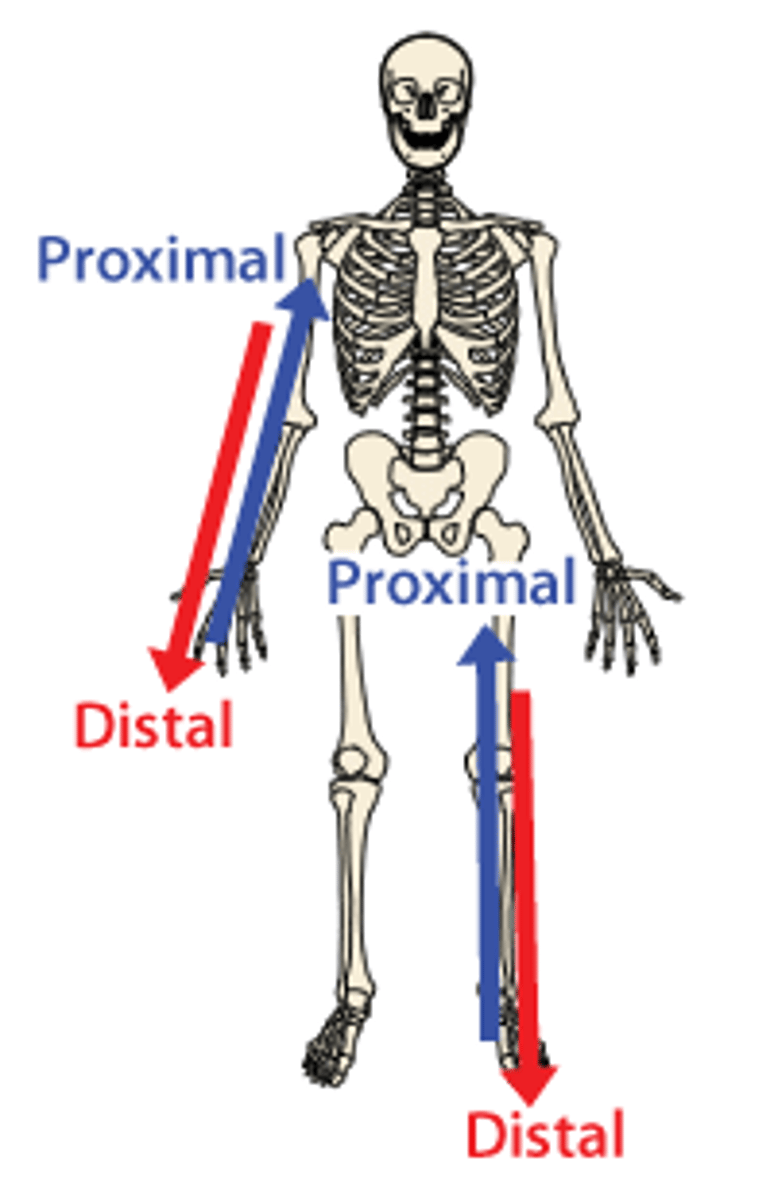
Descriptive Term: Distal
Used as a comparison to proximal. Used to describe something that is far away from the axial skeleton, e.g - the lateral and medial mallelous' are distal to the greater and lesser trochanter of the femur.
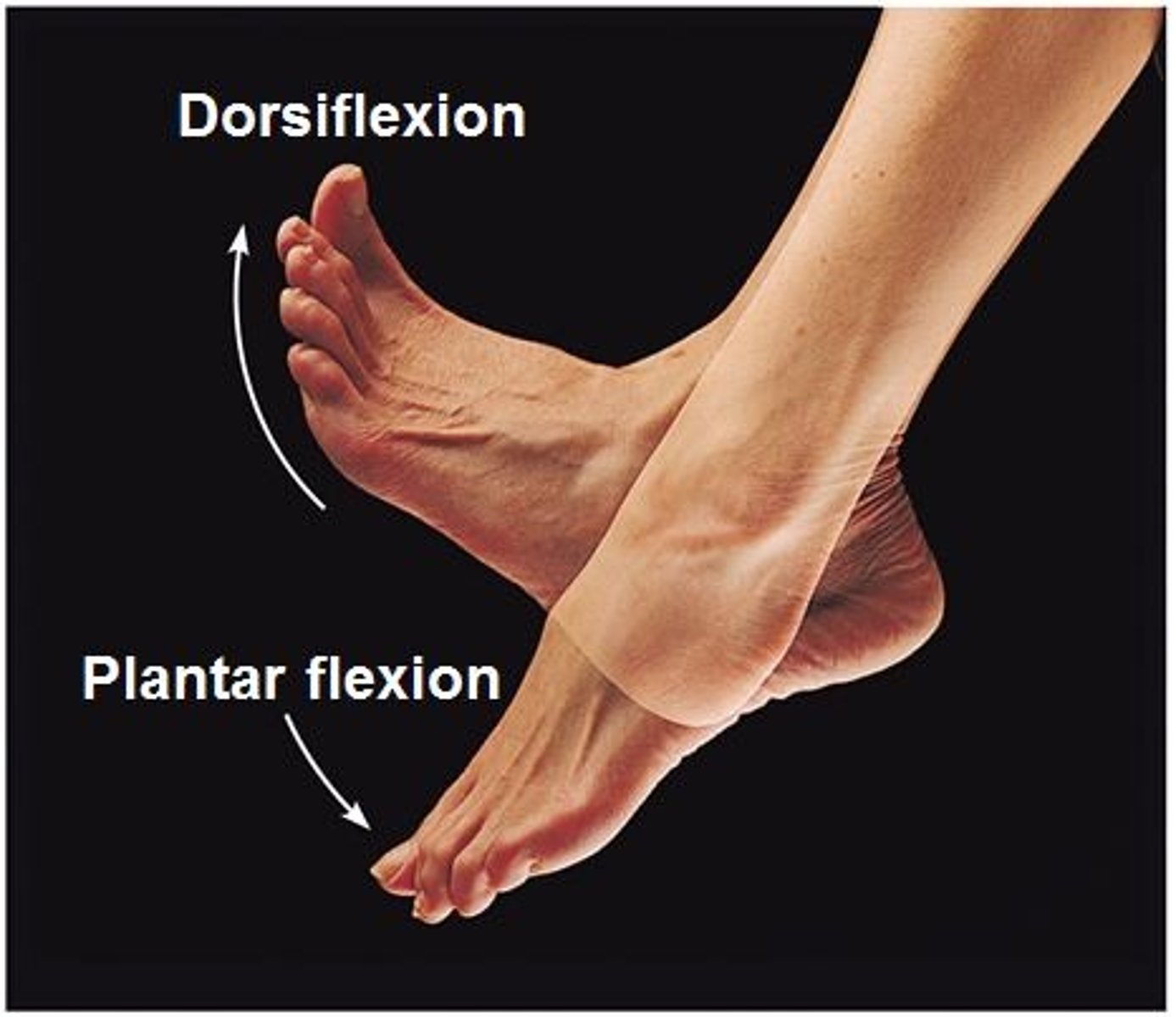
Action: Dorsiflexion
Pointing the foot upwards
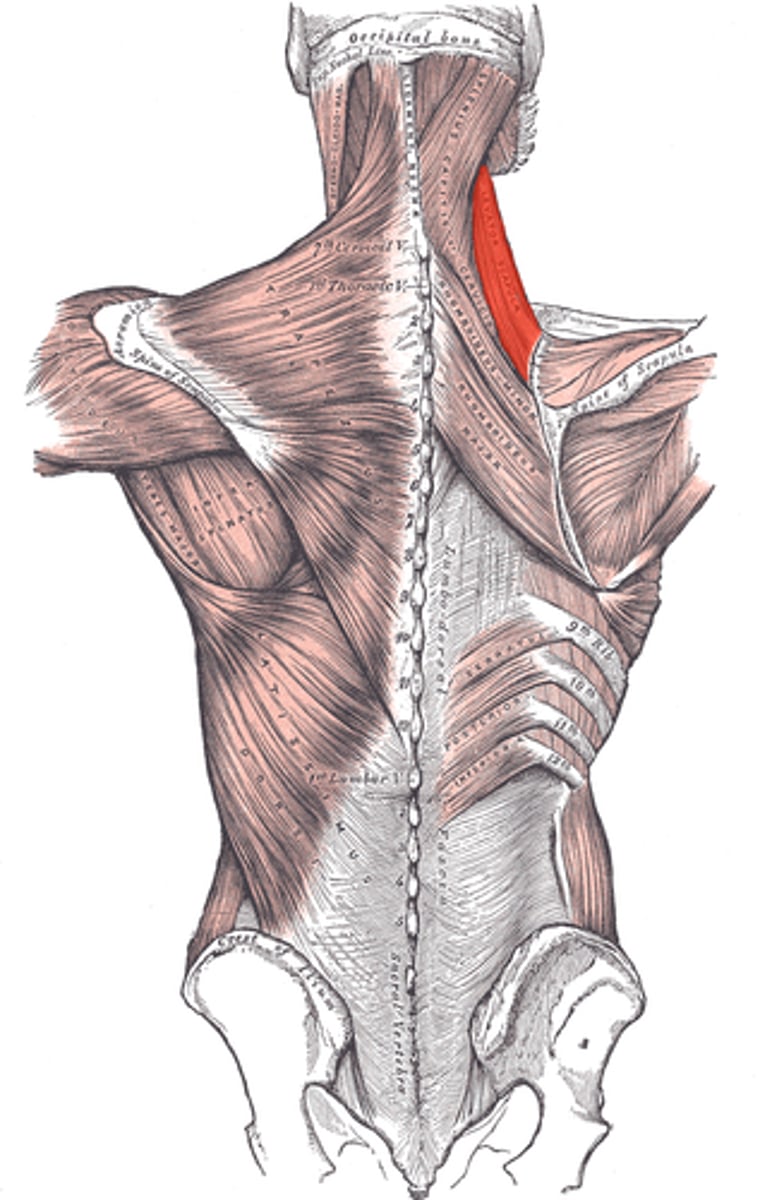
Action: Elevation
To move superiorly, e.g - using levator scapulae
Action: Eversion
To move the outside of the foot superiorly. The biggest phalange of the foot moves closer to the ground
Action: Extension
To increase the angle between 2 points
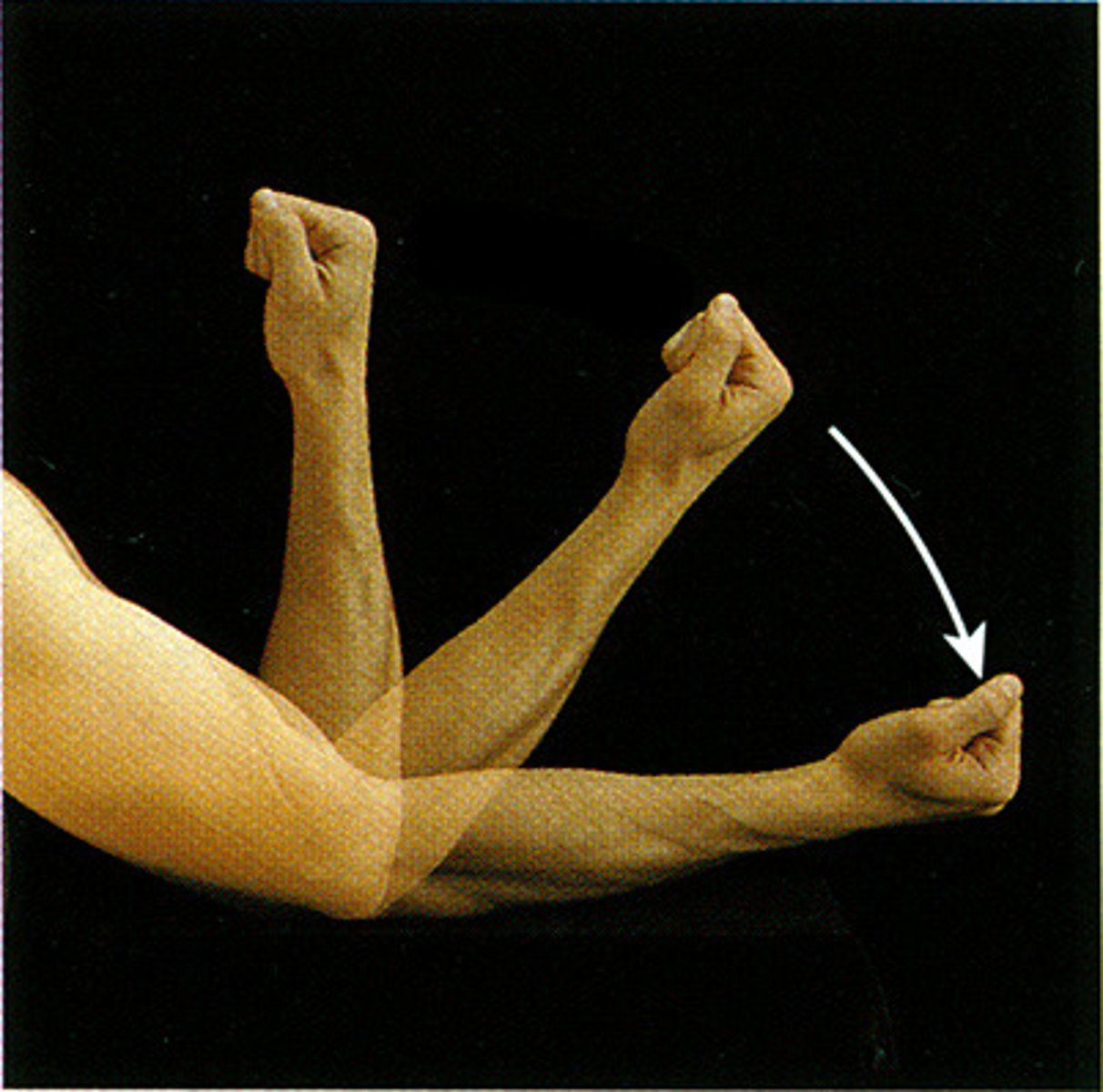
Action: External Rotation
To rotate a body part away from the midline
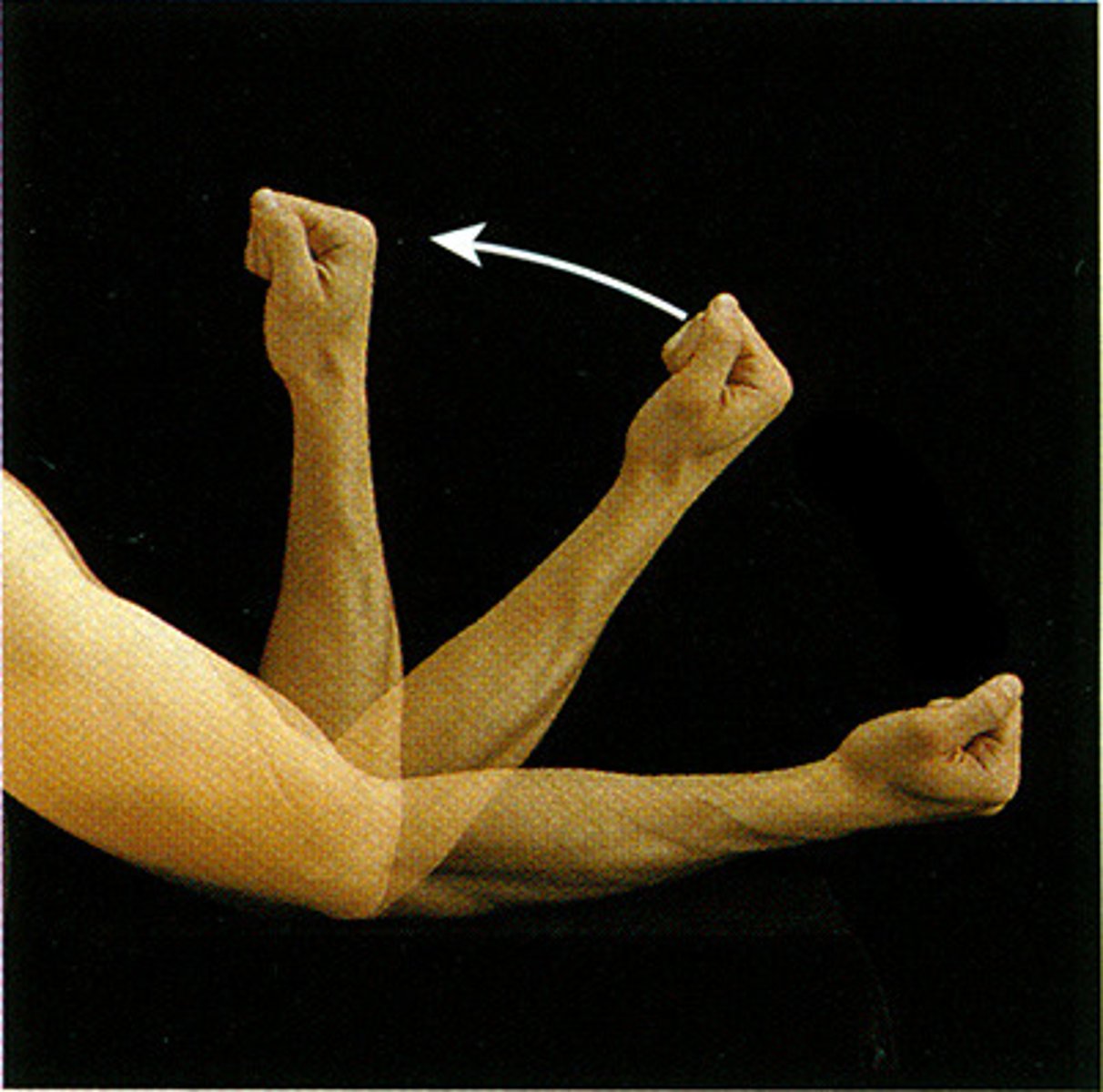
Action: Flexion
To decrease the angle between 2 points
Descriptive Term: Inferior
A comparisive term to refer to something lower than on the body. e.g - the xiphoid process is inferior to the manubrium of the sternum
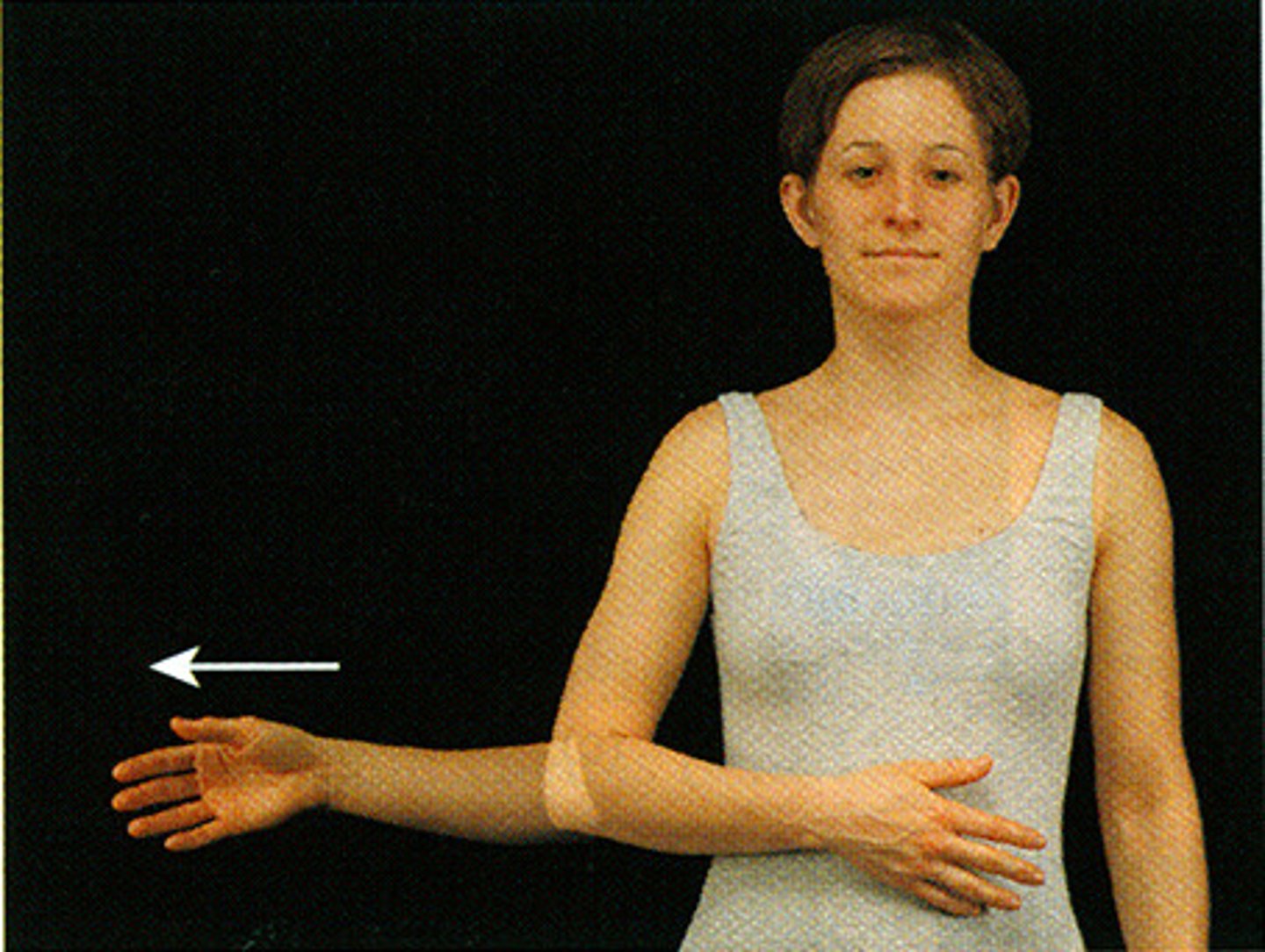
Action: Internal Rotation
To rotate towards the midline of the body
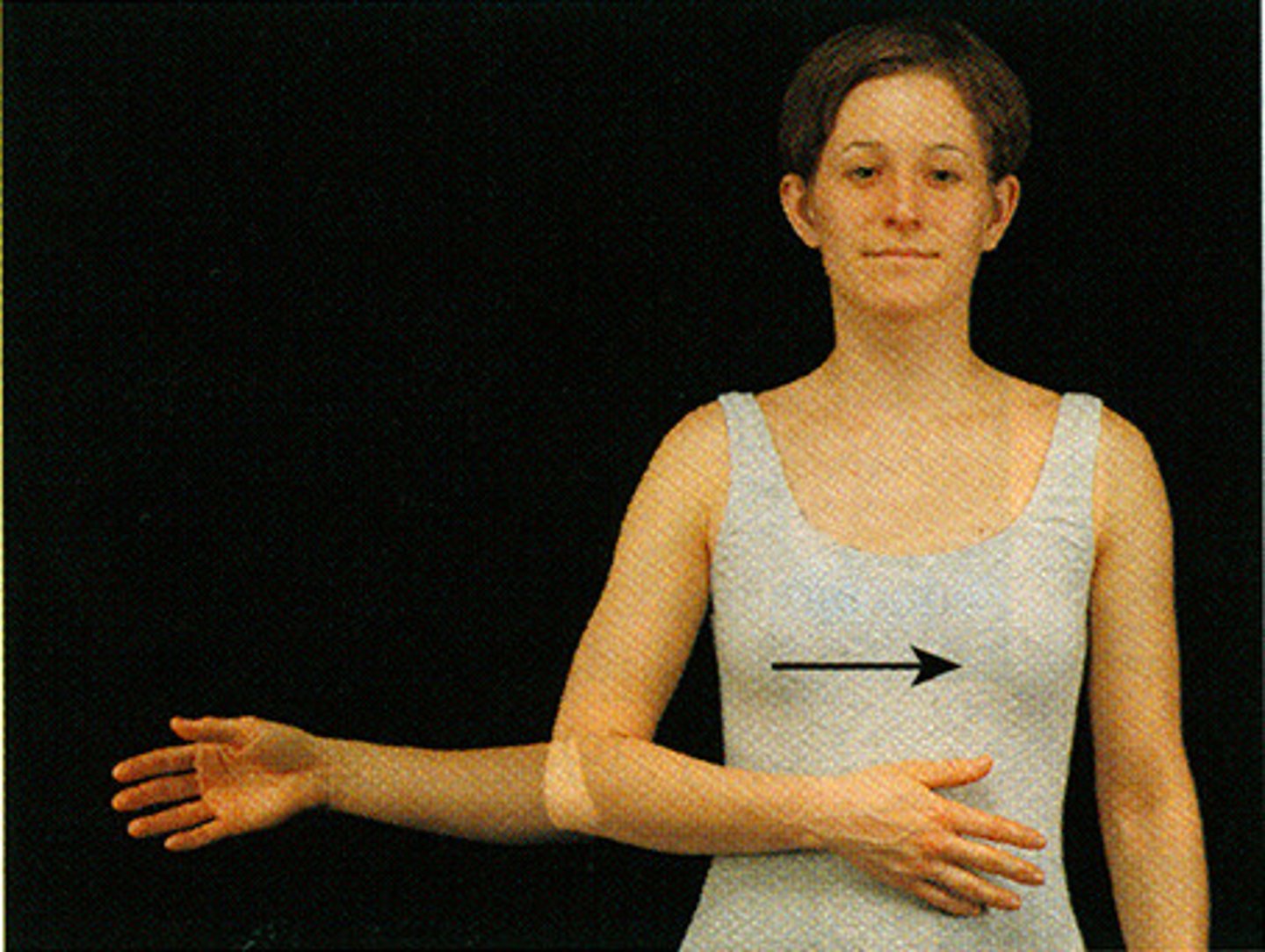
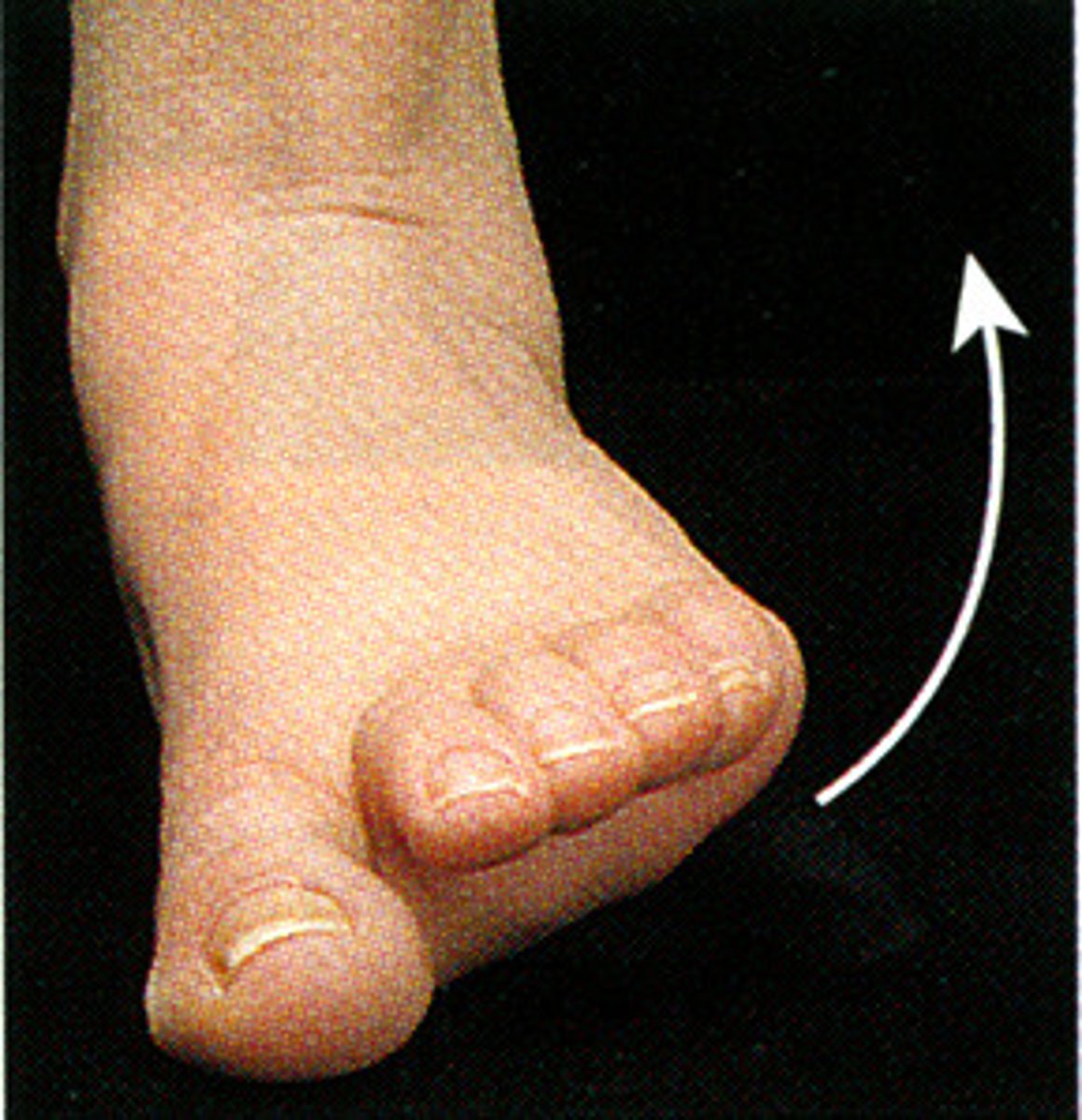
Action: Inversion
To move the inside of the foot superiorly. The smallest phalange of the foot goes closer to the ground.
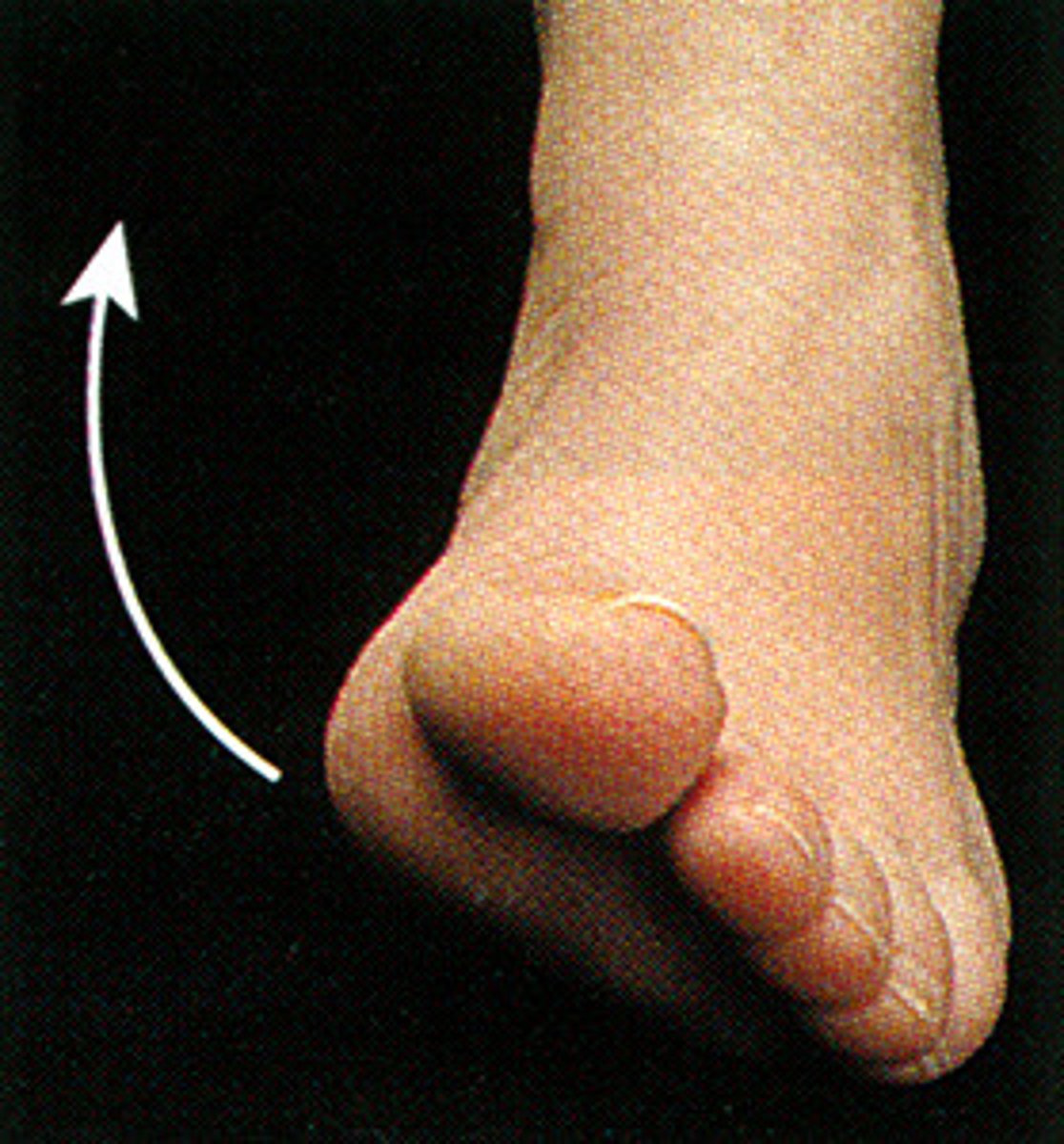
Descriptive Term: Lateral
Something that is further away from the midline of the body, a comparisive term

Descriptive Term: Medial
Something that is closer to the midline of the body, also a comparisive term
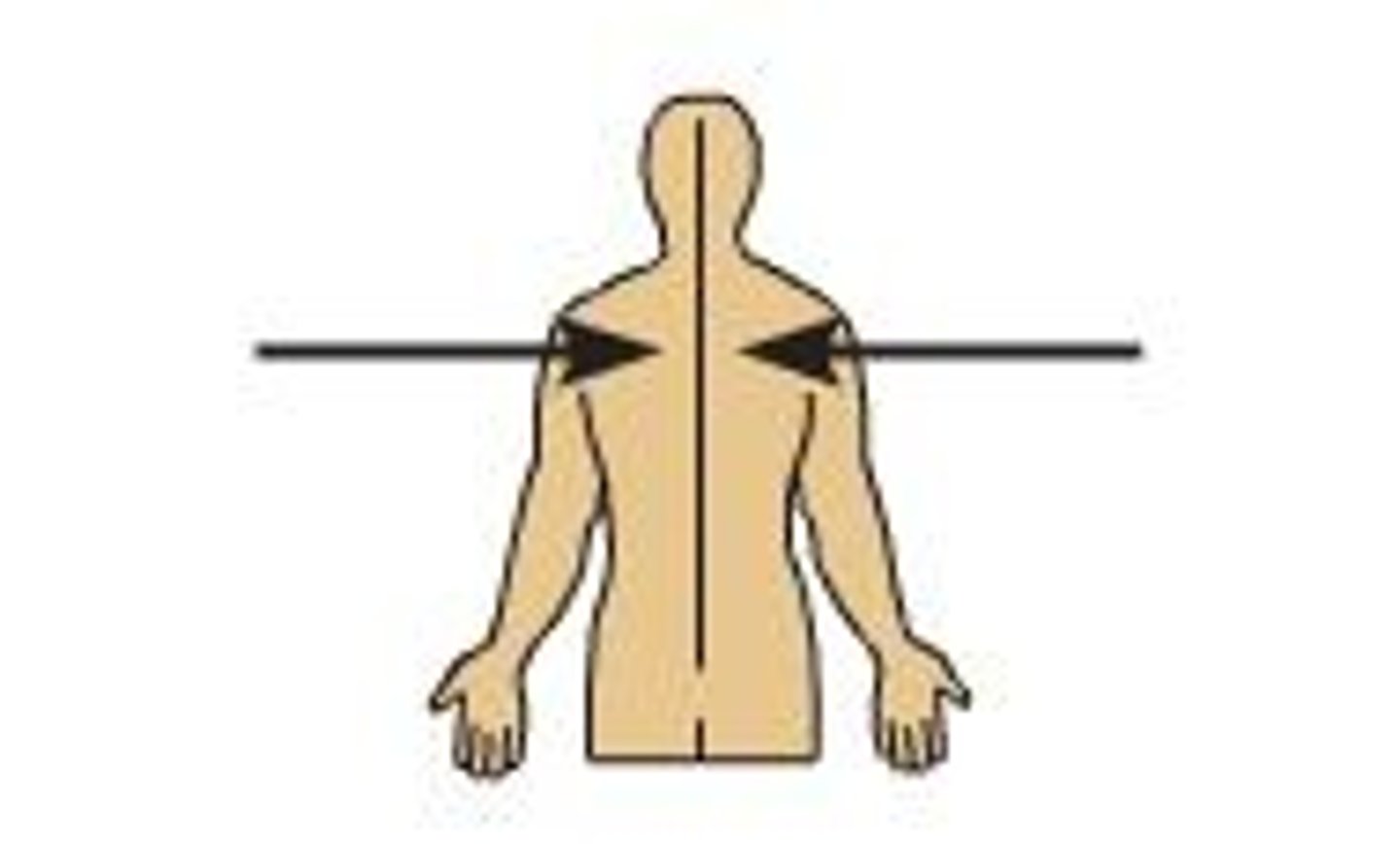
Action: Plantarflexion
Moving the foot inferiorly
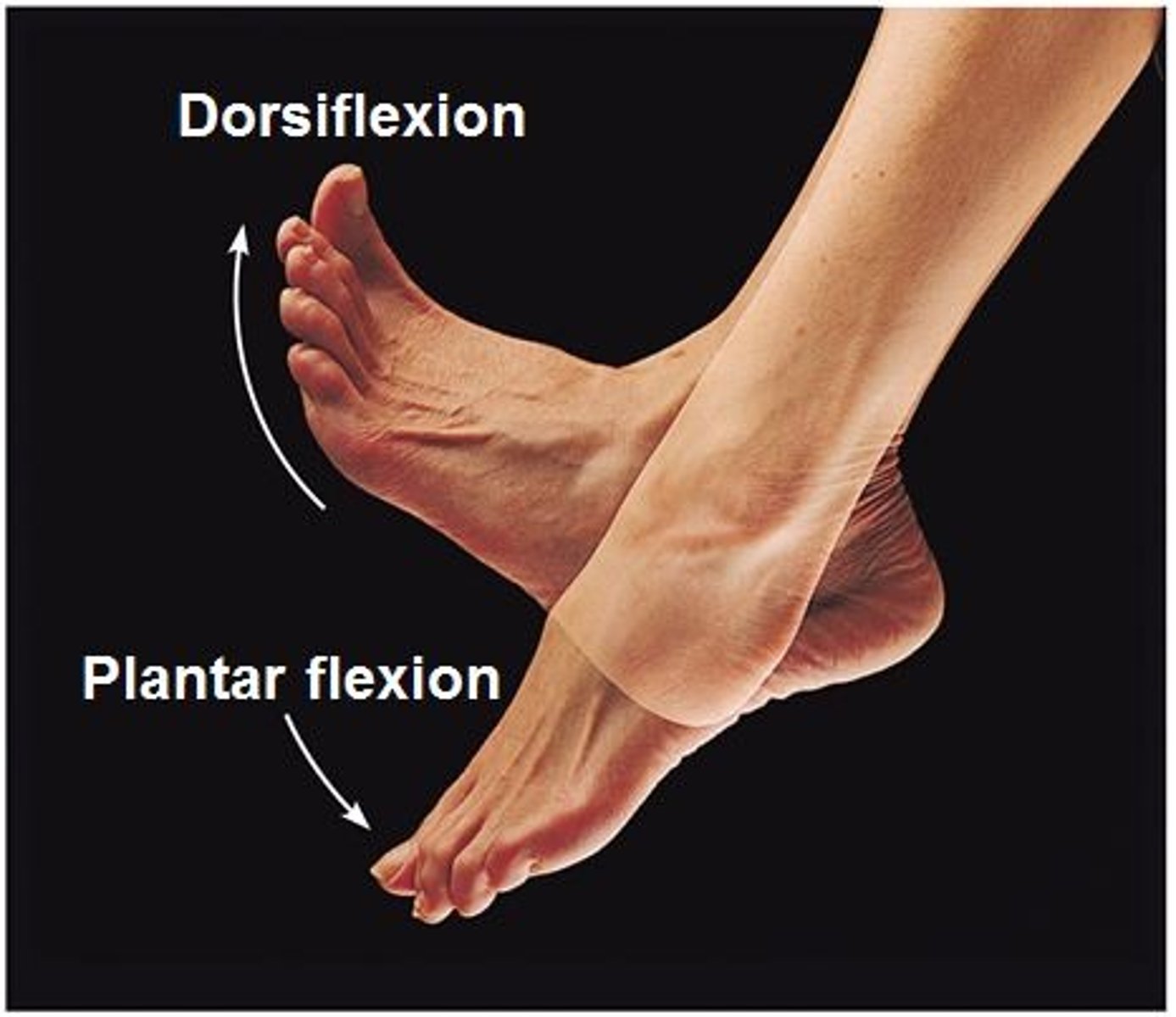
Descriptive Term: Posterior
The backside of the body
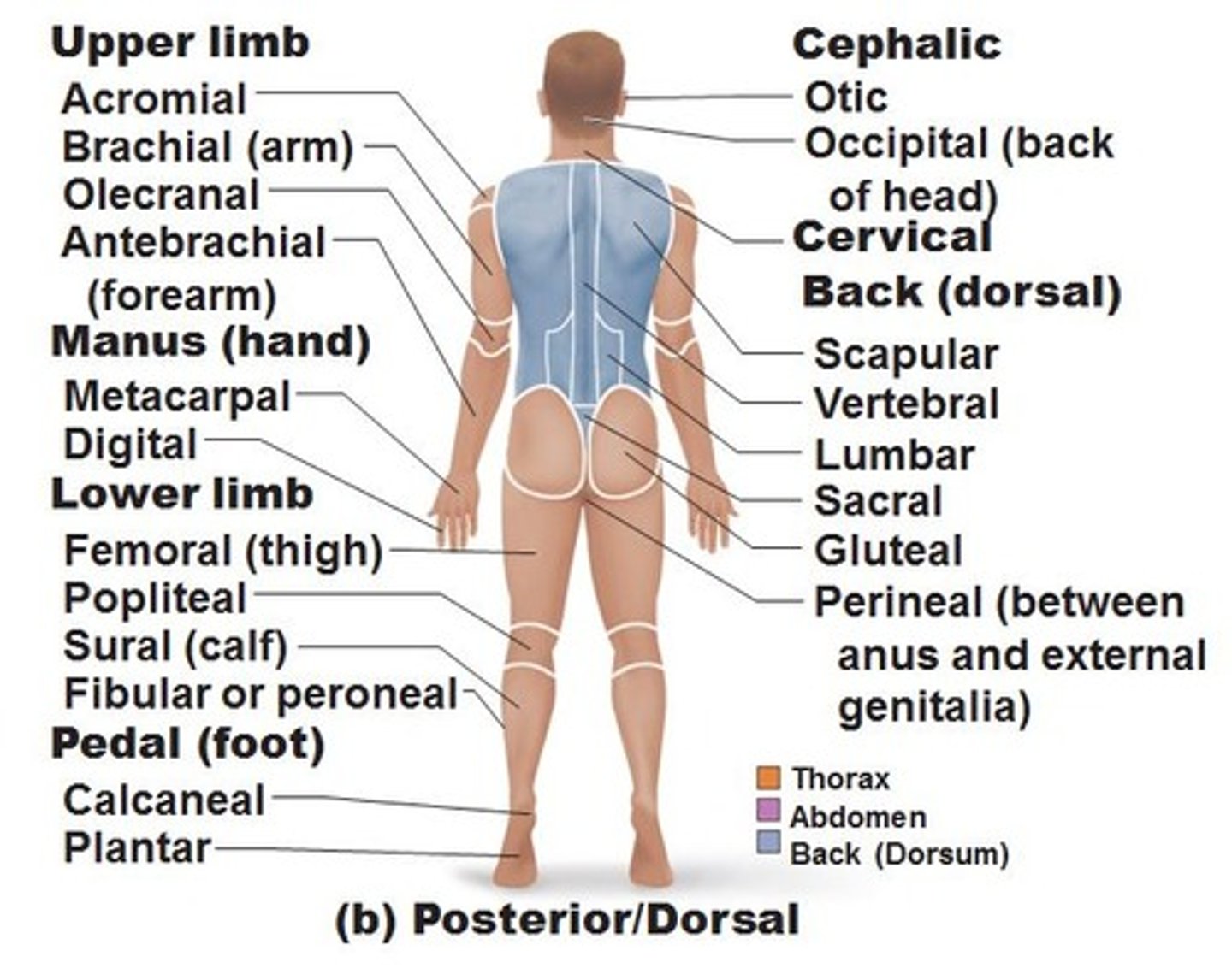
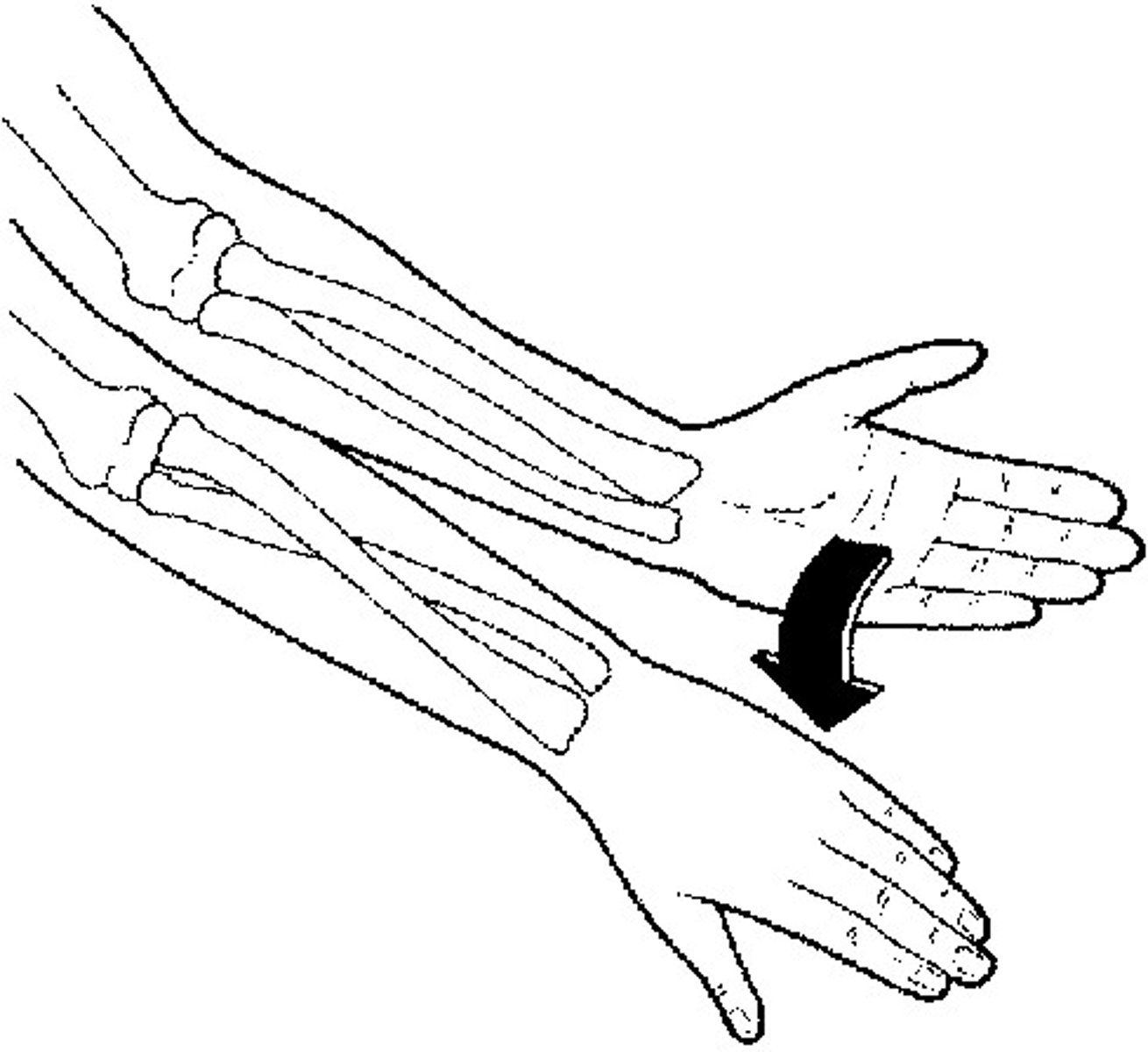
Action: Pronation
To move the radius and ulna towards the ground.
Action: Protraction
To move the shoulders forward

Descriptive Term: Proximal
A comparisive term to use when describing a part of a limb that is closer than another part of that SAME limb, e.g - my olecranon is proximal to my carpals
Action: Retraction
To move the shoulders backwards

Descriptive Term: Superficial
Something that is closer to the surface of your body than something else, another comparisive term. E.g - my skin is superficial to my bones
Descriptive Term: Superior
Something that is physically higher than something else, e.g - my head is superior to my stomach
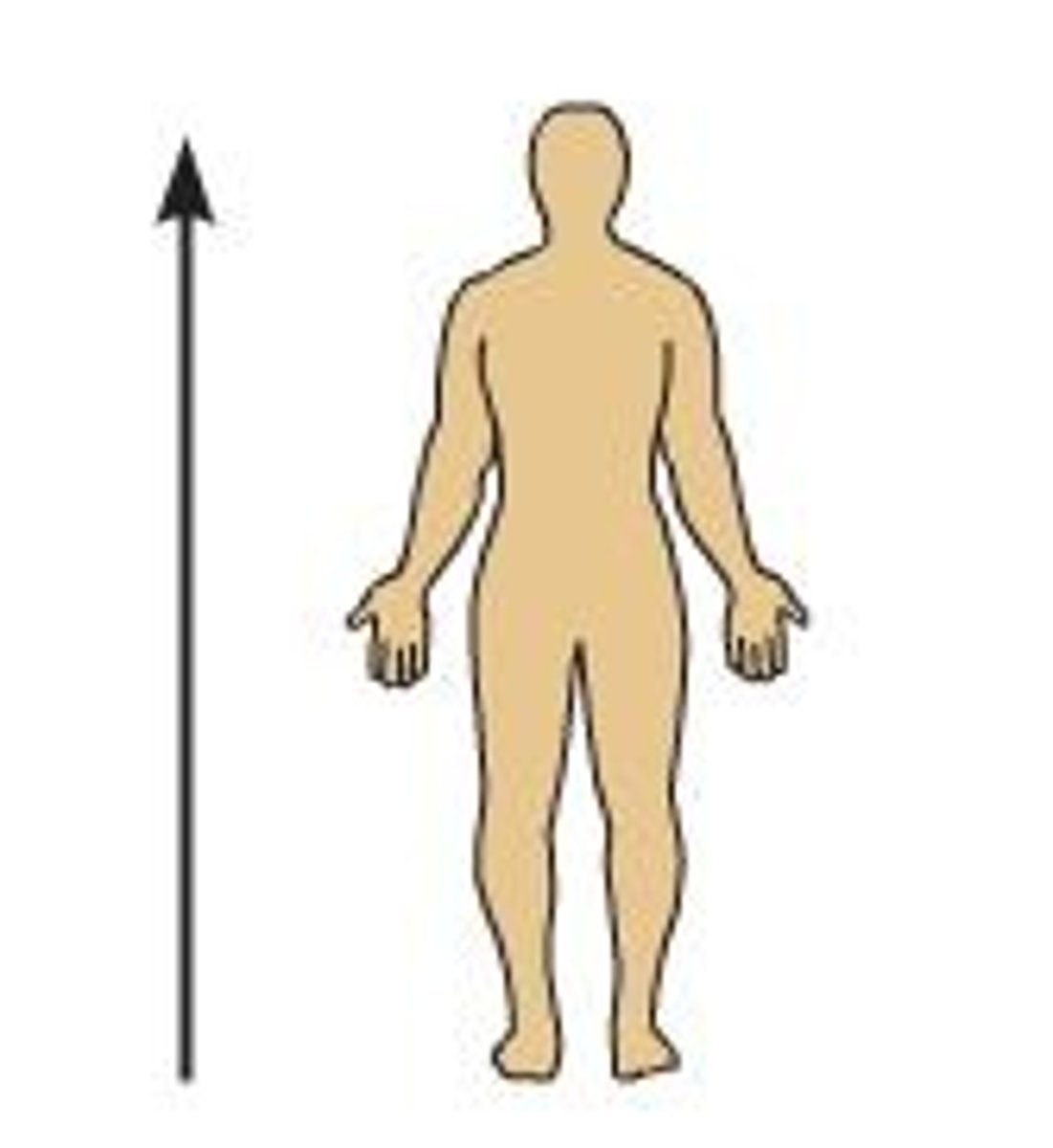
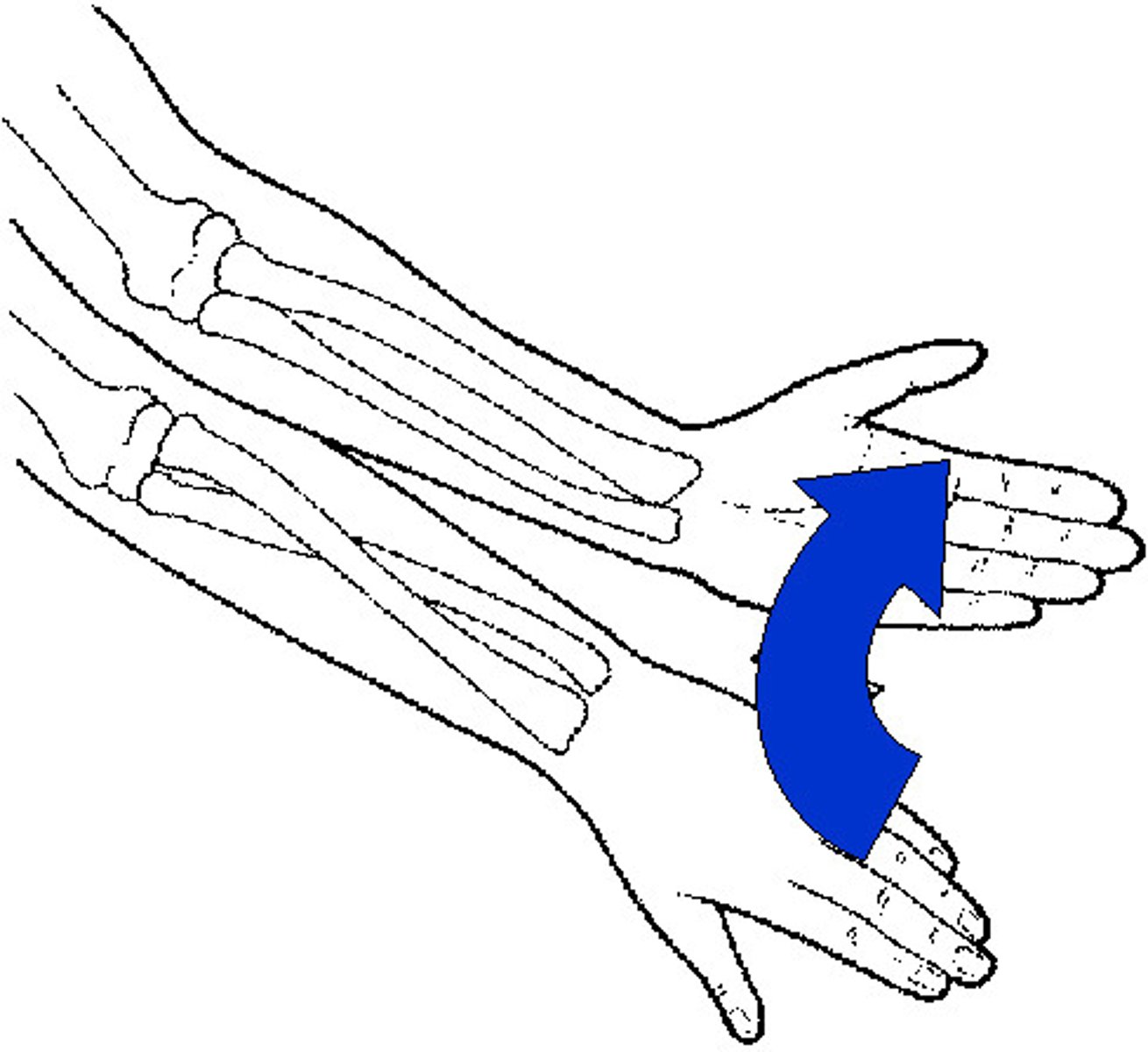
Action: Supination
To move the radius and ulna facing the sky, like holding a bowl of soup
DEFINITION: Plane
A plane is an imaginary flat surface running through the body
DEFINITION: Axis
An axis is an imaginary line at right angles to the plane, about which the body rotates or spins.
Axis: Antero-posterior
Front to back relation in anatomical position. Goes through the belly button. Pairs with the frontal plane. E.g - cartwheel (rotation along frontal plane)
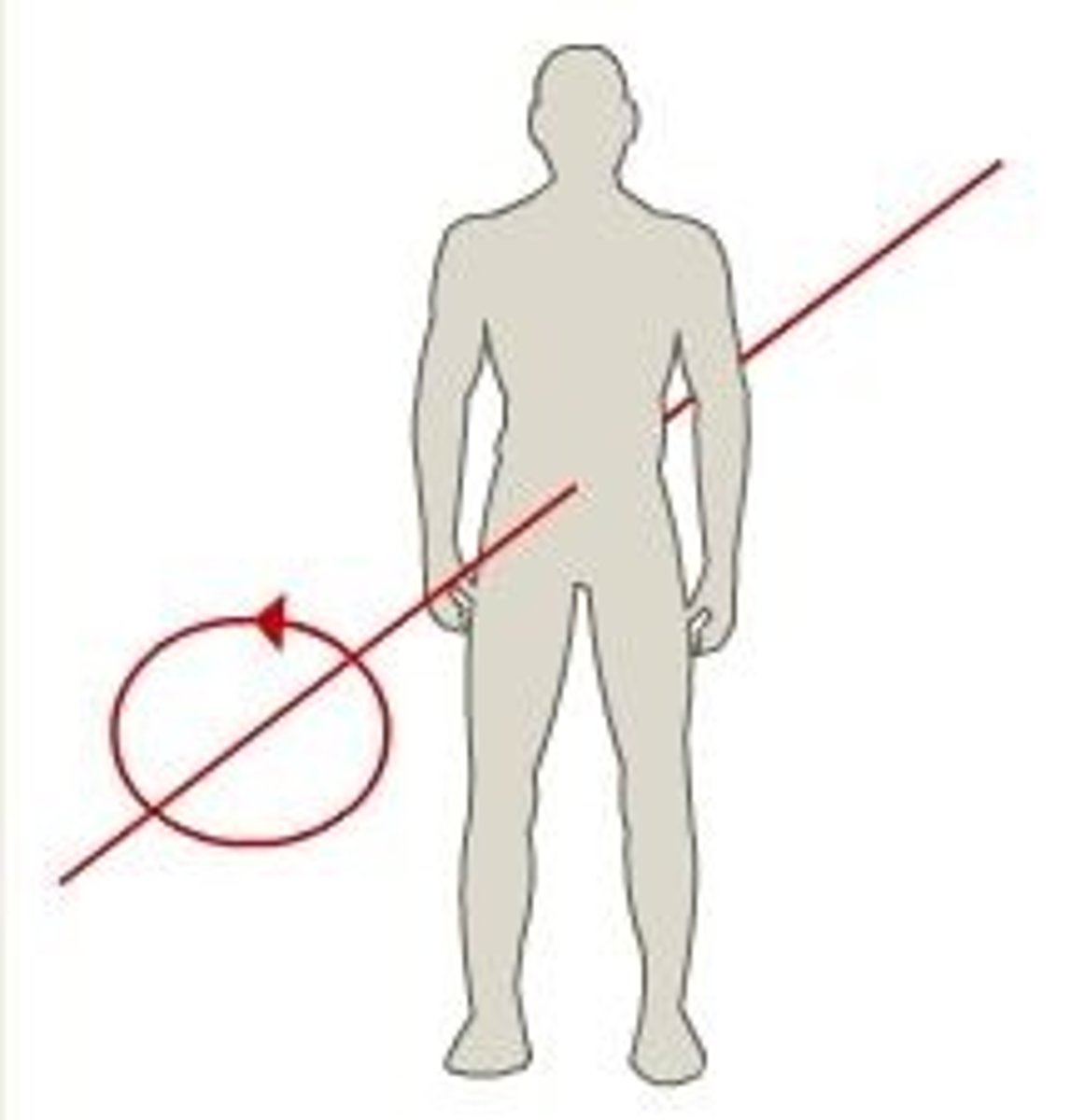
Plane: Frontal/coronal
Cuts the body into 2 halves through the side of the abdomen. Movements that occur in this plane are side-to-side motions. Pairs with the antero-posterior axis. E.g - cartwheel (rotation along frontal plane)
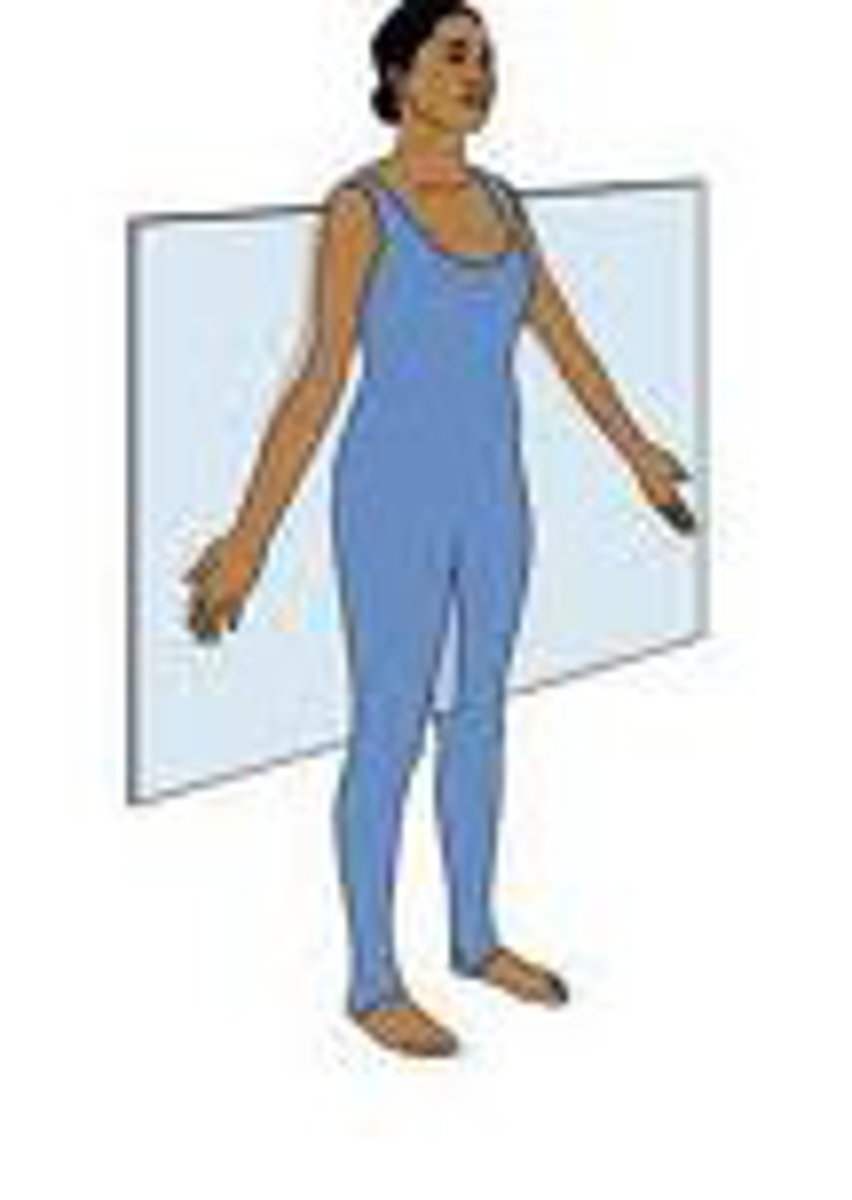
Plane: Saggital
Divides the body in half through the middle of the body, through the "saggital suture" of the skull. Pairs with the horizontal axis. E.g - sommersalt
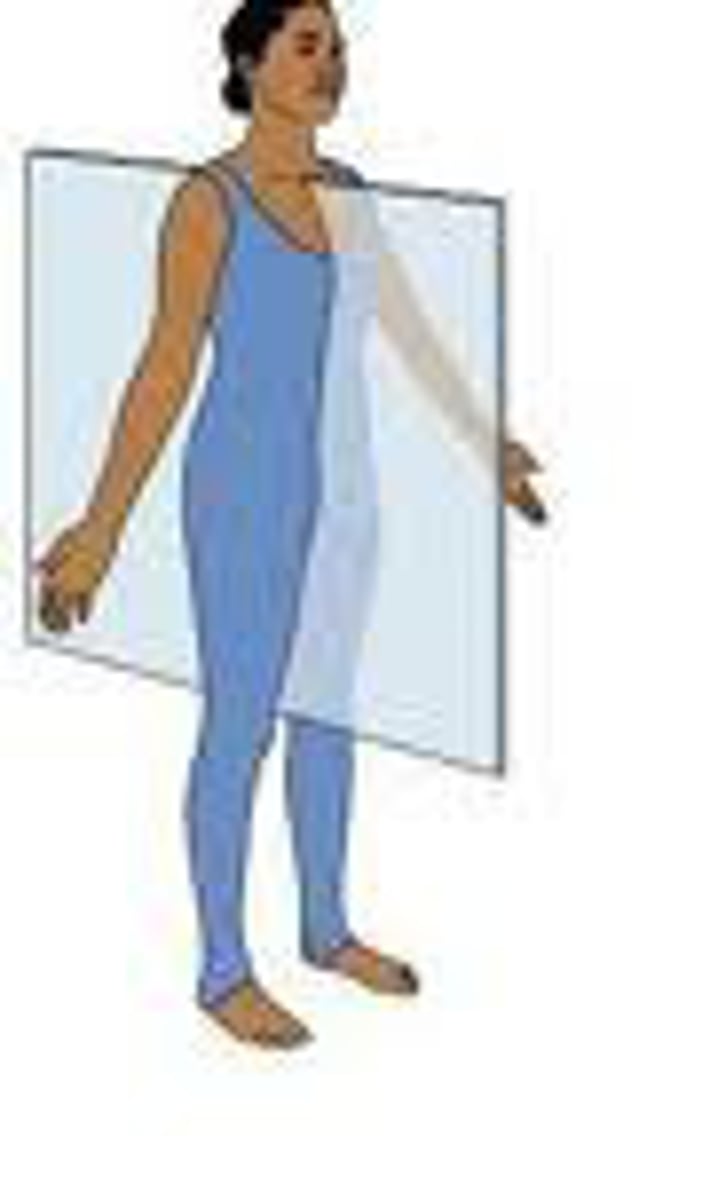
Axis: Horizontal
East/west relation in anatomical position. Movements in the sagittal plane (such as flexion and extension) occur around the horizontal axis. Pairs with the saggital plane. E.g - sommersalt
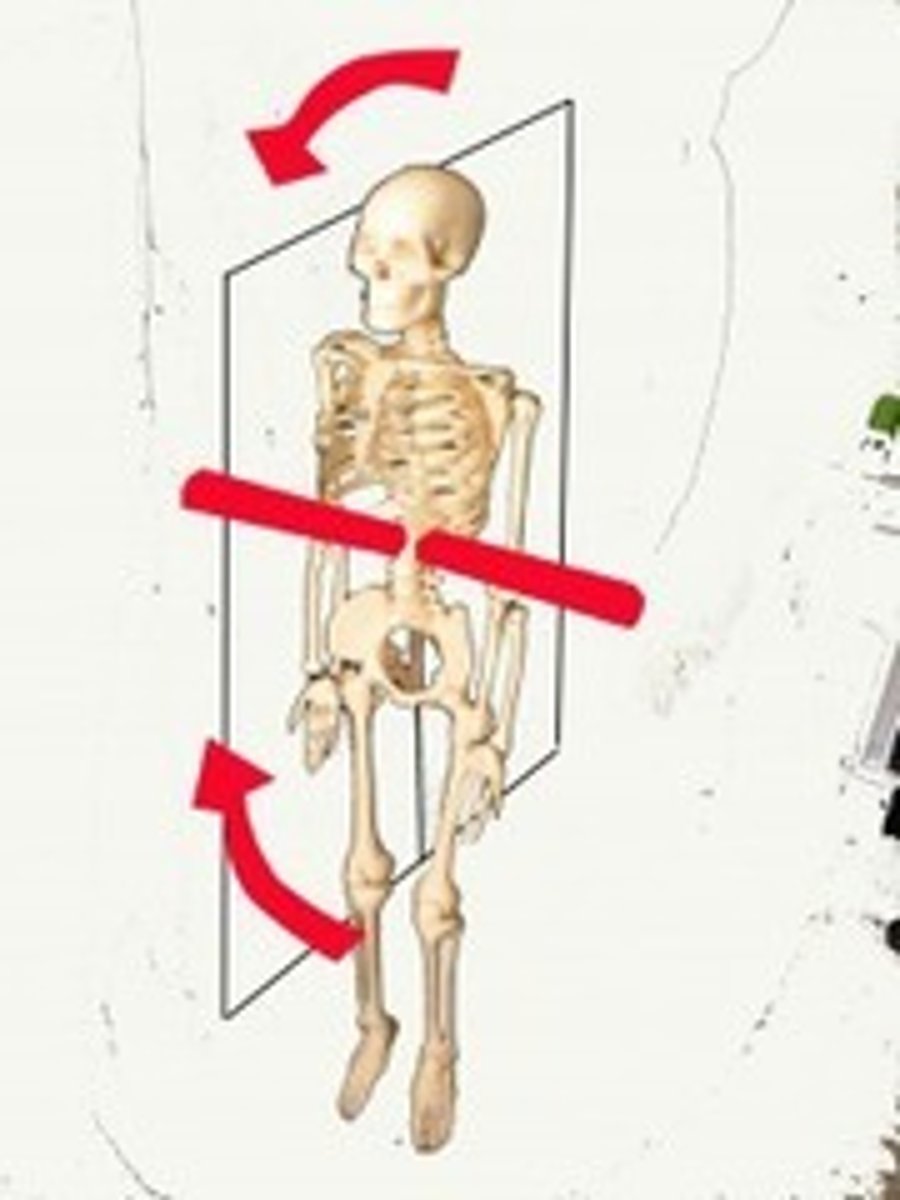
Plane: Transverse
Divides the body into superior and inferior halves. Movement: Movements that occur in this plane are rotational (around the vertical axis). Pairs with the longitudinal axis. E.g - doing a spin
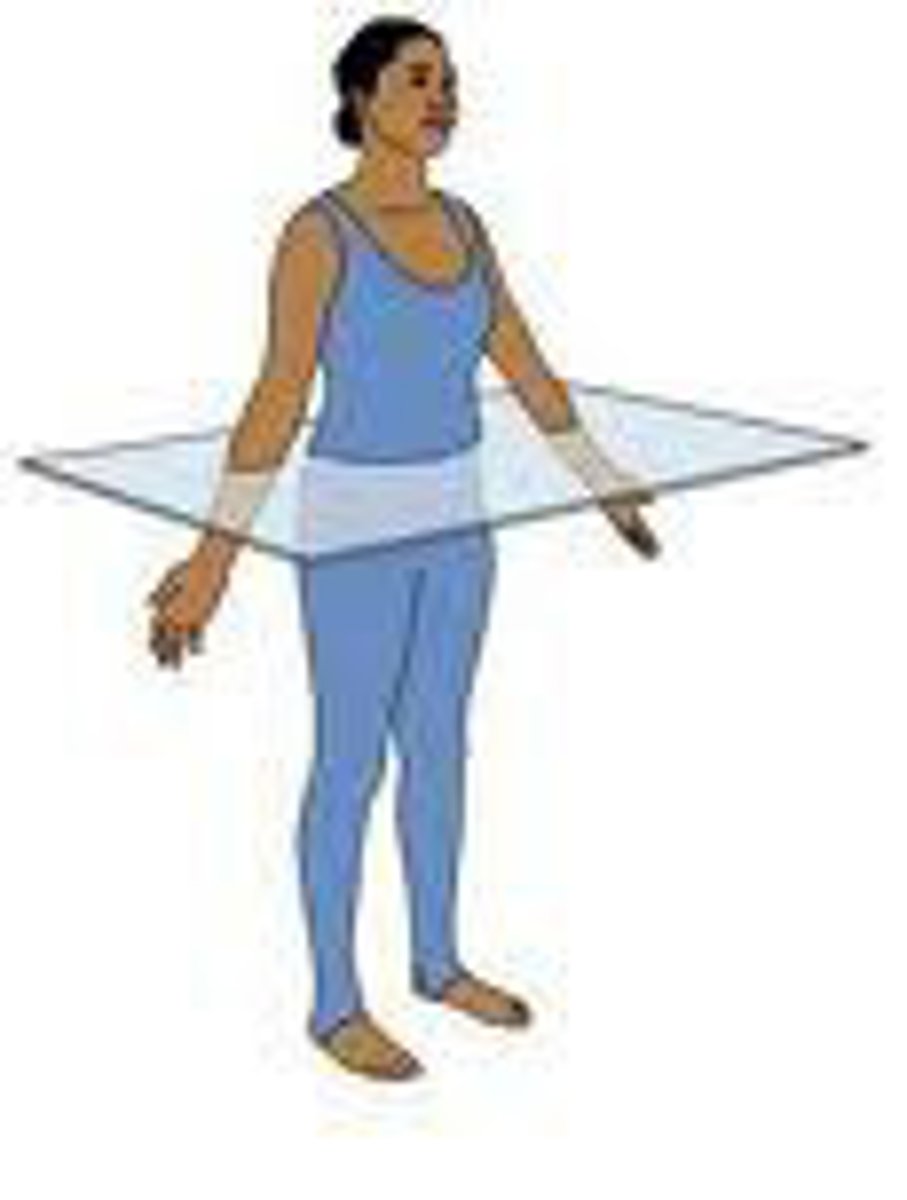
Axis: Longitudinal
North/south relation in anatomical position. Pairs with the transverse plane. E.g - doing a spin
Bones: Acetabulum
Where the head of the femur fits
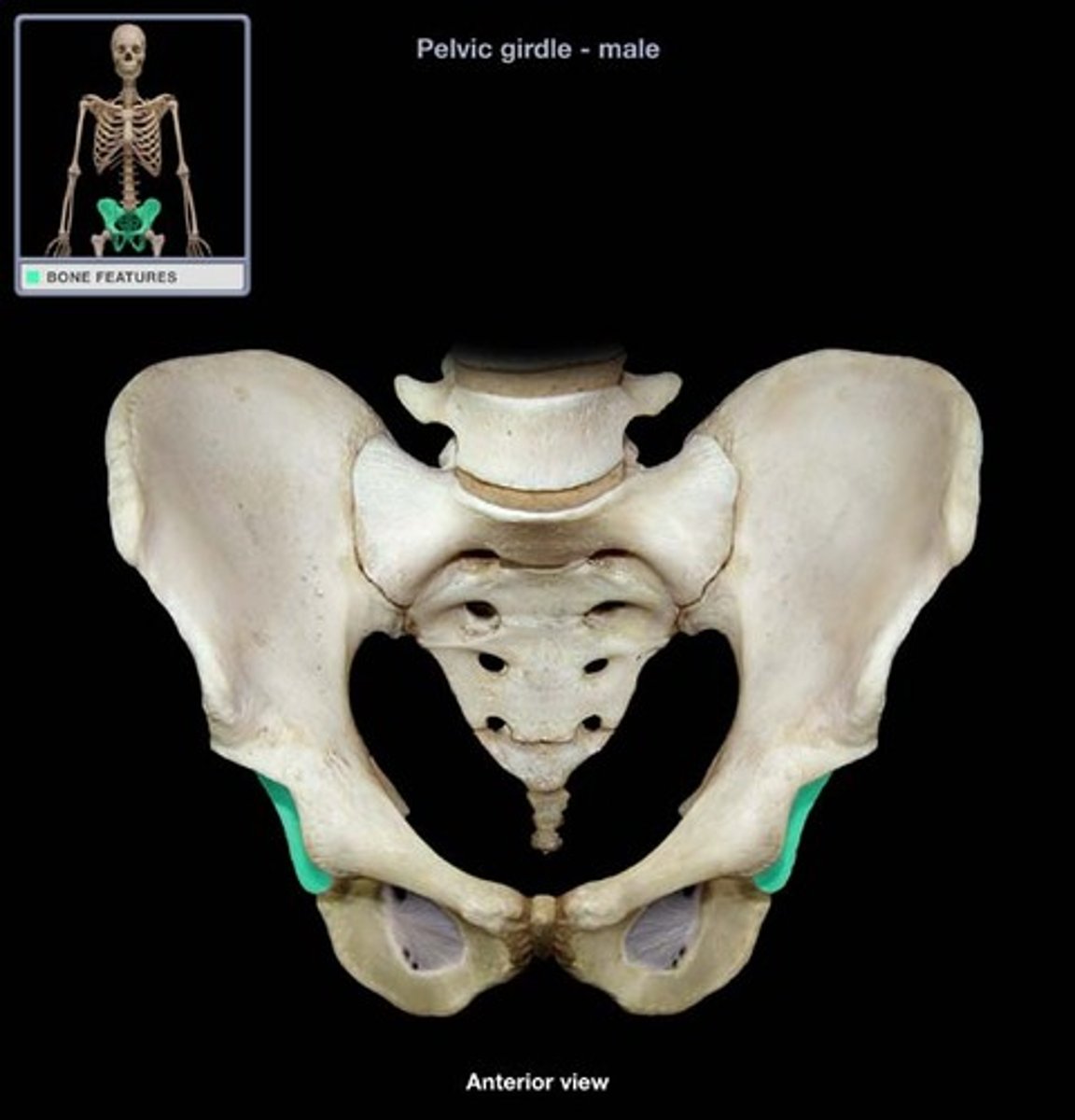
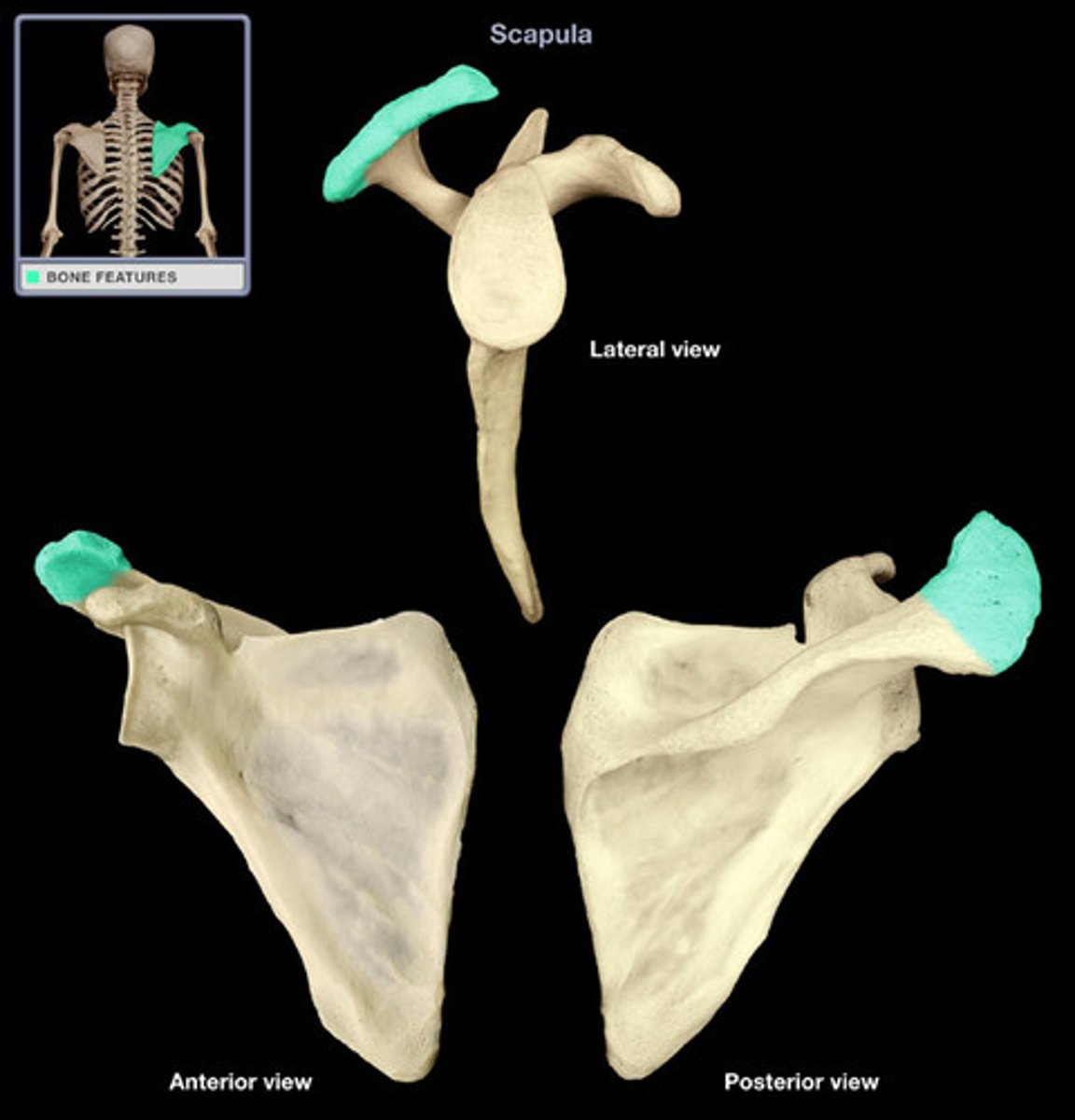
Bones: Acromion process
On the scapula
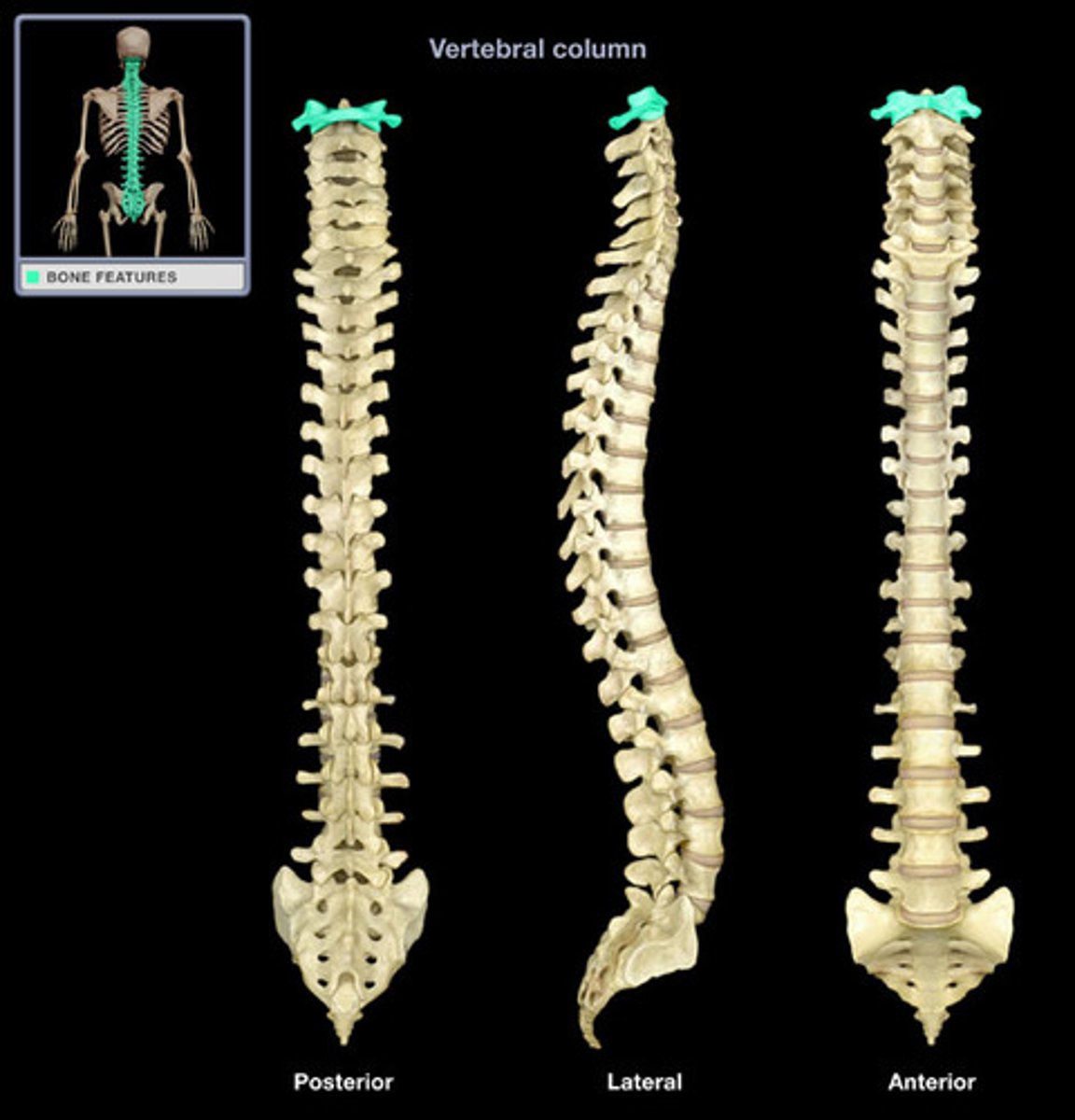
Bones: Atlas
Cervical vertabrae #1
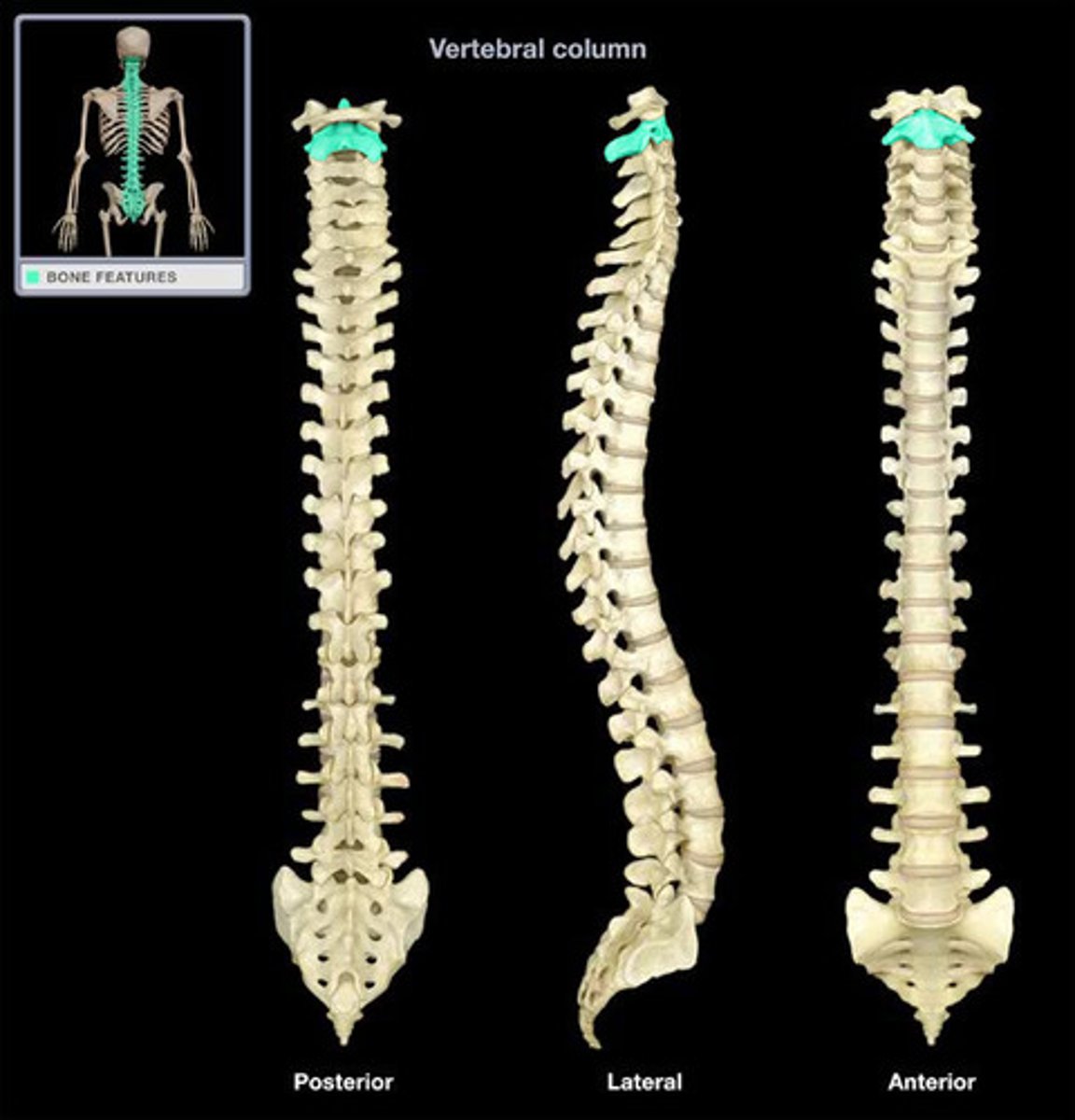
Bones: Axis
Cervical vertabrae #2
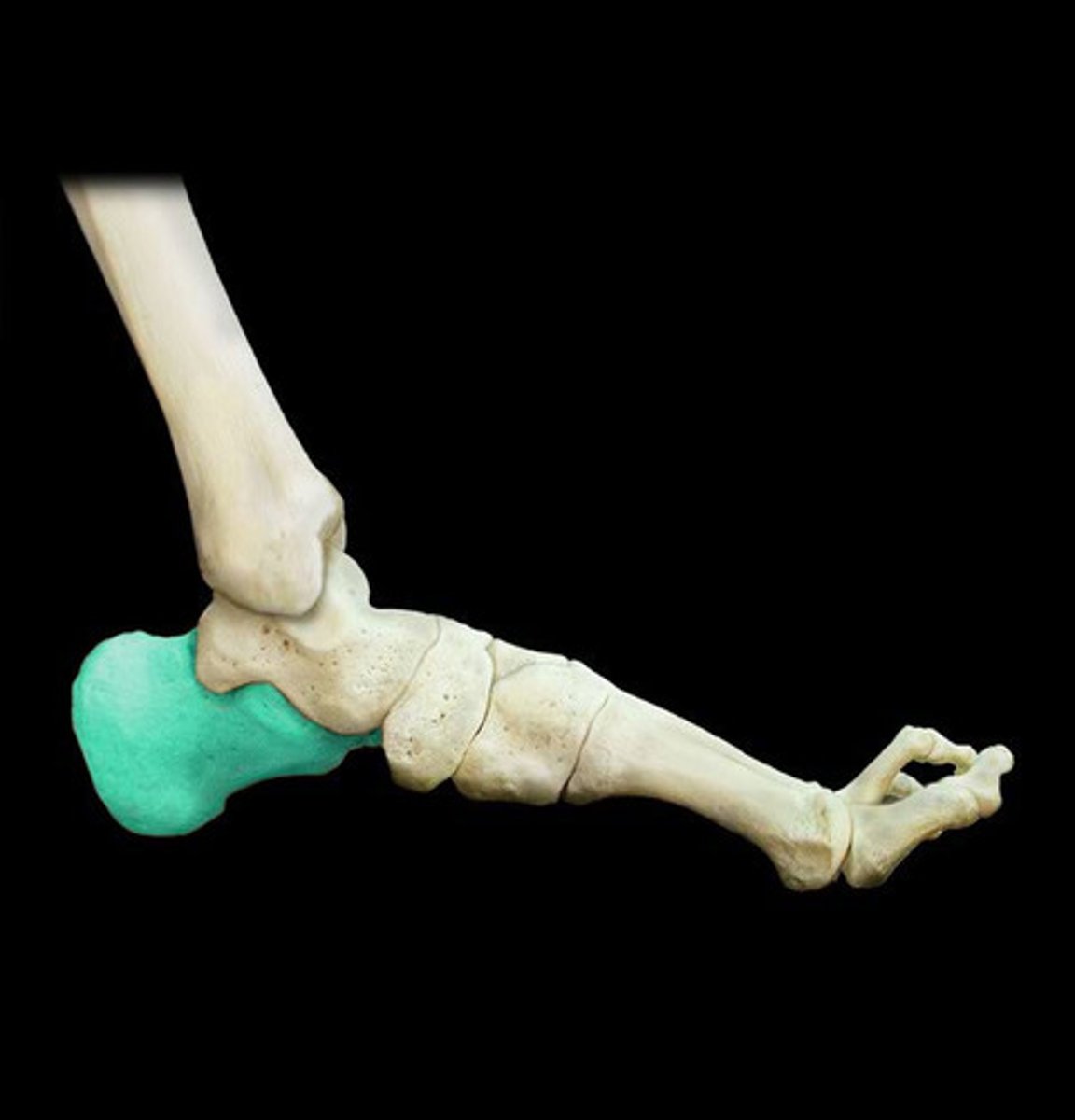
Bones: Calcaneus
"Heel" bone
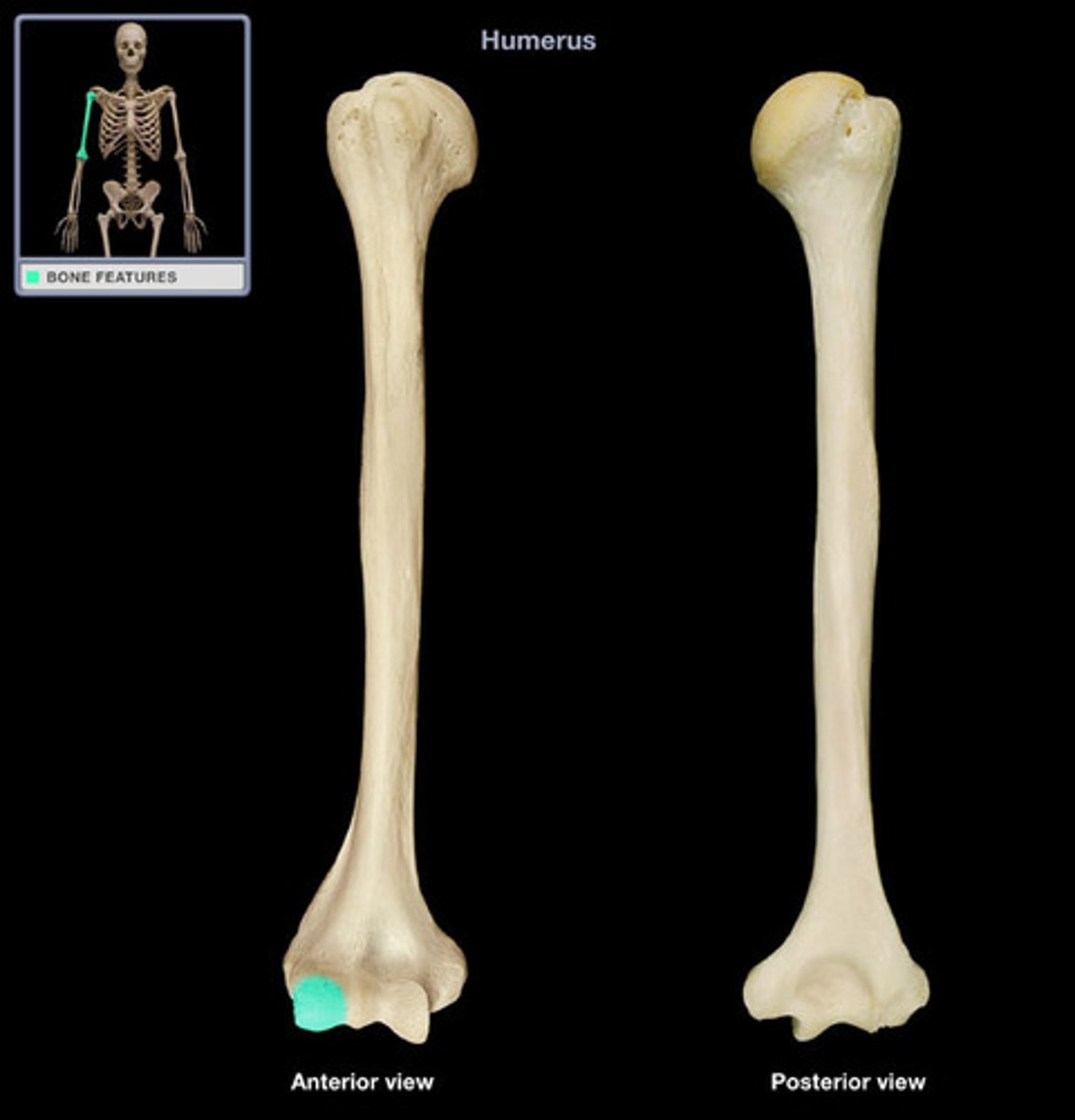
Bones: Capitulum
Circular bone of the elbow joint
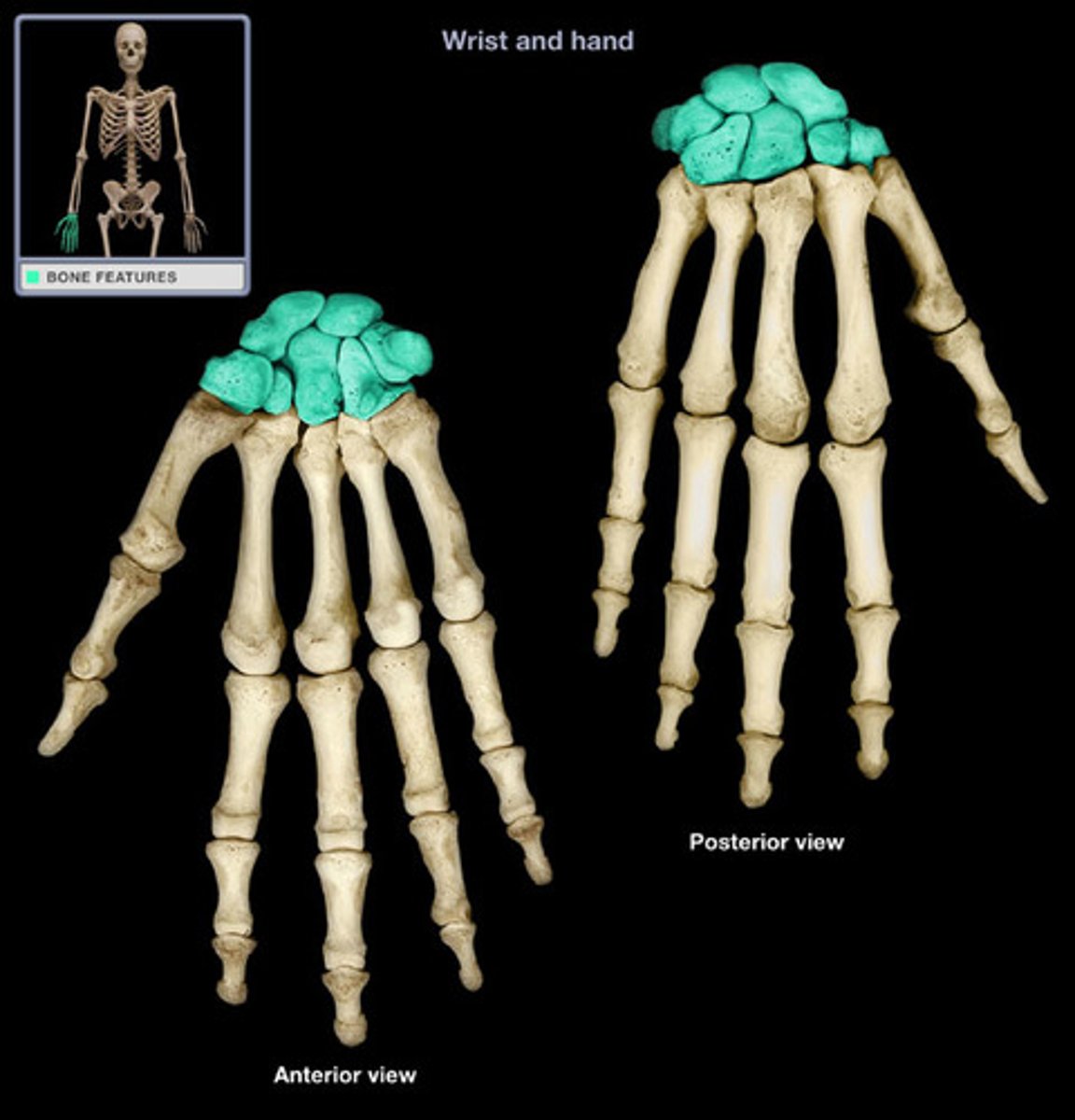
Bones: Carpals
Wrist bones that we cannot see through our skin
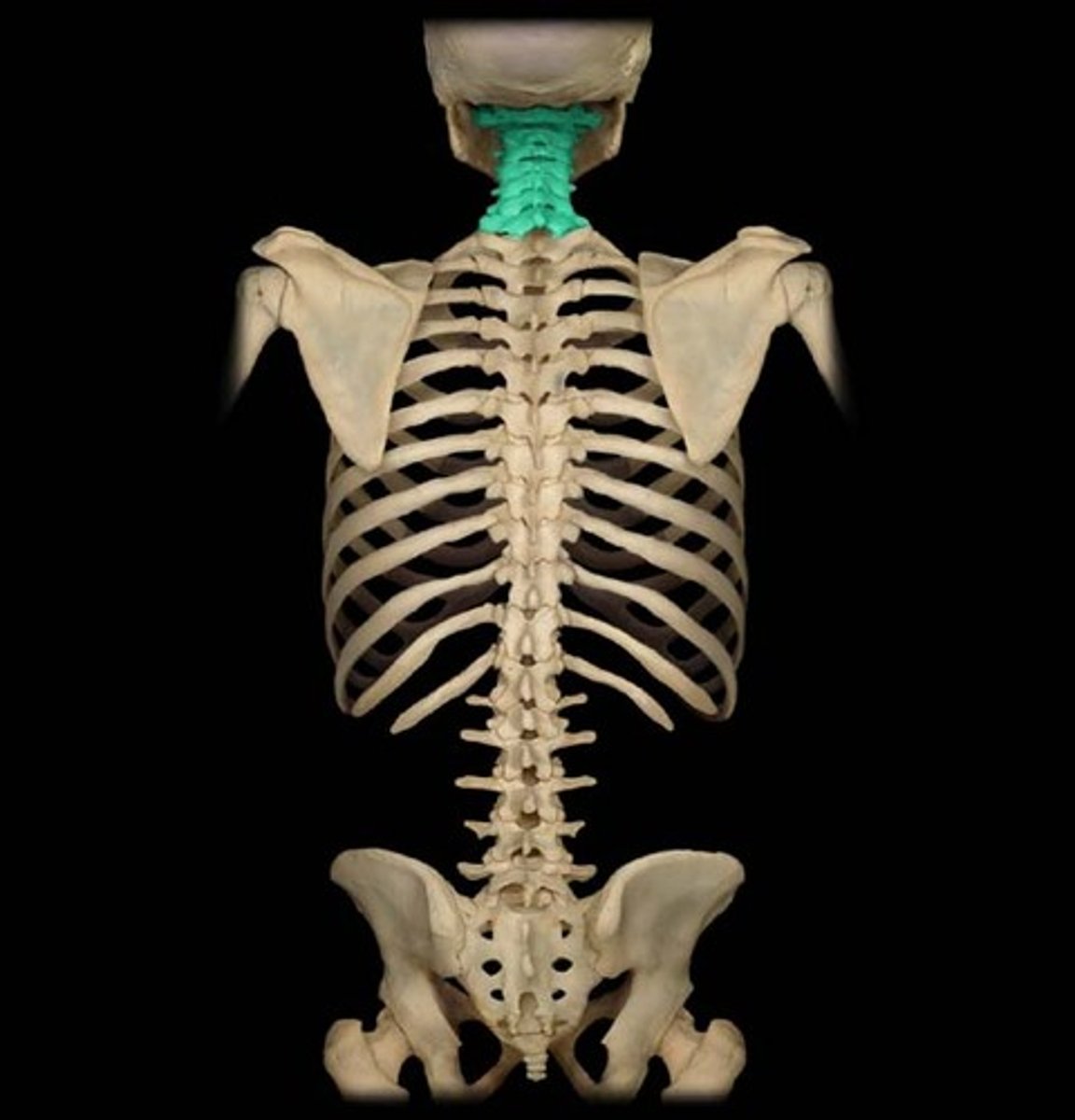
Cervical region
The first 7 vertebrae, comprising the neck
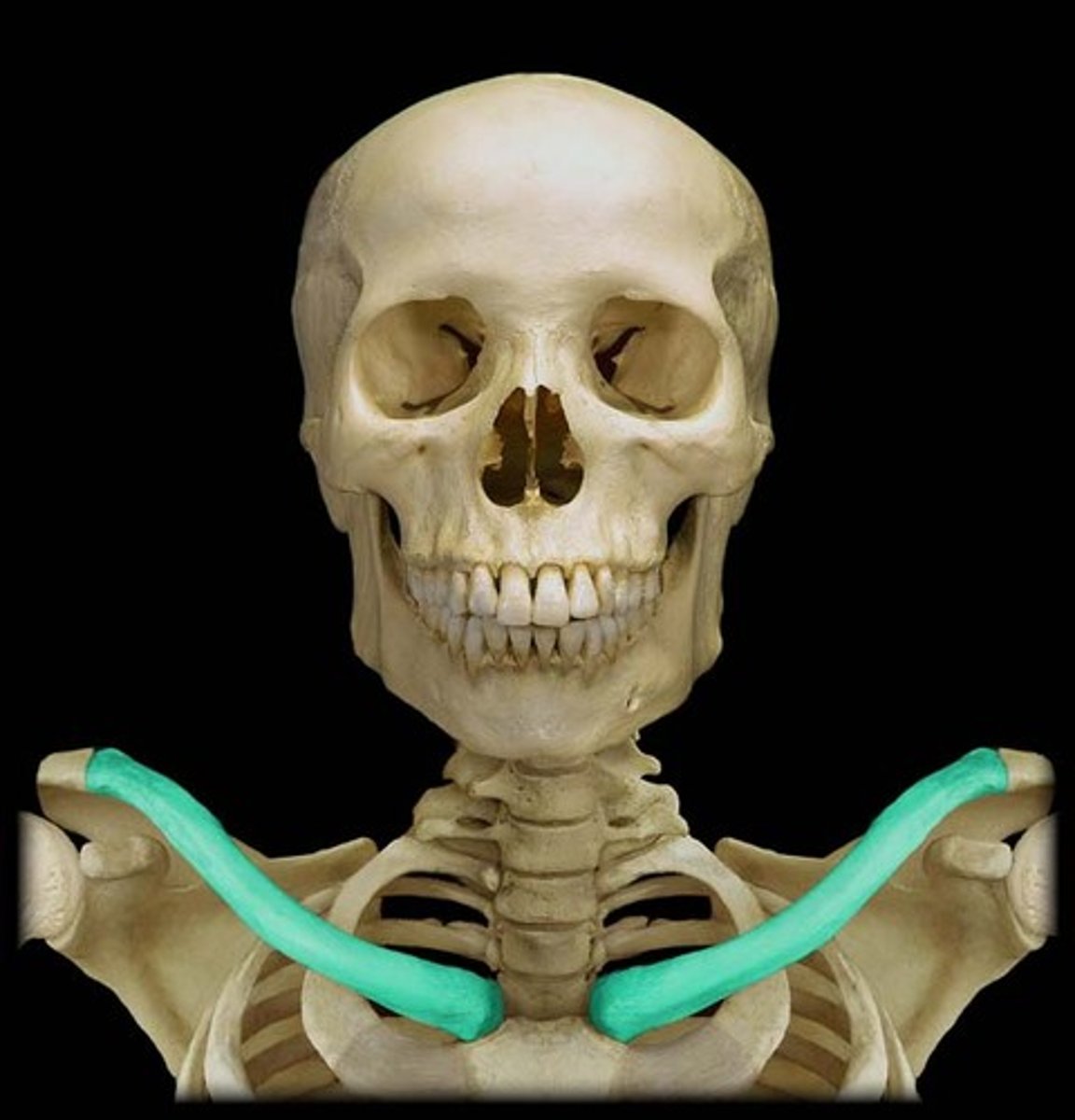
Bones: Clavicle
Collarbones
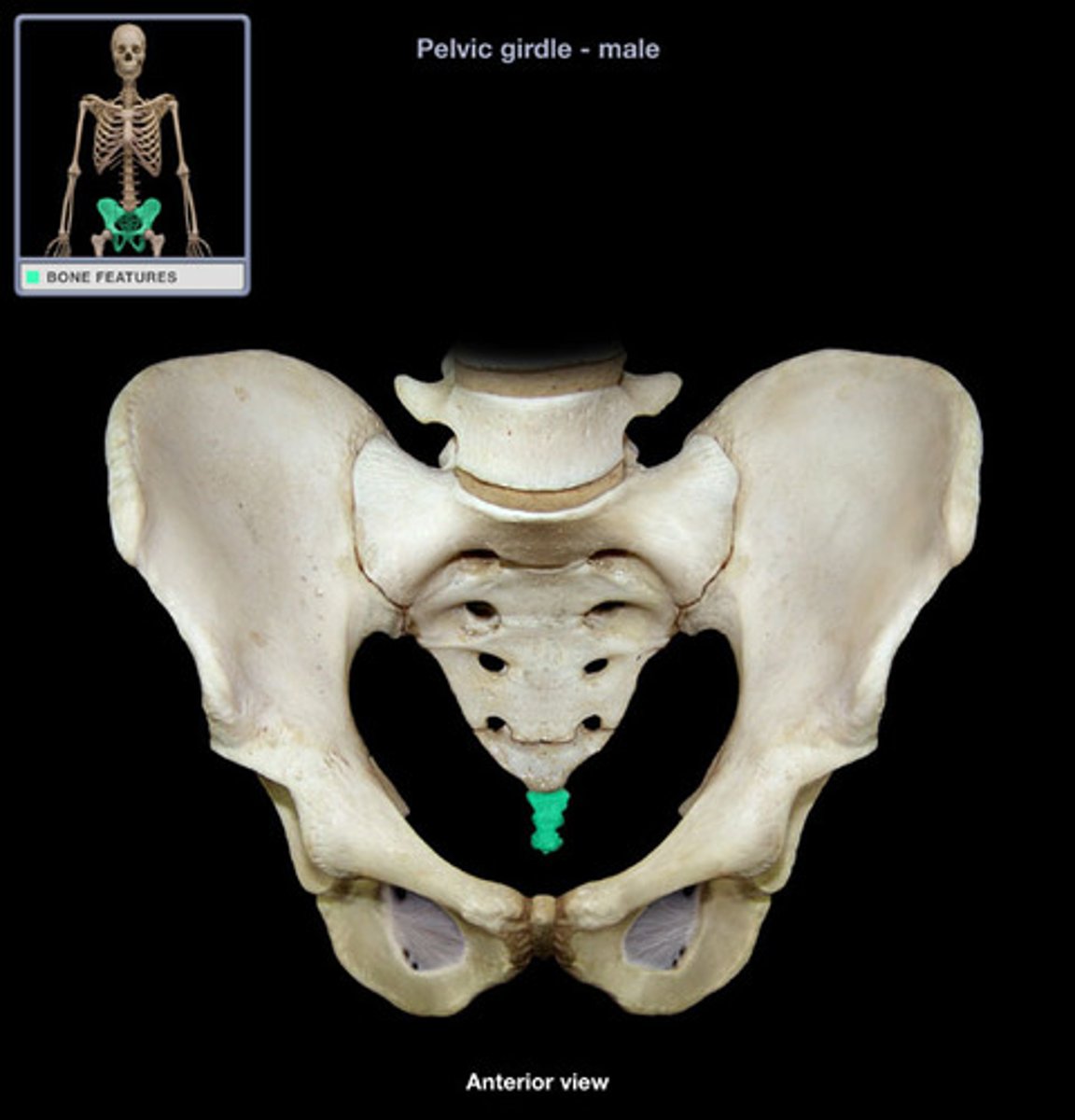
Bones: Coccyx
"Tailbone"
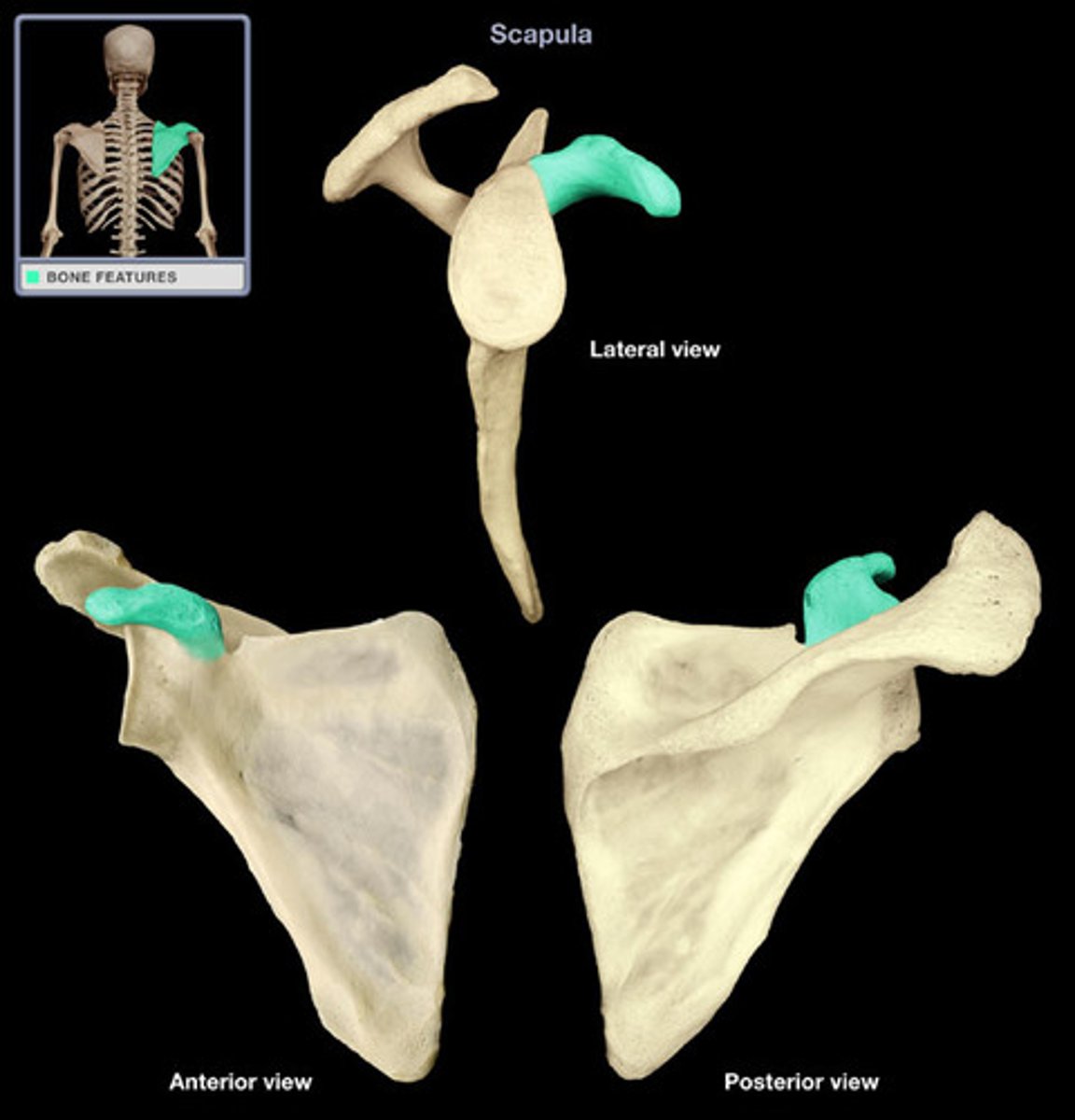
Bones: Coracoid process
Anterior side of scapula
Bones: Coronoid fossa
Almost hollow surface that sits above the capitulum
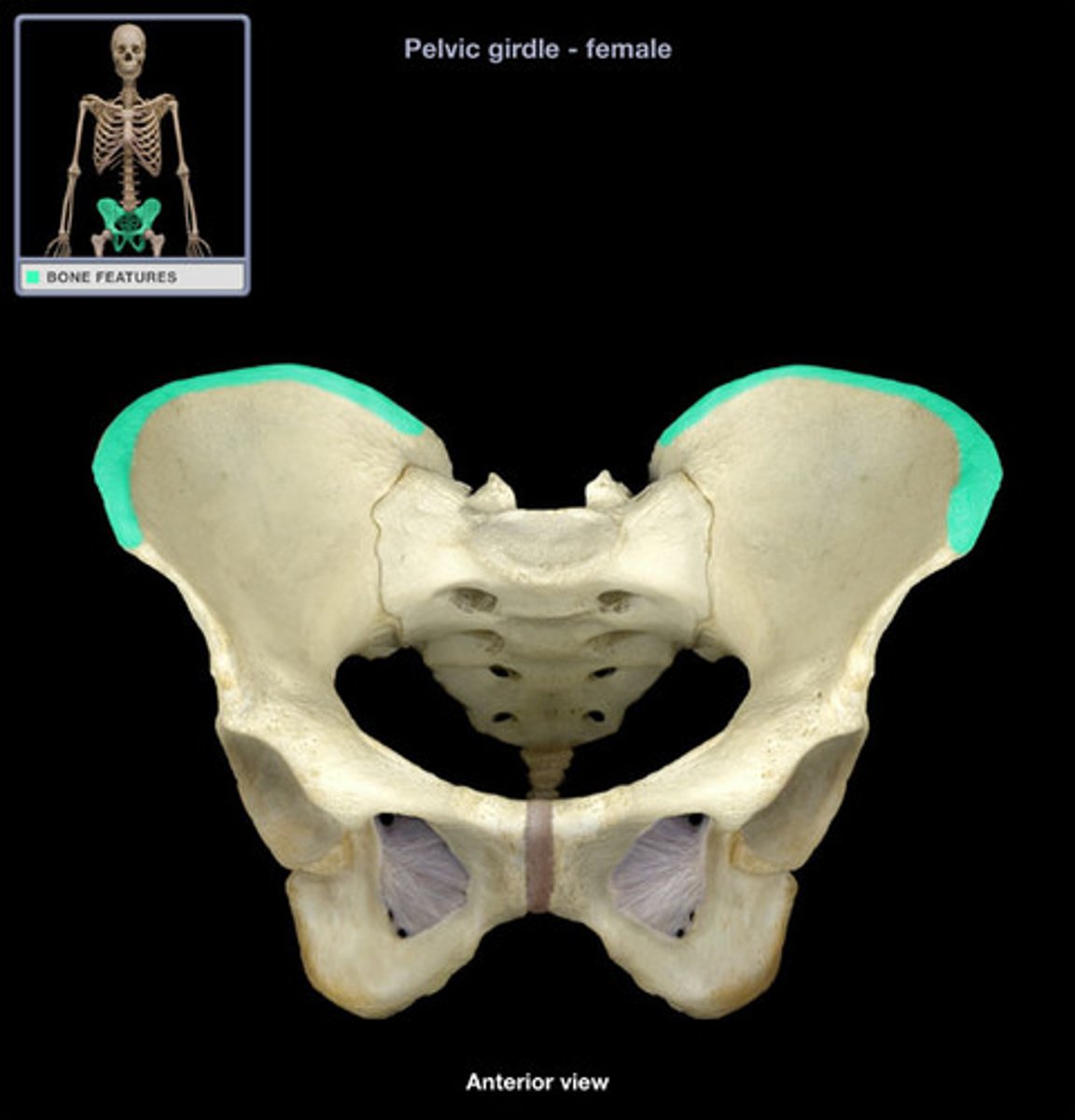
Bones: Crest of ilium
"Hip spine"
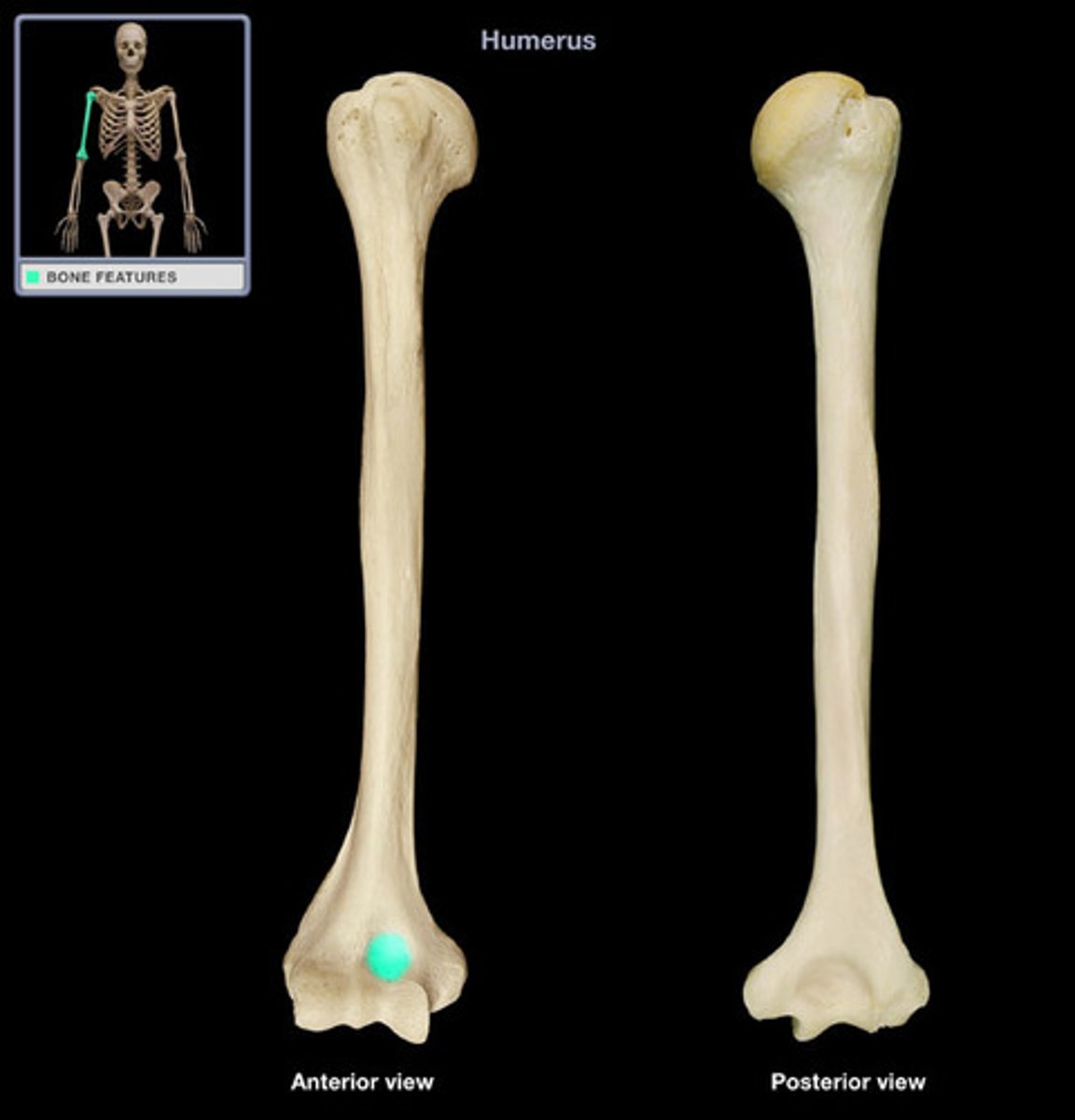
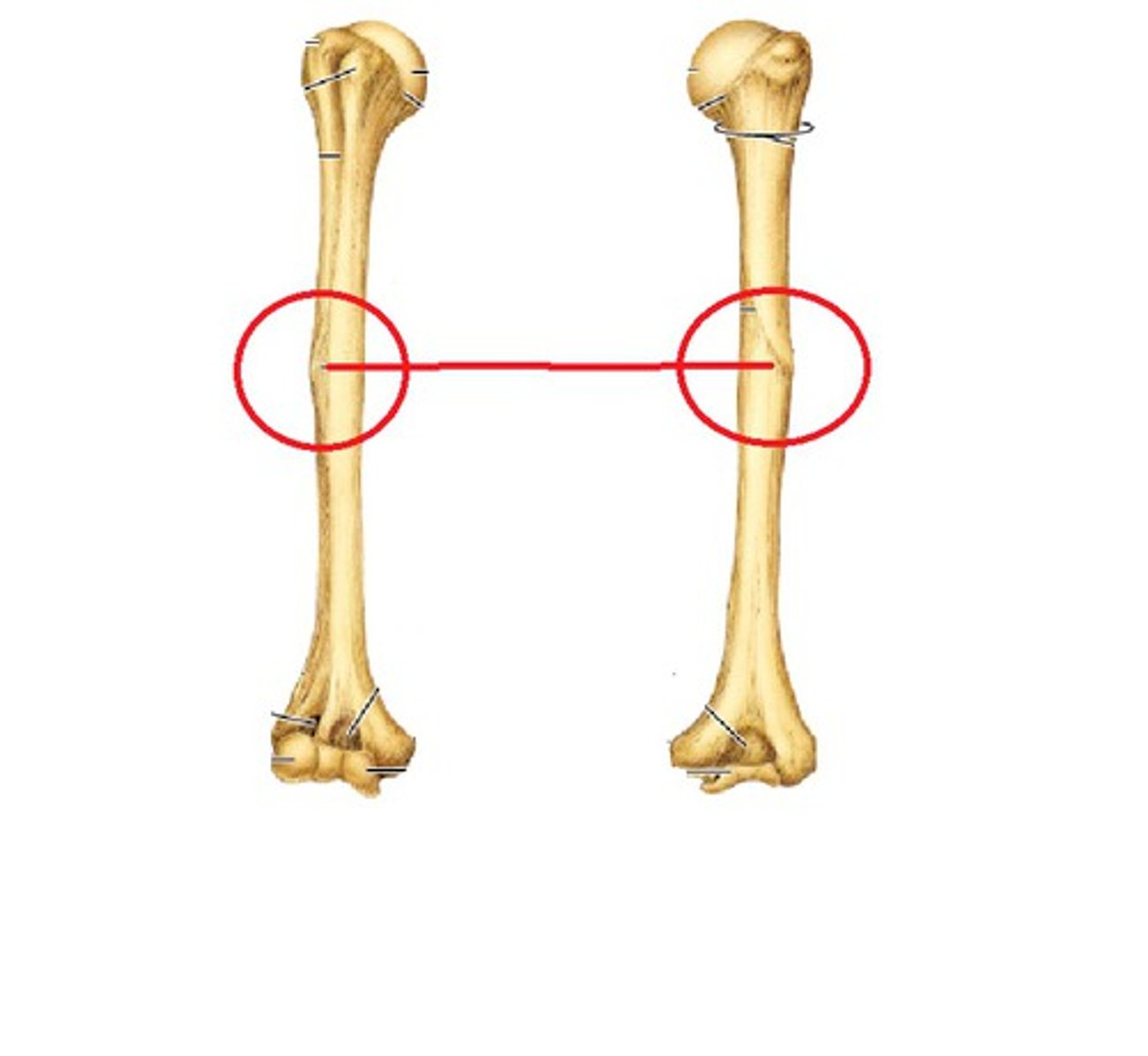
Bones: Deltoid tuberosity
Almost hollow indent in the humerus
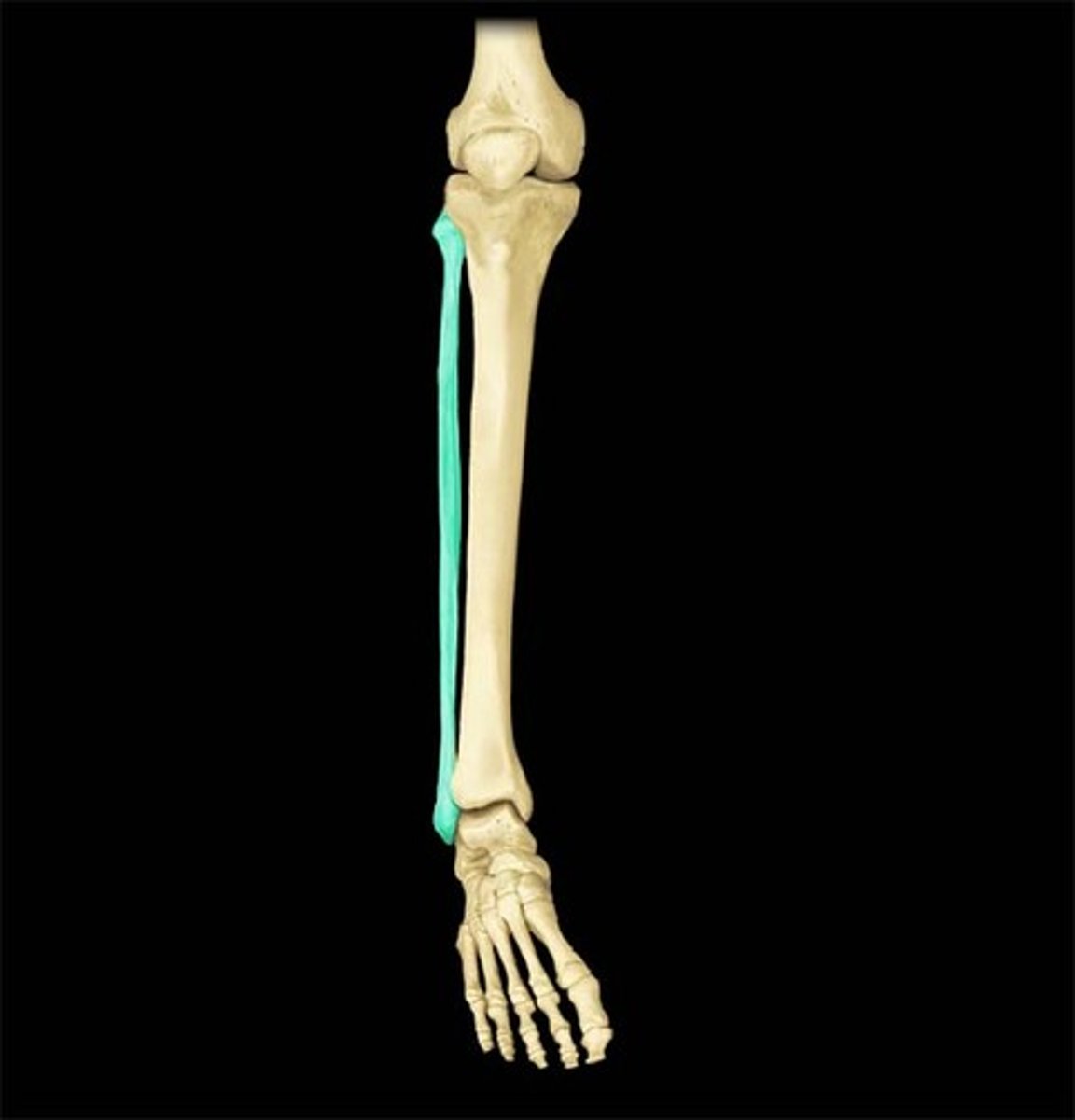
Bones: Fibula
Connects to the tibia, laterally
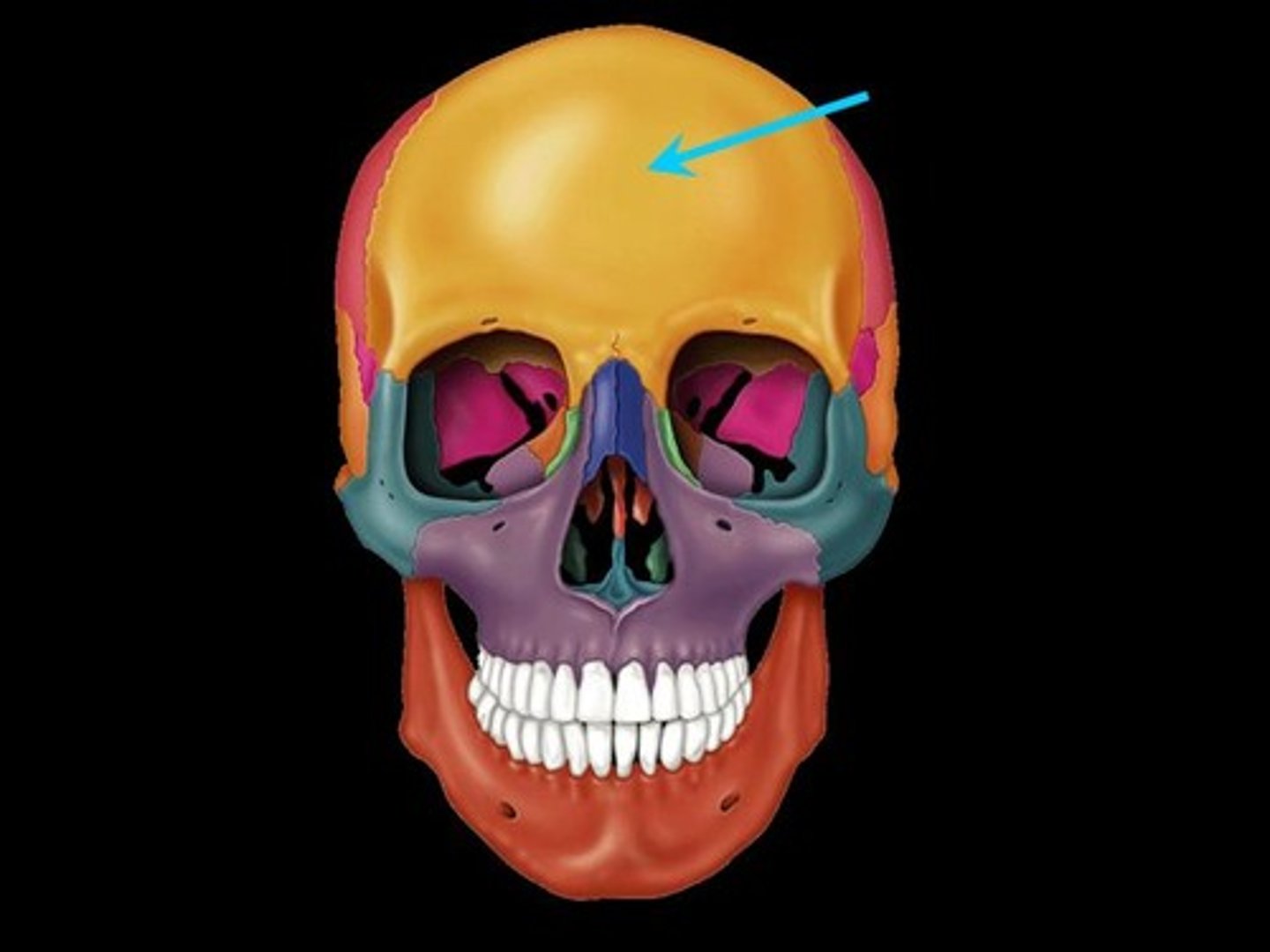
Bones: Frontal bone
Front of the skull
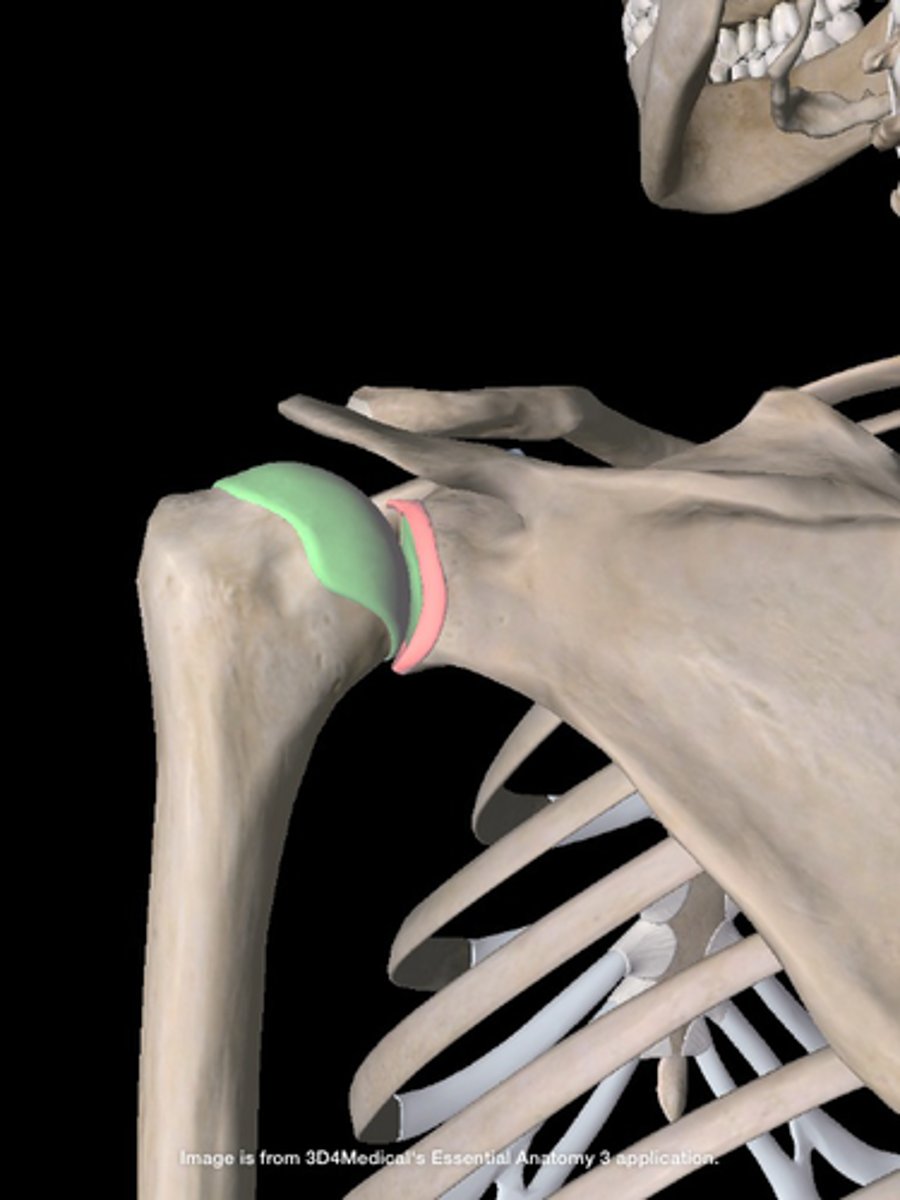
Bones: Glenoid cavity
Where the head of the humerus inserts
Bones: Greater trochanter
Near the neck of the femur
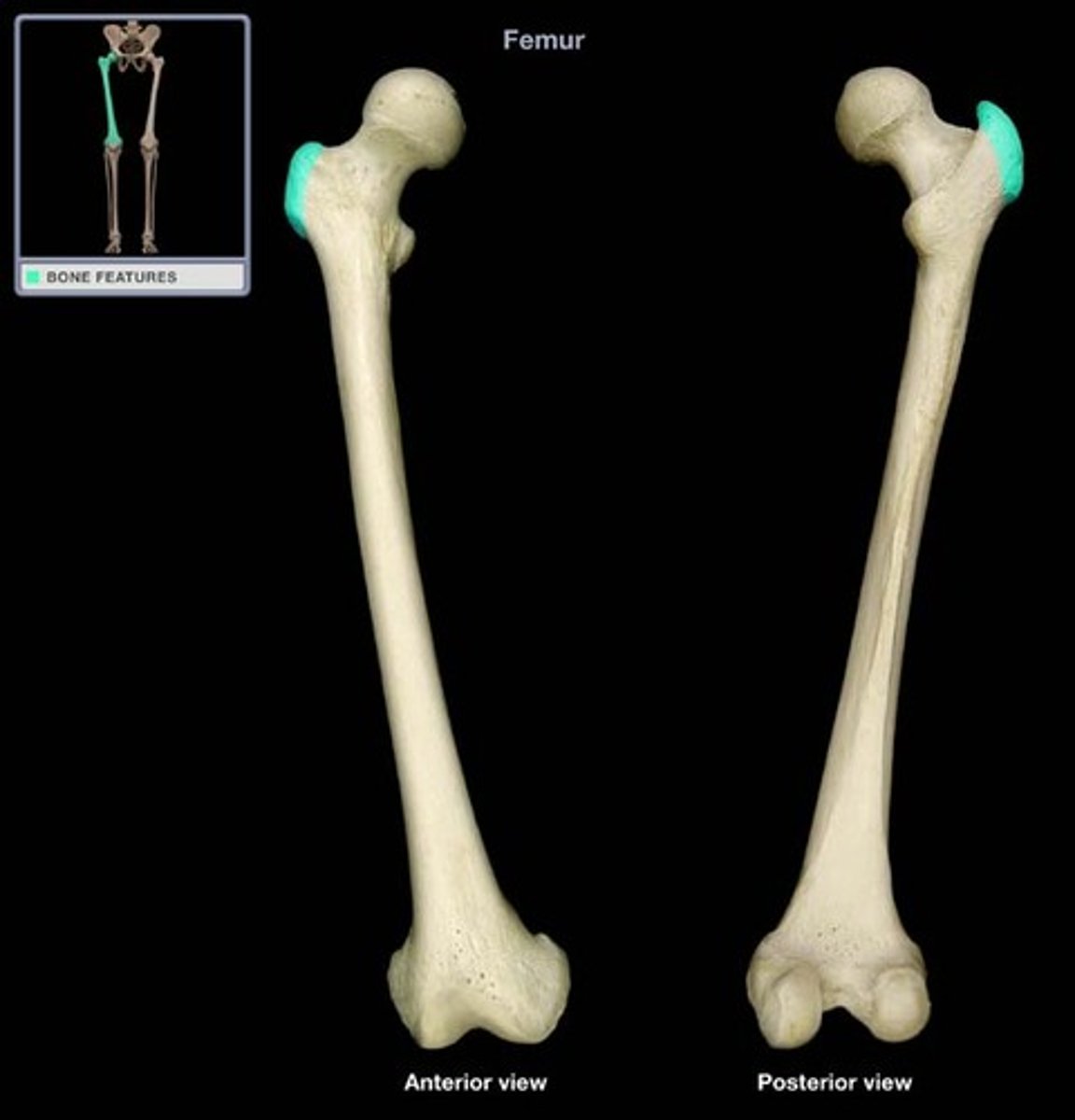
Bones: Greater tuburcle
Bony landmark near the head of the humerus
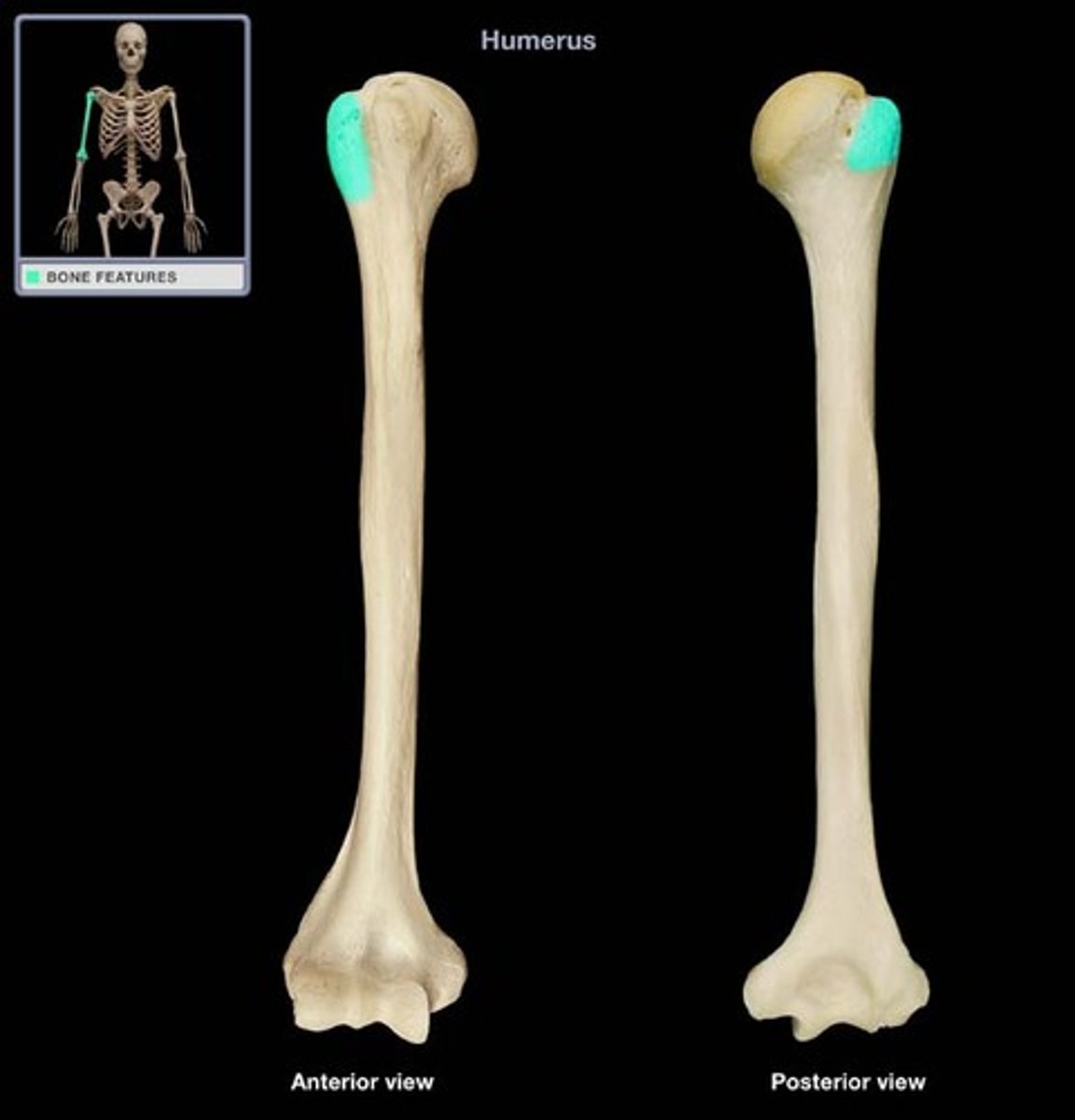
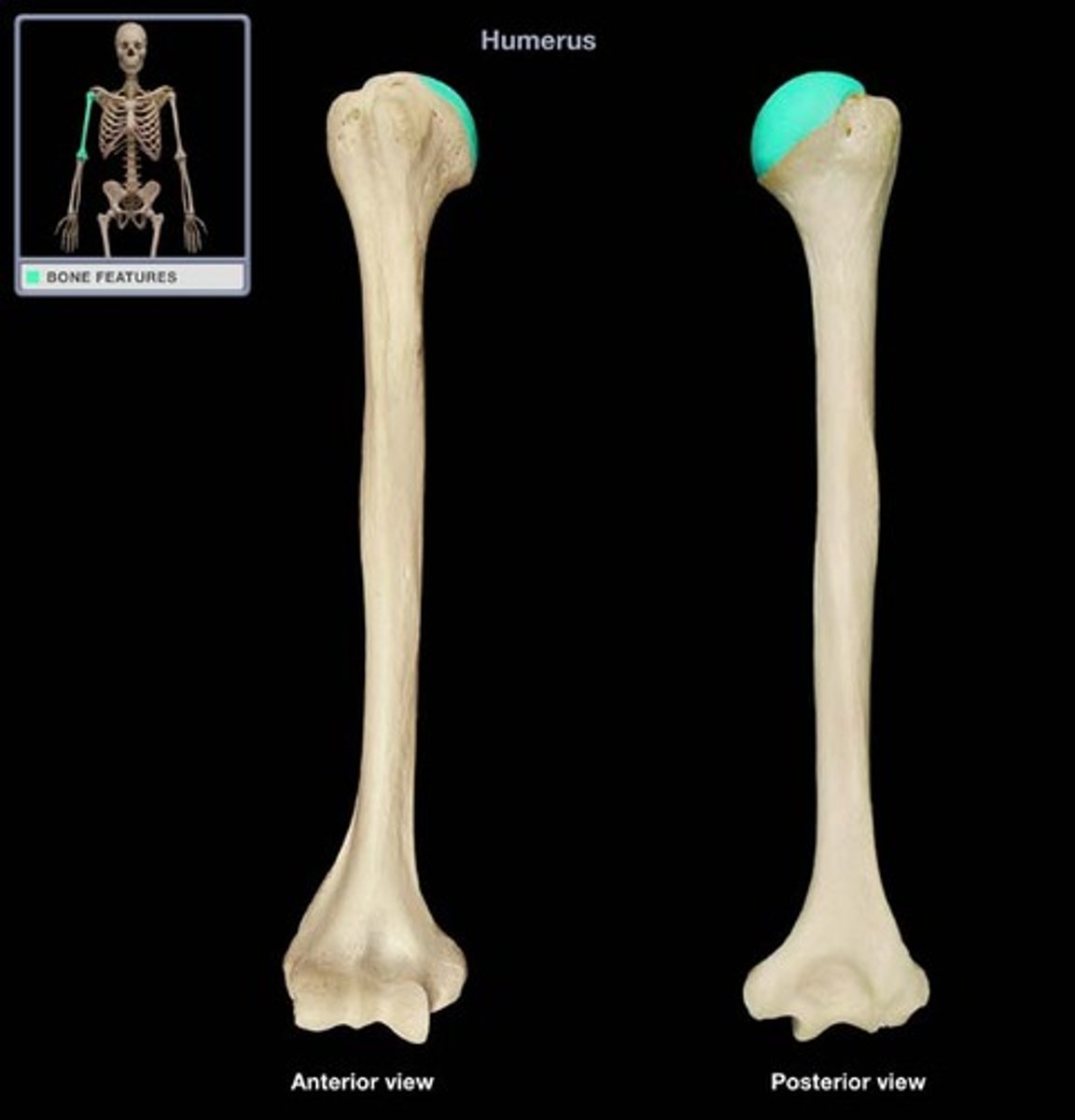
Bones: Head of Humerus
Inserts into glenoid cavity
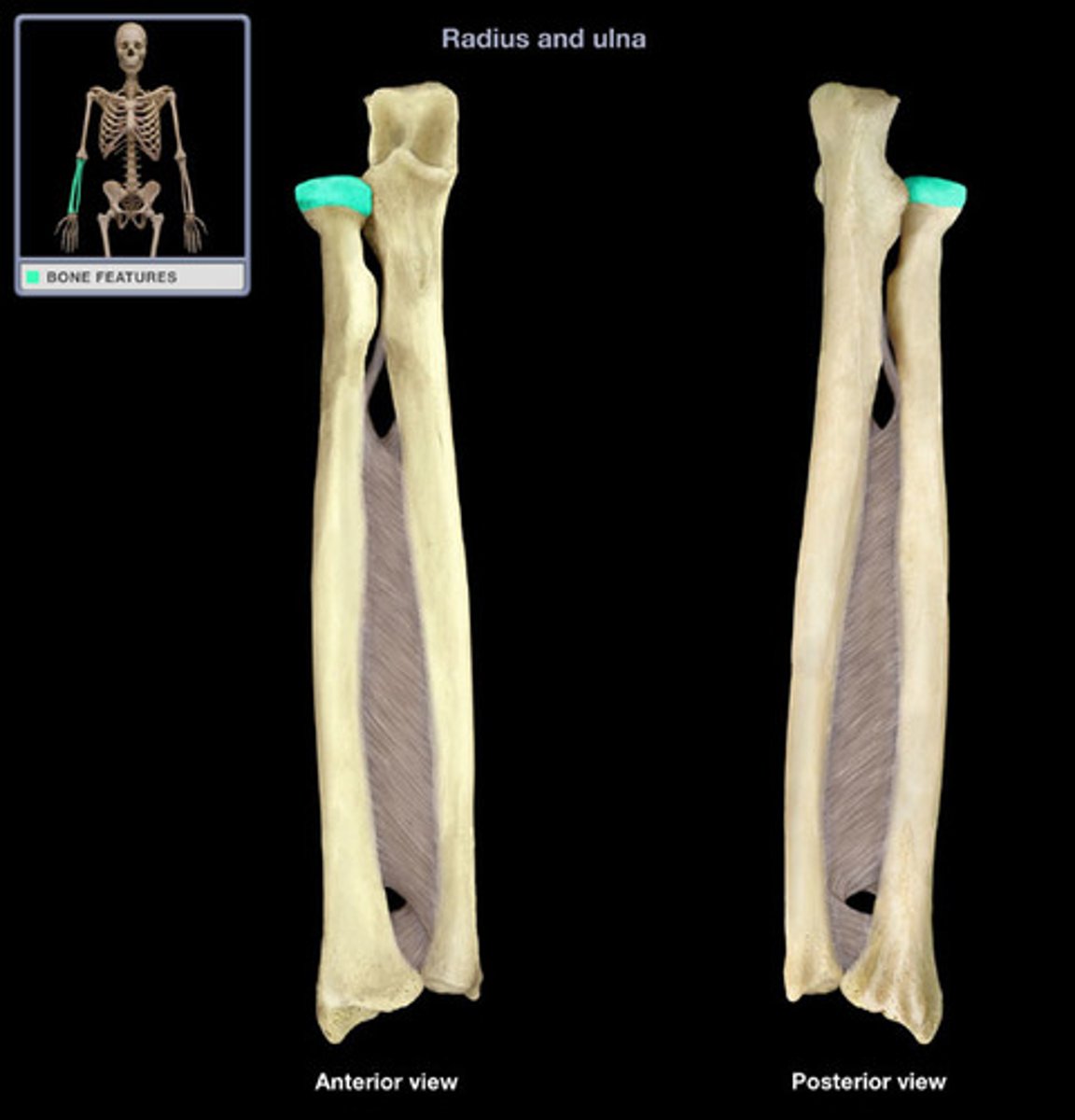
Bones: Head of radius
Connects to the ulna
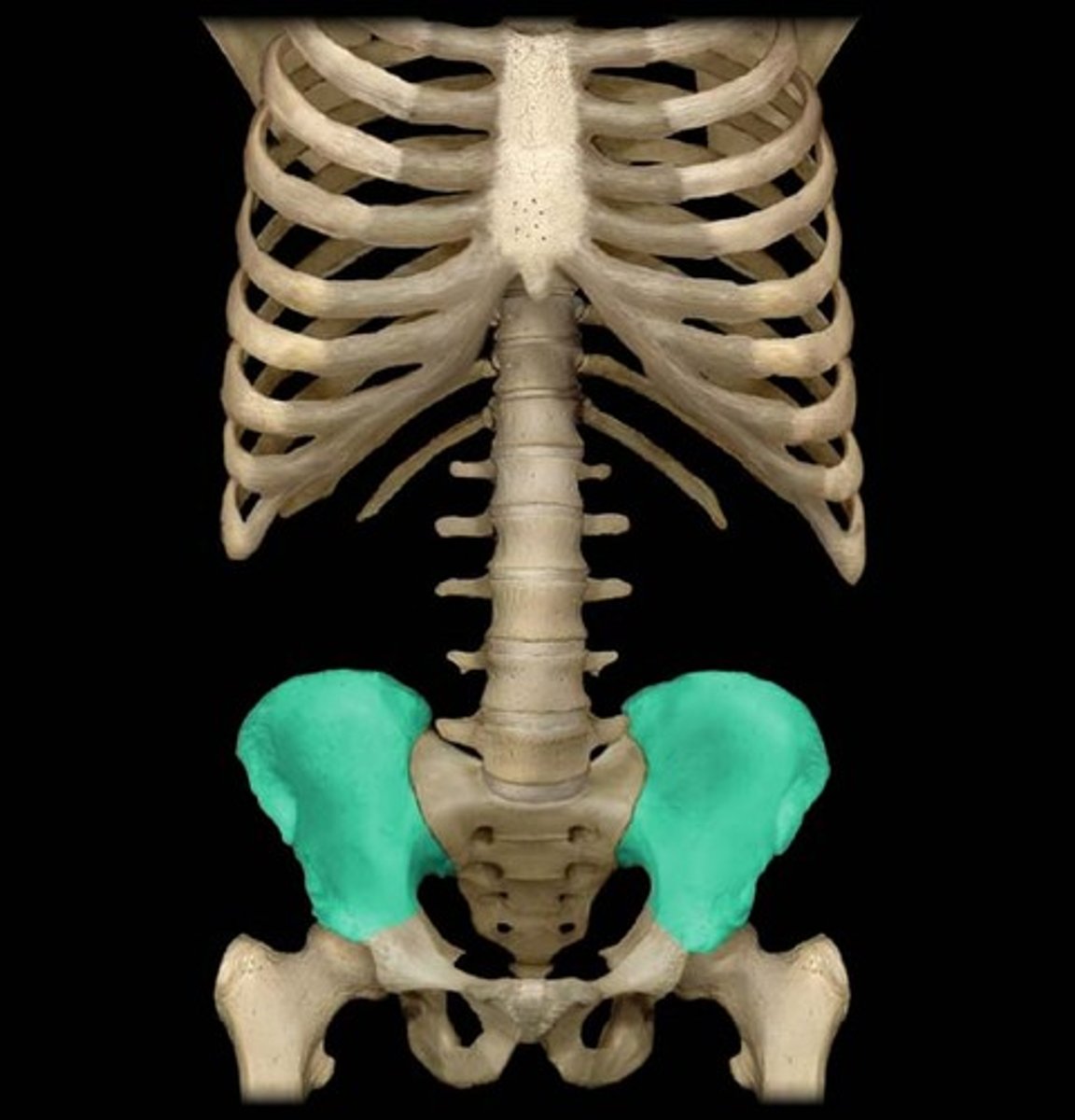
Bones: Ilium
Hip bone
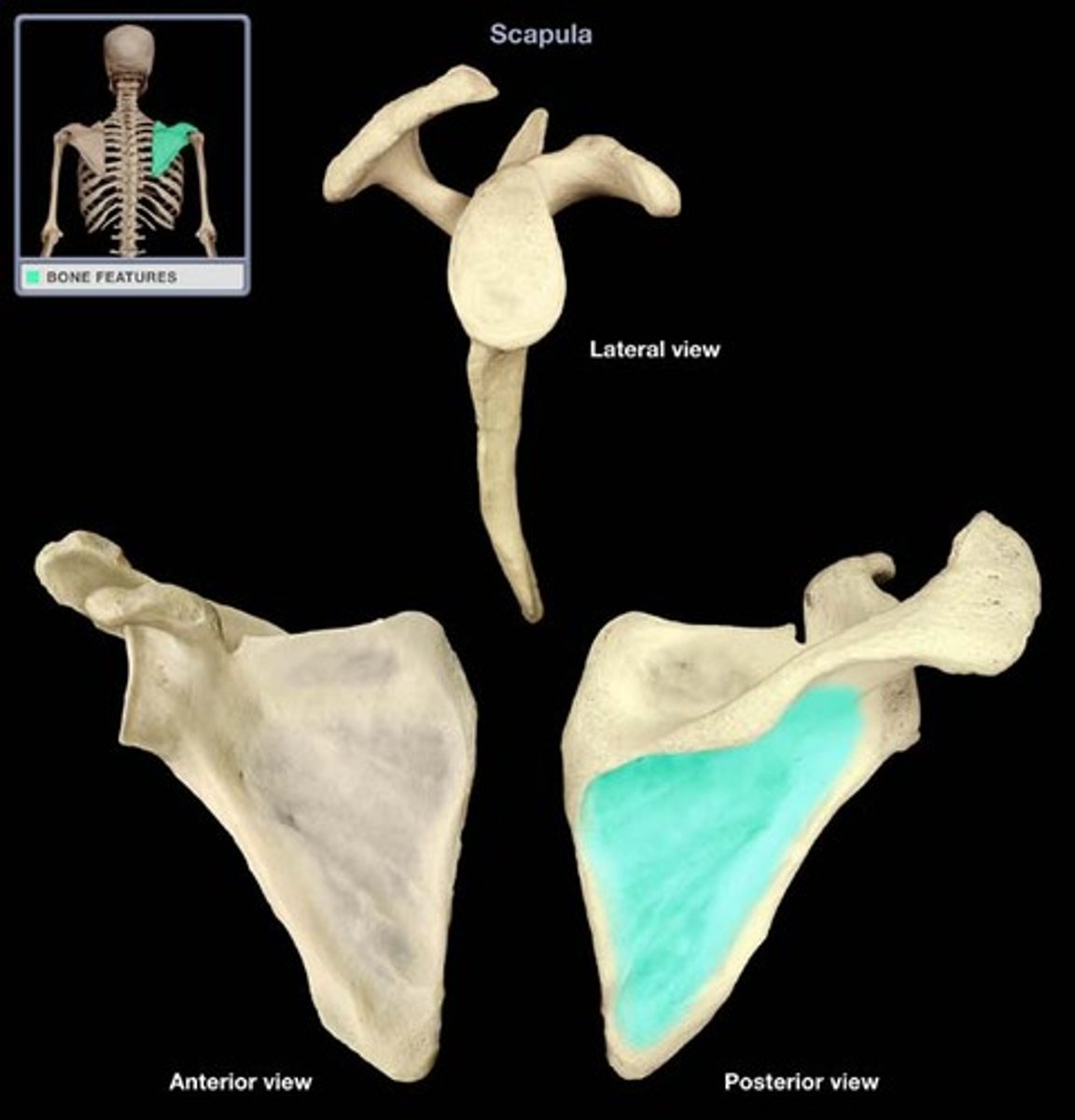
Bones: Infraspinous fossa
Posterior side of scapula
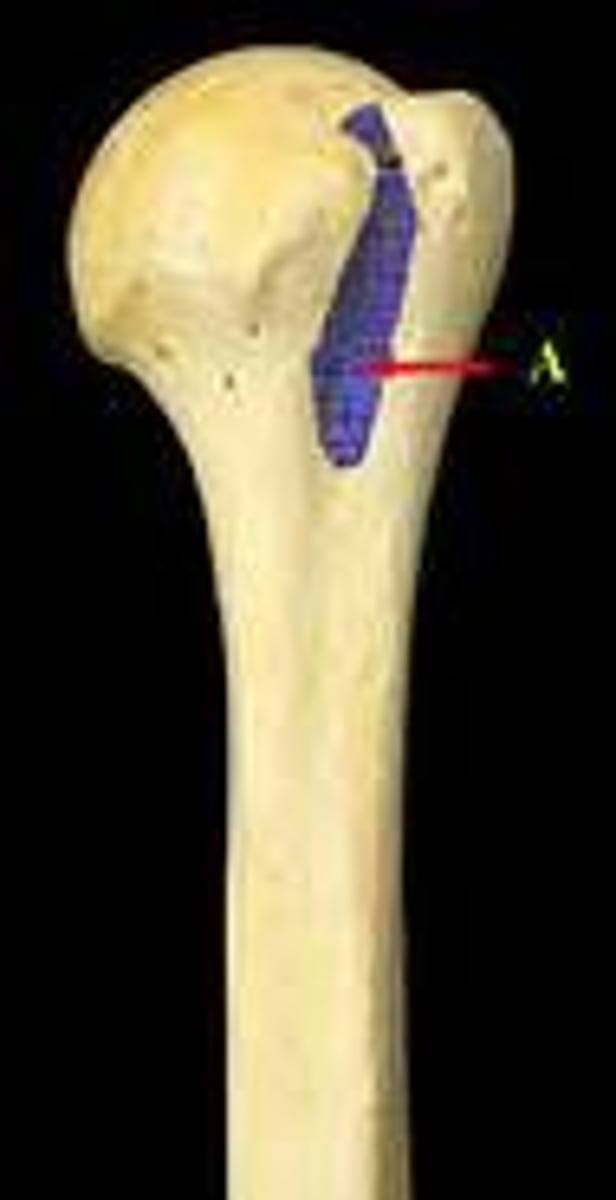
Bones: Intertubecular groove
Small groove in between the greater and lesser tuburcle of the humerus
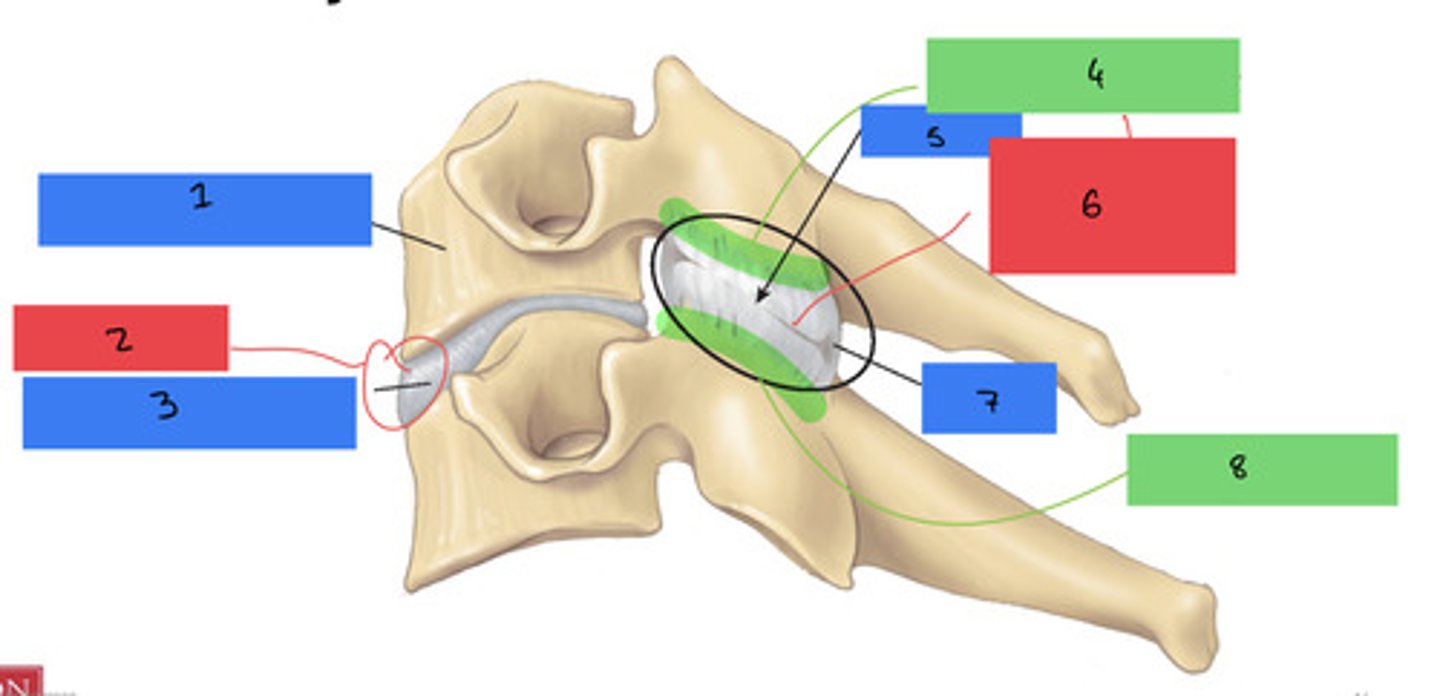
Bones: Interverteberal disc
Disc in between vertebrae
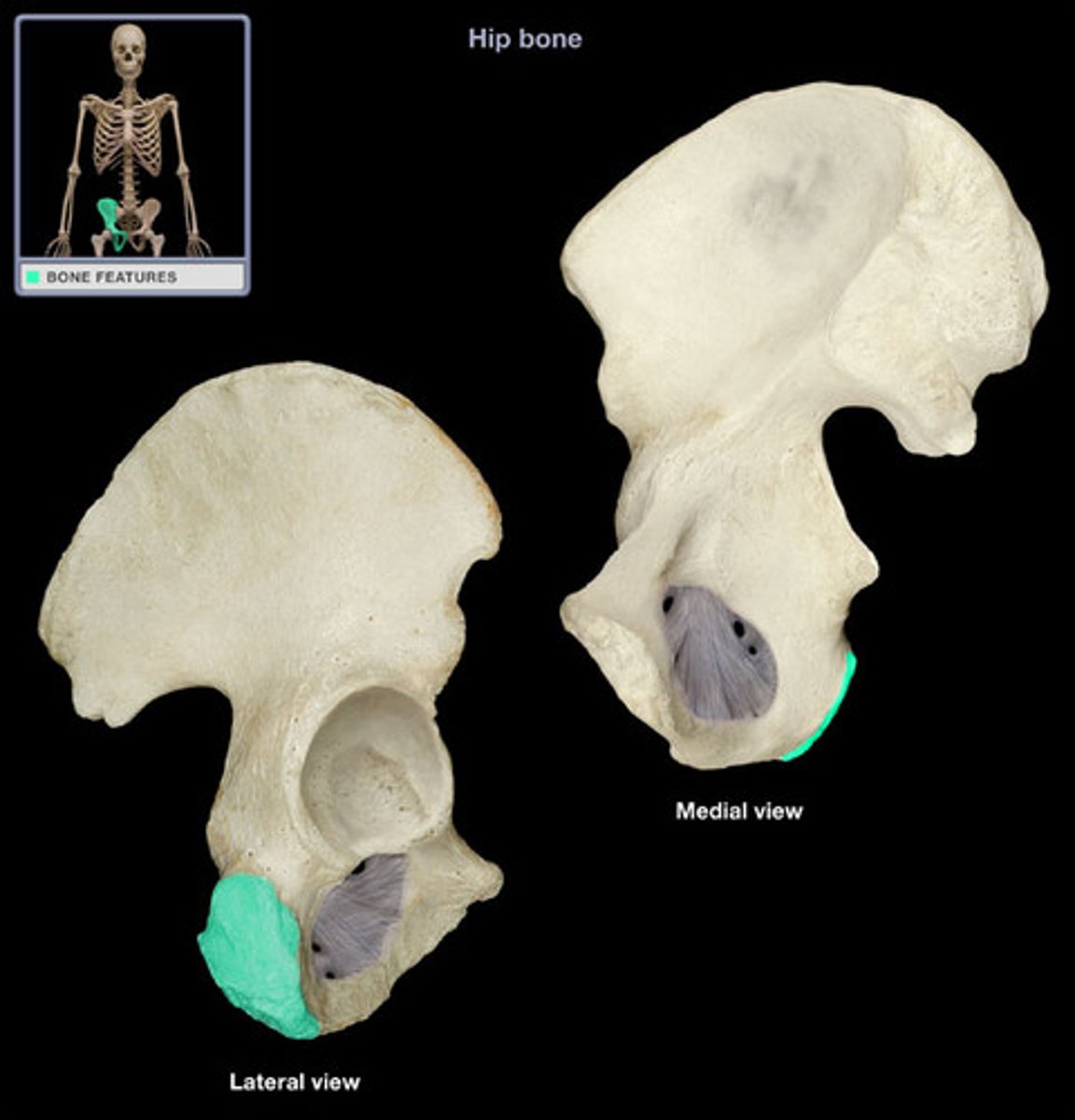
Bones: Ischial tuberosity
Bottom of the ilium (posterior)
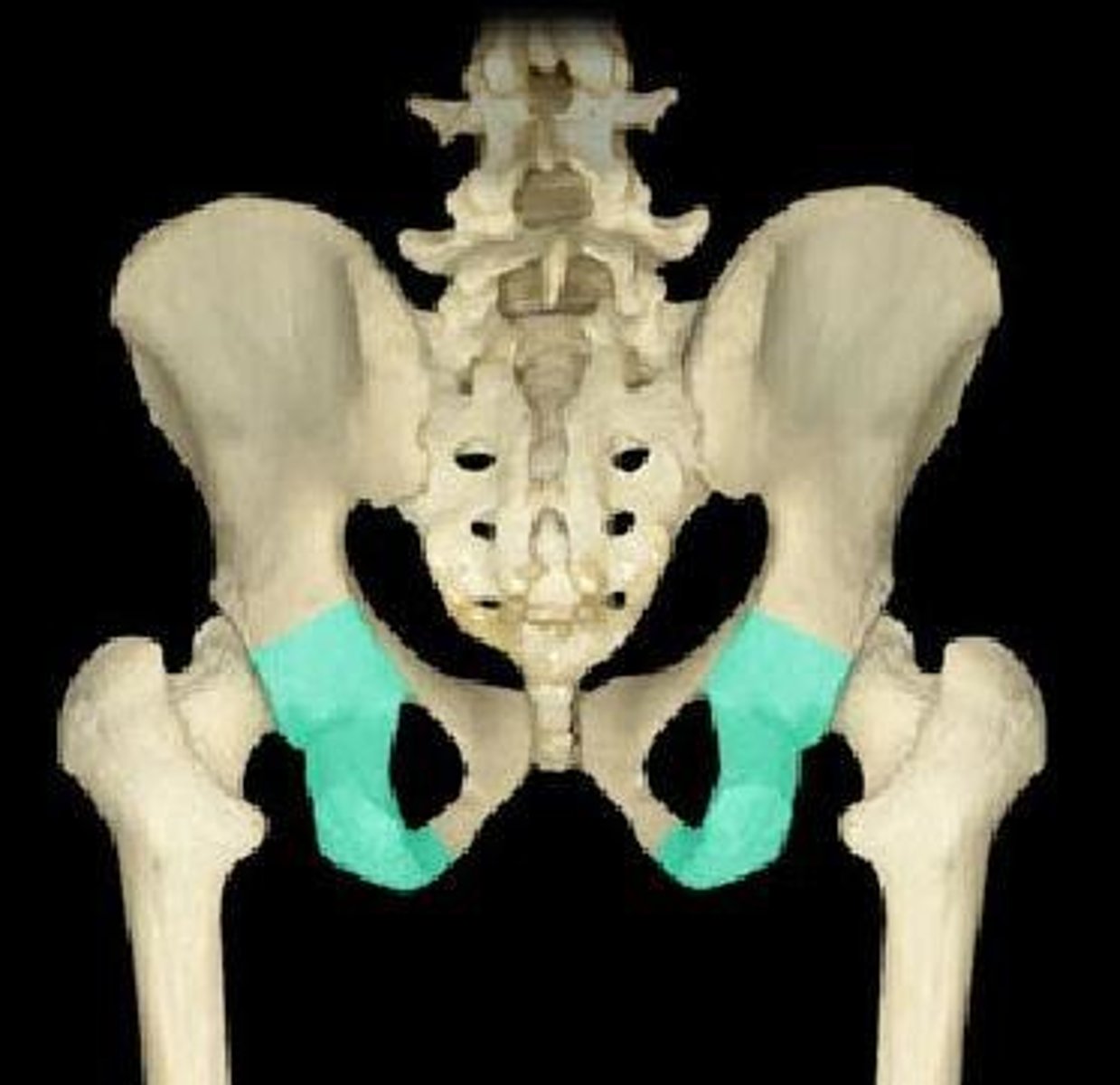
Bones: Ischium
Bottom of the ilium (anterior)
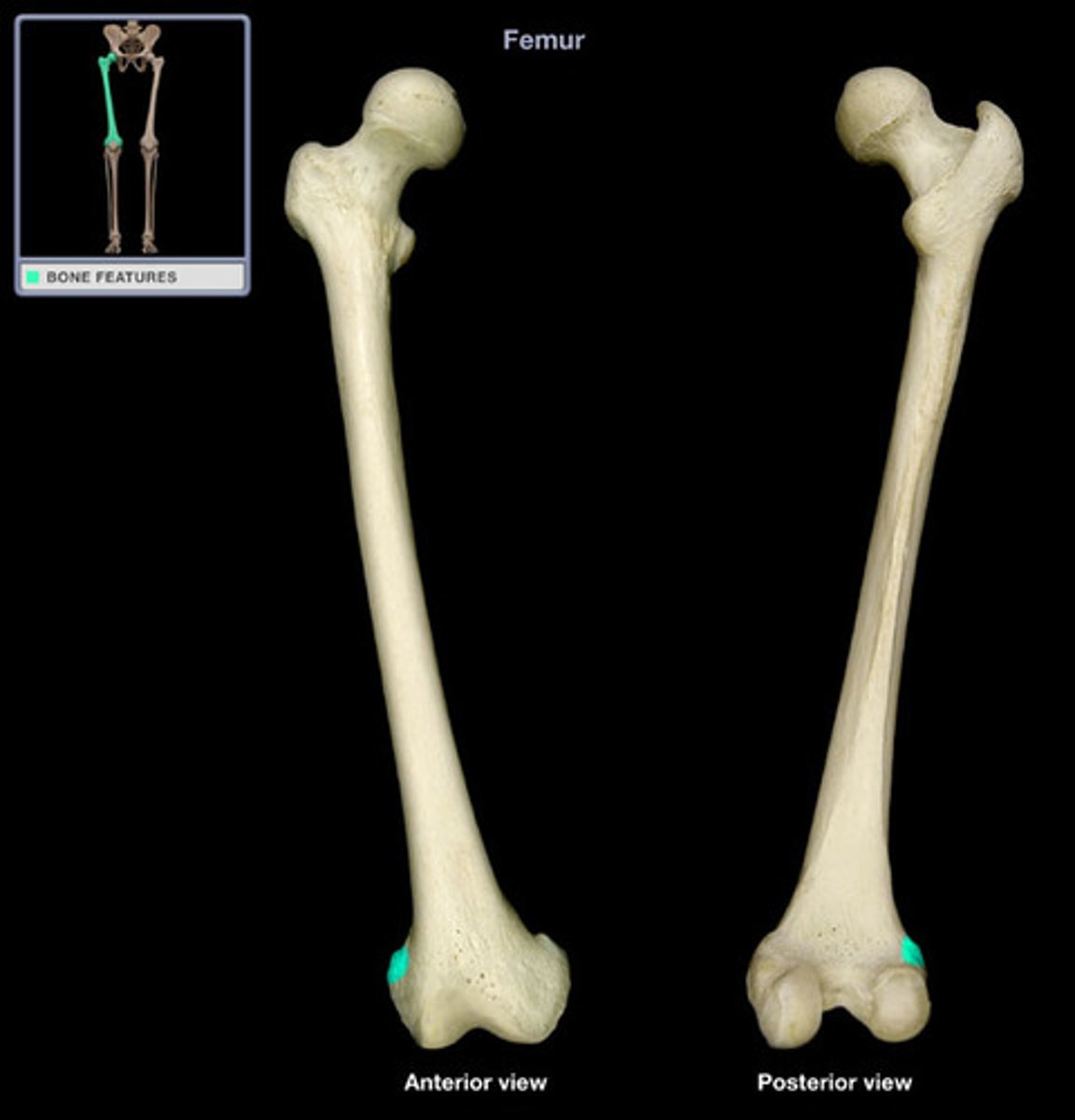
Bones: Lateral epicondyle
Near the condyles of the femur
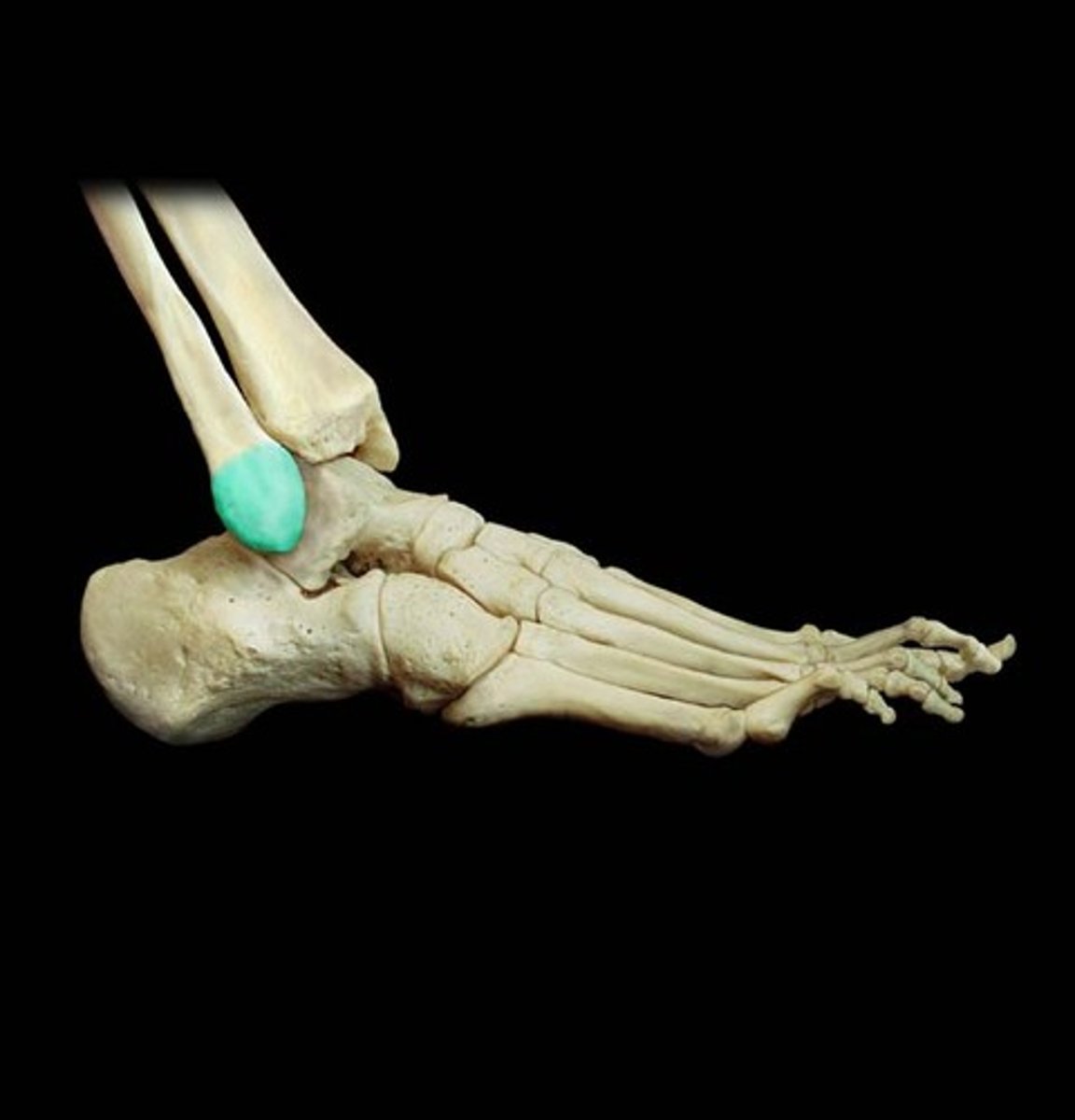
Bones: Lateral mallelous
Projection at the ankle
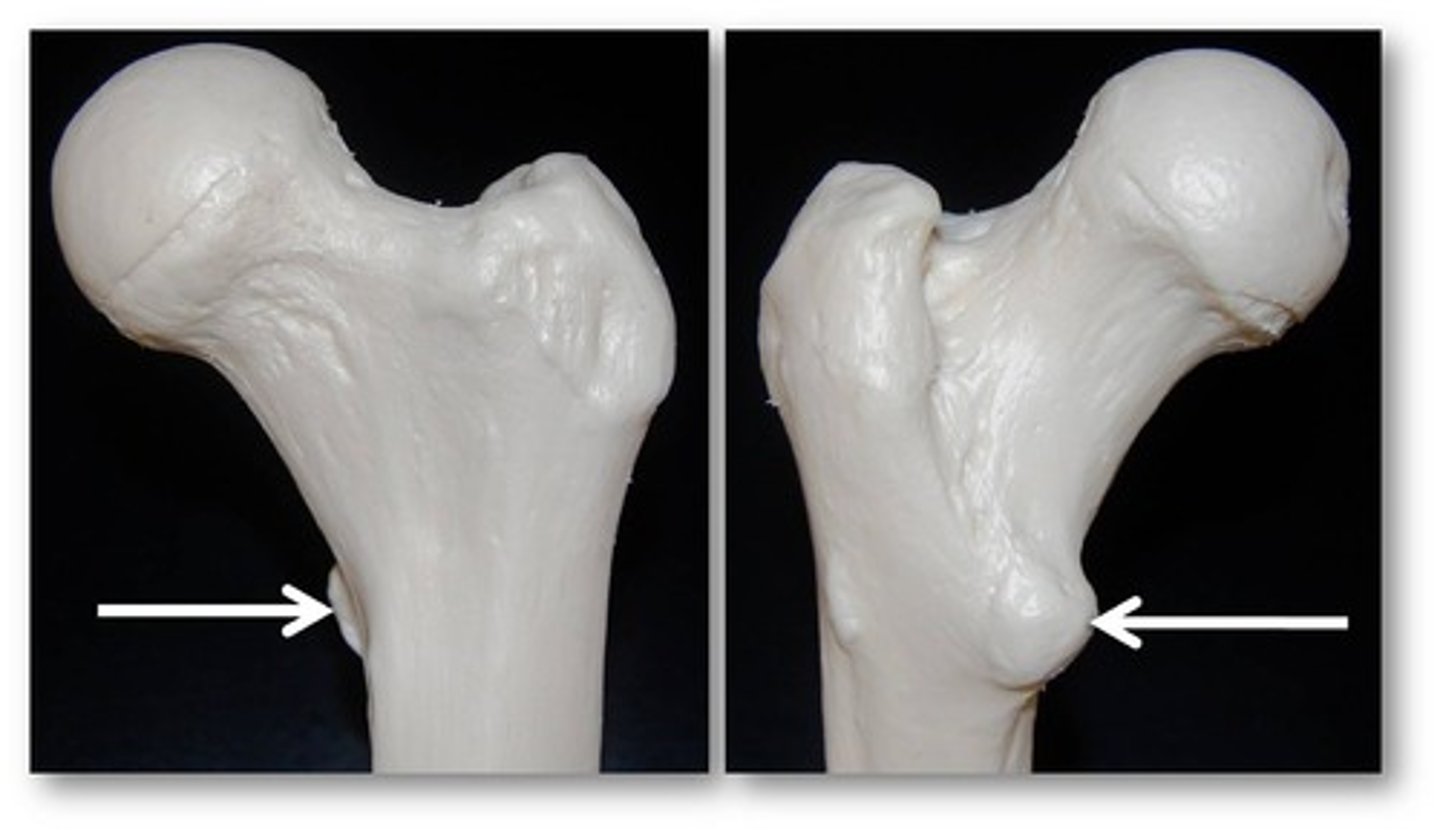
Bones: Lesser trochanter
Beside the greater trochanter of the femur
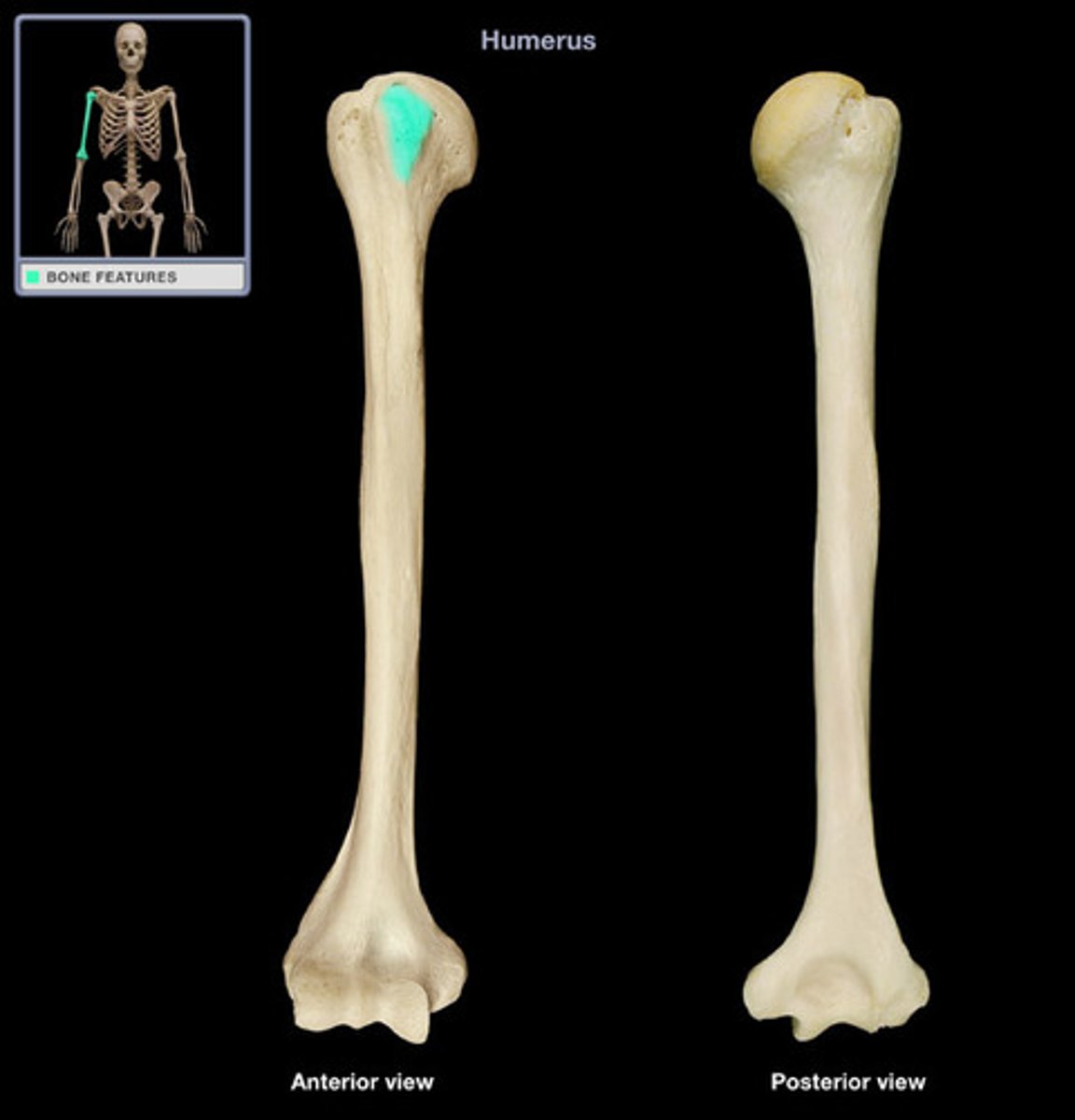
Bones: Lesser tuburcle
Beside the greater tuburcle of the humerus
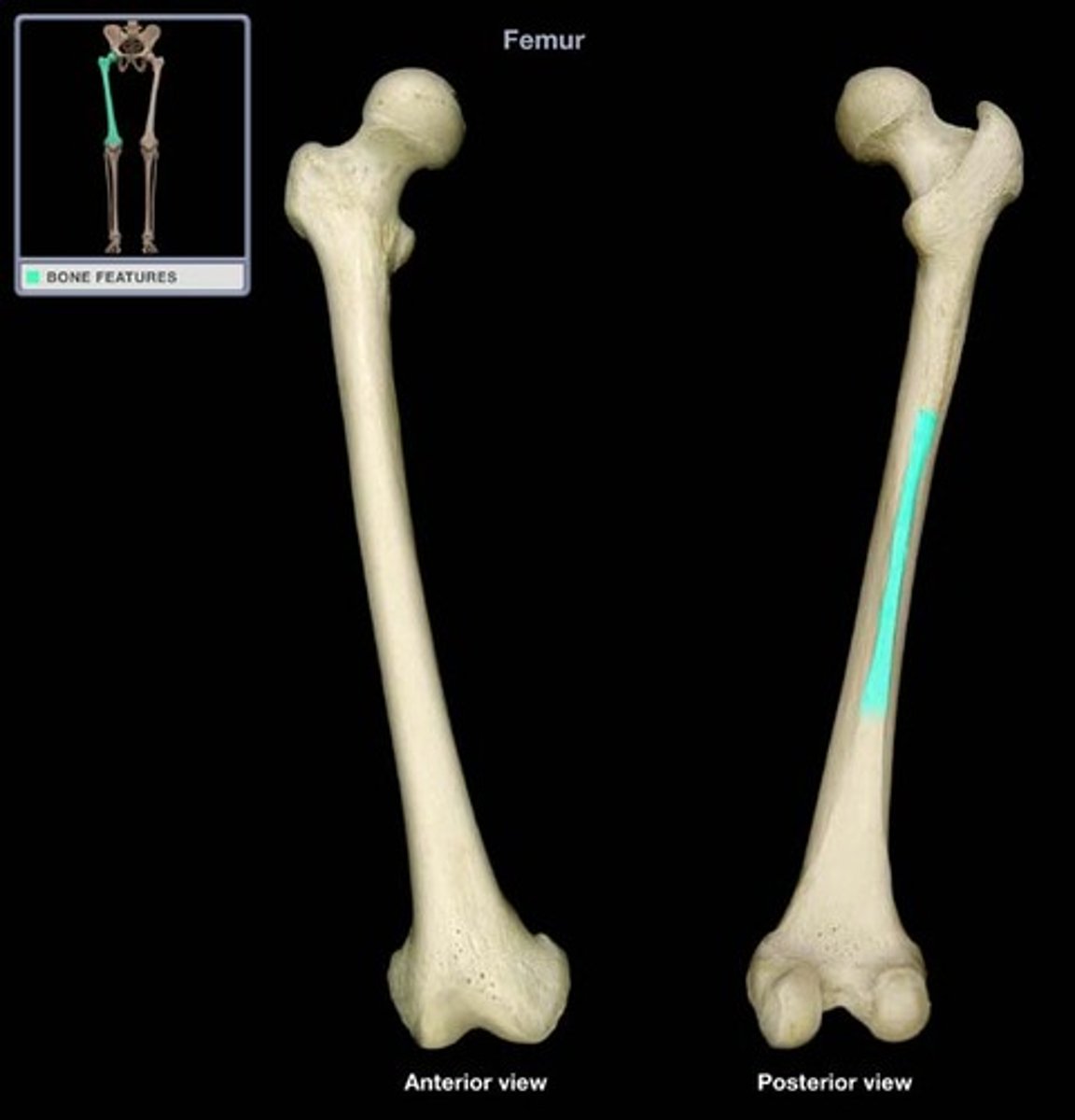
Bones: Linea aspera
Line on the posterior side of the femur
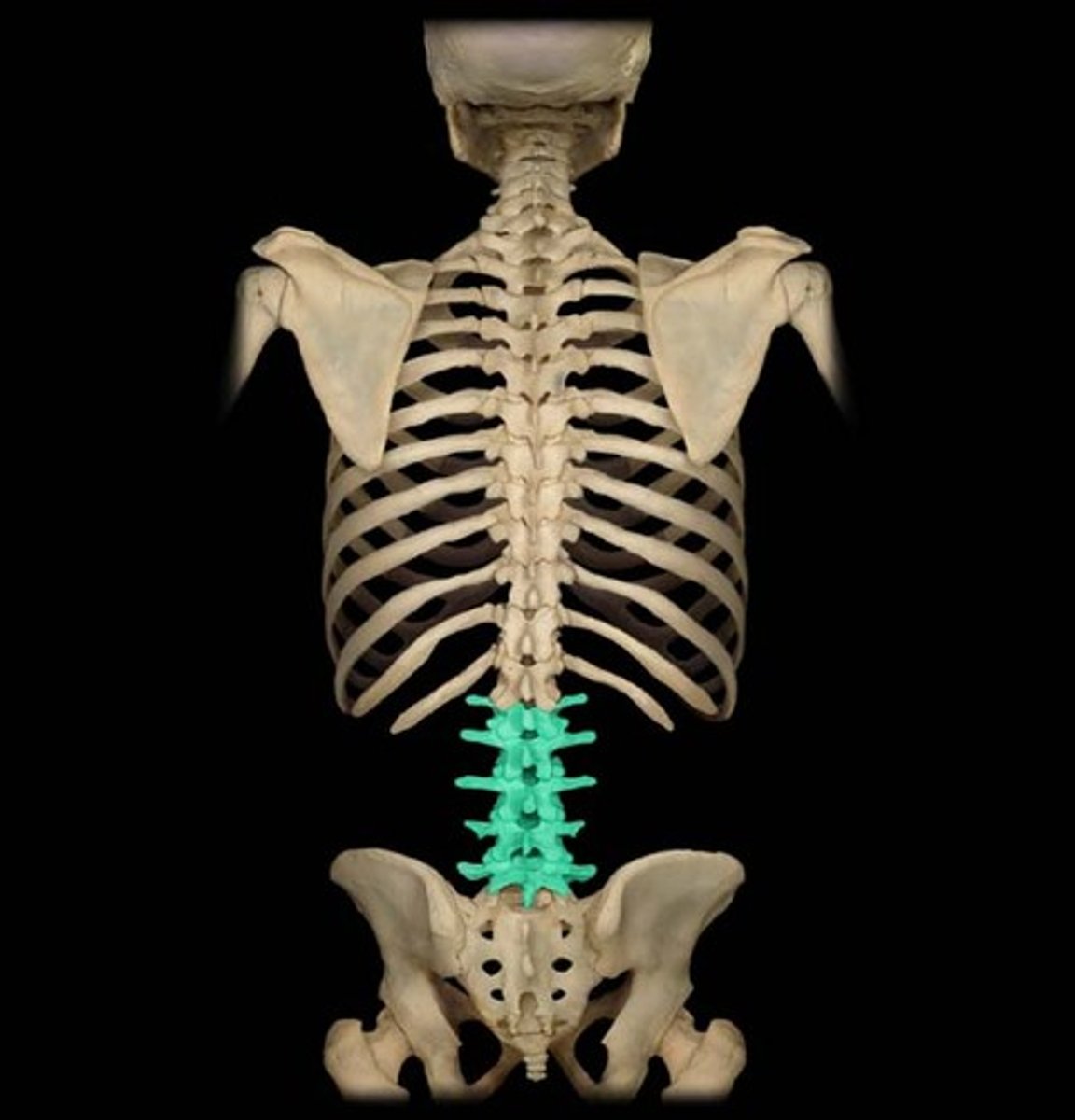
Bones: Lumbar region
Lumbar vertebrae 1-5 at the bottom of the spine
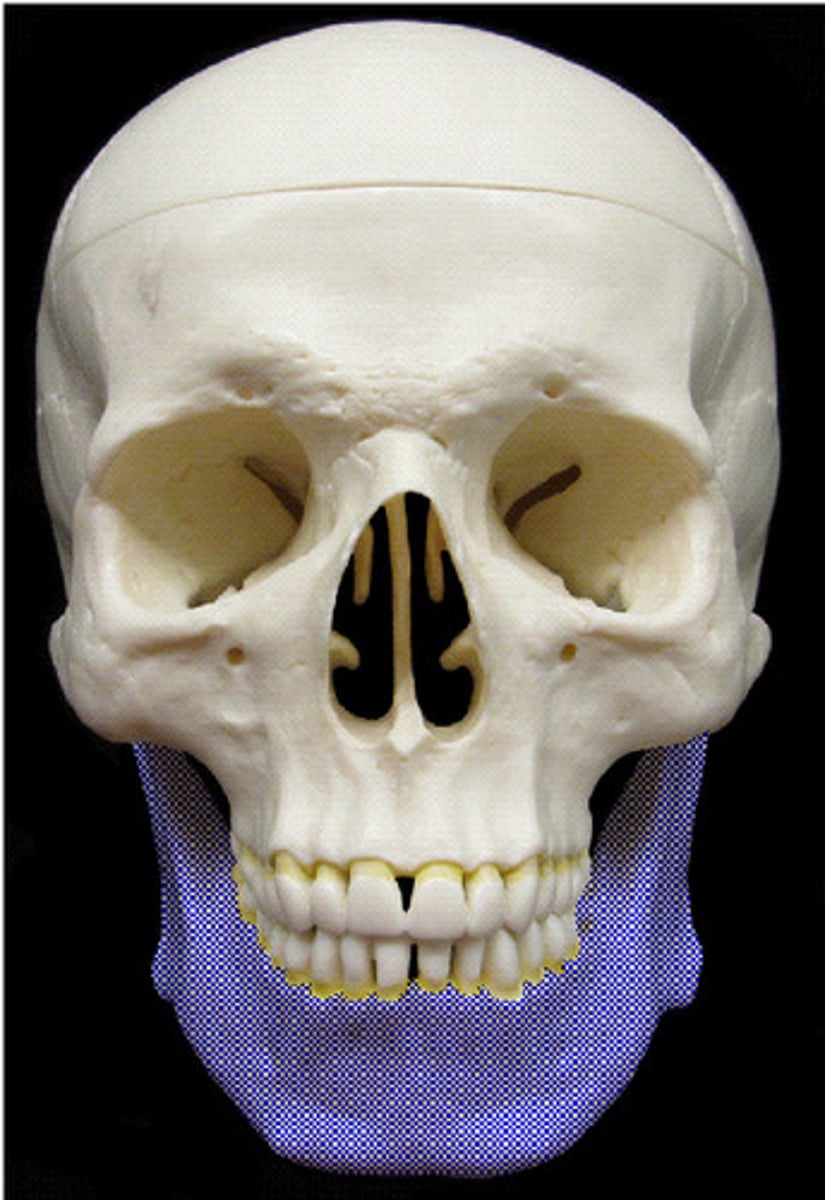
Bones: Mandible
Jaw bone
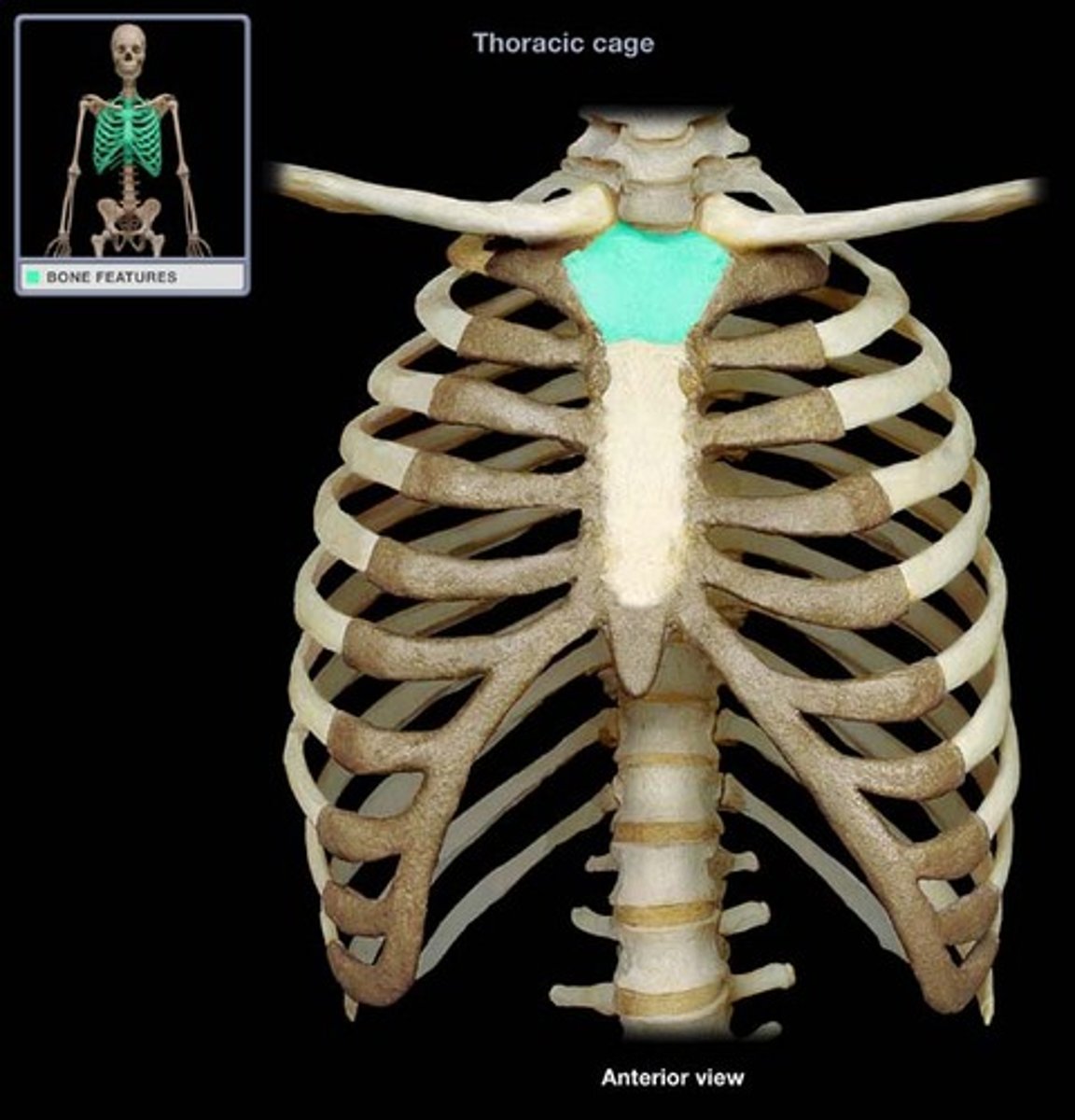
Bones: Manubrium
Top of the sternum
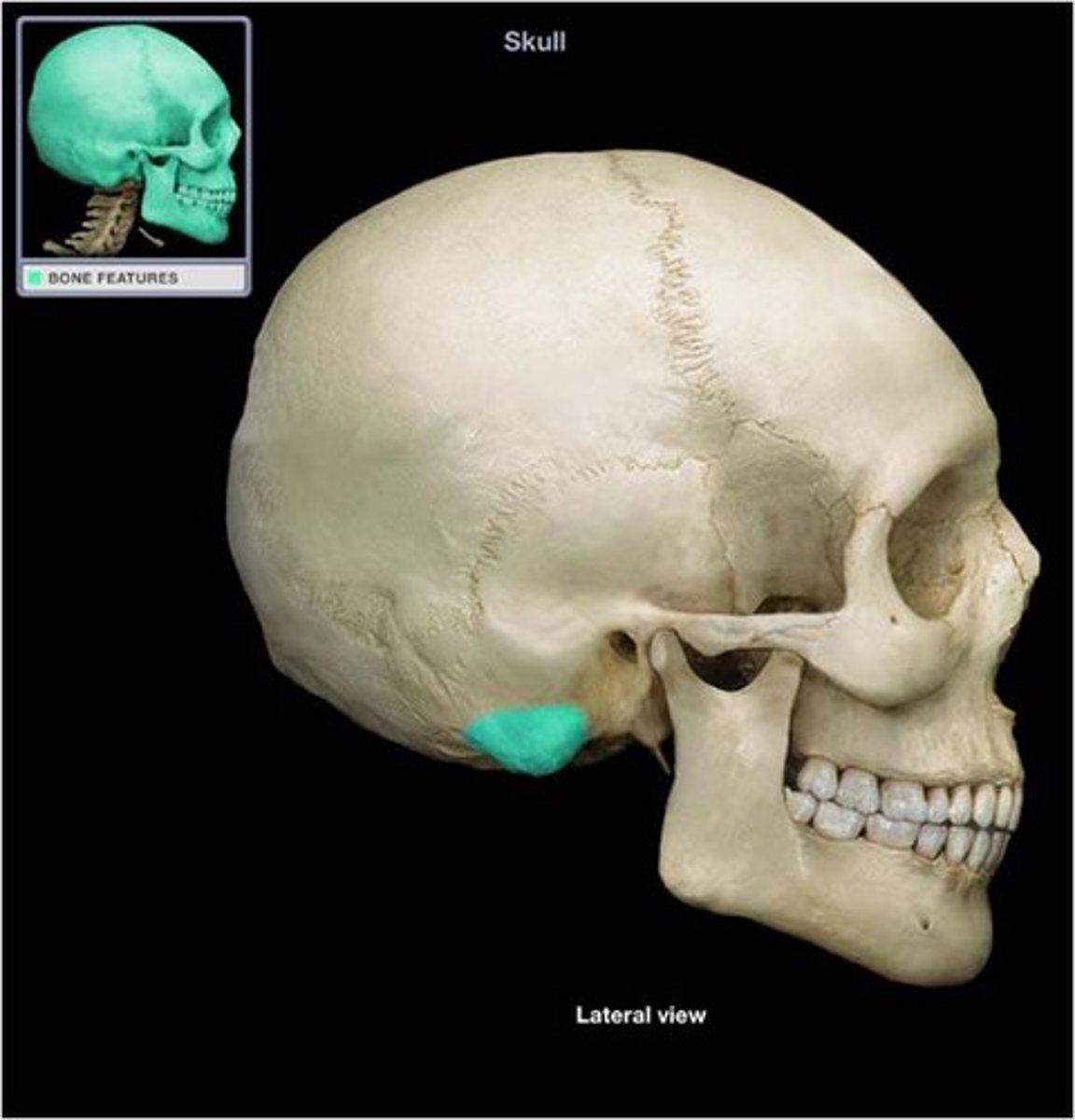
Bones: Mastoid process
Posterior side of the head, behind the jaw
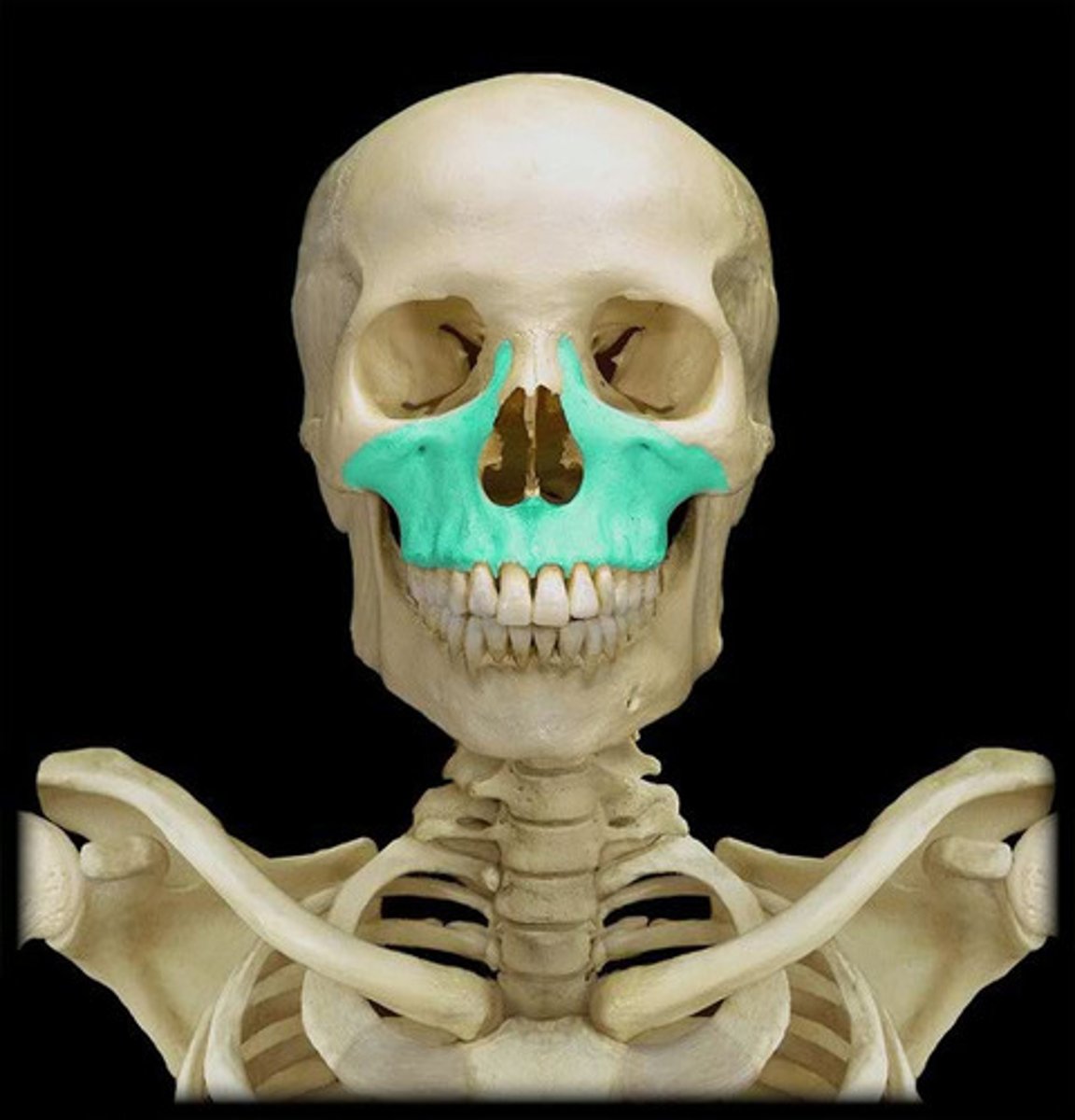
Bones: Maxilla
Above the jaw
Bones: Medial epicondyle
Beside the condyles of the femur
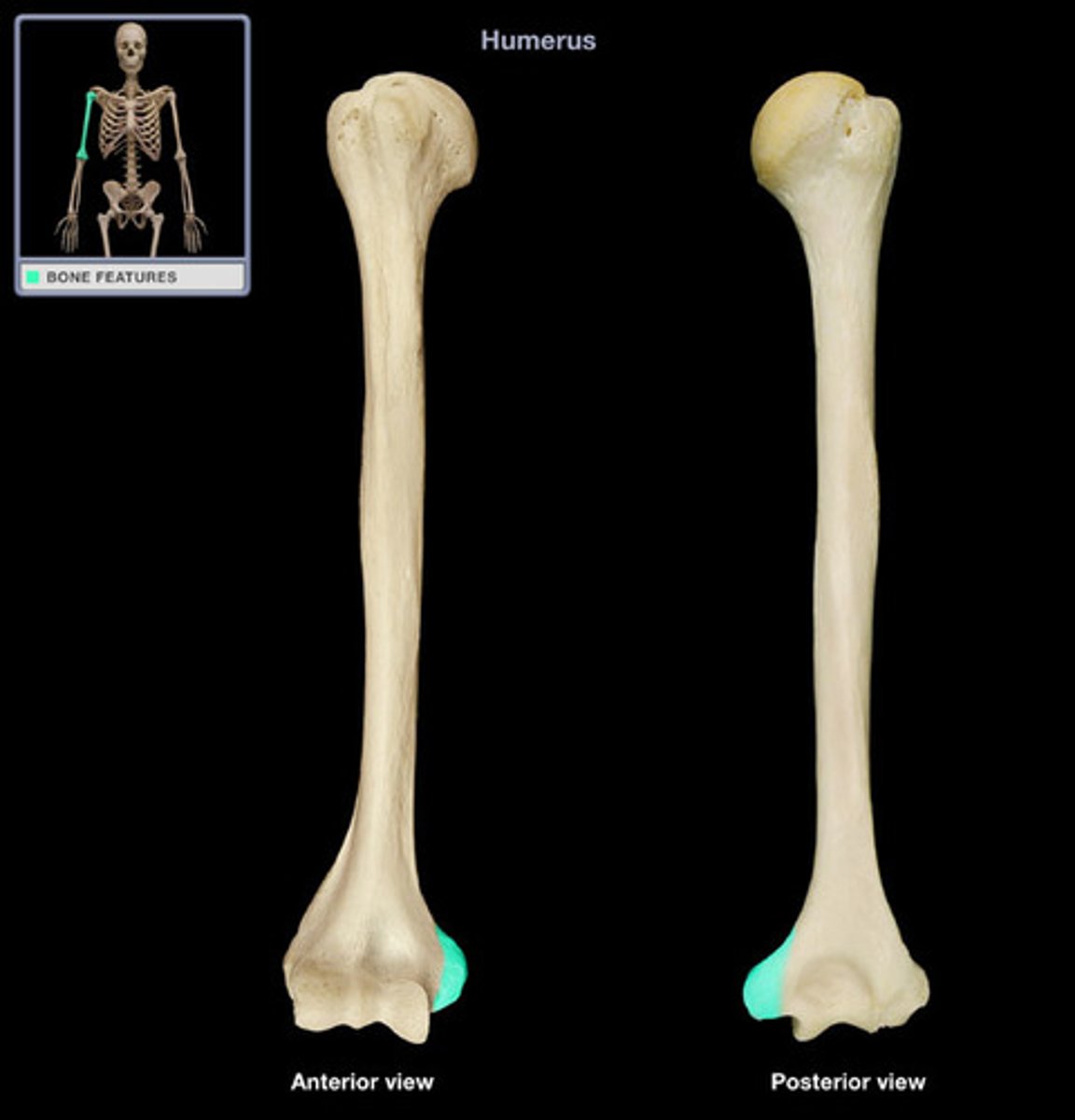
Bones: Medial mallelous
Projection on the ankle (lateral and medial sides)
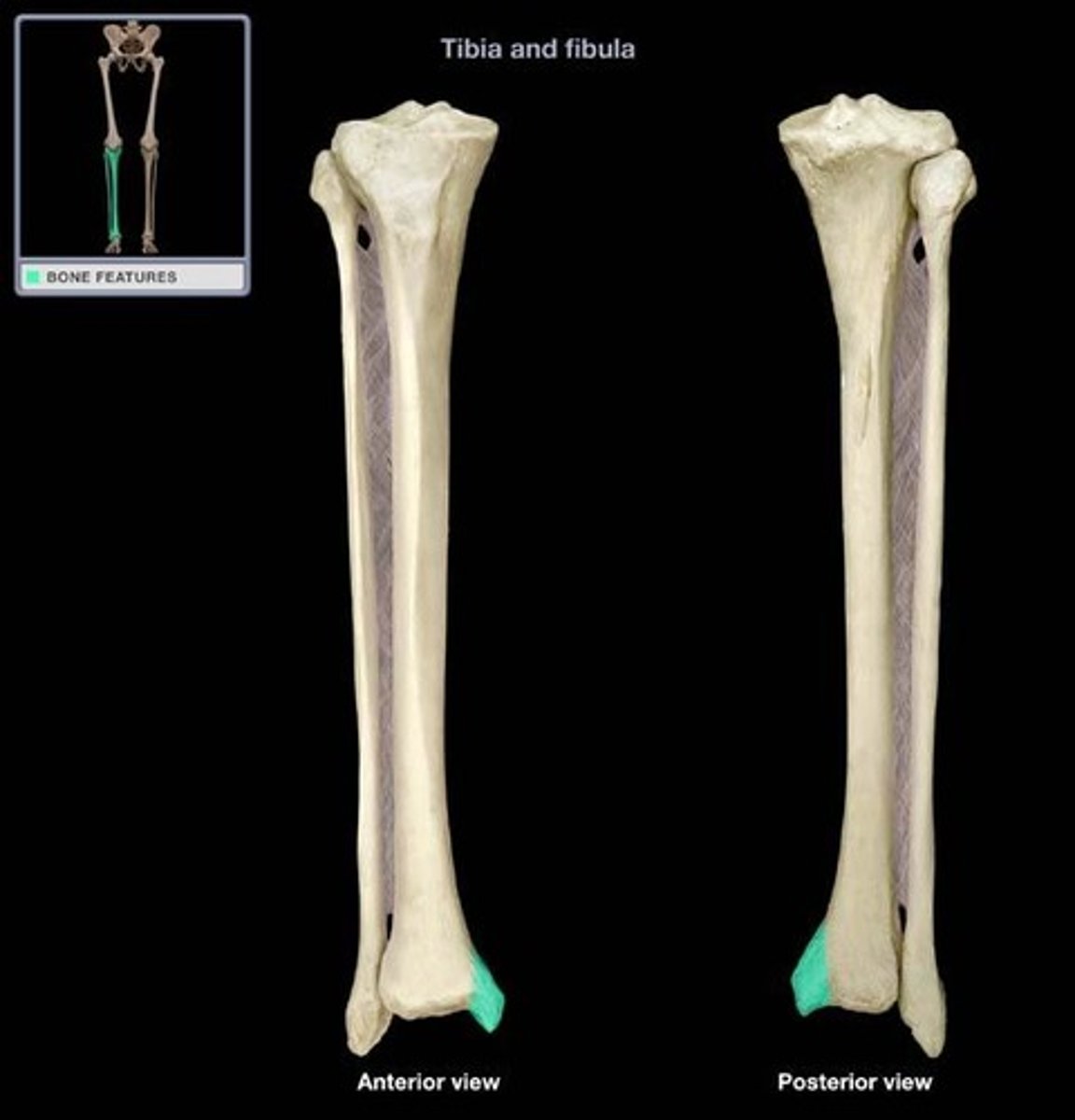
Bones: Metacarpals
Is hidden within skin and proximal to the phalanges
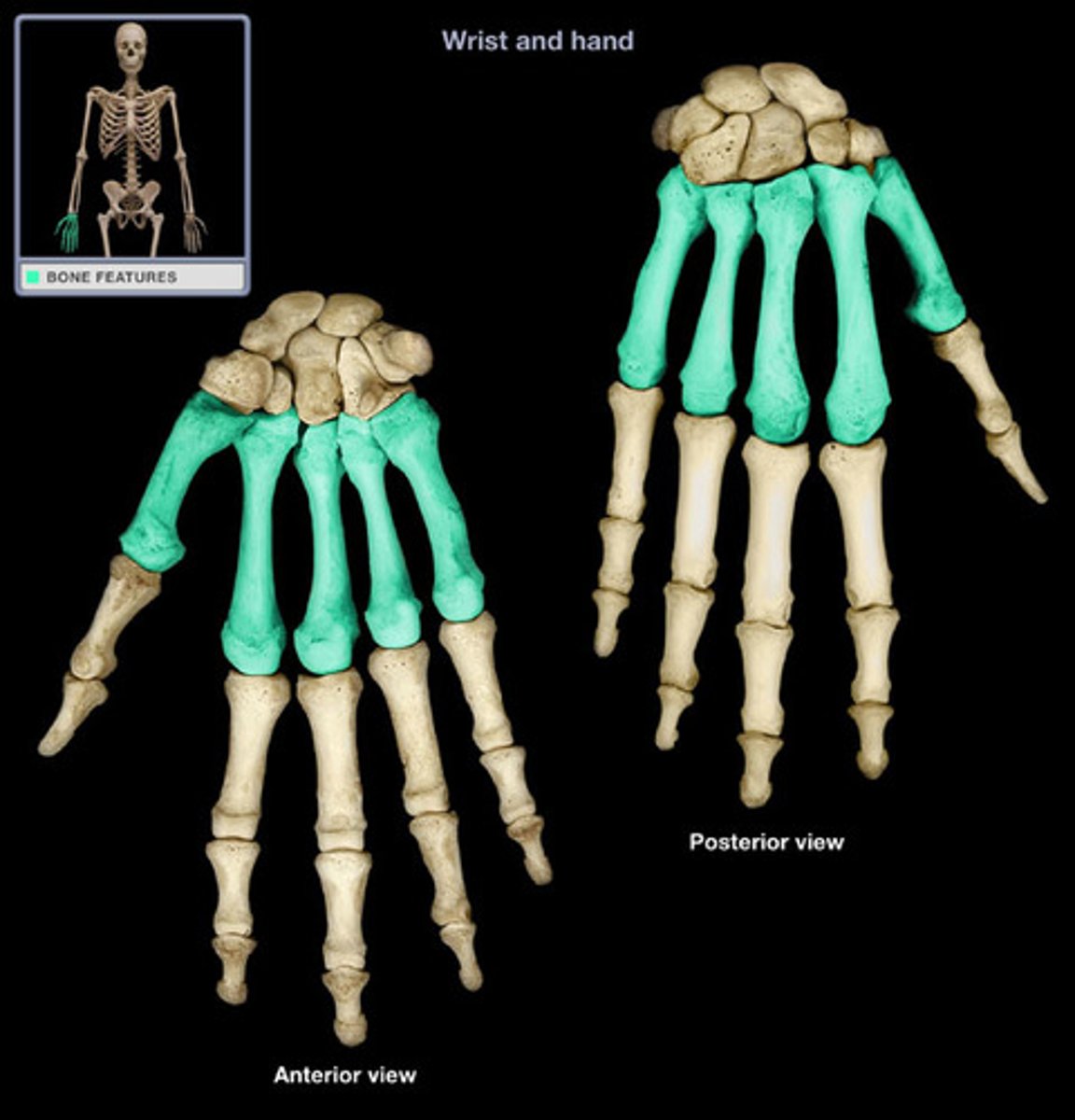
Bones: Nasal bone
Bone in our noses
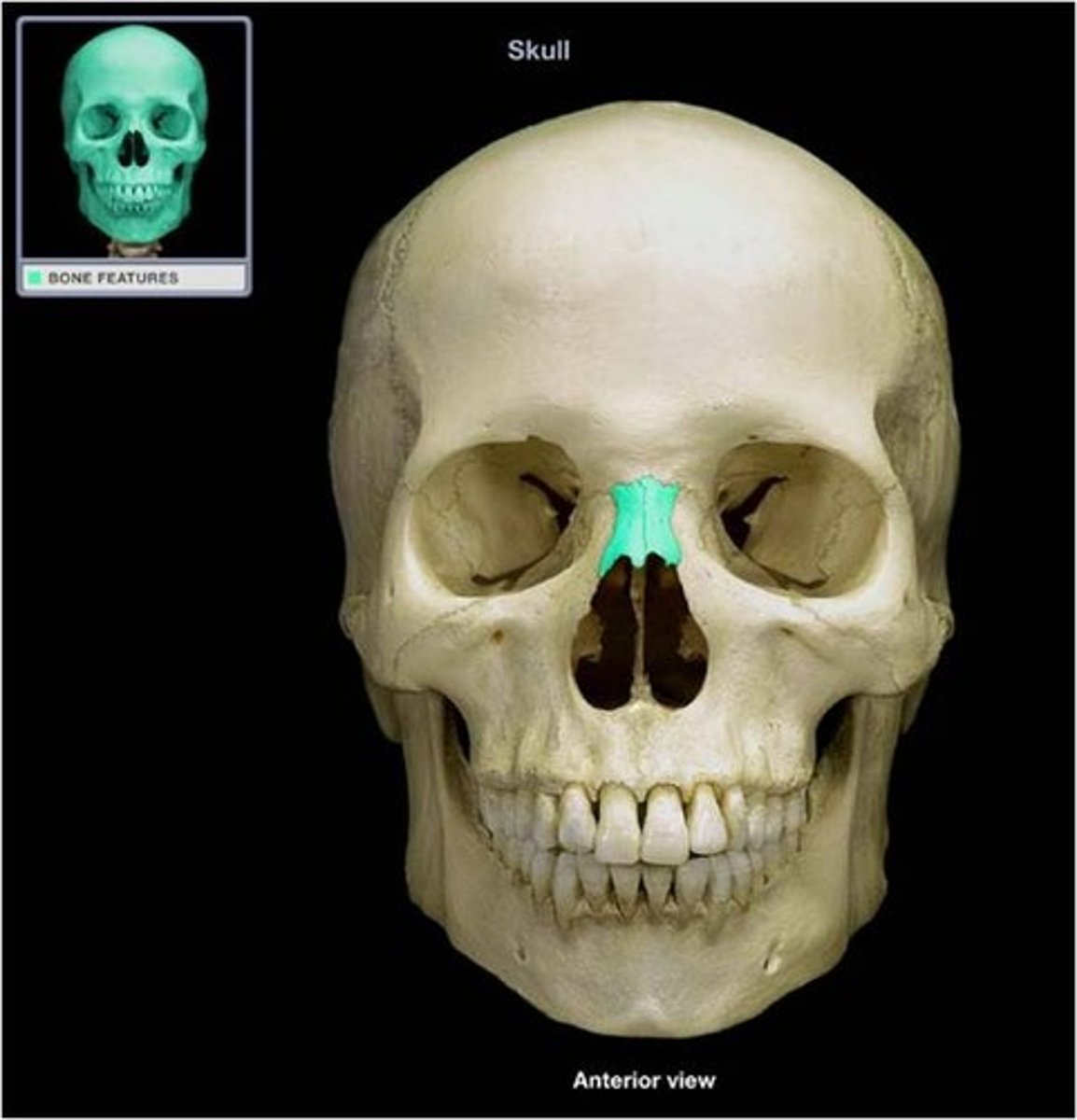
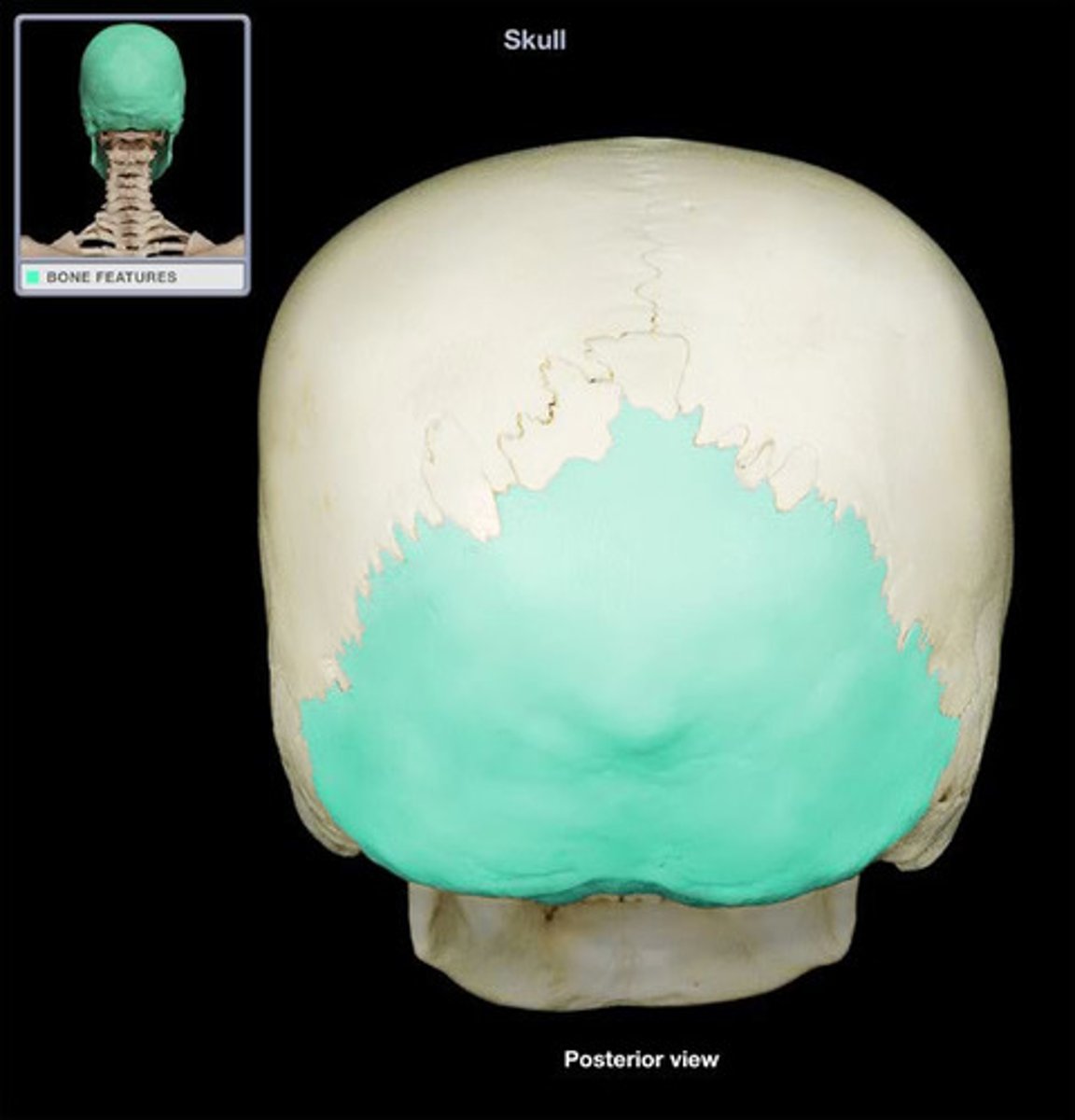
Bones: Occipital bone
Posterior side of the head
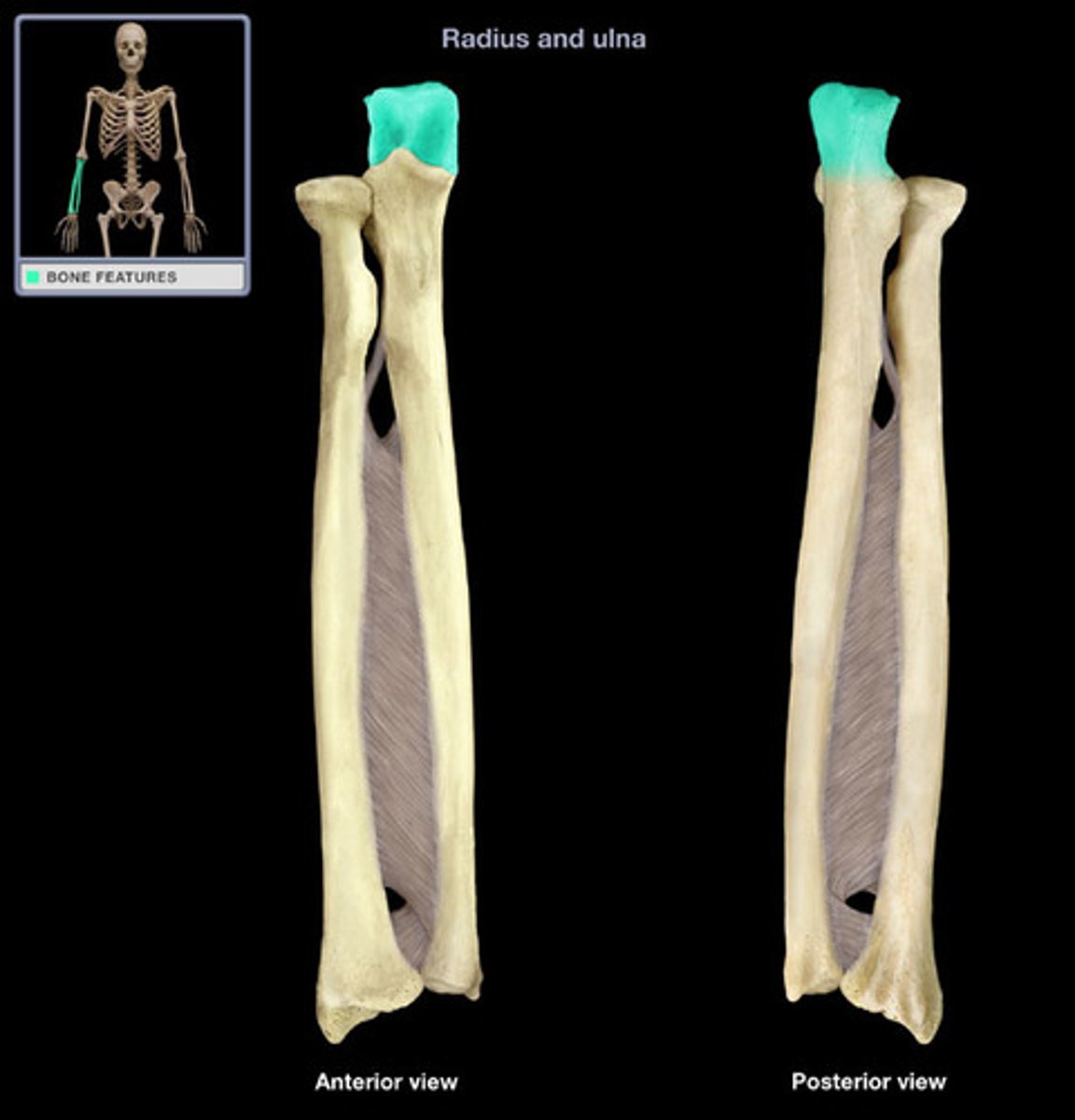
Bones: Olecranon
Elbow bone
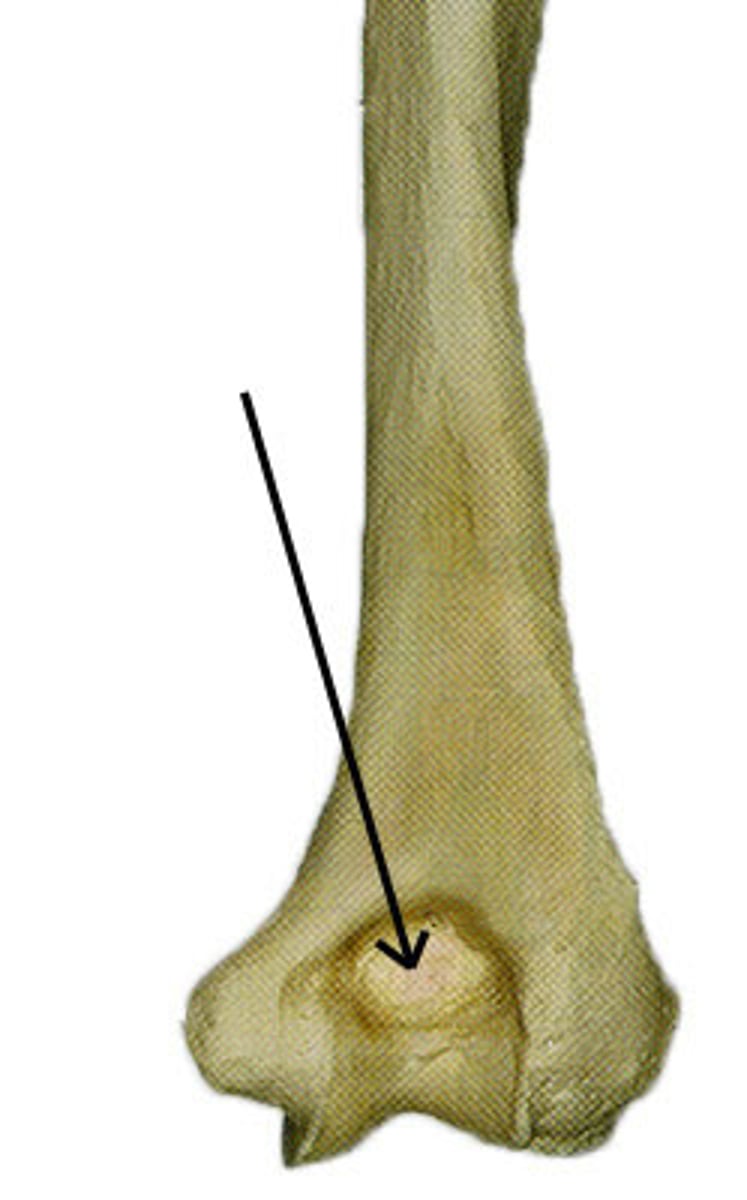
Bones: Olecranon fossa
Almost hollow area on the humerus for the olecranon to articulate into
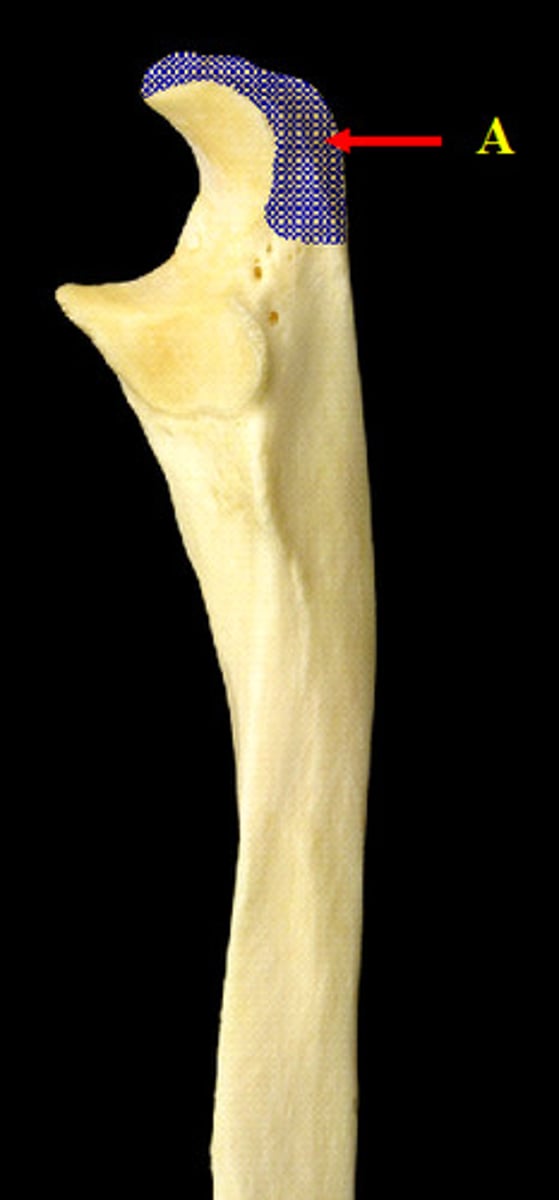
Bones: olecranon process
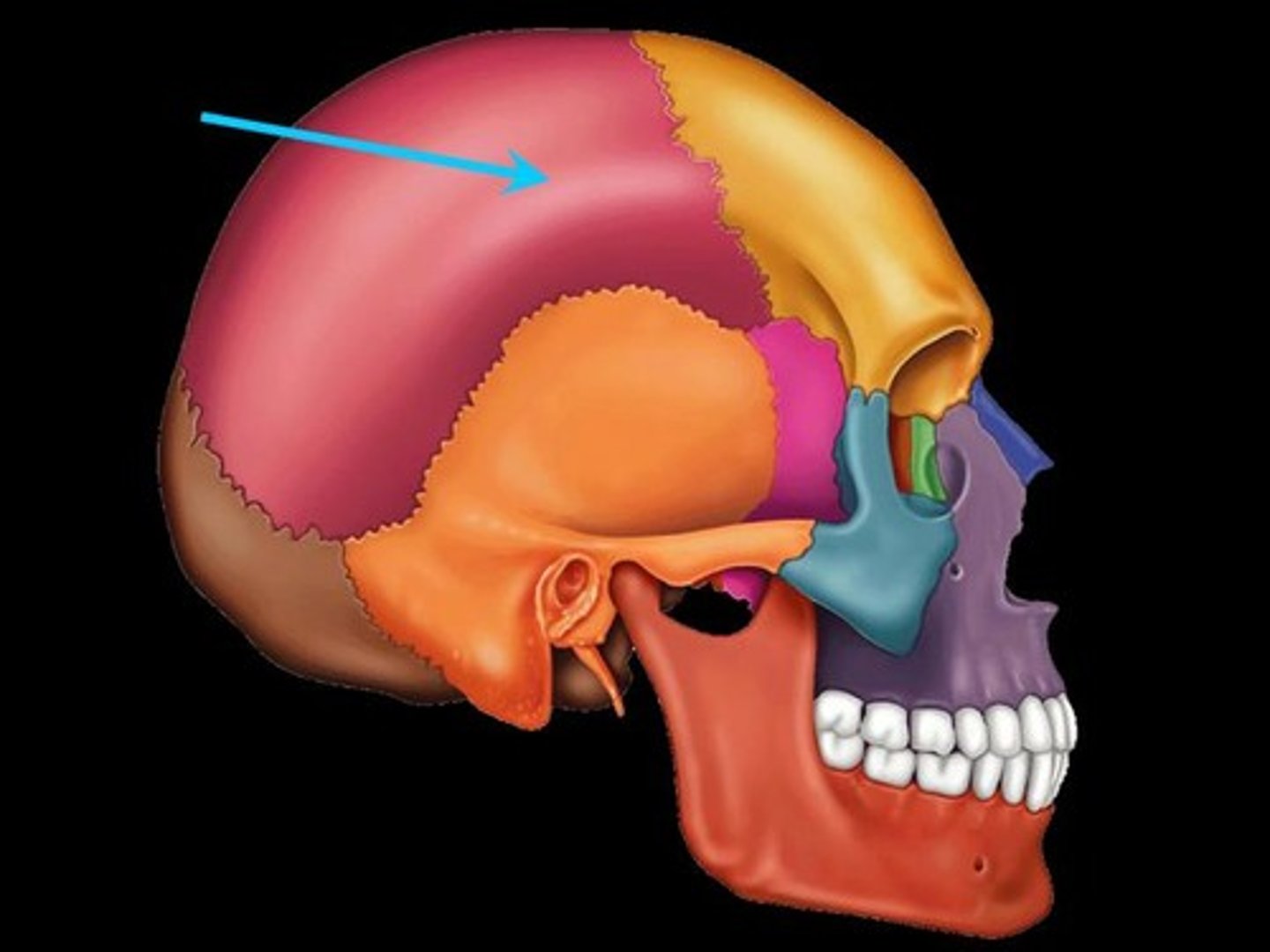
Bones: Parietal bone
Side of the head
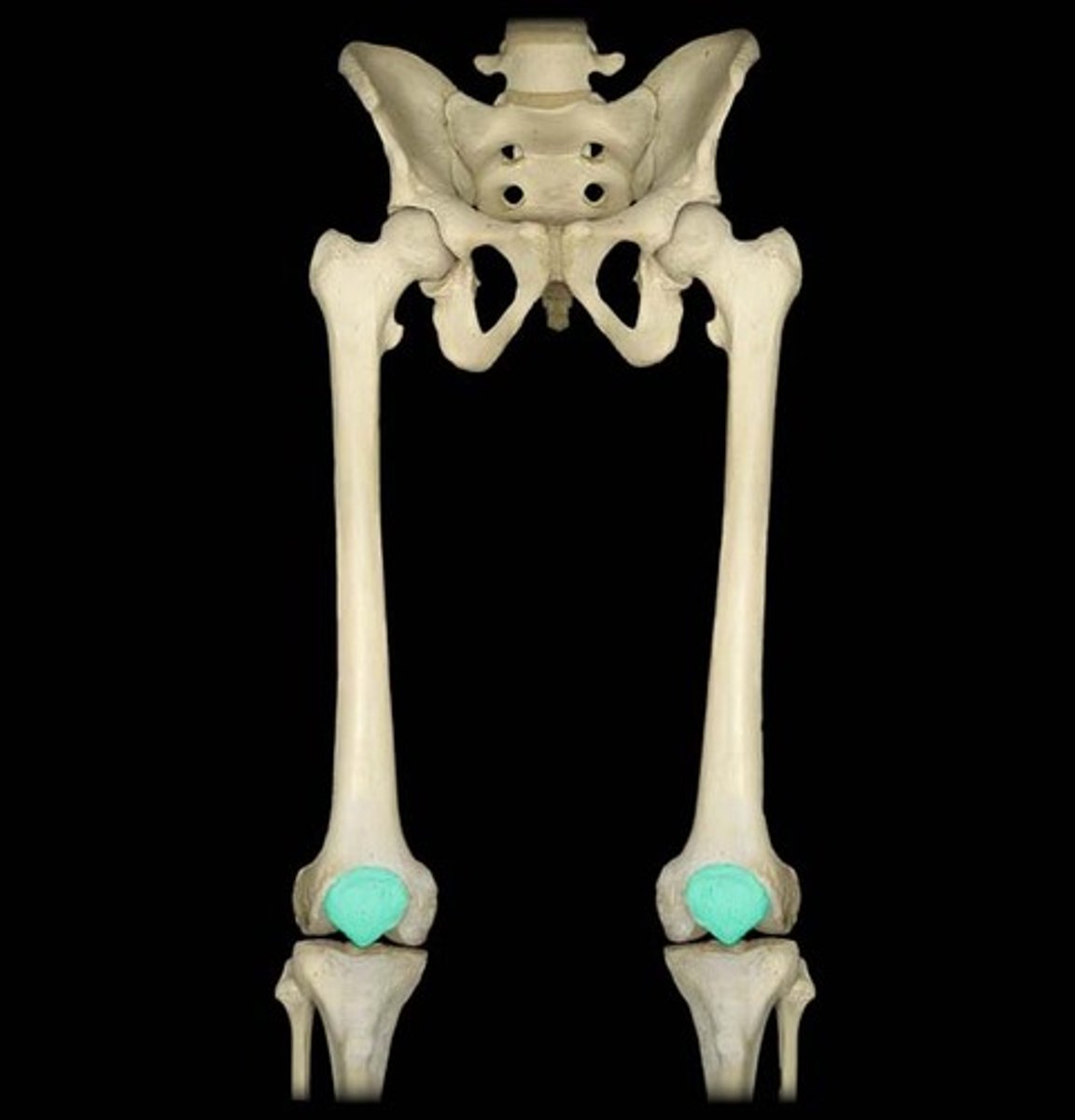
Bones: Patella
Knee bone
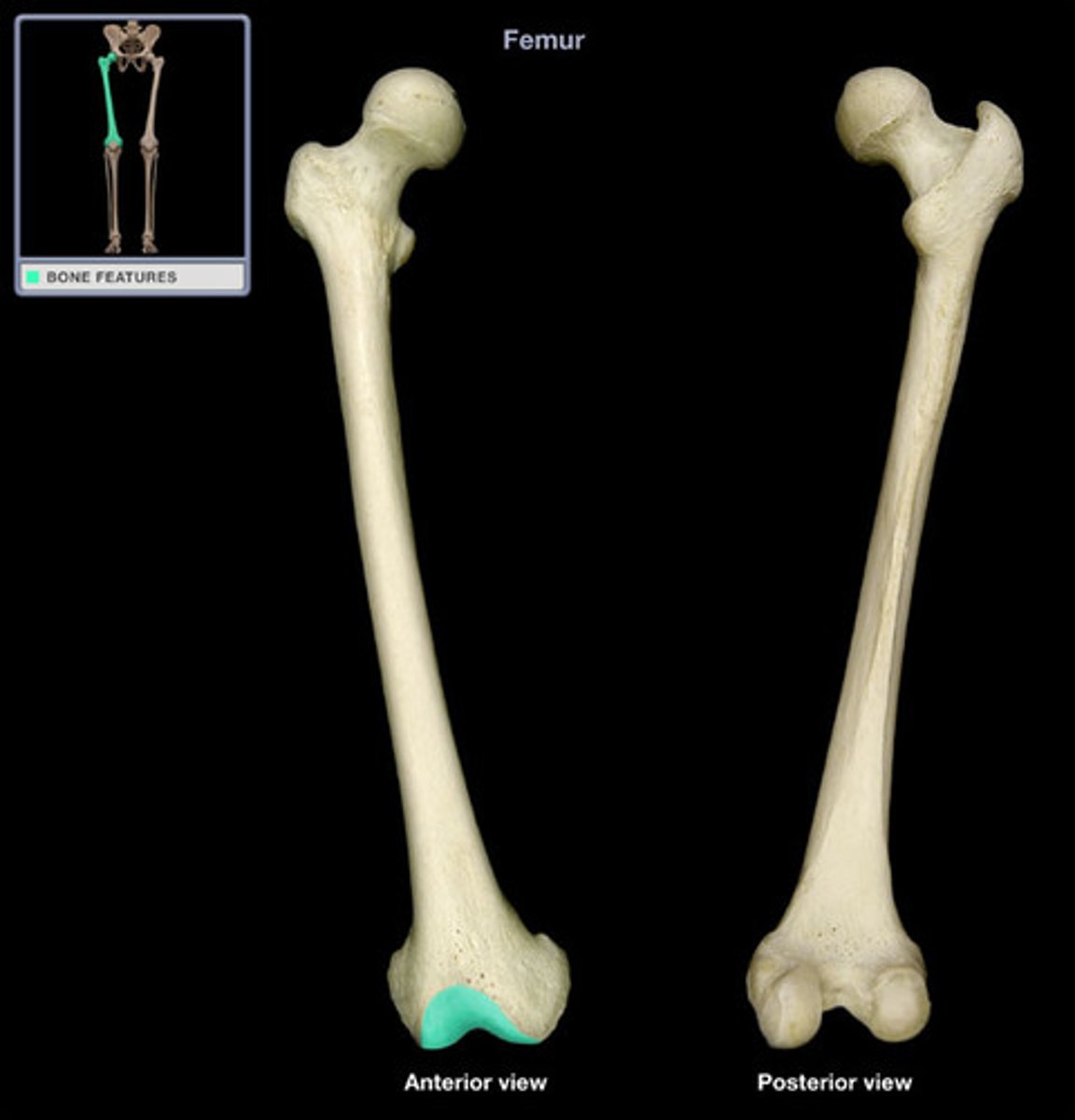
Bones: Patellar groove
Space on the distal end of the femur for the patella to insert into
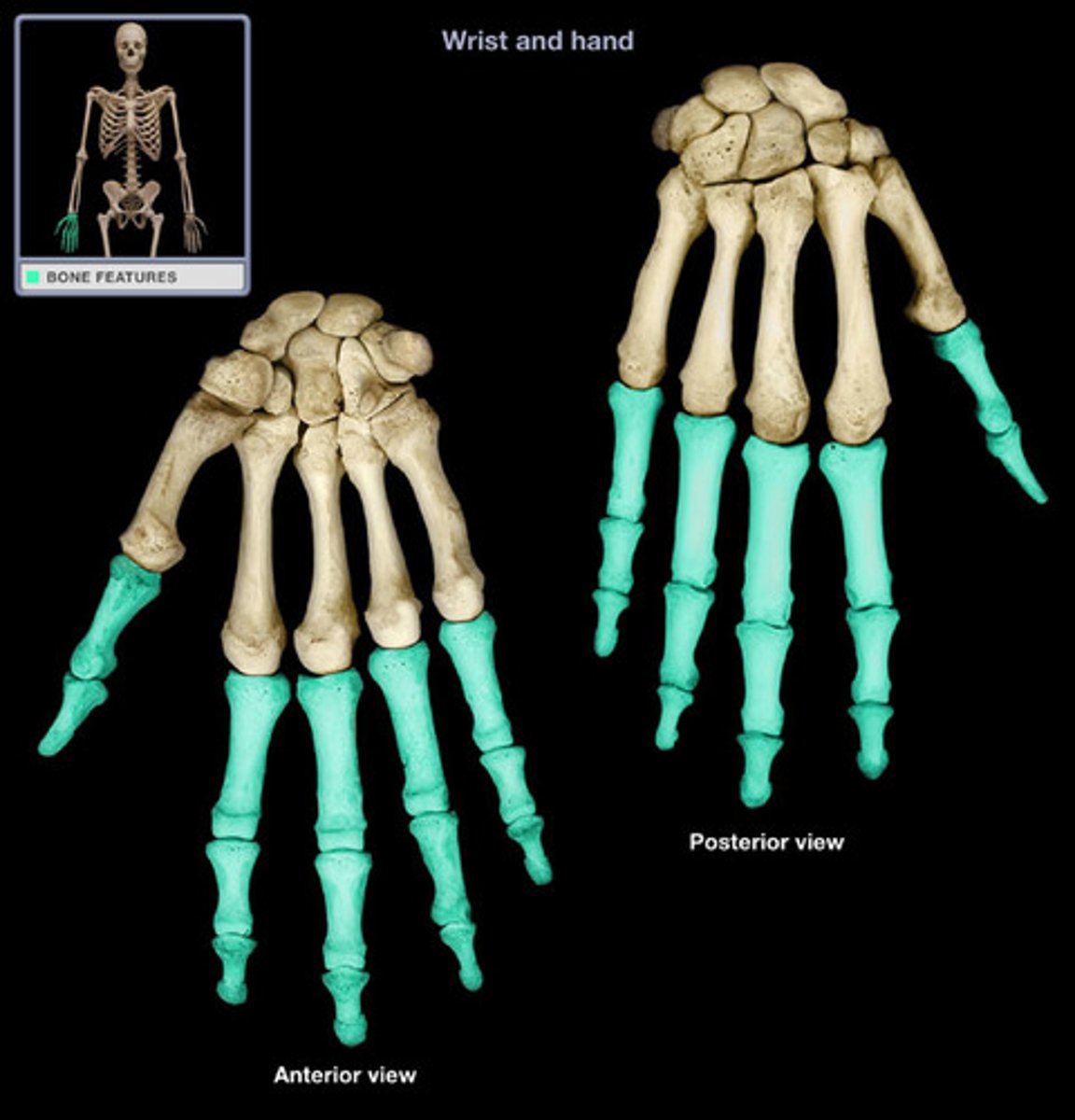
Bones: Phalanges
Can mean fingers or toes
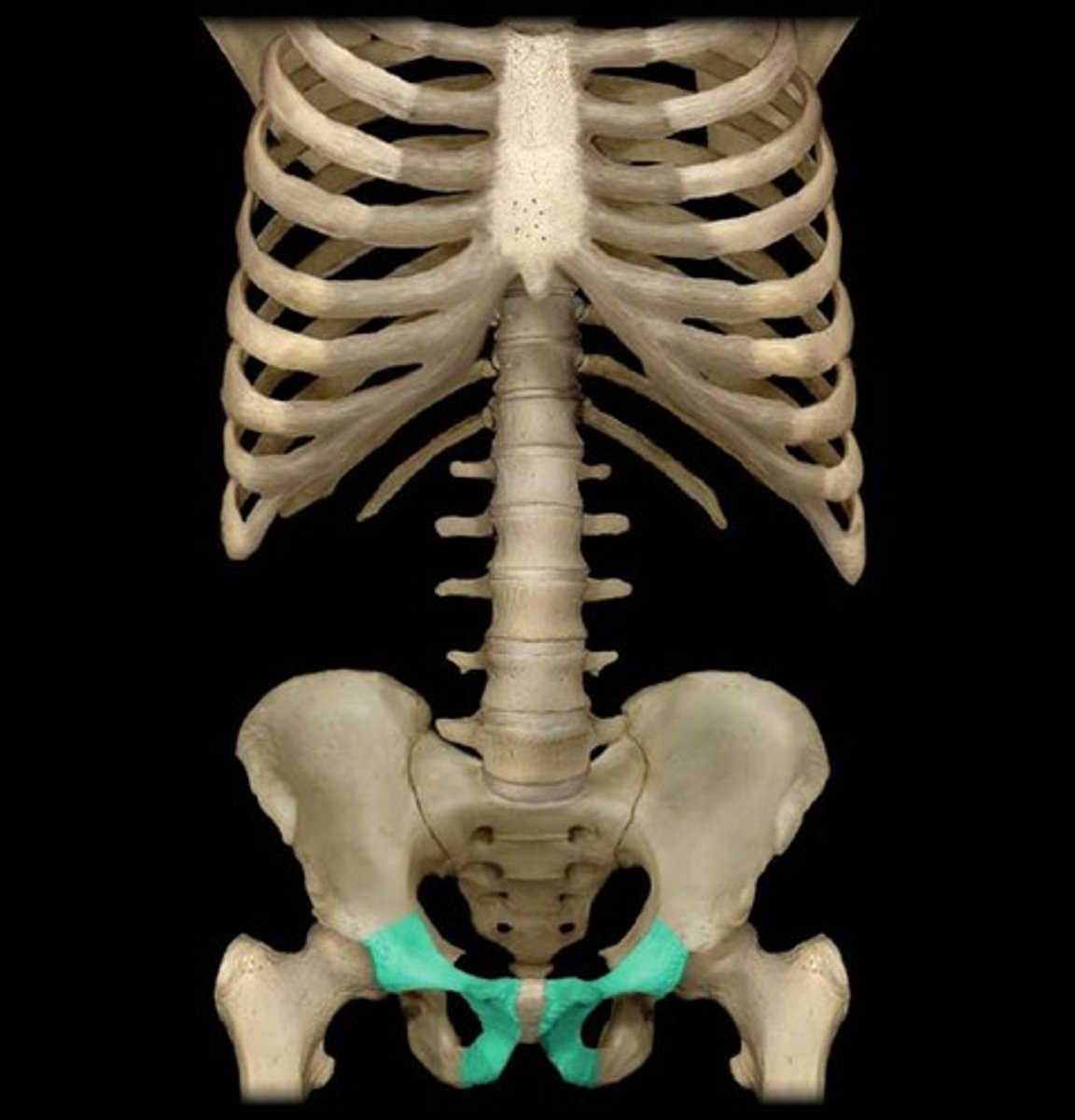
Bones: Pubis
Specific part of the ilium
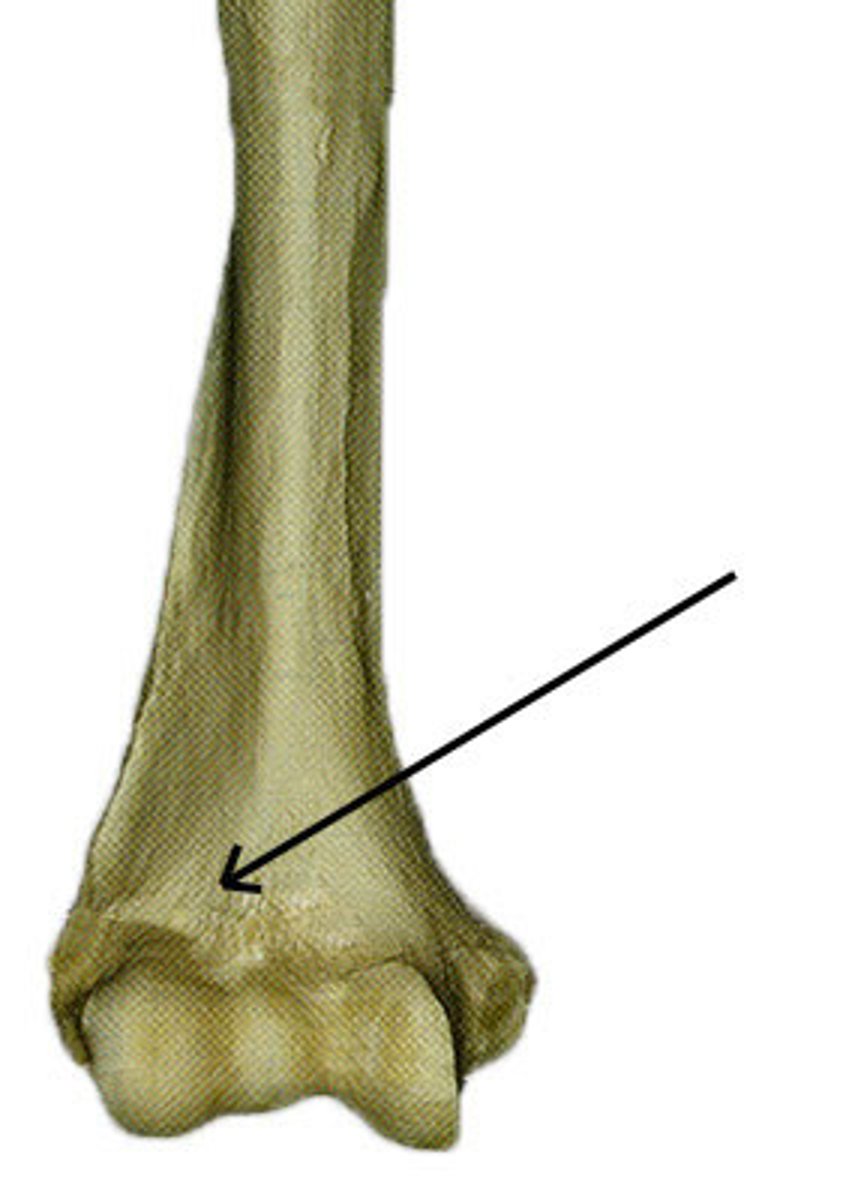
Bones: Radial fossa
Almost hollow area for the radius to insert, beside the trochlea
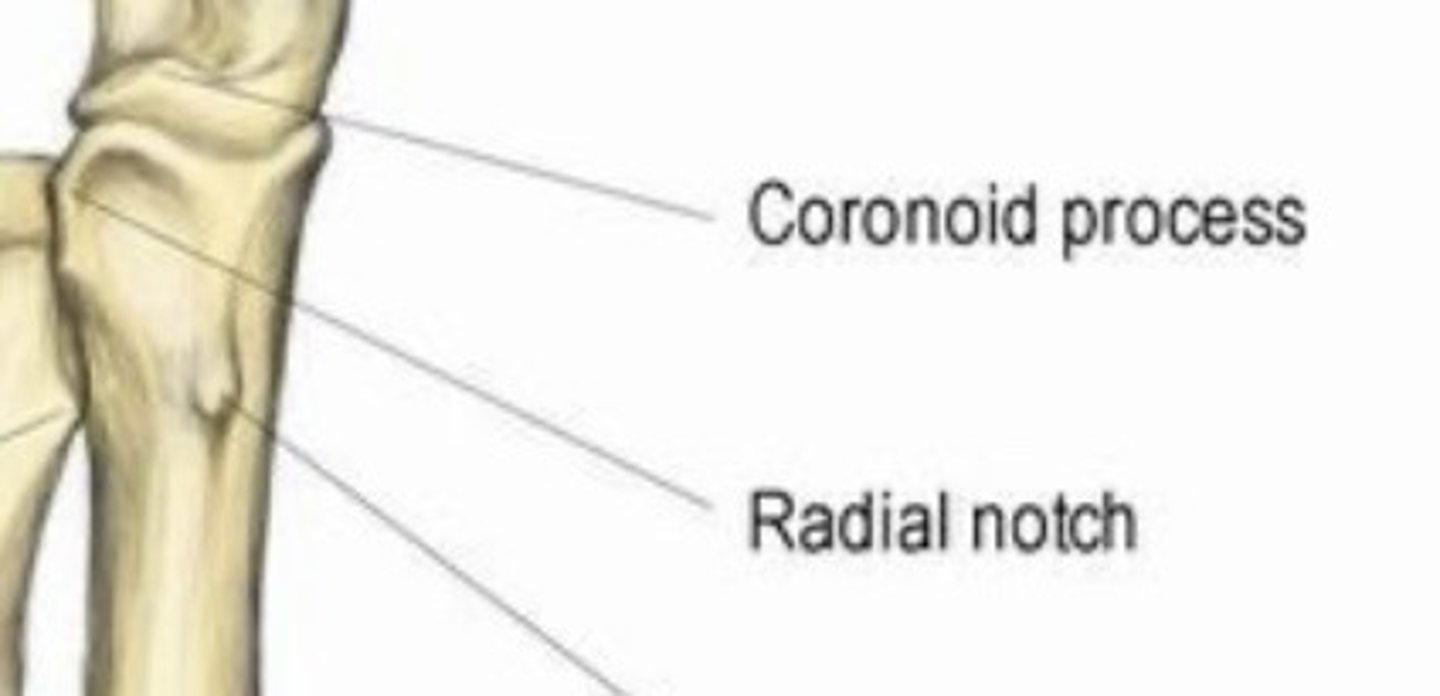
Bones: Radial notch of ulna
Area on the ulna for the radius to insert, near elbow articulation
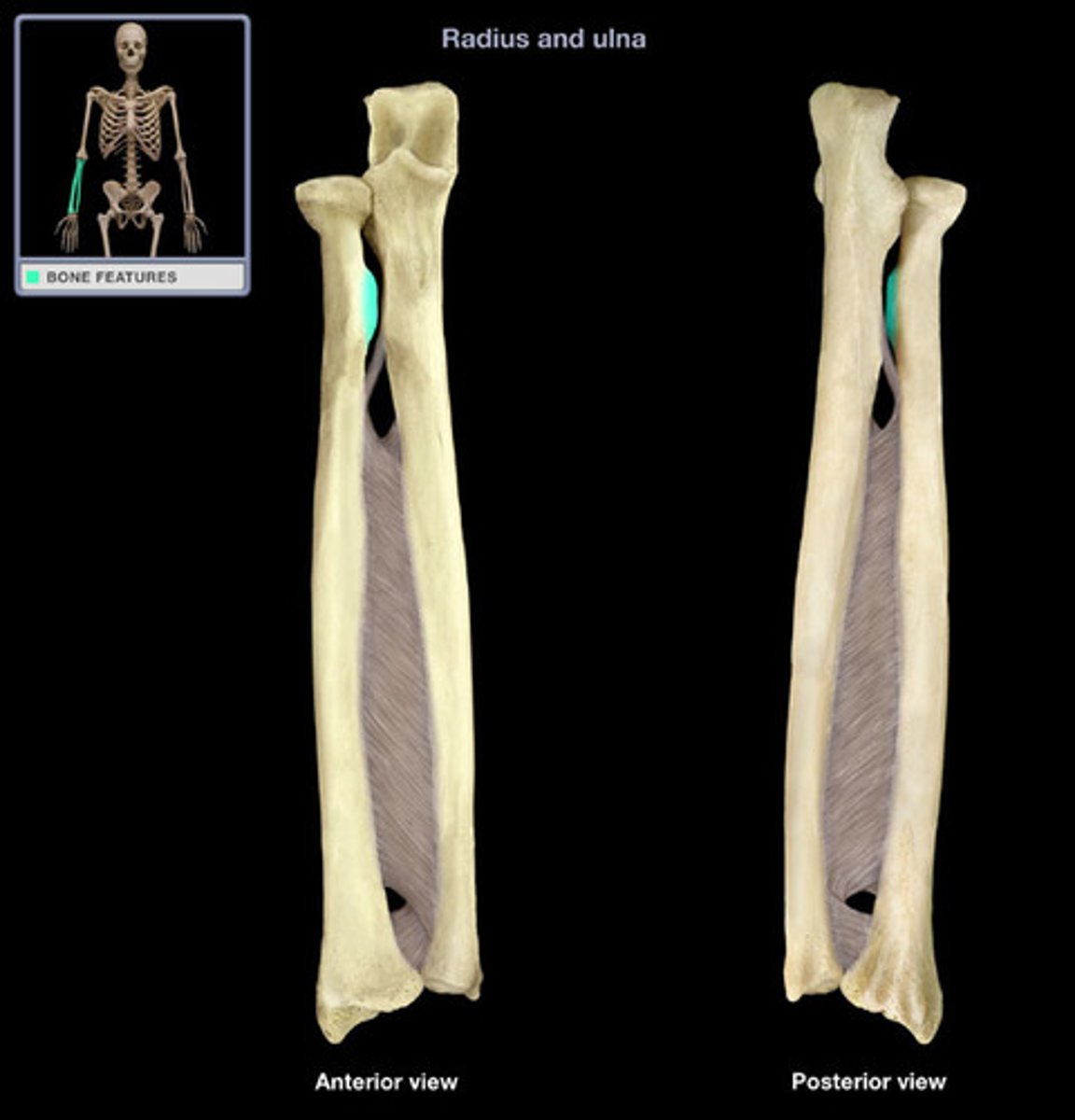
Bones: Radial tuberosity
Projection of the radius towards the ulna
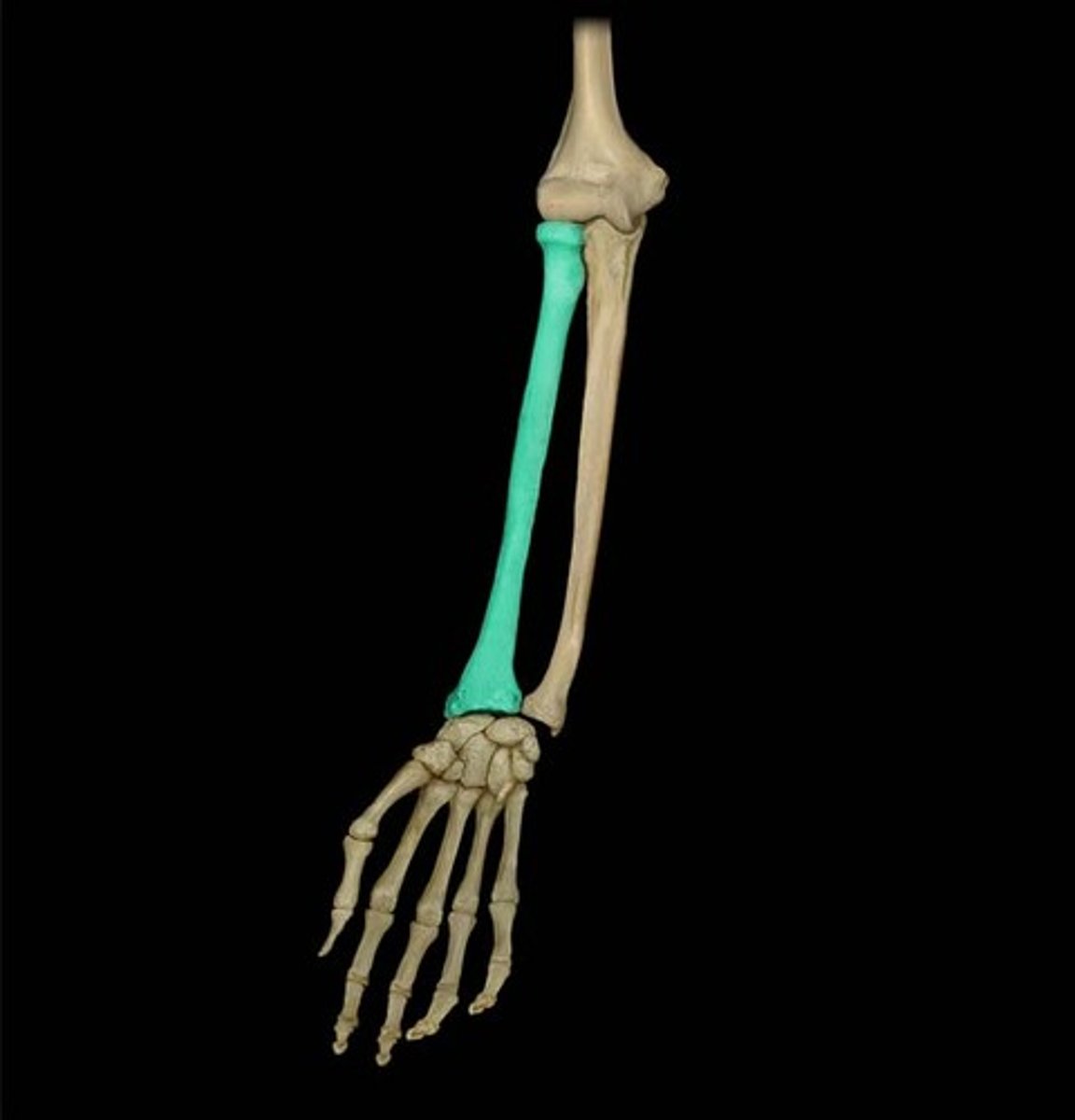
Bones: Radius
Distal part of forearm
Bones: Sacral and coccygeal region
Very bottom of vertebrae

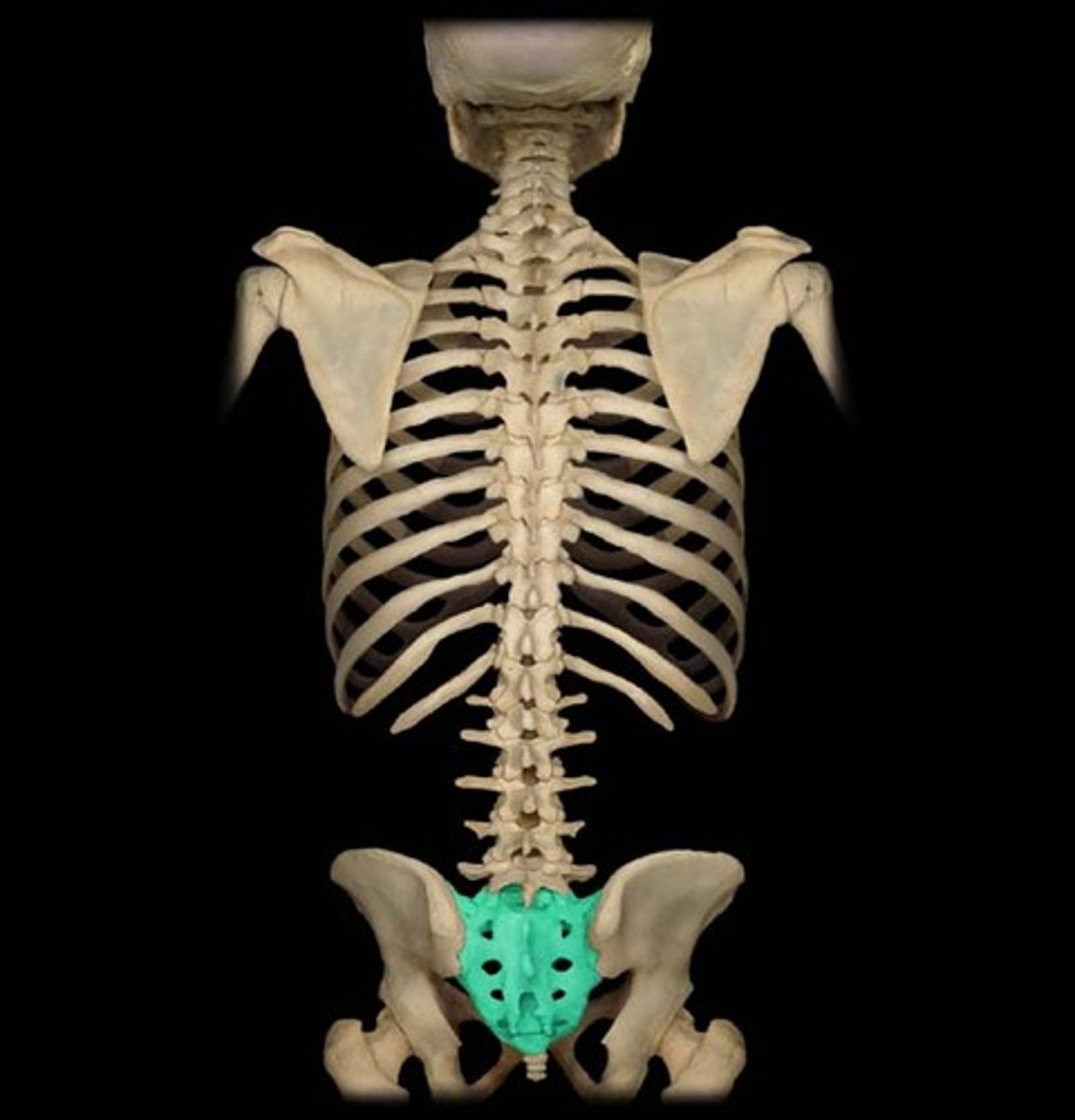
Bones: Sacrum
Fused together vertebrae
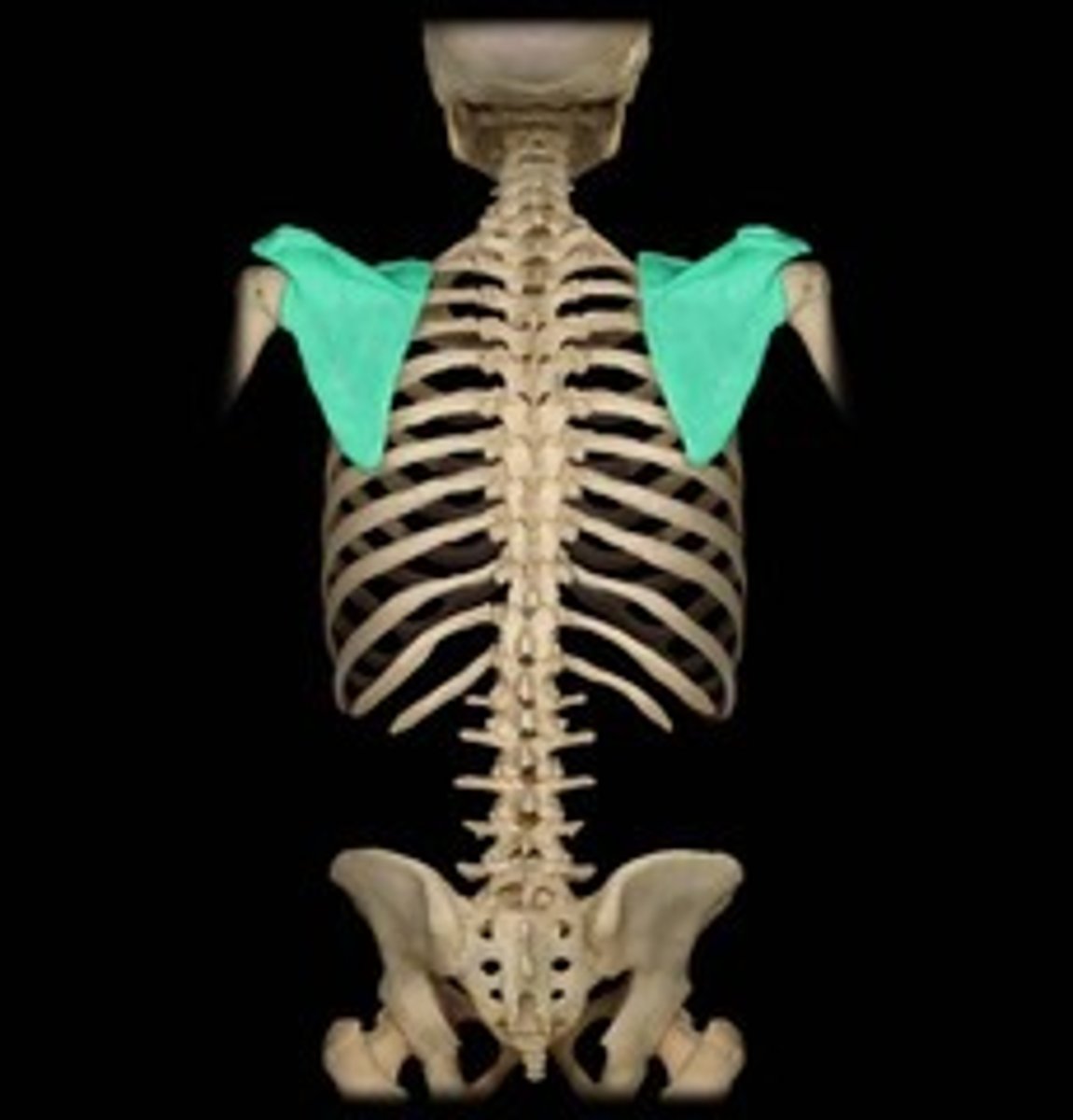
Bones: Scapula
General shoulder bone
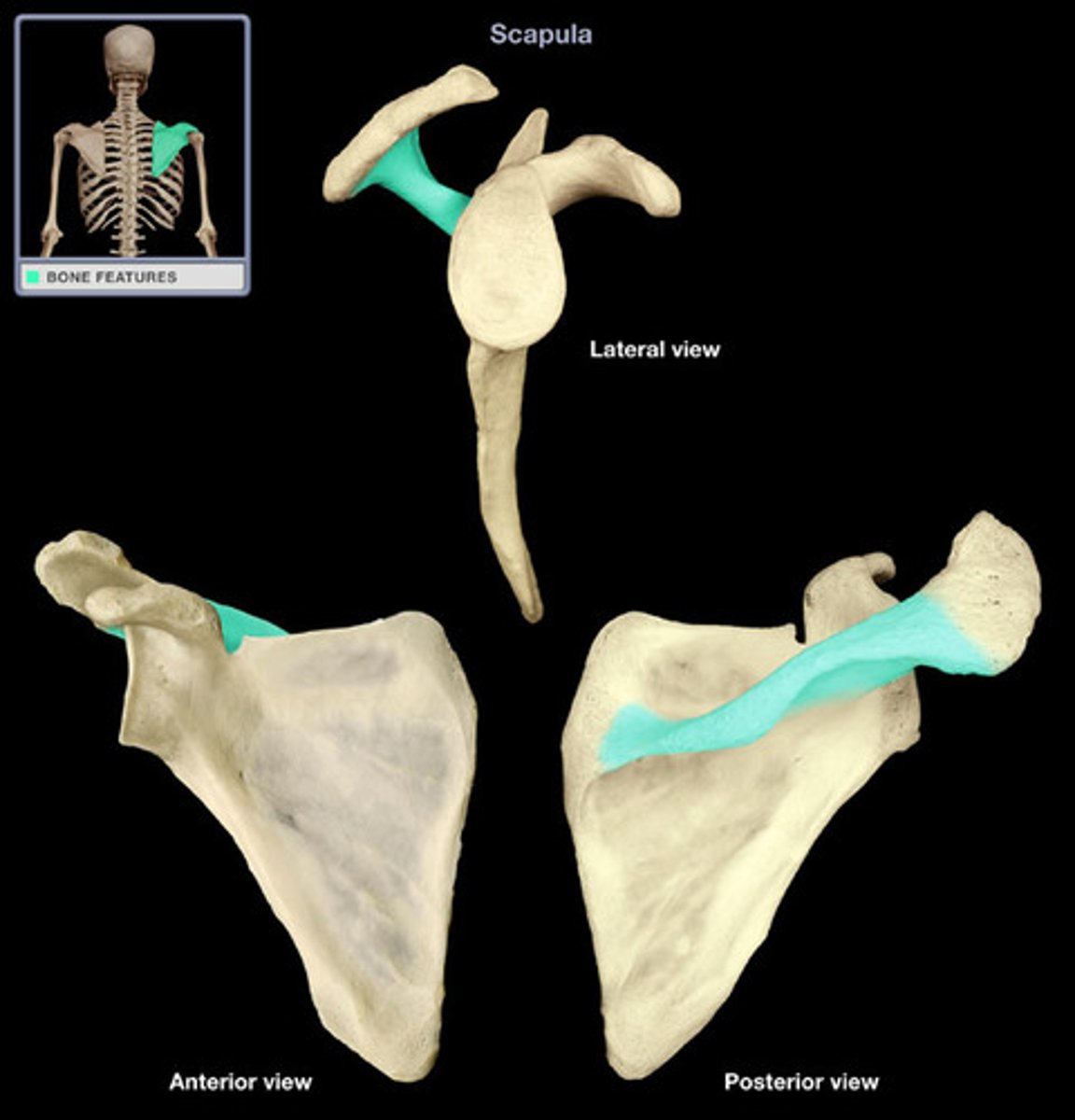
Bones: Scapular spine
Spine of the scapula
Bones: Seven true ribs
Ribs that fully connect to the sternum
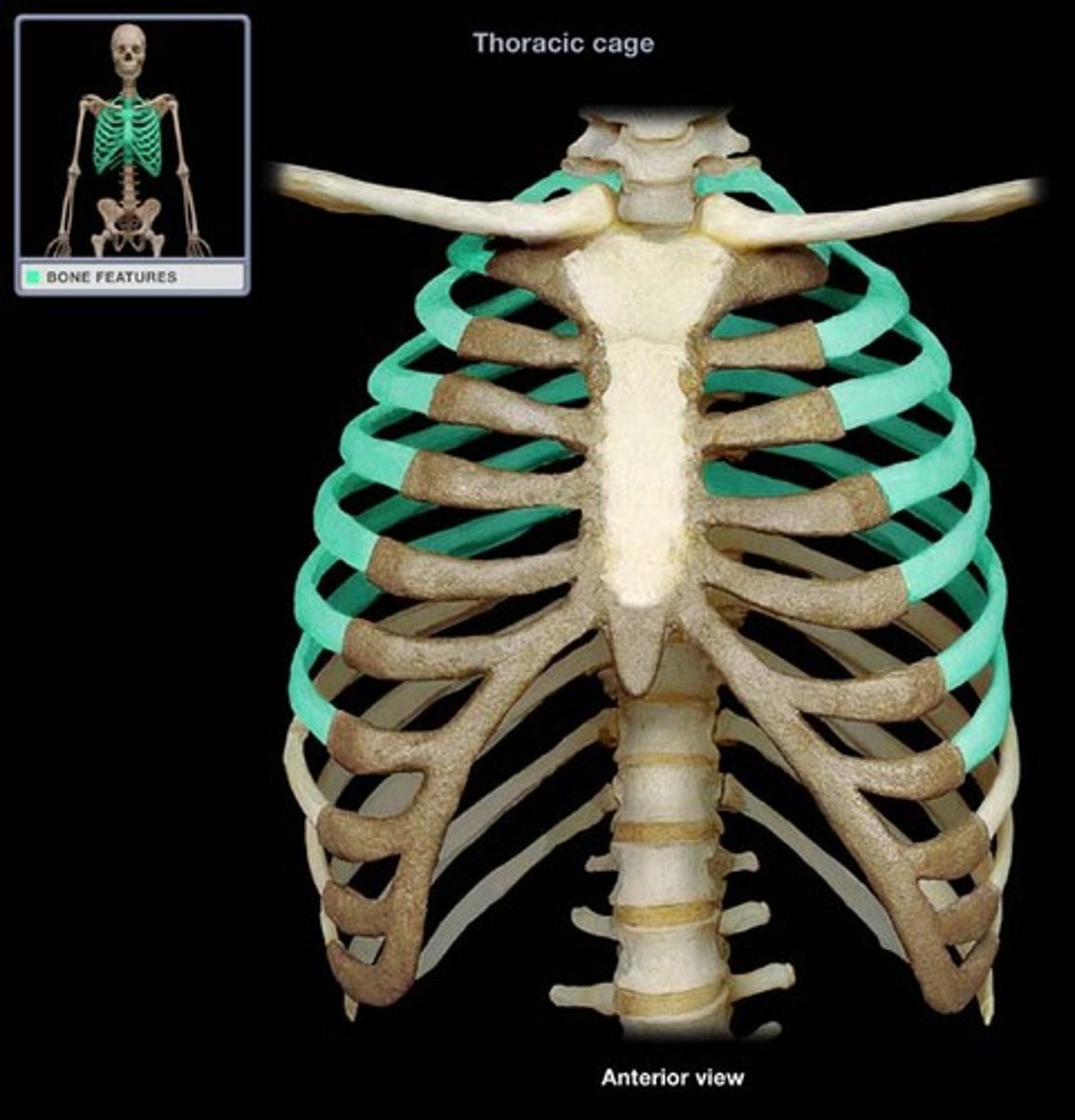
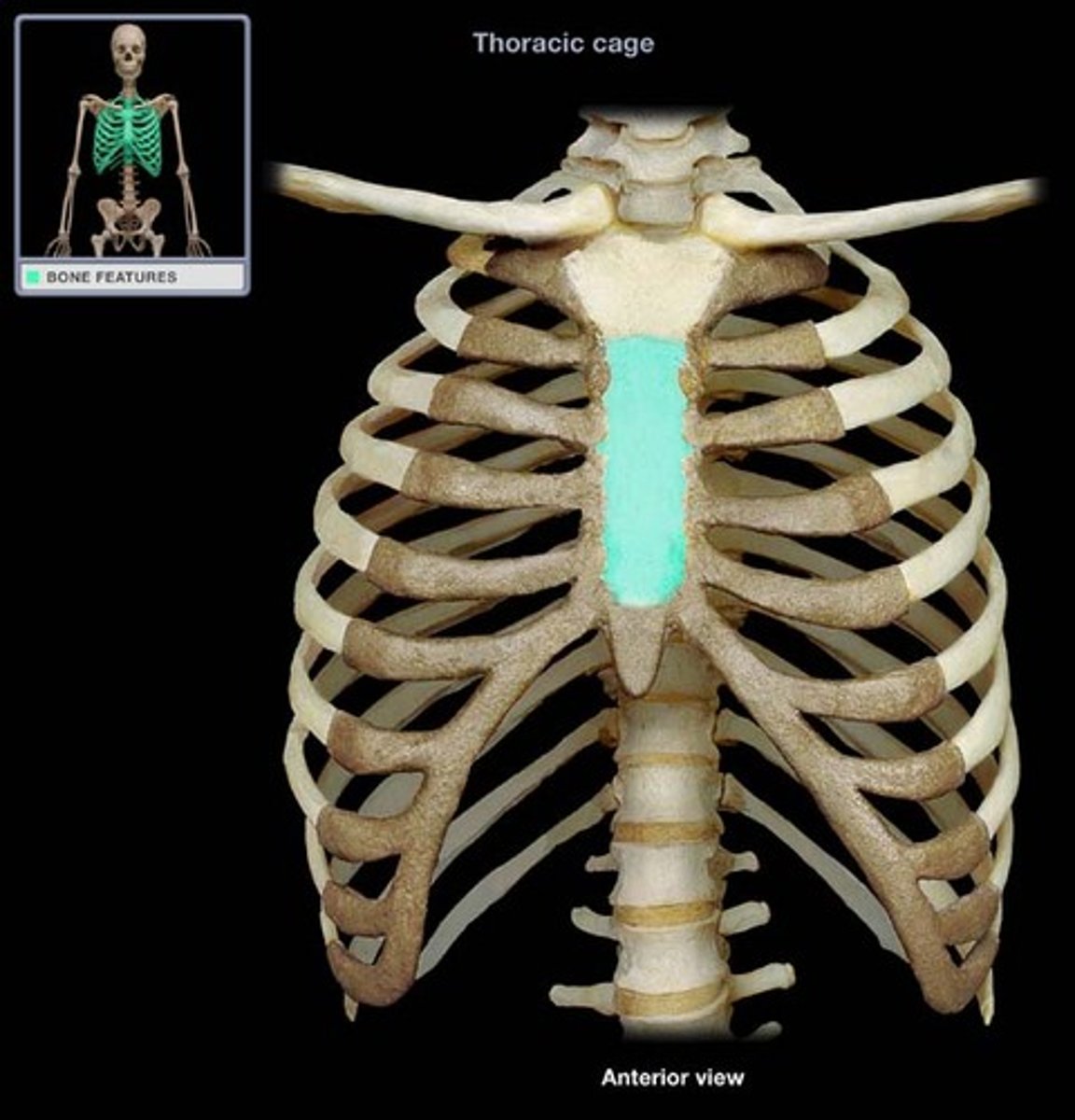
Bones: Sternum Shaft
Main part of the sternum
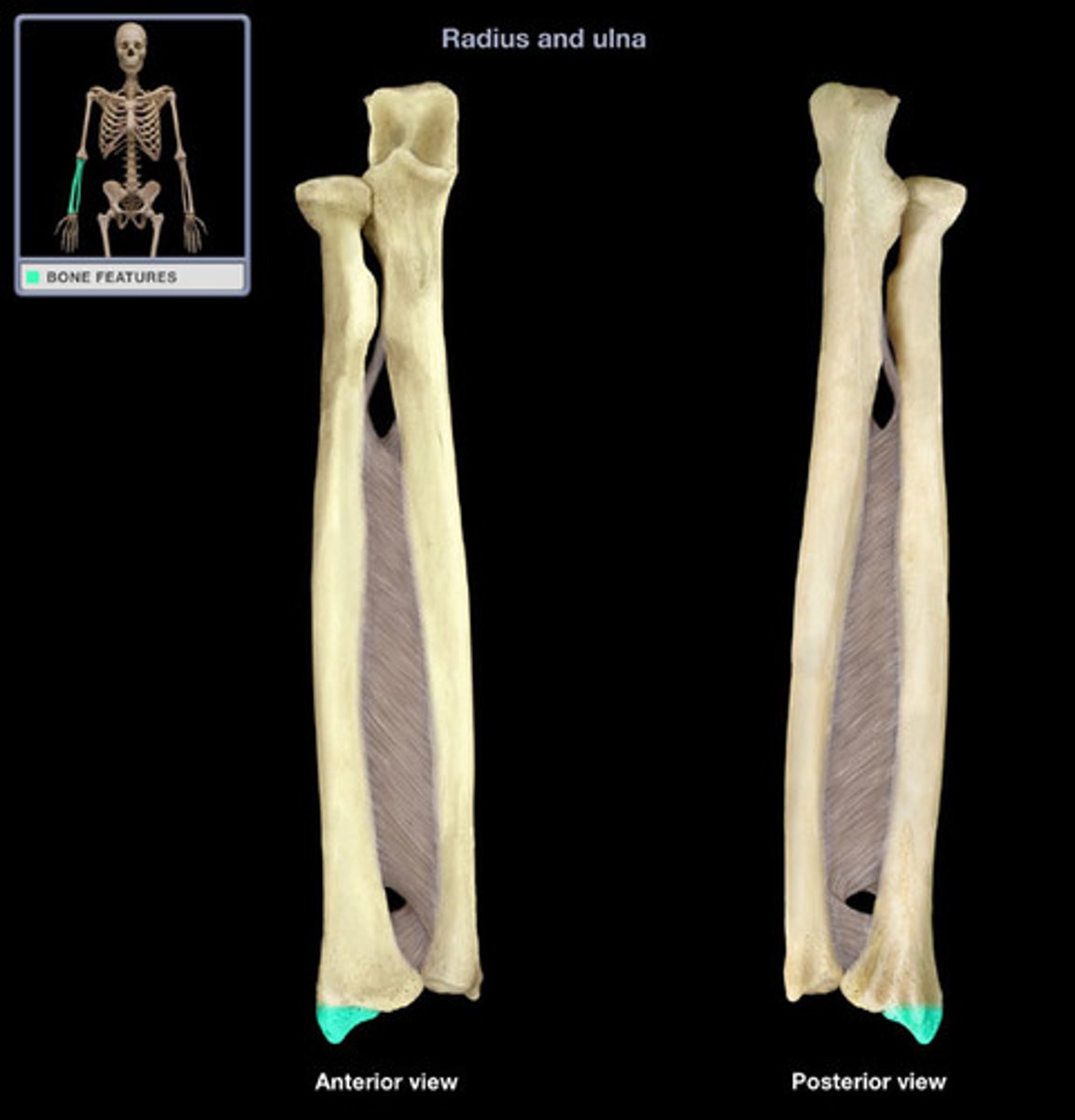
Bones: Styloid process of the radius
Near the wrist
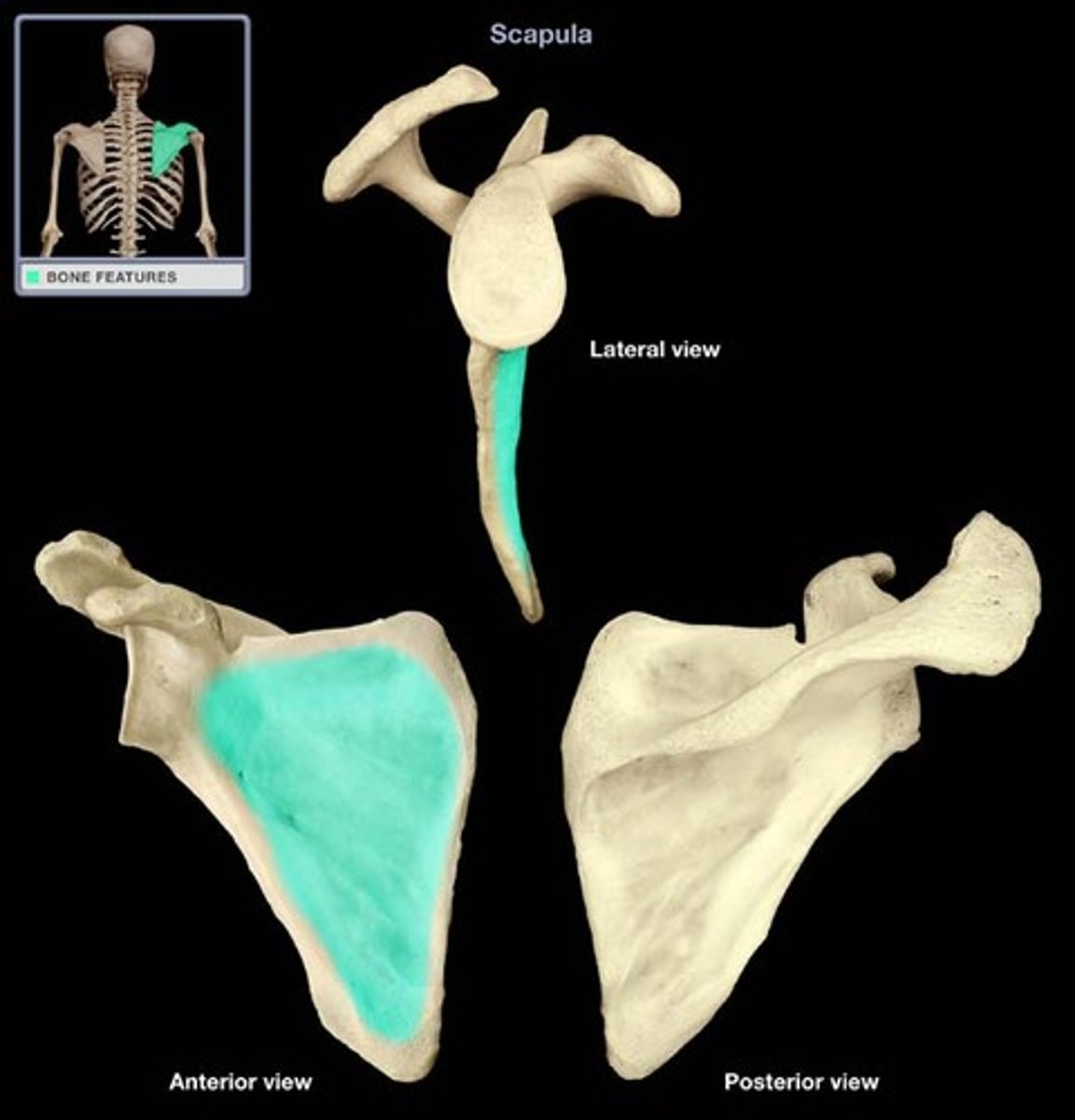
Bones: Subscapular fossa
Anterior side of the scapula
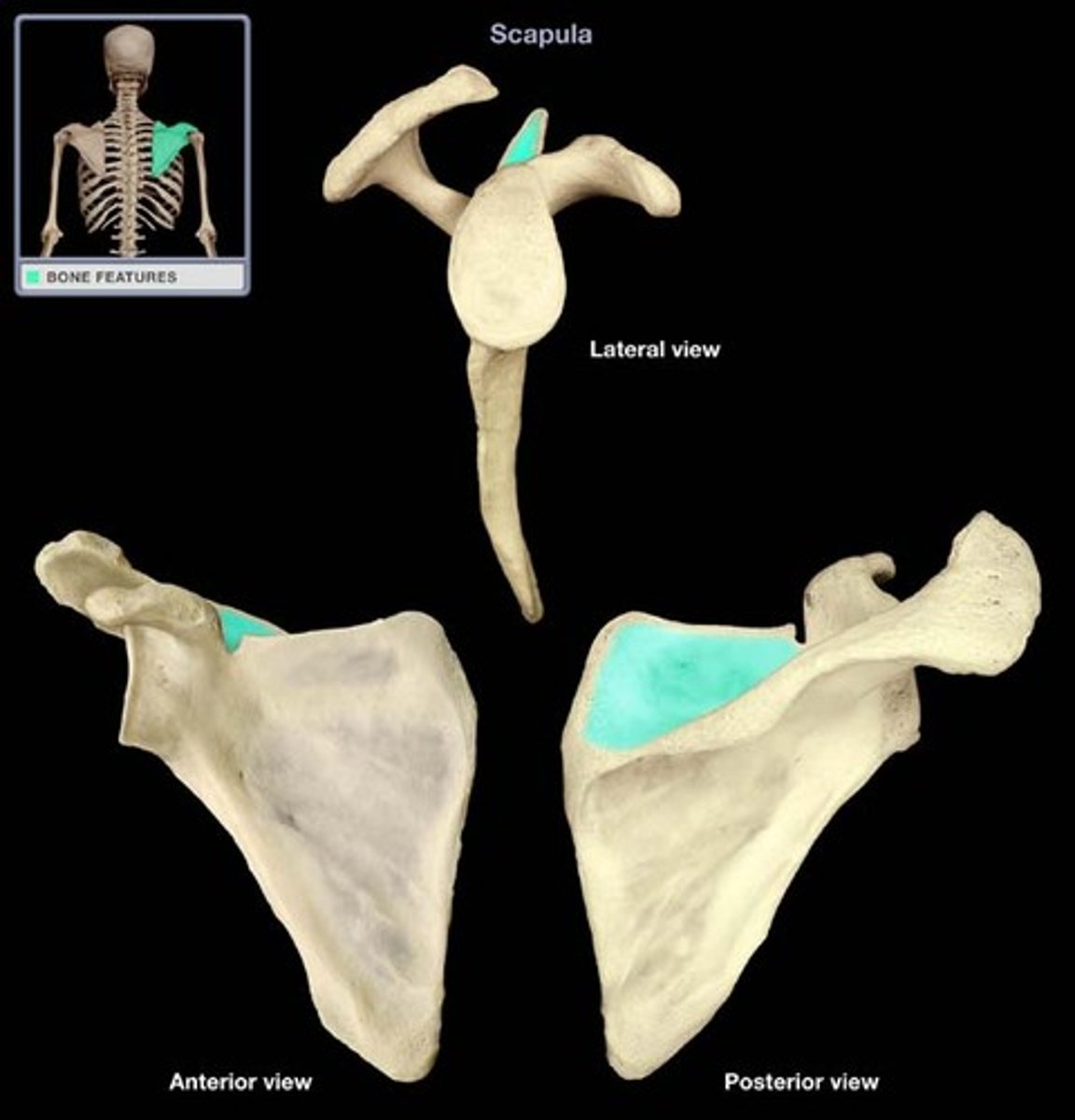
Bones: Supraspinous fossa
Posterior side of the scapula
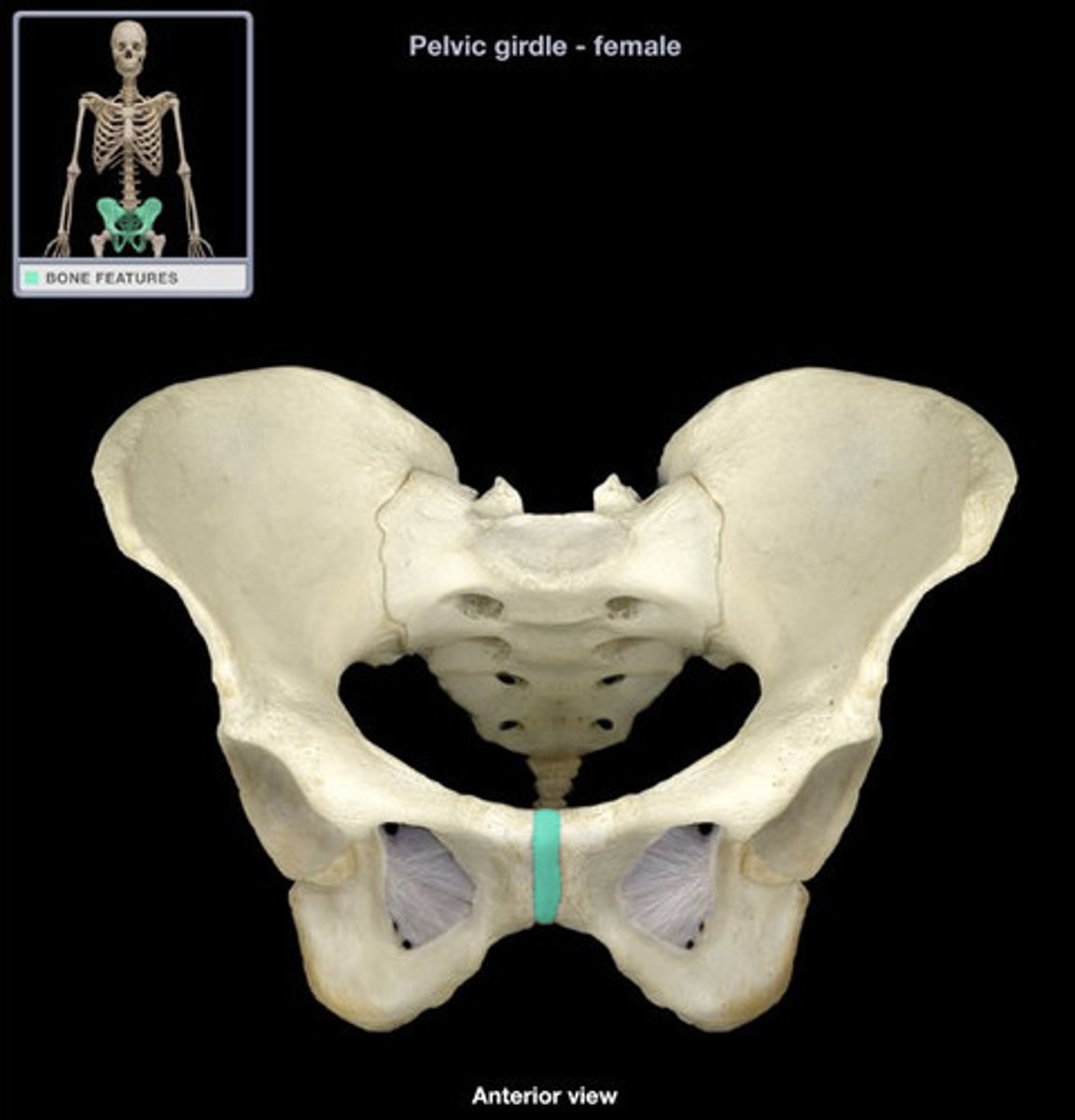
Bones: Symphysis pubis
Very bottom of ilium
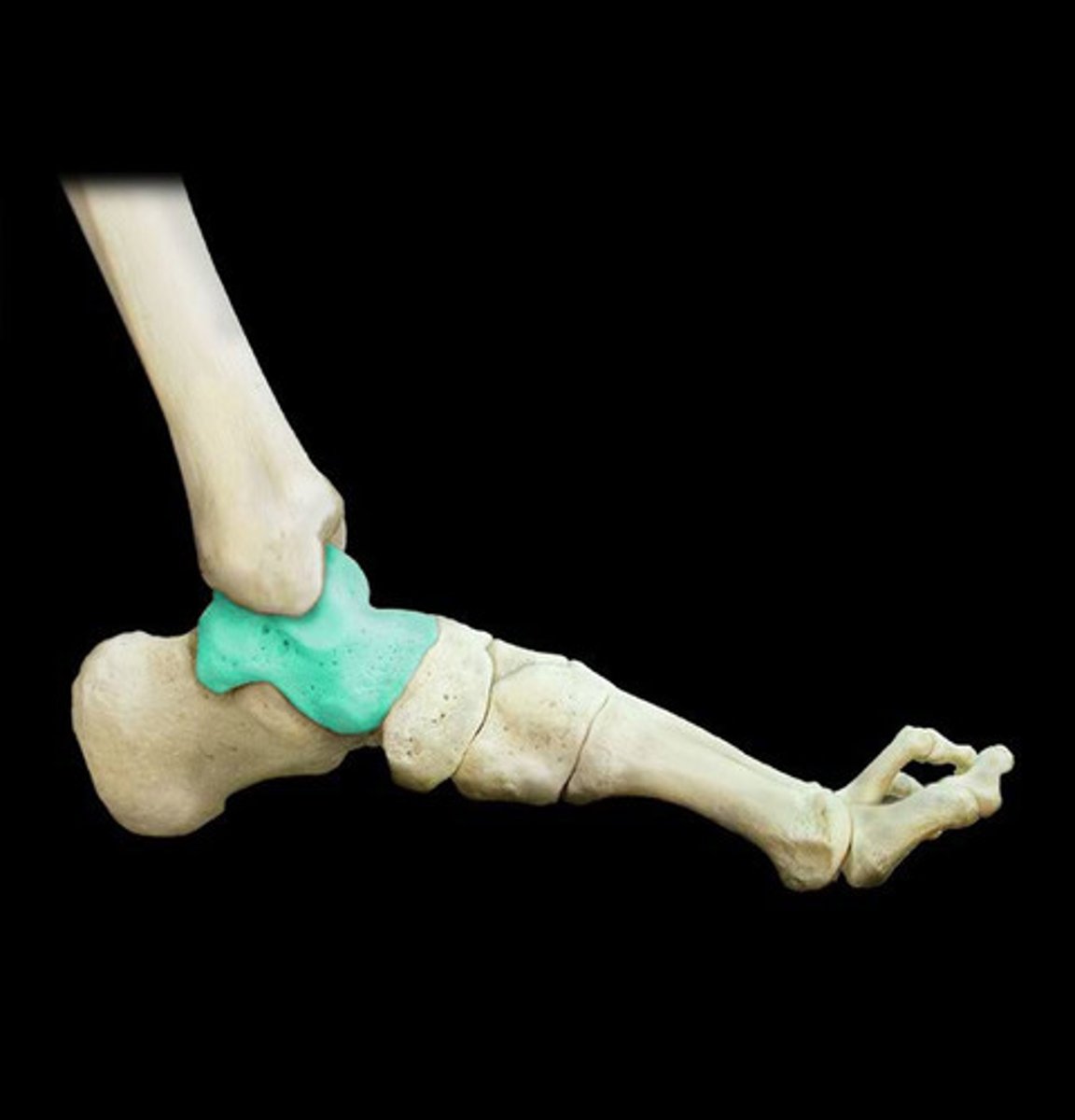
Bones: Talus
Base of ankle
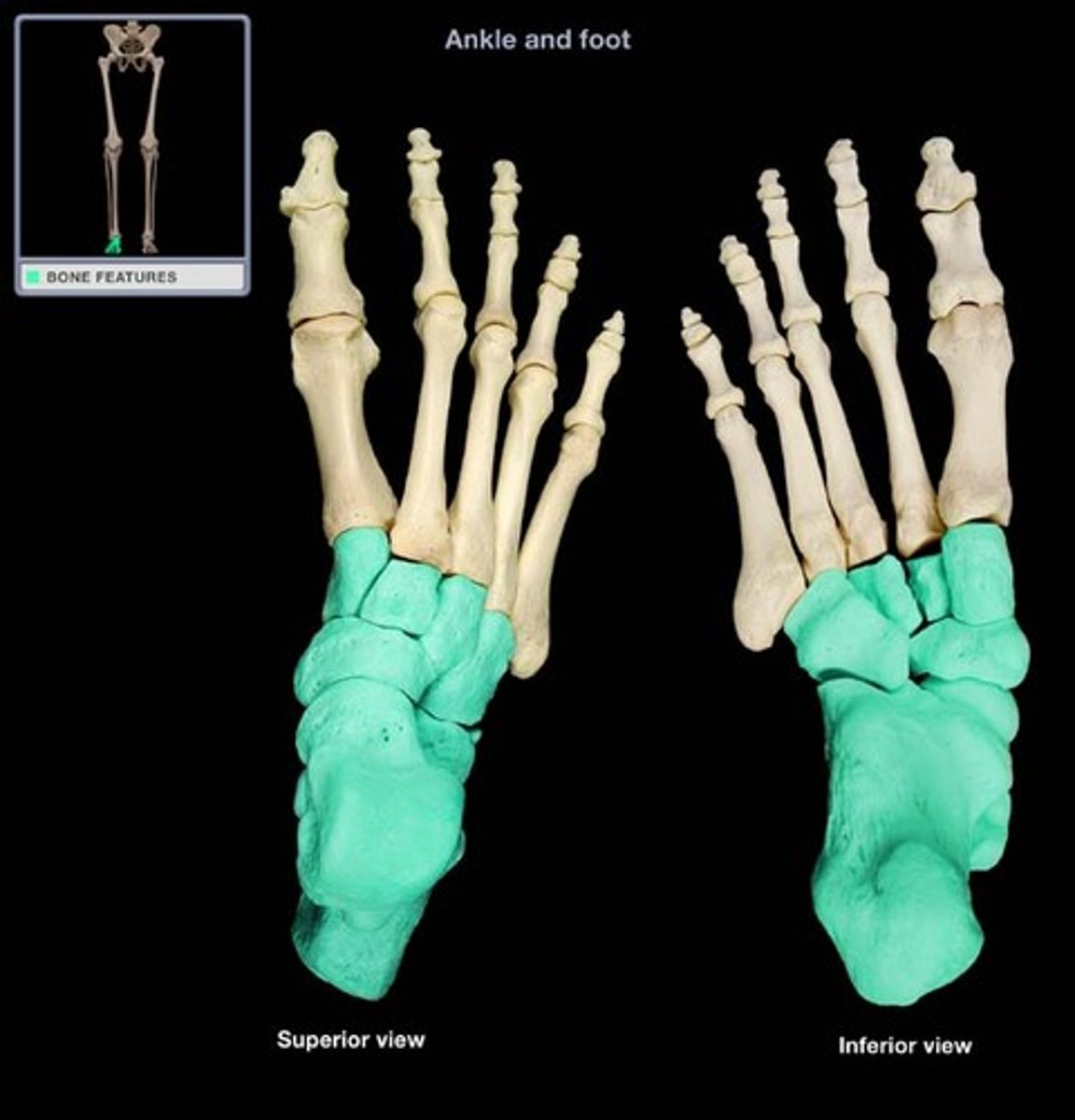
Bones: Tarsals
Similar to the metacarpals of the hand
 Note
Note  Flashcards (30)